Posted in Middle Grade, Non-Fiction, Non-fiction, Teen, Tween Reads

Don’t read on an empty stomach: NatGeo Kids Food Fight

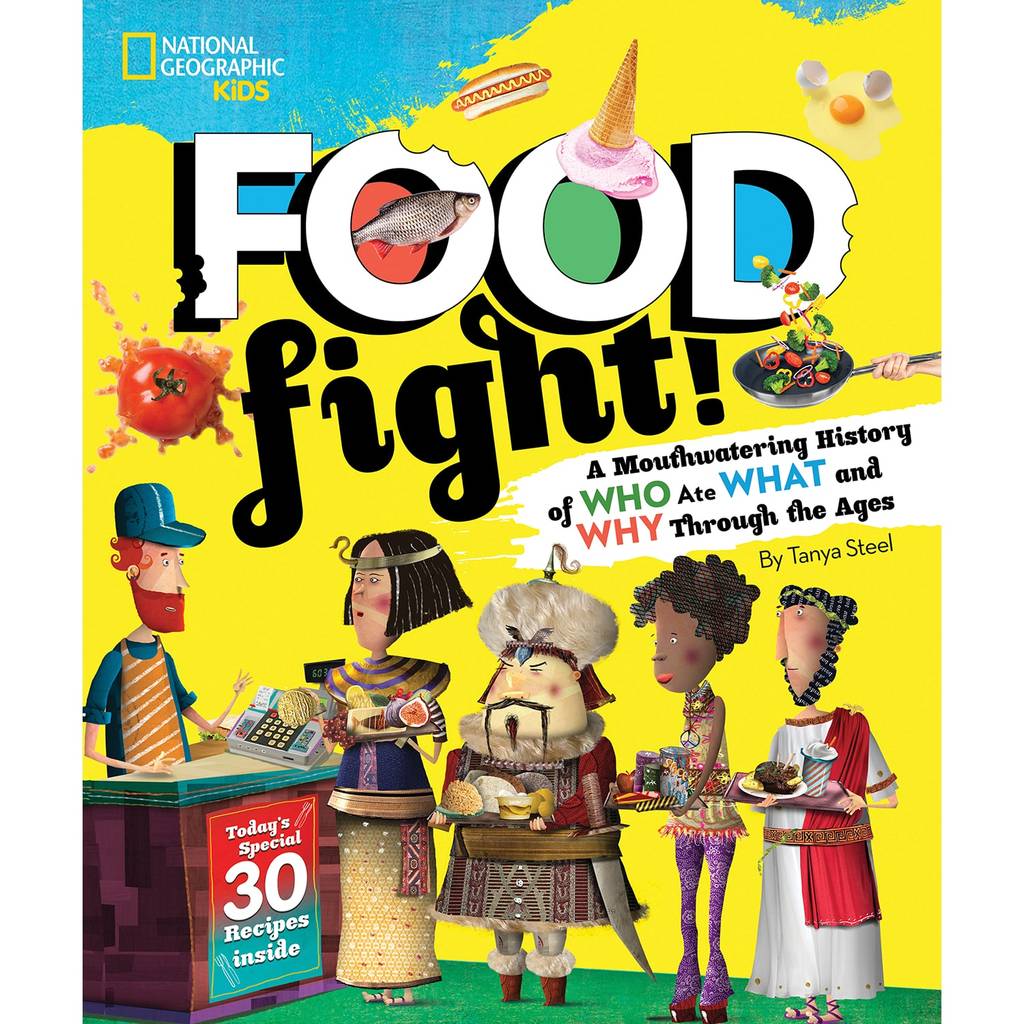
Food Fight! A Mouthwatering History of WHO Ate WHAT and WHY Through the Ages, by Tanya Steel, (Sept. 2018, National Geographic Kids), $19.99, ISBN: 9781426331626

Ages 10-14

Did you know that the Visigoths demanded 3,000 pounds of pepper as a gift when they conquered the Western Roman Empire in the 5th Century AD? Or that some medieval bakers whitened their flour with ground bones or chalk? Those are just a few of the wild food facts readers will pick up when they pick up Food Fight! by former Bon Appétit and Food & Wine editor Tanya Steel. Food Fight! is a history of food, combined with some fantastic (and frightful) facts, and recipes. The book covers food fads and eating habits from 14 different moments in history, from the prehistoric era through the 1960s, and there’s a special chapter imagining a future life (and food) on Mars! There are fun Popcorn Quizzes (you can’t have a plain pop quiz in a book about food) throughout, and amazing and hilarious photos, plus quotes from kid chefs who’ve made and enjoyed the 30 recipes you’ll find here. The book kicks off with safety tips, and a food timeline, recipe index, bibliography, and further reading and resources rounds everything out.

Kids in my library are big nonfiction fans, and Food Fight! offers history, fun, and kid-friendly recipes all in one volume. It’s a fun add to collections, and a good gift for budding chefs and food historians. (Psst… introduce older tweens and teens to Alton Brown’s excellent Food Network show, Good Eats, for more food history and cooking tips.) It’s a big plus that author Tanya Steel is a major name in the food journalism, so she knows how to write about food and food history, and she makes it accessible to younger readers. Plus, she originated the White House’s Healthy Lunchtime Challenge & Kids’ State Dinner, hosted by First Lady Michelle Obama, which brought recipes created by young chefs from each state to the White House. Kids are invited to make and upload photos of their Food Fight dishes – check out the Instagram tag #natgeofoodfight, and check out the Food Fight webpage for more info.

Posted in Uncategorized

Rick Riordan Presents: The Storm Runner, and the Mayan Pantheon!

The Storm Runner, by JC Cervantes, (Sept. 2018, Disney-Hyperion), $16.99, ISBN: 9781368016346

Ages 8-13

The next Rick Riordan Presents book is out! The next Rick Riordan Presents book is out!! I’m as excited as my library kids are, because The Storm Runner has got the GOODS.

Middle schooler Zane Obispo is an ordinary kid. Kinda. I mean, he’s being raised by his single mom, hangs out with his pro wrestling-loving uncle, and loves exploring with his 3-legged dog, Rosie. But he also has his own volcano – there’s a dormant volcano right near his New Mexico home – and he tries to avoid the jerks at school who make fun of him, because one leg is shorter than the other. When a new girl named Brooks shows up at school and tells him he’s destined to release an evil god from the underworld, he thinks she’s crazy: until it really happens. Brooks is a shapeshifter than can turn into a hawk, Rosie is lost to the underworld while trying to protect Zane from a Mayan god who smells like puke, and Zane? He’s the son of another Mayan god. And now, with Ah-Puch unleashed, there’s a war brewing between the gods, including Zane’s father. Zane’s the only one who can put things right, but all he wants to do is save Rosie and leave them to it.

The Storm Runner is SO. GOOD. It’s a brilliant introduction to the Mayan pantheon, for starters. Narrated by Zane, we get some real talk about the awesomeness of a people that worshiped a goddess of chocolate (Ixcacao) and a Mayan giant who likes to tinker and invent things that would make the As Seen on TV people drool. There’s action and adventure, and a strong bonds of family and friendship that run through the book. The worldbuilding is fantastic, with delightfully gross descriptions of gooey, oozing gods and poisoned meatballs. There are key elements that fantasy fans will look for and love: the bonds of family and friendship, a strong sense of humor, and a disabled character who discovers the true nature of his disability as a source of power. (In Percy Jackson, kids with ADHD were descended from the Greek gods. Here, Zane’s leg is directly linked to his heritage, and the reveal is outrageous and fantastic.) There’s a glossary of Mayan terms, including pronunciation help.

Look at Irvin Rodriguez’s cover! That artwork is incredible! Want a program-in-a-book idea? Scholastic has some good activities; there are Mayan gods coloring pages. and The British Museum has good ideas. Spice up your library programming or ELA/History lessons!

This trend of exploring cultures through different pantheons is such fun and such a great learning experience. Give this to your Percy Jackson/Kane Chronicles/all the Riordan fans; your Aru Shah fans, your Serpent’s Secret fans – all your action, adventure, and fantasy fans. See what else is coming from Rick Riordan Presents here, and check out award-winning novelist JC Cervantes’ website here. The Storm Runner has starred reviews from Booklist and School Library Journal.

Posted in Adventure, Fantasy, Fiction, Fiction, Middle Grade, Tween Reads

Join NatGeo’s Explorer Academy!

Explorer Academy: The Nebula Secret, by Trudi Trueit, (Sept. 2018, National Geographic), $16.99, ISBN: 9781426331596

Ages 9-13

Twelve year-old Cruz Coronado has lived with his dad in Hawaii ever since his mom died in a work-related accident when he was little. Now that Cruz is 12, though, he’s got a big future: he’s been accepted into the prestigious Explorer Academy, which will take him to Washington, DC. The Explorer Academy is no joke: they accept only 24 kids from around the world every year; the students train to become the next generation of great explorers. But someone doesn’t want Cruz at the Academy: there’s an attempt on his life before he even leaves for the school! When he arrives at the Academy, he learns that his mother’s history is tied into his – and this could endanger his life, and the lives of his new friends. But who’s out to get Cruz?

Explorer Academy: The Nebula Secret is the first in a new NatGeo adventure series, and I loved it. It’s action-packed, fast-paced, and features a good cast of diverse, interesting characters with loads of cool tech and devices, like Mell, Cruz’s honeybee drone. There are copious tech and nature facts and information found throughout the story, with scientist and technology profiles in a “Truth Behind the Fiction” section at the end of the book. Color illustrations and maps throughout the book make this a solid hit for tweens and early teens. I’m looking forward to The Falcon’s Feather – the second book in the series – in March. Cruz is a likable hero who has a talent for code-breaking and a good relationship with his dad and his aunt, who also happens to be a professor at the Academy. Cruz’s best friend, Lani, isn’t a student at the Academy (yet), and serves as an anchor to home for Cruz. She, and Cruz’s friend and Academy roommate, Emmett, are the gadget masters here: the Q of the series, for you James Bond fans. Talk them up to your STEM/STEAM kids!

Display and booktalk with the Nick and Tesla series from Quirk; the HowToons comic series, and the Book Scavenger series by Jennifer Chambliss Berman. And talk up the Explorer Academy website! There are character profiles, book trailers, a chapter excerpt, gadget talk, and a crack the code challenge. It’s a good series to wrap a program around… just sayin’.

Posted in Fiction, Historical Fiction, Middle Grade, Realistic Fiction, Tween Reads

Zora and Carrie have more adventures in Zora and Me: The Cursed Ground

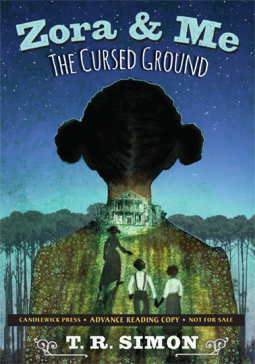
Zora and Me: The Cursed Ground, by T.R. Simon (Sept. 2018, Candlewick), $16.99, ISBN: 9780763643010

Ages 10-14

Is it any more perfect that the latest installment in a series starring a young Zora Neale Hurston is out right before Banned Book Month? Zora Neale Hurston’s brilliant classic, Their Eyes Were Watching God, is both a staple on high school reading lists AND a book that’s landed on Banned and Challenged lists since 1997.

Zora & Me is the story of young Zora Neale Hurston and her best friend, Carrie. The year is 1903, and the two live with their families in Eatonville, Florida, in the first African-American city to be incorporated in the state. Even as a child, Zora is every bit the storyteller, the grand designer of adventures; Carrie likes to play it safer, but always follows Zora into an escapade – or a mystery. In this second novel, author T.R. Simon examines hate, white privilege, and history. It begins when Mr. Polk, their mute neighbor, is attacked and his horses set loose. When the girls go investigate and help Mr. Polk, they discover he can speak – he speaks to Old Lady Bronson, a woman rumored to be a conjure woman. When Mr. Polk breaks his silence, it sets other pieces to a long-unsolved puzzle into motion. The narrative shifts between the events in 1903 and the story of a Lucia, a young woman sold into slavery in 1855. In 1903, Zora and Carrie discover an abandoned plantation mansion on Mr. Polk’s property; at the same time, white men come to Eatonville and demand more of Mr. Polk’s land, claiming a right to it. Tensions rise, and the people of Eatonville prepare to stand up for themselves and their home. As the narratives move back and forth, the puzzle comes together and everything becomes heartbreakingly clear.

Zora & Me: The Cursed Ground is intense and raw, with brutal honesty about slavery and its aftermath. T.R. Smith writes about the roots of racial violence and the “enduring wounds of slavery” that persist to this day. Zora Neale Hurston is an intelligent, headstrong 12-year-old, and Carrie finds her strength and voice. They’re strong protagonists, strong African-American young women, and fully aware of the danger that whites present to them, even if slavery is now something they’re only hearing about: many parents were born into slavery, and freed as very young children. This generation knows that they weren’t “given” their freedom. They weren’t given anything: they will fight for everything that is theirs. Lucia, the third main character in The Cursed Ground, tells a sharp, painful story about family lost and found; about freedom taken; about people who would diminish a whole race’s humanity, and about discovering and defending one’s sense of self. It’s an incredible story. A biography of Zora Neale Hurston and a timeline of her life conclude this story. I hope to read more of Zora’s and Carrie’s adventures. This is definitely on my Newbery shortlist, and I hope it’s on a Coretta Scott King Award shortlist, too. It’s a must-add to historical fiction collections and would make a stellar African-American History Month reading assignment for classes.

Posted in Intermediate, picture books

The Day War Came, by Nicola Davies and Rebecca Cobb

The Day War Came, by Nicola Davies/Illustrated by Rebecca Cobb, (Sept. 2018, Candlewick), $16.99, ISBN: 9781536201734

Ages 6-9

A brown-skinned girl with black hair has breakfast with her parents and baby brother, sits at her desk at school, singing songs about tadpoles and learning about volcanoes, when war comes to her world. In an instant, everything she knows, everything she loves, is gone. She begins an arduous journey on foot, by truck, by bus, and by boat to a strange, new place; searching for a place where war can’t reach, she only encounters closed doors and hard faces. Even a school turns her away, telling her there are no chairs for her. As she loses hope, a boy finds her and brings her a chair so that she can come to school; his friends have brought chairs, too, so all children can come to school. Together, the children provide support for our protagonist, “pushing back the war with every step”.

This book is heartbreaking. The artwork, so childlike in itself, makes it even more powerful: the hunched over girl at her desk, braids blown back and artwork flying off her desk as the giant gray-black cloud envelops the facing page; the girl on her knees at the rubble of her home; the girl huddled under a blanket in an empty hut, turned away from a school for want of a chair. the our realization that she is the only survivor of that happy family eating breakfast together is almost too much to take. The pencil and watercolor art is stunning, using grays and blacks to communicate the horror. Orange flames compete with orange flowers in a destroyed city landscape. And the quiet gift from one child to another brings with it new color: green seats, red seats, blue and white striped seats. Color becomes hope.

The Day War Came is a poem Nicola Davies wrote after reading about a refugee child denied entry to a school because there was no chair for her. This gave birth to the #3000chairs movement, where thousands of people posted photos of empty chairs in solidarity with these children who had lost everything, including a chance at education. Nicola Davies’ poem is eloquent, heartbreaking, and ultimately, hopeful. Writing in the child’s voice brings home the impact of war on children.

She never names the child, nor does she name the child’s country of origin. The child is any refugee child from any number of countries where children are forced out of childhood far too soon. As the author says in her 3000 Chairs blog post, “In an ideal world there wouldn’t be children without parents. In an ideal world hospitals wouldn’t be bombed because they looked a bit like something else. In an ideal world everything would be sweet and smooth and we could all afford to be as selfish as we liked and it wouldn’t matter.”

An important addition to all collections. The Day War Came has a starred review from Booklist. There is a downloadable free discussion guide available through the publisher.

Posted in picture books, Preschool Reads

It’s all in how you see it… Do You Believe in Unicorns?

Do You Believe in Unicorns?, by Bethanie Deeney Murguia, (Sept. 2018, Candlewick), $14.99, ISBN: 9780763694685

Ages 3-7

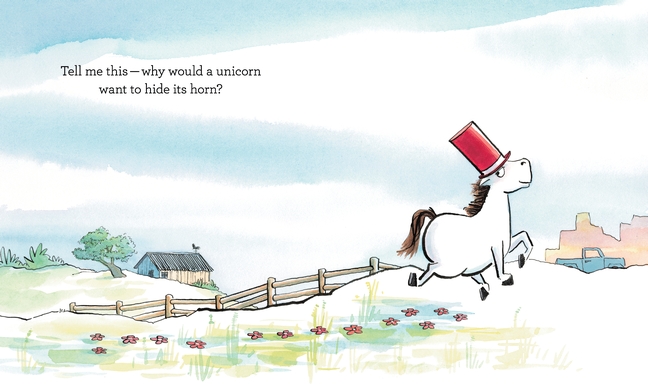
Do You Believe in Unicorns is fun and absolutely magical. It’s a visual wink that starts out with the horse on the cover: a white horse in a top hat. The story that follows is a conversation between the narrator and the reader, who we think must be a unicorn. But that’s crazy, right? It’s just a horse in a hat! Or is it? The narrator comes up with excuses as to why the horse can’t be a unicorn – his hair is a mess; he’s trying to keep dry in the rain – while our cartoony friend, sporting a knowing smile, prances through the book, eventually joined by other unicorns – HORSES! – wearing hats. But wait! The horses left their hats behind! And here’s where the joke is just perfect: the horses appear in front of spires, mountain peaks, and blades of grass. So, are those unicorns, or just expertly placed visual puns? Like the story says: “Maybe you can only see unicorns if you believe in them.”

What a way to bring magic into someone’s day. The cartoony art makes the unicorn/horse instantly kid-friendly, and its knowing smirk lets on that there may be more than meets the eye at play here. The facial expressions are an outright hoot, as our horse side-eyes other hat-wearing horses and admires himself in a mirror. It’s a lovely way to let kids know that there may be magical moments all around them, and a wonderful way to remind adults of the days when we believed in unicorns, too (and may still). And keep your eye on the lizard at the end of the story: he may be more than he appears, too. An absolute must-add to collections and great gift choice.

Do You Believe in Unicorns has starred reviews from Kirkus and the Bulletin of the Center for Children’s Books, and is a Junior Library Guild selection. I think I’m adding this to my Caldecott longlist.

Posted in picture books, Preschool Reads

A dad and son share special time during the Night Shift

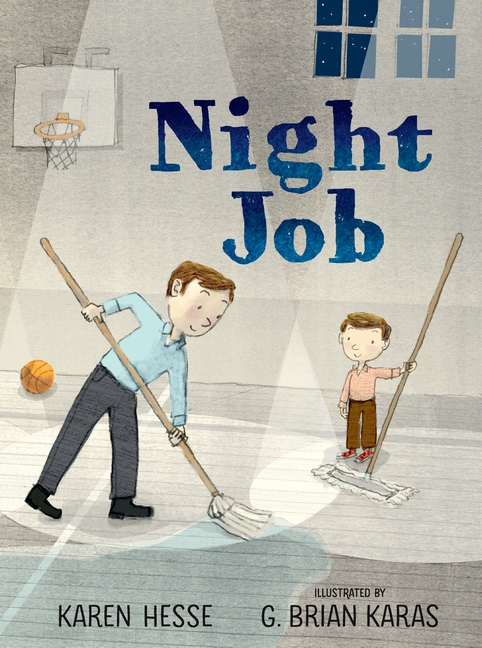
Night Shift, by Karen Hesse/Illustrated by G. Brian Karas, (Sept. 2018, Candlewick), $16.99, ISBN: 9780763662387

Ages 4-7

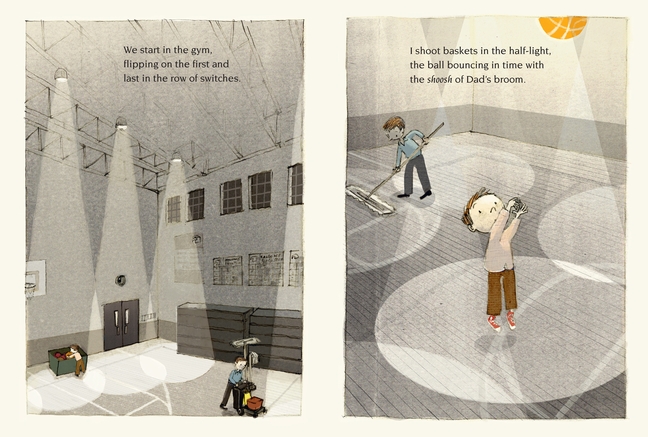
It’s a Friday night, and a boy and his dad head out at sundown for his father’s night shift as a school custodian. The pair ride to school on the boy’s father’s motorcycle, and as Dad cleans, the boy finds ways to himself busy; the two listening to a ball game on the radio. They eat their packed lunch together, and the boy reads to his father until he falls asleep on the couch. When Dad’s shift has ended, he wakes his son up, and they share a ride back home, where the boy cleans out his father’s lunch box, and curls up next to him on the recliner, drifting to sleep in his father’s embrace.

This gentle story shows a special relationship between father and son. The quiet blues and brows and mixed media are calming and provide a feeling that we’re getting a private glimpse into this family’s loving bond. The moment father and son unwrap their sandwiches and eat together is such a touching moment, the son genuinely happy to share this time with Dad as he leans into him, smiling; Dad smiling down on him. Dad gently puts his sleepy son into his jacket as they get ready to leave at 4 a.m. The boy curls into his father, head nuzzled into the crook of his father’s neck; his father’s head is turned away from readers, cheek on his son’s head. It’s a wonderful story that tells readers that quality time is what you make of it.

Narrated by the son, the prose shows a boy so aware of everything around him: the smell of the fish as they drive over the bay; the scent of the lilacs by the school; the sigh of the building as his father opens the door to the school; even what he imagines is the scene at the baseball game on the radio, “where the sun is shining on an emerald field”. Karen Hesse gives readers a feast for the senses and G. Brian Karas uses color to accent special moments throughout the text, be it the green couch that the boy naps on, his red sneakers, or the purple lilacs by the school building.

Night Job is a Junior Library Guild selection and has starred reviews from School Library Journal, Booklist, Kirkus, and the Bulletin of the Center for Children’s Books.

Karen Hesse is a Newbery Medal and the Scott O’Dell Award for Historical Fiction winner. G. Brian Karas has illustrated more than 90 children’s books.

Posted in Non-Fiction

Galápagos Girl/Galapagueña Blog Tour Stop: A note from author Marsha Diane Arnold!

So now that you’ve read about how I loved Galápagos Girl/Galapagueña, here’s a little somethin’ extra: a guest post from author Marsha Diane Arnold about the editorial process, and “the words that got left behind”. Enjoy the post and photos, and thank you so much to Ms. Arnold for sharing with us!

The Words I Left Behind – Galápagos Girl by Marsha Diane Arnold

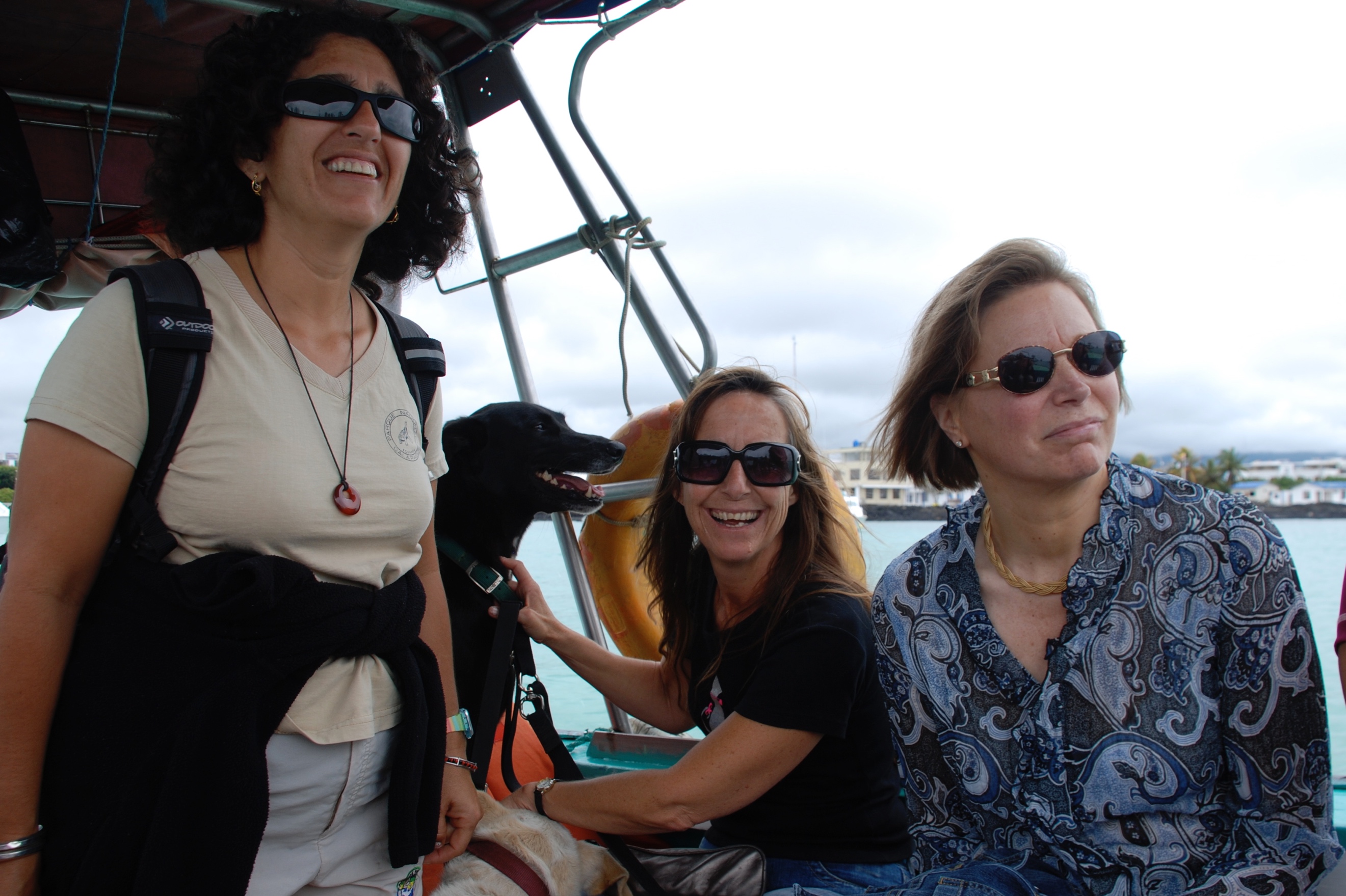
Thank you, Rosemary, for inviting me to blog about my newest picture book, Galápagos Girl, coming September 18th. This book is dear to my heart. It began on my 2007 trip to the Galápagos where I met Valentina Cruz, our naturalist guide. She was born and raised on the Galápagos Island of Floreana. She and the unique animals of the islands inspired my book. I wanted to write about the fantastic Galápagos creatures from the perspective of a young girl who grew up on the islands, surrounded by wild nature.
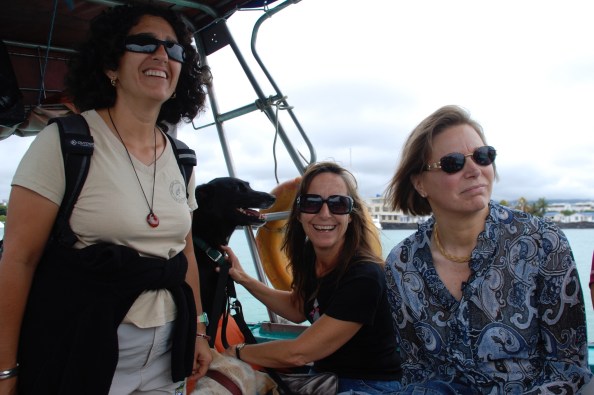
Valentina on left, with fellow travelers.


But it’s now 2018! This book was a long time coming. There were so many stories Valentina told me about her family and growing up on these exotic islands. I wanted to share them all with the world, but of course, I couldn’t. Cut! Cut! Cut! There are dozens of unique animals on the islands. I wanted to share them all in my book too, but they wouldn’t all fit. Cut some more!

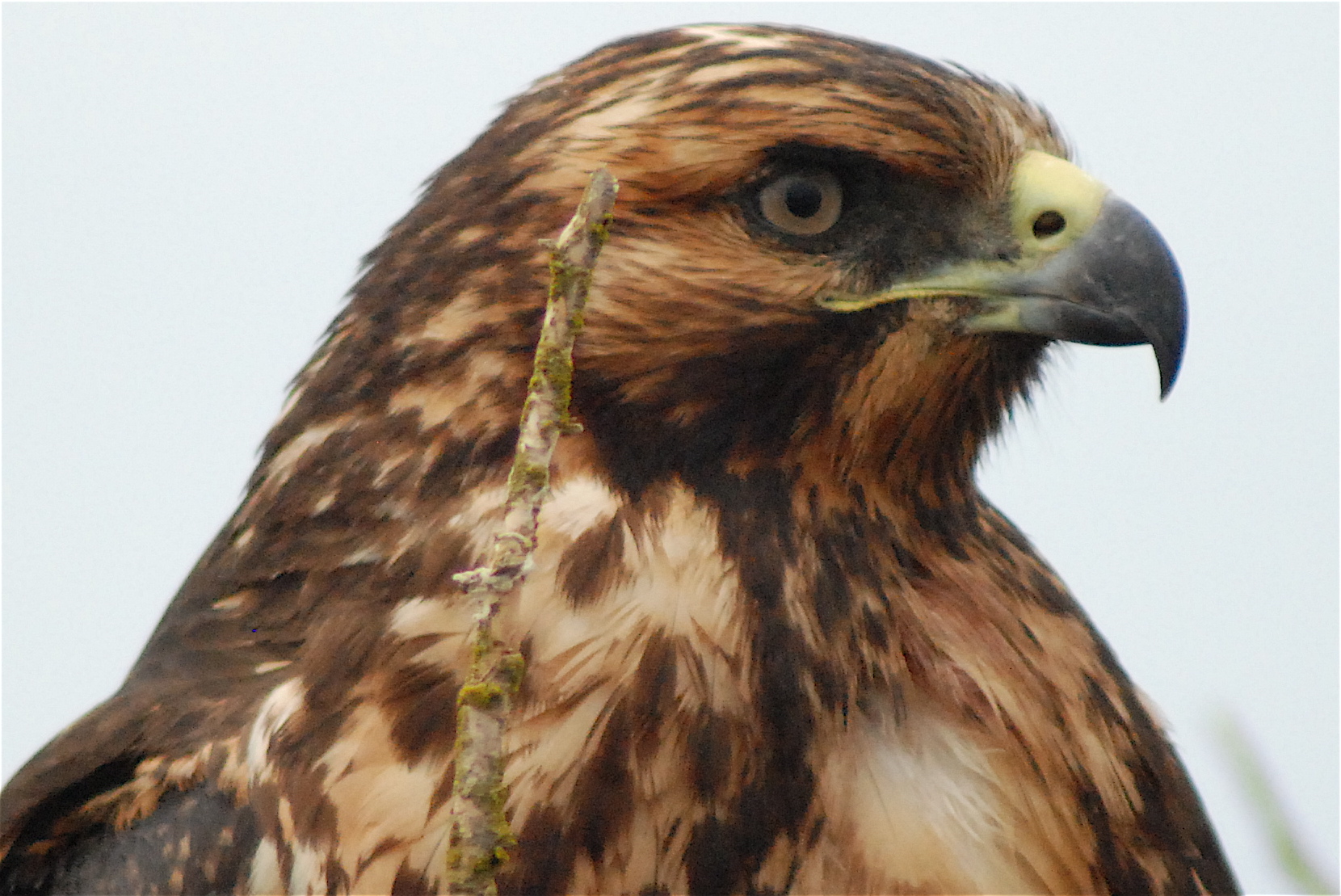
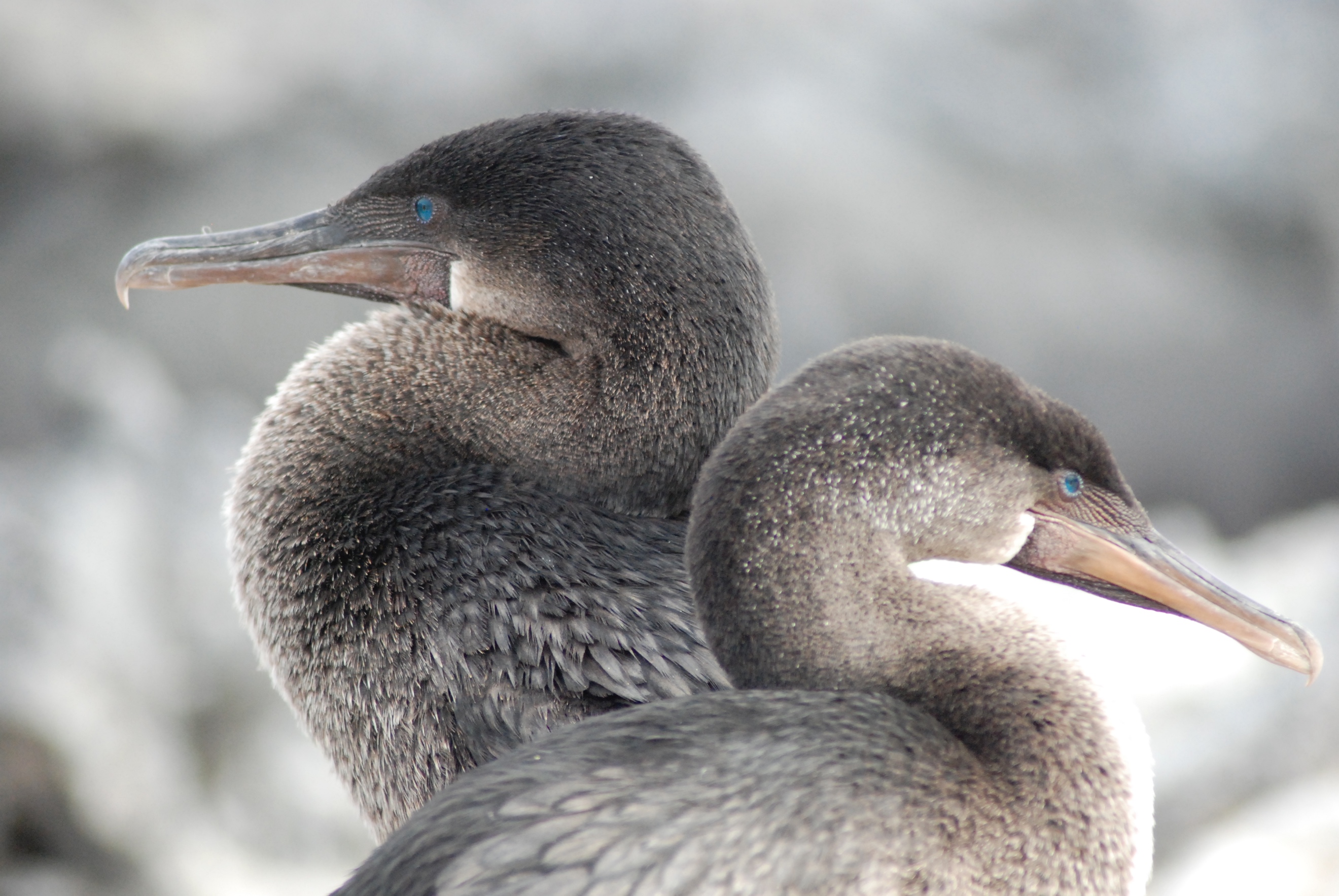
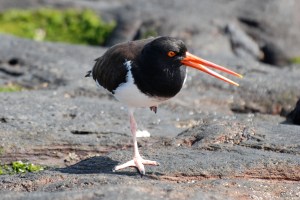
Some of the beautiful Galápagos birds that didn’t make it into the book.
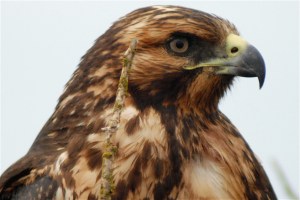
 

Top left – Galápagos Hawk, top right – Nazca Booby


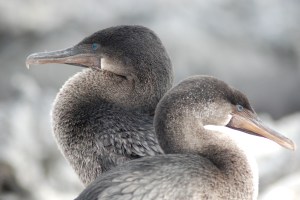
Bottom left – Oystercatcher, bottom right – Flightless Cormorant
“Kill your darlings” is advice that has long been given to writers. It’s a challenge to us to delete extraneous text and get rid of phrases we hold closest to our hearts. But our books all have to face the “killing of darlings.” Galápagos Girl was no exception.

I wrote scores of drafts, trying to decide which stories, which animals, and which words to keep. In the manuscript I submitted, Spanish words and phrases were sprinkled throughout. I’d spent hours deciding where to place these and confirming my translation was right. When it was decided to make the book entirely bilingual, most of these phrases were deleted. Also, because we were now approximately doubling the words that would fill the book, the text needed to be…Cut!

Valentina shared many stories of her father. They could easily make a book of their own. Once, she wrote to me that her father, who loved the ocean, “had the scent of the sea in his skin.” Now her young son tells her she has “the scent of the sea in her skin.” I loved this thought and included it in a few drafts. But my writers group didn’t think it worked. Cut!

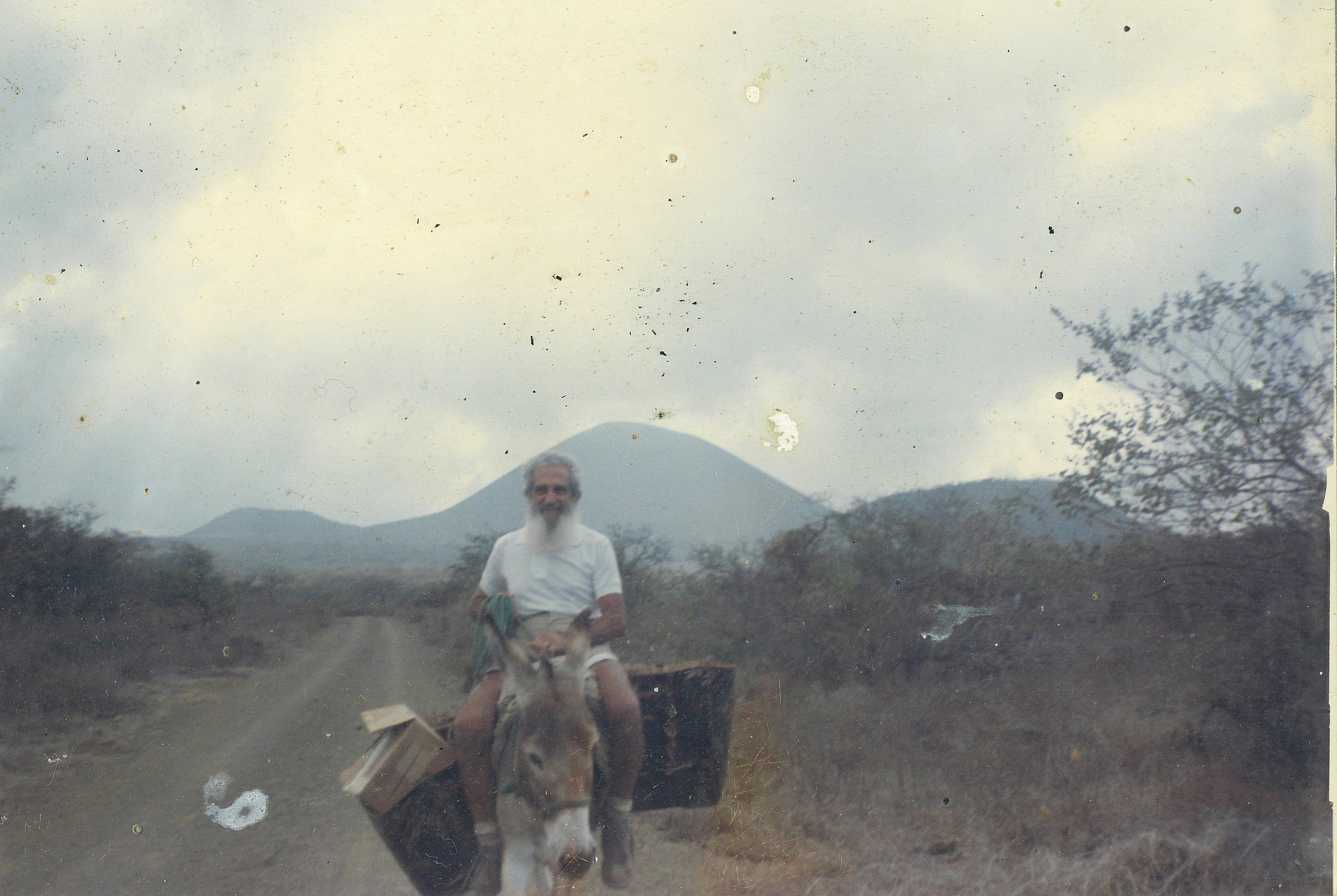
The text below is from a 2009 draft, where I again drifted toward telling Papá’s story. Valentina’s tales of him where inspiring me, just as his life had inspired her. Valentina even had an old photo of him riding their donkey, Pepegrillo. But I needed to get back to Valentina’s story. Cut!

“Papa, the teacher, the sailor, the fisherman, the farmer,

taught Valentina to read and showed her the ways of nature.

He liked to ride his donkey into the village

and take a book with him to read along the way.”

Eliecer Cruz Cevallos and Pepegrillo


Looking over more old drafts, it was obvious I wanted that cute Pepegrillo to be in my book. In a 2010 draft, I wrote:

“Sometimes Valentina walked the two miles to school barefoot,

Sometimes she wore old shoes,

Sometimes her older brother and sister carried her on their back.

On special days, she got to ride Pepegrillo, the donkey.”


You guessed it.  Pepegrillo and these lines had to be…Cut!

When I asked Valentina if there was anything she didn’t like about growing up on the Galápagos, she emphatically replied, “No.” She loved every minute of it and felt it was a privilege to be able to live there with her family. Her stories made me want to be part of her family too; these feelings show up a little in the following text. It also mentions the broken tortoise shells Valentina found, which was a plot line I had followed. Yes, this was all…Cut!

“The family’s farm was called The Well – El Pozo.

In the kitchen, Valentina helped Mamá make papaya and guava jam.

From the acacia tree, Valentina and Papá watched boats come into port.

When Valentina’s eleven older brothers and sisters

milked cows and weeded gardens,

Valentina fed bananas and plums to Santa Cruz and Isabela.

When they searched hillside caves for pirate treasure,

Valentina searched for a Floreana tortoise

to keep Santa Cruz and Isabela company.

All she found were broken shells.”

I originally called the turtles Santa Cruz and Isabela, but in the book, they are Carlitos and Isabela. There’s a story behind that too.
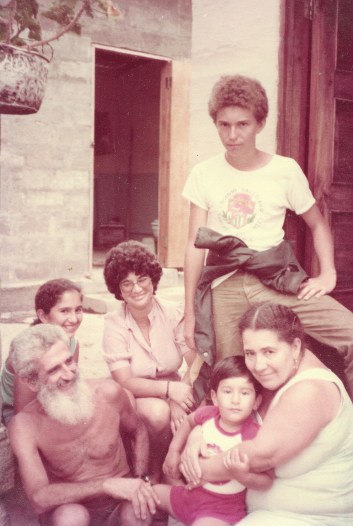
 

A few of the amazing Cruz family.


Though many stories are not in the book, we now have the delightful Galápagos Girl, thanks to my agent Karen Grencik, my editor Jessica Echeverria, the entire Lee & Low team, many helpful scientists and researchers, the wonderful artist Angela Dominguez, and, of course, Valentina Cruz.

Just a few words now, that were not cut!

“And every day she danced.

Bopping up and down

With lava lizards

Stamping her feet with

Blue-footed boobies

Twirling pirouettes

with sea lions.”


If you want to hear more Galápagos stories, I’d love to share them with you when I visit your school or festival. You can contact me on Facebook https://www.facebook.com/MarshaDianeArnoldAuthor/, www.earthsvoices.wordpress.com., or the “Write Marsha” link at  www.marshadianearnold.com, my main website, which is being restored.
Posted in Intermediate, Non-Fiction, picture books, Preschool Reads

How islands raised an activist: Galápagos Girl/Galapagueña, by Marsha Diane Arnold

Galápagos Girl/Galapagueña, by Marsha Diane Arnold/Illustrated by Angela Domínguez, translated by Adriana Dominguez, (Sept. 2018, Lee & Low Books), $18.95, ISBN: 9780892394135

Ages 4-8

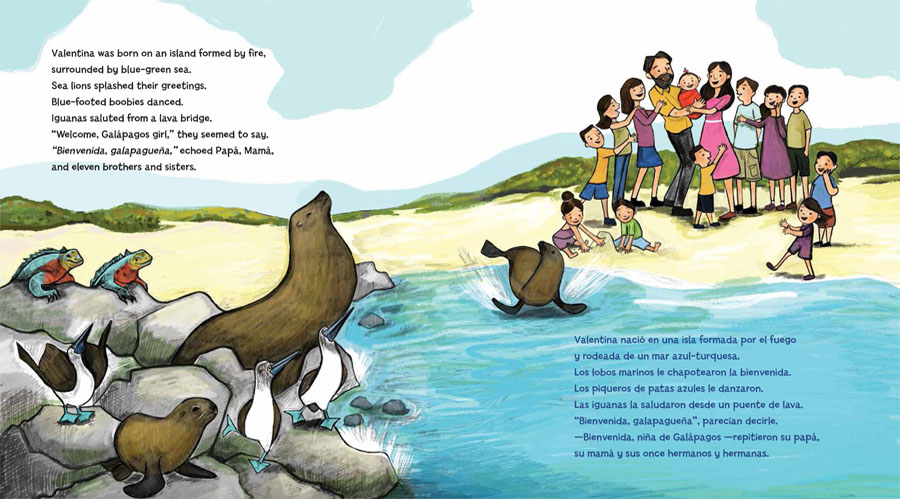
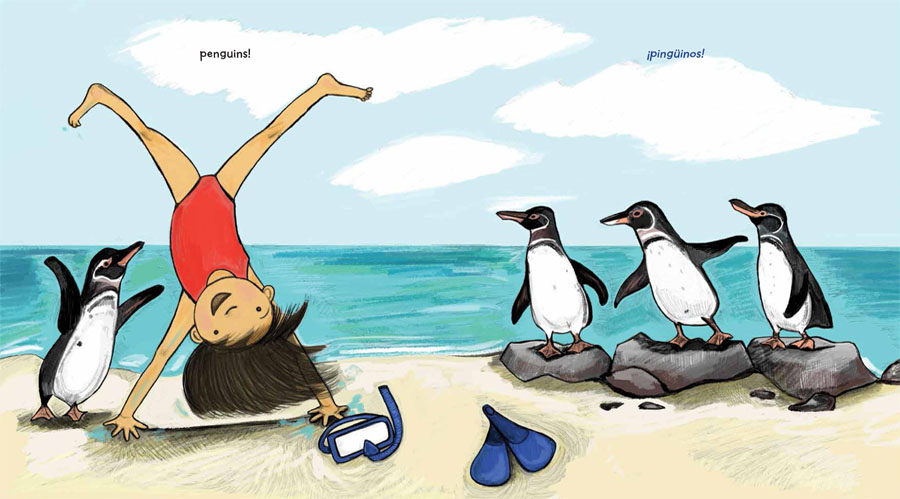
This bilingual English/Spanish story is based on the life of Galápagos Islands conservationist Valentina Cruz. Raised on the island, Valentina grew up surrounded by beauty: the blue-green sea, the playful penguins and sea lions, the sounds of the waves crashing against the rocks, and her father’s two tortoises, Carlitos and Isabela. Valentina goes away to school, but promises the animals and her islands that “I will not forget you… And I will help to keep you safe.” It’s a promise she keeps, returning to the islands on school holidays, camping out on remote islands to live and learn among the different flora and fauna, eventually becoming a biologist who returns to the islands to teach visitors to love her home as she does, and about the importance of preservation and conservation.

Author Marsha Diane Arnold met Valentina on a 2007 trip to the Galápagos and was inspired to write Galápagos Girl in the hope that readers would learn, as Valentina did, to help keep nature safe. Under threat from invasive species, active tourism, and encroaching humans, plant and animal life on the Galápagos is increasingly vulnerable. With bright, tropical colors and bold illustration, Pura Belpré Honoree Angela Dominguez transports readers to the magical islands; she communicates the feeling that we’re seeing something truly special as Valentina moves among unique plants and animals that aren’t found anywhere else on Earth. We’re given a special, secret pass to paradise as we turn each page of Galápagos Girl, and reading it with an unabashed sense of wonder will inspire that spark in a storytime group. An author’s note and a note about the Islands explains Marsha Diane Arnold’s first meeting with Valentina and provides background on the Islands. Five pages of information about the animals introduced in the story adds nice background information to the story, as does a solid bibliography. The bilingual text makes it accessible to Spanish and English-speaking readers.

The storytelling gives readers a glimpse at Valentina’s passion for conservation and illustrates how growing up with a respect for nature creates a better world for everyone. Galápagos Girl is a worthwhile add to storytime collections, bilingual collections, and natural history collections. There’s a free Animals of the Galápagos matchup download available at the Lee & Low website.

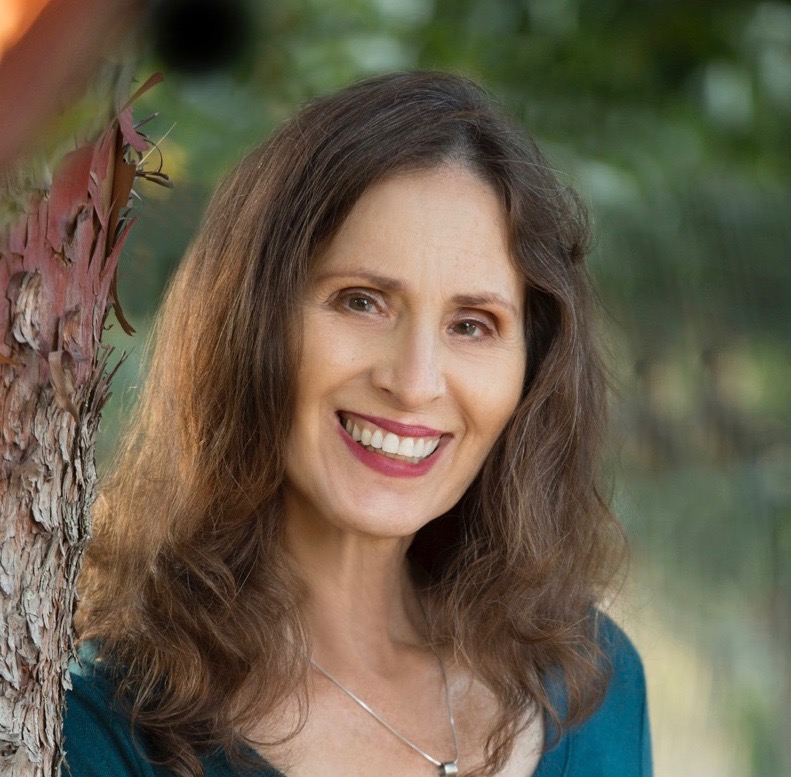
Marsha Diane Arnold is an award-winning picture-book author. Her past titles include the Smithsonian Notable Book The Pumpkin Runner and Lost. Found., which received three starred reviews. Marsha was inspired to write this story after traveling to the Galápagos Islands, where she met Valentina Cruz and had the opportunity to swim with sea lions and dolphins. She lives with her family in Alva, Florida. You can find her online at marshadianearnold.com.

Angela Domínguez is the author and illustrator of several books for children, including the Children’s Book Press title Let Me Help! / Quiero ayudar!Marta Big and Small, and Maria Had a Little Llama, which received the Pura Belpré Illustration Honor. In 2016, she received her second Pura Belpré Honor for her illustrations in Mango, Abuela, and Me by Meg Medina. When Angela is not in her studio, she teaches at the Academy of Art University, which honored her with their Distinguished Alumni Award. She lives in Virginia. Visit her online at angeladominguezstudio.com.

Posted in Fantasy, Fiction, Fiction, Graphic Novels, Intermediate, Middle Grade, Teen, Tween Reads, Young Adult/New Adult

October graphic novels have something for everyone!

There are some solid graphic novels hitting shelves in October: LGBTQ+ positive stories and a dystopian adventure for tweens and teens, and for tweens and teens, Art Baltazar’s adorable artwork for kids are just a few of the books you can look forward to. Let’s dive in!


Gillbert, Vol. 1: The Little Merman, by Art Baltazar, (Oct. 2018, Papercutz), $14.99, ISBN: 9781545801451

Ages 6-10

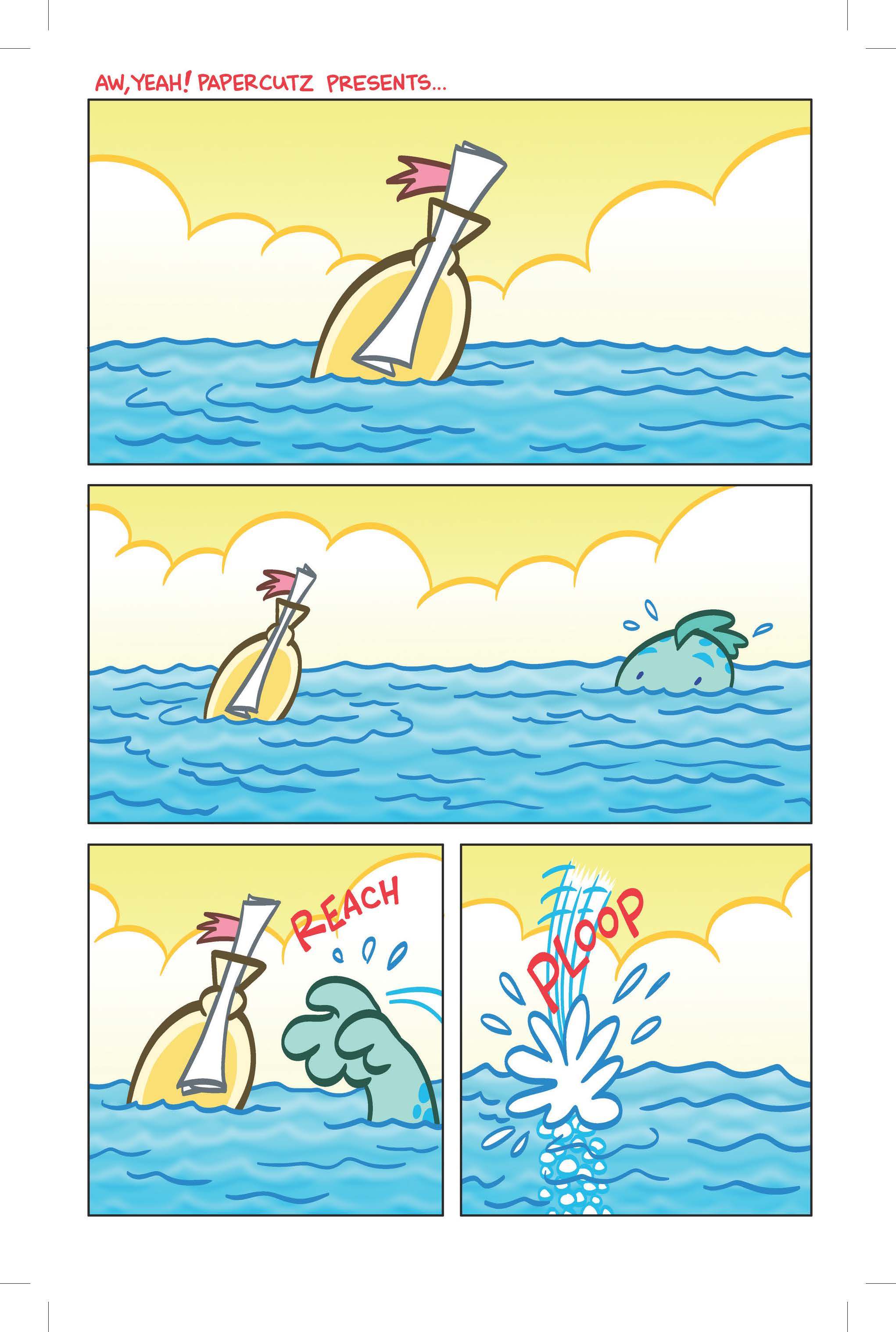
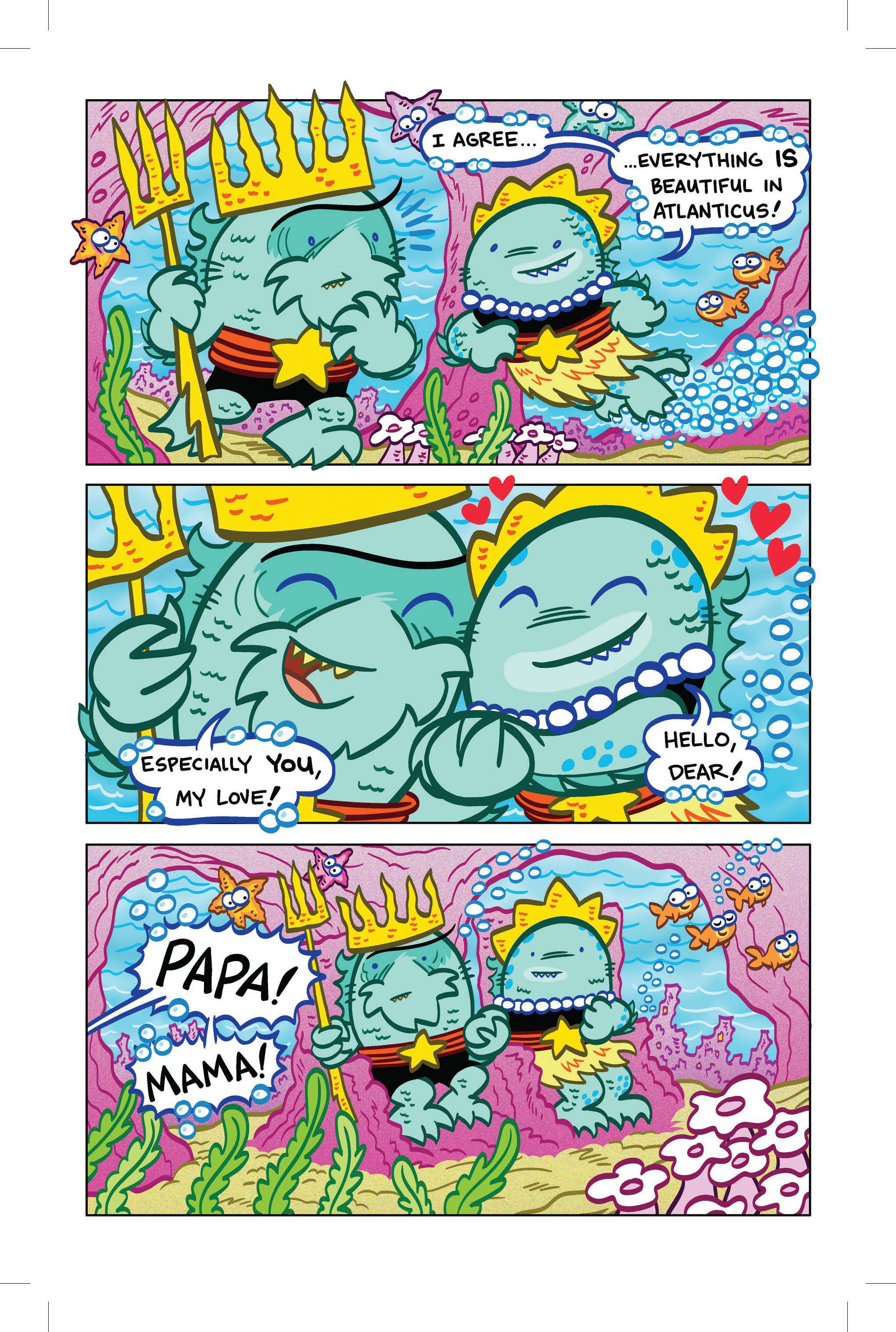
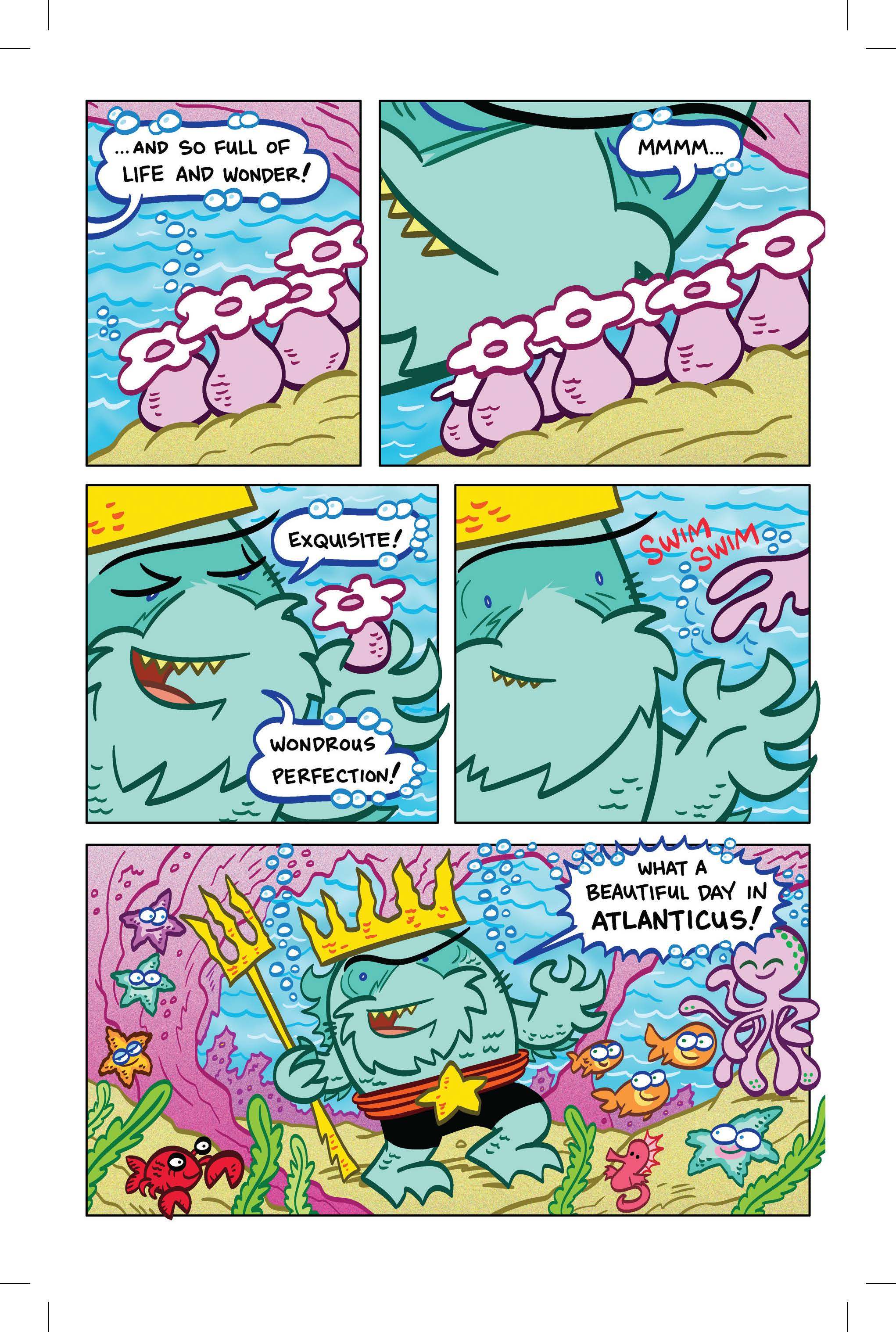
If you have readers who get a kick out of Joey Weiser’s Mermin books, they’ll love Art Baltazar’s Gillbert: The Little Merman! He’s the son of King Nauticus and the prince of Atlanticus, and he’s surrounded by cool friends, like his turtle buddy, Sherbert, and his starfish buddy, Albert. One day, he meets playful mermaid named Anne Phibian, who takes him to a rocking party at WeWillRockTropolis. Meanwhile, aliens invade Earth, but quick action by Queen Niadora and her alien friend, Teeq, save the day.

Art Baltazar creates art that kids love: Tiny Titans; Grimmiss Island; DC Super Pets, and countless more comics have his signature bold, bright artwork and zest for zany adventure. He’s got kid-friendly artwork, storylines, and humor that kids eat up. When my library kids are too young for the DC comics on “the other side of the library” (the teen collection), but still want superheroes, I give them Art Baltazar’s books, and they’re thrilled.

Gillbert’s first outing looks like it’s the start to a fun new under-the-sea series. Papercutz won’t steer you wrong; add this one to your graphic novel shelves.

Lost Soul, Be at Peace, by Maggie Thrash, (Oct. 2018, Candlewick), $18.99, ISBN: 9780763694197

Ages 13+

Acclaimed Honor Girl author Maggie Thrash’s latest book is a continuing memoir with a touch of fiction. A year and a half after the events of Honor Girl, Maggie is spiraling into a deep depression. She’s failing 11th grade; her stuffy, image-consumed mother is baffled, and her workaholic father, a federal judge, pays no attention to her. The only thing Maggie cares about is her cat, Tommi, who seemingly disappears in her rambling home. While searching for Tommi, Maggie discovers a ghost named Tommy, who leads her to peel back layers of her father’s life and see him through new eyes.

Maggie Thrash beautifully captures the tedium and angst of adolescence and the hopelessness of depression. The feeling of shouting into the void is poignantly captured when she opens up about coming out… and being ignored, regardless. She maintains a bitter sense of humor through her journey, making her likeable and relatable, and her watercolor artwork intensifies the feeling of being not-quite-there.

Lost Soul, Be at Peace is a beautifully thoughtful graphic memoir and a must-add to upper middle school and YA collections. Download an author note (also included in the back matter) and Maggie Thrash’s Top 10 Songs for Lost Souls playlist here; view a sample chapter here. Lost Soul, Be at Peace has starred reviews from School Library Journal and Kirkus.


Last Pick, by Jason Walz, (Oct. 2018, First Second), $17.99, ISBN: 9781626728912

Ages 10+

Last Pick is the first in a new dystopian trilogy. Three years ago, aliens invaded earth, taking everyone between the ages of 16 and 65: everyone they deemed “useful”. The survivors left behind live under cruel rule. Too young, too old, too disabled, they’re seen as worthless, receiving slim food rations and living under constant threat. But Sam and Wyatt, a twin brother and sister, are about to change all that. Sam’s the rebel, distributing food and fomenting revolution; Wyatt, her special needs brother, is the brains of the operation: he’s cataloging the aliens, and knows how to work with their technology. They start disrupting the aliens’ plans and making themselves a general nuisance until the aliens decide they’re too much of a threat, right on the eve of their 16th birthday.

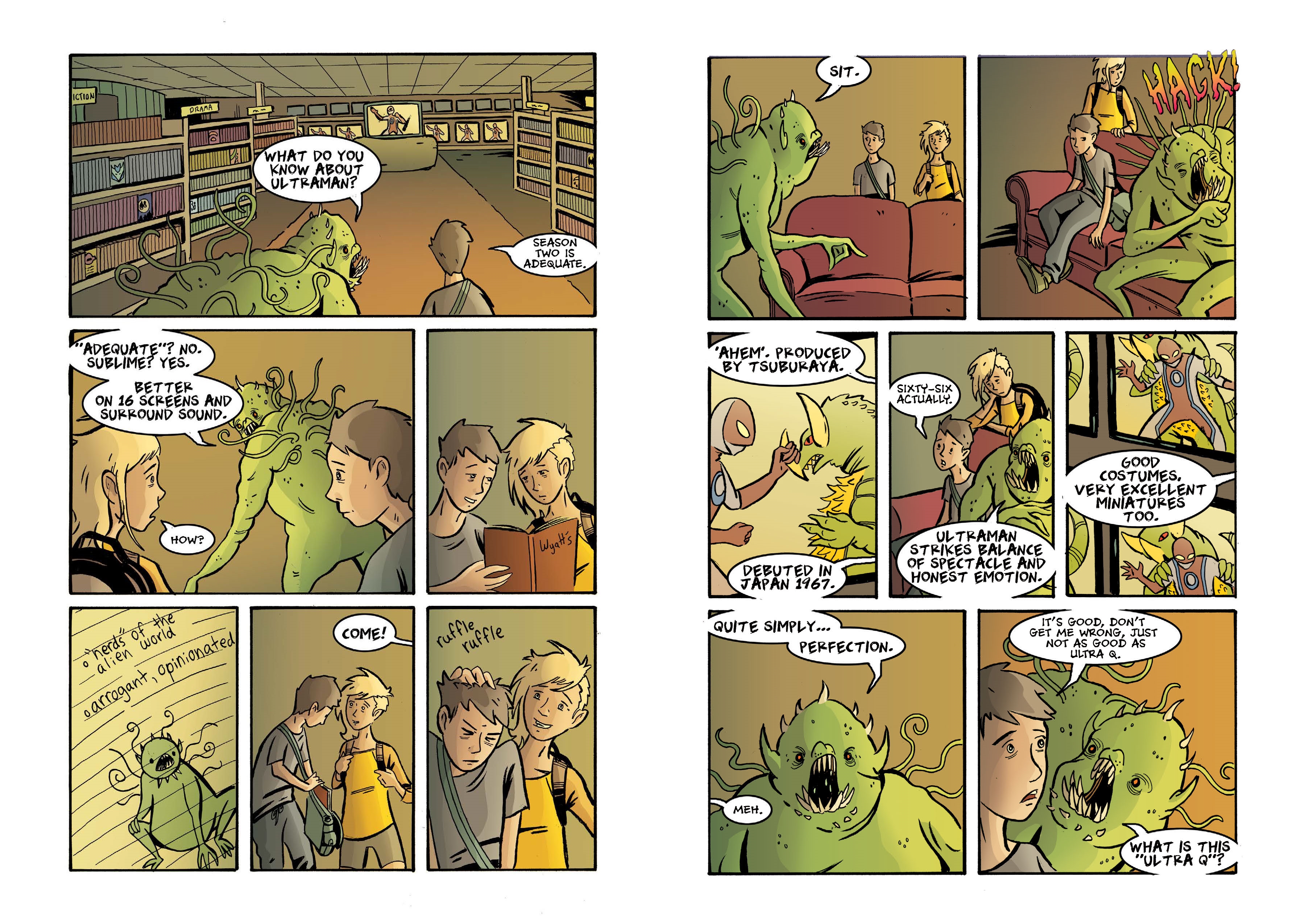
Last Pick is SO GOOD. I tore through this one during a lunch hour; it’s compulsive reading with a tight storyline and characters you want to root for. Aliens appear to be enthralled with earth culture and are played in part as comic relief, from the overlord who seems to be influenced by American Westerns, affecting a cowboy-type flavor of speech, to the gooey creature that shares a love of Ultraman with Wyatt. There’s some intrigue going on among the aliens, too; I’m looking forward to learning more in the next installment. Sam and Wyatt are a solid sister-brother unit; Wyatt’s special needs appear to place him on the autism spectrum, and Sam acts as his partner and protector. An underground radio broadcaster, a Latinx who refers to herself as La Sonida, offers moments of retrospection and I hope we get more of her, too.

Adventure, science fiction, and dystopian fans are going to love this. If you have readers who love Spill Zone and Mighty Jack, hand them this one. Last Pick has a starred review from Kirkus.


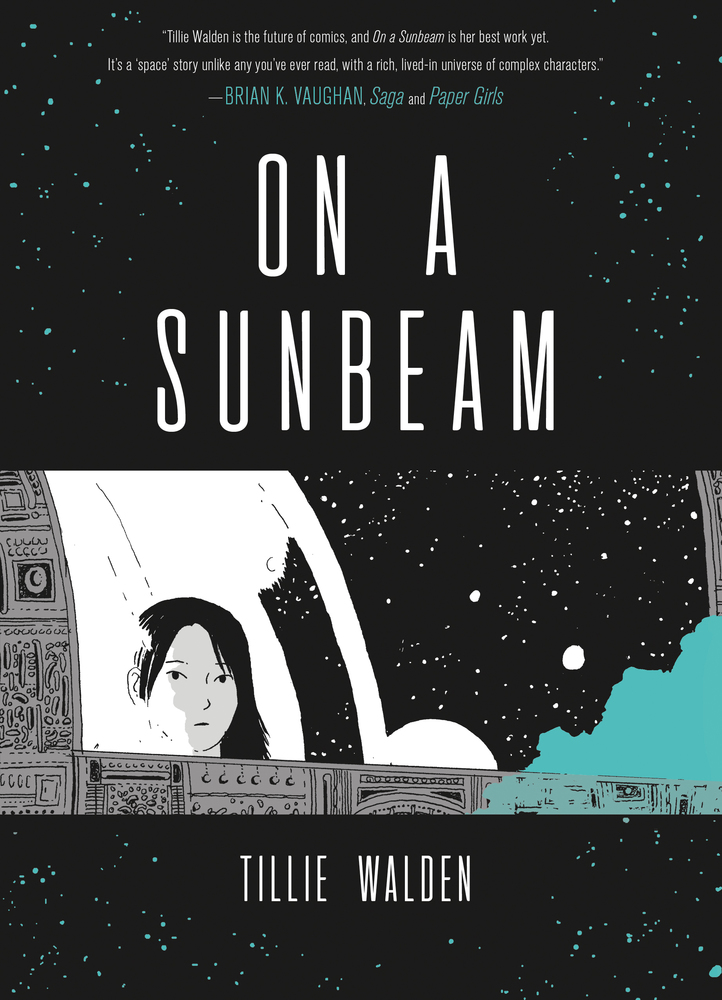
On a Sunbeam, by Tillie Walden, (Oct. 2018, First Second), $21.99, ISBN: 9781250178138

Ages 14+

Eisner Award winner Tillie Walden’s On a Sunbeam collects all the installments of her webcomic. It’s a science fiction adventure in a universe that embraces all relationships. Mia is a young woman on a reconstruction crew that travels through space, restoring buildings and structures. The narrative shifts between the present and Mia’s past, where she fell in love at boarding school with a girl named Grace; a girl who was taken away by her family before Mia could say goodbye. Mia learns more about her crewmates and their own stories as they travel through space, ultimately creating a family of their own.

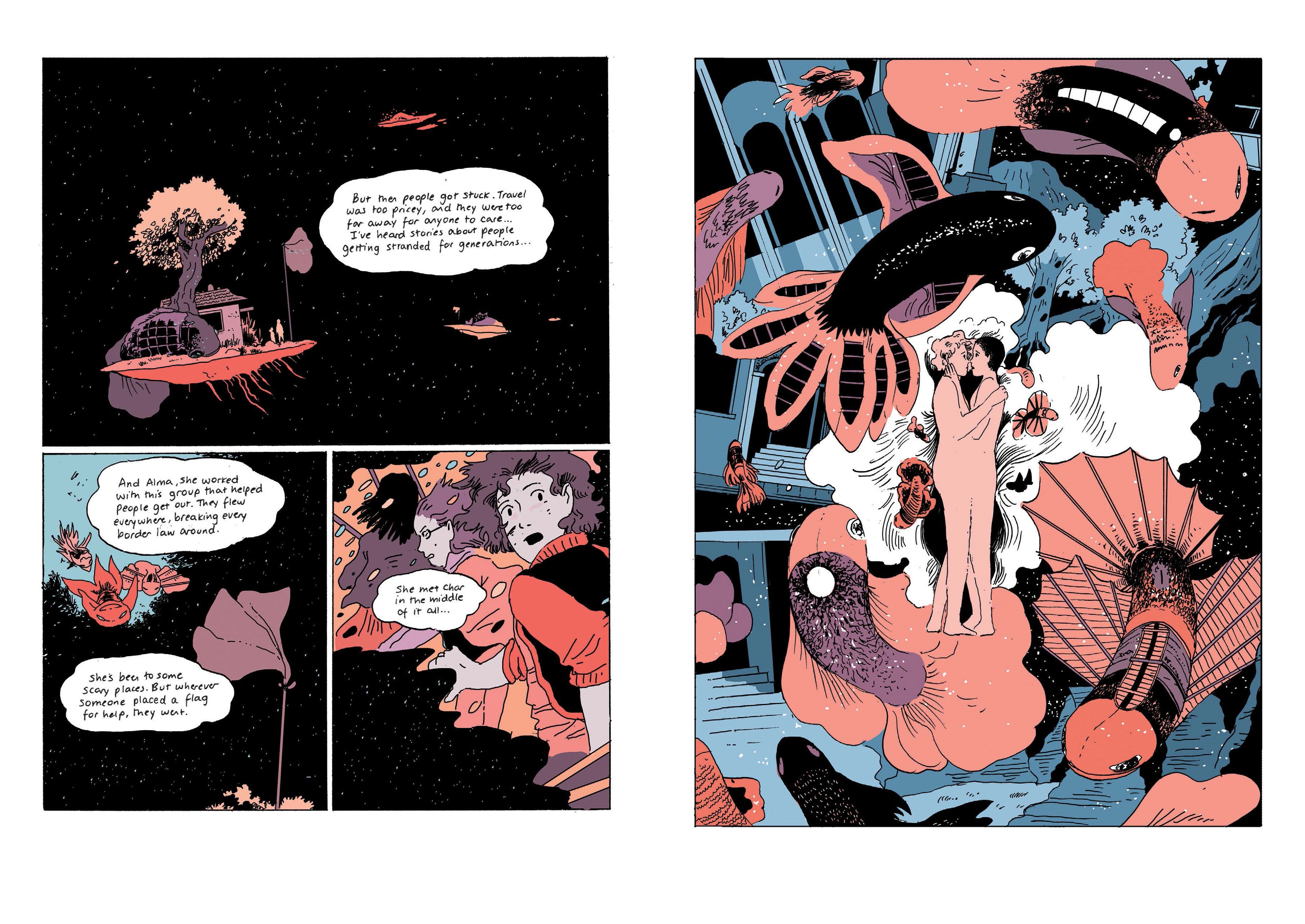
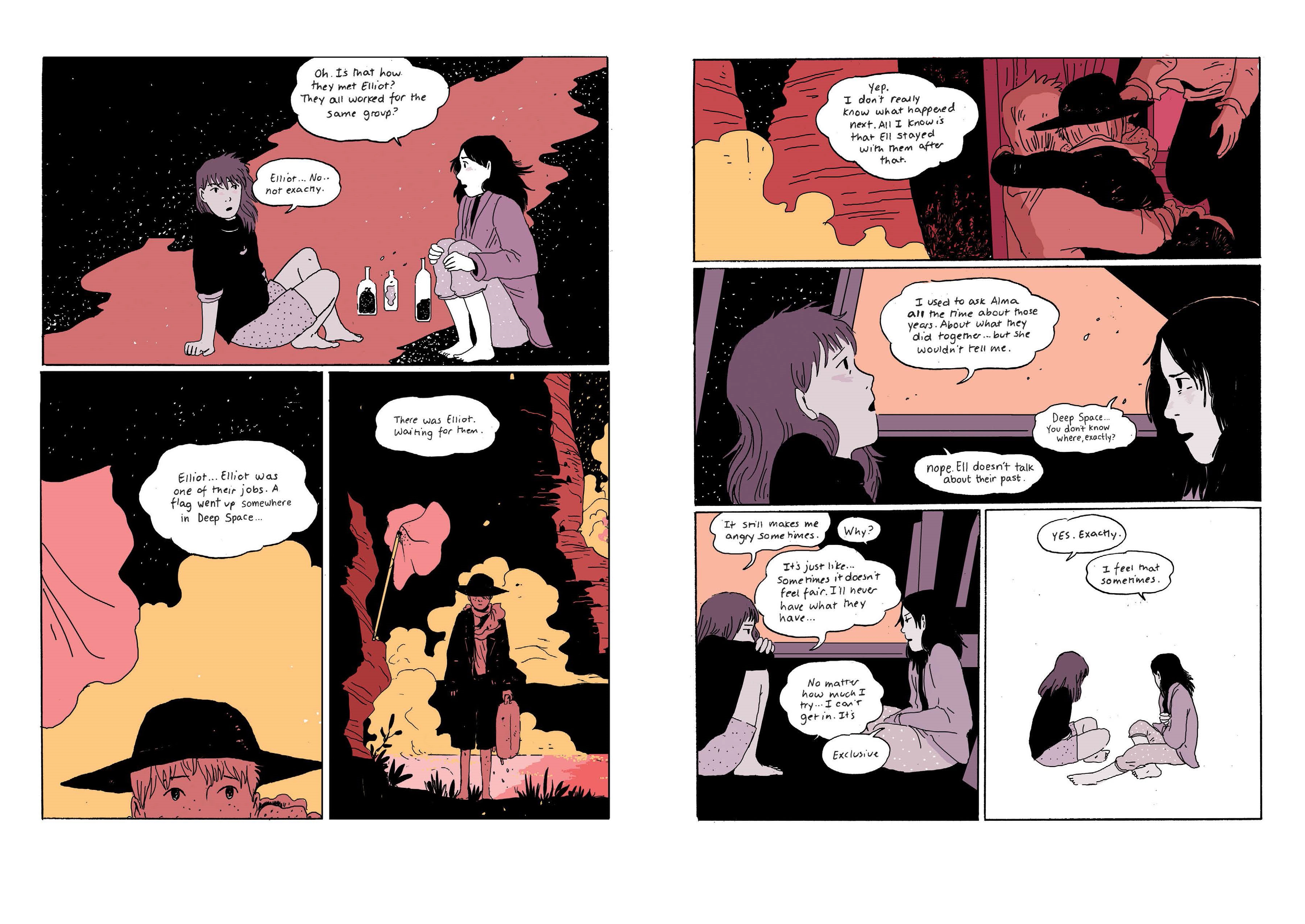
The cast is incredibly, wonderfully, diverse. There’s Char, the co-captain; she’s an African American woman who shares captain duties with her Caucasian wife, Alma: “Char may have the degrees, but Alma knows how to yell”, according to one character, Jules. Jules should know: she’s Alma’s niece, taken in when her mother – Alma’s sister – died. Jules seems to be the youngest member of the crew; she’s most likely a teen, loves playing games, and is the happy optimist of the crew. Ell/Elliot is a Caucasian nonbinary person who prefers they/them/their pronouns – and the crew vociferously defends their right to those pronouns, as Ell is nonverbal. Grace, Mia’s lost love, is African American.

As the narrative shifts between Mia’s past and present, we see Mia and Grace’s relationship develop, right up until Grace’s departure from the school. The color palette shifts with the narrative: cooler colors like blues and purples dominate the flashbacks, while warmer colors creep during the present day. Mia is the central character, but every character in this novel has a story to tell. This is a book I had to move back and forth with during the first few chapters; not having read the webcomic, I wasn’t altogether sure I was reading a connected story until I got the hang of the shifts, and of Mia’s place in them. Stick with the story: it’s an wonderful work of queer speculative fiction that deserves a spot on your shelves. On a Sunbeam is good for young adult/new adult readers.