Posted in professional development

Anti-Racism Resources

It’s been a scary time over the last 8 days. I’ve been trying to write posts, but just feel like anything I have to say is just… yeah. That’s where I am right now.

There’s a wealth of great information and resources available. This is m

First and foremost, The Brown Bookshelf is hosting a KidLit Rally for Black Lives, organized by award-winning authors Kwame Alexander, Jacqueline Woodson and Jason Reynolds. have organized a Kidlit Rally for Black Lives. It’s happening on June 4th, 7pm, at The Brown Bookshelf’s Facebook Live. Please spread the word about this event, and let’s give it the attendance it deserves and needs.

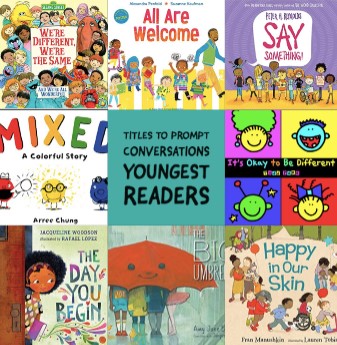
Librarian Cressida Hanson put together lists of titles to prompt conversation, organized by age group.
 

Kojo for Kids: Jason Reynolds Talks About Racism and The Protests – author Jason Reynolds spoke with radio journalist Kojo Nnamdi on his “Kojo for Kids” segment. The link includes a transcript and the playback of the segment.

School Library Journal/A Fuse 8 Production’s Antiracist Resources and Reads: Lists for All Ages. Elizabeth (Betsy) Bird has a fantastic compilation of reading and advice on being an ally. Resources for White Parents on raising white children is tremendously helpful. There are podcasts to listen to; films and videos to view; articles to read, and organizations to follow on social media, all suggested here. Follow her on Twitter @FuseEight.

Karen Jensen, better known as Teen Librarian Toolbox, also has a blog on School Library Journal. She’s also a force on Twitter, and her piece, Because Black Lives Matter: A Collection of Anti-Racist Reading Lists, includes resources for white readers in particular; something I find really helpful for me and my own family.

School Library Journal has a list of 15 social justice titles that address inequity and inequality, and encourage activism in younger readers.

Que(e)ry Librarians has an extensive #blacklivesmatter library, teaching, activism, and community resource list, constantly being updated; check in with this one often. It’s meticulously organized, and includes syllabi; reading lists for all ages; libguides; links to museums and archives; fact-checking resources, and so, so much more.

Embrace Race offers a list of 31 anti-racist books for children. If you wander around the website longer, you will discover, as I did, that they have an incredible wealth of resources, including webinars, reading lists, and action guides. The webinar “I [Still] Can’t Breathe: Supporting Kids of Color Amid Radicalized Violence looks like a powerful one, and it takes place on Friday, June 5th.

Books for Littles, another site I was just introduced to, has an “Anti-Racism for Beginners” list of books to read with and discuss with your kids about racial diversity. There are some great collections and topics in here; I’ve just added this to my reference resources. Check out the lesson planning resources and family action toolkits while you’re there.

A lot of white families may find it difficult to talk about race and racism with their kids. It’s been our privilege to avoid that conversation, but the time is here and now. This article from NPR on Talking Race With Young Children is a helpful start.

Medium.com has 75 ways white people can be helpful allies in the fight for racial justice.

This is what I’ve got for now. More booktalks are coming; it’s just been hard to stay focused these days.  Stay healthy, stay safe, stay strong.

Posted in Librarianing

Updating reading lists is important.

You may have heard about the recent uproar over the Florida Department of Education reading list, which offered little diversity and consisted of very few recently published books (the most recent book for 3-5th grades is 20 years old).

I understand the importance of getting the classics in front of kids, but let’s be real: kidlit has radically changed in the last 5-10 years, let alone the last 20. Our kids have radically changed, too, and giving them books that don’t speak to 90% of their experiences is a quick way to discourage them from the joy of reading. It’s just not a great way to go.

I see a lot of lists when I’m at that children’s desk. Some are amazing – I asked one middle schooler to give his librarians and teachers, whoever came up with his school’s list, a high five from me when he saw them, because the books were great. Nonfiction selections included graphic novels and a book on creating Minecraft worlds. The fiction was recent, within the last 7-10 years, with some being only 6 months to a year old. I know I work in an urban library in a multicultural community, and for that, I’m fortunate; our teachers get what our kids need and want to read. But I also get book lists that have books on them that are so old, there may be only one or two repeatedly book-taped, repaired copies in the system: surely, there are more recent concept books than this one?

Anyway, after reading the School Library Journal article, I sat down and came up with some of my own suggestions to rejuvenate some of the school reading lists out there. I’ve read most of these books; what I haven’t, fellow educators have read, and enjoyed, and suggested that I read (and so, they go on my precariously lurching TBR). I humbly suggest considering some of these for future reading lists.

This is by no means a complete list – it’s just a hopeful start for a conversation. I’d like to hear what you’re reading, and what you suggest, so I can pass along the good word to the families in my community and in my life. My list is influenced by my living and working in urban Queens, New York, so I’ve worked to give it a multicultural feel that speaks to everyone living here. I haven’t included graphic novels and only included a smattering of primary nonfiction; I may work on a list for each of those next.

Books are in alphabetical order by author’s last name.

Books K-2

Books 3-5

Books 6-8


Posted in Fiction, Middle Grade, picture books, Preschool Reads, Toddler Reads, Tween Reads

Book List for Beginning Activists

It’s getting harder and harder, waking up to the world we’re living in today. Some of our best defenses are, and will always be, empathy and information. I was inspired to create my own list of books to cultivate young activists by CuriousCity’s Books for All of Us post; I hope these books inspire you, too. Remember what J.R.R. Tolkien told us: even the smallest person can change the course of the future.


A is for Activist, by Innosanto Nagara, (Nov. 2013, Triangle Square), $9.40, ISBN: 978-1609805395

Available in board book or hardcover, A is for Activist is a rhyming abcedary of activism. The book introduces little ones to ideas like Co-Op, Equal Rights, Grassroots, Indigenous, and Justice. Best for pre-k and up in terms of grasping the concepts, but it’s never too early to get an ABC book in front of the little ones. The illustrations are loaded with new things to find with each reading.


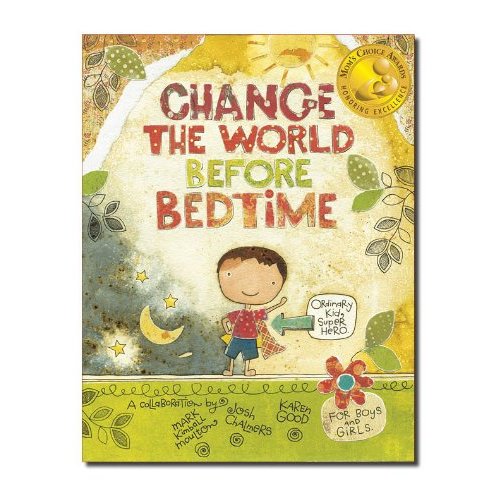
Change the World Before Bedtime, a collaboration by Mark Kimball Moulton, Josh Chalmers, and Karen Good (Schiffer Publishing, 2012). $16.99, ISBN: 978-0764342387

One of my storytime constants, Change the World Before Bedtime is loaded with ways for kids to make positive changes in their world, from eating locally to visiting a sick friend, to donating money from a lemonade stand to a good cause. It’s another rhyming text, with homespun, cozy artwork that immediately evokes the warm fuzzies.


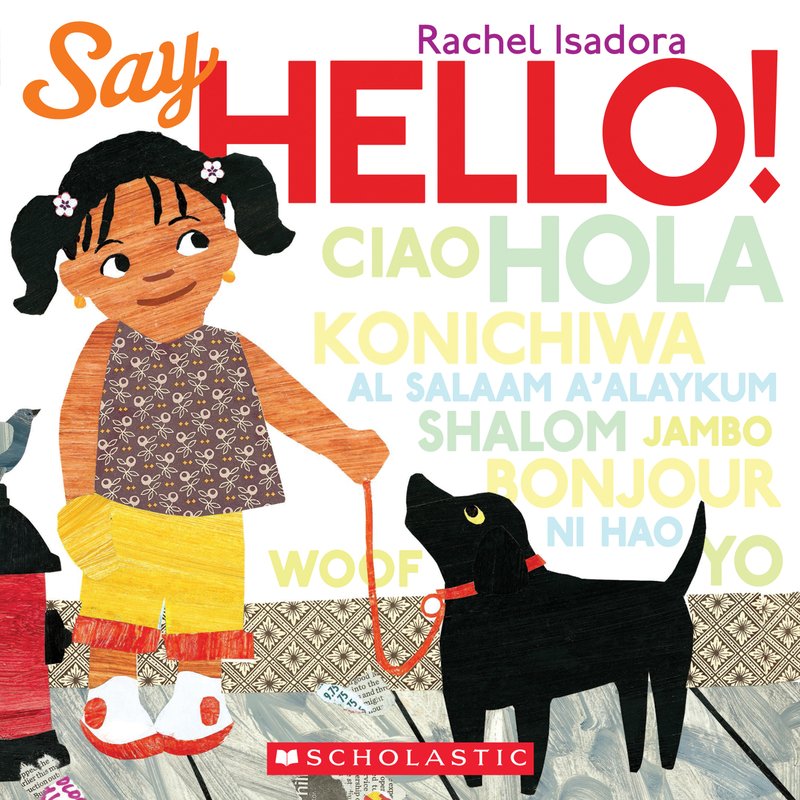
Say Hello!, by Rachel Isadora, (Apr. 2010, GP Putnam), $14.95, ISBN: 978-0399252303

Everyday activism! Carmelita is a little girl going to visit her abuela. As she walks through her neighborhood, she and her neighbors greet one another in their native languages: “Buenos días!”, “Konichiwa!”, “Shalom!”, and other joyful salutations embrace the multicultural world in which we live. Say Hello! will have kids sharing their own greetings with one another.


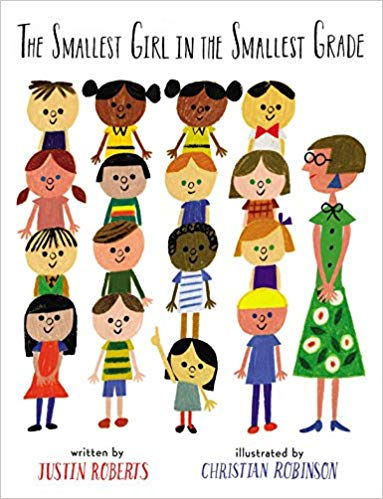
The Smallest Girl in the Smallest Grade, by Justin Roberts/Illustrated by Christian Robinson, (Sept. 2014, GP Putnam), $16.99, ISBN: 978-0399257438

Little Sally McCabe may be the smallest girl in the smallest grade, but she’s making big things happen when she decides to speak up when she sees bullying at the playground. This rhyming story lets kids of all sizes know that we can all make a difference.


Letters to a Prisoner, by Jacques Goldstyn, (Sept. 2017, OwlKids Books), $18.95, ISBN: 9781771472517

This wordless picture book is inspired by human rights organization Amnesty International’s letter writing campaigns. A man is arrested during a peaceful protests and languishes in jail. A cruel guard burns letters that would sustain the man, inspiring more letter writers to come together and create a winged army of written support that overwhelms the guard and lifts the prisoner up and away. The book illustrates the power of the written word to sustain as well as to take a stand.


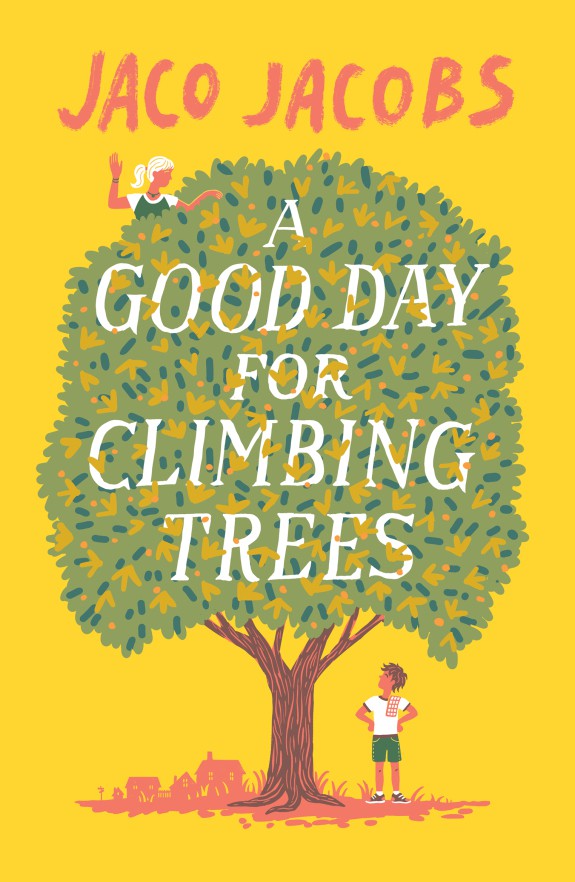
A Good Day for Climbing Trees, by Jaco Jacobs, Translated from Afrikaans by Kobus Geldenhuys/Illustrated by Jim Tierney, (Apr. 2018, One World Publications), $11.99, ISBN: 978-1-78607-317-4

Middle graders have more of a grasp on the world around them, can take action in different ways. Marnus, the 13-year-old protagonist in A Good Day for Climbing Trees, and a friend take action to save a local tree from demolition by petitioning and holding a sit-in, which alerts others to their cause. Readers get a more involved view of activism, and some potential results, here.


This is just a small handful of the growing number of books out there.  I encourage you all to read these books, read them to your kids, and add them to your collections.