Posted in Fantasy, Graphic Novels, Historical Fiction, Teen, Young Adult/New Adult

The Iliad goes graphic: Gareth Hinds interprets the epic into a graphic novel for teens

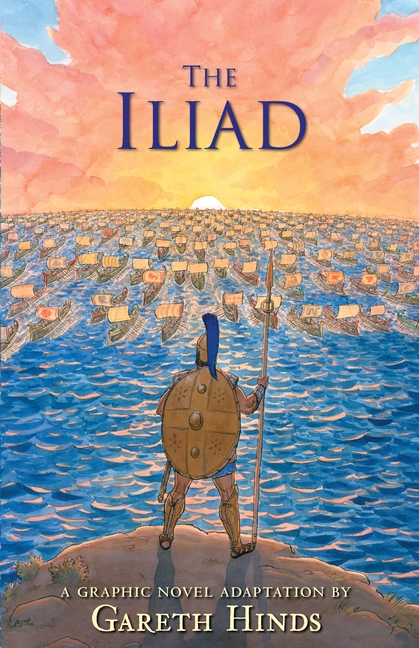
The Iliad, Adapted and Illustrated by Gareth Hinds, (March 2019, Candlewick Press), $27.99, ISBN: 9780763681135

Ages 13+

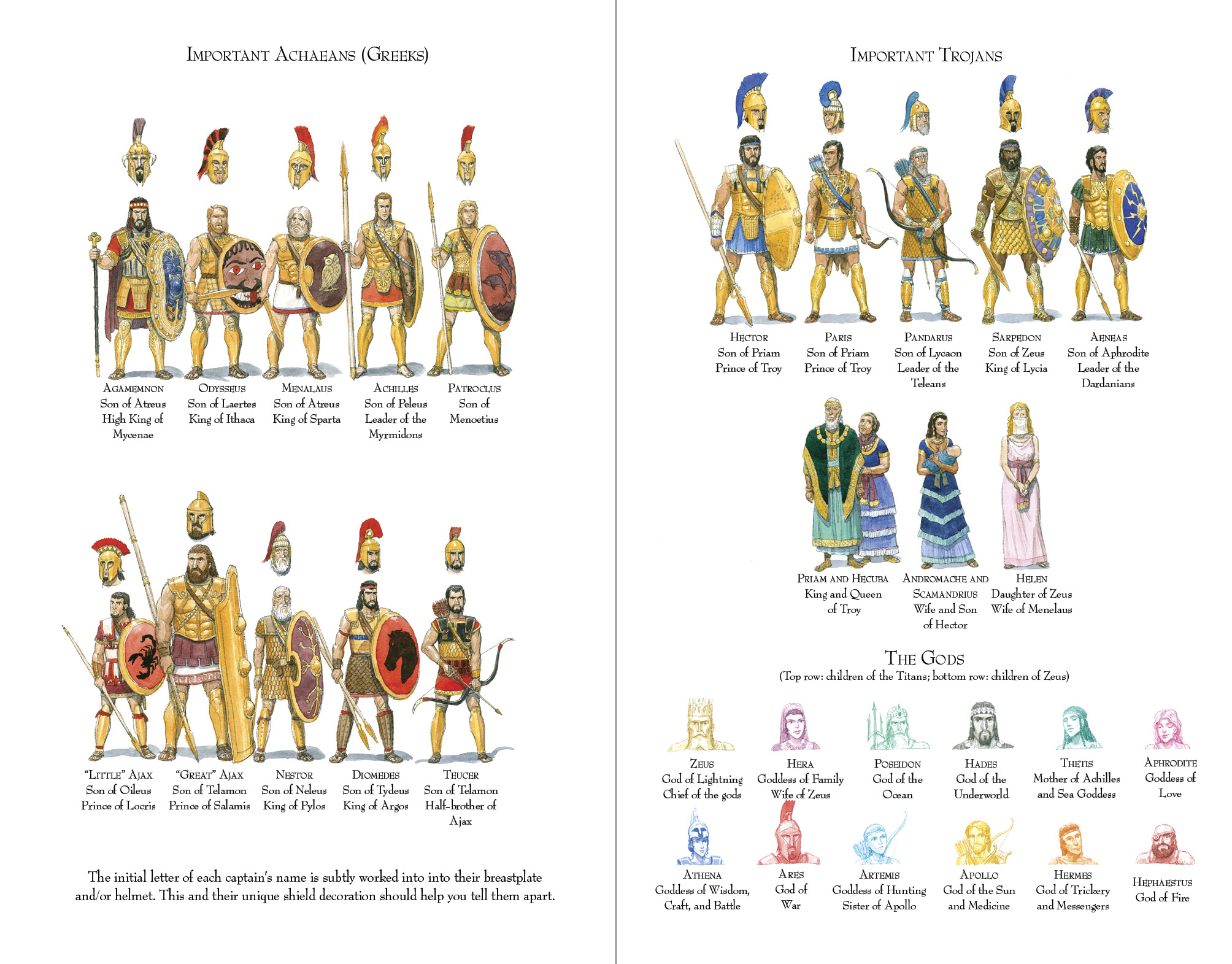
A companion to 2010’s award-winning adaptation of Homer’s The Odyssey, Gareth Hinds adapts Homer’s epic and manages to capture the breathtaking scale. The Iliad is the first part of the epic poem that recounts The Trojan War, introducing readers to legendary characters including Achilles, Hector, Paris, and Odysseus. Hinds gives readers a dramatis personae of important Greeks and Trojans; he also provides illustration of the cantankerous, trouble-making Greek gods, dividing them up between Titans and children of Zeus.

Flowing the story as dialogue between an omniscient narrator (Homer) and the characters is a big help to readers who may be cowed by the epic poem in its original form; Gareth Hinds brings life to the characters and creates landscapes and battle scenes that really engage readers. The drama is more intimate when one feels like a bystander as Hector and his wife, Andromache, say their goodbyes as he goes off to fight Achilles; seeing the gods interfere in the outcomes of battle will have some readers yelling at the book like we yell at our TV screens (okay, the reader in question is me). There’s just so much material to interact with here: an epic story that’s endured for millennia; maps, and notes all come together to make this a great volume to keep on hand for your students, kids, and patrons.

Gareth Hinds’s The Iliad has starred reviews from Publisher’s Weekly and The Bulletin of the Center for Children’s Books. You can find tour dates for Gareth Hinds’s Iliad tour on his website. Candlewick Press has a free, downloadable educator’s guide available.

Gareth Hinds is an award-winning graphic novelist who has some great, epic classics to his credit, including Beowulf, Macbeth, and the works of Edgar Allan Poe. ELA teachers and librarians, get copies of his work into your students’ hands!
 

Posted in Early Reader, Fiction, Graphic Novels, Preschool Reads

Mouse takes a trip to the top of a volcano… but when can he get pizza?

A Trip to the Top of the Volcano with Mouse, by Frank Viva, (May 2019, TOON Books), $12.95, ISBN: 9781943145362

Ages 4-7

Mouse and his friend are off to explore Italy and climb Mount Etna in this second Mouse adventure! The explorer can’t wait to go start the adventure, but all Mouse can think of is pizza. Together, the friends lay out the plan: supplies (walking sticks, warm gloves, strong mountain boots, thick sweaters, and cool sunglasses) and set out for the mountain. They discover the different foods that grow at the base of the mountain (but not pizza), hike to the top, and see what types of wildlife wander around the area, before ending their day with a trip to the pizzeria.

A Trip to the Top of the Volcano is a fun mix of fiction and nonfiction, with stylish, vibrant graphics. There’s a beautiful cross-section spread, showing not only how plant life grows up the mountain, but the parts of the volcano, including the magma chamber, vents, and crater. There is information about local wildlife, plant life, and volcano characteristics, all communicated with simple, straightforward sentences that new readers will love reading and pre-readers will love listening to.

This is the second Mouse adventure from Frank Viva and TOON; the first, A Trip to the Bottom of the World with Mouse, sees the two friends off on an expedition to Antarctica. A Trip to the Top of the Volcano with Mouse has a free, downloadable Teacher’s Guide.

Posted in picture books

An unexpected nature preserve crops up in the DMZ

When Spring Comes to the DMZ, by Uk-Bae Lee, (March 2019, Plough Publishing), $17.95, ISBN: 9780874869729

Ages 4-8

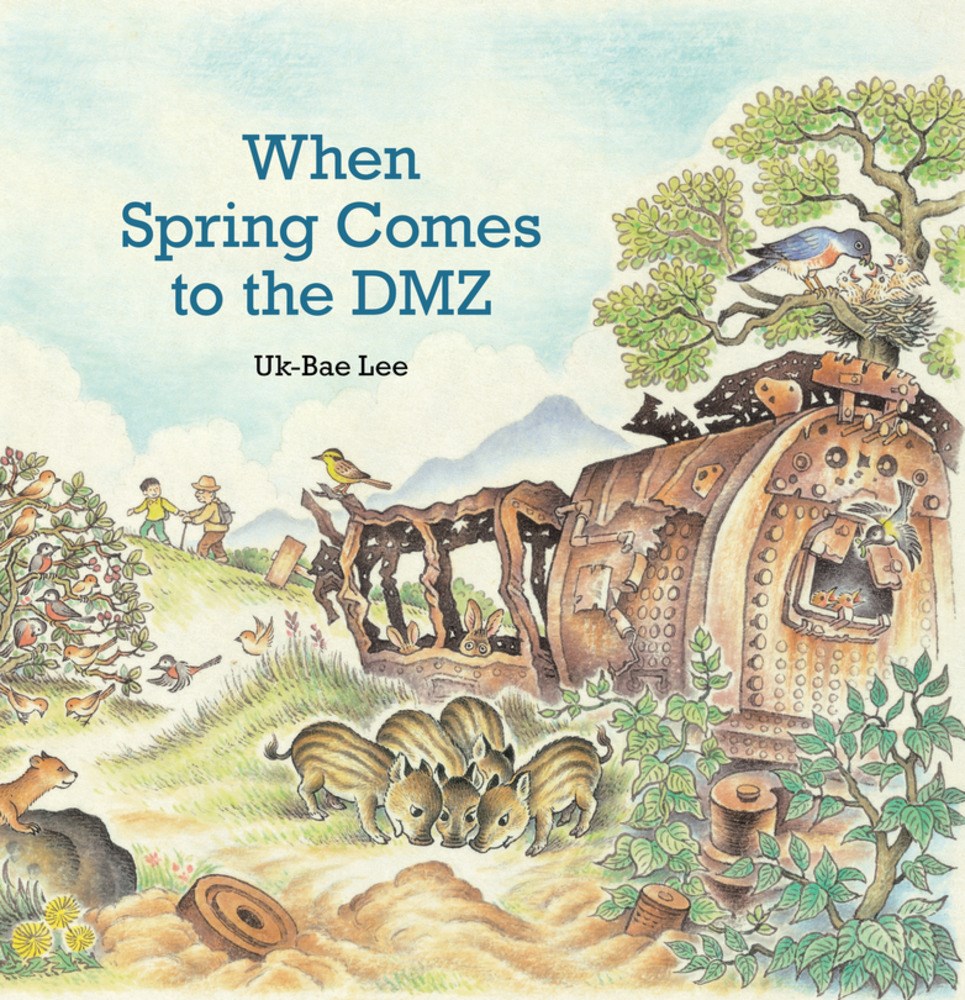
Established in 1953, The DMZ – the demilitarized zone separating North and South Korea – has, over time, become a nature preserve, with plants and animals living and thriving amid the razor wire, soldiers, and military machines. When the Spring Comes to the DMZ introduces readers to the DMZ throughout the seasons, illustrating how wildlife lives almost effortlessly – razor wire ever-present in the background, husks of man-made machinery now home to animal families – and through the eyes of a boy and his grandfather, who visit the DMZ so grandfather can look out at his former home with bittersweet longing. It’s a reaffirmation that life goes on for some, but for others, that life is painfully halted in place, while years pass.

The artwork is beautifully subdued, with soft greens and browns dominating the pages. The story is told in simple, sweet, almost heartbreaking statements: “When spring comes to the DMZ, green shoots spring up in the meadows./But you cannot go there because the razor wire fence is blocking the way”. This spread, viewed as through a telescope, puts us in grandfather’s place, and communicates some of the heartache he must feel; having home be so close, yet unreachable.

When Spring Comes to the DMZ is a book that works for social studies and current events read-alouds, and would pair nicely with similar books about refugees and immigrants, including Anne Sibley O’Brien’s Someone New and I’m New Here and Bao Phi’s A Different Pond. Reading When Spring Comes to the DMZ alongside Nicola Davies’ When War Came allows for a discussion about the aftermath of war; while DMZ doesn’t mention the Korean War in the story itself, the back matter fills in necessary information, along with an exhortation for peace. There is little in print for children about the North Korea and the DMZ, making this an important book to include in social studies and current events collections.

When Spring Comes to the DMZ has a starred review from Kirkus. Shelf Awareness has a wonderfully detailed review.


Posted in Graphic Novels, Guide, Middle Grade, Non-fiction, Tween Reads

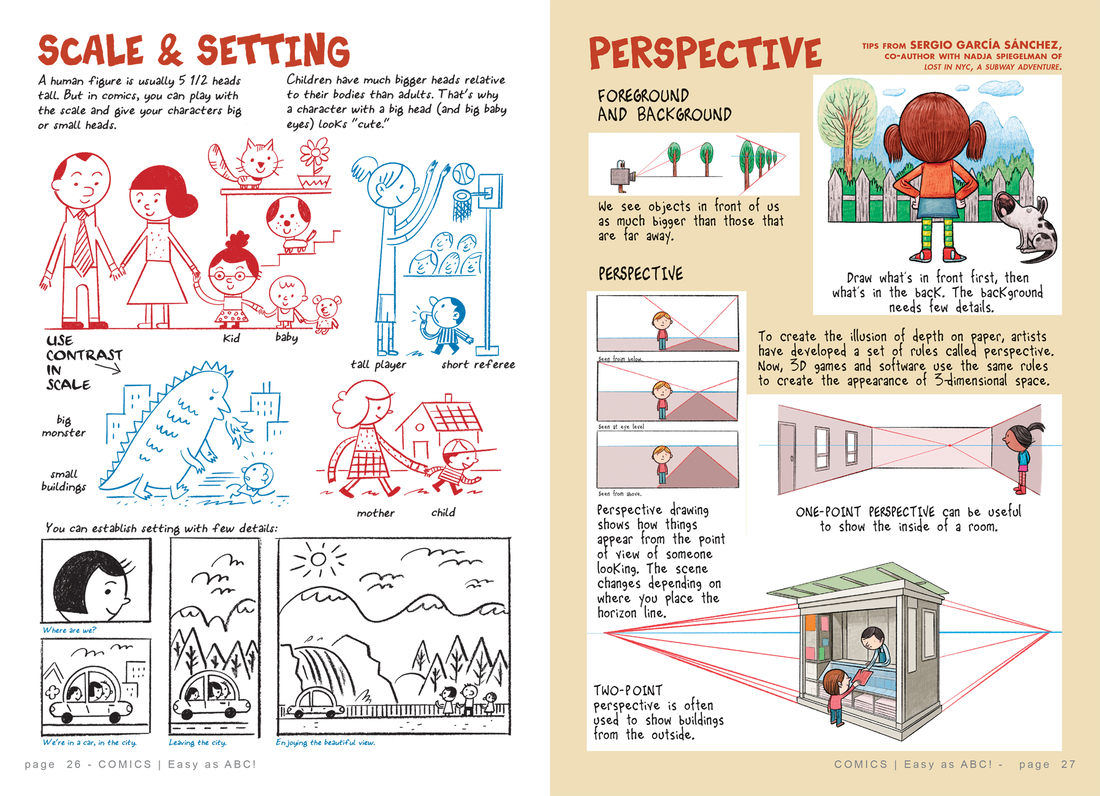
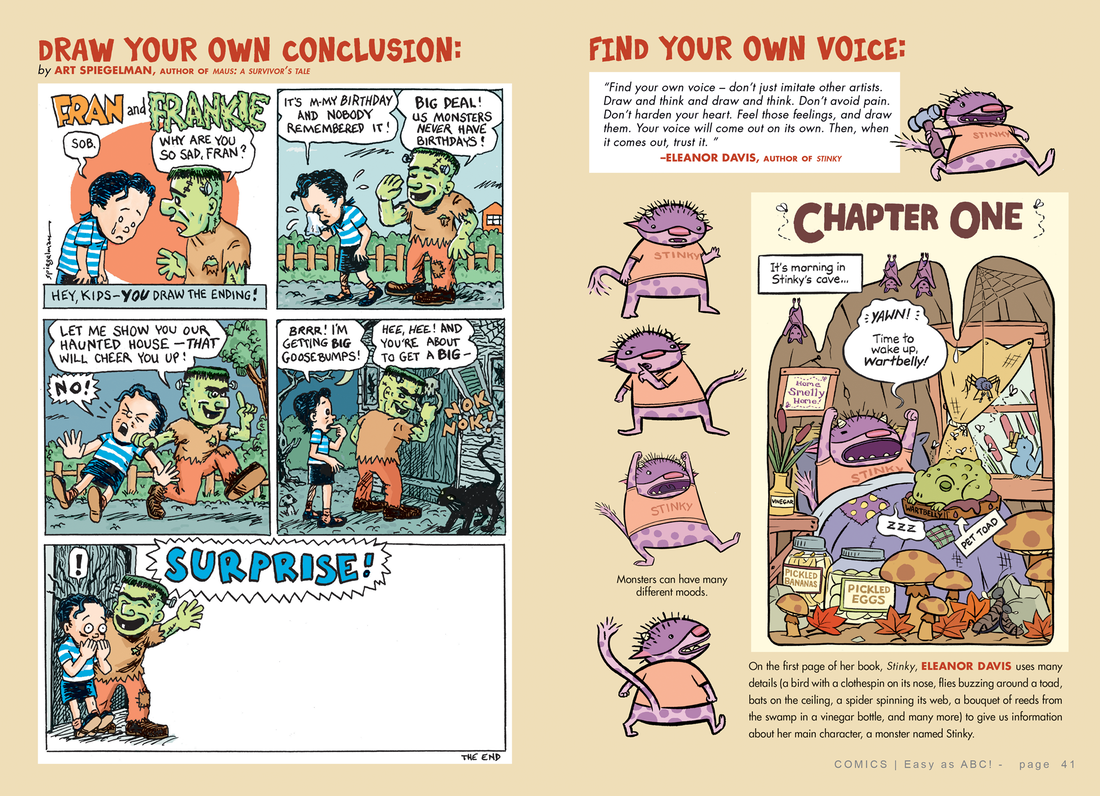
Comics: Easy as ABC! is essential kid and grownup reading!

Comics: Easy as ABC! The Essential Guide to Comics for Kids, by Ivan Brunetti, (Apr. 2019, TOON Books), $16.95, ISBN: 9781943145447

Ages 8-12

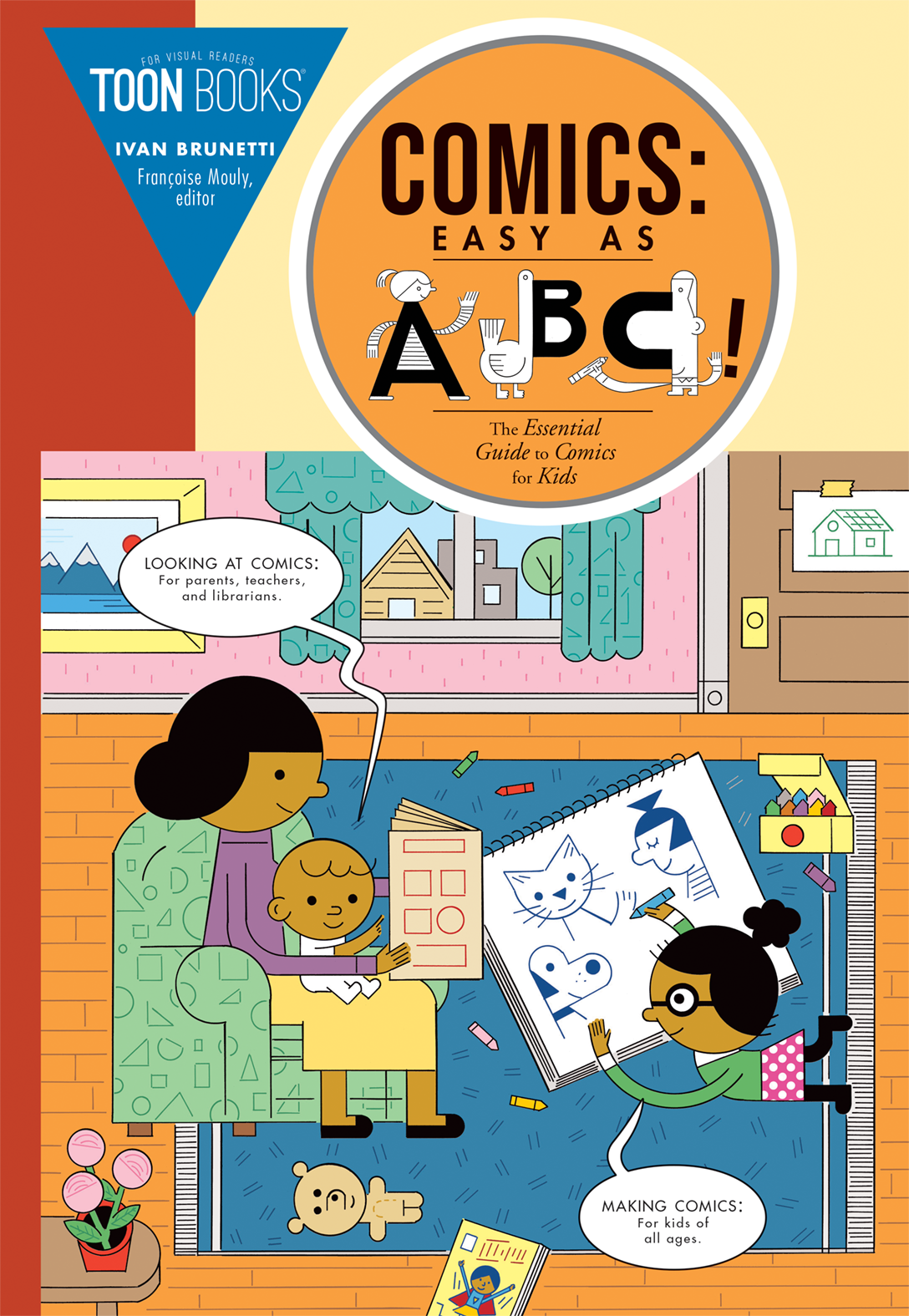
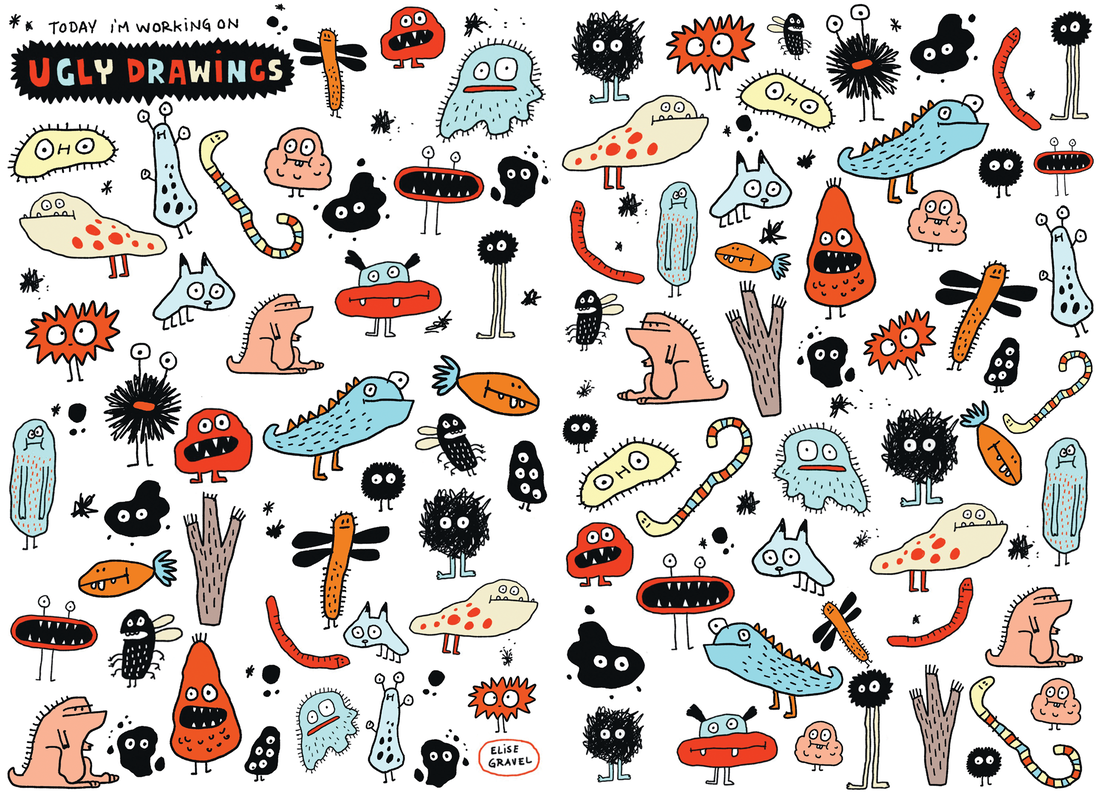
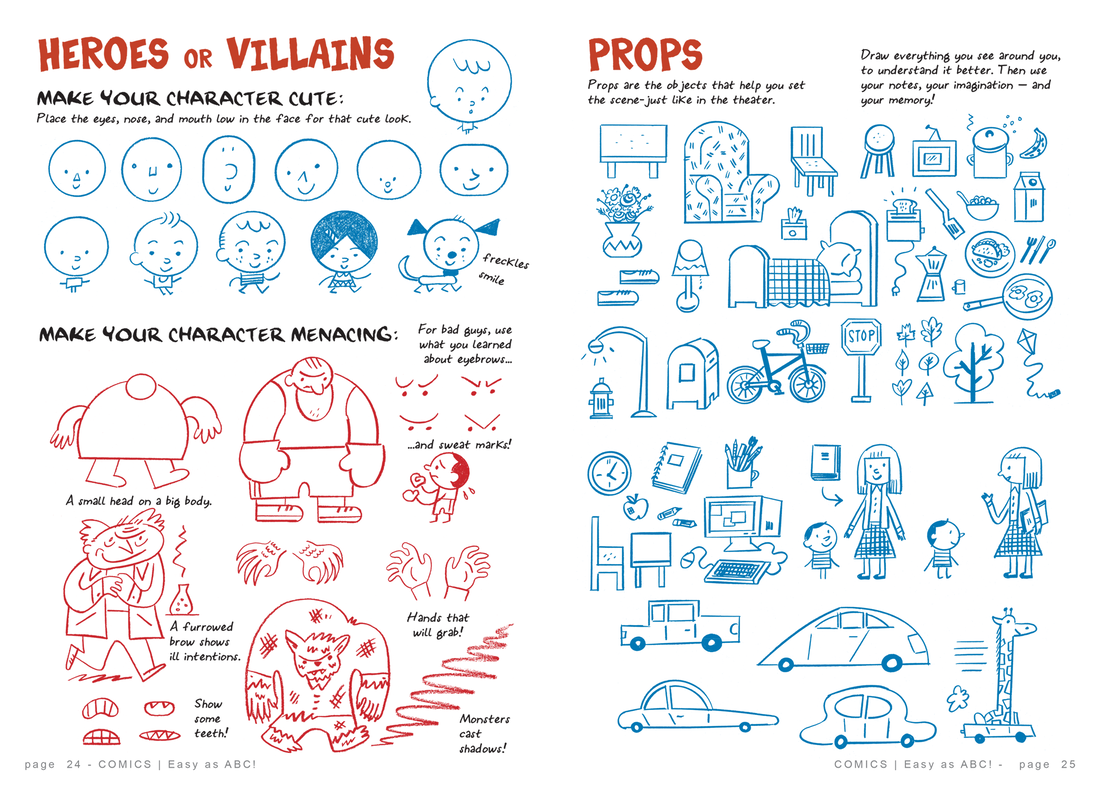
Ivan Brunetti and an all-star cast of comics luminaries put together a compulsively readable guide to cartooning and comics for kids and grownups alike. An Understanding Comics for younger readers, Comics: Easy as ABC! introduces kids to the joy of cartooning and doodling; drawing characters whose faces and body language communicate emotion and personality; perspective; point of view; lettering, and so much more. There are quotes and excerpts of comic panels and drawings by such comics and graphic novel notables including Neil Gaiman, Elise Gravel, Liniers, and Jeff Smith. TOON Editorial Director and New Yorker art editor Françoise Mouly notes, in her introduction, that she hopes Comics: Easy as ABC! encourages more people to fall in love with comics and to inspire budding cartoonists.

This is such a great volume to have as a desk reference for librarians, parents, and educators, because it’s a crash course in understanding comics. It gives a language to the artwork, letting us look at all art – comic books, naturally, but picture books and illustrated chapter books, too – and explain to readers how to read art; how to decipher facial expressions and body language, how to read a landscape and understand a setting for a panel or spread. The book encourages readers to “draw their own conclusions” by letting them fill in the ending of a comic strip drawn by Pulitzer Prize-winning author and artist Art Spiegelman, and “find their own voices”, with guidance from author Eleanor Davis. A section dedicated to parents, teachers, and librarians guides us grown-ups through the process of how to read comics with kids, with examples, advice, and callout tips like, “The child who makes informed guesses is reading. Enjoy, and hold back from correcting”. Information about the TOON Into Reading Program explains TOON’s leveled reading (also broken further into Lexile, Guided Reading, Reading Recovery, and grade levels). An index, further resources, and a bibliography round out this information-packed guide to the world of comics and graphic novels.

TOON! does it again. This is an essential volume for your graphic novels shelves, and for your desk reference. There’s a 7-page free, downloadable Teacher’s Guide available on the website.

Posted in Fiction, Fiction, Graphic Novels, Intermediate, Middle Grade

Big Nate meets Medieval Times: Max and the Midknights

Max and the Midknights, by Lincoln Peirce, (Jan. 2019, Crown Books for Young Readers), $13.99, ISBN: 978-1-101-93109-7

Ages 8-12

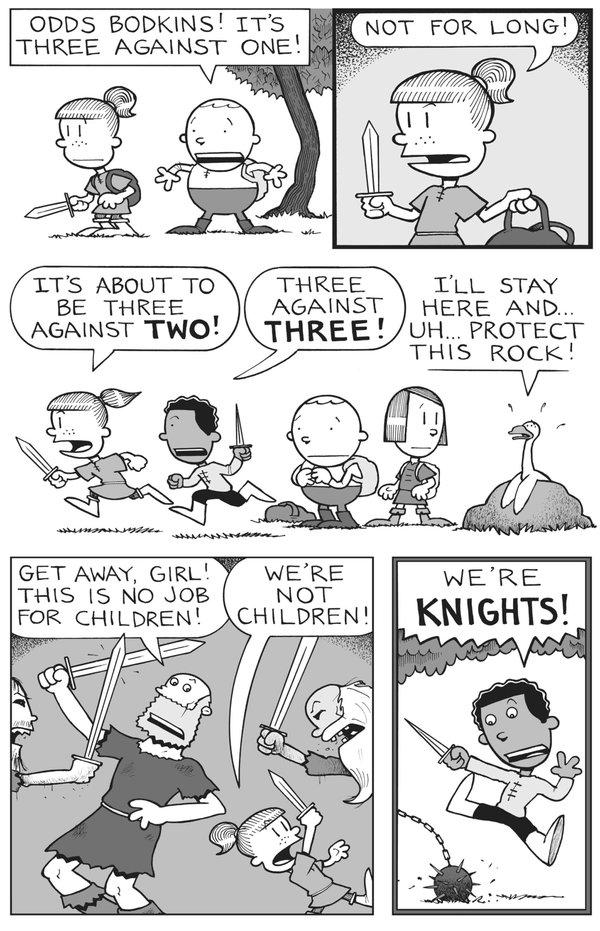
From the creator of Big Nate comes Max and the Midknights, a story about Max, a troubadour in training who really wants to be a knight; a mean king, and a group of kids determined to make things right. Throw in a magic sword and a bumbling magician, and you have Max and the Midknights, a clever blending of graphic novel and middle grade novel. Max and Uncle Budrick visit Budrick’s childhood home in the kingdom of Byjovia, only to discover that the kind King Conrad is missing and presumed dead, and his awful brother, King Gastley, is on the throne. The villagers all seem cruel and distant, and routinely rounded up and thrown in Gastley’s dungeons. Max and new friends Kevyn, Millie, and Simon, hatch a plant to save Budrick and have some exciting adventures on the way, including some interesting background on Max, epic poetry, dragons, and haunted forests.

The book is loaded with humor, very likable characters, and adventure. Big Nate fans will be happy to see Nate show up in the book’s very beginning: Max and the Midknights is his book report. I loved spending time with Max and friends, and I’m hoping to see another installment soon. Put this right up there with Dav Pilkey, Jeff Kinney (both of whom blurbed Max), and Jeffrey Brown’s books. This could be the book that gets your reluctant reader to embrace fantasy fiction!


Posted in Fantasy, Fiction, Intermediate

Polly Diamond heads to the Super Stunning Spectacular Book Fair!

Polly Diamond and the Super Stunning Spectacular Book Fair, by Alice Kuipers/Illustrated by Diana Toledano, (May 2019, Chronicle Books), $14.99, ISBN: 978-1452152332

Ages 7-10

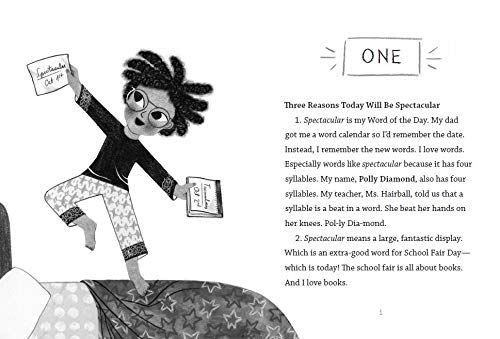
Polly Diamond and her magic notebook, Spell, are going to the school book fair in Polly’s latest adventure! As we learned in Polly’s first story, Polly Diamond and the Magic Book, Spell has the special ability to bring to life whatever Polly writes in it. So when Polly decides to liven up the book fair with some book-related excitement, it’s a lot of fun: she turns a mean babysitter into a squirrel, she calls up a roller coaster, and a Title-Tastic photo booth. But writing things down can often lead to misinterpretation, and Polly discovers things have gotten way out of control! Just imagine what Amelia Bedelia would be like if she had magical powers, and there you have it. Polly has to get things under control, and keep her kid sister safe in the process!

Polly is a biracial child of color with a white father and dark-skinned mother; her baby brother and kid sister are also children of color. Loaded with black and white illustrations, this second book in the Polly Diamond series is great fun, and filled with book-related humor and references. There’s even a list of Polly’s current favorites at the end of the book, which I love. It not only lends itself to a creative book display, but gives you a ready-to-booktalk guide for readers who want to read like Polly does. These chapter books also make for fun read-alouds; you can do a chapter a day with no problem, and let your audience’s imaginations run wild in their own (less powerful) Spell notebooks! Ask kids what they’d have Spell create for them, and invite them to contribute their own book ideas to make lists similar to Polly’s. This is the kind of series that turns readers into book lovers. Make sure you have this one on your shelves.

Alice Kuipers is an award-winning author and offers information for writers on her author website. Diana Toledano is an award-winning illustrator whose art you can see on her website.

Posted in Early Reader, Non-Fiction, picture books, Preschool Reads

Kane Miller’s Shine-a-Light series goes to the library!

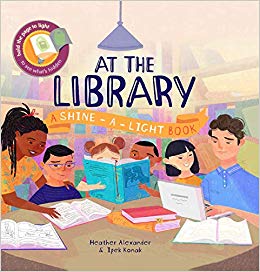
At the Library (Shine-a-Light), by Heather Alexander/Illustrated Ipek Konak, (Jan. 2019, Kane Miller), $12.99, ISBN: 9781610678230

Ages 4-8

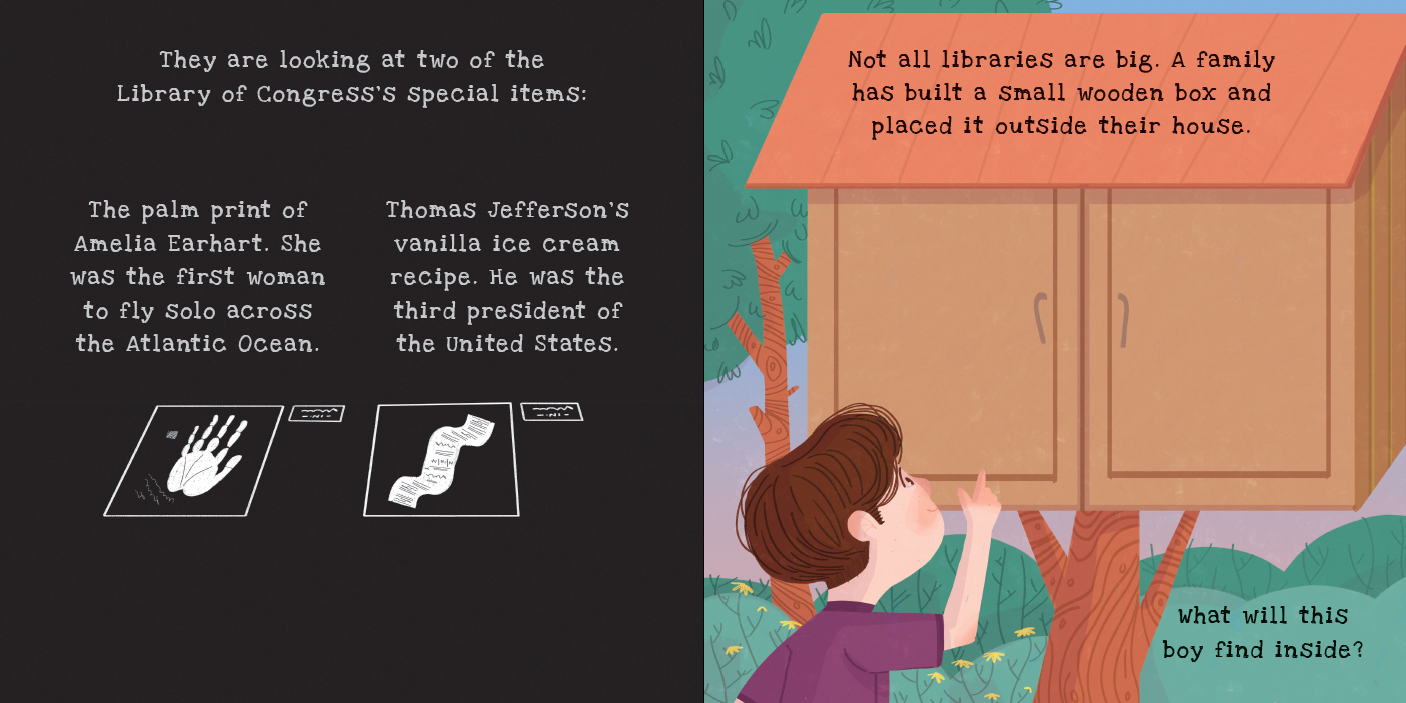
The Shine-a-Light series from Kane Miller adds a fun dimension to nonfiction reading: hold each right-hand page to the light to see a hidden image. At the Library is a nice introduction to libraries for younger readers who are new to what libraries can do and offer. Each page asks questions that can be answered by shining a light on the pages: find a mother reading to her baby; learn some of the rules of the library (we don’t really enforce that “no loud talking or making noise” business, but it is nice if you’re relatively quiet and respectful); and take in a puppet show or a storytime. The artwork within the body of the book has soft colors and black and white pages to allow for the “hidden” pictures to shine through and the questions allow for interaction between a reader and the storytime audience. The book even covers bookmobiles and little free libraries, plus a quick trip to the Library of Congress. A back section features some of the more unique items in collections around the world, including the original Winnie the Pooh stuffed bear that inspired A.A. Milne’s tales; a snow globe collection, and the contents of Abraham Lincoln’s pockets on the day he died.

My 6-year-old really enjoys this series, and my storytime group at my last library loved seeing what went on in outer space. I’ve got a class visit that I’m going to introduce to At the Library this week – let’s see how it goes! The Shine-a-Light series is a fun addition to nonfiction collections, and punches up a nonfiction storytime, and there’s a bunch to choose from.


Posted in picture books, Preschool Reads

Croc & Turtle are the BEST at being best friends!

Croc & Turtle! The Bestest Friends Ever!, by Mike Wohnoutka, (Feb. 2019, Bloomsbury Children’s Books), $17.99, ISBN: 9781681196343

Ages 3-6

Croc tells his buddy, Turtle, that he’s the strongest, fastest, highest jumper… but he gets proven wrong each time! When Croc starts to feel down on himself, Turtle knows that just won’t do: he’s the best friend to Turtle. And Croc assures Turtle that he’s the best friend to Croc. They’re both the best at something! Yay! A sweet story about not having to be “the best” at things to have value, Croc and Turtle! The Bestest Friends Ever is comical, entertaining, and delivers a valuable message.

Written as a dialogue between the two friends, with other friendly animals chiming in, this works for storytime, one-on-one, and individual reading. The text includes short and mid-length sentences, with sound effects and plenty of sight words for newly independent readers; toddlers and preschoolers will love the cartoony artwork and the big facial expressions; the gouache artwork is done in pastels and is very little kiddo-friendly. Croc & Turtle! The Bestest Friends Ever! is a good addition to your picture book collections, and I look forward to seeing more Croc & Turtle adventures.

Mike Wohnoutka is an ALA Notable book author; his books, Can’t Sleep without Sheep, Jack’s House, and This is NOT a Cat have been designated as Blue Ribbon selections by the Bulletin of the Center for Chidren’s Books.


Posted in picture books, Preschool Reads

Noah Builds an Ark brings shelter from the storm

Noah Builds an Ark, by Kate Banks/Illustrated by John Rocco, (March 2019, Candlewick Press), $16.99, ISBN: 9780763674847

Ages 3-8

A boy named Noah knows there’s a storm coming. As his parents get ready to ride out the storm and keep their family safe, so does Noah. He re-purposes his red wagon into an ark to hold his animal friends, building a roof, gathering food, and furnishing the ark to keep his garden friends safe. When the storm arrives, Noah and his family are safe and warm, and so are the frogs, birds, snakes, mice, spiders, and beetles Noah has sheltered within the ark. When the storm passes, Noah is relieved to see the animals made it through, and the garden returns to life.

This is a lovely, non-theological retelling of the famed tale. Noah is an boy of color living in an urban setting who clearly enjoys nature, as evidenced by his compassion and empathy in creating a safe space for the wildlife in his backyard and by his animal companions present throughout the process: a bird sits on the fence with him as he sees the storm clouds rolling in; a butterfly sits on his foot as he lays in his yard; a grasshoper keeps him company as he assembles the ark. The narrative moves between Noah’s parents preparations, and Noah’s, with him echoing his parents’ sentiments such as, “We need to get ready”, “Better be prepared”, and, as the storm moves in, “Come”. It’s a wonderful example of modeling that parents and caregivers will recognize and that kids will relate to.

John Rocco’s pencil, watercolor, and digital artwork is realistic and subdued. The human faces are gentle and kind, the gestures warm and pleasant. Noah Builds an Ark is a story of compassion, nature, and life, and it’s a great storytime pick. Noah Builds an Ark has a starred review from Kirkus.

Posted in Graphic Novels, Non-Fiction, Teen, Women's History

What Makes Girls Sick and Tired – great for YA collections

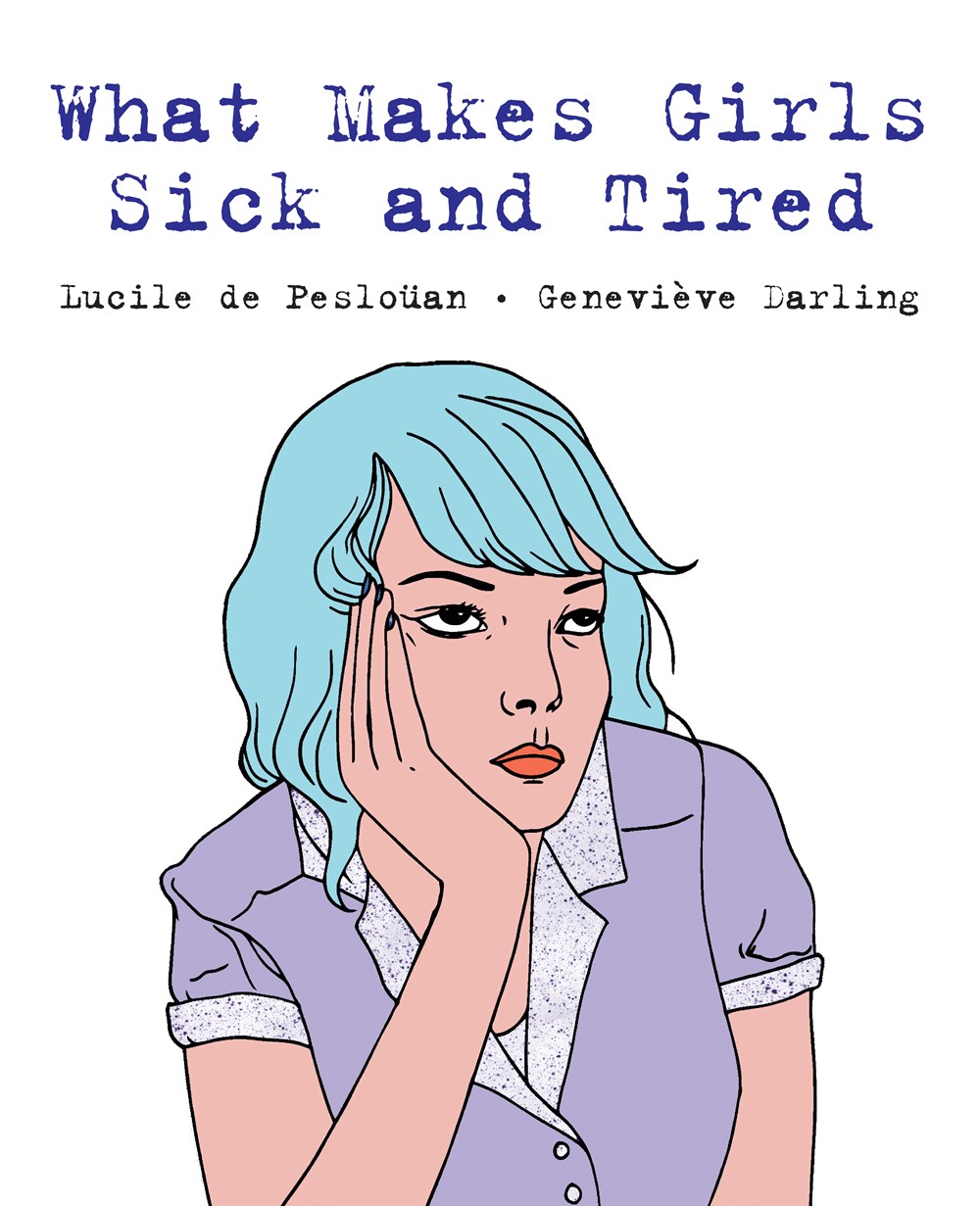
What Makes Girls Sick and Tired, by Lucile De Pesloüan/Illustrated by Geneviève Darling, (March 2019, Second Story Press), $13.99, ISBN: 9781772600964

Ages 12+

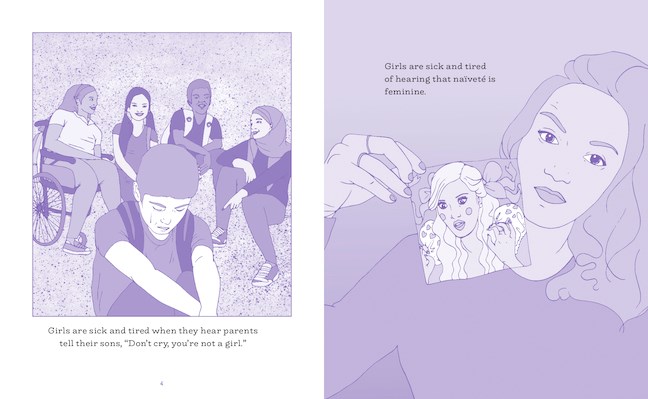
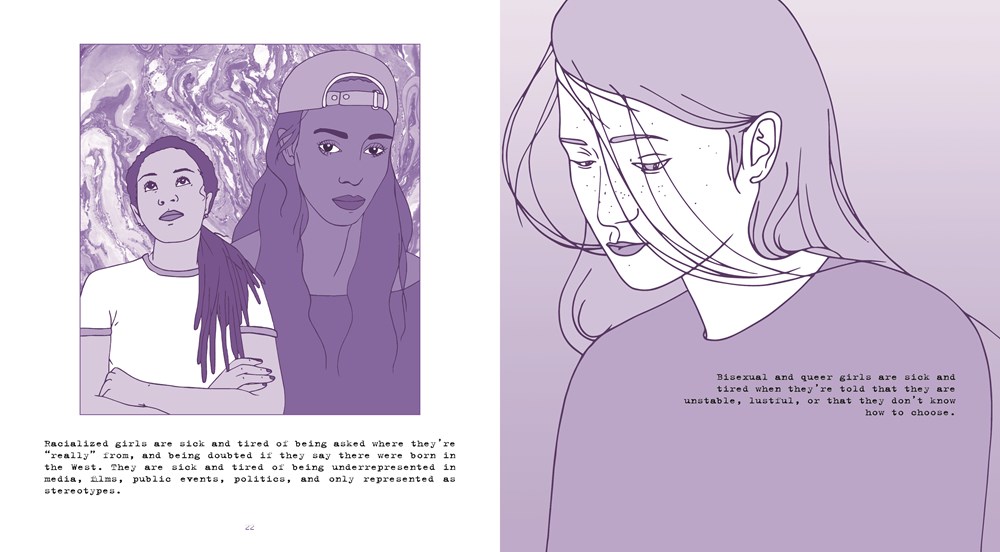
The time for conversations is here: there are a lot of things women are sick and tired of hearing. We’re tired of hearing the same old “jokes” and passive-aggressive comments and we’re not laughing it off with a simple eyeroll any longer. What Makes Girls Sick and Tired is a graphic novel – a feminist manifesto, as publisher Second Story Press states – that brings these obnoxious ideas, assumptions, and comments to light, in the hope that it will prompt discussion and understanding.

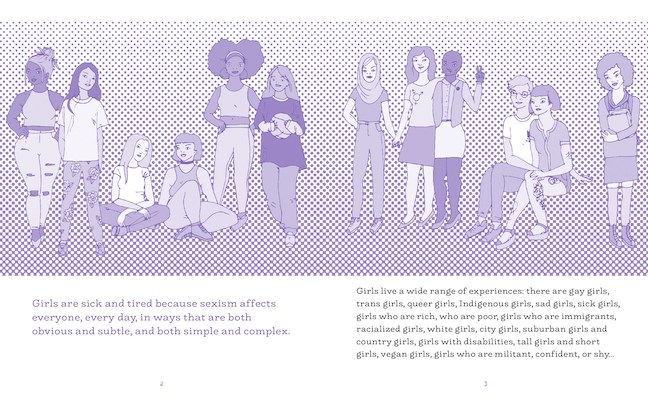
Geneviève Darling’s purple-and-white artwork gives visual understanding to Lucile De Pesloüan’s words and ideas, featuring  diverse, inclusive groups of women to get the points across. Girls and women are not cookie-cutter templates: we are different, have different tastes and experiences, come from different cultures and backgrounds, and have different ideas and beliefs. We don’t all want to be rescued, and we don’t want to be someone’s “score”. We don’t like it when you assume we’re weak, when you tell boys and men to “man up” or “stop crying like a girl”. We don’t want to be told to “act like a lady” or, for that matter, what a lady is, does, or looks like. These moments, and many more, are intelligently captured and plainly stated. It’s a powerful, smart book that I hope will inspire young women – and men – to read, discuss, and move forward with understanding. There are no solutions presented here: that’s for us to take on.

What Makes Girls Sick and Tired has received some great feedback from librarians and bloggers, and I’m looking forward to getting this on my shelves. Like Oni Press’s A Quick Easy Guide to They/Them Pronouns, this is information that works well in graphic format for teen and college audiences.