Posted in Adventure, Fiction, Humor, Middle Grade

Spy Penguins are on the scene!

At the beginning of the school year, Macmillan sent me a box of new fiction to check out; I’ve been working my way through it, but had to take some time to post about the Spy Penguins books by Sam Hay, with illustrations by Marek Jagucki. These books are hilarious and loaded with wacky adventures! I read both books in the series so far (there’s a third one coming in September 2020), and have started reading the first book to my kiddo. He’s thoroughly enjoying them. So let’s take a look at the newest dynamic duo, The Spy Penguins.

Spy Penguins, by Sam Hay/Illustrated by Marek Jagucki, (Sept. 2018, Feiwel & Friends), $13.99, ISBN: 9781250188380

Ages 7-11

The first book in the new Spy Penguins series introduces us to Agent 00Zero and Q, better known as Jackson and his best friend, Quigley. They’re two young penguins who have big dreams of joining the FBI (Frosty Bureau of Investigation). Jackson wants to be a field agent, just like his Uncle Bryn, while Quigley wants to be the gadget guy, creating all sorts of cool inventions, just like his cousin, Sunny. The problem? They’re a little young, a little dorky, and have a gift for getting into trouble. But when rare fish start disappearing from the aquarium, jeopardizing their friend’s Lily’s dad’s job and reputation, the two agents-in-training get down to business! But can the two crack the case AND avoid being the next to disappear?

Spy Penguins is just fun to read. There’s some good world-building, with penguin-related vocabulary (flipper and ice-related terms, krill-sized problems), and creative backgrounds for the side characters, like Jackson’s Type-A mom, who is a “truth magnet” that can track you down and whose temper is measured in shark levels, or Jackson’s father, a more creative type who constantly creates new rooms to add on to the family home. Jackson and Quigley make a great and lovable team, and the action and fast-paced storytelling will ensure that kids will want to spend time with these two – and their extended group of family and friends – again. Black and white illustrations add to the fun and the story, providing a visuals and a solid framework around the story.

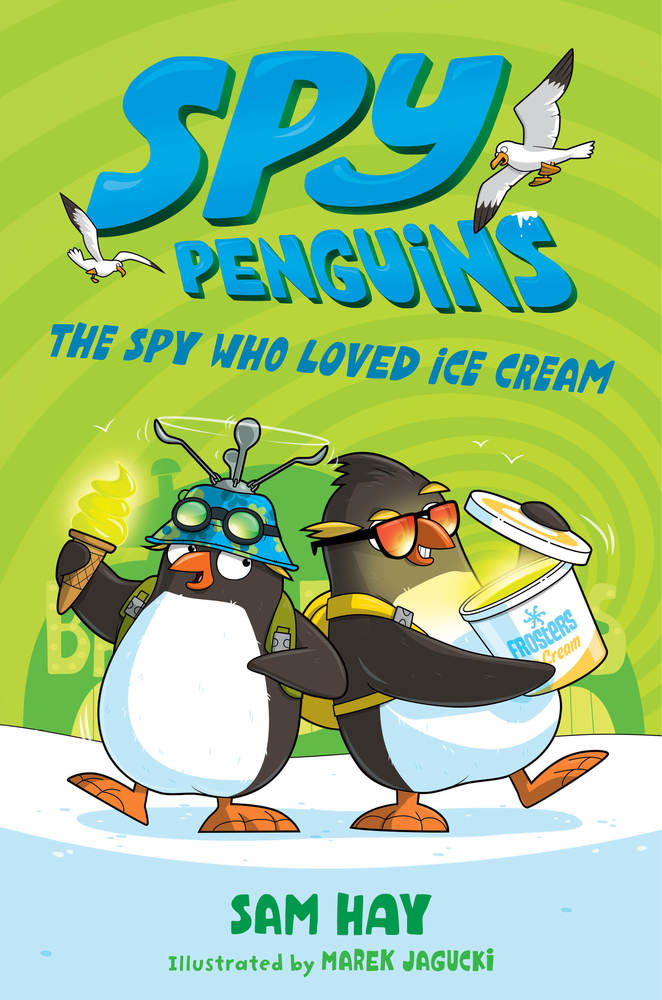
Spy Penguins: The Spy Who Loved Ice Cream, by Sam Hay/Illustrated by Marek Jagucki, (Sept. 2019, Feiwel & Friends), $13.99, ISBN: 9781250188588

Ages 7-11

Jackson and Quigley are back, and just in time! Jackson’s Uncle Bryn, actual member of the FBI (Frosty Bureau of Investigation), has been hypnotized and is on a crime spree! The two wannabe-agents-in-training have to figure out what happened to Uncle Bryn, prove his innocence, and dodge Jackson’s mom, who still has them on punishment from the last adventure!

Picking up immediately after the events of the first Spy Penguins novel, The Spy Who Loved Ice Cream begins with Jackson and Quigley scrubbing seagull poop as part of their punishment, meted out by Jackson’s mom. But things take a turn when they stop at the ice cream parlor and meet Uncle Bryn and two other FBI agents, who are eating a weirdly glowing ice cream and don’t acknowledge the two. Sure, it’s strange, since Uncle Bryn is Jackson’s favorite uncle; when they discover that Uncle Bryn is wanted for robbery, they know something is REALLY up. Loaded with more gadgets, delicious (and mind-altering) ice cream, and new ways of trying to avoid Jackson’s mom, The Spy Who Loved Ice Cream is every bit as much fun as Spy Penguins. More characters get fleshed-out backstories, including Quigley’s tech whiz cousin, Sunny and antagonist Hoff Rockhopper. The inventions are straight-up hilarious this time around, including a hat that’s supposed to deflect seagull poop and a suit made of sardine poop that should (emphasis on “should”) render the wearer invisible. The illustrations and fast-paced, fun writing will keep readers coming back for more.

If you have readers who love Snazzy Cat Capers, introduce them to Jackson and Quigley. If these characters all existed in the same universe, I’d be thrilled. (CROSSOVER!)

Posted in picture books, Toddler Reads, Uncategorized

Jimmy Fallon’s This is Baby is adorable!

This is Baby, by Jimmy Fallon/Illustrated by Miguel Ordóñez, (Oct. 2019, Feiwel & Friends), $16.99, ISBN: 9781250245601

Ages 0-3

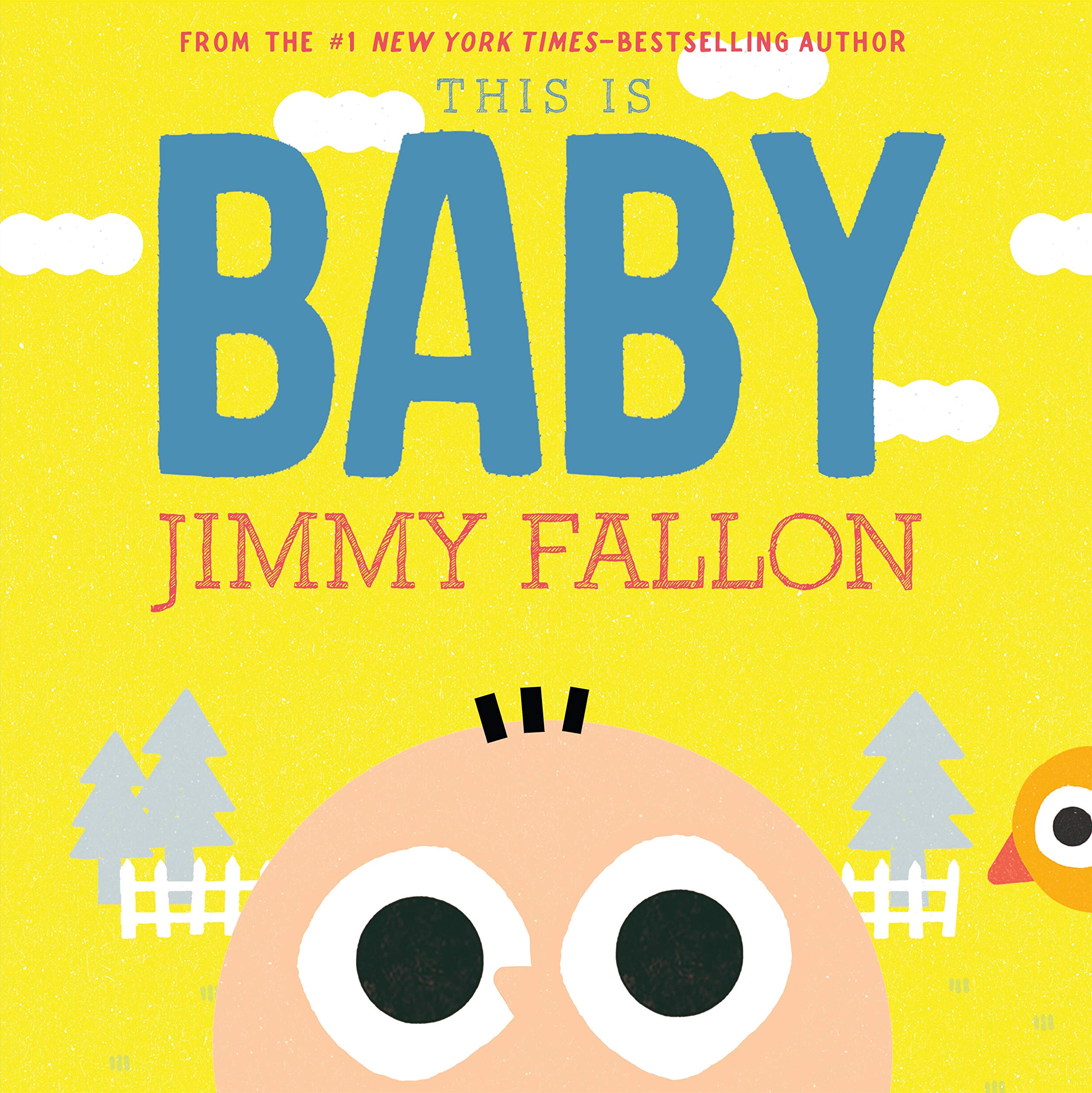
This is Baby is Jimmy Fallon’s third children’s book, and gets down to the business of naming all the important parts of a baby: eyes, nose, fingers, and toes are all accounted for, as are other baby parts, along with the biggest, most important part of baby. It’s the sweetest, most fun type of concept book, showcasing a variety of cartoony, big-eyed babies and animal counterparts, showing off heads, hair, tummies, and bottoms, and the rhyming text makes this a storytime favorite that you’ll come back to again and again. All of baby’s parts are extra-bold and in word balloons, so invite your readers to shout out the names as you point them out on yourself or the story as you read.

Jimmy Fallon’s books are made for reading out loud, and give the grownups as much fun as the kids. Your First Word Will Be Dada and Everything is Mama are all about how our kids view us (through our own eyes, of course). This is Baby is a fun spin on concept books that teach children about their bodies, and I love it. (I’m also the one that bought the Frankenstein board book to teach my kid about names for his body parts, so…) Make sure you have plenty of fun lapsit songs to accompany this book; Storytime Katie has a great collection of them. Hand out coloring pages from This is Baby and Everything is Mama afterwards!

Posted in picture books, Preschool Reads, Toddler Reads

February Picture Books: little elephants, fabulous females, and being your own self!

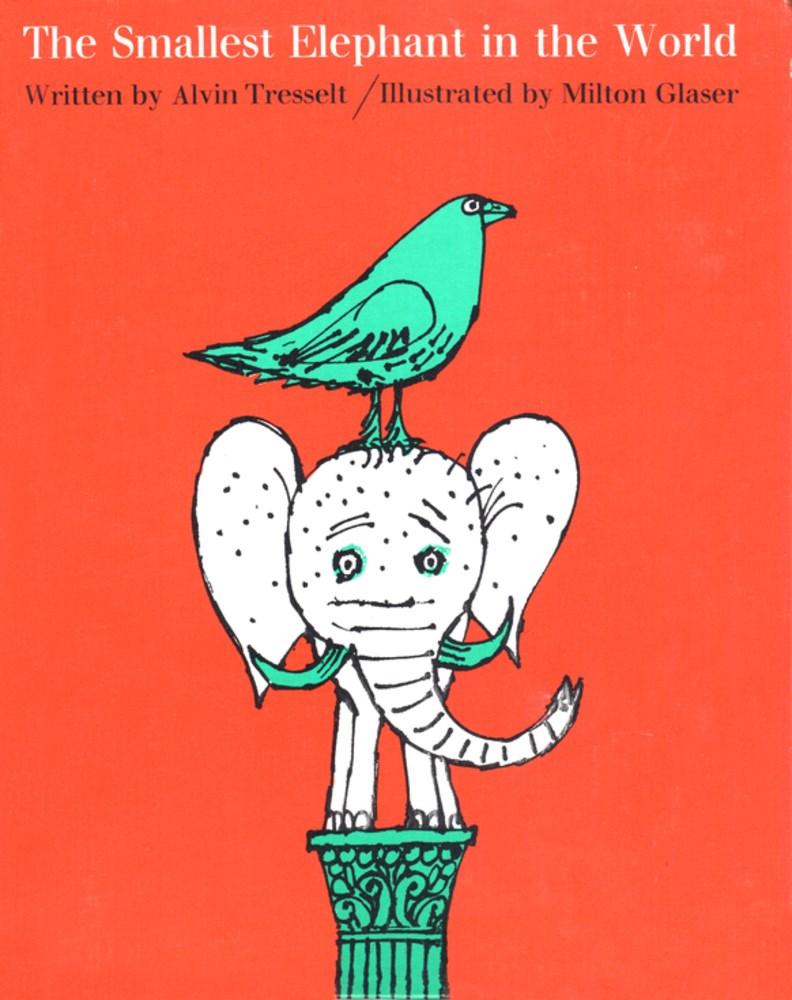
The Smallest Elephant in the World, by Alvin Tresselt/Illustrated by Milton Glaser, (Feb. 2019, Enchanted Lion), $16.95, ISBN: 9781592702619

Ages 4-8

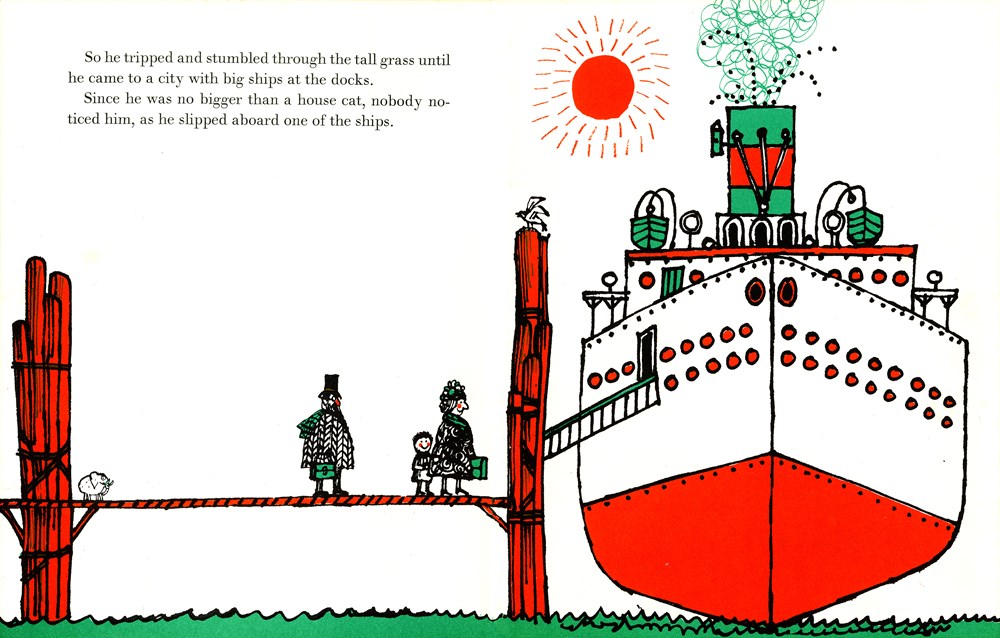
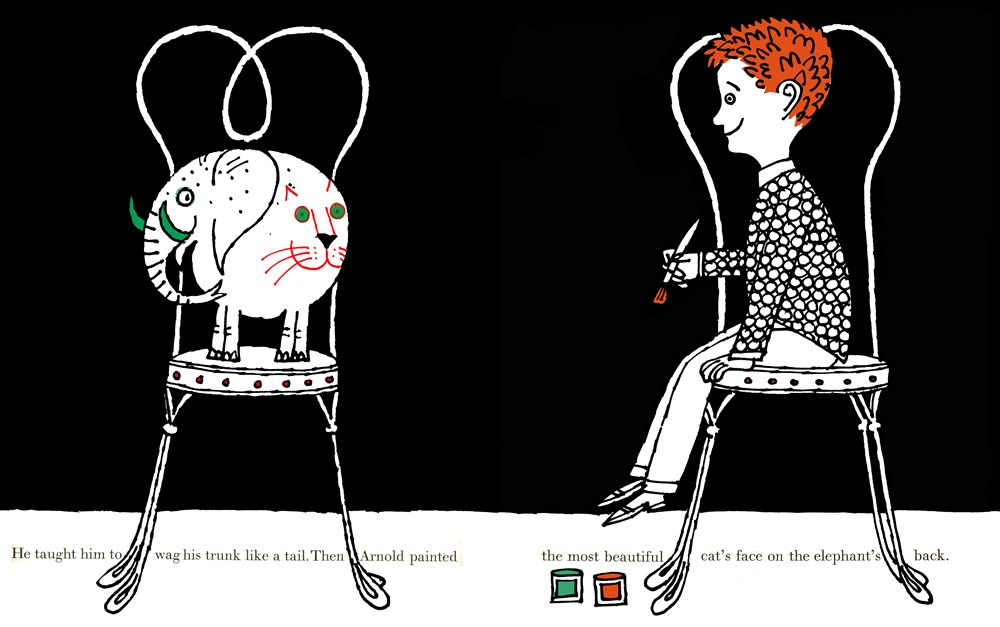
Originally published in 1959, The Smallest Elephant in the World is back in hardcover! A small elephant, no bigger than a housecat, leaves the jungle to get away from the bullies who make fun of him. He ends up in the care of a boy named Arnold, whose mother does NOT want an elephant for a house pet. Arnold tries some creative fudging to convince his mother otherwise, but Mom’s not fooled that easily. Where will the Smallest Elephant find a home?

This adorable story about friendship and finding one’s own place in the world is as relevant and sweet today as it was when it was released 60 years ago. Milton Glaser’s vintage illustration is bold, with bright oranges and greens standing out against the black and white page backgrounds. The elephant’s face is expressive; sweet and friendly, and he’s adorably tiny when shown in scale.

The Smallest Elephant in the World brings a nice touch of our childhoods back to our children’s collections. Gen X kids like me will fondly remember the art and silly-sweet storytelling, and pass that love onto a new generation. Let your kiddos draw their own tiny elephants, and give them things to measure against: a book, a shelf, a ruler, or your foot!


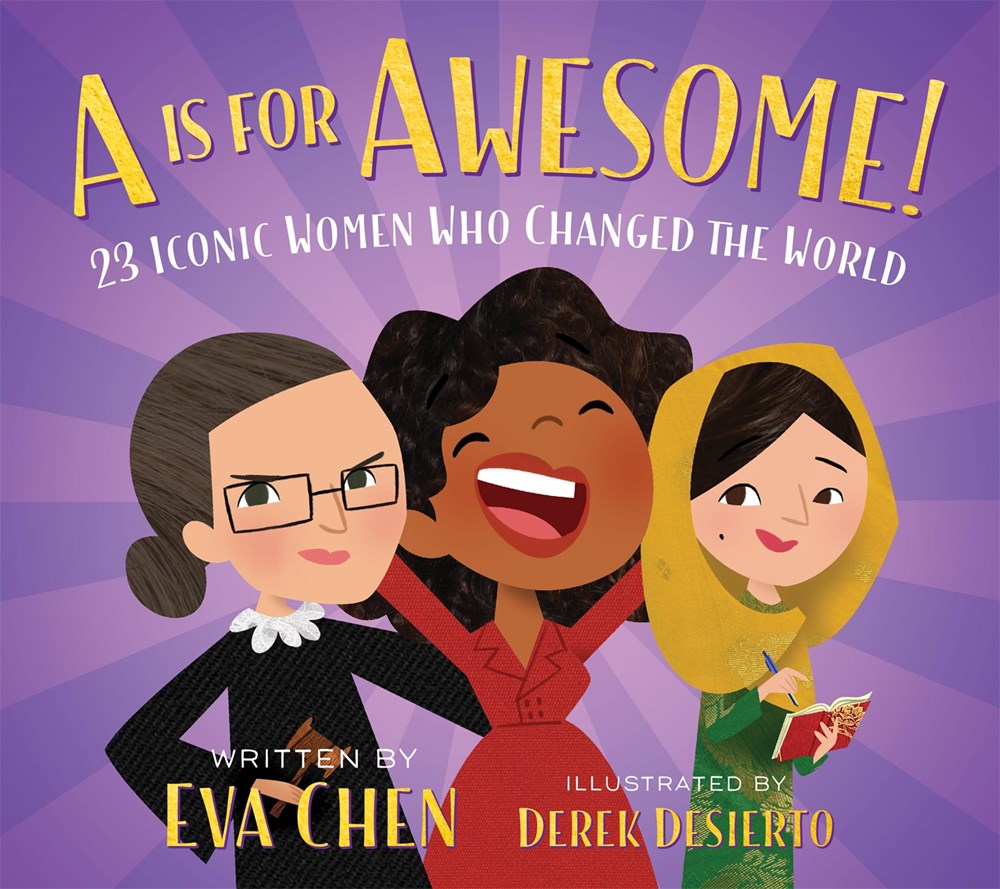
A is for Awesome! 23 Iconic Women Who Changed the World, by Eva Chen/Illustrated by Derek Desierto, (Feb. 2019, Feiwel & Friends), $9.99, ISBN: 9781250215994

Ages 2-5

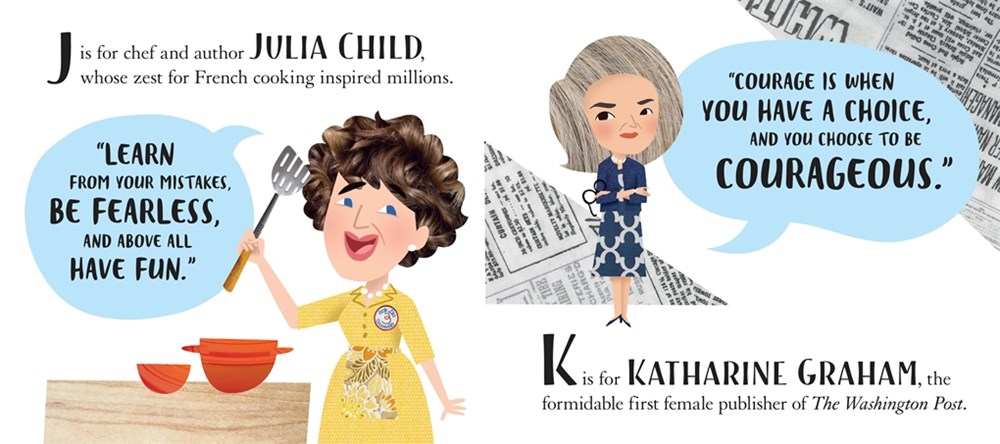
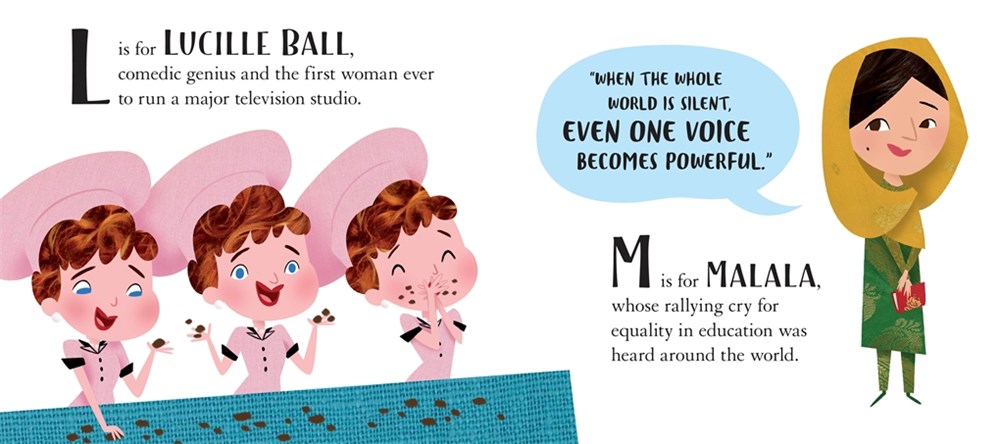
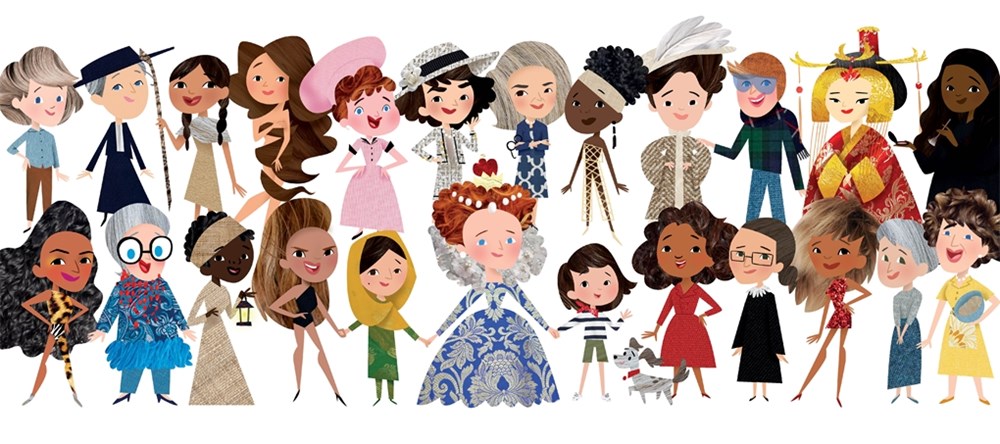
An Instagram star and creator of Juno Valentine and the Magical Shoes spotlights outstanding women in this abcedary. Juno Valentine is our guide, introducing readers to some of her favorite “sheroes”. There are standard favorites here: Amelia Earhart, Harriet Tubman, and Malala are all here, side by side with feminist figures like megastar Beyonce, Nobel Prize-winning scientist Dorothy Hodgkin, fashion icon Iris Apfel, and author Ursula K. LeGuin. There’s a mirror here for “X, Y, Z: the Extraordinary You, and the Zillions of brilliant, brave adventures you will have”, which makes for big fun during storytime. Collage artwork is bright and textured, with differing fabrics and hairstyles. The addition of Roman goddess Venus feels a little off, but every other featured female is flesh and blood real, and the grouping has a nice diversity. Each woman has a one-line description; some have quotes attributed to them.

I love a good board book, and this one makes my cut. Add this in time for National Women’s in March, and plan your storytimes now.

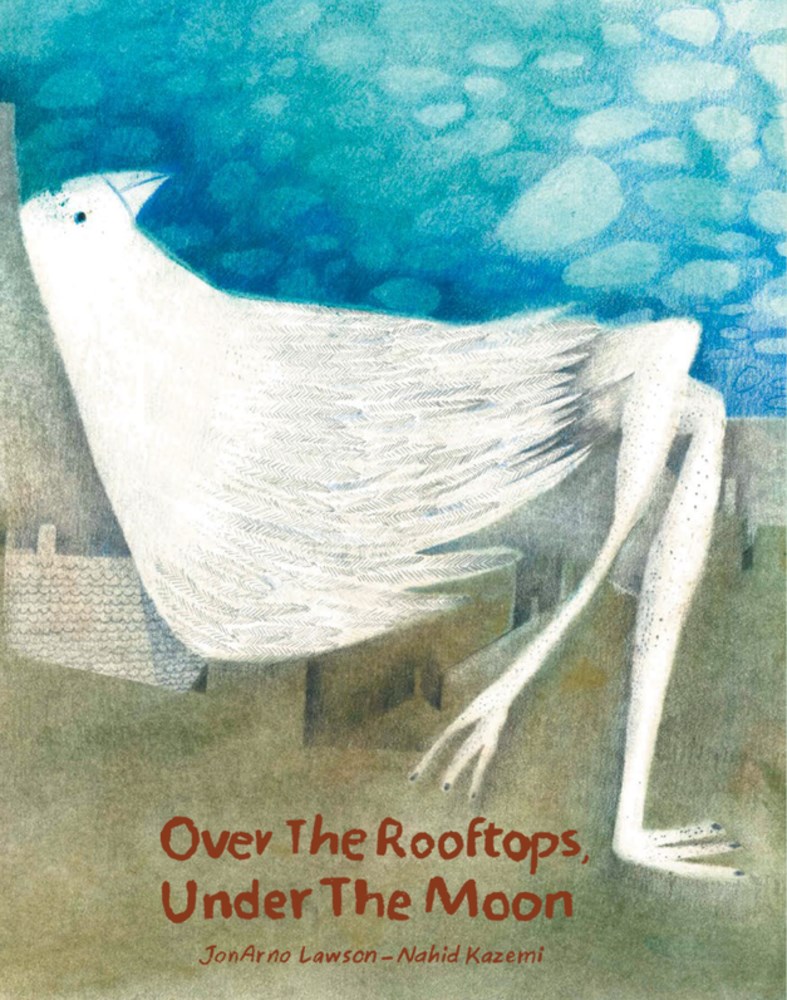
Over the Rooftops, Under the Moon, by JonArno Lawson/Illustrated by Nahid Kazemi, (Feb. 2019, Enchanted Lion), $17.95, ISBN: 9781592702626

Ages 4-8

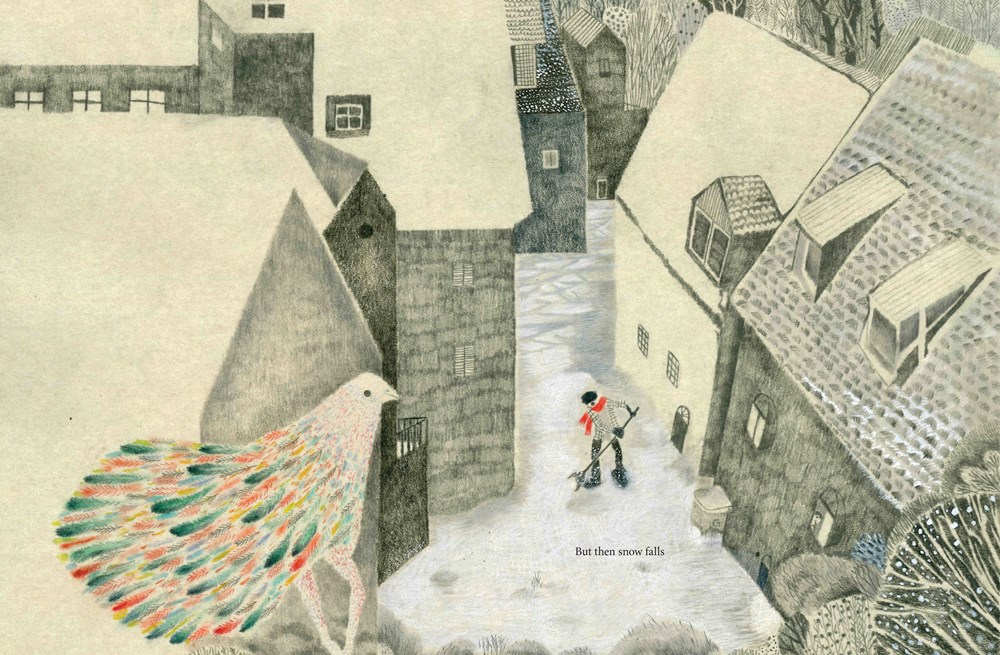
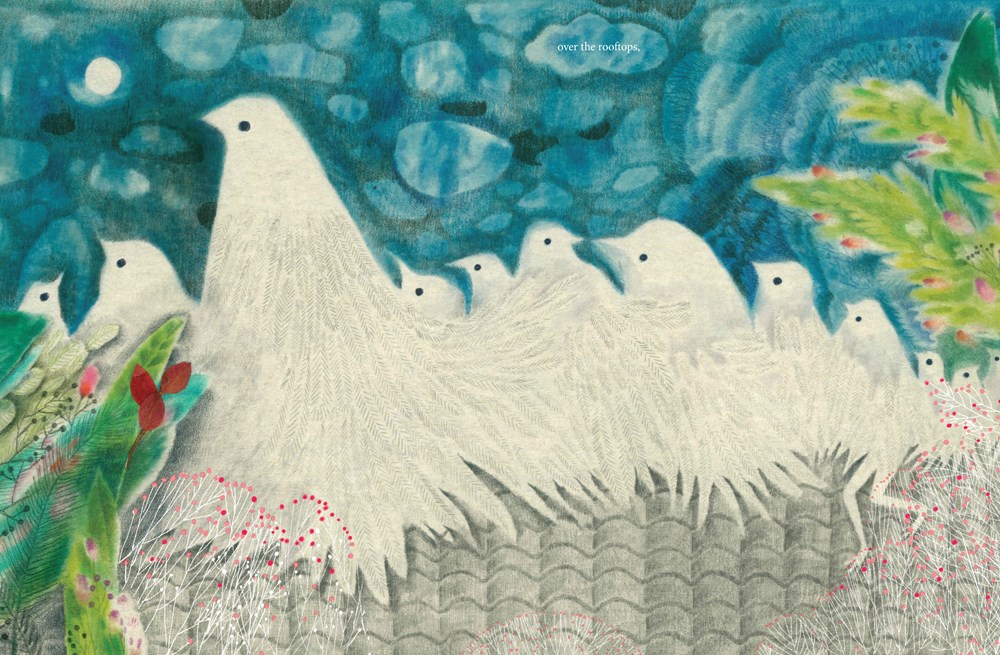
A long-legged white bird doesn’t feel like he fits in with his flock, but feels a connection when making eye contact with a little girl. The bird ponders his existence and explores the human world, not noticing until the snow falls that his flock has migrated without him. He catches up with his flock and they sit together on a rooftop, “alone and together, over the rooftops, and under the moon”.

I’ll be honest, I had to read this one a few times to really get it. It’s very open to interpretation, and while the gist of the story is about a bird who isn’t sure about his relationship to himself and within his community, I’ve seen other picture books handle this in a more linear fashion. and I’m not sure that little ones will get it. Some of the text gets lost in the mixed media collage artwork, which could impede a readaloud. The collage artwork tells the story in surreal, dreamlike fashion, which may be the best way to get the message of this story across: the bird feels alone, connects with humans, explores, and ultimately, finds peace within himself and within his community. It’s a beautiful message to communicate to younger children who are starting to socialize in groups and may feel out of place; it’s also a strong message to older children, who can break down the introspective message here. I’d love to see this as a school-wide readalong in elementary schools that still have them, so kids from K-5 can each take a turn at deciphering its meaning to them as individuals.

It’s an interesting book that may take a few reads to unpack, but worth it for the discussions that can follow.


What If? What Makes You Different Makes You Amazing!, by Sandra Magsamen, (Feb. 2019, Sourcebooks Jabberwocky), $10.99, ISBN: 9781492637103

Ages 0-4

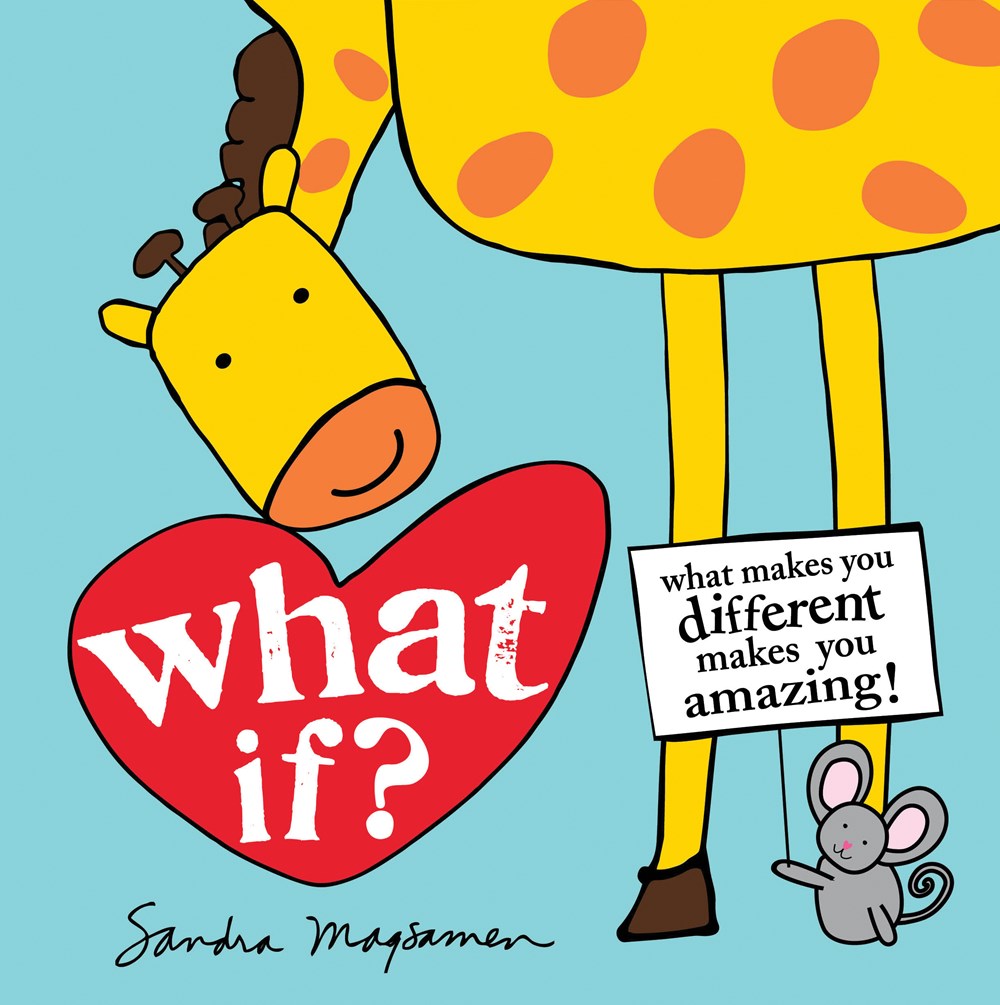
“What if your hair was big and orange and really bright? What if one eye was green and the other eye was blue as night?” The rhyming text takes readers through all sorts of ways we can stand out from the crowd, with adorable illustrations – a purple lamb, a swaying monkey – and extols the virtues of individuality. The text assures readers that being different is special, and good for you: it can give your spirit a lift; it would be dull if everyone were the same. Sandra Magsamen embraces uniqueness, and makes sure her readers do, too, pointing out how being different can help in certain situations. After all, someone quiet can be a big help when putting a bandage on an injured crocodile. Pair this with Todd Parr’s books, especially It’s Okay to Be Different and Be Who You Are, for a feel-good readaloud. The artwork is colorful, never overpowering, with upbeat, yet calming colors and bold outlines.  What If? is a cute picture book for collections where Todd Parr does well.


Posted in Uncategorized

White Rabbit: A YA Whodunit

White Rabbit, by Caleb Roehrig, (Apr. 2018, Feiwel & Friends), $17.99, ISBN: 9781250085658

Recommended for readers 13+

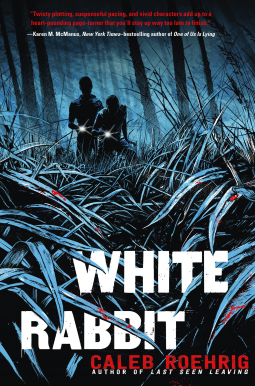
Rufus Holt started out having a great evening at his best friend’s birthday party, but things have gone downhill pretty quickly. His ex-boyfriend, Sebastian – who ghosted him after Rufus told him he loved him – showed up at the party, looking for him, and his younger half-sister, April, called him and begged for his help. When Rufus and Sebastian head over to Fox Whitney’s place, where his sister was partying with the other rich, in-crowd teens, they find April holding a bloody knife, and Fox, laying dead in a pool of blood. Thus starts White Rabbit, a first-person narrated whodunit.

Rufus is the bastard son of a wealthy lawyer who refuses to acknowledge him. Unfortunately for Rufus, his half-siblings notice him just fine. He’s the school outcast, bullied and harassed by his borderline sociopath half-brother and his friends, and their rich kid crowd. When he came out, the abuse ratcheted up several notches, but Rufus refuses to break. He starts seeing Sebastian – one of the rich kid in-crowd – on the down-low, but Sebastian broke things off in a panic, afraid of how his parents would react. But Sebastian is back, and wants to try to patch things up with Rufus, so he rides along  as Rufus spends the night frantically trying to clear April’s name so he can get a payoff from her mother. The killer is still lurking, and systematically killing off anyone who can tie him – or her – to the night’s events, and Rufus is asking way too many questions.

White Rabbit is similar to Natasha Preston’s The Cabin: a group of awful teens with too much money get into trouble and the outcast has to save the day. The pace is fast, and the subplot surrounding Rufus and Sebastian’s relationship will pull readers in and keep them turning pages. Rufus can be a frustrating hero at points; his motivation to help April before the money came into play still makes me scratch my head, but Sebastian emerges as the deeper, more interesting character to follow here. Give this book to your thriller fans.

Posted in Fantasy, Fiction, Middle Grade

You’ll want a Bob of your own!

Bob, by Wendy Mass & Rebecca Stead/Illustrations by Nicholas Gannon, (May 2018, Feiwel & Friends), $16.99, ISBN: 9781250166623

Recommended for readers 7-11

Livy is heading to Australia with her mother and new baby sister, BethAnn, to spend time with her grandmother. The last time she was in Australia was five years ago, so she’s a bit anxious about being back; she’s also anxious because her mother is going away for a few days to spend time with friends once she gets there. Once Livy arrives, she’s even more anxious when she doesn’t really remember much about Australia – and she certainly doesn’t remember Bob, the greenish, kinda zombie-looking thing she finds in the closet once she gets there. Bob remembers Livy, though; he’s been waiting for five years for her to come back. The two re-explore their friendship and try to remember how to get Bob back home in this celebration of friendship, the environment, and the magic of childhood.

When two award-winning authors like Wendy Mass and Rebecca Stead collaborate on a book, you just know it’s going to be something amazing, and Bob is. Told in alternating first-person chapters, we get each characters’ point-of-view as the story progresses, which also fills in valuable backstory. Livy is a relatable character, dealing with anxiety: there’s a new baby in the family, she’s got separation anxiety about her mom, and her grandmother and neighbors are living through a five-year drought that’s killing their town and their livelihoods. Bob is sweet and funny, loyal to a fault, and gives his spark to Livy; to give her hope, to rekindle their friendship, to bring back the “old Livy”. I can’t get into too much without giving spoilers, and you don’t want that with this book. So let me just say that Bob is wonderful middle-grade storytelling that embraces imagination and joy. I can’t wait to see an illustrated version (my ARC didn’t have any). (Psst… would also make a good Earth Day reading assignment for next year.)

There’s been a lot of buzz about Bob lately: SLJ and Publisher’s Weekly gave it starred reviews, and you can read author interviews at The Horn Book and Publisher’s Weekly. You can download an excerpt see artwork that will melt your heart, and learn how to start a Bob book club at the Bob and Livy website.