Posted in Adventure, Fantasy, Fiction, Middle Grade, Tween Reads

The Order of the Majestic: Defend Magic! Plus, a Giveaway!

Order of the Majestic, by Matt Myklusch, (May 2019, Aladdin), $17.99, ISBN: 9781534441781

Ages 10-13

Joey Kopecky is a 13-year-old kid who’s good at taking tests. He just knows how to figure out the right answer, you know? His parents are thrilled when Joey’s invited to test for the exclusive Exemplar Academy, but Joey does not share their enthusiasm. He doesn’t feel like he’s anything special; he’s just got a knack for taking tests. When he arrives at Exemplar, the test is nothing like he’s ever experienced – he’s given magic tricks to do, and the final trick leads him to an abandoned theatre hidden pocket dimension where he meets Redondo, a magician in hiding. Magic is real. Redondo is the last of a group called the Order of the Majestic, who defend magic from The Invisible Hand, a group that seeks to control magic – and the world. Could Joey be the next great hope for a renewed Order of the Majestic?

This is the first book in a new series. There’s some intrigue and a lot of action, and some interesting takes on magic and technology in the modern day. We have two ancient societies battling one another over power – is it good versus evil? Depends on who you ask; the Invisible Hand thinks they’re doing the right thing, keeping powerful magic out of  the hands of the “norms”; the Order of the Majestic believes magic is tied to wonder and belief in the world. It’s idealism versus power, with the future of the whole world on the line and one kid from Hoboken holding the key. The Big Bad is delightfully glib, and Redondo, a Mr. Miyagi of sorts, is the curmudgeonly teacher with a horrible secret. Give this to your Potion Masters and Five Kingdoms readers, and talk it up to your fantasy fans.

Want your own copy of Order of the Majestic? Check out this Rafflecopter giveaway (U.S. addresses only, please!)

Posted in Middle Grade, Non-Fiction, Non-fiction, Tween Reads

The National Geographic Kids Almanac Turns 10! Plus, a major giveaway opportunity!

Every year, the NatGeo Kids Almanac hits my library shelf, and I don’t see it for a couple of months after I put it out. It’s a little bit of everything: a desk reference; a current events recap; a guide to conservation and preservation efforts around the world; it’s loaded with gorgeous pictures of animals and amazing places all over the world, and a hilarious joke book – and that’s just for starters.

National Geographic Kids Almanac 2020, (May 2019, National Geographic Kids),
$14.99, ISBN: 9781426332814
Ages 8-12

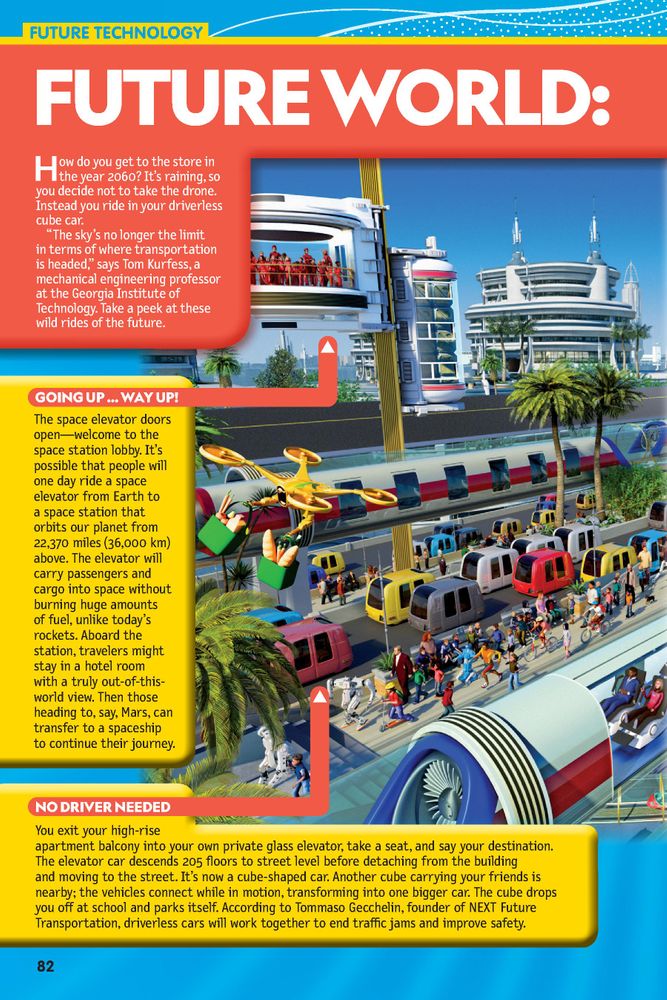
The 2020 Almanac offers all the usual facts and figures, games, and pop culture/technology/extreme exploration and conservation efforts that we’ve come to expect from NatGeo Kids, plus some new features: there are interviews with NatGeo scientists and explorers in each chapter, a special section on how the world has changed between that first NatGeo Almanac in 2010 and today, and the results of the 2019 Lions Forever Poster Contest. There’s also a new 20/20 Visionary Challenge for kids, inviting them to be futurists and imagine what the world will be like 10 years from now. It’s positive and it inspires and empowers kids to see themselves as the changemakers.

There are quizzes, homework hacks, and a section on Crafts Around the Globe that you can easily incorporate into your summer reading activities; the Space and Earth chapter fits perfectly with this year’s Universe of Stories theme, and includes a sky calendar that gives readers the heads-up on what’s happening in the coolest live show on earth: just look up to see lunar eclipses, meteor showers, supermoons, and even the International Space Station!

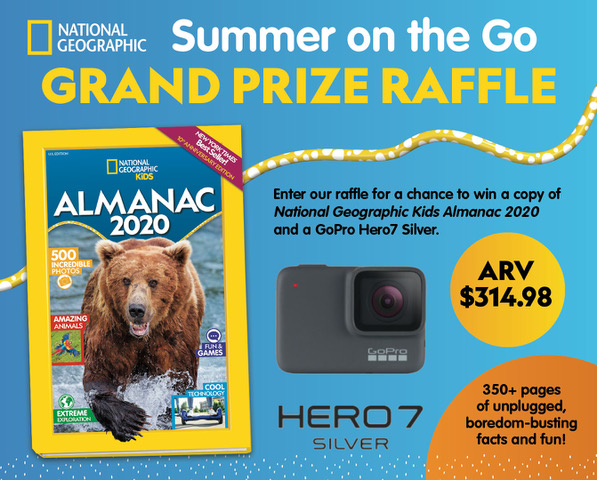
To celebrate the Almanac’s 10th Anniversary, NatGeo is hosting a Summer on the Go Almanac 2020 Grand Prize Giveaway — a GO-PRO!

Don’t miss your chance at winning your own GoPro, to capture your own extreme exploration! Enter this Rafflecopter giveaway today! (U.S. and Canada addresses only, please!)

Good luck!

Posted in Fiction, Fiction, Graphic Novels, Humor, Intermediate, Middle Grade

The Worst Book Ever is hilarious!

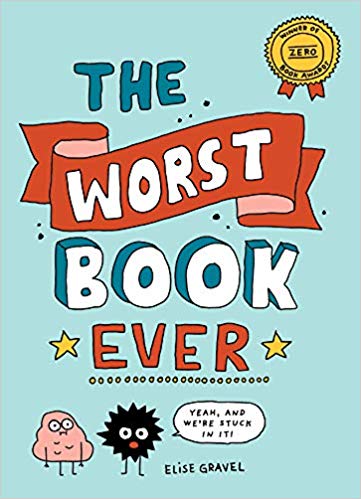
The Worst Book Ever, by Elise Gravel, (May 2019. Drawn & Quarterly), $17.95, ISBN: 9781770463639

Ages 5-10

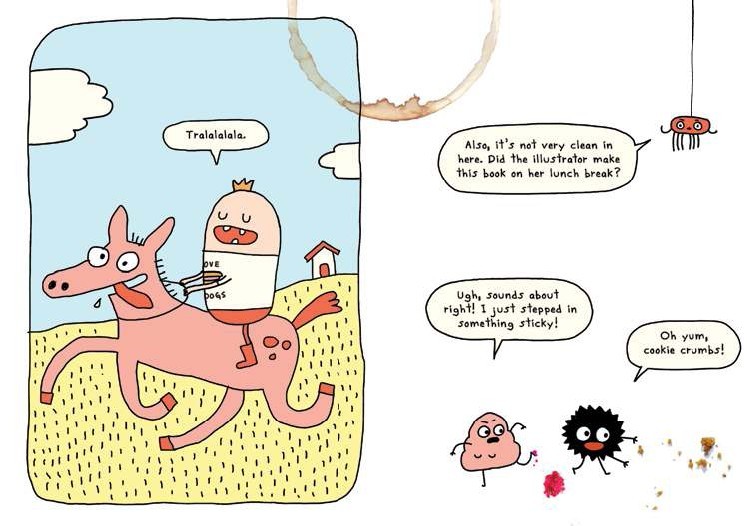
Elise Gravel’s work always makes me smile, and her newest book, The Worst Book Ever, made me laugh out loud. Three characters come together to comment on the worst fairy tale ever as it unfolds. They’re annoyed by standard fairy tale tropes, like the “beautiful prinsess and brave prinse”; they criticize typos, illustration, and writing style, all for laughs. The commentary is laugh-out-loud funny, and the visuals are bold, bright, and wonderfully odd. The fourth wall is more than broken; it’s demolished as coffee stains and cookie crumbs dot the pages and our main characters call out lack of diversity, literary clichés, and weak female characters. One character makes a list of all the spelling mistakes found in the book always good for a prize for anyone who can catch them all. As the story descends into madness, the characters become more confused, and your readers will laugh even harder.

The Worst Book Ever can be a good companion when talking about short story writing. Point out issues the characters have with the story as it develops, and see what your readers chime in with. Can they fix the narrative?

Lest I leave out the most important part: there’s bathroom humor. I quote: “Poopie Peepee Fart Booger”. So this is basically kid gold.

Add this to your graphic novel shelves and watch it fly.

Posted in Fantasy, Fiction, Graphic Novels, Middle Grade, Tween Reads

Set sail for big graphic novel storytelling in The Island

Island Book, by Evan Dahm, (May 2019, First Second), $22.99, ISBN: 9781626729506

Ages 8-12

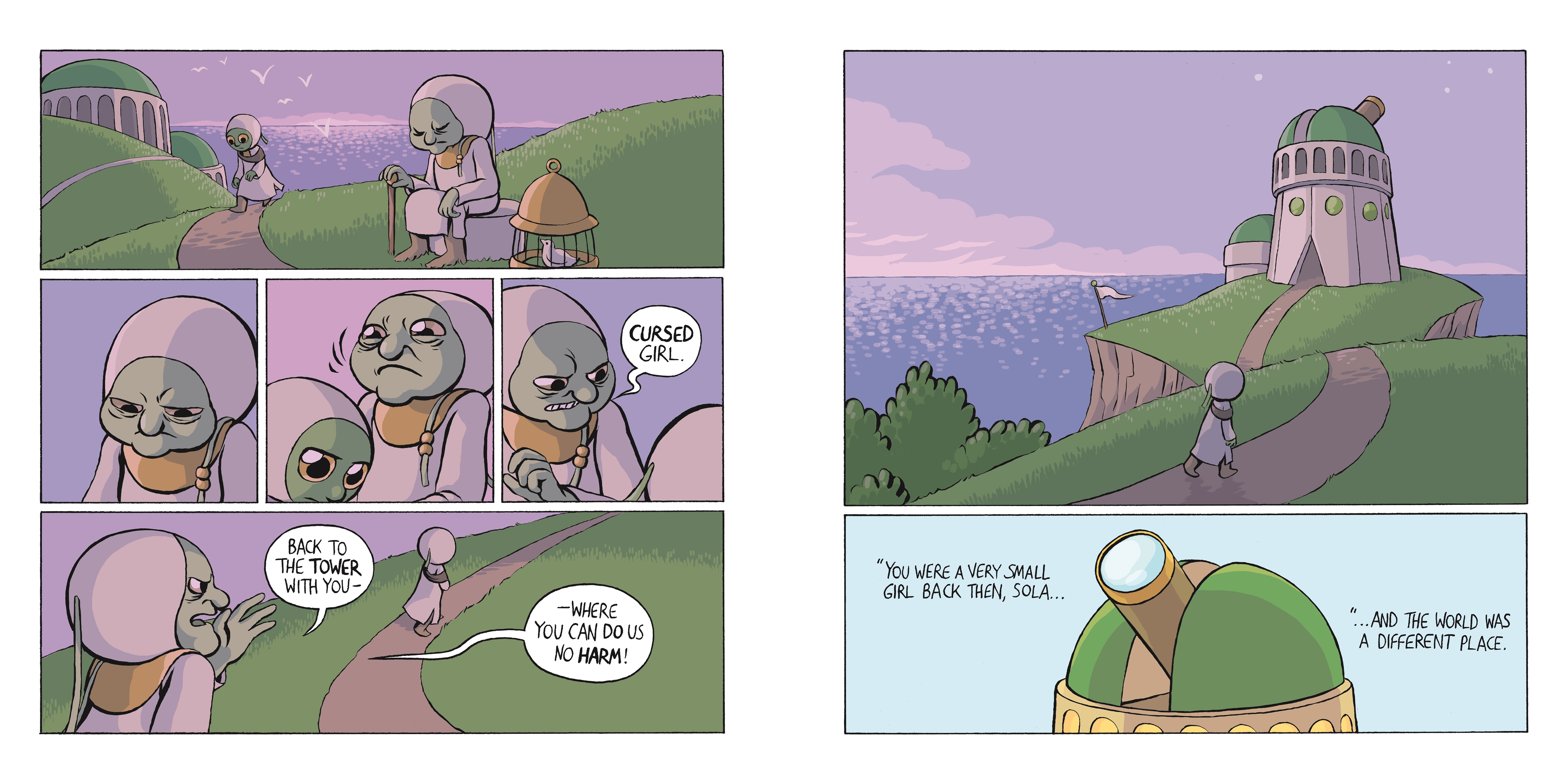
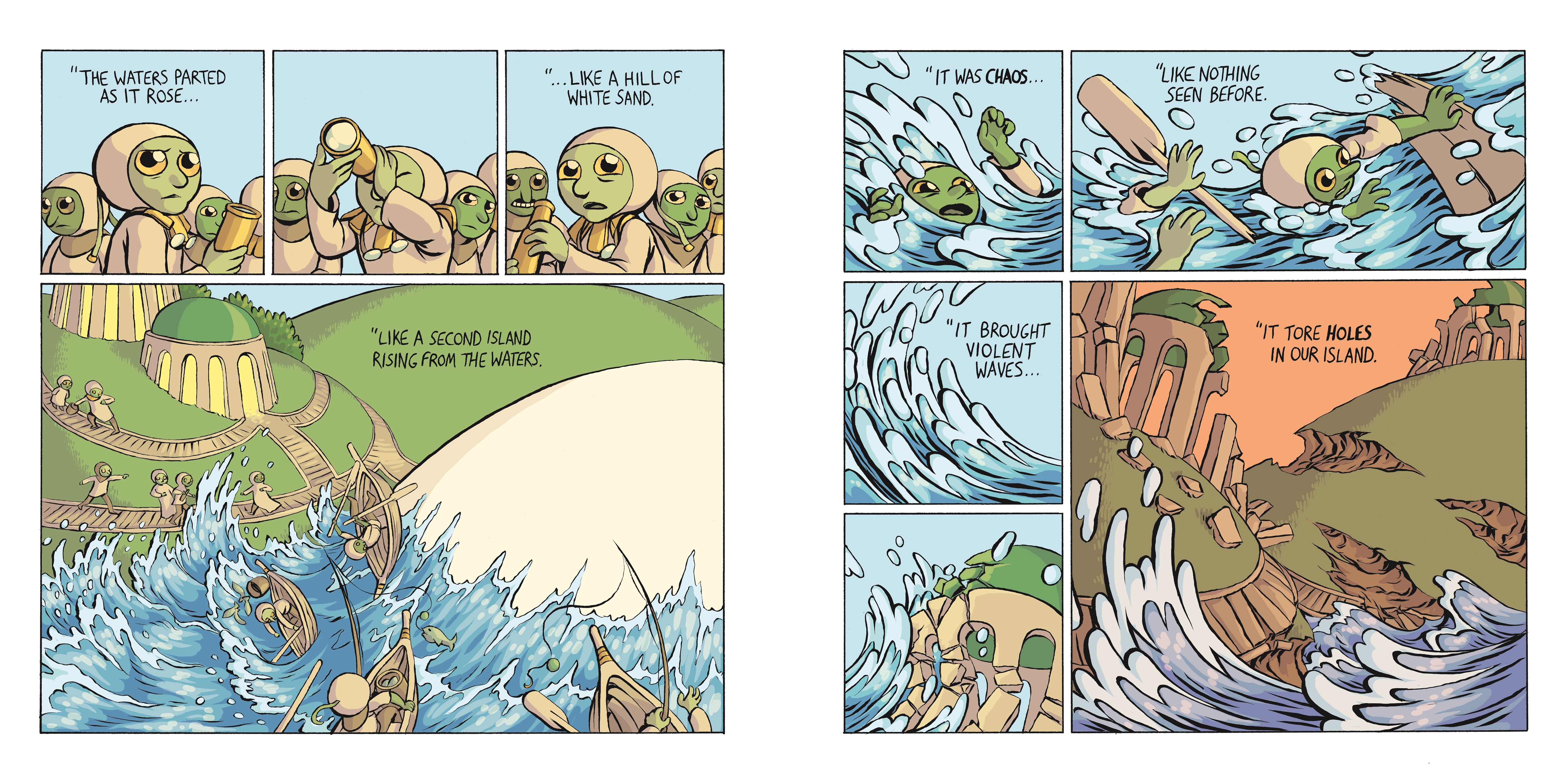
Sola lives as an outcast within her small community on an island. She is cursed – that’s what everyone says – because a Monster came to the Island when Sola was a child; everyone around her ran, but Sola alone stood before it, and it reached out to her. The destruction left in the monster’s wake, coupled with its interest in Sola sealed it: the rest of the Island branded her. As Sola reaches adolescence, she’s curious: what drew the Monster to her? Tired of living with everyone’s fear, and wanting answers, Sola leaves the island, taking to the open water. As she travels, she discovers that the Island isn’t alone: there are new lands and people to meet.

Island Book is Sola’s story. A quietly strong female protagonist, she faces adversity at home and has a curious streak that contributes to her own community’s distrust and fear of her. The plot meanders on a bit in spots, but is mostly a solid story about courage and curiosity; about friendship and working together, and about opening oneself up to new ideas and experiences. The characters are humanoid but not human; the artwork is bright and the nature is beautifully depicted.

The first in a new series, Island Book is a good choice for middle grade book discussion groups, too. Ask kids if they’ve ever felt like Sola, unable to change someone’s mind or looked down on because of their age. Does Sola do the right thing by going off on her own? Would Sola’s community encourage relationships with other beings?

There’s a soundtrack for Island Book available, along with two books of development artwork, through author Evan Dahm’s website. There’s a great review by the AV Club here.

Posted in Intermediate, Middle Grade, Non-fiction, Non-Fiction

New York City gets a park: A Green Place to Be

A Green Place to Be: The Creation of Central Park, by Ashley Benham Yazdani, (March 2019, Candlewick Press), $17.99, ISBN: 9780763696955

Ages 7-10

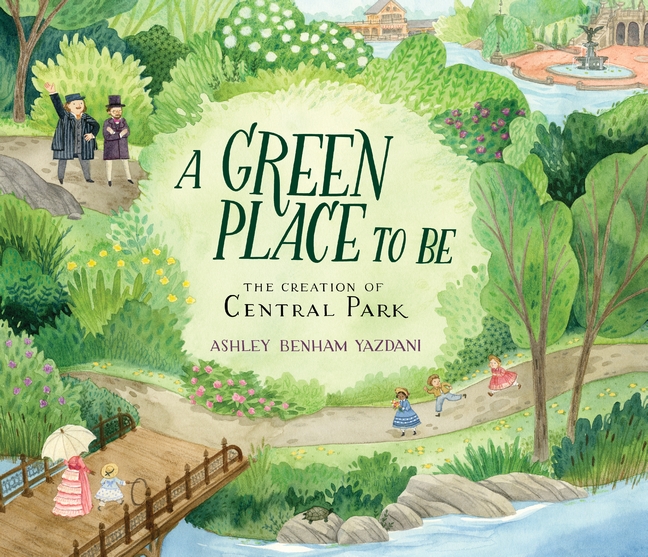
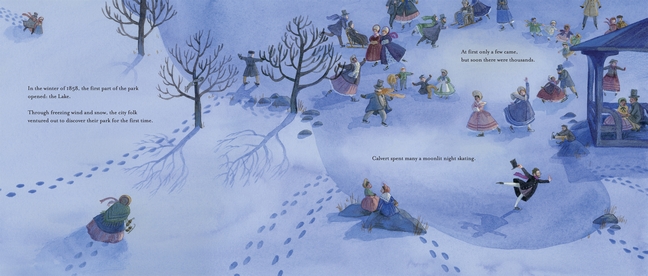
This beautiful and lushly illustrated history of Central Park starts with the land’s beginnings, as a barren area where farm animals and industrial waste left much to be desired, and the design contest devised by architect Calvert Vaux – a contest that he also entered with every intention of winning. A Green Place to Be follows Vaux’s and park superintendent Frederick Law Olmsted’s vision, focusing on their planning, execution, and invitation to artists to join in the effort. The winter of 1858 saw the first park of the park, the Lake, open for visitors; in the summer of 1859, the woodsy Ramble joined the landscape, followed by the Children’s District.

Illustrated in watercolor and pencil, this is a loving tribute to an iconic green space and the men and women who created it. Back matter includes profiles of both Olmstead and Vaux, and a Q&A on spaces within the park. Sharp-eyed readers will love returning to the illustrations again and again to find squirrels, bridges, and other affectionately placed details. There is an author’s note and bibliography for further reading.

A Green Place to Be is a love letter to New York’s green spaces and creativity. Central Park’s website has extensive information about the park, including a calendar of events and links to social media. Planetizen has a good article on teaching urban planning to preschoolers; this could be a fun activity where kids can learn and create their own green spaces! National Geographic has a fun Design a Park activity for middle grade kids, and the STAR Library Network has a printable Design a Park activity that will work with large groups of kids. It’s a fun springtime program!

Posted in Espionage, Middle Grade, Non-fiction, Tween Reads

Can You Crack the Code? makes codebreakers out of your readers

Can You Crack the Code? A Fascinating History of Ciphers and Cryptography, by Ella Schwartz/Illustrated by Lily Williams, (March 2019, Bloomsbury USA), $21.99, ISBN: 9781681195148

Ages 10-13

Three years ago, I held a great, week-long Spy program at my library for Summer Reading. The kids went berserk for it; I had a blast planning and running it, and books like Can You Crack the Code? make me think it might be time to hold a program like that again. Ella Schwartz has come up with a nice history of codes, code names, and cryptography for middle graders, with loads of pictures, informative sidebars, and activities to keep readers on their toes. Famous moments in cryptography history include the Caesar Cipher, invented by Julius Caesar, the Arnold Cipher, used by the infamous Benedict Arnold, and the Enigma machine, used by the Germans during World War II; the machine that gave them the upper hand until a team of British codebreakers at Bletchley Park finally broke the code (shout-out to computer scientist and codebreaker Alan Turing). Want to know why you have to generate a strong password, obnoxious as it may be? Check out the “Can You Hack the Bank?” activity and you’ll be changing all of your passwords. A final challenge has readers going through the book to solve one last cipher. There’s a comprehensive bibliography and the book is indexed, making this a nice volume to have on your shelves.

Display this with the Book Scavenger series, the Mr. Lemoncello’s Library books, the Secret Coders graphic novels, and – naturally! – the Girls Who Code books, both fiction and nonfiction. Brightly has a good post on fiction with puzzles and codes.

Now, if you’ll excuse me, it’s time to revisit some of my old Summer Reading plans… I know this year’s theme is A Universe of Stories; maybe I’ll just use some codes to send them into space! Great escape room ideas in here, too. All around fun for your brain-teaser-loving readers.

Posted in Fantasy, Fiction, Graphic Novels, Middle Grade, Tween Reads

A classic fairy tale with modern-day sensibilities: The White Snake

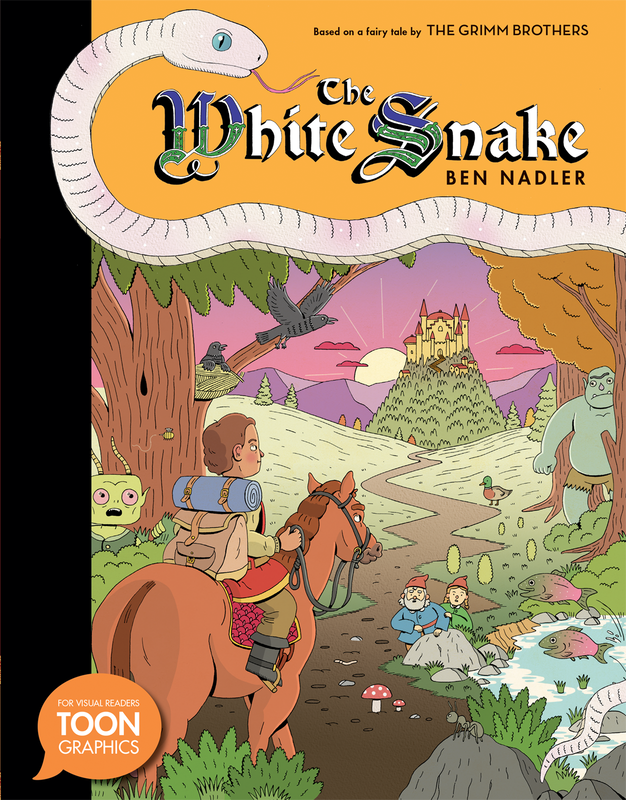
The White Snake, by Ben Nadler (based on a fairy tale by the Grimm Brothers), (May 2019, TOON Graphics), $16.95, ISBN: 9781943145379

Ages 8-12

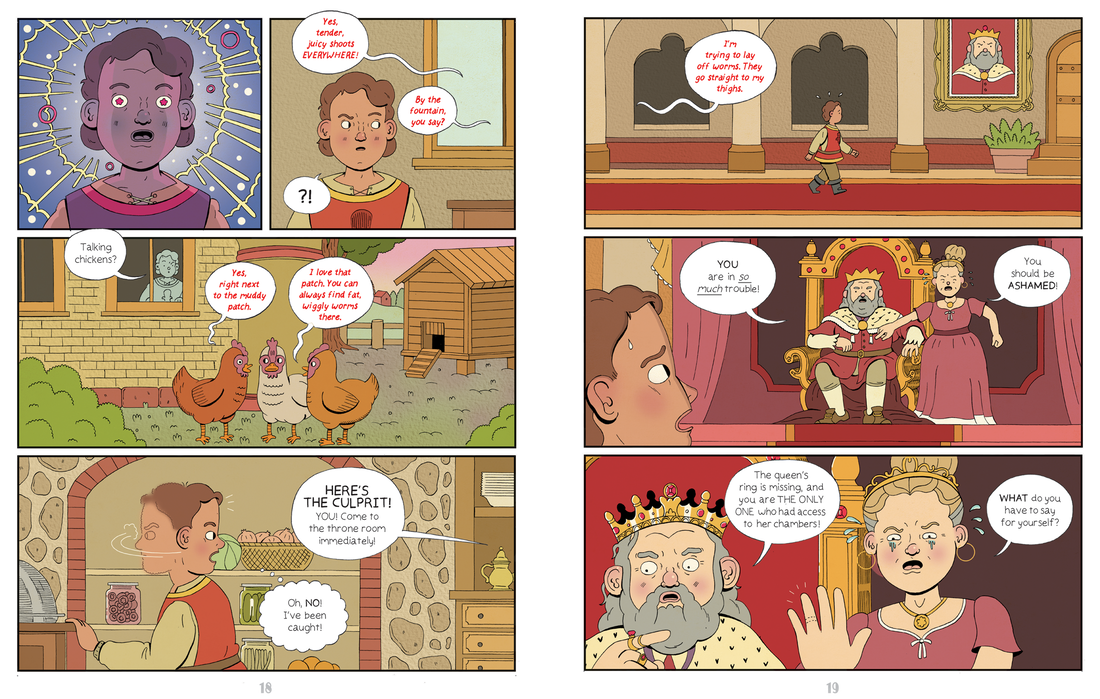
Ben Nadler revisits The Grimm Brothers’ tale, The White Snake, with modern-day emphasis on themes including kindness to animals and pushing back against classicism, and sexism. Randall is a young servant for King Arnold, an indecisive monarch who seems confounded by the mere act of hanging a picture. He is an autocratic father, too, shouting down his daughter and refusing to consider letting her rule; choosing instead to find a suitor for her. King Arnold sends Randall to the neighboring kingdom of Borisylvania to spy and report back on why King Boris is beloved. In Borisylvania, Randall discovers Boris’ secret: he is able to communicate with animals by eating a meal of white snake. With this knowledge, Randall heads back home, showing kindness to animals along the way. This kindness pays off when Randall needs help to complete quests set by King Arnold in order to win his daughter’s hand – and save his own life.

Ben Nadler weaves themes of sexism and racism throughout the story. King Arnold is a brutish overlord who refuses to listen to his own daughter, and throws Randall in prison when he refuses to divulge King Boris’ secret. Princess Tilda come to his rescue by offering herself as bait; she tells her father to offer her hand in marriage as a contest prize. When Randall completes each quest the king sets before him, he refuses to let a servant marry his daughter and adds additional perilous tasks. When Randall finally helps King Arnold see the light, the story takes an upbeat turn and the message is loud and clear: “the animals talked to me. All I had to do is listen”.

Back matter includes an essay by graphic novelist educator Paul Karasik on retelling folk tales, and a bibliography of print and online resources. TOON has a free, downloadable educator’s guide available. The endpapers feature artwork of key figures in the story: birds, fish, horses, crowns, and apples, all arranged into a lovely design with a vintage feel. The artwork dives into surrealist territory in points, which will make you wonder just what is in that food. Randall is fair-skinned; King Arnold and Princess Tilda are brown-skinned.

A great add to your graphic novel and fairy tale collections. TOON has copies available in both hardcover and softcover. Check out the interview Smash Pages did with Ben Nadler!

Posted in Intermediate, Middle Grade, Non-fiction, Non-Fiction

To Infinity and Beyond! The Day the Universe Exploded My Head

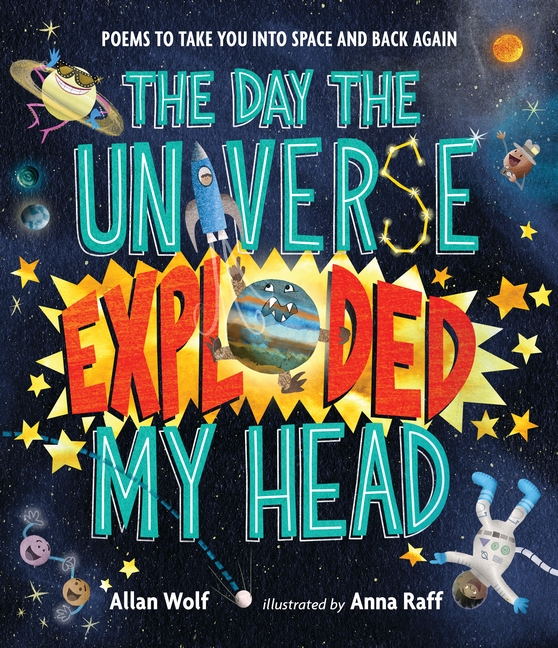
The Day the Universe Exploded My Head: Poems to Take You Into Space and Back Again, by Allan Wolf/Illustrated by Anna Raff, (March 2019, Candlewick Press), $17.99, ISBN: 9780763680251

Ages 7-12

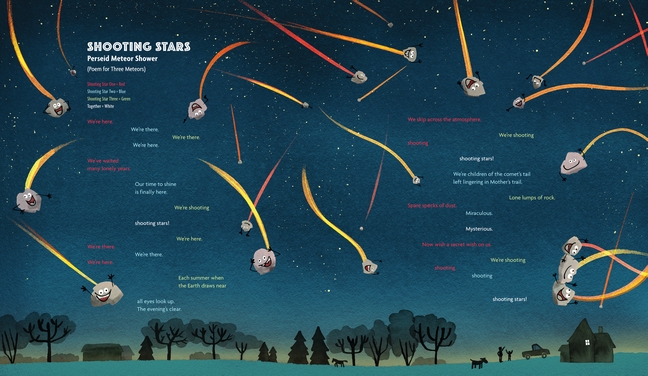
This is one of the best kids’ poetry books I’ve come across in a while! The Day the Universe Exploded My Head contains 29 poems, all about the wonder of space. Each planet gets a poem here, as do the outliers (Planet X, Charon, Pluto). There are nods to pivotal moments in space history (the 2013 meteorite over Cheylabinsk, Sputnik) natural phenomena (black holes, lunar and solar eclipses), and notable scientists (Ivan Ivanovich, Children of Astronomy). The poems are upbeat, factual, and, quite often, very funny, as with the poem, “Planet X”: “I’m one part supercilious/Another part mysterious/One part you-can’t-be-serious/They call me Planet X”. There are a wealth of poems for readers to read out loud, too: “Going the Distance” is a rap for two voices, color-coded for each speaker. The artwork: digitally assembled color collage, made from sumi ink washes, salt, pen, and pencil, explode off the page, with texture that will entice kids to see the swirls of light curling off a star and a fuzzy rings of moons around Neptune.

Non-fiction that informs and excites is aces with me, and The Day the Universe Exploded My Head is a great way to kick off and conclude a space storytime, a STEM program, or a fun read-aloud. Have some printable space coloring sheets ready to hand out, or check out illustrator Anna Raff’s webpage for super-cool activities (I like the Little Card printable for a library visit). Author Allan Wolf’s webpage also has activities, including poetry jokes.

The Day the Universe Exploded My Head has starred reviews from Kirkus and Booklist.


Posted in Fantasy, Fiction, Middle Grade, Realistic Fiction, Tween Reads

Middle Grade Quick Takes: The White Tower and Lions and Liars

Two more from the great TBR read-down! I’ve got some realistic fiction and some dark(ish) fantasy for you, right here!

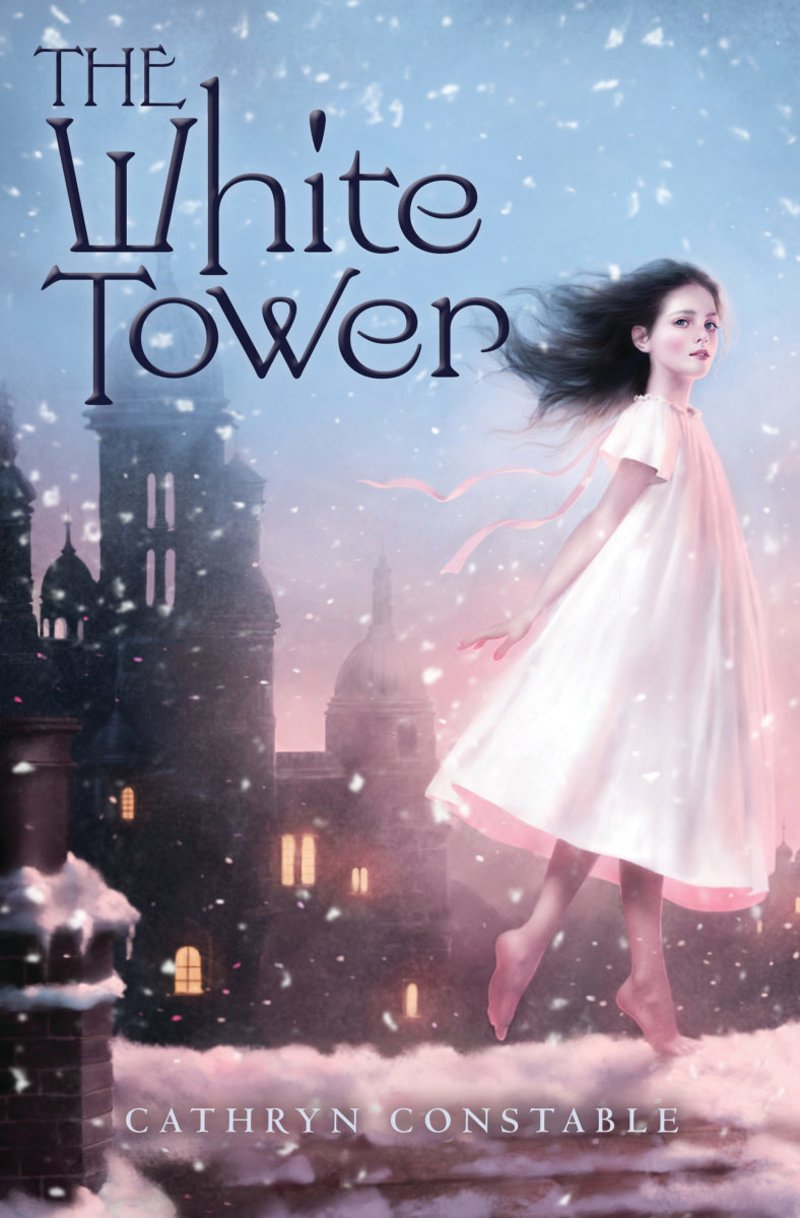
The White Tower, by Cathryn Constable, (Sept. 2017, Chicken House/Scholastic), $16.99, ISBN: 978-1-338-15746-8

Ages 8-12

Livy is a 12-year-old English girl who is still reeling from the recent death of her best friend is uprooted when her father accepts a prestigious job as the librarian at Temple College: a position that comes with a spot in the school for Livy and a new home for the family. Livy discovers the stone Sentinels – angels – on the roof of the school are tied into the school’s history, and that the school’s founder and her possible ancestor, Peter Burgess, was consumed with studies on gravity and flight. As Livy tries to fit in at school, she also finds herself drawn to the Sentinels and their secrets; a mystery between the school’s previous librarian, the current headmistress, and Peter Burgess moves the story forward.

Character development takes a back seat to the many subplots, leading to an at-times confusing story that has strong fantastic elements that I would have liked to explore more. Livy is a developing character who would have benefitted more from a stronger subplot on grief and loss, and the main plot – the Burgess mystery – being more defined, less stretched out between characters. If you have strong fantasy readers who liked Constable’s previous book, The Wolf Princess, this may work for them.


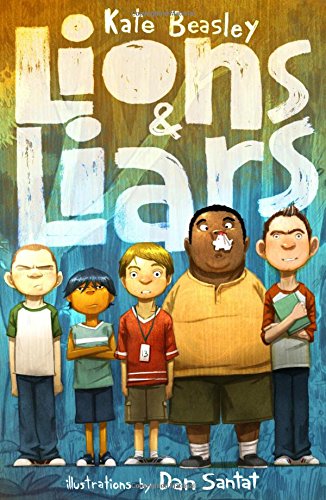
Lions & Liars, by Kate Beasley/Illustrated by Dan Santat, (June 2018, Farrar Straus Giroux), $16.99, ISBN: 978-0-374-30263-4

Ages 8-12

This case of mistaken identity at a summer camp for unruly kids is at times, hilarious; at times, touching. Fifth grader Frederick Frederickson is not the big kid on campus. He’s not even really the small kid on campus. According to his friend Raj’s “food-chain theory about life”, there are lions, like Devin; the big kid on campus. There are gazelles, the kids who are bullied by the lions. There are meerkats, who watch the world go by, and then, there are fleas, who live on the butts of the meerkats. According to Raj, Frederick is a flea. This doesn’t sit well with Frederick; things only get worse when his long-awaited family vacation is canceled because of a Category 5 hurricane threat. After his friends pull a mean prank on Frederick at a birthday party, he’s had enough, and pushes back. The only problem is, pushing back ends up with him stuck on a boat that leaves him on the shores of Camp Omagoshee, a summer camp for troubled kids. It gets worse when he’s mistaken for camper Dashiell Blackwood, whose name tag is the only one left. Assuming Dash’s identity, he finds himself in the big leagues for a change: Dash is legendary for being bad, but Frederick? He tries to convince his cabin mates, Nosebleed, Specs, The Professor, and Ant Bite, that he is every bit as tough as they come, but even Frederick isn’t sure if he’s going to be able to back up Dash’s fame. When the camp is cleared out when the hurricane starts heading in their direction, Frederick and his new group learn that they have to work together to stay safe, and maybe they’ll even become friends.

At its heart, Lions & Liars is about cliques and labels. The mistaken identity plot makes for some laugh-out loud moments, especially as Frederick tries to live up to Dashiell Blackwood’s infamous camp legend, but there’s also the stress of living a lie and the risk of being discovered. What happens when real friendships are made on the foundation of lies? The characters are nicely developed, and go beyond their “bad kid” label to show readers what constitutes a “troublesome child” in others’ eyes. Dan Santat’s black and white illustrations will keep readers turning pages. Kate Beasley has a great post about the labels kids get stuck with on the book on Nerdy Book Club.

Posted in Animal Fiction, Fantasy, Fiction, Middle Grade, mythology, Tween Reads

Middle Grade Quick Takes: Thundercluck! and The Tiny Hero of Ferny Creek Library

I did some more TBR-diving over the last few weeks, and have some more middle grade quick takes!

Thundercluck!, by Paul Tillery IV & Meg Wittwer, (Oct. 2018, Roaring Brook Press), $14.99, ISBN: 978-1-250-15228-3

Ages 8-12

How do you not check out a book that has the tagline, “Half moral. Half god. All natural chicken”? Thundercluck is about the valiant chicken of Thor. The story begins when Thor and the evil Under-Cook Gorman Bones fight as Thor defends his hen, Hennda, from the cooking pan. Thor hits Bones with lightning, but Hennda gets a jolt, causing her to lay a giant egg, which hatches and reveals a tiny chick with a horned helmet and little vest, and who shoots lightning from his beak. Behold, the birth of Thundercluck! Raised by Brunhilda, a young Valkyrie in Odin’s court, Thundercluck and Hennda are sent to Midgard (that’s Earth), to be kept safely hidden from vengeful Gorman Bones, but like every epic tale, the heroes return to do battle; it’s the Under-Cook versus the Valkyrie and her faithful chicken for the win!

Thundercluck! is the first in a new series – the next book is due out in September – and is a win for your middle grade readers. There’s a lot of hilarious moments, some good Norse mythology, epic battles, and, at the heart of the book, is the story of an enduring friendship. Black and white illustrations throughout are adorable and will keep readers turning pages. There’s a Thundercluck! website that includes an award-winning short on Thundercluck!, which was author Paul Tillery IV’s MFA thesis. Give this one to your younger mythology fans – if they like Joan Holub & Suzanne Williams’s Thunder Girls series, they’ll love this one!


The Tiny Hero of Ferny Creek Library, by Linda Bailey/Illustrated by Victoria Jamieson, (June 2017, Greenwillow Books), $16.99, ISBN: 978-0-06-244093-8

Ages 8-12

Ferny Creek School Library has a beloved librarian who goes on maternity leave, and her awful replacement wants to get rid of the library and make way for a testing space! Meanwhile, Eddie, a tiny green bug with a passion for books, finds himself in the library as he searches for his Aunt Min, who was injured and can’t get out of the library. Together, the two bookworms – bookbugs? – cook up a Charlotte’s Web-type strategy to plead for the library to stay as is.

The Tiny Hero of Ferny Creek Library is just adorable. The story, loaded with great book references, includes Eddie & Min’s “Bugliography” at the end; a nice listing of all the books mentioned, in one spot, and serves as a good readers’ advisory guide (and display guide). This is a love letter to libraries, particularly school libraries, which have had a really rough time of it these last few years. The heart of the story is the love for a school library, and its librarian, who makes the library a home for the kids at school, versus the mean Mrs. Visch, sister of the school’s superintendent, and testing enthusiast who sees books and reading as frivolous at best. Roller Girl’s Victoria Jamieson created adorable black and white illustrations, featured throughout the book, and really makes readers fall in love with Eddie, Min, and their quest to save the library. It’s a feel good story that book lovers will come to again and again, and reminded me of all the great memories I have from my first library and Mrs. Reale, my first school librarian, who always seemed to know what book to hand me when I needed it.