Posted in Animal Fiction, Fiction, Intermediate

The Nocturnals teach kindness with The Peculiar Possum

The Peculiar Possum: The Nocturnals (Grow & Read Early Reader, Level 2), by Tracey Hecht/Illustrated by Josie Yee, (Oct. 2018, Fabled Films Press), $12.99, ISBN: 9781944020194

Ages 4-7

This latest Nocturnals adventure has the group investigate a prowler! A prowler that wants pomelos, the fruit that Bismark and Tobin love so much! But when they discover that the prowler is actually a sweet little possum named Penny, Bismark is… well, predictably, rude. Judging her on her looks, he’s hurtful and mean, until Dawn and Tobin step in to give him a lesson in being kind. To his credit, Bismark recognizes that he was out of line and apologizes to Penny. Does this mean that the Nocturnals have a new friend joining the ranks? Future books will tell…

The Peculiar Possum is a story about kindness, and maybe, a little bit of tough love. Bismark is the outspoken blowhard of the Nocturnals (I say that with the greatest affection, mi amigo), but he oversteps in this story, insulting Penny and making her feel terrible. Dawn and Tobin step in, gently reassuring Penny – Tobin even shares his own scent gland issues with her, to make her feel better about her scent – and call Bismark out on his cruelty, pointing out his own differences. Once faced with the impact his words make, he gains an understanding of their power, and works to make things better. It’s an impactful message, especially when kids are faced with bullying at progressively younger ages.

Josie Yee’s art is adorable. Penny the Possum is big-eyed, and her body language is curled up, pensive; Bismark is overbearing, his small stature at odds with his larger than life personality. Dawn and Tobin are soft and kind. Fun Nocturnals Facts and a glossary of “peculiar” words from other languages make up the back matter.

The folks at Fabled Films Press, publisher of The Nocturnals, have developed a fun Kindness Game based on The Peculiar Possum. I was lucky enough to lead a storytime group through a round of the game, which is kind of like Simon Says meets reading comprehension. It gets kids up and moving, and it gets kids thinking about the physical effects that hurtful words, as well as supportive and appreciative language, have on all of us. You can download a copy of the game for free, and try it with your own storytime groups.


Thanks to everyone at Fabled Films, especially Stacey and Gisselle, for inviting me to be part of The Kindness Game. 🙂

Posted in Intermediate, Non-Fiction, picture books, Preschool Reads

Nonfiction rundown: October and November

Picture book nonfiction just gets better and better. In October and November, we get two more biographies on people of color that have, until now, been largely overlooked by history. It’s disheartening on one hand, but I choose to be glad that books are coming forward now to liven up our nonfiction shelves and give readers even more role models across all walks of life to learn about and be inspired by. I’ve also got some fun alphabet books and some nature and science. Pull up a chair, brew a warm beverage of your choice, and enjoy!
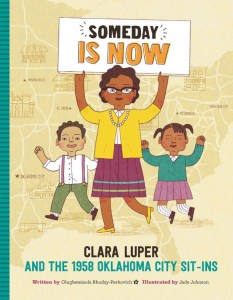
 

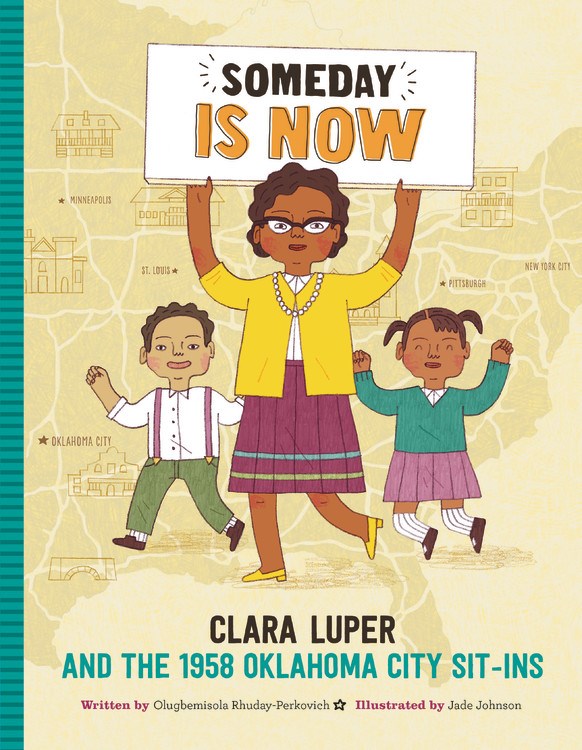
Someday is Now: Clara Luper and the 1958 Oklahoma City Sit-Ins, by Olugbemisola Rhuday-Perkovich/Illustrated by Jade Johnson, (Aug. 2018, Seagrass Press), $17.95, ISBN: 9781633224988

Ages 6-9

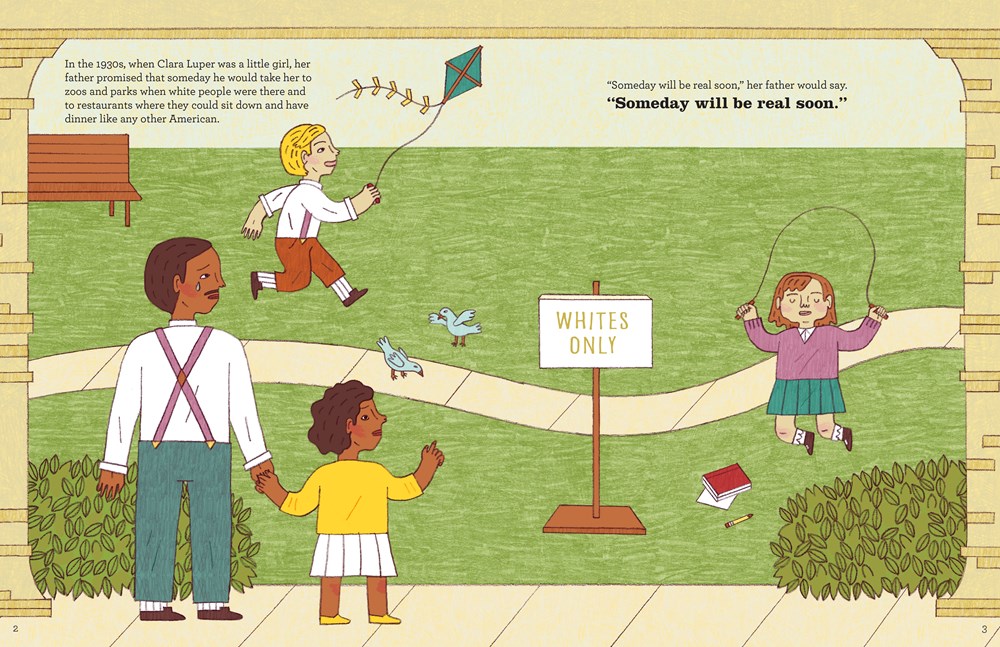
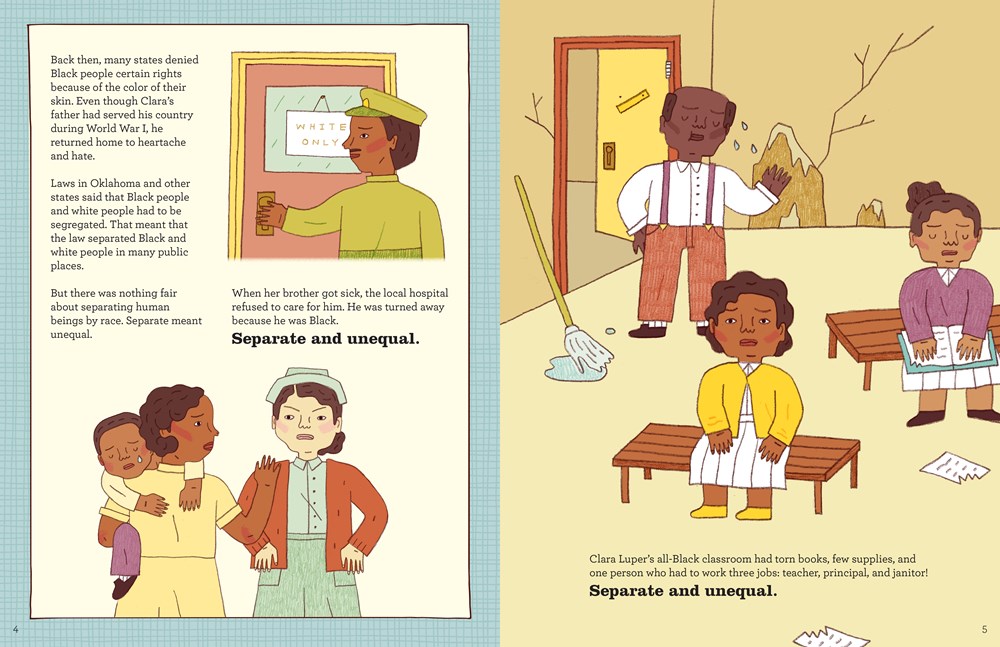
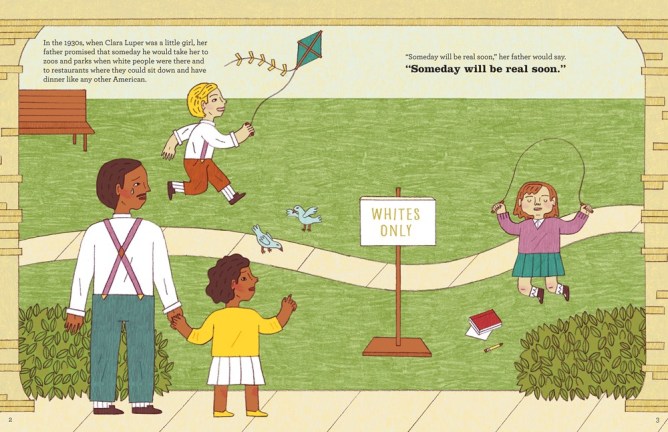
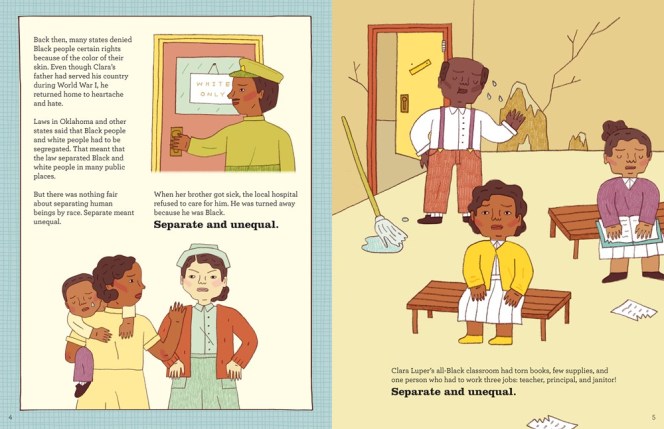
I missed this one the first time around, but I’m glad I caught it when I went back through my Edelweiss account to check up on my TBR. This picture book biography of civil rights activist Clara Luper (nee Clara Mae Shepard) is a great addition to your picture book biographies. Growing up in segregated Oklahoma, Clara saw her World War I veteran father diminished by the very country he fought for: her brother turned away from a local hospital because it was a whites-only facility; she was educated in a run-down classroom with torn books and a teacher who also served as the principal and janitor; restaurants dictated where Blacks could eat. Everywhere she looked, Clara saw things were “separate and unequal”, a phrase repeated throughout the book in bold, large font to drive home the message. Ms. Luper became a teacher who pushed for change, working with the NAACP Youth Council and participating in lunch counter protests with her students after a trip to non-segregated New York. Back matter includes an encapsulated biography of Ms. Luper.

This is the first picture book biography on Clara Luper: everything else I found online is decades old. Let’s get more civil activist bios into the hands of our kids, so they can see for themselves how many voices led to change. Someday is Now has a starred review from Kirkus.

Author Olugbemisola Rhuday-Perkovich is the co-author of the NAACP Image Award nominated Two Naomis and the forthcoming Naomis Too and is the editor of The Hero Next Door, an anthology from We Need Diverse Books. You can see more of Jade Johnson’s illustration work, including downloadable coloring pages, on her website.
 

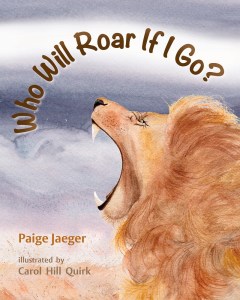
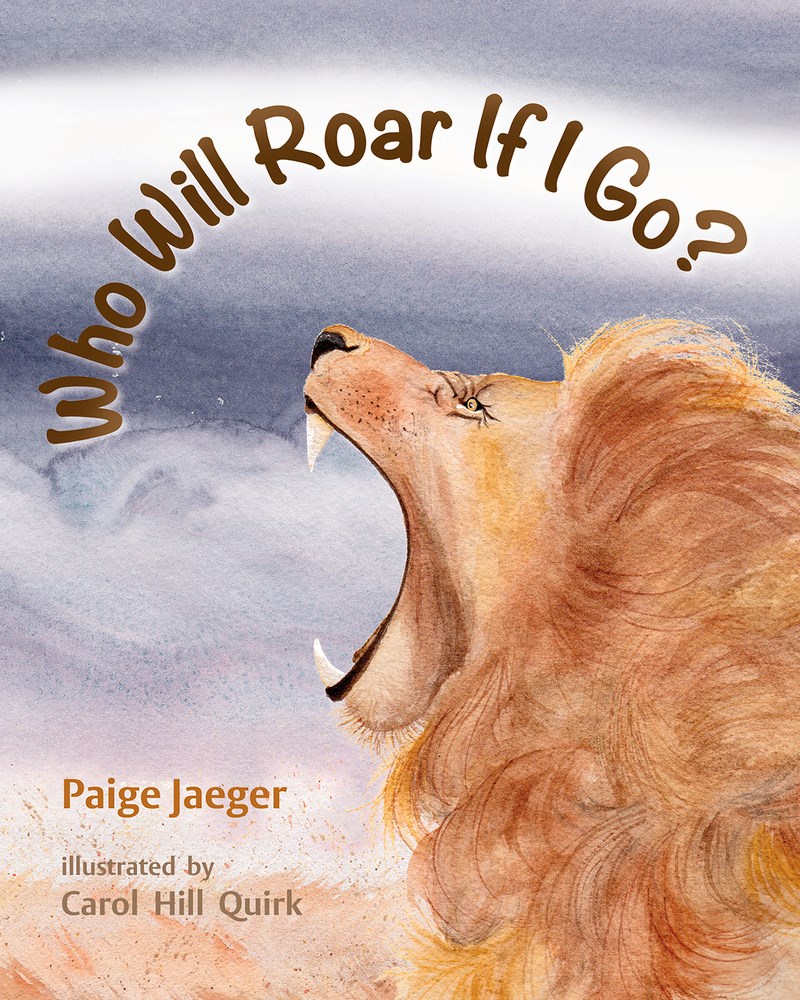
Who Will Roar If I Go? (If We’re Gone, Book 1), by Paige Jaeger/Illustrated by Carol Hill Quirk, (June 2018, Boutique of Quality Books), $18.95, ISBN: 9781945448157

Ages 5-7

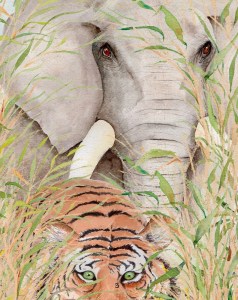
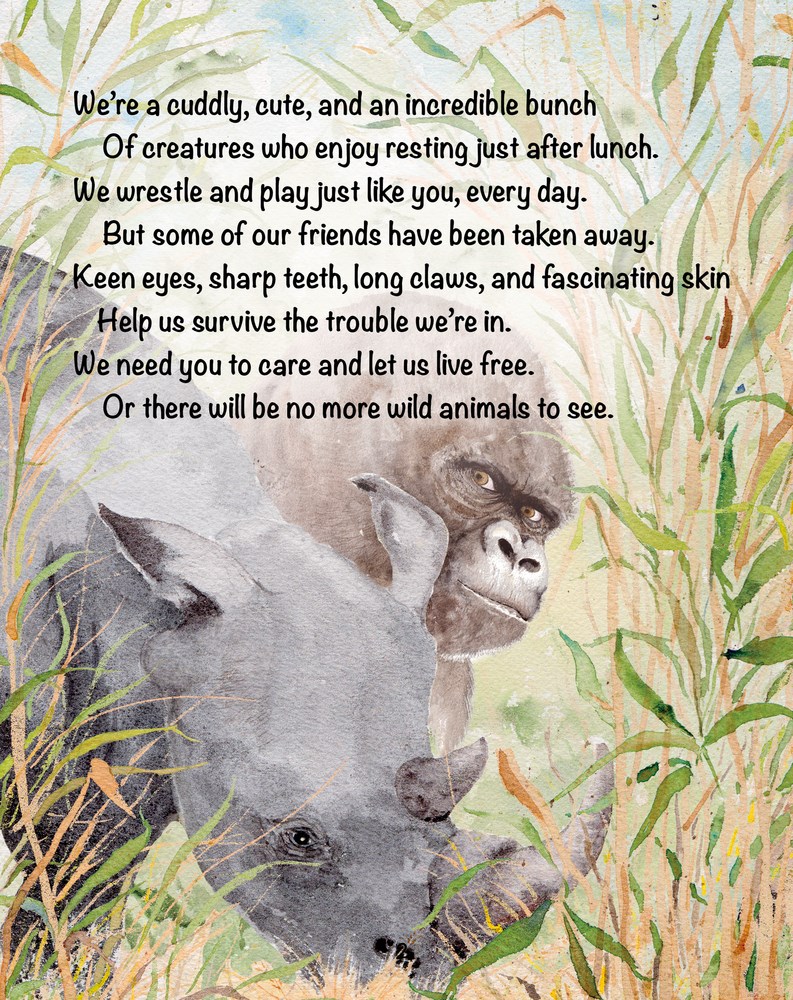
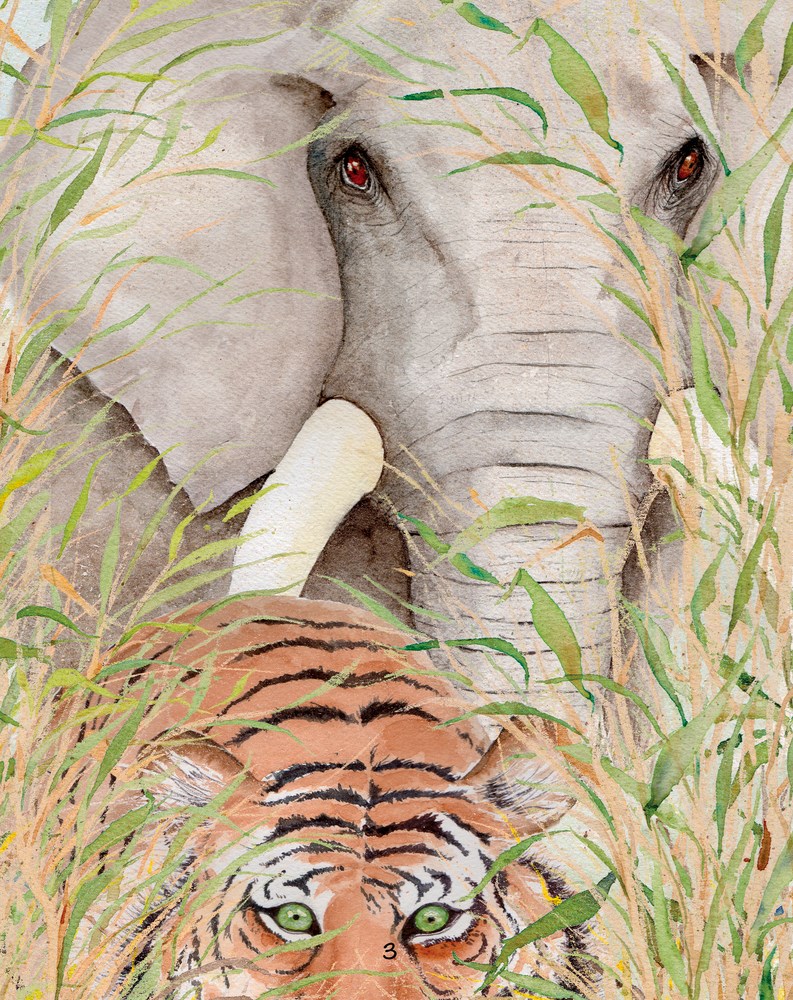
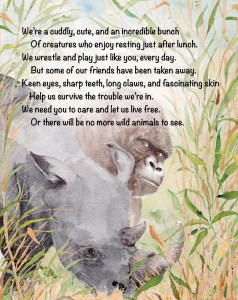
This rhyming story, the first in a planned series, is a plea to readers from endangered animals suffering from a multitude of human-based maladies, most commonly, the disappearance of their habitats and hunting, be it for trophies or luxury dining. Thirteen animals ask humans for help in their quest for survival; each rhyme provides readers with a little background on the animal and why it needs help. The elephant’s page reads: “I sure am an enormous creature; With ivory tusks my most attractive feature; For these long, tapered tusks that I hold dear; Thousands of friends were lost last year; No one needs my tusks but me; Go make some in a factory”.

Back matter includes a glossary of terms and an animal footprint guessing game. Each animal gets its own spread, including its geographic location and footprint, related to a game in the back matter. The watercolor artwork is realistic and showcases each animal in its natural environment. Who Will Roar If I Go? is a good introduction to endangered animals and the need for conservation and preservation; it’s a good additional add to your picture book nonfiction.

The Who Will Roar webpage offers free, downloadable educator resources.


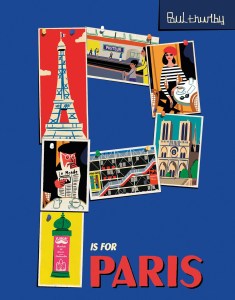
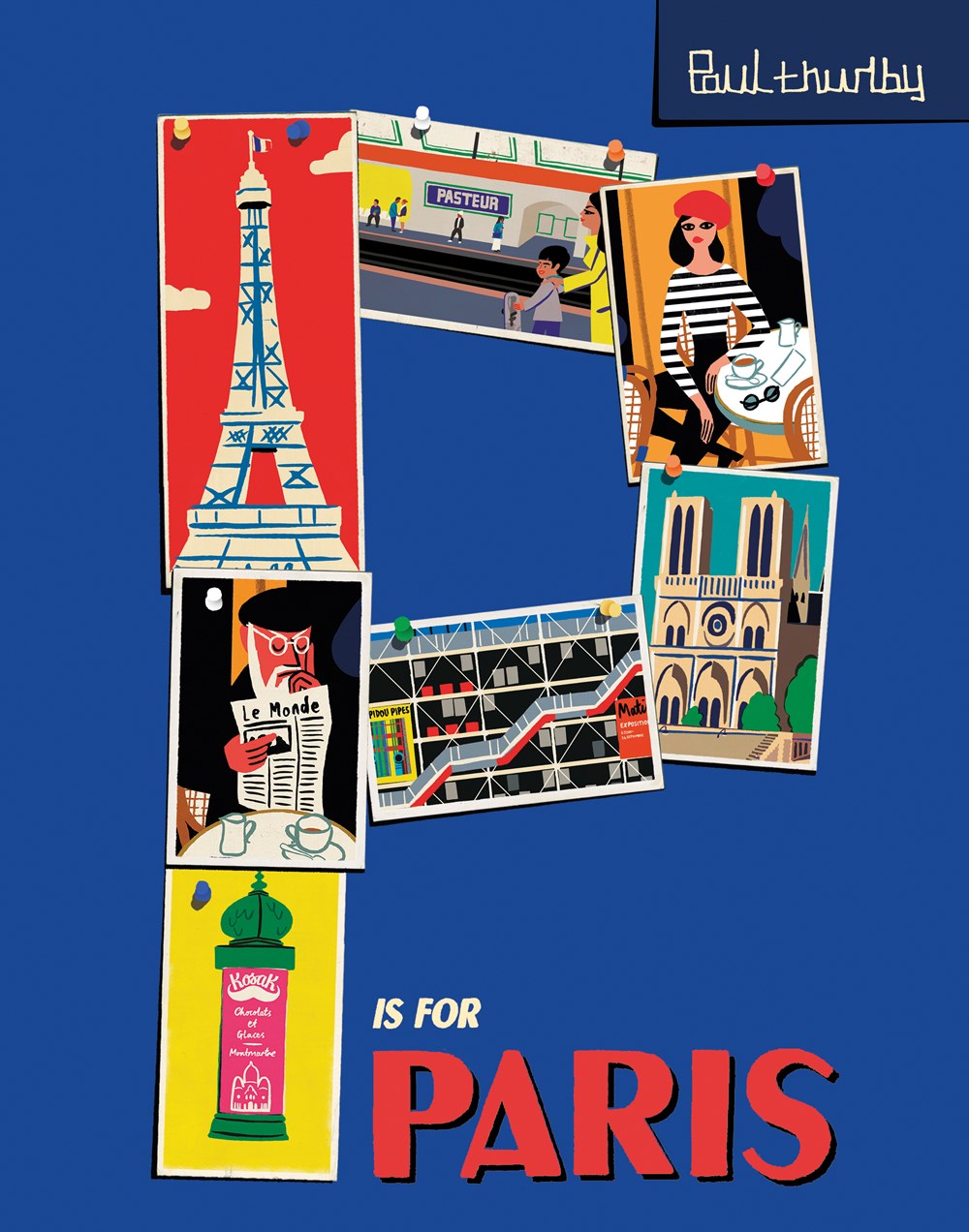
P is for Paris, by Paul Thurlby, (Oct. 2018, Sourcebooks Jabberwocky), $19.99, ISBN: 9781492668152

Ages 5-8

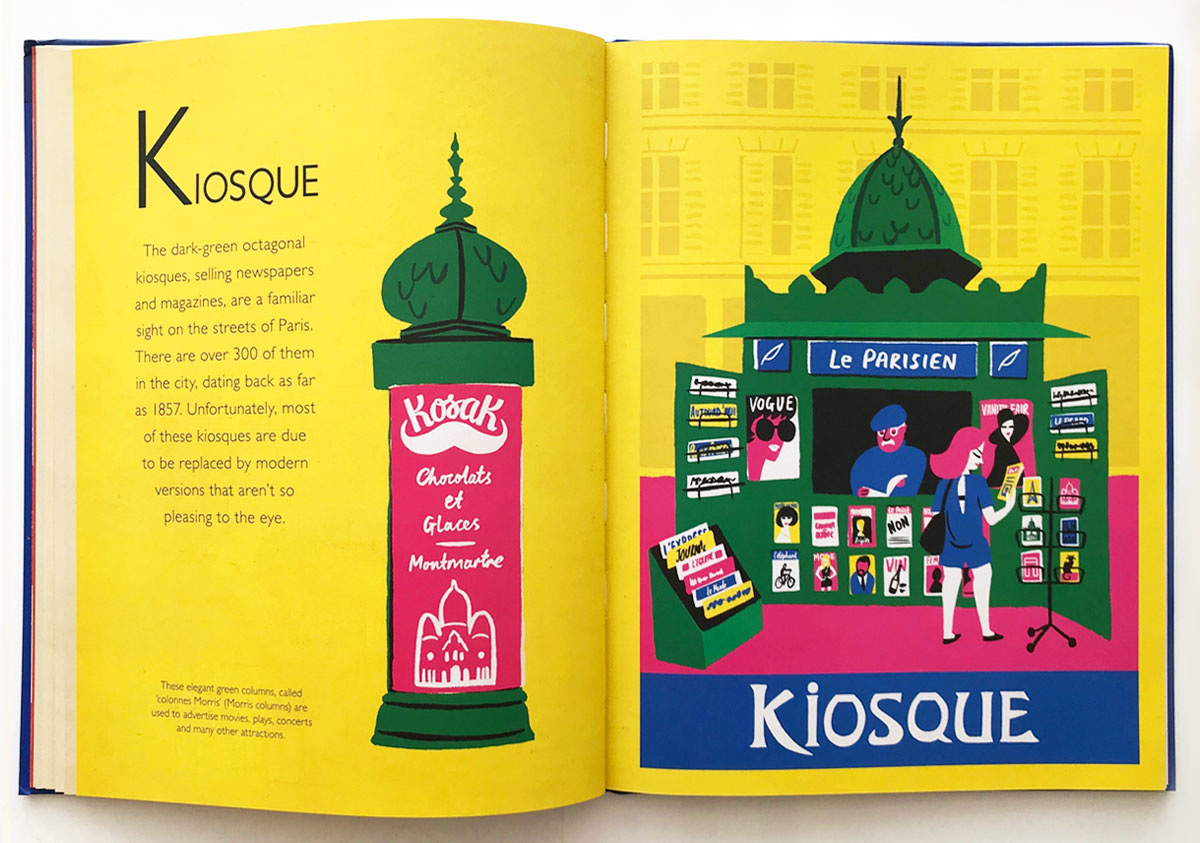
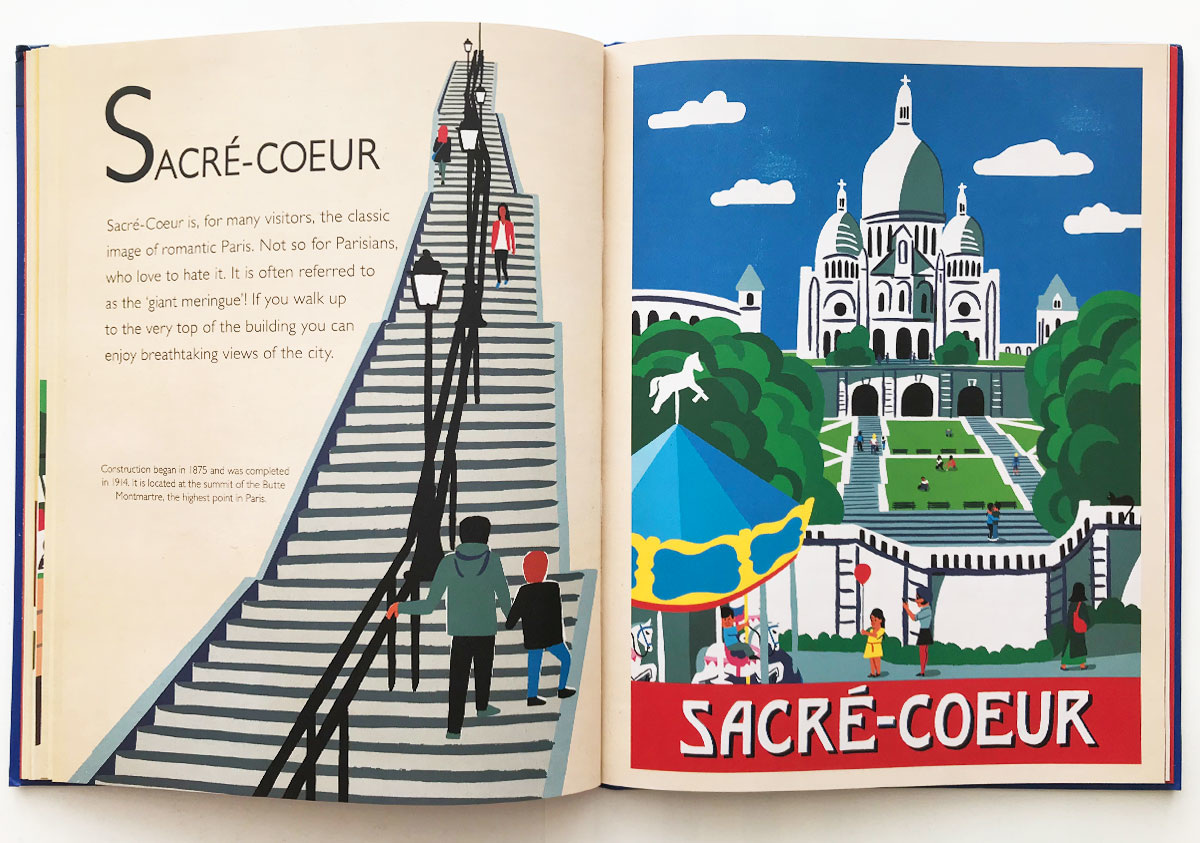
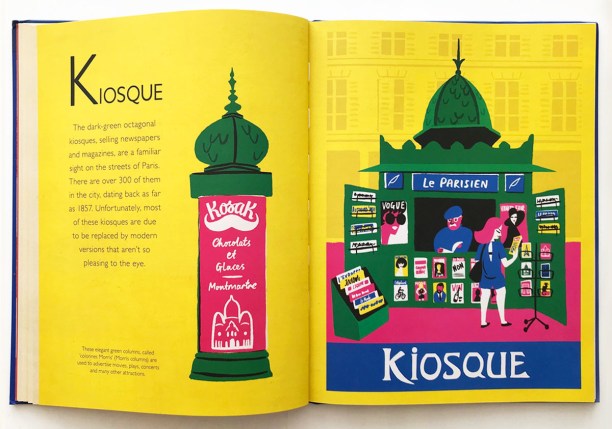
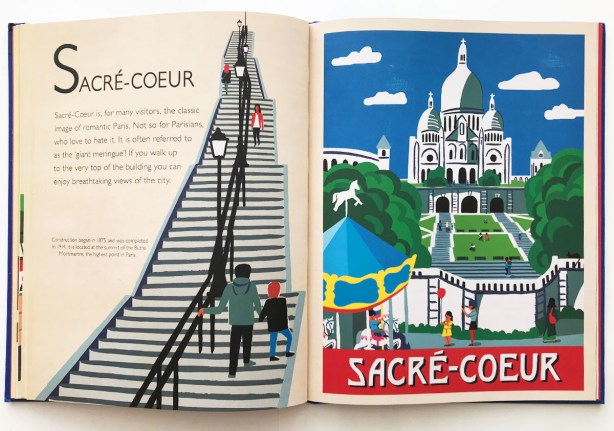
The latest book in Paul Thurlby’s ABC Cities series brings readers on an alphabetical tour of the City of Lights: Paris. Beautiful, bright artwork brings to mind vintage travel posters, and little bites of Parisian history on each page make this a fun addition to your picture books and world sections. Adults will enjoy this one as much as the kids will; references are equally accessible to kids and grownups. From the Abbesses to the Zoo De Vincennes, this is a nice addition to Thurlby’s Cities set. Endpapers provide a map to Paris, with attractions throughout the book numbered for reference. The author provides a concise explanation of the city’s organization into arrondissments. This easily works for both concept sections and geography sections, but don’t mistake this for a beginner’s abecedary; it’s a little more complex and better for Kindergarteners and up.

Check out Paul Thurlby’s webpage for more artwork and information on his other books. Take your armchair travelers on a picture book trip around the world with Thurlby’s books and Miroslav Sasek’s books.
 

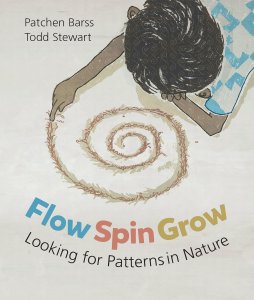
Flow, Spin, Grow: Looking for Patterns in Nature, by Patchen Barss/Illustrated by Todd Stewart, (Oct. 2018, OwlKids), $18.95, ISBN: 9781771472876

Ages 5-7

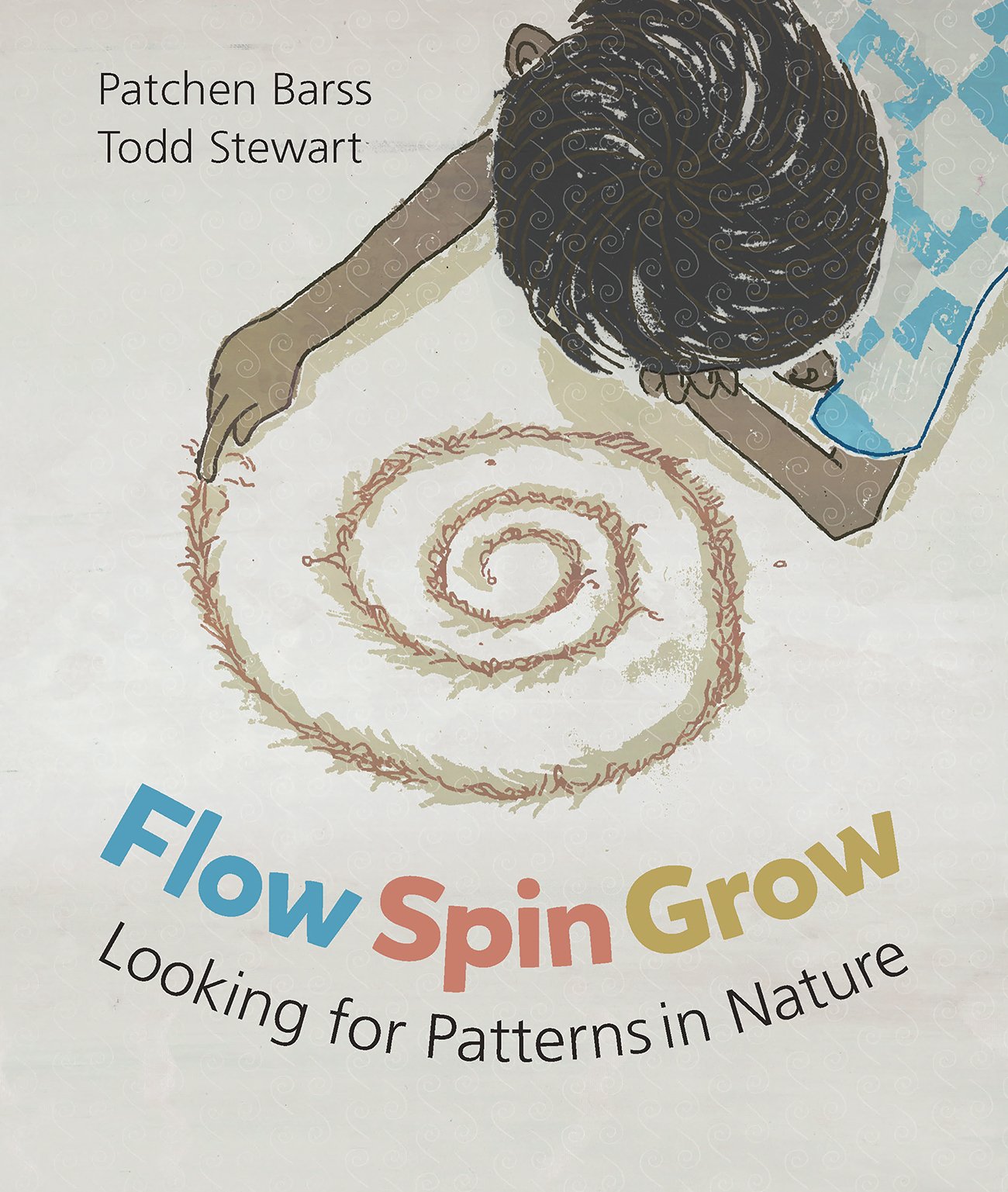
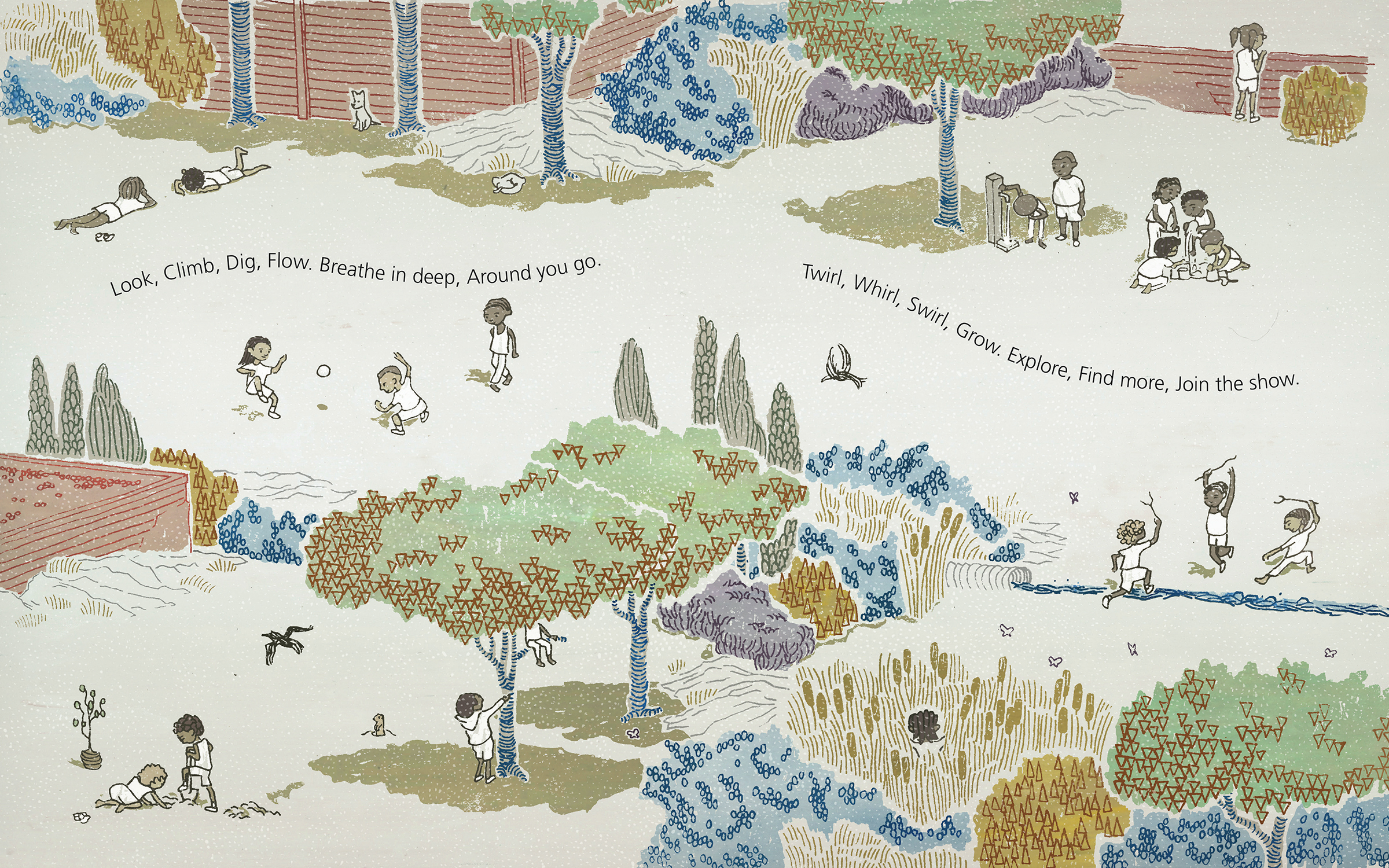
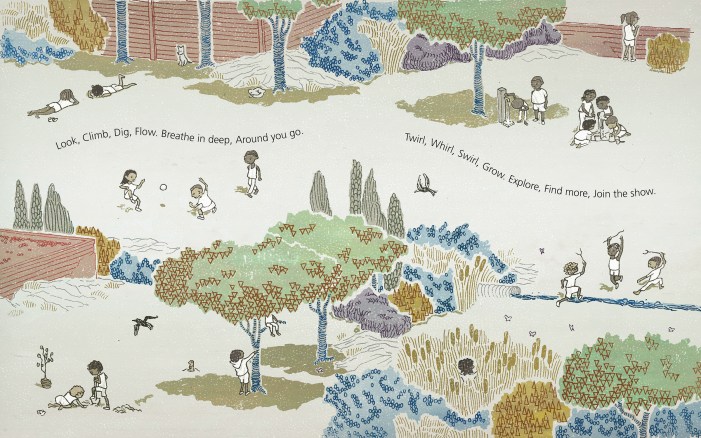
Readers are encouraged to explore patterns in nature in this mindful rhyming book. A diverse group of children play and relax in an open park area in the opening spread. The text playfully crawls around the scene, encouraging kids to “Look, climb, dig, flow. Breathe in deep, around you go. Twirl, whirl, swirl, grow. Explore, find more, join the show.” The text inspires readers to look for patterns everywhere: observe, dig, explore, climb; a tree trunk splits, branches split, and below the ground, roots split and grow; water branches off into smaller bodies of water, and our own lungs have little branches like mini-trees, reaching for air. Nature twirls and whirls, like the galaxies in space or two friends at play; pine cones, storm clouds, and snail shells all swirl. It’s an interesting way to introduce scientific inquiry to burgeoning scientists. An author’s note goes further into the “secret code” hidden in the shapes of things, and suggests additional resources for more reading.

The artwork is the star in this book. Multilayered screen prints and muted colors create a setting where patterns gently emerge, waiting for readers to spot them: triangles on a tree or bush; cracks in the dirt and roots underground reach out. Flow Spin Grow is a good purchase for primary science collections; I also love Joyce Sidman and Beth Krommes’ award-winning Swirl by Swirl: Spirals in Nature, and Jane Brocket’s Spotty, Stripy, Swirly: What Are Patterns?
The Vast Wonder of the World: Biologist Ernest Everett Just, by Mélina Mangal/Illustrated by Luisa Uribe, (Nov. 2018, Lerner Publishing Group), $19.99, ISBN: 9781512483758

Ages 7-9

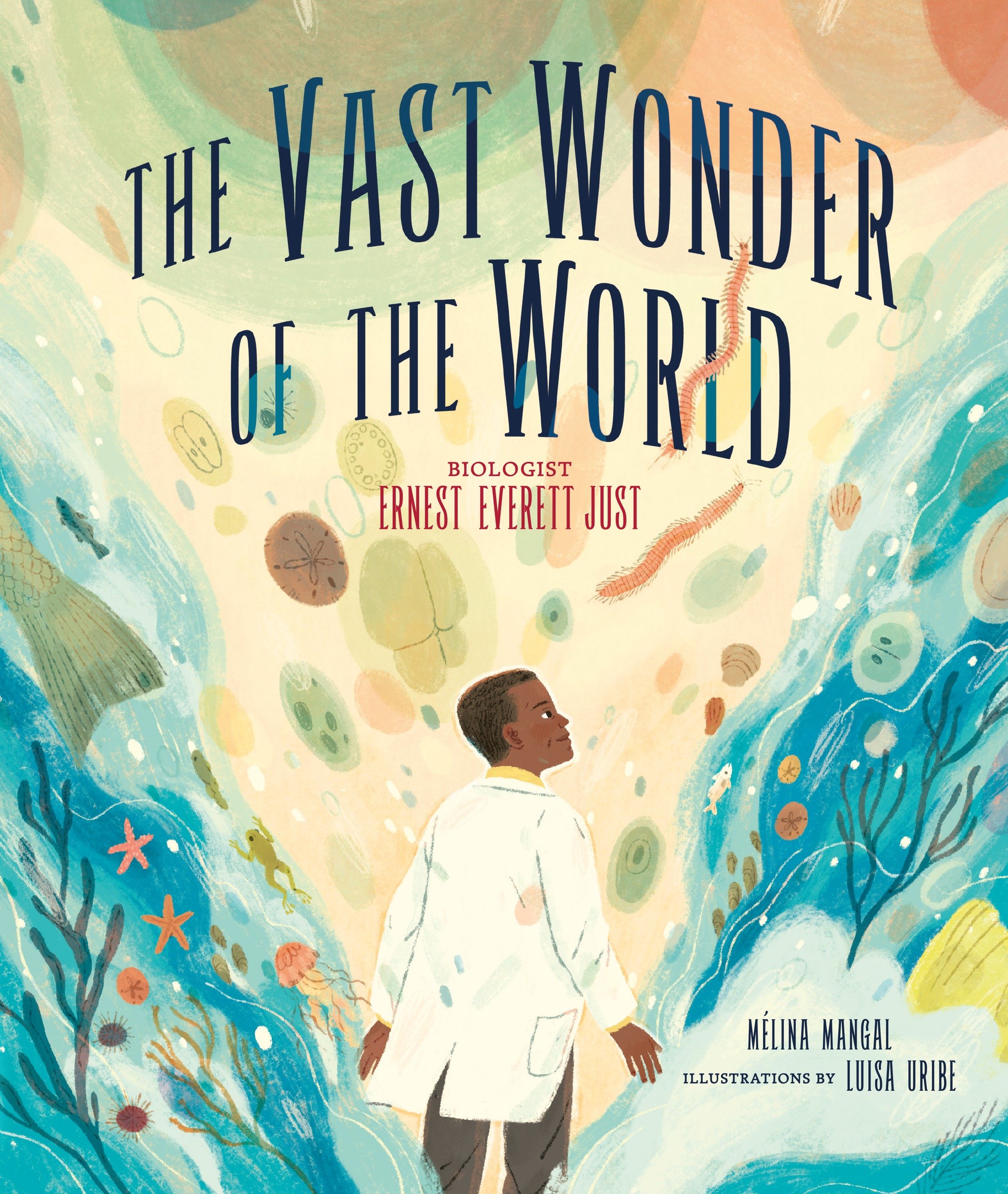
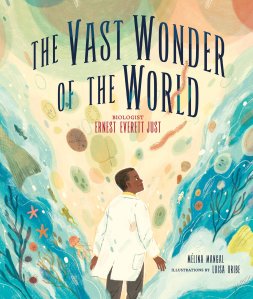
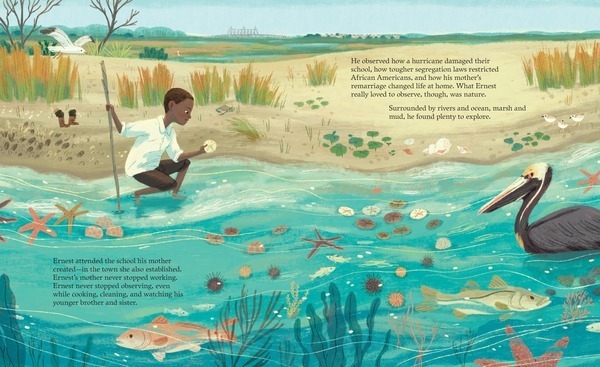
This bio on biologist Ernest Everett Just is just what your picture book biography section needs. He came of age in the Jim Crow South, paying his way through Dartmouth College while supporting his siblings after his mother’s passing. He “unlocked the mysteries of how the different parts of the cell worked together as new life developed”, and found success as a Howard University professor, embryologist, and cytologist, working in both Europe and the States. The Vast Wonder of the World tells his story, introducing him to a new generation of budding scientists who will be inspired by his determination and success in the face of racism and adversity. The muted pencil and digital artwork, in shades of blue, creates a sense of wonder and beauty, giving readers a real appreciation for Just and his place in science history. An author’s note, a timeline, and source notes complete this solid addition to science biography sections. Display and booktalk – PLEASE – with Gwendolyn Hudson Hooks and Colin Bootman’s Tiny Stitches: The Life of Medical Pioneer Vivien Thomas, and – if you can find it (can we please get this book back in print?) – May Chinn: The Best Medicine, by Ellen Butts and Joyce R. Schwartz, illustrated by Janet Hamlin.

The American Society for Biochemistry and Molecular Biology (ASBMB) has a good feature story on Dr. Just, with references to further reading, by W. Malcolm Byrnes.
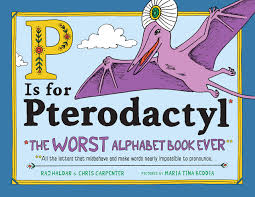
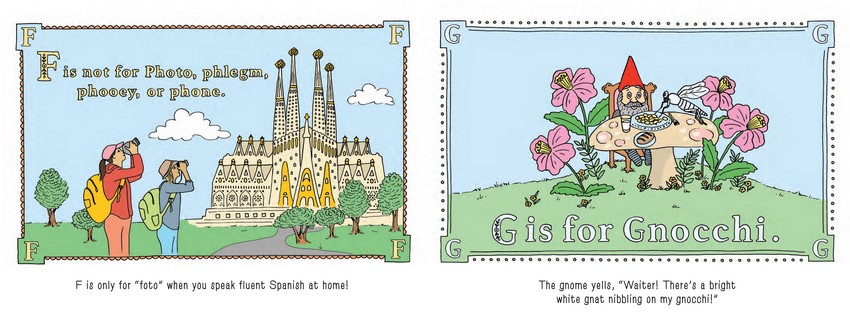
P is for Pterodactyl, by Raj Haldar & Chris Carpenter/Illustrated by Maria Beddia, (Nov. 2018, Sourcebooks Jabberwocky), $17.99, ISBN: 9781492674313

Ages 6-10

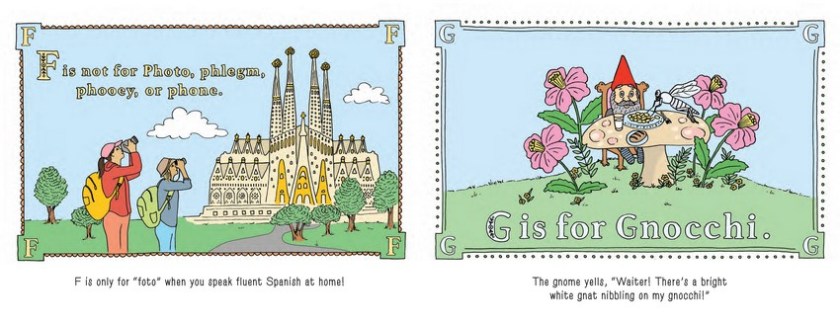
Calling itself “The Worst Alphabet Book Ever”, P is for Pterodactyl is a smirk, wink, and nudge at rebel words in the English language: words that don’t follow the rules. The book uses humor, alliteration, and amusing artwork to get its point across, as with E is for Ewe, which depicts sheep at a wake: “Eileen the ewe was so euphoric with wolves were eaten, she even gave the eulogy” (keep reading the book for more on Eileen); or L is not for Elle, which shows an elevated subway car transporting some elephants across the city of El Paso: “An elephant named Elle rode the el train halfway to El Paso and dined on hearts of palm with her folks”. It’s not a basic concept book for new learners, but it’s sure fun to read it out loud and watch kids laugh and play with language. My 6-year-old cracks up at this one, and it helps when he tries to figure out new words.

P is for Pterodactyl has a starred review from Foreword Reviews.
 

Posted in Intermediate, Middle Grade, Non-Fiction, Non-fiction, Non-Fiction, picture books, Preschool Reads, Tween Reads

Space… The Final Frontier…

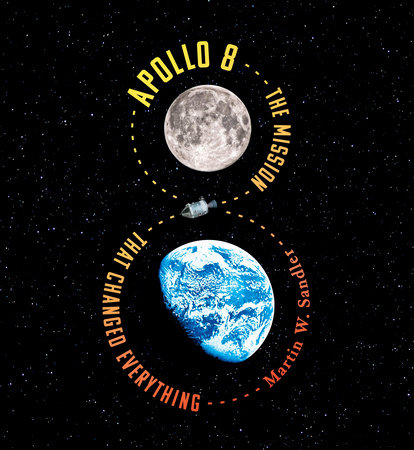
…these are the voyages of the starship Bibliomaniac. My continuing mission: to bring you the coolest books about space, while butchering a beloved TV show’s intro. This post has a books that should appeal to fiction and non-fiction lovers alike. Because it’s SPACE! Planets! Stars! Rocket ships! So whaddaya say? Join me! After all… Stardust Explores the Solar System (Stardust Science), by Bailey and Douglas Harris, (Apr. 2018, StoryBook Genius Publishing), $10.95, ISBN: 9781941434918 Ages 5-9 Stardust Science is a kids’ nonfiction series from a small-press publisher that I’ve just been turned onto. Bailey and Douglas Harris are a daughter-father team who write some pretty fun books starring a girl who loves science and is named named Stardust. Stardust Explores the Solar System is the second Stardust book, and here, Stardust takes readers on a tour of our solar system and its formation, and a trip to each planet. Spreads have a brief, informative paragraph and artwork placing Stardust on each planet, whether she’s driving an exploration craft across Venus or freezing atop Uranus. Extra fun facts focus on the possibility of extraterrestrial life, the Kuiper belt and dwarf planets, and the asteroid belt. Stardust Explores the Solar System was a successful 2017 Kickstarter (which is where I found the internal artwork for this post), and there’s a current Kickstarter for the next book, Stardust Explores Earth’s Wonders. You can pick up copies of My Name is Stardust and Stardust Explores the Solar System from the Stardust Science webpage. It’s a fun book, co-written by a 12-year old Neil DeGrasse Tyson fan, so how can you go wrong? It’s a nice additional book to big collections, and a sweet way to empower your younger readers. My 6-year-old loves this one and says he’s ready to write his own book.   The Universe Ate My Homework, by David Zeltser/Illustrated by Ayesha L. Rubio, (Aug. 2018, Carolrhoda Books), $17.99, ISBN: 978-1512417982 Ages 6-8 Abby’s a little girl who has homework to do, but UGH. She’d rather be stargazing with her dog, Cosmo, or talking to her physicist dad. He’s been thinking about universes, and how to make a baby universe, which gets Abby thinking. She sneaks into her dad’s study and works on making her own black holeout of the dreaded homework! It takes a lot of squeezing and a lot of energy, but Abby and Cosmo have done it! But what happens when a black hole’s gravity kicks in? HELP! This is an absolute fun way to explain the science of black holes to kiddos. What better way to get rid of your homework than by turning it into an actual science experiment? Kids will be squeezing the daylights out of their looseleaf for weeks to come, waiting for their own wee Big Bang. The artwork is too much fun, with something to see in every spread: the John Coltrane album and record player in the family living room; Dad’s study is loaded with things to see, including a framed picture of Marie Curie, family photo, Abby’s family drawing, and a postcard depicting a scene from  Georges Méliès’s 1902 A Trip to the Moon. The mini galaxy Abby creates unfolds for readers, starting first with swirls and stars, then with planets. It’s a fun book that makes for a great storytime, and a teacher’s note to Abby (you didn’t forget about the homework, did you?) at the story’s end will leave kids and adults alike laughing out loud. An author’s note gives a little more information about black holes and baby universes. Add this one to your collections and get your little ones contemplating astrophysics! Apollo 8: The Mission That Changed Everything, by Martin W. Sandler, (Oct. 2018, Candlewick), $24.99, ISBN: 978-0-7636-9489-0 Ages 10+ It was 1968, and the U.S. was about to make a huge gamble. America was deep into the Cold War with the USSR, and the country was fraying at the seams after the assassinations of Martin Luther King Jr. and Robert F. Kennedy; it was a country where the civil rights movement and the Vietnam War caused violent clashes. We needed something to unite us. Russia had already launched the first man-made satellite to orbit Earth, Sputnik I – in 1957, but now, they were getting ready to go to the moon. America was determined to get there first. But first, we had to get into space. Apollo 8: The Mission That Changed Everything is a brilliantly written chronicle of NASA’s mission to put a craft into orbit around the earth. Loaded with black and white and color archival photos and written by one of the most well-known names in children’s and young adult nonfiction, this is a must-have for your middle grade and middle school collections. With the 50th anniversary celebration of the Apollo 8 mission falling in December of this year, this is going to be an in-demand title in classrooms and libraries. Martin W. Sandler is an award-winning writer – a two-time Pulitzer nominee, five-time Emmy winner, and Boston Globe-Horn Book Honor winner – who makes nonfiction read as compulsively as solid fiction; There are extensive source notes and a bibliography for further reading and research.
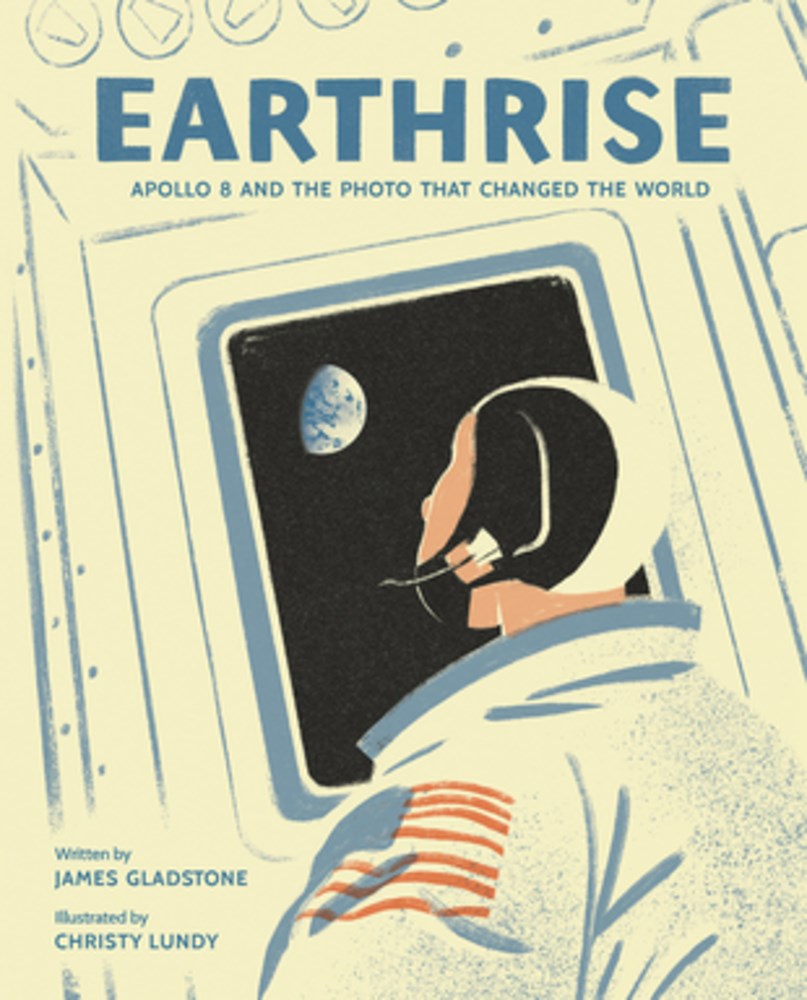
Earthrise: Apollo 8 and the Photo That Changed the World, by James Gladstone/Illustrated by Christy Lundy, (Oct. 2018, OwlKids Books), $16.95, ISBN: 9781771473163
Ages 4-8
This is the year for Apollo 8 books! Earthrise is a gorgeous picture book that tells that story of Earthrise, the history-making photo of Earth, taken from lunar orbit, taken by astronaut Bill Anders. The story shows readers how this single photo took us from a planet full of conflict to a global community – if only for a moment. We see the story from shifting perspectives: the crowds gathered in anticipation, the men in Mission Control, and an African-American family, with a little girl who dreams of being an astronaut one day.
The text is just beautiful. James Gladstone creates a mood of wonder as he writes lines like, “Now the craft was coasting on a human dream, speeding the crew off to another world”, and “The astronauts saw the whole turning Earth – no countries, no borders – floating in the vastness of space”. Back matter includes a piece on how the Earthrise photo changed the world, and an invitation to readers to share what Earthrise means to them. It’s the perfect program in a book! Show the original Apollo 8 launch broadcast, this NASA Apollo 8 documentary, and/or the broadcast Apollo 8 Christmas Eve message and ask kids to talk about what seeing the Earthrise makes them feel, 50 years later. Paired with Christy Lundy’s vintage-inspired artwork, Earthrise is a necessity in your nonfiction collections. Earthrise has a starred review from Kirkus.
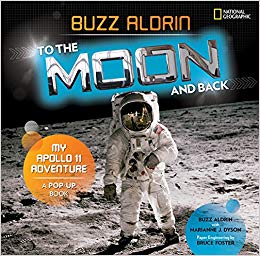
To the Moon and Back, by Buzz Aldrin with Marianne J. Dyson/Paper engineering by Bruce Foster, (Oct. 2018, National Geographic), $32, ISBN: 978-1-4263-3249-4
Ages 6+
How much fun is a pop-up book about SPACE? With ROCKETS?! Buzz Aldrin, Marianne J. Dyson, and Bruce Foster take readers on a trip through “humanity’s greatest adventure”. Learn Buzz Aldrin’s nickname on the mission; read about the launch and landing; souvenirs left on the lunar surface, and the astronauts’ return, all accompanied by amazing paper engineering: pop-up rockets, fold-out lunar landings, and side flaps that offer even greater information – and a few laughs. If you’re getting this for a library or classroom collection, put it in reference; it will get beaten up pretty quickly. The book also comes with a paper Apollo 11 lunar module kids can engineer on their own. (We haven’t built that one yet.) Want to make a space fan happy? Put this on your holiday and special occasion shopping lists. Read more about the 1969 Moon Landing on NatGeo’s webpage.
Whew! Okay, that’s all I’ve got for now, go forth and explore!
Posted in Intermediate, Non-Fiction, Non-Fiction, picture books

Sewing the Rainbow: The Story of a Flag and a Movement

Sewing the Rainbow: The Story of Gilbert Baker and the Rainbow Flag, by Gayle E. Pitman/Illustrated by Holly Clifton-Brown, (May 2018, Magination Press), $16.95, ISBN: 9781433829024

Ages 5-8

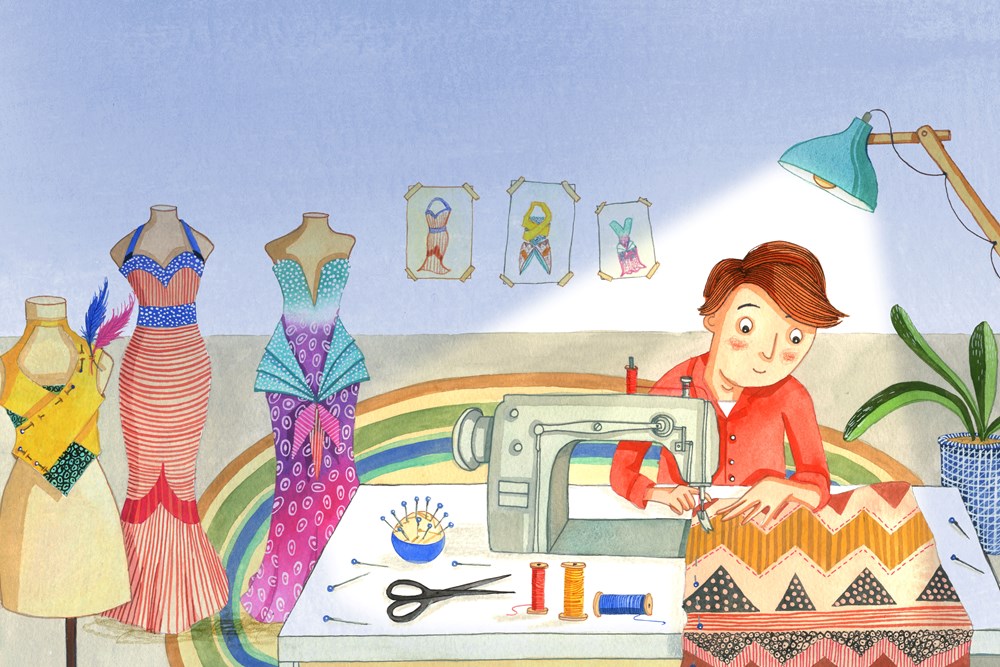
Artist and gay rights activist Gilbert Baker started out as a little boy in Kansas who “was full of color and sparkle and glitter”; a little boy who would draw gowns and costumes alongside his clothing store proprietor grandmother. But his father would destroy his drawings and push Gilbert toward more “manly” pursuits: slingshots, erector sets, and sports. Being drafted at the age of 18 made Gilbert more miserable as he suffered hazing from his fellow soldiers for refusing to carry a gun, but being arriving in San Francisco finally brought the sparkle back to Baker’s life. He taught himself to sew and began designing dresses, costumes, and banners for activists and entertainers. And then came his friend Harvey Milk, who asked him for Baker’s greatest undertaking: create a flag to unite the gay rights, or LGBT, movement.

The story of the rainbow flag is just as much Gilbert Baker’s story as it is the LGBTQ+ movement’s story. Dr. Gayle Pitman tells the story of a sensitive boy who loved art and grew up to unite the world. Holly Clifton-Brown’s colorful illustrations give us an apple-cheeked, sweet-faced boy who just wants to create; her artwork goes wonderfully hand-in-hand with Dr. Pitman’s prose to engender empathy in reader. I love and adore Dr. Pitman’s observation that our generation, and future generations, will see the flag and know that it’s okay to be your colorful, sparkly, glittery self.”

Back matter goes into more detail about Gilbert Baker and the rainbow flag (which, chosen by Baker, is in part inspired by a Bible quote: Genesis 9:13). This story pairs nicely with Rob Sanders and Steven Salerno’s book, Pride: The Story of Harvey Milk and the Rainbow Flag, which has a nice little cameo by a grown-up Gilbert. Sewing the Rainbow is a must-add to your biography collections.

Posted in Adventure, Animal Fiction, Fantasy, Fiction, Fiction, Intermediate, Middle Grade

Snazzy Cat Capers introduces a new super team-up!

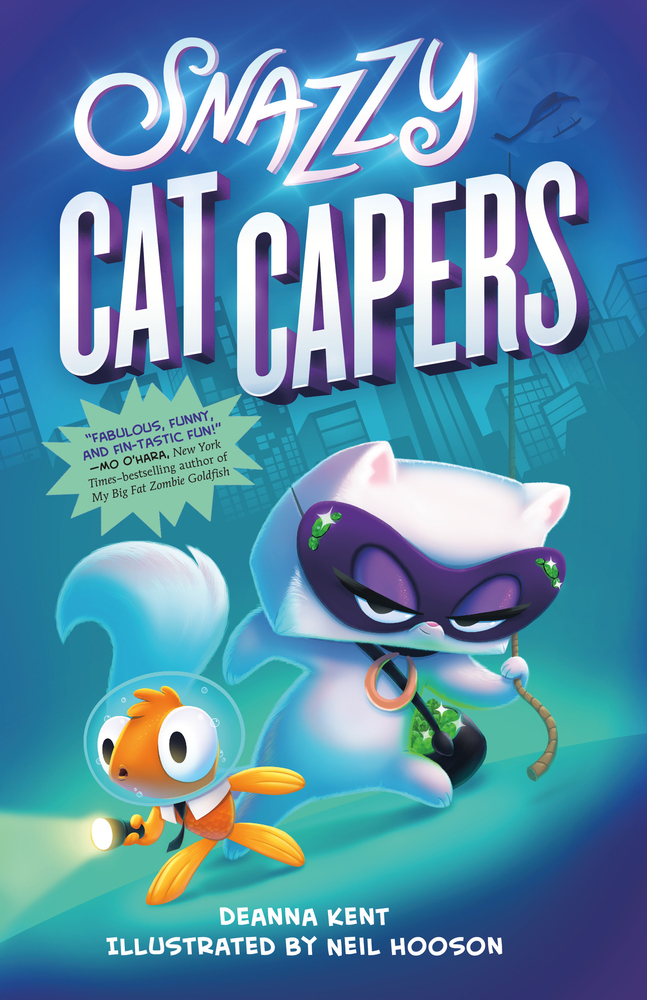
Snazzy Cat Capers, by Deanna Kent/Illustrated by Neil Hooson, (Sept. 2018, Imprint Reads), $13.99, ISBN: 978-1-250-14343-3

Ages 7-10

Ophelia von Hairball V is the world’s greatest cat burglar; she’s a celebrity among her peers at the FFBI (Furry Feline Burglary Institute), the bane of the Central Canine Intelligence Agency (CCIA), and the envy of her cousin and FELLOW FFBI cat burglar, Pierre. Her next challenge: steal a rare Himalayan diamond from the Belle Mew-seum in Paris for the FFBI’s Annual Purr-fect Heist Competition! There’s only one hairball: Oscar Fishgerald Gold. He’s the newest in a series of inventors the FFBI wants Ophelia to work with, but Ophelia is a one-feline show. Oscar is persistent, though, and finagles his way onto the mission. Can this cat-and-fish combo snag the diamond and win the top spot again? Will the CCIA finally catch up to Ophelia? Or will Ophelia’s scheming cousin, Pierre, outsmart Ophelia and win the diamond and the top spot for himself?

Snazzy Cat Capers is the first in a fun new intermediate/middle grade series, and it is too much fun. Ophelia von Hairball V is a fabulous diva with an eye for the good life, and even though she’s a thief, she’s not all bad: the FFBI just encourages cat burglary to keep their skills sharp; the heisted goods are always returned. Eventually. There are black and white graphic novel panels and artwork throughout the story, breaking up the narrative by communicating a chunk of story visually and giving reluctant readers a nice bridge into linear reading. Oscar is a sweet, smart sidekick who won’t give up his chance to be taken seriously – he’s kind of like James Bond’s Q. Every chapter starts off with a life quote from Ophelia that provides some wink-nudge insight into her divahood: “You can’t possibly be your best if you haven’t had a manicure. Or if you’re a dog”; “They say humility is the key. Thankfully, I can pick any lock”; “When all hope seems lost, check the last handbag you used. It might still be there”. There are a lot of laughs, some fun action and adventure, and a whodunit showdown that kids will love. The next installment is out next year, so talk this one up and get your readers on board. And show them some Kim Possible – not an animal show (except for the naked mole rat, Rufus), but still fun to watch. Booktalk and display with Jonathan Bernstein’s Bridget Wilder trilogy or Stuart Gibbs’ Spy School series.

Posted in Intermediate, Middle Grade

Fun with Forms: Sign Here!

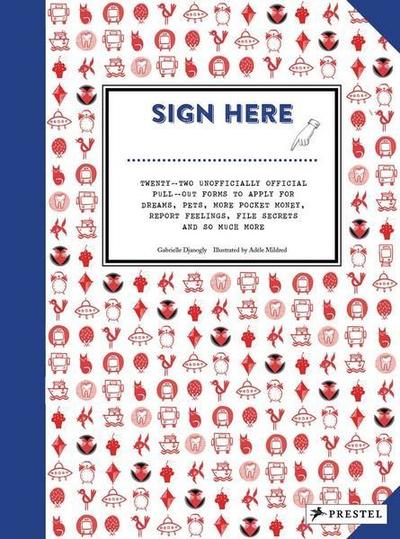
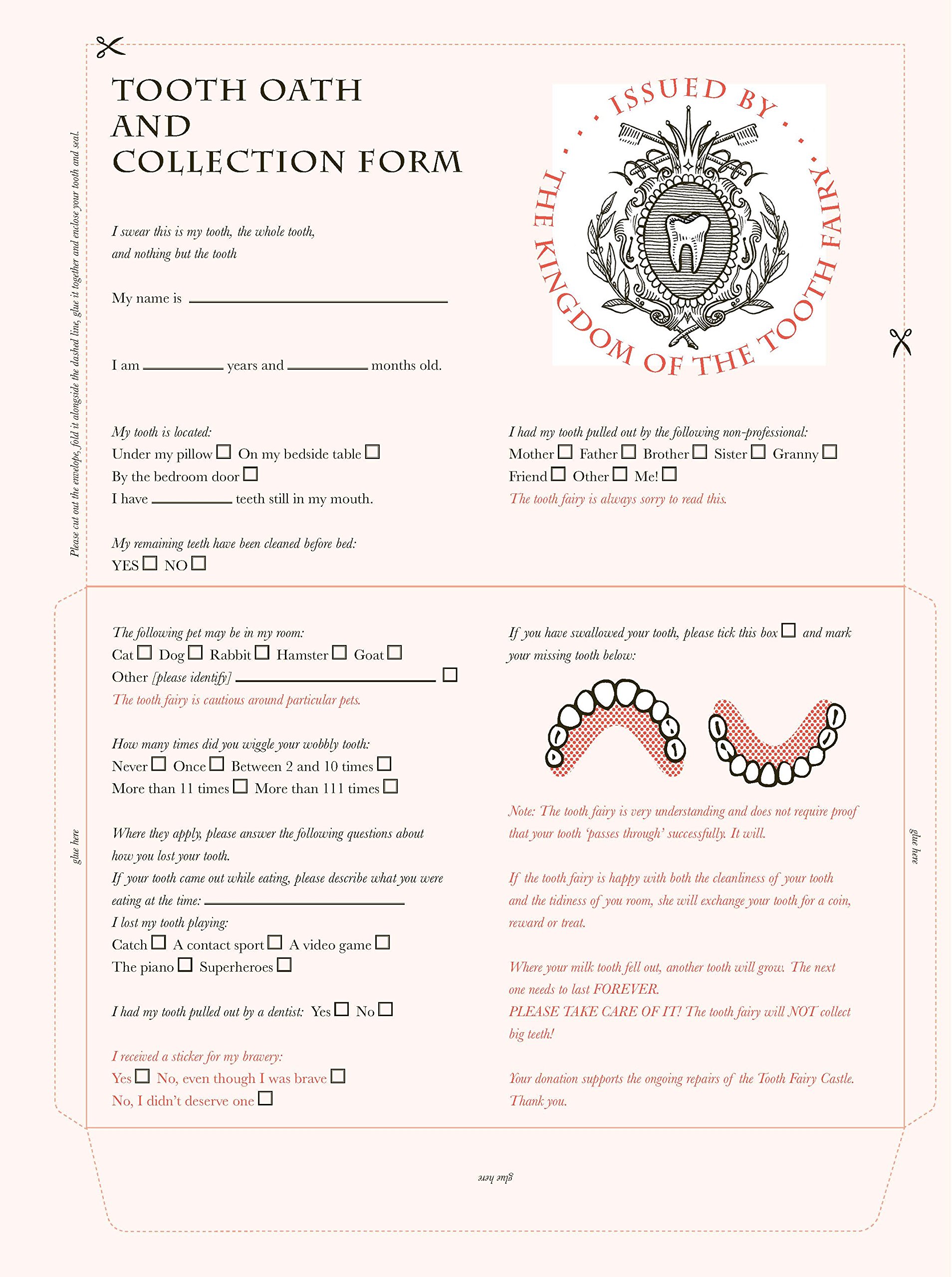
Sign Here: Twenty-Two Unofficially Official Pull-Out Forms for Dreams, Pets, Pocket Money, Feelings, Secrets and So Much More, by Gabrielle Djanogly/Illustrated by Adèle Mildred, (Sept. 2018, Prestel), $14.95, ISBN: 9783791372976

Ages 6+

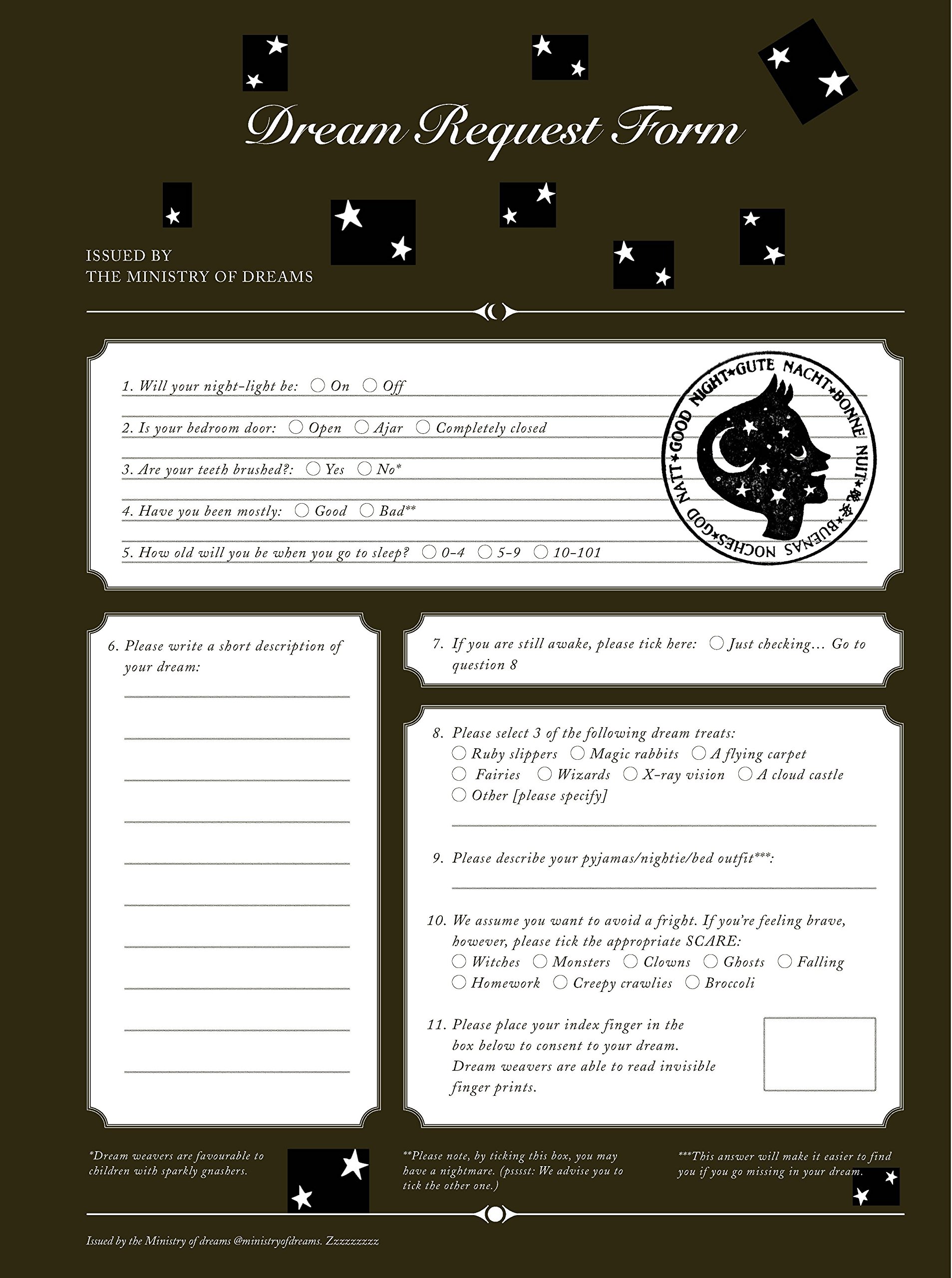
This is absolute fun. The title says it all: it’s a book of forms for kids (and up) to fill out and have fun with. When I was a kid, I loved filling stuff out. I just did. Did it make me feel grown up, or just give me something to do? Who knows? But these forms are silly, funny, and full of the stuff of childhood: a form for potential babysitters, complete with “I fully understand you are in charge” yes/no check boxes and parents say/kids say bedtime information (“My mummy/daddy may have said my bedtime is… Actually, it’s any time after…). There’s a two-part Best Friend Form that lays sweet groundwork for the future, allowing kids to think about what they will do when they grow up. There are acknowledgements of anger, celebrations of happy, and declarations of sad, to help kids celebrate or communicate those hard-to-talk about feelings, and pocket money raise requests for kids who feel it’s time for a raise in cashflow.

All the forms are decorated with two-color designs to look official with a little spark to them. It’s a fun way to introduce journaling to kids (program in a book!) and encourage creative writing. I’m going to give a few of these a shot in our library’s creative writing program, and I want to run a couple by my first grader to see what kind of story he wants me to tell, or run a Tooth Oath Collection form by the Tooth Fairy and see how that goes. Sign Here is a fun gift idea, a fun classroom or library exercise and incentive.


Posted in Intermediate, picture books

The Day War Came, by Nicola Davies and Rebecca Cobb

The Day War Came, by Nicola Davies/Illustrated by Rebecca Cobb, (Sept. 2018, Candlewick), $16.99, ISBN: 9781536201734

Ages 6-9

A brown-skinned girl with black hair has breakfast with her parents and baby brother, sits at her desk at school, singing songs about tadpoles and learning about volcanoes, when war comes to her world. In an instant, everything she knows, everything she loves, is gone. She begins an arduous journey on foot, by truck, by bus, and by boat to a strange, new place; searching for a place where war can’t reach, she only encounters closed doors and hard faces. Even a school turns her away, telling her there are no chairs for her. As she loses hope, a boy finds her and brings her a chair so that she can come to school; his friends have brought chairs, too, so all children can come to school. Together, the children provide support for our protagonist, “pushing back the war with every step”.

This book is heartbreaking. The artwork, so childlike in itself, makes it even more powerful: the hunched over girl at her desk, braids blown back and artwork flying off her desk as the giant gray-black cloud envelops the facing page; the girl on her knees at the rubble of her home; the girl huddled under a blanket in an empty hut, turned away from a school for want of a chair. the our realization that she is the only survivor of that happy family eating breakfast together is almost too much to take. The pencil and watercolor art is stunning, using grays and blacks to communicate the horror. Orange flames compete with orange flowers in a destroyed city landscape. And the quiet gift from one child to another brings with it new color: green seats, red seats, blue and white striped seats. Color becomes hope.

The Day War Came is a poem Nicola Davies wrote after reading about a refugee child denied entry to a school because there was no chair for her. This gave birth to the #3000chairs movement, where thousands of people posted photos of empty chairs in solidarity with these children who had lost everything, including a chance at education. Nicola Davies’ poem is eloquent, heartbreaking, and ultimately, hopeful. Writing in the child’s voice brings home the impact of war on children.

She never names the child, nor does she name the child’s country of origin. The child is any refugee child from any number of countries where children are forced out of childhood far too soon. As the author says in her 3000 Chairs blog post, “In an ideal world there wouldn’t be children without parents. In an ideal world hospitals wouldn’t be bombed because they looked a bit like something else. In an ideal world everything would be sweet and smooth and we could all afford to be as selfish as we liked and it wouldn’t matter.”

An important addition to all collections. The Day War Came has a starred review from Booklist. There is a downloadable free discussion guide available through the publisher.

Posted in Non-Fiction

Galápagos Girl/Galapagueña Blog Tour Stop: A note from author Marsha Diane Arnold!

So now that you’ve read about how I loved Galápagos Girl/Galapagueña, here’s a little somethin’ extra: a guest post from author Marsha Diane Arnold about the editorial process, and “the words that got left behind”. Enjoy the post and photos, and thank you so much to Ms. Arnold for sharing with us!

The Words I Left Behind – Galápagos Girl by Marsha Diane Arnold

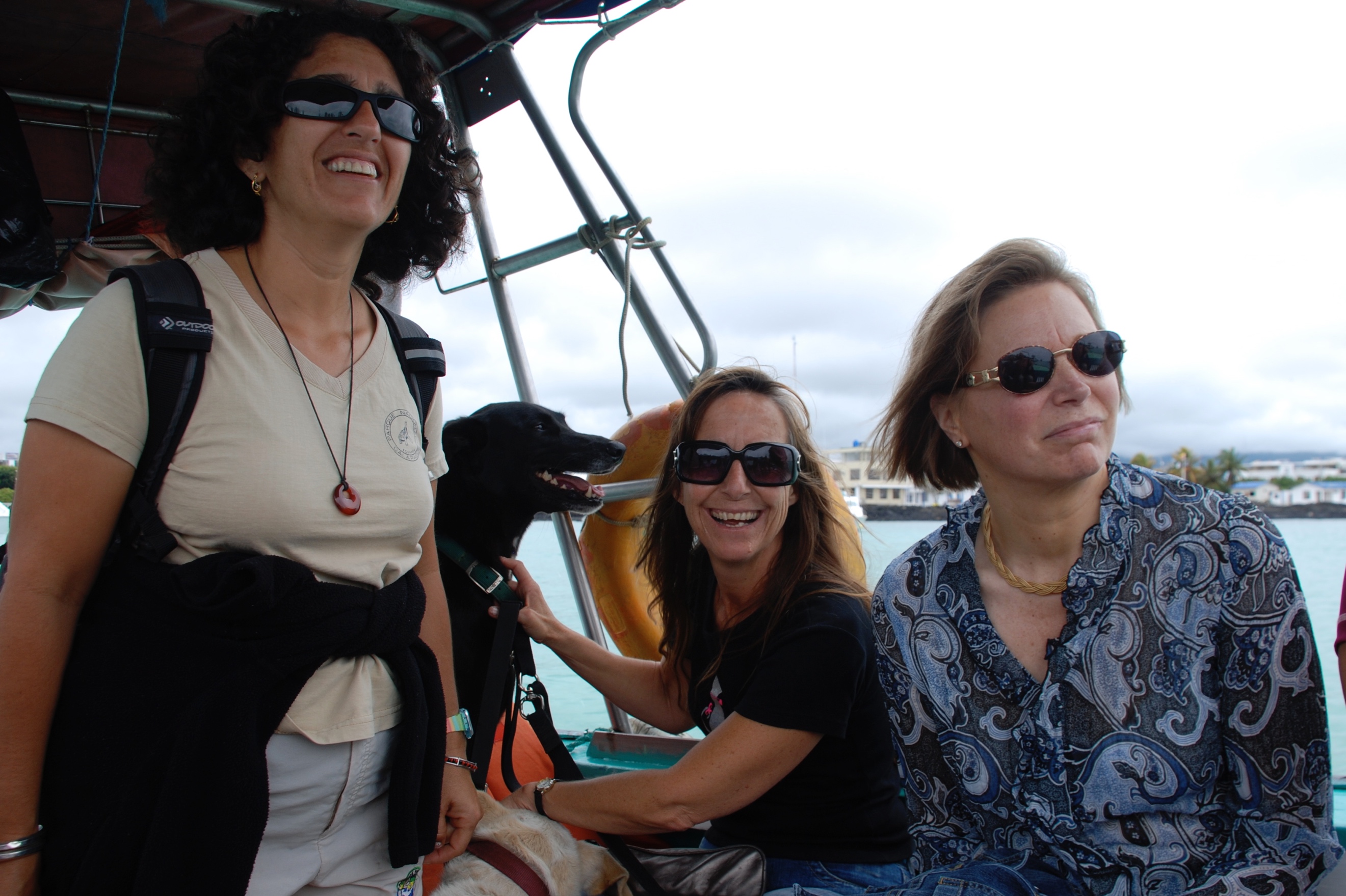
Thank you, Rosemary, for inviting me to blog about my newest picture book, Galápagos Girl, coming September 18th. This book is dear to my heart. It began on my 2007 trip to the Galápagos where I met Valentina Cruz, our naturalist guide. She was born and raised on the Galápagos Island of Floreana. She and the unique animals of the islands inspired my book. I wanted to write about the fantastic Galápagos creatures from the perspective of a young girl who grew up on the islands, surrounded by wild nature.

Valentina on left, with fellow travelers.


But it’s now 2018! This book was a long time coming. There were so many stories Valentina told me about her family and growing up on these exotic islands. I wanted to share them all with the world, but of course, I couldn’t. Cut! Cut! Cut! There are dozens of unique animals on the islands. I wanted to share them all in my book too, but they wouldn’t all fit. Cut some more!

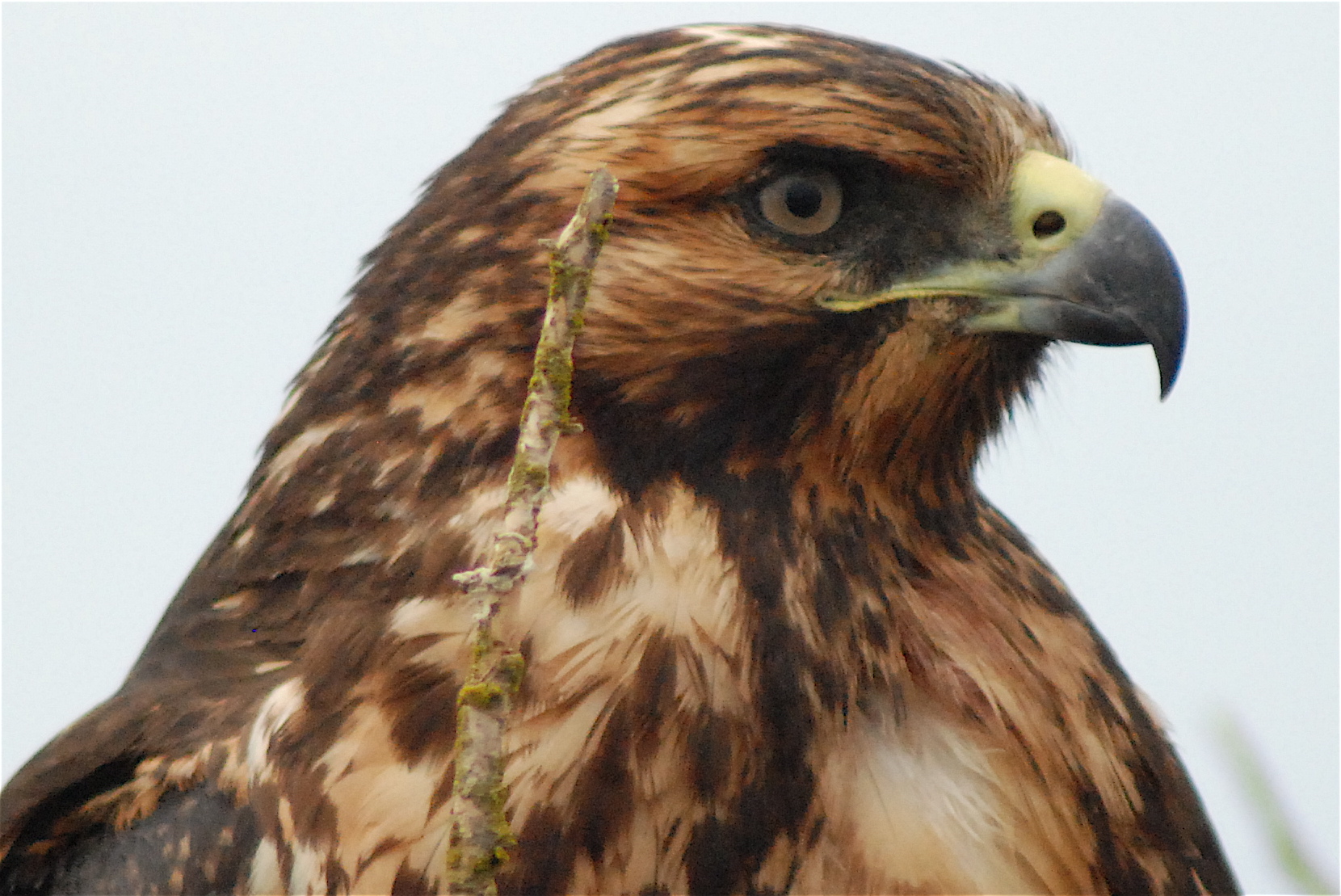
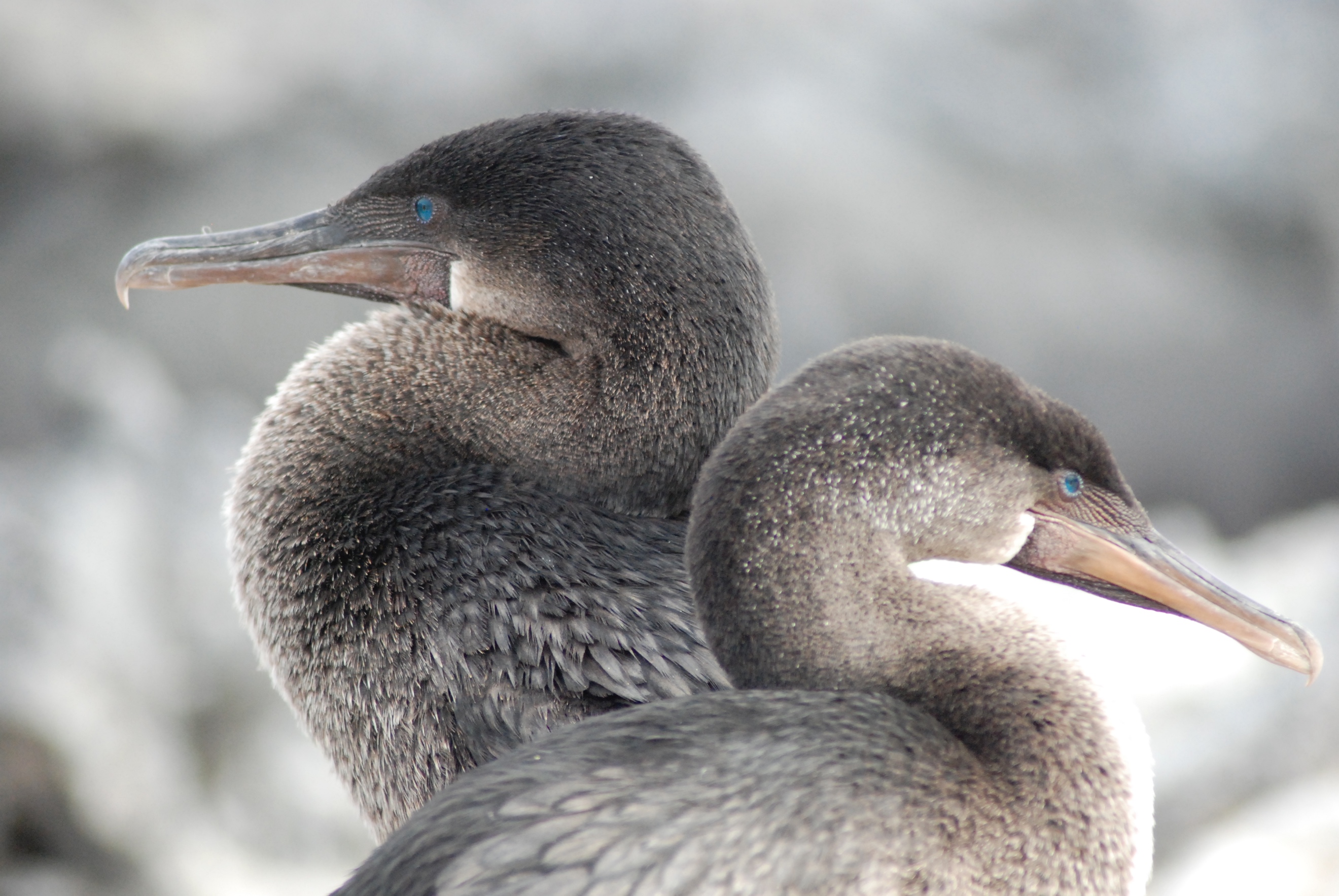
Some of the beautiful Galápagos birds that didn’t make it into the book.


Top left – Galápagos Hawk, top right – Nazca Booby


Bottom left – Oystercatcher, bottom right – Flightless Cormorant

“Kill your darlings” is advice that has long been given to writers. It’s a challenge to us to delete extraneous text and get rid of phrases we hold closest to our hearts. But our books all have to face the “killing of darlings.” Galápagos Girl was no exception.

I wrote scores of drafts, trying to decide which stories, which animals, and which words to keep. In the manuscript I submitted, Spanish words and phrases were sprinkled throughout. I’d spent hours deciding where to place these and confirming my translation was right. When it was decided to make the book entirely bilingual, most of these phrases were deleted. Also, because we were now approximately doubling the words that would fill the book, the text needed to be…Cut!

Valentina shared many stories of her father. They could easily make a book of their own. Once, she wrote to me that her father, who loved the ocean, “had the scent of the sea in his skin.” Now her young son tells her she has “the scent of the sea in her skin.” I loved this thought and included it in a few drafts. But my writers group didn’t think it worked. Cut!

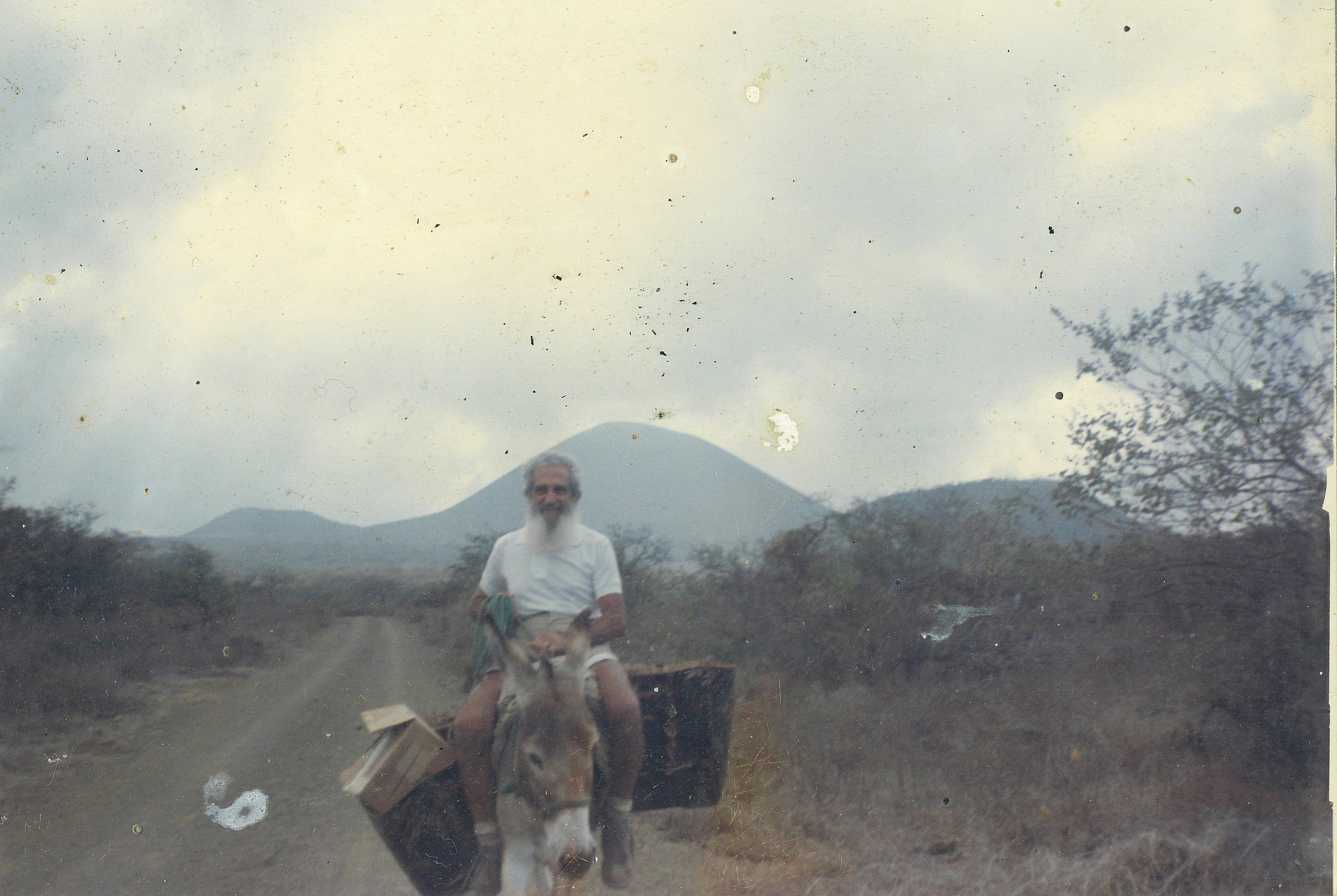
The text below is from a 2009 draft, where I again drifted toward telling Papá’s story. Valentina’s tales of him where inspiring me, just as his life had inspired her. Valentina even had an old photo of him riding their donkey, Pepegrillo. But I needed to get back to Valentina’s story. Cut!

“Papa, the teacher, the sailor, the fisherman, the farmer,

taught Valentina to read and showed her the ways of nature.

He liked to ride his donkey into the village

and take a book with him to read along the way.”

Eliecer Cruz Cevallos and Pepegrillo


Looking over more old drafts, it was obvious I wanted that cute Pepegrillo to be in my book. In a 2010 draft, I wrote:

“Sometimes Valentina walked the two miles to school barefoot,

Sometimes she wore old shoes,

Sometimes her older brother and sister carried her on their back.

On special days, she got to ride Pepegrillo, the donkey.”


You guessed it.  Pepegrillo and these lines had to be…Cut!

When I asked Valentina if there was anything she didn’t like about growing up on the Galápagos, she emphatically replied, “No.” She loved every minute of it and felt it was a privilege to be able to live there with her family. Her stories made me want to be part of her family too; these feelings show up a little in the following text. It also mentions the broken tortoise shells Valentina found, which was a plot line I had followed. Yes, this was all…Cut!

“The family’s farm was called The Well – El Pozo.

In the kitchen, Valentina helped Mamá make papaya and guava jam.

From the acacia tree, Valentina and Papá watched boats come into port.

When Valentina’s eleven older brothers and sisters

milked cows and weeded gardens,

Valentina fed bananas and plums to Santa Cruz and Isabela.

When they searched hillside caves for pirate treasure,

Valentina searched for a Floreana tortoise

to keep Santa Cruz and Isabela company.

All she found were broken shells.”

I originally called the turtles Santa Cruz and Isabela, but in the book, they are Carlitos and Isabela. There’s a story behind that too.


A few of the amazing Cruz family.


Though many stories are not in the book, we now have the delightful Galápagos Girl, thanks to my agent Karen Grencik, my editor Jessica Echeverria, the entire Lee & Low team, many helpful scientists and researchers, the wonderful artist Angela Dominguez, and, of course, Valentina Cruz.

Just a few words now, that were not cut!

“And every day she danced.

Bopping up and down

With lava lizards

Stamping her feet with

Blue-footed boobies

Twirling pirouettes

with sea lions.”


If you want to hear more Galápagos stories, I’d love to share them with you when I visit your school or festival. You can contact me on Facebook https://www.facebook.com/MarshaDianeArnoldAuthor/, www.earthsvoices.wordpress.com., or the “Write Marsha” link at  www.marshadianearnold.com, my main website, which is being restored.

Posted in Intermediate, Non-Fiction, picture books, Preschool Reads

How islands raised an activist: Galápagos Girl/Galapagueña, by Marsha Diane Arnold

Galápagos Girl/Galapagueña, by Marsha Diane Arnold/Illustrated by Angela Domínguez, translated by Adriana Dominguez, (Sept. 2018, Lee & Low Books), $18.95, ISBN: 9780892394135

Ages 4-8

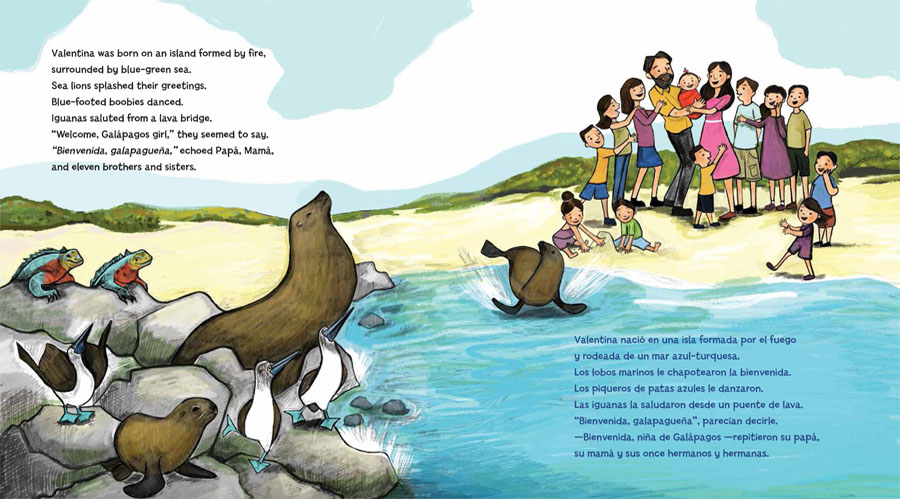
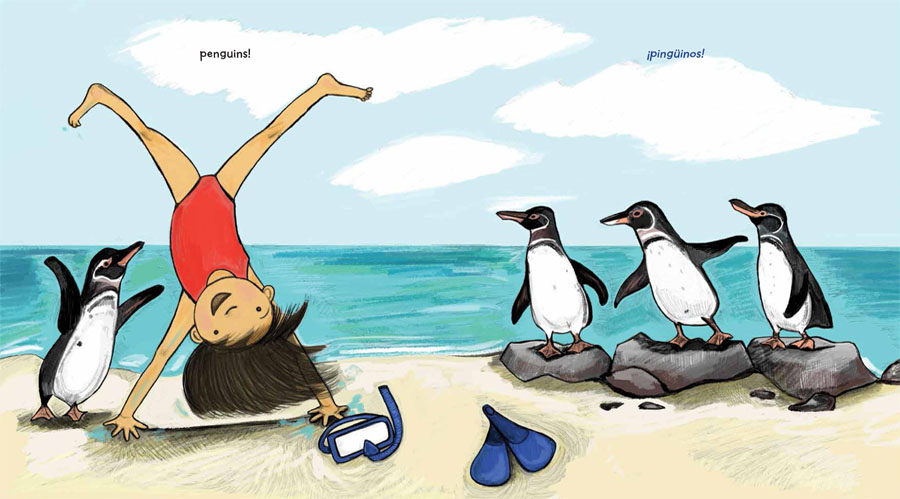
This bilingual English/Spanish story is based on the life of Galápagos Islands conservationist Valentina Cruz. Raised on the island, Valentina grew up surrounded by beauty: the blue-green sea, the playful penguins and sea lions, the sounds of the waves crashing against the rocks, and her father’s two tortoises, Carlitos and Isabela. Valentina goes away to school, but promises the animals and her islands that “I will not forget you… And I will help to keep you safe.” It’s a promise she keeps, returning to the islands on school holidays, camping out on remote islands to live and learn among the different flora and fauna, eventually becoming a biologist who returns to the islands to teach visitors to love her home as she does, and about the importance of preservation and conservation.

Author Marsha Diane Arnold met Valentina on a 2007 trip to the Galápagos and was inspired to write Galápagos Girl in the hope that readers would learn, as Valentina did, to help keep nature safe. Under threat from invasive species, active tourism, and encroaching humans, plant and animal life on the Galápagos is increasingly vulnerable. With bright, tropical colors and bold illustration, Pura Belpré Honoree Angela Dominguez transports readers to the magical islands; she communicates the feeling that we’re seeing something truly special as Valentina moves among unique plants and animals that aren’t found anywhere else on Earth. We’re given a special, secret pass to paradise as we turn each page of Galápagos Girl, and reading it with an unabashed sense of wonder will inspire that spark in a storytime group. An author’s note and a note about the Islands explains Marsha Diane Arnold’s first meeting with Valentina and provides background on the Islands. Five pages of information about the animals introduced in the story adds nice background information to the story, as does a solid bibliography. The bilingual text makes it accessible to Spanish and English-speaking readers.

The storytelling gives readers a glimpse at Valentina’s passion for conservation and illustrates how growing up with a respect for nature creates a better world for everyone. Galápagos Girl is a worthwhile add to storytime collections, bilingual collections, and natural history collections. There’s a free Animals of the Galápagos matchup download available at the Lee & Low website.

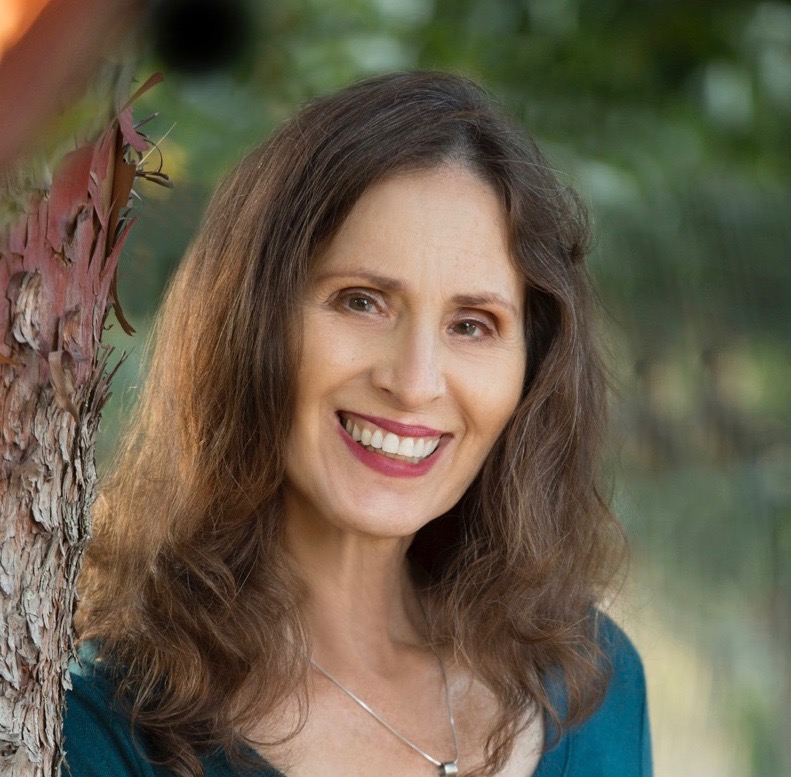
Marsha Diane Arnold is an award-winning picture-book author. Her past titles include the Smithsonian Notable Book The Pumpkin Runner and Lost. Found., which received three starred reviews. Marsha was inspired to write this story after traveling to the Galápagos Islands, where she met Valentina Cruz and had the opportunity to swim with sea lions and dolphins. She lives with her family in Alva, Florida. You can find her online at marshadianearnold.com.

Angela Domínguez is the author and illustrator of several books for children, including the Children’s Book Press title Let Me Help! / Quiero ayudar!Marta Big and Small, and Maria Had a Little Llama, which received the Pura Belpré Illustration Honor. In 2016, she received her second Pura Belpré Honor for her illustrations in Mango, Abuela, and Me by Meg Medina. When Angela is not in her studio, she teaches at the Academy of Art University, which honored her with their Distinguished Alumni Award. She lives in Virginia. Visit her online at angeladominguezstudio.com.

Posted in Fantasy, Fiction, Fiction, Graphic Novels, Intermediate, Middle Grade, Teen, Tween Reads, Young Adult/New Adult

October graphic novels have something for everyone!

There are some solid graphic novels hitting shelves in October: LGBTQ+ positive stories and a dystopian adventure for tweens and teens, and for tweens and teens, Art Baltazar’s adorable artwork for kids are just a few of the books you can look forward to. Let’s dive in!


Gillbert, Vol. 1: The Little Merman, by Art Baltazar, (Oct. 2018, Papercutz), $14.99, ISBN: 9781545801451

Ages 6-10

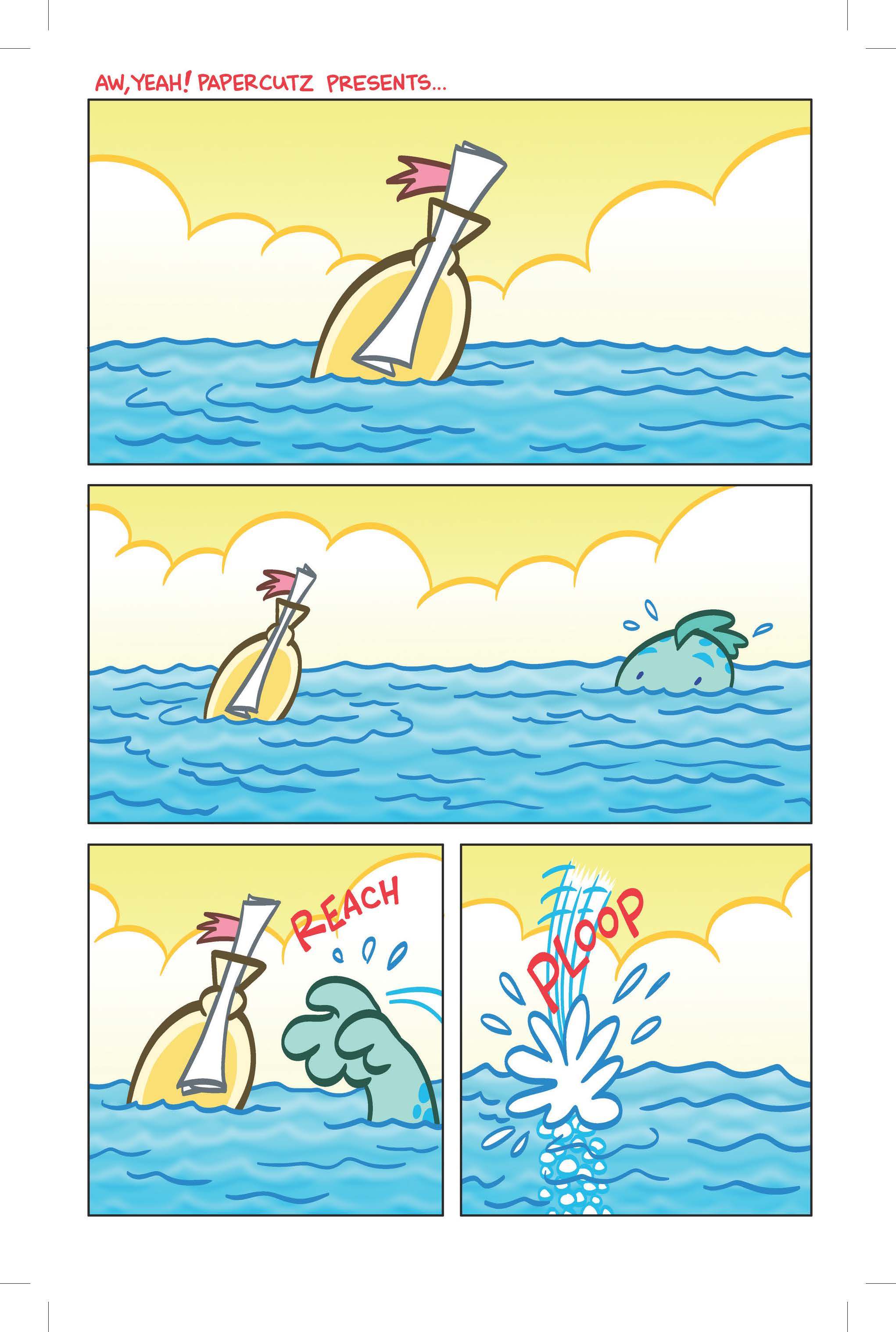
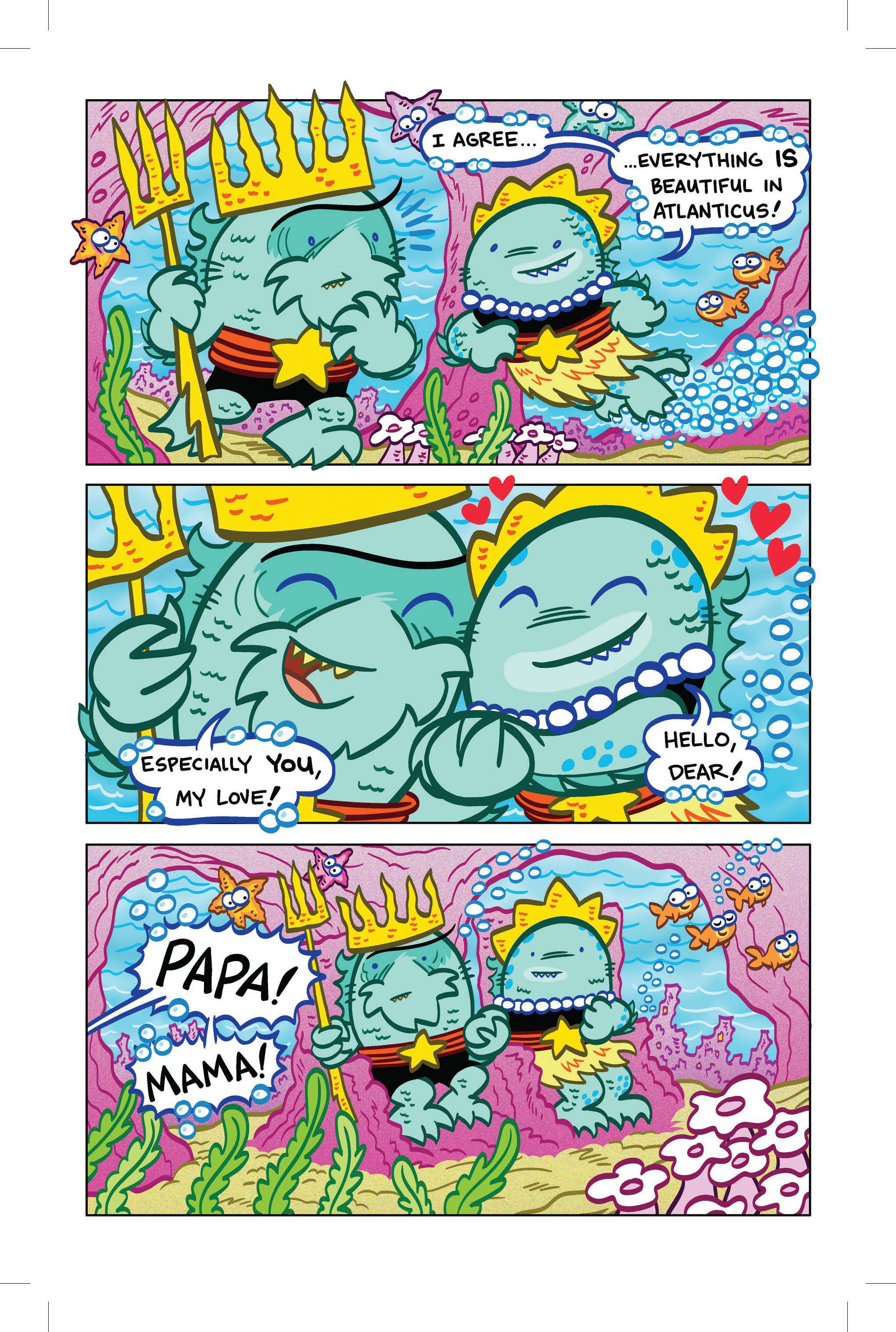
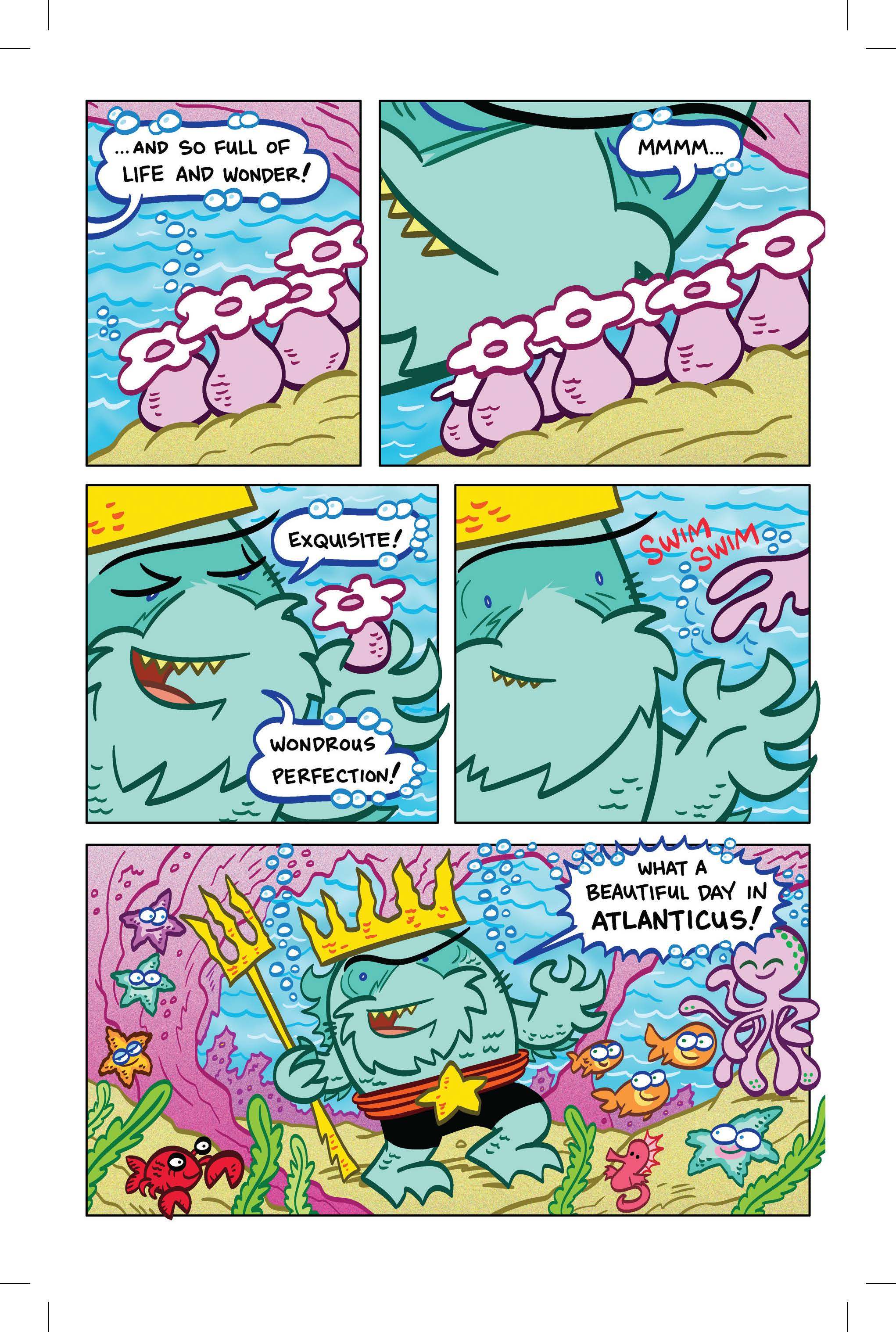
If you have readers who get a kick out of Joey Weiser’s Mermin books, they’ll love Art Baltazar’s Gillbert: The Little Merman! He’s the son of King Nauticus and the prince of Atlanticus, and he’s surrounded by cool friends, like his turtle buddy, Sherbert, and his starfish buddy, Albert. One day, he meets playful mermaid named Anne Phibian, who takes him to a rocking party at WeWillRockTropolis. Meanwhile, aliens invade Earth, but quick action by Queen Niadora and her alien friend, Teeq, save the day.

Art Baltazar creates art that kids love: Tiny Titans; Grimmiss Island; DC Super Pets, and countless more comics have his signature bold, bright artwork and zest for zany adventure. He’s got kid-friendly artwork, storylines, and humor that kids eat up. When my library kids are too young for the DC comics on “the other side of the library” (the teen collection), but still want superheroes, I give them Art Baltazar’s books, and they’re thrilled.

Gillbert’s first outing looks like it’s the start to a fun new under-the-sea series. Papercutz won’t steer you wrong; add this one to your graphic novel shelves.

Lost Soul, Be at Peace, by Maggie Thrash, (Oct. 2018, Candlewick), $18.99, ISBN: 9780763694197

Ages 13+

Acclaimed Honor Girl author Maggie Thrash’s latest book is a continuing memoir with a touch of fiction. A year and a half after the events of Honor Girl, Maggie is spiraling into a deep depression. She’s failing 11th grade; her stuffy, image-consumed mother is baffled, and her workaholic father, a federal judge, pays no attention to her. The only thing Maggie cares about is her cat, Tommi, who seemingly disappears in her rambling home. While searching for Tommi, Maggie discovers a ghost named Tommy, who leads her to peel back layers of her father’s life and see him through new eyes.

Maggie Thrash beautifully captures the tedium and angst of adolescence and the hopelessness of depression. The feeling of shouting into the void is poignantly captured when she opens up about coming out… and being ignored, regardless. She maintains a bitter sense of humor through her journey, making her likeable and relatable, and her watercolor artwork intensifies the feeling of being not-quite-there.

Lost Soul, Be at Peace is a beautifully thoughtful graphic memoir and a must-add to upper middle school and YA collections. Download an author note (also included in the back matter) and Maggie Thrash’s Top 10 Songs for Lost Souls playlist here; view a sample chapter here. Lost Soul, Be at Peace has starred reviews from School Library Journal and Kirkus.


Last Pick, by Jason Walz, (Oct. 2018, First Second), $17.99, ISBN: 9781626728912

Ages 10+

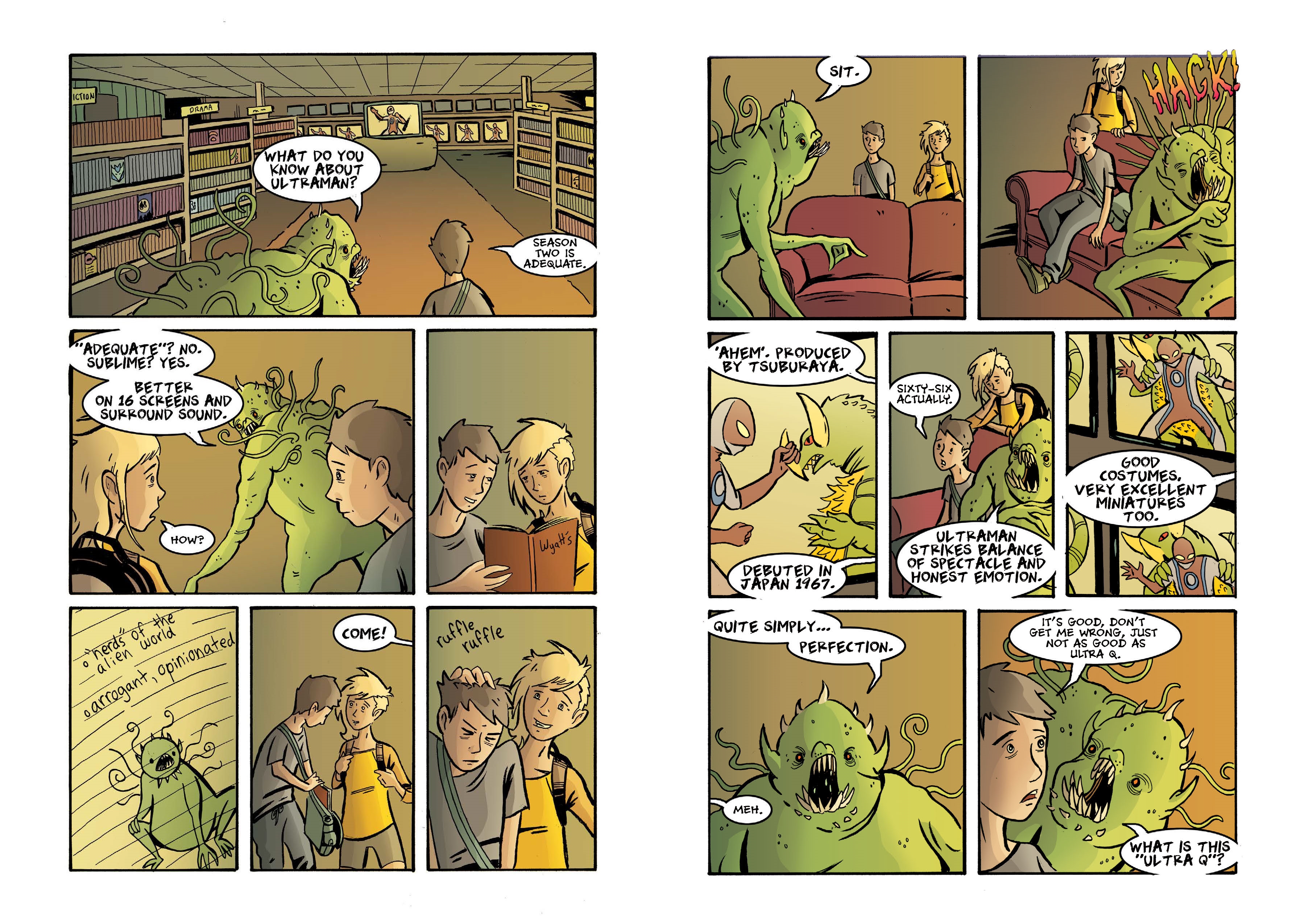
Last Pick is the first in a new dystopian trilogy. Three years ago, aliens invaded earth, taking everyone between the ages of 16 and 65: everyone they deemed “useful”. The survivors left behind live under cruel rule. Too young, too old, too disabled, they’re seen as worthless, receiving slim food rations and living under constant threat. But Sam and Wyatt, a twin brother and sister, are about to change all that. Sam’s the rebel, distributing food and fomenting revolution; Wyatt, her special needs brother, is the brains of the operation: he’s cataloging the aliens, and knows how to work with their technology. They start disrupting the aliens’ plans and making themselves a general nuisance until the aliens decide they’re too much of a threat, right on the eve of their 16th birthday.

Last Pick is SO GOOD. I tore through this one during a lunch hour; it’s compulsive reading with a tight storyline and characters you want to root for. Aliens appear to be enthralled with earth culture and are played in part as comic relief, from the overlord who seems to be influenced by American Westerns, affecting a cowboy-type flavor of speech, to the gooey creature that shares a love of Ultraman with Wyatt. There’s some intrigue going on among the aliens, too; I’m looking forward to learning more in the next installment. Sam and Wyatt are a solid sister-brother unit; Wyatt’s special needs appear to place him on the autism spectrum, and Sam acts as his partner and protector. An underground radio broadcaster, a Latinx who refers to herself as La Sonida, offers moments of retrospection and I hope we get more of her, too.

Adventure, science fiction, and dystopian fans are going to love this. If you have readers who love Spill Zone and Mighty Jack, hand them this one. Last Pick has a starred review from Kirkus.


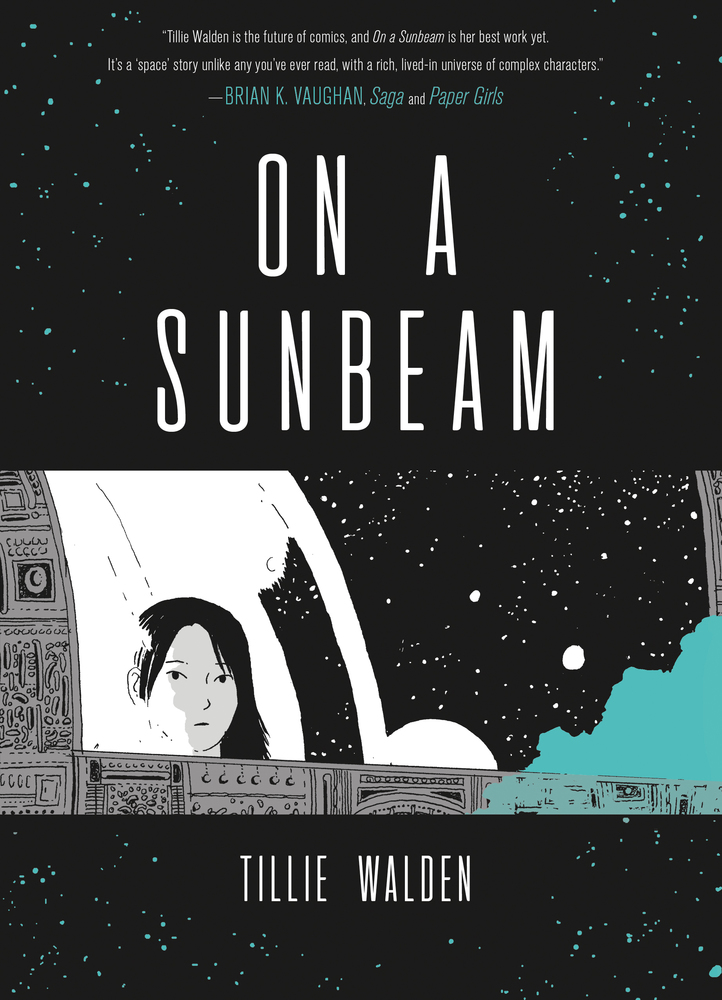
On a Sunbeam, by Tillie Walden, (Oct. 2018, First Second), $21.99, ISBN: 9781250178138

Ages 14+

Eisner Award winner Tillie Walden’s On a Sunbeam collects all the installments of her webcomic. It’s a science fiction adventure in a universe that embraces all relationships. Mia is a young woman on a reconstruction crew that travels through space, restoring buildings and structures. The narrative shifts between the present and Mia’s past, where she fell in love at boarding school with a girl named Grace; a girl who was taken away by her family before Mia could say goodbye. Mia learns more about her crewmates and their own stories as they travel through space, ultimately creating a family of their own.

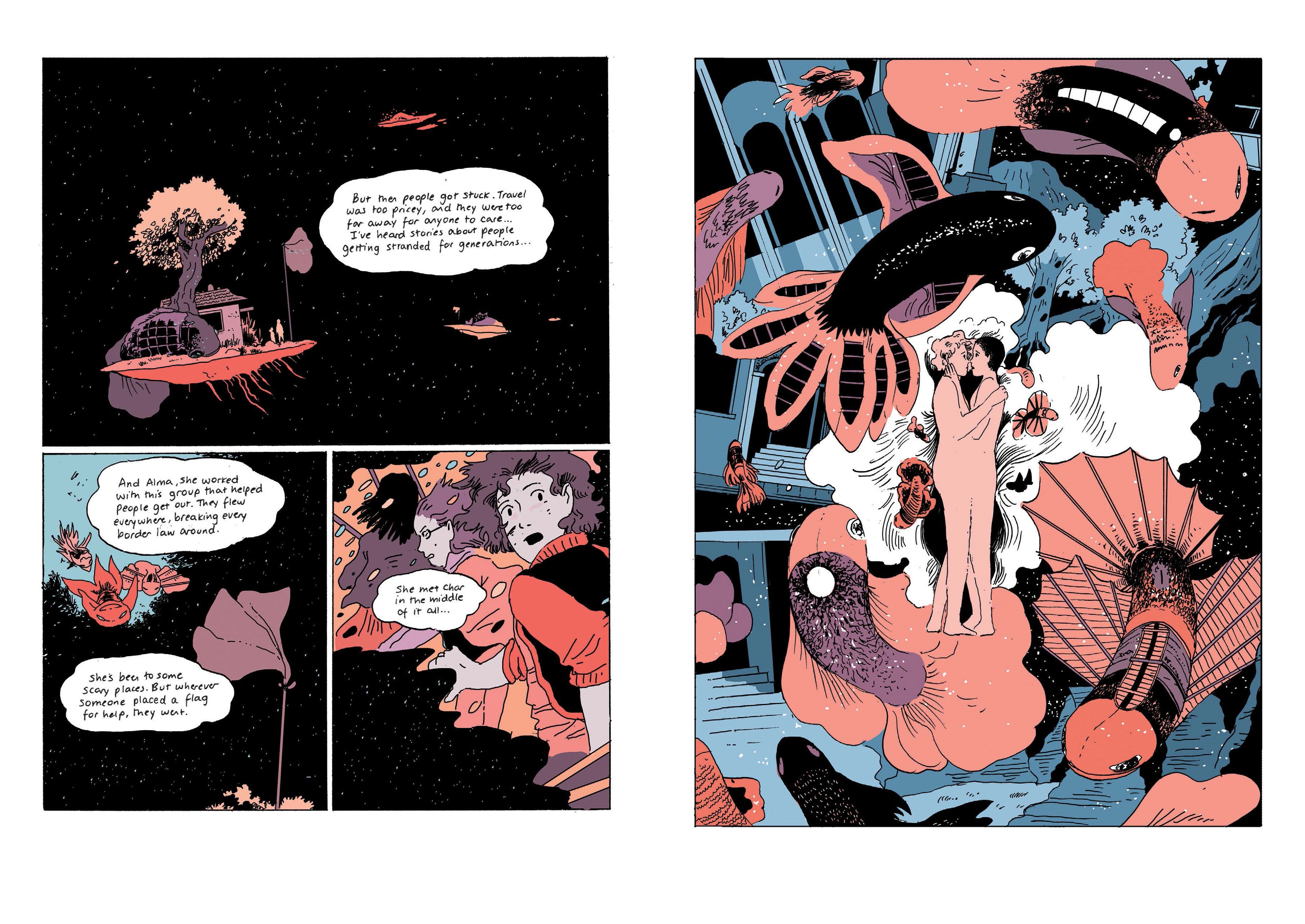
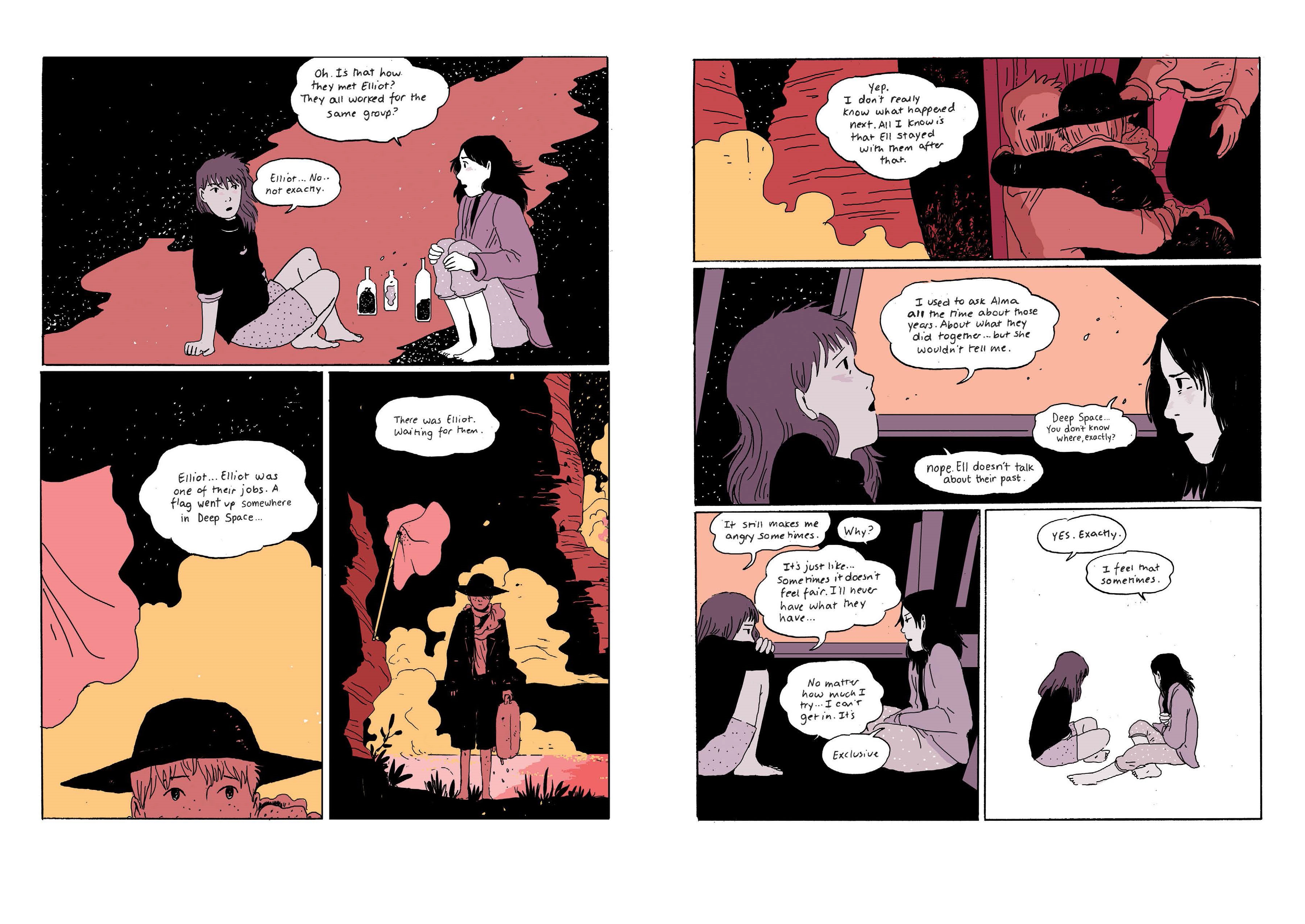
The cast is incredibly, wonderfully, diverse. There’s Char, the co-captain; she’s an African American woman who shares captain duties with her Caucasian wife, Alma: “Char may have the degrees, but Alma knows how to yell”, according to one character, Jules. Jules should know: she’s Alma’s niece, taken in when her mother – Alma’s sister – died. Jules seems to be the youngest member of the crew; she’s most likely a teen, loves playing games, and is the happy optimist of the crew. Ell/Elliot is a Caucasian nonbinary person who prefers they/them/their pronouns – and the crew vociferously defends their right to those pronouns, as Ell is nonverbal. Grace, Mia’s lost love, is African American.

As the narrative shifts between Mia’s past and present, we see Mia and Grace’s relationship develop, right up until Grace’s departure from the school. The color palette shifts with the narrative: cooler colors like blues and purples dominate the flashbacks, while warmer colors creep during the present day. Mia is the central character, but every character in this novel has a story to tell. This is a book I had to move back and forth with during the first few chapters; not having read the webcomic, I wasn’t altogether sure I was reading a connected story until I got the hang of the shifts, and of Mia’s place in them. Stick with the story: it’s an wonderful work of queer speculative fiction that deserves a spot on your shelves. On a Sunbeam is good for young adult/new adult readers.