Posted in Graphic Novels, Non-Fiction, Non-fiction, Tween Reads

Secret Coders and Science Comics – Comics that help kids love learning!

There are two more Science Comics coming your way from First Second, along with another Secret Coders volume. Let’s jump in and see what’s good!
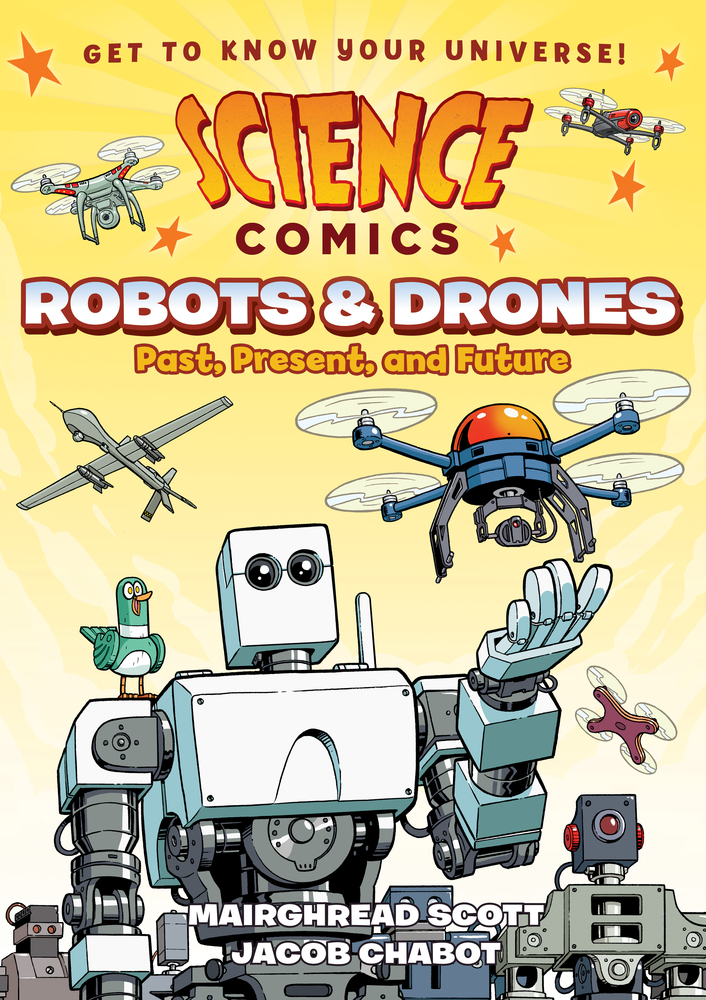
 

Science Comics: Robots & Drones – Past, Present, & Future, by Mairghread Scott/Illustrated by Jacob Chabot, (March 2018, First Second), $19.99, ISBN: 9781626727939
Recommended for readers 9-13

The latest volume of Science Comics takes a deeper look at robots. With Poulli, a birdlike robot that’s also the first machine to ever fly through the sky (back in 350 BCE!), as our guide, readers get a guided tour through the history of robotics, and learn what is versus what isn’t a robot. New, programmable coffeemakers? Robots! Remote-controlled cars – not really. Kids get a refresher on simple machines (levels and pulleys) and how those simple concepts formed the building blocks for more complex machines, eventually leading to modern technology, robots, and drones. There’s a focus on the good robots and drones can accomplish (for those techno-phobes who see The Terminator as our eventual future) and the human component of computer programming. Isaac Asimov, legendary scientist and science fiction writer who gave us the Three Laws of Robotics, gets some recognition here, too.
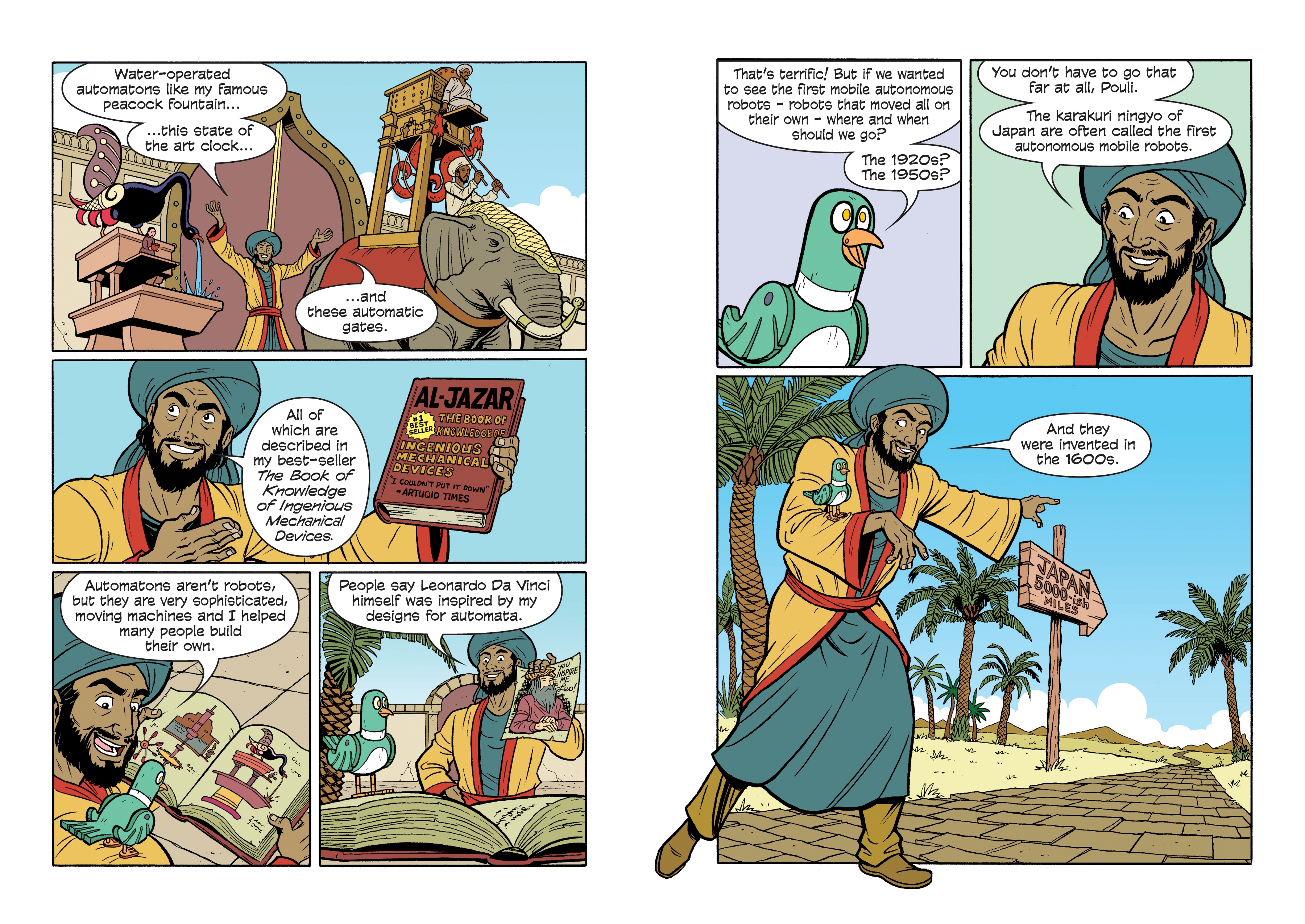
There’s a nice shout-out to libraries and after-school programs as places to go to learn more about getting into programming and robotics, and some cool pop culture nods that parents will recognize (Star Trek and KITT from Knight Rider, to name a couple). The artwork features diverse characters putting their learning into practice, and the history of robotics covers diverse areas of the world. Poulli is a friendly, cute guide that will appeal to readers, and the language – as with all Science Comics – is easy to understand but never dumbs down information.
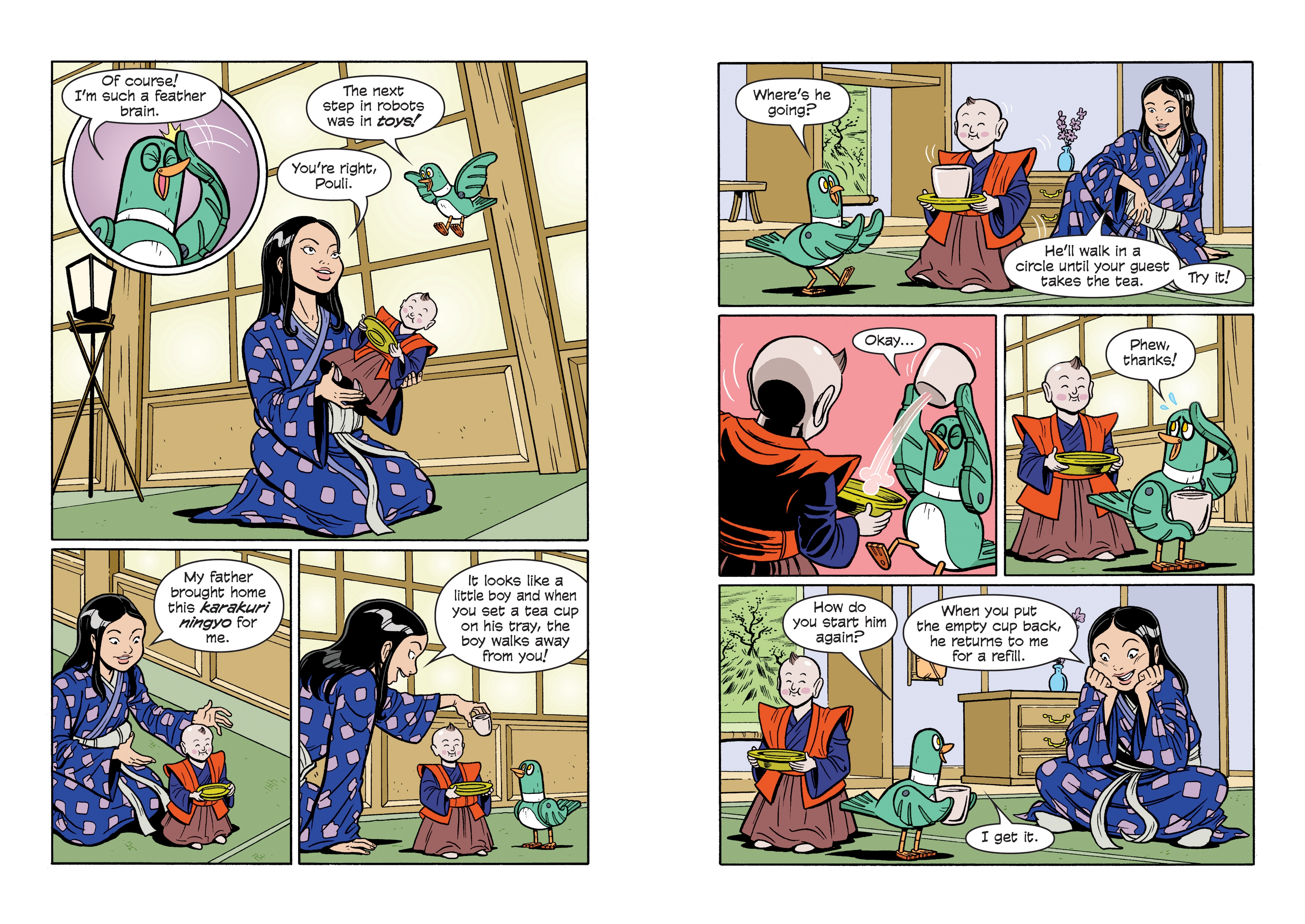
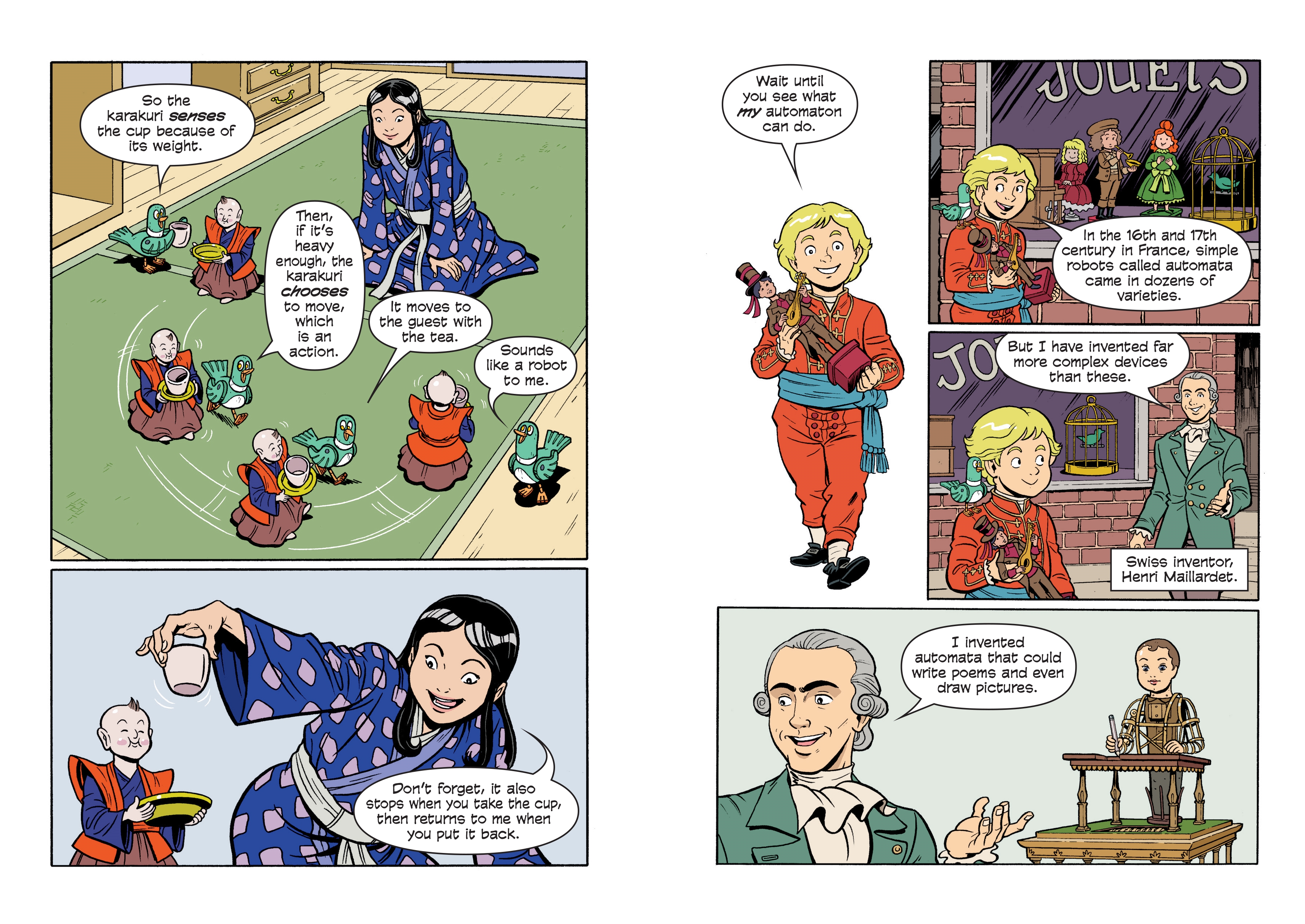
There’s a Hall of Awesome Robots, spotlighting 25 robots from history; a closer look at how drones work, and a glossary of new terms to finish up the volume.

Me? I immediately add the newest Science Comics to my shopping cart ; they’re a great add for my “True Story” nonfiction section, where I put books that may get lost on the actual nonfiction shelves, but will grab attention on their own. Plus, my True Story section is next to my Graphic Novels shelf, so it’s a win all around.
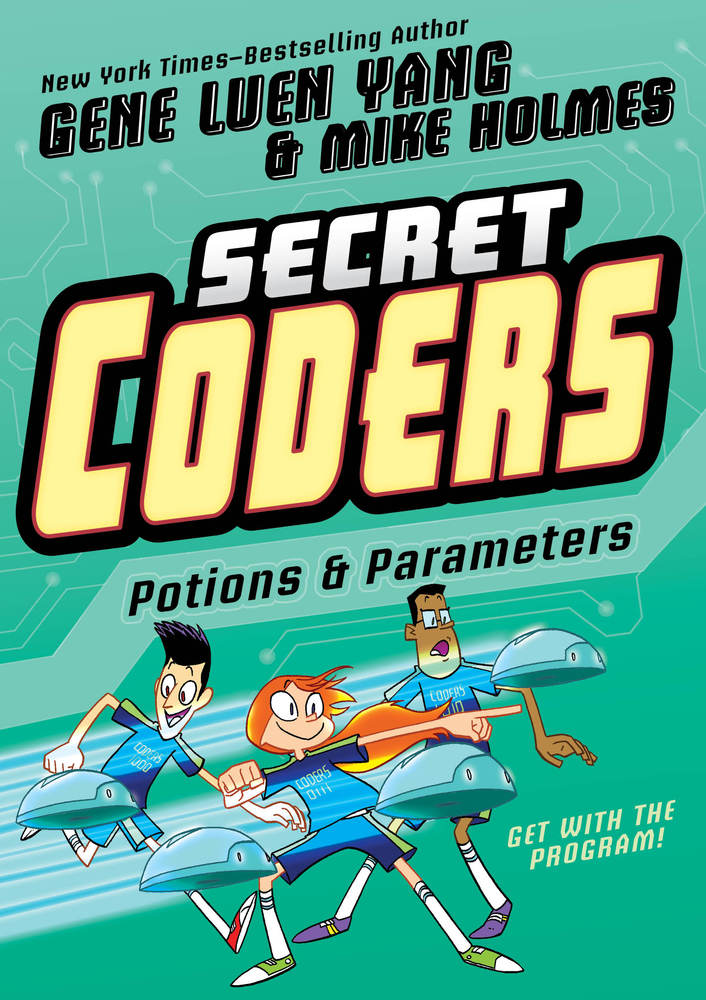
 

Secret Coders: Potions and Parameters, by Gene Luen Yang and Mike Holmes,
(March 2018, First Second), $10.99, ISBN: 9781626726079
Recommended for readers 8-12

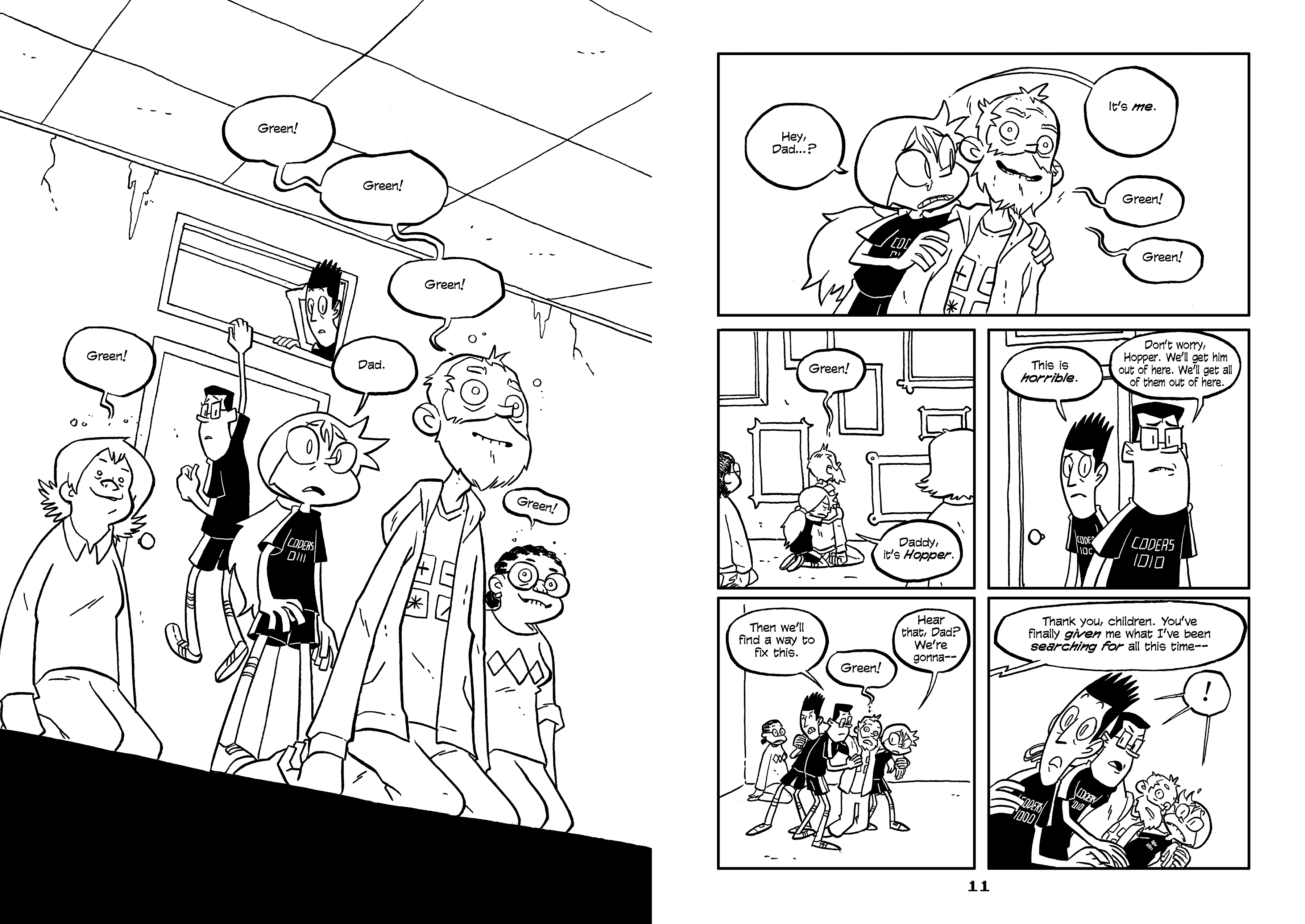
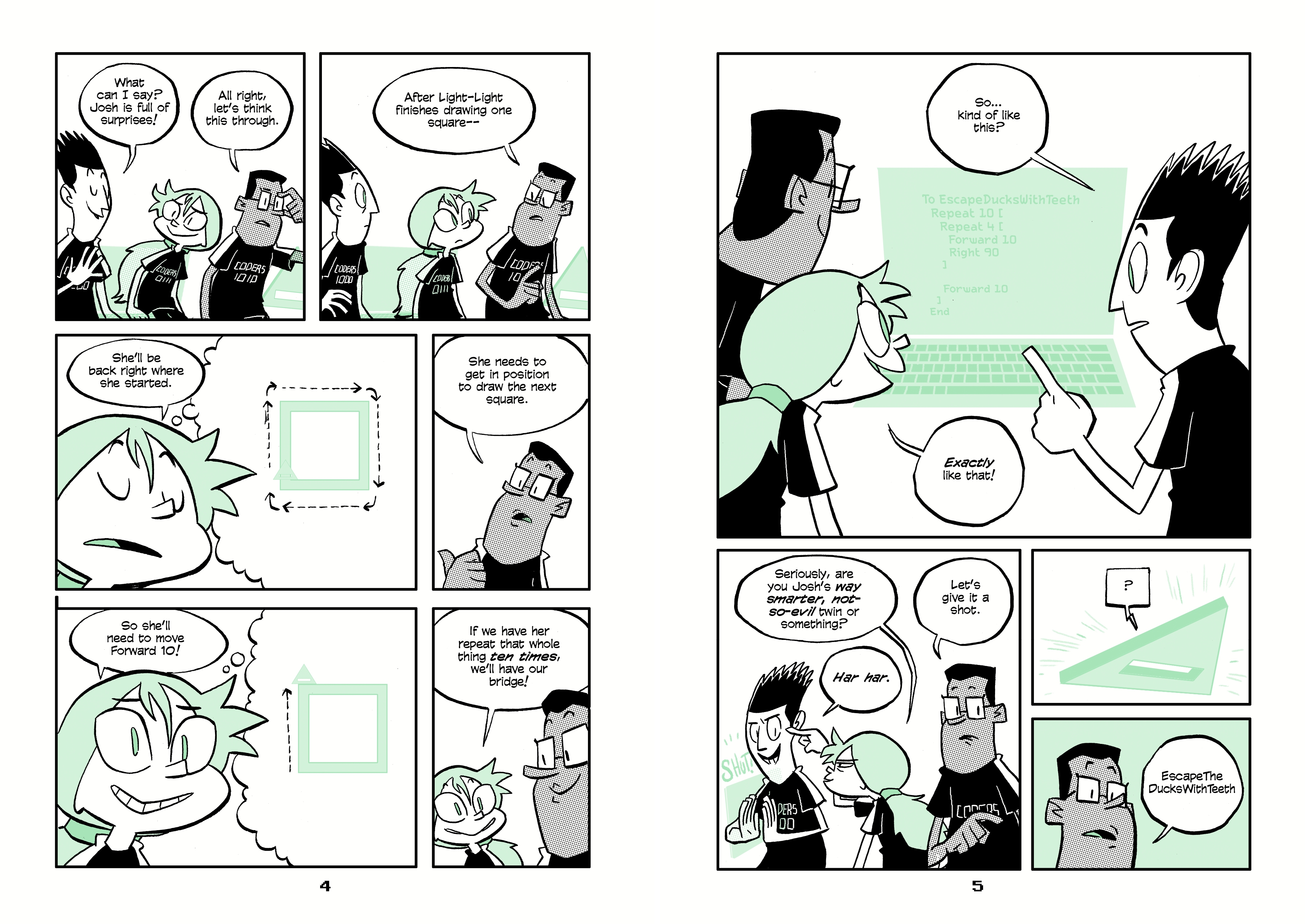
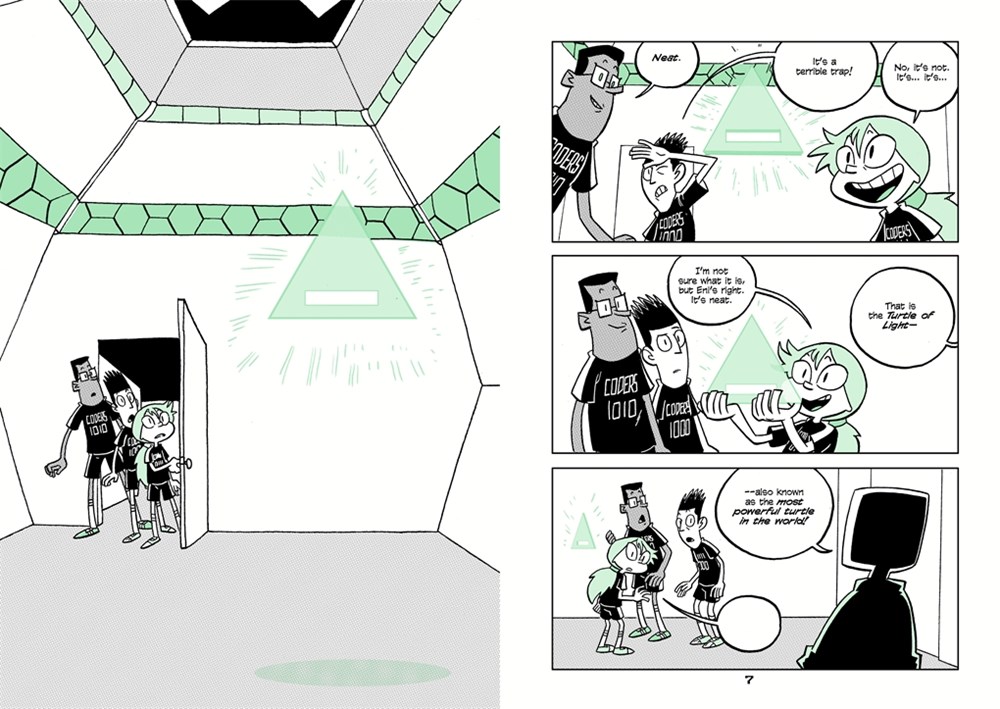
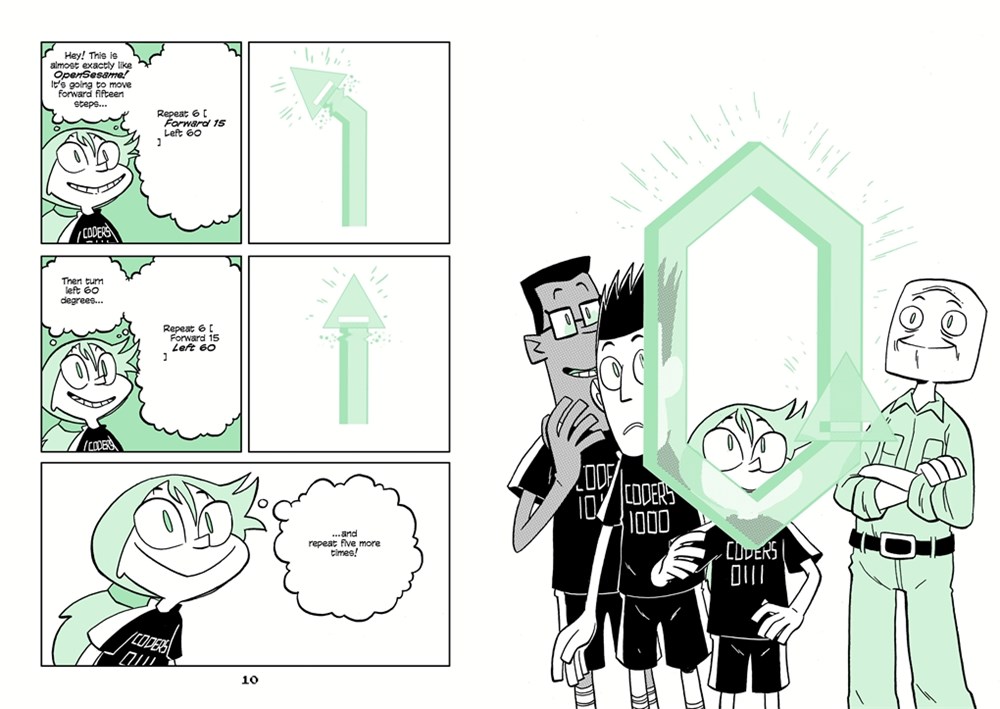
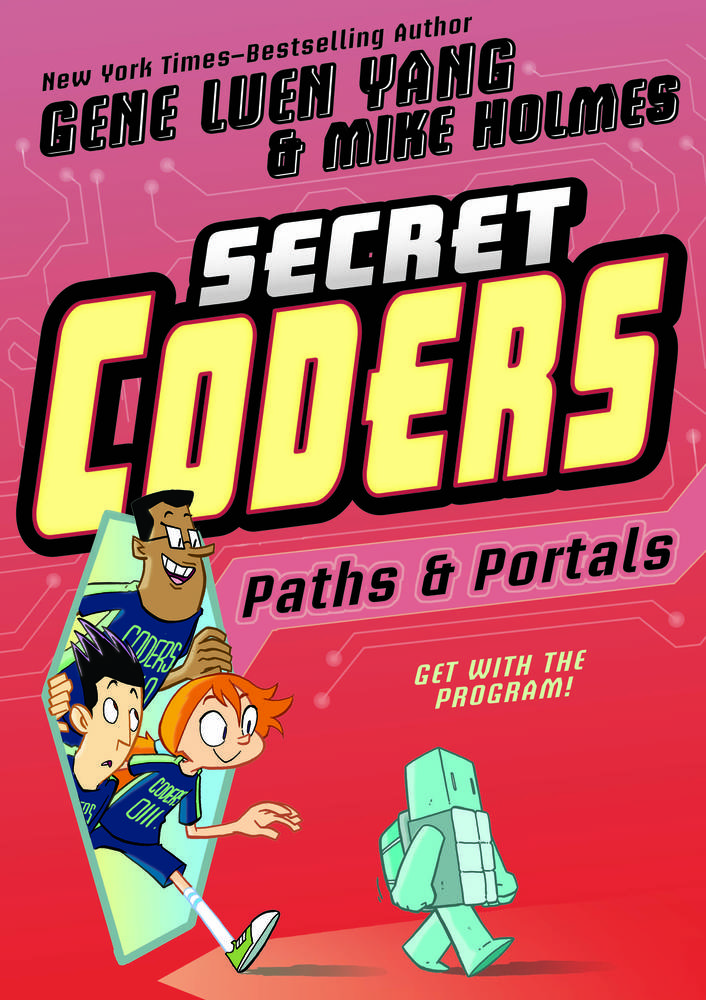
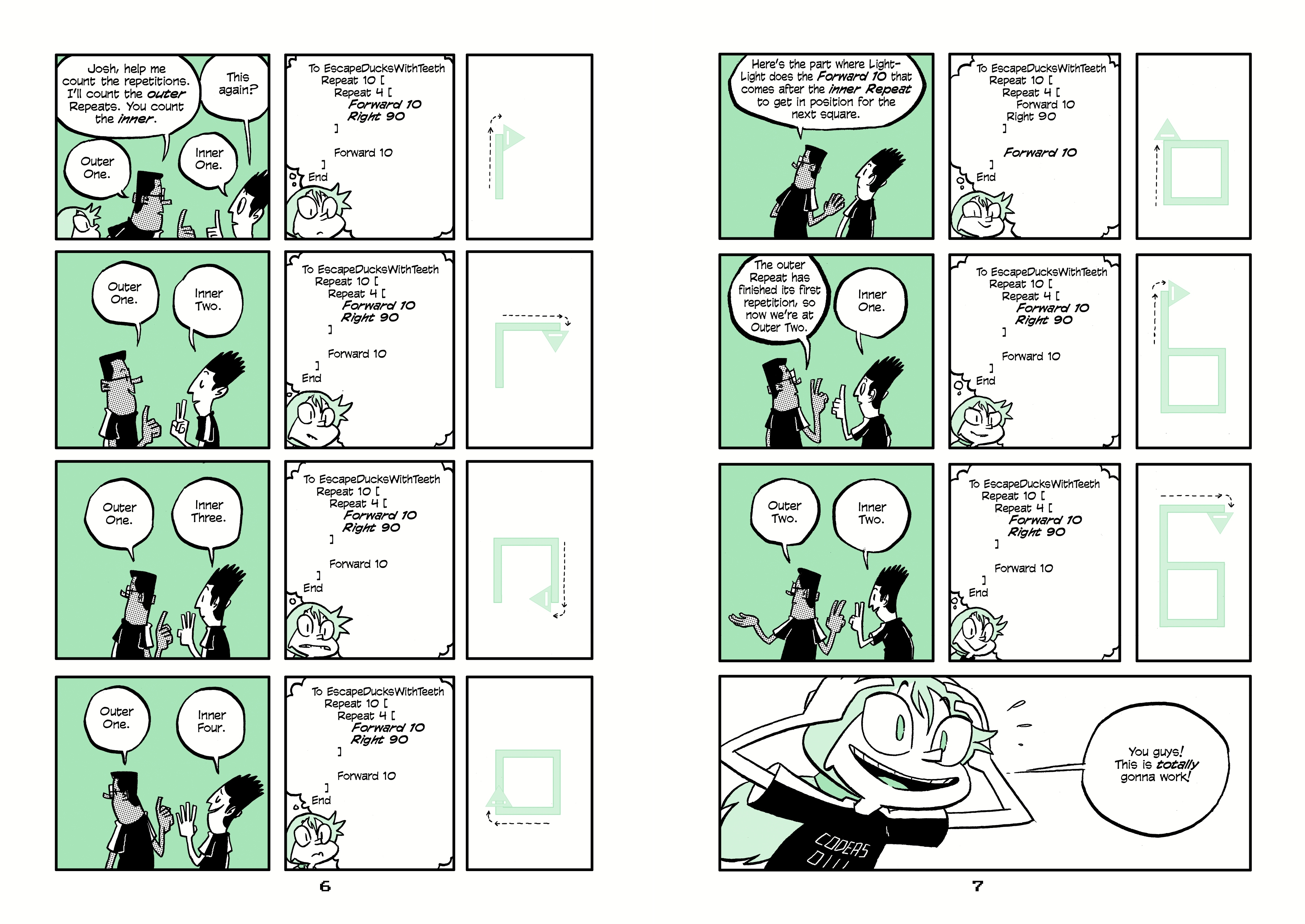
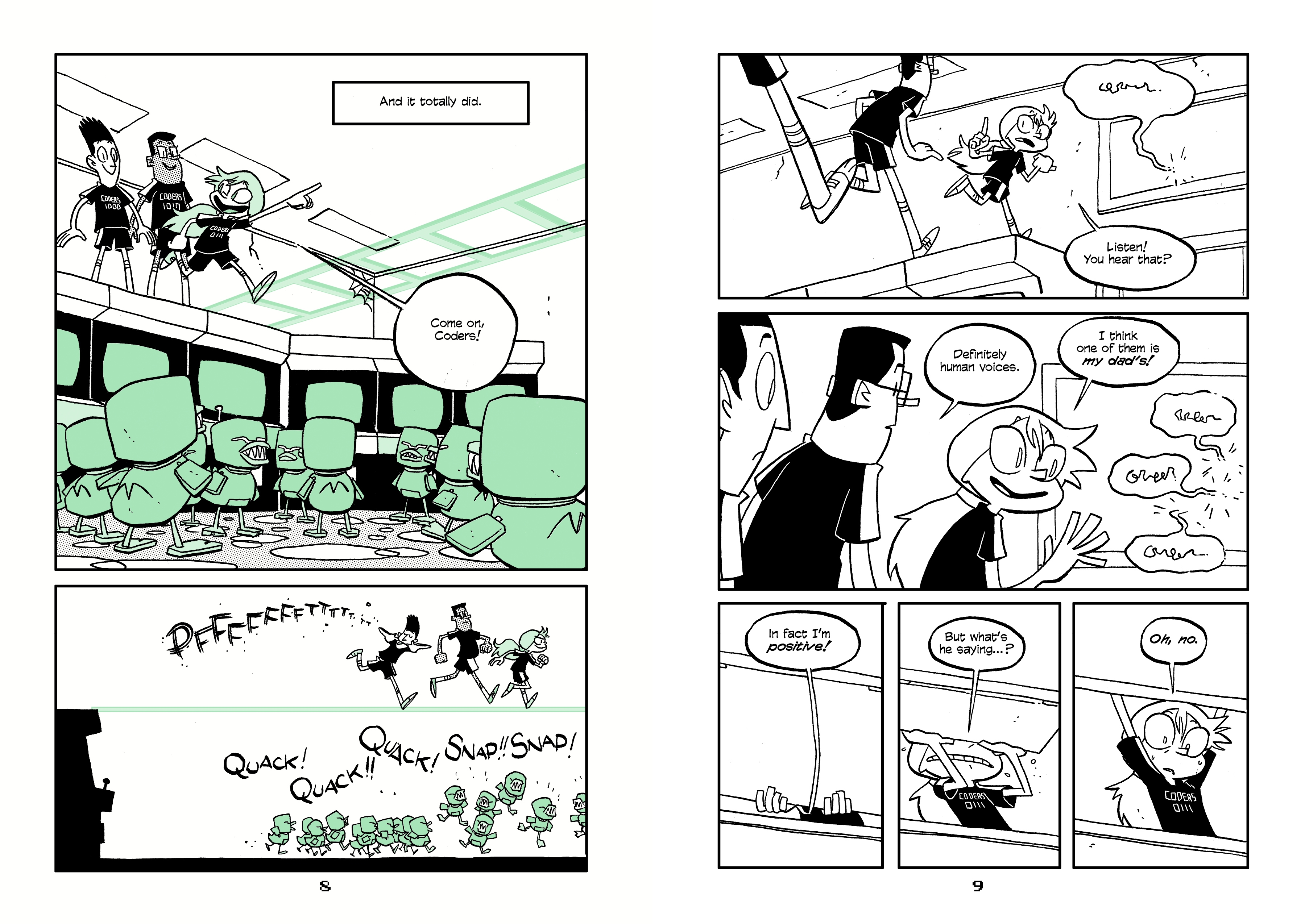
While we’re talking about robots and programming, there’s a new volume of Secret Coders coming at you. The fifth installment of the series sees Hopper, Eni, and Josh going up against Professor One-Zero and his evil Green Pop. The stakes are high, especially now that Hopper’s dad’s fate lies in the balance! We get a lot more of Professor Bee’s origin, and the fight for the mystical Turtle of Light will keep you turning pages. Yang and Holmes challenge readers with more logic puzzles and codes to work through, and provide detailed explanation through their characters.
Science Comics: Sharks – Nature’s Perfect Hunter, by Joe Flood,
(Apr. 2018, First Second), $12.99, ISBN: 9781626727885
Recommended for readers 8-13

Science Comics has a one-two punch in March and April, first with Robots & Drones, next with Sharks. Kids LOVE sharks. The introduction nails it with its opening line: “Lots of kids, including many of you who are reading this book, go through an ‘I love sharks’ phase.” Shark books move off my shelves faster than just about any animal, tied only by dinosaurs (and we’ve already got a Science Comic on them), so this book should be going in your cart, sight unseen. But since that’s not what I do – and because I still do love sharks – here’s a bit more to whet your shark appetites.
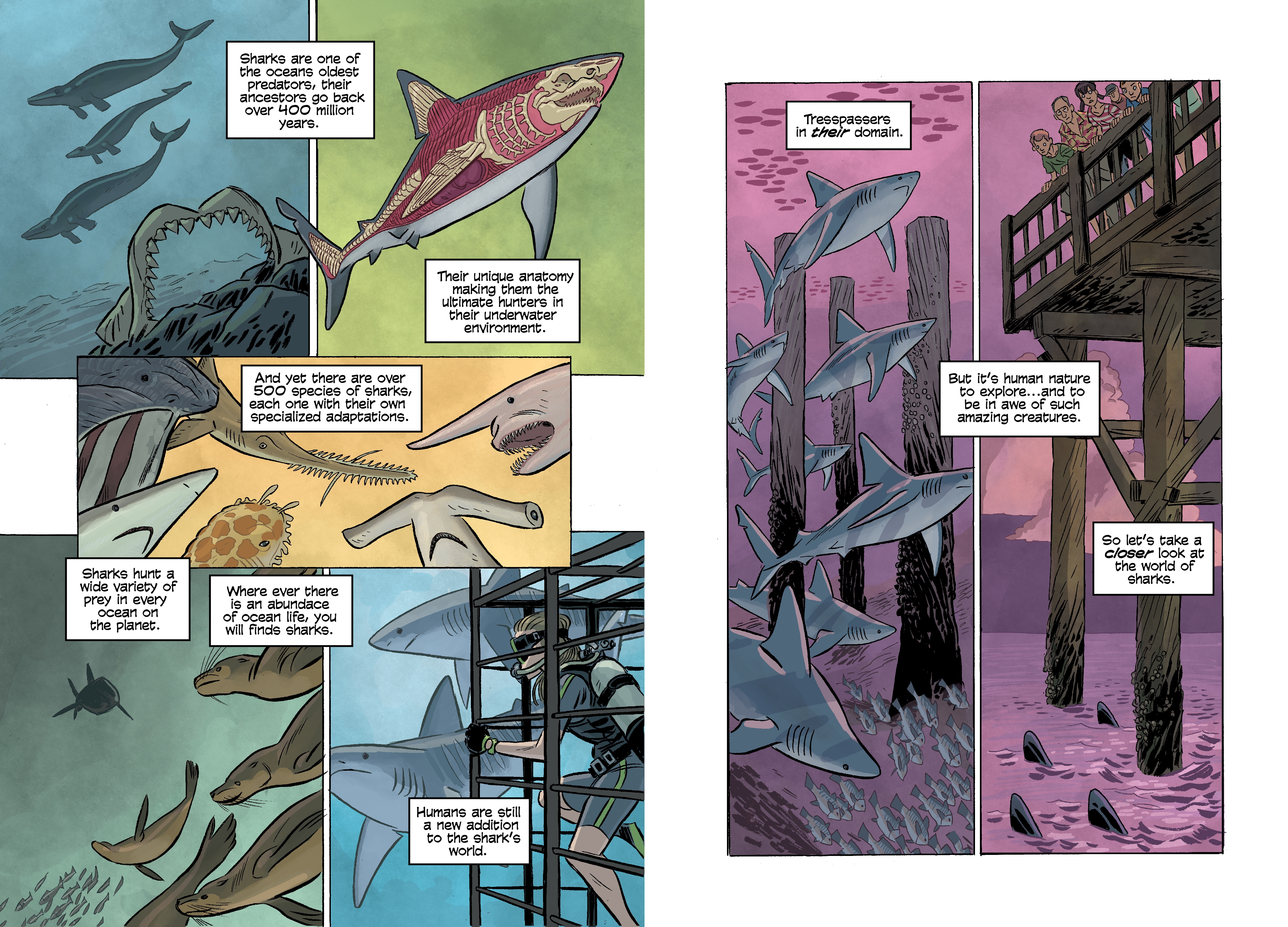
 

The nonfiction narrative is tied together with a story about a fictional group of shark seekers, which leads into a discussion about the bad rap sharks have gotten over the years. The classic movie Jaws kicked off shark paranoia back in the mid-1970s, and that’s explored here, as is the fact that Jaws author Peter Benchley became a passionate shark conservationist in the aftermath of his book and subsequent movie.
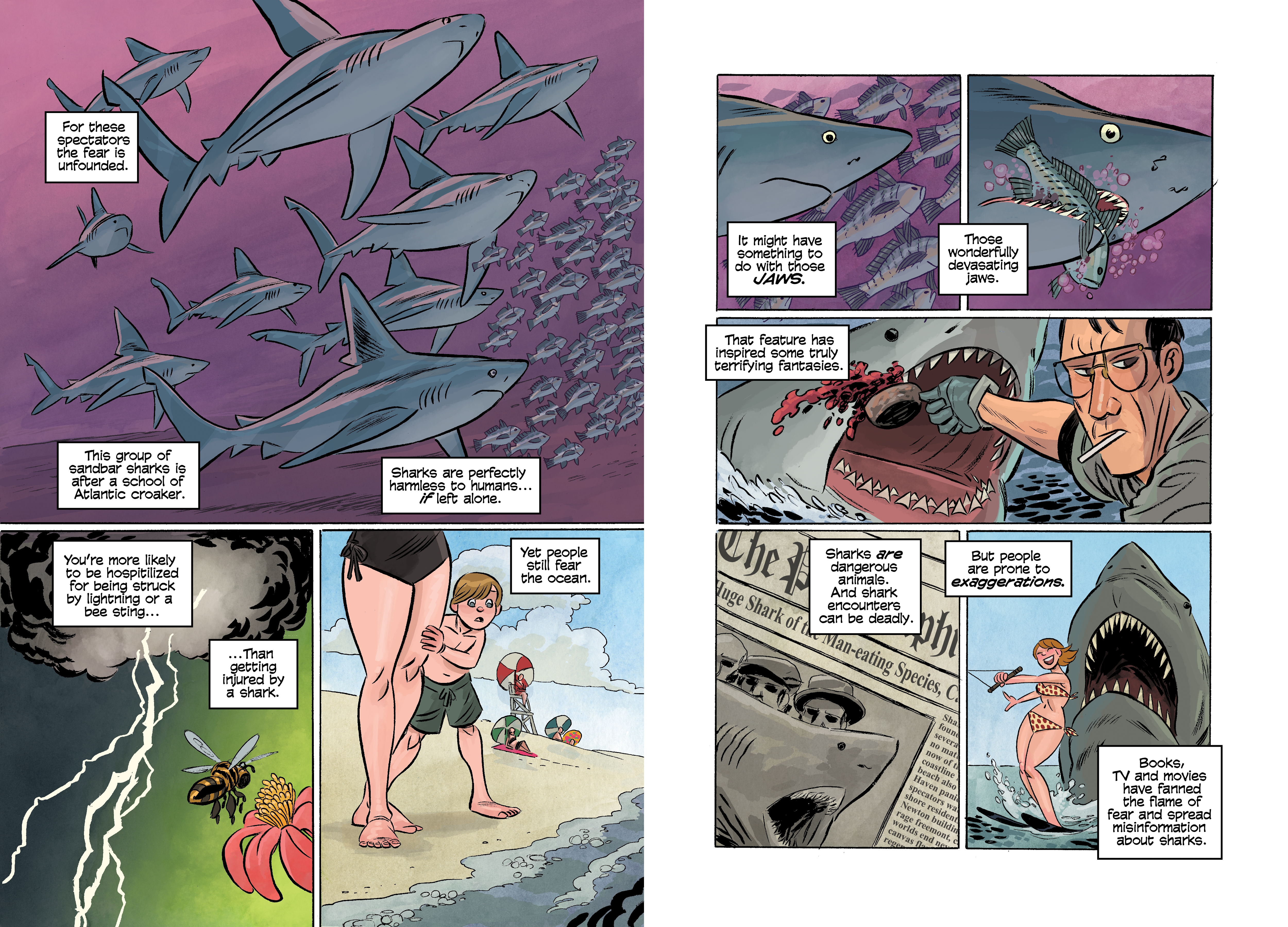
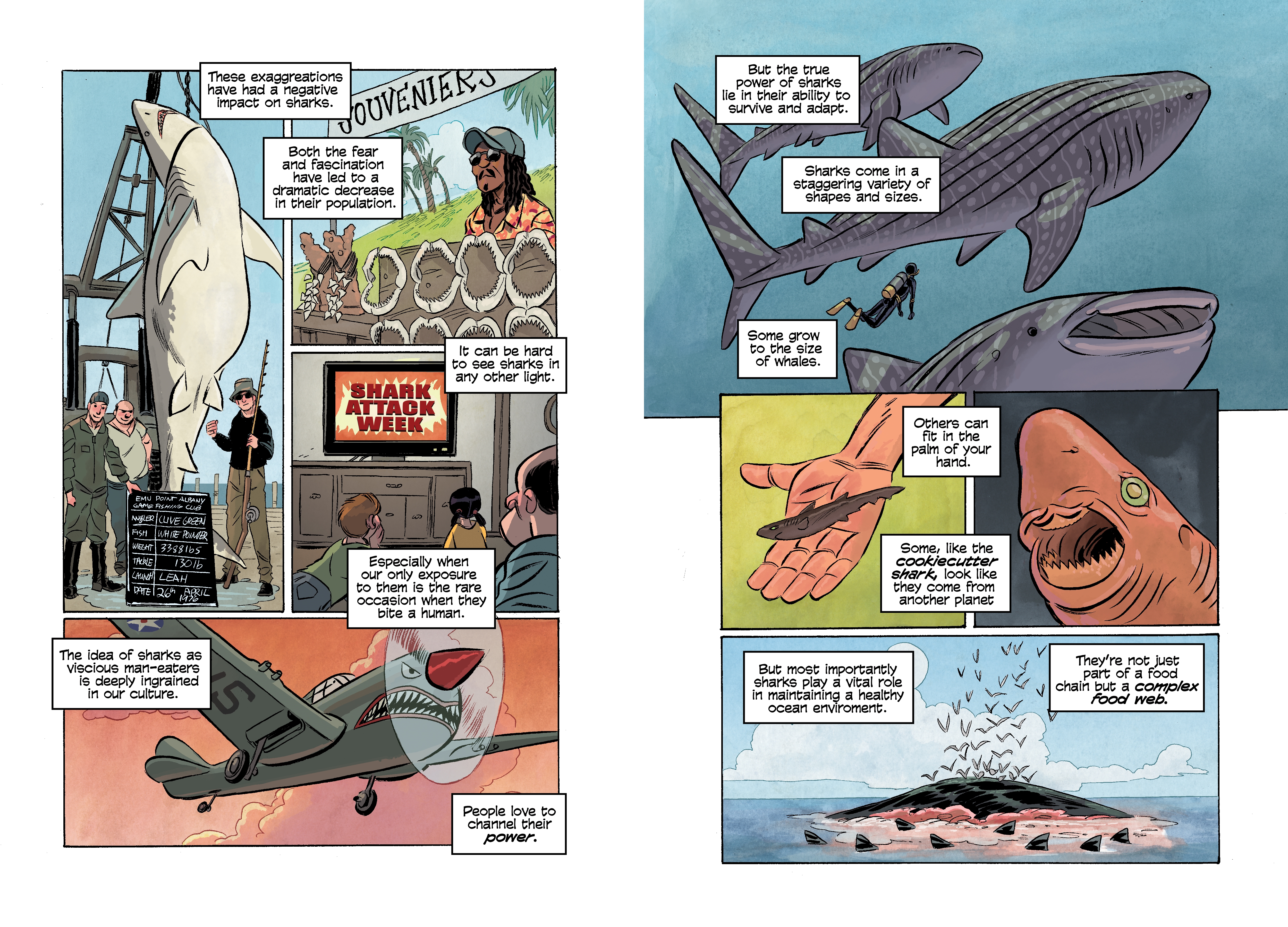
Readers get a history of sharks from the prehistoric era until the present, with a look at shark physiology. migration patterns, variety, and eating habits. Spoiler alert: we don’t taste very good to them, and any biting is purely accidental.  We also get a peek at the one sea animal that can take down even a great white… and it ain’t man. A shark family tree, glossary of terms, and a more accurate clarification of how to phrase shark incidents (the section’s called “Don’t Say ‘Shark Attack'”).

As I was writing this review up, one of my library kids peeked over my shoulder and saw the page scans. When I told him Sharks was coming out in April, he yelped, “Are you kidding me?!” which just goes to show you, Science Comics: Sharks is going to be a hit. I may have to order two copies.

Posted in Fiction, Middle Grade, Middle School, Realistic Fiction, Tween Reads

Click’d: Coding, apps and friendship drama!

Click’d (Code Girls #1), by Tamara Ireland Stone, (Sept. 2017, Disney-Hyperion), $16.99, ISBN: 9781484784976

Recommended for readers 8-12

Sixth grader Allie Navarro is SO excited about the friendship app she built at CodeGirls summer camp. Click’d collects data about user interests and sends users on a scavenger hunt to find other users with similar interests. It went over big at camp, and now Allie is going to show it to her BFFs at school. She’s also presenting her game at the big Games for Good competition, but she’s going up against her nemesis: Nathan Frederickson, who wins EVERY science fair and drives her crazy.

The app goes over in a big way, but it’s not as great as Allie thought it would be. People are upset about their standings on friendship leaderboards, and a technical glitch ends up embarrassing one of her best friends. Things start spiraling out of Allie’s control; even with Nathan’s help, she’s not sure if she can make things right in time for the competition.

I’m excited about the new coding fiction trend that’s emerging in light of Girls Who Code’s nonfiction/fiction releases! Click’d is great to hand to readers who may be ready to move on from the Girls Who Code series fiction, or readers who may not be ready for Lauren Myracle’s TTYL books just yet. There’s friendship drama for sure, as well as positive messages about resilience and friendship. Each chapter contains screenshots of the Click’d app, adding to the fun; readers can watch Allie’s user count change, and monitor different leaderboards to better envision how the app works (and maybe get some ideas of their own). Tamara Ireland Stone gives us realistic characters and an interesting storyline and builds an extended universe of CodeGirls – girls who all met through a Girls Who Code-type camp – that will work for future novels.

Make sure to check out the Click’d teacher’s guide on the author’s website!

Posted in Fantasy, Graphic Novels, Middle Grade, Non-Fiction, Teen, Tween Reads

Graphic Novel Rundown: Memoir, Coders, and Fantasy

There are a bunch of good graphic novels out, so let’s jump right in – there’s something for everyone!


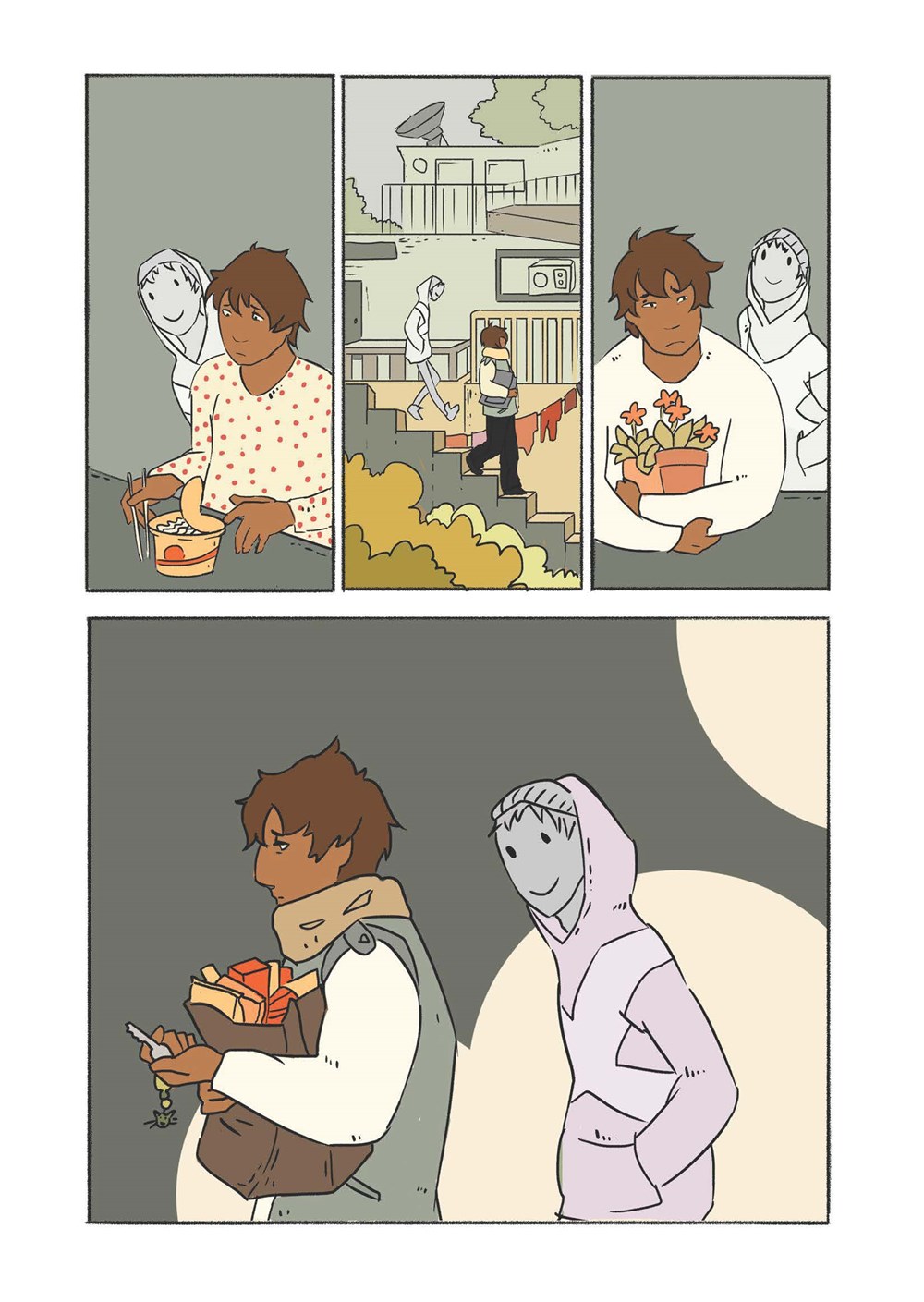
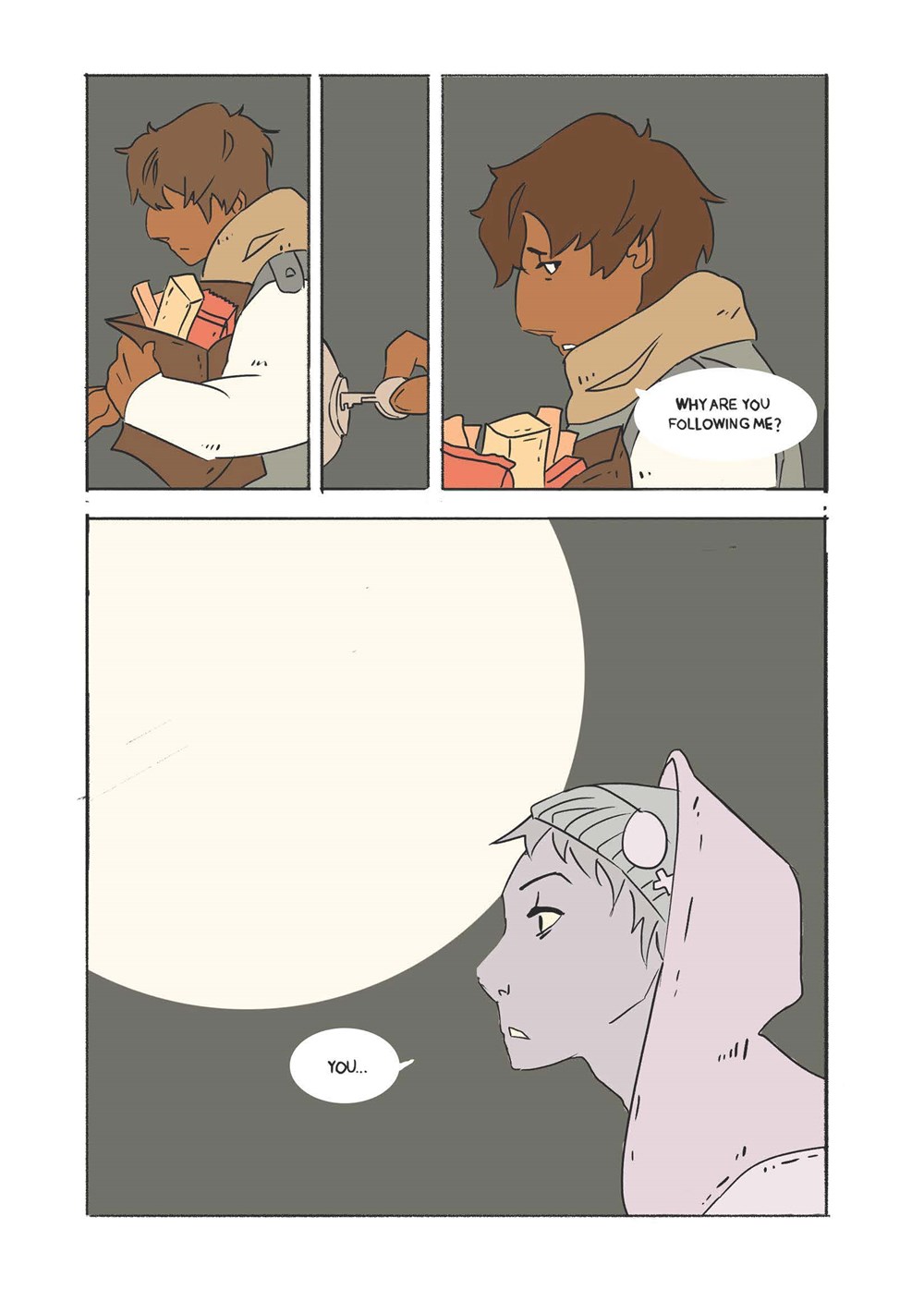
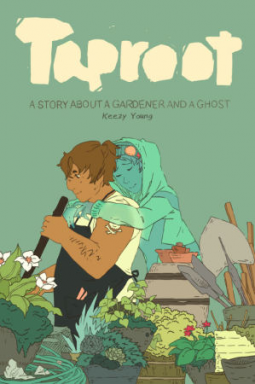
Taproot A Story About a Gardener and a Ghost, by Keezy Young, (Sept. 2017, Lion Forge), $10.99, ISBN: 9781941302460
Recommended for readers 13+

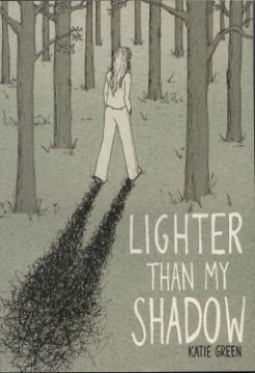
Lighter Than My Shadow, by Katie Green, (Oct. 2017, Lion Forge), $19.99, ISBN: 9781941302415
Recommended for readers 13+
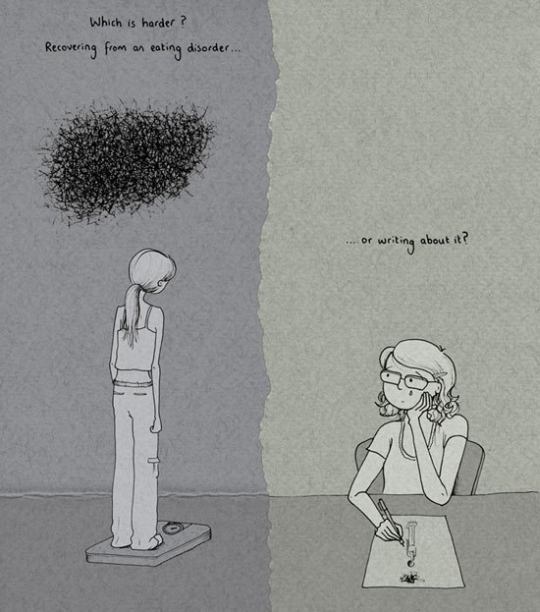
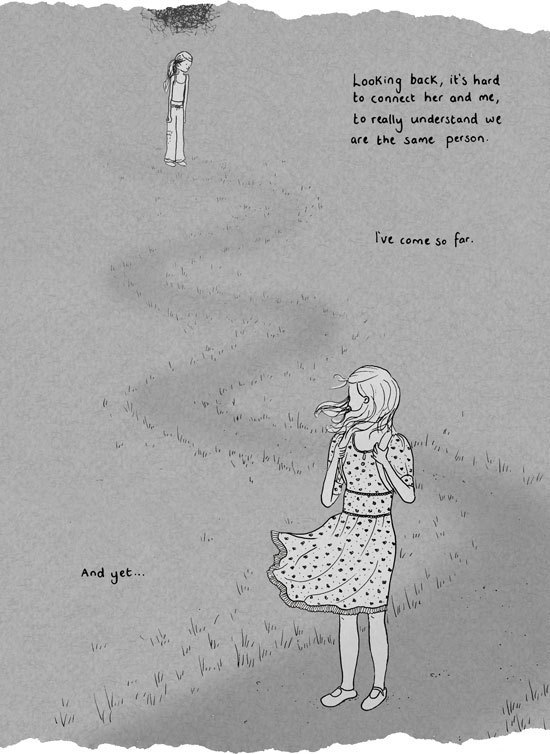
Katie Green’s graphic memoir details her years of abusing disorders, abuse at the hands of the therapist who was supposed to help her, and her recovery and reclamation of self. It’s devastating and inspirational; a life that we can all see in ourselves: cruel teasing, parental threats at the dinner table, a career you’re shoehorned into. Lighter Than My Shadow is a memoir of anxiety and depression, told in shades of grey, black and white. We see the physical manifestation of Green’s hunger and depression: a growing mouth in her stomach, a black scribble over her head, threatening to split her open. It’s an incredible story, and one that must be shared and discussed.
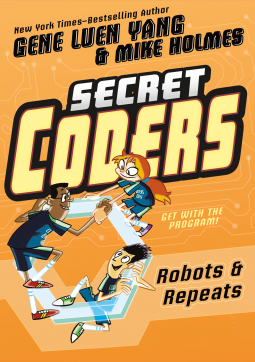
Secret Coders: Robots and Repeats, by Gene Luen Yang & Mike Holmes, (Oct. 2017, First Second), $10.99, ISBN: 9781626726062
Recommended for readers 8-12
The Coders are back! Dr. One-Zero is a bane to their existence, especially with his new “Advanced Chemistry” class, where he only teaches them to make Green Pop. Hopper’s paired up with an obnoxious classmate who knows nothing about chemistry; Josh is fostering a kinda, sorta crush, and Eni’s sisters are following him around the school, reporting his every move to his overprotective parents, who want him to cut all ties with his fellow Coders. The Coders are still working together, though, and make a new discovery: The Turtle of Light. They also discover someone they’ve been looking for: Hopper’s dad, who’s under the influence of the evil Green Pop! This fourth installment is still good fun and has more coding challenges for readers; most notably, working out pattern repeats. The fifth book, Potions and Parameters, is coming in March.
The Tea Dragon Society, by Katie O’Neill, (Oct. 2017, Oni Press), $17.99, ISBN: 9781620104415
Recommended for readers 9-13
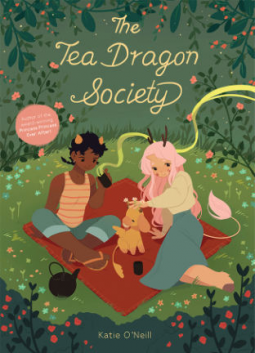
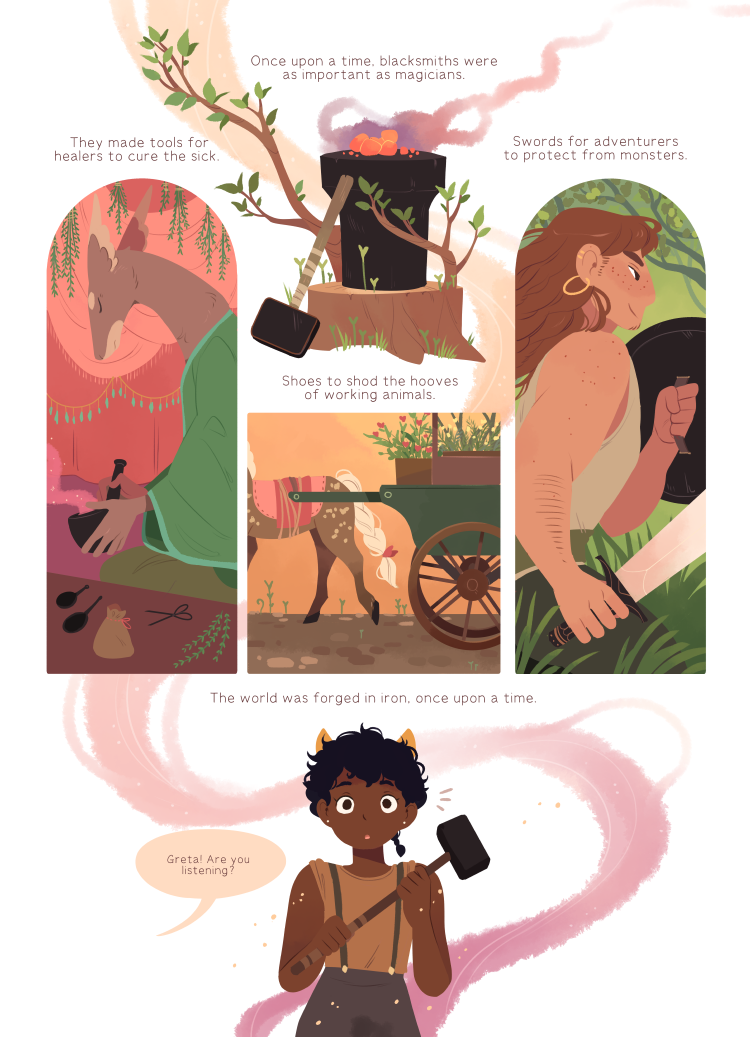
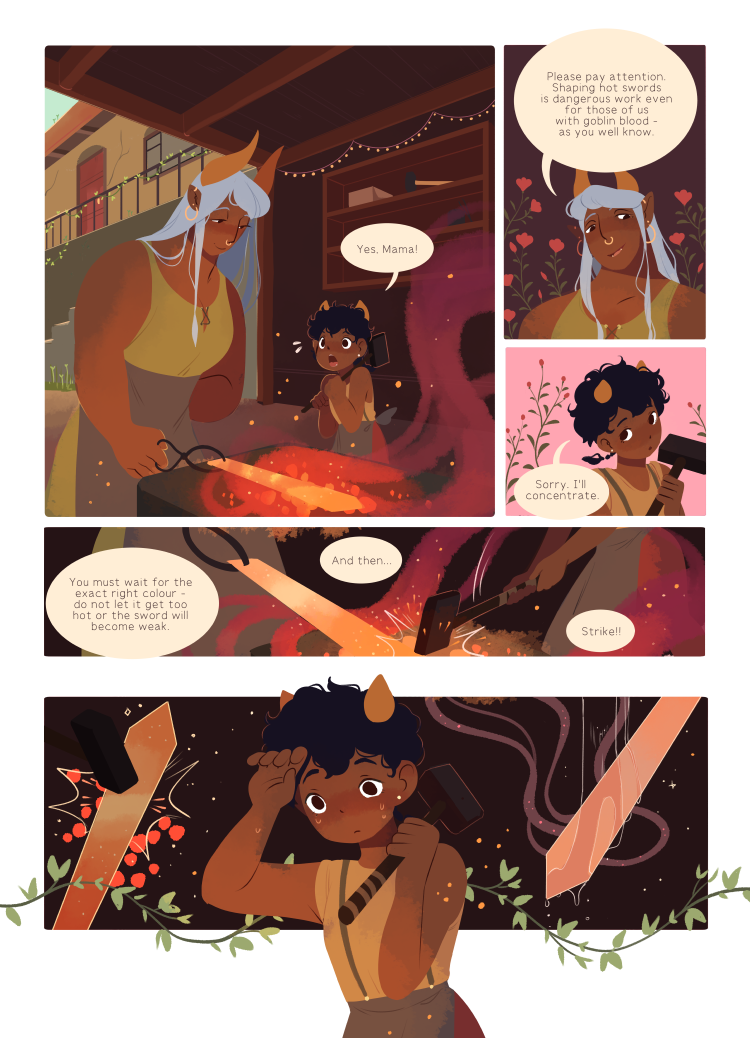
If you loved Princess Princess Ever After as much as I did, you are in for a treat with Katie O’Neill’s newest graphic novel, The Tea Dragon Society. Greta is a blacksmith’s apprentice who wonders whether her mother’s craft is even relevant anymore. She learns about another art form when she rescues a young tea dragon in a marketplace: the care of tea dragons; they’re dragons, who grow tea leaves out of their horns and antlers. The cast is beautifully illustrated and diverse; we’ve got a plethora of relationships depicted, and a storyline every fairy tale and fantasy reader will love. The backgrounds, the characters, every single piece of this graphic novel is just incredible artwork. Buy two copies for your shelves, and a copy or two for readers you love. Do. Not. Miss.


Posted in Middle School, Non-Fiction, Teen, Tween Reads

Summer of STEAM: Making Simple Robots

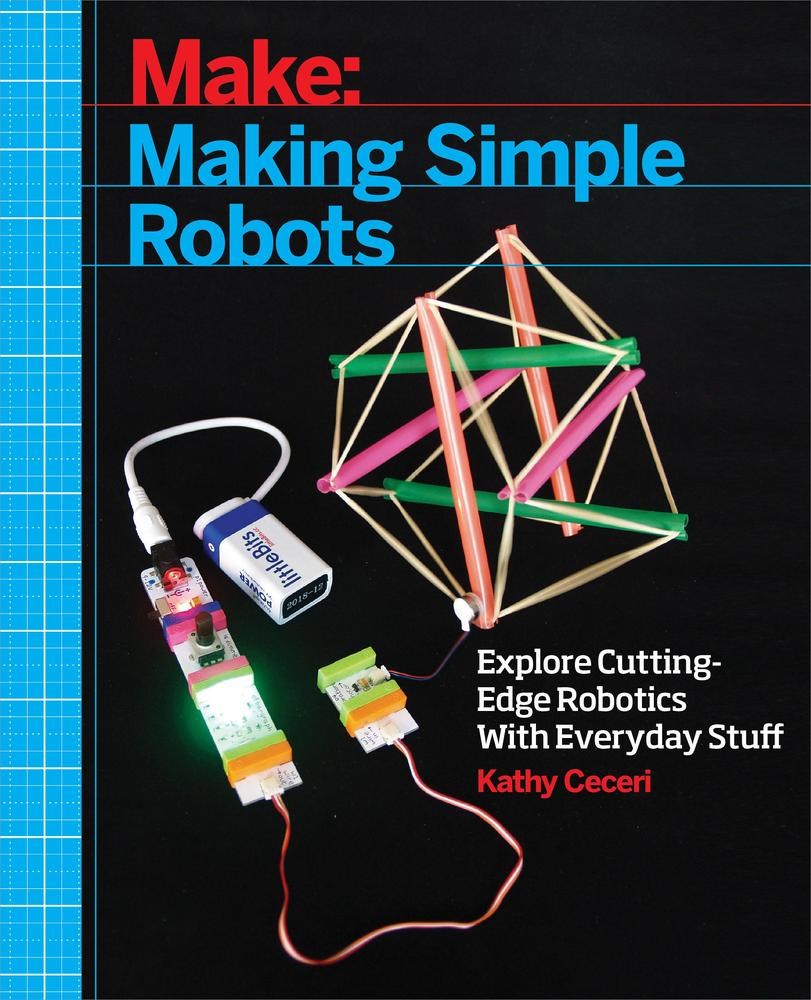
Making Simple Robots: Exploring Cutting-Edge Robotics with Everyday Stuff, by Kathy Ceceri, (March 2015, Maker Media), $24.99, ISBN: 9781457183638
Recommended for readers 11-17
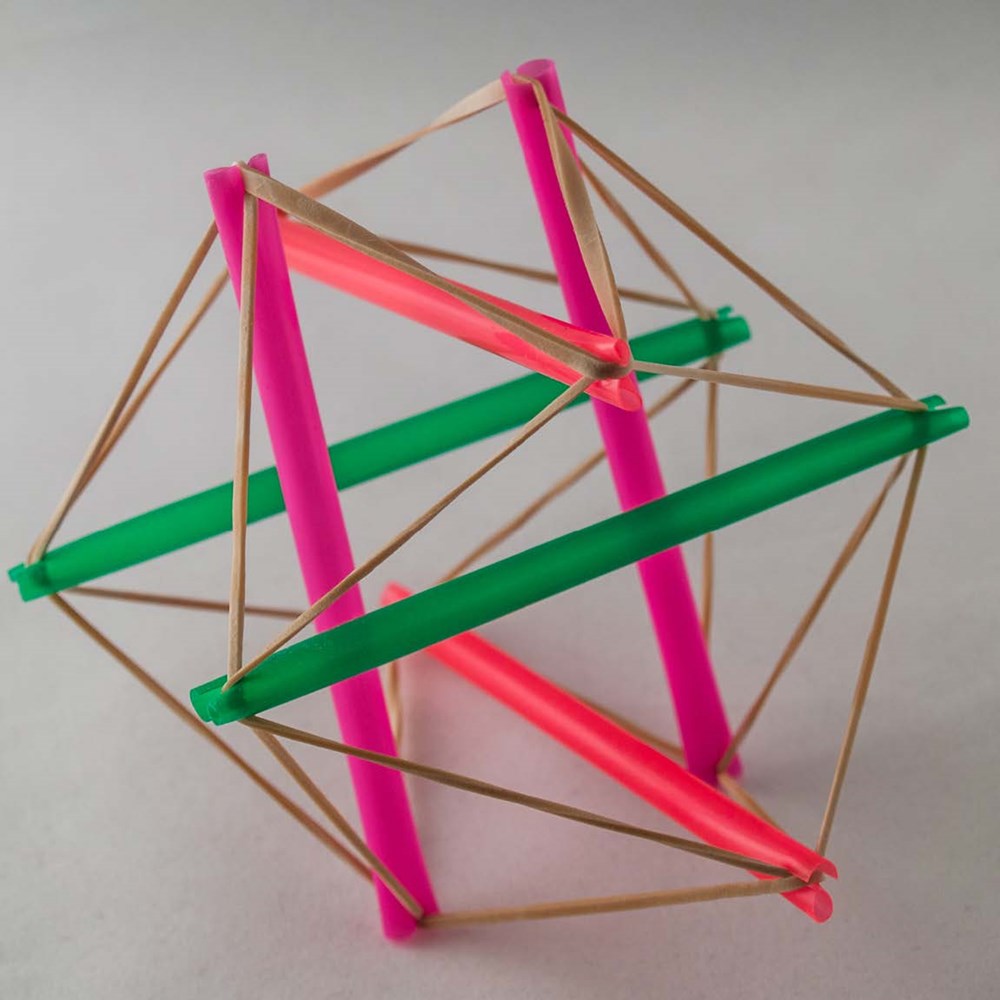
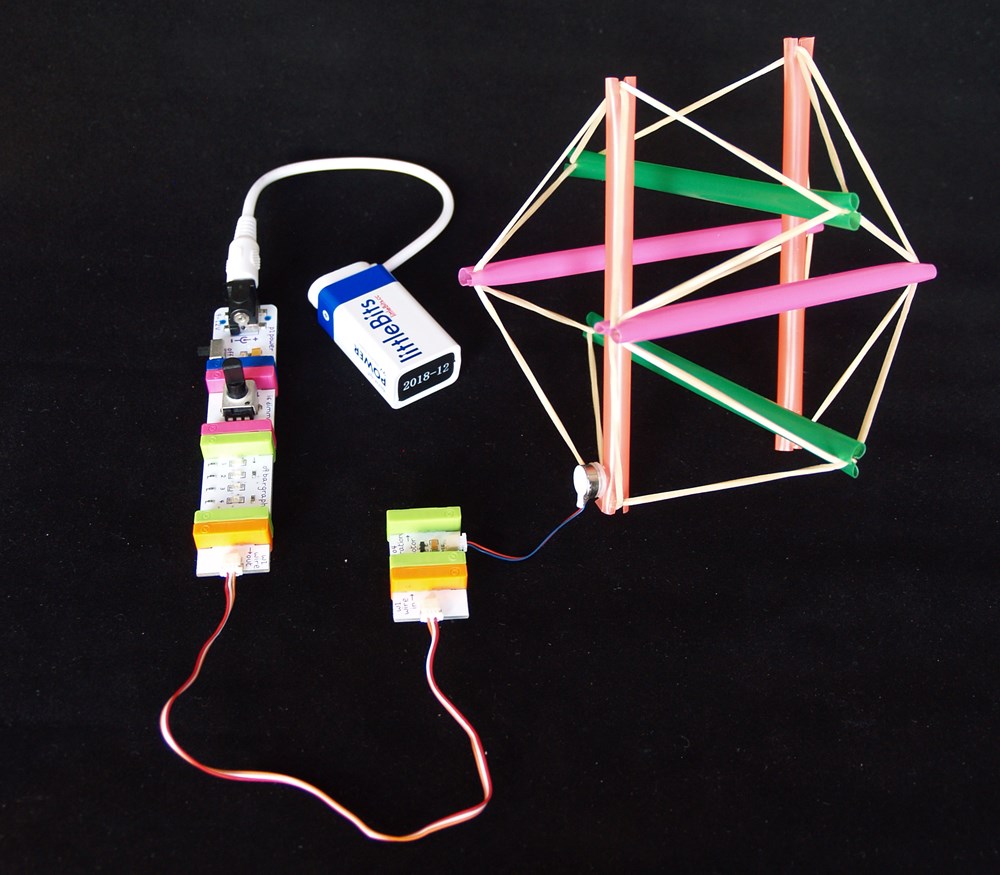
If you haven’t gotten into robotics because you think it’s too expensive to lay down the money for a LEGO Mindstorms set, this is the book for you. Combining plain-English engineering explanations with household materials (and a short list of goodies you can usually get online or at Home Depot), Making Simple Robots walks readers through making robots using paper, balloons (think Baymax, from Big Hero 6, but smaller and less sentient), drinking straws and rubber bands. Projects become more involved as the book progresses, and use more complex materials like Little Bits and 3-D printers. Each project walks readers through the design, building and testing a prototype, helpful troubleshooting suggestions, and ways to adapt and expand on the robots.
You know I love my “program in a book”, and this is another one. I could pull together a beginning robotics program, no sweat, with a small budget and some time to play around. My go-to project from this book? The Gliding Vibrobot, which is a tiny robot you can make for $10 or less, with a motor from an old cell phone or electric toothbrush, 1.5 to 3 volt batteries, foam tape, and gumball machine toy capsules. For a public librarian’s budget, this is a dream project! Have a coding program? Work that into the mix with a Chatbot, where you use Scratch to program your sprite to use a script to carry on a conversation with another user.
There are loads of helpful hints and “cheat sheets” to refer to throughout the book, and an index makes for handy, quick reference.

Every Make book that I’ve read so far has included such a broad range of projects, allowing all skill levels and wallets a chance to make something really cool. Making Simple Robots combines a maker guide with an intro to modern robotics that middle schoolers and older will love.

Posted in Fantasy, Fiction, Graphic Novels, Middle Grade, Science Fiction, Steampunk, Tween Reads

Newsprints blends steampunk with Newsies

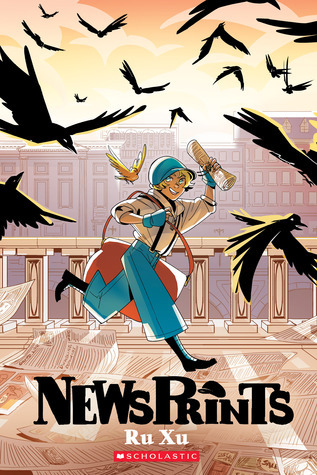
newsprintsNewsprints, by Ru Xu, (Jan. 2017, Scholastic Graphix), $12.99, ISBN: 978-0-545-80312-2

Recommended for ages 8-12

In an alternate universe, a young orphan named Blue is a girl, disguised as a newboy. With seemingly constant war going on, girls are expected to help the struggling economy by baking cookies, but Blue has no interest in that. She loves She lives with her guardians, the father figure of whom happens to be the town Mayor, and she loves working as a newsie for The Bugle, the one newspaper that tells the truth in an environment of “fake news” (flashing light for extra relevancy alert, folks). It’s not always easy to keep her secret, but Blue lives in fear of being found out and losing everything she loves: her family, her job, her lifestyle. When she meets a strange kid named Crow, she brings him into the fold; Crow has secrets of his own, which Blue can respect. When government officials appear on the scene, in search of missing military technology, there are more questions than answers, and Blue’s determined to stick by her friend, no matter what his secrets may be.

Inspired by manga, Newsprints tells a relevant story on so many levels: we have truth in the media, gender identity, and the power of friendship. Blue is a girl who doesn’t wants to do what she wants to do, not what society is telling her that her gender should be doing. She enjoys the freedom afforded to newsies, and embraces the dangers that come with a life on the streets. She gets the Crow has secrets he wants to keep, motivated only by a desire to help a kindred spirit survive and be safe.

My biggest issue with Newsprint was what I saw as disjointed storytelling, but that is entirely my issue. I’m not a regular manga reader, and Newsprints seems to follow manga-type storytelling, which isn’t always linear. The kids in my library love this book – my two copies have been out since I put them out on the shelves – and the emerging themes in the story make this a strong selection for booktalking.

Scholastic has a 34-page excerpt available for free, if you want to take a look and decide whether Newsprints is for you. Ru Xu has a Tumblr with an author calendar and links to her webcomic, Saint for Rent, which updates three times weekly.

Posted in Guide, Middle Grade, Non-Fiction, Non-fiction, Tween Reads

Create your own Scratch games with Scratch Coding Cards!

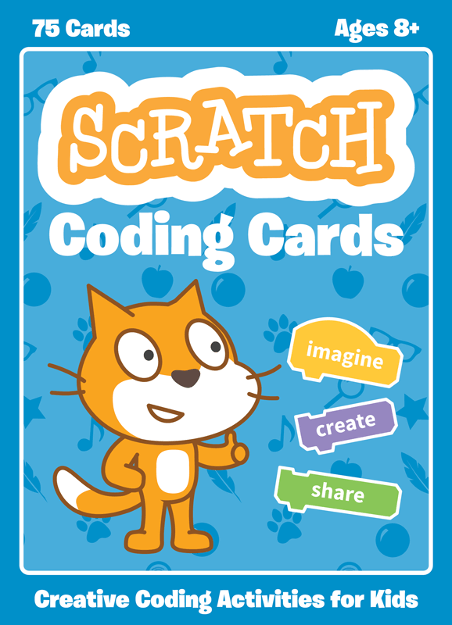
scratchcodingcards_coverScratch Coding Cards, by Natalie Rusk, MIT Lab Scratch Team, (Dec. 2016, No Starch Press), $24.95, ISBN: 97-1-59327-774-1

Recommended for ages 8+

Better than flash cards, these Scratch coding cards teach users to design:

  • virtual pets that can eat, drink, and play;
  • games where you can catch things falling from the sky;
  • animated dance scenes with music and dance moves;
  • a bouncing ball game with sounds, points, and other effects;
  • characters that you can dress up with different clothes
  • stories, where you can choose characters, add conversations, and bring your story to life;
  • hide and seek games with characters that disappear;
  • a music program, where you choose instruments, add sounds, and press keys to play music;
  • a game where two characters race one another, and
  • a program that will animate the letters of your name.

Each activity comes with a set of cards, walking users through each action in the process. Every card is fully illustrated and includes screenshots and brief, clear text. I spent the better part of an afternoon creating Pong-type games with my 13 year old when I received my cards to review, and I’m going to start working with my 4 year-old on making up a story using Scratch. I’ve even gushed about these cards to the Collection Development group at my library system, because I love these cards so much.

Librarian or teacher? These cards are a class/program in themselves. Parent, or just interested in learning how to code? You can’t beat these cards for teaching and learning block coding.

Posted in Non-Fiction, Non-fiction

Coding Projects in Scratch: Step up your coding game

coding projects in scratchCoding Projects in Scratch, by Jon Woodcock, (July 2016, DK Children), $19.99, ISBN: 9781465451422

Recommended for ages 8-12

Scratch is one of the best programs to start kids out on their coding education. Using block programming, kids can drag and drop chunks of code that interlock to run all sorts of operations. Coding Projects in Scratch is a step-by-step, fully illustrated guide to creating projects that use movement and sound.

The best part about Scratch is that it’s free. Go to the Scratch site, create a free account, and have this book next to you. I sat at my desk and was able to create a dinosaur dance party, a cat that changed sizes and colors, and I even got some sound effects into my animations. You can download Scratch if you want to work online, but – and the book will remind you throughout – save your work!

The book is split into several parts: an explanation of coding, resources to get you started, art projects, games, simulations, music and sound, mindbenders, and a What Next? section that takes you beyond Scratch into other programming fun. Callout boxes throughout the book offer extra tips, information, and on-the-spot explanations of different terms and lingo. A glossary and an index complete the package to present a great resource for kids and adults who are ready to start coding, or maybe kids who got their first taste of coding through a program like Hour of Code and want to learn more.

All in all, there are 18 projects to explore here, including a birthday card, “tunnel of doom” multiplayer game, and a dinosaur dance party (with an optional ballerina). I’ve been pushing coding pretty heavily here at my library, and trying to get my mouse potato tween to get into coding so he can do something other than go on Warcraft raiding parties.

Add this book to your coding library, whether it’s a home, school, or institutional collection.


Posted in gaming, geek, Guide, Non-Fiction, Teen, Tween Reads

Minecraft teaches kids Python, empowers future programmers

minecraftLearn to Program with Minecraft, by Craig Richardson (Dec. 2015, No Starch Press), $29.95, ISBN: 9781593276706

Recommended for ages 10+

The kids in my library are obsessed with Minecraft. From 2:30 on, as the kids storm the beachhead that is my children’s room, I hear shouts of, “Don’t touch my skin!”; “GET THE CREEPER! GET THE CREEPER!”; “OMG, get away from the Enderman!”; and “DIAMONDS!” I see the potential of Minecraft, and how it can be a fantastic tool to teach kids to create online worlds. I also, as a children’s librarian and mom of three boys, know that for the most part, they want to kill creepers and each other in some kind of 8-bit battle royale more often than not.

Books like Learn to Program with Minecraft are my gateway drug to programming with these kids. First, I get the fiction in (the GameKnight999 series by Mark Cheverton is available in English and Spanish, and they fly off my shelves), then I introduce coding programs like the Hour of Code, to show them how playing their game actually teaches them the building blocks of coding programs and apps of their own. Finally, I use part of my book-buying budget to buy coding nonfiction to keep around. I love DK’s coding books; those are especially great for my younger coders. My older kids need a little more, though, to keep them interested. That’s where the No Starch Books come in.

No Starch has great programming books for kids and teens, and Learn to Program with Minecraft is a solid addition to middle school and YA collecctions. A heads-up: you have to download Python to work with this book, but it’s a free programming language. Don’t be scared! The book will guide you along your Python/Minecraft journey, with screenshots and step-by-step bullets points that make creating much less stressful.

The book will help you create mini-games within Minecraft, take you on an automated teleportation tour around your Minecraft world, and teach you to make secret passageways. You’ll learn to make lava traps and cause floods, but be a good Minecraft citizen: no griefing.

I don’t quite have the Minecraft skills for this just yet, but I’m confident in my crafters here – I’ll be investing in this for my summer crowd, especially since we’ll be running a Google CS program here in a couple of months. Get kids to love programming, and watch what they come up with. I’m pretty psyched.


Posted in Fantasy, Fiction, Middle Grade, Science Fiction, Tween Reads

Dragons vs. Drones: D&D fantasy meets today’s tech

dragons vs dronesDragons vs. Drones, by Wesley King (Mar. 2016, Razorbill), $16.99, ISBN: 9781595147974

Recommended for ages 9-12

In a land called Dracone, Dree labors away as a welder. Her family was once nobility; her father, a dragon rider, until their fortunes reversed. Now, dragon riders are considered traitors, dragons hunted for their fangs and scales, and Dree’s father spends his day as a shadow of the man he once was while Dree and her mother work to scrape together a living for their family.

In our world, Marcus, the son of a CIA analyst who disappeared when he was only 4 is desperate to find out what happened to his father. He’s told by the government that his father was a traitor; his mother died when he was a baby. Raised by his father’s best friend – who seems to know more than he’s letting on – Marcus has been studying weather patterns that may lead to some answers. The only problem is, he’s being watched by government drones.

When Marcus breaks a code that sends him into an alternate world, he meets Dree and discovers a world like nothing he’s ever known. But the drones have followed him and are wreaking havoc on the Draconian citizens. Can Dree and Marcus forge a peace between humans and dragons to save themselves from an evil plan to destroy the land?

Dragons vs. Drones is a fantasy novel that’s part fantasy and part tech/sci-fi thriller. It’s been called “Eragon meets Transformers”, which is a pretty accurate description. We’ve got dragons, and we’ve got codebreaking. STEM fans, there is some pretty intense discussions of welding/metalworking and coding/hacking here, so it’s a good book to give the kids in your life who love to play around at the computer, fool around with their own Raspberry Pi, and dream about dragons, swords and magic. Magic and science co-exist here, broadening the audience, and there are both male and female main characters, for anyone who still flinches at “boy books” vs. “girl books” (I’ve got a few in my library).  There’s quite a bit of world-building on both worlds, and the ending provides a promise for a sequel.

Some timely topics to discuss in a group setting include government surveillance, deforestation for industrial progress, and ethics of hunting/endangered species.

A good addition to science fiction and fantasy collections.