Posted in Uncategorized

Rock Star: A salute to geologist Ursula Marvin

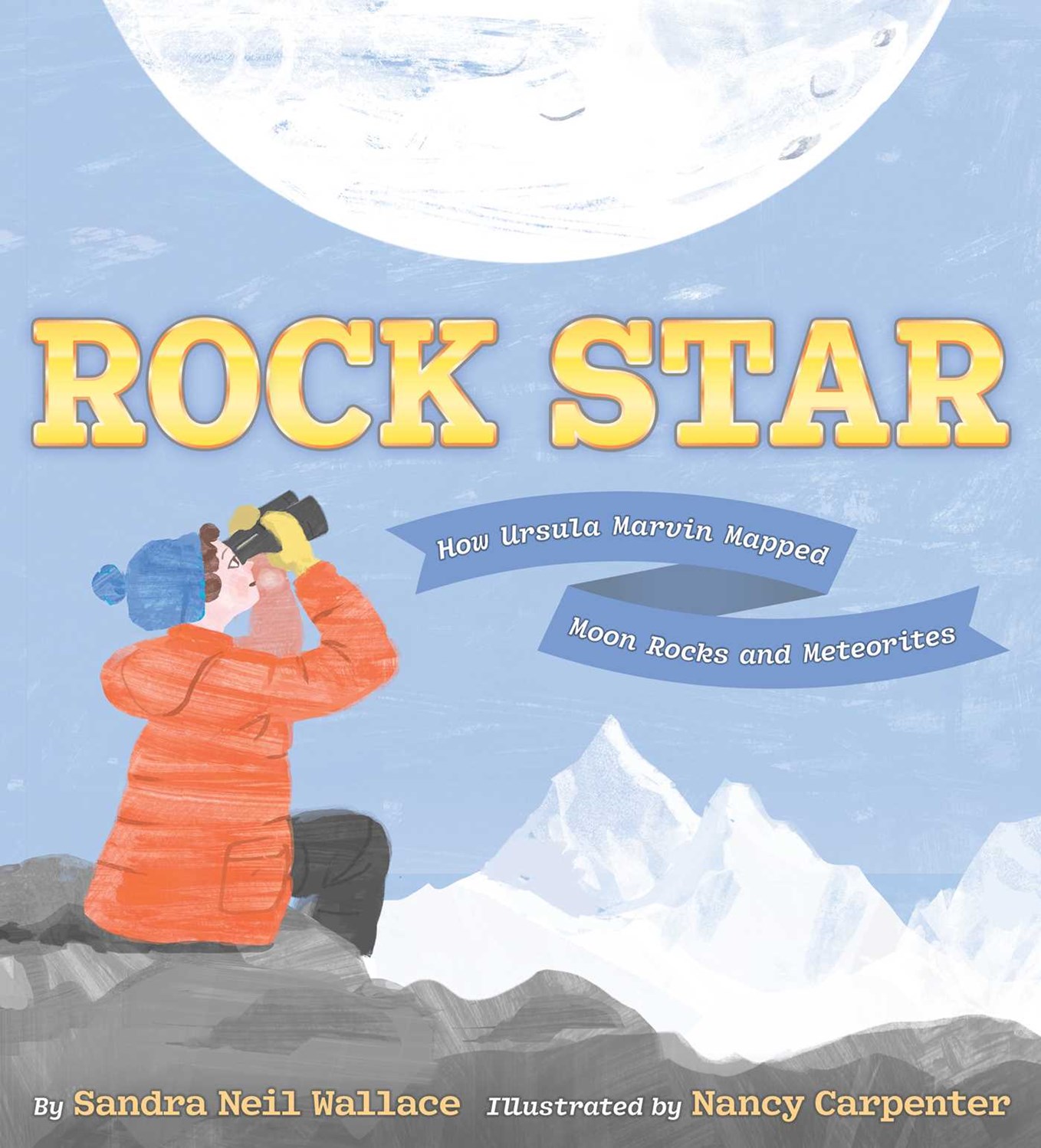
How Ursula Marvin Mapped Moon Rocks and Meteorites, by Sandra Neil Wallace/Illustrated by Nancy Carpenter, (Oct. 2025, Simon & Schuster), $19.99, ISBN: 9781534493339

Ages 7-12

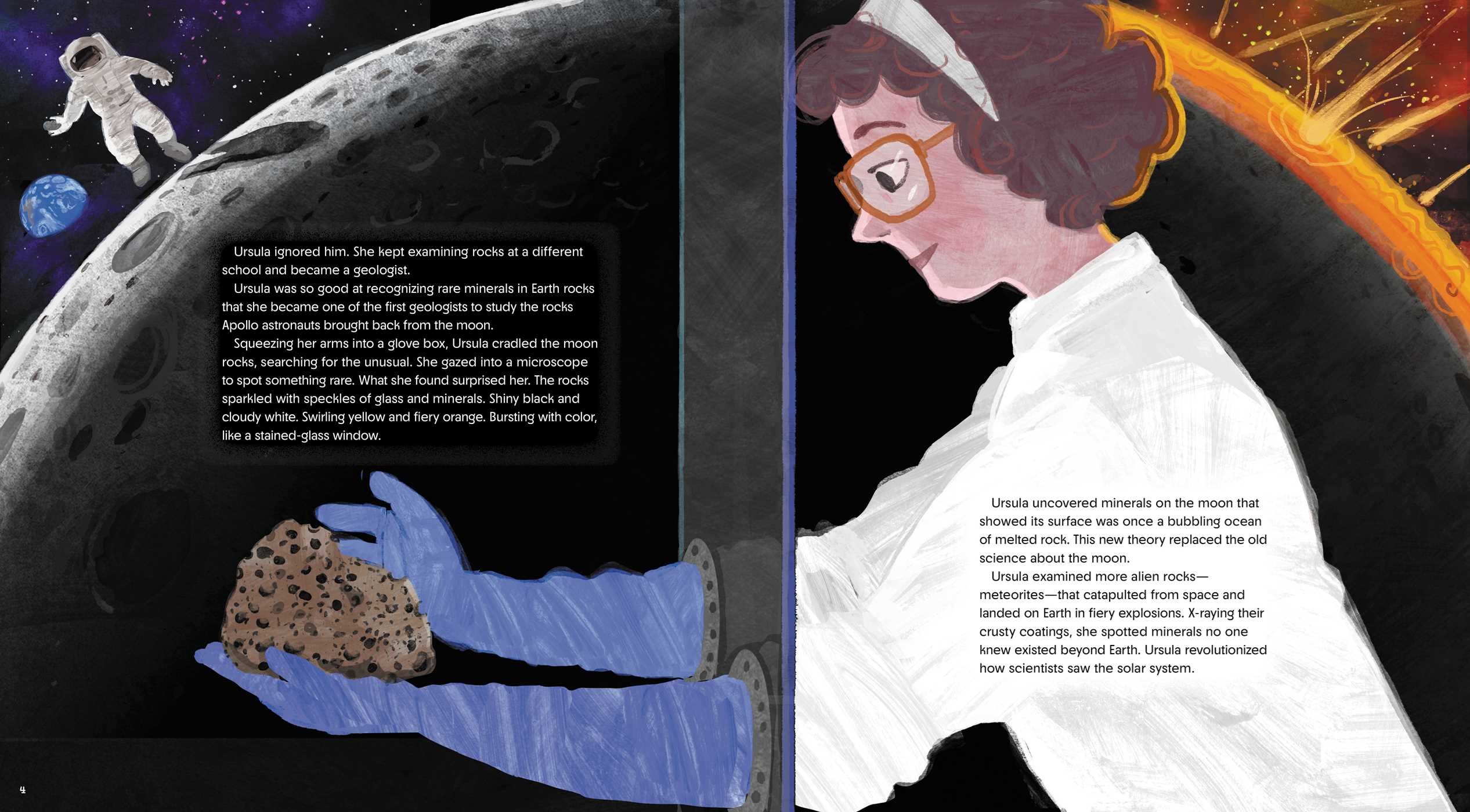
While women were being told to stay home and learn to cook, Ursula Marvin was breaking barriers in science. The future geologist was told exactly that by a male professor when she attended college in the early 1940s; luckily for all of us, she disregarded the “advice” and went on to pursue a degree in geology, eventually earning a master’s and Ph.D. in the field. She believed that meteorites were the key to unlocking the solar system’s origins; it was a belief that “revolutionized how scientists saw the solar system”. She travelled to Antarctica to continue her research, facing bitter temperatures and project setbacks to become the first woman to search for meteorites at the bottom of the world, where Antarctica’s mountains held rocks “blasted from asteroids and maybe even the moon”. She fought sexism and broke barriers throughout her career and was responsible for forming foundational theories in planet geology. Wallace’s writing is informative and accessible, concentrating on details for readers to increase their interest: the process of setting up camp on the “oldest ice in the world”; the 50 pounds of clothing Marvin had to pack to keep warm; the moments of self-doubt, and the excitement of studying the first lunar meteorite, located in Antarctica while she was recovering from an injury back at home. Rock Star has a starred review from Kirkus.

See scans of Marvin’s journal from Antarctica at the Smithsonian’s website.
 

Posted in Uncategorized

An interactive anatomy book for school age kids! The Ultimate Book of the Human Body

The Ultimate Book of the Human Body, by Anne-Sophie Baumann/Illustrated by Vanessa Robidou, (Sept. 2025, Twirl Books), $24.99, ISBN: 9791027613649

Ages 8-12

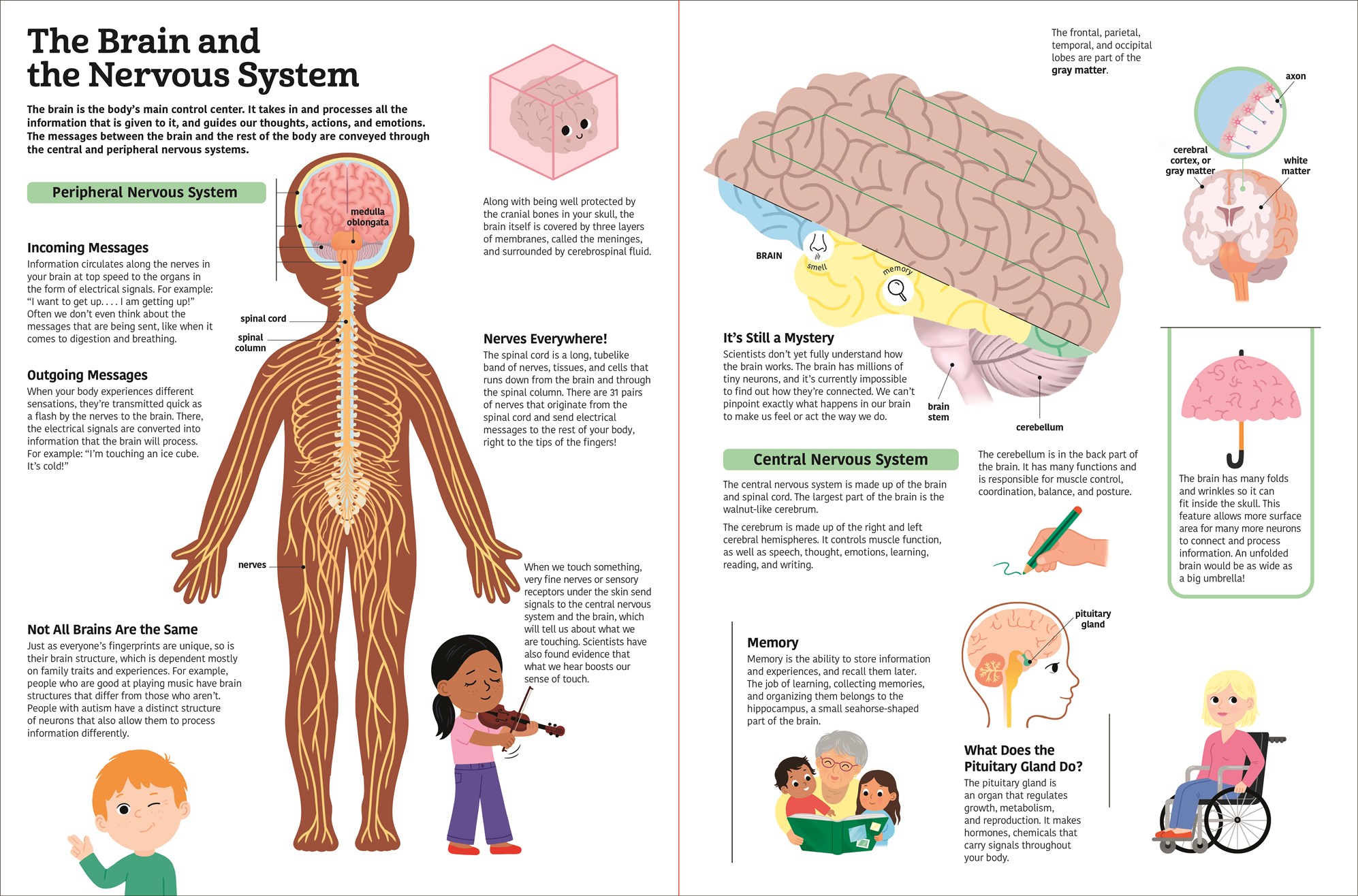
Who says preschoolers should have all the fun? This introduction to anatomy is filled with flaps and pulls and is perfect for middle graders. The Ultimate Book of the Human Body includes more than 60 pull tabs, flaps, and pop ups and is loaded with information for readers. It’s an oversized book, creating space for a wealth of information, neatly organized on each spread. Unfold a model of the brain, clearly labeled with areas and what function each area controls; use a pull tab to see how our diaphragms move on each inhale and exhale. Study teeth development through different ages using flaps of a child’s developing face; follow a poop’s journey as it moves through the intestine. Detailed illustrations accompany expert-reviewed information on the body and its functions. Illustrations feature a diverse group of individuals. This is great for middle grade science class collections and reference collections. If you’re putting a copy into circulation, keep a backup handy: the moving parts will wear out quickly with hard use. The Ultimate Book of the Human Body is part of Twirl’s Ultimate series, including The Ultimate Book of Animals and The Ultimate Book of Planet Earth. Spruce up your STEM/STEAM library with the set!

Posted in Uncategorized

Puzzle fans will enjoy Me & the Magic Cube

Me & the Magic Cube, by Daniel Fehr/Illustrated by GOLDEN COSMOS, Translated by Marshall Yarbrough, (Sept. 2025, NorthSouth Books), $19.95, ISBN: 9780735845732

Ages 6-10

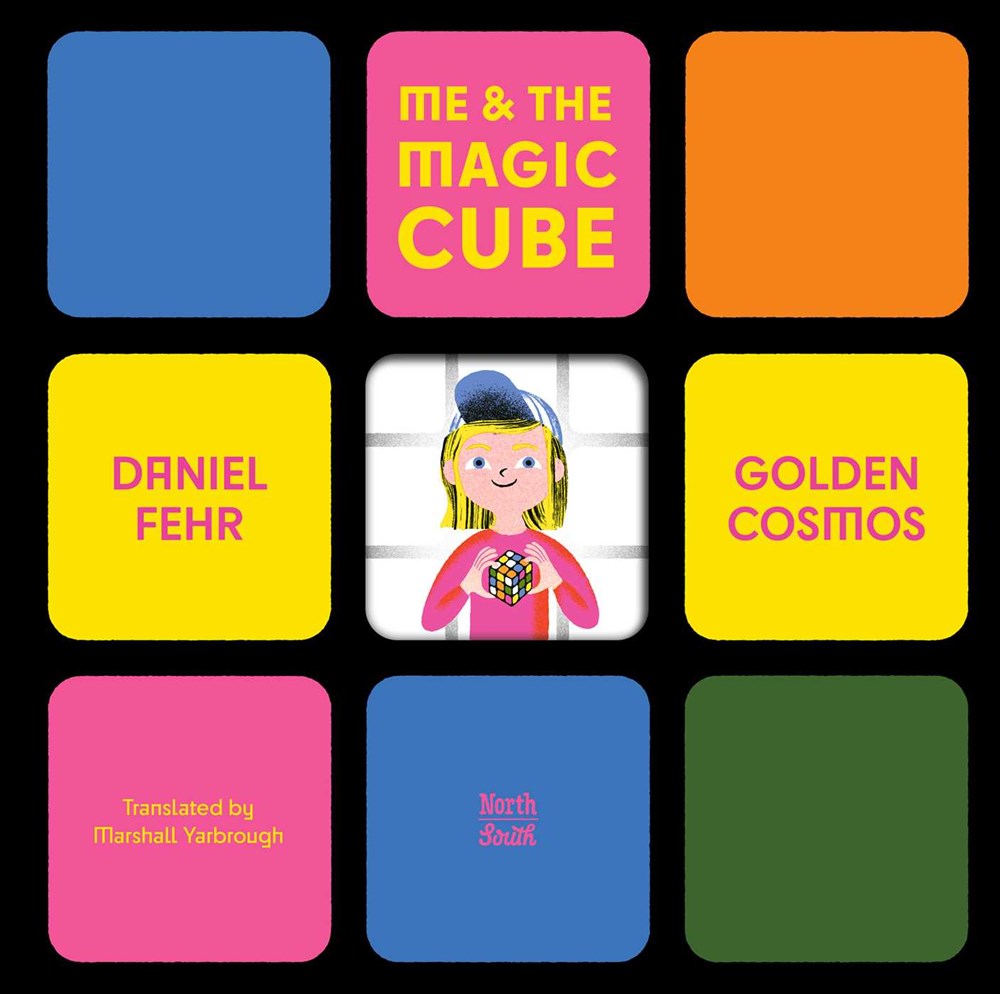
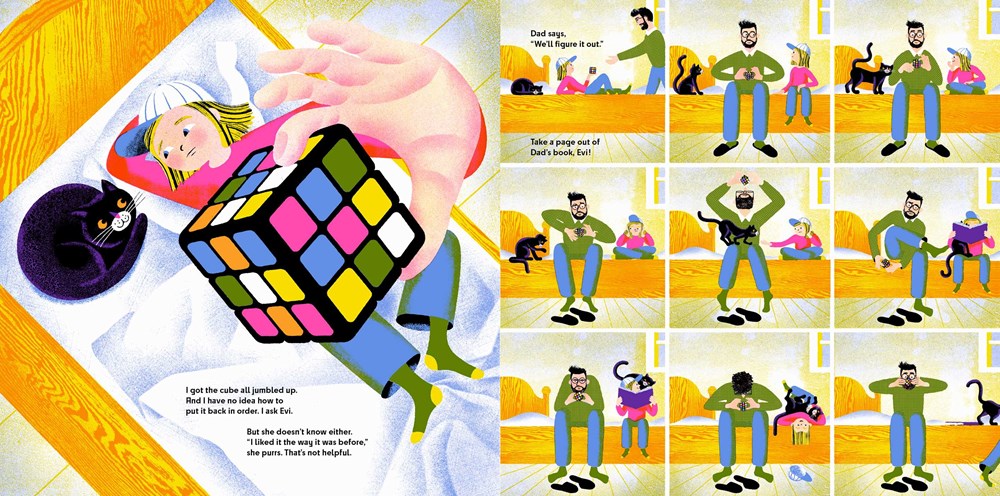
Puzzle fans will thoroughly enjoy this look at the “magic cube” – some may call it a Rubik’s Cube. Part story, part STEM lesson, the book begins when a child finds a colorful cube in a box of her dad’s old stuff. As they ponder it, they turn the pieces and discover it’s all jumbled. Can Dad fix it? Nope! The child brings the cube to school, where their friends puzzle over how to fix it. Surprise! Taking the stickers off or taking it apart throws off the configuration of the cube. Did you know that the cube can be twisted into over 43 quintillion positions, or – as our narrator puts into perspective – “43 quintillion is more than all the stars we’re able to see in the universe”. The child and their friends go down a rabbit hole to learn about the cube and how to solve it. Vibrant colors and detailed illustrations have a retro feel and allow for an interesting story loaded with mathematical facts and statistics about the Rubik’s cube and those who have solved it. Back matter includes a tutorial on solving the cube. This book will work well in pop culture collections and STEM/STEAM collections. Visit the Rubik’s Cube webpage for more solution help and information about the Cube!


Posted in Graphic Novels, Realistic Fiction, Teen, Young Adult/New Adult

Teleportation and Other Luxuries, for STEM Geeks Everywhere

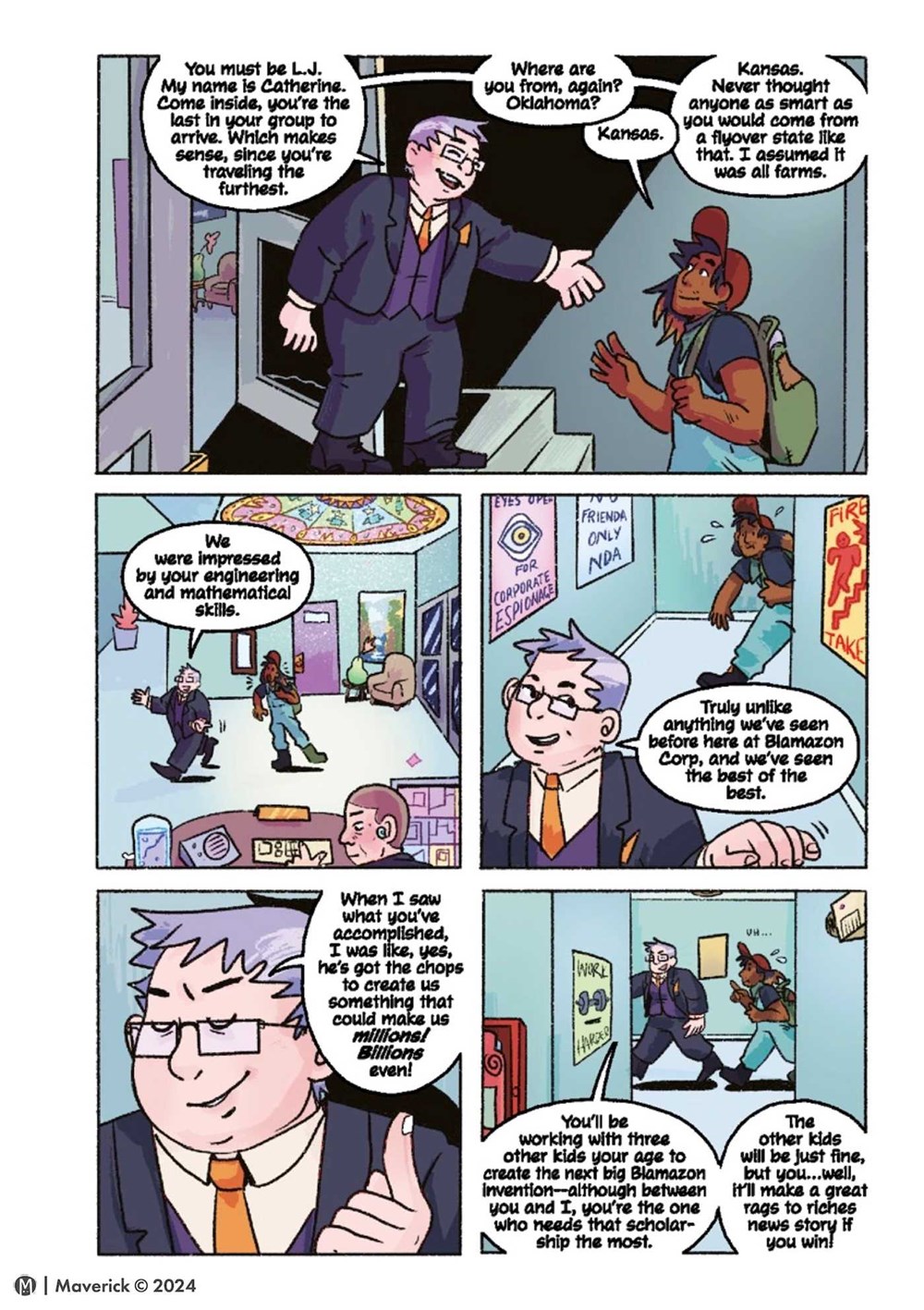
Teleportation and Other Luxuries, by Archie Bongiovanni & Mary Verhoeven, (Nov. 2024, Mad Cave Studios), $14.99, ISBN: 9781545812242

Ages 12+

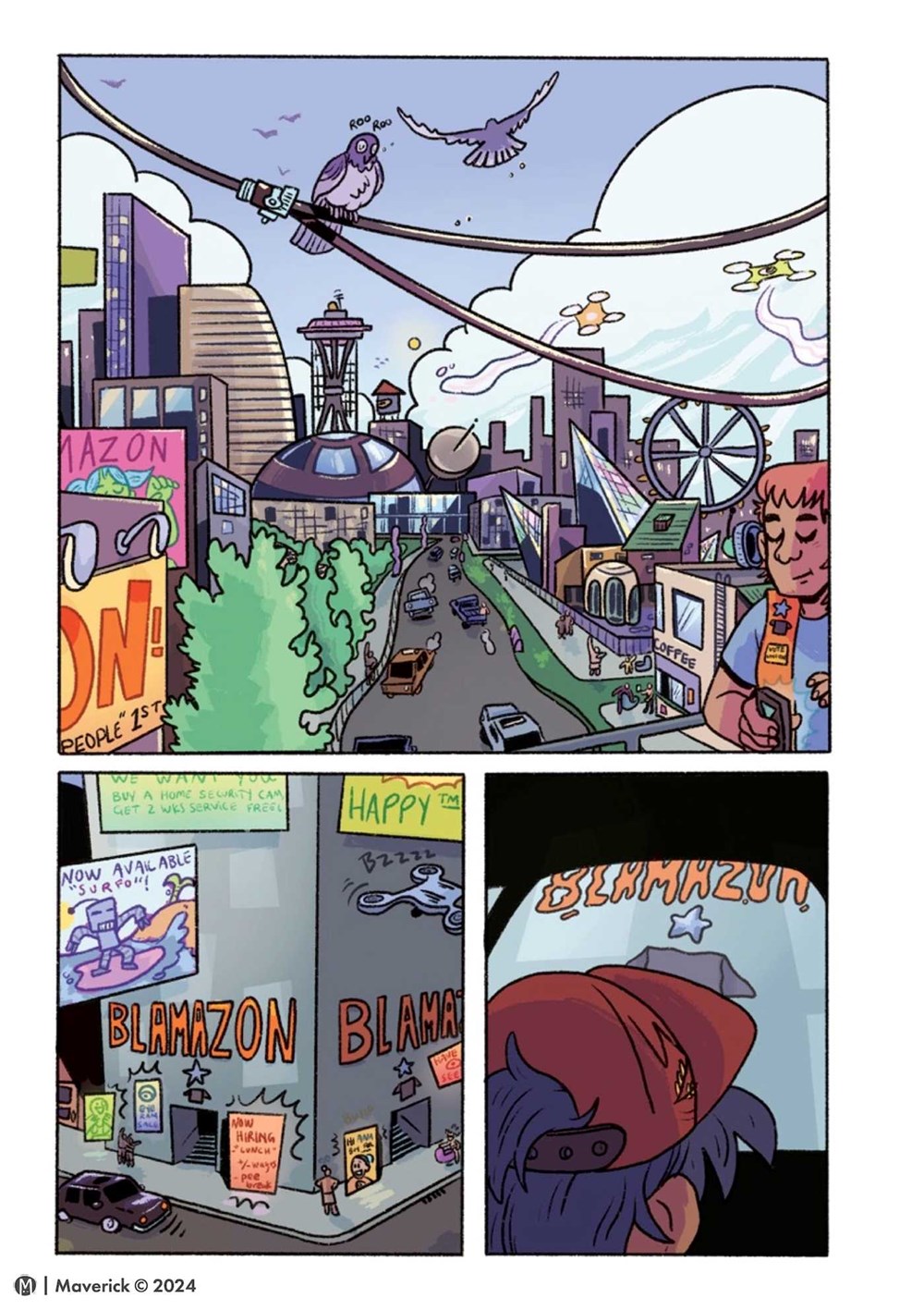
A group of brainy misfits come together to win a science competition sponsored by a nefarious coroporation in this original graphic novel from Bongiovanni (A Quick & Easy Guide to They/Them Pronouns) and illustrator Verhoeven. Tyler, a trans teen with a penchant for social media and scientist parents who won’t accept anything less than total success, feels the pressure to keep up appearances for his family’s reputation’s sake. Gabby is a nonbinary student in the competition for far greater reasons than the scholarship money and the fame; her distrust of the corporation and science overall puts her at odds with Tyler. Allegra is a shy genius who hides her intelligence so she can fit in, and LJ is from a small town where he just learned to do everything because no one else could. Each member of the group has a hidden and personal agenda; when they realize a monumental breakthrough, though, they must weigh the cost of entering a project they know will win, but is unsafe. Blamazon, the megacorporation sponsoring the contest, is quick to wave their fears aside. A very human story with four queer teens at its heart, Bongiovanni explores their relationships with one another and with the world outside Blamazon’s walls. It becomes a story that encourages readers to ask themselves what really matters most. Cartoon-realistic illustration keeps pages turning along with the smart dialogue. A solid STEM story with realistic characters and situations at its center.

Posted in Intermediate, Non-Fiction

That’s the way the ball bounces: Bounce! is a history of rubber

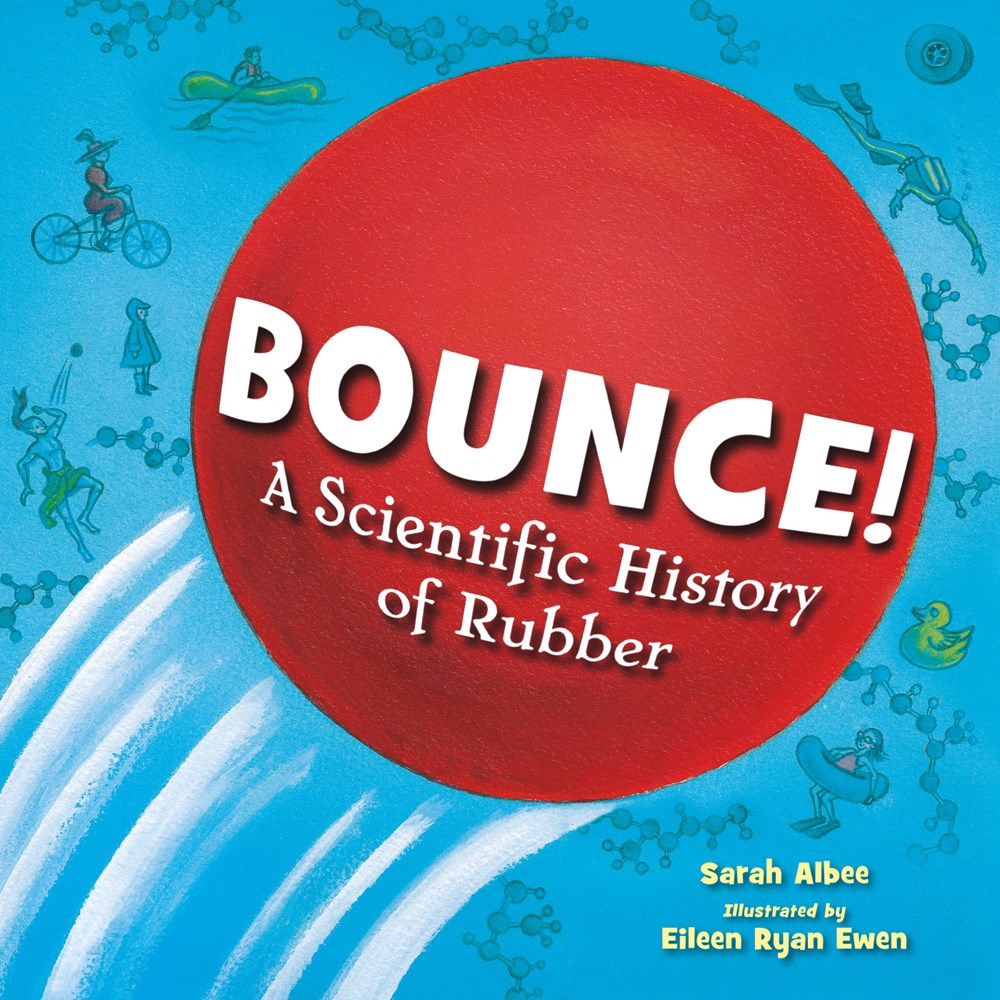
Bounce! A Scientific History of Rubber, by Sarah Albee/Illustrated by Eileen Ryan Ewen, (Oct. 2024, Charlesbridge), $18.99, ISBN: 9781623543792

Ages 6-9

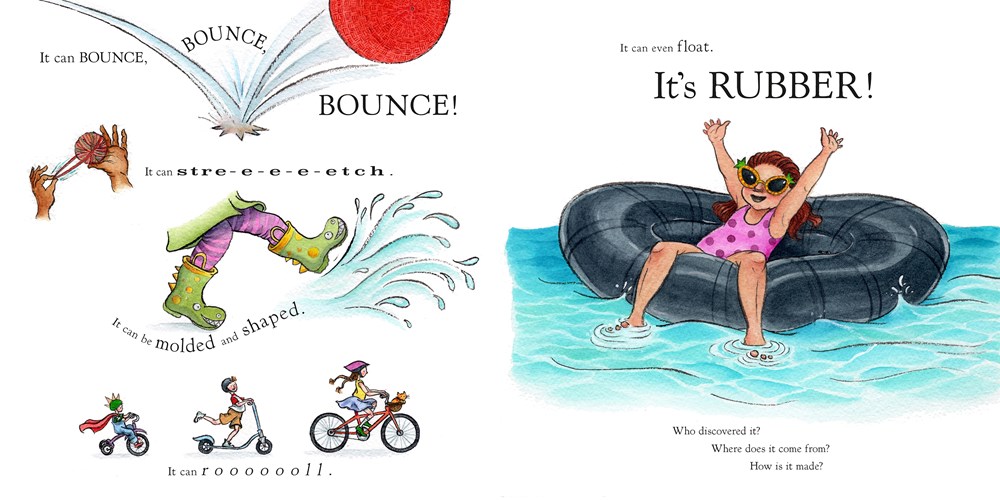
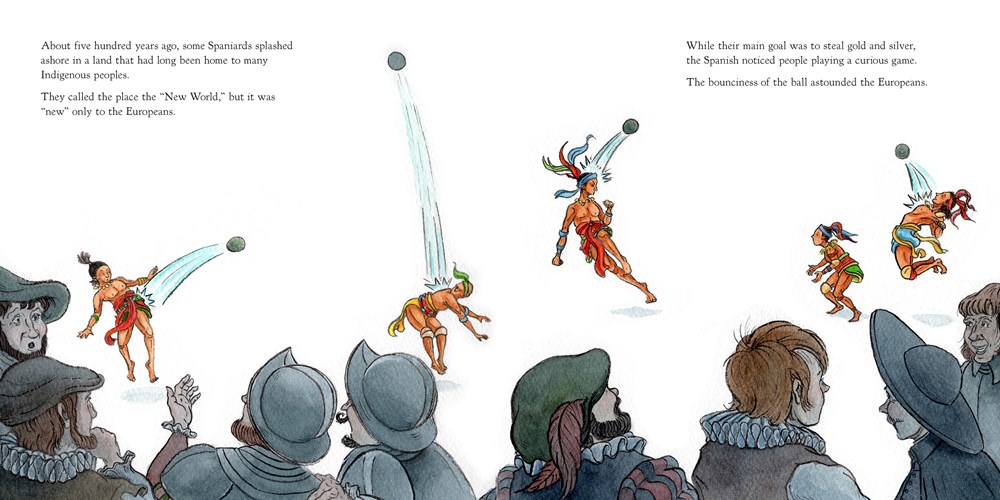
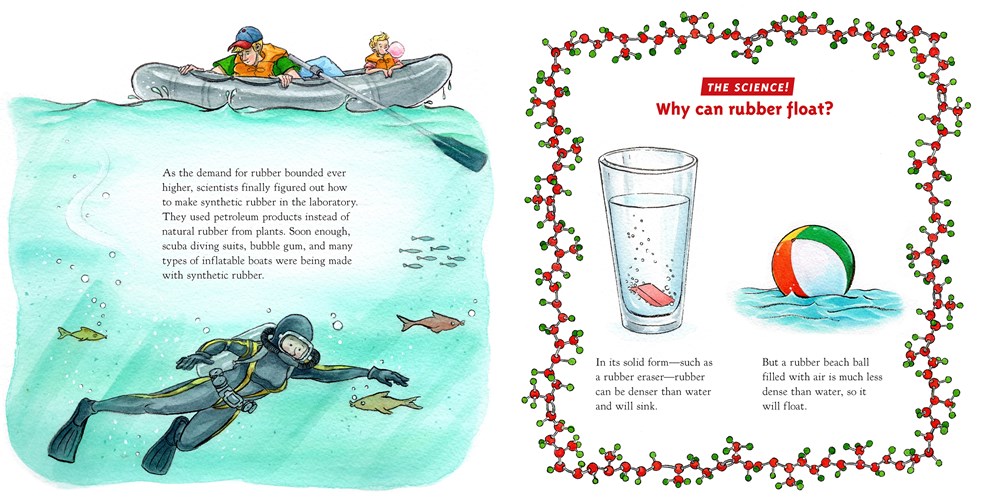
Learners who love the “why” of things will enjoy this one: illustrations and history pair with scientific explanation to deliver a concise and fascinating history of rubber. Entertainment in Europe wasn’t terribly exciting in the early days: to play ball, one had options like leather stuffed with feathers or an animal bladder stuffed with dried peas. You know where there were bouncing balls, though? The pre-Columbian Americas, where the rainforest had trees that yielded latex. The Spaniards “discovered” the balls along with everything else they “discovered”, leading to centuries of experimentation and innovation and culminating with simultaneous discoveries by American Charles Goodyear and Englishman Thomas Hancock; they discovered how to “vulcanize” rubber, making it moldable, shapable, and less likely to melt in the summer or freeze in the winter. Illustrated scientific explanations appear throughout the history, and pen, ink, and watercolor illustrations show people through the ages bicycling, sitting on inner tybes, splashing through puddles, and swimming underwater. Endpapers show a variety of balls bouncing across the spreads. Notes on history, details about rubber, a timeline, and a bilbiography round out the back matter. An excellent nonfiction resource.

Bounce! A Scientific History of Rubber has a starred review from Kirkus.


Sarah Albee is the New York Times best-selling author of more than 100 books for kids, including Troublemakers in Trousers: Women and What They Wore to Get Things Done and Accidental Archaeologists: True Stories of Unexpected Discoveries. Prior to being a full-time writer, Sarah worked at Children’s Television Workshop (producers of Sesame Street) for nine years. She played basketball in college, and then a year of semi-professional women’s basketball in Cairo, Egypt. She lives in Connecticut.

Eileen Ryan Ewen is the illustrator of many books for children, including H is for Honey BeeJonas Hanway’s Scurrilous Scandalous Shockingly Sensational Umbrella, and Nature’s Friend: The Gwen Frostic Story. http://www.eileenryanewen.com

Posted in picture books, Preschool Reads

Hello Trees asks thoughtful questions

Hello, Trees, by Bailey Bezuidenhout/Illustrated by Maria Lebedeva, (June 2023, Kane Miller), $14.99, ISBN: 9781684647330

Ages 3-7

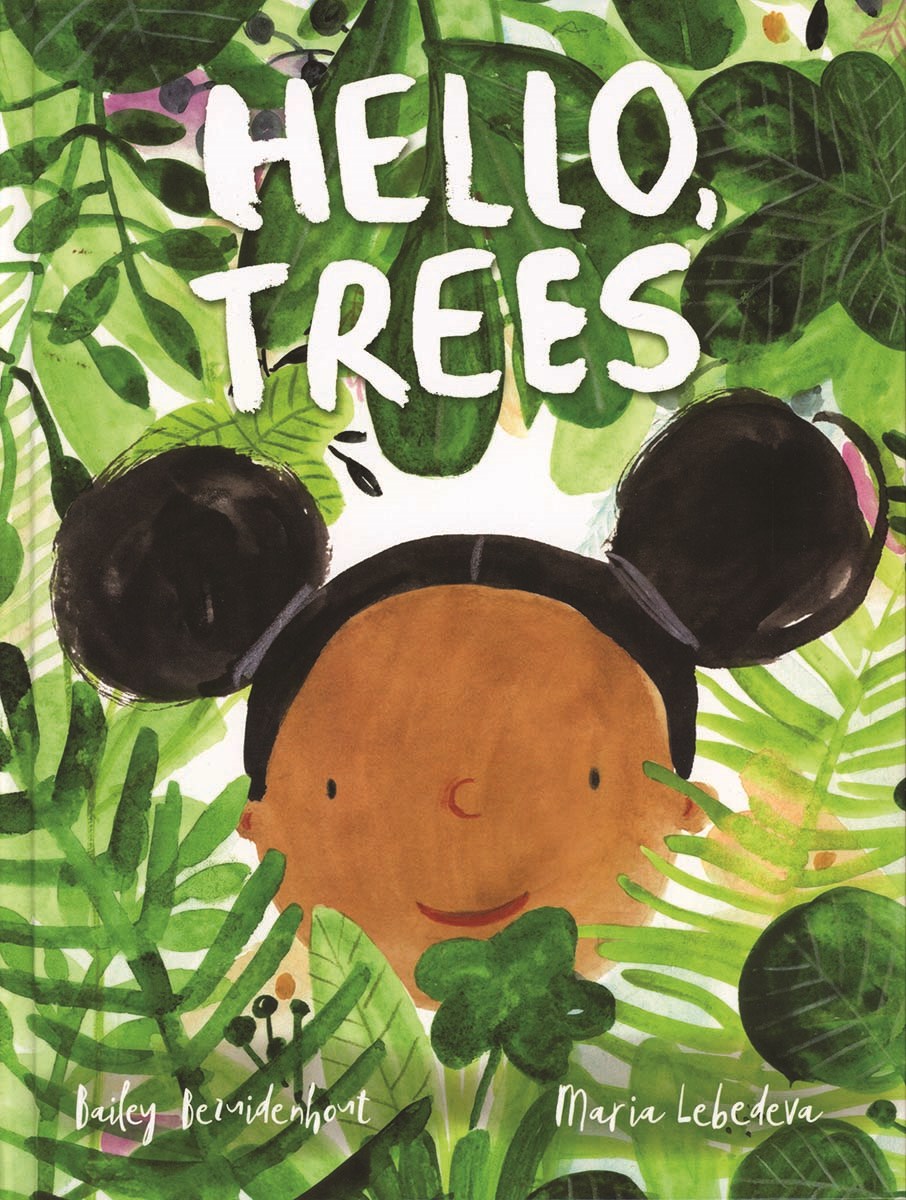
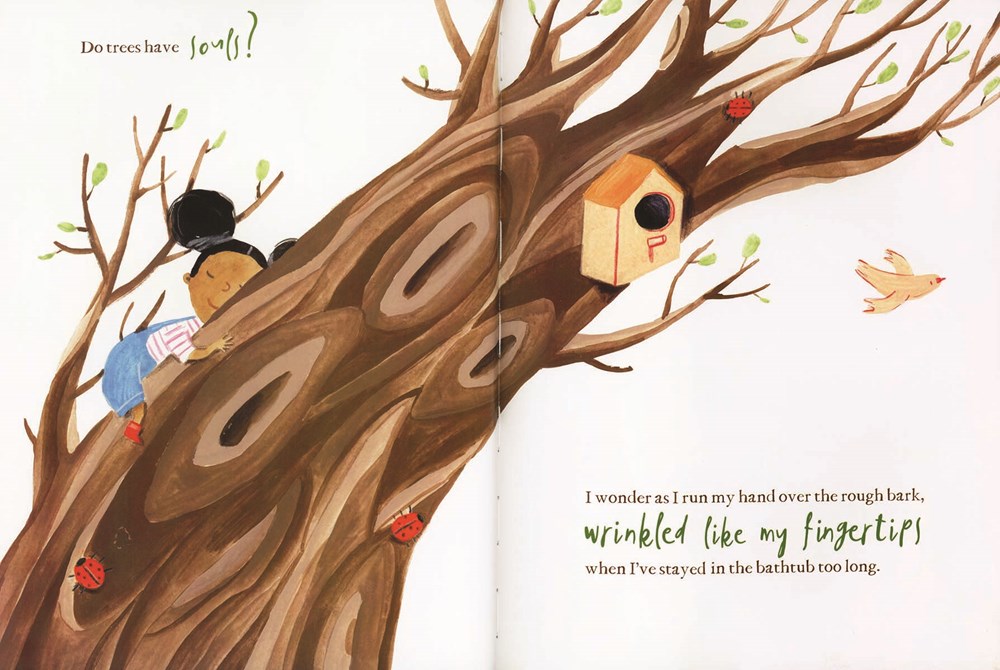
A young brown-skinned girl shares thoughtful questions about trees as she interacts with them in this beautifully illustrated book. Poetic meanderings like “…I run my hand over the rough bark, / wrinkled like my fingertips / when I’ve stayed in the bathtub too long” share space with contemplative musings like “Do trees have souls?”, “Do trees smile when I swing in their branches?”, and “Do they feel loved being a home…?” The girl is dwarfed by the silent guardians, with the occasional bird peeking out to observe. She revels in nature and is a wonderful self-insert for readers who imagine themselves running their fingers across bark, digging their fingers into soil, and swinging from branches. A warm white background provides a nice backdrop for the brown and green trees to pop against; larger, decorative font emphasizes key ideas and words throughout. Endpapers show our main character climbing a tree to peek into a hole –  maybe to see a squirrel family – while a white bird peeks out of another hole, watching. A friendly, easy introduction to trees that appeals to our feelings; great for a STEM introduction to preschool and kindergarten classes.

Posted in picture books, Preschool Reads

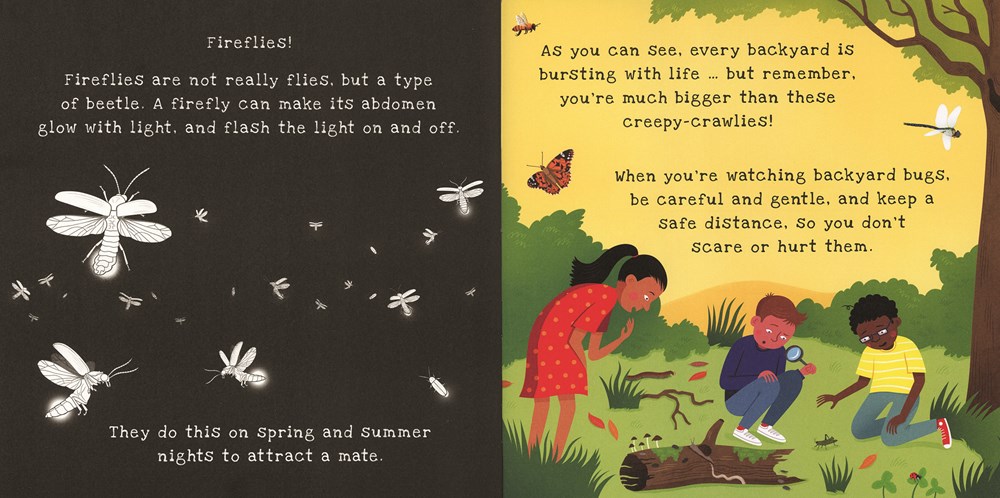
Shine a Light on Backyard Bugs!

Backyard Bugs (A Shine-a-Light Book), by Carron Brown & Wesley Robins, (Aug. 2023, Kane Miller), $12.99, ISBN: 9781684645695

Ages 4-8

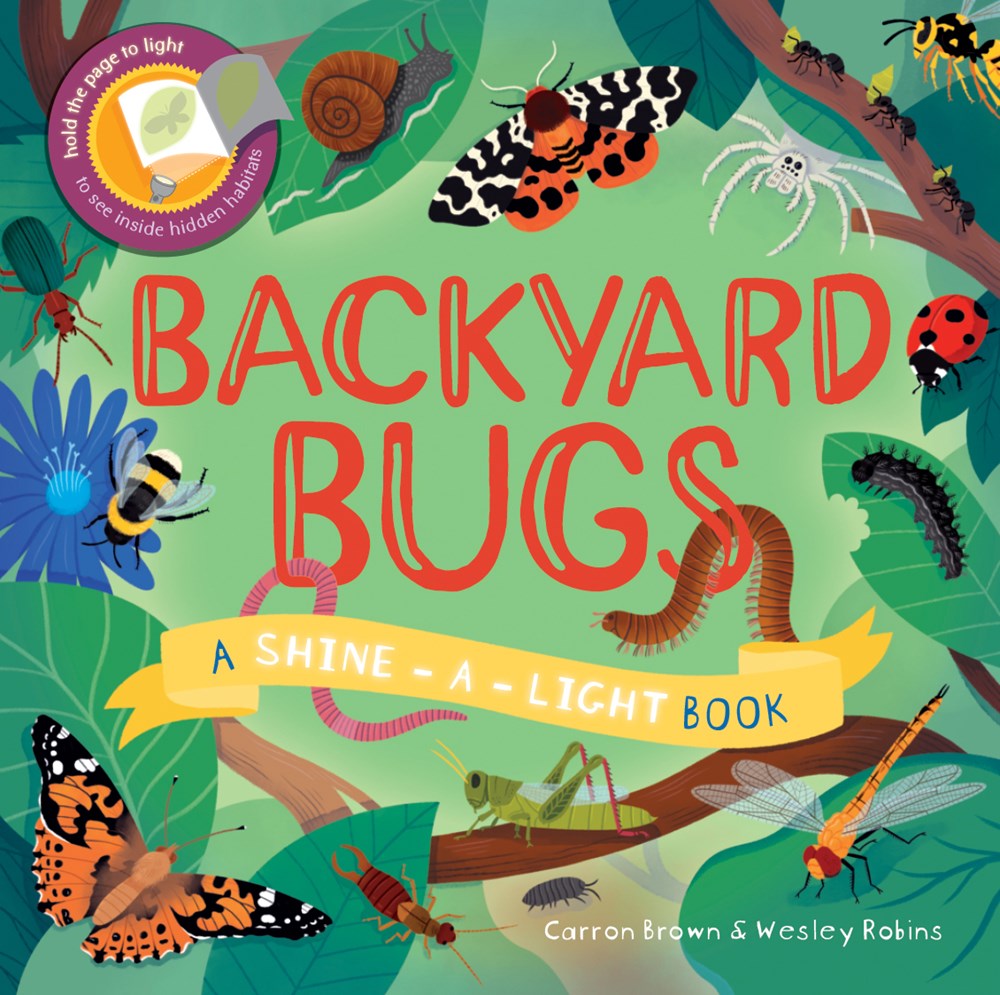
I have so much fun with these Shine-a-Light books. If you have a bright storytime area, you have to try one. It may feel a little awkward at first, getting the book in the best position to show off the hidden picture using light shining through the page, but it’s worth it and you’ll find a rhythm between storytelling and giving time to show off the picture, honest. Backyard Bugs is all about meeting the bugs in our backyards and green spaces. Pages alternate between bright, colorful pages with a featured insect, a fact, and an interactive question, answered on the next page – a black and white answer and insect; if you hold the colorful page up to the light, the bright white insect’s outline shows through, delighting readers. It’s a great STEM storytime book and adds a fun, interactive element to read-alouds. Letting readers explore the books for solo or paired reading gives them a chance to discover the hidden pictures for themselves. A good suggestion for elementary nonfiction collections.

Posted in Intermediate, Non-Fiction

Dogs Do Science: a graphic nonfiction series for intermediate readers

This is such a fun series with recurring characters and fun, smart science know-how. For readers that may be a little young for Science Comics, Dogs Do Science fits the bill nicely. Read on for more.

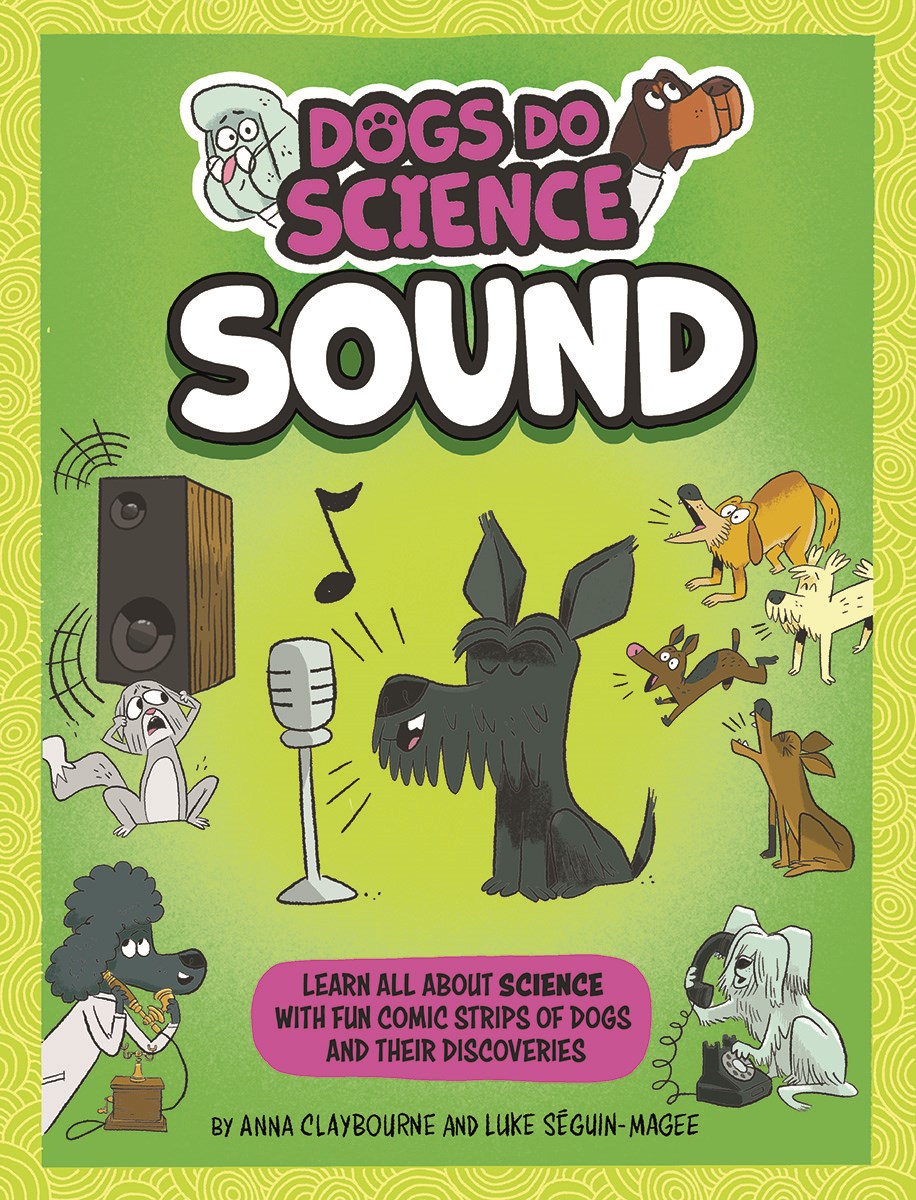
Dogs Do Science: Sound, by Anna Claybourne/Luke Séguin-Magee, (March 2024, Kane Miller), $12.99, ISBN: 9781684647804

Ages 7-10

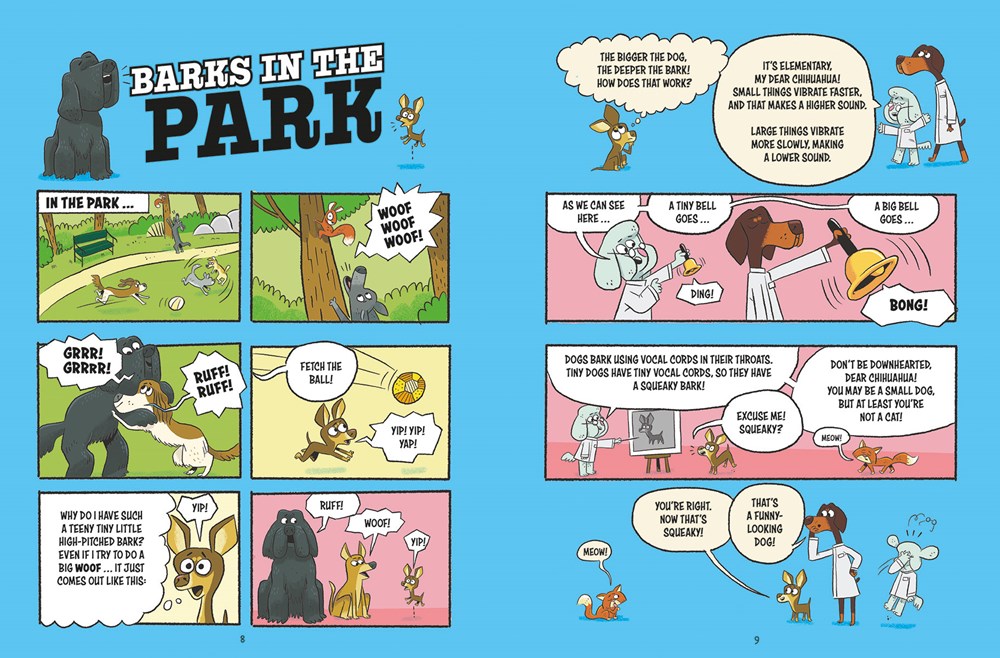
Meet Professor Pooch: a learned and fluffy Bichon Frisé, they’re also the main character fo the Dogs Do Science graphic novel series. In Dogs Do Science: Sound, Professor Pooch is here to explain how sound works, using dogs and their superior hearing as examples for readers. Explained through a series of graphic novel sections featuring different breeds of dogs, readers will love the fun comics and easily understandable explanations of sound: why do dogs go berserk when the postman arrives? Why do our dogs come running when we think we’re shaking that food quietly? Why do chihuahuas have that sharp little bark? It all comes down to science! (By the way: tiny dogs have tiny vocal cords, hence the squeaky barks.) A “Sound Roundup” and pop quiz in the back matter help summarize and test readers’ knowledge. Cartoon illustrations keep things moving.


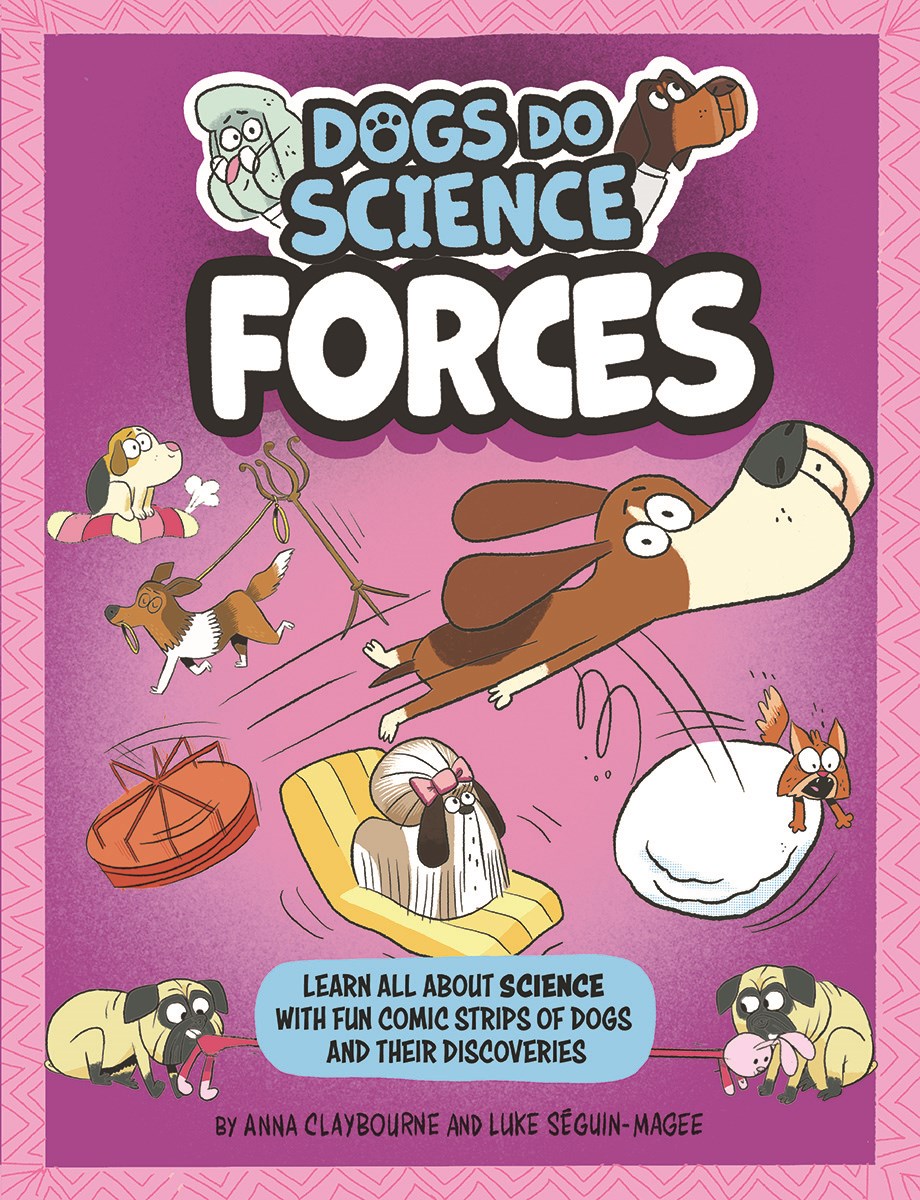
Dogs Do Science: Forces, by Anna Claybourne/Luke Séguin-Magee, (March 2024, Kane Miller), $12.99, ISBN: 9781684647798

Ages 7-10

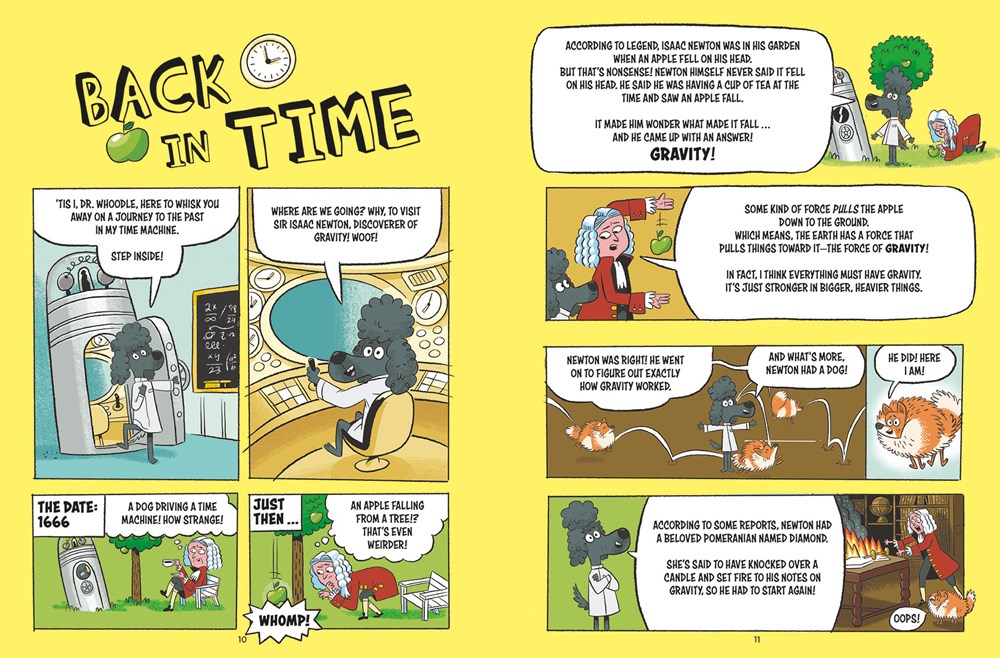
This volume is all about force: “pushes, pulls, and other forces make things move – or stop, or change direction, or fall over”, as Professor Pooch puts it. A trip back in time with Dr. Whoodle the Poodle introduces readers to Sir Isaac Newton and a discussion on gravity; other comic strips teach readers about centrifugal force, air pressure, and intertia. A section called Spot the Spaniel’s “Spot the Difference” offers a fun activity where readers can search before and after pictures for signs of gravity. A “Force Roundup” and pop quiz summarize and reinforce readers’ knowledge.


Dogs Do Science: Light, by Anna Claybourne/Luke Séguin-Magee, (March 2024, Kane Miller), $12.99, ISBN: 9781684647811

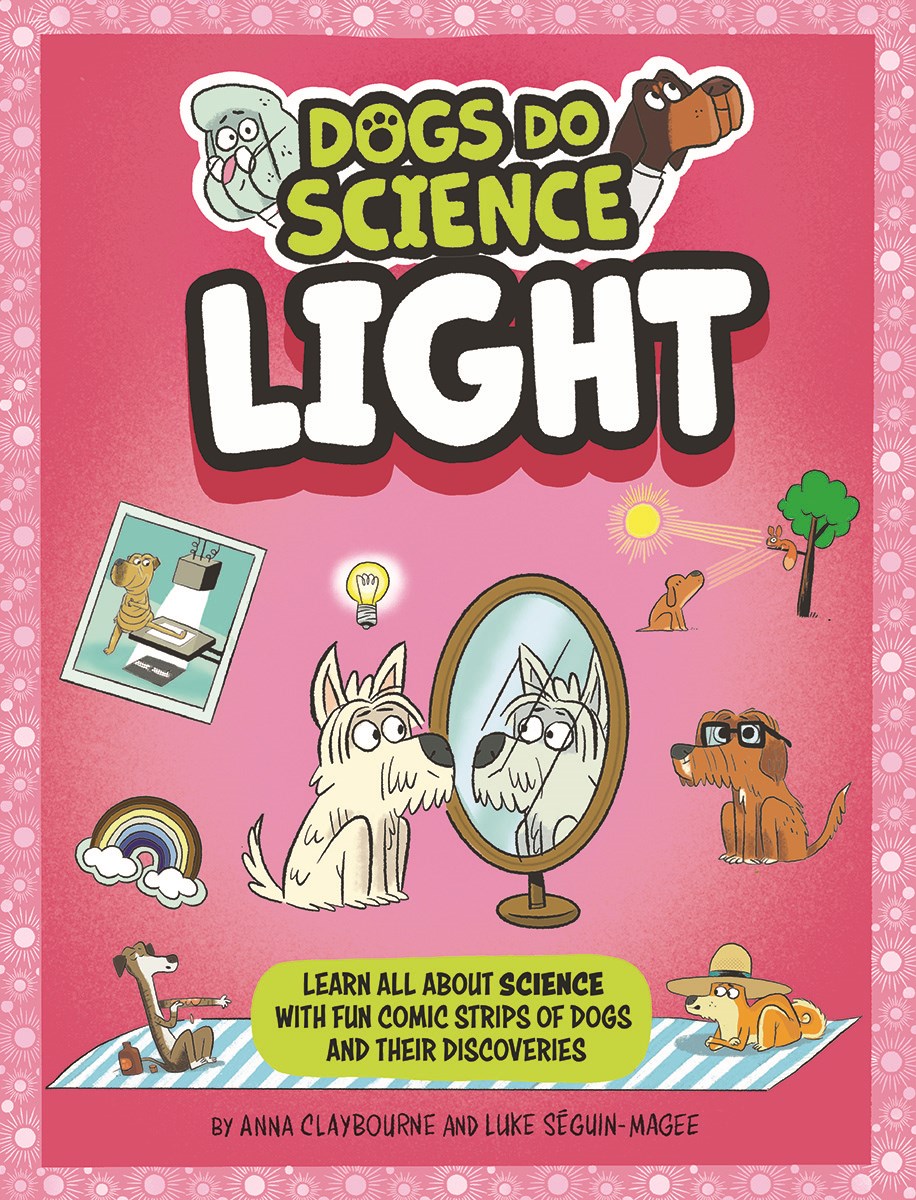
Finally, we have Light, which starts off with the bright shiny thing that comes through the windows and wakes our dogs up every morning… and sometimes, shiny things blink outside the window. Professor Pooch and their amusingly dull  Doberman assistant are here to help, shedding light on the mysteries behind shadows, reflections, and how dogs see colors differently from humans. A recurring “Dogs in Space” comic takes how light travels in space. Spot the Spaniel has a fun shadow matching activity, and Professor Pooch’s Light Roundup and Poodle’s Pop Quiz complete the volume.

All in all, the Dogs Do Science series is fun, and works well with graphic novel collections where nonfiction is helpful and popular, aka History Comics and Science Comics.

Posted in picture books, Preschool Reads

Building a Beak showcases STEM with a heart

Building a Beak: How a Toucan’s Rescue Inspired the World, by Becca McMurdie/Illustrated by Diana Hernandez, (June 2024, Page Street Kids), $18.99, ISBN: 9781645678687

Ages 4-8

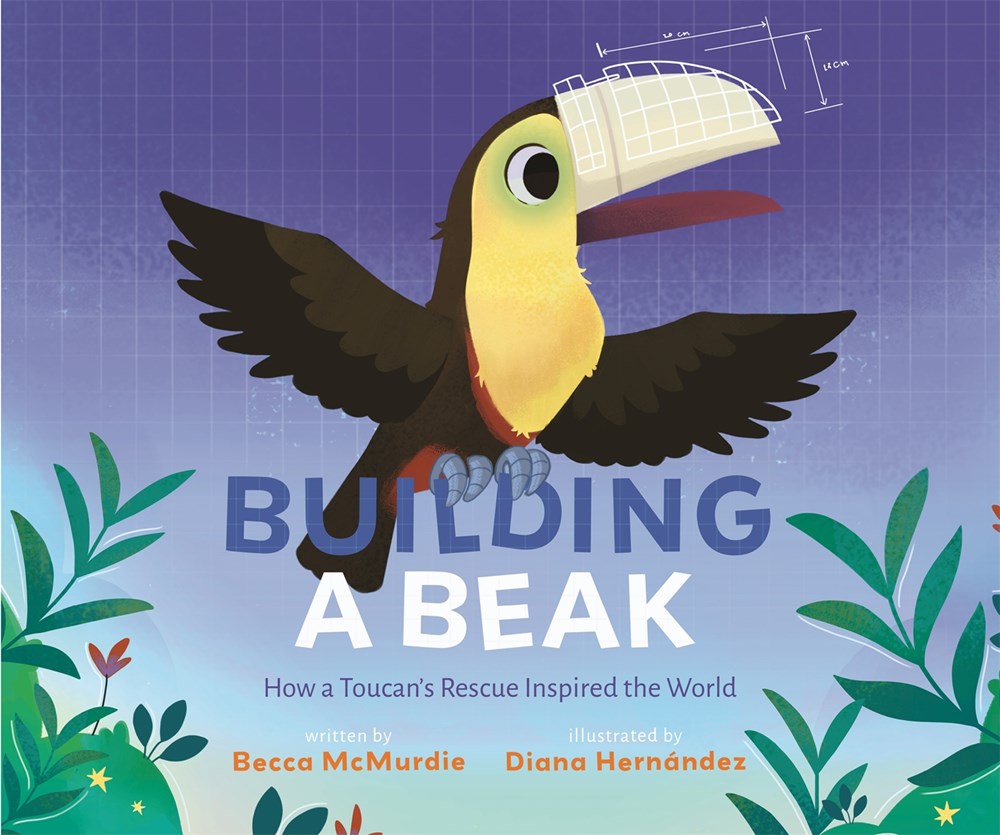
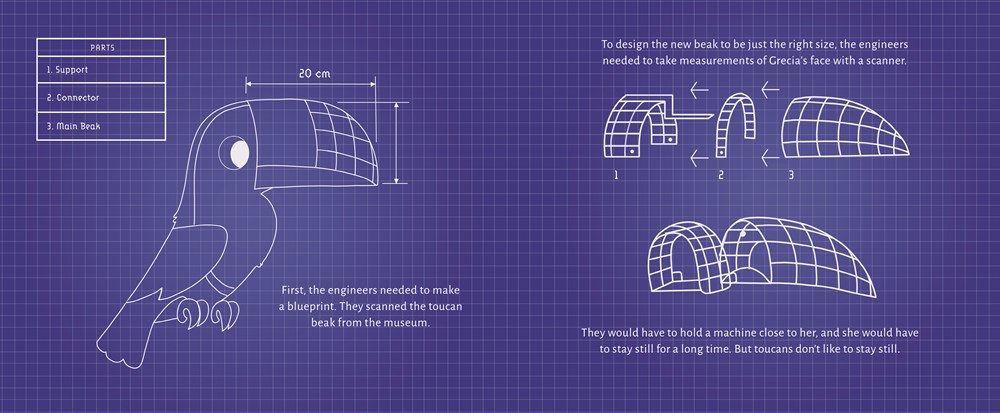
Based on the true story of an injured toucan and the people who helped her, Building a Beak is a touching story of cruelty and empathy. In the Costa Rican treetops, a toucan later named Grecia went about her days and nights until someone – still unknown – caused her to fall and break her beak. Rescuers found her and brougt her to a veterinarian, who determined that without the beak, Grecia would not be able to eat, sing, bathe, or balance. Grecia’s plight went public, prompting activists from all over to push for the passage of animal welfare law 18,298, making it illegal to harm wildlife. Engineers created a blueprint for a 3-D printable beak, successfully attached during a delicate surgery. Grecia’s story is an uplifting tale of human kindness while bringing to light the problems with animal cruelty and how devastating a thoughtless act can be. Humanizing Grecia goes a long way here, from naming the toucan to McMurdie’s providing an inner dialogue for her. Hernandez’s illustrations show brown-skinned scientists, animal rescuers, and activists coming together not only for Grecia’s sake, but the sake of the planet. An author’s note, timeline, and bibliograpy make up the back matter. A strong addition to STEM/STEAM collections.

There are some good Grecia resources available online, including this article from Costa Rica Ricos. Visit Rescate Wildlife Rescue Center’s webpage to learn more about the center where Grecia recovered and lived after the attack. My Dear Journal has a fun toucan paper plate craft for a post-storytime or extension activity.

Posted in Librarianing

Solar Eclipse resources

Yes, the solar eclipse is upon us… again. We thought we’d get a break after the 2017 Eclipse Glasses Madness, but it’s back and libraries everywhere are  besieged with phone calls and visitors asking the eternal question, “Do you have any of those eclipse glasses?”

We’re out, but we’re getting more on Monday, just in time for the event itself. For those of you still in the heat of handing out glasses, stay strong. In the meantime, here are links to fun eclipse activities and resources for you to share.

TeachersPayTeachers is a treasure trove. Here are a few I’ve downloaded:

Traci Clausen has a very cute informational activity and craft.

What’s an eclipse day without a cool hat? Katie Mense has a cute hat kids can color in and wear.

Amanda Richardson has a hat AND props to re-enact your own solar eclipse!

Teaching Tiny Smiles has a word search.

Need coloring pages? Check out Looped Into Literacy and In Our Middle School Era.

TeachersPayTeachers has a language filter, so make use of it! My community is primarily Spanish-speaking, so I’ve downloaded some crowns from Dee Teaches, activity sheets from Angie’s Schoolhouse, and crowns and coloring pages from Bilingually Ever After.

Crayola has a fun activity showing kids how to create an eclipse with chalk and construction paper.

NASA’s Space Place has games, videos, and activities for kids and NASA Scope through Arizona State University has activities for grownups and kids alike. Check out some great photography on NASA’s Eclipses Gallery!

Above all, be safe and enjoy your eclipse experience.

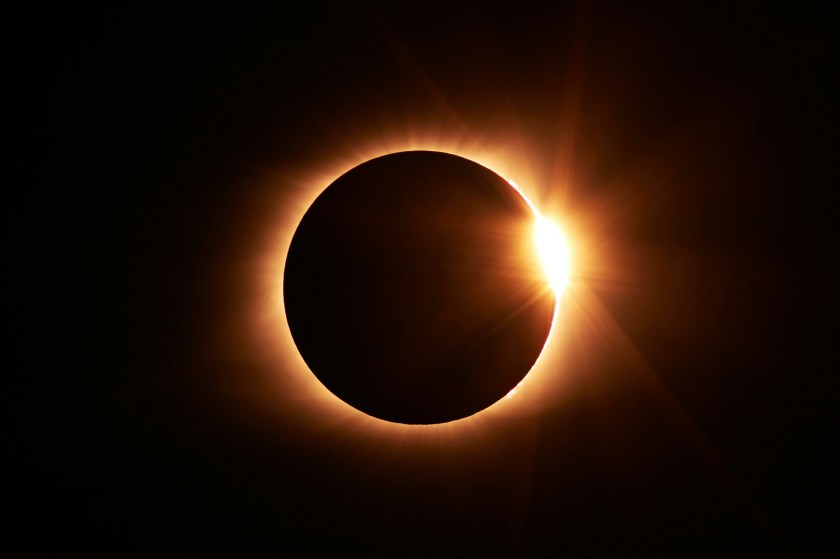
Photo courtesy of Jongsun Lee on Unsplash