Posted in Fiction, Fiction, Intermediate, Middle Grade

Get some Autumn Science in with The Acadia Files

The Acadia Files, Book Two: Autumn Science, by Katie Coppens/Illustrated by Holly Hatan, (Sept. 2018, Tilbury House Publishers), $13.95, ISBN: 9780884486046

Ages 7-10

Part science journal, part chapter book, The Acadia Files is a planned 4-book series that introduces readers to 10-year-old Acadia Greene, who loves science and investigating. She often goes on adventures with her best friend, Isabel, her dog, Baxter, and her science teacher Mom. Autumn Science, the second book in the series, is a 5-chapter book where Acadia works on conservation and environmentalism, learns about frogs, and why leaves change color. She also learns about the water cycle in a chapter called, “Drinking Dinosaur Pee” – yes, my friends, think on that for a little bit! – and discovers the International Date Line and figures out time zones in “What Time Is It?” Finally, the bane of the cooler weather – cold season – gets its due in “The Germ War”, which explains the importance of washing one’s hands and other ways to stay healthy.

Each chapter can be read as a standalone adventure. Full color illustrations throughout give a journal-type feel to the book, including “entries” made by Acadia; there are washi-taped photos and data jotted down in the pages, experiments, new science vocabulary words, and each section ends with further questions to discuss in a “Things I Still Wonder” list. A section on “further exploration”includes links to all topics covered in the book. Endpapers look like a molecule party gone wild, and the cover looks like a decorated cardboard cover. Readers with even a passing interest in science should gobble this one up, and I’d love to see science programs (program in a book!) in libraries use this book to create some STEM fun – there will be four books in the series, after all; one for each season! Which reminds me… I think a “Dinosaur Pee” program would do GANGBUSTERS here at my library. Excuse me while I go make some plans…

Give this to your readers who liked Lucy’s Lab. Display with… what else? Science Comics!

Author Katie Coppens is a science educator. You can visit her author website to learn about author visits and see more of her books.

Posted in Middle Grade, Non-fiction, Tween Reads

Get outside with your pup… for science! Dog Science Unleashed gives you ideas!

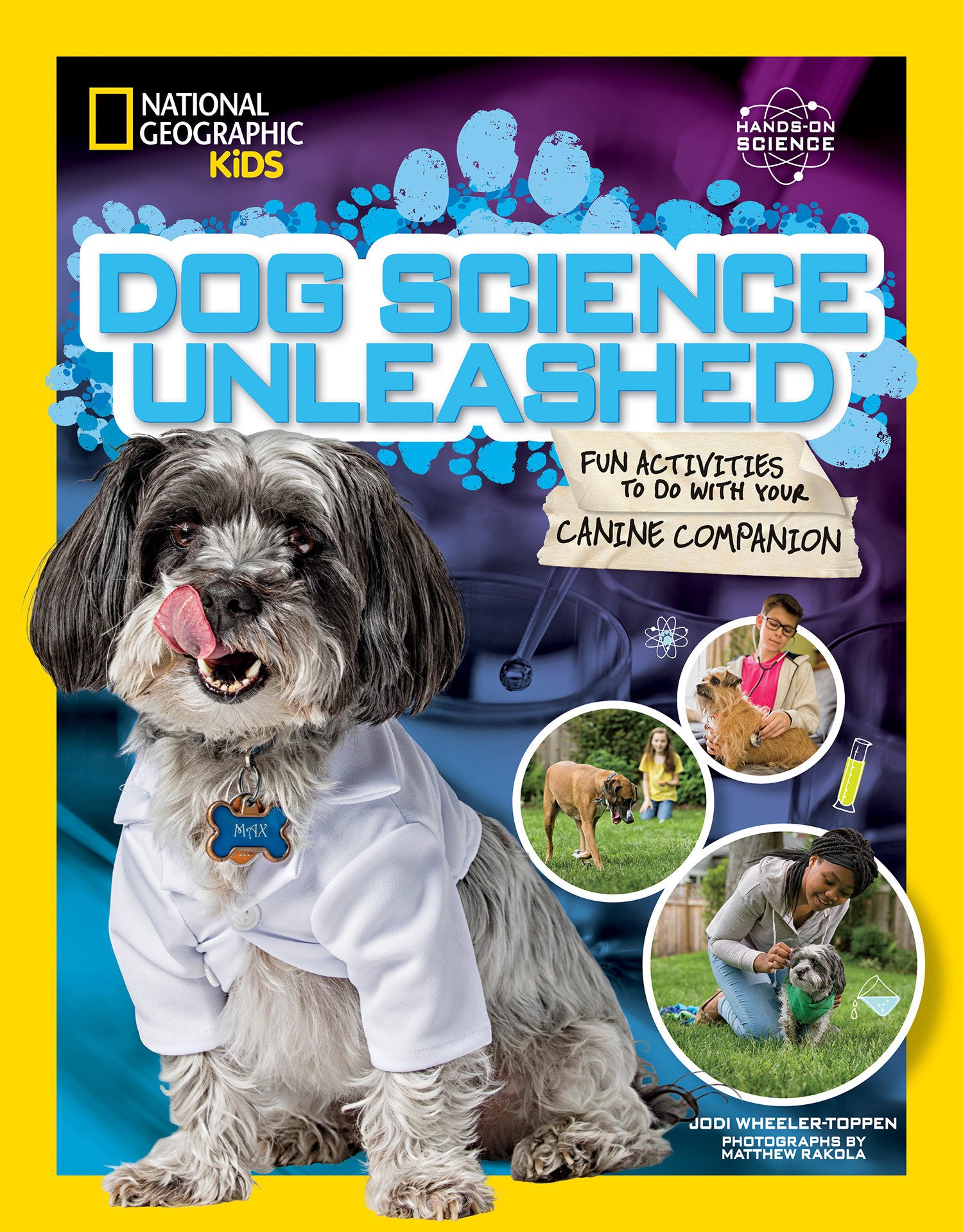
Dog Science Unleashed: Fun Activities To Do With Your Canine Companion, by Jodi Wheeler-Toppen/Photographs by Matthew Rakola, (Aug. 2018, National Geographic Kids), $12.99, ISBN: 9781426331534

Ages 8-13

Dog lovers and science fans will dive right into this NatGeo book that teaches kids all about their canine companions. There are 22 “safe and dog-friendly” activities in this volume, tested by 15 kid scientists and their pups, that will teach readers about their dogs’ senses, fitness, behavior, and grooming habits. There is a big emphasis on safety here, since we are talking about working and playing with dogs: notes to parents and kids remind readers about the importance of safety for humans and dogs alike, and if your dog isn’t into the activity you want to do? Respect the dog and walk away.

Every activity has a difficulty level and approximate active time, so you can gauge your energy and your dog’s energy. (When I’m half asleep first thing in the morning, my pup may be ready for a 15 minute race to see who’s faster, but I can assure you, I am not.) There are great color photos of dogs and humans being scientists together, and great callout facts to be discovered (and now I know why dogs have those slits on their noses). It’s a great way to bond with your dog and spend time learning together. A fun add to your nonfiction books, and a good gift for a dog and his or her human.

Posted in Middle Grade, Non-Fiction, Non-fiction, Tween Reads

When you absolutely need to know Absolutely Everything…

Absolutely Everything! A History of Earth, Dinosaurs, Rulers, Robots and Other Things Too Numerous to Mention, by Christopher Lloyd/Illustrated by Andy Forshaw (Oct. 2018, What On Earth Books), $21.99, ISBN: 9781999802837

Ages 10-14

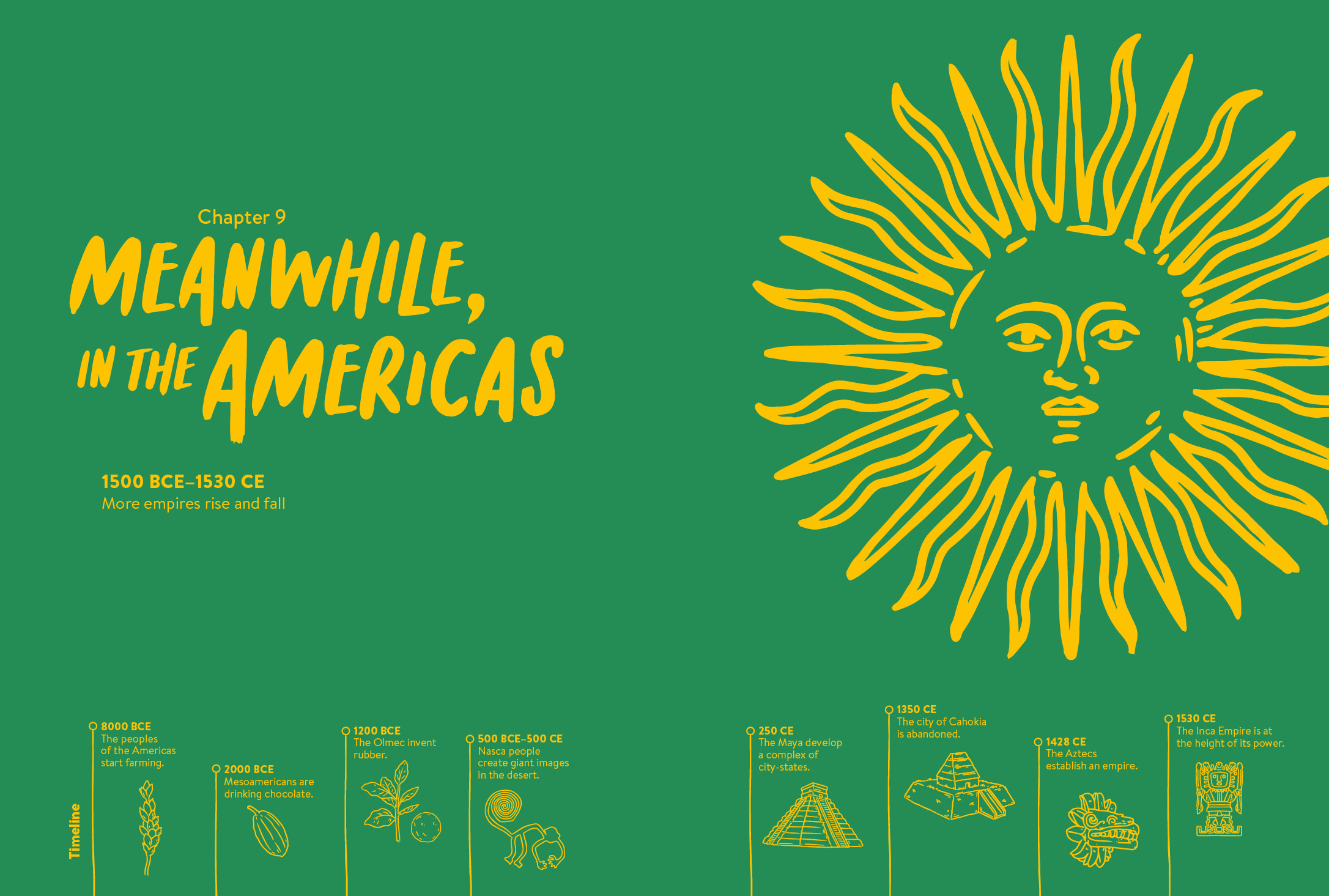
Absolutely Everything is the history of the world, organized into 15 chapters with catchy names like, “Nothing to Something” to describe the Big Bang and formation of the universe; “Meanwhile, in Asia”; “Medieval Misery”, and “To Be Continued”, which takes readers from 1945 to the present. Each chapter and era starts off with a two-page timeline of the time period covered, and is color coded along the page side, so readers can go directly to a desired time period with ease. The text is illustrated with color renderings and photos of animals, galaxies, people, and places.

The text never speaks over kids’ heads or down to them; it’s engaging, smart, and taps into the cool factor of nonfiction by inviting readers to join the author on a journey. Christopher Lloyd uses inclusive, inviting language, whether he’s inviting readers go on an imaginary dive to check out Paleozoic creatures or asking them to imagine our brains as mind-reading technology that helps decode other languages. He makes learning a cooperative activity, and he does it by letting the reader guide his or her own experience. Back matter includes further reading, a glossary, and an index.

Absolutely Everything! is a nice desktop reference for students, and is a good jumping off point for nonfiction readers to find something they like and seek out more. If you have Christopher Lloyd’s Wallbooks, get them up and displayed – those fold-out timelines are great! The What on Earth? activity zone offers free downloadable teacher guides.

Posted in picture books, Preschool Reads

The Stuff of Stars explores the beauty in science, love

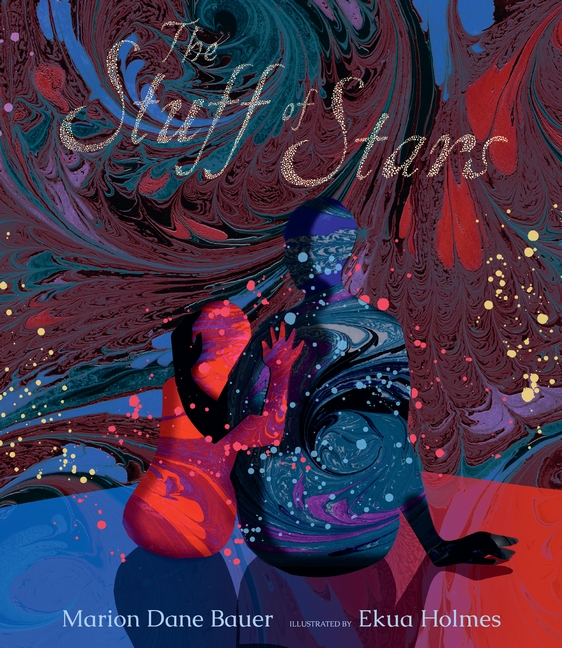
The Stuff of Stars, by Marion Dane Bauer/Illustrated by Ekua Holmes, (Sept. 2018, Candlewick), $17.99, ISBN: 9780763678838

Ages 4-8

“In the dark, in the dark, in the deep, deep dark…” with this opening phrase, Newbery Honor winner Marion Dane Bauer and Caledecott Honor winning illustrator Ekua Holmes create a breathtaking story of the Big Bang, our connection to the stars, and celebrate the miracle of birth.

Marion Dane Bauer’s lyrical verse, set to Ekua Holmes, swirling hand-cut, digitally assembled marbled paper artwork gives readers a sense of being part of something much larger than themselves. The verse cradles readers, carrying them through the waiting, first for the Bang! and its expansions that form the planets and stars; through the formation of our planet and the life upon it, and through more waiting, dreaming, growing… and then a final burst upon the world: a child, made of stardust, breathing the same air, made of the same carbon, that formed the earth so long ago. Finding the figures within the ebb and flow of the greater art spreads cements our connection to the earth and one another. The book leaves me feeling small, yet overflowing with gratitude, every time I read it; whether I’m cuddled with my son, or I’m by myself and just want the comfort of its pages.

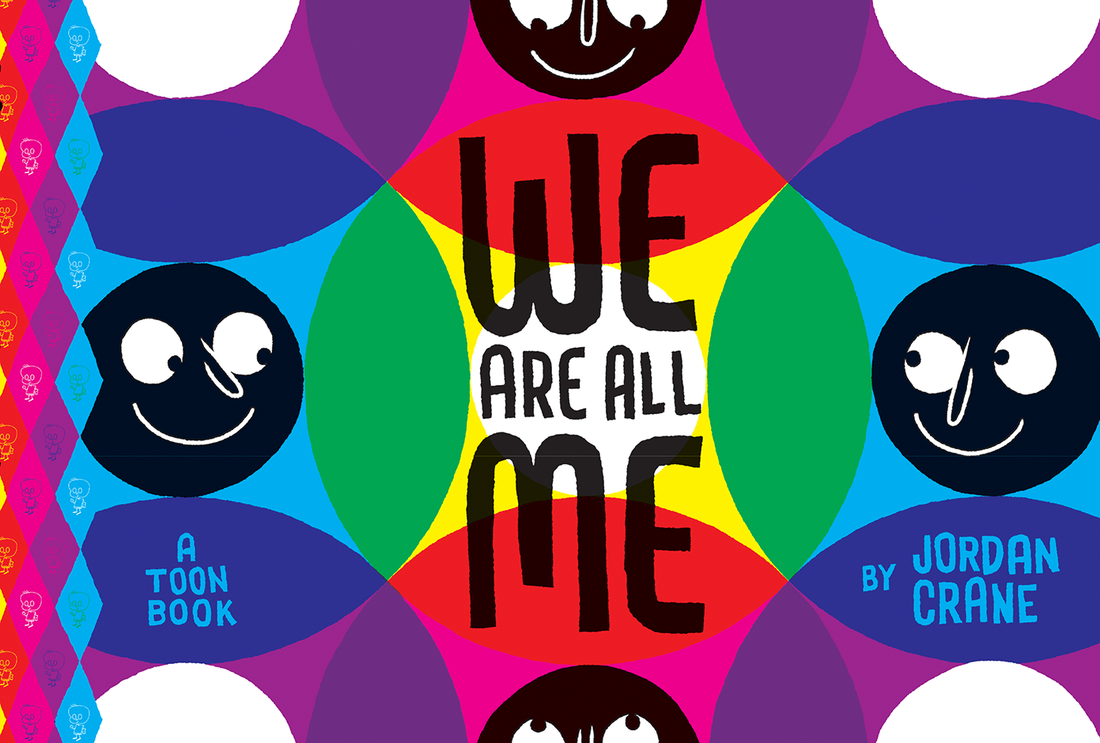
An absolute must-read, and a wonderful addition to picture book collections, fiction or non-fiction. Pair this with Jordan Crane’s graphic novel, We Are All Me, for exciting new takes on the science of life.

The Stuff of Stars has starred reviews from Kirkus, Booklist, and Publisher’s Weekly.

Posted in Early Reader, Graphic Novels, Intermediate, Non-Fiction, Non-Fiction, Preschool Reads

Two from TOON: Fun ways of looking at Math and Science

TOON’s doing it again: promoting authors and illustrators who know how to take abstract concepts and craft them into something exciting, beautiful, and fun. The two Fall graphic novels TOON has coming out: 3×4, by Ivan Brunetti, and We Are All Me, by Jordan Crane, play with multiplication, sorting, and sets; creation, DNA, and our relation to the planet and beyond. Sounds like weighty stuff, right? It is, but here’s the best part: these books are for kids, ages 3 and up. Let’s take a deeper look.

3 x 4, by Ivan Brunetti, (Sept. 2018, TOON Books), $12.95, ISBN: 9781943145348

Ages 3+

A teacher gives his class an assignment: draw 12 things, but in sets. Everything else is up to them: how many sets, what to draw, what colors to use. Annemarie, one of the girls in class, thinks deeply about what to create, as we see her classmates get to work on their sets. The book introduces readers to the beginning principles in multiplication; sorting; and thinking outside the box, as we see through the kids’ assignments. The book is so meta – it’s a math assignment within a math assignment – that teachers can easily use this as a math storytime.

Ivan Brunetti’s previous TOON book, WordPlay, played with language and compound words, and also starred Annemarie, a child of color in a diverse classroom of friends. As an art teacher, he has a gift for seeing things differently, and has the talent to make his ideas fun and relatable to a young audience. My 6-year-old read 3×4 to me, cover to cover, one night, after I read it to him and we worked through all the similarities between events in the book and what he’d done in his Kindergarten classroom the past school year. I’d love to try a math challenge for the kids in my library, asking them to start with 3 x 4, and go from there: make an art gallery and keep switching up the numbers. Have stickers and stamps and other creative materials handy!

3 x 4 has a starred review from Kirkus. As with all TOON books, a free, downloadable teacher’s guide is forthcoming.


We Are All Me, by Jordan Crane, (Sept. 2018, TOON Books), $12.95, ISBN: 9781943145355

Ages 3+

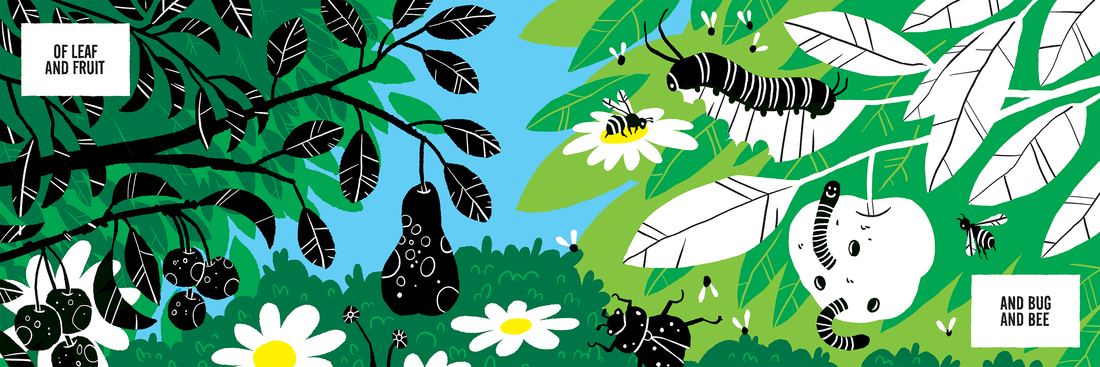
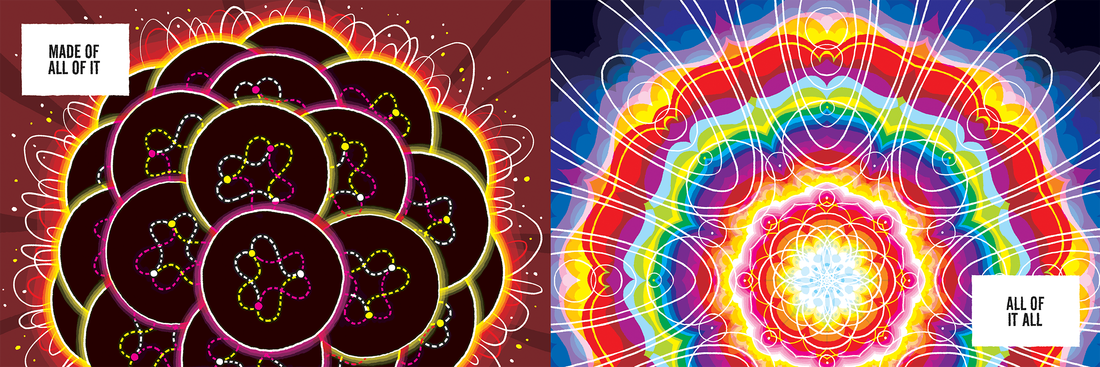
A dot forms and takes readers on a visual journey through existence. As it moves through bodies, nature, DNA, and space, readers experience evolution, our relationship to the Earth, and consciousness, all in vibrant, pulsing, day-glo pen, ink, and tablet artwork. Spare text reads lyrically, almost mantra-like, as we – via the dot – progress through time and space. The visual confirmation that we are connected to this world, and to one another, is exciting and humbling all at once; for young readers, it’s mind-blowing and beautiful. This is one of those books that left me speechless when I first read it, because it’s breathtaking and uses such brief, eloquent verbiage to explain… everything. A stunning must-have for all collections. Own it, and read it. Often.

We Are All Me has a free, downloadable teacher’s guide forthcoming.

Posted in Early Reader, Non-Fiction, Preschool Reads

Baby Loves Science – big ideas for little ones

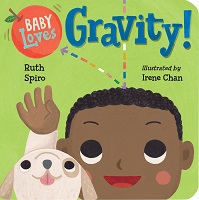
I’m all for introducing science in all its wonderful forms to kids as early as possible, and all about introducing new vocabulary to kids, so science and math don’t scare them as they get bigger. I haven’t read any of the Baby Loves… Science! series by Ruth Spiro and illustrated by Irene Chan, so I started with the two newest books, Baby Loves Gravity! and Baby Loves Coding!

Baby Loves Gravity, by Ruth Spiro/Illustrated by Irene Chan, (June 2018, Charlesbridge), $8.99, ISBN: 9781580898362

Baby drops a noodle, and Puppy gobbles it up. How does that noodle fall? Gravity! Simple enough concept to explain to a toddler, and that’s how Baby Loves Gravity! starts out: simple and relatable. From there, we get a clear explanation of matter, mass, and gravity, and how it works on the sun, moon, and earth’s pull on us here. It’s clear and nicely illustrated, but this is a lot of information, even for toddlers, no matter how simply it’s phrased. I liked the illustrations, was pleased to see a child of color as the star of the show, but would read the beginning and ending, where baby slides down a slide, illustrating gravity, for a toddler STEAM or science storytime. I would rather test this out in a Kindergarten-level science storytime. The board book format makes for easy holding, and the illustrations are large, bright, and easily seen by a circle time group of kids. I could work with a group of kindergarteners, even pre-kindergarteners, in a science workshop using this as a companion text.


Baby Loves Coding!, by Ruth Spiro/Illustrated by Irene Chan, (June 2018, Charlesbridge), $8.99, ISBN: 9781580898843

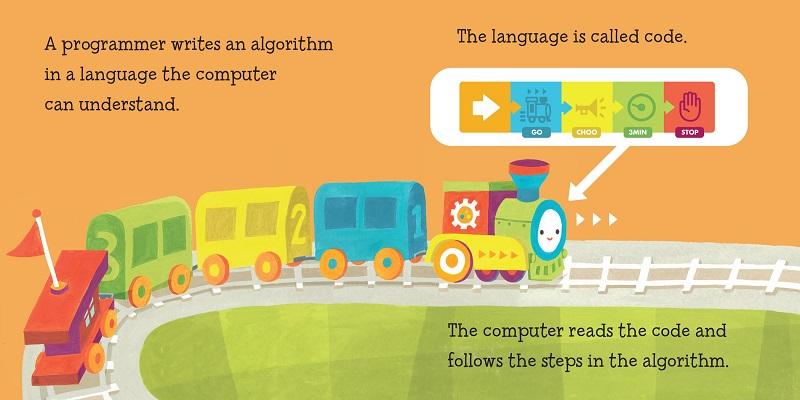
Baby’s playing choo-choo, and wants to add a red car to his train. Let’s follow him as he walks over! Baby Loves Coding features a child of cover on the cover, and is an adorably illustrated, clearly laid out way to introduce coding to kids, but this is also way above a little one’s head. The first few spreads, explaining how baby walks to the toy box, are great – you can get kids up and moving along with you on this one – but the text launches into an explanation of algorithms, programmers, and reading code, and this is just going to lose little ones. The pictures do all the work here, illustrating, with colorful interlocking blocks, how code fits together, like the cars of a train. I do love the explanations and the artwork, and the idea of getting kids up and moving works with CS Unplugged activities I’ve done in my library. I’ve used Code.org’s curriculum; CS Unplugged also has some great lesson plans and printables.

My advice? Use these with your pre-k and Kindergarten science storytimes. They’re great books for the right age.

Posted in Early Reader, Intermediate, Non-Fiction, Non-Fiction, picture books, Preschool Reads

Nibbles Does Nonfiction! Nibbles: The Dinosaur Guide!

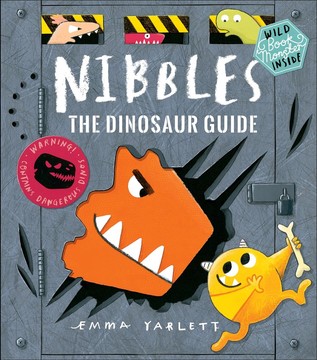
Nibbles: The Dinosaur Guide, by Emma Yarlett, (March 2018, Kane Miller),  $16.99 ISBN 978-1-61067-643-4

Recommended for readers 4-8

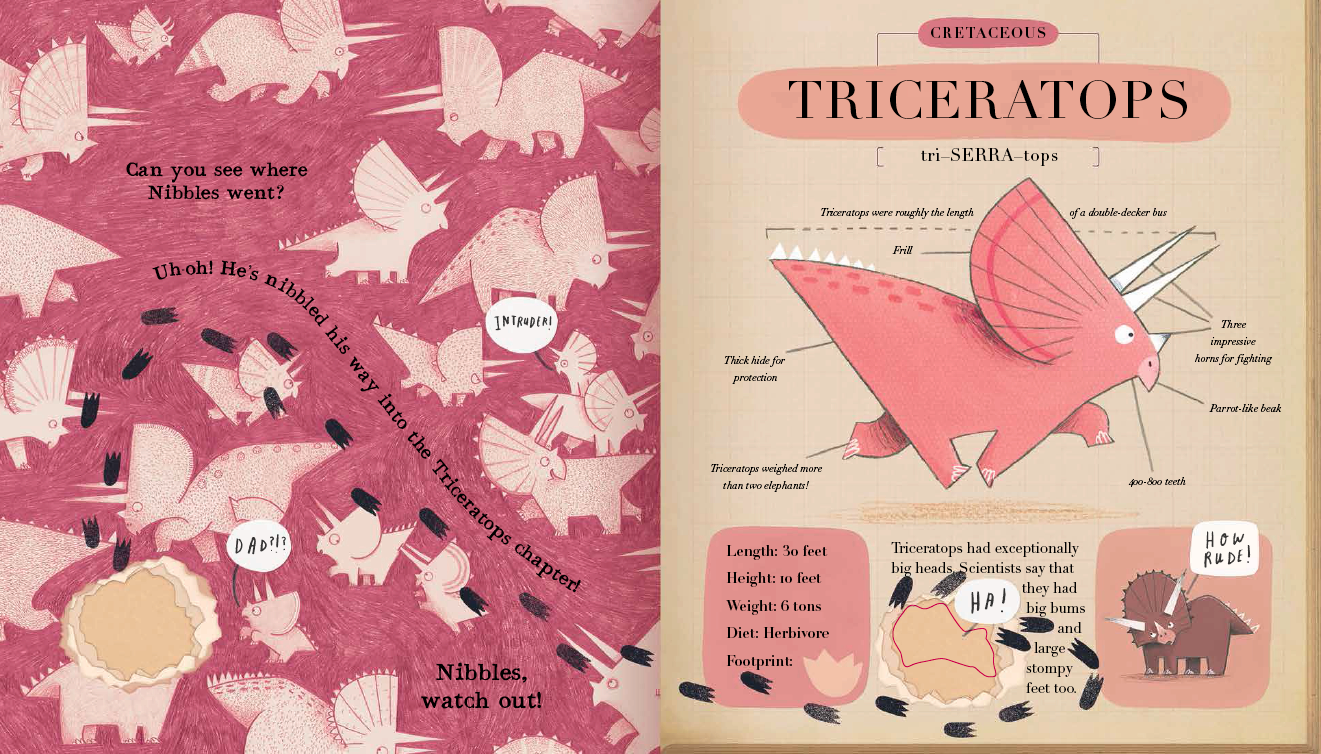
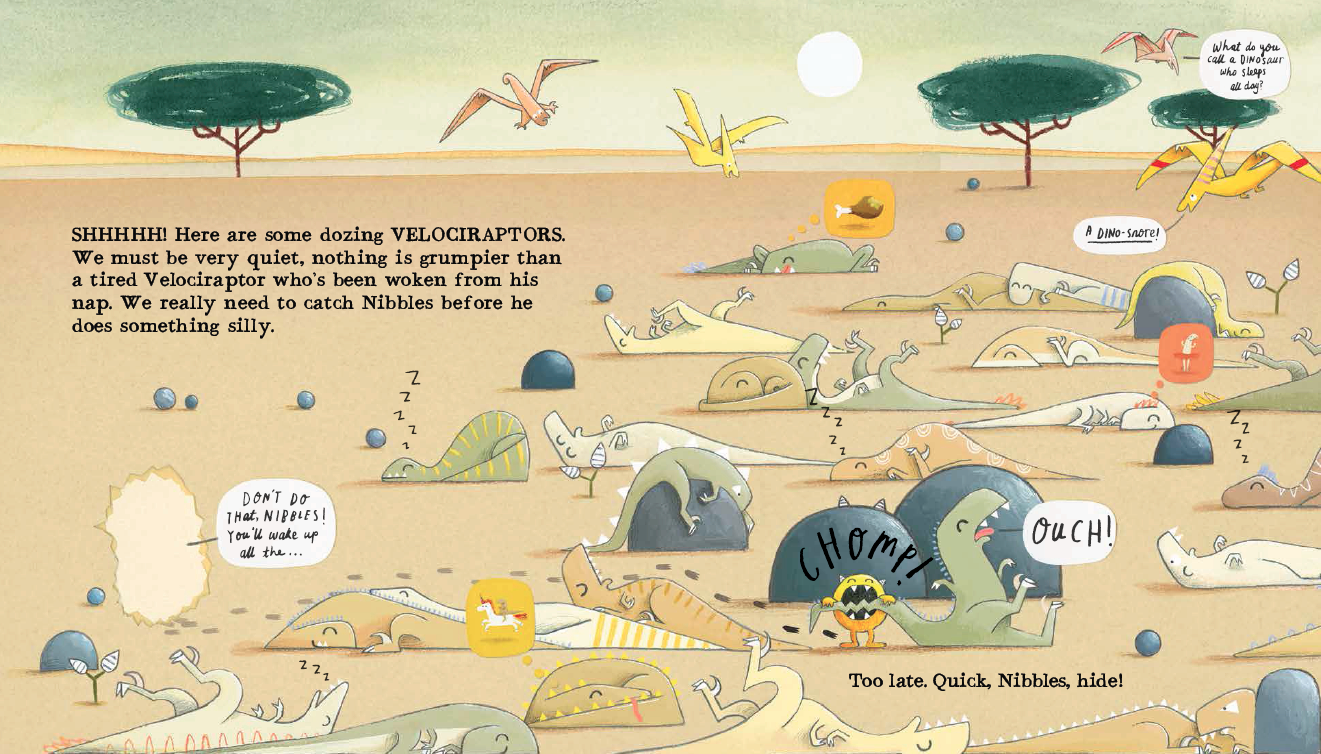
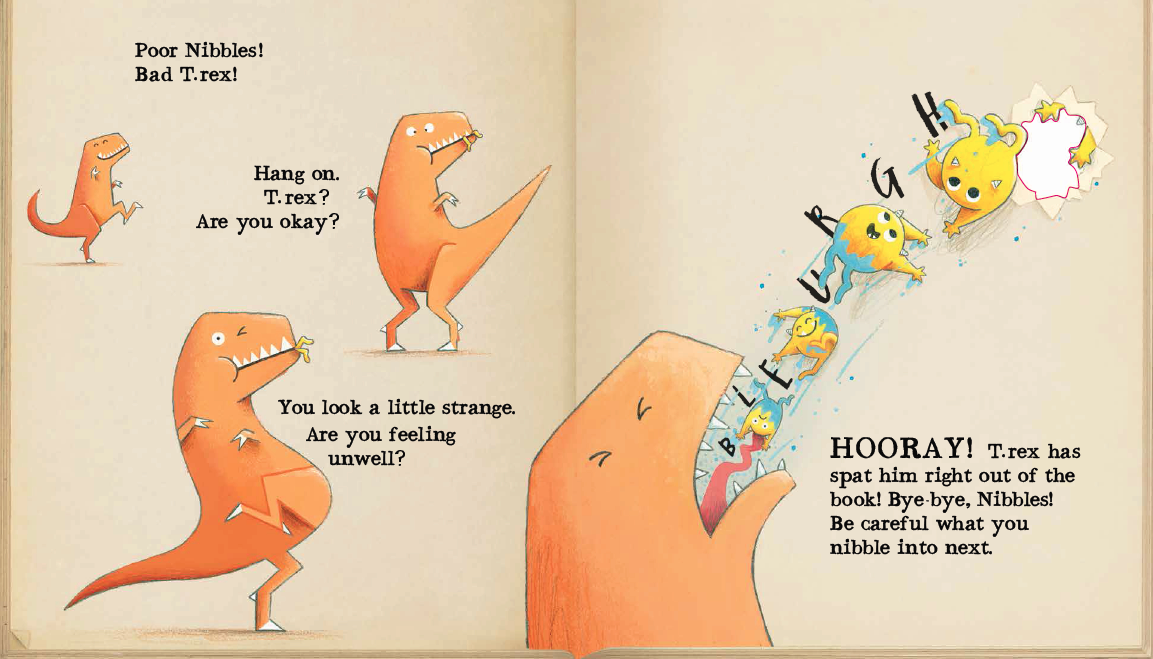
Nibbles the Book Monster is a HUGE celebrity in my home, in my storytime, and now, in my kiddo’s classroom. More on that in a sec. So, Nibbles is a little yellow monster who loves to nibble books. In his first adventure, he nibbled his way through some fairy tales, but he wanted more. Enter Nibbles: The Dinosaur Guide, which combines solid nonfiction dinosaur information, including eras, scientific names (with pronunciation), and fast facts. This is no regular dinosaur book, though: Nibbles is on another adventure, chomping and nom nom-ing his way through the prehistoric era, irritating dinosaurs and spreading mayhem as he goes! Will Nibbles end up on the menu this time?

Nibbles: The Dinosaur Guide is full of the same flips and bite-sized page nibbles that makes the first book so much fun to read. Add to that, the hilarious bodily functions of dinosaurs (did you know that a single diplodocus fart could power a hot air balloon? You do now!) and a laugh-out-loud interaction with a T-Rex, and you have a dino book that kids will come back to again and again.

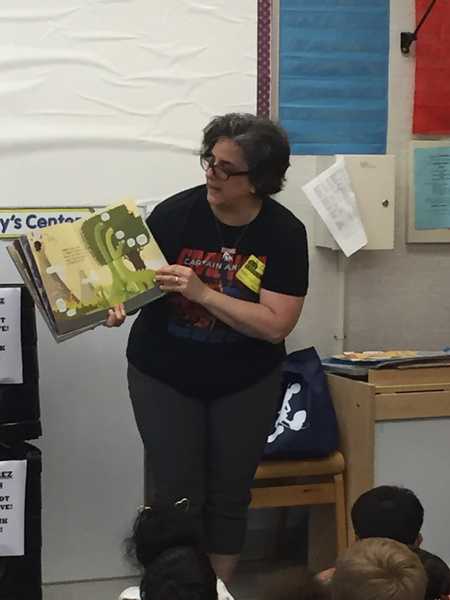
Now the fun part: I brought Nibbles: The Dinosaur Guide to my son’s kindergarten class for a storytime visit. The kids had a choice of books, and Nibbles got the overwhelming vote, so we got into circle time on the carpet and I read the story. The screaming. The hilarity. It was controlled pandemonium, and I loved every second of it. The best part of the visit was my reading the phrase, “I am the Prince of Parps!” (polite British speak for ‘fart’) and the one Scottish kid in my son’s class burst out laughing; his classmates said, “What’s a parp?”, so I looked at him and nodded. He proudly pronounced, “IT”S A FART!” and the class lost their minds. That, my friends, is how you embrace storytime.

Need more Nibbles in your life? Who doesn’t? Author Emma Yarlett’s webpage has printable activities aplenty. Go make a Nibbles bookmark!

Rocking Nibbles in the classroom

Posted in Intermediate, Middle Grade, Middle School, Non-Fiction, Non-fiction, Non-Fiction, Tween Reads

BIG Summer Nonfiction Reads Roundup!

From sharks, to space, to stories of survival in the wild, I’ve got books for all sorts of nonfiction tastes! Let’s start with the oogie stuff and go from there.

They Lost Their Heads! What Happened to Washington’s Teeth, Einstein’s Brain, and Other Famous Body Parts, by Carlyn Beccia, (Apr. 2018, Bloomsbury), $18.99, ISBN: 9780802737458

Recommended for readers 10+

If you have readers who loved Georgia Bragg and Kevin O’Malley’s books, How They Croaked: Awful Ends of the Awfully Famous, and How They Choked: Failures, Flops, and Flaws of the Awfully Famous, this is a home run! Learn what happened to the famous body parts of 17 famous folks, and pick up some knowledge about other body parts and how they influenced science medicine. If you’ve ever ever wanted to know what happened to Thomas Edison’s last breath or Van Gogh’s missing ear, this is the place to go. You also learn cool stuff like what rots first after you die (psst… it’s the intestines). Loaded with black and white drawings, funny footnotes, sources, an index, and a bibliography. This one’s a hit for upper elementary readers, all the way through high school. They Lost Their Heads! has a starred review from Booklist.

StarTalk with Neil DeGrasse Tyson (Young Readers Edition), by National Geographic, (March 2018, National Geographic), $17.99, ISBN: 9781426330872

Recommended for readers 10+

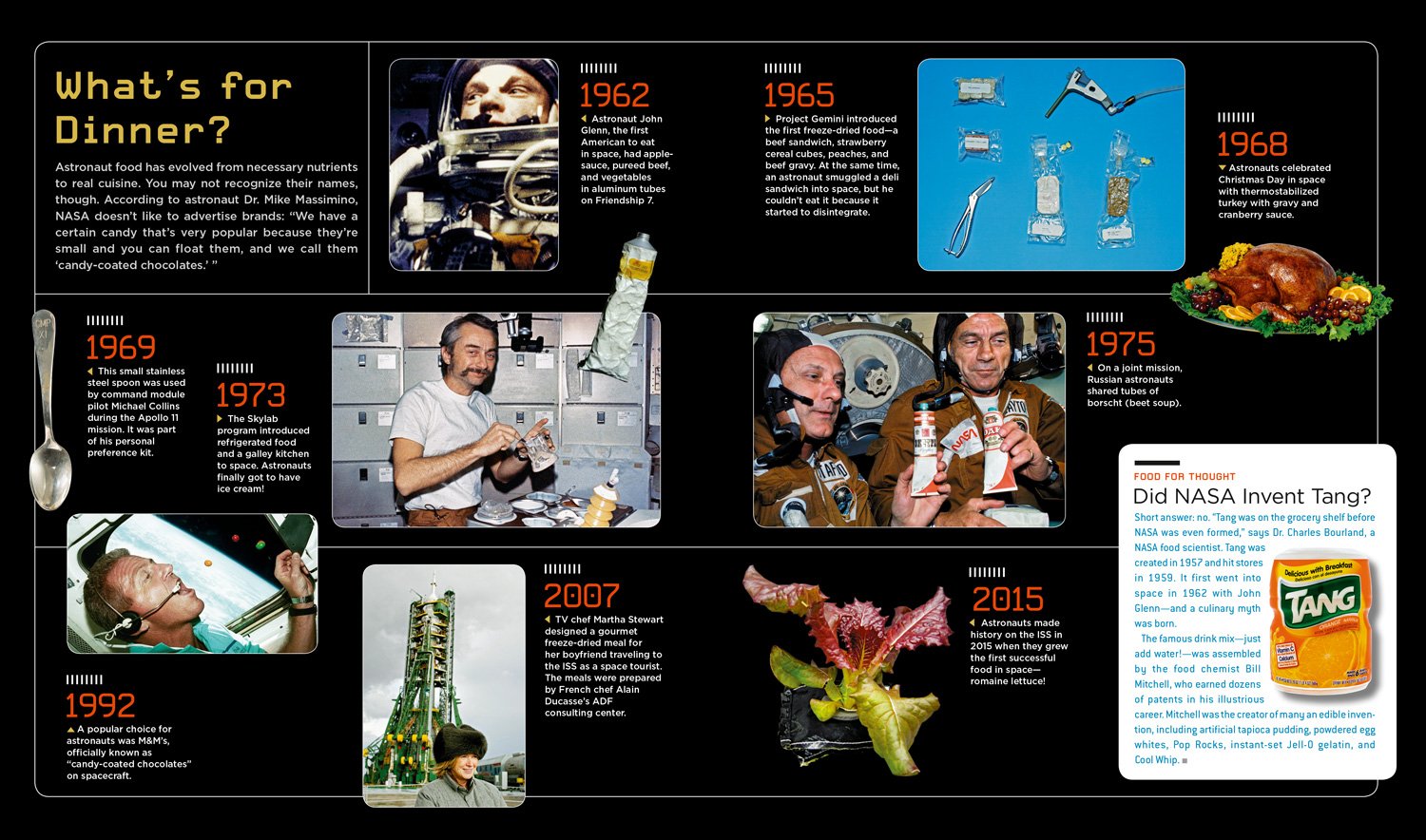
I LOVE Neil DeGrasse Tyson and evangelize his StarTalk Radio podcast any chance I get. (Seriously, it’s great stuff.) NatGeo’s Young Readers edition of the StarTalk book is must-booktalk summer reading. Get your Summer Reading budget and buy some astronaut ice cream; while you and the kids feast, read the section on why you can’t get a pulled pork sandwich in space; find out what the Vomit Comet is; and read mini-bios on scientists like Carl Sagan. Not so much with the food? There are also sections on zombies and superheroes. Debate the eternal question: Could the Death Star really blow up a planet? There’s so much to discover in this book that every kid is darn near guaranteed to find something to interest him or her. (Psst… get an extra copy for yourself. You’ll thank me.)


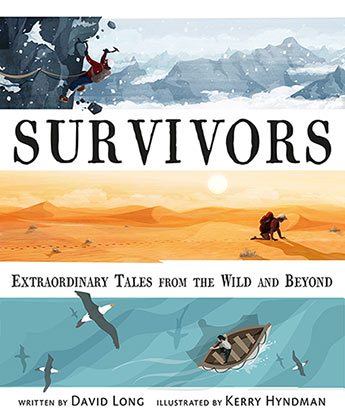
Survivors: Extraordinary tales from the Wild and Beyond, by David Long/Illustrated by Kerry Hyndman, (Sept. 2017, Faber & Faber), $19.95, ISBN: 9780571316014

Recommended for readers 9-13

Do you know fans of Lauren Tarshis’ I Survived series? I’ve never been able to keep those books on the shelves, no matter which library I’ve been at. Middle graders go berserk for that series, and they’ll LOVE this oversized, illustrated anthology of true survival tales. There are 23 stories in here; the most famous being explorer Ernest Shackleton, who saved his crew when a 1914 Antarctic expedition put their lives in danger. There’s also the story of Hugh Glass, a “fur trapper and adventurer” who made the critical error of surprising a mother bear and her cubs by the Missouri River in 1823, or Mauro Prosperi, a runner competing in the 1994 Marathon of the Sands through the Sahara Desert, found himself in the middle of a sandstorm. Not crazy enough for your readers? There’s also a Hollywood pilot who crashed INSIDE a Hawaiian volcano in 1992. The stories are fast-paced, beautifully illustrated in color, and are perfect for adventure fans. Best part? All the stories are TRUE.


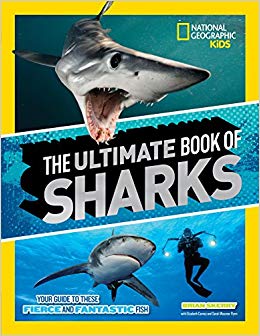
The Ultimate Book of Sharks, by Brian Skerry, Elizabeth Carney, & Sarah Wassner Flynn, (May 2018, National Geographic Kids), $19.99, ISBN: 9781426330711

Recommended for readers 7-13

Kids love sharks. This is a fact. The Ultimate Book of Sharks has all the info and pictures your shark-loving fans crave, just in time for Shark Week, which kicks off on July 22 (get your printables and programs lined up – I’ll do a separate post about Shark Week as it gets closer). The NatGeo folks bust myths about sharks, give us a look at shark anatomy, and – as always – provide loads of information about conservation and preservation, and how we can all help keep sharks, and our waters, safe and clean. This volume is chock full of fast facts and lists, with Up-Close Encounters, where marine wildlife photojournalist and author Brian Skerry shares some of his stories with readers. There’s an index at the end. This volume is an absolute must-add to your science and nature collections.


Red Alert! Endangered Animals Around the World, by Catherin Barr/Illustrated by Anne Wilson, (July 2018, Charlesbridge), $17.99, ISBN: 9781580898393

Recommended for readers 7-11

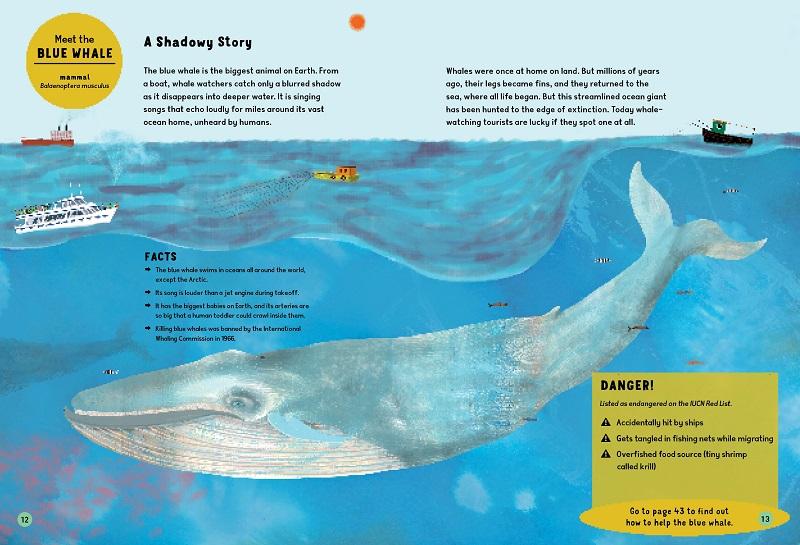
This is such a fun book. Think of a Choose Your Own Adventure about endangered animals, and you’ve got Red Alert! Red Alert! profiles 15 animals on the International Union for Conservation of Nature’s (IUCN) list. A beginning note explains the organization’s “Red List”: a list of endangered plants, animals, and fungi, and lists some of the categories mentioned in the book. Colorful endpapers start the fun: the first, a map of the world, with the 15 profiled animals drawn into their world regions; final endpapers highlight a plethora of endangered animals. From here, readers can pick a place to explore: deserts, forests, mountains, grasslands, rivers, or oceans; pick a creature from each of these regions, and go to its page to read further. You can also read the book straight through. Spreads include the animals’ scientific names, facts, endangered category, and factors contributing to the endangerment of the species. A section at the end provides resources for more information on taking conservation action. A solid introduction to environmental action for younger readers.


National Geographic Kids Almanac (2019 Edition), (May 2018, National Geographic Kids), $14.99, ISBN: 9781426330131

Recommended for readers 8-13

Another guaranteed must-have from NatGeo Kids, this latest edition of their Kids Almanac shows readers a baby animal “tweet-off” between several zoos and aquariums (it’s from 2017, but who doesn’t want to revisit that simpler, lovelier time?), talks about updates in robotics and technology, dwarf planets, and has a Special Gross Edition of their Just Joking feature. Facts, quizzes, updated maps and stats, and homework help ideas all in one volume? This is one desk reference every kid should have – put one on your shelves, and keep one in your reference area, to be on the safe side.


How’s that for a start? Next time a kid comes in, stressed about needing a nonfiction book, consider yourself ready.

Posted in Middle Grade, Non-fiction

Get Ready for STEM Summer!

Sure, many libraries are doing the “Libraries Rock!” theme for Summer Reading, but that’s no reason to leave science out of the fun! I’ve got a bunch of STEM books that you’ll want to get in front of (or create programs using) your readers to have fun with this summer. Careers, facts, bios, and, most fun of all, experiments, await!
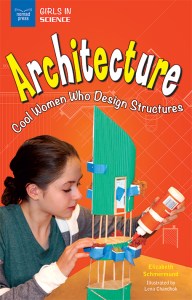
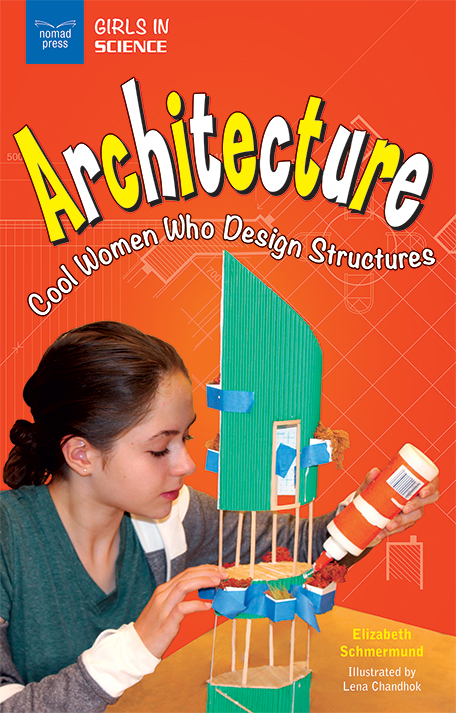
Architecture: Cool Women Who Design Structures (Girls in Science series), by Elizabeth Schmermund/Illustrated by Lena Chandhok, (Aug. 2017, Nomad Press), $9.95, ISBN: 9781619305465

Recommended for readers 9-13

I’m always looking for good career books, because I weeded my current section when I first got to my library. I really liked this book, and I’m looking forward to reading and putting more of the Girls in Science series in my book cart for future purchases. Architecture is divided into four color-coded sections: the first, a general overview of architecture; the history, styles, what the profession is like today and how to prepare for study in architecture, and women in the profession. The next three sections are devoted to profiles of a diverse group of women architects: Patricia Galván, a Project Manager; Farida Abu-Bakare, an intern architect who’s in the process of writing her exams and works with science and technology; and Maia Small, who owns and operates her own small architecture firm. In addition to the profiled female architects, there are brief bios on other women in the field. Ask & Answer sections provide thought-provoking questions, many beyond the basic material, for readers to consider. QR codes in callout sections provide links to more information. The overall narrative, and each profiled professional, addresses the gender gap and even larger diversity gap in the industry. Back matter includes a timeline of the profession, all the Ask & Answer questions in one place, a glossary, further resources, including written-out links to the QR code sections, and an index.
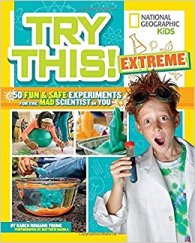
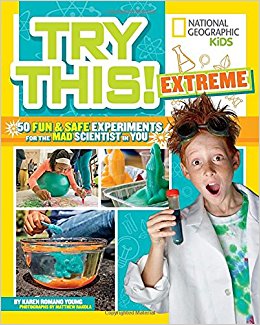
Try This! Extreme: 50 Fun & Safe Experiments for the Mad Scientist in You, by Karen Romano Young/Photographs by Matthew Rakola, (Sept. 2017, National Geographic Kids), $16.99, ISBN: 9781426328633

Recommended for readers 8+

The best part about science, I tell the kids in my programs and class visits, is making a mess, yet, no one gets mad at you (mostly). What better time to be a mad scientist than in the summer, when it’s beautiful out and you can open those windows to offset any stinky experiements? The book starts off with safety instructions and photos of the kid (and dog) scientists who tested out the 50 experiments waiting to be discovered in Try This! Extreme. Each experiment has a safety rating, a who you need rating (i.e., an adult, just you, or maybe grab a friend), and supervision rating; each experiment also lays out concepts explored, approximately how long it will take, what you need, and a step-by-step guide through the process, accompanied by full-color photos. There are callout facts, questions to ask yourself, and key terms defined throughout. Conduct a bioblitz (exploration) in your yard or a park, learn physics using marshmallow Peeps, or check the weather forecast and aim for a game of masking tape hopscotch when there’s rain predicted. There are bonus mini-experiements, Science Fair experiment prompts and guidance, K-12 science standards and how each experiment corresponds to them, an index, and metric conversion tables. Enjoy!

The STEM Quest Series from Barron’s Educational is a brand new series broken out into four books, loaded with facts and experiments:
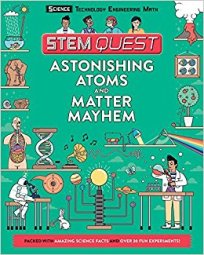
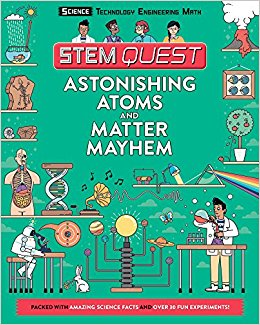
STEM Quest Science: Astonishing Atoms and Matter Mayhem, by Colin Stuart/Illustrated by Annika Brandow, (May 2018, Barron’s Educational), $10.99, ISBN: 9781438011363

Recommended for readers 8+

This volume looks at the organic side of things: biology, chemistry, physics, earth and space sciences, biochemistry, biomedicine, and biotechnology. Each section guides readers through full-color illustrated discussions on each area and includes experiments to ramp up the fun. Kids will LOVE the Marshmallow Molecules – you need a bag of marshmallows, a box of toothpicks or wooden skewers (me? I’d go with the toothpicks, but I’m in a public library), and some compound formulas. Let kids make their own formulas up and watch the fun begin! I’ll save you the search: this is where you can find the chemical compounds for farts. It’s the American Council on Science and Health’s website, so they did this for science. You’re welcome. Littler ones can make their own sundial, or spot a constellation. There are scientist profiles and fantastic facts throughout, plus a glossary and an index.
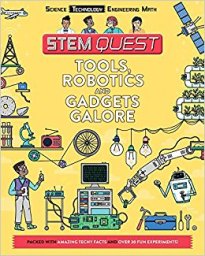
 

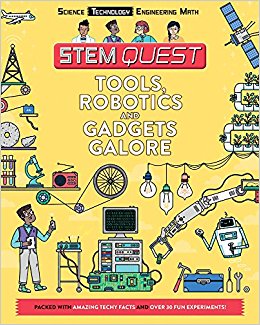
STEM Quest Technology: Tools, Robotics, and Gadgets Galore, by Nick Arnold/Illustrated by Kristyna Baczynski, (May 2018, Barron’s Educational), $10.99, ISBN: 9781438011370

Recommended for readers 8+

This volume looks at the techy side of life: construction, power and energy, agriculture and biotechnology, manufacturing, information and communication, medical and biomedical, and transportation. Learn about the evolution of tools, from the earliest hand tools to robots and space suits. Learn how a blast furnace works, and make your own plastic (adult helpers necessary), and learn how it works. Get your Project Runway on, with a section on textiles: you’ll learn to weave, tie dye, and ink print. For your more tech-inspired readers, there’s an easy Try This at Home experiment that teaches (with adult help) how to build a circuit, or how to magnetize a nail. There are great programming ideas in here: I think I’m going to look into building a planet and designing a space station, all of which can be done on a shoestring and with adult help. And since I’m the closest thing resembling an adult in the room… well, I guess that falls to me. The same format applies here (and to all of the STEM Quest books): bios on prominent scientists, loads of facts and illustrations, a glossary, and an index.
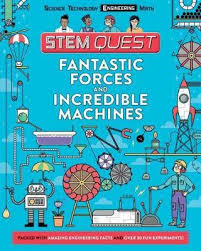
 

STEM Quest Engineering: Fantastic Forces and Incredible Machines, by Nick Arnold/Illustrated by Kristyna Baczynski, (May 2018, Barron’s Educational), $10.99, ISBN: 9781438011349

Recommended for readers 8+

Next up, engineering: systems and mechanics; materials and processes; biology, medical, agriculture and chemistry; structures; and sustainability engineering. Get the kids learning about forces and energy with experiments like Superhero Paper Clips, where they’ll make a paper clip float; a material scavenger hunt, inviting them to look around for everyday items made out of different materials; get out the old reliable straws and pipe cleaners and let them create 3-D shapes to see how they hold up under pressure, or that summer staple, the pinwheel. (The book suggests dowels; I’m here to tell you that chopsticks are a lot cheaper and just as easy to use.) There’s a great section on environmental engineering that will have you and your readers figuring out how to clean up our environment and a nuclear power lesson that has the simplest of experiments: use the sun’s nuclear energy to test your sunscreen on a piece of construction paper.
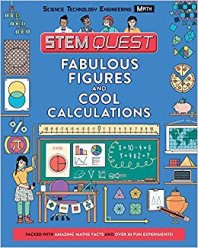
 

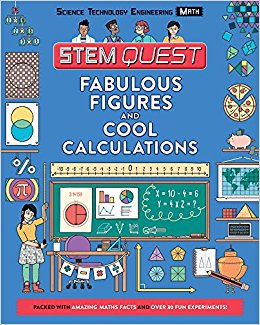
STEM Quest Math: Fabulous Figures and Cool Calcuations, by Colin Stuart/Illustrated by Annika Brandow, (May 2018, Barron’s Educational), $10.99, ISBN: 9781438011356

Recommended for readers 8+

I’m trying to get more math-related fun in front of my library kids, because it scares the bejesus out of me and I don’t want to pass that on. The parents love a good math program, too, so I know I’ll get buy-in from the community on this one. Here, we’ve got numbers and operations; measurement; problem-solving, logic and reasoning; geometry; algebra; advanced math; data, analysis and probability; and communication. I will admit that just looking at that section scared the life out of me, but once I started reading, I quickly warmed up. There are great explanations of each concept in here, addressing the quick and easy stuff like place value and column addition and subtraction, and heading all the way into bigger ideas like proofs and binary. Fun experiments and activities include a pirate treasure challenge, where, as a pirate captain, you need to use math to calculate the best place to bury your treasure; creating 3-D art and making pyramids, and averaging Olympic judge scores.

That’s a start for some STEM summer fun, but make sure to get your STEM sections and displays up and running to give readers readalikes and ways to expand on what they’re learning. The Secret Coders graphic novel series by Gene Luen Yang and Mike Holmes is great for Math and Tech fans, who want to play with coding. Science Comics has books about rockets and robots that will fit nicely with STEM displays, and I’m a big fan of the Junk Drawer Science series by Bobby Mercer. There are tons of fun STEM-related books out there!

Posted in Graphic Novels, Non-fiction

Two more Science Comics coming your way this Summer!

Science Comics is adding two more titles to their line this summer, just in time for Summer Reading!

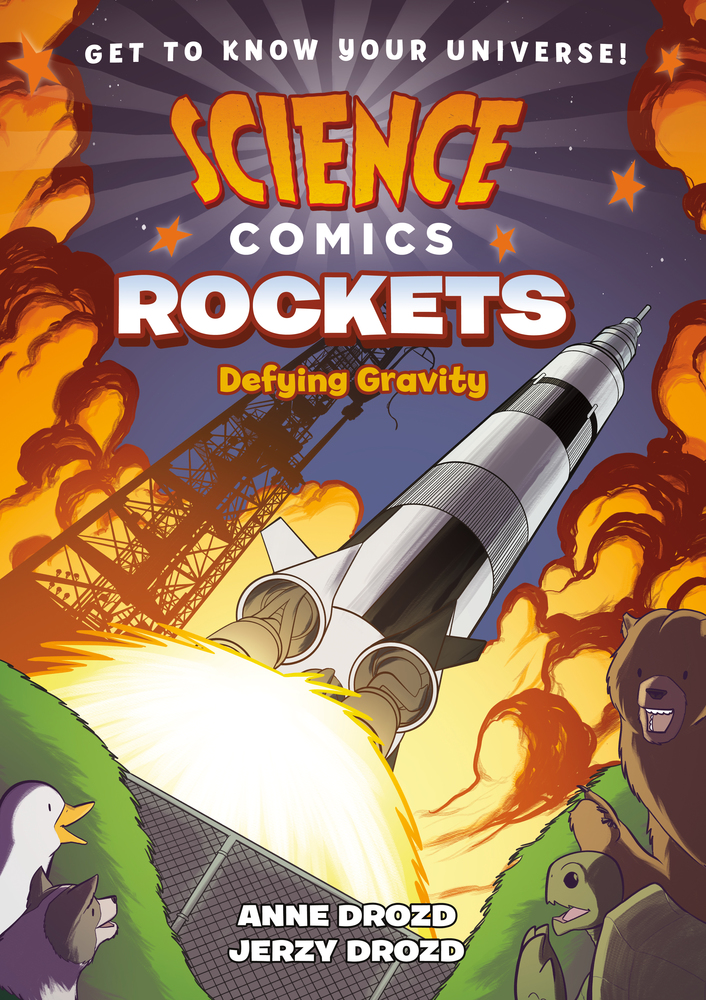
Science Comics: Rockets – Defying Gravity, by Anne Drozd & Jerzy Drozd, (June 2018, First Second), $12.99, ISBN: 9781626728257

Recommended for readers 8-12

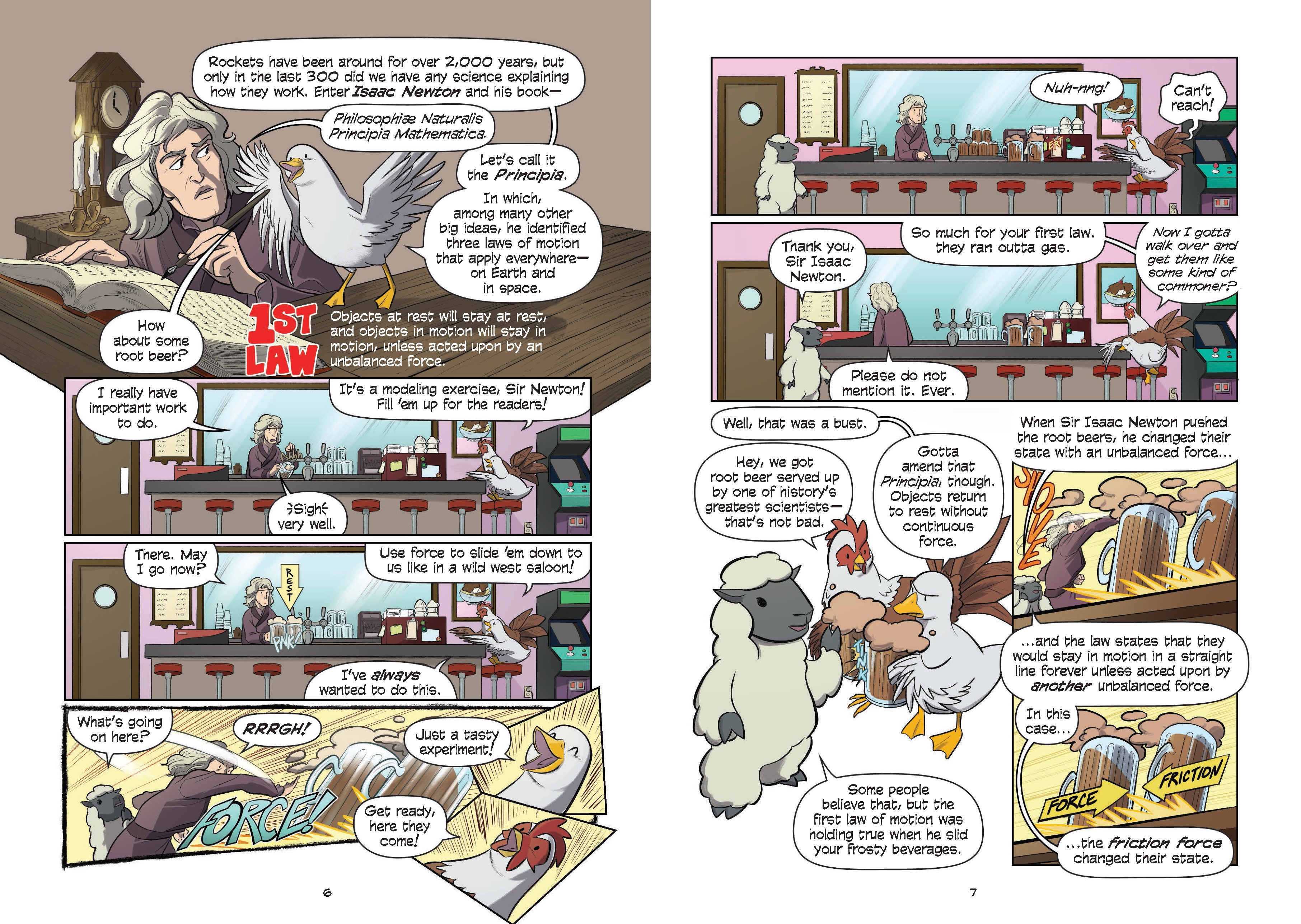
In June, we get a deeper look at Rockets. Readers get a guided tour by an early rocket prototype in the form of a pigeon (nope, no joke) and take a trip through the history of gravity, force, acceleration, Newton’s Laws of Motion, and the history of rockets past, present, and possible future. Readers are going to love seeing the evolution of rockets from steam-powered to jet-fueled and beyond. The many animals that have been part of our space programs get their say, here, too: from bears, to chimpanzees, to dogs, and more, there are full-color spreads loaded with colorful illustrations and packed with information. Resources at the end of the book are ready to guide interested readers.

If you haven’t enjoyed Jerzy Drozd’s comics before, you are in for a treat. His work for the Marvel Superhero Squad game is great, and he’s got a kid-friendly webcomic, Boulder and Fleet, on his page. Anne Drozd is a librarian and space enthusiast, so you know she’s got the goods.


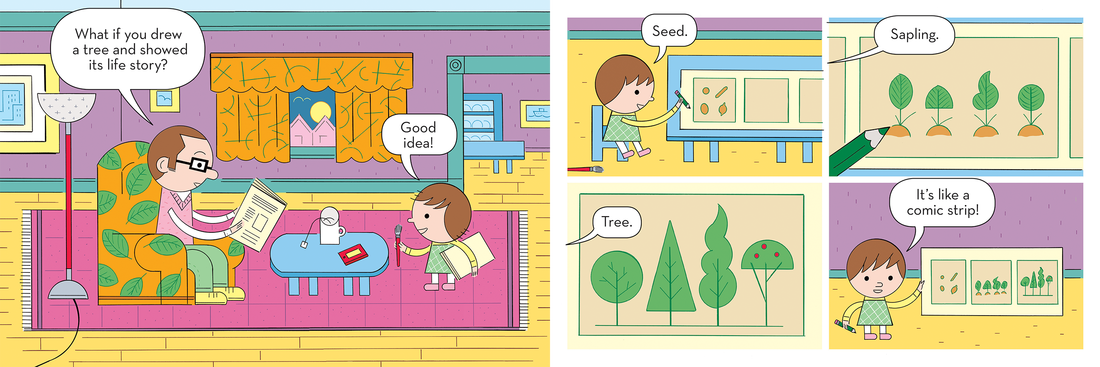
Science Comics: Trees, by Andy Hirsch, (Aug. 2018, First Second), $12.99, ISBN: 9781250143105

Recommended for readers 8-12

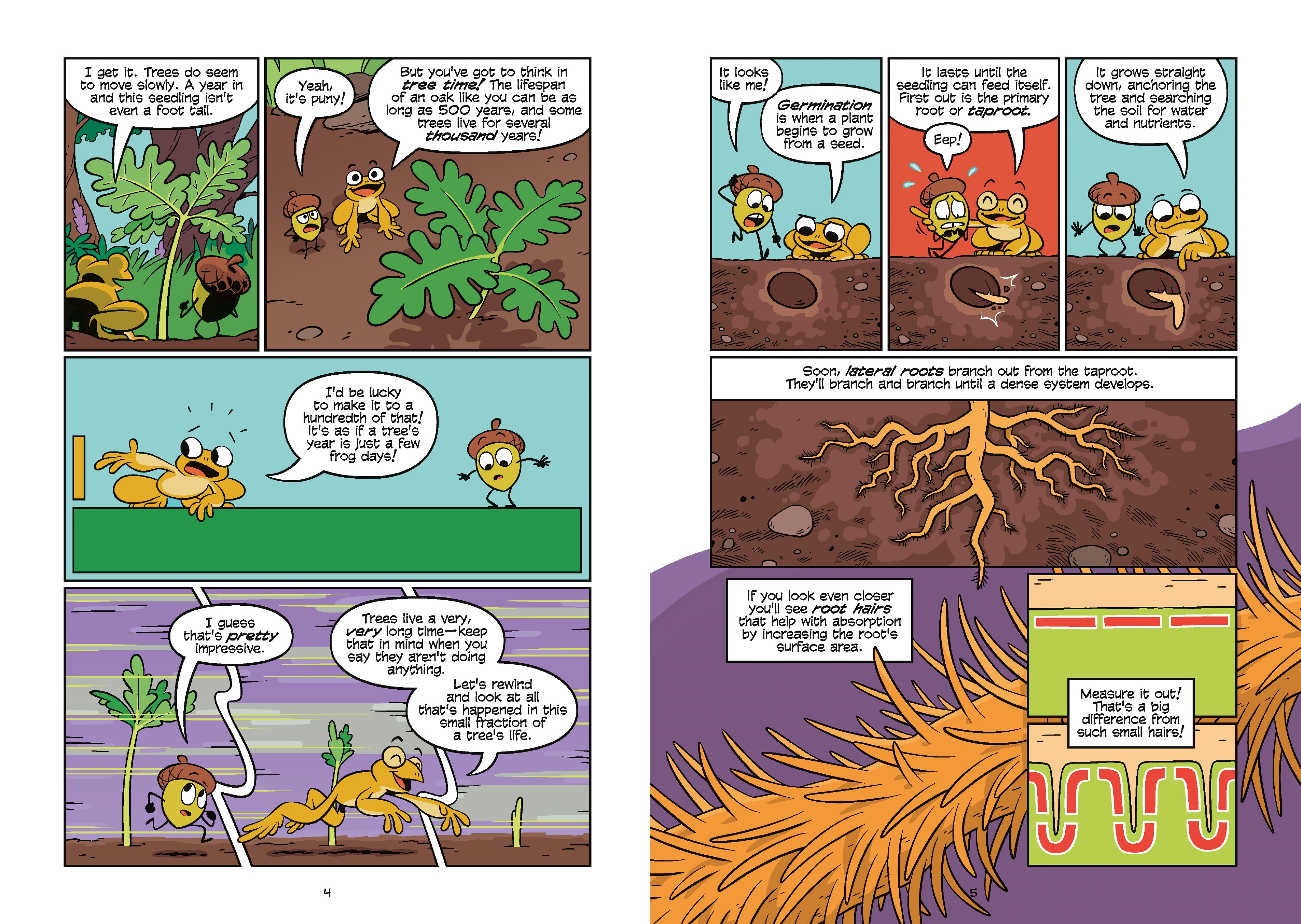
In August, we meet a little acorn on his journey to become a mighty oak in Trees. Kids interested in nature and ecology will love this brightly illustrated, fact-filled journey through nature, learning about different types of trees and how they are living, breathing beings that work with and contribute to their environment. This volume has a fun sense of play about it, with a spunky little friend to follow through nature. I just wish this one were out earlier, so I could feature it when I start my planting program in a few weeks – the illustration and discussion on how seeds always know which way to grow is amazing!

If you enjoyed the Dogs Science Comic, or read Varmints, you may recognize Andy Hirsch’s work. You can also visit his website, A for Andy, for more illustrations.