Posted in Middle Grade, Non-fiction, Tween Reads

STEAM into Summer!

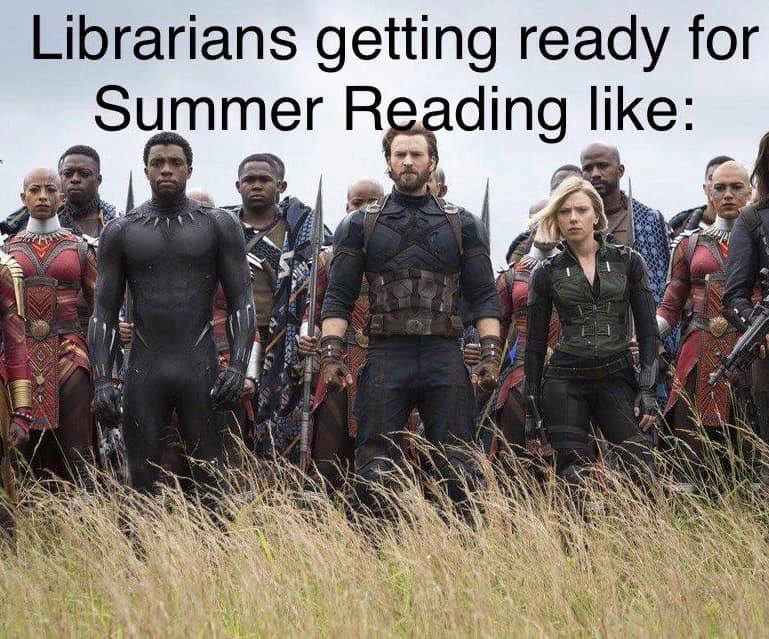
Summer Reading is the best – and craziest – time for librarians. We’re planning intense levels of programming, ordering books and putting lists together like mad, and just waiting for that last day of school, when the kids will storm the library like… well, let the Avengers tell you.

It’s real.

NatGeo Kids was kind enough to send some books my way to check out and talk up for my STEM programs this summer. Let’s take a look!


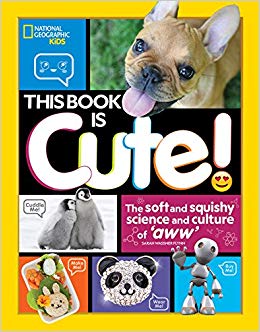
This Book is Cute! The Soft and Squishy Science and Culture of Aww, by Sarah Wassner Flynn,
(March 2019, National Geographic Kids), $12.99, ISBN: 9781426332944
Ages 5-12

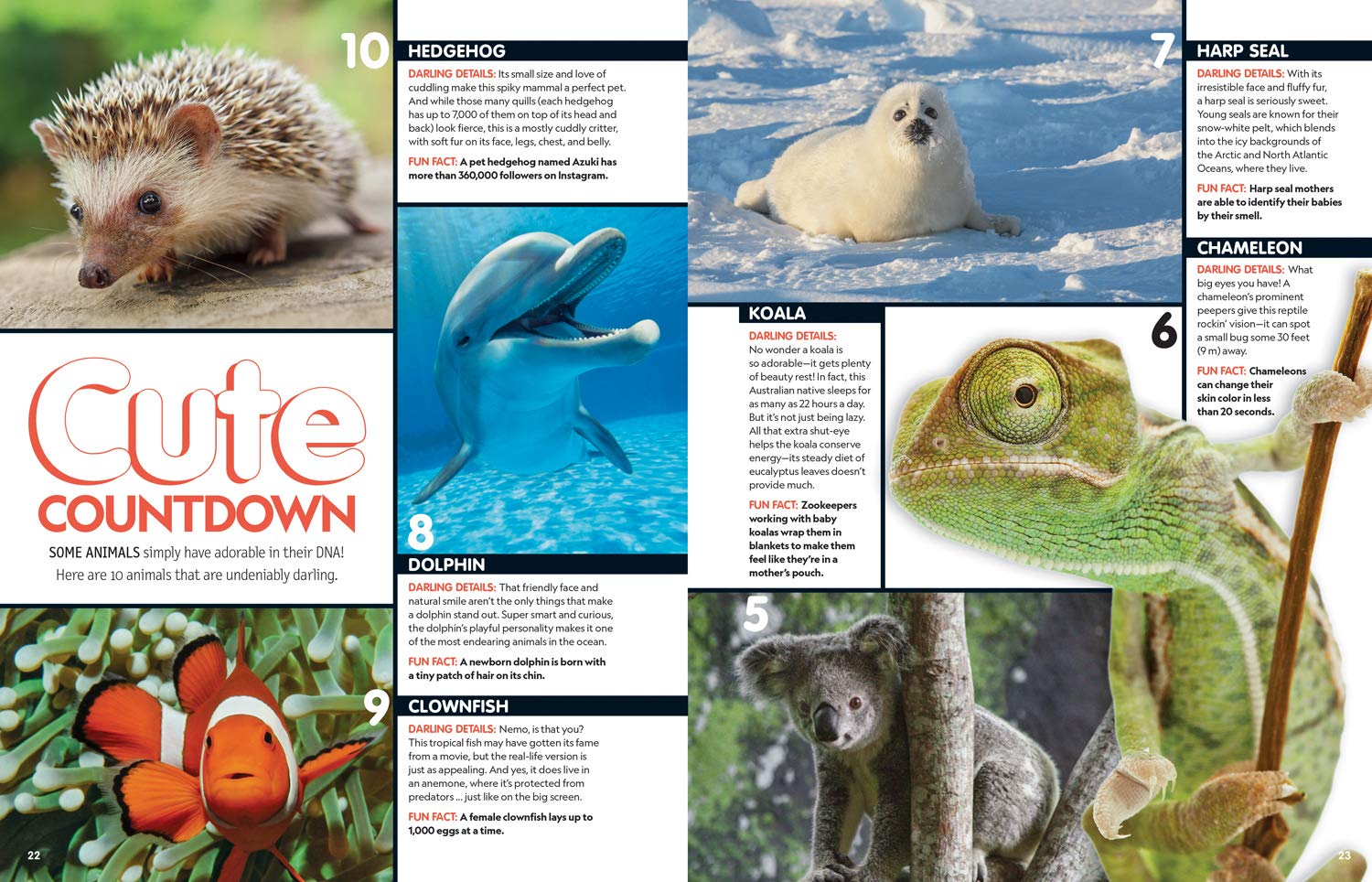
Can you believe there’s a science to cuteness? Of course NatGeo Kids would get to the bottom of this! Cute foods! (More attractive to eat!) Cute (human and animal) babies! (Trigger emotions in us that make us protect and care for them!) Cute clothes and toys! (We can’t get enough of ’em!) This Book is Cute is 112 pages of high-pitched squealing, science, and lists of cute animals, cutest jobs ever (I would like to apply for the Cat Cuddler spot, please), even appliances. Put up a bulletin board and see how many cute animals or food your kids can identify, or test their Cute IQ using the quiz in the book. This Book is Cute! is absolutely adorable; kids will go crazy for it and so will you.

Ages 8-12
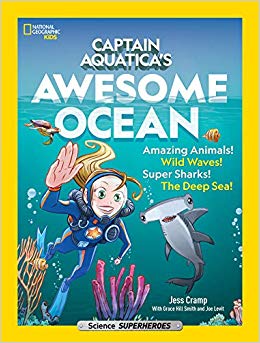
A companion to Dr. E’s Super Stellar Solar System and Dirtmeister’s Nitty Gritty Planet Earth, Awesome Ocean takes readers underwater exploring with cartoon superhero Captain Aquatica and her hammerhead shark sidekick, Finn. Shark researcher and marine conservationist Jess Cramp is the real-life version of Captain Aquatica, and leads readers through chapters on the ocean; waves, tides, and water; sharks and marine life; underwater technology; ecosystem engineering, and the critical importance of conservation. Moving back and forth between a comic book adventure and factual explanation, the book is loaded with incredible photos, fact boxes, and easy experiments that kids and families can do at home. There are scientist profiles – I love these, because they introduce readers to even more scientists than they’ll meet in our biography aisles – a glossary, index, and book and website resources for more exploration. NatGeo books are amazing because they always make sure to empower kids to make the world a better place, providing ways to get involved and start making changes. Their photos are consistently fantastic, and I love having as many of their books as possible in my library. If a parent or kid comes in looking for nonfiction about the natural world or animal book suggestions, I bring them to NatGeo books first. Display this set together, if you have them, and direct your readers to a series that looks at the big picture: earth, ocean, and space.
Luna: The Science and Stories of Our Moon, by David A. Aguilar,
(June 2019, National Geographic Kids), $17.99, ISBN: 9781426333224
Ages 8-12
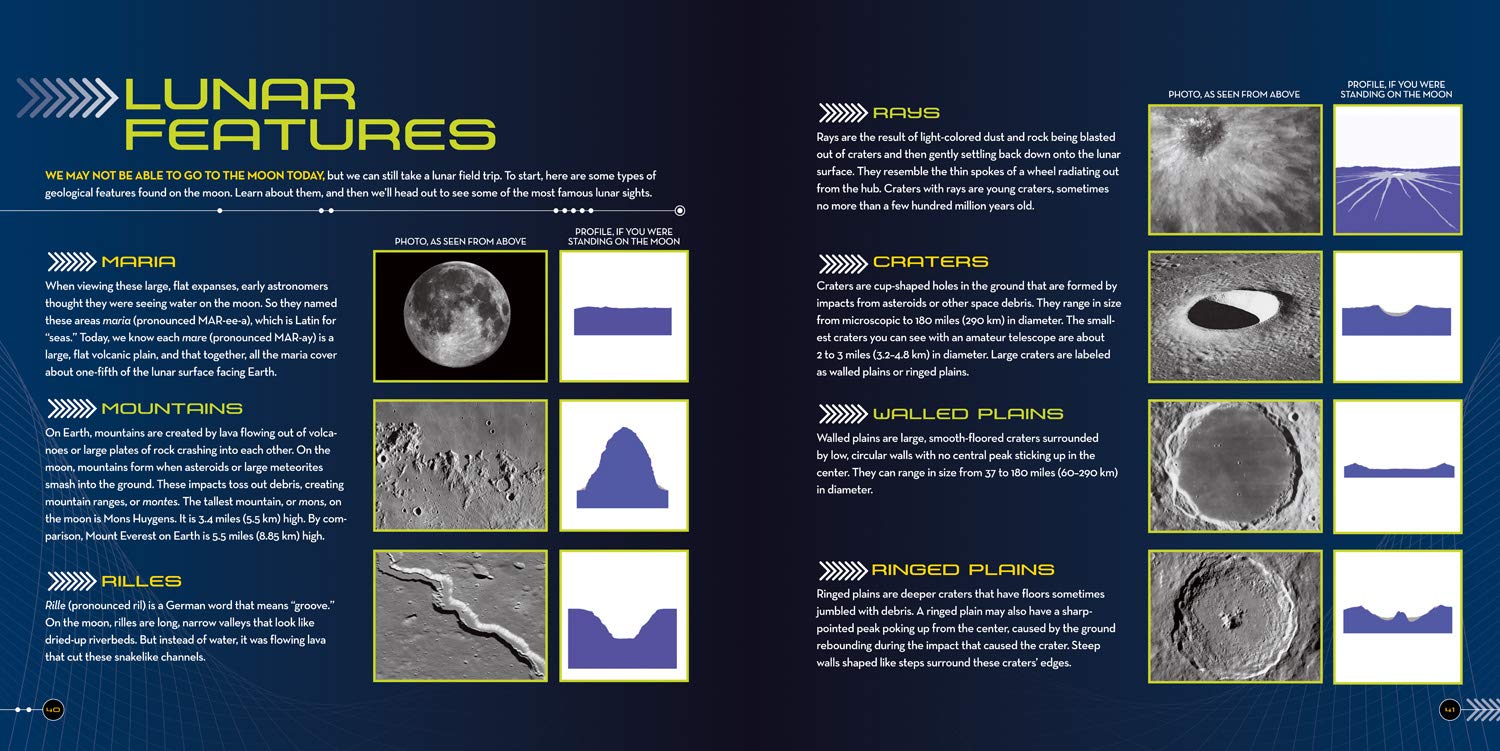
NatGeo wouldn’t let a Summer Reading theme go by without a book for us to give to the kiddos! Luna is all about our friendly satellite, the Moon. It’s a compact volume, at 64 pages, packed with all the info a middle grade space enthusiast could want. There are beautiful photos, callout quotes and facts, and full-color diagrams, and thought-provoking chapters cover topics including moon myths and hoaxes; the famous “dark side” of the moon; how our moon stacks up against other moons; lunar phases, and – naturally! – the 1969 lunar landing. There’s a fun make the moon activity (get your old t-shirts on; this one involves Plaster of Paris), a viewing guide, and tips on drawing the moon. There’s an index and a list of additional resources. This is one of the best middle grade volumes on the moon that I’ve read since Elaine Scott’s Our Moon (2015), and a solid add to your 520s. Mine are always in high demand (along with my dinosaurs), and with the outer space theme for this year’s Summer Reading, I imagine I’ll need a second copy of my own to use for programming.
Thanks again to NatGeo for always keeping nonfiction interesting and fun!
Posted in Humor, Non-Fiction, Teen, Young Adult/New Adult

Quantum Theory explained in rhyme: The Cat in the Box

The Cat in the Box, by Chris Ferrie/Illustrated by Kevin Sherry, (June 2019, Sourcebooks), $17.99: ISBN; 9781492671237

Ages 14+

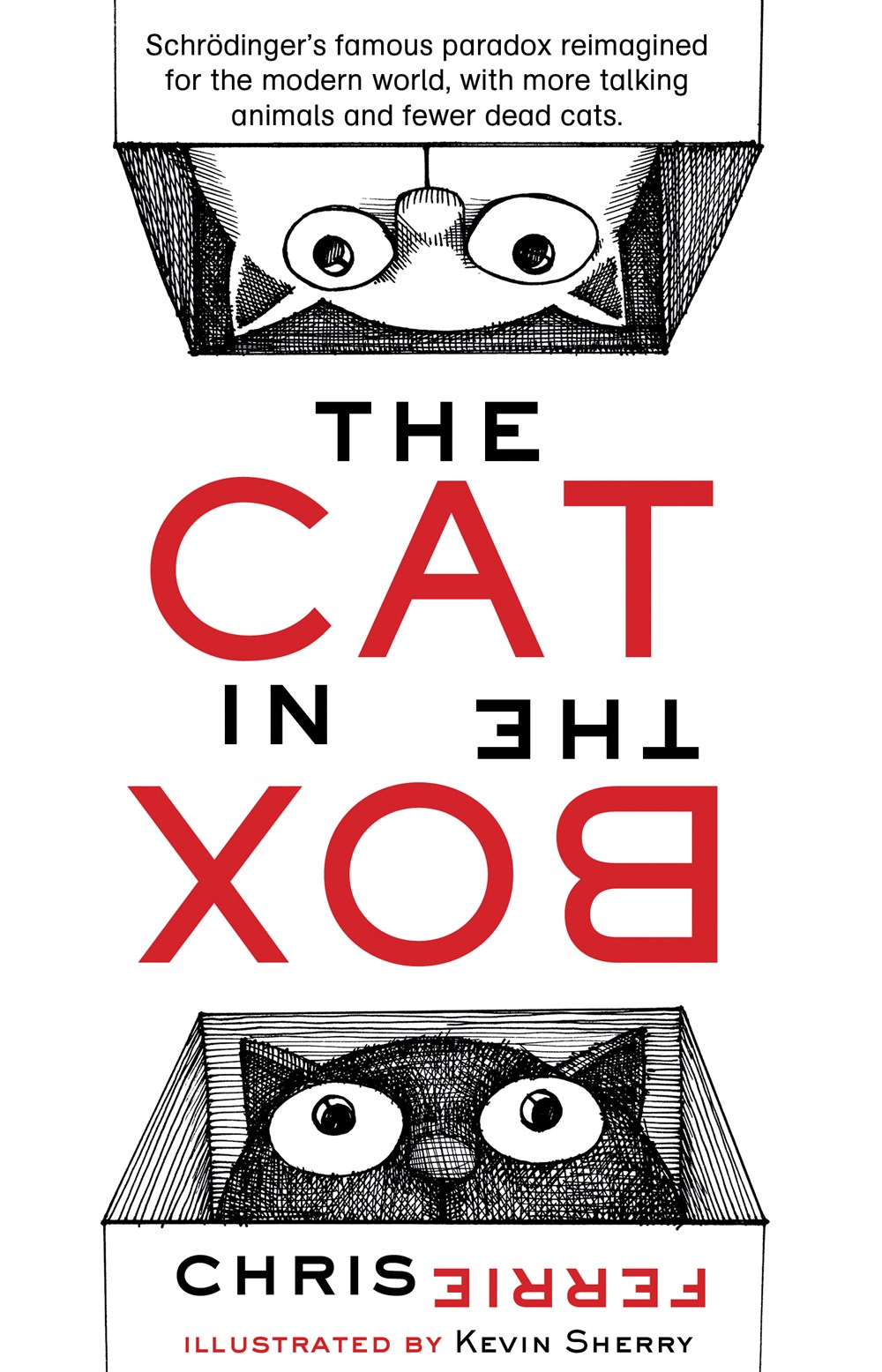
The Cat in the Hat meets quantum physics with Chris Ferrie’s The Cat in the Box. The story is similar in structure to Dr. Seuss’ classic, giving it a tongue-in-cheek twist. The narrator sits with Schrödinger himself, puzzling out a problem, when a box shows up. It’s a cat! Can the cat solve the problem? Schrödinger thinks so – and all the cat has to do in this situation is “see and not see”. Whew! What a relief. The story explains Schrödinger’s theory in rhyme that the folks on The Big Bang Theory would love: “Schrödinger used/this cat in a box/to dream up the first/quantum paradox/A paradox is something/that doesn’t make sense/There must be an assumption/that is causing offense”. The cat is the winner in this story, giving the two humans a lesson in quantum physics and probability, sing-songing, “The more math you know, the happier you’ll be”. An author’s note on Schrödinger recounts the original hypothesis, which didn’t end nearly so well for the cat.

The illustrations are black and white, with a big, googly-eyed scientist and a googly-eyed cat. Mathematical symbols and atomic symbols abound, with occasional reds for emphasis. The fun artwork is a perfect match for the light tone of the rhyme, and makes this a great book to keep around for teens and college students who may need a little brain break from studying.

Can younger kids read this? Of course! It’s a fun rhyme, loaded with math and science terms, and there are adorable cats and wacky scientists telling readers that math is fun. They may not get the bare bones of quantum physics, but they’ll pick up new science and math vocabulary.

Chris Ferrie, bringing a love of science and math to the kiddos.

Posted in Non-Fiction, picture books, Preschool Reads

Three great books about space!

The Summer Reading theme for this year is all about Space, and I am psyched. I love outer space, and I’ve got a growing list of books to add to my own readers advisory lists (I’ll put that together in the next week or two for a post). Meanwhile, Sourcebooks and Barefoot Books have three great books about space that are staggered throughout the year, and perfect for your space-faring STEM fans. Let’s check them out, shall we?


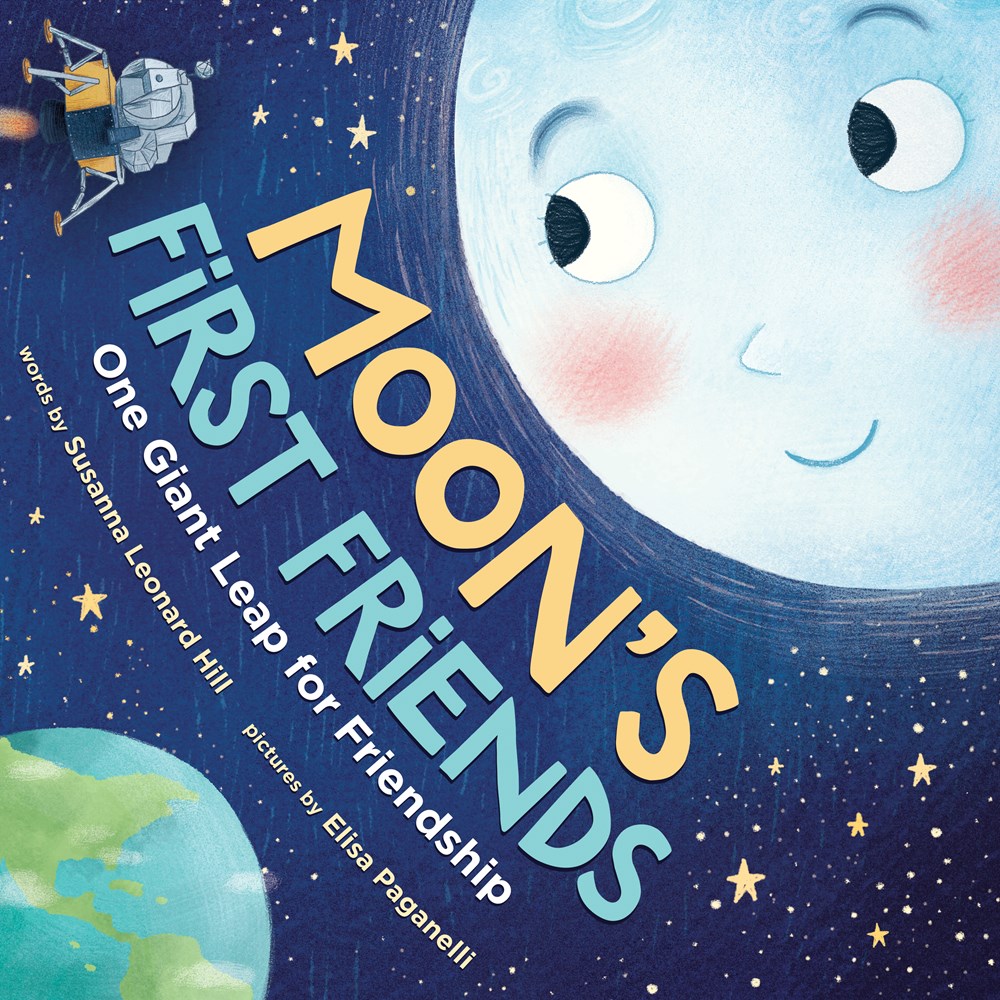
Moon’s First Friends: One Giant Leap for Friendship, by Susanna Leonard Hill/Illustrated by Elisa Paganelli, (June 2019, Sourcebooks Wonderland), $17.99, ISBN: 9781492656807

Ages 4-8

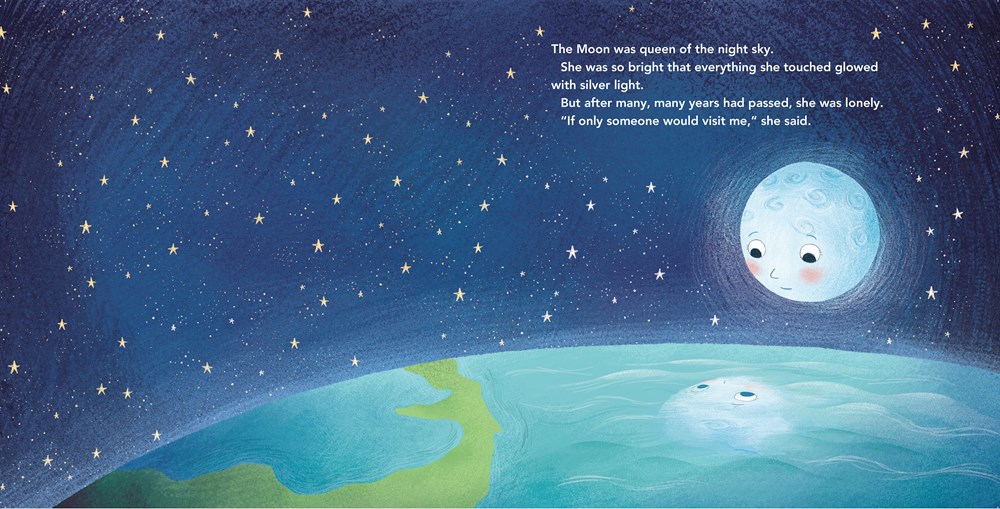
The Moon was so lonely, up in the night sky by herself. When she sees life developing on Earth, she patiently waits for someone to notice and visit her. It takes a while: the dinosaurs don’t notice; early people build pyramids and structures that just aren’t high enough. Eventually, though, she gets some visitors, and she is thrilled! She gives them presents of rocks and dust to take back to Earth, and they give her a beautiful flag and a plaque. Now, Moon is in the sky, happy and waiting for more visitors. Will you be her next guest?

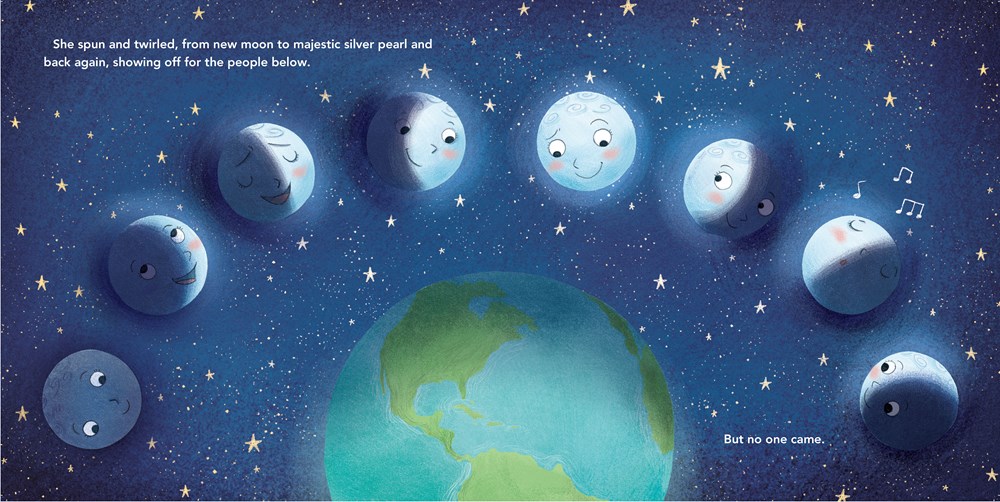
This is the sweetest story I’ve read yet on the Apollo 11 mission to the Moon. The Moon is illustrated as a softly shining, opalescent sphere with kind eyes, rosy cheeks, and a sweet smile; readers are treated to a quick history of Earth’s development as the Moon quietly observes, waiting for a friend to reach out – or up – and say hello. She even dances around the planet, showing off her phases! The actual Apollo mission takes up a brief part of the story, making this sweet book about a lonely satellite who just wants a friend an adorable storytime read for younger kids, and a fun book with solid facts for school-age kids. There’s a brief bibliography on the verso page, and back matter includes several pages dedicated to Mission Moon, the Apollo 11 voyage; moon facts, and moon phases, along with a running timeline of Earth’s formation and development. Endpapers are starry nights, where kids can imagine sailing through the stars to visit their favorite moon. Readers can also scan a QR code to hear Neil Armstrong’s historic first words from the 1969 moon landing. Gentle storytelling and adorable illustration make this a great Summer Reading addition! Display and booktalk with Stacey McAnulty’s Moon, Earth, and Sun trilogy.


There Was a Black Hole That Swallowed the Universe, by Chris Ferrie/Illustrated by Susan Batori, (Sept. 2019, Sourcebooks Explore), $17.99, ISBN: 9781492680772

Ages 3-8

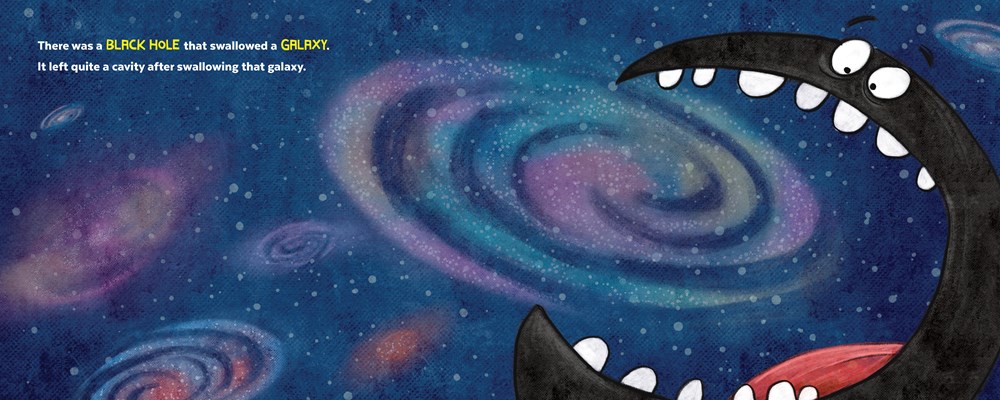
You know if Chris Ferrie is writing a book, I’m reading it. This STEM-errific take on There Was an Old Lady Who Swallowed a Fly is about a giant black hole that swallows… well, everything. He starts with a universe… it couldn’t get worse! But oh, it does: the black hole swallows planets, stars, galaxies, and atoms, molecules, and quarks along with it. Yikes!

I read this to my first grader this morning and he immediately smiled and said, “This is like The Old Lady story!”, so kids familiar with the classic tale (and all of its spin-offs) will immediately jump in and know what’s coming; how the story will progress. With each chomping, the black hole gets bigger, and the planets and heavenly bodies look hilariously terrified as they try to get away from its maw. The storytelling is fun and loaded with humor; it’s cumulative and rhyming storytelling at its scientific funniest. The illustrations are goofy, with exaggerated facial expressions that make the storytelling more dramatic and humorous as you go. Bone up on your keyword knowledge for kids who will ask during the story (neutrons, atoms, quarks, oh my!). Scientific terms are highlighted in bold yellow, and capitalized to stand out and give your readers a nice working STEM vocabulary. Shine a blacklight on the pages from back to front, and you’ll reveal a super-cool, hidden history of the universe’s creation!

Absolute fun and a must-get for your storytime collections. Be a rock star at Science Storytime! Pair this with The Universe Ate My Homework by David Zelster for more black hole-related fun.


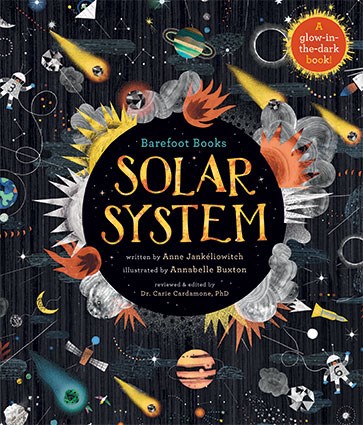
Barefoot Books Solar System, by Anne Jankéliowitch/Illustrated by Annabelle Buxton, Translated by Lisa Rosinsky, $19.99, ISBN: 9781782858232

Ages 8-12

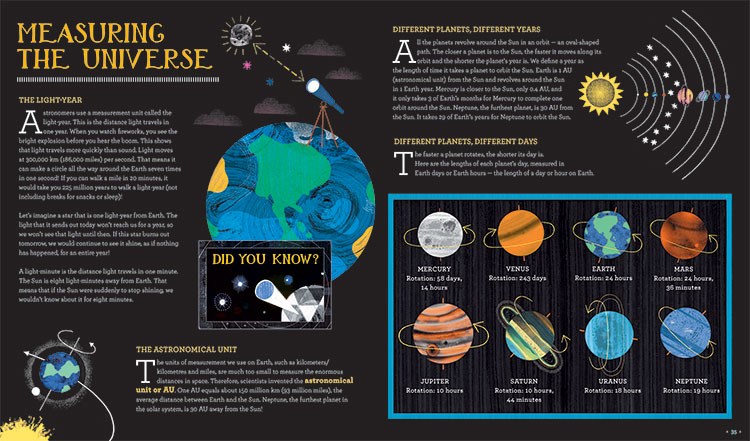
Riding high on the post-Summer Reading wave, middle grade kids can go back school and check out Barefoot Books Solar System, a glow-in-the-dark, interactive guide to our Milky Way, complete with lift the flap booklets, a pull-out map, and beautiful artwork. Originally published in French, the book has been reviewed, edited, and updated by Dr. Carie Cardamone, professor of STEM education and Boston Museum of Science teacher and educator. The text is written with a tongue-in-cheek sense of humor while delivering solid nonfiction goods to middle graders. The book covers each planet, with nicknames like :Saturn: The Space Diva”, and “Uranus and Neptune: The Icy Sisters”; the asteroid belt; differences between solid and gas planets; measuring the universe, and famous outer space voyages. The artwork is bright and bold, seeming to explode off the black pages to grab the reader’s attention.

In keeping with Barefoot’s mission of diversity and inclusivity, there is information about space exploration from around the world, making this a truly global effort. Back matter includes a comprehensive glossary of scientific terms and a note on the units of measurement used in the book. Don’t pass this one up; your 520s will shine a little brighter with Barefoot Books Solar System on your shelf.

Posted in Intermediate, Middle Grade, Non-fiction, Non-Fiction

To Infinity and Beyond! The Day the Universe Exploded My Head

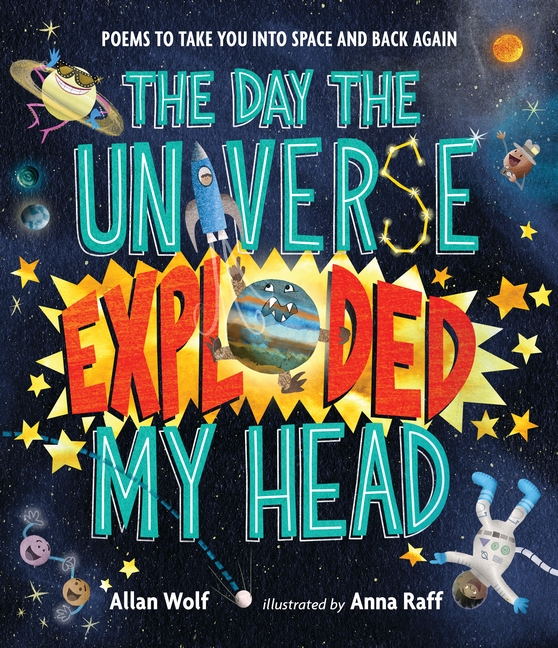
The Day the Universe Exploded My Head: Poems to Take You Into Space and Back Again, by Allan Wolf/Illustrated by Anna Raff, (March 2019, Candlewick Press), $17.99, ISBN: 9780763680251

Ages 7-12

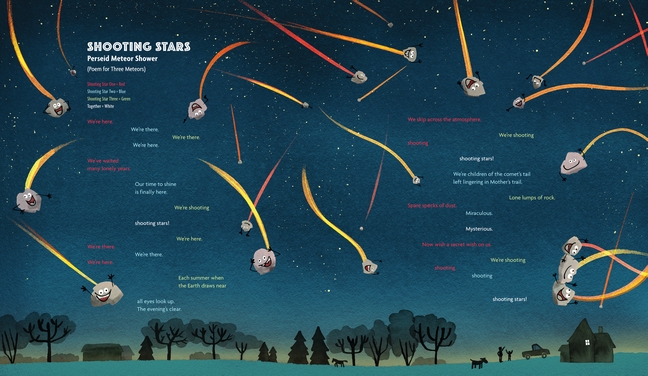
This is one of the best kids’ poetry books I’ve come across in a while! The Day the Universe Exploded My Head contains 29 poems, all about the wonder of space. Each planet gets a poem here, as do the outliers (Planet X, Charon, Pluto). There are nods to pivotal moments in space history (the 2013 meteorite over Cheylabinsk, Sputnik) natural phenomena (black holes, lunar and solar eclipses), and notable scientists (Ivan Ivanovich, Children of Astronomy). The poems are upbeat, factual, and, quite often, very funny, as with the poem, “Planet X”: “I’m one part supercilious/Another part mysterious/One part you-can’t-be-serious/They call me Planet X”. There are a wealth of poems for readers to read out loud, too: “Going the Distance” is a rap for two voices, color-coded for each speaker. The artwork: digitally assembled color collage, made from sumi ink washes, salt, pen, and pencil, explode off the page, with texture that will entice kids to see the swirls of light curling off a star and a fuzzy rings of moons around Neptune.

Non-fiction that informs and excites is aces with me, and The Day the Universe Exploded My Head is a great way to kick off and conclude a space storytime, a STEM program, or a fun read-aloud. Have some printable space coloring sheets ready to hand out, or check out illustrator Anna Raff’s webpage for super-cool activities (I like the Little Card printable for a library visit). Author Allan Wolf’s webpage also has activities, including poetry jokes.

The Day the Universe Exploded My Head has starred reviews from Kirkus and Booklist.


Posted in picture books, Preschool Reads

Scampers teaches kids the scientific method!

Scampers Thinks Like a Scientist, by Mike Allegra/Illustrated by Elizabeth Zechel, (March 2019, Dawn Publications), $8.95, ISBN: 9781584696438

Ages 4-8

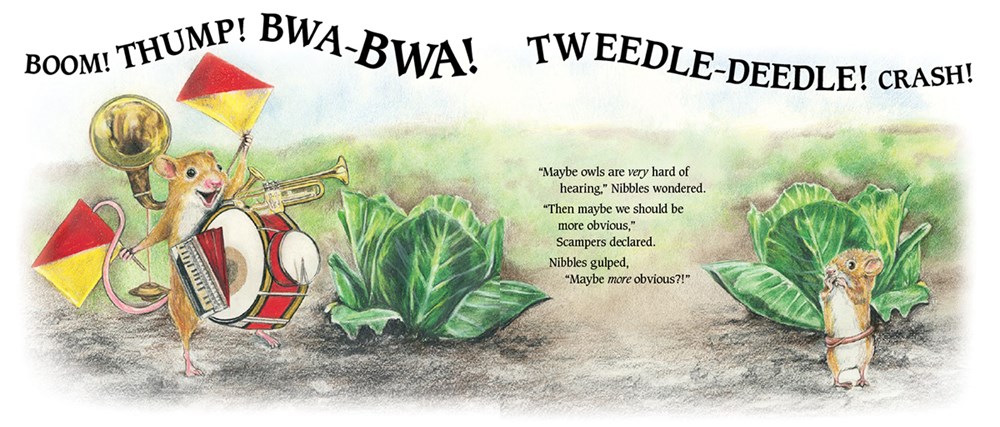
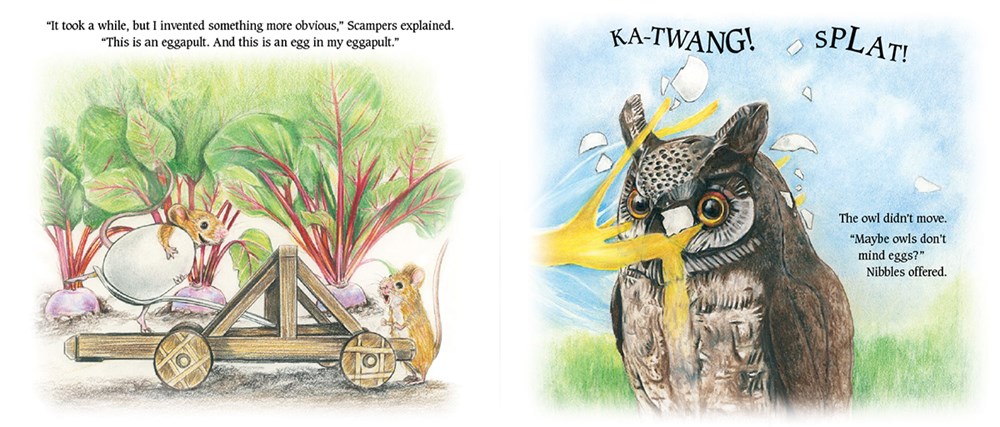
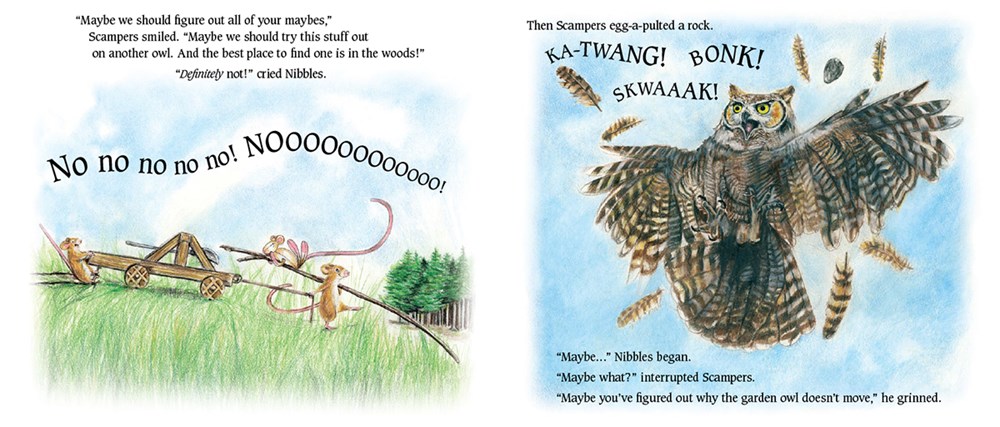
Scampers is a curious little mouse who wants to know what it will take to get a menacing-looking owl out of the vegetable garden, so he and the other mice can go back to getting food. With the help of Scampers’s friend, Nibbles, the two proceed to conduct a few experiments, including waving a rag doll and making noise that will startle the owl, and building an egg catapault to scare it off. No reaction. (Have you guessed yet?) When Scampers and Nibbles figure out the owl’s secret, they let their fellow mice know: the owl isn’t real! Will the mice believe their two scientists?

Scampers Thinks Like a Scientist is an adorable, abbreviated introduction to an scientific method. Scampers has a theory about the mouse, so she conducts some tests, considers her conclusion, and shares her results. The tests are amusing and let caregivers and educators work with readers to reason out the conclusion. It’s a cute way to introduce scientific thinking to younger readers, and publisher Dawn Publications has a free, downloadable companion activities for kids. Add this one to your science storytime.

Posted in Non-Fiction, picture books, Preschool Reads

It’s Spring… time to raise the butterflies!

Butterflies in Room 6, by Caroline Arnold, (March 2019, Charlesbridge), $16.99, ISBN: 9781580898942

Ages 3-7

Spring is getting closer and closer, and that means that science classrooms all over the place are going to introduce their little ones to the life cycle of a caterpillar/butterfly. We’ve done it in my home, and each of my kids has done it in school, and it’s exciting every time. Butterflies in Room 6 revisits the Kindergarten students of Room 6 – a new group, since Hatching Chicks in Room 6 was published in 2017 – as they raise butterflies, starting from teeny, tiny caterpillar eggs.

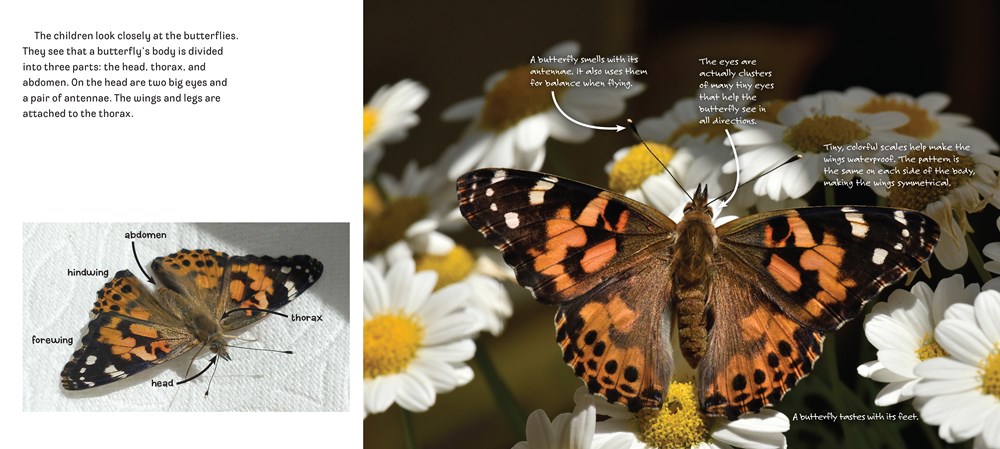
Full-color photographs and informative text take this STEM/STEAM story through the step-by-step process by which the class observed and cared for their caterpillars; feeding them, observing the stages of life, moving the chrysalises to a larger, netted environment, the exciting emergence of the painted lady butterflies from their cocoons, and their release into the world! Leaf-shaped callouts throughout the book provide additional caterpillar and butterfly facts, and back matter provides butterfly questions, vocabulary, and a nice list of online and print resources for further reading.

Butterflies in Room 6 brings a real-world look into a primary classroom – it’ll get kids excited about science, especially if this is one of your classroom projects. Pair this with The Very Hungry Caterpillar and the classic that my kids all read in their kindergarten classes, Deborah Heiligman’s From Caterpillar to Butterfly.

Posted in Early Reader, Non-Fiction, picture books, Preschool Reads

Natural world nonfiction for young learners: See to Learn: Forest

See to Learn: Forest, by Kate Moss Gamblin/Illustrated by, Karen Patkau, (March 2019, Groundwood Books), $16.95, ISBN: 9781554988792

Ages 4-7

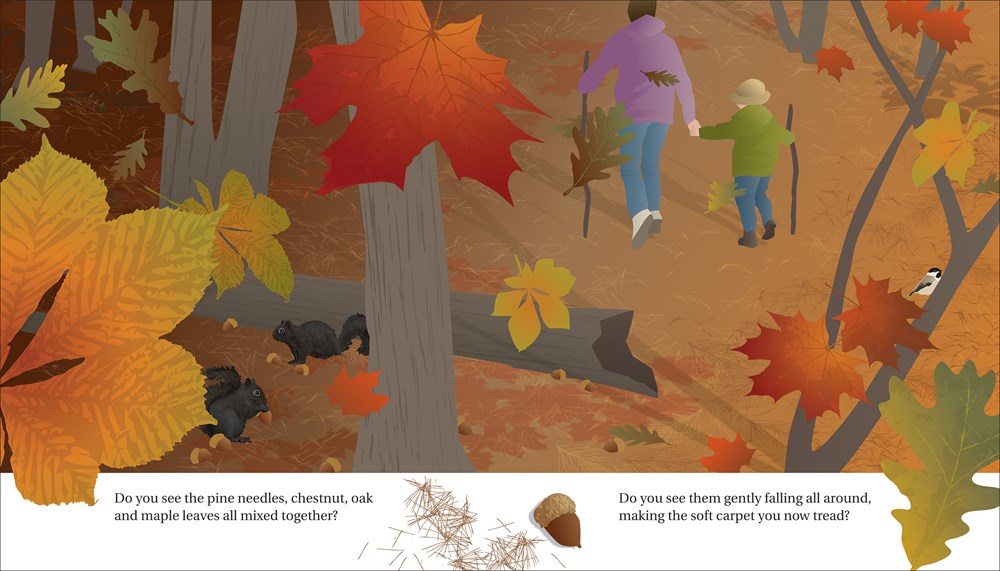
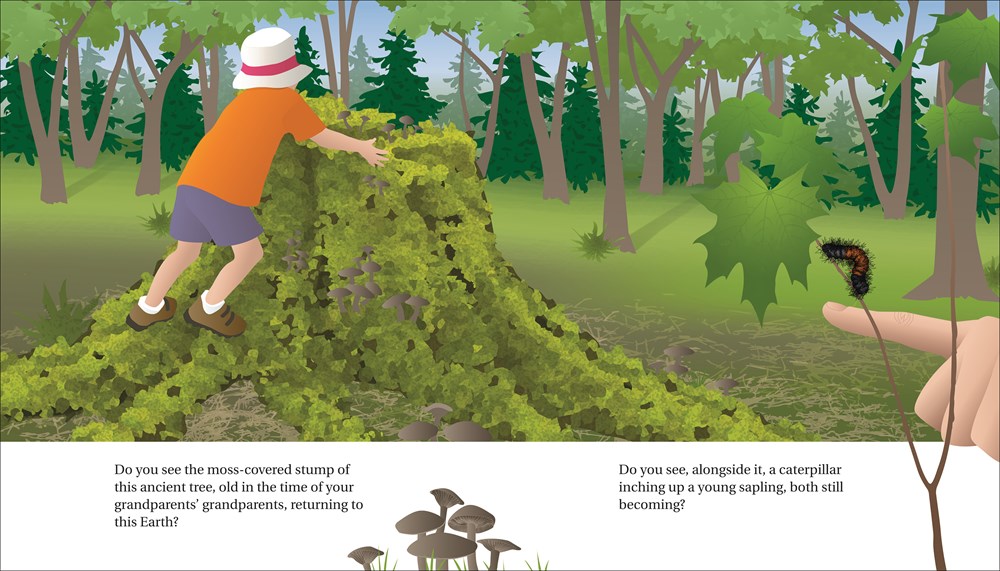
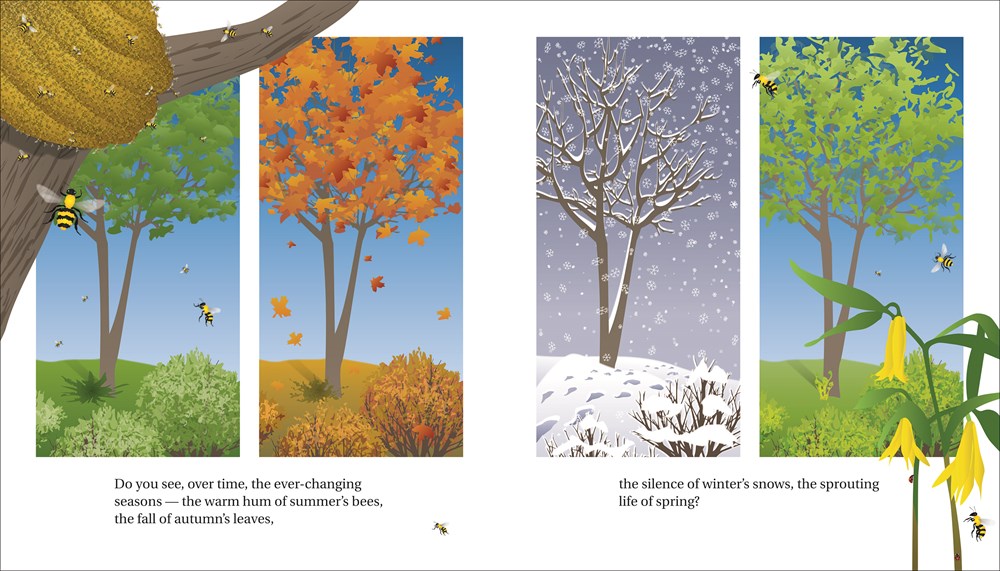
This first book in a new nonfiction picture book series encourages little learners to look at a location – in this case, a forest – and really see: see different footprints that travel the forest floor; the different leaves carpeting the ground; moss covering a stump. Forest encourages readers to think: is that moss older than your grandparents? What changes do seasons bring with them? What happens during the passage of day to night?

The quiet text promotes introspection, curiosity, and presence, and the interrelationships between nature – trees are referred to as our “cousins” – and our planet. Everything here exists for readers to observe and ponder, and Forest encourages them to think of nature, the world, and their place in it.

This is a great way to talk about the natural world and basic concepts with kids: talk about colors, talk about different functions, talk about different stages of life, whether you’re a human grandparent or a young caterpillar. We all age; we all exist; we all interact with the natural world. Let kids see themselves in nature, and they’ll respect it and care for it. Further reading provides additional resources for younger and middle grade readers. An author’s note explains the rationale and thinking points for the series.

I’m looking forward to more books in this series. See to Learn: Forest is a great addition to primary and elementary science collections and programming. This will fit nicely with Kate Messner’s nonfiction books, Over and Under the Snow, Over and Under the Pond, and Up in the Garden and Down in the Dirt, for elementary readers; for primary readers, you can’t miss with Laura Vaccaro Seeger’s books, Green and Blue; and Denise Fleming’s In the Tall, Tall Grass, and In the Small, Small Pond.

Posted in Intermediate, Non-Fiction, picture books

February Non-Fiction is all about the animals!

River Rescue, by Jennifer Keats Curtis & Tri-State Bird Rescue & Research, Inc./Illustrated by Tammy Yee, (Feb. 2019, Arbordale), $17.95, ISBN: 9781607188230

Ages 5-8

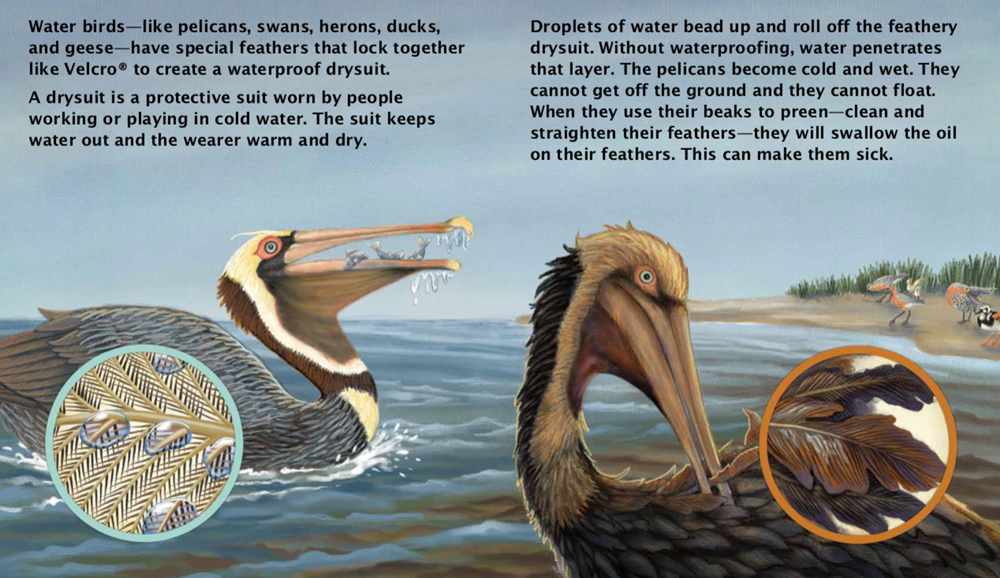
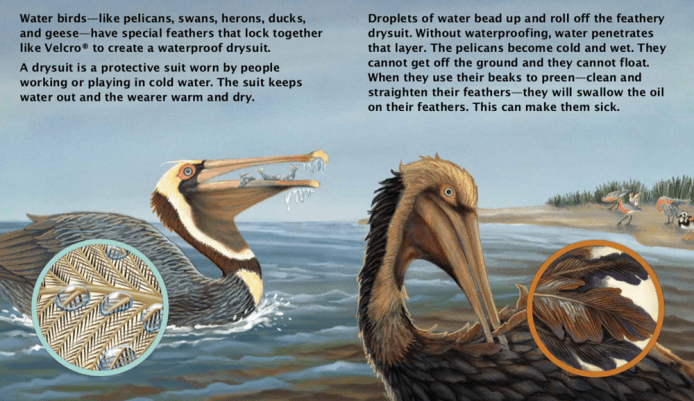
River Rescue illustrates how an oil spill – even one drop of oil – can be devastating to plan and animal life. Introducing readers to the Wildlife Response Team at Tri-State Bird & Rescue, a Delaware-based organization that rescues and rehabilitates animals affected by oil, River Rescue teaches readers about the delicate cleaning process and the care so critical to helping evaluate, treat, and rehabilitate affected animals.

There are so many questions to ask: is the animal alert on arrival? What kind of oil is on the animal? The cleansing process brings more questions: what kind of bird is this? Is it a flocking bird, or a solitary one? Is it a water bird or a land bird? After the rehabilitation process, animals are released back into the wild, preferably in the area where they were rescued.

River Rescue provides an informative look into animal rescue and rehabilitation and encourages good environmental citizenship among readers. The earth-toned art is realistic and the text is easy to understand. Back matter includes a 4-page For Creative Minds section allowing teachers, parents, and caregivers to photocopy and distribute activities on identifying wildlife, a Q&A with Tri-State Executive Director Dr. Lisa Smith, and information on preventing oil spills and helping animals.
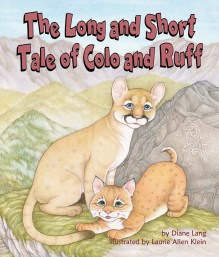
The Long and Short Tale of Colo and Ruff, by Diane Lang/Illustrated by Laurie Allen Klein, (Feb. 2019, Arbordale Publishing), $17.95, ISBN: 9781607187387

Ages 4-7

Colo is a cougar and Ruff is a wild cat. The two friends want to play, but Ruff’s short tail prevents him from jumping as far as Colo can. As the two search for a new tail for Ruff, they encounter all the different things other animals can do with their tails and Ruff decides that his tail is just right after all.

This fun story is nonfiction with fiction wrapping: great for preschoolers and kindergartners! Colo and Ruff are realistically illustrated, but with softer artwork, playing up the cute factor. They encounter lizards, hawks, skunks and gophers on their search for a new tail, and callout facts throughout provide information that’s perfect for pleasure reading or an animal report. The For Creative Minds back matter includes a table comparing three kinds of cats and cat habitat maps.

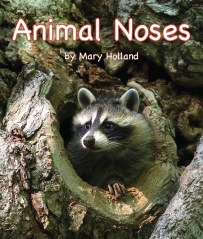
Animal Noses, by Mary Holland, (Feb. 2019, Arbordale Publishing), $17.95, ISBN: 9781607188056

Ages 4-9

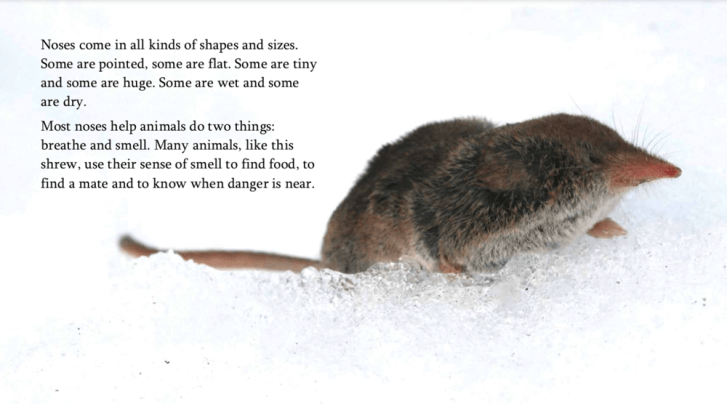
Noses, beaks, tongues, antennae – animals have a bunch of different ways to use their senses of smell, and Animal Noses is all about animal noses, how animals transmit messages through scent, and which animals have super noses versus which animals don’t. Loaded with sharp, full-color photos and facts, this is a nice add to science sections, especially when teachers come in looking for books on the five senses – always fun to throw something unexpected, like this, into my readers’ advisory, and show the similarities and differences between how we use our senses versus how animals use theirs.

Arbordale always has good back matter, too: their For Creative Minds sections allow for photocopying and distribution for educational use. The Animal Noses For Creative Minds covers fun facts about scent, a match the nose game, and spotlights animals with great senses of smell.
 

If a Mummy Could Talk…, by Rhonda Lucas Donald/Illustrated by Cathy Morrison, (Feb. 2019, Arbordale Publishing), $17.95, ISBN: 9781607187370

Ages 7-10

Meet some mummies and hear their stories: this volume contains stories about 12 different mummies: elephants, bison, dogs, cats, and humans, including the world’s most famous mummy, King Tut. Each spread focuses on one mummy, providing its date and location, and “before” and “after” illustrations that show readers what the animal or person most likely looked life while alive, and what its mummy looks like today. Facts gleaned from research and scientific observation bring each mummy’s story to life for readers, and provide clues to each demise. Discussions about different types of mummification, a mummy map of the world, and features on scientists’ tools and technology make up the back matter For Creative Minds section.

There are better books on mummies available, but this is an entertaining introduction for intermediate readers with an interest in natural history. The illustrations are realistic and colorful, and callout fact boxes appear throughout the book, clarifying bits of information contained in the text.

 

Posted in Graphic Novels, Middle Grade, Non-Fiction, Non-fiction, Teen, Tween Reads

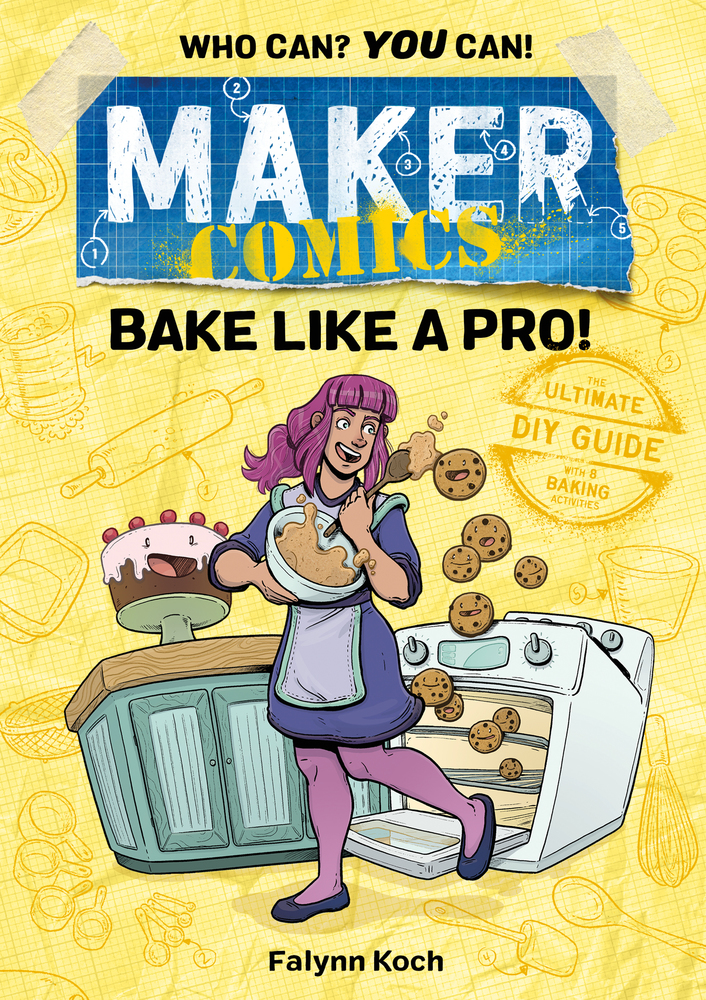
Maker Comics: DIY your life!

First Second has a new line of nonfiction graphic novels debuting in February: Maker Comics is a perfect DIY companion to their Science Comics series, adding a more hands-on component to the science behind everyday things. The first two titles to hit shelves are Bake Like a Pro! and Fix a Car! With the tag line, “Who Can? You Can!”, these books are ready to take readers step-by-step into the world of making and hands-on STEAM.

Maker Comics: Bake Like a Pro!, by Falynn Koch, (Feb. 2019, First Second), $12.99, ISBN: 9781250150066

Ages 10-14

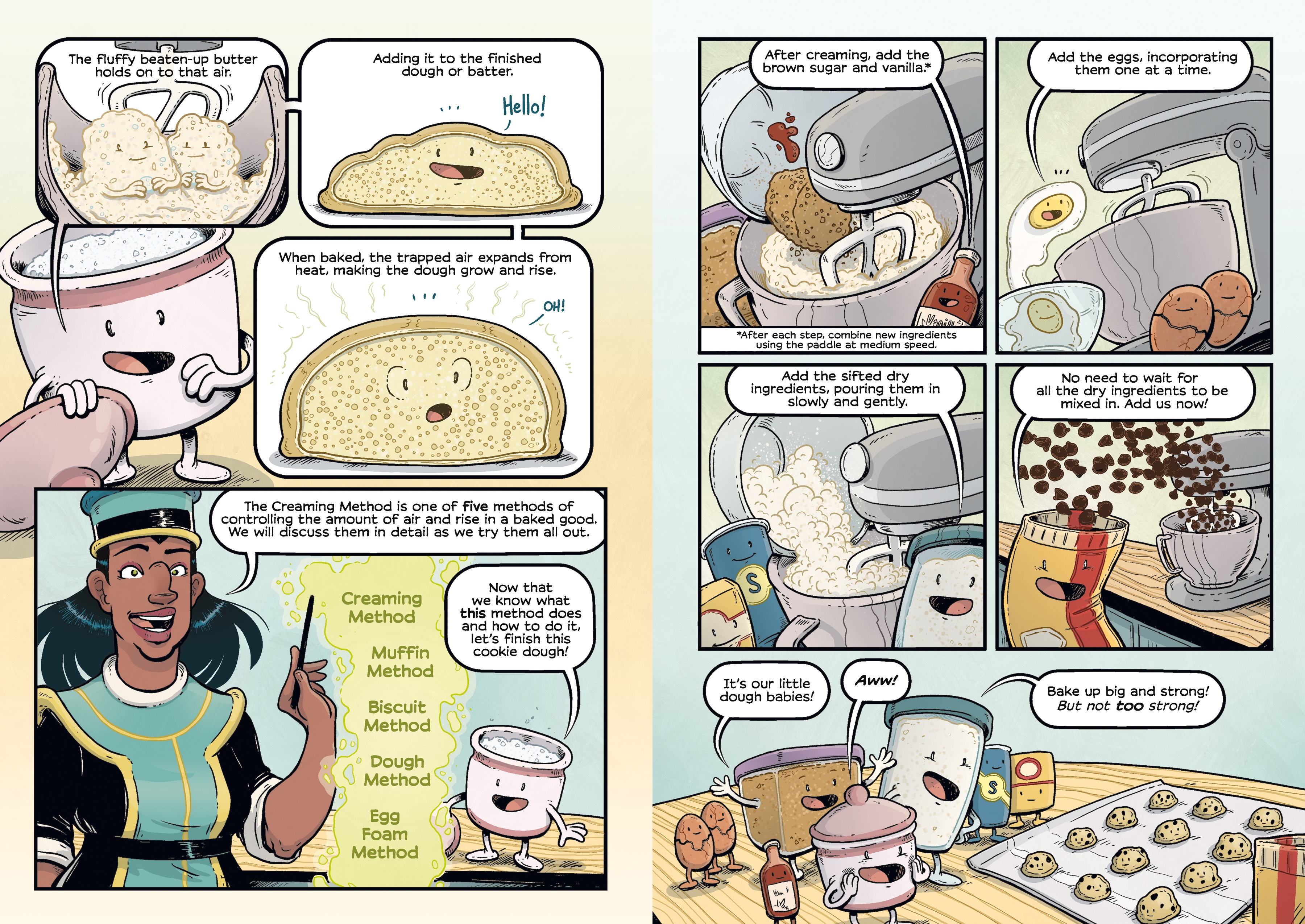
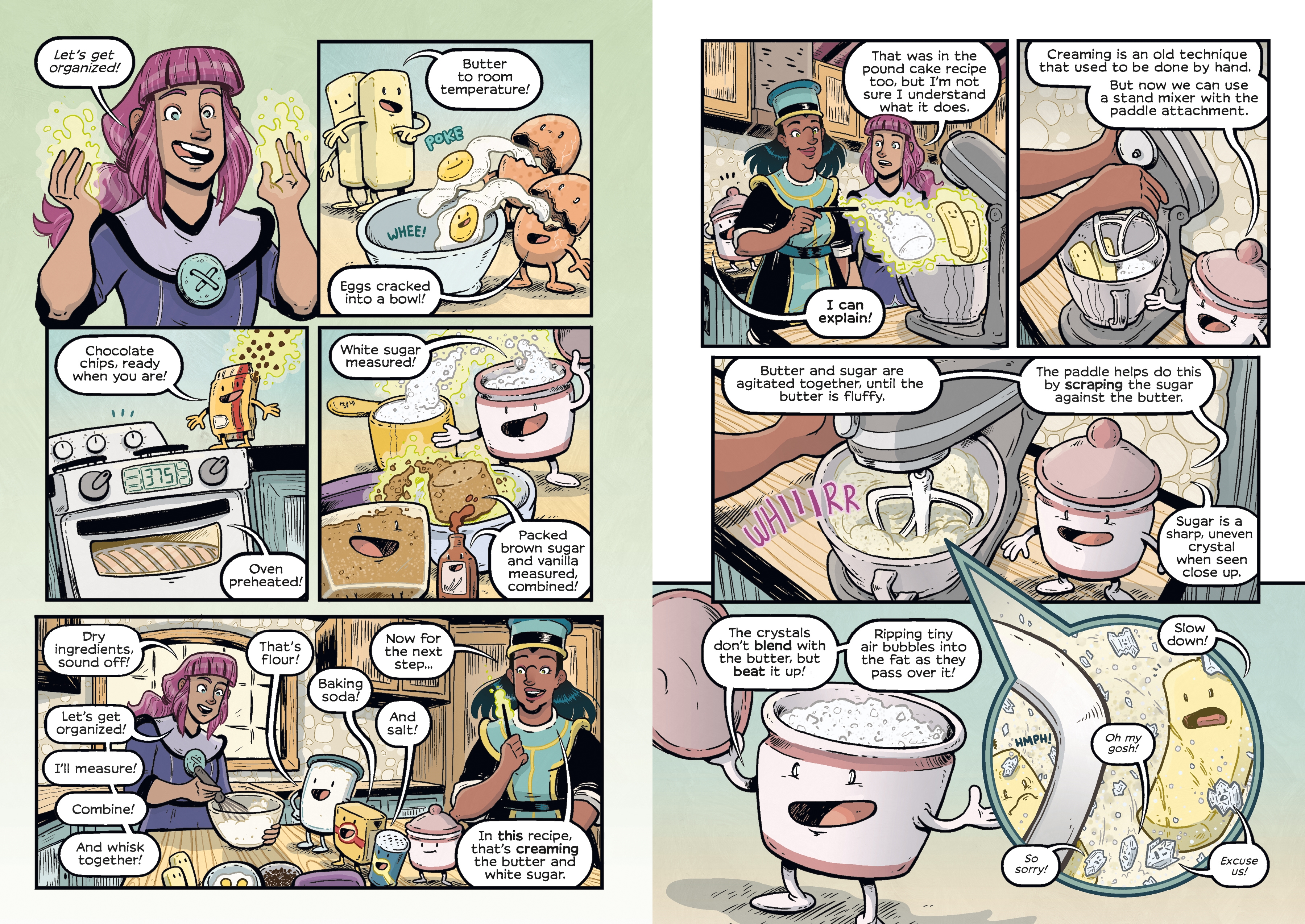
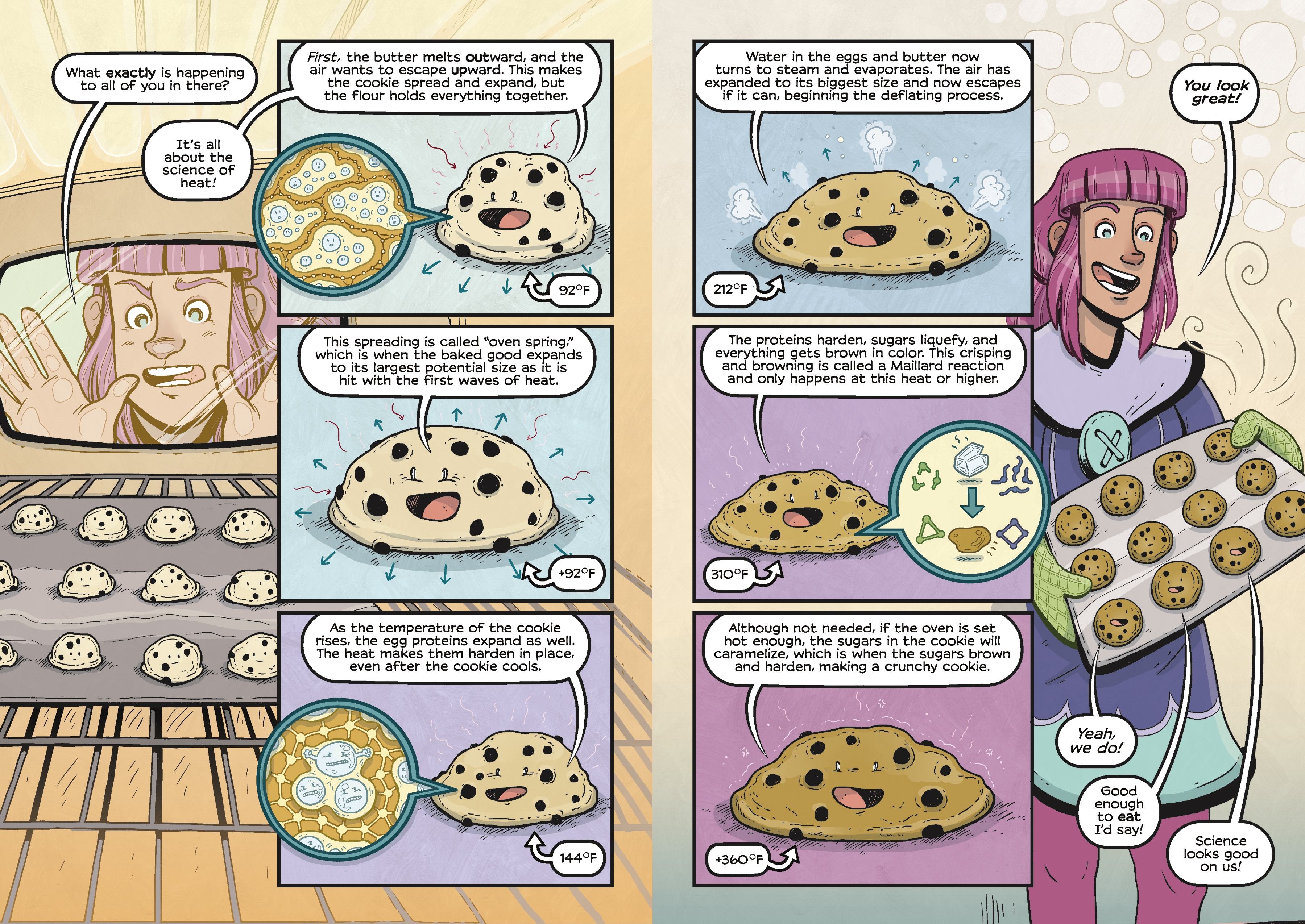
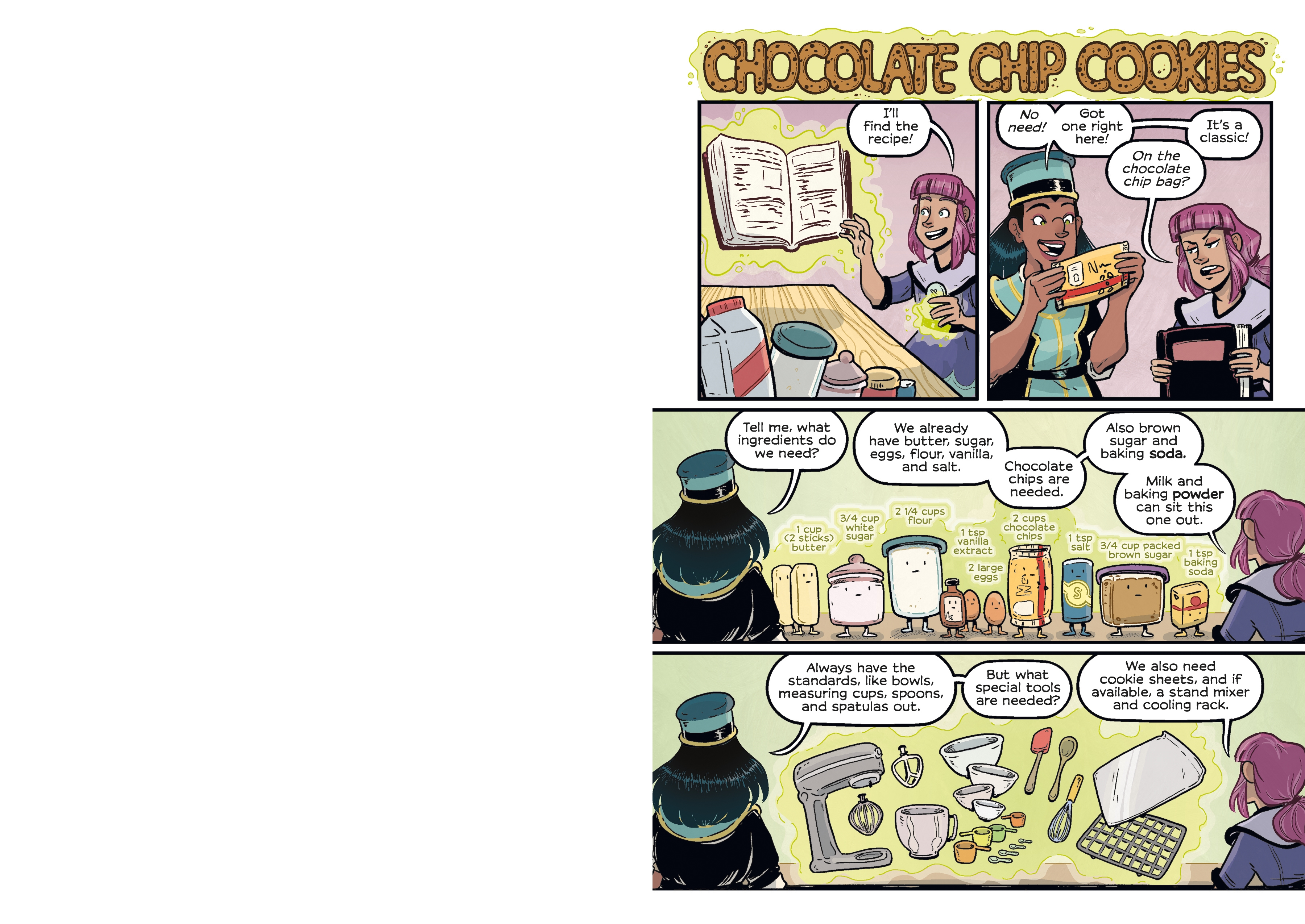
Written and illustrated by Science Comics alum Falynn Koch, Bake Like a Pro! follows a young wizard in training, Sage, as she’s apprenticed to baking master mage Korian. Sage is not thrilled with this turn of events, because she thinks baking is boring. Where’s the pyromancy? Where’s the transfiguration? But what Sage doesn’t realize yet is that baking is a magic and science all its own: it’s a delicious form of alchemy! Korian and a group of enchanted ingredients teach Sage all about the science behind baking: how to combine different proteins, fats, and liquids to craft incredible pies, cookies, breads, cookies, dough, and more.

At once a science lesson, a fantasy tale, and a recipe book for new bakers, Bake Like a Pro! is perfect for middle schoolers and upper elementary readers who are ready to take on some next-level making. There are step-by-step explanations of how ingredients come together – and what happens when ingredients go wrong (always sift the flour!), plus an illustrated walk-through for 8 different recipes, including chocolate chip cookies, cheesy biscuits, pizza dough, and sponge cake with buttercream frosting. At the end of the story, Sage proudly serves up her delicious treats to her fellow novice mages, proudly proclaiming, “Every step in baking is magic!”

Like Science Comics, there’s a quick reference at the end that puts all the major info in one place. Here, we get some helpful reminders on the six baking methods, effects of ingredients and conversion tables, bread techniques, and continued reading (including one of my favorites, I’m Just Here for the Food, by Alton Brown).

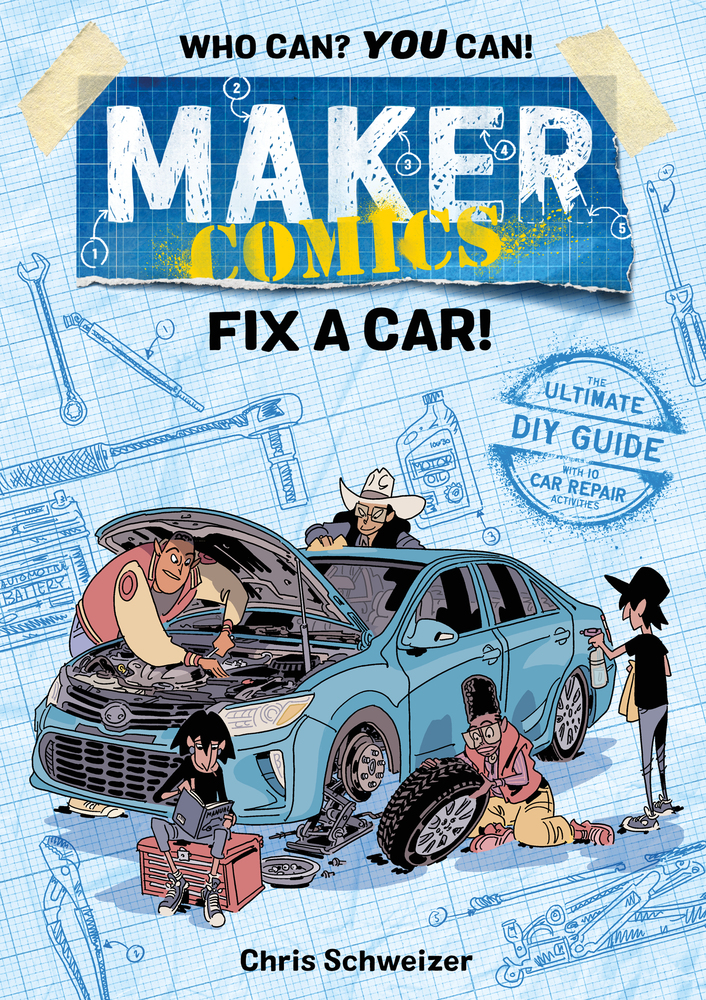
Maker Comics: Fix a Car!, by Chris Schweizer, (Feb. 2019, First Second), $12.99, ISBN: 9781250150042

Ages 10-14

Next up is Fix a Car! by Crogan’s Adventures and The Creeps author and illustrator Chris Schweizer. A group of tweens and teens meet up when they join Car Club, overseen by auto whiz Ms. Gritt. Lena, Mason, and Abner are teens with their own wheels, and twin siblings Rocky and Esther are seventh graders who  love cards and want to learn all they need to know so they can be ready when they are old enough to drive. They’re different kids with different lives and circumstances, but the one thing they have in common is a love for automobiles, and Ms. Gritt is happy to show them all they need to know.

The story smoothly moves between each character’s life outside of car club, building a relationship between characters and readers and giving kids background that they can relate to, from a stressed out teen determined to excel in all the things, to the kids working through grief over a parent. Car Club gives them all a landing place, a place to belong, and place to come together and get their hands dirty.

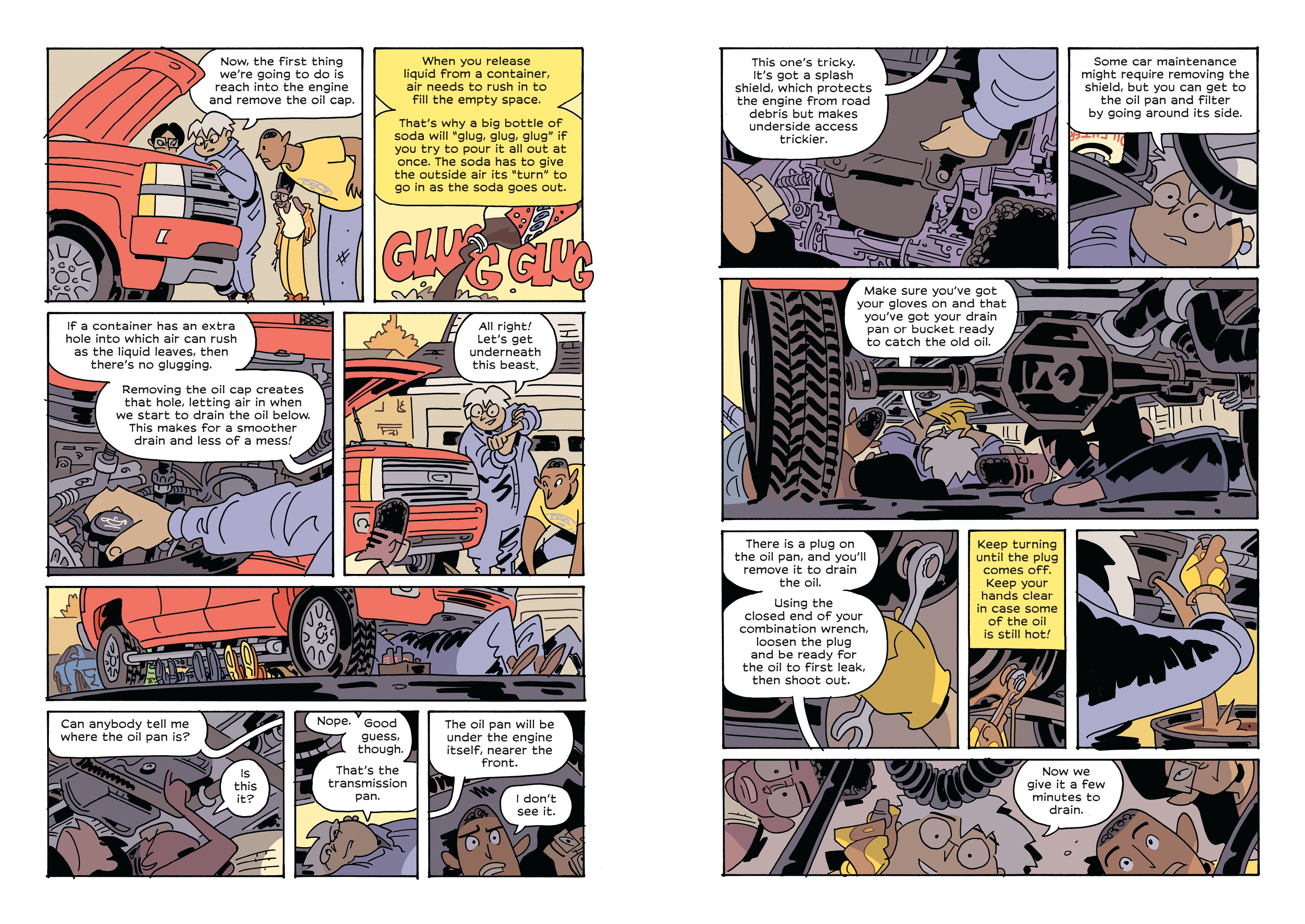
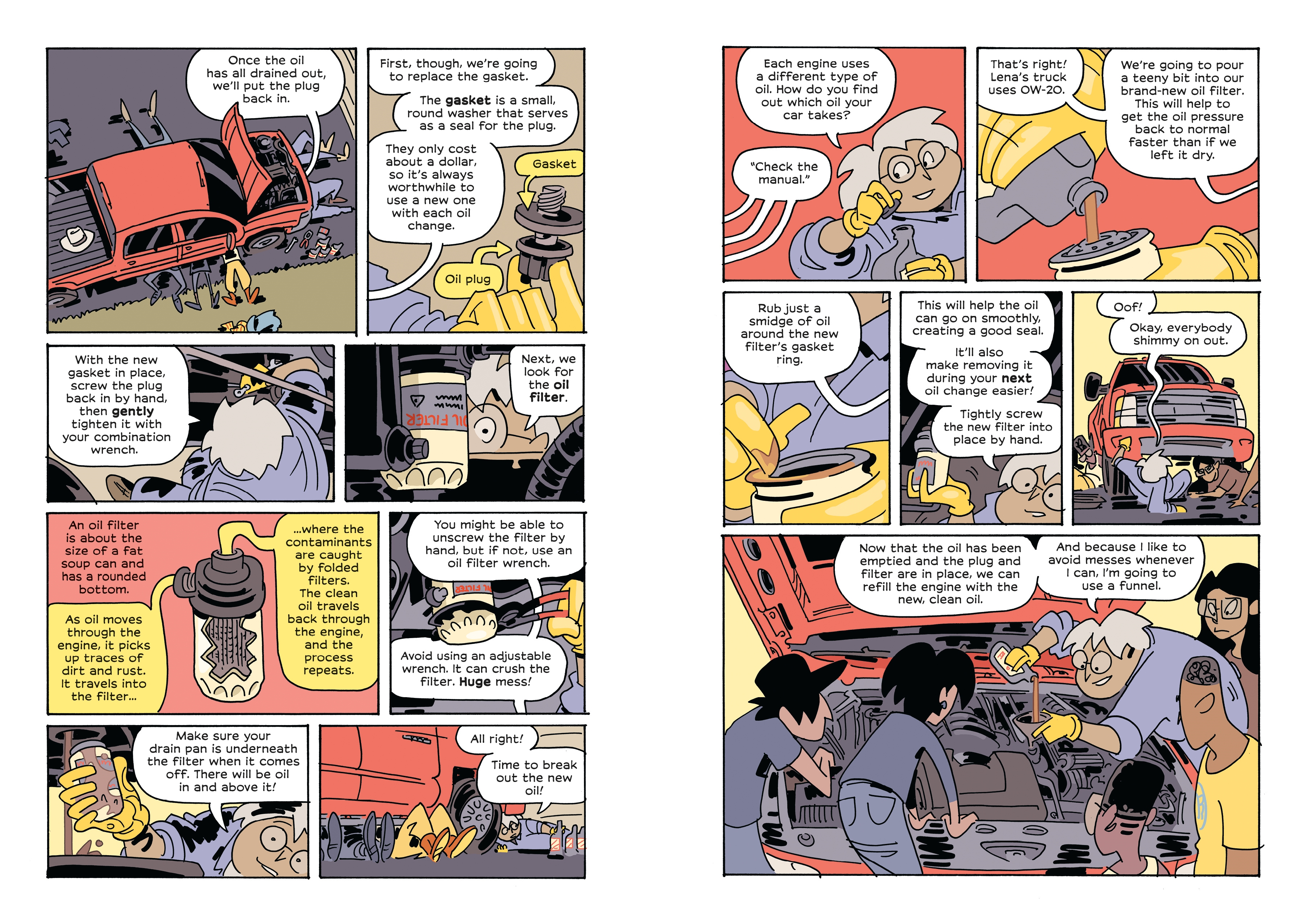
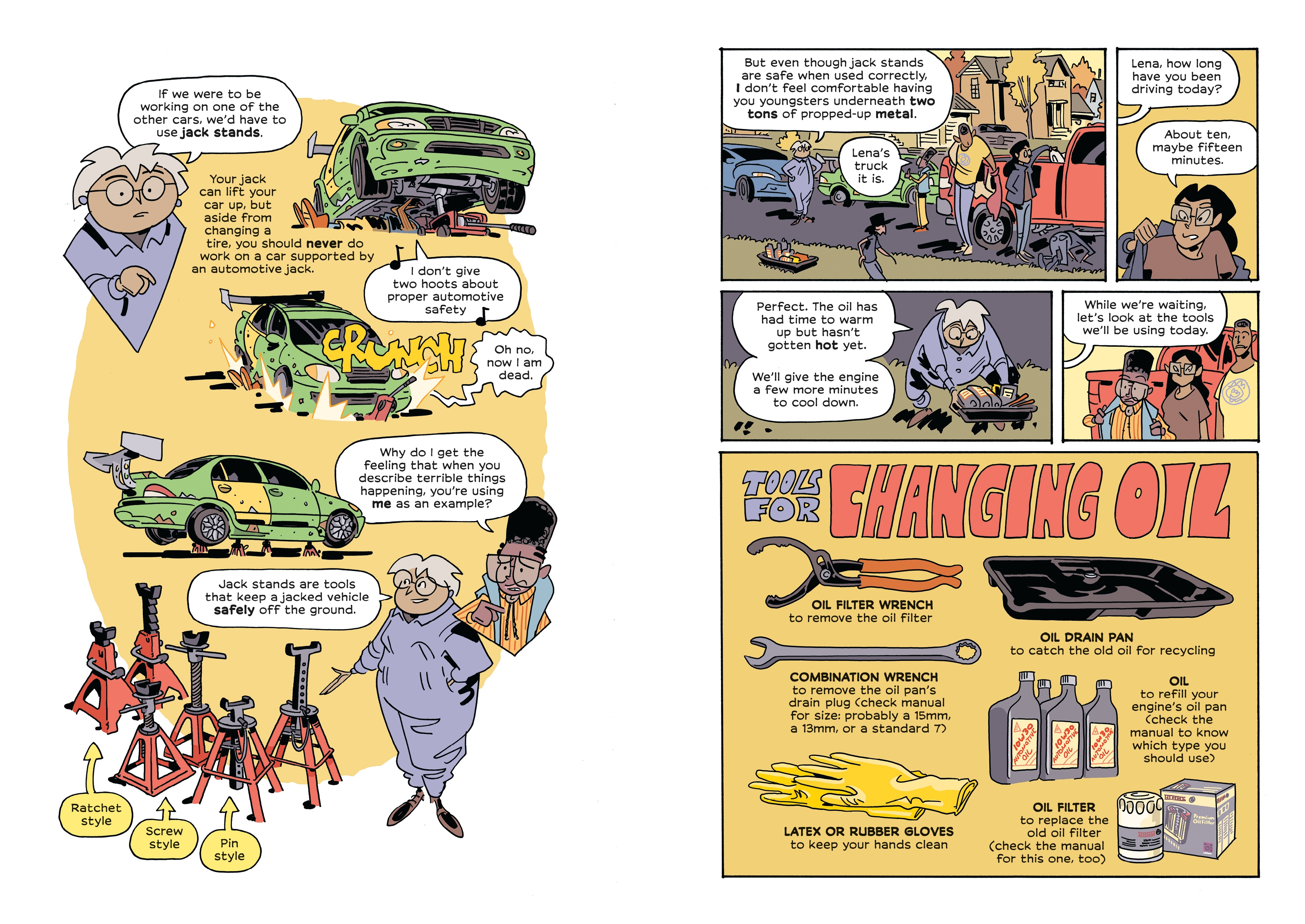
Fix a Car! is incredible in its detail: Ms. Gritt teaches her group how to check the oil and how often to check it; how to check the pressure in their tires, and how to change a tire; how to investigate a squeaky noise. Full-color diagrams introduce readers to the complex systems and inner workings of autos, and safety is paramount, with Ms. Gritt providing smart advice on how to be safe while changing a tire including how to locate a spare tire in your car and the difference between spare tires and donuts (not of the Dunkin’ variety). There are instructions on 10 different parts of auto care, including creating a portable tool kit, changing the oil, replacing a drive belt or pulley, and washing and detailing a car (bonus: adding a racing stripe). There’s a wealth of resources at the end of the book, including an author’s note on how Chris Schweizer learned to take care of his car and some further reading.

Because of the hands-on subject matter, I’d definitely include Maker Comics in my middle school collections, but the reading level works for middle grade as well. With adult supervision, I’m all for teaching younger kids to bake and learn their way around a car, so I’d consider it for either collection in a public library – many of the middle schoolers in my library go between Juvenile and YA collections – and a solid choice for middle school libraries. Create a solid graphic novel nonfiction section, and the kids will love you for it.

Posted in Middle Grade, Non-Fiction, Non-fiction, Tween Reads

Dinosaurs books for the arts and sciences!

The 50 State Fossils: A Guidebook for Aspiring Paleontologists, by Yinan Wang/Illustrations by Jane Levy, (Sept. 2018, Schiffer Publishing), $18.99, ISBN: 9780764355578

Ages 7-12

You know that states have their own flags. You probably even knew that states have their own trees, foods, and animals, but did you know that most states have their own fossils? It’s true! 50 State Fossils give readers a state-by-state look at each one. Maryland’s state fossil, for instance, is a Sea Snail, while Michigan’s is a Mastodon – a mammal similar to elephants and mammoths. Some state fossils are plants: Oregon’s is a Dawn Redwood, while North Dakota’s is Shipworm-Bored Petrified Wood. Each entry includes a photo and illustration of the fossil (or proposed fossil, for those states that don’t have a state fossil); a state map with a designated area where fossils can be found in that state; and a brief notation on the fossil: when the fossil dates from, when it was designated a state fossil, scientific names, and a paragraph or two about the fossil.

The State Fossils are the meat of the book, but this slim volume is packed with information for budding paleontologists: there are sections on how fossils form, how a state fossil is designated, dating fossils and the geologic time scale, and taxonomic rank.  There’s a glossary, a state-by-state breakdown of where to see fossils, and further reading. Endpapers are a colorful mix of various flora and fauna that can be found in the book.

50 State Fossils is one of those books a kid will carry to the museum to refer to while wandering through exhibits (I know I used to) and makes for a great book to give dino fans. It’s a nice add to nonfiction collections and a good gift idea.


If da Vinci Painted a Dinosaur, by Amy Newbold/Illustrated by Greg Newbold, (Oct. 2018, Tilbury House), $17.95, ISBN: 9780884486671

Ages 4-8

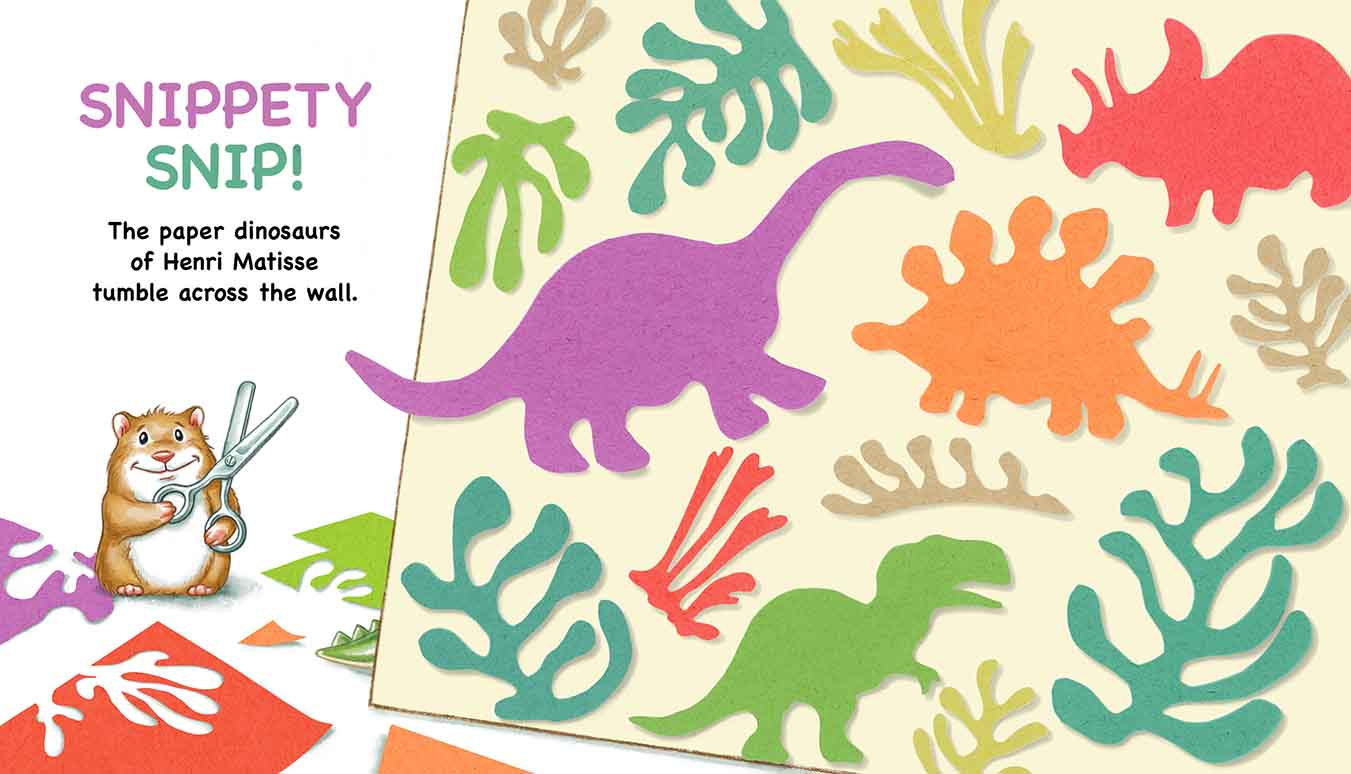
This follow up to 2017’s If Picasso Painted a Snowman is an enjoyable look at dinosaurs and art history. The hamster guide is back, escorting readers through an art gallery of different artists’ takes on dinosaurs, from a da Vinci-esque Virtruvian Dino, through Katusushika Hokusai’s giant wave (with dinosaurs wave surfing), and itty bitty dinosaurs hiding in Diego Rivera’s lilies. Who would da Vinci really paint, though, if he were painting dinosaurs? Why, Dino Lisa, of course! Readers are encouraged to copy a page sporting a blank easel and make their own dinosaur artwork, and featured artists get capsule biographies at the end, along with the dinosaur species designated to their paintings. A word from artist Greg Newbold encourages readers to draw, explore, and have fun on their own artist journeys. Endpapers inspired by Henri Matisse’s paper cutouts lead the reader in and usher them out, hopefully with a head full of ideas.

This book is just too much fun! It’s a great way to introduce art and science to kids, and begs for a program where kids can learn about artists and create their own dinosaurs. I’d have used this in my art storytime, for sure. (So maybe I need to dust that storytime off and revisit it.) Booktalk and feature in an art storytime with Lucy Volpin’s Crocdali; David Wiesner’s Art & Max; My Museum by Joanne Liu, and Henri’s Scissors by Jeanette Winter. This one’s an absolute add to collections.