Posted in Uncategorized

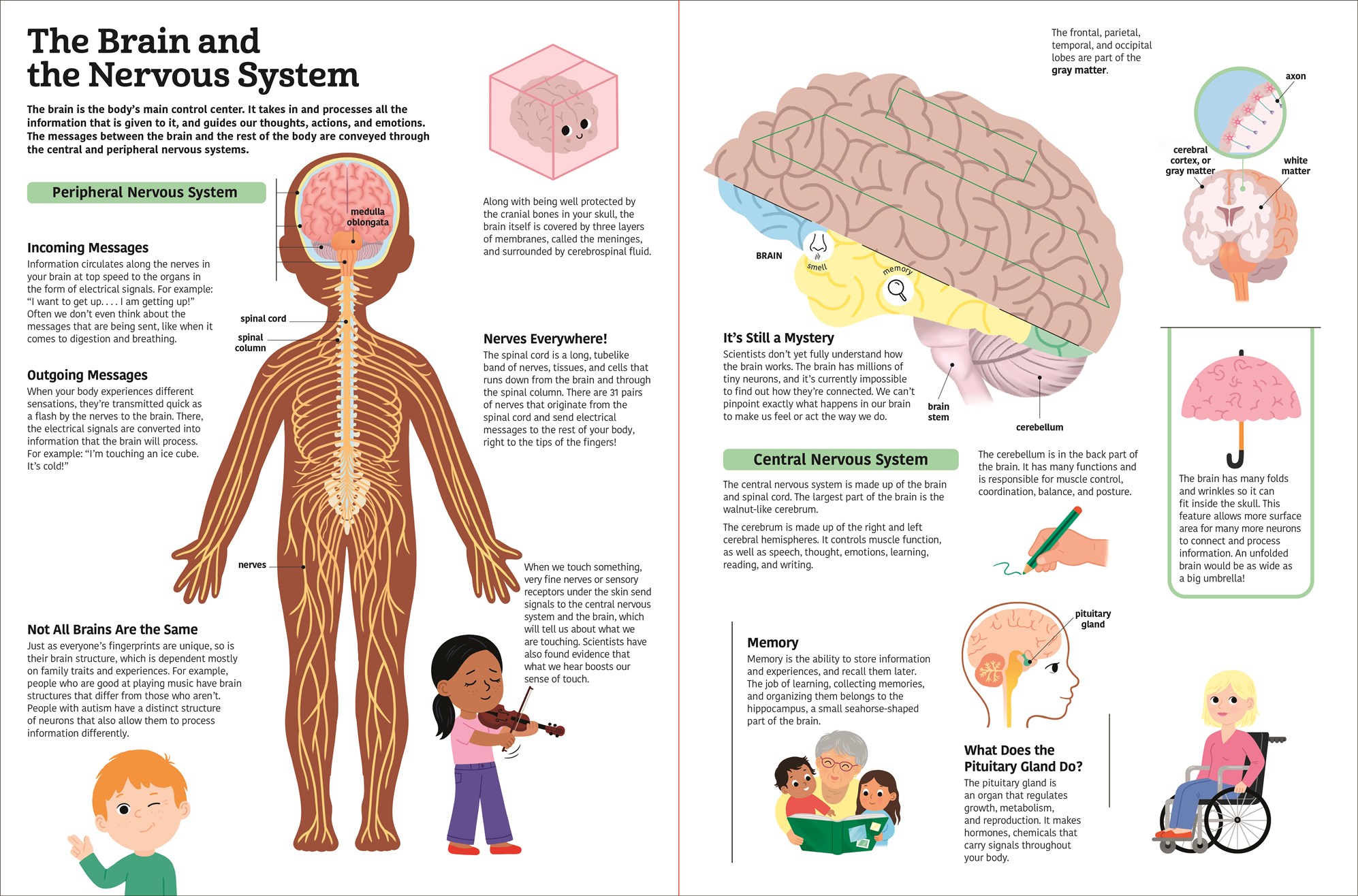
An interactive anatomy book for school age kids! The Ultimate Book of the Human Body

The Ultimate Book of the Human Body, by Anne-Sophie Baumann/Illustrated by Vanessa Robidou, (Sept. 2025, Twirl Books), $24.99, ISBN: 9791027613649

Ages 8-12

Who says preschoolers should have all the fun? This introduction to anatomy is filled with flaps and pulls and is perfect for middle graders. The Ultimate Book of the Human Body includes more than 60 pull tabs, flaps, and pop ups and is loaded with information for readers. It’s an oversized book, creating space for a wealth of information, neatly organized on each spread. Unfold a model of the brain, clearly labeled with areas and what function each area controls; use a pull tab to see how our diaphragms move on each inhale and exhale. Study teeth development through different ages using flaps of a child’s developing face; follow a poop’s journey as it moves through the intestine. Detailed illustrations accompany expert-reviewed information on the body and its functions. Illustrations feature a diverse group of individuals. This is great for middle grade science class collections and reference collections. If you’re putting a copy into circulation, keep a backup handy: the moving parts will wear out quickly with hard use. The Ultimate Book of the Human Body is part of Twirl’s Ultimate series, including The Ultimate Book of Animals and The Ultimate Book of Planet Earth. Spruce up your STEM/STEAM library with the set!

Posted in Graphic Novels, Realistic Fiction, Teen, Young Adult/New Adult

Teleportation and Other Luxuries, for STEM Geeks Everywhere

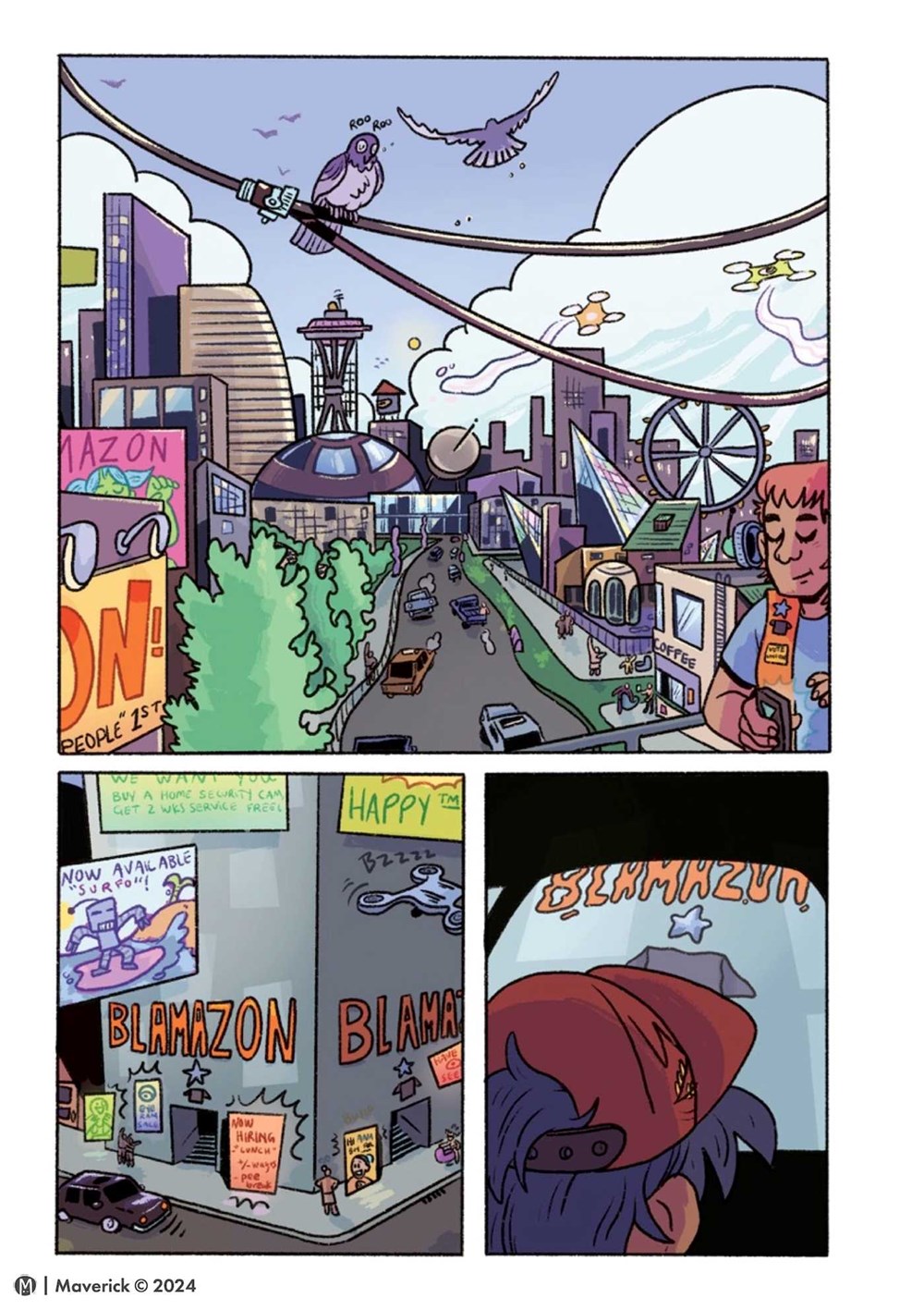
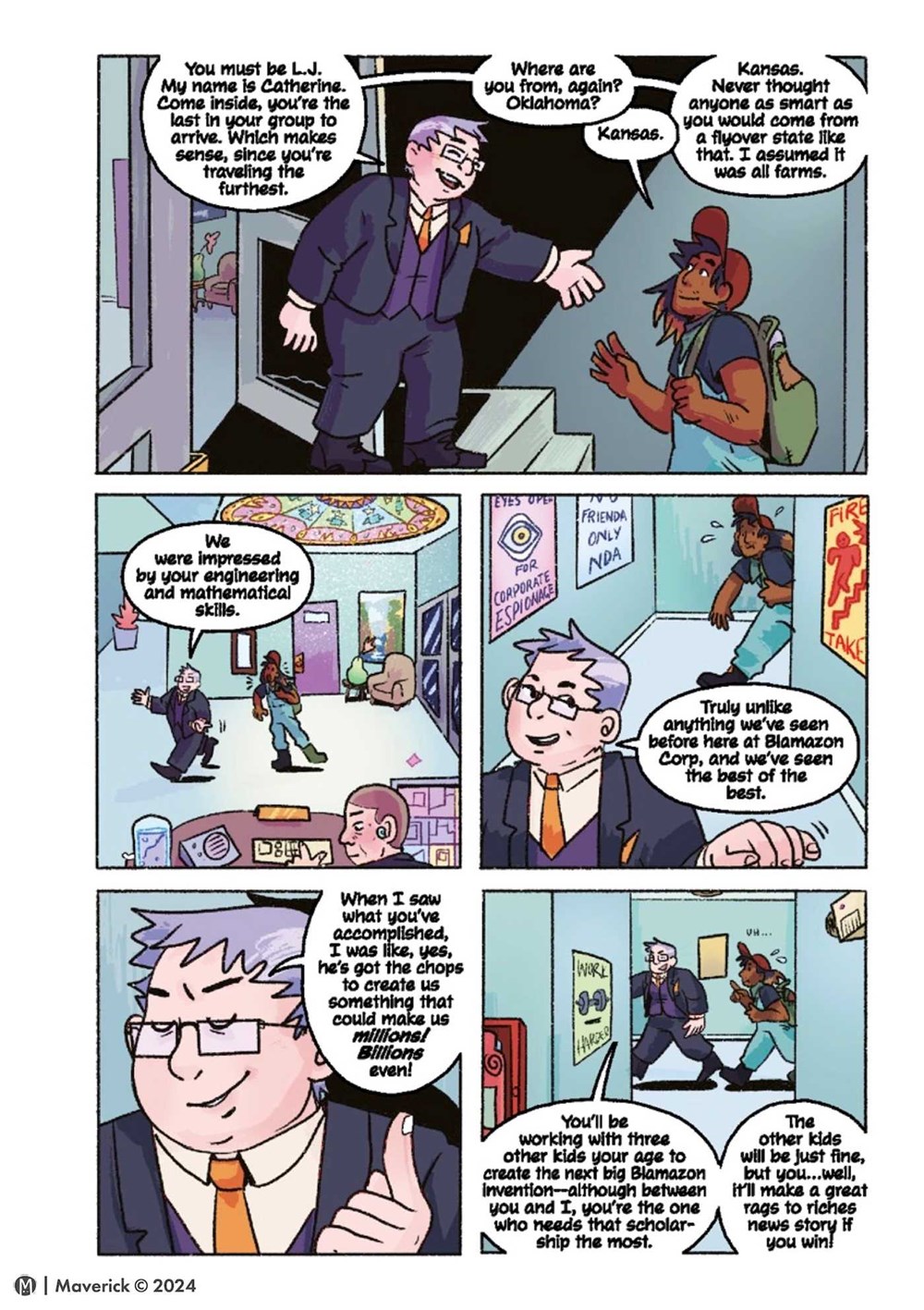
Teleportation and Other Luxuries, by Archie Bongiovanni & Mary Verhoeven, (Nov. 2024, Mad Cave Studios), $14.99, ISBN: 9781545812242

Ages 12+

A group of brainy misfits come together to win a science competition sponsored by a nefarious coroporation in this original graphic novel from Bongiovanni (A Quick & Easy Guide to They/Them Pronouns) and illustrator Verhoeven. Tyler, a trans teen with a penchant for social media and scientist parents who won’t accept anything less than total success, feels the pressure to keep up appearances for his family’s reputation’s sake. Gabby is a nonbinary student in the competition for far greater reasons than the scholarship money and the fame; her distrust of the corporation and science overall puts her at odds with Tyler. Allegra is a shy genius who hides her intelligence so she can fit in, and LJ is from a small town where he just learned to do everything because no one else could. Each member of the group has a hidden and personal agenda; when they realize a monumental breakthrough, though, they must weigh the cost of entering a project they know will win, but is unsafe. Blamazon, the megacorporation sponsoring the contest, is quick to wave their fears aside. A very human story with four queer teens at its heart, Bongiovanni explores their relationships with one another and with the world outside Blamazon’s walls. It becomes a story that encourages readers to ask themselves what really matters most. Cartoon-realistic illustration keeps pages turning along with the smart dialogue. A solid STEM story with realistic characters and situations at its center.

Posted in Intermediate, Non-Fiction

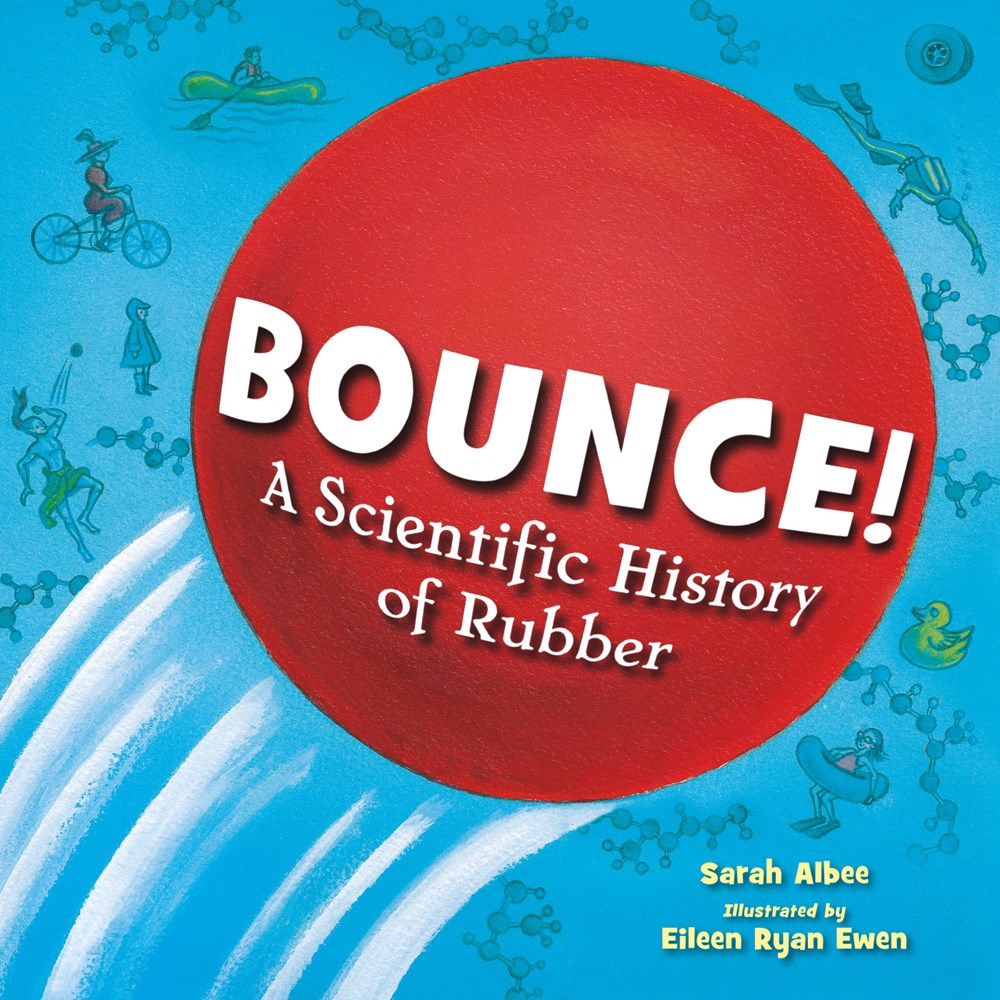
That’s the way the ball bounces: Bounce! is a history of rubber

Bounce! A Scientific History of Rubber, by Sarah Albee/Illustrated by Eileen Ryan Ewen, (Oct. 2024, Charlesbridge), $18.99, ISBN: 9781623543792

Ages 6-9

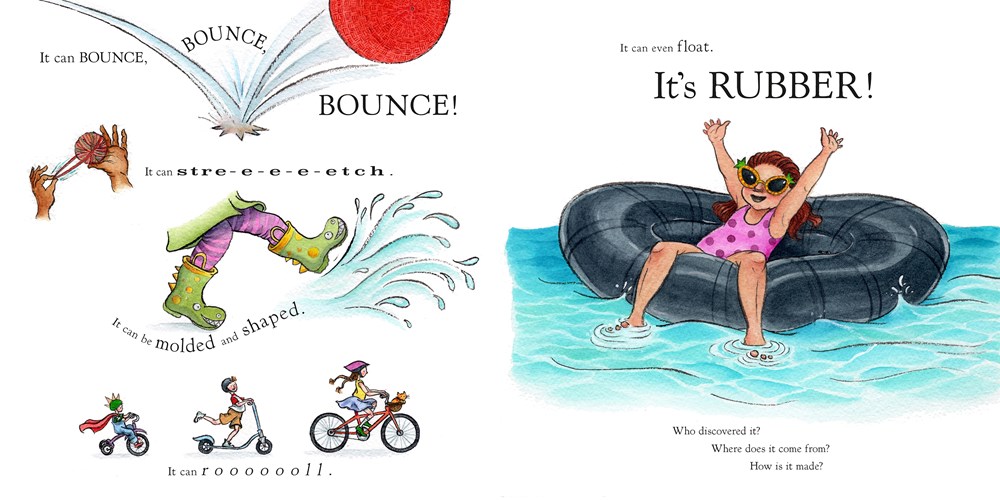
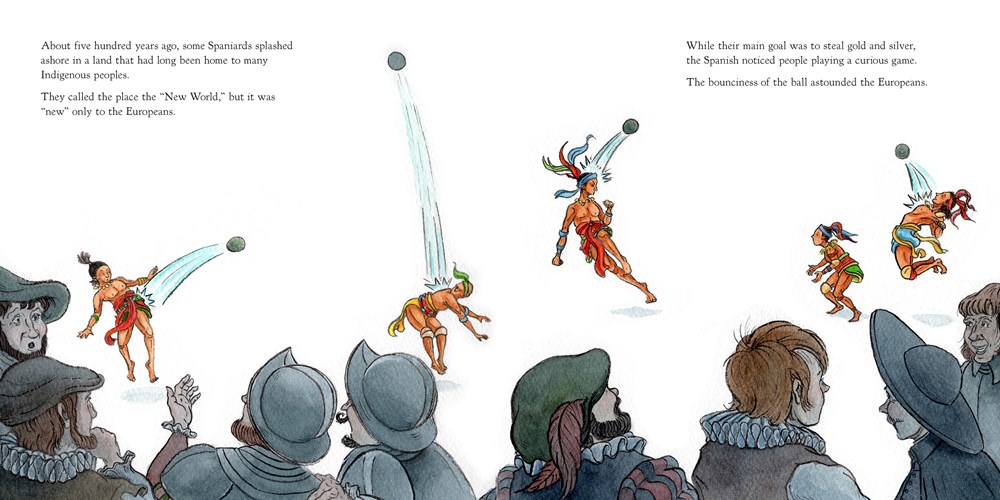
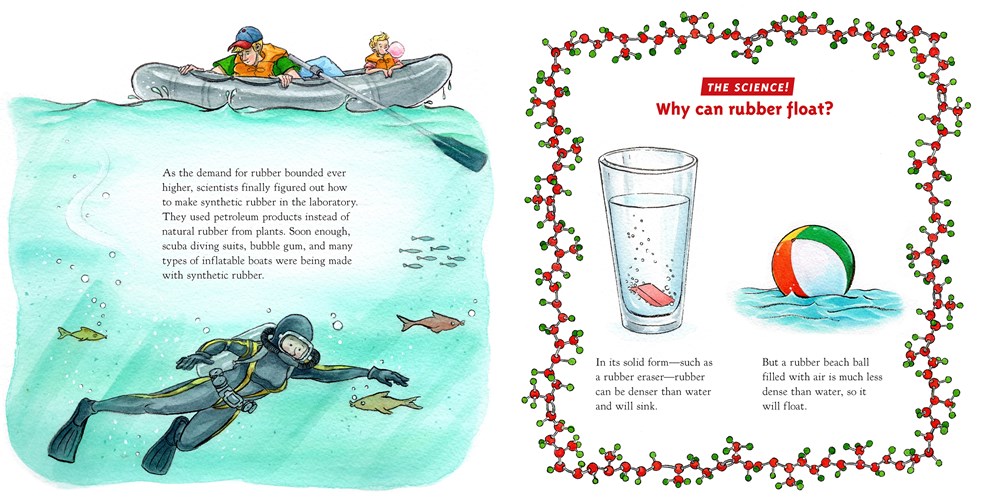
Learners who love the “why” of things will enjoy this one: illustrations and history pair with scientific explanation to deliver a concise and fascinating history of rubber. Entertainment in Europe wasn’t terribly exciting in the early days: to play ball, one had options like leather stuffed with feathers or an animal bladder stuffed with dried peas. You know where there were bouncing balls, though? The pre-Columbian Americas, where the rainforest had trees that yielded latex. The Spaniards “discovered” the balls along with everything else they “discovered”, leading to centuries of experimentation and innovation and culminating with simultaneous discoveries by American Charles Goodyear and Englishman Thomas Hancock; they discovered how to “vulcanize” rubber, making it moldable, shapable, and less likely to melt in the summer or freeze in the winter. Illustrated scientific explanations appear throughout the history, and pen, ink, and watercolor illustrations show people through the ages bicycling, sitting on inner tybes, splashing through puddles, and swimming underwater. Endpapers show a variety of balls bouncing across the spreads. Notes on history, details about rubber, a timeline, and a bilbiography round out the back matter. An excellent nonfiction resource.

Bounce! A Scientific History of Rubber has a starred review from Kirkus.


Sarah Albee is the New York Times best-selling author of more than 100 books for kids, including Troublemakers in Trousers: Women and What They Wore to Get Things Done and Accidental Archaeologists: True Stories of Unexpected Discoveries. Prior to being a full-time writer, Sarah worked at Children’s Television Workshop (producers of Sesame Street) for nine years. She played basketball in college, and then a year of semi-professional women’s basketball in Cairo, Egypt. She lives in Connecticut.

Eileen Ryan Ewen is the illustrator of many books for children, including H is for Honey BeeJonas Hanway’s Scurrilous Scandalous Shockingly Sensational Umbrella, and Nature’s Friend: The Gwen Frostic Story. http://www.eileenryanewen.com

Posted in picture books, Preschool Reads

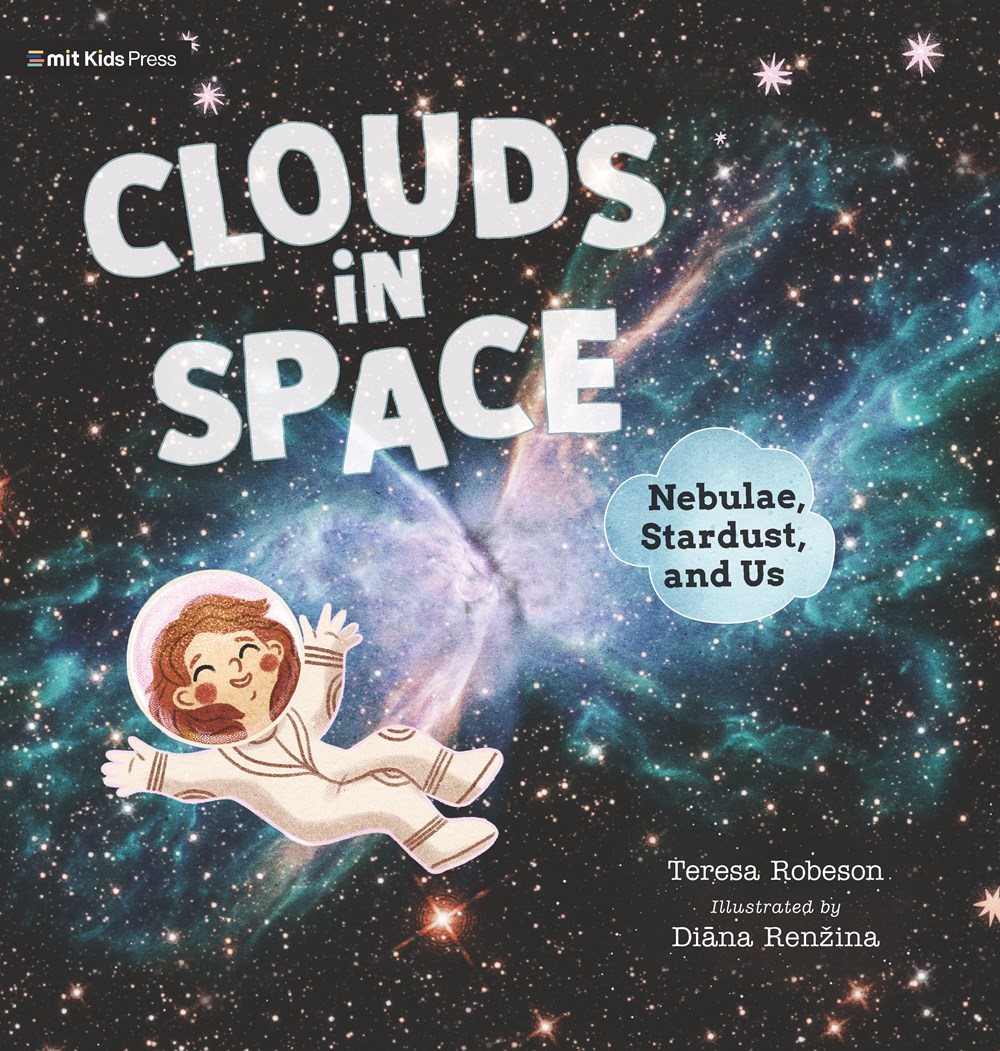
Clouds in Space: Meet Nebula!

Clouds in Space: Nebulae, Stardust, and Us, by Teresa Robeson/Illustrated by Diāna Renžina, (Aug. 2024, MIT Kids Press), $17.99, ISBN: 9781536225372
Ages 7-9

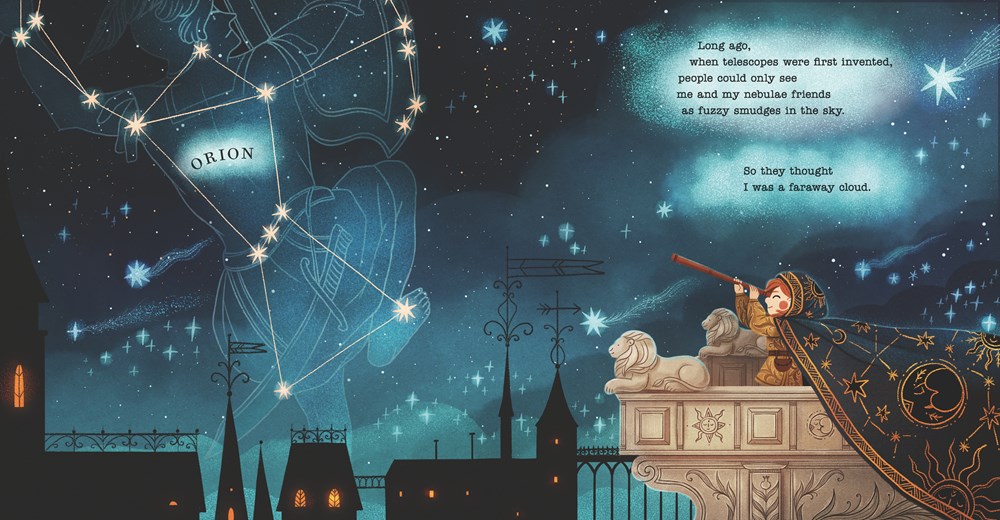
The secret is out: there are things we can’t see beyond the clouds. But Nebula, our narrator, is here to tell us everything! Nebula means “cloud” in Latin, and she guides us – and a young astronomer featured in the story – through an outer space trip to marvel at the beautiful nebulae scattered across the universe. Stunning digital illustrations incorporate actual photos of nebulae to paint vibrant pictures across the black sky. Renžina adds shapes to Butterfly and Elephant nebulae and allows a kaleidoscope of color to shimmer forth from our guide Nebula’s entire being; Robeson creates non-fiction poetry to describe the incredible beauty of the universe with phrases like “You are grown from scattered stardust, / sprouted in a stellar nursery. / I AM THE STARDUST / AND THE NURSERY”. Back matter includes details about nebulae, with photos of the nebulae featured in the book, and resources for further exploration. A stunning book that works as a storytime selection as easily as it does a non-fiction resource.

Clouds in Space: Nebulae, Stardust, and Us has a starred review from School Library Journal.

Posted in Intermediate, Non-Fiction

Dogs Do Science: a graphic nonfiction series for intermediate readers

This is such a fun series with recurring characters and fun, smart science know-how. For readers that may be a little young for Science Comics, Dogs Do Science fits the bill nicely. Read on for more.

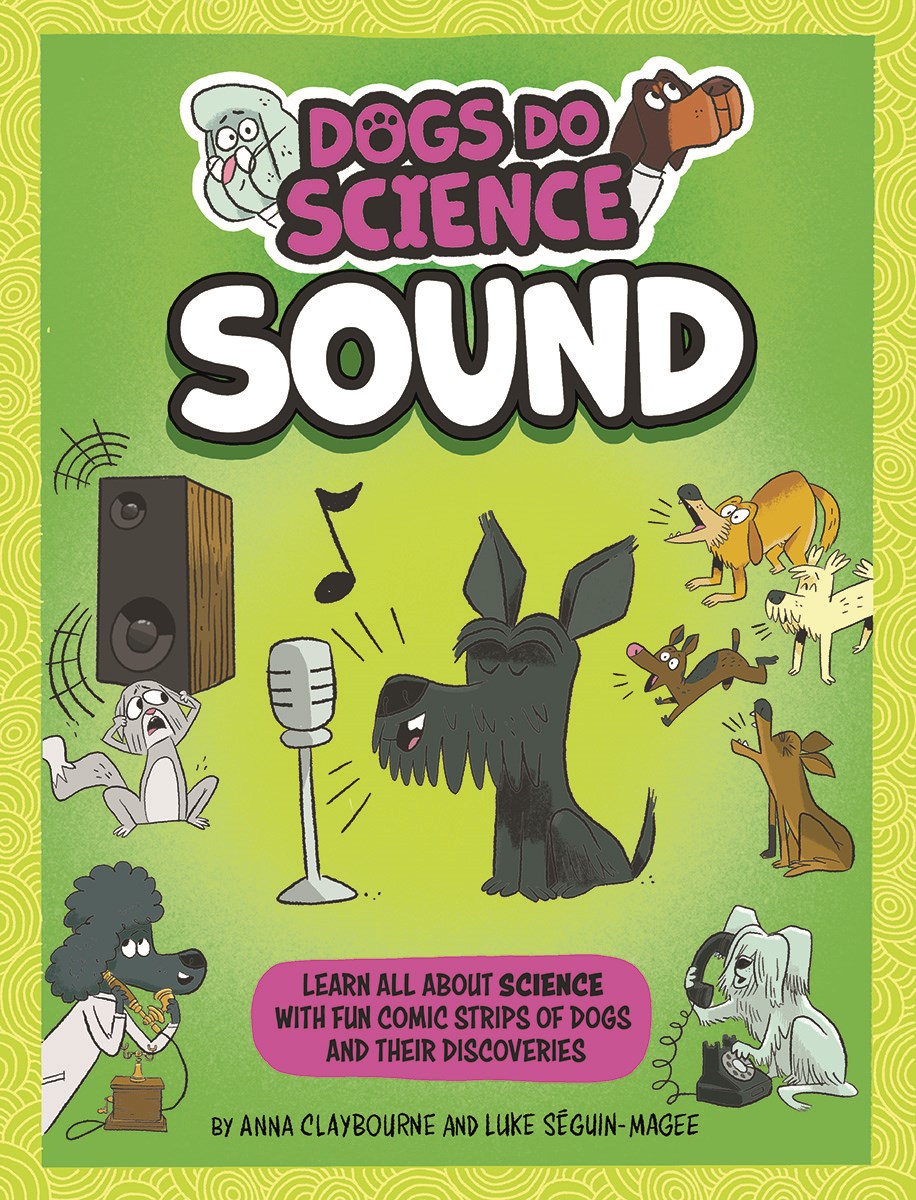
Dogs Do Science: Sound, by Anna Claybourne/Luke Séguin-Magee, (March 2024, Kane Miller), $12.99, ISBN: 9781684647804

Ages 7-10

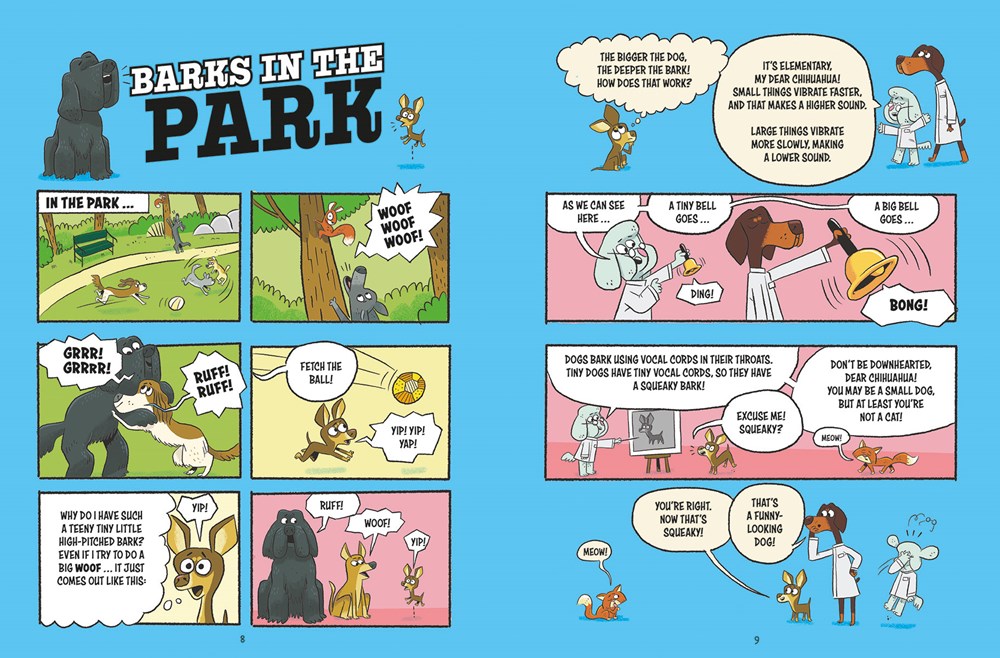
Meet Professor Pooch: a learned and fluffy Bichon Frisé, they’re also the main character fo the Dogs Do Science graphic novel series. In Dogs Do Science: Sound, Professor Pooch is here to explain how sound works, using dogs and their superior hearing as examples for readers. Explained through a series of graphic novel sections featuring different breeds of dogs, readers will love the fun comics and easily understandable explanations of sound: why do dogs go berserk when the postman arrives? Why do our dogs come running when we think we’re shaking that food quietly? Why do chihuahuas have that sharp little bark? It all comes down to science! (By the way: tiny dogs have tiny vocal cords, hence the squeaky barks.) A “Sound Roundup” and pop quiz in the back matter help summarize and test readers’ knowledge. Cartoon illustrations keep things moving.


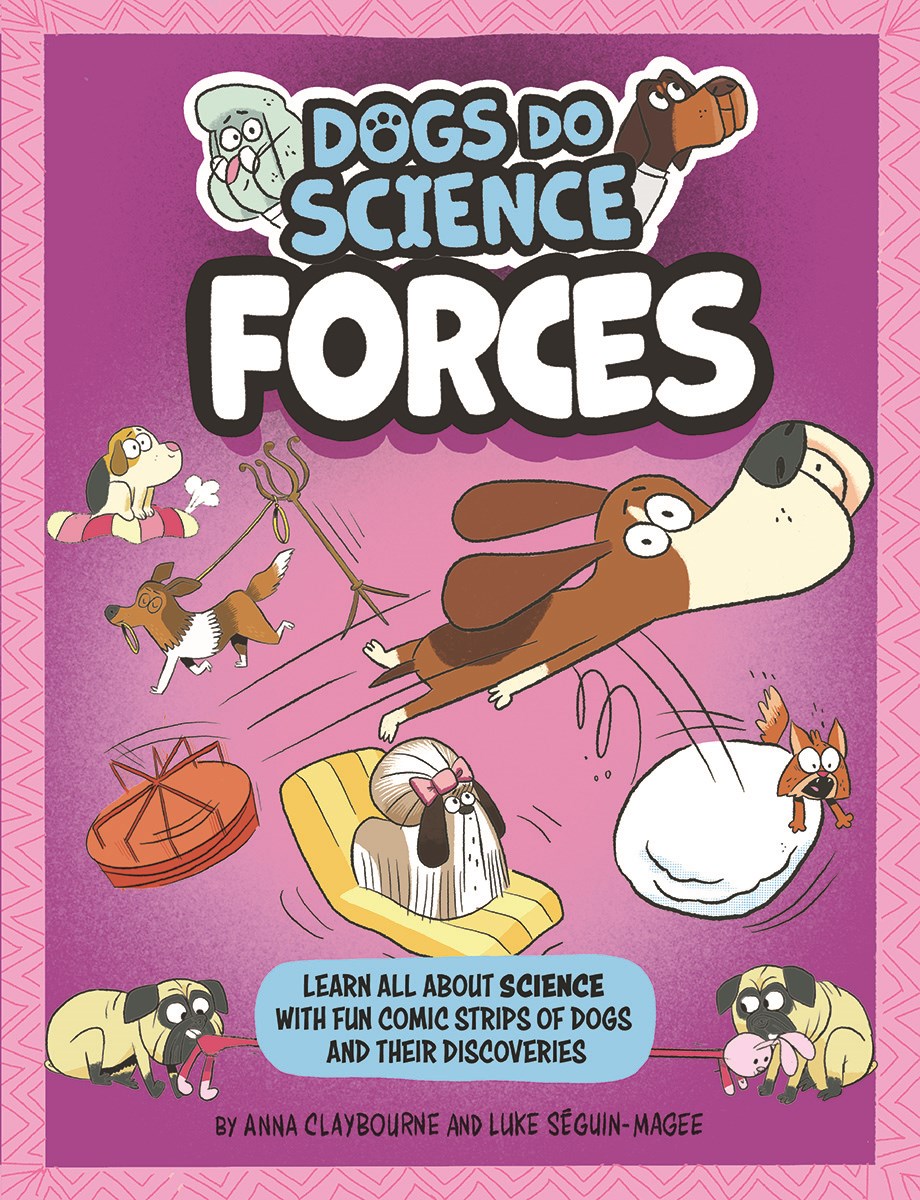
Dogs Do Science: Forces, by Anna Claybourne/Luke Séguin-Magee, (March 2024, Kane Miller), $12.99, ISBN: 9781684647798

Ages 7-10

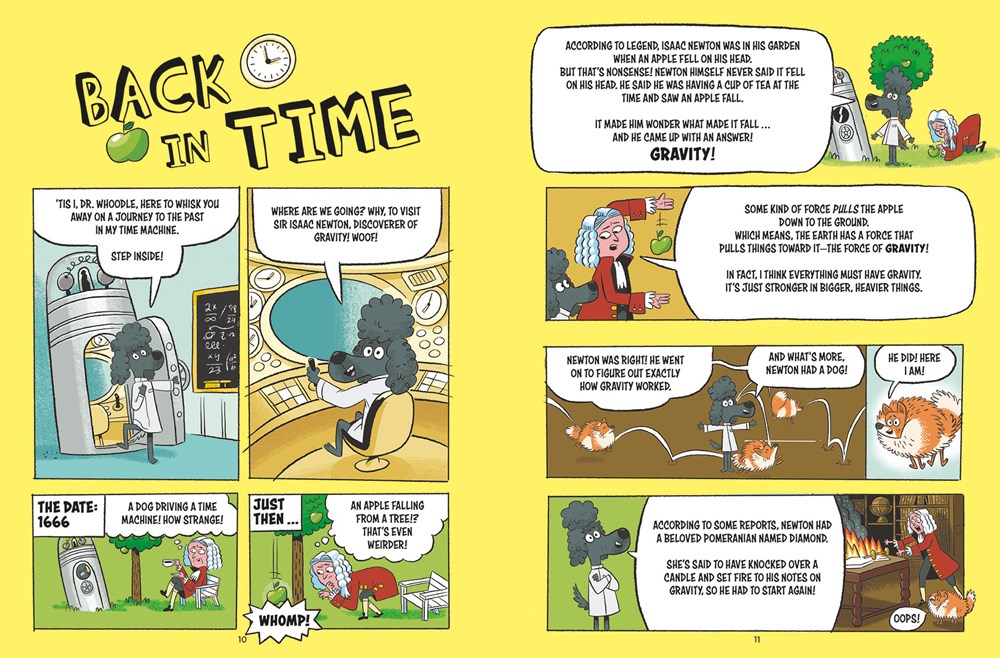
This volume is all about force: “pushes, pulls, and other forces make things move – or stop, or change direction, or fall over”, as Professor Pooch puts it. A trip back in time with Dr. Whoodle the Poodle introduces readers to Sir Isaac Newton and a discussion on gravity; other comic strips teach readers about centrifugal force, air pressure, and intertia. A section called Spot the Spaniel’s “Spot the Difference” offers a fun activity where readers can search before and after pictures for signs of gravity. A “Force Roundup” and pop quiz summarize and reinforce readers’ knowledge.


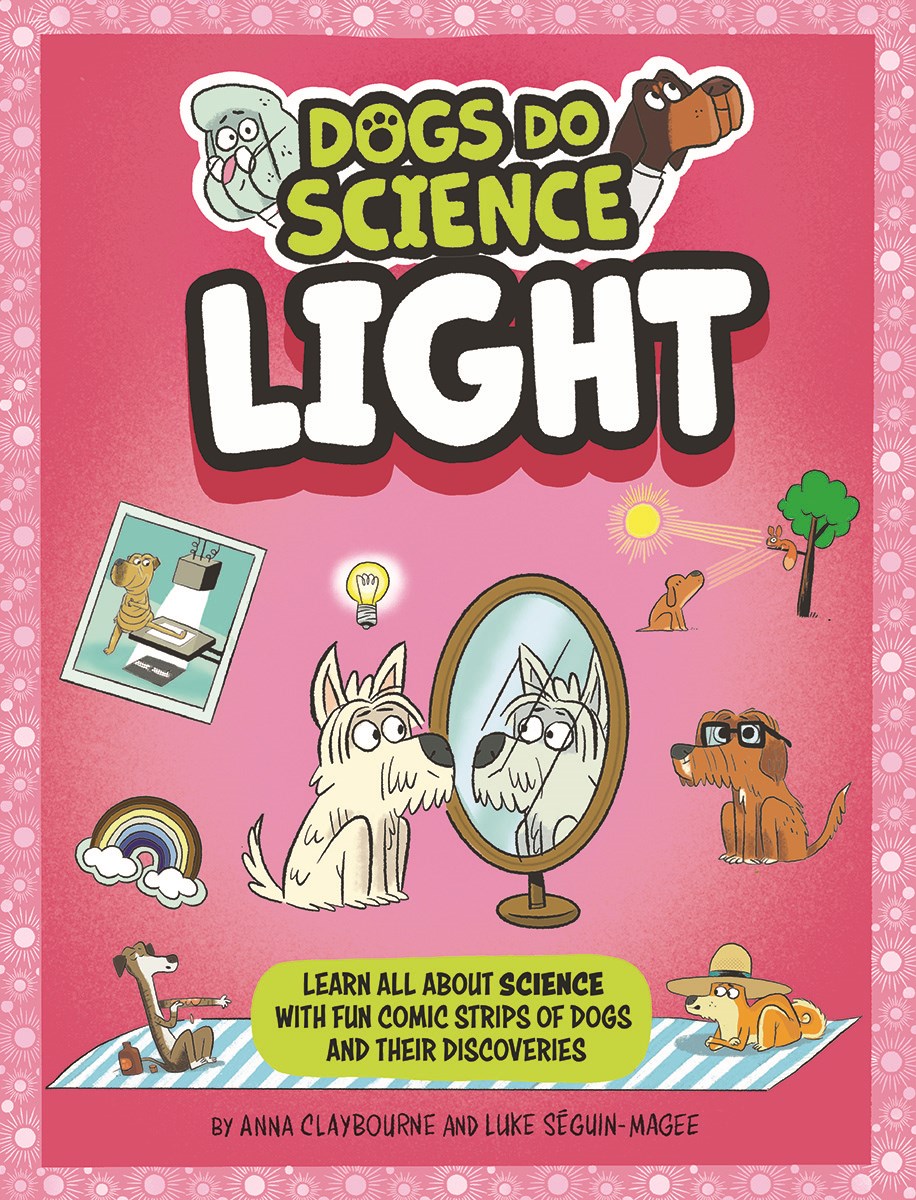
Dogs Do Science: Light, by Anna Claybourne/Luke Séguin-Magee, (March 2024, Kane Miller), $12.99, ISBN: 9781684647811

Finally, we have Light, which starts off with the bright shiny thing that comes through the windows and wakes our dogs up every morning… and sometimes, shiny things blink outside the window. Professor Pooch and their amusingly dull  Doberman assistant are here to help, shedding light on the mysteries behind shadows, reflections, and how dogs see colors differently from humans. A recurring “Dogs in Space” comic takes how light travels in space. Spot the Spaniel has a fun shadow matching activity, and Professor Pooch’s Light Roundup and Poodle’s Pop Quiz complete the volume.

All in all, the Dogs Do Science series is fun, and works well with graphic novel collections where nonfiction is helpful and popular, aka History Comics and Science Comics.

Posted in Early Reader, Intermediate, Non-Fiction, Non-Fiction

Elise Gravel turns her microscope to Club Microbe

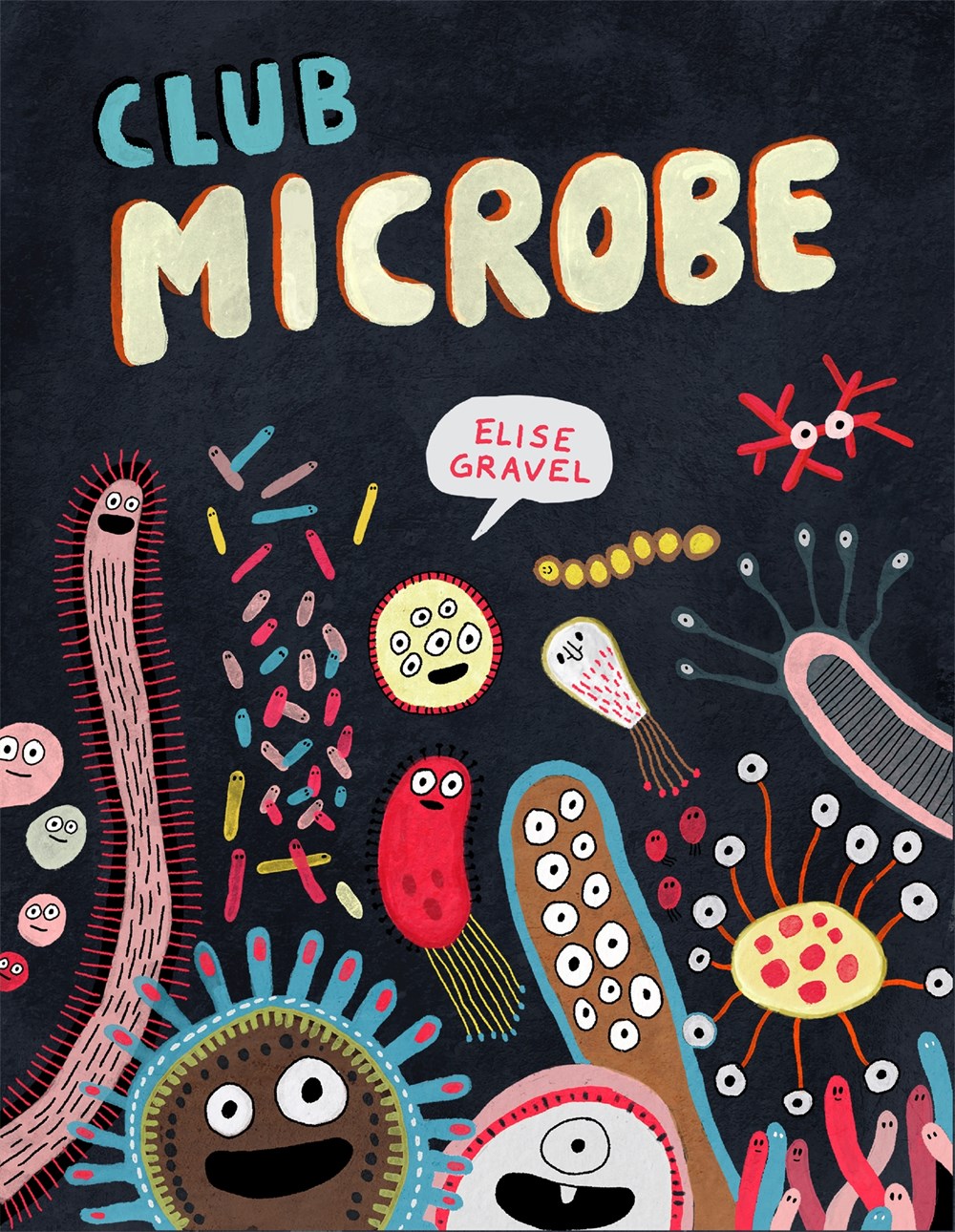
Club Microbe, by Elise Gravel, (Apr 2024, Drawn & Quarterly), $17.95, ISBN: 9781770467026

Ages 5+

Elise Gravel makes some of the most fun science series: Club Microbe joins the ranks of Mushroom Fan Club and The Bug Club, making adorable cartoons out of subjects kids would normally scrunch their noses up at. Club Microbe is all about microorganisms: viruses, algae, bacteria, you name it, Gravel is fascinated with them. Gravel convinces readers that microbes get a bad rep because of a few creeps, like the coronavirus and rabies lyssavirus; there are loads of good microbes, like the bacteria that makes yogurt, or the germs that live in our intestines and help us digest our food (and make a little body music). There are microbes that help fight climate change, and microbes that help form snowflakes. Microbes are found everywhere on the planet – even volcanoes! – and without them, we’d be a dead planet. Gravel warms to her subject; her enthusiasm shines through, and her illustrations make expressive, brightly colored blobs of all sizes and shapes. A fun introduction that will delight any reader. Get a free virus printable and other science printables at Gravel’s author website.


Posted in picture books, Preschool Reads

Blog Tour: I Am Gravity, by Henry Herz

In 2021, Henry Herz and Tilbury House published I Am Smoke, a lyrical meditation into our world as seen through the eyes of Smoke: its presence in history, science, and culture. Now, we can look forward to its companion, releasing on April 16th: I Am Gravity.

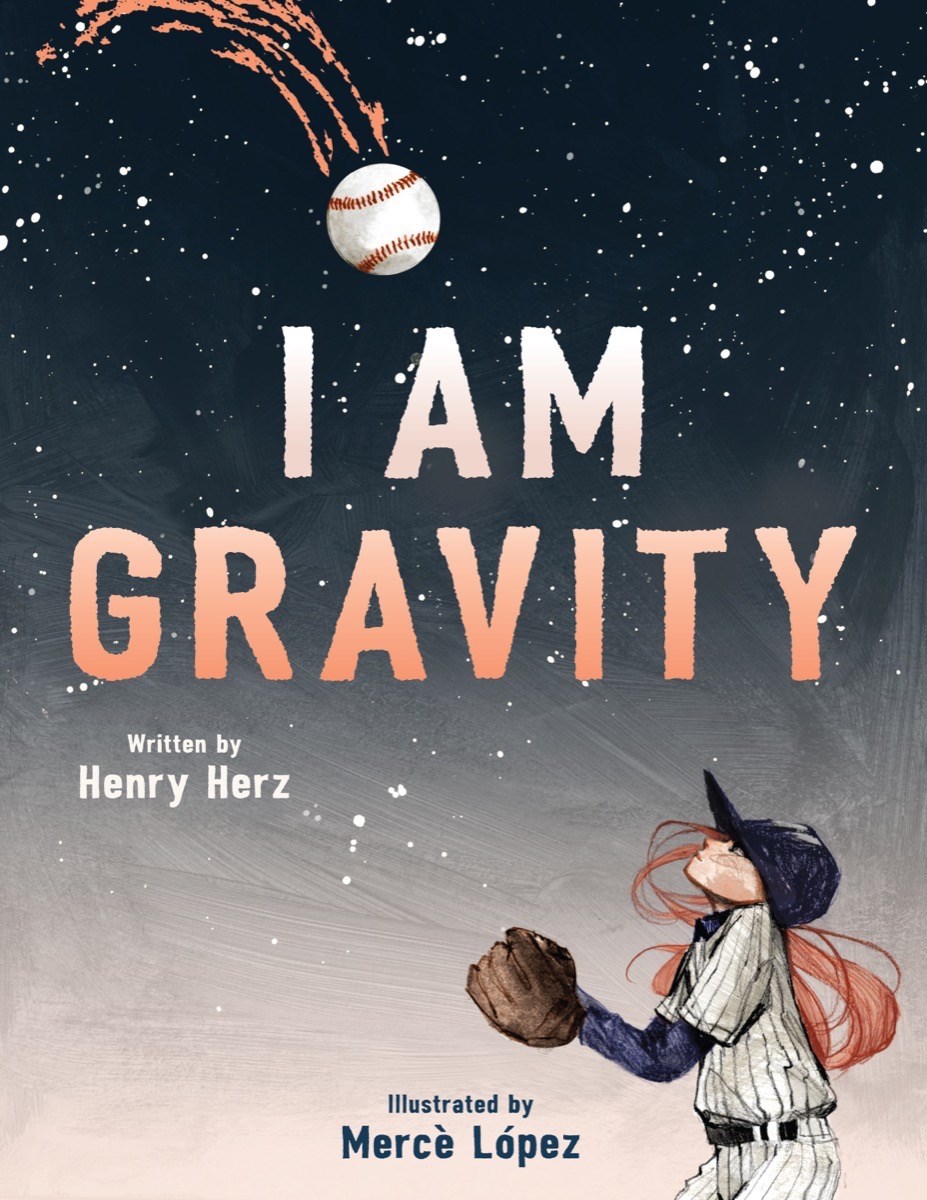
I Am Gravity, by Henry Herz/Illustrated by Mercè López,
(Apr. 2024, Tilbury House), $18.95, ISBN: 9781668936849

Ages 4-8

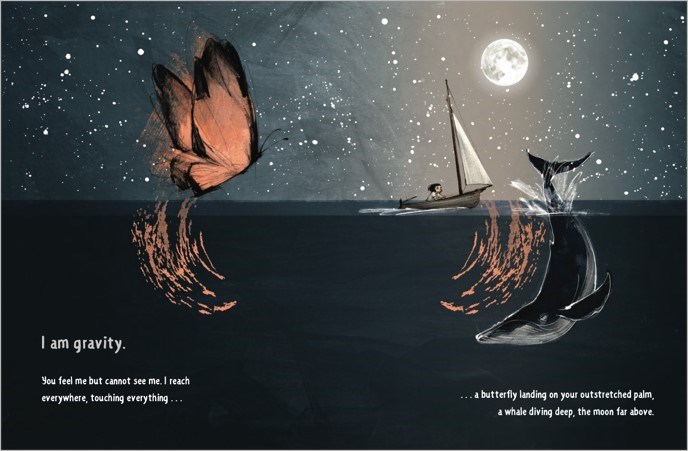
Narrated by Gravity, I Am Gravity reveals its existence in our lives from the very beginning, at once revealing the beauty and the power of its force: “Over millions of years, I pack molecules into planets… I have existed since the dawn of time. I am gravity” and balances with its ethereal beauty: “You can feel me but not see me. I reach / everywhere, touching everything… / … a butterfly landing on your outstretched palm, / a whale diving deep, the moon far above.” López’s exquisite illustrations paint Gravity as a deep pink presence, guiding a whale underwater and wrapping around a planet in formation. A fantastic companion to I Am Smoke and an essential addition to picture book STEM collections.

Posted in picture books, Preschool Reads, Uncategorized

STEM Books to Explore

I’m back with some new books to explore fun STEM concepts. I really miss having a Discovery Club at my library… maybe I’ll use these as a way to gauge some interest again.
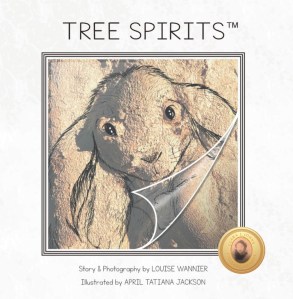
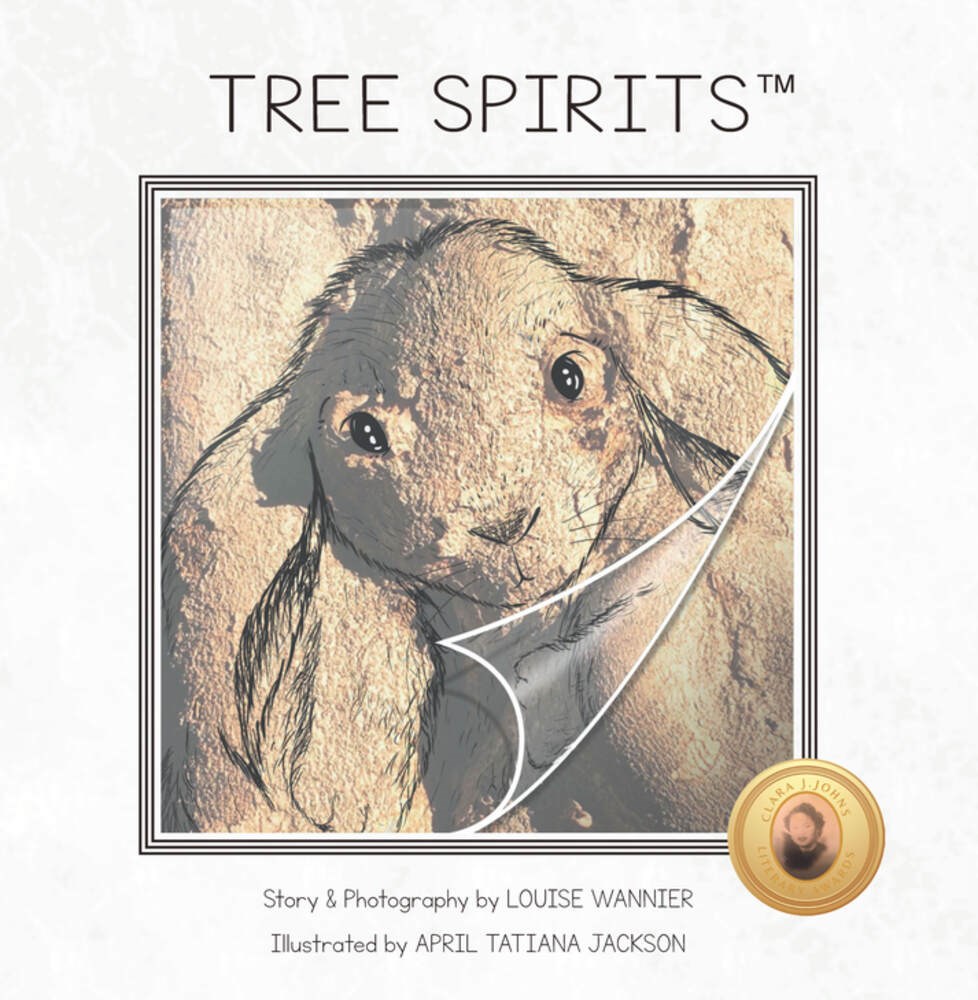
Tree Spirits (2nd Ed., Revised), by Louise Wannier/Illustrated by April Tatiana Jackson, (Sept. 2023, True Roses Books), $24.95, ISBN: 9780990997658

Ages 3-8

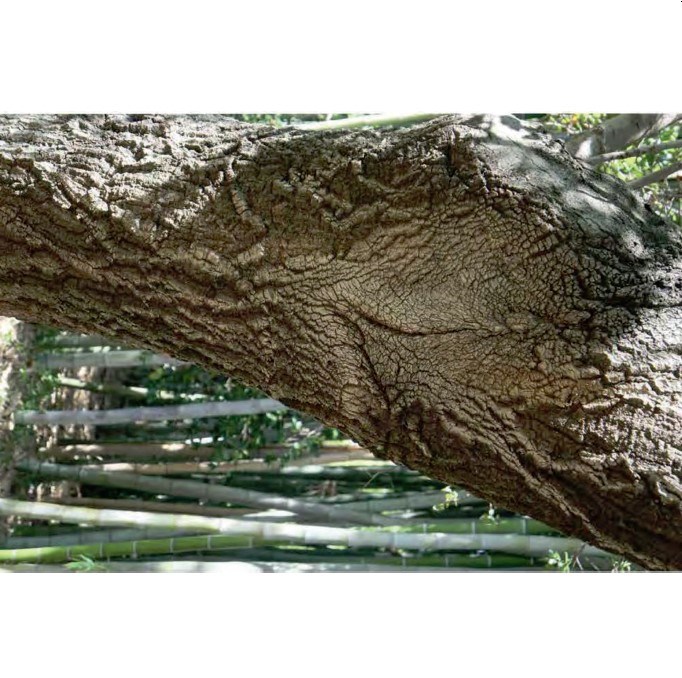
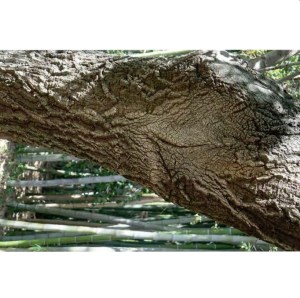
This book was published in September of last year, but I’ve just seen a copy and wanted to include it here. Incorporating nature and art, Wannier creates fun rhymes that encourage readers to think and wonder at different photos of trees. The repeated questions invite readers to look at each photo, considering the swirls and bumps, shapes and bends of the featured trees. The author offers her point of view, and Jackson, with a turn of the page, offers an overlaid illustration of an animal in the tree. Color photos are crisp, with texture and detail. The rhyming text incorporates different emotions, making this a helpful inclusion in social-emotional collections as well as nature science and STEM/STEAM collections. A nice additional purchase.


Tree Spirits is an interactive picture book that encourages creativity, social-emotional intelligence, and seeing the world with fresh eyes. With 25 color photographs of trees, the rhyming text asks, “What do you see when you look up at this tree?” inviting a child to use their imagination. Turning the page reveals an illustrated overlay of a charming animal inspired by the lines and shapes of the tree bark. Each animal introduces a different emotion, helping children understand their inner spirit and feelings.
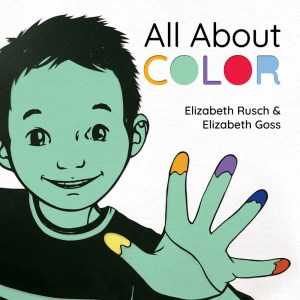
All About Color, by Elizabeth Rusch/Illustrated by Elizabeth Goss, (March 2024, Charlesbridge Publishing), $17.99, ISBN: 9781623543532

Ages -8

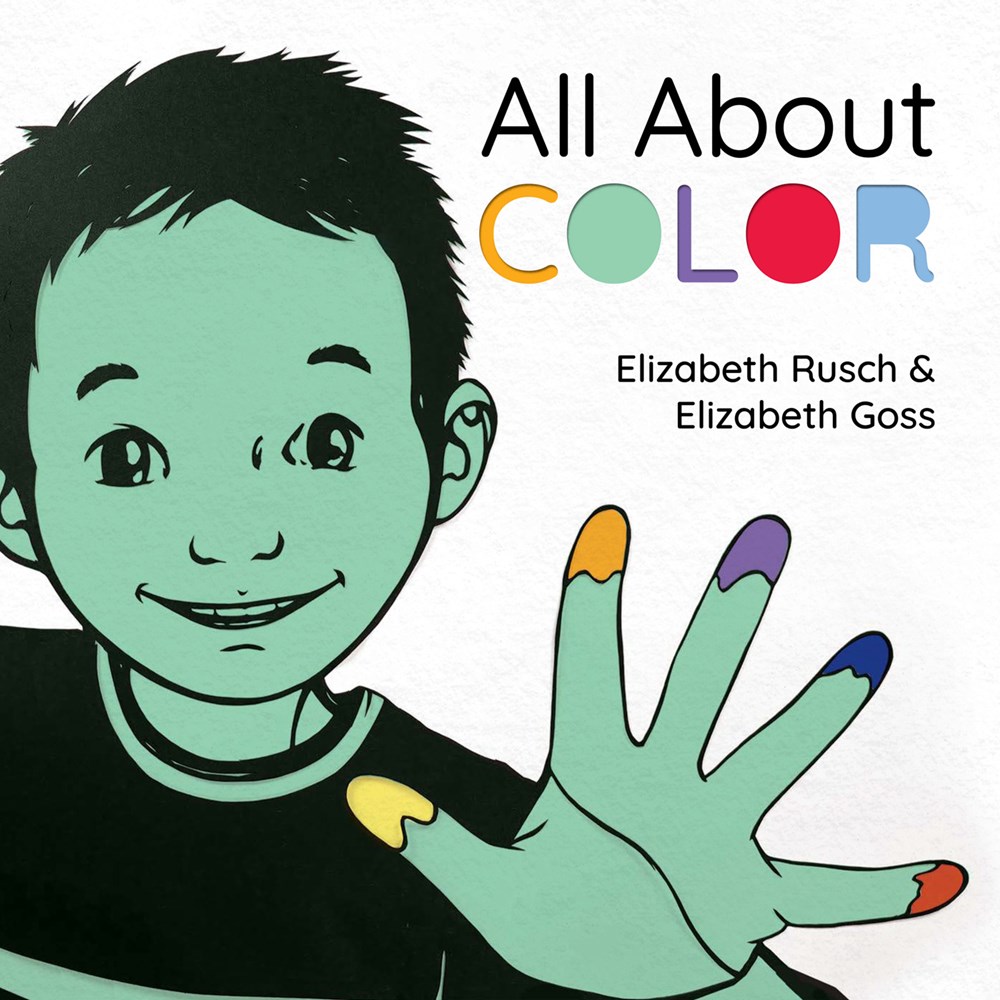
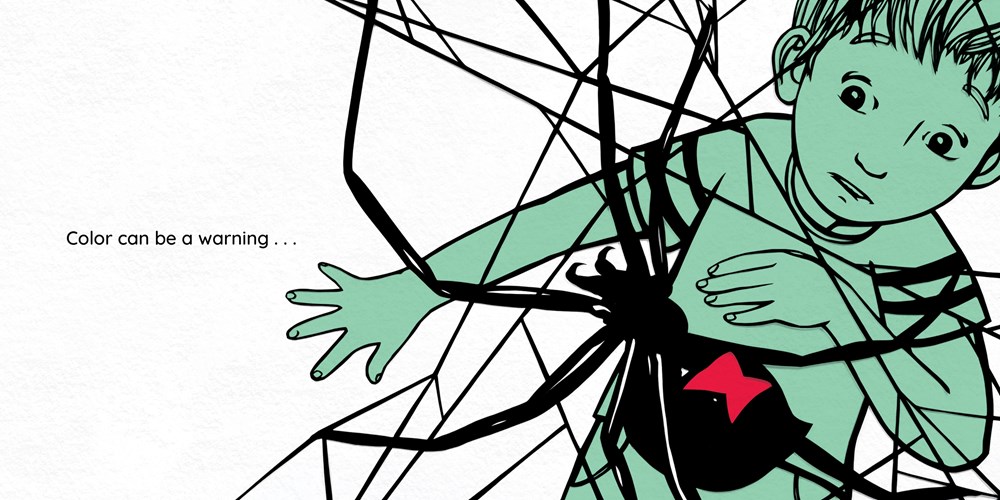
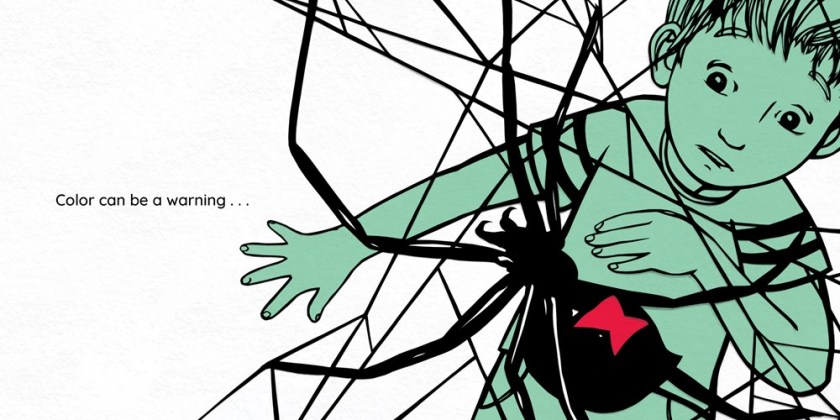
Rusch gets into deep stuff in this exploration of color, telling readers right off the bat that “Color doesn’t exist. The sky is not blue”, giving a few additional examples before explaining that we perceive color when light sends messages to our brains. Rusch discusses how color helps us in our day-to-day lives: they can describe emotions, like “seeing red” and “feeling blue”; they can warn us, as illustrated by the bright red triangle on a black widow spider; they can let us know when to stop and go, as with a traffic light. Goss’s boldly outlined illustration offers bright color washes to communicate Rusch’s succint explanations. Rusch uses simple sentences to allow emerging readers to enjoy this book on their own or as part of a readaloud. A good introduction to the science of color. All About Color is the companion title to All About Nothing (2023), an introduction to negative space.
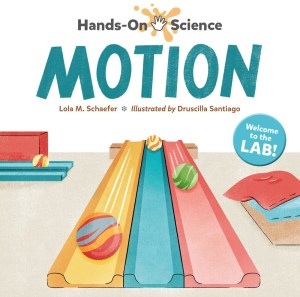


Hands on Science: Motion, by Lola M. Schaefer/Illustrated by Druscilla Santiago, (Feb. 2024, Charlesbridge Publishing), $16.99, ISBN: 9781623542450

Ages 4-8

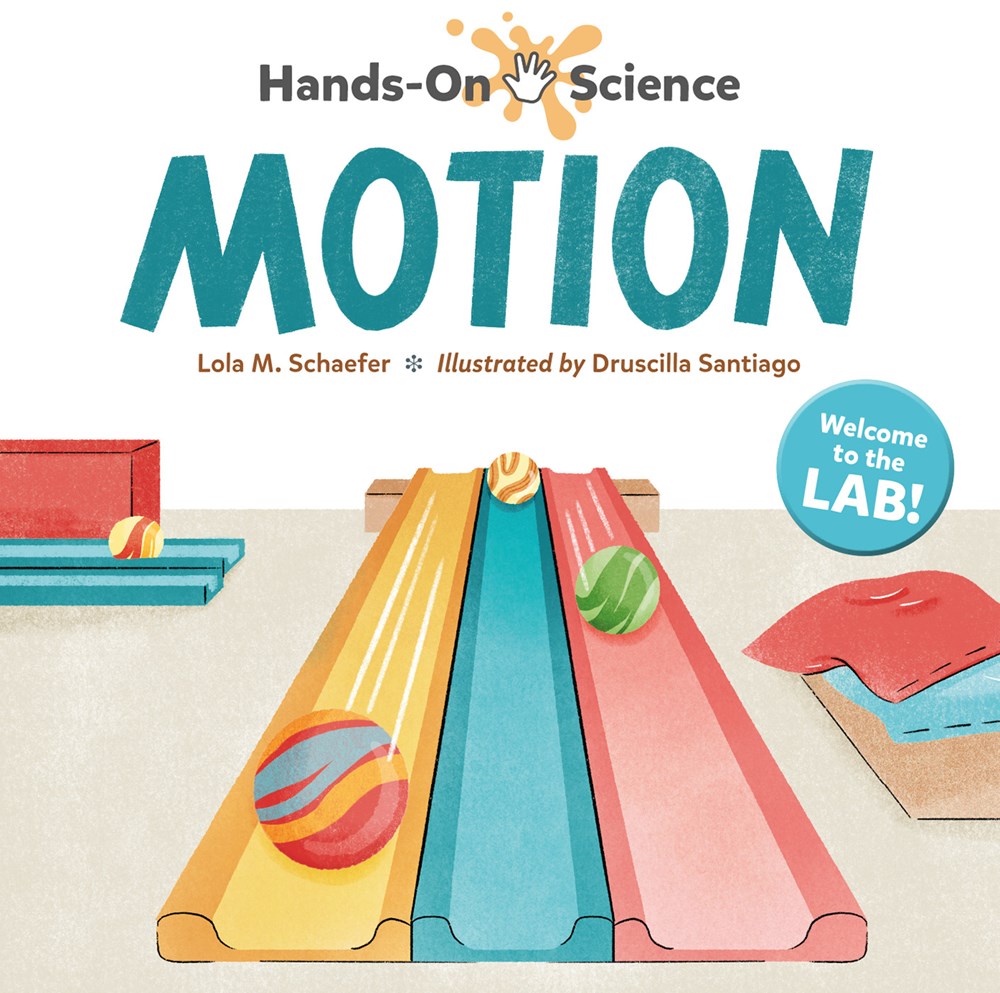
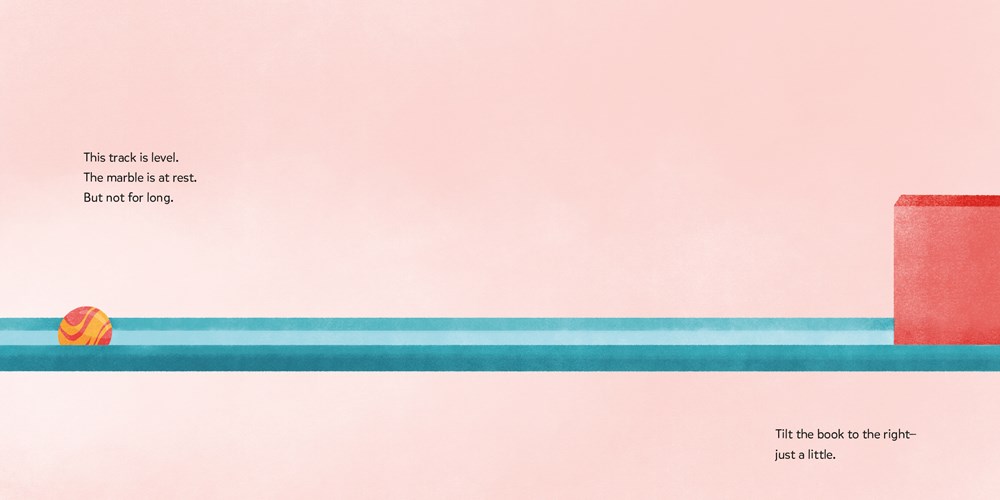
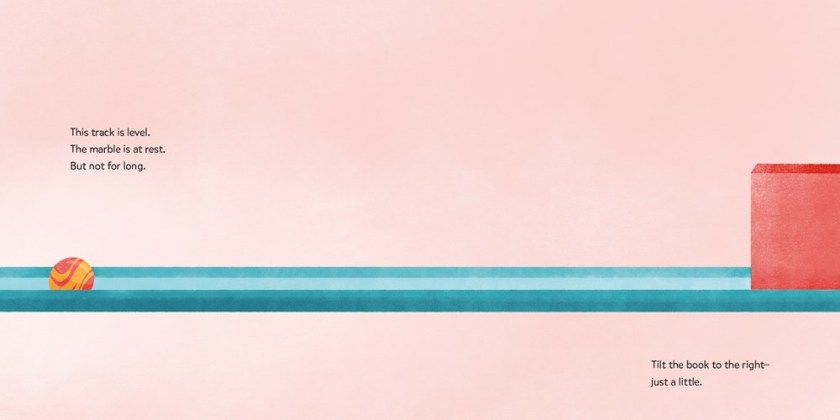
This introduction to the science of motion is too much fun! Enter the Physics Lab and let the narrator take you on an interactive journey where you can poke, tilt, and push the book to learn about gravity and friction: poke a dollop of whipped cream to discover how your finger’s force can change its shape, and guide a marble through a series of inclines to see how it changes its path. Scientific terms are bolded for easy reference, and colorful illustrations keep readers engaged. Caregivers and educators will love these easy experiments: no muss, no fuss! If you have a Science Club, you may even want to set up similar experiments to guide scientists through during a readaloud. Schaefer includes examples of journaling observations and predictions; back matter includes additional ways we use forces every day, and an experiment for readers (and their grownups!) to conduct at home. This is the third entry in the Hands-On Science series by Schaefer and Santiago. A very good addition to STEM collections for emerging readers. Download the free Hands-On Science activity kit at the Charlesbridge Publishing website.


Posted in picture books

It’s that time of year: I’m Trying to Love Germs

I’m Trying to Love Germs, by Bethany Barton, (Nov. 2023, Viking Books for Young Readers), $18.99, ISBN: 9780593326725

Ages 4-8

As I sit here riding out the first head cold of the season, I’ve got a good read for your STEM and health collections: I’m Trying to Love Germs. The newest book in Bethany Barton’s I’m Trying to Love…series, I’m Trying to Love Germs is all about understanding germs: they’re not all bad! Sure, there are the germs that give us runny noses, bellyaches, and fevers, but there are germs that help us, too! If you like cheese and yogurt, or mushrooms, or use antibiotics when you get sick, you’ve experienced the good kinds of germs. Written in accessible terms with loads of fun, anthropormorphic microbes, Barton uses comic book art, word bubbles, and paneling to teach younger readers about staying healthy, safe, and smart. An excellent first purchase for collections. If you have a science club, consider adding some coloring sheets or worksheets as an extension activity; there are some good ones on Education.com.

I’m Trying to Love Germs has a starred review from School Library Journal.

Posted in picture books, Preschool Reads

Isabel and the Invisible World: Great for STEM Storytime!

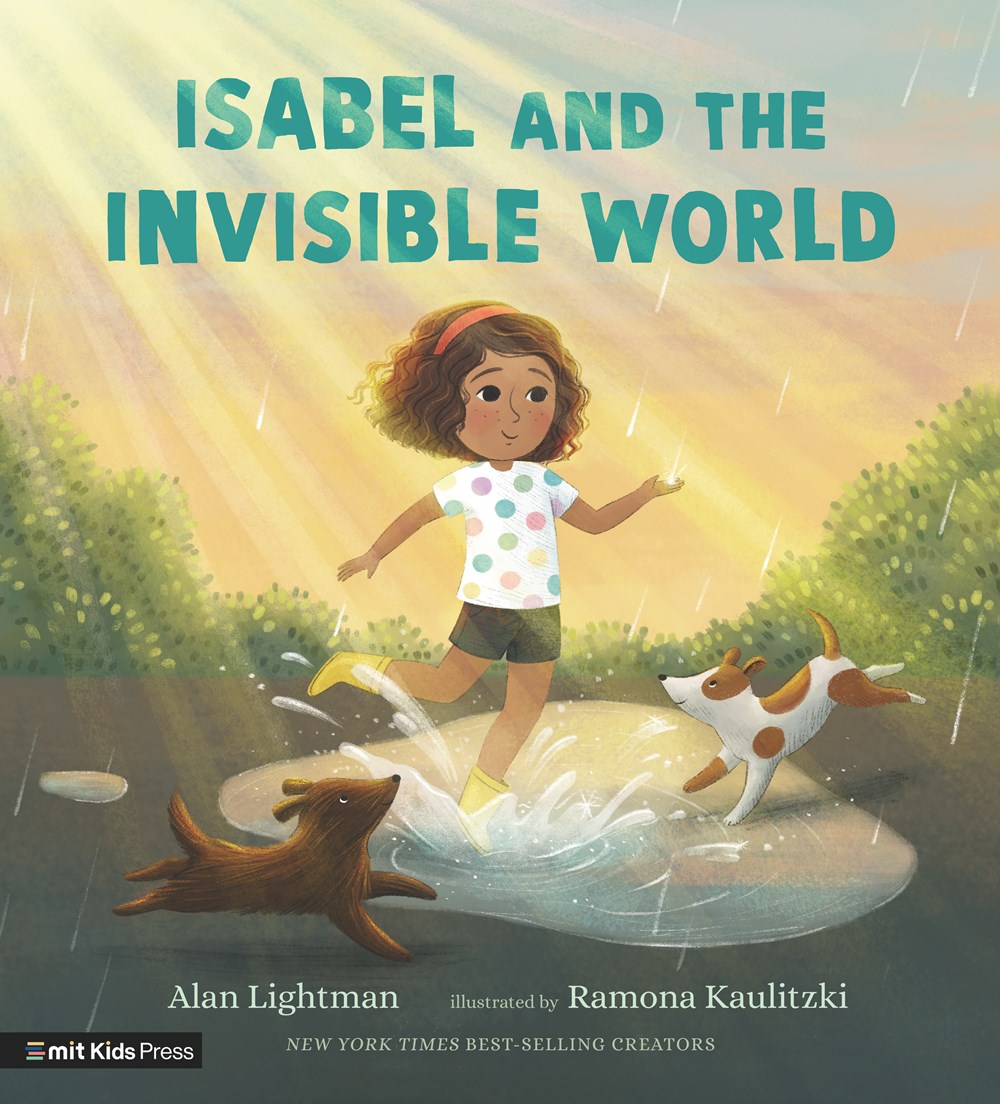
Isabel and the Invisible World, by Alan Lightman/Illustrated by Ramona Kaulitzki, (Apr. 2023, MIT Kids Press), $18.99, ISBN: 9781536223330

Ages 4-6

Isabel only wants one thing for her sixth birthday: something that will let her see “invisible things” that are invisible. Her scientist mother knows the perfect gift for Isabel: a prism, so Isabel can see the colors that make up light. This readable introduction to the science of light is a joy to read; Isabel is a curious young girl with a love of science, and the story conveys that sense of excitement and wonder to readers. The narrative builds the excitement leading up to Isabel’s birthday; Isabel’s mother explains how the prism works in an accessible, interesting way. Digital illustrations are warm and utilize the direction of light throughout the story; triangles show up throughout the spreads, and the rainbow spectrum shows up throughout the book. Isabel and her brother, Julian, are biracial: Mom is blonde and light-skinned; Dad is brown-skinned; Isabel is brown-haired, Julian is blonde; both are light brown-skinned. Back matter includes an explanation of light energy. A fun, readable choice for a STEM storytime or any time!

Hand out prism coloring pages for a post-storytime extension activity. There’s a good one from Science Workshop on TeachersPayTeachers. Try this prism experiment from Rosie Research either during a STEM program or hand out instructions for families to try at home: it’s easy!