Posted in Middle Grade, Non-fiction, Tween Reads, Uncategorized

More books for your Earth Day displays!

Earth Day is coming to a close, but we can celebrate our Pale Blue Dot all year ’round. Let Earth Day be the kickoff to a Spring full of environmental awareness for your libraries and communities!
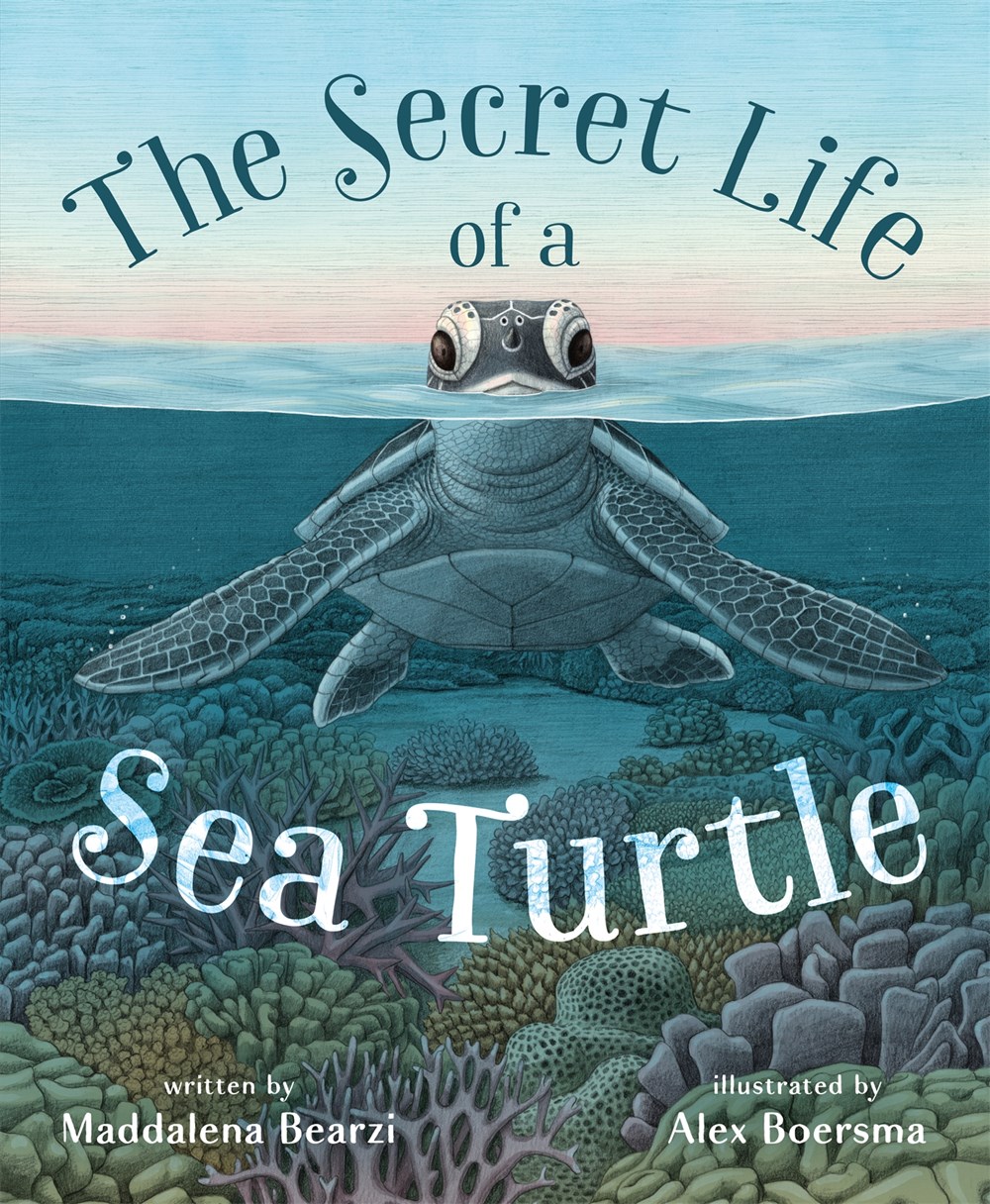
The Secret Life of a Sea Turtle, by Maddalena Bearzi/Illustrated by Alex Boersma, (May 2025, Roaring Brook Press), $19.99, ISBN: 9781250901675

Ages 6-10

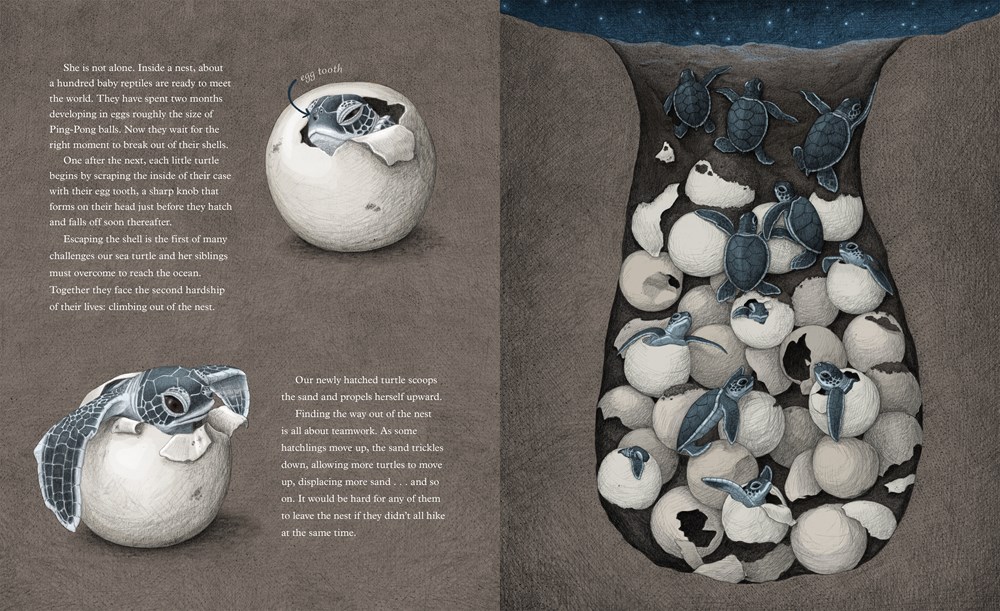
There’s bits and pieces of knowledge most of us have about sea turtles: they lay eggs on the beach, the hatchlings hatch, and there’s the “race for life” to get to the ocean before the predators get the hatchlings. What happens after a turtle hatchling makes it to the water? Bearzi, a marine biologist and conservationist, details the life of a sea turtle for readers. Beginning with the hatching, Bearzi continues the story to show readers that making it to water isn’t the end of a sea turtle’s struggle; there are predators in the water and there are humans, whose fishing nets don’t always allow for a turtle to escape. Bearzi also discusses migration patterns and brings the turtle’s life full circle by having the main sea turtle return to the same beach where she hatched, this time to lay her own eggs. Boersma’s realistic illustrations are breathtaking, evoking emotion and awe with each spread. Back matter includes a section on spotting the different types of sea turtles, ways to protect sea turtles, information about sea turtle researchers, and a bibliography. A must-buy for your nonfiction collections. The Secret Life of a Sea Turtle has a starred review from Kirkus.
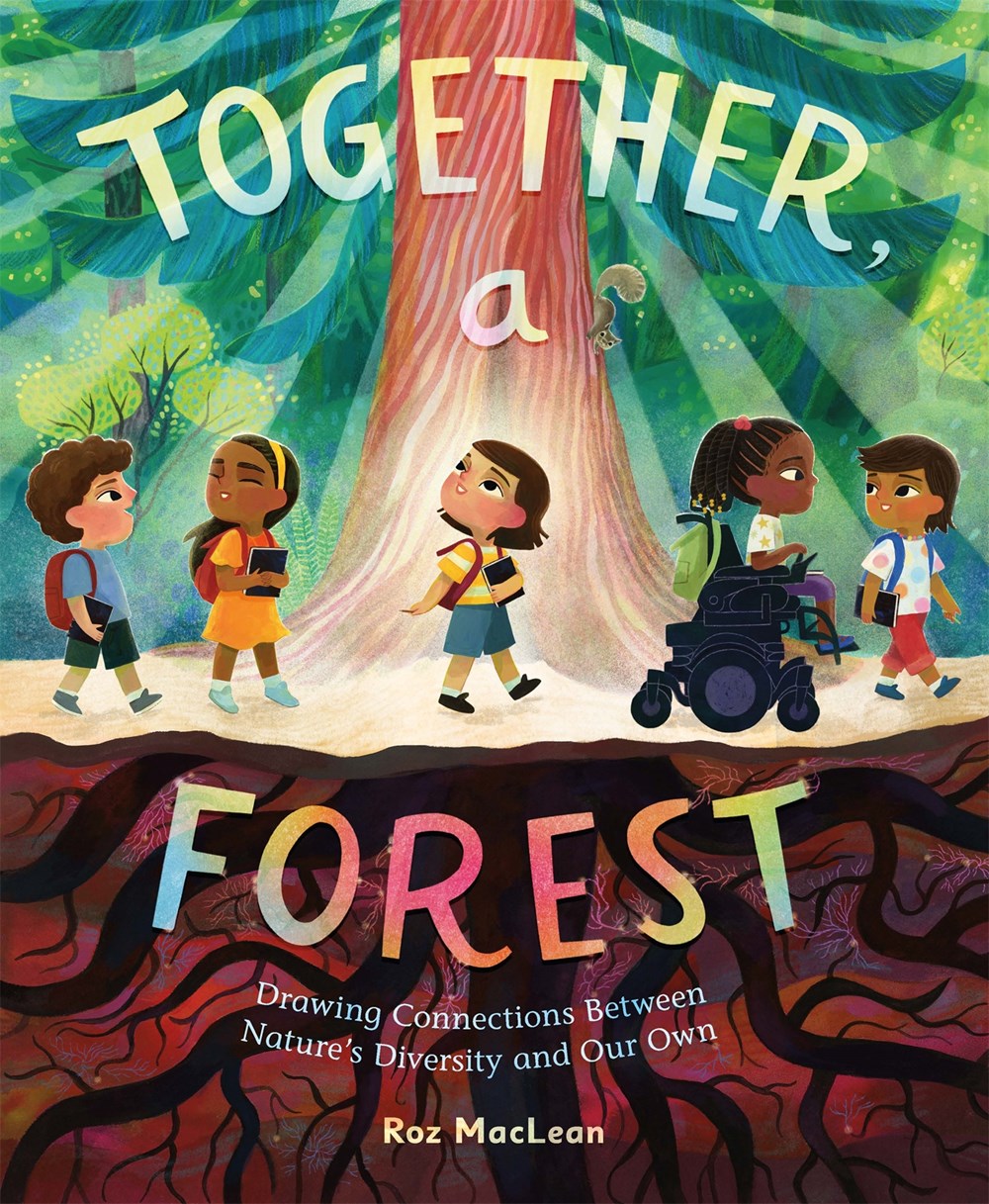
 

Together, a Forest: Drawing Connections Between Nature’s Diversity and Our Own, by Roz MacLean, (March 2025, Henry Holt & Co), $18.99 ISBN: 9781250864512

Ages 4-8

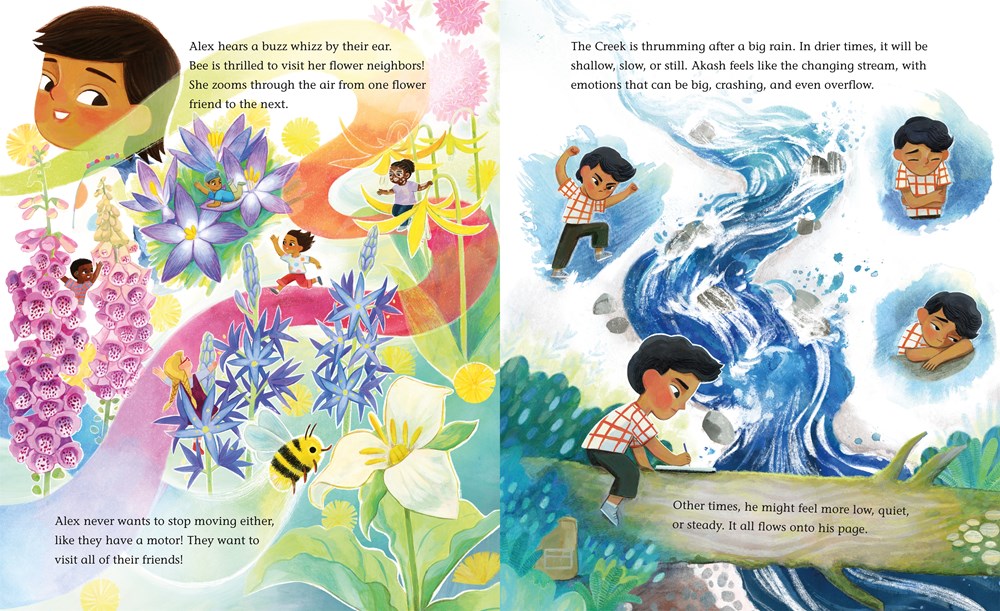
A class trip to a forest is a study in interconnectivity. Each of the class interacts with their environment in their own ways, illustrating how we each relate to our surroundings. Sasha, a student with a white cane who codes as being blind, listens to the differences in bird sounds as they change position; the surrounding trees and plants creating “sound shadows”. Angel, a student who gets “caught up in the moment” and “often misplaces things”, is much like a squirrel, who buries more seeds than he will need to get through winter, just in case he forgets where he saved everything. Student Joy appears to suffer from anxiety, is worried about her class assignment, but the soothing network of her classmates – her ecosystem – sustains her just as the orchid sustains its environs. A moving meditation on how we all come together to create a diverse and vibrant world and how we are connected to our planet. A good addition to picture book collections. Mixed media illustration includes a diverse and inclusive group. Use this book to encourage discussion. Together, a Forest has a starred review from Kirkus. Download a free activity kit from MacKids School and Library.
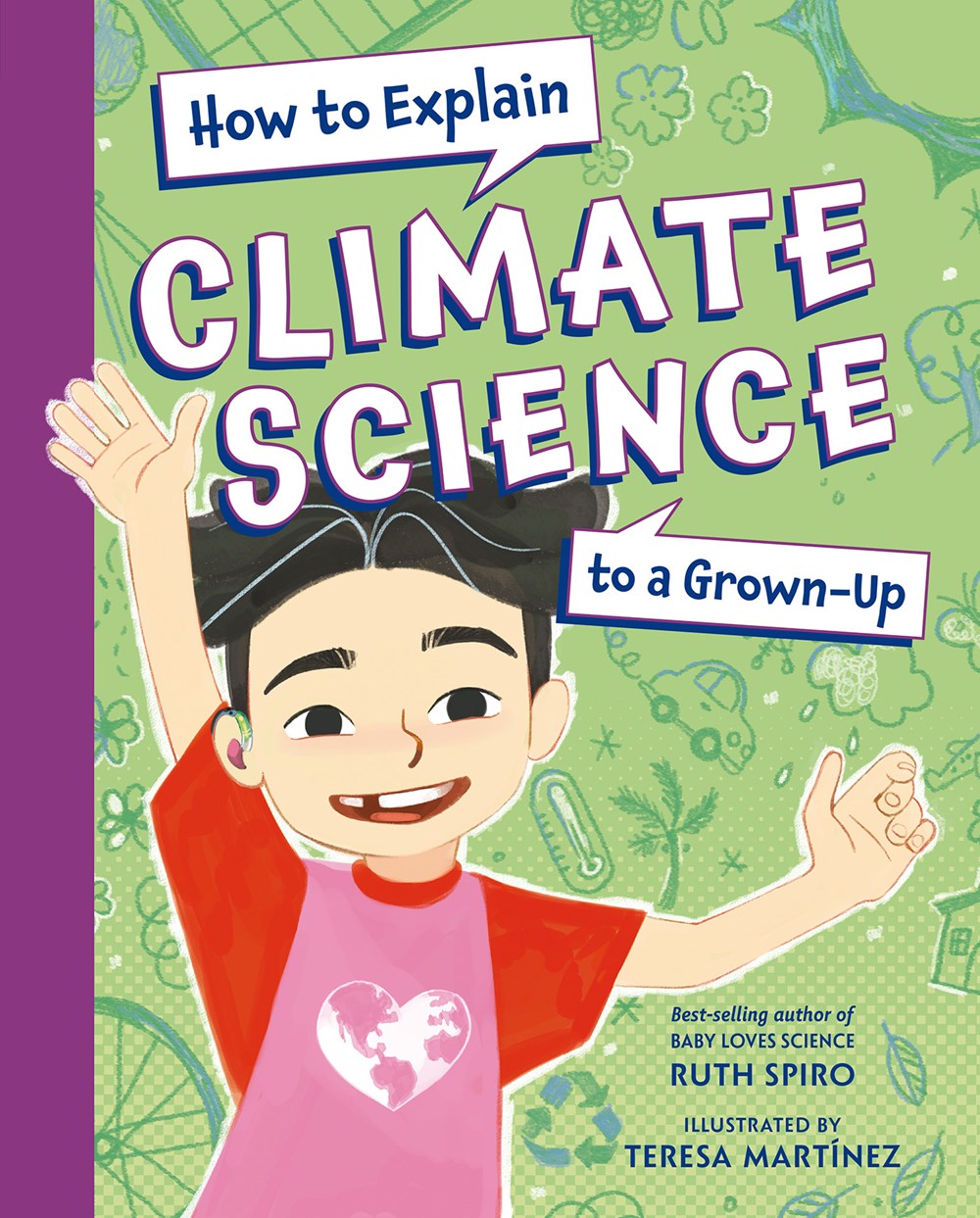
 

How to Explain Climate Science to a Grown-Up, by Ruth Spiro/Illustrated by Teresa Martínez, (March 2025, Charlesbridge), $17.99, ISBN: 9781623546205

Ages 4-8

You know, sometimes it’s just up to kids to get things done, especially when grown-ups don’t want to listen. That’s where this “How to Explain” series comes in handy, and climate change is a particularly important one for kids to be aware of AND about how to talk to grown-ups. Written with the assumption that kids are in charge, Spiro – whose Baby Loves Science series we love! – offers comic book panels, simple and factual explanation (so grownups can understand!) and Pro Tips to fall back on when stubborn adults insist that climate change isn’t a real thing. Martínez’s illustration offers helpful diagrams for visual explanation and comic book dialogue to keep everyone engaged. It’s a tough job, being a kid, especially when you have to explain everything to those spacey grownups: stock your collection with this series to help a kid out. Download an educator kit, a Kid Expert certificate, and badge from Charlesbridge’s website.

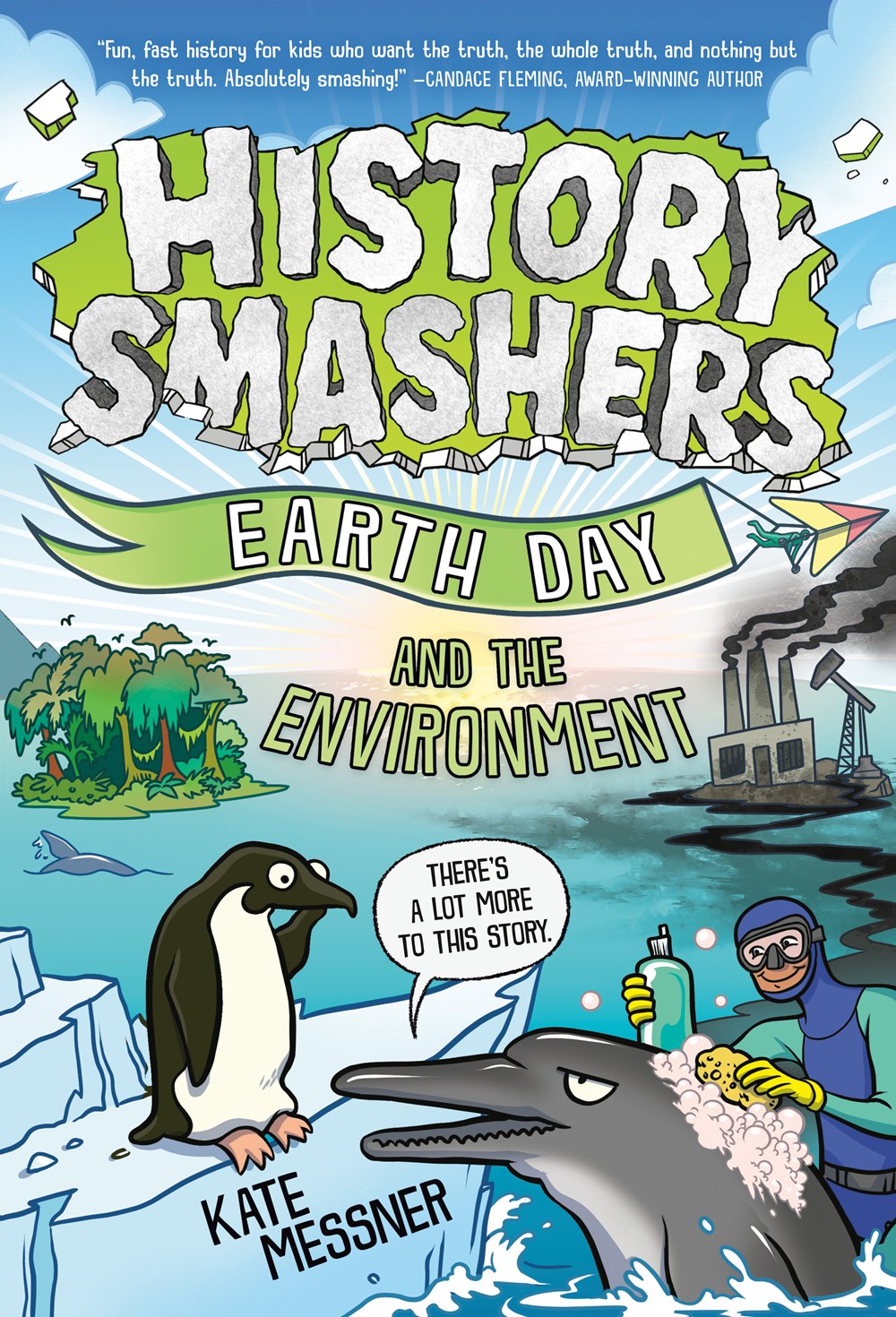
 

History Smashers: Earth Day and the Environment, by Kate Messner/Illustrated by Justin Greenwood, (March 2025, Random House Books for Young Readers), $9.99, ISBN:  9780593705308

Ages 8-12

This series does gangbusters in my library, which is no big surprise, because it’s penned by Kate Messner. Here, Messner gets to the truth behind the Earth Day history and myths. Messner gets into the first Earth Day in April 1970, but gets to the roots of the holiday with discussions on Indigenous populations who developed sustainable farming practices, environmental activists going back to the 18th and 19th centuries, and the science behind global warming. Messner’s straightforward discourse has the ability to empower a new generation to take up the cause: plant a tree, throw out some trash, recycle the bottles! Greenwood’s black and white illustrations go from the realistic-factual to comic book panels depending on the ideas he communicates. A home run for graphic novel fans and more visual readers that will find a great home in nonfiction collections.
 

Posted in Toddler Reads

#HomesCool: Baby Senses Board Books!

I LOVE the Baby Loves series from Ruth Spiro and Irene Chan. They introduce the five senses to little learners in a way that we can demonstrate and they can understand, with an ittty bitty bit of science to introduce them to new words and ideas. There are three new books out right now that are wonderful for adding to your snuggle time reading time.

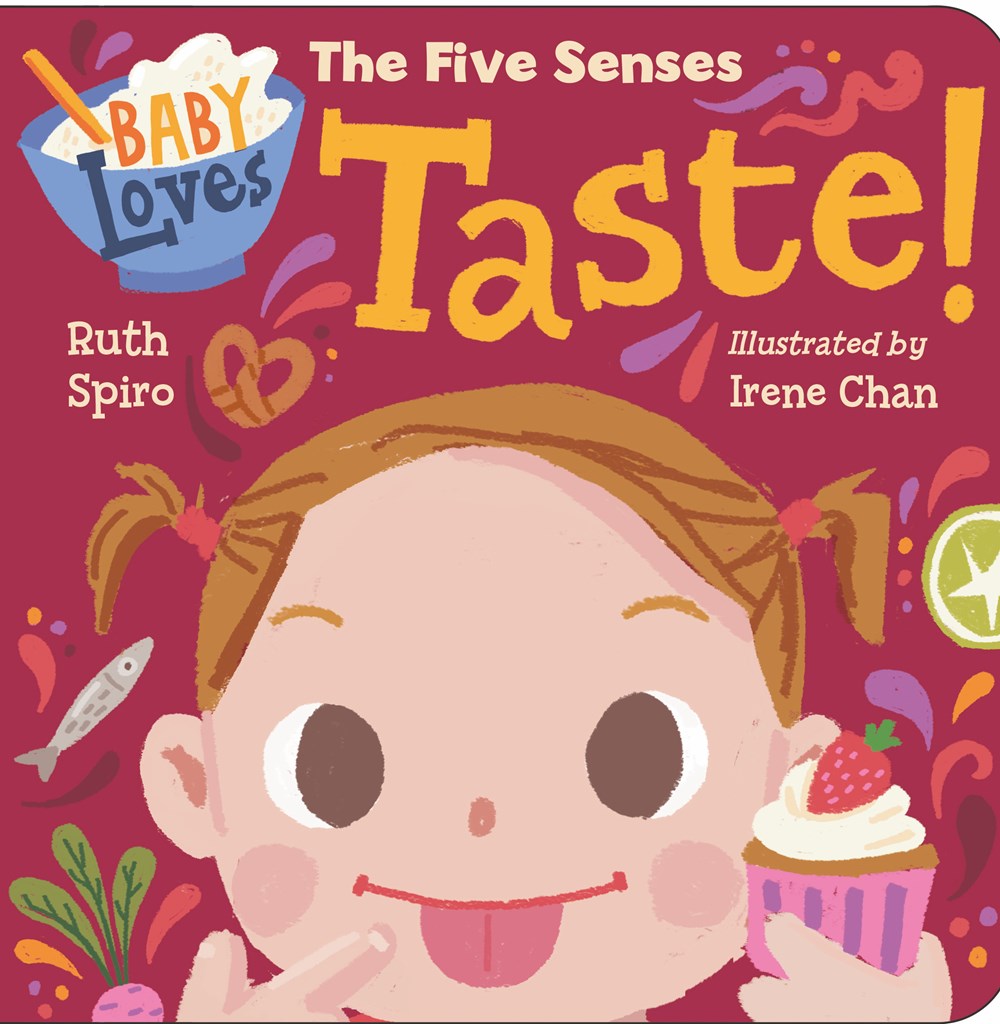
Baby Loves The Five Senses: Taste!, by Ruth Spiro/Illustrated by Irene Chan, (Aug. 2020, Charlesbridge), $8.99, ISBN: 9781623541545

Ages 0-4

Baby loves tasty food! Baby helps in the kitchen and loves to snack on strawberries. The easy-to-understand text works with Irene Chan’s adorable illustrations of a wide-eyed baby discovering why strawberries taste so good, and why food smells so yummy (it’s all connected!). Illustrations of the major flavor groups – sweet, salty, sour, bitter, and umami – help readers map flavors to descriptive words. Surrounded by yummy foods, a happy baby indulges! The cover gives visual cues to the sense we’re exploring, with a bowl of yummy food next to the word “Taste”.  Do you have to read words like “receptor cells” and “flavor molecules” to babies? Why not? Stick your own tongue out and let babies stick theirs out, to get the main idea across. And have some yummy foods, like yogurts, Cheerios, and fruit, available (at home, please) to let your own little ones explore their senses of taste.

Pair this with Leslie Patricielli’s Yummy Yucky for a fun, tasty read-aloud!


Baby Loves The Five Senses: Touch!, by Ruth Spiro/Illustrated by Irene Chan, (Aug. 2020, Charlesbridge), $8.99, ISBN: 9781623541552

Ages 0-3

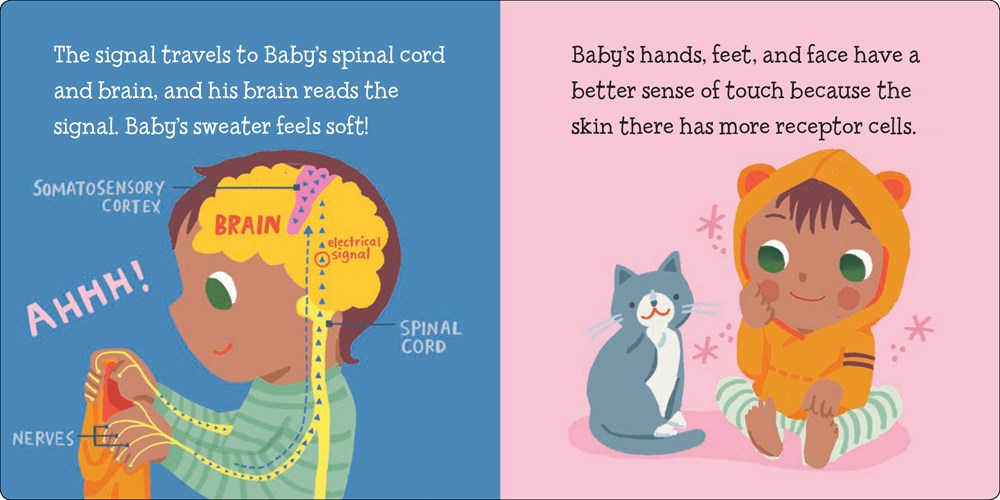
This one is all about the textiles and the tactile. With a feather on the cover, ready to tickle the title, we know this is all about the sense of touch before even cracking the cover. Sure enough ,there’s a happy baby, helping with the laundry. The baby notices that clothes go into the dryer feeling wet and cold, and come out feeling dry and warm. How does he know these feelings? He touches things! Two spreads explain the science behind touch, followed by the simpler breakdown: “Touch helps baby pick things up. / It also helps him know when to put things down. / TOO HOT!” New vocabulary words include receptor cells and epidermis: roll up a sleeve and let baby touch your arm, and give baby a soft tickle on the foot or neck!

Leslie Patricelli’s Blankie and Tickle are nice read-alongs with this book. Get all sorts of tactile surfaces for baby to touch and explore, like a soft blankie or lovey of their own, a cold bowl of cereal, or a warm sweater. And remember Pat the Bunny? That is a PERFECT accompanying read!


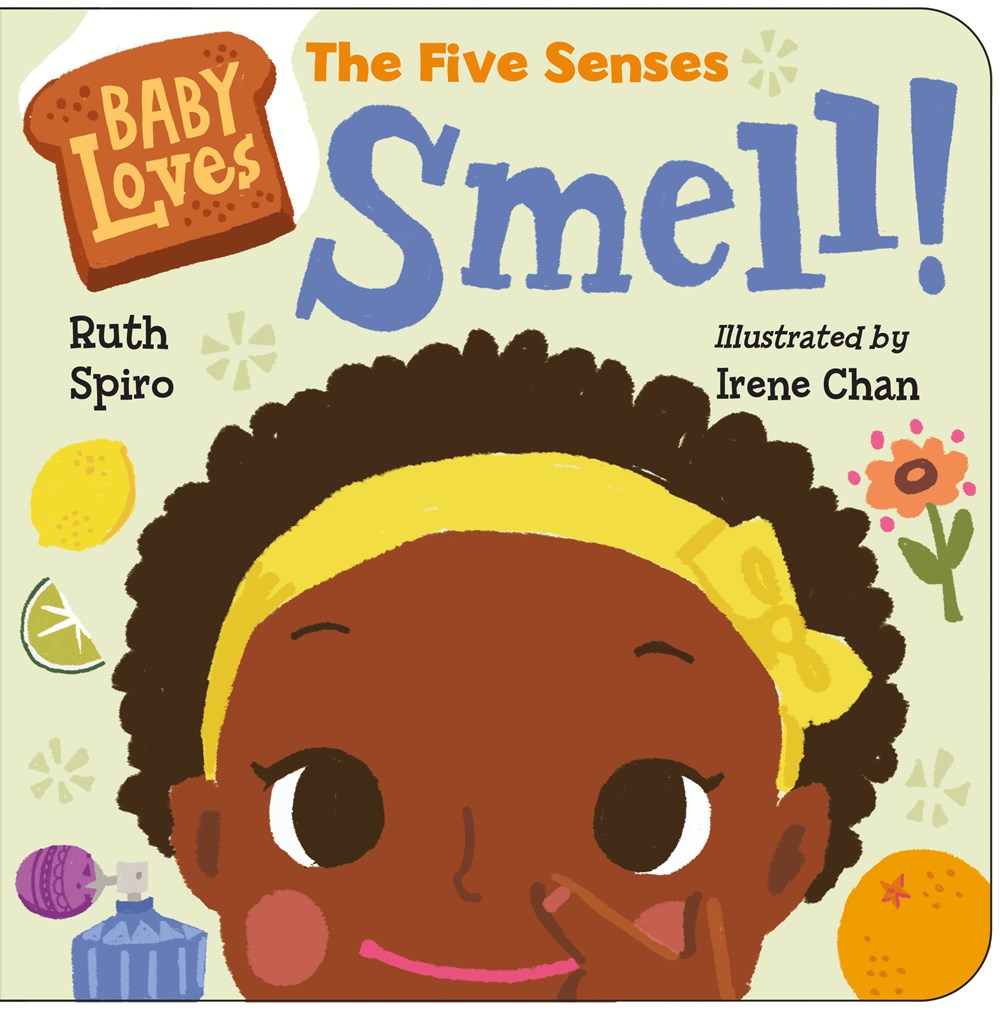
Baby Loves The Five Senses: Smell!, by Ruth Spiro/Illustrated by Irene Chan, (Aug. 2020, Charlesbridge, $8.99, ISBN: 9781623541538

Ages 0-3

The cover image of bread, the scent wafting from a freshly baked slice, gives us a clue about where Baby’s latest adventure will take us. Baby is shopping at the market and smells something tasty… bread! How does bread smell so good to Baby’s little nose? Illustrated spreads explain the science of molecules and how they release and mix with other molecules in the air, delivering them right to Baby’s nose. Baby smells yummy things like bread, and some not-so-yummy things, too! But Baby’s favorite smell is the smell of lunch!

Point to your nose and Baby’s nose to explain where smells enter, and have tasty-smelling things around for your own Baby to enjoy: some flowers, some tasty toast or fresh bread if you have some, and something sweet, like an orange or apple, for starters. You can point to toes and hold your nose, saying “Stinky!” for giggles. Read with Leslie Patricelli’s Yummy Yucky or Annie Kubler’s What Can I Smell? for extra sensory fun.

Posted in Intermediate, Non-Fiction, picture books, Preschool Reads, Toddler Reads

#SummersCool: Concepts, Political Science, and MAD LIBS!

Summer marches on, and we still don’t know what Fall is going to look like. So let’s keep pulling together all the learning material we can get our hands on, because whether or not we realize it, we’re all learning alongside our kids these days. Let’s make it fun!

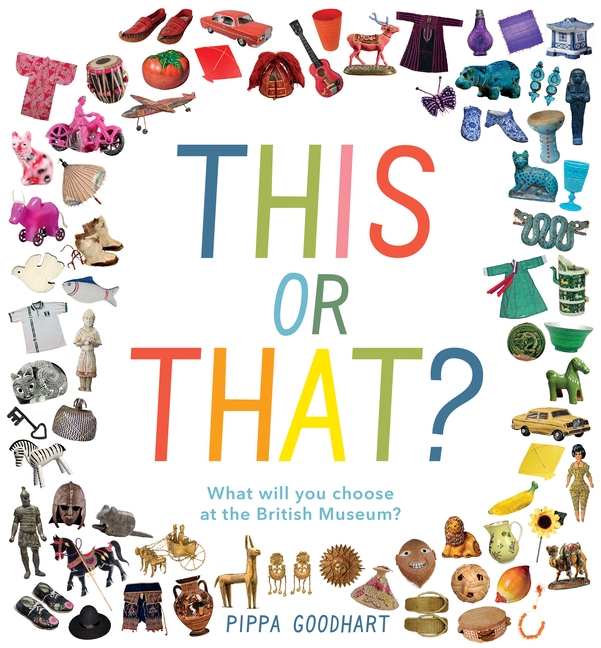
This or That? What Will You Choose at the British Museum?, by Pippa Goodhart, (March 2020, Nosy Crow), $16.99, ISBN: 9781536212235

Ages 3-7

First up, I’ve got a great concept book: This or That? is part of the Early Learning at the Museum series from Candlewick’s Nosy Crow imprint. Author Pippa Goodhart and the Trustees of the British Museum have curated 12 spreads of artifacts from the British Museum’s collection, each with a different theme in mind: would you rather wear a skirt or a shirt? Live in a tent or a tree house? Soar above the ground in a balloon or skim the water in a boat? There are hundreds of jumping off points for more questions, some posed in the text (“Do you see any vehicles pulled by animals?” “Do you see any buildings with a ladder?”), and endless questions you can come up with as you look through the pictures with your kiddos. This is serious I Spy territory for colors, shapes, and counting here. The index has numbered spreads that provide more information about each featured piece. This is just a gorgeous, fun book that always offers something new to discover.


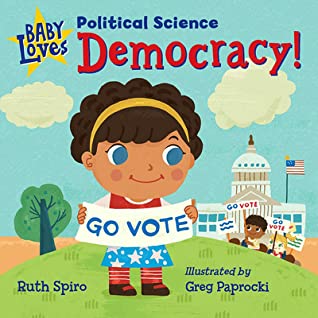
Baby Loves Political Science: Democracy!, by Ruth Spiro/Illustrated by Greg Paprocki, (April 2020, Charlesbridge), $8.99, ISBN: 978-1-62354-227-6

Ages 0-5

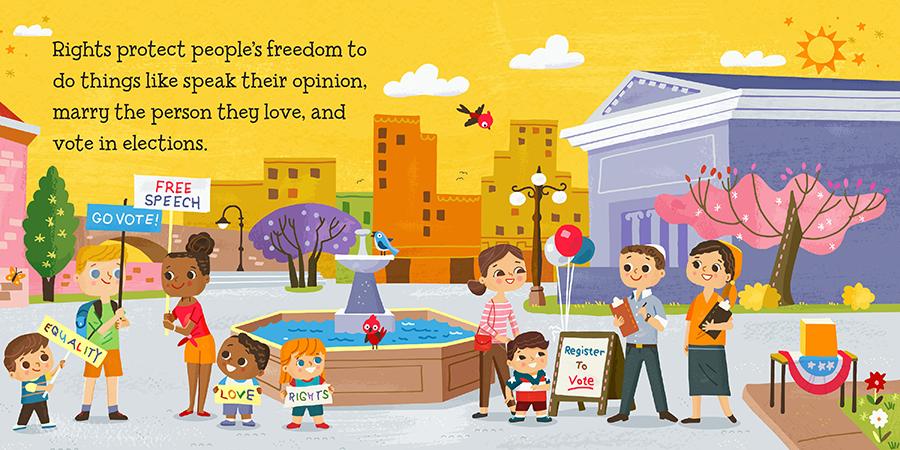
And now, for political science! The Baby Loves… series of board books have been a hit at my library (Baby Loves Science titles include Baby Loves Quarks! and Baby Loves Aerodynamics!), so I’m especially interested in this latest offshoot of the series. The first book, Baby Loves Political Science: Democracy! introduces the democratic process to little ones with easy-to-understand explanations of choosing leaders and defining terms like “candidate”, “rally”, and “polling place”. Bright, colorful and cartoony illustrations appeal to the littlest listeners, inviting them to look at the action in the books and get used to hearing these new vocabulary words; the text is wonderful for explaining the political process to pre-K readers and Kindergarteners. Ruth Spiro and Greg Paprocki let kids know that there’s enough room for everyone to get involved and have a voice, including cheering parents on when they’re voting, stamping postcards, and coloring signs for rallies. Involve children early on so they’ll grow up knowing they have a voice! Charlesbridge has a free, downloadable activity kit with coloring sheets and more.


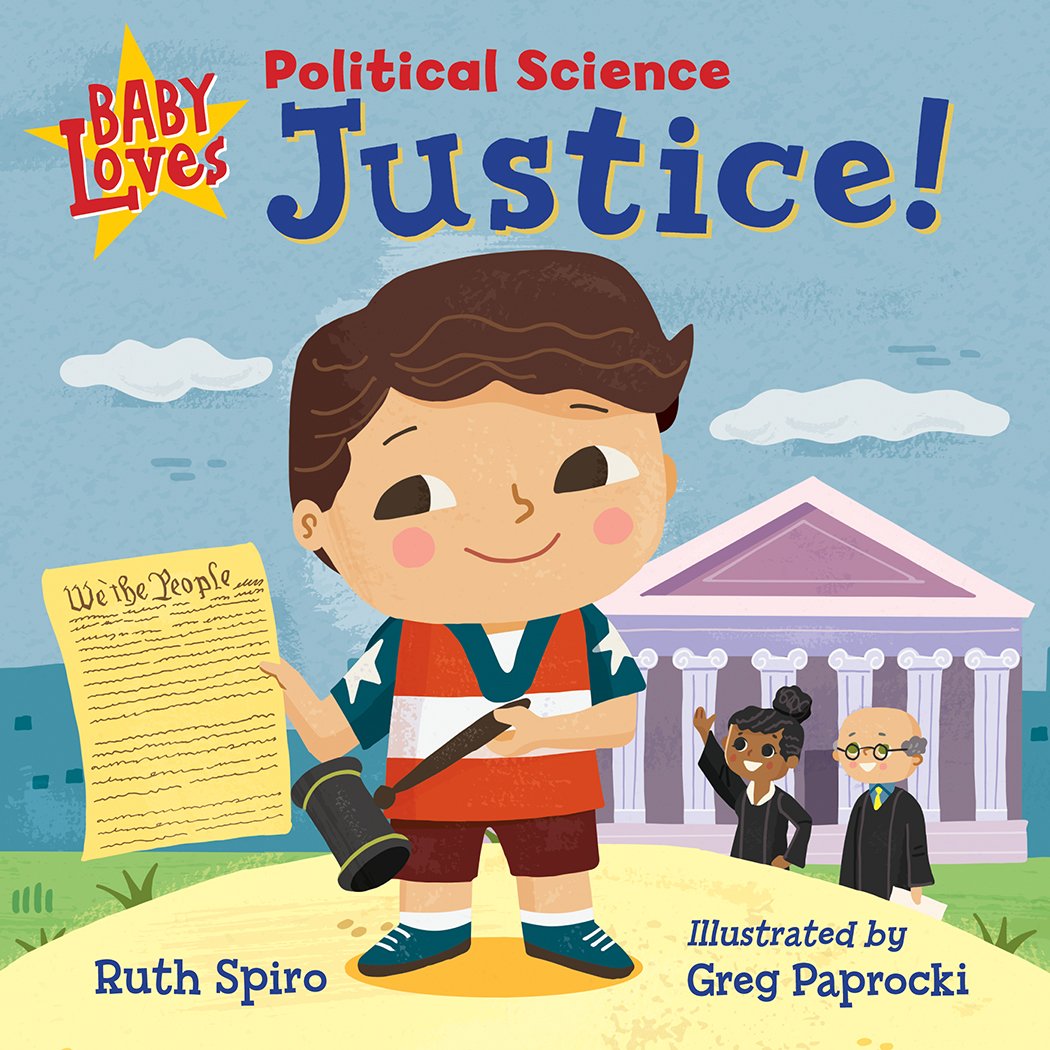
Baby Loves Political Science: Justice!, by Ruth Spiro/Illustrated by Greg Poprocki, (Sept. 2020, Charlesbridge), $8.99, ISBN: 978-1-62354-228-3

Ages 0-5

Coming in September, we have a new Baby Loves Political Science book, Justice! Here, a little boy learns that breaking rules come with consequences, when he breaks something at home; it’s a jumping off point to explain how laws are rules that keep our communities safe and fair, and touches on an explanation of the Constitution, three branches of government, and how lawyers and courts help interpret the law to keep things as safe and fair as possible for all of us.

Greg Poprocki’s artwork is adorably bright and sweet, creating expressive cartoon characters who lead readers through classrooms, public spaces, and the halls of the court and government. Ruth Spiro explains huge concept in an easy-to-understand way that kids (and, like me, some adults) will easily understand and appreciate.  I’m a fan of this new offshoot of Baby Loves Science and look forward to seeing what else is on the horizon. (Psst… Baby Loves Civil Disobedience? Anyone?)


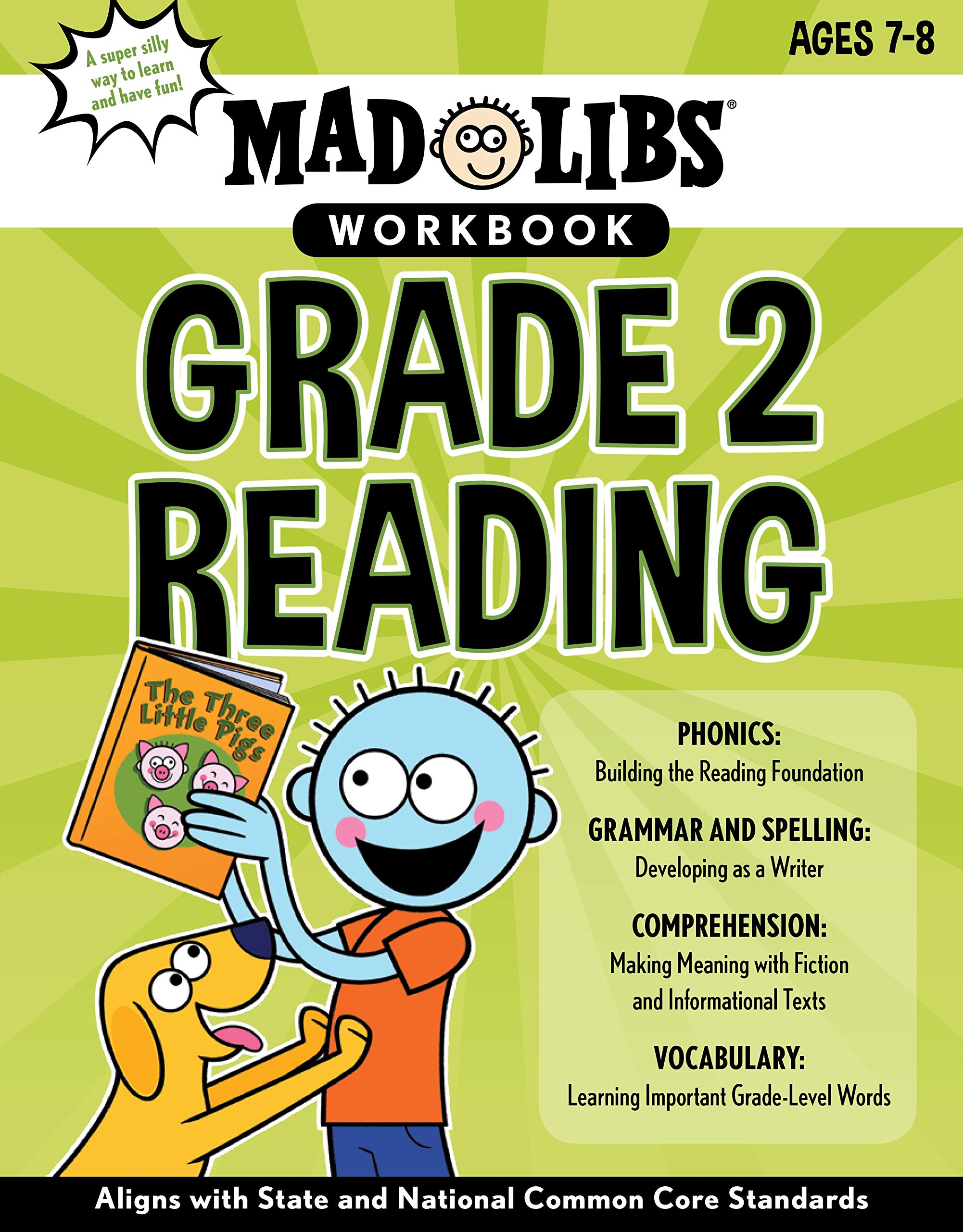
Mad Libs Workbook: Grade 2 Reading, by Mad Libs, (Apr. 2020, Penguin Young Readers), $8.99, ISBN: 978-0-593-09616-1

Ages 7-9

WOW, I never thought I’d see the day when Mad Libs was recognized as an actual ELA aid! Mad Libs kept me sane during many a summer road trip as a kid, and seeing these new workbooks now just make my ’80s kid heart happy. Remember Mad Libs? You created crazy stories by inserting random adjectives, verbs, names of animals, numbers, planets, you name it, into the dialogue, and then read it back? Hilarious! Well, now, my generation must be in the driver’s seat, because there’s a line of Mad Libs Reading Workbooks for Grades 1-4. I checked out a copy of Grade 2’s reading workbook, because I have a second grader (well, he’s a rising third grader now) at home, so why not?

WOW. So spiffy.  Now aligned with State and National Common Core Standards, Mad Libs workbooks have phonics work, grammar and spelling explanations, comprehension exercises, and vocabulary words. There are rebuses throughout the stories, helping readers use pictures to look at columns and identify the types of words that get dropped in the slots. Rather than just note, “adjective”, for instance, there will be a picture that leads the child to a column full of descriptive words. There are phonics exercises, with work on prefixes and suffixes, plurals, digraphs, and more. This is a phonics workout wrapped in absolute fun, and my kiddo and I are having a ball with it. Mad Libs, I’m so glad you’re still with me. Parents and educators, use some of these for summer reading challenges – or rewards!


That’s all for this #SummersCool. More to come! Stay cool and safe!


Posted in Early Reader, Non-Fiction, Preschool Reads

Baby Loves Science – big ideas for little ones

I’m all for introducing science in all its wonderful forms to kids as early as possible, and all about introducing new vocabulary to kids, so science and math don’t scare them as they get bigger. I haven’t read any of the Baby Loves… Science! series by Ruth Spiro and illustrated by Irene Chan, so I started with the two newest books, Baby Loves Gravity! and Baby Loves Coding!

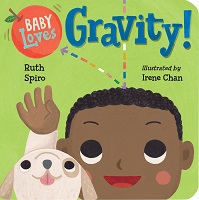
Baby Loves Gravity, by Ruth Spiro/Illustrated by Irene Chan, (June 2018, Charlesbridge), $8.99, ISBN: 9781580898362

Baby drops a noodle, and Puppy gobbles it up. How does that noodle fall? Gravity! Simple enough concept to explain to a toddler, and that’s how Baby Loves Gravity! starts out: simple and relatable. From there, we get a clear explanation of matter, mass, and gravity, and how it works on the sun, moon, and earth’s pull on us here. It’s clear and nicely illustrated, but this is a lot of information, even for toddlers, no matter how simply it’s phrased. I liked the illustrations, was pleased to see a child of color as the star of the show, but would read the beginning and ending, where baby slides down a slide, illustrating gravity, for a toddler STEAM or science storytime. I would rather test this out in a Kindergarten-level science storytime. The board book format makes for easy holding, and the illustrations are large, bright, and easily seen by a circle time group of kids. I could work with a group of kindergarteners, even pre-kindergarteners, in a science workshop using this as a companion text.


Baby Loves Coding!, by Ruth Spiro/Illustrated by Irene Chan, (June 2018, Charlesbridge), $8.99, ISBN: 9781580898843

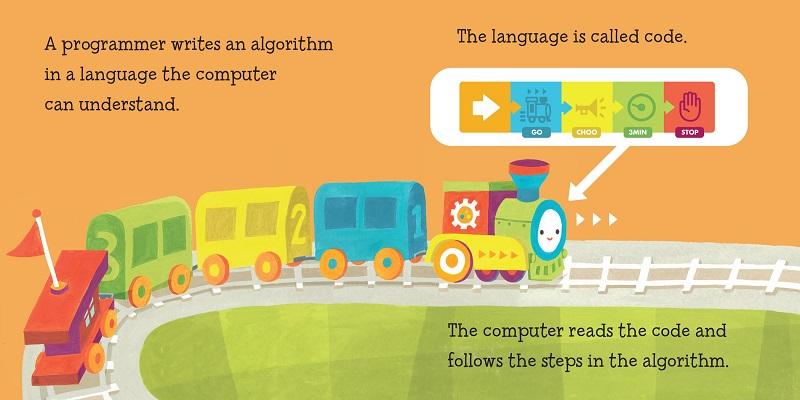
Baby’s playing choo-choo, and wants to add a red car to his train. Let’s follow him as he walks over! Baby Loves Coding features a child of cover on the cover, and is an adorably illustrated, clearly laid out way to introduce coding to kids, but this is also way above a little one’s head. The first few spreads, explaining how baby walks to the toy box, are great – you can get kids up and moving along with you on this one – but the text launches into an explanation of algorithms, programmers, and reading code, and this is just going to lose little ones. The pictures do all the work here, illustrating, with colorful interlocking blocks, how code fits together, like the cars of a train. I do love the explanations and the artwork, and the idea of getting kids up and moving works with CS Unplugged activities I’ve done in my library. I’ve used Code.org’s curriculum; CS Unplugged also has some great lesson plans and printables.

My advice? Use these with your pre-k and Kindergarten science storytimes. They’re great books for the right age.