Posted in Fiction, Historical Fiction, Teen, Young Adult/New Adult

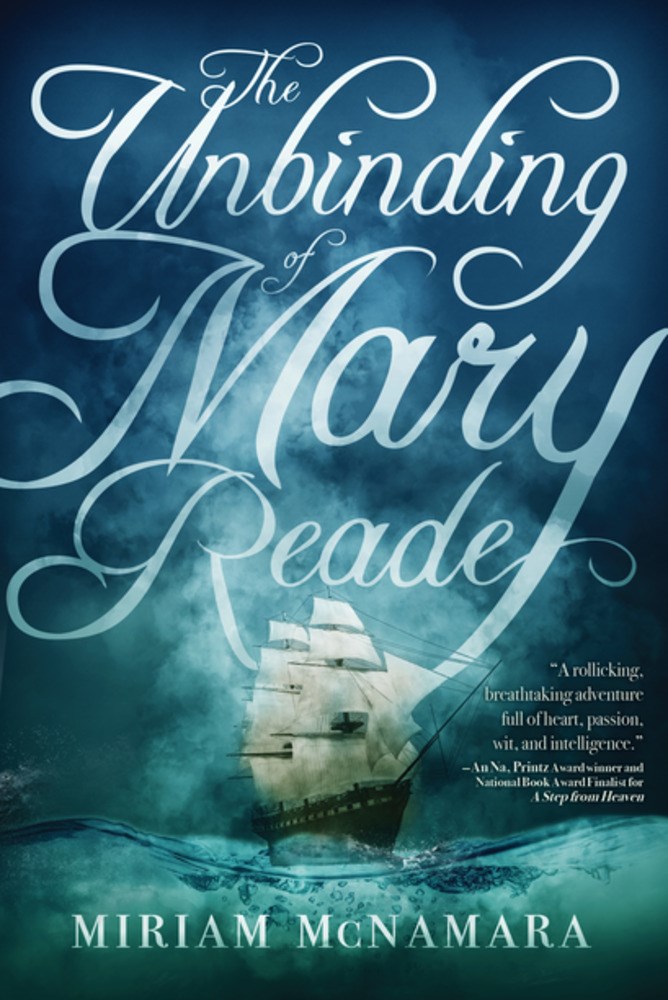
The Unbinding of Mary Reade

The Unbinding of Mary Reade, by Miriam McNamara, (June 2018, Sky Pony Press), $16.99, ISBN: 9781510727052

Recommended for readers 14+

Raised as a boy to take the place of her dead brother, Mary Reade spent her formative years as Mark, mainly to get her drunken mother money from her wealthy grandmother, who would never name a female heir. Eventually, Mary took to the high seas, where her life depended on passing as male. She joined pirate Calico Jack Rackham and Anne Bonny after they raided a merchant ship she sailed with, finding herself fascinated with the fiery redheaded Bonny, who wore dresses and wielded weapons with pride and bravado.

This could have been so much more. I found the nonbinary, bisexual Mary Reade storyline brilliant, capturing the sheer terror of living in a male-dominated, homophobic society. Mary is constantly afraid for her life because of who she is, and the men around her shove their hands down her trousers and pull up her shirt, seemingly at will, to confirm rumors. She’s powerless to say or do anything, because in this society, different equals death, and it’s always over her head. She finds relief in living as a male, yet feels uncomfortable being gendered at all – despite the fact that the novel always refers to Reade as “she”. Anne is a study in frustration, appearing as a tragic, yet scheming, woman who attaches herself to any male – or male figure – that will help her navigate 18th Century society. Is she bisexual, or is she just using her sex to gain favor? There’s a lot of slow burn relationship work here between Mary and her childhood love, Nat, and some tumultuous relationship beginnings with Anne Bonny that never quite gain footing. I wish the book concentrated more on the two pirates’ adventures together, and that Anne emerged as a stronger female character. Mary’s gender confusion and self-doubt may resonate with nonbinary and trans readers, and engender empathy in all readers. It’s an add to consider for historical fiction and LGBTQ collections.
 

Posted in Graphic Novels, Teen, Young Adult/New Adult

Alien abduction, or something… more? Losing the Girl has questions.

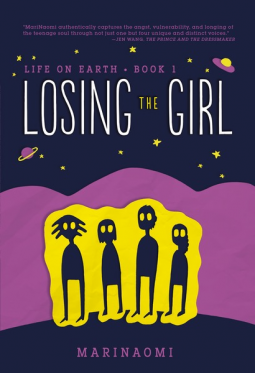
Losing the Girl (#1), by MariNaomi, (May 2018, Lerner Publishing Group/Graphic Universe), $29.32, ISBN: 9781512449105

Recommended for readers 13+

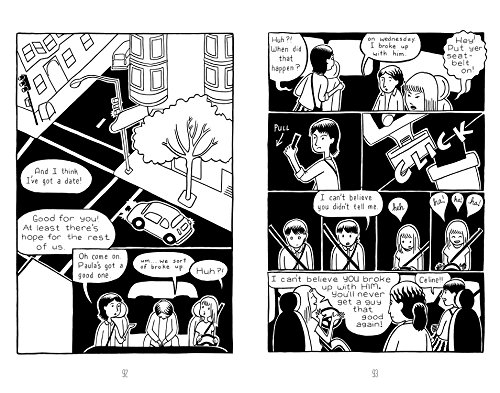
A 14 year-old girl disappears, leaving questions and rumors in her wake. She’s the topic of conversation at her school, Blithedale High, but a group of teens have their own daily drama to work through, too. Nigel is desperate for a girlfriend who will laugh at his jokes, but Emily, the object of his affections, decides to pursue a relationship with heartthrob Brett, who doesn’t really seem to emotionally invest himself in anything. Emily undergoes a major life shake-up, which gives her friend – or frenemy – Paula a chance to steal what she perceives to be Emily’s spotlight.

Losing the Girl is about lives intersecting, with the main focus – the “lost” girl – being the common thread. She’s the character the conversation drifts back to, the reader’s focal point as we glimpse into the lives of four teens. This first installment didn’t quite grab me, but I think teens who want real-life storytelling will give this one a shot.

MariNaomi is an award-winning writer and illustrator; she’s an Eisner award nominee, and a podcaster. You can find out more by visiting her website.

Posted in Teen

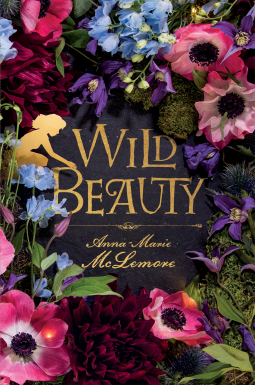
Wild Beauty – beauty can hide ugly secrets

Wild Beauty, by Anna Marie McLemore, (Oct. 2017, Macmillan), $17.99, ISBN: 9781250124555
Recommended for readers 13+

Teen Estrella Nomeolvides and her cousins live on the beautiful Californian garden property, La Pradera, for generations. Known as “las hijas del aire”, they are bound to the land, forming beautiful flowers that create breathtaking gardens, but the gift is a curse: every man loved by a Nomeolvides woman disappears. Just… dissipates. The cousins are all in love with the same woman, Bay Briar, and pray to the gardens to keep her safe from vanishing; instead, a young man they call Fel appears, thrust forth by the garden. Fel has choppy memories of his past, and Estrella takes it on herself to help him recover his memories. What none of them realize is that Fel’s memories – Fel’s past – is inextricably linked to the ugly truth behind a Pradera.

There is a lot going on in Wild Beauty. There are several subplots that intertwine with the main story, all moving toward the revelations at the end. Beautifully written, with fully realized characters, Wild Beauty can be confusing – there were characters and subplots that took me a few re-reads to fully get my head straight – and the story tends to meander, which may frustrate some readers. Readers familiar with magical realism will recognize this and press on. There’s beautiful imagery, gender identity and fluid sexuality, and a respect for Latinx heroines and matriarchal family structures.

Wild Beauty has starred reviews from Booklist, Kirkus, and School Library Journal. Bust Magazine has a great write-up on the book and the author.

Posted in Fantasy, Graphic Novels, Middle Grade, Non-Fiction, Teen, Tween Reads

Graphic Novel Rundown: Memoir, Coders, and Fantasy

There are a bunch of good graphic novels out, so let’s jump right in – there’s something for everyone!


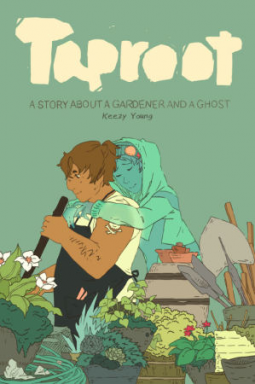
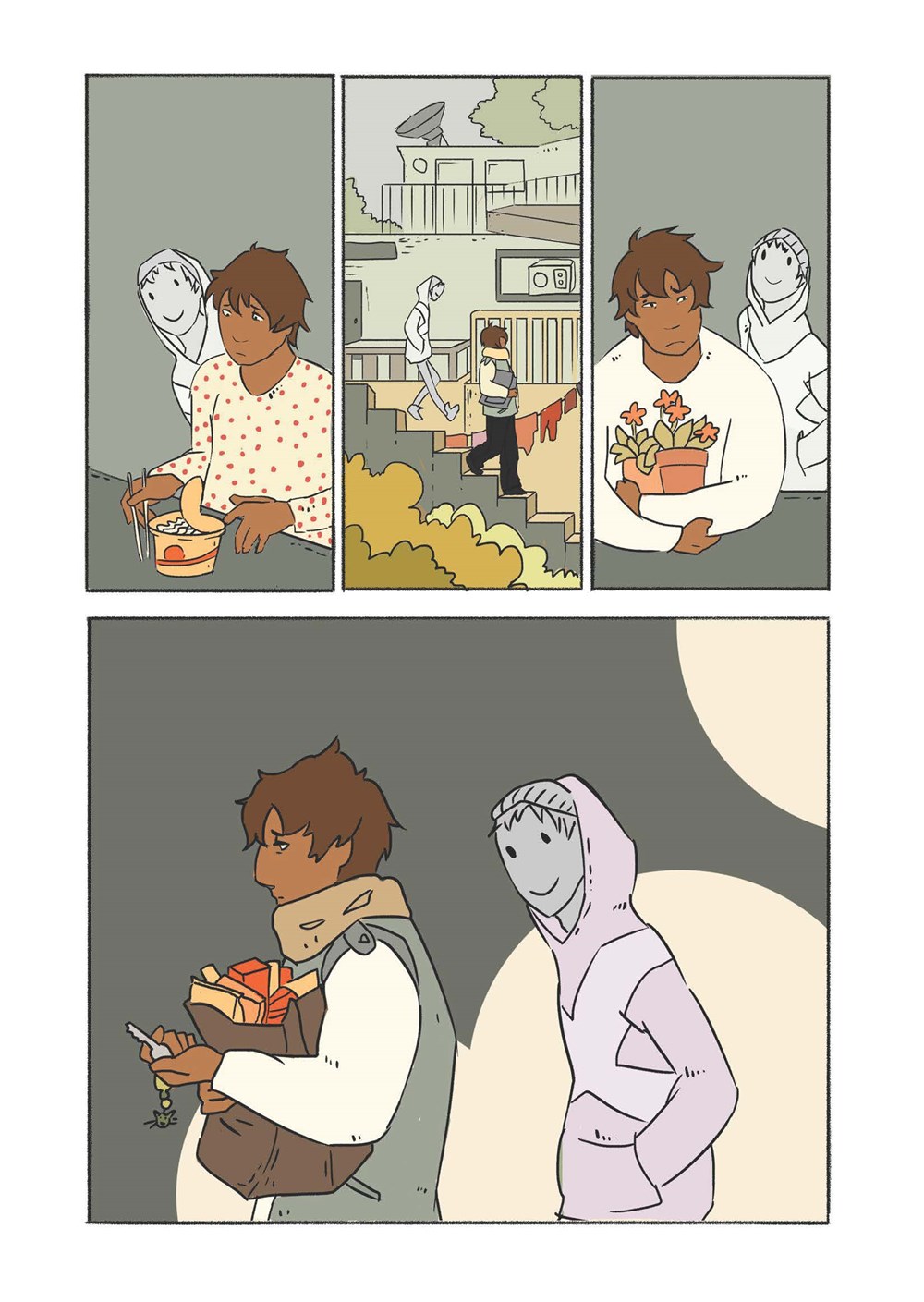
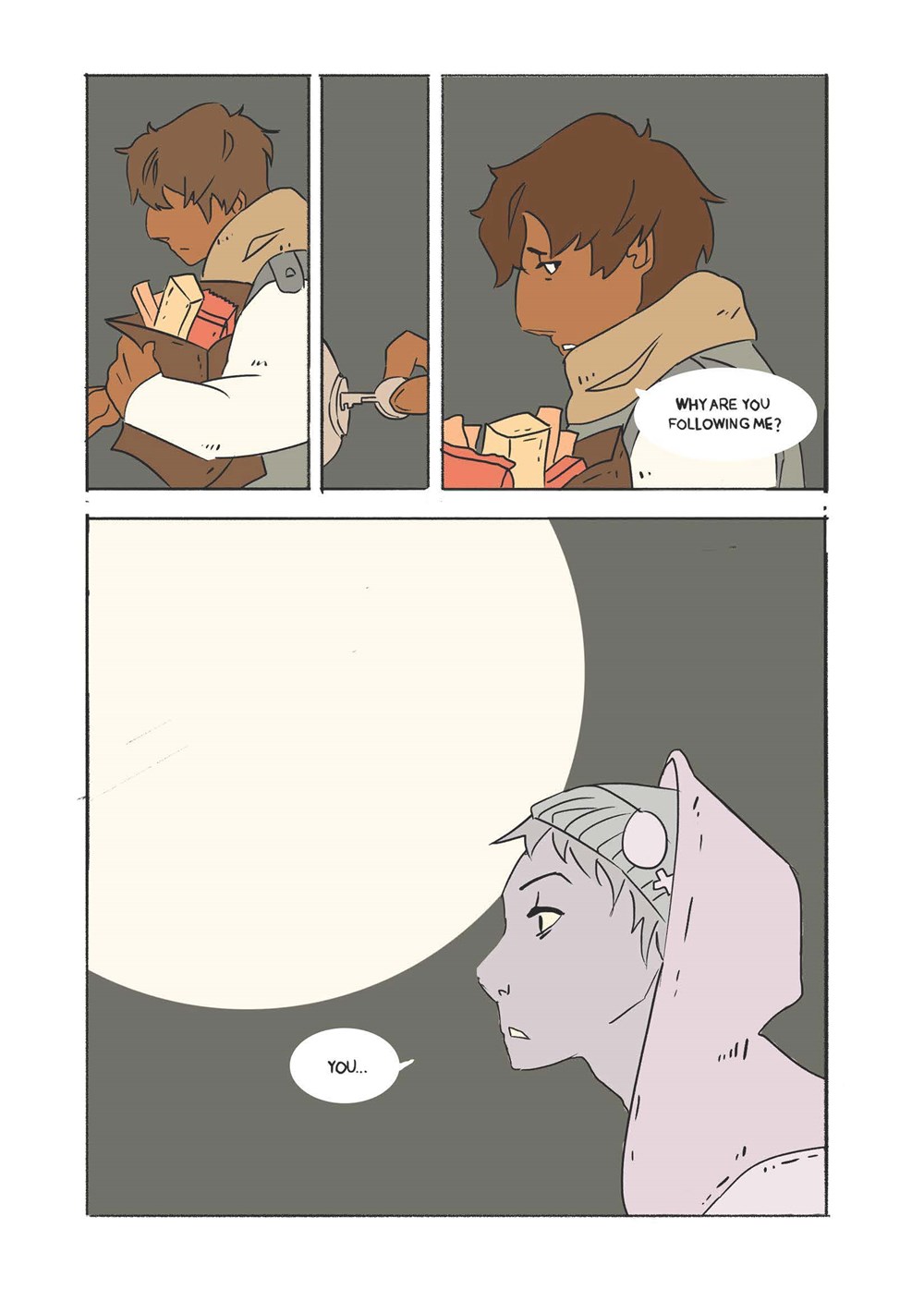
Taproot A Story About a Gardener and a Ghost, by Keezy Young, (Sept. 2017, Lion Forge), $10.99, ISBN: 9781941302460
Recommended for readers 13+

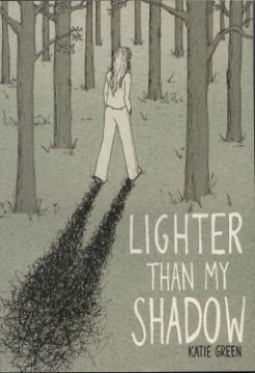
Lighter Than My Shadow, by Katie Green, (Oct. 2017, Lion Forge), $19.99, ISBN: 9781941302415
Recommended for readers 13+
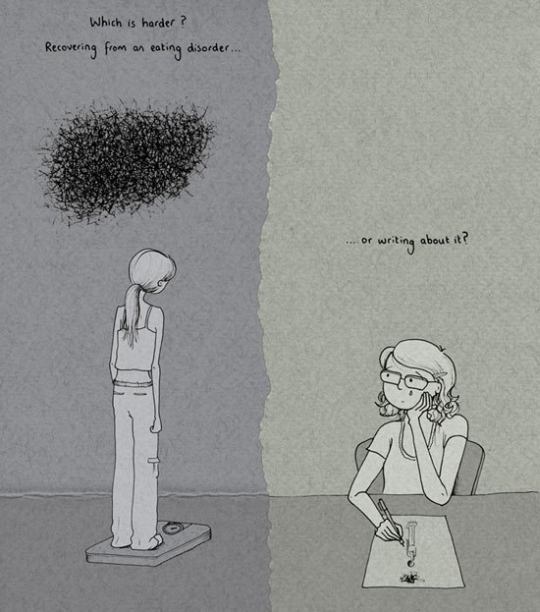
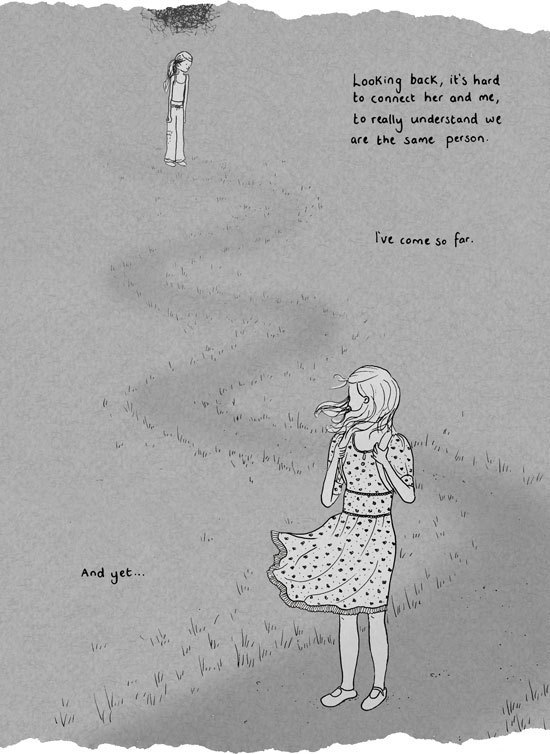
Katie Green’s graphic memoir details her years of abusing disorders, abuse at the hands of the therapist who was supposed to help her, and her recovery and reclamation of self. It’s devastating and inspirational; a life that we can all see in ourselves: cruel teasing, parental threats at the dinner table, a career you’re shoehorned into. Lighter Than My Shadow is a memoir of anxiety and depression, told in shades of grey, black and white. We see the physical manifestation of Green’s hunger and depression: a growing mouth in her stomach, a black scribble over her head, threatening to split her open. It’s an incredible story, and one that must be shared and discussed.
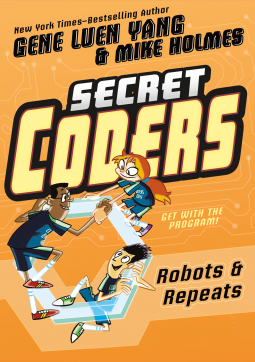
Secret Coders: Robots and Repeats, by Gene Luen Yang & Mike Holmes, (Oct. 2017, First Second), $10.99, ISBN: 9781626726062
Recommended for readers 8-12
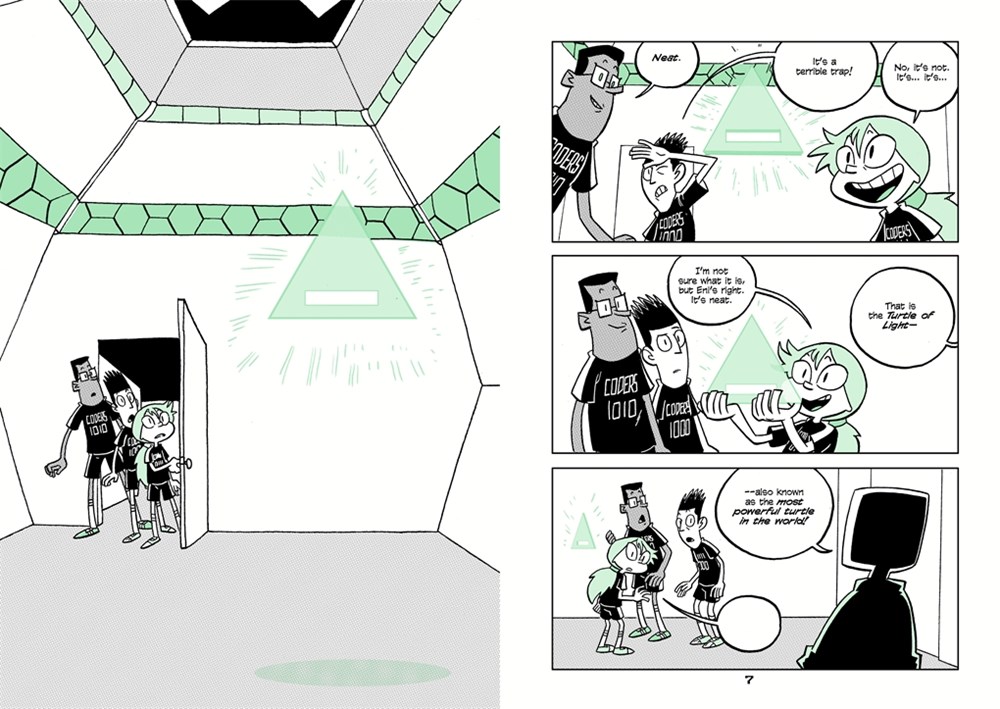
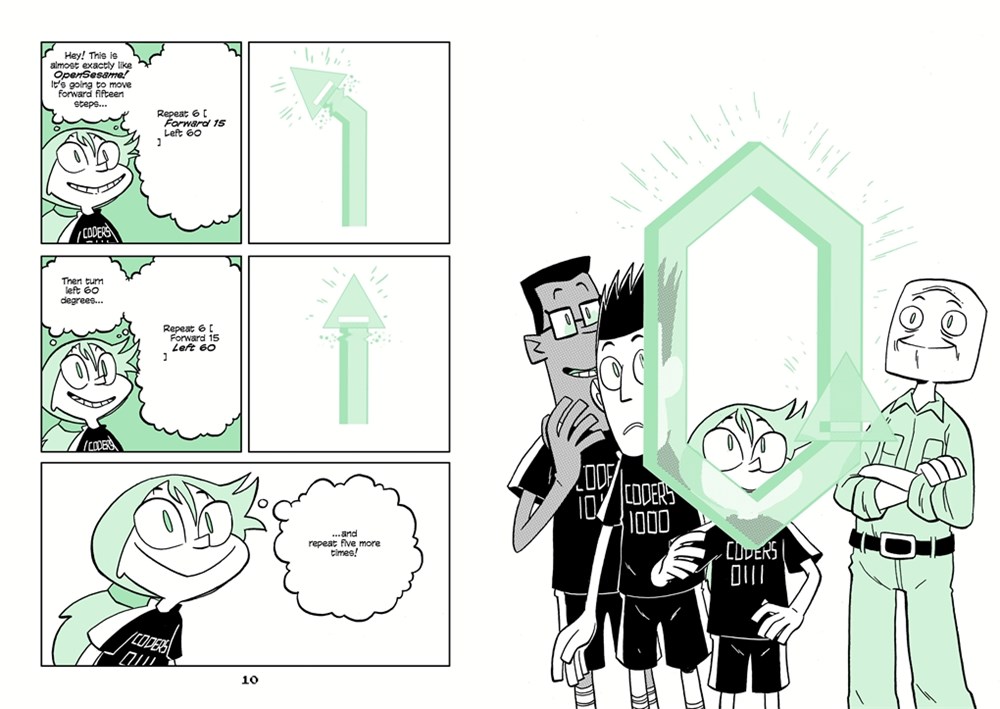
The Coders are back! Dr. One-Zero is a bane to their existence, especially with his new “Advanced Chemistry” class, where he only teaches them to make Green Pop. Hopper’s paired up with an obnoxious classmate who knows nothing about chemistry; Josh is fostering a kinda, sorta crush, and Eni’s sisters are following him around the school, reporting his every move to his overprotective parents, who want him to cut all ties with his fellow Coders. The Coders are still working together, though, and make a new discovery: The Turtle of Light. They also discover someone they’ve been looking for: Hopper’s dad, who’s under the influence of the evil Green Pop! This fourth installment is still good fun and has more coding challenges for readers; most notably, working out pattern repeats. The fifth book, Potions and Parameters, is coming in March.
The Tea Dragon Society, by Katie O’Neill, (Oct. 2017, Oni Press), $17.99, ISBN: 9781620104415
Recommended for readers 9-13
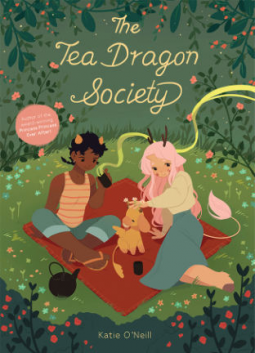
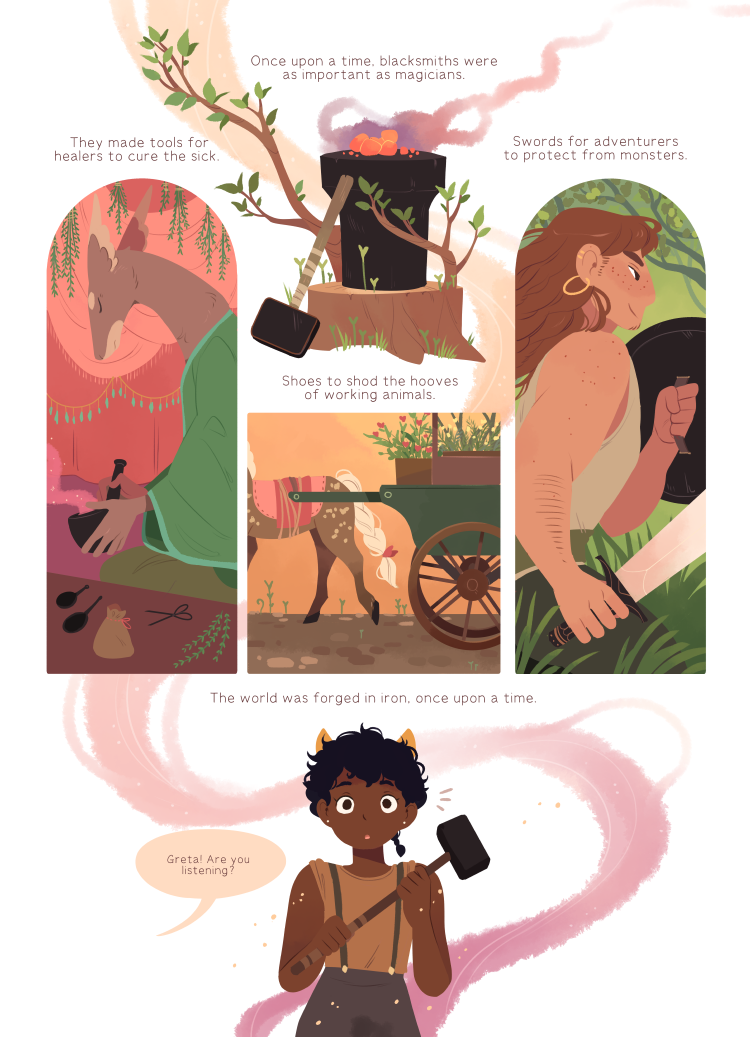
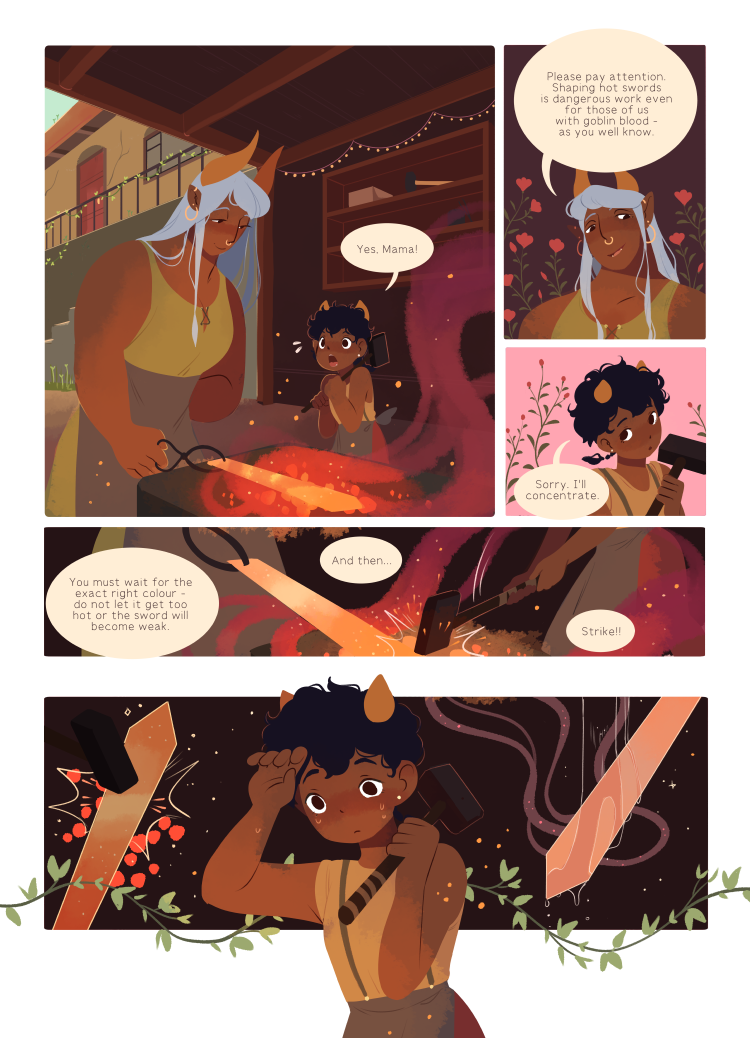
If you loved Princess Princess Ever After as much as I did, you are in for a treat with Katie O’Neill’s newest graphic novel, The Tea Dragon Society. Greta is a blacksmith’s apprentice who wonders whether her mother’s craft is even relevant anymore. She learns about another art form when she rescues a young tea dragon in a marketplace: the care of tea dragons; they’re dragons, who grow tea leaves out of their horns and antlers. The cast is beautifully illustrated and diverse; we’ve got a plethora of relationships depicted, and a storyline every fairy tale and fantasy reader will love. The backgrounds, the characters, every single piece of this graphic novel is just incredible artwork. Buy two copies for your shelves, and a copy or two for readers you love. Do. Not. Miss.


Posted in Graphic Novels, Middle School, Teen, Tween Reads

A boy deals with his grief in Cast No Shadow

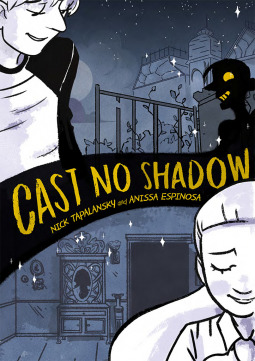
Cast No Shadow, by Nick Tapalansky/Illustrated by Anissa Espinosa, (Oct. 2017, :01FirstSecond), $16.99, ISBN: 9781596438774

Recommended for ages 12+

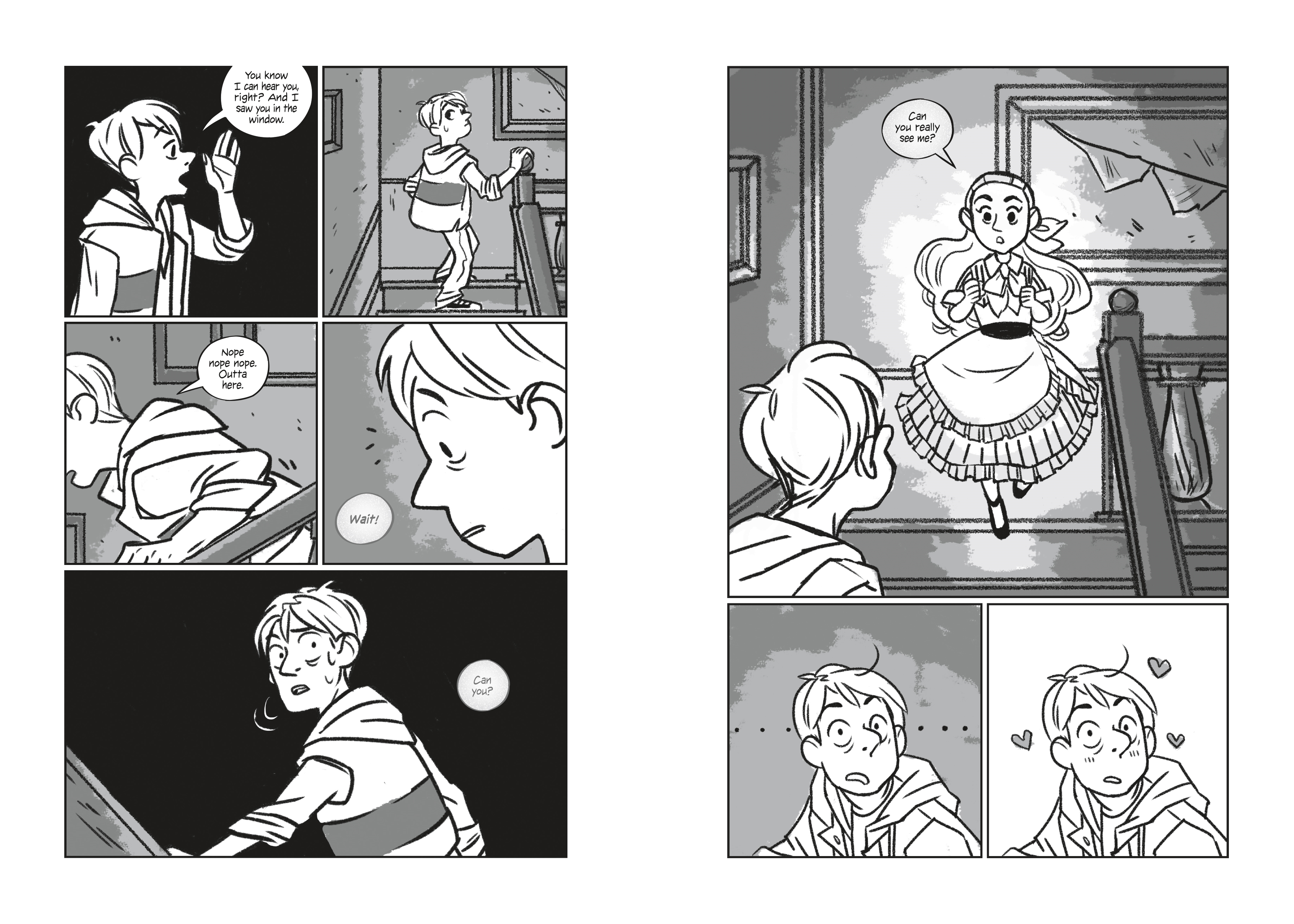
Greg and his friends live in Lancaster, in a town that’s lately become obsessed with tourist traps. This latest one is a giant hairball. No lie. Greg is kind of an attraction on his own: he was born without a shadow. He’s normal in every other way; he just doesn’t have a shadow, which just makes him one more quirky thing in a town full of quirks. When Greg explores an abandoned mansion just outside of town, he meets Eleanor, who could be the perfect girl for him – “smart, beautiful, funny, and man, she totally gets me” – if only she weren’t dead. Eleanor is a teenage ghost, living in her family’s old mansion, and chasing out the creepy living that go in and mess up her home, but she has a soft spot for Greg.

Greg’s got a lot going on in his home life, too: his dad’s girlfriend, Joyce, has just moved in, and Greg isn’t happy about it. He doesn’t want anyone taking his dead mother’s place. As he deals with the frustration of having a new person in the house, and a girlfriend who can’t leave her haunt, something is set in motion; Greg has unwittingly set a dangerous entity loose on his town. What are the chances he can save his town, smooth over his relationship with his father and Joyce, and have a happily ever after of his own?

Cast No Shadow is a touching exploration into grief and loss. Greg retreats from the world to cope with his mother’s loss and his father’s subsequent relationship; aside from his female best friend, the strongest relationship that emerges in the book is with a dead girl. Greg’s suppressed feelings find another way to emerge, causing destruction and danger for everyone around him. It’s a great story to put into older tweens’ and teens’ hands, helping them cope with feelings that may be too overwhelming to confront head-on. The black, white, and gray illustrations add a nice, ghostly feel to the story and come in handy when finer plot points fall into place.

A nice addition to middle school and teen graphic novel collections, and a good secondary reference for kids dealing with grief and loss. Find more of author Nick Tapalansky’s work at his website, and illustrator Anissa Espinosa’s work at her Tumblr.

Posted in Fiction, Science Fiction, Teen, Young Adult/New Adult

The Vault of Dreamers Trilogy closes with The Keep of Ages

The Keep of Ages (The Vault of Dreamers #3), by Caragh M. O’Brien, (Aug. 2017, Roaring Brook Press), $17.99, ISBN: 9781596439429

Recommended for readers 12+

The conclusion to The Vault of Dreamers trilogy sees Rosie on the run from Dean Berg and Ian, the vault of dreamers technician that took care of her while she was kept in the vault in the previous book, The Rule of Mirrors. When she discovers that Dean Berg has hold of her family, she follows clues to an abandoned amusement park to save them and bring down the vault of dreamers. It’s more complicated than even Rosie realizes, though – she discovers her sister is among the dreamers and that bigger plans are in motion for viewers of The Forge Show. Rosie has to risk everything to save her family and keep Thea – her seeded consciousness, now suffering migraines – safe while making sure Dean Berg can never harm anyone again.


There is a real sense of urgency running through The Keep of Ages, but the execution gets bogged down in multiple subplots. One character, Lavinia, is almost too good to be true: the theme park designer, offers access to a place to hide, serves as a conduit to connect Rosie with her family, and is a font of information on the secret network of tunnels beneath the Keep, where the dreamers are held. The final resolution neatly ties everything up, but left me wanting a little more. Get it if you need answers to questions left in the previous book.

Posted in Teen, Young Adult/New Adult

Bad Girl Gone: Revenge beyond the grave?

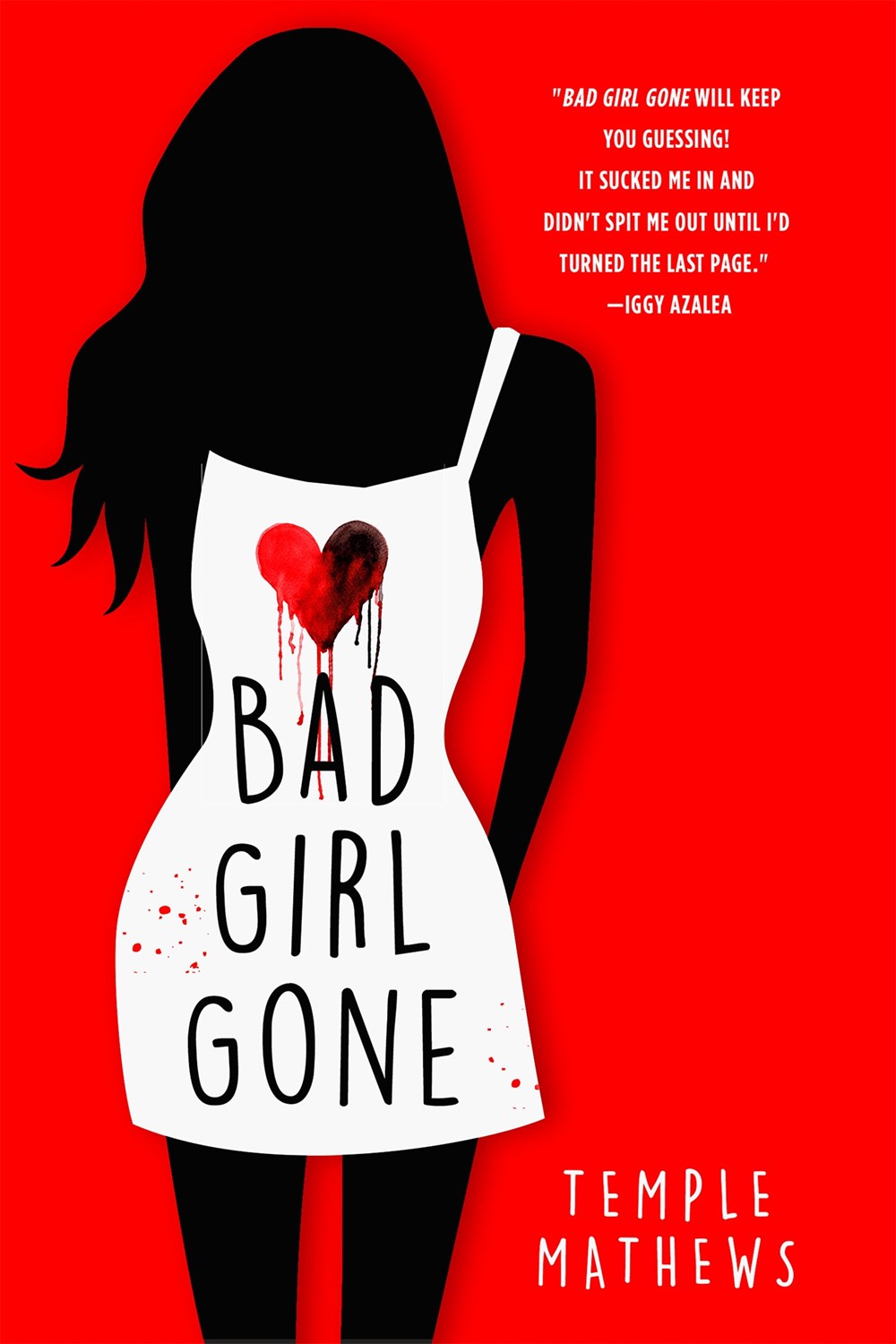
Bad Girl Gone, by Temple Mathews (Sept. 2017, Thomas Dunne for St. Martin’s Group), $17.99, ISBN: 9781250058812

Recommended for readers 13+

Echo is a 16 year-old girl who wakes up in a dark room; no idea where she is, no idea how she got there. She soon discovers that she’s in a place called Middle House; think of it as Limbo for teens who met brutal and unfair ends. Each of the teens has a special gift to help them bring their killers to justice; only then can they head toward the light. After Echo finally accepts that she is dead, and that she was murdered, she sets out to find out who killed her and why, while also helping her boyfriend, Andy, move on with his life.

This is an absolute teen revenge fantasy. Echo discovers that she wasn’t the nice girl she thought she was in life, and her boyfriend is so devastated after her loss that he contemplates suicide to be with her, and she gets to have a cute fellow ghost boy fall for her, too. All the teen residents of Middle House have paranormal gifts to help them get back at their murderers so they can move on to the afterlife, righting the ultimate wrong – but Echo gets a different choice. I didn’t love Echo or any of the characters in Bad Girl Gone, but it works for a light paranormal fiction reader. Bad Girl Gone is a quick read with an interesting plot twist, good for an additional purchase where you need more fiction.

Posted in Historical Fiction, Realistic Fiction, Teen

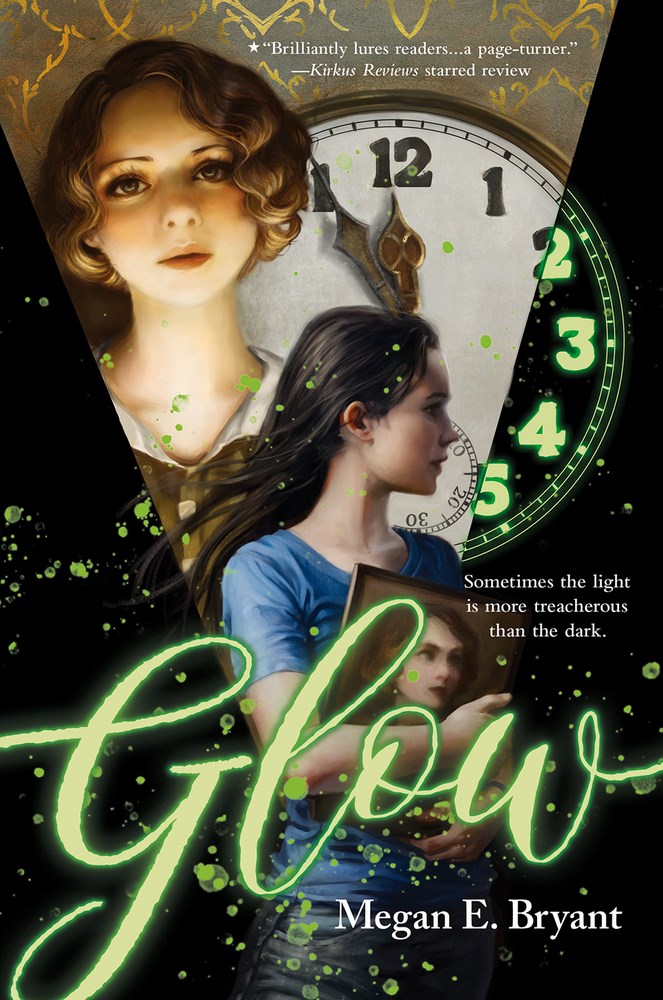
Radium Girls meets YA fiction with Glow

Glow, by Megan E. Bryant, (Sept. 2017, Albert Whitman), $16.99, ISBN: 9780807529638

Recommended for readers 12+

Julie should be starting college in the fall, but she used up all her savings to bail her mother out of debt. Frustrated and embarrassed, especially when her friend drops money on crazy shopping trips while Julie counts every cent. They wander into a thrift store where Julie discovers an antique painting that reveals a hidden, glowing image in the dark. Locating the rest of the paintings becomes Julie’s obsession; as she tracks down the paintings and the painter’s identity, she discovers that the paintings were made by and tell the story of the Radium Girls – young women who worked in factories, using radium paint to make glow-in-the-dark watches for the soldiers in the trenches of World War I.

The dual narrative keeps the novel moving at a fast pace, but it is Liza and Lydia’s story – the Radium Girls – that gripped me even more than Julie’s. If you haven’t yet read Kate Moore’s Radium Girls, I highly recommend it; the story of the women who were slowly poisoned over time is heartbreaking and infuriating, but so important to read and know. Glow is a great introduction to the subject on a middle school/YA level; the letters from Lydia to her betrothed, Walter, a World War I soldier, give readers the full horror of radium poisoning. These girls – some as young as 13 – were led to believe that the radium paint was safe, even beneficial – one floor manager brags about mixing some into his pudding for health reasons; girls paint their nails, their faces, even paint jewelry on their bodies before they go out on dates. Hindsight, for the reader, is 20/20; I wanted to shriek at them as Lydia described each detail.

That said, there are some moments I felt could have been stronger. I didn’t love the romance that felt pushed into the narrative to make it more attractive to teen readers, and the subplot tension between Julie and her mother feels like it’s there just to make readers understand why Julie would be shopping in thrift stores. The driving story here is Lydia and Liza’s story, though; that’s what will stay with you long after the story has ended and you’ve closed the book. An author’s note at the end talks about the Radium Girls and the indignities they suffered when they became ill and tried to come forward.

This one is going on the shelves at my library, and I’ve already told my son’s girlfriend that she has to read it the second it hits shelves. Glow has a powerful, heartbreaking story at its core that you should not miss.
Posted in Realistic Fiction, Teen, Young Adult/New Adult

Book Tour: The Tower, by Nicole Campbell

The Tower, by Nicole Campbell, (June 2017, CreateSpace), $13.50, ISBN: 978-1545411278

Recommended for readers 13+

Three lifelong friends get ready to start their junior year of high school. They live in Elizabethtown, Illinois, and tend to stand out because they’re witches. Not the Harry Potter type, and not the White Witch of Narnia, either: they’re pagans, in touch with nature and the energy around them, and they have no idea how things are going to change for them this year. There’s Rowyn, whose sharp tongue is rivaled only by her skill in reading tarot cards and auras; Reed, forever in love with Rowyn, who channels energy and practices reiki, and Rose, who puts love and little touches of her magic into her baked goods. There’s also Jared, a jock from school who’s dating Rose and seems to be the one person from school that’s willing to take the time to understand his new group of friends. When tragedy strikes, their worlds are upended, and each has to find his or her own way back to some form of balance.

Each chapter is told in the first person from one of our four main characters. This is not a paranormal novel; it’s not an urban fantasy novel. It’s a beautiful story of love and loss, addiction and depression, and a look into a group of friends that grew up on the outside, looking in. Diversity takes many forms, and the pagan belief system, stuck in the middle of Christian conservatism, serves as a powerful setting. Nicole Campbell writes characters that are fragile and strong; they’re dealing with things so many teens find themselves faced with today: divorced parents, bullying, and navigating relationships among them. The Tower is a strong piece of YA realistic fiction that will resonate with teens and young adults.

Posted in Fiction, Teen, Young Adult/New Adult

What’s hiding under The Suffering Tree?

The Suffering Tree, by Elle Cosimano, (June 2017, Disney-Hyperion), $17.99, ISBN: 9781484726594

Recommended for ages 14+

After her father’s death and her family’s eviction, Tori Burns, her mother, and younger brother, Kyle, move from Washington DC to Chaptico, Maryland; a small town with a lot of history. She’s received an inheritance of a house and land from a man named the patriarch of the Slaughter family, one of the oldest families in the area – she’s never met him, never heard of him – and his family are none too happy with it. Tori is miserable in the new house and with the Slaughter family, who seize every opportunity to be spiteful to Tori and her mother. Tori learns more about the Slaughter family’s dark history – and the history of the mythical Chaptico witch – when Nathaniel Bishop claws his way out of a grave under the oak tree in her backyard. It’s no zombie movie: Bishop was an abused, indentured servant for the Slaughter family in the 18th century, and he’s been brought back for a purpose that hasn’t yet revealed itself. Tori shelters him in the shed on her property as she struggles to make sense of the weird dreams she’s having. As she and Nathaniel unravel their histories, Tori uncovers the Slaughters’ secrets, finding herself a part of the mystery.

The Suffering Tree is a paranormal mystery that hinges on self-harm. There’s blood magic throughout the book, and the entire plot is set into motion once Tori – who self-harms – spills her own blood on the property. With references to rape, abuse, racism, and slavery, this is a novel that tackles some very big issues. Tori emerges as a strong character who struggles with cutting as a way to deal with the pain of her father’s loss and more recent stresses as the novel unfolds. Her mother isn’t a strong character at all, preferring to handle her daughter’s psychological issues by asking her if she’s okay and suggesting therapy throughout the book.

Teens are going to love this one. There’s suspense and the pace is intense. Booktalk with historical YA mysteries, like the Jackaby series from William Ritter; Stefan Petrucha’s Ripper, and Stephanie Morrill’s The Lost Girl of Astor Street.