If you have tinkerers or a robotics league in your community, you may already be familiar with No Starch Press and their solid LEGO Mindstorms catalog. I’m a No Starch fan and regularly buy their computing books for both my kids and adult collections, but their Mindstorms books really are worthy of their own shout-out. I’ve used them in my own library when I had a robotics league, and they were a tremendous help to me and my team as we navigated getting the machines built and running. There are two new Mindstorms books coming out that are worth a look for your shelves.
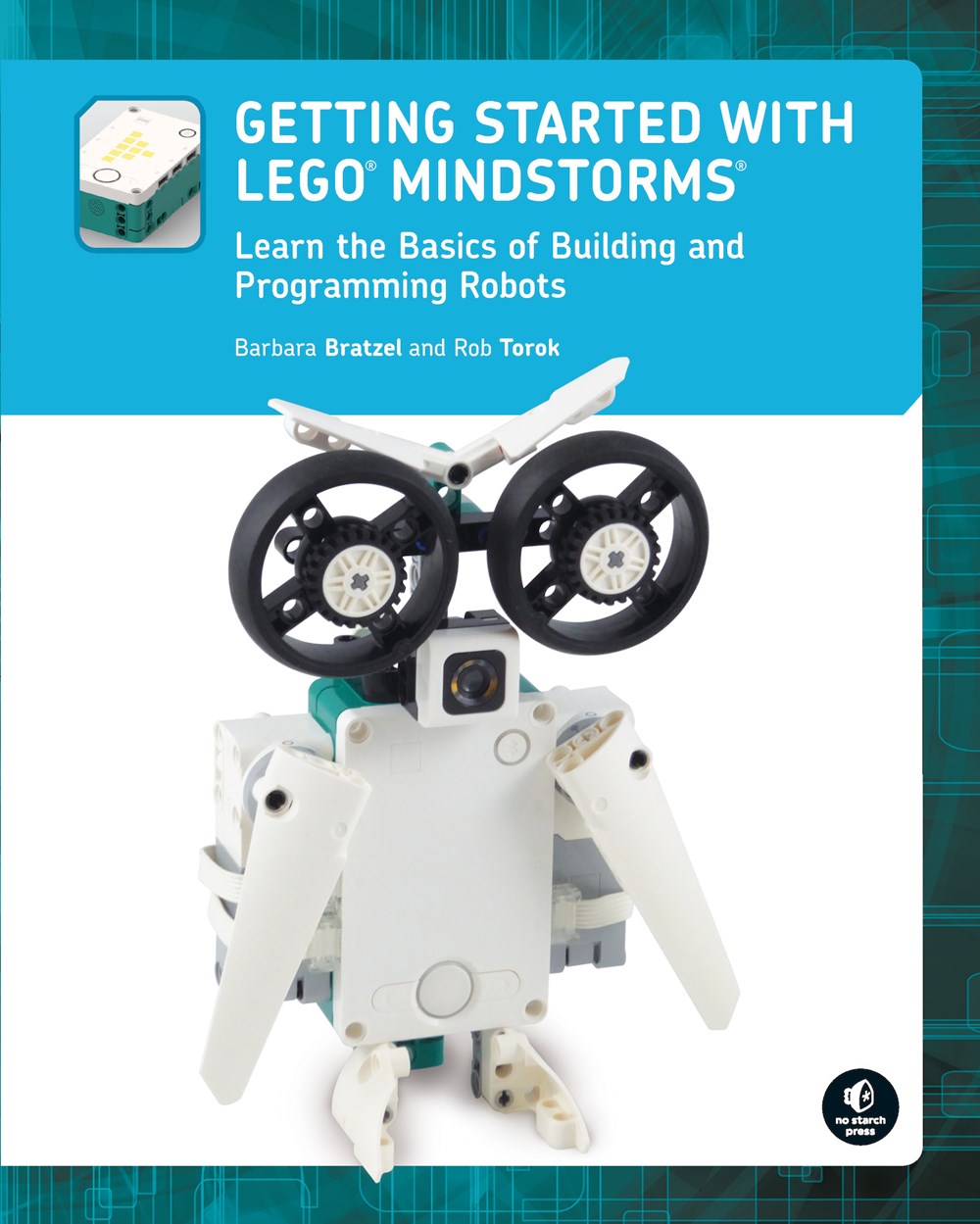 Getting Started with LEGO® MINDSTORMS: Learn the Basics of Building and Programming Robots, by Barbara Bratzel & Rob Torok, (Oct. 2022, No Starch Press), $19.99, ISBN: 9781718502420
Ages 12+
Anyone embarking on LEGO Mindstorms robotics will find Getting Started with LEGO Mindstorms an essential reference to have on hand. Written with a friendly, easy-to-follow voice, the book provides information you and your readers will need to build your first robot, work with the Mindstorms app, and troubleshoot and refine your robots as you go. The book covers sensors, remote control, sound, light, and movement. Are you new to programming? The book introduces readers to Word Blocks, a visual programming language based on Scratch and is very user-friendly. If you’ve never delved into robotics, DON’T PANIC: this is a supremely intuitive guide that’s meant to foster an interest in programming, building, and working with LEGO Mindstorms robots. You and your readers are safe in Barbara Bratzel’s and Rob Torok’s capable hands.
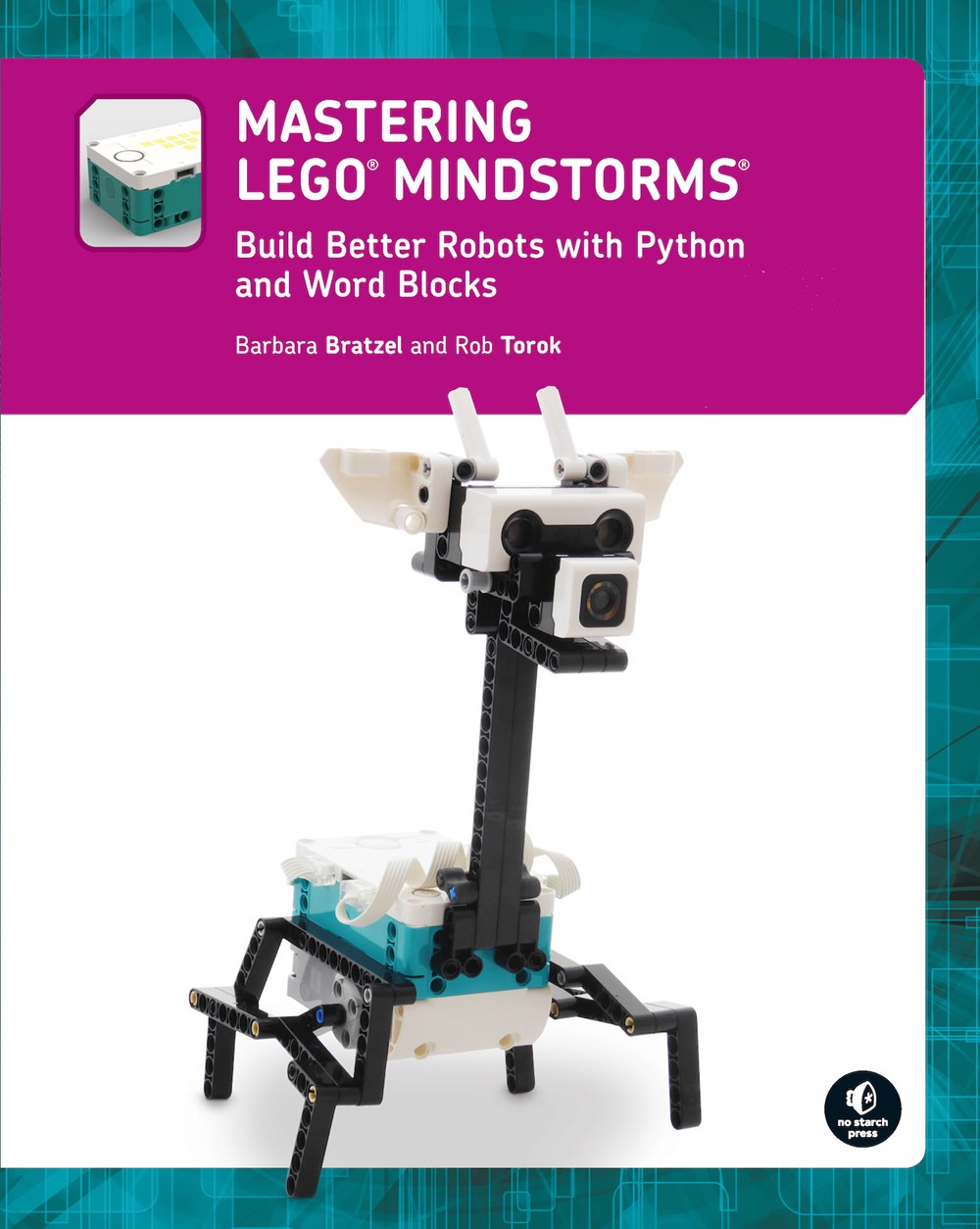 Mastering LEGO® MINDSTORMS: Build Better Robots with Python and Word Blocks, by Barbara Bratzel & Rob Torok, (Oct. 2022, No Starch Press), $19.99, ISBN: 9781718503144
Ages 12+
You want your readers to expand their expertise on LEGO Mindstorms. Mastering LEGO Mindstorms will get them there. Moving up from basic Word Blocks programming, Mastering LEGO Mindstorms expands robotics builders’ skills by introducing Python language programming, letting users write text-based code. There’s still how-tos on designing and building, with expanded programming techniques to encourage the casual builder to grow their schools and move toward more sophisticated robotics engineering. There are chapters on gears and mechanisms, moving gyro sensors, and games and “Ultimate Challenges” to test your engineers’ mettle. Photos are incredibly helpful and the informative text is as supportive as it is educational. Bratzel is an elementary school STEM educator and Torok is a secondary STEM educator; both are Mindstorms educators who explain robotics in a way that respects the reader while challenging them.
Getting Started with LEGO® MINDSTORMS and Mastering LEGO® MINDSTORMS are excellent additions to your STEM/STEAM collections. If you have robotics leagues or maker labs in your community, they are essential.

 Mom Read It