Posted in Early Reader, Intermediate, Non-Fiction, Non-Fiction, picture books

Seashells: More Than a Home, more than decoration

Seashells: More Than a Home, by Melissa Stewart/Illustrated by Sarah S. Brannen, (Apr. 2019, Charlesbridge), $16.99, ISBN: 9781580898102

Ages 6-9

Kids love seashells. They’re the ultimate summer souvenir, coming in all shapes and sizes, with beautiful patterns and colors. Seashells: More Than a Home looks at 13 different seashells and lets readers in on their little world: their colors, patterns, and functions in protecting the marine life that live within them, keeping them safe and fed. For instance, a nautilus’s design allows it to sink and float like a submarine, while the screw-shaped burribella can anchor itself into the sand, allowing its sea snail to stay in place. Watercolor illustrations and soothing earth and sea colors make this a beautiful book to look at and learn from. Endpapers illustrate shells and a map, highlighting their locations, and back matter includes author and illustrator notes, and additional resources.

Seashells: More Than a Home is a companion to Melissa Stewart and Sarah Brannen’s book, Feathers: Not Just for Flying (2014) and a nice addition to nonfiction shelves and STEM storytimes. Get some seashells and pass them around; invite the kids to talk about what they see and feel. Melissa Stewart’s author website has free, downloadable educator activities, readers’ theatre scripts, and curriculum guides.


Posted in picture books, Preschool Reads

Scampers teaches kids the scientific method!

Scampers Thinks Like a Scientist, by Mike Allegra/Illustrated by Elizabeth Zechel, (March 2019, Dawn Publications), $8.95, ISBN: 9781584696438

Ages 4-8

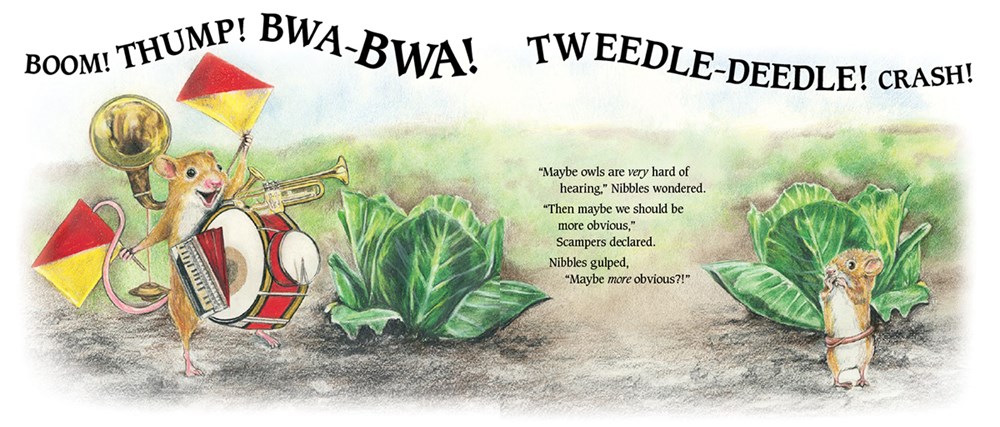
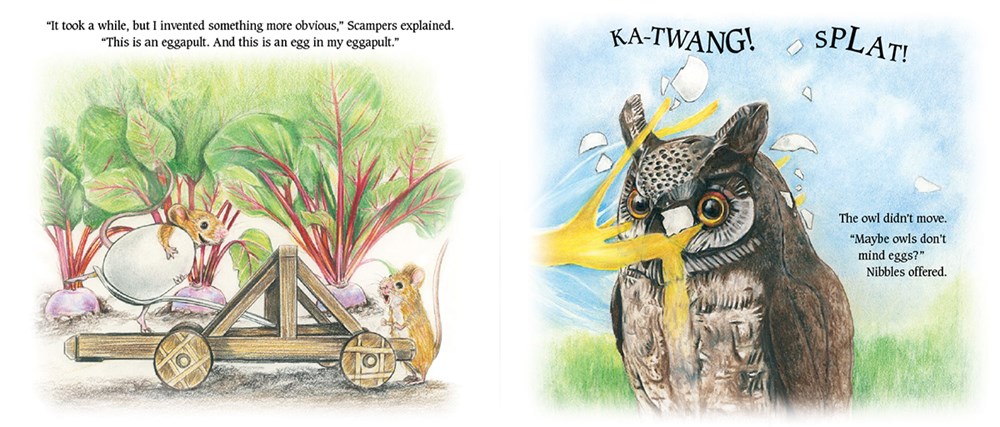
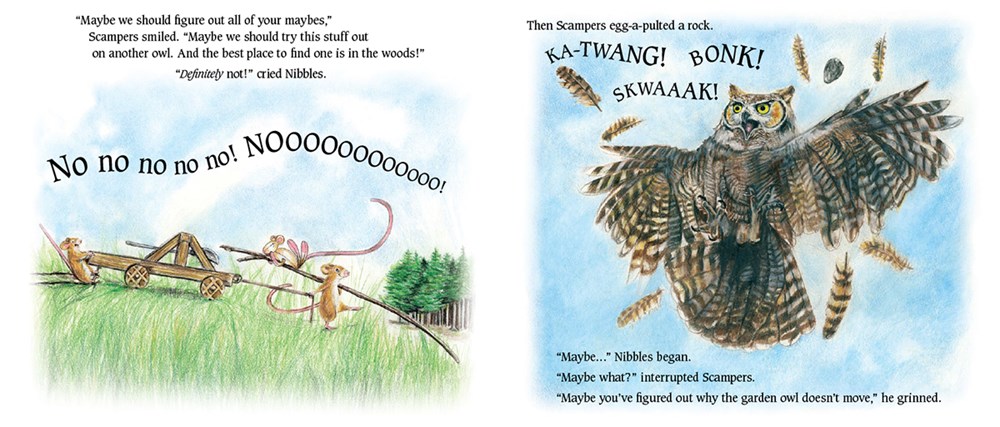
Scampers is a curious little mouse who wants to know what it will take to get a menacing-looking owl out of the vegetable garden, so he and the other mice can go back to getting food. With the help of Scampers’s friend, Nibbles, the two proceed to conduct a few experiments, including waving a rag doll and making noise that will startle the owl, and building an egg catapault to scare it off. No reaction. (Have you guessed yet?) When Scampers and Nibbles figure out the owl’s secret, they let their fellow mice know: the owl isn’t real! Will the mice believe their two scientists?

Scampers Thinks Like a Scientist is an adorable, abbreviated introduction to an scientific method. Scampers has a theory about the mouse, so she conducts some tests, considers her conclusion, and shares her results. The tests are amusing and let caregivers and educators work with readers to reason out the conclusion. It’s a cute way to introduce scientific thinking to younger readers, and publisher Dawn Publications has a free, downloadable companion activities for kids. Add this one to your science storytime.

Posted in Non-Fiction, picture books, Preschool Reads

It’s Spring… time to raise the butterflies!

Butterflies in Room 6, by Caroline Arnold, (March 2019, Charlesbridge), $16.99, ISBN: 9781580898942

Ages 3-7

Spring is getting closer and closer, and that means that science classrooms all over the place are going to introduce their little ones to the life cycle of a caterpillar/butterfly. We’ve done it in my home, and each of my kids has done it in school, and it’s exciting every time. Butterflies in Room 6 revisits the Kindergarten students of Room 6 – a new group, since Hatching Chicks in Room 6 was published in 2017 – as they raise butterflies, starting from teeny, tiny caterpillar eggs.

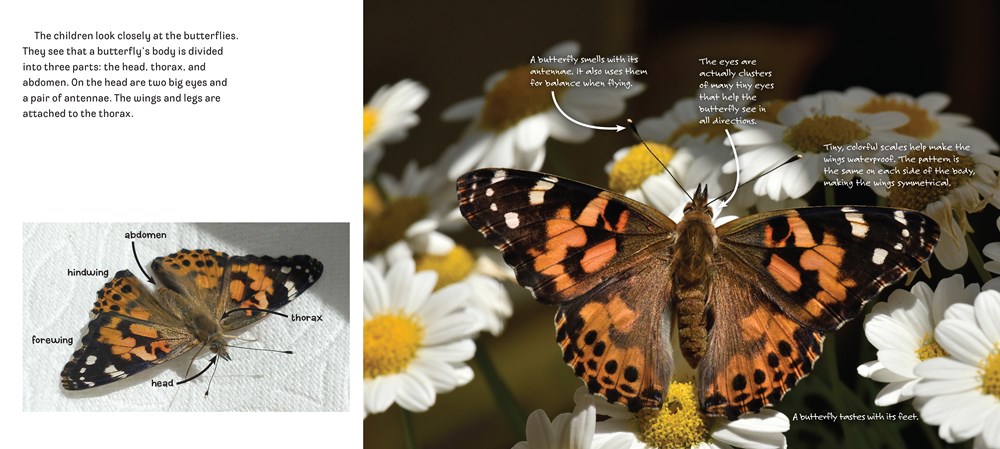
Full-color photographs and informative text take this STEM/STEAM story through the step-by-step process by which the class observed and cared for their caterpillars; feeding them, observing the stages of life, moving the chrysalises to a larger, netted environment, the exciting emergence of the painted lady butterflies from their cocoons, and their release into the world! Leaf-shaped callouts throughout the book provide additional caterpillar and butterfly facts, and back matter provides butterfly questions, vocabulary, and a nice list of online and print resources for further reading.

Butterflies in Room 6 brings a real-world look into a primary classroom – it’ll get kids excited about science, especially if this is one of your classroom projects. Pair this with The Very Hungry Caterpillar and the classic that my kids all read in their kindergarten classes, Deborah Heiligman’s From Caterpillar to Butterfly.

Posted in Early Reader, Non-Fiction, picture books, Preschool Reads

Natural world nonfiction for young learners: See to Learn: Forest

See to Learn: Forest, by Kate Moss Gamblin/Illustrated by, Karen Patkau, (March 2019, Groundwood Books), $16.95, ISBN: 9781554988792

Ages 4-7

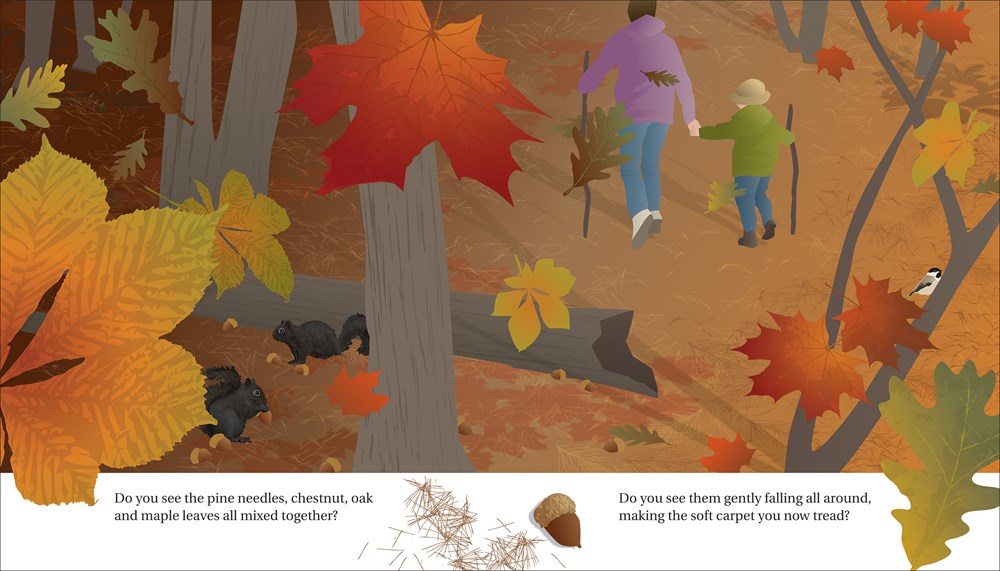
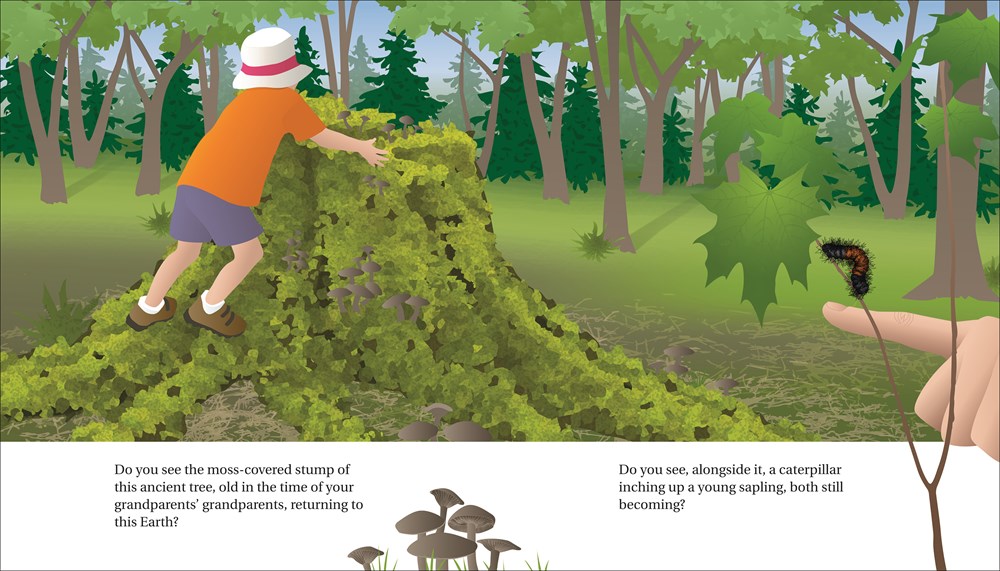
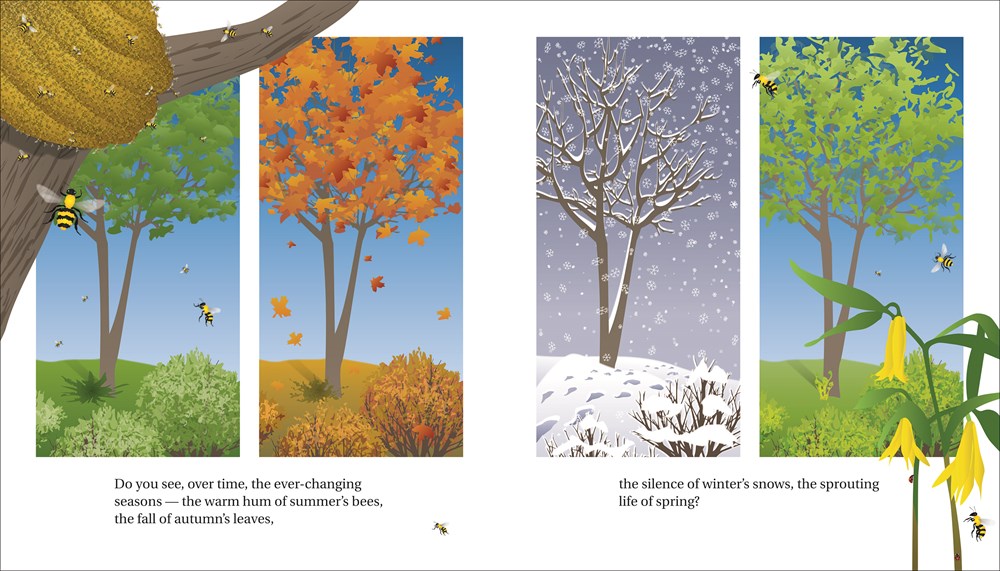
This first book in a new nonfiction picture book series encourages little learners to look at a location – in this case, a forest – and really see: see different footprints that travel the forest floor; the different leaves carpeting the ground; moss covering a stump. Forest encourages readers to think: is that moss older than your grandparents? What changes do seasons bring with them? What happens during the passage of day to night?

The quiet text promotes introspection, curiosity, and presence, and the interrelationships between nature – trees are referred to as our “cousins” – and our planet. Everything here exists for readers to observe and ponder, and Forest encourages them to think of nature, the world, and their place in it.

This is a great way to talk about the natural world and basic concepts with kids: talk about colors, talk about different functions, talk about different stages of life, whether you’re a human grandparent or a young caterpillar. We all age; we all exist; we all interact with the natural world. Let kids see themselves in nature, and they’ll respect it and care for it. Further reading provides additional resources for younger and middle grade readers. An author’s note explains the rationale and thinking points for the series.

I’m looking forward to more books in this series. See to Learn: Forest is a great addition to primary and elementary science collections and programming. This will fit nicely with Kate Messner’s nonfiction books, Over and Under the Snow, Over and Under the Pond, and Up in the Garden and Down in the Dirt, for elementary readers; for primary readers, you can’t miss with Laura Vaccaro Seeger’s books, Green and Blue; and Denise Fleming’s In the Tall, Tall Grass, and In the Small, Small Pond.

Posted in picture books, Preschool Reads

A search for the Biggest Puddle in the World and a lesson on the water cycle!

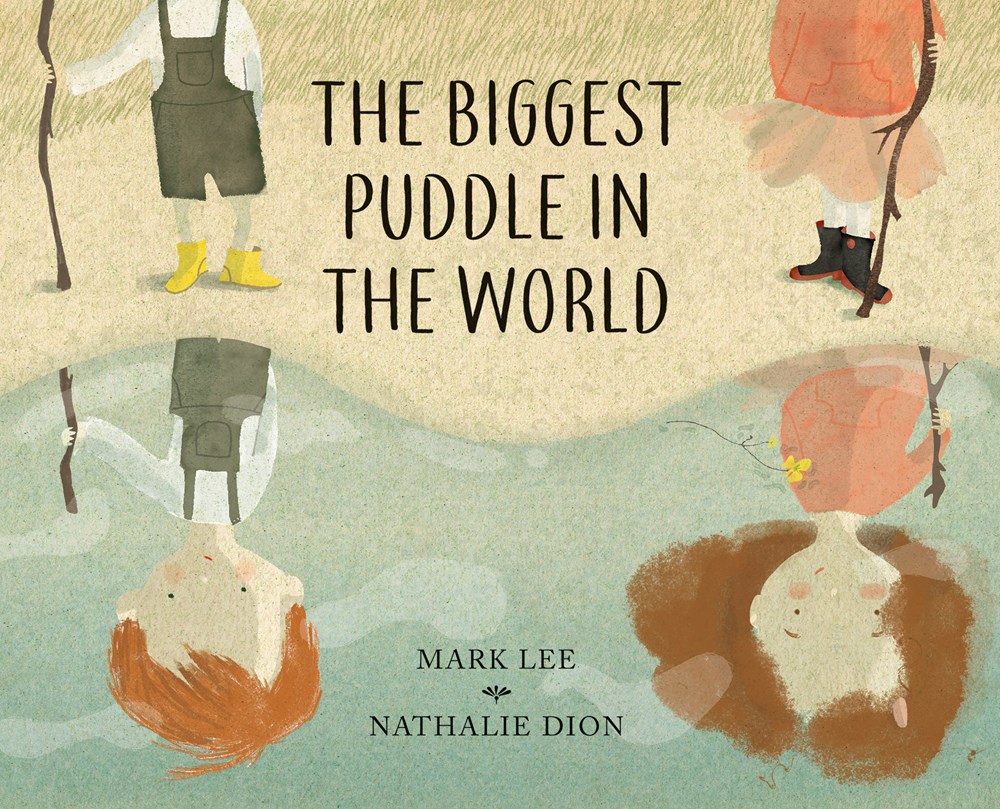
The Biggest Puddle in the World, by Mark Lee/Illustrated by Nathalie Dion, (March 2019, Groundwood Books), $18.95, ISBN: 9781554989799

Ages 4-7

Siblings Sarah and Charlie go to stay with their grandparents for six days; at first, it rains, allowing the two to explore the old house, but they’re itching to get outside and wander. Finally, the weather lets up, and they head out, with their grandfather, on a nature walk. Big T, their grandfather, promises to show them the biggest puddle in the world, and encourages Sarah to keep a puddle map; all the while, explaining the water cycle: the rain comes down and collects in the puddles; the water in the air become the clouds in the sky. The clouds are made up of water from ponds and rivers and the biggest puddle in the world, which, the kids discover, is the ocean!

This is a great way to lead in to a discussion and/or lesson about the water cycle. The story and illustrations are all about the joy of being a kid: they enjoy spending time with grandparents; jump in puddles; explore nature, and find ways to keep themselves occupied when stuck inside on rainy days. Big T gives them a simple, illustrative way to understand the water cycle and how puddles collect, form bigger puddles, and eventually, become part of the clouds, which bring the rain. He encourages learning, and invites the kids to use hands-on learning by exploring and mapping their day.

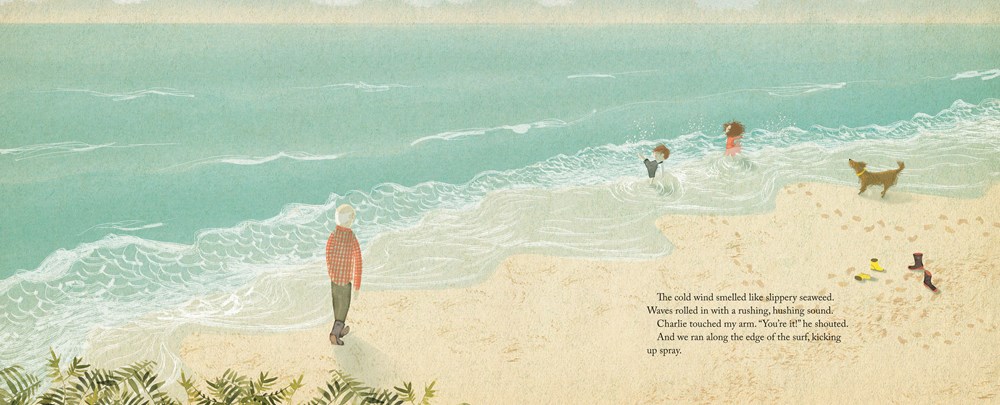
The real and digital watercolor artwork is soft, with earth tones and faded colors, allowing nature to calmly take its place as the focal point of the story. Grasses gently move in an imagined breeze; the ocean stretches across a spread as Big T watches his grandchildren and their dog play, boots left on the sand.

A nice bridge between fiction and nonfiction, and a good addition to science storytime.

Posted in picture books, Preschool Reads

A loving Moon watches and wishes…

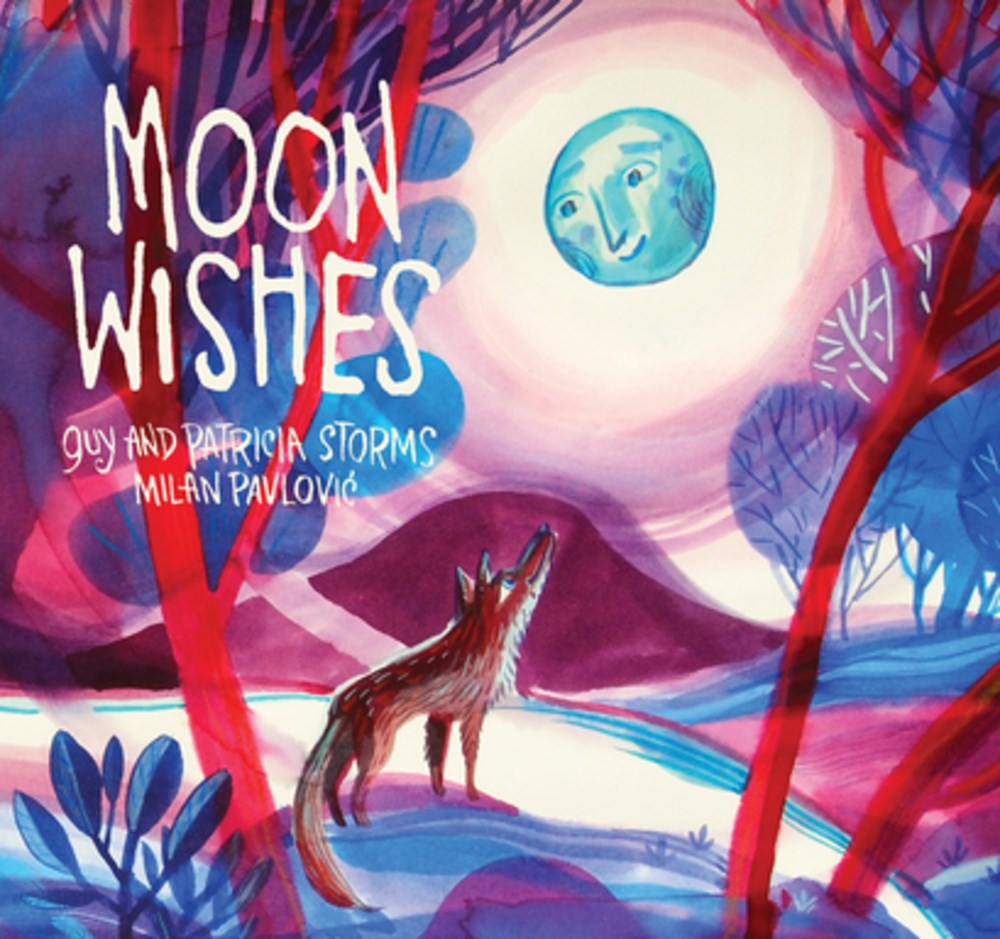
Moon Wishes, by Patricia Storms & Guy Storms/Illustrated by Milan Pavlovic, (March 2019, Groundwood Books), $17.95, ISBN: 9781773060767

Ages 4-7

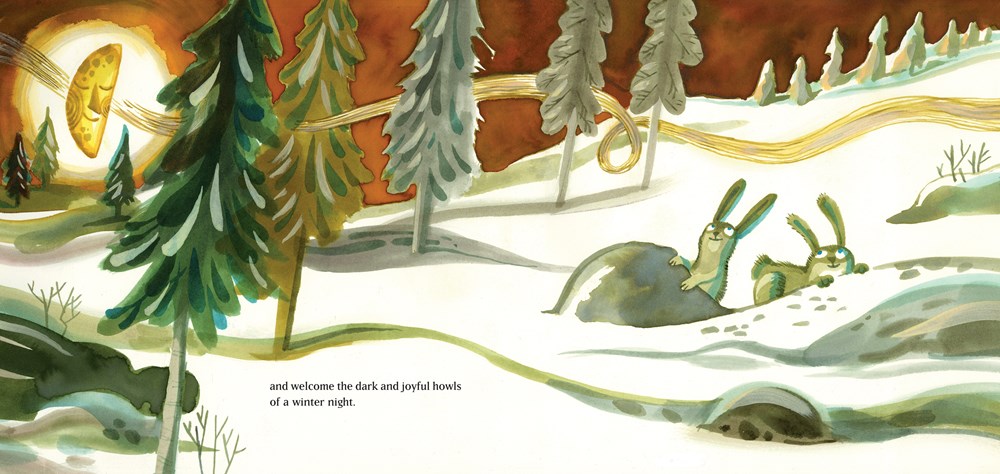
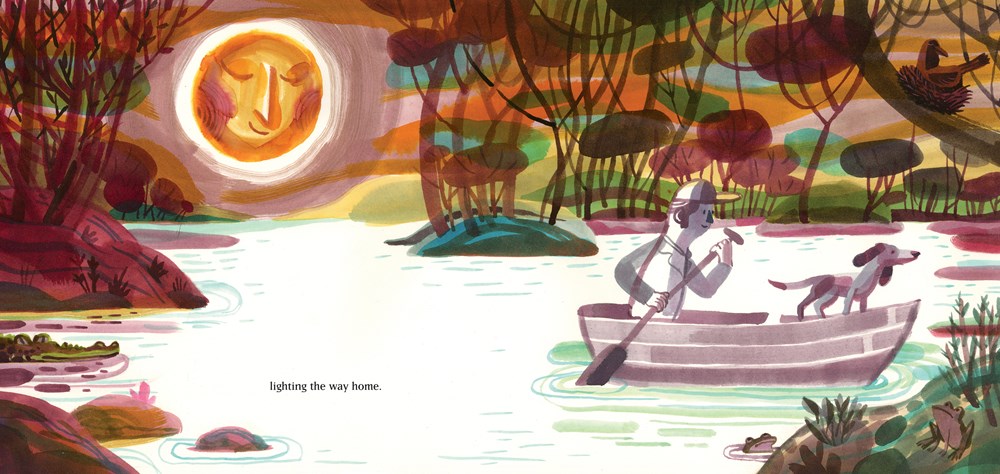
A sweet bedtime story, a loving meditation from caregiver to child, Moon Wishes sees a gently illuminated moon overseeing nature, animals, and humans alike, and wishing all that’s good upon all it touches. The poetic text reads like a parent or caregiver’s loving murmur to a sleepy child, with phrases like, “If I were the moon, I would paint ripples of light on wet canvas and shimmer over dreams of snow…”, and “…if I were the moon, I would make myself big and bright and strong with love so that I could shine on you”. It’s soothing and gentle, comforting and and perfect to read to the little ones curled up in your lap or surrounding your storytime circle.

The watercolor illustrations give a dreamlike depth to the authors’ voices, presenting gently illuminated landscapes, a kind-faced moon lighting the way for animals and humans alike. The colors are soft and bright, landscapes moving from snowy icebergs through waters, forests, and towns. A lovely addition to picture book collections and bedtime storytime.

Posted in Middle Grade, Non-fiction, picture books

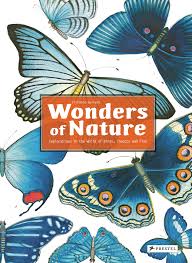
Wonders of Nature opens a museum on your bookshelf!

Wonders of Nature: Exploration in the World of Birds, Insects, and Fish, by Florence Guiraud, (Oct. 2018, Prestel Publishing), $25, ISBN: 9783791373652

Ages 7-11

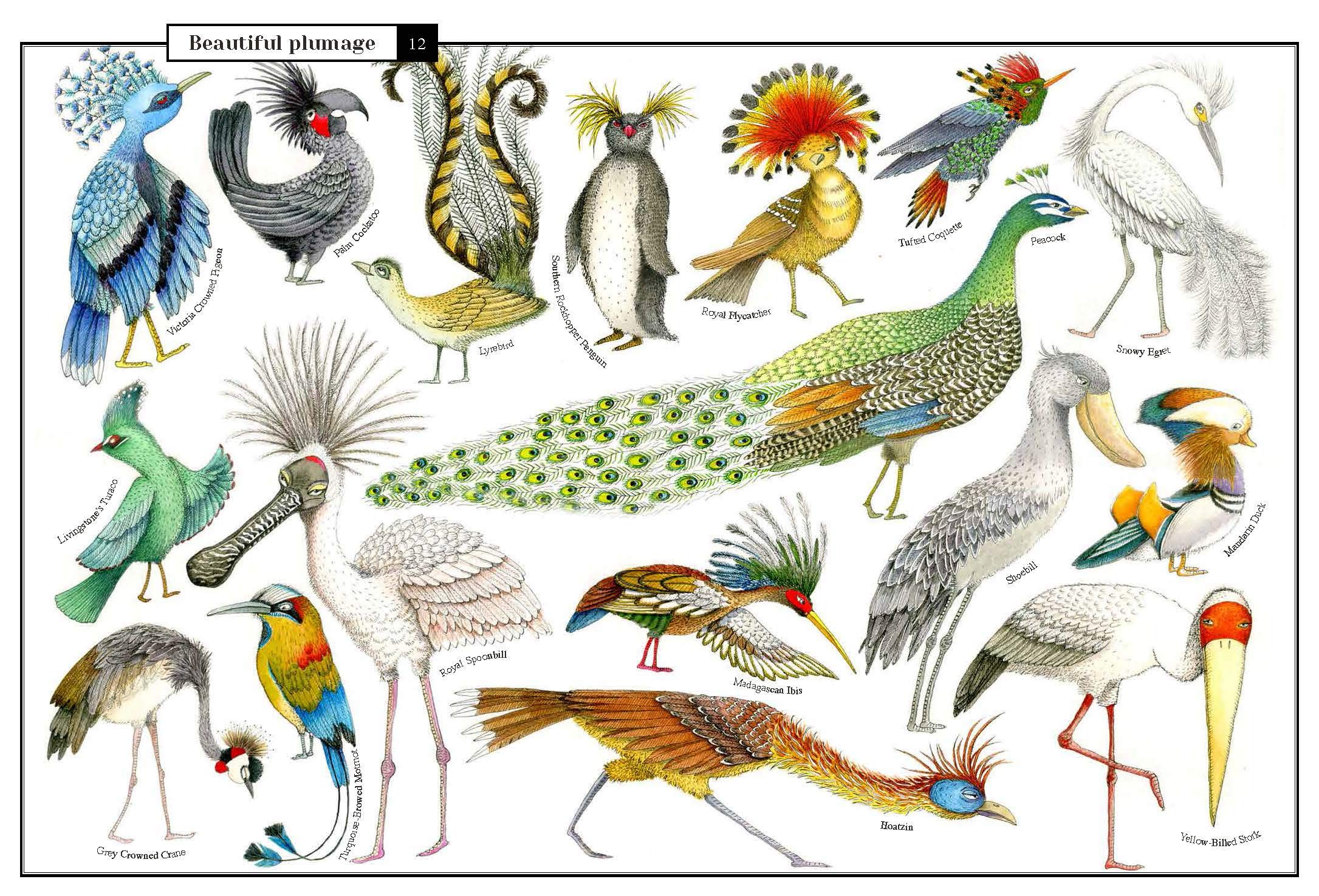
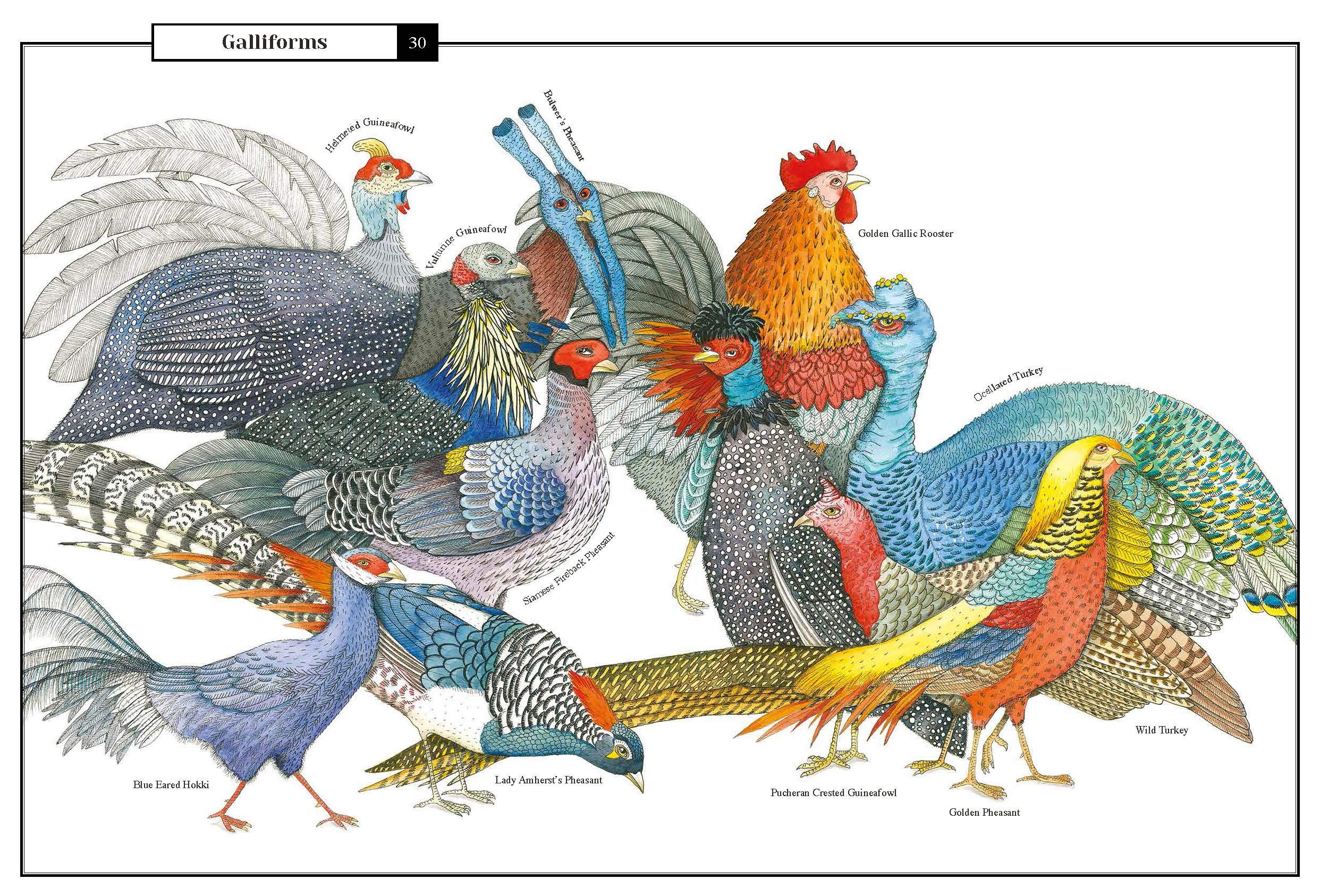
This book, originally released in French, is a stunning work of art. Inspired by 17th and 18th century natural history artwork, by scientists and explorers who hand-sketched their discoveries, Wonders of Nature is an illustrated “cabinet of curiosities”, as author/artist Florence Guiraud puts it, of the natural world. There are meditations on birds’ plumage and nests; butterflies and bugs’ wings; starfish families, and jellyfish. Seven chapters come together through 2-page spreads in watercolor and sketch artwork to create detailed, breathtaking illustrations of birds, insects, and sea life.

I’ve had the privilege of seeing some 16th and 17th century natural history sketchbooks – by the way, you can, too: the American Museum of Natural History has an online research library with Digital Special Collections, including selections from their Rare Book Collection – and one can easily see how the artwork is inspired by these early natural history explorers and scientists. This is such a great way to get kids interested in natural history; how to interest them in wandering around their local parks, zoos, and museums, notebook in hand, and encourage them to draw their world, their way.

Each section introduces a topic with informative text that entices the reader into turning the page; that turn of the page launches readers into exciting new worlds, with animals they may never have seen before. Each drawing is labeled, helping kids – and adults – expand their world. Each section concludes with a “random directory” that provides further nibbles of information about different fauna, with page references for easy location.

Learn your world, and share it. Wonders of Nature is a solid add to your natural history collections and a great gift for readers who love nature and art. Display and booktalk with Candlewick’s Welcome to the Museum books (Dinosaurium, Animalium, Botanicum, and others).

Posted in picture books, Preschool Reads

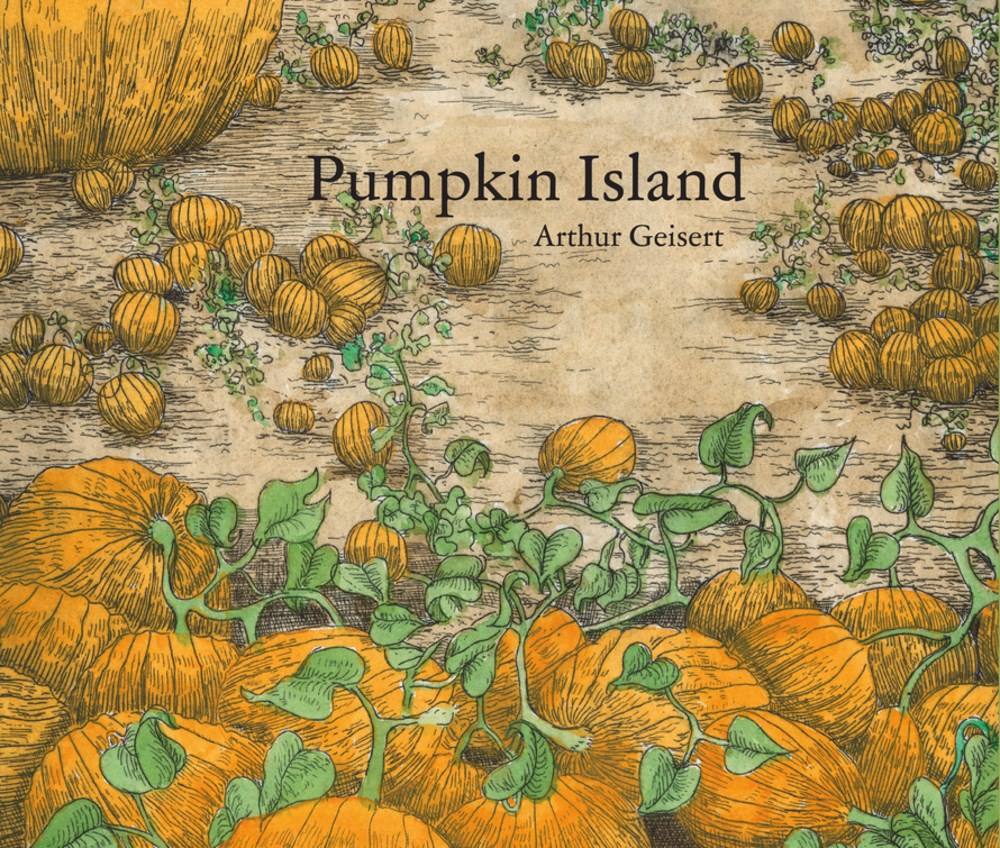
Pumpkins… Pumpkins Everywhere! Arthur Geisert’s Pumpkin Island is overrun!

Pumpkin Island, by Arthur Geisert, (Nov. 2018, Enchanted Lion Books), $17.95, ISBN: 9781592702657

Ages 4-7

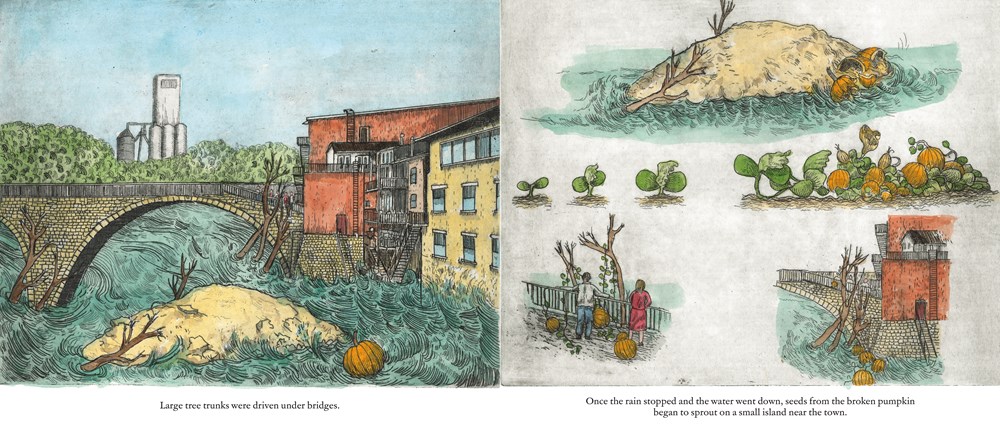
This “what if?” story is inspired by the real-life town of Elkader, Iowa. In Pumpkin Island, a rising river washes away a pumpkin, which cracks and spills open on a small island near Elkader, releasing its seeds, which immediately begin sprouting vines and growing pumpkins. The pumpkins start showing up all over town, prompting the residents to do all sorts of things, from creating delicious recipes to constructing catapults (ever hear of Punkin Chuckin?). But the vines keep growing, and the pumpkins are everywhere. When Halloween arrives, the pumpkins get one last glorious moment, before the townfolk cut the vines and mulch the pumpkins, but even then, pumpkins take on a life of their own, with beautiful flowers sprouting from the compost.

Readers will get a kick out of this “nature gone wild” story, which pairs nicely with Cloudy With a Chance of Meatballs. It’s a short, simple story with a touch of fantasy and humor that will get kids giggling. The artwork bustles across each spread to give the feel of a busy town trying to accommodate all of these pumpkins!

A fun Fall story that works for collections where seasonal books are popular.

Posted in Intermediate, Non-Fiction, picture books, Preschool Reads

Nonfiction rundown: October and November

Picture book nonfiction just gets better and better. In October and November, we get two more biographies on people of color that have, until now, been largely overlooked by history. It’s disheartening on one hand, but I choose to be glad that books are coming forward now to liven up our nonfiction shelves and give readers even more role models across all walks of life to learn about and be inspired by. I’ve also got some fun alphabet books and some nature and science. Pull up a chair, brew a warm beverage of your choice, and enjoy!
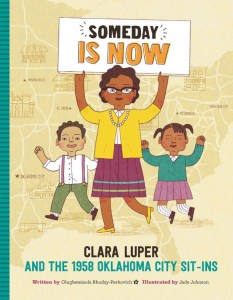
 

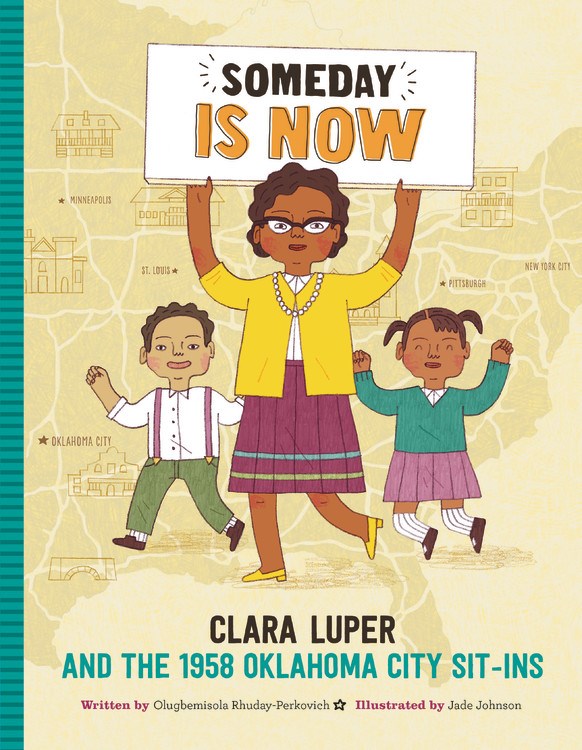
Someday is Now: Clara Luper and the 1958 Oklahoma City Sit-Ins, by Olugbemisola Rhuday-Perkovich/Illustrated by Jade Johnson, (Aug. 2018, Seagrass Press), $17.95, ISBN: 9781633224988

Ages 6-9

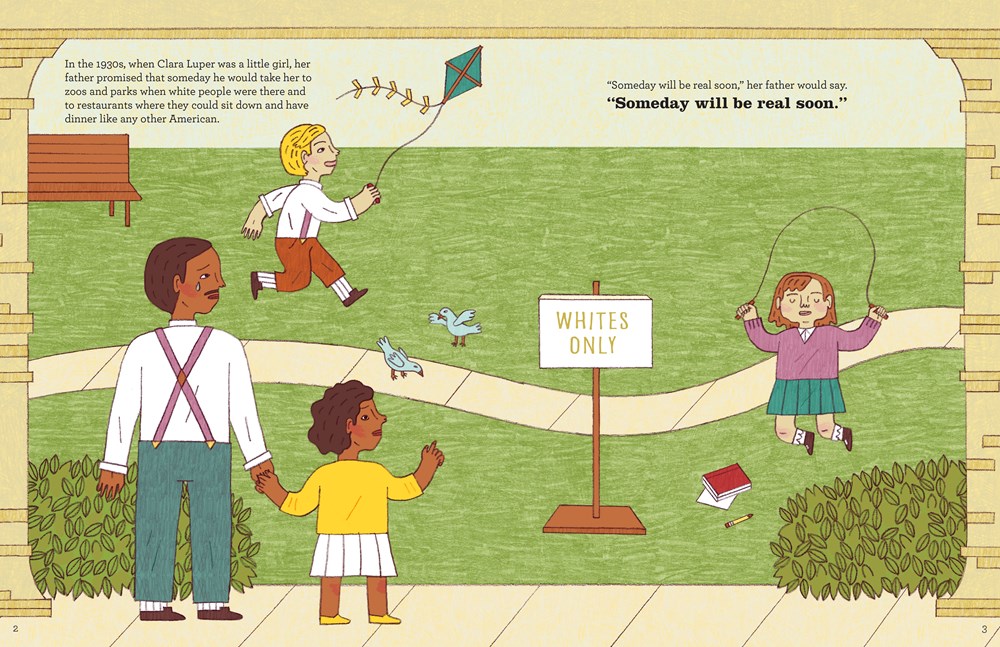
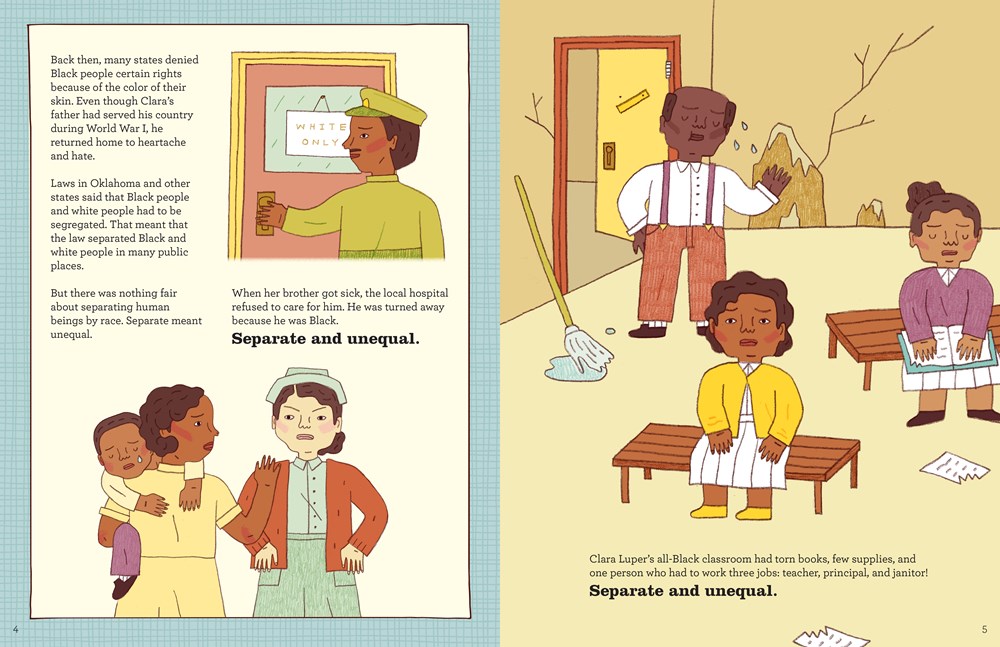
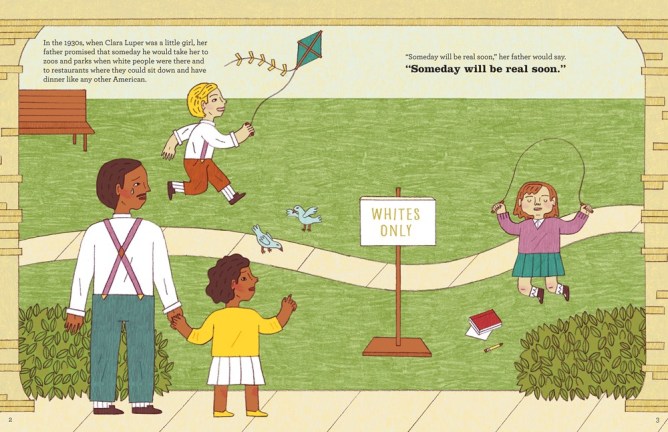
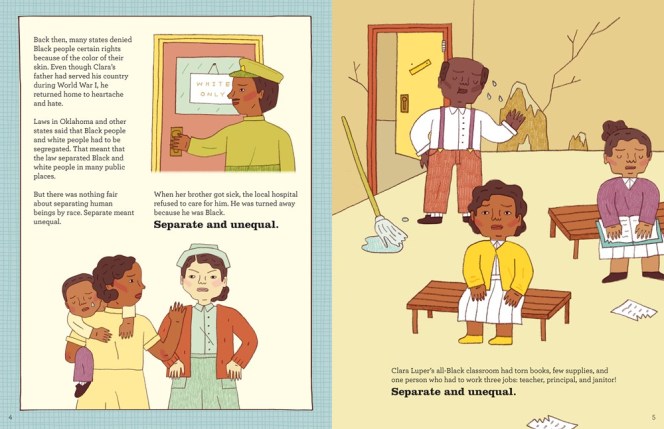
I missed this one the first time around, but I’m glad I caught it when I went back through my Edelweiss account to check up on my TBR. This picture book biography of civil rights activist Clara Luper (nee Clara Mae Shepard) is a great addition to your picture book biographies. Growing up in segregated Oklahoma, Clara saw her World War I veteran father diminished by the very country he fought for: her brother turned away from a local hospital because it was a whites-only facility; she was educated in a run-down classroom with torn books and a teacher who also served as the principal and janitor; restaurants dictated where Blacks could eat. Everywhere she looked, Clara saw things were “separate and unequal”, a phrase repeated throughout the book in bold, large font to drive home the message. Ms. Luper became a teacher who pushed for change, working with the NAACP Youth Council and participating in lunch counter protests with her students after a trip to non-segregated New York. Back matter includes an encapsulated biography of Ms. Luper.

This is the first picture book biography on Clara Luper: everything else I found online is decades old. Let’s get more civil activist bios into the hands of our kids, so they can see for themselves how many voices led to change. Someday is Now has a starred review from Kirkus.

Author Olugbemisola Rhuday-Perkovich is the co-author of the NAACP Image Award nominated Two Naomis and the forthcoming Naomis Too and is the editor of The Hero Next Door, an anthology from We Need Diverse Books. You can see more of Jade Johnson’s illustration work, including downloadable coloring pages, on her website.
 

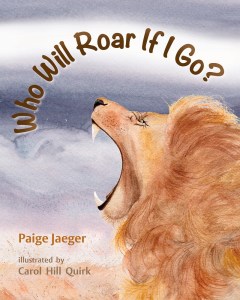
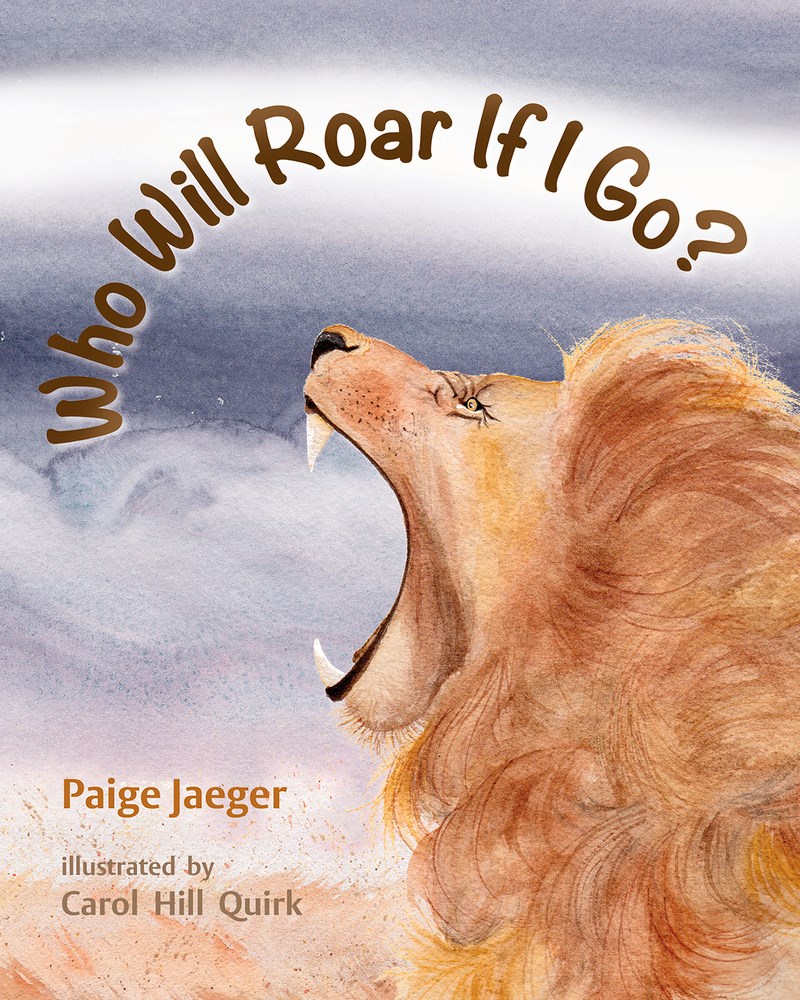
Who Will Roar If I Go? (If We’re Gone, Book 1), by Paige Jaeger/Illustrated by Carol Hill Quirk, (June 2018, Boutique of Quality Books), $18.95, ISBN: 9781945448157

Ages 5-7

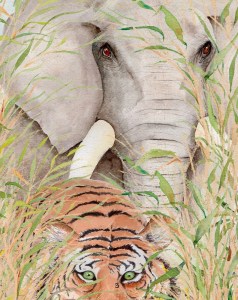
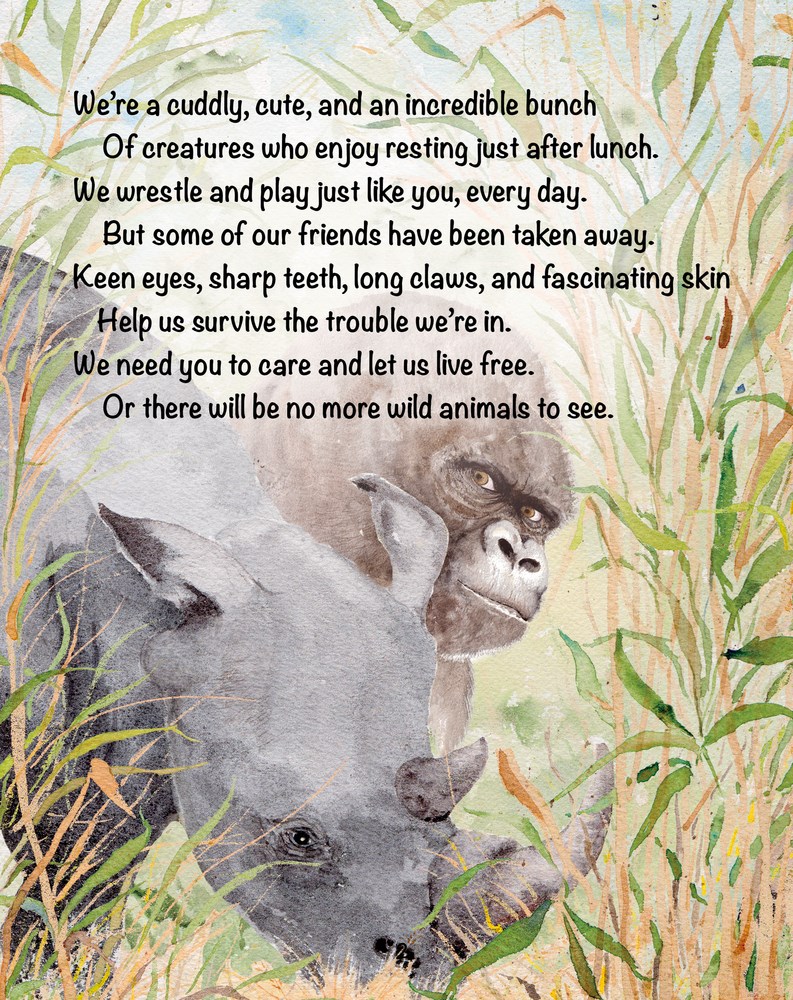
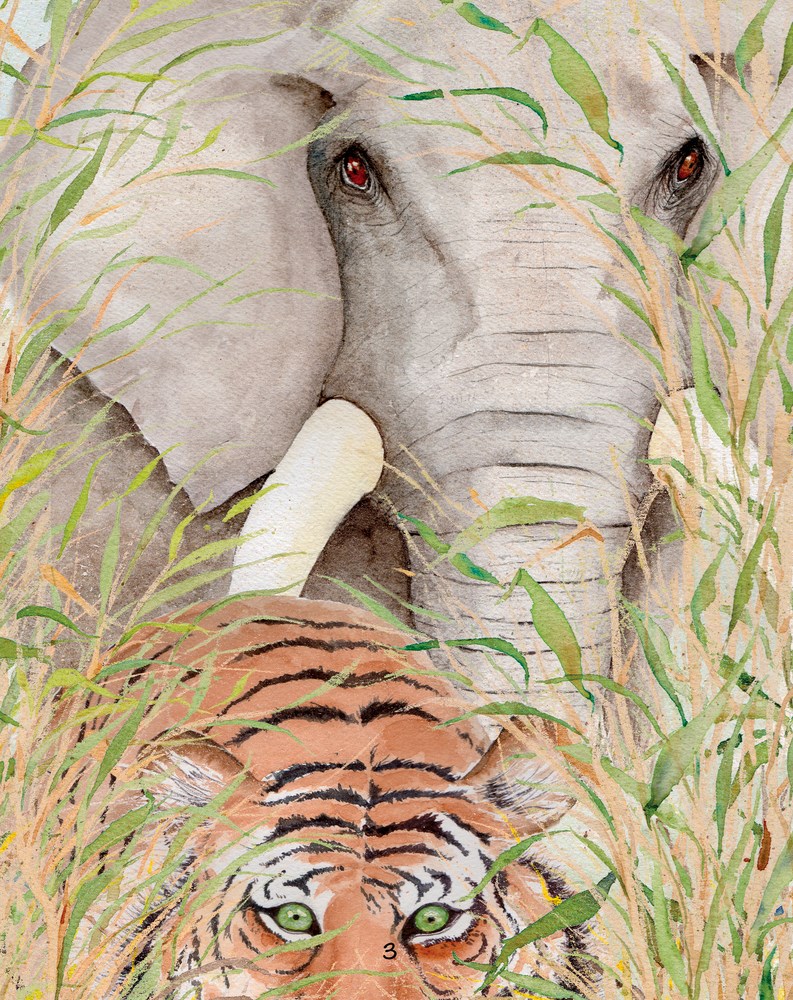
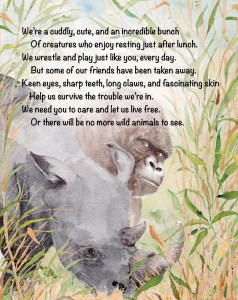
This rhyming story, the first in a planned series, is a plea to readers from endangered animals suffering from a multitude of human-based maladies, most commonly, the disappearance of their habitats and hunting, be it for trophies or luxury dining. Thirteen animals ask humans for help in their quest for survival; each rhyme provides readers with a little background on the animal and why it needs help. The elephant’s page reads: “I sure am an enormous creature; With ivory tusks my most attractive feature; For these long, tapered tusks that I hold dear; Thousands of friends were lost last year; No one needs my tusks but me; Go make some in a factory”.

Back matter includes a glossary of terms and an animal footprint guessing game. Each animal gets its own spread, including its geographic location and footprint, related to a game in the back matter. The watercolor artwork is realistic and showcases each animal in its natural environment. Who Will Roar If I Go? is a good introduction to endangered animals and the need for conservation and preservation; it’s a good additional add to your picture book nonfiction.

The Who Will Roar webpage offers free, downloadable educator resources.


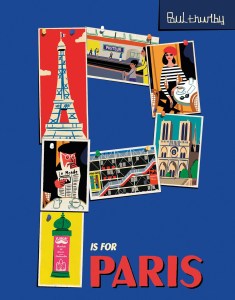
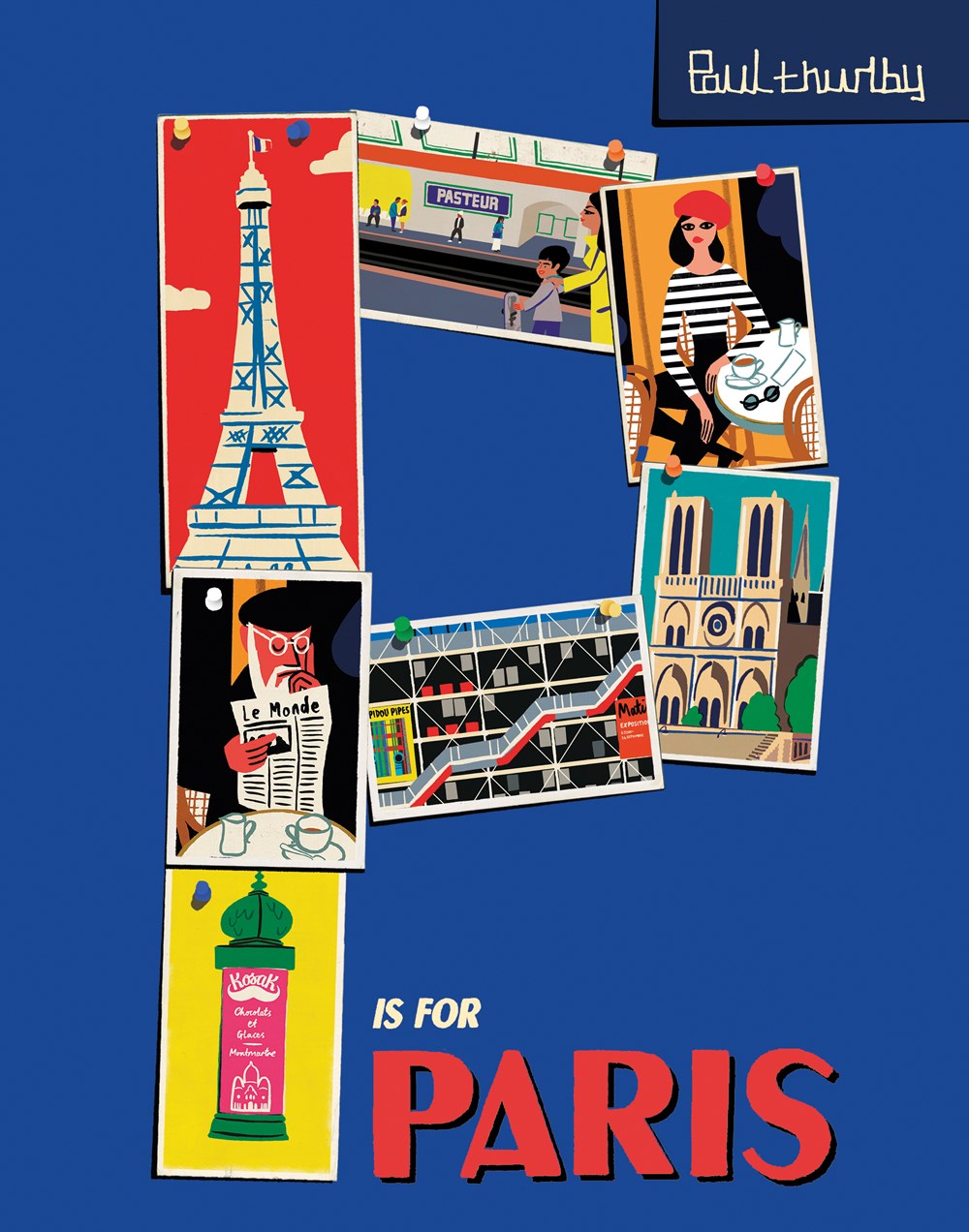
P is for Paris, by Paul Thurlby, (Oct. 2018, Sourcebooks Jabberwocky), $19.99, ISBN: 9781492668152

Ages 5-8

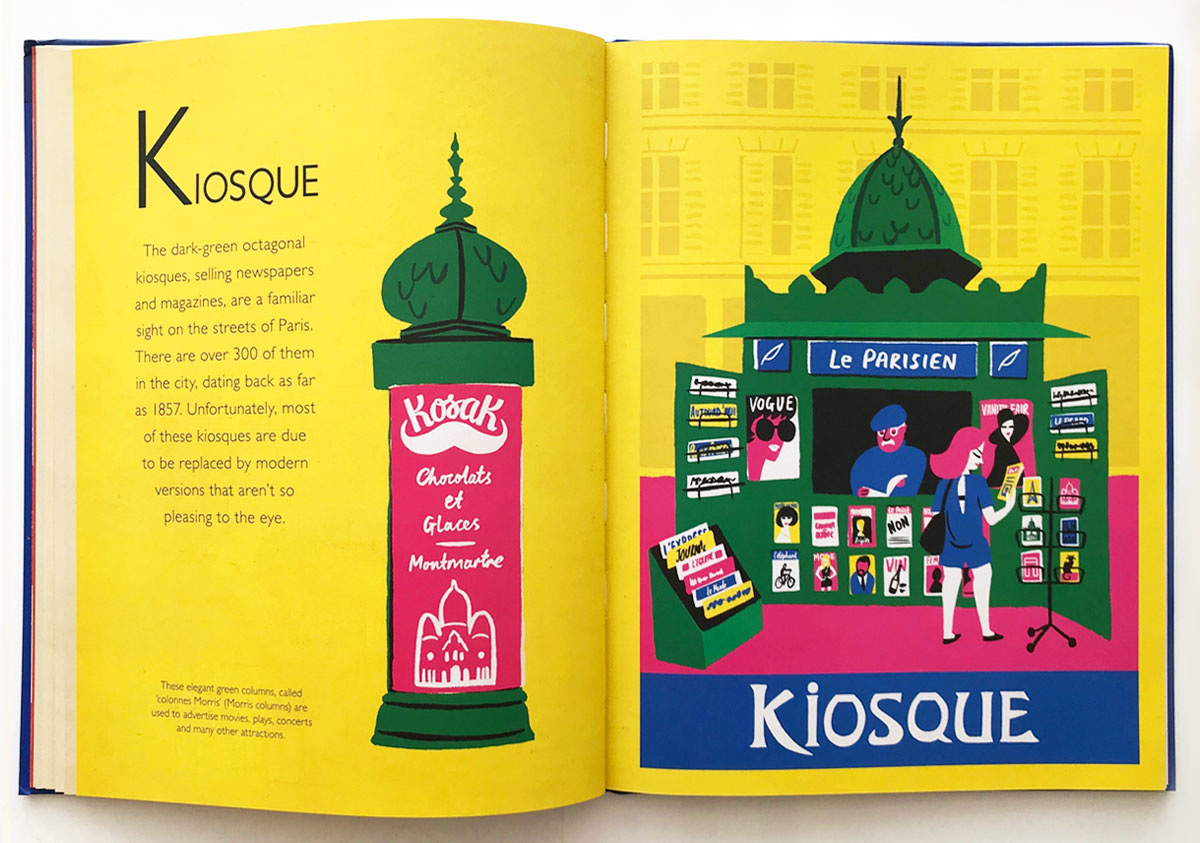
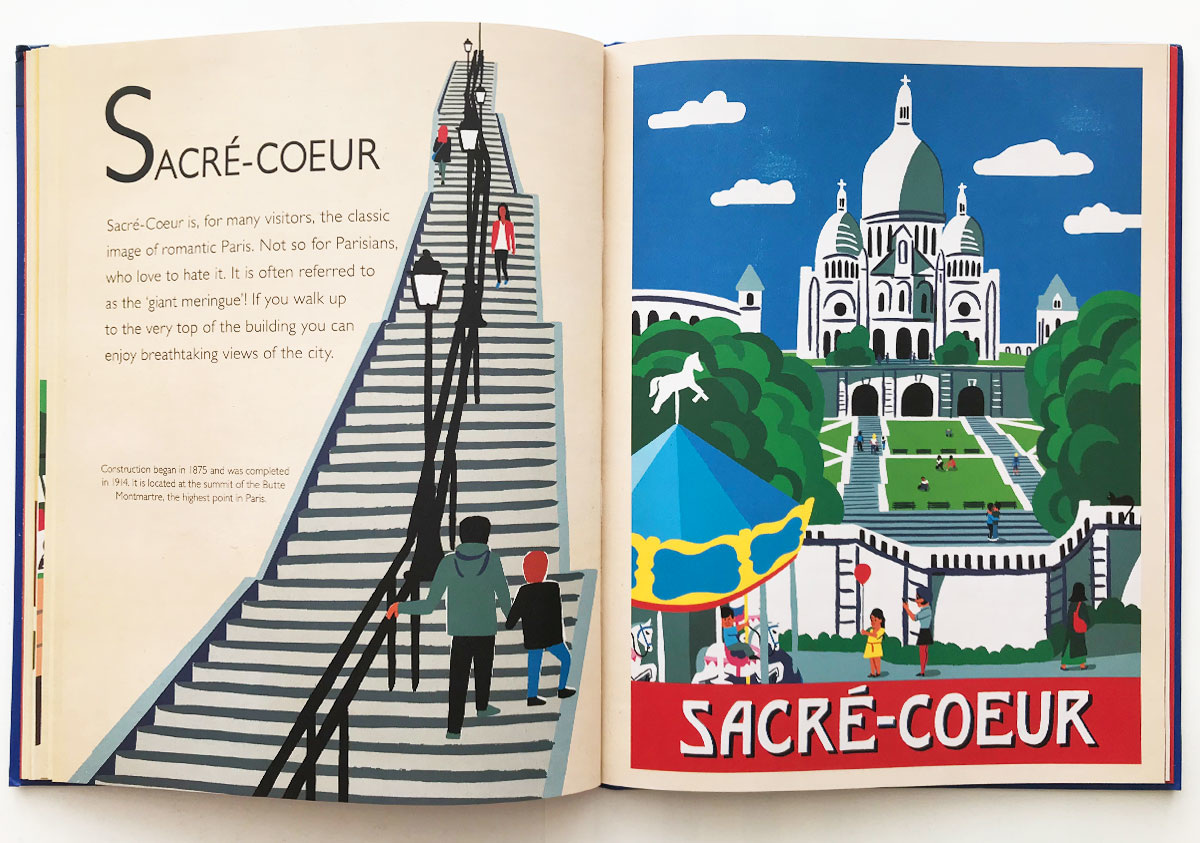
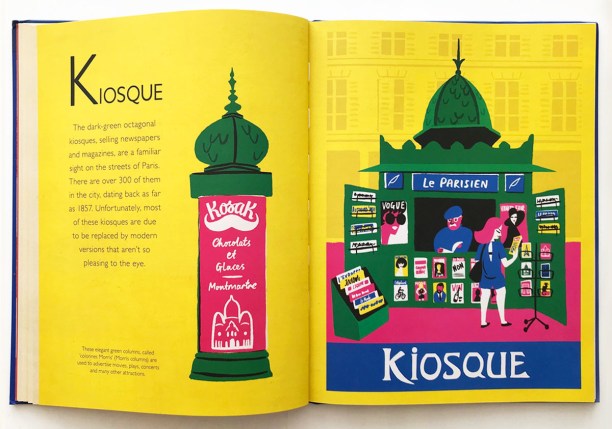
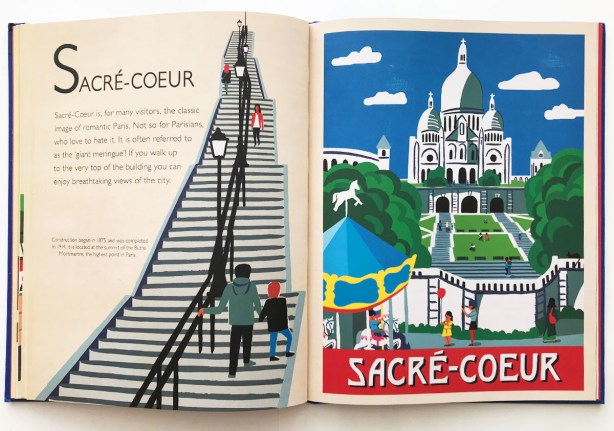
The latest book in Paul Thurlby’s ABC Cities series brings readers on an alphabetical tour of the City of Lights: Paris. Beautiful, bright artwork brings to mind vintage travel posters, and little bites of Parisian history on each page make this a fun addition to your picture books and world sections. Adults will enjoy this one as much as the kids will; references are equally accessible to kids and grownups. From the Abbesses to the Zoo De Vincennes, this is a nice addition to Thurlby’s Cities set. Endpapers provide a map to Paris, with attractions throughout the book numbered for reference. The author provides a concise explanation of the city’s organization into arrondissments. This easily works for both concept sections and geography sections, but don’t mistake this for a beginner’s abecedary; it’s a little more complex and better for Kindergarteners and up.

Check out Paul Thurlby’s webpage for more artwork and information on his other books. Take your armchair travelers on a picture book trip around the world with Thurlby’s books and Miroslav Sasek’s books.
 

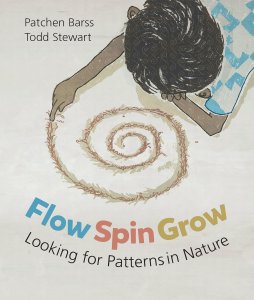
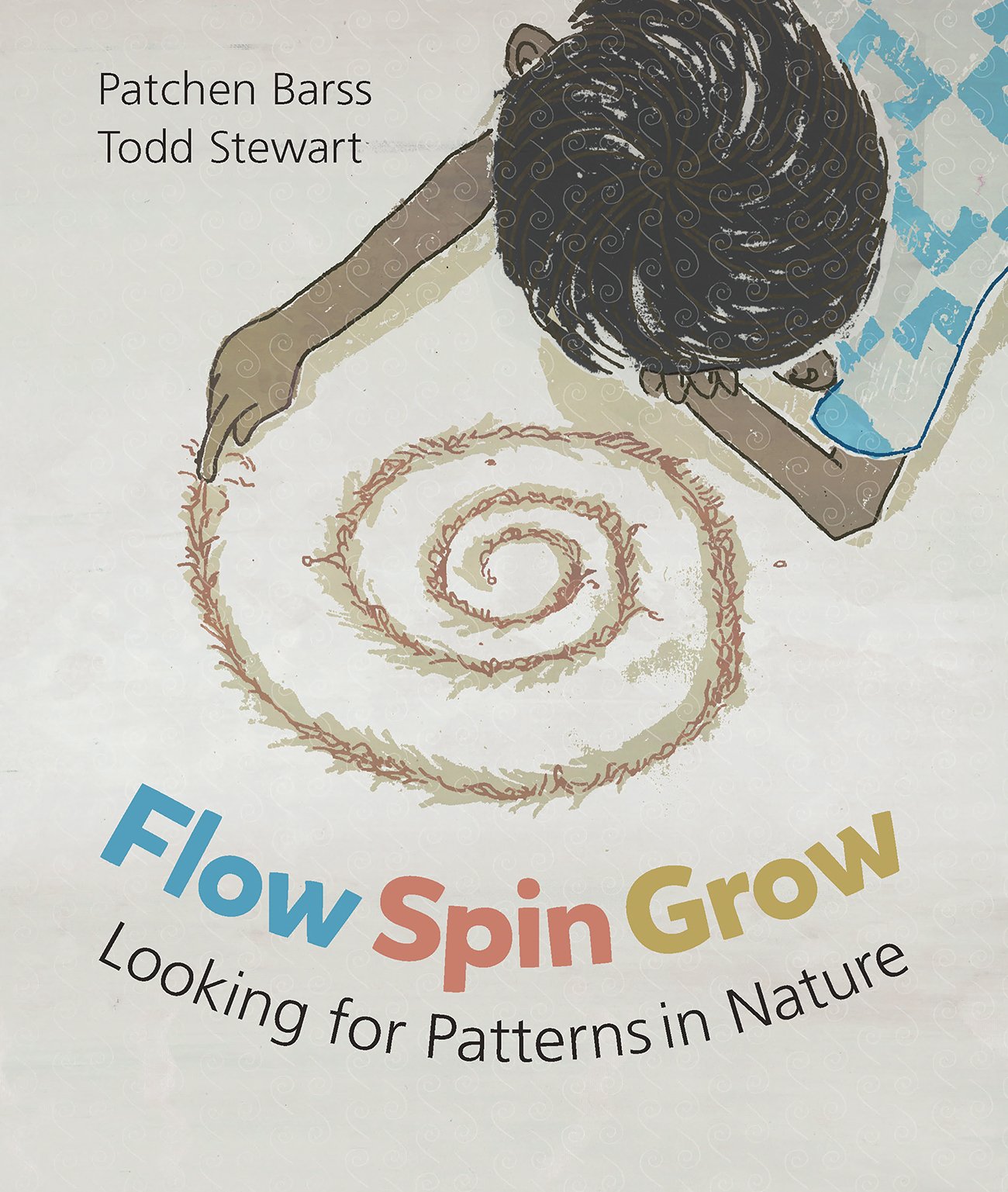
Flow, Spin, Grow: Looking for Patterns in Nature, by Patchen Barss/Illustrated by Todd Stewart, (Oct. 2018, OwlKids), $18.95, ISBN: 9781771472876

Ages 5-7

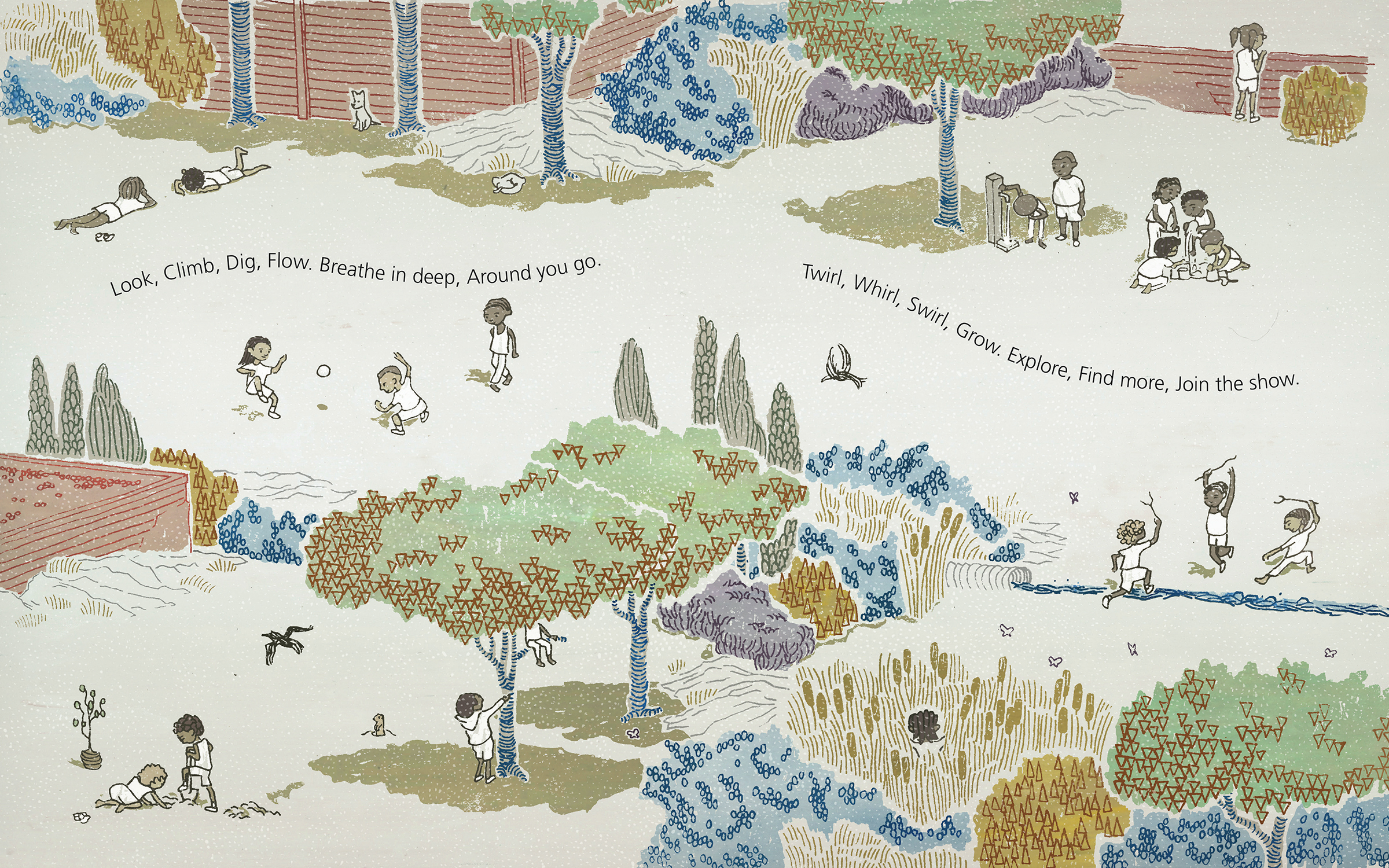
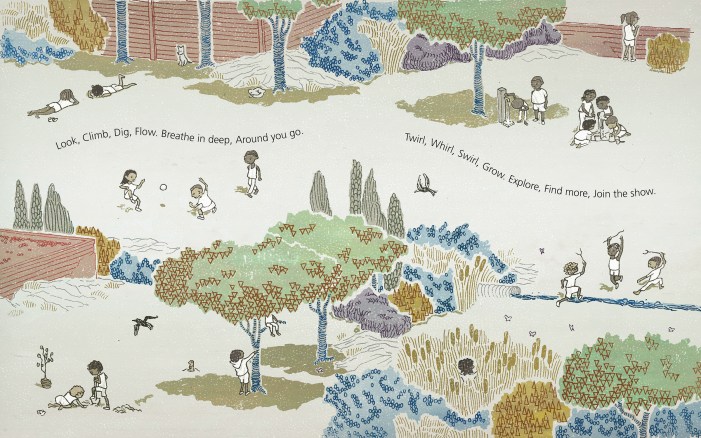
Readers are encouraged to explore patterns in nature in this mindful rhyming book. A diverse group of children play and relax in an open park area in the opening spread. The text playfully crawls around the scene, encouraging kids to “Look, climb, dig, flow. Breathe in deep, around you go. Twirl, whirl, swirl, grow. Explore, find more, join the show.” The text inspires readers to look for patterns everywhere: observe, dig, explore, climb; a tree trunk splits, branches split, and below the ground, roots split and grow; water branches off into smaller bodies of water, and our own lungs have little branches like mini-trees, reaching for air. Nature twirls and whirls, like the galaxies in space or two friends at play; pine cones, storm clouds, and snail shells all swirl. It’s an interesting way to introduce scientific inquiry to burgeoning scientists. An author’s note goes further into the “secret code” hidden in the shapes of things, and suggests additional resources for more reading.

The artwork is the star in this book. Multilayered screen prints and muted colors create a setting where patterns gently emerge, waiting for readers to spot them: triangles on a tree or bush; cracks in the dirt and roots underground reach out. Flow Spin Grow is a good purchase for primary science collections; I also love Joyce Sidman and Beth Krommes’ award-winning Swirl by Swirl: Spirals in Nature, and Jane Brocket’s Spotty, Stripy, Swirly: What Are Patterns?
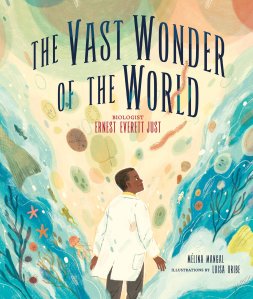
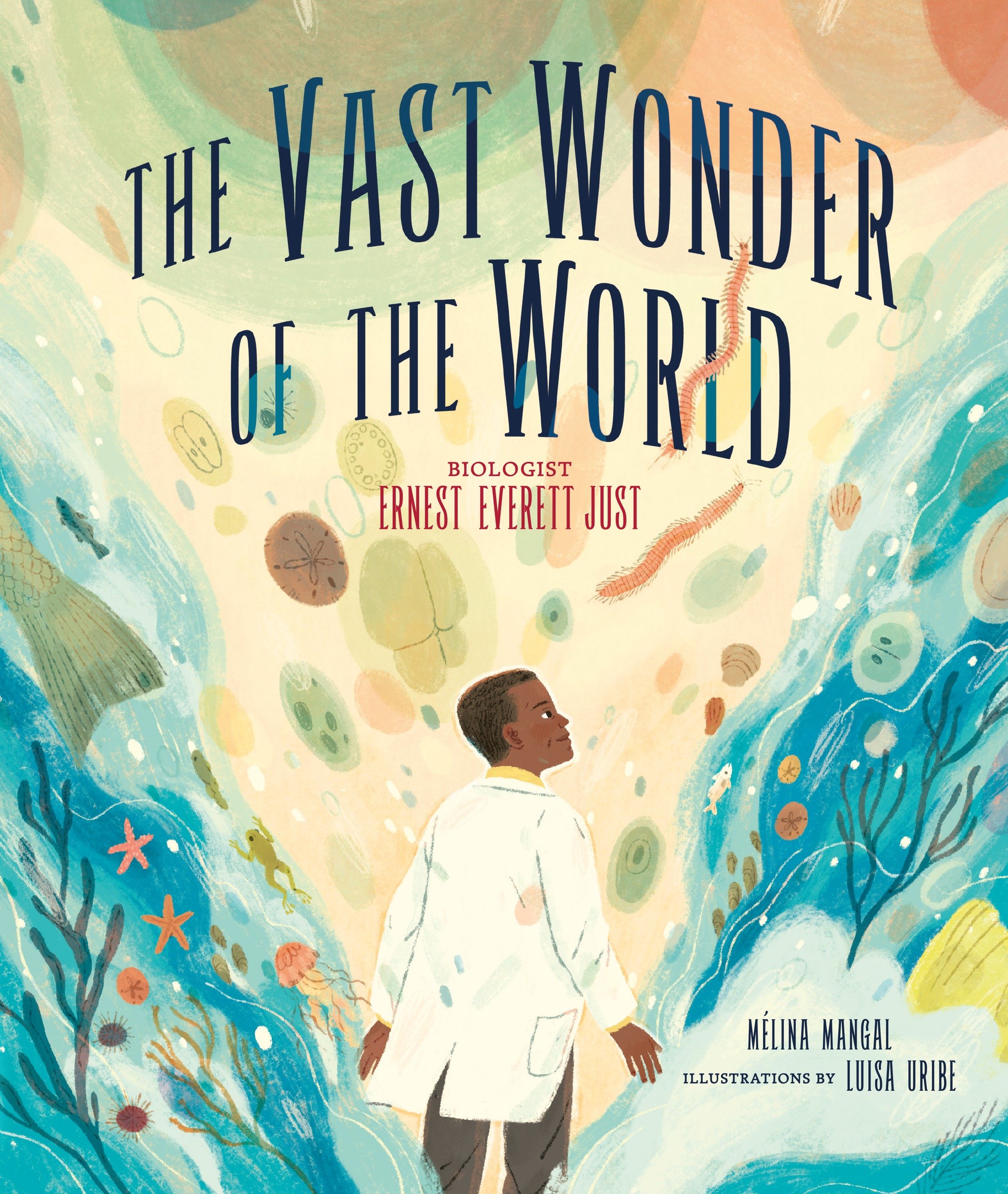
The Vast Wonder of the World: Biologist Ernest Everett Just, by Mélina Mangal/Illustrated by Luisa Uribe, (Nov. 2018, Lerner Publishing Group), $19.99, ISBN: 9781512483758

Ages 7-9

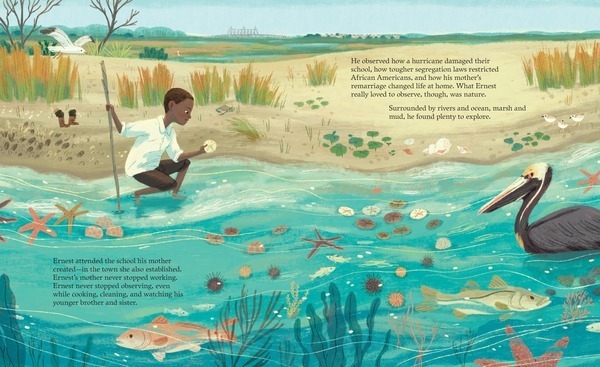
This bio on biologist Ernest Everett Just is just what your picture book biography section needs. He came of age in the Jim Crow South, paying his way through Dartmouth College while supporting his siblings after his mother’s passing. He “unlocked the mysteries of how the different parts of the cell worked together as new life developed”, and found success as a Howard University professor, embryologist, and cytologist, working in both Europe and the States. The Vast Wonder of the World tells his story, introducing him to a new generation of budding scientists who will be inspired by his determination and success in the face of racism and adversity. The muted pencil and digital artwork, in shades of blue, creates a sense of wonder and beauty, giving readers a real appreciation for Just and his place in science history. An author’s note, a timeline, and source notes complete this solid addition to science biography sections. Display and booktalk – PLEASE – with Gwendolyn Hudson Hooks and Colin Bootman’s Tiny Stitches: The Life of Medical Pioneer Vivien Thomas, and – if you can find it (can we please get this book back in print?) – May Chinn: The Best Medicine, by Ellen Butts and Joyce R. Schwartz, illustrated by Janet Hamlin.

The American Society for Biochemistry and Molecular Biology (ASBMB) has a good feature story on Dr. Just, with references to further reading, by W. Malcolm Byrnes.
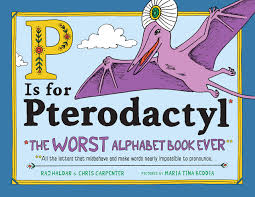
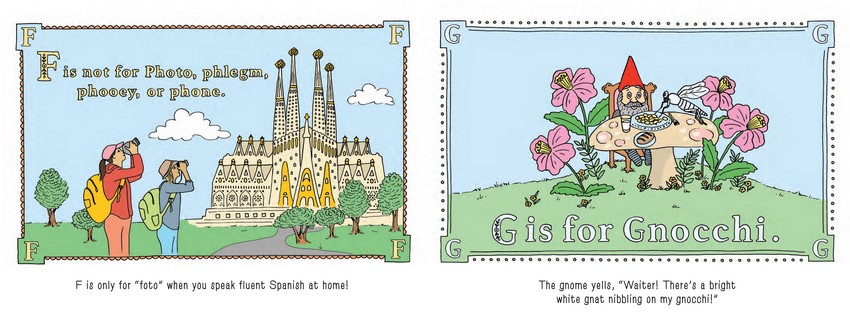
P is for Pterodactyl, by Raj Haldar & Chris Carpenter/Illustrated by Maria Beddia, (Nov. 2018, Sourcebooks Jabberwocky), $17.99, ISBN: 9781492674313

Ages 6-10

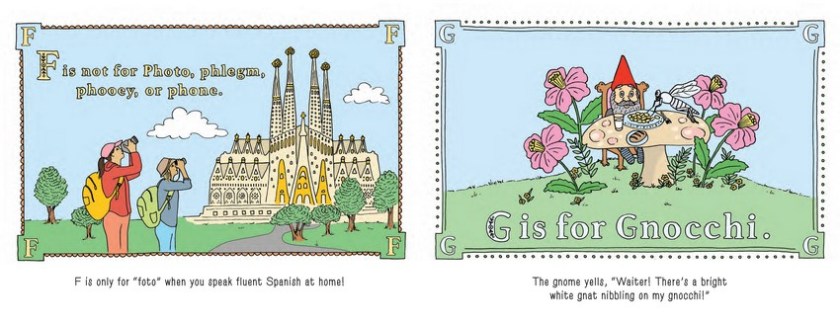
Calling itself “The Worst Alphabet Book Ever”, P is for Pterodactyl is a smirk, wink, and nudge at rebel words in the English language: words that don’t follow the rules. The book uses humor, alliteration, and amusing artwork to get its point across, as with E is for Ewe, which depicts sheep at a wake: “Eileen the ewe was so euphoric with wolves were eaten, she even gave the eulogy” (keep reading the book for more on Eileen); or L is not for Elle, which shows an elevated subway car transporting some elephants across the city of El Paso: “An elephant named Elle rode the el train halfway to El Paso and dined on hearts of palm with her folks”. It’s not a basic concept book for new learners, but it’s sure fun to read it out loud and watch kids laugh and play with language. My 6-year-old cracks up at this one, and it helps when he tries to figure out new words.

P is for Pterodactyl has a starred review from Foreword Reviews.
 

Posted in Intermediate, Non-Fiction, picture books, Preschool Reads

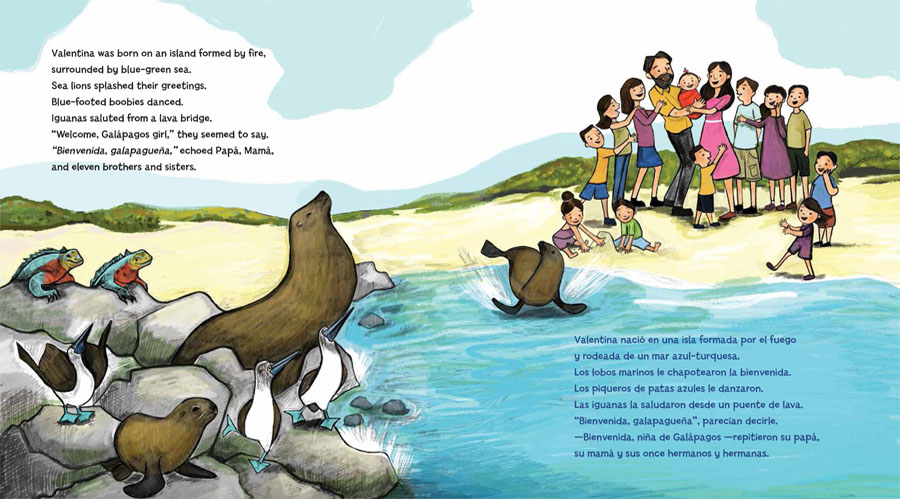
How islands raised an activist: Galápagos Girl/Galapagueña, by Marsha Diane Arnold

Galápagos Girl/Galapagueña, by Marsha Diane Arnold/Illustrated by Angela Domínguez, translated by Adriana Dominguez, (Sept. 2018, Lee & Low Books), $18.95, ISBN: 9780892394135

Ages 4-8

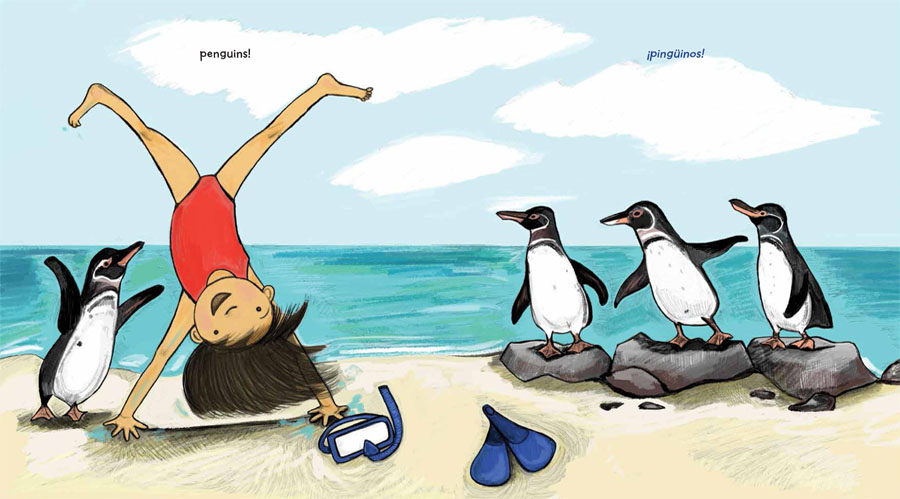
This bilingual English/Spanish story is based on the life of Galápagos Islands conservationist Valentina Cruz. Raised on the island, Valentina grew up surrounded by beauty: the blue-green sea, the playful penguins and sea lions, the sounds of the waves crashing against the rocks, and her father’s two tortoises, Carlitos and Isabela. Valentina goes away to school, but promises the animals and her islands that “I will not forget you… And I will help to keep you safe.” It’s a promise she keeps, returning to the islands on school holidays, camping out on remote islands to live and learn among the different flora and fauna, eventually becoming a biologist who returns to the islands to teach visitors to love her home as she does, and about the importance of preservation and conservation.

Author Marsha Diane Arnold met Valentina on a 2007 trip to the Galápagos and was inspired to write Galápagos Girl in the hope that readers would learn, as Valentina did, to help keep nature safe. Under threat from invasive species, active tourism, and encroaching humans, plant and animal life on the Galápagos is increasingly vulnerable. With bright, tropical colors and bold illustration, Pura Belpré Honoree Angela Dominguez transports readers to the magical islands; she communicates the feeling that we’re seeing something truly special as Valentina moves among unique plants and animals that aren’t found anywhere else on Earth. We’re given a special, secret pass to paradise as we turn each page of Galápagos Girl, and reading it with an unabashed sense of wonder will inspire that spark in a storytime group. An author’s note and a note about the Islands explains Marsha Diane Arnold’s first meeting with Valentina and provides background on the Islands. Five pages of information about the animals introduced in the story adds nice background information to the story, as does a solid bibliography. The bilingual text makes it accessible to Spanish and English-speaking readers.

The storytelling gives readers a glimpse at Valentina’s passion for conservation and illustrates how growing up with a respect for nature creates a better world for everyone. Galápagos Girl is a worthwhile add to storytime collections, bilingual collections, and natural history collections. There’s a free Animals of the Galápagos matchup download available at the Lee & Low website.

Marsha Diane Arnold is an award-winning picture-book author. Her past titles include the Smithsonian Notable Book The Pumpkin Runner and Lost. Found., which received three starred reviews. Marsha was inspired to write this story after traveling to the Galápagos Islands, where she met Valentina Cruz and had the opportunity to swim with sea lions and dolphins. She lives with her family in Alva, Florida. You can find her online at marshadianearnold.com.

Angela Domínguez is the author and illustrator of several books for children, including the Children’s Book Press title Let Me Help! / Quiero ayudar!Marta Big and Small, and Maria Had a Little Llama, which received the Pura Belpré Illustration Honor. In 2016, she received her second Pura Belpré Honor for her illustrations in Mango, Abuela, and Me by Meg Medina. When Angela is not in her studio, she teaches at the Academy of Art University, which honored her with their Distinguished Alumni Award. She lives in Virginia. Visit her online at angeladominguezstudio.com.