Posted in Early Reader, Fiction, Preschool Reads, Realistic Fiction

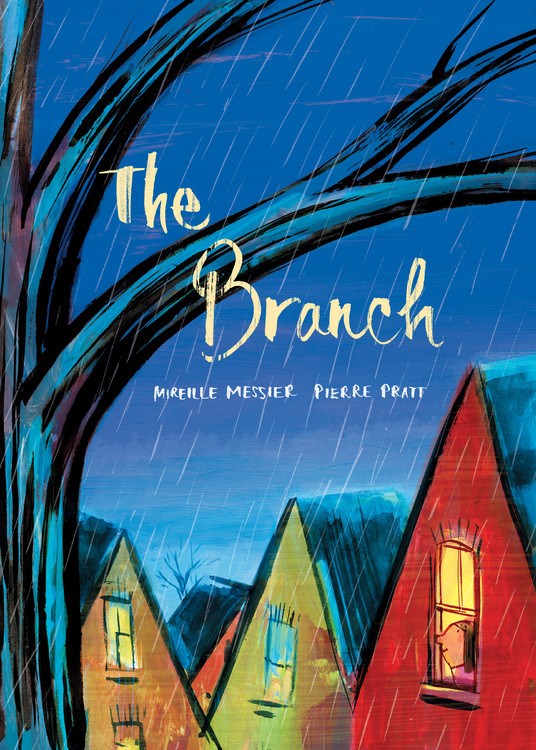
The Branch gets a new lease on life after a storm

thebranchThe Branch, by Mireille Messier/Illustrated by Pierre Pratt (Sept. 2016, Kids Can Press), $16.95, ISBN: 9781771385640

Recommended for ages 3-7

A little girl’s favorite tree branch comes clattering down during an ice storm. A neighbor teaches her how to repurpose the branch, to create new memories.

What a great book to communicate so many ideas! First, we have the imagination of the tree branch. As the little girl says, the branch,”was my castle, my spy base, my ship…”, and she experiences the grief of losing the branch when she spies it on the sidewalk. She doesn’t want to part with it right away, so her mother allows her to hold onto it for a little while – long enough for the girl to encounter her neighbor, who tells her that the branch is “full of potential! …it means it’s worth keeping”, and we learn that he builds things from salvaged wood, and encourages the little girl to think about what the branch could become. When she uses her imagination and reaches into herself to reimagine the branch, she and the neighbor work together to give the branch new life.

In addition to imagination, we’ve got reusing/recycling, which is great for the environment; showing a child unwilling to discard a tree branch as a casualty of the storm, and finding ways to recreate it will get kids thinking about what they could create with objects in the world around them: cereal boxes could become robots or cities for superheroes to protect; old cans can become pencil holders; soda bottles can become terrariums. There are thousands of ideas on the Internet, so there’s no need to wait for Earth Day to come around again to make kids aware of the fun things they can make when they reduce/reuse/recycle.

Finally, we’ve got making: the whole creative process is here: sketching out plans, sawing, planing, drying the wood, waiting, waiting, waiting. It’s a great book to feature with The Most Magnificent Thing, HowToons, and fun nonfiction books, like those in the Make series. Encourage kids and parents to work together on anything from paper airplanes (great use of catalog paper) to repurposing a tree branch – large or small – of your own.

Mireille Messier is a Toronto-based author who’s had over a dozen books published in French. She’s also one of the French reviewers for the National Reading Campaign. Her website is available in English or French and offers information about her books, school visits, and her blog. Pierre Pratt is an award-winning illustrator of over 50 books for children. He lives and works in Montreal, Quebec, and in Lisbon, Portugal.


Posted in Early Reader, Fiction, Fiction, Preschool Reads

A little boy learns to tell A Squiggly Story

squigglyA Squiggly Story, by Andrew Larsen/Illustrated by Mike Lowery (Sept. 2016, Kids Can Press), $16.95, ISBN: 9781771380164

Recommended for ages 3-6

A little boy wants to write a story, just like his big sister, but he’s got one problem: he doesn’t know that many words! Big sister knows just what to tell him: start with what you know. Every word starts with a single letter, after all! When he writes the letter “I”, he’s on his way; with his sister to help guide his thought process, he’s on his way to creating an exciting adventure!

What a great way to encourage new learners to create their own stories! The little boy is unsure about himself at first, but his sister quickly allays his fears by empowering him to just go with what he knows, guiding him through the stages of writing a story: the beginning, the middle, and the end. When he proudly brings his finished story to school, his teacher encourages him to think even more deeply, and turns the story into a class project. It’s a great storytime concept and a great way to introduce creative writing and art to new learners.

Mike Lowery’s cartoony art is filled with interesting styles to capture a young readers’ attention. There are word bubbles, emphasis on words like BIG and small, comic-style panels, and callout sketches that invite readers into the characters’ imaginations. The children are multiethnic, making the story accessible for all.

This is a good addition to creative picture book collections. Pair A Squiggly Story with Written and Drawn by Henrietta for a creative storytime and crafternoon.

Posted in Non-fiction

Add Make: Paper Inventions to your Maker Library!

paper_coverMake: Paper Inventions: Machines that Move, Drawings that Light Up, and Wearables and Structures You Can Cut, Fold, and Roll, by Kathy Ceceri (Sept. 2015, Maker Media, Inc.), $19.99, ISBN: 9781457187520

Recommended for ages 5+ (with some help!)

I love maker spaces in the library. I had a small one at my last library, and I’m psyched to set one up here in my new digs. The kids love having projects to do, and you don’t need a huge area with 3-D printers chugging along to be a maker. Duct tape, construction paper and imagination are a great start. Make Magazine has been a great resource for years, as is their Maker Camp, a virtual summer and holiday “camp” that provides cool projects and a discussion space for anyone who wants in. The Maker Media books are a huge help for anyone – parent, educator, and kid – who needs some ideas on how to stir up some creative juices.

One of the latest books in the series, Make: Paper Inventions is for anyone interested in paper crafting, paper engineering, and paper technology. Offering projects for relative newbies or whose skill level is “mostly thumbs” all the way up to creating paper-based automatons, light-up cards, even a geodesic dome!

Make: Paper Inventions, like every Maker Media book, wants to educate you as well as entertain you, so you’ll find a wealth of information on the nuts and bolts, the science and math, behind paper engineering. You’ll read about paper structures, for instance, and why folded paper can hold greater weights than a plain piece of paper. You’ll also learn why paper will tear rather than stretch if you pull it, but it will bend nicely for a pencil.

There are tons of projects in here for anyone and everyone, in any space. Kids can have a blast making their own paper – their own edible paper, even – with relative ease. Like most maker movements, the Maker Media books are big on reusing, reducing, and recycling, so projects are here for all weights of paper, from rice paper to card stock, and you can use old notebooks, newspapers, or copy paper for many of these projects.  There are comprehensive materials lists and step-by-step instructions and photos for every design, and math and science concepts that you can discuss with kids will make teachers happy, and make kids realize that yes, you will use that math outside of math class, and for cool stuff, to boot. An appendix with project templates and an index round out this resource.

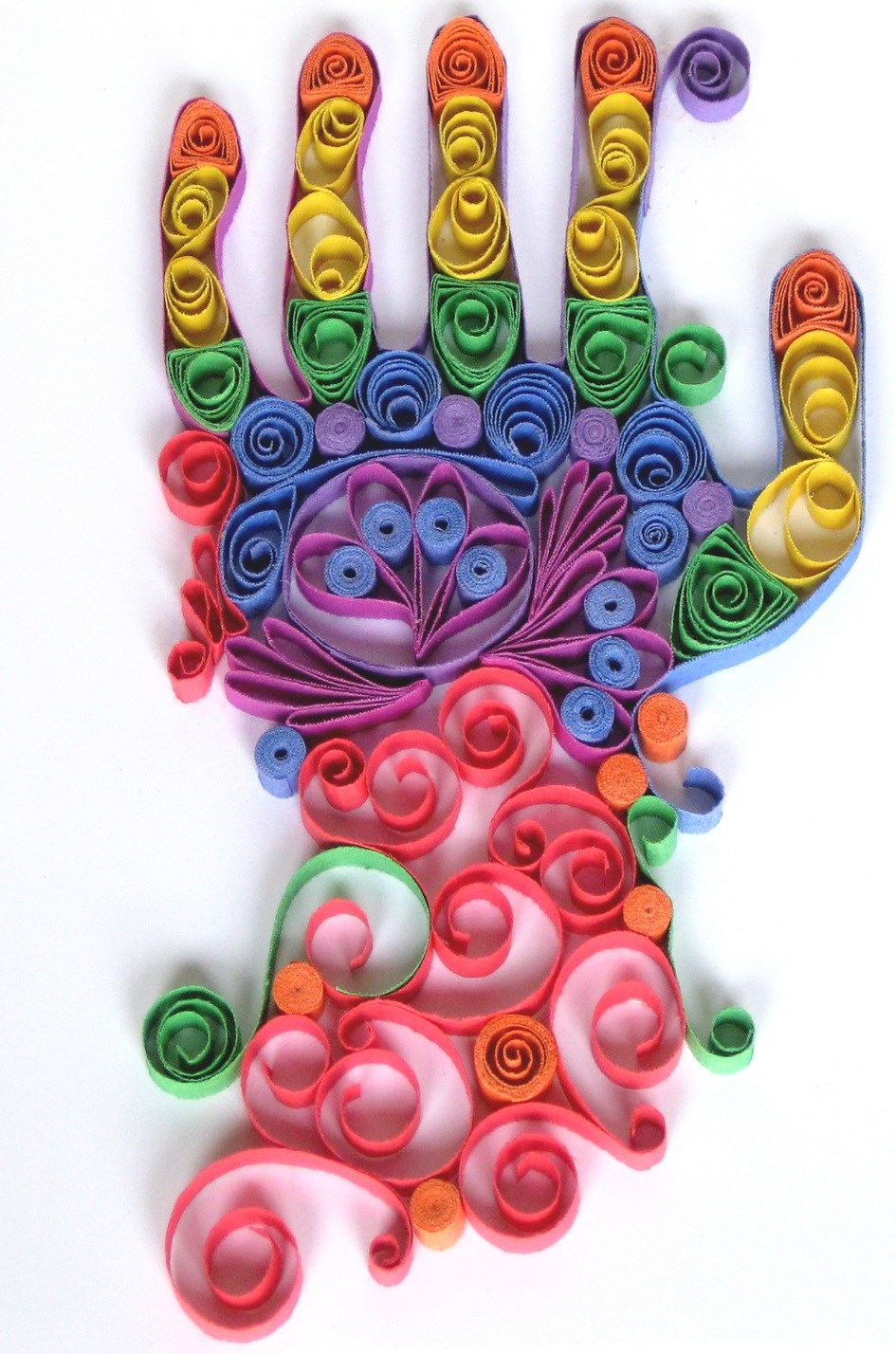
I can’t wait to get the kids here at my library paper quilling – it’s one of the easier projects in here that will appeal to my library group’s need for fairly instant gratification. There’s a wealth of Pinterest resources, too, which makes me really happy, because this is likely to be a program I’ll repeat. Paper circuitry looks fantastic, and who knows? Maybe that’s a project for Valentine’s Day – once I get some practice time in.

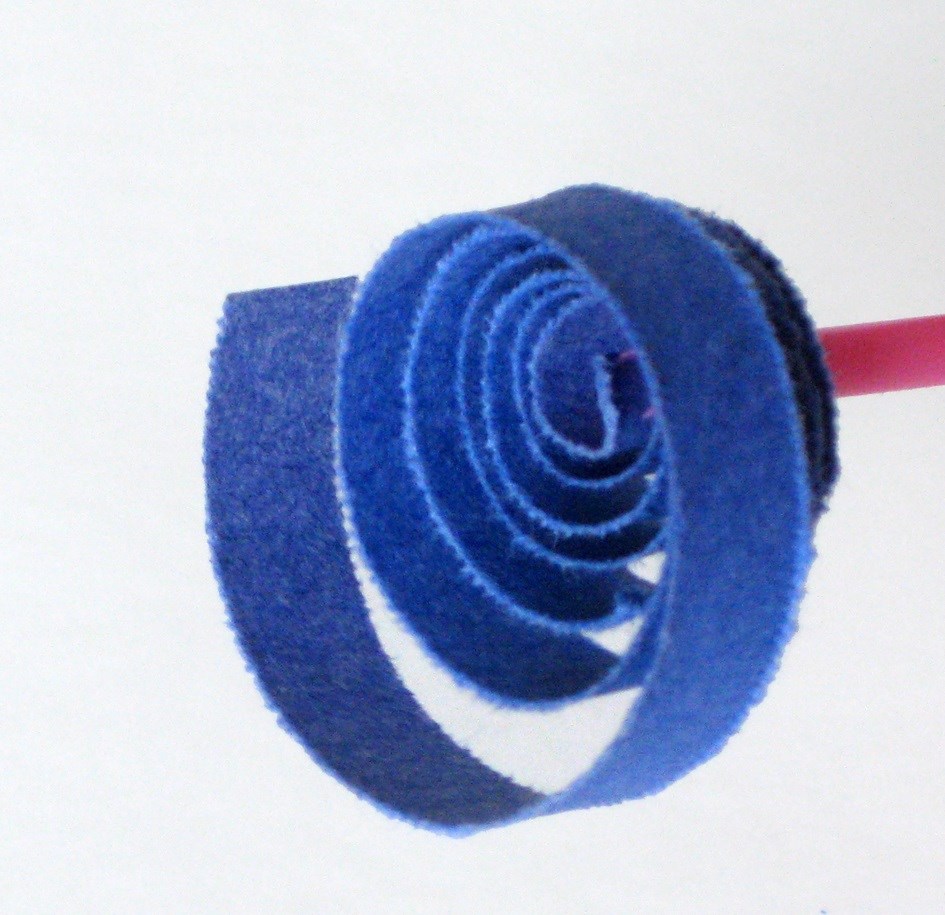
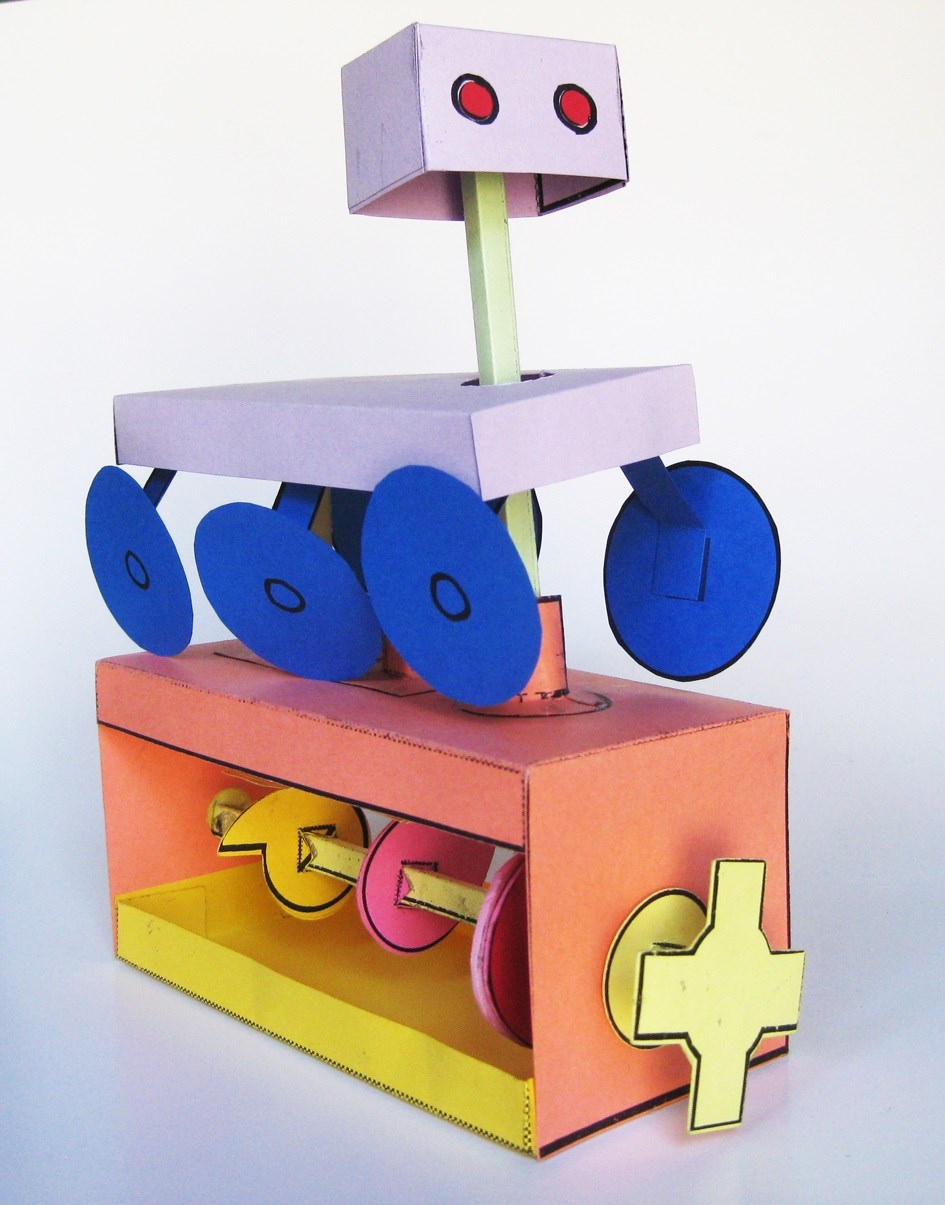
Check out some of the photos from Make: Paper Inventions, and then add this to your reference library or your crafting library. Get those makerspaces operating!

paper-1 paper-2

paper-3


Posted in Fantasy, geek, geek culture, Graphic Novels, Intermediate, Middle Grade, Non-Fiction, Non-fiction, Non-Fiction

Star Wars Jedi Academy: Attack of the Journal!

jediacdemyAttack of the Journal (Star Wars Jedi Academy), by Jeffrey Brown (Aug. 2015, Scholastic), $9.99, ISBN: 9780545852784

Recommended for ages 7-12

For all the kids who love Jeffrey Brown’s Jedi Academy series, there’s now a journal where you can DIY your own comics, write your own stories, and read commentary from Roan and his fellow Jedi Academy classmates and instructors!

Want to make your own Jedi Academy class schedule? Make your own lightsaber? Write for the school newsletter, the Padawan Observer? This is the place for you! Loaded with creative and introspective ideas for kids, the Jedi Academy Journal offers kids fill-in-the-blank story outlines, lots of creative spaces for their own drawings and original writing, and prompts throughout the book. Some prompts encourage kids to look inward and write about what they feel they could do better, who inspires them and who they think they inspire. Comic strips with the characters from the Jedi Academy series pop up throughout the book, making this a great purchase for Star Wars fans. When they finish the book, they can even fill out their own Jedi Academy Diploma!

This is a journal, so it’s mean to be written in – so libraries may not want to invest money in this one. It’s a great gift idea, though, in the vein of the Wimpy Kid Do-It-Yourself book and a fun way to extend and put a personal spin on a favorite series.

Attack of the Journal is already in stores, so put this one on your shopping lists. The holidays are coming! If you’re bringing the joy of Star Wars to a lucky kid for the first time, consider the 3-book set, which includes the first and second Jedi Academy graphic novels and the journal.


Posted in Early Reader, Graphic Novels

Written & Drawn by Henrietta: A WhatchaReading review!

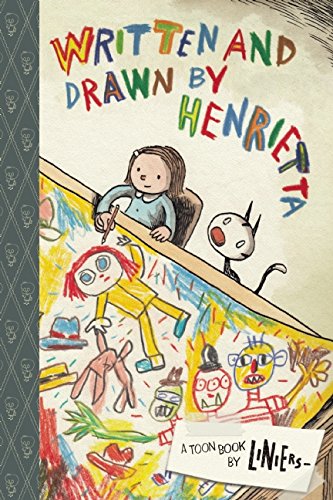
I can’t say it often enough: I love TOON Books. They consistently put out fun, smart content for kids of all ages and tastes. I love having them in my home, I love having them in my libraries, I love that they exist. One of the books they’re putting out this Fall, Written and Drawn by Henrietta, by 2014 Eisner nominee, Liniers, is likely to be one of my favorite books of the year.  In fact, I’ll be using this book with my early readers (rising Kindergarten & 1st graders) next week at storytime; I’ll read the book to them, and then we’ll be working on creating our own graphic novels. I’ll make sure to report back!

written-and-drawn-by-henrietta

Check out my full review and an 8-page preview over at WhatchaReading!


Posted in Preschool

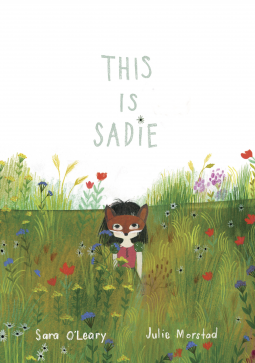
This is Sadie gives us a little girl with a big imagination

this is sadieThis is Sadie, by Sara O’Leary/illus. by Julie Morstad (May 2015, Tundra Books), $17.99, ISBN: 9781770495326

Recommended for ages 4-8

Sadie is a little girl whose friends sometimes live in the pages of books. She makes worlds and kingdoms out of cushions and boxes and anything around her. She has wings that bring her wherever she wants to go, and get her home safely. She can do anything, be anything, with her imagination. She’s Alice in Wonderland, she’s Mowgli, she’s anyone she wants to be.

The whole book is an invitation to all readers to get lost in their imaginations. Sadie is the focal point for the story, but boys and girls alike will recognize their own adventures, whether it’s sailing in a cardboard box boat or talking to birds and trees. Sadie’s creativity will spark children to create their own adventures – storytime and a pillow fort building activity would go great together for this book!

The art itself is dreamlike, with soft, bright yet relaxed colors on the pages. The simple black font is unintrusive and is perfect for storytime reading.

Kids will love this book, and grown-ups will love reading it. Read together, and go on an adventure.

Posted in Toddler Reads

Book Review: Not a Box, by Antoinette Portis (HarperCollins, 2006)

not a boxRecommended for ages 2-5

A young bunny uses his imagination to make an ordinary cardboard box into a spaceship, a mountain, a robot, and more.

Not a Box illustrates the importance of childhood imagination. The rabbit insists that his toy is “not a box” in answer to the repeated question stated in the title. Using bold, black line drawings on white backgrounds, each page presents readers with the inner working of the rabbit’s imagination; what he imagines his toy is rather than what it isn’t: a race car; a burning building that his fireman can put out; a robot; a mountain. The questions are featured in bright white text against a brown background – the color of a cardboard box. Even the cover and endpapers have the color and texture of a cardboard box. The simple art and design of the book add to the importance of imagination contained within.

This book provides the opportunity for an imagination read-aloud, where children can participate by repeating, “It’s not a box!” in answer to the questions asked on each spread. A printable activity at TeacherVision encourages children to illustrate their vision of “not a box”, and offers coloring sheets and instructions on making their own “not a box”. An episode of Spongebob Squarepants features Spongebob and Patrick the Starfish play with a box, using their imaginations; this would be fun companion viewing to the reading.  For those lapsit readers who may not grasp the concept of the box being 3-dimensional, incorporating a cardboard box into storytime can further spark the imagination and get them thinking about what the box can be.

The book has received designation as an ALA Notable Children’s Books (2007), and received Theodore Seuss Geisel Honors (2007).

The author’s website offers information about the author and her books. She continues the story in Not a Stick.


notabox robot