Posted in Family Storytimes, picture books, Preschool Reads, programs, Storytime, Toddler Reads, Toddler Storytime

Margaret Wise Brown storytime: The Diggers, Count to 10 with a Mouse, Sleep Tight, Sleepy Bears

Last week, I decided to test drive three Margaret Wise Brown re-released books in my toddler storytime. Most of my kiddos and families know Ms. Brown as the “Goodnight Moon Lady”, or “The Runaway Bunny lady”, so I thought it would be fun to give them more choices when they’re looking for something to read. It went over pretty well. Before I get into that, though, I thought some background on these three books would be interesting – I know I found it fascinating.

In 1990, author Amy Gary discovered a trunk of unpublished manuscripts and songs in the attic of Margaret Wise Brown’s sister’s barn. These manuscripts provided the source material for many of the titles in a new line of classics by the beloved author. While I’d seen Sleep Tight, Sleepy Bears pretty recently – Kohl’s had the book and a companion teddy bear as one of their Kohl’s Cares book/plush sets about a year or two ago, and my mom picked up a book and teddy for my little guy – The Diggers and Count to 10 With a Mouse are new to me.
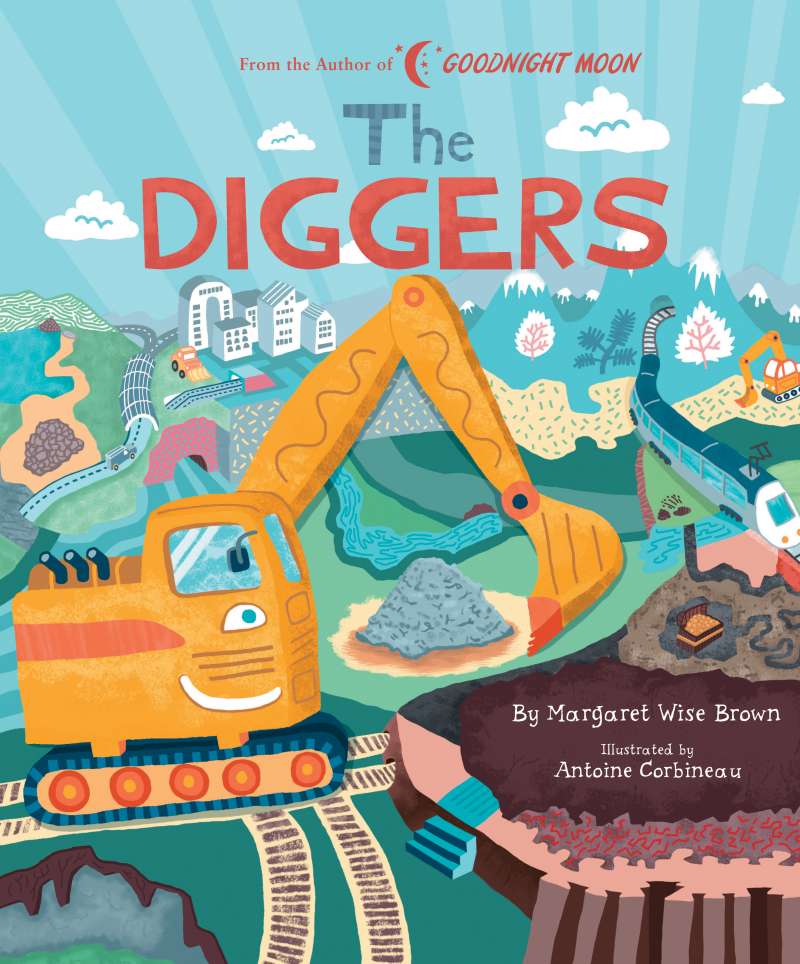
The Diggers, by Margaret Wise Brown/Illustrated by Antoine Corbineau, (March 2019, Silver Dolphin Books), $12.99, ISBN: 9781684127429

Ages 3-7

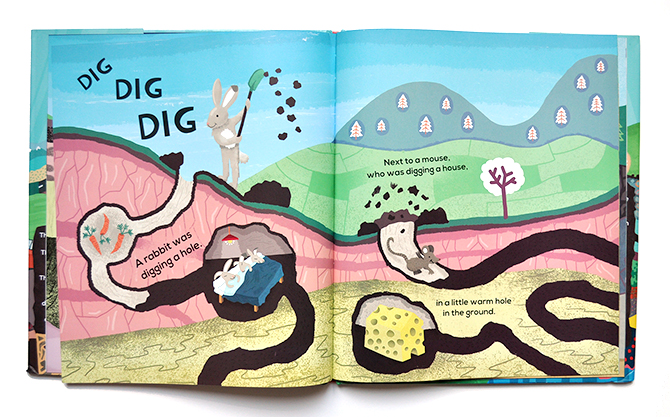
Moles dig holes. So do dogs. Worms, rabbits, mice, and pirates all dig holes, too! Animals and people alike dig holes for different reasons, and The Diggers tells their stories. The kids loved the whole process of digging a hole for a subway system, and I favored the digger machine digging up “stones, and find dinosaur bones, and cavemen’s homes, and buried gnomes”. This is just an fun, rhyming story that has so much detail to enjoy: buried dinosaur bones and pottery; worm homes that curve to meet their owner’s bodies; a train running along the horizon as it goes down its track, a pirate’s trail of thievery. The kids really enjoyed this one, and so did I. Artist Antoine Corbineau (whose website features much of the artwork from The Diggers, and from where I sampled the interior art) makes bright, bold artwork with loads of things for kids to find. The black and grey-purple endpapers show a cityscape in progress, with pathways all dug out. This is an adorable choice for a construction or transportation storytime; two choices that always go over well with my storytime groups.

The verse is Margaret Wise Brown – you can’t go wrong. The repeated phrase, “Dig Dig Dig” allows kids to jump right in and interact with you during a reading, and there are so many chances to ask them questions: identify the animals, where do they live/what do they eat; what predictions can they make about what’s going to happen next?

Consider an author study with your school-age kids, to really expose them to Margaret Wise Brown’s body of work; The Diggers is such an active book compared to Runaway Bunny and Goodnight, Moon; it will give the kids so much to think about and discuss.
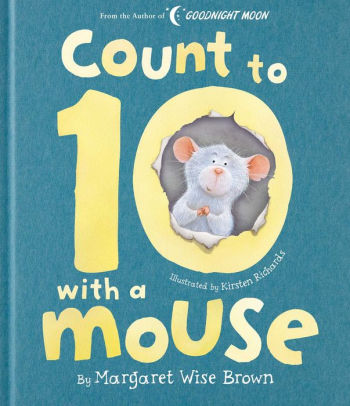
 

Count to 10 With a Mouse, by Margaret Wise Brown/Illustrated by Kirsten Richards, (March 2019, Silver Dolphin Books), $12.99, ISBN: 9781684127412

Ages 2-5

This book is a hit! I love a counting book that has a fun story to go along with it, and Count to 10 With a Mouse fits the bill perfectly! The endpapers are covered in mouse paw prints, and there are two holes, one of which has the cutest little mouse peeking out of it! This counting story has everything: rhyme, repetition, and concepts (counting). A little mouse lives in a hole, and teaches himself to count by looking at the things around him: one mouse, two holes, three fish; all things he discovers as he crawls through the holes to the next pages. The rhyme and repetition are sweet, and filled with discovery: Each page, each discovery, starts off with the repeated phrase, “And there, what does he see? And there, what does he see?” Each spread leads readers to the next with a tempting invitation: “Then the mouse ran through the book, the mouse ran through the book. He ran onto the next page to take a little look”. Kirsten Richards’ illustrations are soft, sweet, and fit perfectly with Margaret Wise Brown’s storytelling rhyme, creating a whole experience for readers. The end of the book suggests turning around and starting all over again – expect that at bedtime!

I loved Count to 10 With a Mouse, and this one is definitely going in my storytime collection. I’m tucking it into my Children’s Book Week book ideas.

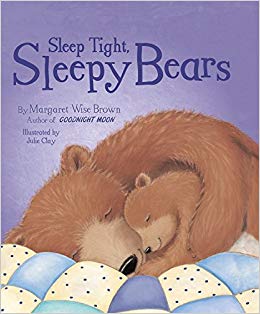
 

Sleep Tight, Sleepy Bears, by Margaret Wise Brown/Illustrated by Julie Clay, (Apr. 2019, Silver Dolphin), $12.99, ISBN: 9781684127603

Ages 2-6

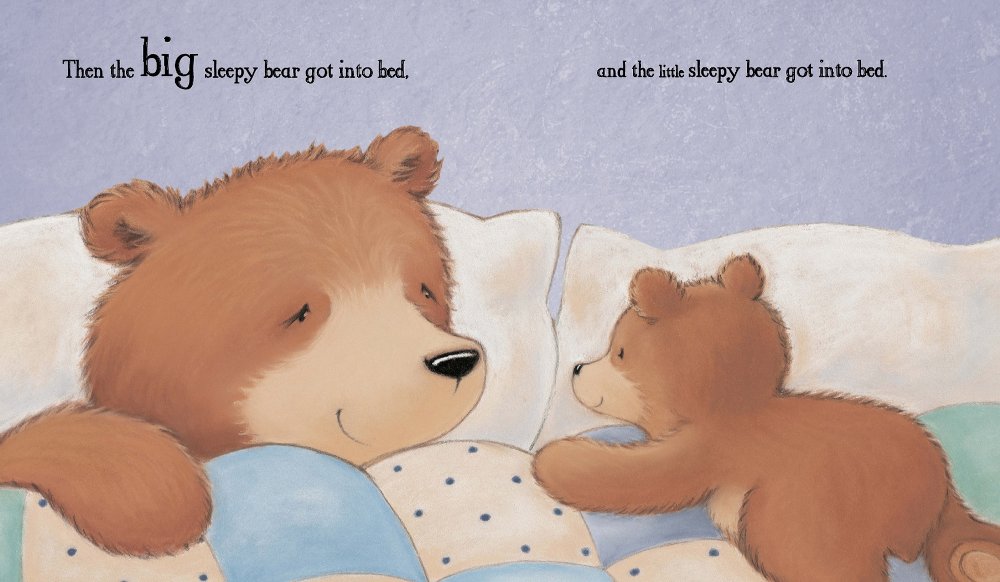
What would a Margaret Wise Brown collection be without another cuddly bedtime story? Sleep Tight, Sleepy Bears is perfect for bedtime cuddling. Pastel-colored endpapers look like a comfy quilt to snuggle down into, and the story – a big sleepy bear and a little sleep bear get ready for bed – teaches important lessons about modeling behavior. Everything big sleepy bear does, little sleepy bear does, from yawning, to stretching, to getting into bed and putting heads on the pillow. They each recite a sweet little rhyme (a variation of Now I Lay Me Down To Sleep) and drift off to sleep. I’ve read this to my little guy when we’re both about to nod off, and it’s a wonderful way to ease into bedtime. The affection between big and little bear comes through as words and the soft art palette come together to send readers off to their own dreams.

The kids at storytime weren’t quite ready to go to bed when I finished this story, but it was a nice close to storytime. Sleep Tight, Sleepy Bears is a new bedtime classic to add to your shelves.
 

The best news? Silver Dolphin is launching 15 more Margaret Wise Brown books this Spring and Summer, and will have two more in the fall!
 

Posted in Preschool Reads, Toddler Reads

Red Bunny & Yellow Bunny: The one that slipped by me!
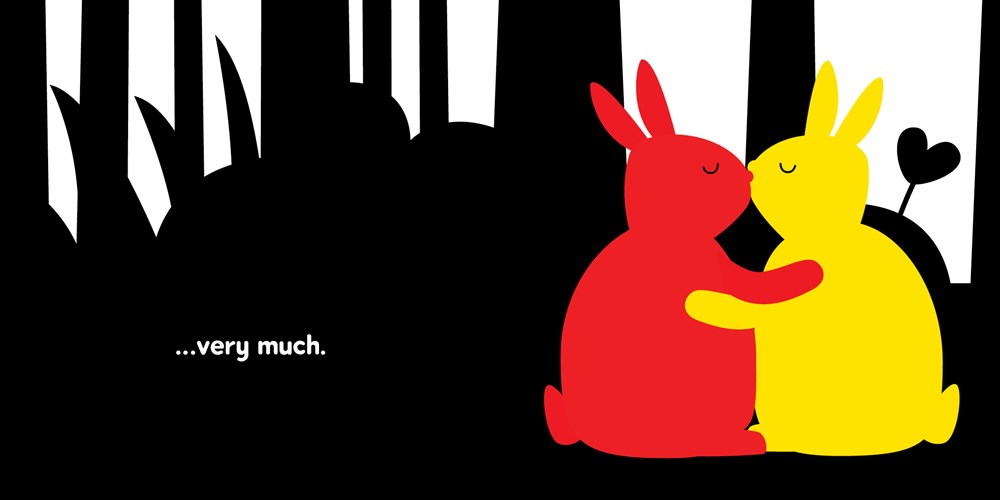
Red Bunny & Yellow Bunny, by Claire Garralon, (March 2019, Sourcebooks Jabberwocky), $7.99, ISBN: 9781492680147

Ages 0-4

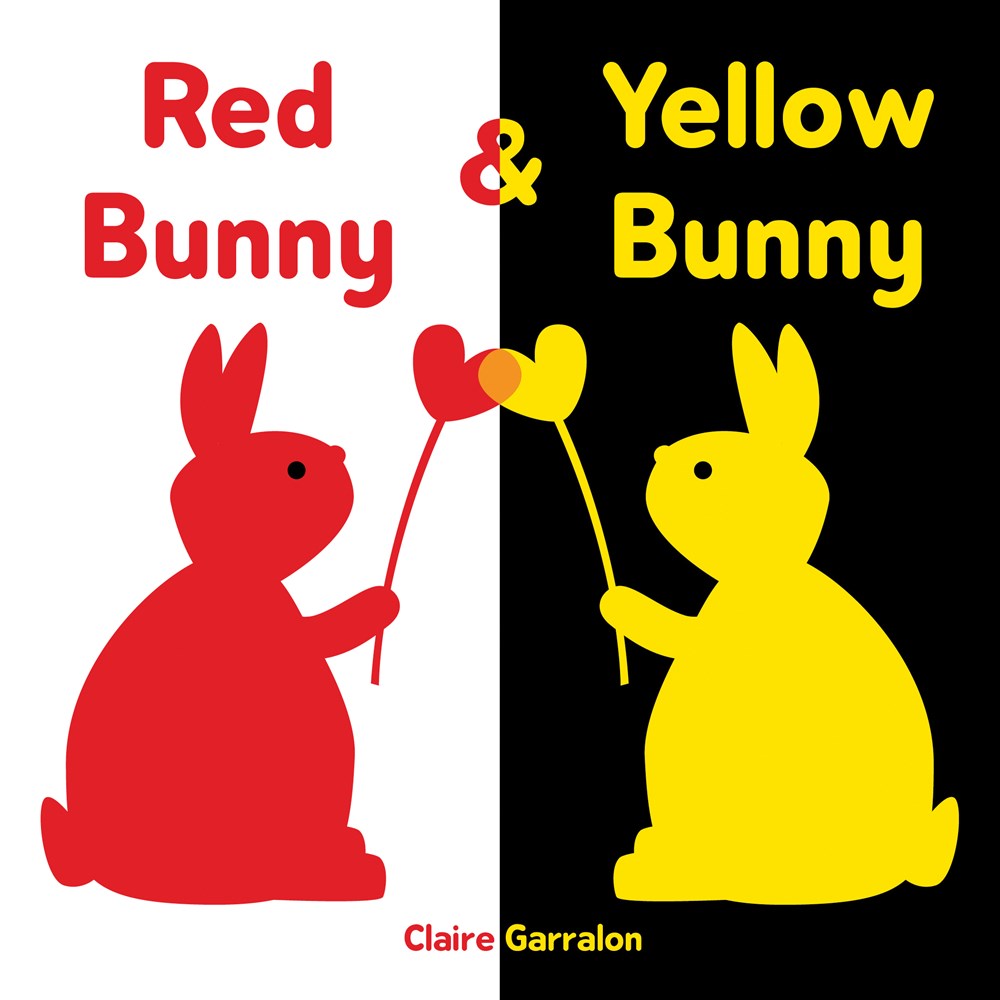
I sent off my Board Books post this morning, then realized I forgot one! Red Bunny & Yellow Bunny is the latest board book from Claire Garralon, who gave us the adorable Black Cat & White Cat in 2016. In Red Bunny & Yellow Bunny, two bunnies meet, fall in love, and have an orange baby bunny! What happens when that baby bunny grows up and falls in love? Keep reading!

I love how Claire Garralon communicates ideas about gender, social issues, and community for our youngest readers. The bunnies are genderless – no male or female pronouns needed; they are different colors, yet come together, fall in love, and have a baby that adorably blends their colors (red plus yellow makes orange, after all!). Bunnies fall in love with other bunnies, regardless of color, and create a rainbow of happy baby bunnies, all of whom play and live together. We saw a similar story emerge from Black Cat & White Cat, where two different color cats have to find a neutral place to play so they can see one another.

Naturally, we also have a sweet story that uses color concepts: explain that yellow and red make orange, and then ask what a yellow bunny and blue bunny’s baby would look like, or a red bunny and blue bunny’s baby. There’s a free, downloadable color mixing resource available on Teachers Pay Teachers, that you can hand out and let kids play with for a storytime activity. Let them fingerpaint and discover their own colors, or grab some Do a Dot! art markers.

Posted in picture books, Preschool Reads, Toddler Reads

Storytime Fiesta: One is a Piñata!

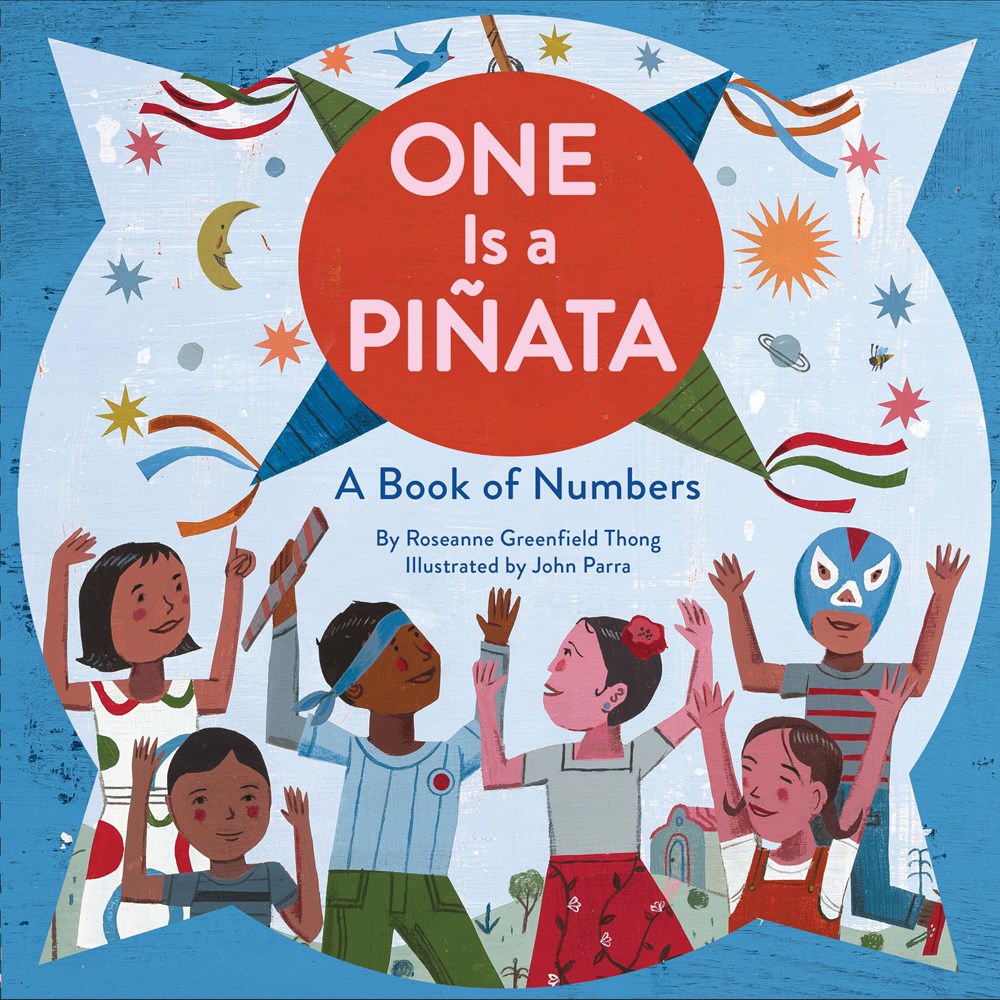
One is a Piñata, by Roseanne Greenfield Thong/Illustrated by John Para, (March 2019, Chronicle Books), $16.99, ISBN: 9781452155845

Ages 3-5

The duo behind concept books Round is a Tortilla and Green is a Chile Pepper are back with a counting book! This rhyming, bilingual English/Spanish concept book takes readers through the preparation for a fiesta, with maracas, calaveras, salsas, and plenty of sonrisas! The illustrations’ rich colors and the story’s lively, upbeat text will have readers counting down to a part of their own. There are wonderful Latinx touches to the artwork, including luchador masks and caleaveras; papel picado decorates the background, and a string of twinkling lights dangle across the endpapers. Count from 1 to 10, uno al diez, with your storytime group.

I love Roseanne Greenfield Thong’s multicultural concept series, and am so happy to see a counting book join her shapes and colors books. Invite your school-age kids to make their own papel picado to display, and let the little ones color some Sesame Street Spanish/English flash cards. Back matter includes a glossary with phonetic pronunciation of the Spanish-language words used in the book.

So… does this mean Roseanne Greenfield Thong and Grace Lin will team up on a counting book to accompany Round is a Mooncake and Red is a Dragon?

Roseanne Greenfield Thong is an award-winning author of over a dozen children’s books, including ‘Twas Nochebuena, Día de Los Muertos, and her multicultural concept books, Round is a Mooncake, Red is a Dragon, Round is a Tortilla, and Green Is a Chile Pepper.  John Parra is an award-winning illustrator who has three Pura Belpré Illustrator Honor awards, including one for Green is a Chile Pepper.

Posted in Early Reader, Non-Fiction, picture books

A math concept book with NO WRONG ANSWERS? Sign me up!

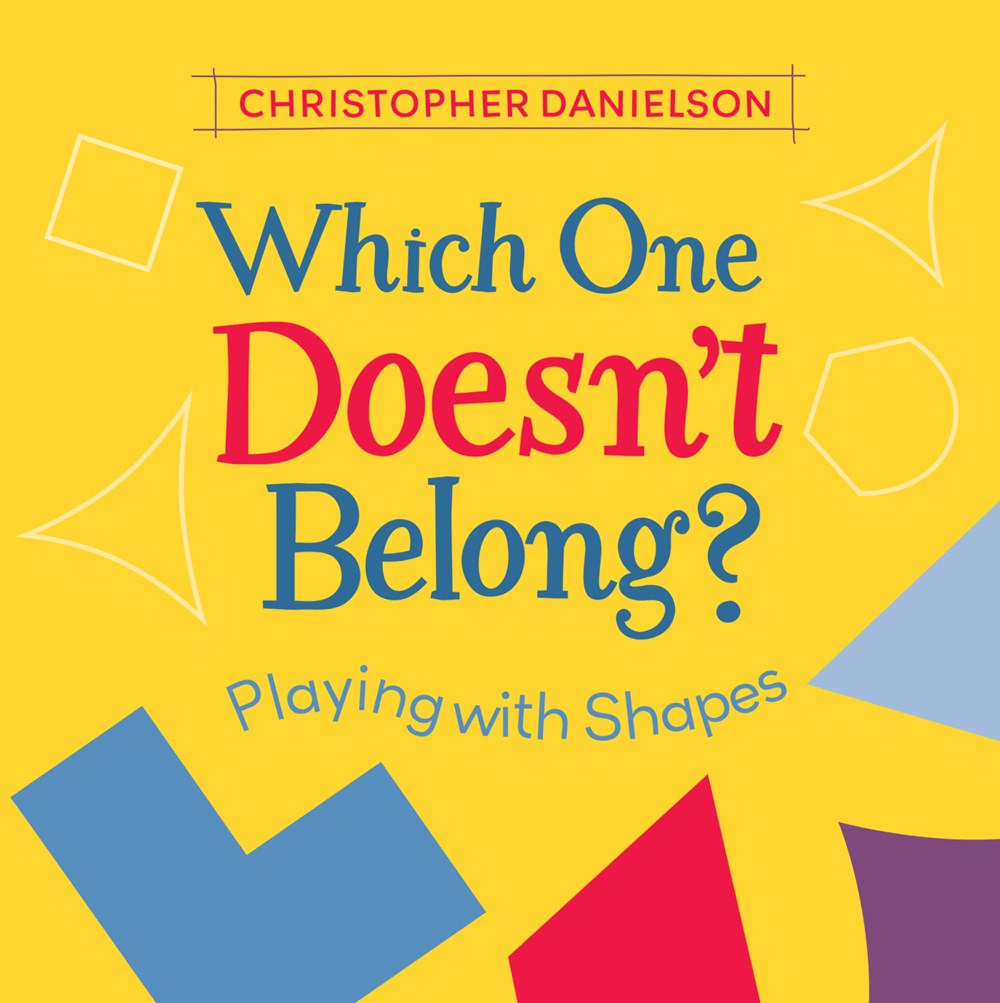
Which One Doesn’t Belong? Playing with Shapes, by Christopher Danielson, (Feb. 2019, Charlesbridge), $15.99, ISBN: 9781580899444

Ages 4-8

Math educator Christopher Danielson came up with a creative new way to get kids thinking about mathematical concepts: give them groups of shapes, and ask them, “What doesn’t belong?” The best part: NO WRONG ANSWERS. As the beginning explanation details, it’s all about the process, about critical thinking. One color could be different. A shape could be more squished, smooshed, or just look weirder than the others. It’s all in the eye, the mind, of the beholder here! Spreads alternate between layouts with shapes, and explanations on how every answer is correct, with supporting information like shapes, color, and other properties.

This is such a great way to make mathematics accessible to readers (kids and adults alike!). It doesn’t discourage anyone; it doesn’t make anyone’s answer, or rationale, wrong. Which One Doesn’t Belong shows readers how easy it is to approach things in a mathematical way: and this is coming from the lady who tells kids “the best way to do well in math is to not ask me for help with it”. Like the author himself says, “All properties count here; all ideas matter…”. Add this one to your nonfiction collections, build some programs around it for different age groups, and start making math more friendly to your readers!

Which One Doesn’t Belong? has a starred review from Kirkus and is the Winner of the Mathical Book Prize.

Posted in picture books, Preschool Reads, Toddler Reads

February Picture Books: little elephants, fabulous females, and being your own self!

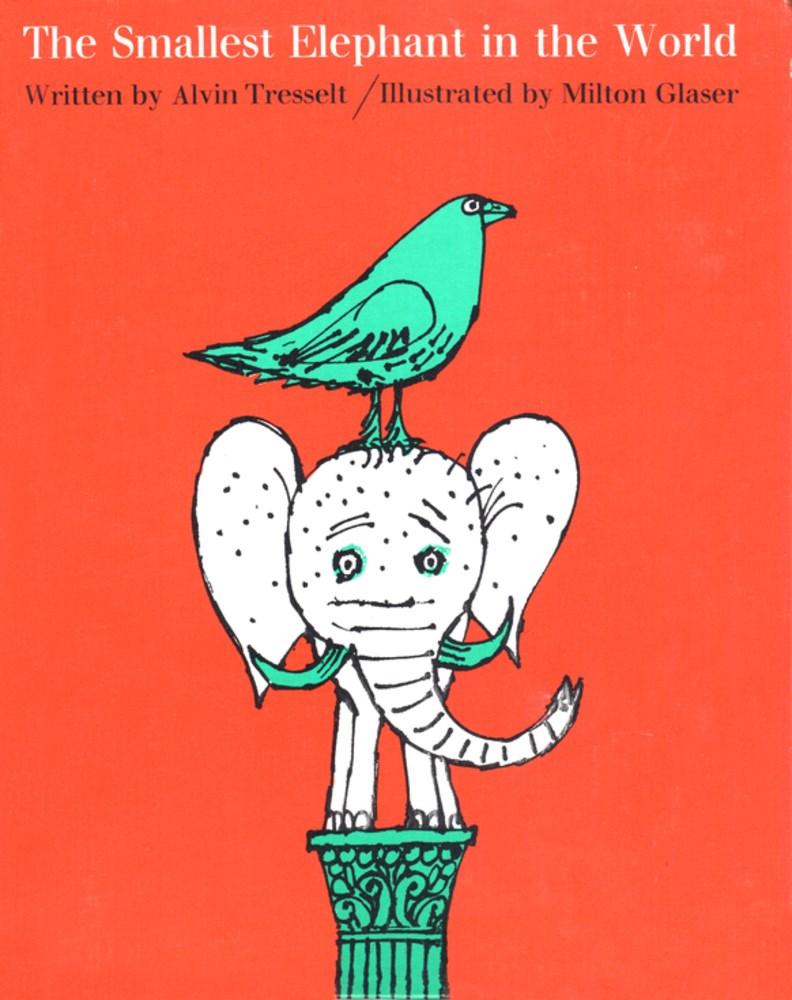
The Smallest Elephant in the World, by Alvin Tresselt/Illustrated by Milton Glaser, (Feb. 2019, Enchanted Lion), $16.95, ISBN: 9781592702619

Ages 4-8

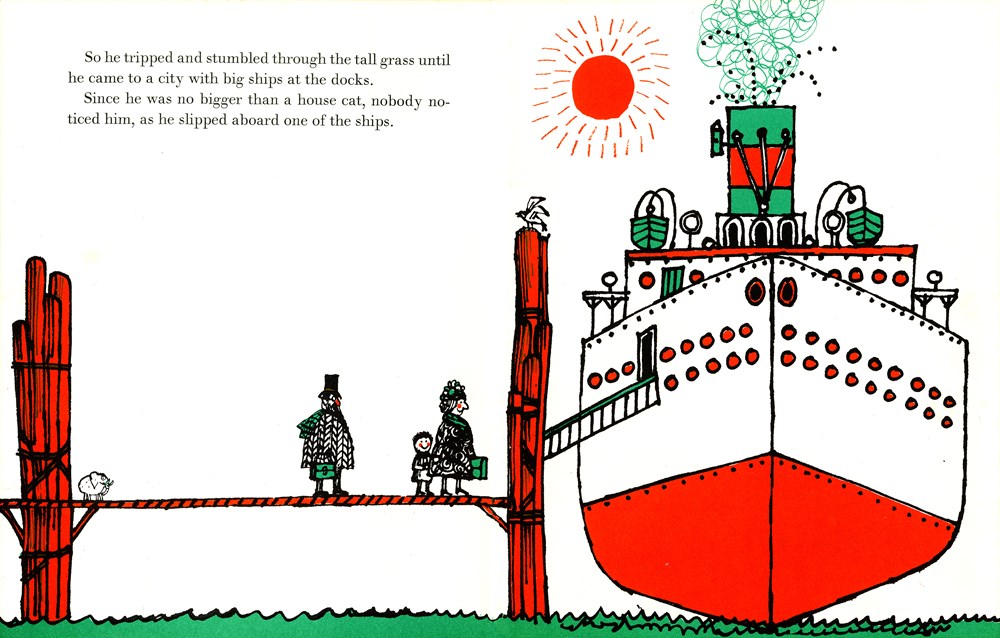
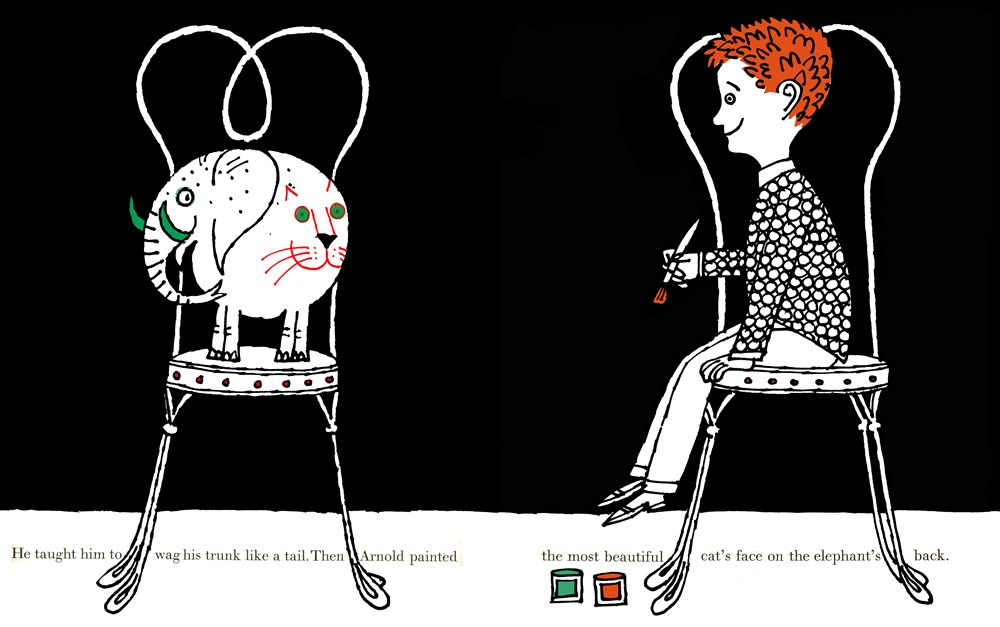
Originally published in 1959, The Smallest Elephant in the World is back in hardcover! A small elephant, no bigger than a housecat, leaves the jungle to get away from the bullies who make fun of him. He ends up in the care of a boy named Arnold, whose mother does NOT want an elephant for a house pet. Arnold tries some creative fudging to convince his mother otherwise, but Mom’s not fooled that easily. Where will the Smallest Elephant find a home?

This adorable story about friendship and finding one’s own place in the world is as relevant and sweet today as it was when it was released 60 years ago. Milton Glaser’s vintage illustration is bold, with bright oranges and greens standing out against the black and white page backgrounds. The elephant’s face is expressive; sweet and friendly, and he’s adorably tiny when shown in scale.

The Smallest Elephant in the World brings a nice touch of our childhoods back to our children’s collections. Gen X kids like me will fondly remember the art and silly-sweet storytelling, and pass that love onto a new generation. Let your kiddos draw their own tiny elephants, and give them things to measure against: a book, a shelf, a ruler, or your foot!


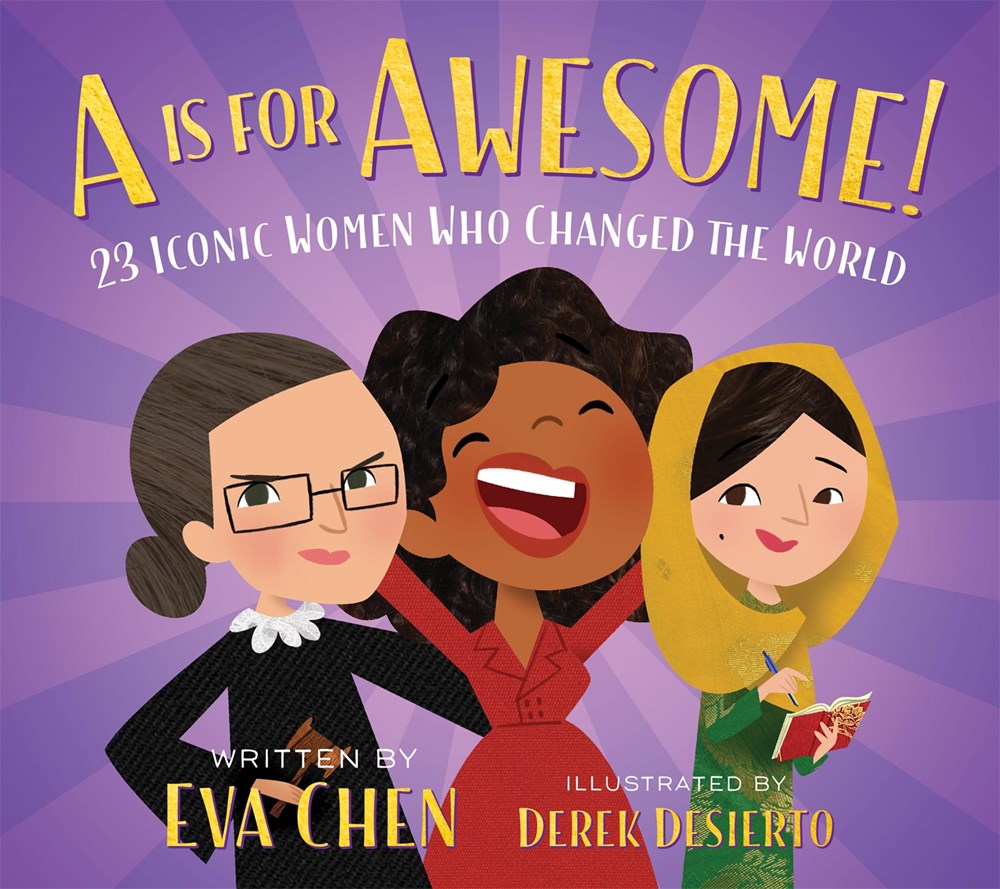
A is for Awesome! 23 Iconic Women Who Changed the World, by Eva Chen/Illustrated by Derek Desierto, (Feb. 2019, Feiwel & Friends), $9.99, ISBN: 9781250215994

Ages 2-5

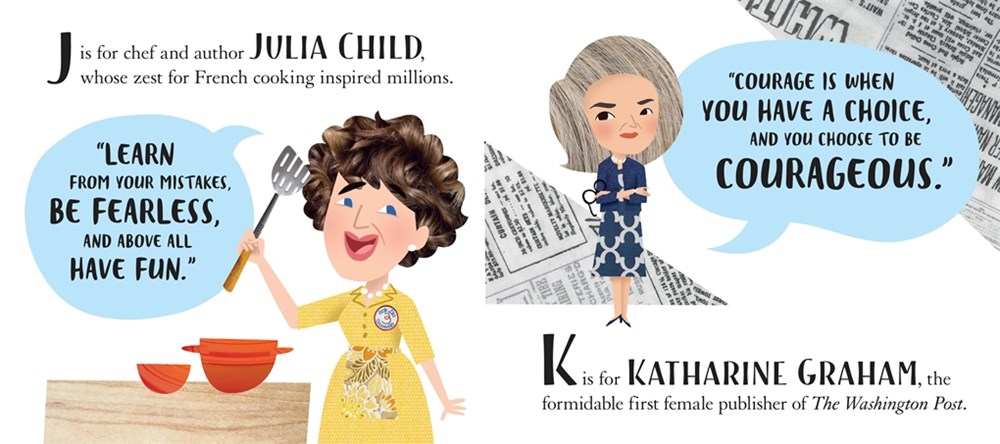
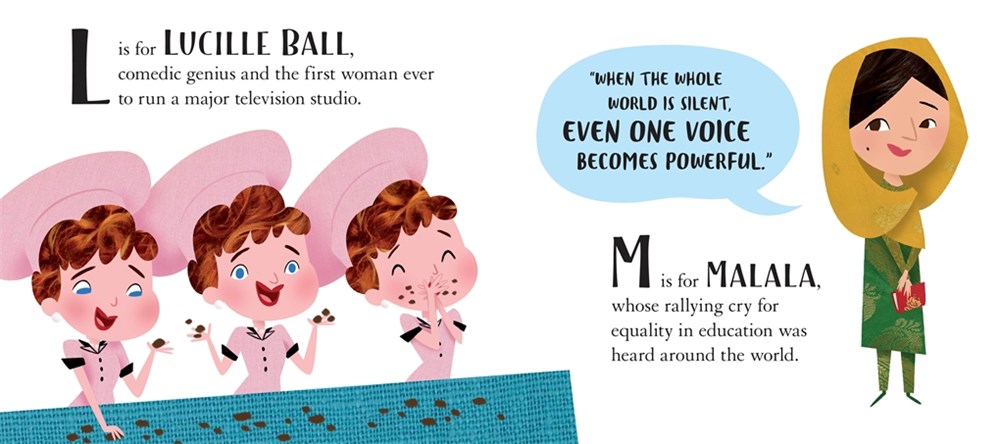
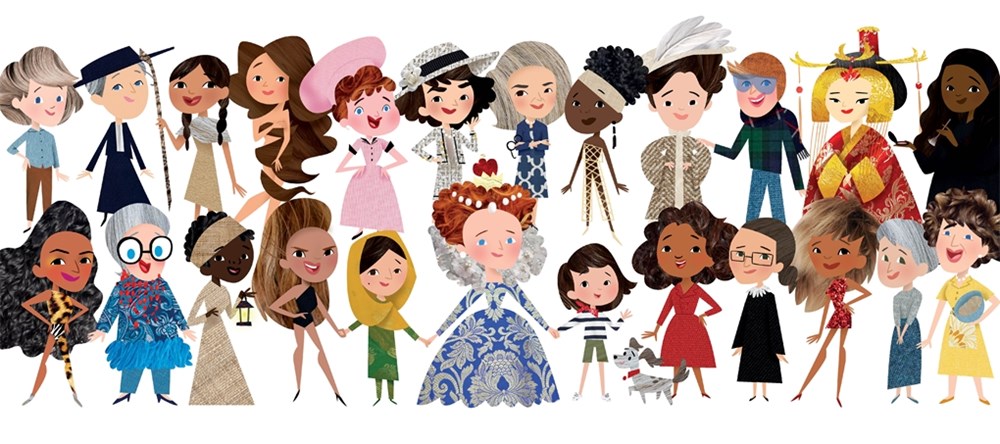
An Instagram star and creator of Juno Valentine and the Magical Shoes spotlights outstanding women in this abcedary. Juno Valentine is our guide, introducing readers to some of her favorite “sheroes”. There are standard favorites here: Amelia Earhart, Harriet Tubman, and Malala are all here, side by side with feminist figures like megastar Beyonce, Nobel Prize-winning scientist Dorothy Hodgkin, fashion icon Iris Apfel, and author Ursula K. LeGuin. There’s a mirror here for “X, Y, Z: the Extraordinary You, and the Zillions of brilliant, brave adventures you will have”, which makes for big fun during storytime. Collage artwork is bright and textured, with differing fabrics and hairstyles. The addition of Roman goddess Venus feels a little off, but every other featured female is flesh and blood real, and the grouping has a nice diversity. Each woman has a one-line description; some have quotes attributed to them.

I love a good board book, and this one makes my cut. Add this in time for National Women’s in March, and plan your storytimes now.

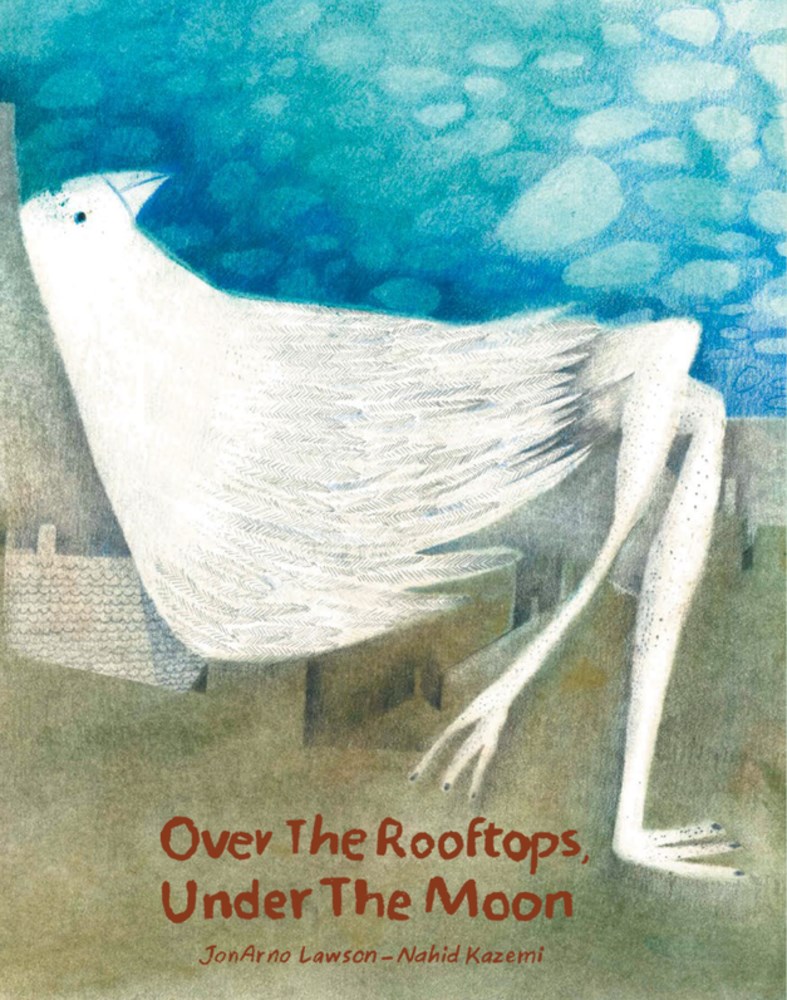
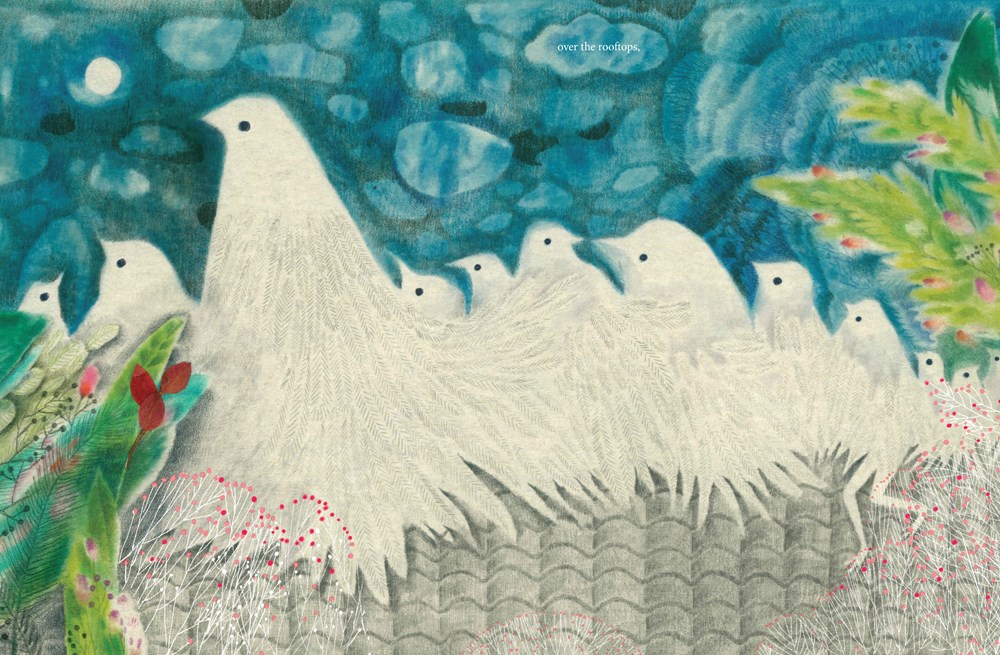
Over the Rooftops, Under the Moon, by JonArno Lawson/Illustrated by Nahid Kazemi, (Feb. 2019, Enchanted Lion), $17.95, ISBN: 9781592702626

Ages 4-8

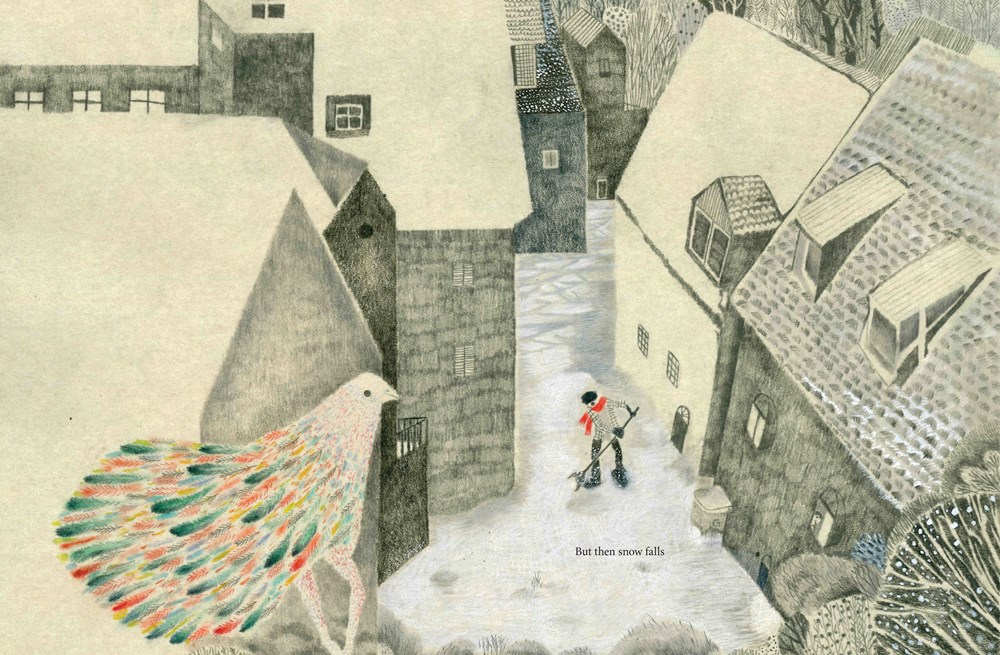
A long-legged white bird doesn’t feel like he fits in with his flock, but feels a connection when making eye contact with a little girl. The bird ponders his existence and explores the human world, not noticing until the snow falls that his flock has migrated without him. He catches up with his flock and they sit together on a rooftop, “alone and together, over the rooftops, and under the moon”.

I’ll be honest, I had to read this one a few times to really get it. It’s very open to interpretation, and while the gist of the story is about a bird who isn’t sure about his relationship to himself and within his community, I’ve seen other picture books handle this in a more linear fashion. and I’m not sure that little ones will get it. Some of the text gets lost in the mixed media collage artwork, which could impede a readaloud. The collage artwork tells the story in surreal, dreamlike fashion, which may be the best way to get the message of this story across: the bird feels alone, connects with humans, explores, and ultimately, finds peace within himself and within his community. It’s a beautiful message to communicate to younger children who are starting to socialize in groups and may feel out of place; it’s also a strong message to older children, who can break down the introspective message here. I’d love to see this as a school-wide readalong in elementary schools that still have them, so kids from K-5 can each take a turn at deciphering its meaning to them as individuals.

It’s an interesting book that may take a few reads to unpack, but worth it for the discussions that can follow.


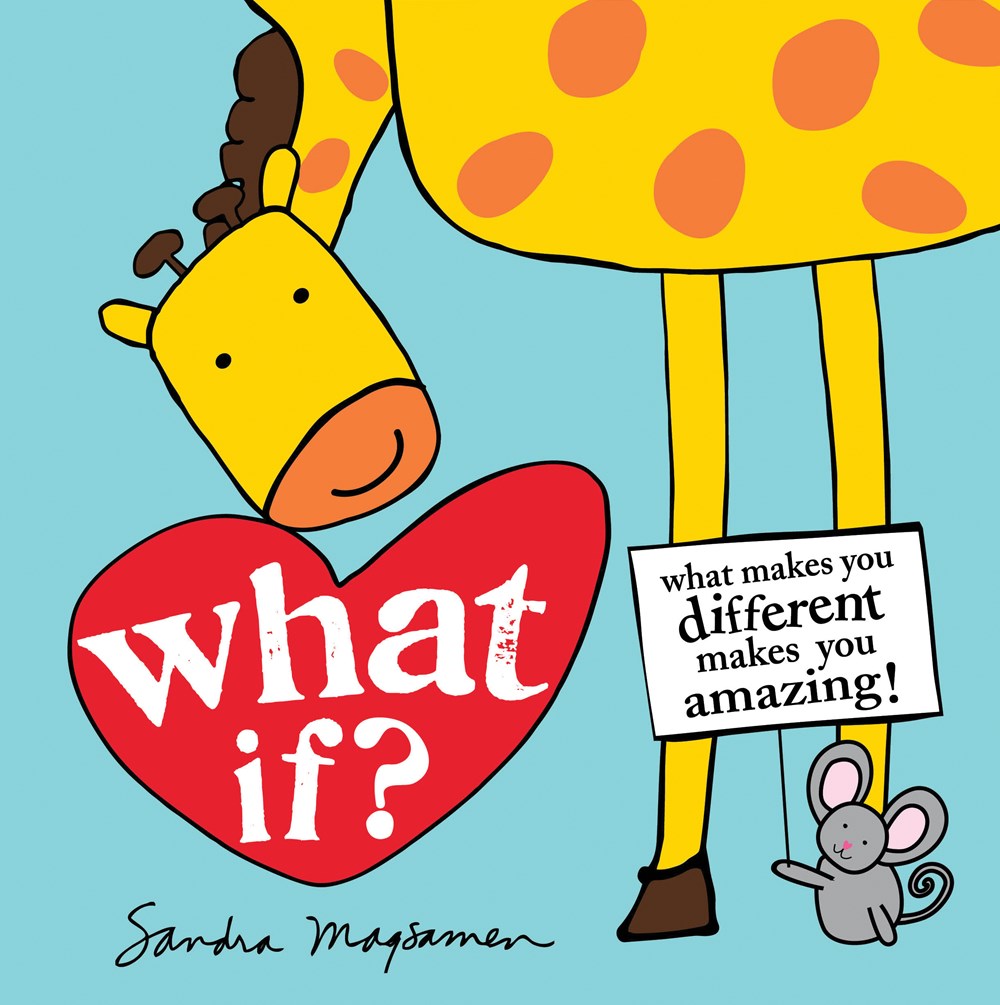
What If? What Makes You Different Makes You Amazing!, by Sandra Magsamen, (Feb. 2019, Sourcebooks Jabberwocky), $10.99, ISBN: 9781492637103

Ages 0-4

“What if your hair was big and orange and really bright? What if one eye was green and the other eye was blue as night?” The rhyming text takes readers through all sorts of ways we can stand out from the crowd, with adorable illustrations – a purple lamb, a swaying monkey – and extols the virtues of individuality. The text assures readers that being different is special, and good for you: it can give your spirit a lift; it would be dull if everyone were the same. Sandra Magsamen embraces uniqueness, and makes sure her readers do, too, pointing out how being different can help in certain situations. After all, someone quiet can be a big help when putting a bandage on an injured crocodile. Pair this with Todd Parr’s books, especially It’s Okay to Be Different and Be Who You Are, for a feel-good readaloud. The artwork is colorful, never overpowering, with upbeat, yet calming colors and bold outlines.  What If? is a cute picture book for collections where Todd Parr does well.


Posted in picture books, Preschool Reads

Concept Books for little learners

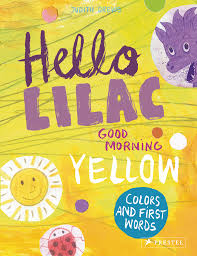
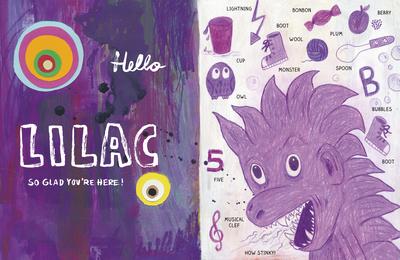
Hello Lilac Good Morning, Yellow: Colors and First Words, by Judith Drews, (Oct. 2018, Prestel), $14.95, ISBN: 9783791373515

Ages 3-6

This cute book features eleven colors; one per each spread. There’s a warm greeting on one side, and objects showcasing the color on the other: “Good morning, Yellow! You glow so warm and bright”, with hand-drawn pictures of a lion, a construction helmet, lemon, and crown. It’s a lovely way to introduce colors; letting kids greet them and name a property of the color that makes them enjoyable: “Ahoy, Blue! I want to splash about in you”; “Hi, White! Where is your color?” Some object choices may leave readers scratching their heads; a syringe is included for White, and blood for Red; a screw falls under Black, which I tend to associate with Silver. I’m also not sure on how words like “trousers”, “domino tile”, and “fly agaric mushroom” are considered first words.

Overall, it’s a cute enough concept book for an additional add to collections, but there are other books that are better.


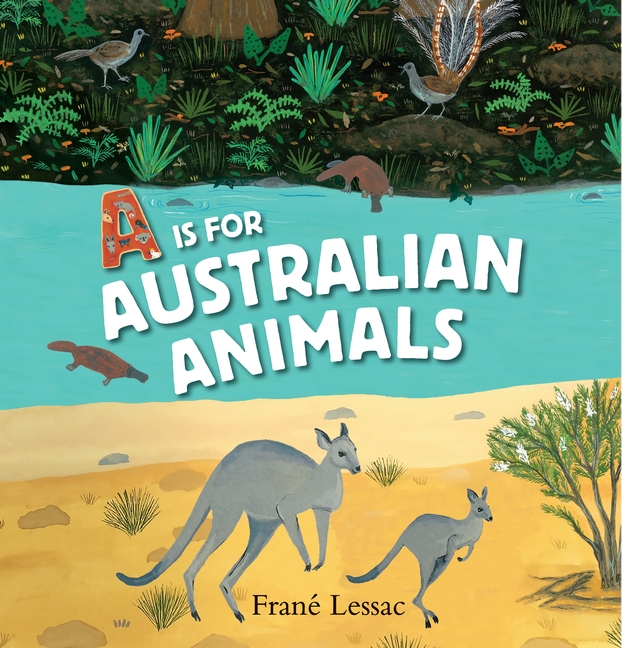
A is for Australian Mammals, by Frané Lessac, (Aug. 2018, Candlewick Press), $16.99, ISBN: 9780763694845

Ages 7-9

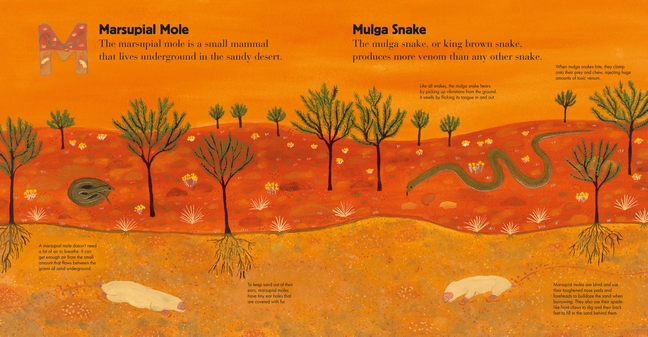
This book combines an abcedary for early readers with a geographic tour of Australia. There are 38 animals to be found here: tried and true favorites like the kangaroo, platypus, and koala are here, but there are other fantastic animals to be discovered, including the flying fox (it’s actually a huge bat); the red crab and robber crab (keep an eye on your valuables), a crayfish called the yabby, and the x-shaped crusader bug.  Loaded with facts about these Australian creatures, and featuring colorful gouache illustration, this one is a hit. Pull out some cool facts to share during a science storytime or Discovery Club program. Here’s one that will go over big with the kids in my library: “In a Tasmanian devil’s poop, a wildlife biologist discovered: the head of a tiger snake, an owl’s foot, a sock, aluminum foil, half a pencil, and the knee of a pair of jeans”. Also, a koala’s fingerprints are almost identical to human’s fingerprints. Back matter includes maps of animal distribution, highlighting areas where each animal can be found on the continent. There are free, downloadable teacher’s notes available through author Frané Lessac’s website. The Educate Empower blog has some great ways to use this book across subjects, too.

This is a fun add to your natural history books, and it doubles as a concept book for learning readers who can benefit from learning about exciting new animals and their names.


Posted in Preschool Reads, Toddler Reads

Detectives Fox and Goat are on the case!

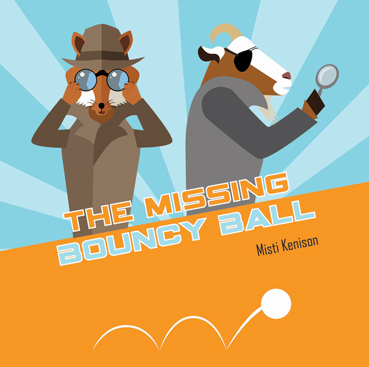
The Missing Bouncy Ball, by Misti Kenison, (Oct. 2018, Schiffer Publishing), $12.99, ISBN: 9780764356001

Ages 1-4

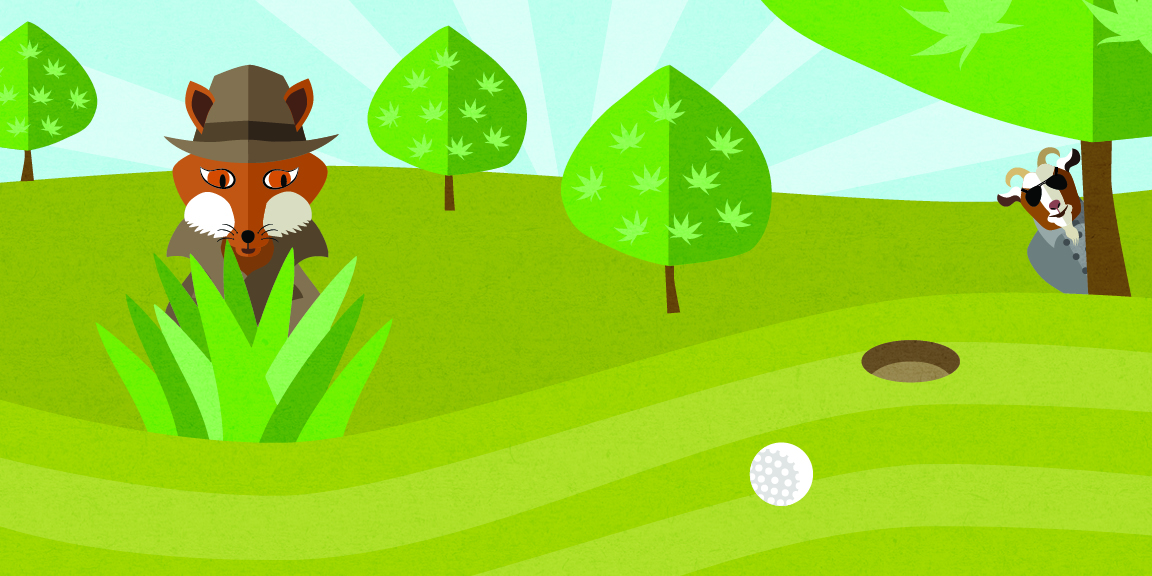
A little girl’s ball bounces out of her backpack! Luckily, Detectives Fox and Goat are on the case. They search through spreads, identifying different balls, and eliminating them from consideration by identifying properties that set them apart from the bouncy ball: color, size, shape, texture. When they reunite the bouncy ball with Emma, its owner, they congratulate one another and get ready for their next adventure.

I’ve been a fan of Misty Kenison’s Young Historians series, so when I saw her name on the Fox and Goat books, I knew I was in for something fun. I love the question and answer pattern her books take, letting readers learn to spot clues as they go. The end Bouncy Ball recaps the clues used to find the bouncy ball, reminding kids of the steps they took to arrive at the conclusion. Sharp-eyed readers will notice the bouncy ball’s location a few times through the book, too.


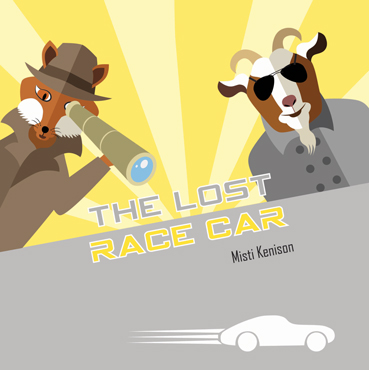
The Lost Race Car, by Misti Kenison, (Oct. 2018, Schiffer Publishing), $12.99, ISBN: 9780764355998

Ages 1-4

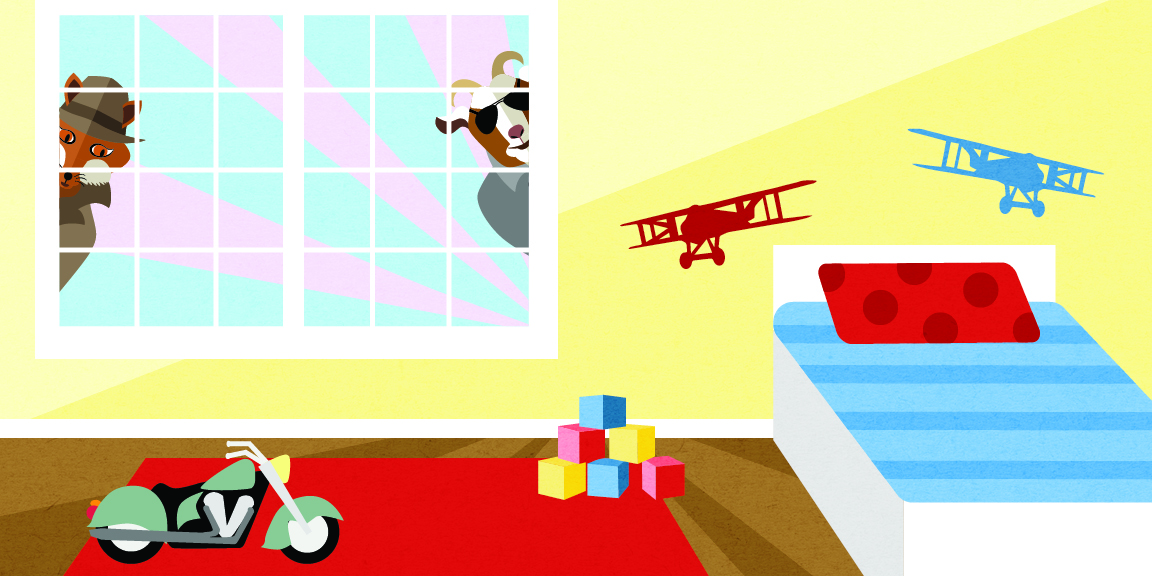
Detectives Fox and Goat return for their next great mystery: a little boy’s race car disappears! Using concept clues, the two sleuths sniff out the details to solve the case: colors, number of wheels, weight, length, and slightly more complex characteristics, like roads traveled. When they reunite Jayden with his car, they share a congratulatory fist bump and share their clues, at the end, to remind readers of the concepts used to solve the mystery.

These are such great books! The digital artwork is bright, bold, and eye-catching. The question and answer pattern to each spread invites kids to think, explore, and solve the mysteries as they go, and offers the chance to talk about other colors/textures/sizes/shapes on the pages. Once again, sharp-eyed readers will notice the race car lingering around as they get closer to solving the case.

I just read these in a Saturday storytime with a mixed group of kids: two toddlers, a first grader, and three middle graders, all of whom got a kick out of the story. The toddlers loved pointing to the cars and balls on each page; the first grader was my sharp-eyed reader who spotted the missing items as they popped up in spreads, and the first and middle graders all loved pointing out the characteristics that set them apart from the item in question. I’m looking forward to more Fox and Goat Mysteries for my toddlers and preschoolers, for sure. A nice add to concept and board book collections.


Posted in picture books, Preschool Reads, Toddler Reads

Kwanzaa Books made the holidays bright!

My holds are in! I’ve got Kwanzaa books for everyone! (Okay, for kids. But that’s the most important audience here, right?) Let’s start the fun.

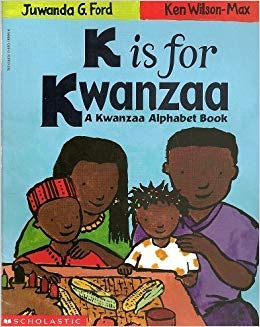
K is for Kwanzaa: A Kwanzaa Alphabet Book, by Juwanda G. Ford/Illustrated by Ken Wilson-Max, (Nov. 1997, Scholastic), $10.95, ISBN: 0-590-92200-9

Ages 3-7

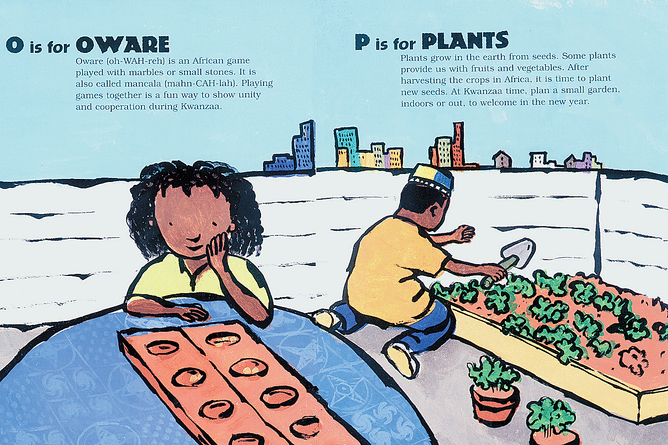
This holiday abcedary starts off with a history of the Kwanzaa holiday and the seven Kwanzaa principles, then journeys into the alphabetic aspects of Kwanzaa. Using English and non-English words, readers learn a Kwanzaa vocabulary, from Africa to Zawadi. There are phonetic pronunciations for all African words, which is a huge help for readers just learning about Kwanzaa and its icons, and Juwanda G. Ford explains each aspect of the holiday simply and fully enough for a child to understand, appreciate, and learn: the mkeka is a special mat used when setting a Kwanzaa table, and mazao are the fruits and vegetables symbolizing the harvest, set on the mkeka; neighborhoods are part of the Kwanzaa celebration, promoting community, working together, and respecting where we live, to make the world a better place. Gele, the cloth that African and African-American use as a headwrap, shows pride in African heritage, as does Jewelry, which also allows families to practice the creativity principle, Kuumba.

Ken Wilson-Max’s illustrations are lovely, featuring African-American families and African icons, instilling a pride in the beauty of African heritage. His illustrations are boldly outlined and feature bright colors, appealing to little eyes. Each letter and its corresponding word are emphasized with bold, black font that let the words pop off the page. The alphabet

K is for Kwanzaa lets kids learn about the holiday from A to Z, and is an enduring holiday book. It’s a strong introduction to Kwanzaa, and to African heritage.


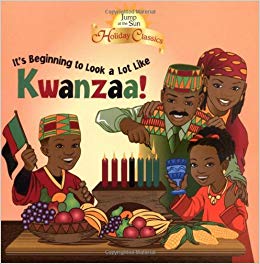
It’s Beginning to Look at Lot Like Kwanzaa!, by Rex Perry, (Sept. 2004, Jump at the Sun), $3.50, ISBN: 0-7868-0924-8

If the holiday standard, “It’s Beginning to Look at Lot Like Christmas” is stuck in your head as you read this Kwanzaa carol, don’t worry – I found myself reading along with a similar cadence, adjusting for some of the text. Families together, snow falling, and the repetitive phrase, “It’s beginning to look at lot like Kwanzaa!” invites readers to join this book’s family as they prepare for the holiday. The family wears Kwanzaa colors and kente, share food, and gifts, and touch on all of the holiday principles in the text. As Kwanzaa’s end nears, the family reflects on the holiday and the promises made for the year, and looks forward to the new year.

The artwork is bright, with bold outlines and warm colors that draws readers right into the story. Family members hold and dance with one another, having fun and showing affection, making the warmth contagious. You’ll want to cuddle your little ones as you read this rhyming story, guaranteed. The story focuses less on the facts and iconography – although they are present and alluded to in the text – and more on the family and togetherness theme of the season. A nice add to your holiday sections.


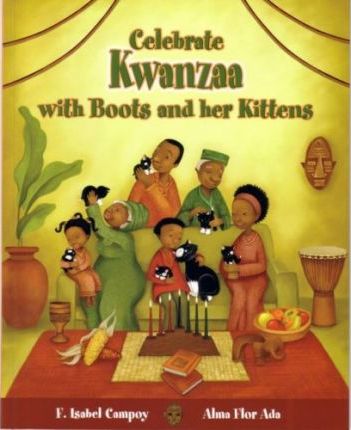
Celebrate Kwanzaa with Boots and Her Kittens, by Alma Flor Ada & F. Isabel Campoy/Illustrated by Valeria Docampo, Translated by Joe Hayes & Sharon Franco, (Feb. 2007, Alfaguara), $11.95, ISBN: 9781598201352

Ages 4-8

It’s time to come together and celebrate Kwanzaa, but wait! Boots the Cat is missing! A young boy and his family pull together and put the principles of Kwanzaa to work as they spend each day searching for the cat – with a sweet surprise on the last day.

Celebrate Kwanzaa with Boots and Her Kittens is half fiction, half non-fiction. The first half is the story of Boots and her family. The family dresses in African garb and have African decorations, including drums and masks, displayed in their home. The colors are warm and earthy. A page-a-day calendar and family members holding scroll with the day’s principles teach readers about each day’s principle and message.

The non-fiction section of the book uses photos and artwork to provide information about Kwanzaa, its place in African-American family homes, and how different families celebrate.

The combination of fiction and non-fiction in one spot makes this a good addition to your holiday shelves. It’s hard to find now, but check your local libraries for a copy!


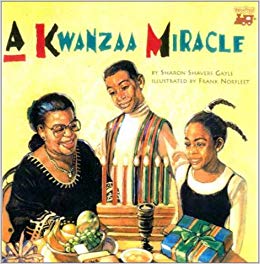
A Kwanzaa Miracle, by Sharon Shavers Gayle/Illustrated by Frank Norfleet, (Sept. 1996, Troll Communications), $3.50, ISBN: 0-8167-4182-4

Ages 5-9

This touching story is all about families. Ashley and Darryl Parker are siblings who are excited for the holidays; their parents are on the planning committee for their building’s Kwanzaa celebration, but their grumpy neighbor, Mrs. Parker, doesn’t seem to be interested in anything other than snapping at the kids. When Ashley and Darryl have a snowball fight and hit Mrs. Parker’s window, they expect to feel her full fury – and discover that their neighbor is a kind, loving person. With this new development, they work with the families on the planning committee to honor Mrs. Parker and reunite her with her sister.

This is a loving, kind story that will touch any reader. It busts that “mean old neighbor” trope and reminds kids – and adults! – that everyone has their own challenges. Darryl and Ashley are good kids who build a bridge between their neighbor, their building (community), and her sister. It’s a great story, and the oil painted artwork by Frank Norfleet gives us realistic characters and settings, with warm colors and expressive, kind faces and body language. The principles of Kwanzaa, explained in the back matter, are communicated through the characters’ actions, opening up the chance to discuss with your readers, and see if they can find examples of each.

I wish this was still in print! It’s such a wonderful book – check your local libraries, and third party sellers have some available.


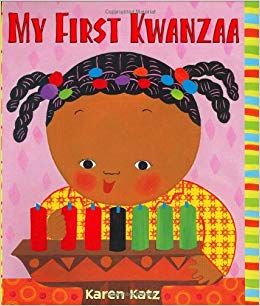
My First Kwanzaa, by Karen Katz, (Nov. 2003, Square Fish), $7.99, ISBN: 9781250050465

Ages 3-6

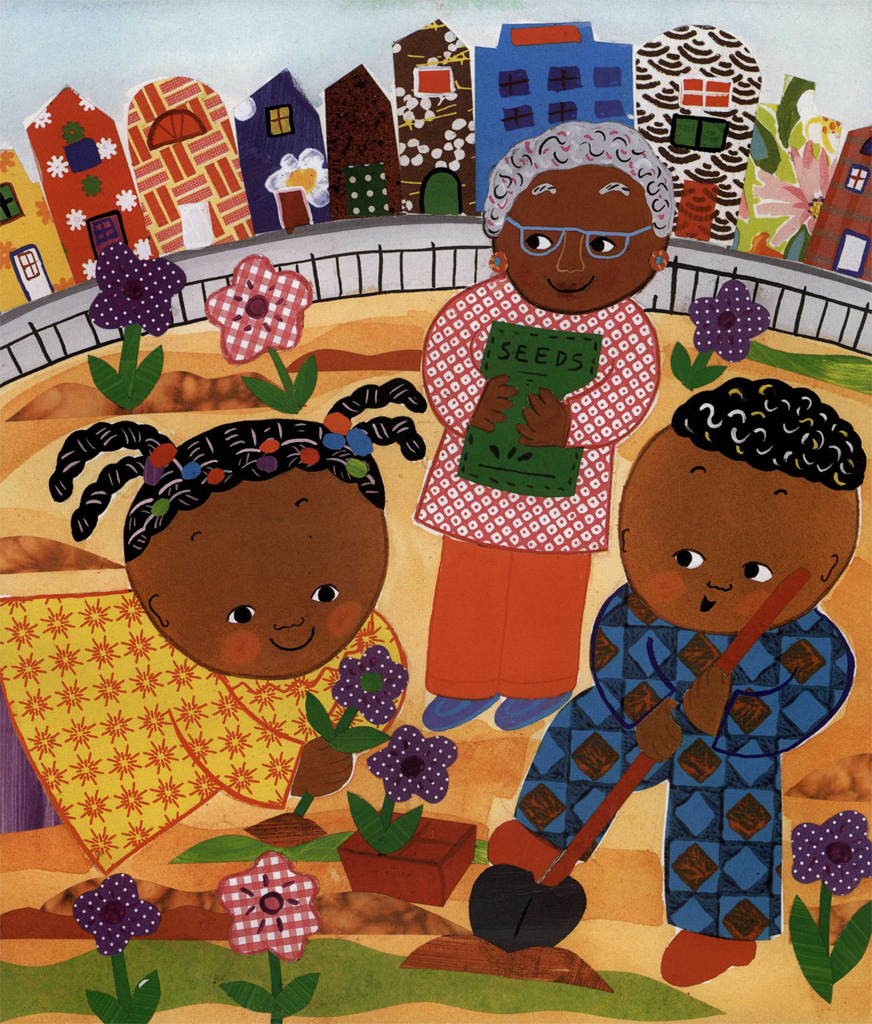
Karen Katz brings her adorable collage and mixed-media artwork to this adorable celebration of Kwanzaa. The text is spare but informative, speaking directly to children about each day of Kwanzaa, and how our protagonist – a young African-American girl – celebrates it. Phonetic pronunciation of the principles and and terms help introduce new vocabulary, and each explanation is empowering, offering ways for kids to take part in the celebration. From asking her mother to braid her hair “in a fancy African way” on the second day of Kwanzaa (kujichagulia – self-determination) and feeling pride in her heritage, to dreaming of being an African dancer like her Aunt Tasha on the fifth day (nia – purpose), to painting clay pots and weaving baskets on the sixth day (kuumba – creativity), there’s something for every child to take to heart.

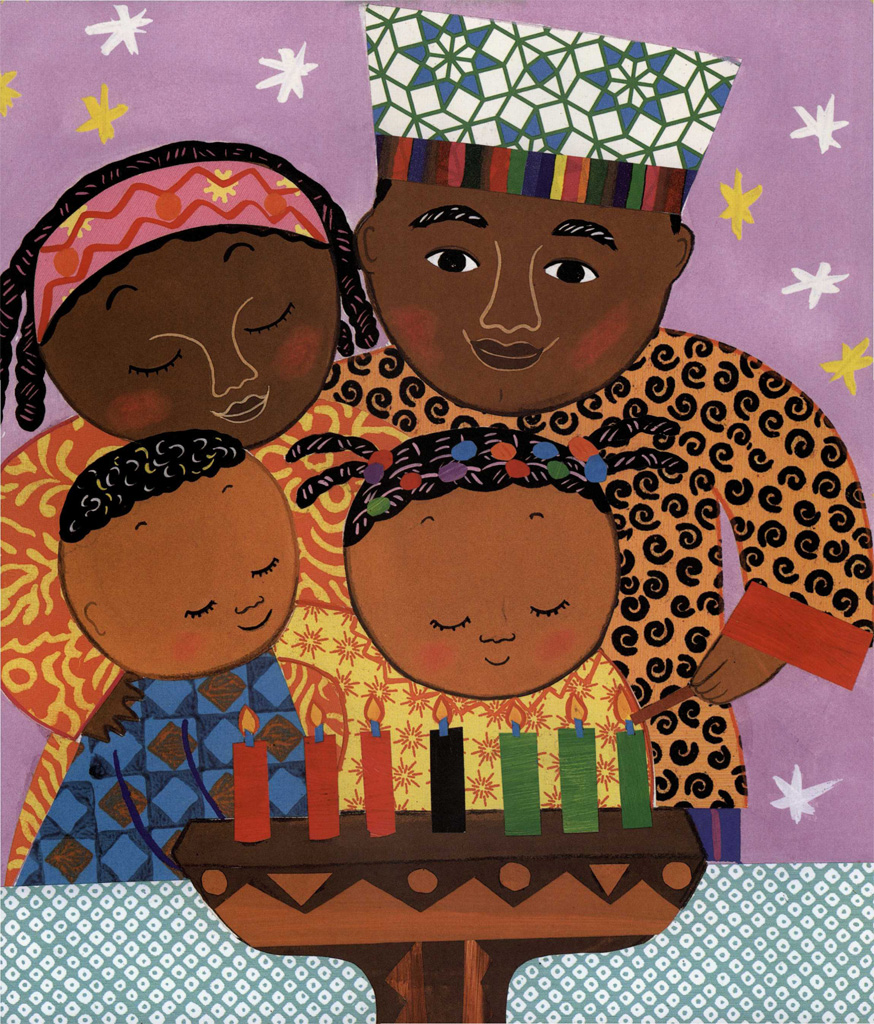
Karen Katz’s illustrations are precious. Her characters have round, sweet faces with gentle expressions. They all wear bright colors and have braided, beaded, and natural hair. A kinara appears on every spread, another candle lit, to visually represent the days of Kwanzaa. Holiday cuteness for littles and bigger kids alike.


So that’s my Kwanzaa book wrap-up! What have I learned from this year and last year’s roundups? That we need more Kwanzaa and Hanukkah books: published more frequently, in greater volume, and that stay in print longer. How can we make that happen next year?


Posted in Fiction, Intermediate, picture books, Preschool Reads, Toddler Reads

A Christmas Book for every stocking!

We’re into the holiday season now, everyone! I’ve got gift books coming, and Hanukkah and Kwanzaa books are on the way, but first, a look at some Christmas books to stuff in your kiddos’ stockings. Take a look!

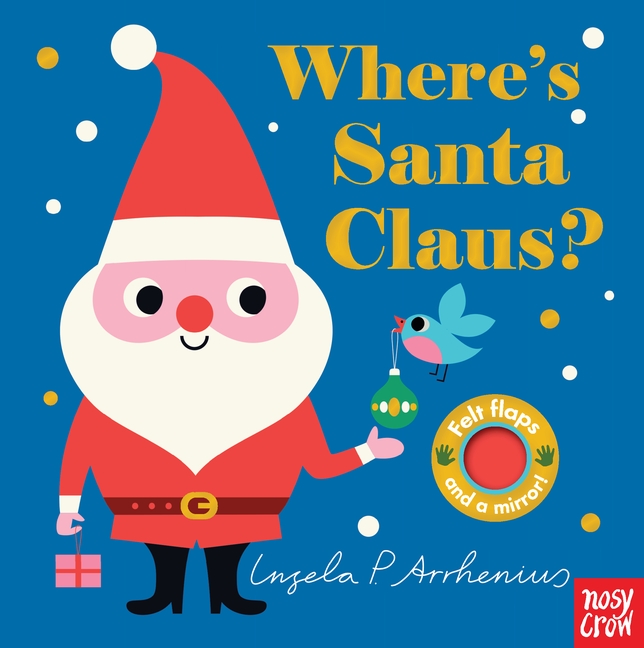
Where’s Santa Claus? by Ingela P. Arrhenius, (Oct. 2018, Nosy Crow), $8.99, ISBN: 9781536206975

Ages 0-3

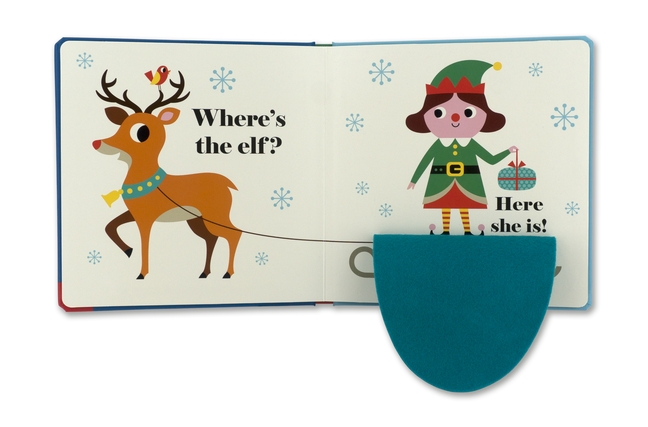
Guessing games don’t get much cuter than this! Five illustrated spreads show different Christmassy folks, including a polar bear, snowman, elf, and Santa, all hidden behind fuzzy felt flaps. Bold, black font asks,, “Where the polar bear?” “Where’s the snowman?”, inviting babies and toddlers to lift the cloth and discover them all on their own! The final flap, shaped like a house, asks where YOU are, and the reveal is a mirror so little ones can see themselves. The illustrations are bold, bright, and adorable; the felt is soft to the touch and bright.

It’s a perfect cuddle time, circle time, and storytime book for your youngest kiddos. I’ll be using mine quite a bit this season, mainly because I can’t stop reading it to myself in a high-pitched voice and announcing, “There he is!” The kids here at the library are starting to stare at me.


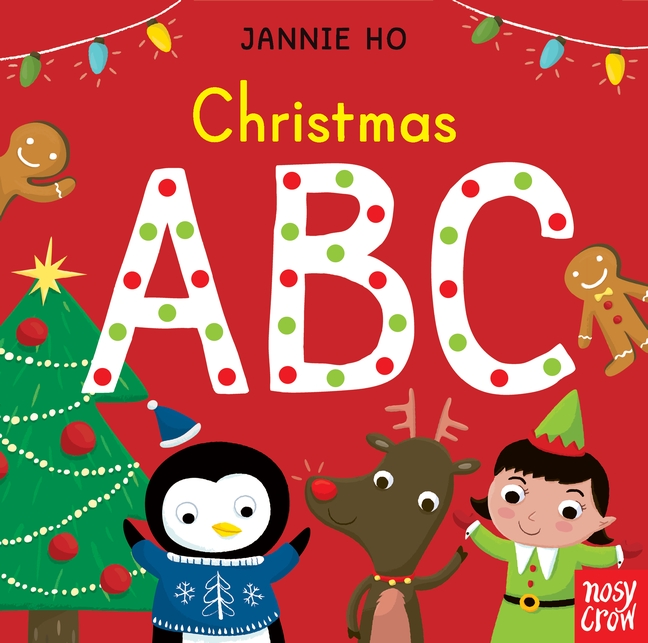
Christmas ABC, by Jannie Ho, (Oct. 2018, Nosy Crow), $6.99, ISBN: 9781536202496

Ages 0-3

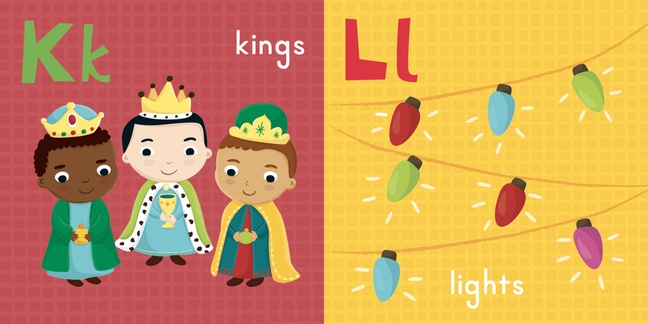
This holiday abcedary is loaded with seasonal icons: A is for angel; B is for bell; C is for candy canes, and D is for drummer boy. Cartoony, bold, and bright, with capital and lowercase letters side by side, this concept book is as sweet as a bowlful of chocolate chips. Smiling Nutcrackers share spreads with Mrs. Claus as a pup emerges from an Unwrapped box and a bottoms-up Santa is upside down in a chimney as he Visits a home. There are familiar sights to see, but there are also words to describe feelings and emotions, like joy, excited, and quiet. Read this with your little ones and point out familiar objects around the home, classroom, or library: ornaments, reindeer, or tree will work nicely. Some concepts, like Kings and Winter (a winter scene at a windowsill), make take a little explanation, but it’s all part of the holiday fun.

I love a good board book, and Christmas ABC delivers. Put this one front and center in your board books, holidays, and concepts areas, and watch the little ones reach for it.


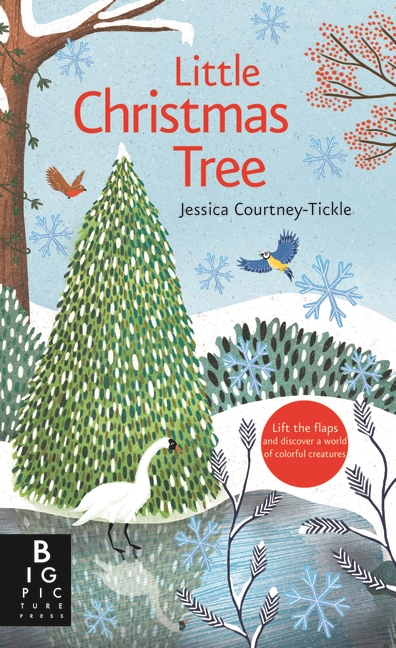
Little Christmas Tree, by Jessica Courtney-Tickle, (Oct. 2018, Big Picture Press), $15.99, ISBN: 9781536203110

Ages 2-5

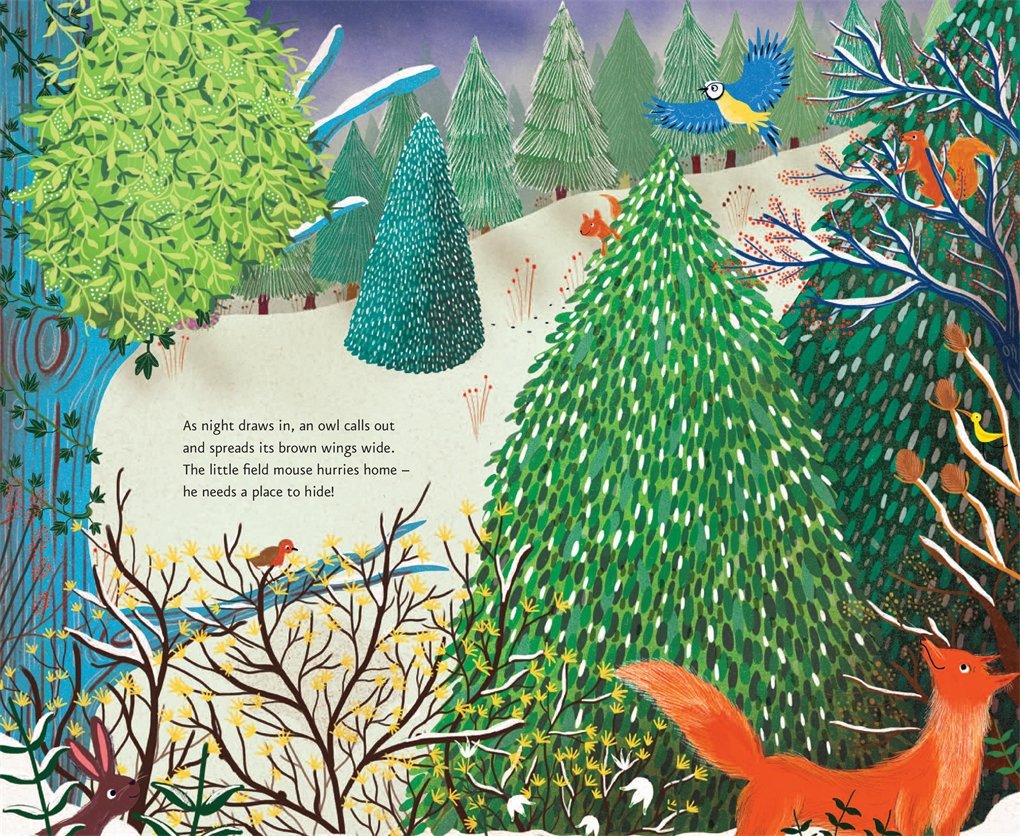
This larger board book is loaded with flaps, letting little fingers discover wintry delights as they wander through the story of a little Christmas tree wakes up in its forest after a snowfall. Nature comes alive with each spread as foxes, birds, squirrels, and mice join the scene, and by the story’s end, the tree sparkles in the moonlight. The silver foil added to the trees and snowflakes create a lovely scene that catches light nicely; make sure to let the kids touch the book and feel the texture of the pages. Each flap reveals color, animals, and woodland life, many of which will be familiar to kids: owls, foxes, and sun, to name a few. Little Christmas Tree is a beautifully crafted, interactive reading experience that toddlers and preschoolers will come back to. Keep this one in your storytime reference so you have one intact for next year’s storytime – the flaps are sturdy, but circulating copies of this book will be well-loved.

Little Christmas Tree has a starred review from Publishers Weekly.

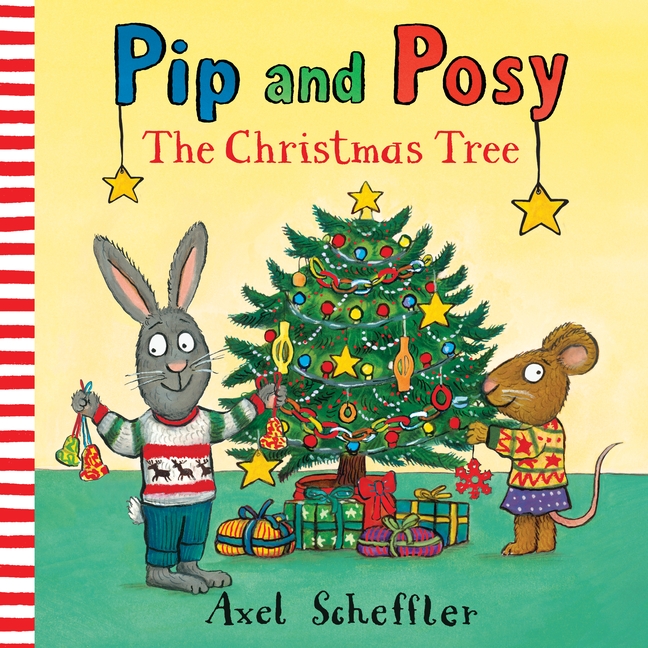
Pip and Posy: The Christmas Tree, by Axel Scheffler, (Sept. 2018, Nosy Crow), $12.99, ISBN: 9781536202762

Ages 2-5

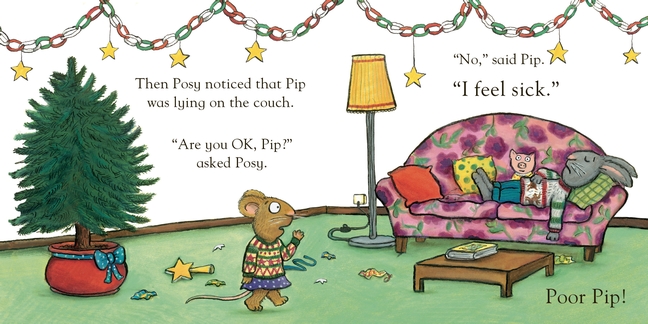
Pip and Posy are back, and trying to decorate their Christmas tree – but the edible ornaments keep disappearing! When Pip develops a bellyache, it’s pretty clear to Posy what happened, but she’s a good friend: she gets Pip outside for some air, and the two decorate their tree in a slightly less tasty, more durable fashion.

This series about two best friends is popular here at my library, so this will be a welcome add to the shelves. The Pip and Posy books are all about simple problems, resolutions, and friendship. Here, it’s about decorating a Christmas tree with tasty ornaments that Pip can’t resist: the kids are in on the joke, as Pip smiles and sneaks snacks whenever Posy leaves the room. You can invite kids to count ornaments and candy canes as part of the storytime; the text lends itself to a guessing game as Posy announces how many things are missing. There’s a bit of a cautionary tale here, too, since Pip eats too much junk food and feels sick afterward, and a wink and a laugh at Santa’s gifts to both friends.

The gouache illustrations and bold text are eye-catching and perfect for storytime reading. The white pages let the characters pop off the page, allowing the eye to go directly to the action. The Christmas Tree is a nice addition to both holiday shelves and Pip and Posy collections.

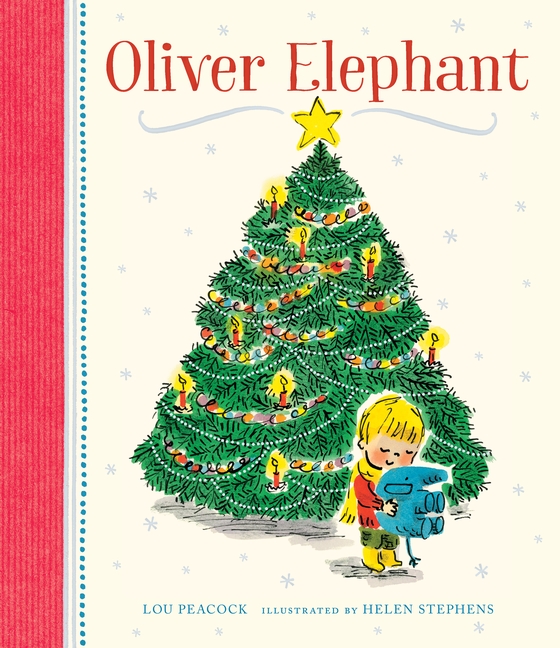
Oliver Elephant, by Lou Peacock/Illustrated by Helen Stephens, (Sept. 2018, Nosy Crow), $16.99, ISBN: 9781536202663

Ages 3-7

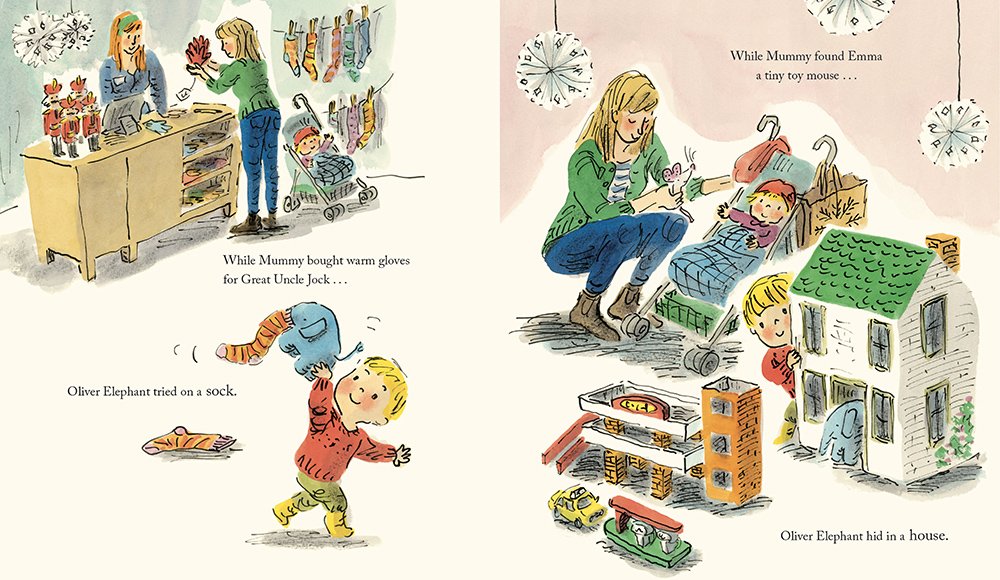
Noah is a little boy who gets up early to go Christmas shopping with his mom and baby sister, bringing his stuffed elephant, Oliver, along for the ride. As Mom shops, Noah and Oliver are predictably antsy and manage to get into a little bit of trouble – but Mom and the staff are good-natured, thank goodness! A quick snack and it’s time to go home, but wait! Oliver is missing! There’s a panicked search, but little sister Evie-May saves the day when she reveals that Oliver has been hitching a ride with her all along.

Originally published in the UK, this Christmas rhyming story beautifully captures the hustle and bustle of the holiday season with lively, crowded city streets and department store scenes. There’s a particularly gorgeous spread early on in the story, as a whole department store is laid out for the eye to take in, complete with giant Christmas tree in the center; the detail of Mom holding onto Evie-May’s stroller with one hand while she keeps a hold on Noah, who’s swinging Oliver around, will make parents smile in recognition.  Kids will relate to Noah’s restlessness; while Mom shops, he and Oliver play with dollhouses and dance on the displays until the inevitable “oops” happens. On the next spread, Oliver and Noah are slumped on a chair while Mom finishes shopping. The illustrations are warm and colorful, with point of view going from large to intimate – Noah playing with Evie-May, Mom snuggling Noah; there are wonderful little details to see throughout the story, and the primarily beige backgrounds let the story pop off the page for readers. Red lined endpapers put readers in a holiday mood going into the story.

Oliver Elephant has starred reviews from Publishers Weekly and Kirkus and is a sweet addition to holiday collections.

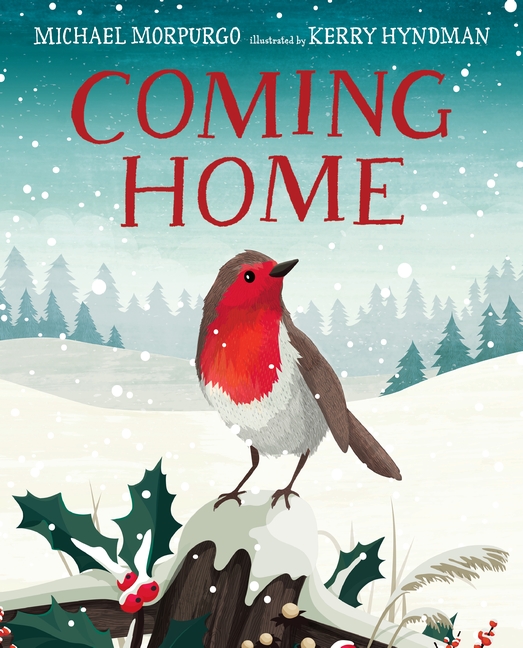
Coming Home, by Michael Morpugo/Illustrated by Kerry Hyndman, (Oct. 2018, Candlewick Press), $17.99, ISBN: 9781536200423

Ages 3-7

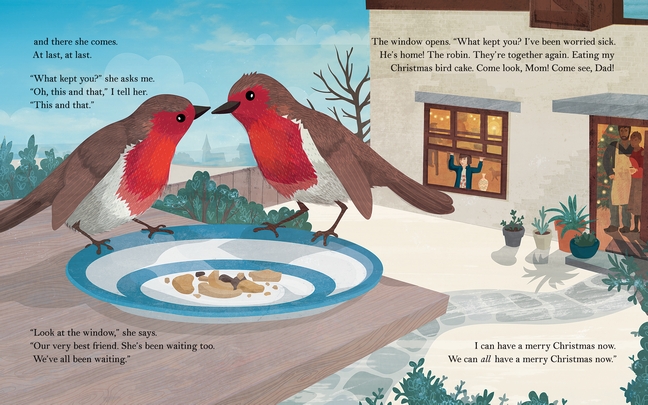
A robin sets out on his own to fly back to his home and his mate in this lyrical Christmas tale. The bird bravely invokes his heart and wings to fly him home as he travels day and night, through battering rain, fog, and snow, and under threat of predatory birds to make his way home. He encounters a kind-hearted fisherman who takes him out of the rain, letting him rest and eat, before setting him free on the final leg of his journey; finally arriving home to his garden, his mate, and the human family that’s been waiting for his return.

The digital illustrations are crisp, with the robin’s red face and chest a bright spot against the cold winter backgrounds. Kerry Hyndman creates some memorable moments, including the menacing black shadow of a hawk swooping over the robin, and the looming hands of the fisherman, from the bird’s point of view. At once a story about migration and its hazards, and families reuniting for the holidays, Endpapers bring you into the story by offering a single robin, tracking through the snow on the front endpapers, and joined by his mate on the rear endpapers. Coming Home is a lovely add to your collections. Display and booktalk with Matt Tavares’ Red and Lulu (2017) for a similar themed story. Make your own no-cook bird cakes with this recipe from Saltwater Kids.

Michael Morpugo is no stranger to sweeping stories: he’s an award-winning writer who boasts a Carnegie Medal (2003). He has also been Children’s Laureate (2003-2005) and he’s been knighted. You may know him as the author of War HorseIllustrator Kerry Hyndman is also a mapmaker, a talent you can see just by seeing how she plans out her landscapes. Her frozen forests are breathtaking, and her residential neighborhood is so well plotted out, it could be your own neighborhood.


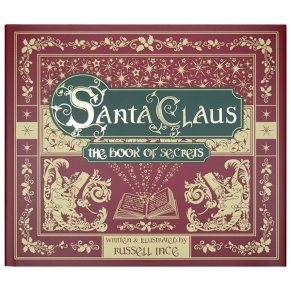
Santa Claus: The Book of Secrets, by Russell Ince, (June 2013, Waxcrayon Ltd), $21.95, ISBN: 0-937739-65-0

Ages 7-12

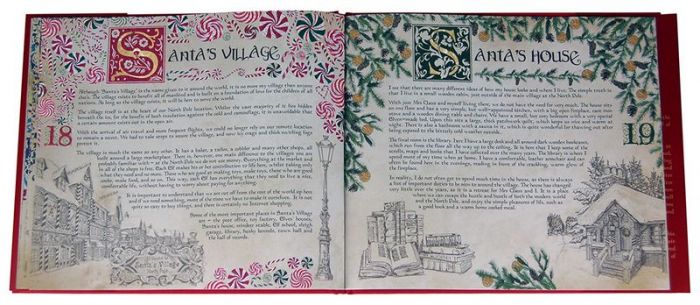
Geared for a more independent audience, Santa Claus: The Book of Secrets gives kids the full scoop on all of Santa’s secrets, including his history (he’s not the Saint Nicholas from Turkey that people often take him for), how the Post Offices around the world help him out, and how to stay off the dreaded Naughty List. Chronicled by Santa’s official biographer, Russell Ince, the book combined the look of an illuminated manuscript with a journal feel, as if Santa’s – and Russell’s – words were written especially for each reader. There are sketches throughout to bring the words to life, including realistic reindeer and Santa’s sleigh, and a sack full of toys, waiting to be loaded up for that Christmas Eve journey.

This one’s a good bet for your intermediate readers, who may be questioning the Man in Red’s existence, and have more questions to ask.


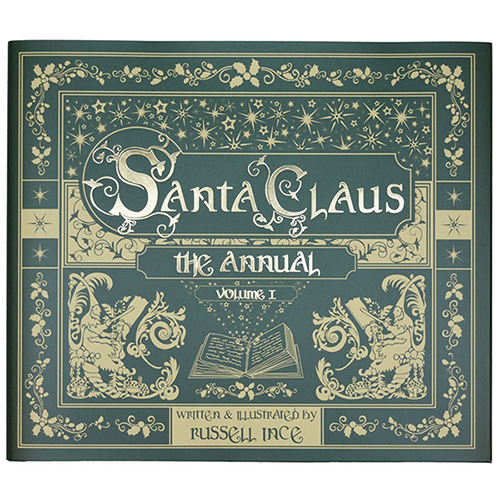
Santa Claus: The Annual (Volume 1), by Russell Ince, (July 2016, Waxcrayon Ltd), $19.99, ISBN: 0-937739-67-7

Ages 7-12

Santa was so delighted with the response to his Book of Secrets, that he decided to write a book about how he spends a year. Each 2-page spread details a month in Santa’s life: January is a time to rest up after a hectic December; March is dedicated to training reindeer and visting the Elf School; in June, the Clauses pack up and travel the world, while the elves stay home and compete in an Elf Olympics. In September, the Christmas planning begins anew. Learn more about the elves, Mrs. Claus, and the general ins and outs of the North Pole here, one month at a time.

The style is consistent here, with an illuminated title setting off each page, festooned with colorful snowflakes, toys, candy, and sketches. Written on a parchment-look paper, these two slim volumes provide a magical look at the Christmas secrets kids are dying to know.


That’s a taste of Christmas for you! I’ve got Kwanzaa and Hanukkah books on the way, plus a gift guide for the holidays. I’ll keep you posted!

Posted in Uncategorized

Let it Snow, Let it Snow, Let it Snow!

As I write this, it’s almost 70 degrees in New York. In November. So what’s left to do when you’ve unpacked all your Fall and Winter clothes? Think SNOW. So, join me in thinking chilly thoughts with some of these books.

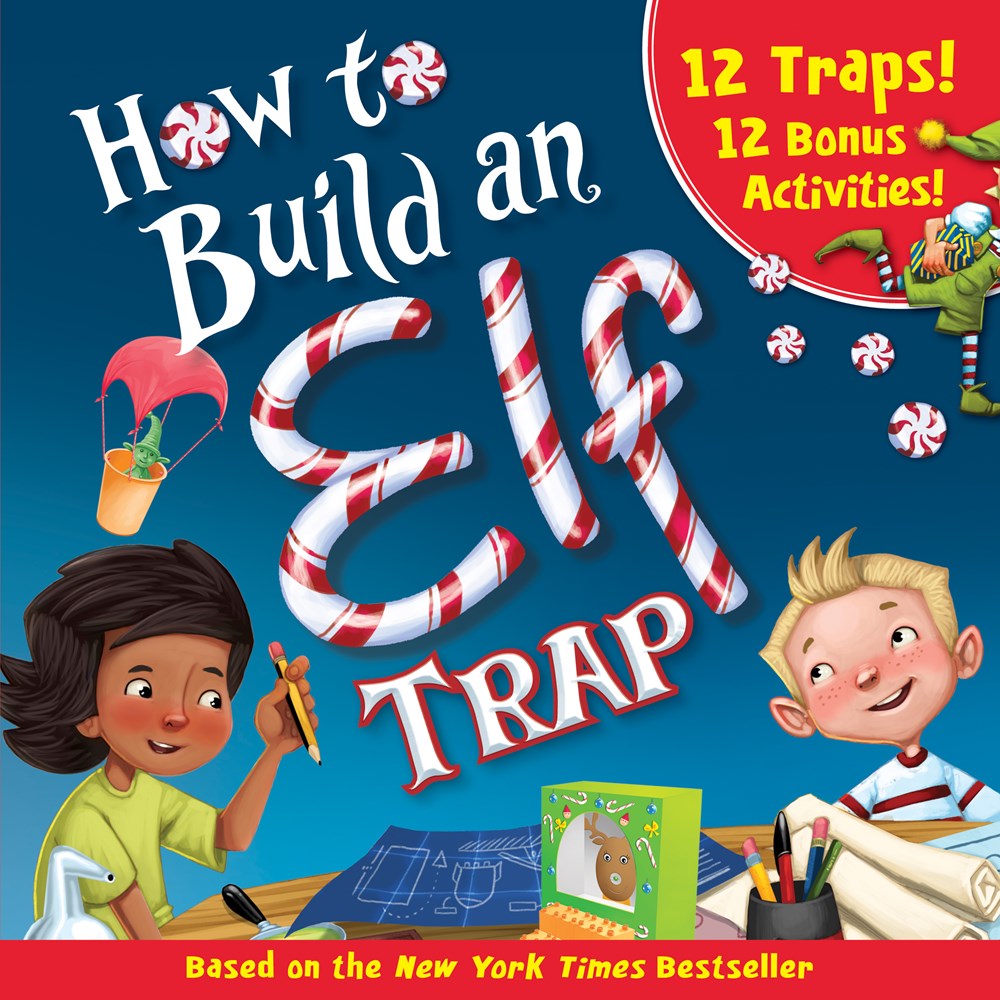
How to Build an Elf Trap, by Larissa Juliano, (Oct. 2018, Sourcebooks Jabberwocky), $9.99, ISBN: 9781492663904

Ages 4-8

This fun nonfiction companion to Adam Wallace & Andy Ellerton’s How to Catch an Elf (2016) is all about STEAM for the holidays! Learn how to build 12 elf traps this Christmas, and take your pick of 12 bonus Christmas activities! Projects tend to run fairly simple, with most of the materials being found around the house. The projects encourage you to experiment with materials, too: swap things out! Add things! Take each construction and make it your own! Difficulty is measured in candy canes (1 for easy, 2 for intermediate, 3 for difficult) and Elf Appeal (how it will appeal to the elves you’re trying to nab). Projects are laid out step by step, with photos to guide you along, and digital artwork adds a fun flavor to the festivities. There are STEAM connections that explain how each project connects to science, and Did You Know? facts boxes add some fun Christmas facts throughout. Make an Elf Door, stick some tea light snowmen on your fridge (or locker), and get to work on your Elf Snatcher 500 while you snack on a Reindeer Cupcake.

Librarians and educators: PROGRAM IN A BOOK. This, my friends, is your December STEAM programming, right here!

One Snowy Day, by Diana Murray/Illustrated by Diana Toledano, (Oct. 2018, Sourcebooks Jabberwocky), $17.99, ISBN: 9781492645863

Ages 3-7

Two siblings enjoy a snowy day in this rhyming counting story! The story begins, as the best ones do, with a snowfall, while two children of color sleep snug in their beds – until their ONE pup wakes them up! The kids rise and shine, play with the pup and eat their breakfast, then it’s time to go out and play, as sister and brother meet their SIX friends for some winter fun and games. The text is light and fun, counting everything from a pup to ten snowballs – and then we count backwards, from nine buttons on a snowman’s chest to one sleepy puppy at the end of the day. The children are a multicultural group, and the detail on their clothes and the scenery itself is breathtaking. The mixed media artwork brings winter scenery to life, from sweaters with intricate Fair Isle designs, and beautifully detailed snowflakes. One Snowy Day pairs up nicely with other snowy day books and makes a nice winter concept book for your shelves.

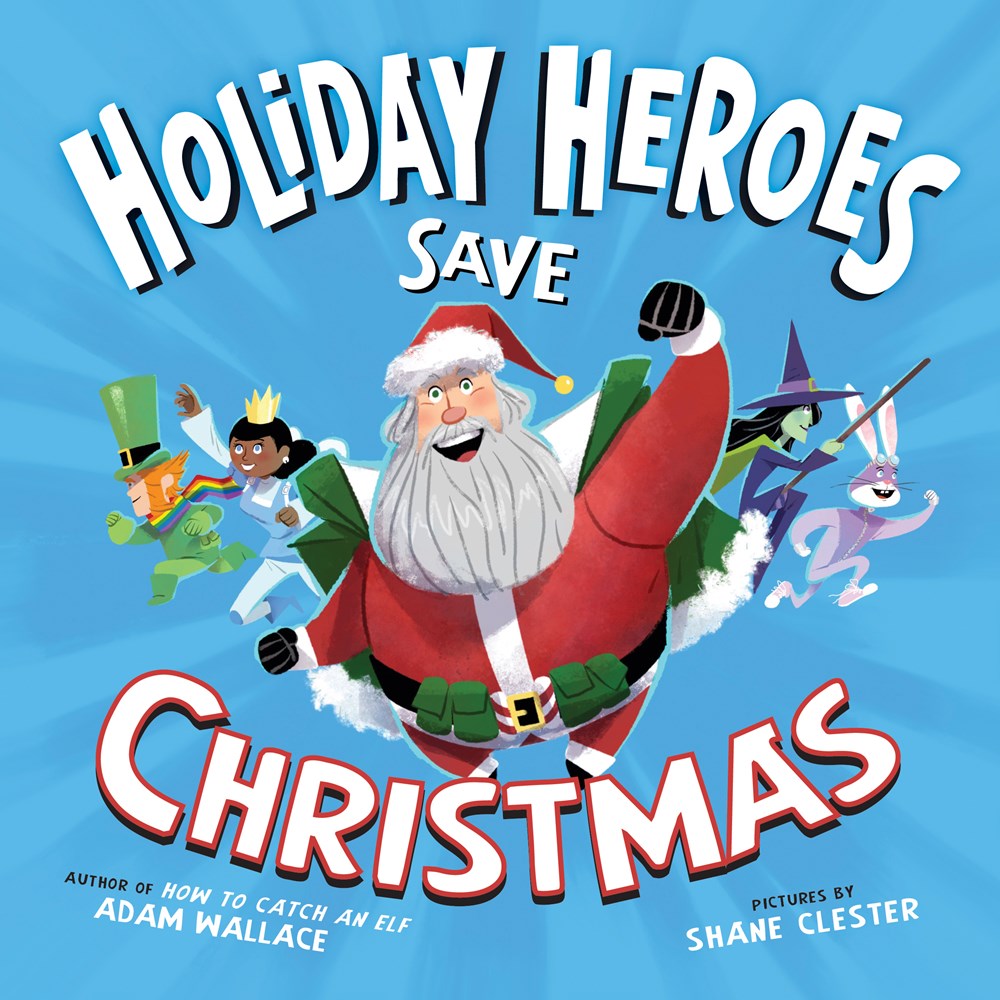
Holiday Heroes Save Christmas, by Adam Wallace/Illustrated by Shane Clester, (Oct. 2018, Sourcebooks Jabberwocky), $10.99, ISBN: 9781492669708

Ages 4-7

Sourcebooks is rocking the Christmas picture books! This is the latest book by How to Catch… series author Adam Wallace, and this time, Santa needs help from his fellow holiday heroes! Santa’s too sick to deliver Christmas presents, so it’s up to the Easter Bunny, Tooth Fairy, Witch, and Leprechaun to save Christmas – but they’re not so great at this Christmas thing. The Tooth Fairy is hiding presents under pillows, and the Leprechaun is taking spare change from the houses they visit. Santa’s got to step in, but is it too late? Is Christmas done for? C’mon, you know it’s not. The gang gets their act together after a quick pep talk from Santa, and each hero plays to his or her strengths to make Christmas amazing! This is a fun story about teamwork, and a laugh out loud comedy of errors. (Psst… if you want to screen the movie, Rise of the Guardians, you can compare the heroes in the book versus the ones in the movie.) The digital art is bright, kid-friendly, and cartoony; end papers offer brief character descriptions of Santa and the gang. The book is set up with graphic novel-type panels and word balloons, so you can offer this one to your fledgling graphic novel readers to get them in the holiday spirit. This one’s a fun take on the “Santa needs help!” story theme, and should go over pretty well in libraries (and as a stocking stuffer).

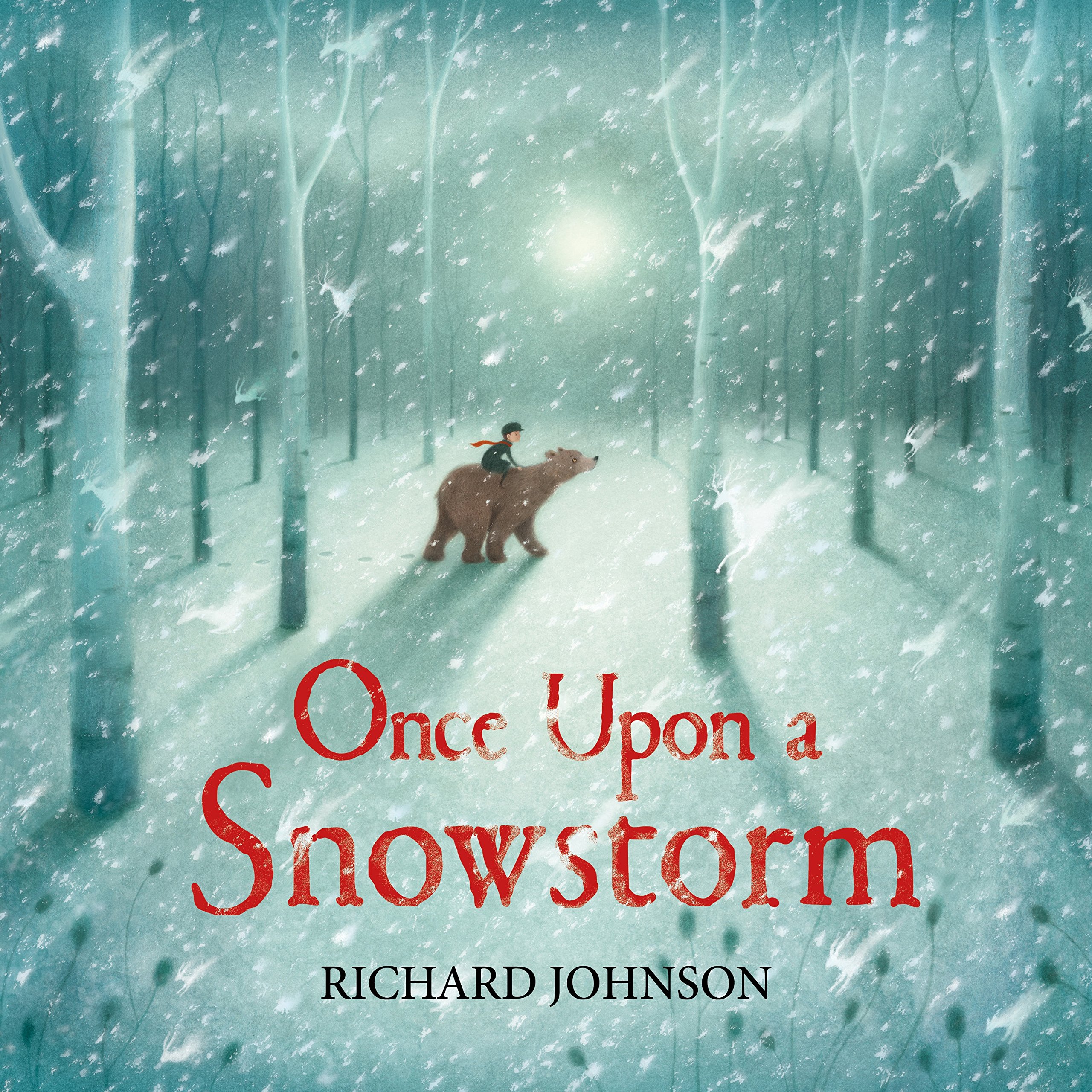
Once Upon a Snowstorm, by Richard Johnson, (Nov. 2018, Faber & Faber), $16.95, ISBN: 978-0-5713-3928-0

Ages 2-7

A boy and his father go into the woods to hunt, and are separated during a snowstorm. The boy is rescued by a group of animals, who care for him and befriend him. When the bear in the group takes the boy back through the snow to find his father, Dad is grateful, and befriends the animals, too.

The art says it all in this stunning, wordless story. As father and son head into the woods, the snow comes down in the shapes of woodland animals: deer, foxes, hares, ethereal in their delicacy and beauty. Lost, the boy sleeps, shivering, under velvet skies with constellations creating animal shapes around him. When the animals accept the boy into their group, they dance, feast, and paint on cave walls; at that moment, the boy remembers his father and how desperately he misses him (Mom is present only in old family photos hanging in the home), signaling to his new friend, Bear, that it’s time to find Dad. At the story’s end, father and son enjoy a spring day, sitting on a hill with their animal friends.

The artwork alternates between panels and full bleed pages and is dreamlike in its subdued beauty. The endpapers bookend the story, with driving snow on the front papers, and a cave painting of the boy, his father, and the animals, playing together, on the back papers. The artwork is soft, and goes from the cold outdoor artwork to warm interiors both in the family home and in the company of the animals.

I love this book, and can’t wait to share it with my little readers, so I can hear their stories. This one’s a wonderful add to your winter collections – booktalk this one with Raymond Briggs’ wordless classic, The Snowman.