Posted in Intermediate, Non-Fiction, picture books, Preschool Reads

Nonfiction rundown: October and November

Picture book nonfiction just gets better and better. In October and November, we get two more biographies on people of color that have, until now, been largely overlooked by history. It’s disheartening on one hand, but I choose to be glad that books are coming forward now to liven up our nonfiction shelves and give readers even more role models across all walks of life to learn about and be inspired by. I’ve also got some fun alphabet books and some nature and science. Pull up a chair, brew a warm beverage of your choice, and enjoy!
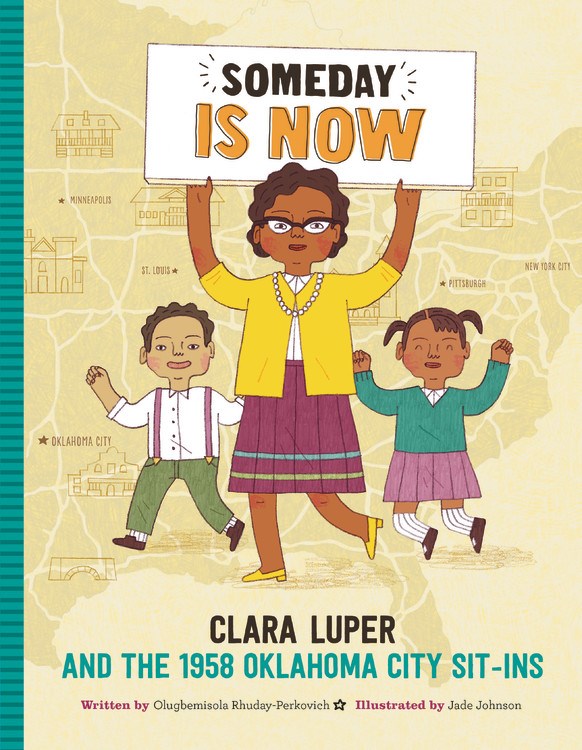
 

Someday is Now: Clara Luper and the 1958 Oklahoma City Sit-Ins, by Olugbemisola Rhuday-Perkovich/Illustrated by Jade Johnson, (Aug. 2018, Seagrass Press), $17.95, ISBN: 9781633224988

Ages 6-9

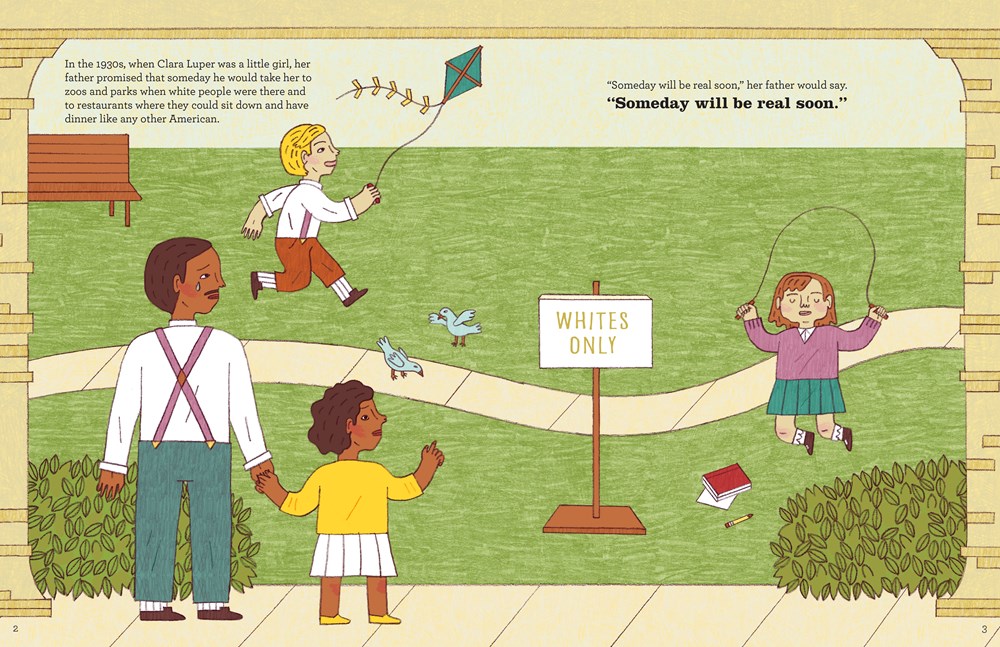
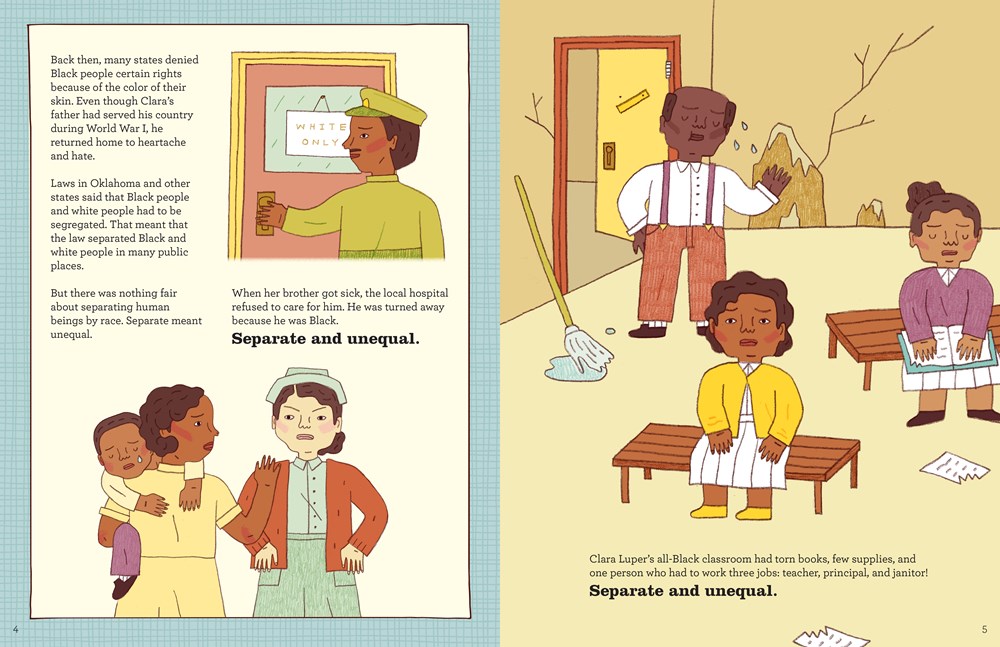
I missed this one the first time around, but I’m glad I caught it when I went back through my Edelweiss account to check up on my TBR. This picture book biography of civil rights activist Clara Luper (nee Clara Mae Shepard) is a great addition to your picture book biographies. Growing up in segregated Oklahoma, Clara saw her World War I veteran father diminished by the very country he fought for: her brother turned away from a local hospital because it was a whites-only facility; she was educated in a run-down classroom with torn books and a teacher who also served as the principal and janitor; restaurants dictated where Blacks could eat. Everywhere she looked, Clara saw things were “separate and unequal”, a phrase repeated throughout the book in bold, large font to drive home the message. Ms. Luper became a teacher who pushed for change, working with the NAACP Youth Council and participating in lunch counter protests with her students after a trip to non-segregated New York. Back matter includes an encapsulated biography of Ms. Luper.

This is the first picture book biography on Clara Luper: everything else I found online is decades old. Let’s get more civil activist bios into the hands of our kids, so they can see for themselves how many voices led to change. Someday is Now has a starred review from Kirkus.

Author Olugbemisola Rhuday-Perkovich is the co-author of the NAACP Image Award nominated Two Naomis and the forthcoming Naomis Too and is the editor of The Hero Next Door, an anthology from We Need Diverse Books. You can see more of Jade Johnson’s illustration work, including downloadable coloring pages, on her website.
 

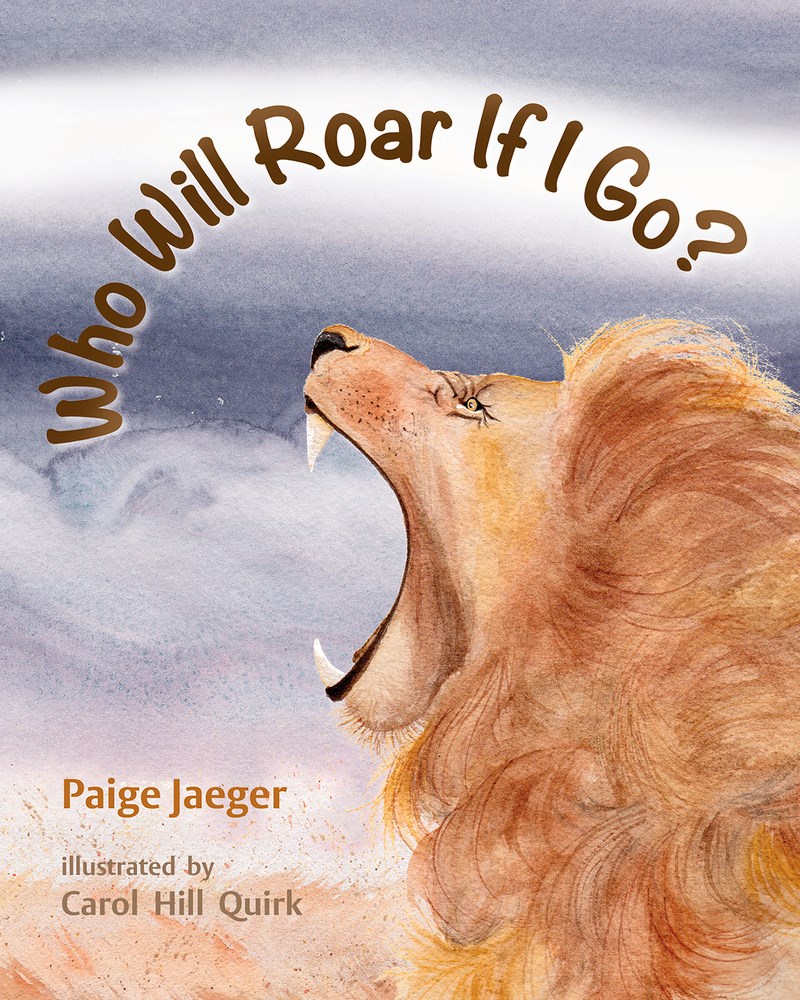
Who Will Roar If I Go? (If We’re Gone, Book 1), by Paige Jaeger/Illustrated by Carol Hill Quirk, (June 2018, Boutique of Quality Books), $18.95, ISBN: 9781945448157

Ages 5-7

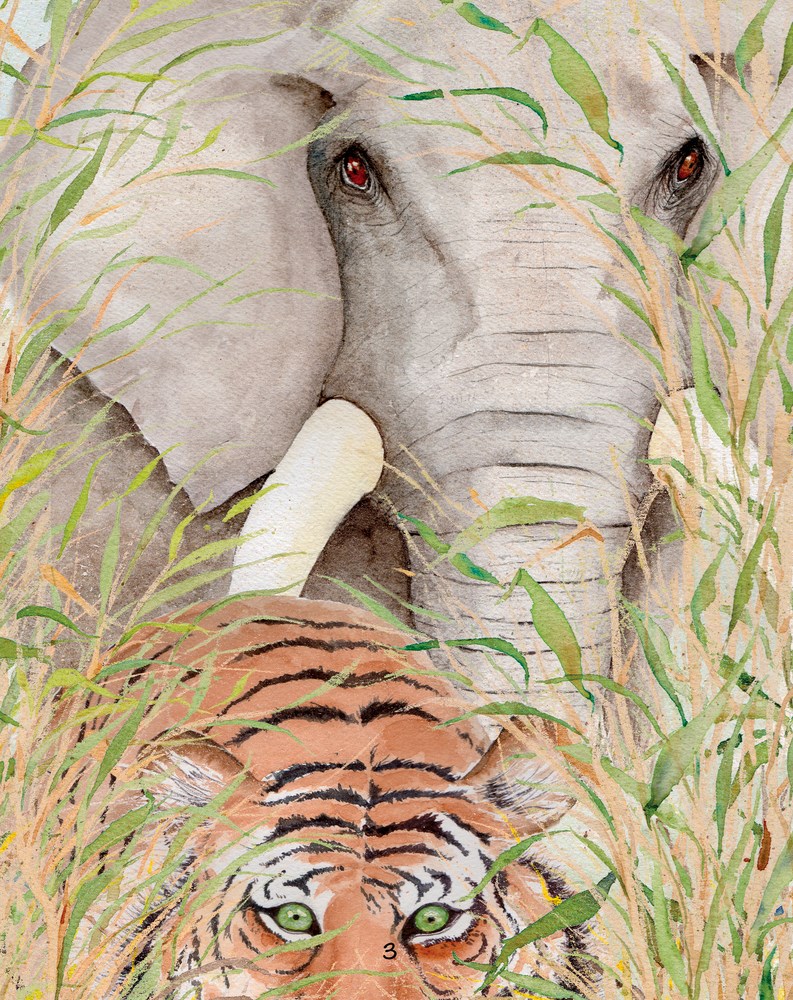
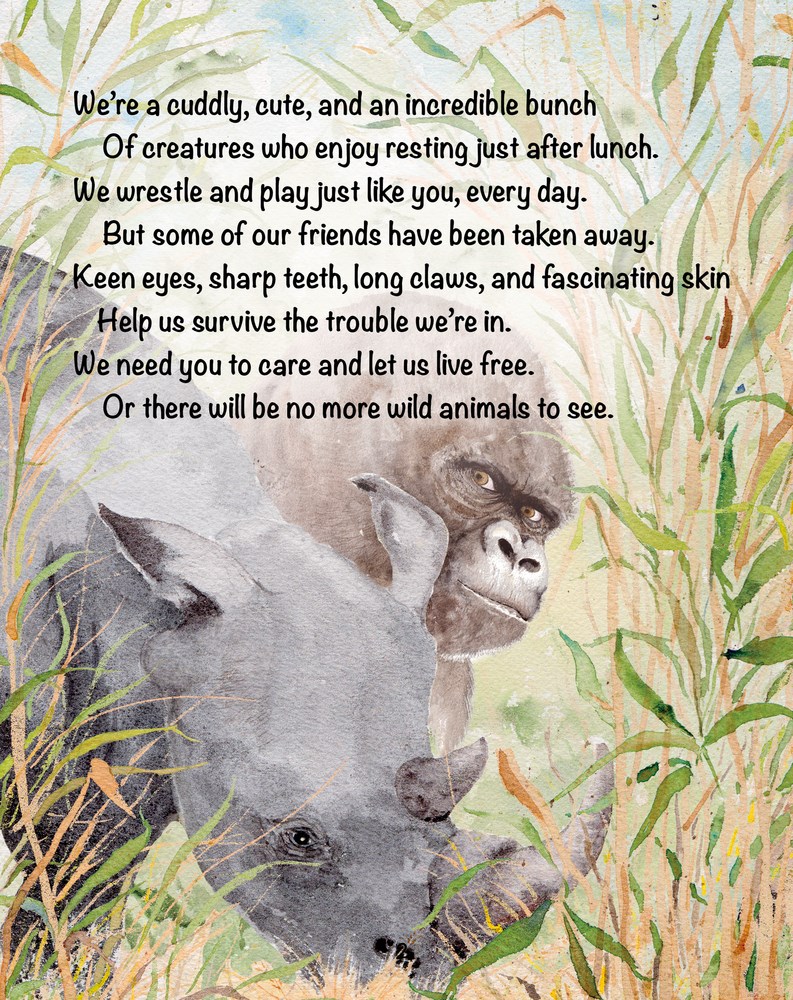
This rhyming story, the first in a planned series, is a plea to readers from endangered animals suffering from a multitude of human-based maladies, most commonly, the disappearance of their habitats and hunting, be it for trophies or luxury dining. Thirteen animals ask humans for help in their quest for survival; each rhyme provides readers with a little background on the animal and why it needs help. The elephant’s page reads: “I sure am an enormous creature; With ivory tusks my most attractive feature; For these long, tapered tusks that I hold dear; Thousands of friends were lost last year; No one needs my tusks but me; Go make some in a factory”.

Back matter includes a glossary of terms and an animal footprint guessing game. Each animal gets its own spread, including its geographic location and footprint, related to a game in the back matter. The watercolor artwork is realistic and showcases each animal in its natural environment. Who Will Roar If I Go? is a good introduction to endangered animals and the need for conservation and preservation; it’s a good additional add to your picture book nonfiction.

The Who Will Roar webpage offers free, downloadable educator resources.


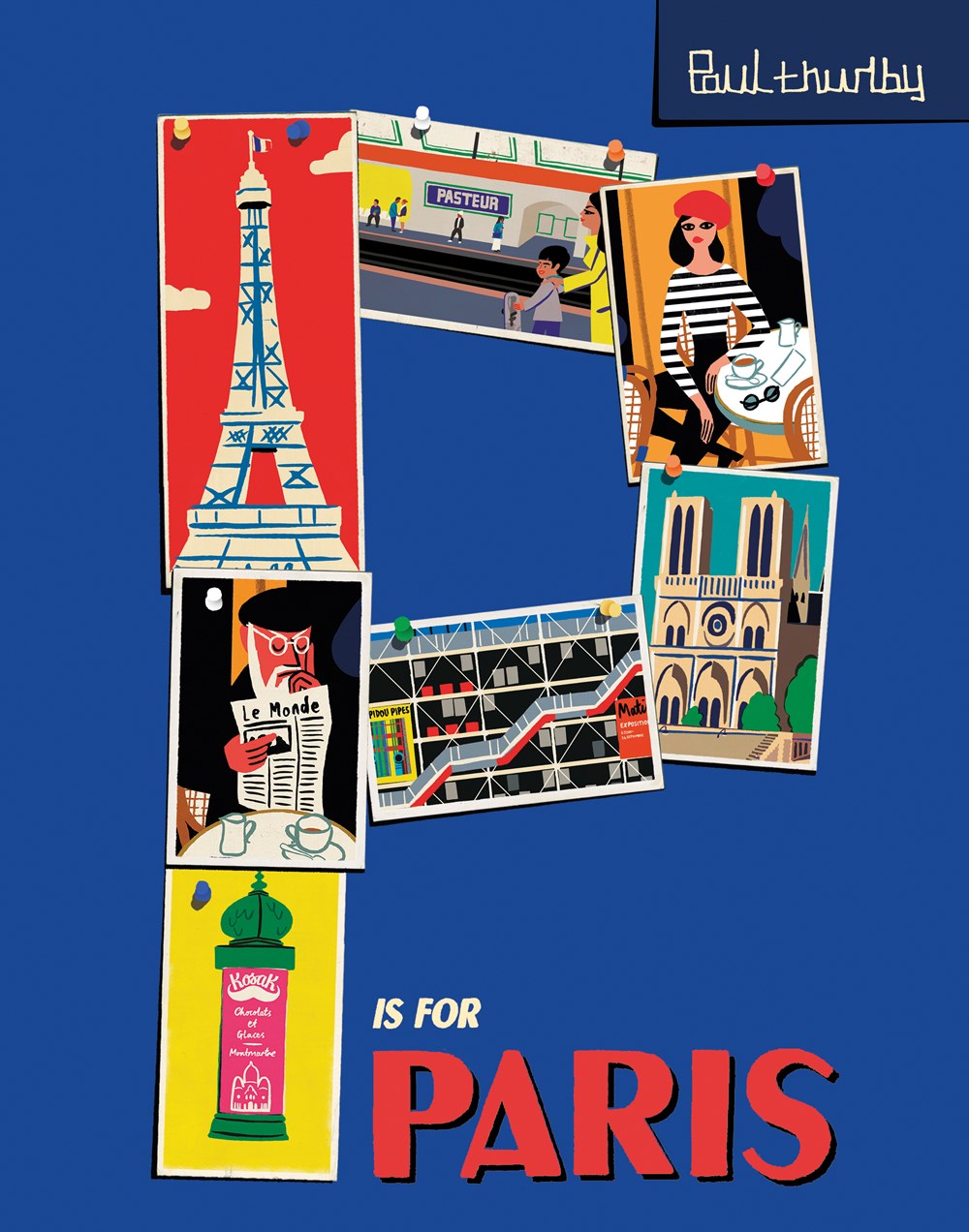
P is for Paris, by Paul Thurlby, (Oct. 2018, Sourcebooks Jabberwocky), $19.99, ISBN: 9781492668152

Ages 5-8

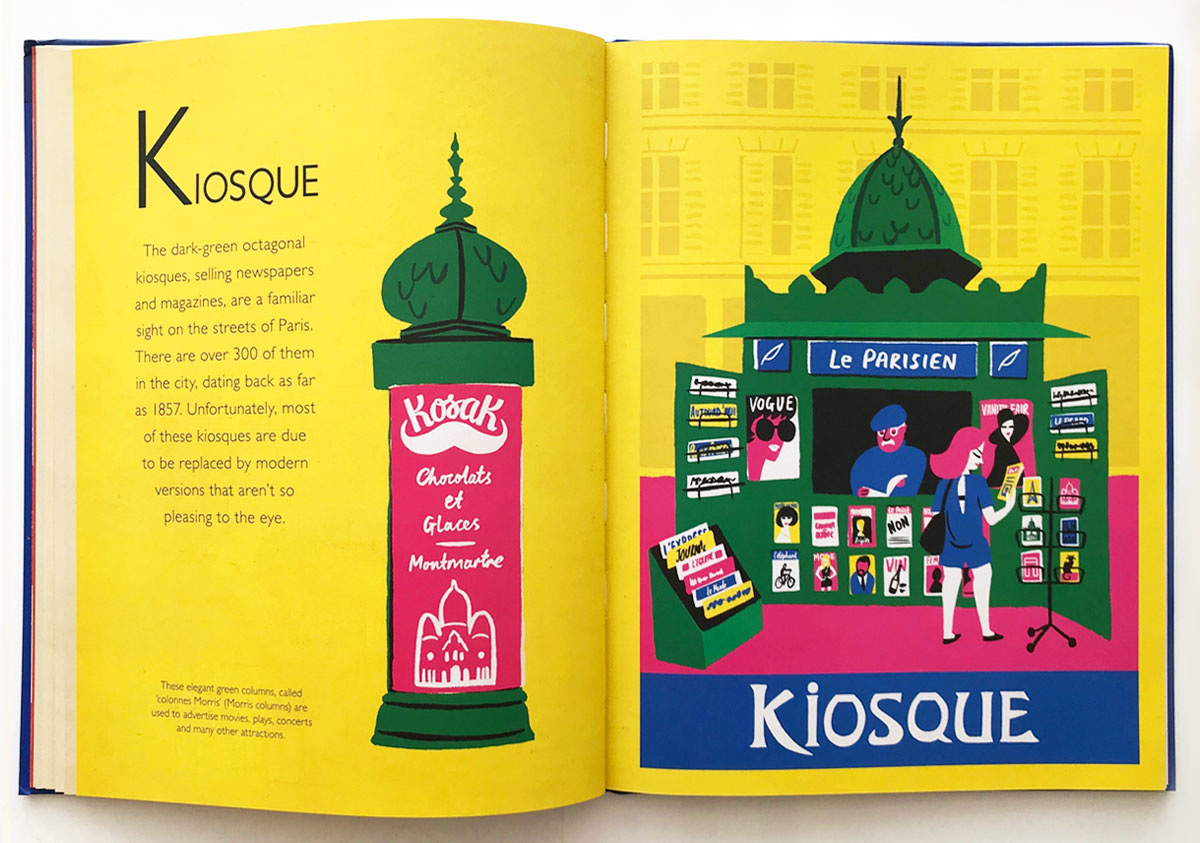
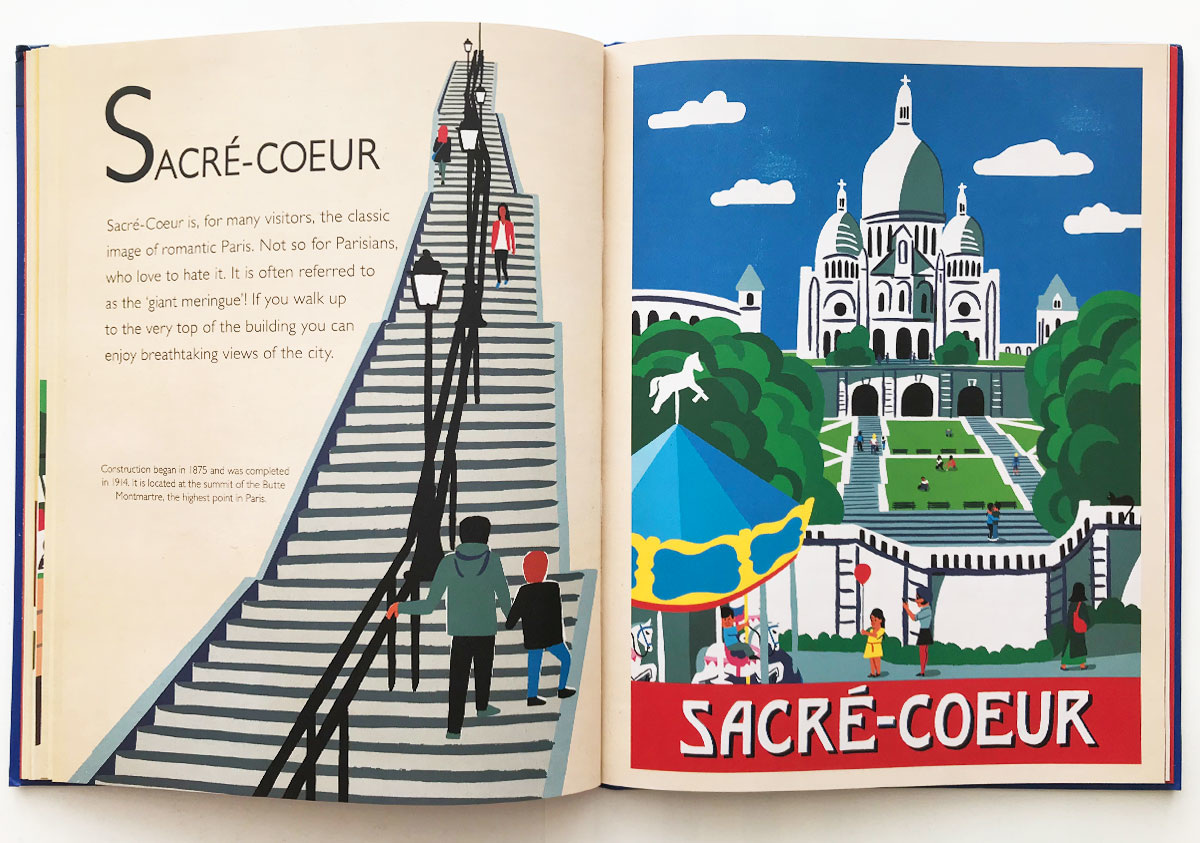
The latest book in Paul Thurlby’s ABC Cities series brings readers on an alphabetical tour of the City of Lights: Paris. Beautiful, bright artwork brings to mind vintage travel posters, and little bites of Parisian history on each page make this a fun addition to your picture books and world sections. Adults will enjoy this one as much as the kids will; references are equally accessible to kids and grownups. From the Abbesses to the Zoo De Vincennes, this is a nice addition to Thurlby’s Cities set. Endpapers provide a map to Paris, with attractions throughout the book numbered for reference. The author provides a concise explanation of the city’s organization into arrondissments. This easily works for both concept sections and geography sections, but don’t mistake this for a beginner’s abecedary; it’s a little more complex and better for Kindergarteners and up.

Check out Paul Thurlby’s webpage for more artwork and information on his other books. Take your armchair travelers on a picture book trip around the world with Thurlby’s books and Miroslav Sasek’s books.
 

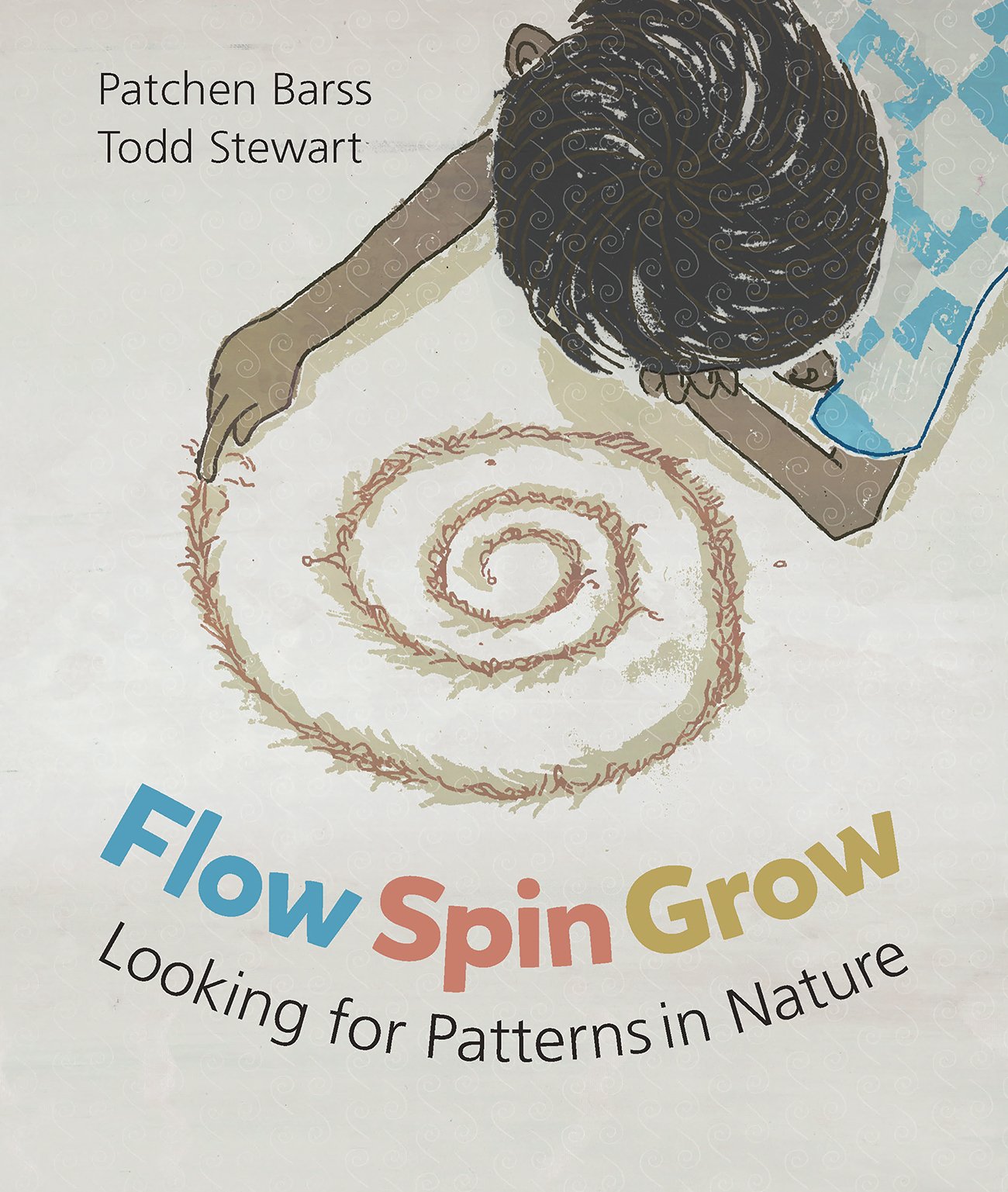
Flow, Spin, Grow: Looking for Patterns in Nature, by Patchen Barss/Illustrated by Todd Stewart, (Oct. 2018, OwlKids), $18.95, ISBN: 9781771472876

Ages 5-7

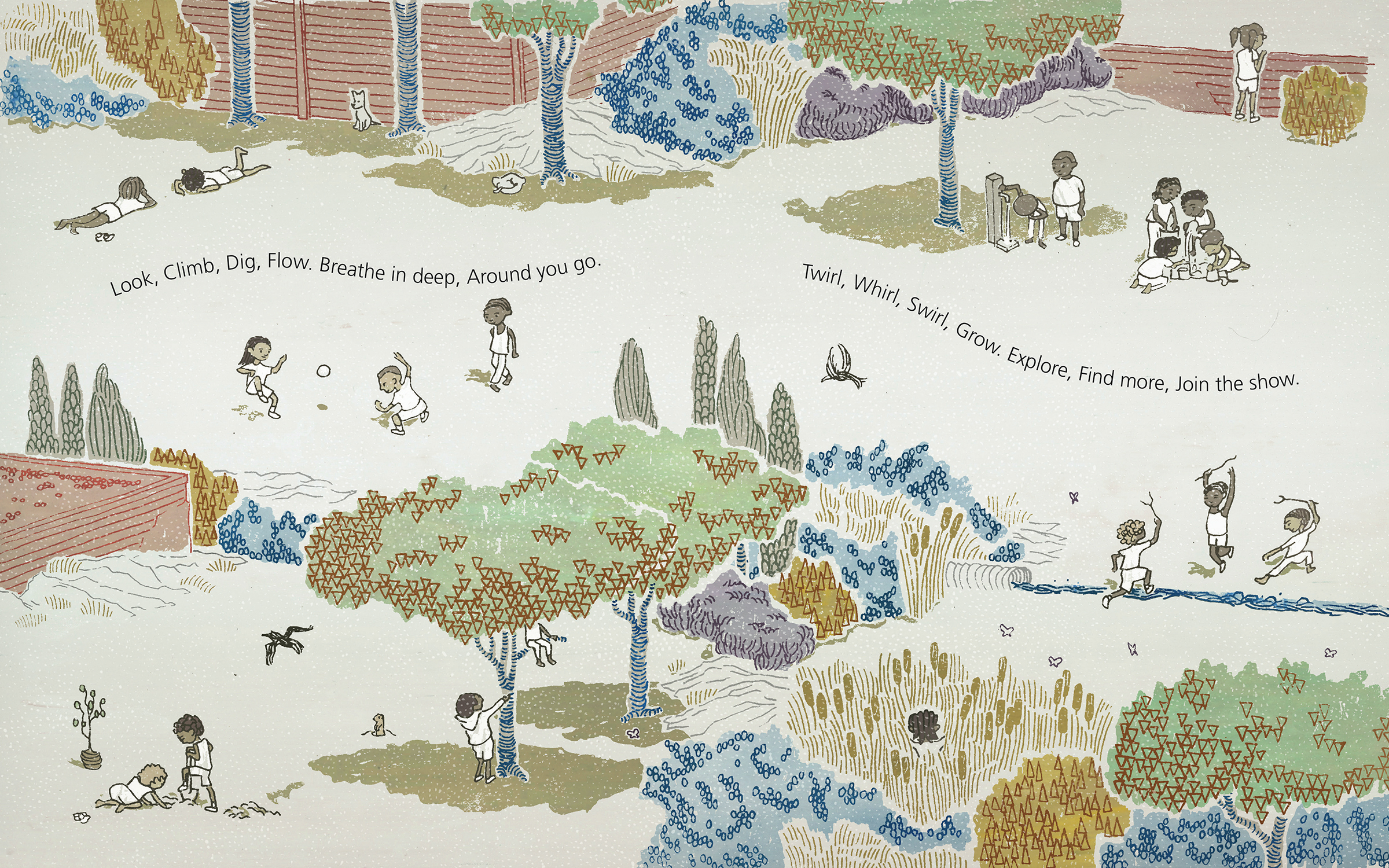
Readers are encouraged to explore patterns in nature in this mindful rhyming book. A diverse group of children play and relax in an open park area in the opening spread. The text playfully crawls around the scene, encouraging kids to “Look, climb, dig, flow. Breathe in deep, around you go. Twirl, whirl, swirl, grow. Explore, find more, join the show.” The text inspires readers to look for patterns everywhere: observe, dig, explore, climb; a tree trunk splits, branches split, and below the ground, roots split and grow; water branches off into smaller bodies of water, and our own lungs have little branches like mini-trees, reaching for air. Nature twirls and whirls, like the galaxies in space or two friends at play; pine cones, storm clouds, and snail shells all swirl. It’s an interesting way to introduce scientific inquiry to burgeoning scientists. An author’s note goes further into the “secret code” hidden in the shapes of things, and suggests additional resources for more reading.

The artwork is the star in this book. Multilayered screen prints and muted colors create a setting where patterns gently emerge, waiting for readers to spot them: triangles on a tree or bush; cracks in the dirt and roots underground reach out. Flow Spin Grow is a good purchase for primary science collections; I also love Joyce Sidman and Beth Krommes’ award-winning Swirl by Swirl: Spirals in Nature, and Jane Brocket’s Spotty, Stripy, Swirly: What Are Patterns?
The Vast Wonder of the World: Biologist Ernest Everett Just, by Mélina Mangal/Illustrated by Luisa Uribe, (Nov. 2018, Lerner Publishing Group), $19.99, ISBN: 9781512483758

Ages 7-9

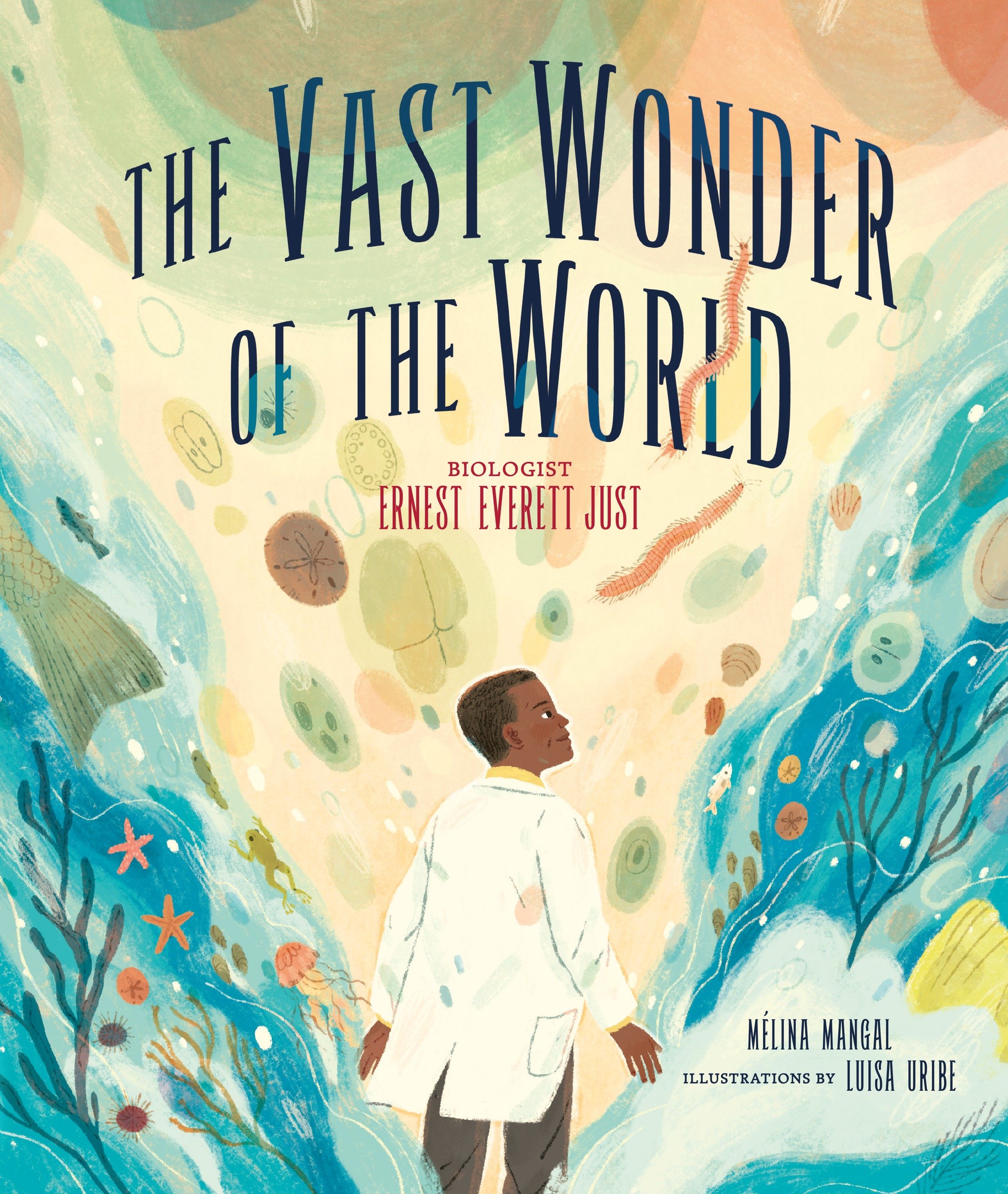
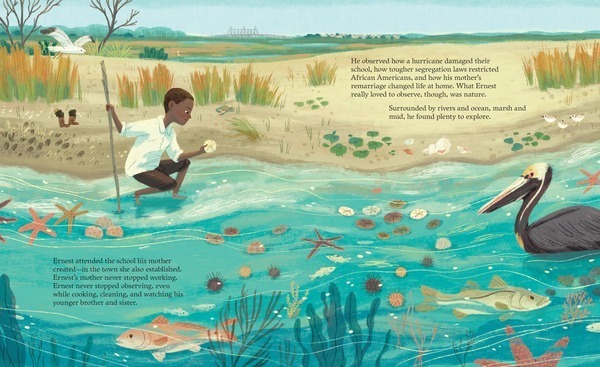
This bio on biologist Ernest Everett Just is just what your picture book biography section needs. He came of age in the Jim Crow South, paying his way through Dartmouth College while supporting his siblings after his mother’s passing. He “unlocked the mysteries of how the different parts of the cell worked together as new life developed”, and found success as a Howard University professor, embryologist, and cytologist, working in both Europe and the States. The Vast Wonder of the World tells his story, introducing him to a new generation of budding scientists who will be inspired by his determination and success in the face of racism and adversity. The muted pencil and digital artwork, in shades of blue, creates a sense of wonder and beauty, giving readers a real appreciation for Just and his place in science history. An author’s note, a timeline, and source notes complete this solid addition to science biography sections. Display and booktalk – PLEASE – with Gwendolyn Hudson Hooks and Colin Bootman’s Tiny Stitches: The Life of Medical Pioneer Vivien Thomas, and – if you can find it (can we please get this book back in print?) – May Chinn: The Best Medicine, by Ellen Butts and Joyce R. Schwartz, illustrated by Janet Hamlin.

The American Society for Biochemistry and Molecular Biology (ASBMB) has a good feature story on Dr. Just, with references to further reading, by W. Malcolm Byrnes.
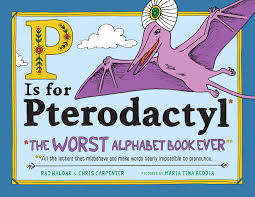
P is for Pterodactyl, by Raj Haldar & Chris Carpenter/Illustrated by Maria Beddia, (Nov. 2018, Sourcebooks Jabberwocky), $17.99, ISBN: 9781492674313

Ages 6-10

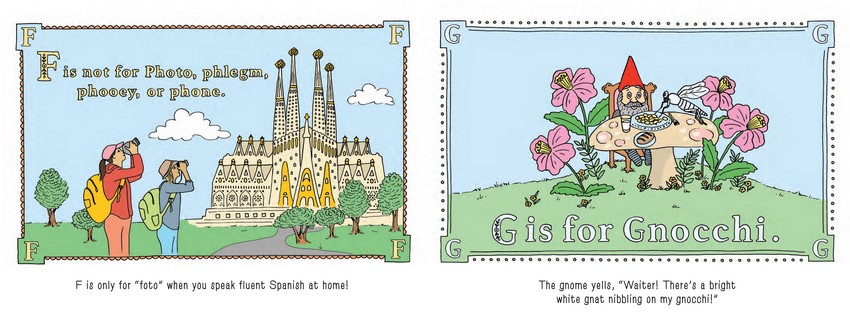
Calling itself “The Worst Alphabet Book Ever”, P is for Pterodactyl is a smirk, wink, and nudge at rebel words in the English language: words that don’t follow the rules. The book uses humor, alliteration, and amusing artwork to get its point across, as with E is for Ewe, which depicts sheep at a wake: “Eileen the ewe was so euphoric with wolves were eaten, she even gave the eulogy” (keep reading the book for more on Eileen); or L is not for Elle, which shows an elevated subway car transporting some elephants across the city of El Paso: “An elephant named Elle rode the el train halfway to El Paso and dined on hearts of palm with her folks”. It’s not a basic concept book for new learners, but it’s sure fun to read it out loud and watch kids laugh and play with language. My 6-year-old cracks up at this one, and it helps when he tries to figure out new words.

P is for Pterodactyl has a starred review from Foreword Reviews.
 

Posted in Intermediate, Non-Fiction, picture books

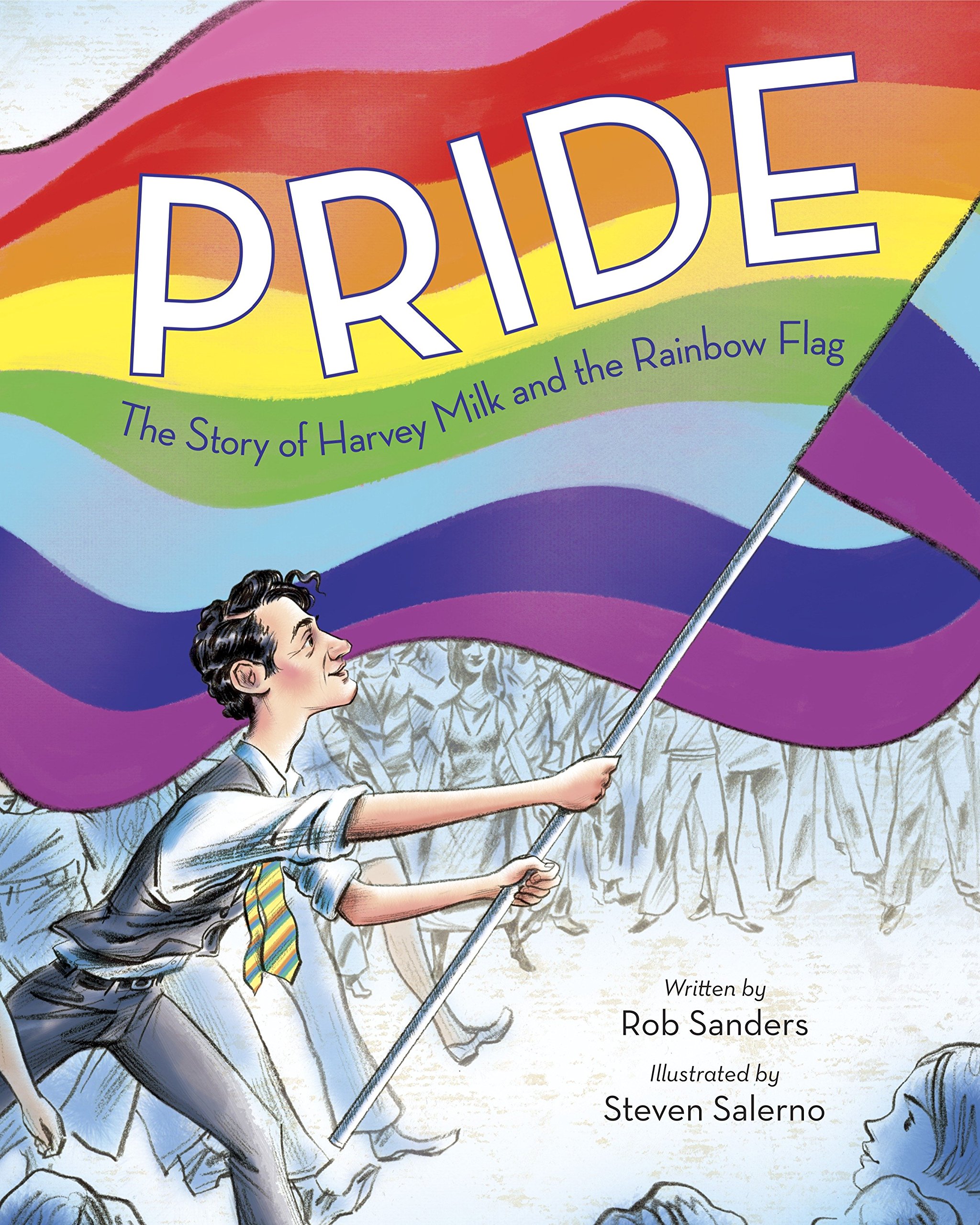
Happy Pride! Pride: The Story of Harvey Milk and the Rainbow Flag

Pride: The Story of Harvey Milk and the Rainbow Flag, by Rob Sanders/Illustrated by Steven Salerno, (Apr. 2018, Random House), $17.99, ISBN: 9780399555312

Recommended for readers 5-8

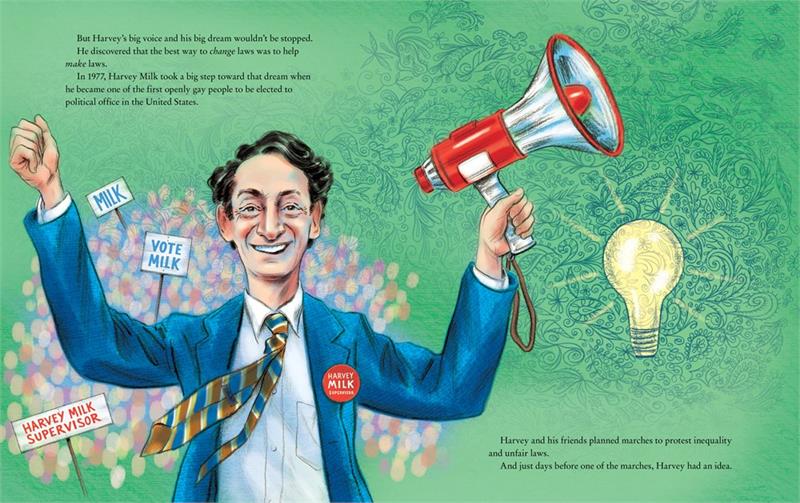
The story of Harvey Milk, gay rights activist and the man behind the rainbow flag, gets to shine in this picture book biography. Written in short, readable sentences with quotes from Harvey Milk throughout, this is an inspirational story about a movement propelled by love. That’s it. Love, and the right to love, is at the heart of the gay rights movement, and while Harvey Milk dreamed of a world where we could all love whoever we choose, he also put that dream into action by speaking out, becoming involved in politics to help change laws, and finally, to rally the world behind a flag that is beautiful and bright and sends a message that reverberates to this day.

Pride is about the creation of the rainbow flag, and how the movement is still strong, even after Harvey Milk’s assassination. He shared his pride with the world, and gave us an icon.  In 2015, the day that the United States Supreme Court ruled in favor of gay marraige, the White House was awash in the colors of the flag, and you can find that flag in cities and countries all over the world: New York; Chicago; London; Singapore; Turkey; Russia. Biographical notes on Harvey Milk and Gilbert Baker, who actually designed the flag, timelines for both Harvey Milk’s life and the rainbow flag, and further research resources are available at the end of the book, as are photos of Harvey Milk, the Rainbow White House, and gay pride parades.

This is a strong picture book biography that speaks respectfully to readers and provides solid information on the gay rights movement, Harvey Milk’s role in it, and the origin of the iconic rainbow flag. It’s a must-have for picture book biography collections. Pride: The Story of Harvey Milk and the Rainbow Flag has a starred review from Shelf Awareness and rave reviews from School Library Journal, Out.com, Kirkus, and Gay Times magazine, among others.

Posted in Intermediate, Non-Fiction, picture books

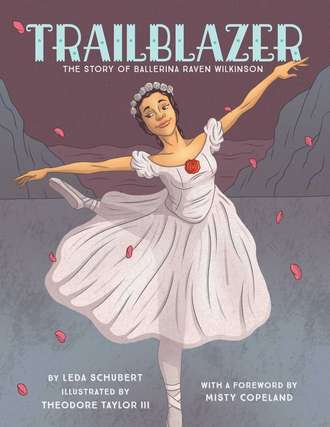
Black History Month: Trailblazer – The Story of Ballerina Raven Wilkinson

Trailblazer – The Story of Ballerina Raven Wilkinson, by Leda Schubert/Illustrated by Theodore Taylor III, (Jan. 2018, little bee books), $17.99, ISBN: 9781499805925

Recommended for ages 6-9

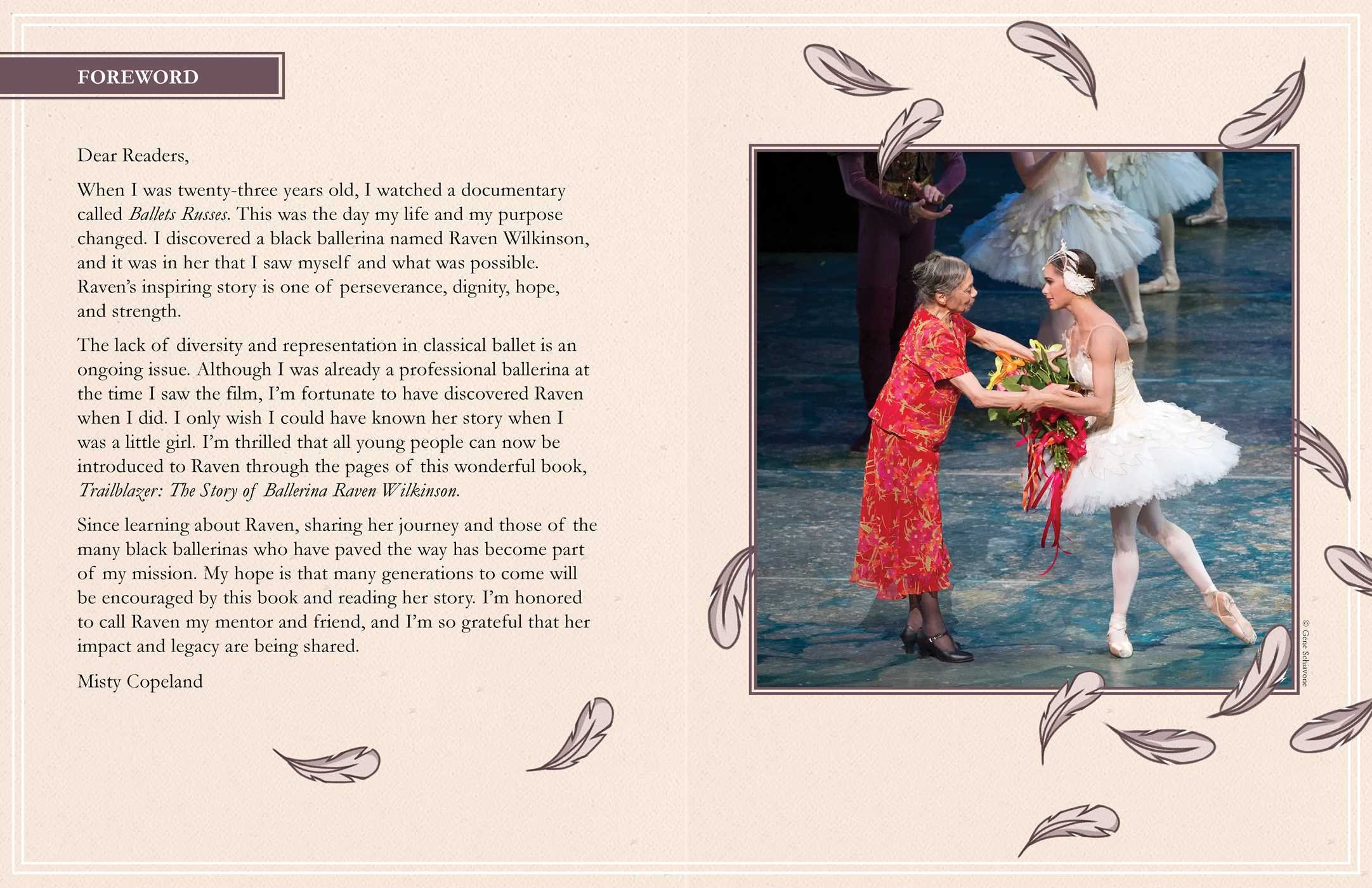
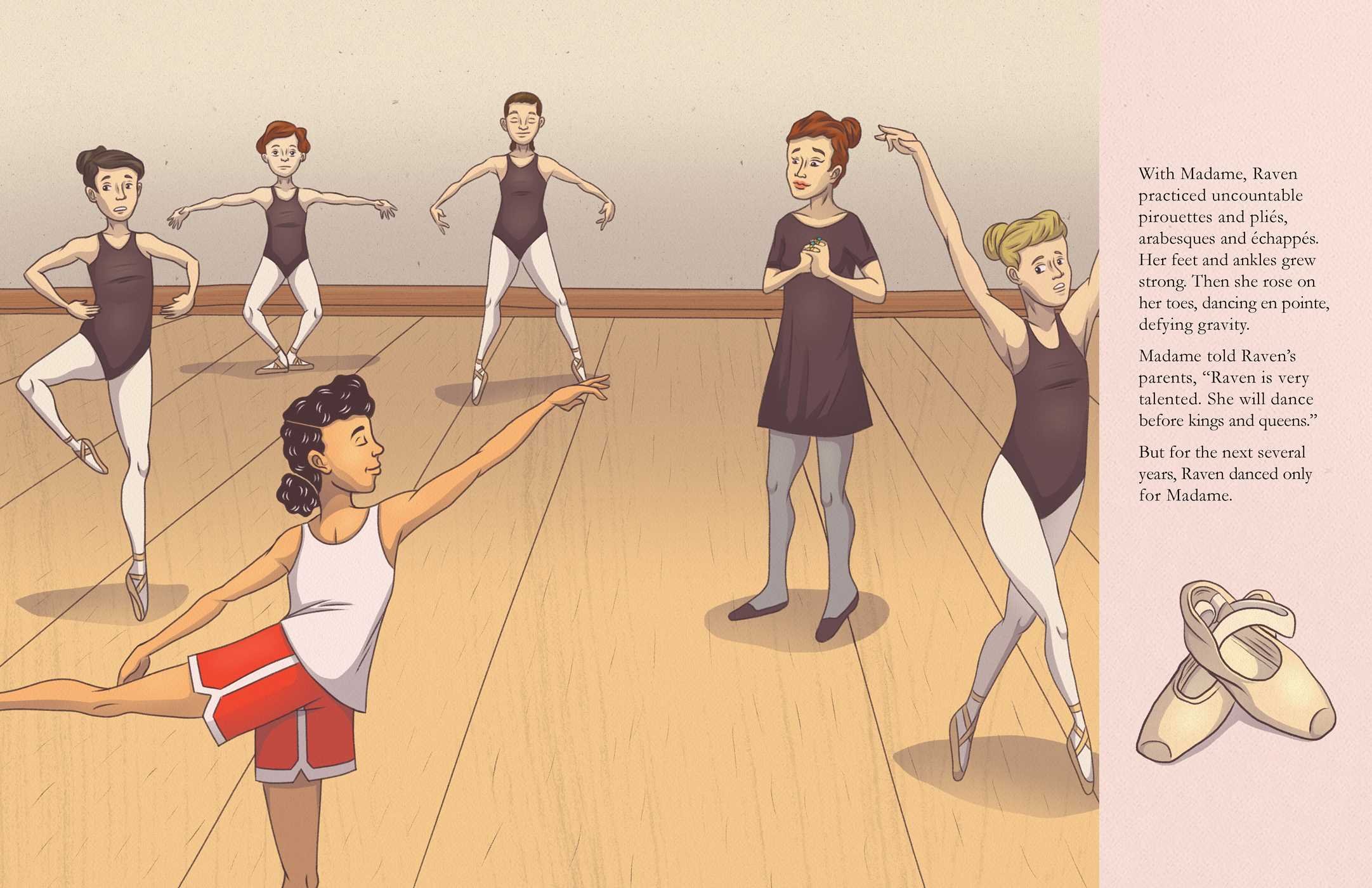
Born in New York City in 1935, Raven Wilkinson was a little girl who fell in love with ballet and grew up to become the first African American ballerina to tour with a major American touring troupe. She faced racism at every turn; she auditioned three times for the Ballet Russe de Monte Carlo before they finally accepted her into the touring company. When they toured the American South in the 1950s, she faced adversity from hotels who wouldn’t allow her to stay, fearing repercussions from the Ku Klux Klan; ignorance in the form of racists running onto the stage to protest the “nigra in the company”; and dining in hotels where families left their Klan sheets in a pile in the back while they ate dinner together. She persisted, even when she was passed over time and again for the starring role in Swan Lake, finally achieving the spot in 1967 with the Dutch National Ballet of Holland. She later joined the New York City Opera, dancing until she was 50. She’s inspired countless dancers, including Misty Copeland, who became the first African American principal dancer with the American Ballet Theater in 2015 AND danced in Swan Lake. Copeland has said of Raven Wilkinson, “She was a mentor in my life before I met her.”

This is a lovely look at Raven Wilkinson’s life and career, especially relevant in our racially charged society – the more things change, the more things stay the same, it would sadly seem. When Raven eats dinner in a hotel surrounded by families who leave their Klan sheets strewn across seats while they eat, it’s horrifying because it normalizes hate. The indignity of Raven Wilkinson having to endure this indignity is like a gut punch to an older reader, and we need to use that nausea, that anger, that outright disgust, as a teaching opportunity to de-normalize this for younger readers. The illustrations are soft, almost comic book-like, while retaining a realistic quality, that will appeal to younger readers.

This is a beautifully illustrated picture book biography of an African American pioneer few people may be familiar with. Let’s change that. If you ask kids to name African American role models, you’ll likely hear the big names, but let’s make MORE big names. Let’s put books like Trailblazer in our displays, showing kids that there are pioneers everywhere. Neil Degrasse Tyson, Mae Jemison, and Katherine Johnson? Heck yes, get them in front of kids. STEM and the sciences are important. And let’s show them Trailblazer and Firebird; Radiant Child and When Marian Sang, DJ Kool Herc and the Creation of Hip Hop and Muddy to remind readers everywhere that there are pioneers in the arts, too. Children need to see inspiration everywhere, and that there are advocates in every walk of life.

This 2015 video features Raven Wilkinson and Misty Copeland when Dance/USA, the national association for professional dance, recognized Raven Wilkinson, the 2015 Dance/USA Trustees Awardee, at the Dance/USA Annual Conference in Miami on June 17, 2015.

Leda Schubert’s most recent picture book biography, Listen, was about singer and activist Pete Seeger. Her website offers more information about her books, including downloadable activity guides and discussion questions. Illustrator Theodore Taylor III is a Coretta Scott King John Steptoe New Talent Award Winner. See more of his artwork and learn about his other books at his website.

Posted in Non-Fiction

Write to Me: Letters from Japanese American Children to the Librarian They left Behind

Write to Me: Letters from Japanese American Children to the Librarian They left Behind, by Cynthia Grady/Illustrated by Amiko Hirao, (Jan. 2018, Charlesbridge), $16.99, ISBN: 9781580896887

Recommended for readers 5-10

Inspired by a true story, Write to Me tells the story of Clara Breed, a children’s librarian who corresponded with her Japanese American patrons when they were sent to internment camps during World War II. She gave them postcards to let her know where they were; she visited them, wrote to them, and sent them books and crafts to help ease their minds during their confinement. She advocated for those children by writing articles and attending rallies, advocating for her kids. When the kids came home, she was waiting for them – and they came to her. She was comfort in a cruel time. Write to me tells the story of Clara Breed through conversations with her library kids; muted pencil art illustrates life in the prison camps, with excerpts from actual letters on each page to show the passage of time. Endpapers display photos from the period, including family arrivals at the camps and evacuation notices for Japanese Americans. An author’s note features a photo of Clara Breed and two of her patrons, taken at a reunion in 1991. There’s a timeline of Clara Breed’s life, including links to her articles on the war, relocation, civil liberties, and human rights, and a selected history of the Japanese People in the United States. Source notes, bibliography, and further reading are available. A touching book about a woman who touched lives, and a nice addition to biography collections.


Posted in Graphic Novels, Non-Fiction, Teen, Young Adult/New Adult

Is This Guy for Real? Brian Brown introduces a new generation to Andy Kaufman

Is This Guy for Real? The Unbelievable Andy Kaufman, by Box Brown, (Feb. 2018, First Second), $19.99, ISBN: 9781626723160

Recommended for readers 14+

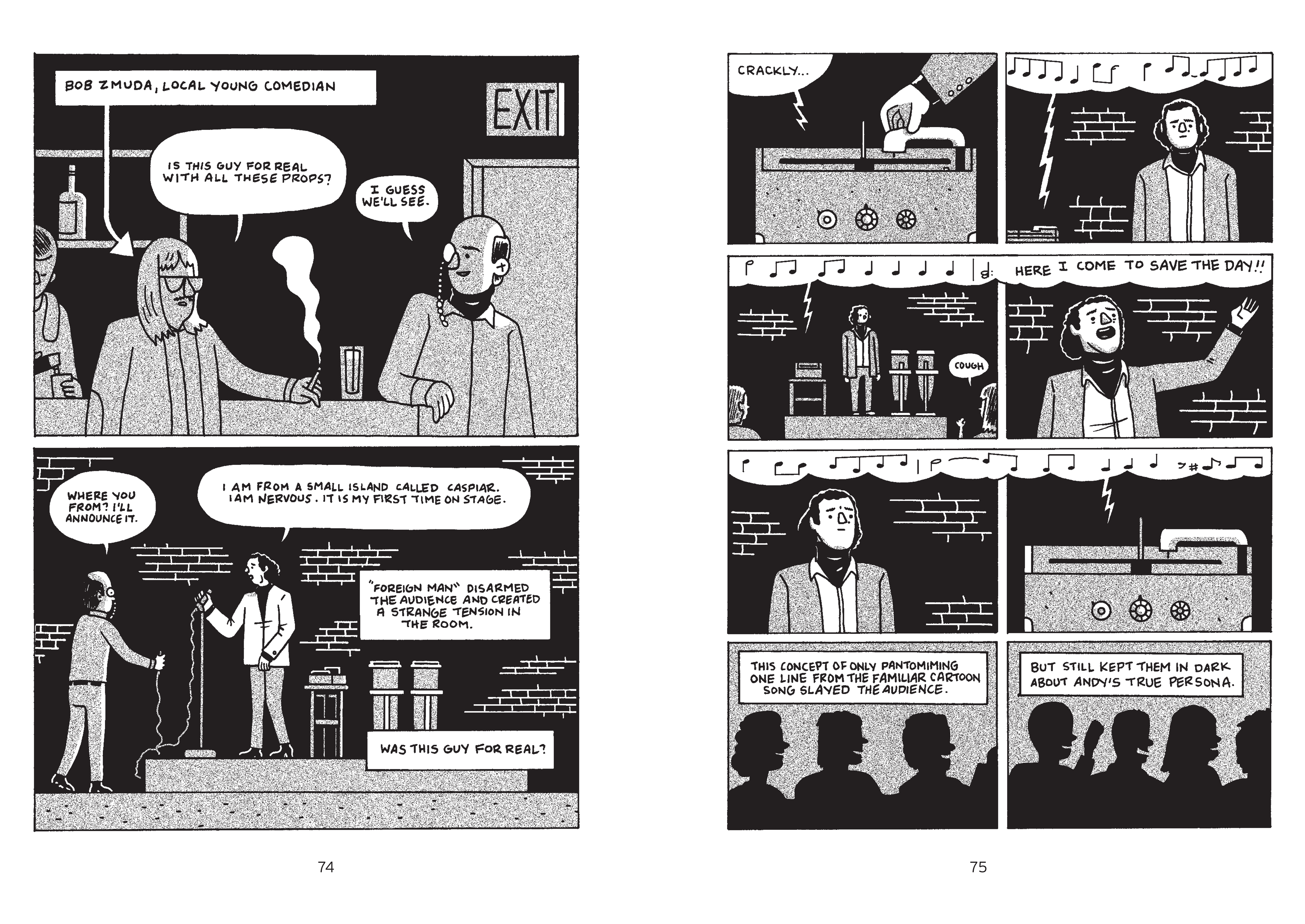
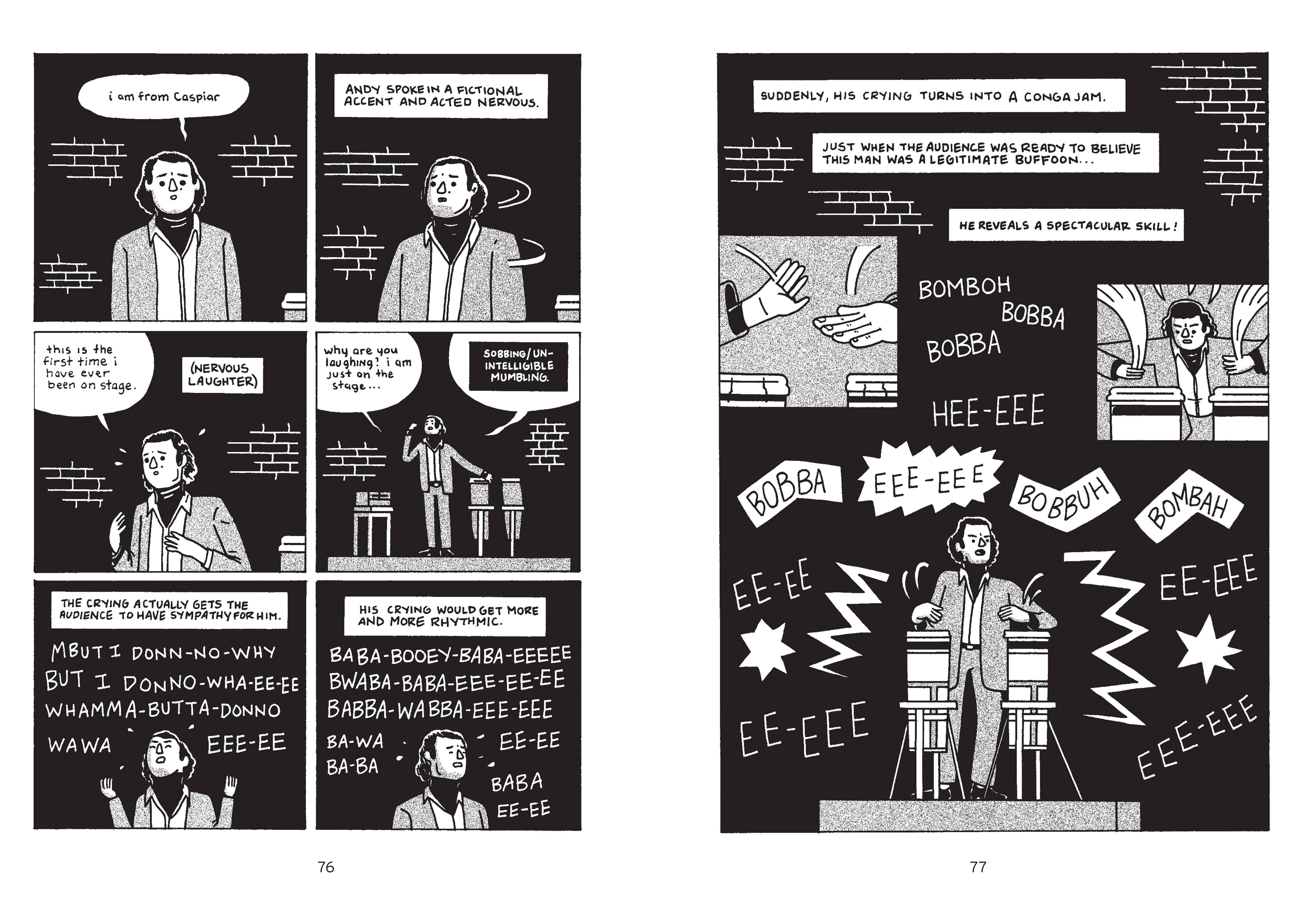
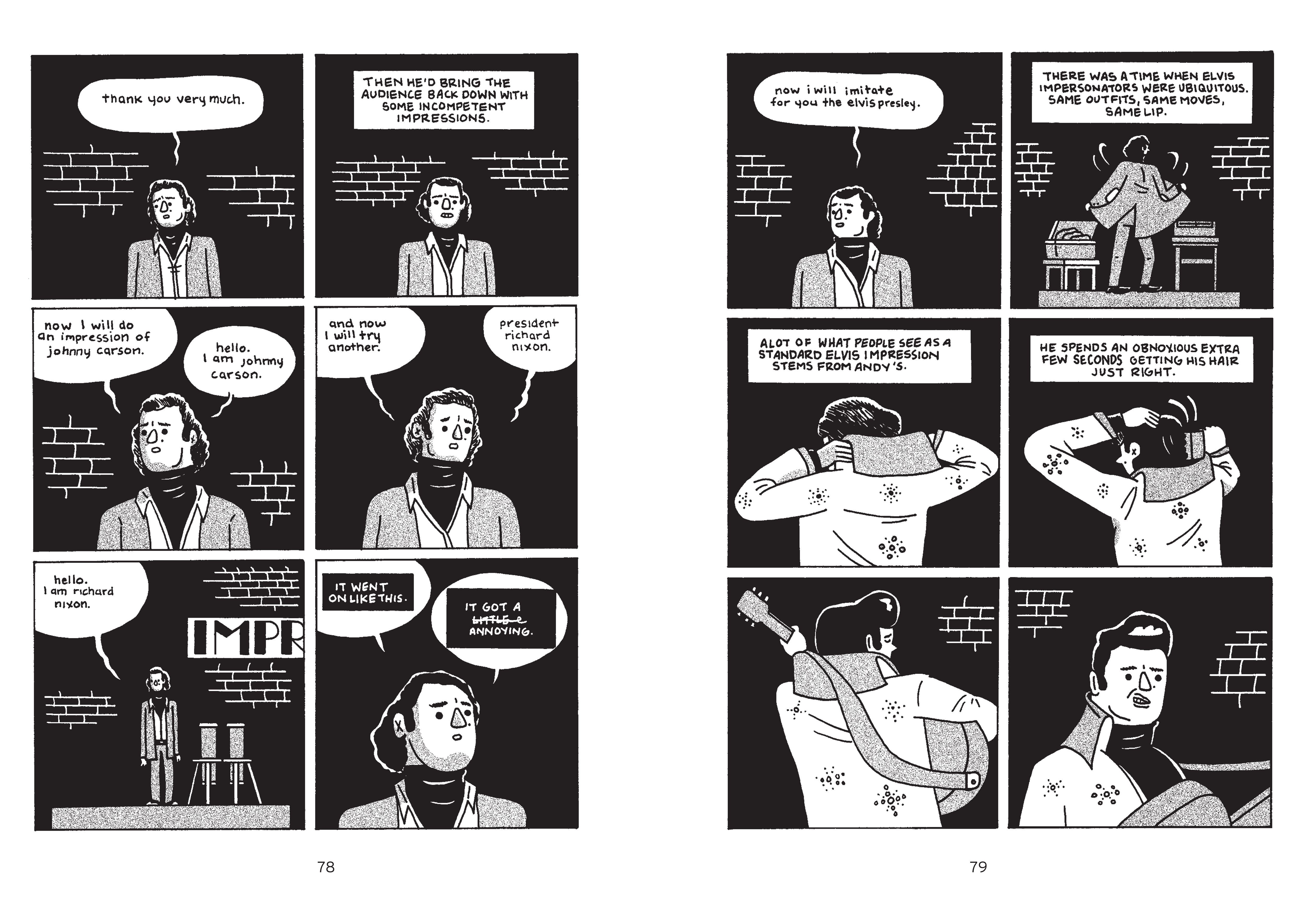
Box Brown, the award-winning creator of Andre the Giant: His Life and Legend and Tetris: The Games People Play returns to introduce readers to one of the most controversial comedians of the ’70s and early ’80s, Andy Kaufman. The biography covers Andy’s younger years; how his persona was largely formed by television, particularly Elvis, professional wrestling and cartoons, all of which would figure into his act years later. Much of Is This Guy for Real? details his “feud” with wrestler Jerry the King Lawler; one of the greatest “are they or aren’t they?” rivalries of all time. The book also covers his death at age 35 from lung cancer, and the fact that many people – including his co-stars on the television show Taxi – swore it was a hoax.

I grew up watching Andy Kaufman as Latka Gravis on Taxi, and his stand-up performances on Saturday Night Live. I can’t hear the Mighty Mouse theme song without seeing him lip sync and gesture along. I remember watching he and Jerry Lawler go at each other, and never being quite sure whether or not it was real (you’ll find the answer in the book). Is This Guy for Real is an eye-opening look at an artist who was ahead of his time – warts and all – and gone too quickly. I’m hoping this profile introduces new audiences to Andy Kaufman and his stand-up; I know I’ll talk it up to our teens once I get our library’s copy.

Posted in Graphic Novels, Non-Fiction, Teen, Tween Reads, Young Adult/New Adult

The King of Soccer: Pelè

Pelè: The King of Soccer, by Eddy Simon/Illustrated by Vincent Brascaglia, (Oct. 2017, :01FirstSecond), $15.99, ISBN: 9781626727557

Recommended for ages 10+

The latest graphic novel biography from FirstSecond is Eddy Simon and Vincent Brascaglia’s Pelè: The King of Soccer. From his beginnings as a child growing up in poverty in Sao Paulo, Brazil, readers see Pelè – born Edison Arantes do Nascimento, son of a football player whose career ended with an injury – rise from a child using a ball made from rags, to his dominance in youth leagues, and to his first professional soccer contract at the age of 15. He became a sensation at 17, when he led Brazil to victory at the World Cup, and went on to become “O Rei” – The King – a household name, a worldwide sensation. More than just a soccer player, Pelè traveled the world as a goodwill ambassador for UNICEF. An athlete worth more than face value, the Brazilian government and the military tried to force him to continue playing when he wanted to play for the U.S., and the United States thought that acquiring Pelè would make soccer the next great American sport. He partied with the likes of Mick Jagger and Andy Warhol, and had a turbulent personal life that includes multiple affairs and illegitimate children. Full-color photos of Pelè complete this solid graphic biography of a sports icon.

Great for middle school and up, display and booktalk with other graphic novel biographies, including Box Brown’s biography on Andre the Giant, and 21: The Story of Robert Clemente, by Wilfred Santiago.

Posted in Intermediate, Non-Fiction, Preschool Reads, Toddler Reads

Feed your brain with picture book nonfiction!

There is so much good nonfiction out for younger readers this Fall!

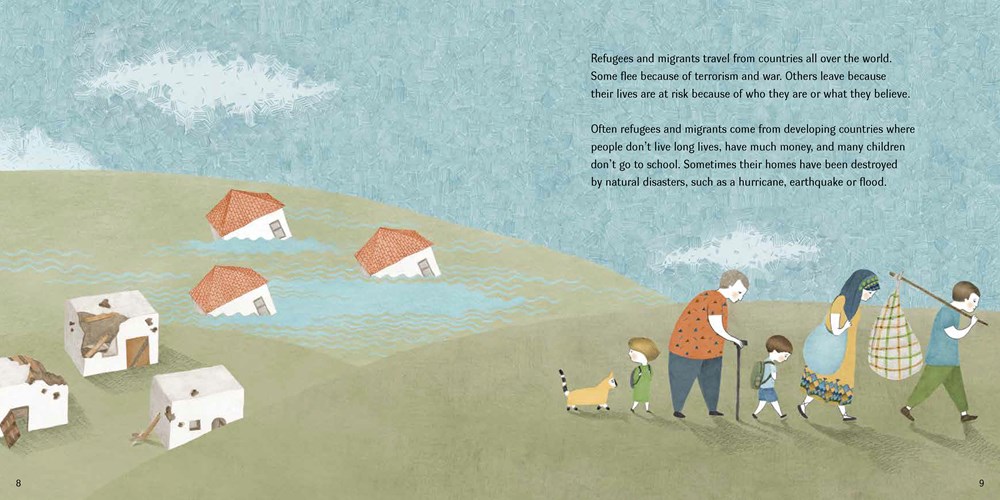
Refugees & Migrants (Children in Our World), by Ceri Roberts/Illustrated by Hanane Kai
(August 2017, Barron’s Educational Series), $9.99, ISBN: 9781438050201
Recommended for readers 6-10

A hot-button topic today, Refugees & Migrants answers the tough questions that children ask: “Why would people leave their homes?” “What is a migrant – or a refugee?” Illustrations and concise text offer explanations that seek to foster empathy and empower kids to make a difference in the world around them. Barron’s Children in Our World series addresses difficulties that too many children in our world face today, and sensitively explain these issues to readers while giving them the power to make changes. Additional titles look at Poverty & Hunger, Racism & Intolerance (2018), and Global Conflict (2018). These books are a strong addition to elementary nonfiction shelves and provide a great opportunity to talk to your kids about what they see on the news, how they feel about it, and what we can all do, together, to make the world a better place.


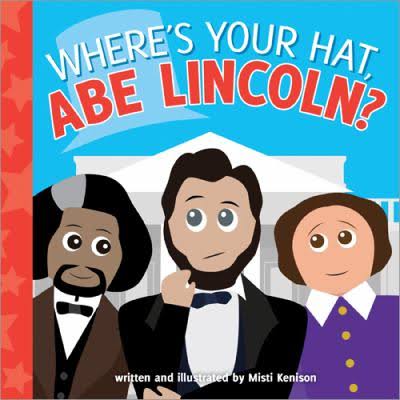
Where’s Your Hat, Abe Lincoln? (Young Historians), by Misti Kenison,
(Sept. 2017, Sourcebooks Jabberwocky), $9.99, ISBN: 9781492652502
Recommended for readers 2-5

Poor Abe Lincoln can’t find his hat, and he needs it in time to read the Gettysburg Address! Harriet Tubman is leading slaves to freedom, and Frederick Douglass is writing a book. Can any of his friends help him? This is the second in Misti Kenison’s Young Historians board book series (the first, being Cheer Up, Ben Franklin!). Each book features historical figures from periods in American History, with cartoony expressions and simple, one-sentence character actions that lay the groundwork for future learning. Everything ends on a happy note, and the end of the book includes historical figure profiles and a timeline. Fun for every historian’s library, no matter what your age.


Dangerous Jane, by Suzanne Slade/Illustrated by Alice Ratterree,
(Sept. 2017, Peachtree Publishers), $17.95, ISBN: 978-1-56145-913-1
Recommended for readers 4-8

Jane Addams was an activist for the poor and for peace. She founded Hull House, a settlement house in Chicago, where she took care of her neighbors by providing food, childcare, English lessons – anything anyone needed to live their lives with dignity. When World War I broke out in Europe, Jane organized the Women’s Peace Party, and led the International Congress of Women, to talk about ways to bring the war and suffering to an end. She endured angry press from those who would call her a traitor; that she cared more for people overseas than in her own home – she was even named The Most Dangerous Woman in America by the FBI! Ultimately, Dangerous Jane was the first American woman to receive the Nobel peace prize. Through all the press, good and bad, Jane maintained her dignity and continued caring for others until the end of her life. Dangerous Jane is an inspiring story rendered in washed-out watercolors that communicate quiet strength, like the book’s subject. Jane stands out in her green dresses and skirts, against the bleak landscape of war and poverty. A biography, timeline, and selected bibliography completes this book.


Baby Animals Playing, by Suzi Eszterhas
(Oct. 2017, OwlKids Books), $14.95, ISBN: 9781771472975
Recommended for readers 0-6

Wildlife photographer and advocate Suzi Eszterhaus put together one of the cutest books ever. It’s all right in the title: Baby. Animals. Playing. Who wouldn’t squeal at just the expectation of what’s to come? Full-color photos of baby animals (and their parents) at play will make anyone fall in love, instantly. Brief nonfiction text gives some background information on how Momma bears teach their cubs to fish for salmon, or how jackal pups fight over who gets to play with a ball of elephant poop. Which will, doubtless, be most kids’ favorite part of this book (it was for my 5 year-old). Eszterhas invites readers to connect with animals and nature by looking at photos, reading books, and going outside and immersing themselves in nature, just like baby animals do; it’s a nice call to get the kids outside and away from TV and electronics.


Bugs From Head to Tail, by Stacey Roderick/Illustrated by Kwanchai Moriya,
(Oct. 2017, Kids Can Press), $18.99, ISBN: 9781771387293
Recommended for readers 3-7

The third book in the “From Head to Tail” series gives readers an up-close look at bugs. We get rhinoceros beetle horns and luna moth antennae; tarantula hair (eeeek) and millipede legs, and a trick question! There are more facts to discover (tarantulas flick hair from their bellies at attackers… I know it would make me run screaming), with cute, wide-eyed bugs to attract readers. Kwanchai Moriya’s paper collage art continues to be visually exciting, popping off the pages. Additional bugs profiled at the end, plus a note about arthropods – the bugs profiled in this book – make this a great addition to bug books in primary collections. And if you have a kid like this young lady, whose love of bugs got her published in a scientific journal at 8 years old, you definitely want this book around to foster them!


Animals at Night, by Anne Jankéliowitch/Illustrated by Delphine Chedru
(Oct. 2017,Sourcebooks Jabberwocky), $19.99, ISBN: 9781492653196
Recommended for readers 6-10

This is a fun look at nocturnal animals in 12 different habitats, from the forest to more urban settings. You know when you see a museum display, with information about each animal in the display? That’s how nocturnals are presented here; each spread shows animals interacting in their environment, with a descriptive paragraph about each creature in the margins. Glow in the dark adds some more fun to the mix: a question is presented in each spread, answerable when readers turn off the lights to reveal the answers (answers are also at the back of the book, for any party poopers). With bright, bold animals that stand out against their night time backgrounds and glow in the dark challenges to find answers, it’s a fun addition to nonfiction collections for intermediate readers. Originally published in French in 2016. Pair this one with Tracey Hecht’s Nocturnals books for a nice fiction/nonfiction display.


Posted in Non-Fiction

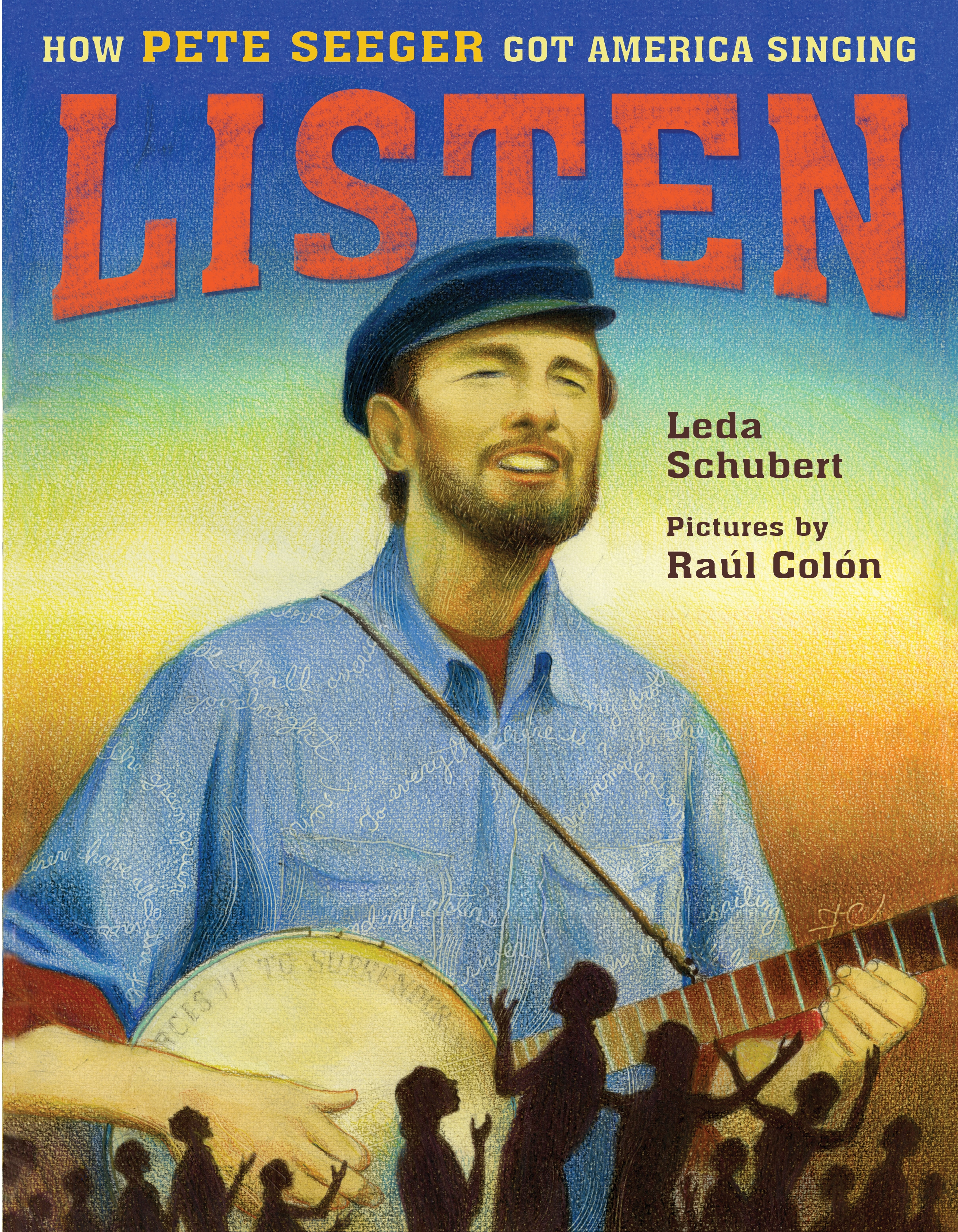
Portrait of an American Activist: Listen – How Pete Seeger Got America Singing

Listen – How Pete Seeger Got America Singing, by Leda Schubert/Illustrated by Raúl Colón, (June 2017, Roaring Brook Press), $17.99, ISBN: 9781626722507

Recommended for readers 5-10

Leda Schubert and illustrator Raúl Colón create a lyrical and beautiful tribute to singer, songwriter, and activist Pete Seeger. From the beginning of his career, strumming his banjo or guitar, Seeger led by example; first, by singing and encouraging his audience to chime in; later, through his activism: standing in peace lines to support unions, protest war, marching for civil rights, and caring for the environment. Whether he was talking to grownups or the children that loved his songs, Seeger always encouraged participation – “That’s what gonna save the human race” – and awareness. Schubert weaves Seeger’s song titles with the story text to highlight the relationship between Seeger’s songs and the causes he supported.

Raul Colon’s art is beautiful. His technique provides both beautiful texture a vintage glow to his images, and his spread featuring Seeger’s boat, the Clearwater, sailing down the Hudson River, is breathtaking. Beautiful artwork and stunning images make Listen a great addition to picture book biography collections and a great read when explaining social justice activism to younger readers.

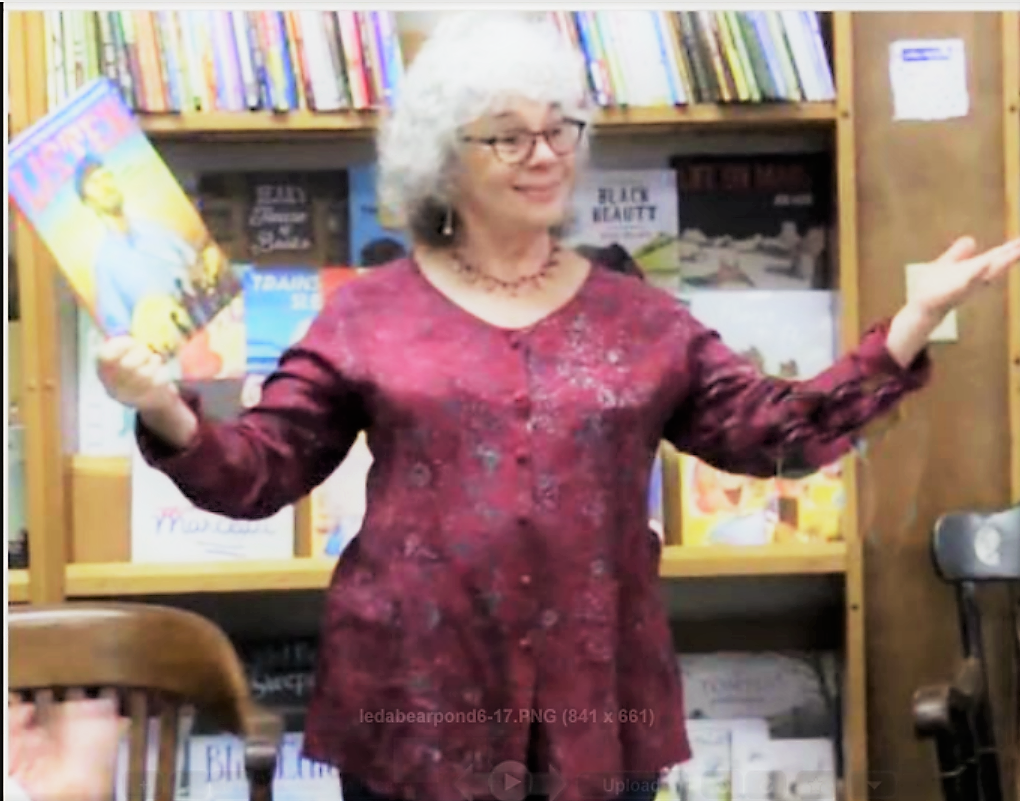
Leda Schubert holds an MFA from Vermont College of Fine Arts in the Writing for Children and Young Adults and was a core faculty member until 2012. She is the author of many award-winning titles, including The Princess of Borscht, Ballet of the Elephants, and Monsieur Marceau, winner of the Orbis Pictus Award for Outstanding Nonfiction. Leda lives in Plainfield, Vermont, with her husband and two dogs. To learn more, and to download a curriculum guide, visit ledaschubert.com.


Raúl Colón has illustrated several highly acclaimed picture books, including Draw!; the New York Times-bestselling Angela and the Baby Jesus by Frank McCourt; Susanna Reich’s José! Born to Dance; and Jill Biden’s Don’t Forget, God Bless Our Troops. Mr. Colón lived in Puerto Rico as a young boy and now resides in New City, New York, with his family.

Leda Schubert provides some great links to recordings and videos of Pete Seeger here.

Praise for Listen: How Pete Seeger Got America Singing

★“Schubert and Colón ably demonstrate one of their book’s final assertions: ‘there really was nobody like Pete Seeger.’”—Kirkus Reviews (starred)

“A rousing tribute to a singular musician and activist who ‘walked the talk.’” —Publishers Weekly

“This inspiring picture book biography about one of America’s greatest folk heroes is sure to get a new generation of children singing.” —School Library Journal

“An inspiring and heartfelt tribute to, as Schubert calls him, a ‘true American hero.’” —Horn Book

Giveaway!

One lucky winner will receive a copy of Listen: How Pete Seeger Got America Singing (U.S. addresses; one entry per person.) Enter this Rafflecopter giveaway for your chance!

Posted in Intermediate, Middle Grade, Non-fiction, Non-Fiction

Andrew Carnegie, The Man Who Loved Libraries

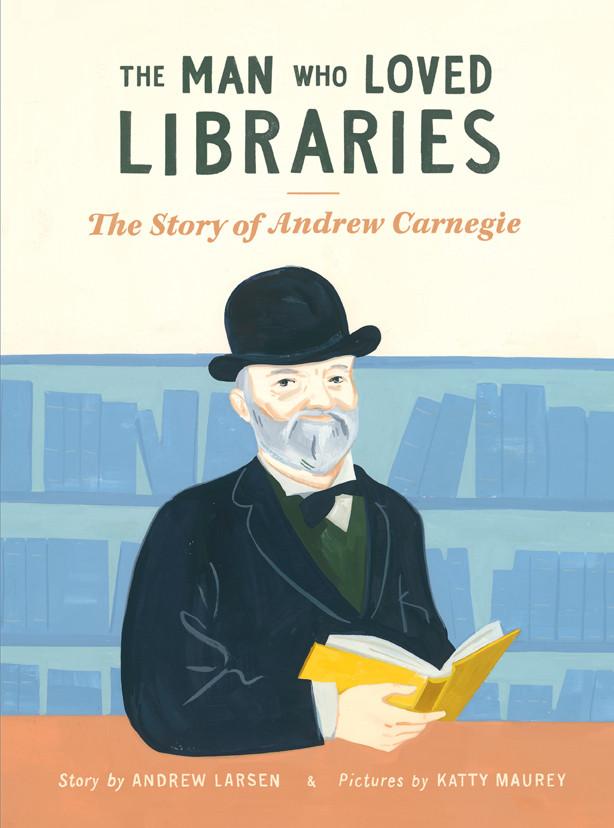
The Man Who Loved Libraries: The Story of Andrew Carnegie, by Andrew Larsen/Illustrated by Katty Maurey, (Aug. 2017, OwlKids Books), $16.95, ISBN: 9781771472678

Recommended for readers 8-10

Andrew Carnegie started out in life in Scotland, the son of a weaver. He and his family came to the United States, where he went to work; first, in a cotton mill, then as a messenger boy. He knew the key to success was in learning, and took advantage of the opportunities afforded by a local businessman, who made his private library collection available. As he became wealthier, he considered it his duty to help others help themselves: he built libraries. He built a library in the Scottish village where he was born, and went on to build over 2500 public libraries worldwide.

Andrew Larsen gives readers a concise biography of a premier industrialist and philanthropist, with a strong emphasis on the power of education and philanthropy. Award-winning illustrator Katty Maurey creates beautiful artwork to accompany Larsen’s text, framing her subjects with buildings and storefronts, and creating depth with her full-page art to show us a young Carnegie, standing on a library ladder as he explores Colonel Anderson’s private collection, and an older Carnegie in front of a map of the Americas (and Greenland), basket of yellow flags on one arm, surrounded by books and his dog as he maps out his library plans.

Andrew Larsen is an award-winning children’s author. Find more about his books and link to his blog by visiting his author website.

Posted in Intermediate, Non-Fiction, Non-Fiction, Women's History

The Girl Who Ran: The Story of Bobbi Gibb

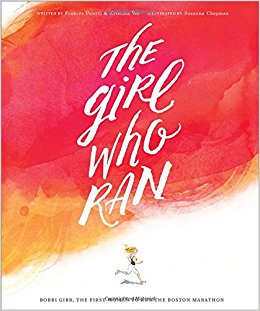
The Girl Who Ran: Bobbi Gibb, The First Woman to Run the Boston Marathon, by Frances Poletti & Kristina Yee/Illustrated by Susanna Chapman, (June 2017, Compendium), $16.99, ISBN:  978-1-943200-47-4

Recommended for readers 5-12

Believe it or not, there was a time not too long ago when women weren’t allowed to run marathons. The Boston Athletic Association, in fact, said women were “incapable” of running 26.2 miles. (But we can carry and give birth to children. That makes sense.) Bobbi Gibb set out to prove them wrong in 1966 – told you it wasn’t that long ago – and The Girl Who Ran, by Frances Poletti and Kristina Yee, tells her story in beautiful inks, prose, and poetry.

Starting with Bobbi’s childhood, we learn how she loved to run, as kids do. But one day, all of her friends stopped, and she kept going. Her father took her to see the Boston Marathon when she was older, and she was determined to do it. Susanna Chapman’s art is incredible, creating swirling tornadoes of negative words each time Bobbi is told why she can’t run: “girls can’t run marathons”, “what a strange idea”, “what if you injure yourself?”, and “rules are there for a reason”. Each time, Bobbi physically pushes those words away and endures; she trains where her parents can’t see her, running cross-country; she dresses in baggy clothes to hide her gender, and joins the Marathon, where she finds an outpouring of support for her fellow runners. When she reveals herself, the support reaches a crescendo, illustrated with vibrant reds and oranges. Wellesley girls support her with cheers and signs, and as she nears her last steps, the book opens into a gatefold to welcome Bobbi to the finishing line. After the race, Bobbi wonders what else could be proven wrong? And that, my friends, is the question we still need to ask.

Photos of Bobbi Gibb, with a brief biography and illustrated timeline of the Boston Marathon complete this gorgeous book. I’m always on the lookout for biographies that go beyond the usual names on our shelves; this is certainly one I want my Queensboro Kids to see. This fits in with the Build a Better World summer reading theme, too: ask your kids what else can be proven wrong as they look around their world today; and how did Bobbi Gibb contribute to building a better world in 1966 and beyond? Bring up Title IX, a federal law passed in 1972 which prevents gender discrimination in education programs and activities, and led the way to girls competing in school sports. Did Bobbi Gibb contribute to this landmark decision?

There’s a Bobbi Gibb website, and ESPN has a good article discussing Bobbi Gibb’s place in history and a statue that’s underway commemorating her historic run. The Girl Who Ran received a starred review from Kirkus and is an Amelia Bloomer Project nominee. It’s a strong addition to biographical, sports, and feminist collections.