Posted in Preschool Reads, Toddler Reads

Picture Book Roundup: Bears, Babies, Bats, and more!

In my continuing struggle to get on top of my review list, I present another roundup; this time, with picture books!
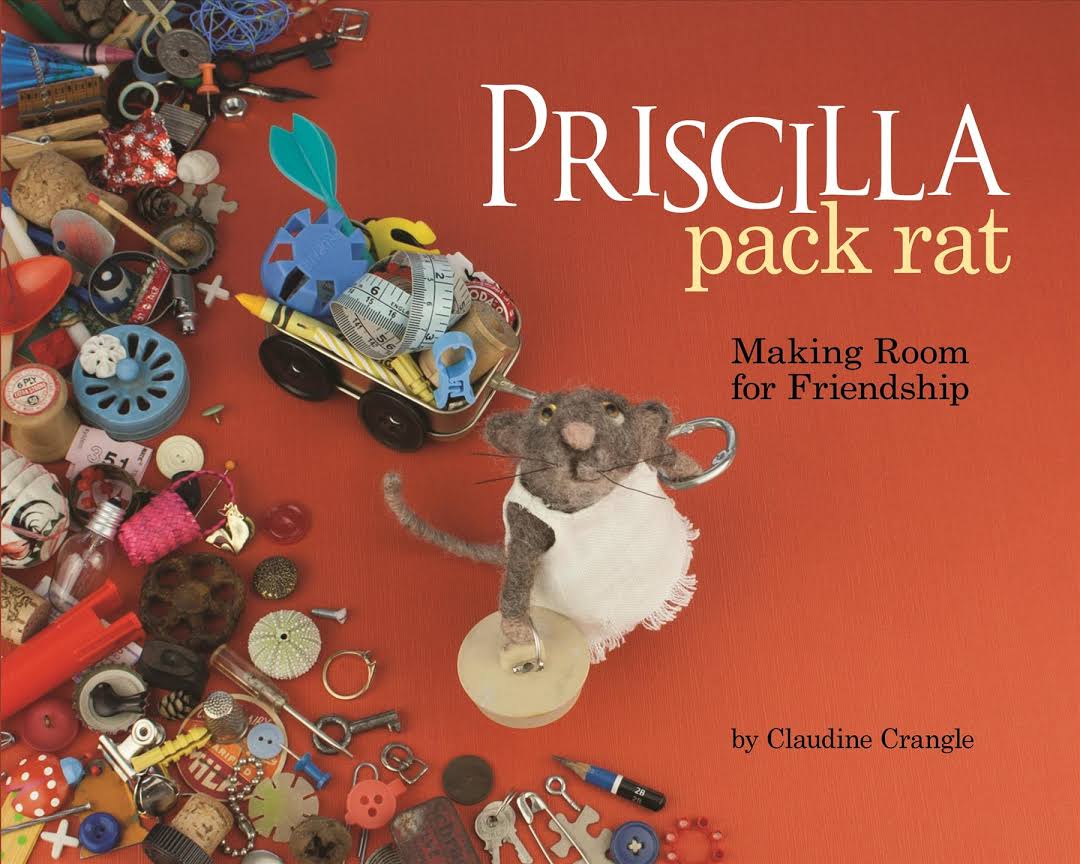
Priscilla Pack Rat: Making Room for Friendship, by Claudine Crangle,
(March 2017, Magination Press), $15.95, ISBN: 978-1433823350
Recommended for readers 4-8

Priscilla is a very sweet rat who loves to collect things, but when she’s invited to friends’ birthday parties, she finds that she has a hard time even parting with the gifts she chooses for her friends! When Priscilla’s house finally crashes around her, she realizes that her friends are worth much more than being surrounded by stuff. Magination Press is an imprint of the American Psychological Association; this is a book designed to discuss clutter and hoarding tendencies in kids, and it does so in a mild, easy manner. This can easily be a kids’ story on sharing and giving, no red flags necessary. Adorable felted characters and found objects create a visually interesting story that you can also turn into a little game of I Spy with little ones: there are plenty of things to find! A note to parents and caregivers advises parents on what to do if children have trouble parting with possessions, the differences between hoarding and collecting, and ways to help kids organize their belongings. A nice add to developing empathy collections and for caregivers and educators who need books to address behaviors.
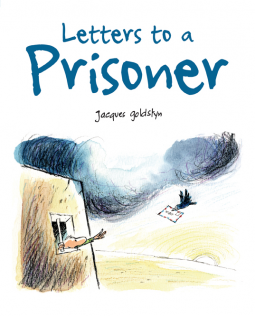
Letters to a Prisoner, by Jacques Goldstyn
(Sept. 2017, OwlKids Books), $18.95, ISBN: 9781771472517
Recommended for readers 4+

Letters to a Prisoner is getting rave reviews, with good reason. The wordless picture book, inspired by the letter-writing campaigns of human rights organization Amnesty International, is so impactful, so relevant, and so necessary. A man is arrested during a peaceful protest, injured by a soldier who also pops the man’s daughter’s balloon. The man is thrown in a solitary jail cell, where he befriends a mouse and a bird. When letters arrive, the guard takes joy in burning them in front of the man, but the joke’s on the guard: the smoke from the burning letters serves as a worldwide beacon. Groups of people all over send the man letters; they arrive, en masse, and turn into wings with which the prisoner soars above the helpless, infuriated guard. The watercolor over black ink sketches adds an ethereal feel to this beautiful story of hope and social justice. The book’s wordlessness allows for every reader to come together, transcending language, to take part in this inspirational story. An author’s note tells readers about Amnesty International’s inspiration. Display and booktalk with Luis Amavisca’s No Water, No Bread, and talk with little ones and their parents as you display the book during social justice and empathy themed storytimes. Letters to a Prisoner has starred reviews from Publishers Weekly, Kirkus Reviews, and Quill and Quire.
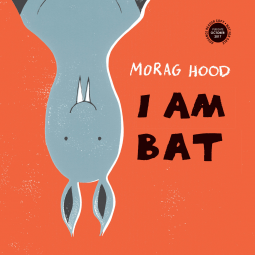
 

I Am Bat, by Morag Hood,
(Oct. 2017, OwlKids Books), $17.99, ISBN: 9781492660323
Recommended for readers 3-7

One of my favorite picture books this year. Bat is adorable. And he loves cherries. DO NOT TAKE HIS CHERRIES. He is quite serious about this, so you can imagine his distress when his cherries start disappearing! The reader’s clued in, naturally – we see paws and ants sneaking cherries out of the book’s margins while Bat stares at us, demanding to know what’s going on. The animals leave him a pear, which Bat embraces – and the story is ready to begin again. There’s bold, black fonts to make for expressive storytime reading, and Bat and Friends are just too much fun to read and play along with. Absolutely delightful storytime reading; just make sure you read this one before you get it in front of your group: you will squeal with glee the first couple of times you read it. Print out bat masks for the kids to color in as part of your storytime craft.
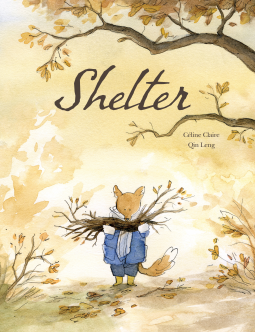
Shelter, by Céline Claire,
(Oct. 2017, Kids Can Press), $18.99, ISBN: 9781771389273
Recommended for readers 3-7

A storm’s approaching, and two strangers – brothers – arrive in the forest. They stop at several animal family homes, offering a trade for shelter; they have tea, can anyone offer them some food? A place to ride out the storm? We see each family, safe and with full larders, turn them away. A young fox feels terrible about this, and runs out to give the brothers a lamp, which they use to find shelter. But as fate would have it, the storm is even more trouble than the families expected, and soon, they’re asking the brothers for shelter: which is cheerfully given. This kind, moving story about kindness and succor is perfect for illustrating the power of empathy. Qin Leng’s watercolor and ink illustrations are soft and gentle, a perfect match for Céline Claire’s quiet narration. Shelter offers the perfect opportunity to talk about putting kind thoughts into practice; whether it’s sharing with others or offering friendship to someone who needs it.
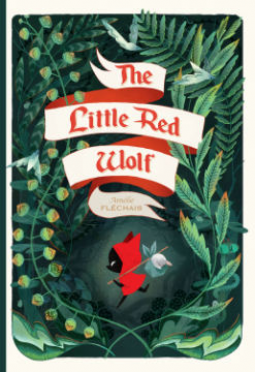
The Little Red Wolf, by Amelie Flechais,
(Oct. 2017, Lion Forge),$19.99, ISBN: 9781941302453
Recommended for readers 6-10

A slightly macabre twist on the traditional Little Red Hiding Hood tale, The Little Red Wolf is a story about a little wolf who, on the way to visit an ailing grandma, encounters an awful human girl. The message here is consistent with the original fable: there’s a strong stranger danger warning, but also a reminder that every side has a story, every villain has an origin. The art is beautiful and dark; an additional add for collections where readers may be ready for darker fantasy.
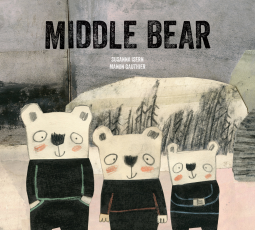
Middle Bear, by Susanna Isern/Illustrated by Manon Gauthier,
(Oct. 2017, Kids Can Press), $18.99, ISBN: 9781771388429
Recommended for readers 3-7

The middle child gets lots of love in this adorable picture book. Middle Bear is the second of three brothers; not small, but not big; not strong, but not weak; not a lot, not a little… “he was the middle one”. He has a hard time feeling special until the day his parents both fall ill and the three cubs have to get willow tree bark from the mountain top, to help them get well. When big brother is too big, and little brother is too little, it’s up to Middle Brother to save the day: he is, to quote that other story starring three bears, “just right”. The emphasis on bear’s “middleness” will drive home the point that he persevered and succeeded as is, through determination. Manon Gauthier cut paper collage, pencil, and mixed media illustrations add texture and a childlike sense of place in the story. There’s a good lesson about empathy to be learned here, too; the bear’s brothers and parents all support him and let him know that what he may see as being a challenge – being the middle one – is what makes him the perfect bear for the job. Perfect storytelling for middle children who may be feeling the frustration of being too big for some things, not big enough for others.
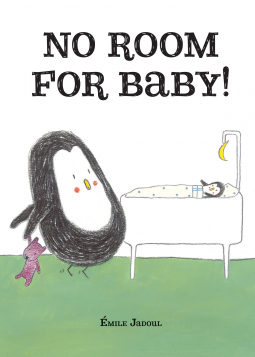
No Room for Baby!, by Émile Jadoul,
(Oct. 2017, Kids Can Press), $18.99, ISBN: 9781771388412
Recommended for readers 3-7

Leon’s baby brother, Marcel, has arrived! Leon’s excited, but a little concerned about where the baby’s going to go when he’s not in his crib. He certainly can’t go in Leon’s room. And there’s no room on Mama’s lap for him; there’s only room for Leon. And Daddy’s shoulders are just too high. After Leon thinks on the situation, he discovers the best possible place for his baby brother: in his arms. This is the such a sweet story about becoming an older sibling; it addresses the fears an older sibling may have when a new baby joins the family, and it allows the sibling to work through his fears and come to his own happy decision. At no point do Leon’s parents correct him or force the baby on him; they stand back and let him reason things out for himself. It’s an empowering story with a sweet sense of humor. The simple black pencil, crayon and oils illustration feels childlike and will easily appeal to readers. I’m looking forward to adding this one to my new baby bibliography.
Posted in Preschool Reads

Hispanic Heritage Month: nubeOcho picture books

If you’re a regular reader of this blog, you know I love nubeOCHO picture books. I discovered the publisher when I was at the PLA conference last year; I was a children’s librarian in a largely monolingual Spanish-speaking community, with outdated books on the shelves in their language. I was buying books in Spanish that I knew how to search for: Goosebumps, Harry Potter, Percy  Jackson – but I needed to find new books that spoke to the kids and their cultures. I found that publisher in nubeOCHO, who simultaneously publishes Spanish and English language copies of their books that are perfect for my kiddos. I could read a storytime book in English, interjecting some Spanish words where I knew how, and the parents could borrow the Spanish copy to take home and read with their kids. I am forever grateful.

This season, nubeOCHO has a couple of adorable books out – available in English and Spanish – for beginning readers and cuddlers. Enjoy.

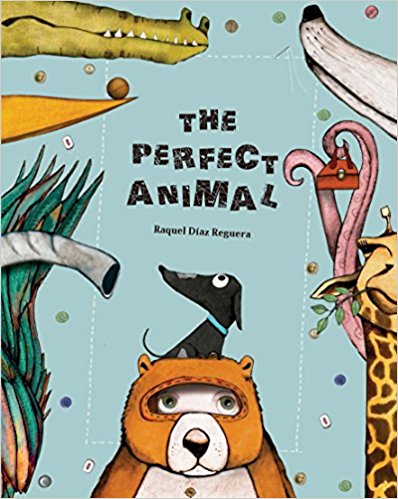
The Perfect Animal (El animal perfecto), by Raquel Diaz Reguera, (Sept. 2017, nubeOCHO), $15.95, ISBN: 978-8494633393
Recommended for readers 4-8

The kids at school have to dress up as an animal; Valentina wants to be “the perfect animal”. But what does that mean? Valentina considers several animals: elephants, bears, bats, birds, and more. She notes their strengths and their “curiosities” – noted throughout the book as fun facts, paper-clipped to the pages, written on note paper. So which one is the perfect animal? Why pick just one? There’s vibrant art throughout the book, plus fun facts kids will love (elephant are the only mammals that can’t jump, which makes really good sense). The Perfect Animal is part of nube’s Egalite imprint; publishing stories that emphasize equality and that illustrate the richness of diversity.

A Surprise for Mrs. Tortoise (Una sopresa para tortuga), by Paula Merlan/Illustrated by Sonja Wimmer, (Oct. 2017, nubeOCHO), $16.95, ISBN: 978-84-946333-4-8
Recommended for readers 4-8

Mrs. Tortoise sees her reflection one morning, and it really brings her down. Her shell looks old and worn out, and it’s really making her feel old and sad. Luckily for her, Birdie, her best friend, is there to cheer her up! He bops around to the sky, the flowers, the wind, and clouds to help decorate her  shell and cheer her up, but it seems like everything just makes Mrs. Tortoise feel worse; she loses her temper and snaps at Birdie, but even that doesn’t stop him. When Mrs. Tortoise goes to apologize to Birdie, she discovers that forgiveness and friendship are all that matter (and a little help from the rainbow doesn’t hurt). Washed-out watercolor art splashed across each page spread creates beautiful artwork that readers will gravitate to – especially when Mrs. Tortoise’s shell is covered in flowers! (I see art project at storytime here!) This is a sweet story about friendship and going the extra mile for a friend. A Surprise for Mrs. Tortoise is part of nube’s Somos8 imprint, exploring first sensations and challenges kids meet.

Posted in Intermediate, Non-Fiction, Preschool Reads, Toddler Reads

Feed your brain with picture book nonfiction!

There is so much good nonfiction out for younger readers this Fall!

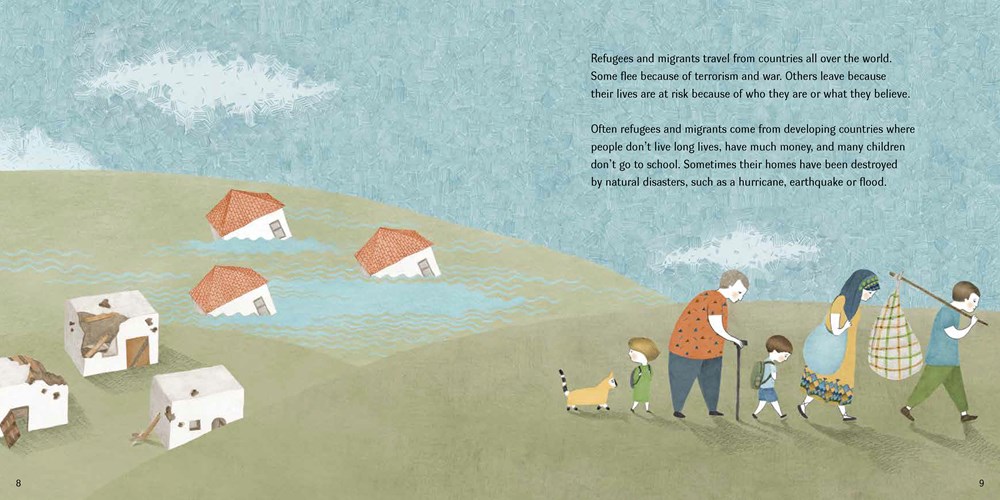
Refugees & Migrants (Children in Our World), by Ceri Roberts/Illustrated by Hanane Kai
(August 2017, Barron’s Educational Series), $9.99, ISBN: 9781438050201
Recommended for readers 6-10

A hot-button topic today, Refugees & Migrants answers the tough questions that children ask: “Why would people leave their homes?” “What is a migrant – or a refugee?” Illustrations and concise text offer explanations that seek to foster empathy and empower kids to make a difference in the world around them. Barron’s Children in Our World series addresses difficulties that too many children in our world face today, and sensitively explain these issues to readers while giving them the power to make changes. Additional titles look at Poverty & Hunger, Racism & Intolerance (2018), and Global Conflict (2018). These books are a strong addition to elementary nonfiction shelves and provide a great opportunity to talk to your kids about what they see on the news, how they feel about it, and what we can all do, together, to make the world a better place.


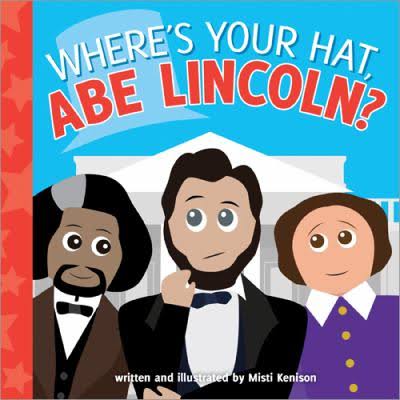
Where’s Your Hat, Abe Lincoln? (Young Historians), by Misti Kenison,
(Sept. 2017, Sourcebooks Jabberwocky), $9.99, ISBN: 9781492652502
Recommended for readers 2-5

Poor Abe Lincoln can’t find his hat, and he needs it in time to read the Gettysburg Address! Harriet Tubman is leading slaves to freedom, and Frederick Douglass is writing a book. Can any of his friends help him? This is the second in Misti Kenison’s Young Historians board book series (the first, being Cheer Up, Ben Franklin!). Each book features historical figures from periods in American History, with cartoony expressions and simple, one-sentence character actions that lay the groundwork for future learning. Everything ends on a happy note, and the end of the book includes historical figure profiles and a timeline. Fun for every historian’s library, no matter what your age.


Dangerous Jane, by Suzanne Slade/Illustrated by Alice Ratterree,
(Sept. 2017, Peachtree Publishers), $17.95, ISBN: 978-1-56145-913-1
Recommended for readers 4-8

Jane Addams was an activist for the poor and for peace. She founded Hull House, a settlement house in Chicago, where she took care of her neighbors by providing food, childcare, English lessons – anything anyone needed to live their lives with dignity. When World War I broke out in Europe, Jane organized the Women’s Peace Party, and led the International Congress of Women, to talk about ways to bring the war and suffering to an end. She endured angry press from those who would call her a traitor; that she cared more for people overseas than in her own home – she was even named The Most Dangerous Woman in America by the FBI! Ultimately, Dangerous Jane was the first American woman to receive the Nobel peace prize. Through all the press, good and bad, Jane maintained her dignity and continued caring for others until the end of her life. Dangerous Jane is an inspiring story rendered in washed-out watercolors that communicate quiet strength, like the book’s subject. Jane stands out in her green dresses and skirts, against the bleak landscape of war and poverty. A biography, timeline, and selected bibliography completes this book.


Baby Animals Playing, by Suzi Eszterhas
(Oct. 2017, OwlKids Books), $14.95, ISBN: 9781771472975
Recommended for readers 0-6

Wildlife photographer and advocate Suzi Eszterhaus put together one of the cutest books ever. It’s all right in the title: Baby. Animals. Playing. Who wouldn’t squeal at just the expectation of what’s to come? Full-color photos of baby animals (and their parents) at play will make anyone fall in love, instantly. Brief nonfiction text gives some background information on how Momma bears teach their cubs to fish for salmon, or how jackal pups fight over who gets to play with a ball of elephant poop. Which will, doubtless, be most kids’ favorite part of this book (it was for my 5 year-old). Eszterhas invites readers to connect with animals and nature by looking at photos, reading books, and going outside and immersing themselves in nature, just like baby animals do; it’s a nice call to get the kids outside and away from TV and electronics.


Bugs From Head to Tail, by Stacey Roderick/Illustrated by Kwanchai Moriya,
(Oct. 2017, Kids Can Press), $18.99, ISBN: 9781771387293
Recommended for readers 3-7

The third book in the “From Head to Tail” series gives readers an up-close look at bugs. We get rhinoceros beetle horns and luna moth antennae; tarantula hair (eeeek) and millipede legs, and a trick question! There are more facts to discover (tarantulas flick hair from their bellies at attackers… I know it would make me run screaming), with cute, wide-eyed bugs to attract readers. Kwanchai Moriya’s paper collage art continues to be visually exciting, popping off the pages. Additional bugs profiled at the end, plus a note about arthropods – the bugs profiled in this book – make this a great addition to bug books in primary collections. And if you have a kid like this young lady, whose love of bugs got her published in a scientific journal at 8 years old, you definitely want this book around to foster them!


Animals at Night, by Anne Jankéliowitch/Illustrated by Delphine Chedru
(Oct. 2017,Sourcebooks Jabberwocky), $19.99, ISBN: 9781492653196
Recommended for readers 6-10

This is a fun look at nocturnal animals in 12 different habitats, from the forest to more urban settings. You know when you see a museum display, with information about each animal in the display? That’s how nocturnals are presented here; each spread shows animals interacting in their environment, with a descriptive paragraph about each creature in the margins. Glow in the dark adds some more fun to the mix: a question is presented in each spread, answerable when readers turn off the lights to reveal the answers (answers are also at the back of the book, for any party poopers). With bright, bold animals that stand out against their night time backgrounds and glow in the dark challenges to find answers, it’s a fun addition to nonfiction collections for intermediate readers. Originally published in French in 2016. Pair this one with Tracey Hecht’s Nocturnals books for a nice fiction/nonfiction display.


Posted in Uncategorized

Great books for Toddler Storytime!

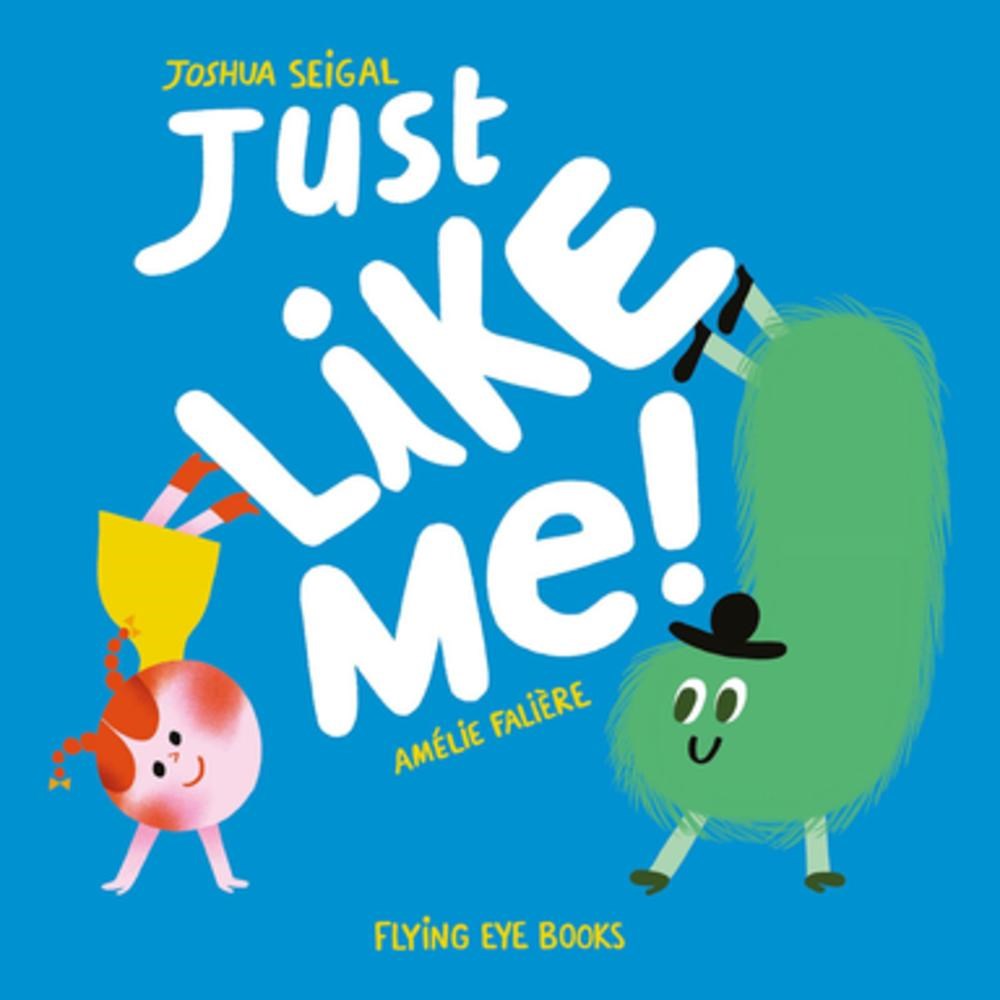
Just Like Me, by Joshua Seigal/Illustrated by Amélie Falière, (Sept. 2017, Flying Eye Books), $13.99, ISBN: 9781911171119

Recommended for readers 2-4

Can you rub your tum? Can you stretch up high? Join a little girl and her fuzzy friend as they play a game of Just Like Me with colorful animals! Tap your foot like a rabbit, stretch your neck like a giraffe, or spin like a dog: this book is made for a storytime activity or an animal storytime. I’d pair this with Eric Carle’s Head to Toe, Sandra Boynton’s Barnyard Dance, and Lindsey Craig’s Dancing Feet for an interactive, physical toddler time. The colors are bright and the bold, black text makes it easy to read along as you show off the story.


Posted in Middle Grade, Non-Fiction, Non-fiction, Tween Reads

NatGeo Kids sends kids back to school ready for everything!

I am an unabashed fan of NatGeo for my nonfiction sections. They have books on EVERYTHING, and the kids love it. They also make every single thing they cover amazing, hilarious, or both, which makes my life a lot easier when I have kids trudging into my children’s room, moaning that they have to read more nonfiction. Excuse me, do you see the GIANT WATER FAUCET on the cover of this book? Guess what? Nonfiction. Suddenly, they’re a lot more amenable to what I have to offer.

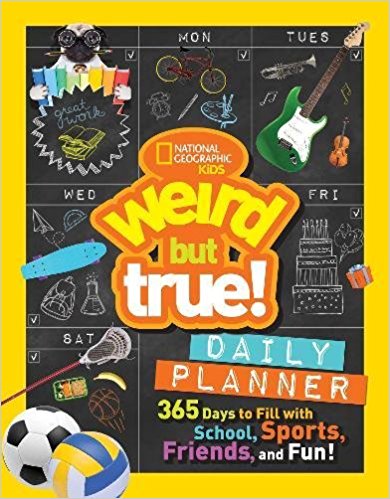
Let’s start with the backpack essential: The Weird But True Planner ($12.99, ISBN: 978-1426327933). The Weird But True books come in second only to the NatGeo Kids joke books when it comes to demand in my children’s room. It’s got the planner essentials: it’s spiral bound and sturdy, so kids can use it and it will hold up. It’s got paper that won’t tear when you turn a page. You know that paper; it’s usually the one that flies away and has the details of your homework on it. The space is smartly laid out, with NatGeo’s trademark gorgeous photos sharing space with planning and goal pages that help your kids keep it together during the school year. And because it’s NatGeo, it’s got the fun, weird holidays, crazy facts, pages for scribbling areas where you need homework help, little writing prompts, and an overall fun vibe that demands you embrace your weirdness. I have a copy that I desperately want to keep for my own library notes, programs, and scheduling the lives of my weird family; now, the key is making sure the kids don’t take mine off my desk at work OR at home.

Let’s be clear: this is not a library book; it’s a book meant to be written in, used, and yeah, even a little abused. But it IS an essential buy.

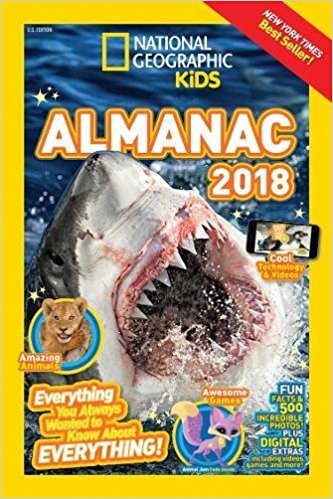
Next up is the NatGeo Kids 2018 Almanac ($14.99, ISBN: 978-1-4263-2772-8). Updated for 2018, this is another go-to for my library kids. There are 12 sections – up from last year’s 10 – and cover current events, life science, engineering and technology, space and earth, and more. The fun and games section is still here, and the overall fun spirit of discovery runs through the book. A spread in life science tells readers “18 Fantastic Facts About Fungi”, with facts about cheese mold, to mushrooms, to athlete’s foot (it’s just a photo of a bare foot). Feel bad for the Ugly Food, but rejoice in reading how being ugly doesn’t mean being garbage – make banana bread with those brown bananas (that’s when they’re the best), or make a smoothie using that bruised peach. A companion page on the time it takes different types of trash to decompose is a powerful call to action for recycling and re-purposing our trash. Homework help tips, quizzes, jokes, fun facts, and breathtaking photos make this Almanac a keeper.
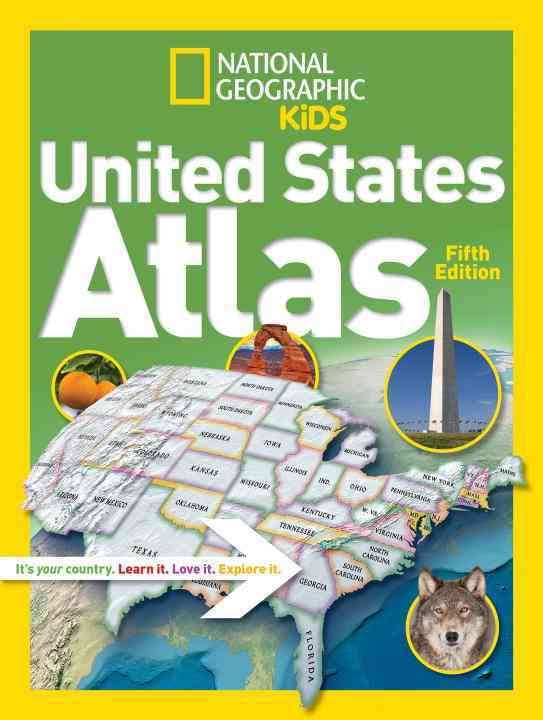
Atlases are always handy to have around, especially with increased importance on understanding global affairs and cultures. The United States Atlas (Fifth Edition, $12.99, ISBN: 978-1-4263-2831-2) gives readers a literal lay of the land, with political and physical maps by territory: Northeast, Southeast, Midwest, Southwest, and West. There are maps and statistics for each state within the territories; economy symbols to illustrate local economies like crops and industries. Photos and infographics round out each state’s profile. The atlas also includes U.S. territories, a glossary, postal abbreviations, and additional web resources.
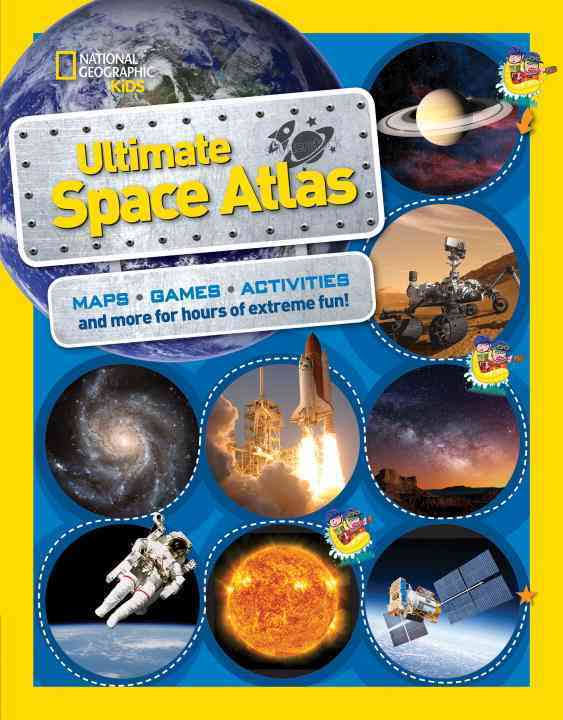
The Ultimate Space Atlas ($12.99, ISBN: 978-1-4263-2802-2) is a handy guide to what’s “up there”: phases of the moon, seasonal constellation maps for each hemisphere, what’s new in space exploration. “Digital Traveler” boxes help readers expand their learning by using going online. There are fun facts, amazing photos, diagrams, and Space Travel Attractions to visit… you know, from here. Earth. There’s a section with some fun activities at the end, and a glossary and index complete this handy astronomy desk reference. Both atlases will be helfpul during the school year, so load up your bookshelves if you’re in a library, or consider these when you’re buying school supplies.
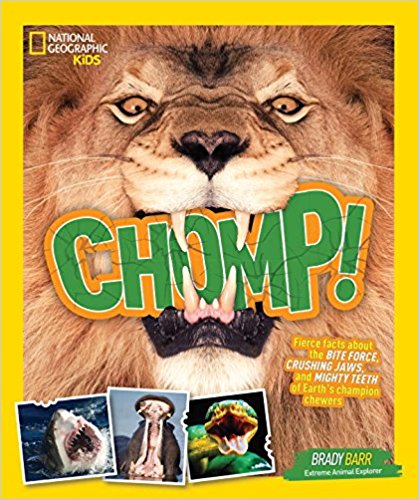
CHOMP!: Fierce Facts About the Bite Force, Crushing Jaws, and Mighty Teeth of Earth’s Champion Chewers ($12.99, ISBN: 978-1-4263-2839-8) has been on my shelves since this summer, and I see it wandering around the tables at the library (meaning, the kids are reading it while they’re in the library during the day) pretty regularly. Written by “Extreme Animal Explorer” Brady Barr, CHOMP! has a lot of pictures of a lot of big, mean teeth. The first page has a hippo, jaws open wide, greeting readers, and those choppers are intimidating! Barr organizes his chompers into four groups: the grippers, slicers, crushers, and gulpers; bite force and preferred menu for each animal profiled appear on each page. Barr jumps in with his own entertaining anecdotes, Brady’s Bite Stories, that will make kids squeal and cringe all at once; I’m thinking of reading the one about Barr squeezing a live otter out of a gator the next time I have a class visit. I like to be memorable. Further resources, a glossary and an index, make this a good companion guide for animal reports and fun reading for animal fans.
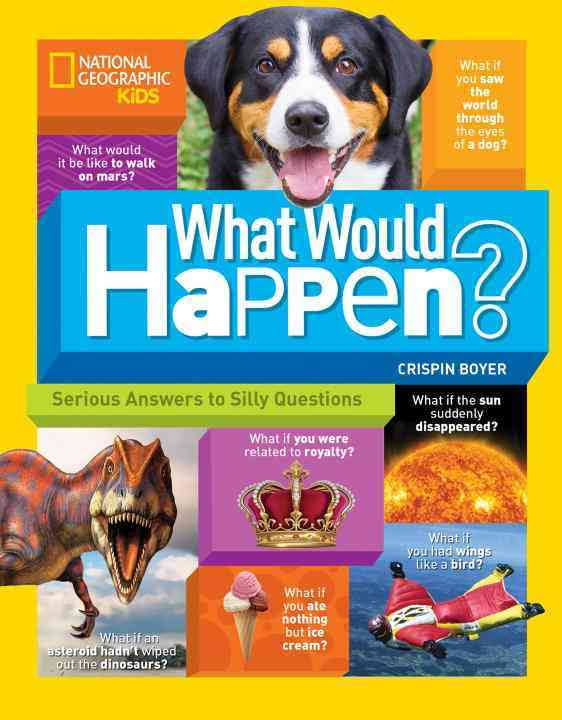
Last but never least, What Would Happen? Serious Answers to Silly Questions ($14.99, ISBN: 978-1-4263-2770-4) looks at the logic and science behind some wild, weird questions. Starting with questions like, “What if you ate nothing but ice cream?” (short answer: DON’T) and working their way up to “What if you could wield The Force?” (You may call me Lady Vader), questions are organized into areas covering humans, space, nature, time, technology, natural wonders, worst-case scenarios, and just plain surreal. Each question is examined by giving readers a background on the deeper question (ice cream tastes great, but without protein and fiber, you’re in for some problems); primary repercussions (those problems could include going to the bathroom, no matter how much you love butter pecan); side effects (you’ll get weak and possibly develop scurvy from lack of Vitamin C); and finally, could it happen (unless you’re putting chunks of chicken or tofu, plus some broccoli and tomato on that ice cream, probably not)? This is going to move right along with my Weird Facts books. Heck, I may just turn this one into a program – write your own What Would Happen? and let’s swap; research it and find out the answer. But I’m totally developing The Force.
Go forth and fill up backpacks, and have a great school year!
Posted in Uncategorized

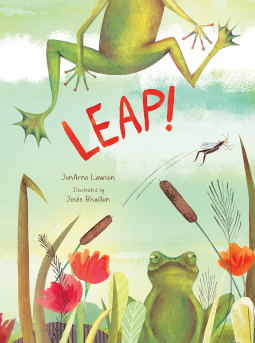
A cranky flea sets off a chain of events in Leap!

Leap!, by JonArno Lawson/Illustrated by Josée Bisaillon, (Sept. 2017, Kids Can Press), $18.99, ISBN: 9781771386784

Recommended for readers 3-6

This fun circular, rhyming story starts with a flea, who leaps into a grasshopper’s path; the startled grasshopper leaps onto a bunny. The action continues, involving a dog, bullfrog, horse, and finally, back to the dog and the flea. It’s a fun story that would make for a good storytime read; get the kids up and jumping if you have more active storytimes, or bounce for lapsits. The cadence of the rhyme is fun and energetic, but I expected to see more spreads with the full animal leaping; there were a few where the right-side page showed the back end of a leap and it felt a little cut off, choppy, for me.

I’d add this to a storytime with Kalan ‘s Jump, Frog, Jump! and add some flannels for audience interaction.

Posted in Non-fiction, Non-Fiction

Crazy About Cats? You’ll love this book!

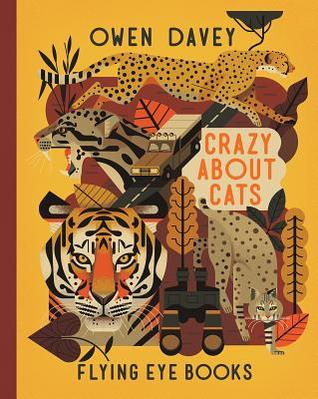
Crazy About Cats, by Owen Davey, (Sept. 2017, Flying Eye Books), $19.95, ISBN: 9781911171164

Recommended for readers 5-12

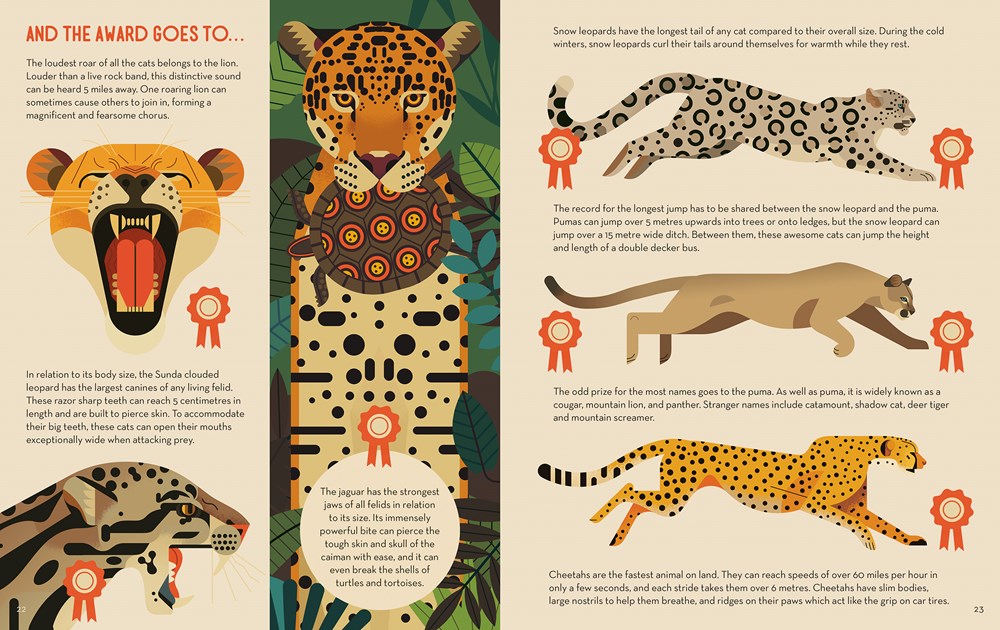
Smart About Sharks’ author-illustrator Owen Davey returns with a look at cats big and small in Crazy About Cats. The illustrated infographics give kids visuals to help them relate to age-appropriate scientific text.Did you know that the Fishing Cat has webbed paws to help it catch fish? Or that a Sand Cat’s furry paws help keep it from sinking into the desert sand?

The artwork is beautiful and bold, with just enough factoids throughout to keep feline fans happy. A nice add to nonfiction collections, especially ones that are heavy on animals.


Posted in Adventure, Animal Fiction, Fiction, Intermediate

Review and Giveaway: The Adventures of Henry Whiskers

Animal adventure books are guaranteed fun for readers, and mice are a consistently popular choice. Look at some of the most beloved, enduring children’s books: Stuart Little, Mrs. Frisby and the Rats of NIMH, The Rescuers, The Tale of Desperaux, and Babymouse, who’s growing up with her readers, having started with an elementary school character whose moved to middle school. There’s even a picture book that introduces younger readers to a young Babymouse. Mice are cute, tiny enough to get into places we can’t even fathom, for exciting adventures – and yet, small enough to be defenseless in a dangerous world. Kids can identify.

That said, we’ve got a giveaway for two books in a fun new series: The Adventures of Henry Whiskers! One lucky winner will receive copies of both Henry Whiskers books by Gigi Priebe–book 1, THE ADVENTURES OF HENRY WHISKERS, and book 2, THE LONG WAY HOME. (U.S. addresses). Enter a Rafflecopter giveaway today – ends September 7th! (Edit: The link was showing the contest had expired, so I’ve extended the deadline to September 7th and updated the link.


The Adventures of Henry Whiskers, by Gigi Priebe/Illustrated by Daniel Duncan, (Jan. 2017,  Simon & Schuster Kids), $5.99, ISBN: 978-1-4814-6574-8

Recommended for readers 7-10

Henry Whiskers is a fun intermediate series starring a family of mice living in the drawers at the base of Queen Mary’s Dollhouse in Windsor Castle: quite possibly, the most famous dollhouse in the world. When the tourists are gone for the day, the mouse families wander the castle; for 25 generations, the Whiskers family have been caretakers of the dollhouse, and Henry Whiskers, son of the last caretaker, takes his job very seriously. He may be young, but has a deep sense of duty to the Whiskers legacy, living up to his father’s reputation. Henry can often be found reading the miniature classics in the dollhouse library when he’s not helping his mother take care of his family. In this first story, Henry and his cousin, Jeremy, set out in search of Henry’s sister, Isabel, who goes missing when the dollhouse is sent for cleaning. They’ll face off against Titus, the castle cat, and meet the rats who live in Rat Alley and aren’t fond of the mice at all. Henry shows bravery, a strong sense of justice and equality, and not only saves the day, and works to foster understanding between his own community and the rats.


The Adventure of Henry Whiskers: The Long Way Home, by Gigi Priebe/Illustrated by Daniel Duncan, (Aug. 2017, Simon & Schuster Kids), $5.99, ISBN: 978-1481465779

Recommended for readers 7-10

Henry’s latest adventure takes him outside the castle walls and into the city of London itself! He discovers an old map in the library, but he and Jeremy are caught by the palace cook, who believes she’s doing a good deed by sending them far away from the castle, so they won’t find their way back. Yikes! Henry learns more about his father and meets new animals on his latest escapade, while Mother worries about her son at home.

The Henry Whiskers books are just right for more confident chapter book readers who have a sense of adventure. Henry is a good little role model that readers can identify with, overcoming obstacles while making sure to look out for others as he goes. Daniel Duncan’s black and white illustrations add to the enjoyment of the narrative, and a photo of Queen Mary’s Dollhouse gives kids an idea of how big the dollhouse (and drawers) really is.


Source: NicolTallis.com


Check out this video, which provides a peek into the dollhouse. Stunning, isn’t it?


Gigi Priebe is the mother of three, the founder of Stepping Stones, an award-winning children’s museum in Norwalk, Connecticut and the author of The Adventures of Henry Whiskers, the first in her middle grade series. When she is not writing–or rewriting–she is a philanthropic advisor and community volunteer in Fairfield County, Connecticut, where she lives with her husband, a cat named Tigger, a dog named Clover, and probably some mice. To learn more and to download a free curriculum guide, visit gigipriebe.com.


Posted in Preschool Reads, Toddler Reads

Duck & Hippo get lost and found!

Duck and Hippo: Lost and Found, by Jonathan London/Illustrated by Andrew Joyner, (Aug. 2017, Two Lions/Amazon), $17.99, ISBN: 978-1542045629

Recommended for readers 3-7

Duck and Hippo: Lost and Found, the second book in Froggy author Jonathan London’s new buddy series is every bit as sweet as the first one, Duck and Hippo in the Rainstorm. In this latest tale, the friends go on a picnic with their friends Turtle, Elephant, and Pig. Everyone’s brought something to share… except for Hippo, who forgot! Determined to make things right, he sets off into the forest in search of wild berries. As night falls, Duck and friends worry that Hippo’s gotten lost, but what should they do?

There are great themes at work here: friendship, the main plot point that drives the Duck and Hippo adventures; sharing and caring for one another emerge as the story progresses. Kids will appreciate Duck’s decision to search for her friend, and the decision to stay in a group and loudly call for Hippo will provide relief to parents, who likely give the same advice to kids in the event of a separation (I know I do). Repeated phrases provide kids with the chance to jump in and be part of the Hippo search party. I love Andrew Joyner’s cheerful art, and the colorful, emphasized fonts that add to a reading. Andrew Joyner offers free, downloadable activity pages on his website, too – the kids at my library love the coloring sheets, which have been a staple of my summer coloring club.

Jonathan London has written more than one hundred children’s books, including the bestselling Froggy series, illustrated by Frank Remkiewicz. He is the author of the popular Duck and Hippo series, illustrated by Andrew Joyner. Many of his books explore nature, among them Flamingo Sunset, illustrated by Kristina Rodanas, and Little Penguin: The Emperor of Antarctica, illustrated by Julie Olson. He is also author of the Aaron’s Wilderness middle-grade series, illustrated by his son Sean London. Jonathan lives in Graton, California. Learn more online at www.jonathan-london.net.

Andrew Joyner is an illustrator, author, and cartoonist based in South Australia. He has illustrated a number of picture books, and he wrote and illustrated a chapter book series about a warthog named Boris. He is the illustrator of the popular Duck and Hippo series, written by Jonathan London. He has also illustrated for newspapers and magazines, including the Wall Street Journal, Reader’s Digest, and Rolling Stone magazine, among others. Learn more online at www.andrewjoyner.com.au.

Giveaway!

Two Lions is offering a set of the Duck and Hippo books–DUCK AND HIPPO IN THE RAINSTORM and DUCK AND HIPPO LOST AND FOUND–to one lucky winner (U.S. addresses only, please). Just enter this https://widget-prime.rafflecopter.com/launch.jsecopter.com/rafl/display/bbc165de19/" rel="nofollow" data-raflid="bbc165de19" data-theme="classic" data-template="" id="rcwidget_scf2jfhw">a Rafflecopter giveaway</a> https://widget-prime.rafflecopter.com/launch.js“>Rafflecopter giveaway!

Posted in Preschool Reads, Toddler Reads

Picture Book Party! Potties, Pirates, Grandmas, and more!

It’s a picture book roundup of Spring and early Summer!

I’ve Got to Go, by Guido van Genechhten, (May 2017, Clavis Books), $16.95, ISBN: 978-1605373379
Recommended for readers 2-5

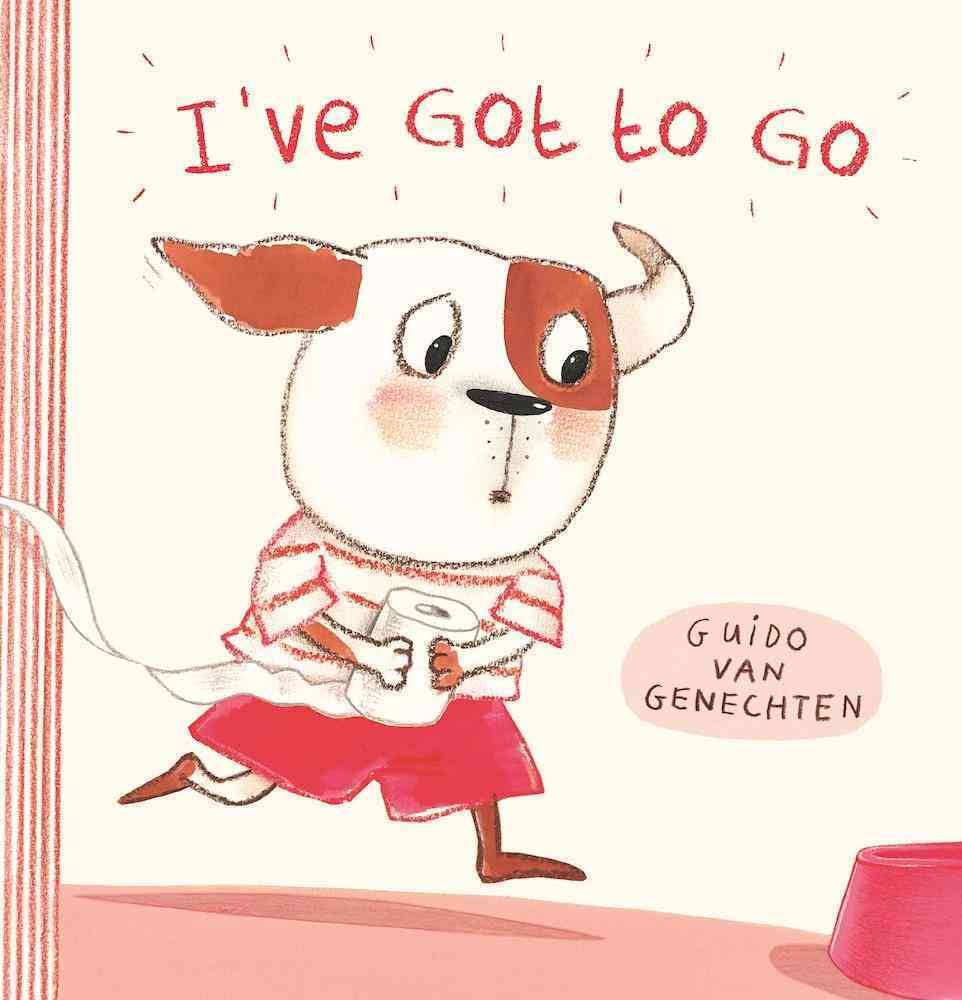
Doggy has to go. It’s urgent! But his sister is sitting on his potty, because Mouse is on her potty… and so goes this sweet, cumulative tale. As Doggy runs by each animal friend taking up potty real estate, Doggy’s situation is becoming dire – until he reaches the big toilet! Endpapers introduce kids to synonyms for “being used”: “full”, “taken”, “busy”, “occupied”, “in use”, and engaged”, all of which show up throughout the book as Doggy makes his run to the big boy toilet. There’s an array of animal potties on the final endpapers, so kids can point out whose potty belonged to whom. The art is fun and tongue in cheek; kids will squeal with delight at Zebra “doing his business” and Giraffe sitting on the potty while reading a book. It’s a fun book that shows the transition from potty to big kid toilet that toddlers and preschoolers will love.

Sarah at the Wedding, by Pauline Oud, (May 2017, Clavis Books), $16.95, ISBN: 978-1605373317
Recommended for ages 3-6

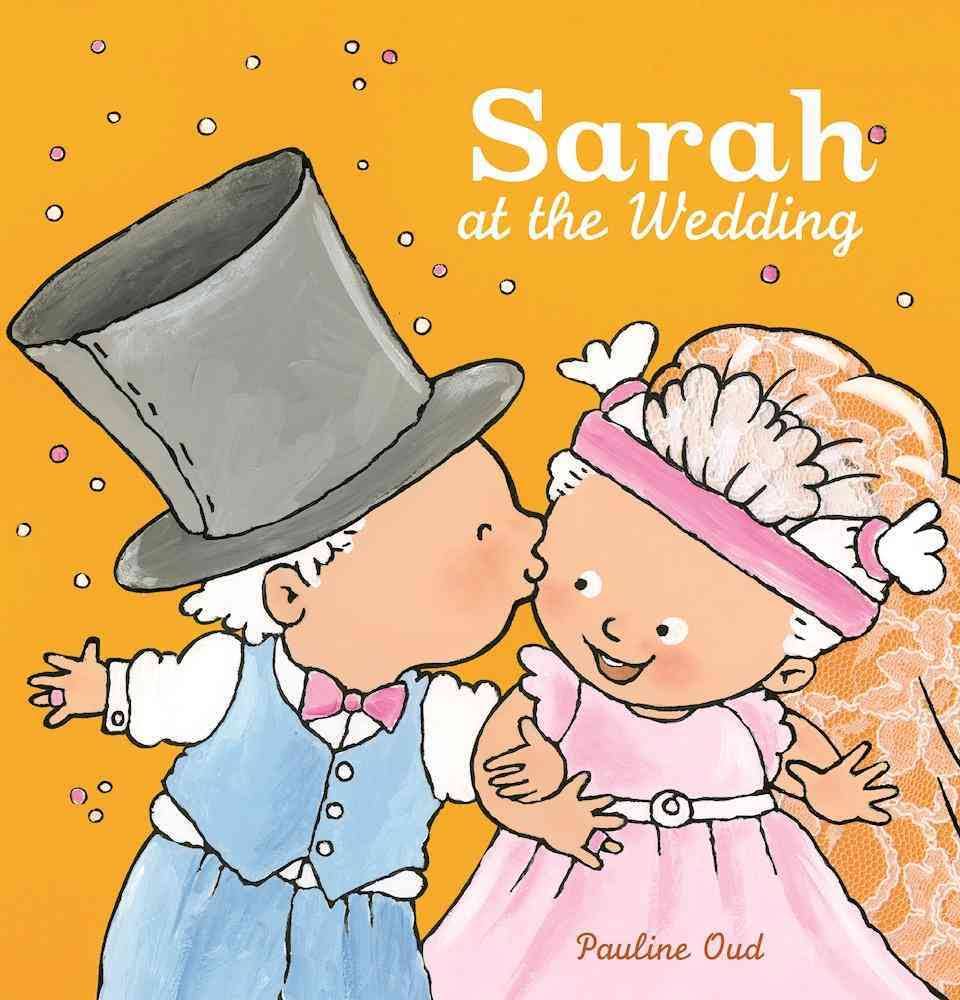
The latest in Pauline Oud’s Sarah and Ian series has the two friends playing a big part in Sarah’s Aunt Olivia’s wedding! The flower girl and ring bearer get dressed in their party clothes, watch Aunt Olivia marry William, and enjoy the celebration; blowing bubbles, posing for photos, and making their own veil and top hat at an arts and crafts table. This would make a great gift for any bride or groom to give to their flower girls or ring bearers, and is a nice addition to collections on friendship and special events. William, the groom, is a person of color, as is the celebrant and a handful of wedding guests. The bridal veil looks like photographed lace incorporated into Oud’s artwork for a nice, textured feel. Front endpapers feature illustrations of different clothes and activities for a wedding, along with some comprehension questions about the story for older audiences. Back endpapers include fun make your own veil and top hat crafts. Sarah at the Wedding was originally published in Dutch in 2015 and is a sweet addition to Pauline Oud’s collection; I love her art and her short sentences are great for younger readers gaining more confidence in reading independently.

The Only Way I Can, by Bonnie Grubman/Illustrated by Carolien Westermann, (May 2017, Clavis Books), $16.95, ISBN: 978-1605373393
Recommended for readers 4-7

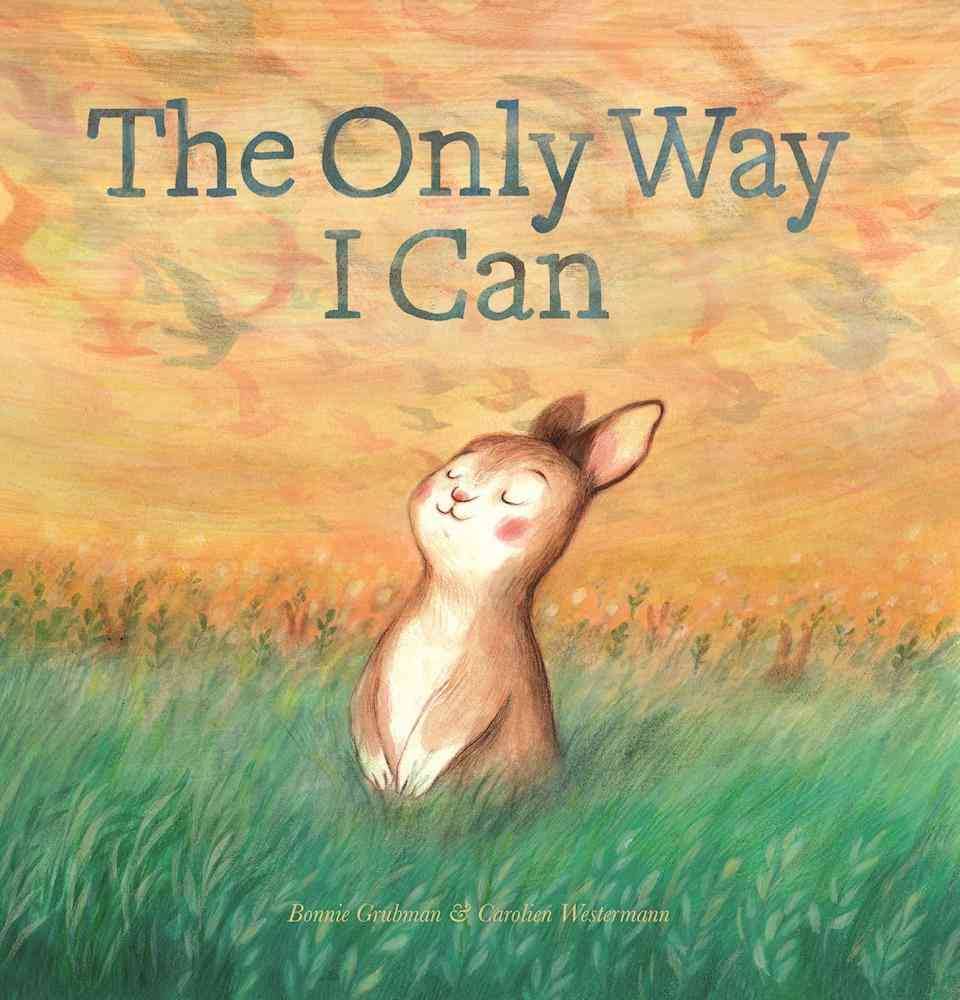
A Rabbit sees Bird flying; he wants to fly, too, and asks Bird for help. Despite Bird’s misgivings, he tries to help Rabbit; from making wings of feathers and string, to training exercises, to running into the wind, but nothing works. Rabbit decides to soar in his own way – the only way he can – and uses his imagination. The Only Way I Can is a story of self-acceptance and imagination, with beautiful backgrounds and warm colors. The illustrated endpaper spreads bring readers into the story setting and gently let them leave when the book ends. A good storytime book about accepting oneself and one’s limits while celebrating the bravery of taking chances.

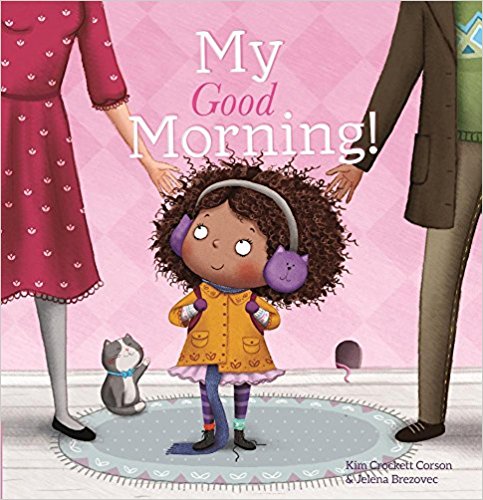
My Good Morning!, by Kim Crockett Corson/Illustrated by Jelena Brezovec, (May 2017, Clavis Books), $16.95, ISBN: 978-1605373423
Recommended for readers 3-6

A little girl wakes up, ready to start her day; can her Mommy and Daddy keep up with her as she gets ready for school? This is a fun, rhyming tale about getting ready for school in the morning, with a little girl that’s raring to go, and her parents, who are… a little less energetic, at first. We follow the girl through her morning ritual: going to the bathroom, washing up and brushing teeth, getting dressed, and out the door. Mom and Dad are there to help, but our girl wants to do things by herself, making for fun moments with mismatched socks, uneven buttons, and more milk for the cat than the little girl. When she gets to school, there are no tears: there’s too much fun to be had! Dad is a person of color, and the little girl is biracial; classmates form a diverse group. The rhyming text is fun, with short sentences that allow for interactivity by asking kids about what they see in each spread. Ask kids about their morning rituals and notice how different each person’s morning routine is. Pink argyle endpapers match the wallpaper in the family’s home. This is a fun read for storytime, be it a back-to-school storytime, a family storytime, or a storytime about being brave. My Good Morning! was originally published in Dutch in 2016 and is a nice addition to collections.

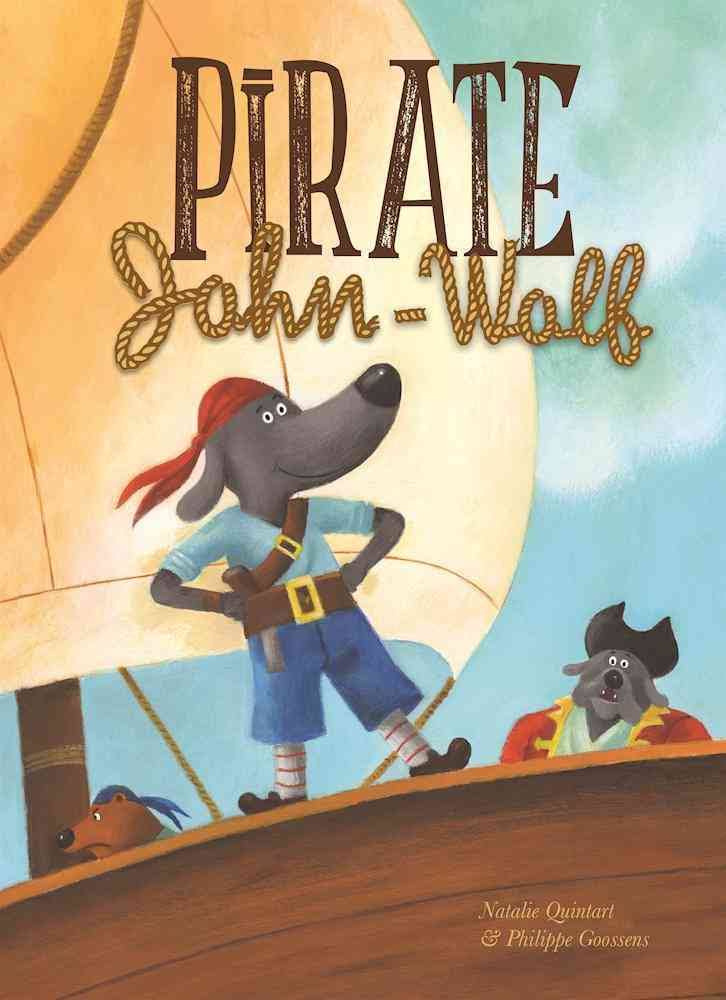
Pirate John-Wolf, by Natalie Quintart/Illustrated by Philippe Goossens, (July 2017, Clavis Books), $18.95, ISBN: 978-1605373300
Recommended for readers 4-7

John-Wolf feels weak and afraid most of the time. The only time he feels brave is when he’s alone in his room, singing songs about pirates like Blackbeard and Captain Hook. But one night, pirates kidnap John-Wolf and take him to their ship! Captain Drake demands that he sing some heroic deeds about him; and when John-Wolf finds his voice, he breaks into a loud and funny song about how weak and boring the pirates are. As he sings, he finds his bravery and impresses Captain Drake, who invites him to stay on board as John-Wolf the Pirate Singer. When John-Wolf returns to school, after his adventure, he has a different outlook and his classmates notice it. He’s more self-assured, more comfortable in his own skin. Pirate John-Wolf is a fun pirate story about finding your voice and self-confidence. The book says that John-Wolf’s adventure is a dream, but it’s not communicated as clearly in the story itself – not that it’s a big deal, just worth mentioning. The story has fun, with emphasized words and fonts throughout, and the art is cute and cartoony, with pirate animals and skull and crossbones endpapers. Originally published in Dutch in 2015, Pirate John-Wolf is a cute add to collections where pirate stories are popular.

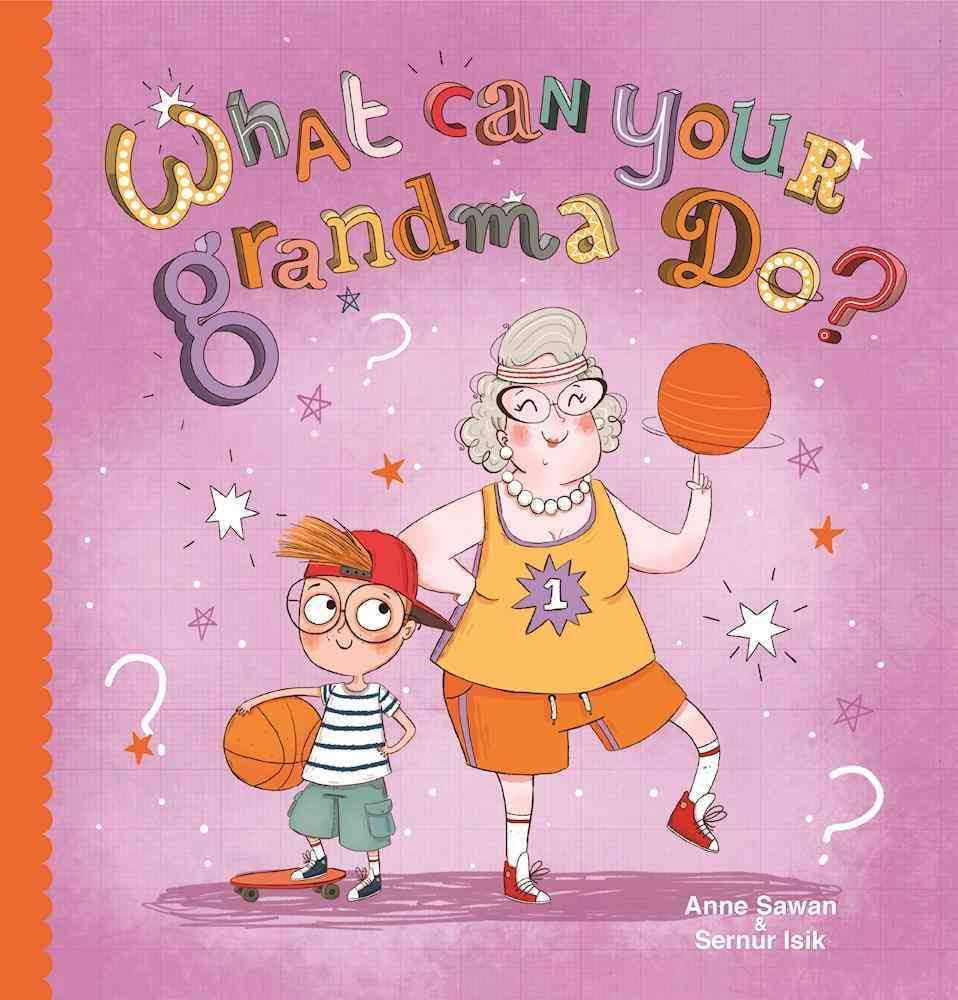
What Can Your Grandma Do?, by Anna Sawan/Illustrated by Sernur Isik, (May 2017, Clavis Books), $16.95, ISBN: 978-1605373324
Recommended for readers 4-7

There’s a grandparents’ talent show coming up at Jeremy’s school! All of his friends talk about their grandparents’ special talents: there are doctors and artists, bakers and dancers; Jeremy starts to worry, because his grandmother doesn’t have any special talents like that. He and Grandma decide to go shoot some hoops while they think about a special talent, and then Jeremy realizes that his Grandma has a special talent of her own after all! What Can Your Grandma Do? takes a fun look at breaking the mold – Grandma can slam dunk in her coiffed hair and pearls. Grandparents are doing fun, exciting things in this story, which fits nicely with a more active generation of Baby Boomer grandparents, who will get a kick out of this story. Cartoony artwork and fun fonts, plus little details that enrich each spread, make this a good storytime choice and a great classroom choice when grandparents are in attendance. Talk to kids about their own grandparents’ special talents, and use the book as an opportunity to talk about how we all have our own special abilities. Pair with Rock Away Granny for a Grandparents Day storytime.