Posted in picture books

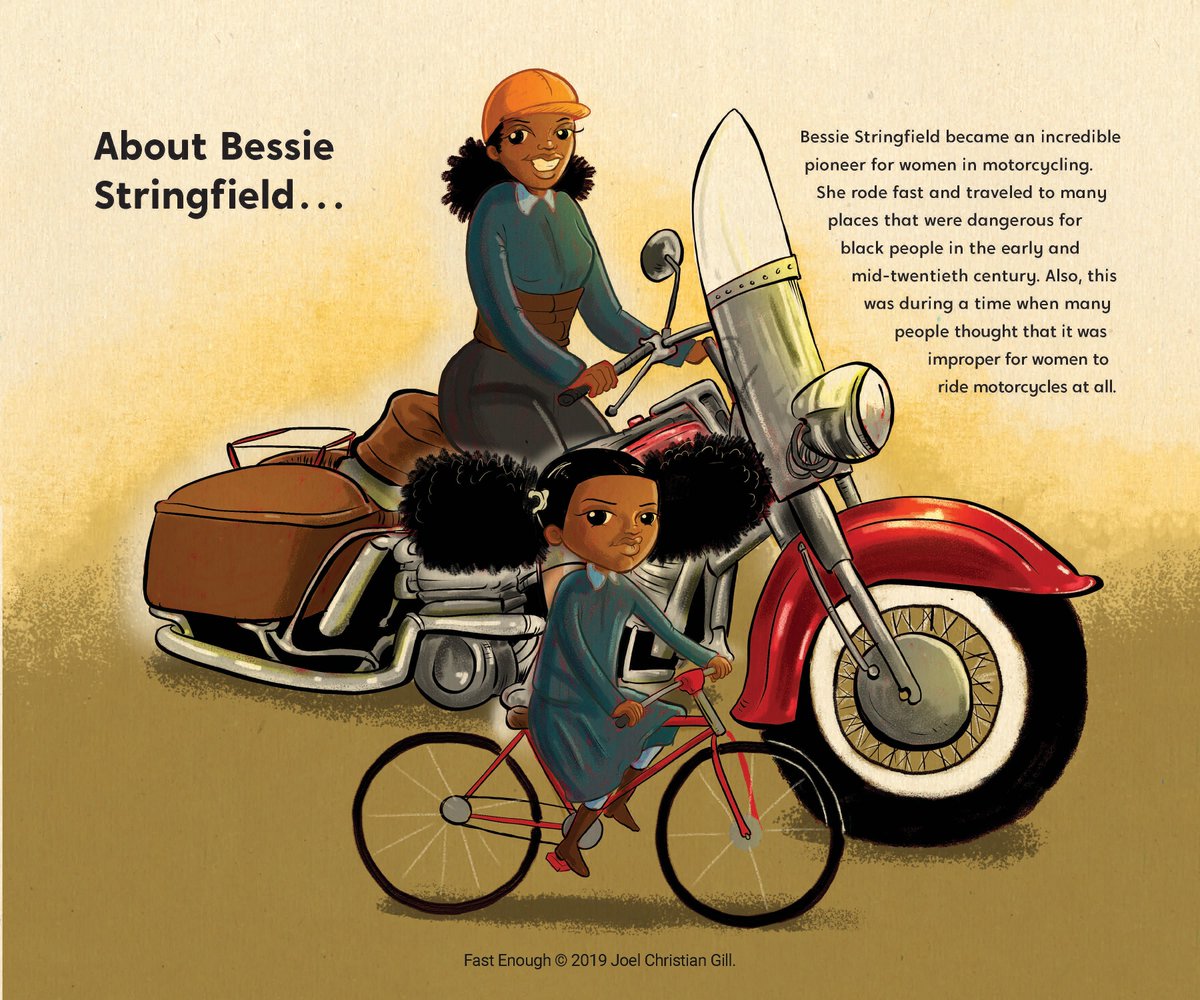
Are you Fast Enough to keep up with Bessie Stringfield?

Fast Enough: Bessie Stringfield’s First Ride, by Joel Christian Gill, (Feb. 2019, Lion Forge), $17.99, ISBN: 978-1-5493-0314-2

Ages 5-9

Young Bessie just wants to ride her bike with the kids after school, but they’re awful to her. They tell her she’s not good enough, not fast enough, not pretty enough, not tough enough. Determined not to listen to them, she asks her mother for advice and is told to “ask the Man upstairs”; she does, and she has a dream where she rides all over the world: she rides over water, between buildings, and even up into the sky. Bessie wakes up with a new determination, and starts riding that bike. Mistress of her own destiny, she beats the boys who scoffed at her, and goes on to become Bessie Stringfield, groundbreaking pioneer motorcyclist and traveler.

Bessie’s story is told here by Joel Christian Gill, award-winning graphic novelist and historian behind Strange Fruit, Books One and Two. Mr. Gill creates an inspiring story with a young child of color at the forefront. Bessie Stringfield was othered from a young age, and used that to fuel her resolve. In the book’s back matter, we learn that Bessie traveled the United States using Victor Hugo Green’s “Green Book”: The Negro Motorist Green Book, further illustrating Bessie Stringfield’s determination to succeed in the face of those who would other her. Joel Christian Gill’s artwork is filled with deep, vibrant color and is a joy to read. Endpapers show Bessie happily riding her bike as depicted in her dreams: throughout the world and beyond. The book is playful, with a spine of steel delivering its message. Read this often.

Fast Enough: Bessie Stringfield’s First Ride has a starred review from Kirkus.

Posted in picture books, Preschool Reads

Celebrating Hair with Hannah Lee and Allen Fatimaharan

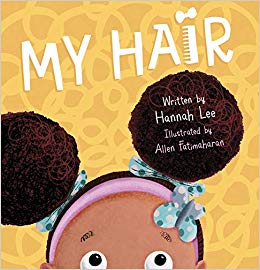
My Hair, by Hannah Lee/Illustrated by Allen Fatimaharan, (Sept. 2019, Faber & Faber), $16.95, ISBN: 9780571346868

Ages 4-7

A little girl has a birthday coming up, and wants a new hairstyle to debut. What should she get? This rhyming story follows a girl of color as she explores different hairstyles, observing friends, family, and the ladies at the salon. She mulls over dreadlocks, fades, braids, close-cropped, and wraps and turbans before finally listening to her mother and going with her natural, beautiful afro.

This acclamation of black hair and culture is such a joy to read. The rhyming text is fun and works beautifully with the images: earth-toned, bold, expressive characters and settings abound, and the personality of the images pops off the page. There are pets throughout the story, many sporting dramatic hairstyles (fur styles?) that match their humans. The young girl uses positive, lively words to run through styles she knows: her mother’s dreadlocks are “dazzling”; her uncle’s waves “swirl all over his head”; her aunt’s close-shaved hair is “like the head of a lioness”, and her grandmother “found one [grey hair] years ago and invited them all to stay”.

A positive, upbeat book about hair and community, and a smart add to your picture book collections.

A side note – if you haven’t had a chance to read or see the animated short for Mathew A. Cherry and Vashti Harrison’s Hair Love yet, please get the book or see the short (it’s running before Angry Birds 2; I hope other kids’ movies pick it up).


Posted in Fiction, Realistic Fiction, Teen, Young Adult/New Adult

Get ready to SLAY!

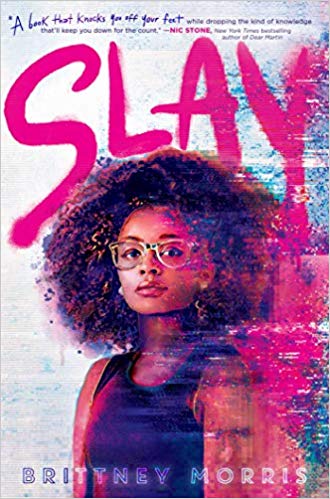
Slay, by Brittney Morris, (Sept. 2019, Simon Pulse), $18.99, ISBN: 978-1534445420

Ages 12+

This is one of the most buzzed-about YA books of the year, and with excellent reason. Slay is phenomenal.

Keira Johnson is a 17-year-old high school senior, math tutor, and one of a small handful of students of color at her high school, Jefferson Academy. Keira is at her happiest, though, when she steps into her character, Emerald, in the VR game she created: Slay. Slay is at once a competitive game and celebration of black culture, with hundreds of thousands of players. Slay lets black players inhabit a world where they don’t need to be a spokesperson for their race; they don’t need to code-switch to move in a white world; they can be, together, while competing in arenas and using cards that praise and elevate notable black men and women throughout history, and touchstones – both weighty and humorous – without having to explain or defend their meaning. Keira can’t let anyone know she’s the one behind Slay, though – her boyfriend, Malcolm, thinks video games are a way to keep young black men and women distracted and off balance, and she worries that her parents wouldn’t approve. But when a Slay-er is murdered over a Slay coin dispute, Keira finds her game the target of the media, who wants to call out the game and its creator as racist, and a dangerous troll, who threatens to take Keira to court for discrimination.

Slay is just brilliant writing. Gamers will love it for the gameplay and the fast-paced gaming action. The writing is sharp, with witty moments and thought-provoking ideas, including how a game can unite a community on a worldwide basis. Told mostly through Keira’s point of view, chapters also switch up to introduce readers to people affected by Slay, including a professor in his 30s and a closeted player living in potentially unsafe circumstances. There’s a strong thread of white deafness here, too – how white friends can ask things like, “Should I get dreadlocks?”, or provoke their “black friend” into speaking for the POC community to get the “different” point of view. Keira and her sister, Steph, come from a solid family, and Keira’s boyfriend, Malcolm, who wants black men and women to rise up together, but whose more radical worldview conflicts with many of Keira’s ideals.

Breathtaking characters that live off the page and in the imagination, fast-paced dialogue and a plot that just won’t quit make Slay required reading for upper tweens, teens, and adults alike. Give Slay all the awards, please.

Slay isn’t out until September, but you can catch an excerpt here at EW’s website. Bustle has a great piece on Slay and another excerpt, if you’re dying for more. Publisher’s Weekly has an article about Black Panther‘s influence on author Brittney Morris, which comes through in a big way through the pages of Slay, and the Slay website has sample cards from the game that you’ll love.


Posted in picture books, Preschool Reads

Kwanzaa Books to brighten your holidays!

I’ve finally got some of my Kwanzaa holds coming in, so this is a short first post for the season, but I’ve got more on the way! Let’s enjoy a couple of books celebrating Kwanzaa, its message of togetherness and peace, and its seven guiding principles.
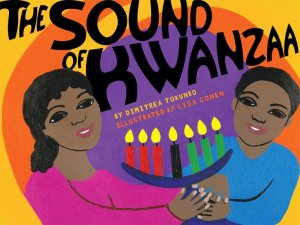
The Sound of Kwanzaa, by Dimitrea Tokunbo/Illustrated by Lisa Cohen, (Oct. 2009, Scholastic Press), $16.99, ISBN:  978-0-545-01865-4

Ages 3-7

What a wonderful way to welcome the holiday: The Sound of Kwanzaa invites readers to “come close, gather round. Listen to the sound of Kwanzaa” on each page, by introducing the different ways families gather to celebrate the principles of Kwanzaa: “loving words and greeting family” celebrate Umoja (unity); working hands and ancient stories herald Kujichagulia (self-determination); banging hammers and sweeping brooms usher in Ujima (collective work and responsibility); laughter and chants from shoppers and merchants alike announce Ujamaa (cooperative economies); the sounds of sharing dreams and goal-setting get readers ready for Nia (purpose); the rhythm of beating drums and singing voices praise Kuuma (creativity), and the harmony of praying voices and calls of Harambee signal Imani (faith), the concluding principle. Every verse speaks to a night celebrated, providing an example of the sounds, the principle, and the color candle added to the Kinara.

The verse moves through each spread, with the repetitive opening phrase gently encouraging a family or close group reading. Lisa Cohen’s bright illustrations celebrate families and communities working and celebrating together, in barber shops and grocery stores, creating art and singing praises together. Purple endpapers with silhouettes create a feeling of celebration and kinship. In an author’s note, Dimitrea Tokunbo talks about meeting Dr. Maulana Karenga, who began the celebration of Kwanzaa, in 1966, and remembers the “No-Cook Kwanzaa Brownie Bites” created to share at a karamu feast. There’s a recipe, too, perfect to make with the kids and share at your own feast.

Add this one to your holiday collections, and if you can find a copy – it seems to be hard to find a new one, which makes me sad – add this to your gift list.


Santa’s Kwanzaa, by Garen Eileen Thomas/Illustrated by Guy Francis, (Sept. 2009, Jump at the Sun), $15.99, ISBN: 978-0-7868-5166-9

Ages 3-7

Santa’s Christmas Eve shift is over, and now the fun begins! Every present’s been placed, all the cookies indulged, and now, Santa heads home to the North Pole where his elves and Mrs. Claus gather to give him gifts: It’s Kwanzaa at the North Pole! Santa takes off his hat to reveal white dreadlocks, and relaxes into his chair as a banner proclaims “Welcome Home, Santa Kwaz!” and Mrs. Claus spreads a comfy kente wrap for him to snuggle in. His seven elves – each named for a Kwanzaa principle – present him with gifts of their own, and gather ’round the table for a tasty feast. Santa bundles everyone back into the sleigh for one last trip, where Santa lights up the sky with Kwanzaa wishes for all.

This is a cute intersection of Christmas and Kwanzaa, told in familiar, comforting rhyme that begins, “‘Twas the night before Christmas. The very last hour”, following Santa on those last few stops before heading home, ushering readers right into the end of one holiday and the beginning of another (Kwanzaa begins Dec. 26, the day after Christmas). Guy Francis’ artwork is engaging and charming, and evokes warmth with his images of Santa getting some pampering for a change: he sits in a comfy chair, soaking his feet, surrounded by his elves and Mrs. Claus in one spread; in another, the elves surround him with hugs and gifts. Children of diverse backgrounds watch his peaceful message unfurl across the skies at the story’s end. Back matter invites readers to celebrate Kwanzaa “just like the Kwazes” and introduces each elf, named after a Kwanzaa principle and exhibits personality traits similar to each one: Umoja’s pride, for instance, unites the family, while Ujamaa cooperates and trades fairly. The cover is equally eye-catching, with Santa’s iconic red and white coat, black belt, and gold buckle are framed by a pair of kente cloth mittens.

Santa’s Kwanzaa is a fun holiday read, perfect for storytimes.

Find Kwanzaa coloring pages and activities at Crayola and DLTK-Kids. Scholastic has a lovely Kwanzaa wreath project, and SheKnows.com has some adorable Kwanzaa craft suggestions for kids.

Posted in Fiction, Historical Fiction, Middle Grade, Realistic Fiction, Tween Reads

Zora and Carrie have more adventures in Zora and Me: The Cursed Ground

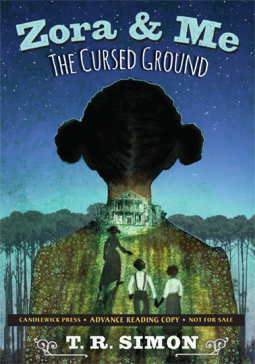
Zora and Me: The Cursed Ground, by T.R. Simon (Sept. 2018, Candlewick), $16.99, ISBN: 9780763643010

Ages 10-14

Is it any more perfect that the latest installment in a series starring a young Zora Neale Hurston is out right before Banned Book Month? Zora Neale Hurston’s brilliant classic, Their Eyes Were Watching God, is both a staple on high school reading lists AND a book that’s landed on Banned and Challenged lists since 1997.

Zora & Me is the story of young Zora Neale Hurston and her best friend, Carrie. The year is 1903, and the two live with their families in Eatonville, Florida, in the first African-American city to be incorporated in the state. Even as a child, Zora is every bit the storyteller, the grand designer of adventures; Carrie likes to play it safer, but always follows Zora into an escapade – or a mystery. In this second novel, author T.R. Simon examines hate, white privilege, and history. It begins when Mr. Polk, their mute neighbor, is attacked and his horses set loose. When the girls go investigate and help Mr. Polk, they discover he can speak – he speaks to Old Lady Bronson, a woman rumored to be a conjure woman. When Mr. Polk breaks his silence, it sets other pieces to a long-unsolved puzzle into motion. The narrative shifts between the events in 1903 and the story of a Lucia, a young woman sold into slavery in 1855. In 1903, Zora and Carrie discover an abandoned plantation mansion on Mr. Polk’s property; at the same time, white men come to Eatonville and demand more of Mr. Polk’s land, claiming a right to it. Tensions rise, and the people of Eatonville prepare to stand up for themselves and their home. As the narratives move back and forth, the puzzle comes together and everything becomes heartbreakingly clear.

Zora & Me: The Cursed Ground is intense and raw, with brutal honesty about slavery and its aftermath. T.R. Smith writes about the roots of racial violence and the “enduring wounds of slavery” that persist to this day. Zora Neale Hurston is an intelligent, headstrong 12-year-old, and Carrie finds her strength and voice. They’re strong protagonists, strong African-American young women, and fully aware of the danger that whites present to them, even if slavery is now something they’re only hearing about: many parents were born into slavery, and freed as very young children. This generation knows that they weren’t “given” their freedom. They weren’t given anything: they will fight for everything that is theirs. Lucia, the third main character in The Cursed Ground, tells a sharp, painful story about family lost and found; about freedom taken; about people who would diminish a whole race’s humanity, and about discovering and defending one’s sense of self. It’s an incredible story. A biography of Zora Neale Hurston and a timeline of her life conclude this story. I hope to read more of Zora’s and Carrie’s adventures. This is definitely on my Newbery shortlist, and I hope it’s on a Coretta Scott King Award shortlist, too. It’s a must-add to historical fiction collections and would make a stellar African-American History Month reading assignment for classes.

Posted in Fiction, Historical Fiction, Intermediate, picture books

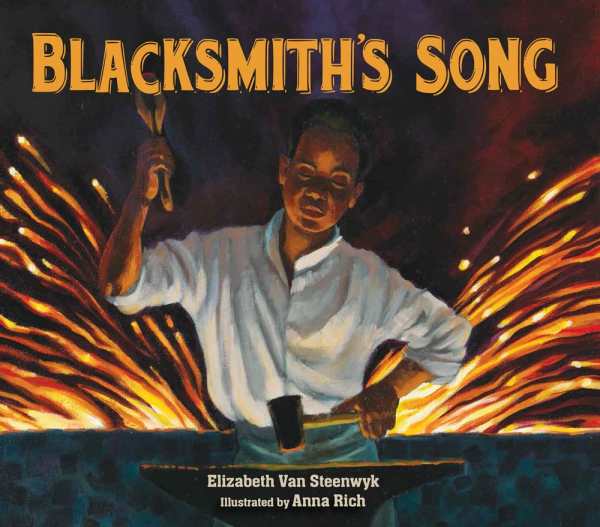
Blacksmith’s Song: An entry into African-American folklore

Blacksmith’s Song, by Elizabeth Van Steenwyk/Illustrated by Anna Rich, (Feb. 2018, Peachtree Publishers), $17.95, ISBN: 978-1-56145-580-5

Recommended for readers 6-10

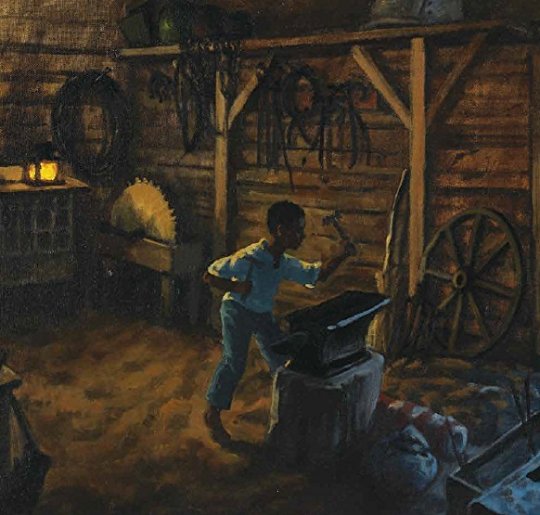
An enslaved boy realizes that the rhythm of his blacksmith father’s “song” – the hammer striking the anvil as he works – changes when he sends word to other slaves that it’s time to escape. He waits for it to be his family’s turn, but when his father falls ill, he takes matters into his own hands: for himself, his family, and the slaves who rely on his father’s message.

Inspired by stories from the Underground Railroad, Blacksmith’s Song gives readers a new entry into African-American folklore: some may have heard of the quilts and the messages they provided; some may know that dances and songs like “Wade in the Water” provided coded messages; now, we have the rhythm of the smith’s hammer. Anna Rich paints stunning portraits in oils: the forge’s flame and sparks; the grim slave catchers riding out in search of escaped slaves; the watchful eyes of the boy and his family, and the warm glow of the firelight as the boy takes up his father’s hammer for the first time. A good addition to historical fiction picture book collections and to readers interested in American folktales, particularly surrounding the Civil War-era South.

Posted in Intermediate, Non-Fiction, picture books

The Midnight Teacher’s bravery

Midnight Teacher: Lilly Ann Granderson and Her Secret School, by Janet Halfmann/Illustrated by London Ladd, (Feb. 2018, Lee and Low), $18.95, ISBN: 9781620141632

Recommended for readers 7-11

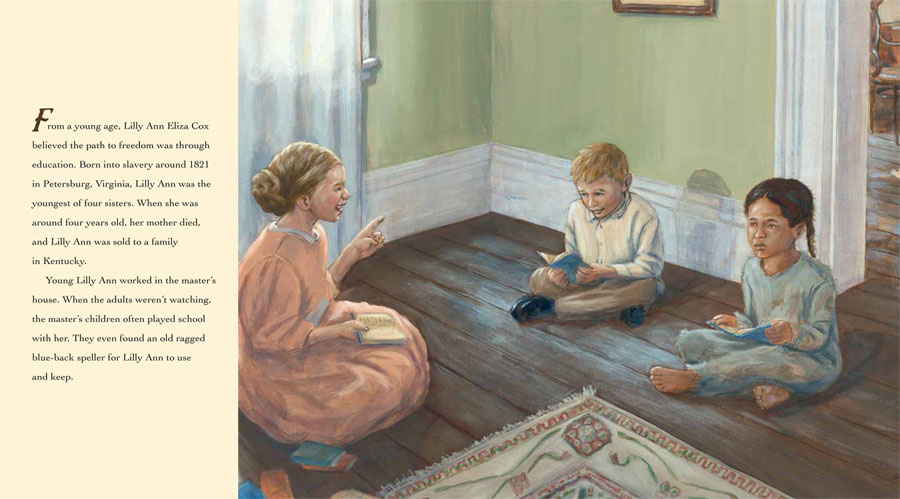
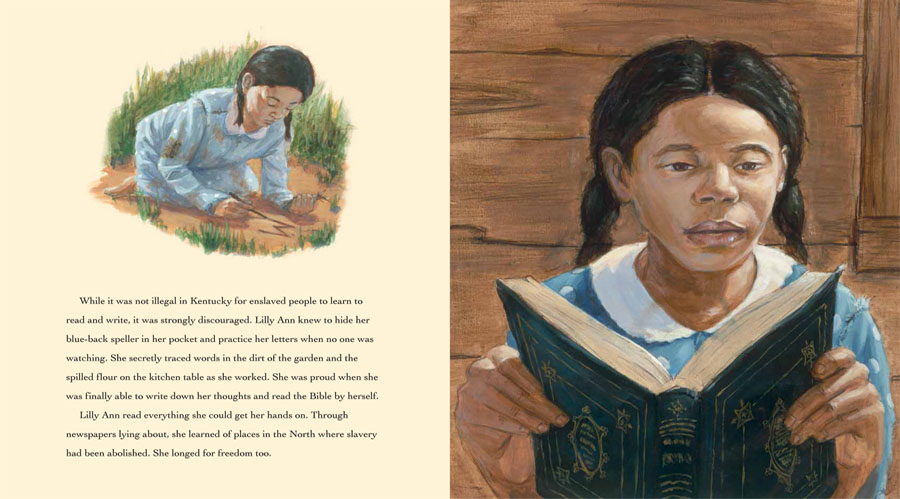
Lilly Ann Granderson was born a slave, taught to read by her master’s children, who played school with her. As she grew up, she practiced her spelling and reading in secret – in some areas, it was against the law to teach slaves to read – and eventually began teaching other slaves. She was determined to teach as many of her people as she could, to give them the chance at freedom made possible through education, and began a midnight school where slaves would gather after dark to learn, risking cruel punishment if they were discovered. Eventually, Lilly Ann won the right to start a school and a Sabbath church school, where she could teach her students with no fear of repercussion.

This picture book biography looks at the life of an overlooked champion for literacy and social justice and makes an excellent addition to biography collections. Lilly Ann Granderson’s determination and perseverance; her desire to to learn and promote learning among others is an important and, sadly, relevant topic today. Talk about how education leads to freedom, and mention that education is not always a right, even today. Malala Yousafzai’s picture book biography, For the Right to Learn, illustrates this and is a good companion to Midnight Teacher.

The artwork is realistic and subdued, made with acrylic paint and colored pencil; London Ladd gives character and expression to his characters, particularly Lilly Ann Granderson, whose determination and inner strength shine through. An afterword provides an overview of Granderson’s life and those of her descendants, who went on to become activists, had life in public service, and found professional success. A nice bibliography has more resources for interested readers, caregivers, and educators. Midnight Teacher has a starred review from Kirkus and is a must-add to collections where picture book biographies are available.

Posted in Intermediate, Non-Fiction, picture books

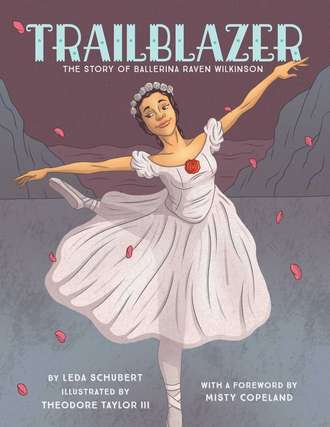
Black History Month: Trailblazer – The Story of Ballerina Raven Wilkinson

Trailblazer – The Story of Ballerina Raven Wilkinson, by Leda Schubert/Illustrated by Theodore Taylor III, (Jan. 2018, little bee books), $17.99, ISBN: 9781499805925

Recommended for ages 6-9

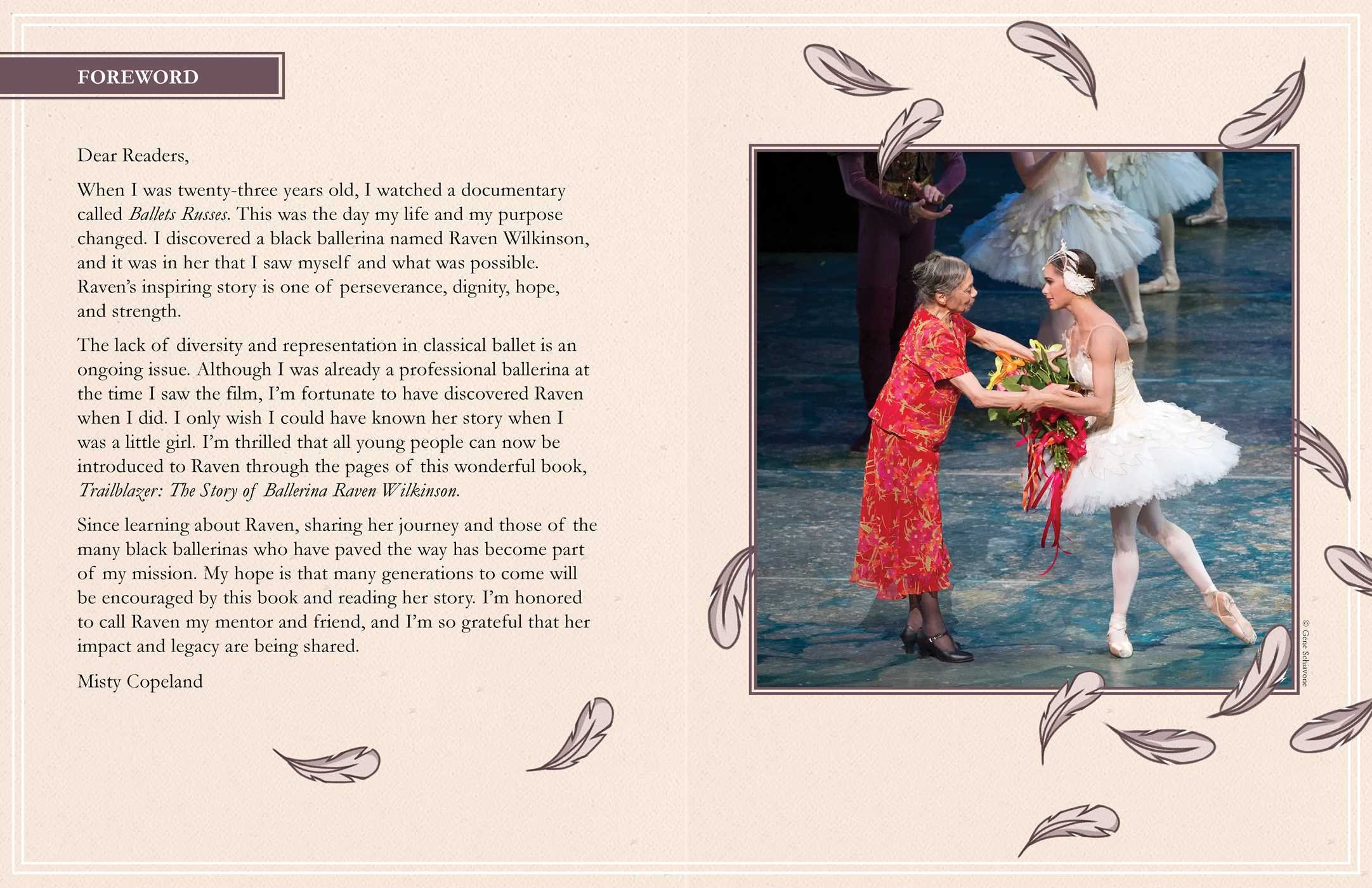
Born in New York City in 1935, Raven Wilkinson was a little girl who fell in love with ballet and grew up to become the first African American ballerina to tour with a major American touring troupe. She faced racism at every turn; she auditioned three times for the Ballet Russe de Monte Carlo before they finally accepted her into the touring company. When they toured the American South in the 1950s, she faced adversity from hotels who wouldn’t allow her to stay, fearing repercussions from the Ku Klux Klan; ignorance in the form of racists running onto the stage to protest the “nigra in the company”; and dining in hotels where families left their Klan sheets in a pile in the back while they ate dinner together. She persisted, even when she was passed over time and again for the starring role in Swan Lake, finally achieving the spot in 1967 with the Dutch National Ballet of Holland. She later joined the New York City Opera, dancing until she was 50. She’s inspired countless dancers, including Misty Copeland, who became the first African American principal dancer with the American Ballet Theater in 2015 AND danced in Swan Lake. Copeland has said of Raven Wilkinson, “She was a mentor in my life before I met her.”

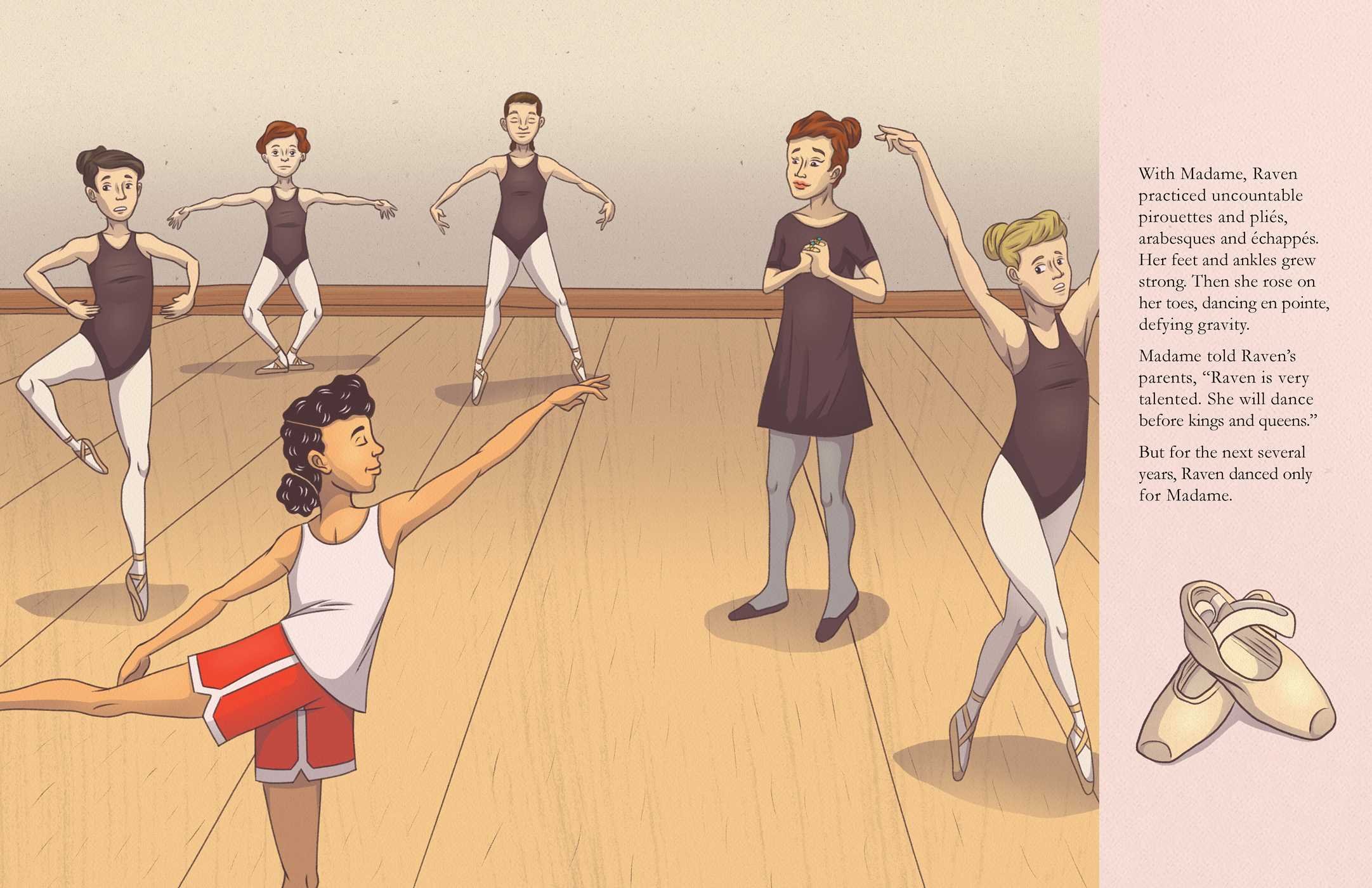
This is a lovely look at Raven Wilkinson’s life and career, especially relevant in our racially charged society – the more things change, the more things stay the same, it would sadly seem. When Raven eats dinner in a hotel surrounded by families who leave their Klan sheets strewn across seats while they eat, it’s horrifying because it normalizes hate. The indignity of Raven Wilkinson having to endure this indignity is like a gut punch to an older reader, and we need to use that nausea, that anger, that outright disgust, as a teaching opportunity to de-normalize this for younger readers. The illustrations are soft, almost comic book-like, while retaining a realistic quality, that will appeal to younger readers.

This is a beautifully illustrated picture book biography of an African American pioneer few people may be familiar with. Let’s change that. If you ask kids to name African American role models, you’ll likely hear the big names, but let’s make MORE big names. Let’s put books like Trailblazer in our displays, showing kids that there are pioneers everywhere. Neil Degrasse Tyson, Mae Jemison, and Katherine Johnson? Heck yes, get them in front of kids. STEM and the sciences are important. And let’s show them Trailblazer and Firebird; Radiant Child and When Marian Sang, DJ Kool Herc and the Creation of Hip Hop and Muddy to remind readers everywhere that there are pioneers in the arts, too. Children need to see inspiration everywhere, and that there are advocates in every walk of life.

This 2015 video features Raven Wilkinson and Misty Copeland when Dance/USA, the national association for professional dance, recognized Raven Wilkinson, the 2015 Dance/USA Trustees Awardee, at the Dance/USA Annual Conference in Miami on June 17, 2015.

Leda Schubert’s most recent picture book biography, Listen, was about singer and activist Pete Seeger. Her website offers more information about her books, including downloadable activity guides and discussion questions. Illustrator Theodore Taylor III is a Coretta Scott King John Steptoe New Talent Award Winner. See more of his artwork and learn about his other books at his website.

Posted in Fantasy, Fiction, Middle Grade, Tween Reads

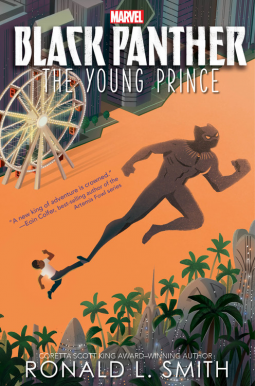
Black Panther: The Young Prince: Middle Grade superhero fiction!

Black Panther: The Young Prince, by Ronald L. Smith, (Jan. 2018, Disney Book Group), $16.99, ISBN: 9781484787649

Recommended for readers 10-13

YES. A middle grade novel about an African superhero, written by a Coretta Scott King Award-winning author? ALL THE YES, PLEASE. Ronald L. Smith brings T’Challa to life with this first novel, where we meet the not-quite-yet Black Panther and his best friend, M’Baku, in their homeland, Wakanda. Ulysses Klaue (Marvel fans, heads up for continuity!) has shown up in Wakanda, and T’Chaka, current King of Wakanda and Black Panther, knows that’s never a good sign. He sends his son and M’Baku off to Chicago and safety while Wakanda braces for an invasion. T’Challa wants to keep his head down and blend in, but M’Baku couldn’t want anything less. The opportunity presents itself in the form of local middle school tough guy Gemini Jones and his gang, the Skulls. Kids whisper that Gemini’s a warlock, but that doesn’t stop M’Baku from falling in with Gemini and turning a cold shoulder to T’Challa. If middle school squabbling were the only problem, right? But nope, things are about to go south in a big wayl; luckily for T’Challa, his father packed a Black Panther suit for his son… just in case of emergencies.

This novel is SO GOOD. It’s unputdownable, whether you’re a superhero/Marvel fan or not. Ronald L. Smith brings his talent for creating interesting characters and conflict, plus his gift for writing about magic, and gives life to one of Marvel’s most exciting characters.

Yes, I’m a Black Panther fan. Yes, I’m thrilled about the movie coming out. And yes, this book is fantastic and deserves its spot on every middle grade/middle schooler’s library shelf. Representation counts, and by giving an African superhero his own novel, written by an award-winning African American novelist, Disney has shown readers their commitment to diversity and #ownvoices. I’m thrilled with The Young Prince, and want to read more. Maybe next, we can get a story about the Dora Milaje? How about a Shuri mention? (She’s Black Panther’s sister, in the comics.) Indulge me!

Posted in Graphic Novels, History

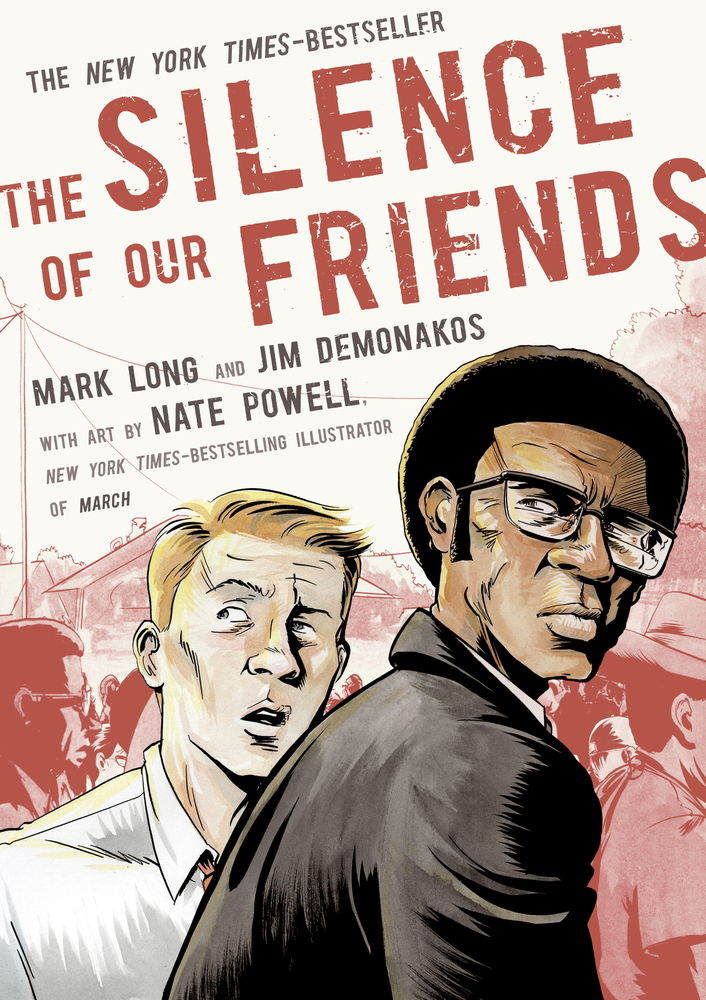
Two families find common ground during the Civil Rights era: The Silence of Our Friends

The Silence of Our Friends, by Mark Long and Jim Demonakos/Illustrated by Nate Powell, (Jan. 2018, First Second), $9.99, ISBN: 9781250164988

Recommended for readers 12+

Originally published in 2012, The Silence of Our Friends is getting a re-release next week.Set in 1968 Texas, The Silence of Our Friends tells the story of two families – a black family and a white family – who come together as the civil rights struggle comes to a boil. It’s a memoir of Mark Long’s childhood in a virulently racist Texan suburb; it’s the story of his journalist father, Jack, and his friendship with African-American professor at Texas Southern University professor, Larry Thompson; and it’s the story of a lesser-known event in civil rights history: a series of student protests at Texas Southern University, culminating in police brutality and shots fired at unarmed African-American students in a university dorm. Those same students were imprisoned and put on trial for the death of a police officer who was killed by a fellow officer’s misfire.

The Silence of Our Friends is taken from the Martin Luther King quote, “In the end, we will remember not the words of our enemies but the silence of our friends.” It’s a powerful quote given powerful illustration in Long’s story. Jack Long is a journalist trying to do the right thing, but his racist boss wants a pro-white narrative in the press. Jack’s silence can kill.

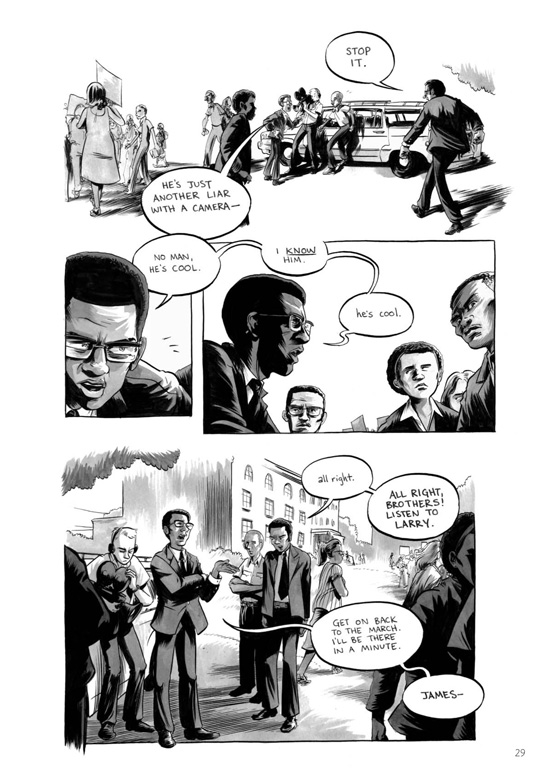
Artist Nate Powell, who beautifully illustrated John Lewis’ March trilogy, creates strong, stark images here, using black and white artwork to create imposing shadows and menacing crowds and idyllic homes with tension thrumming throughout. The Silence of Our Friends is an ally’s story and a good additional title in civil rights collections.