Posted in Non-Fiction, Teen, Tween Reads, Young Adult/New Adult

Power to the People: We Are Power elevates nonviolent activism

We Are Power: How Nonviolent Activism Changes the World, by Todd Hasak-Lowy, (April 2020, Abrams Kids), $18.99, ISBN: 9781419741111

Ages 12+

A thought-provoking treatise on nonviolent activism, We Are Power presents six case studies throughout recent history: Gandhi, Alice Paul, Martin Luther King, Cesar Chavez, Václav Havel, and Greta Thunberg. Each section explores nonviolent resistance, the roots behind each advocate’s activism, and how the power of one person, exhorting nonviolence, can motivate thousands and create change. In an increasingly contentious world, the power of nonviolent activism, and placing this information in the hands of a generation of activists, is not only smart, it’s crucial.

Beginning with Gandhi and his theory of “soul force”, or satyagraha, each consecutive profile touches on how previous movements inspired one another. Martin Luther King in particular was influenced by Gandhi, while Alice Paul’s suffrage activism was a response to the more extreme suffagists in the UK, and her desire to be seen as calm, unflappable, and strong. Cesar Chavez understood that increasing awareness of migrant worker conditions was the best way to bring social justice to migrant workers and received a letter of encouragement from Martin Luther King, himself leading nonviolent resistance movements to bring civil rights to the country. Playwright-turned-Czech president Vaclav Havel used his art to protest; later, letters from prison, where he wrote about truth and opened people’s eyes by telling them that they were complicit in allowing their restrictive government’s rule by following the rules. Teenager Greta Thunberg began her climate change protest by being the sole student striking for climate change, and motivated a planet to take action.

A solid beginning for a discussion on social justice, activism, and civil disobedience, this is a must-have volume for middle school and high school collections. I can’t wait to put this in my order cart when my library, opens again. This would be a great Summer Reading choice, for educators who haven’t finished their lists yet. Photographs of protests and tense moments, like seeing schoolchildren attacked by dogs and being doused with hoses, make for great discussions on the use of violence against nonviolence – what stands to be gained? Comprehensive endnotes, bibliography, and index complete the book. Author Todd Hasak-Lowy’s author webpage has videos and resources for parents and educators.

We Are Power has starred reviews from School Library Journal, School Library Connection, and Kirkus.


Posted in Graphic Novels, Middle School, Realistic Fiction, Teen, Tween Reads

Go With the Flow needs to be in every school, in every library, available to everyone, everywhere

Go With the Flow, by Lily Williams and Karen Schneemann/Illustrated by Lily Williams, (Jan. 2020, First Second), $14.99, ISBN: 9781250143174

Ages 12+

Hazelton High School has a problem: there are never feminine hygiene products available to their students. There never seems to be funds available to get these products in stock for students. But there always seems to be money to get new uniforms or equipment for the football team. What the heck? Sophomores Abby, Brit, Christine, and Sasha are 100% DONE with the leadership in their school blowing off their complaints and their needs, so they take matters into their own hands in this brilliant graphic novel by the creators of The Mean Magenta webcomic Lily Williams and Karen Schneemann.

Go With the Flow is crucial reading for everyone, because the problem of access to and affordability of feminine hygiene products is a growing crisis. Using a microcosm of high school, Go With the Flow illustrates the value placed on sports programs versus providing free and accessible pads and tampons to their students. As the girls come together to brainstorm solutions, they realize that this isn’t just a schoolwide problem, it’s a global problem. Using statistics, research, and infographics, Lily Williams and Karen Schneemann blend these facts and figures in with a storyline that will empower and rile up female-identifying readers – and hopefully male- and non-binary-identifying readers, too! There’s an LGBTQ+ positive subplot, fleshed-out, likable and relatable characters (I cringed in sympathetic recognition as the new girl bleeds through her pants on her first day at school). The two-color artwork will be familiar to Mean Magenta readers. Back matter includes comprehensive information about menstrual equality, including links to further reading.

Give this to your realistic graphic novel readers first and let them spread the word. Have menstrual equity resources available for anyone who wants them. Here are a few to start:

The ACLU’s Menstrual Equity Handbook

Period.org: The Menstrual Movement

PBS.org: How Access to Period Products Removes a Barrier to Education

Girls Scouts NY: These Girl Scouts Brought “Menstrual Equity” to 200 Brooklyn Schools

BRAWS.org: Bringing Resources to Aid Women’s Shelters

Tennessean: Lack of Feminine Hygiene Products Keep Girls Out of School


Posted in Fiction, Intermediate, Realistic Fiction

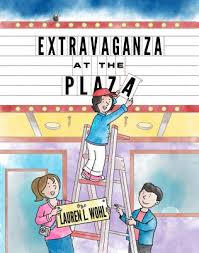
Extravaganza at the Plaza and a word from author Lauren L. Wohl

Extravaganza at the Plaza, by Lauren L. Wohl/Illustrated by Mark Tuchman, (Aug. 2018, Persnickety Press), $14.95, ISBN: 9781943978311

Ages 7-11

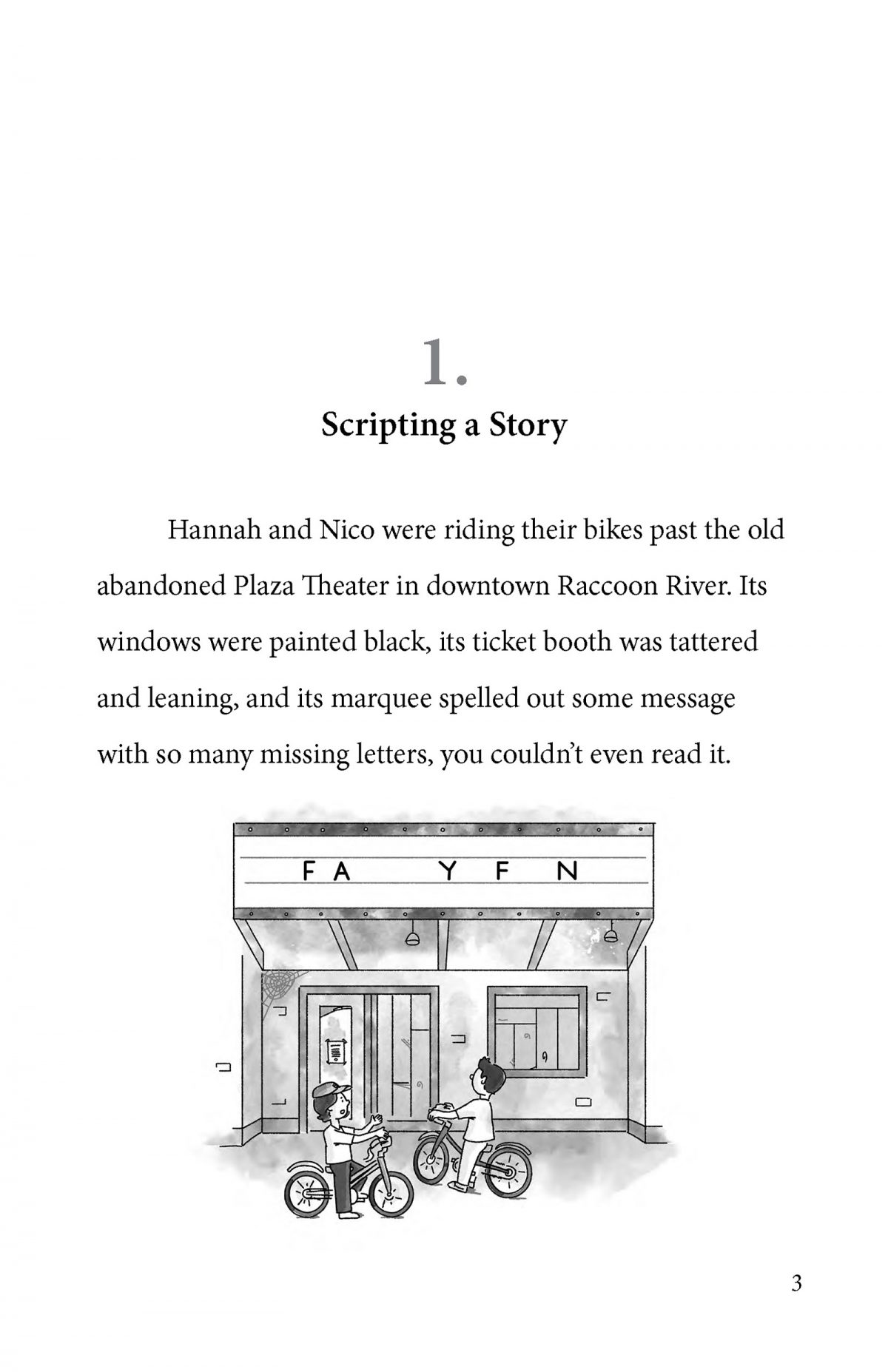
Third graders Hannah, and her best friend, Nico, walk by an abandoned theater in their neighborhood and decide it’s time to take action. Their town needs a good theater, after all: there are graduations and school concerts to be held, and everyone’s tired of traveling to nearby towns to see movies. There is a lot of work to be done, but Hannah is determined to make things happen! This companion to 2017’s Blueberry Bonanza is an upbeat story of how a community comes together with a goal in mind: to rehabilitate a public space!

Extravaganza is a good choice for middle graders. Hannah and Nico, along with their local mayor, have a lot to teach kids about taking action. The first place Hannah goes when she starts on her mission: the library! Her local librarian helps her look up the building’s owner and construction details, plus local history regarding the building. Hannah uses this information to learn what can be done, who to speak to, and how to get more help on board for her idea. Hannah is also a sympathetic character; she wants to make this her own pet project and struggles with so many people being part of it – kids will appreciate the feeling of wanting to work on a passion project, and the potential frustration of having someone else take the credit for their work. There’s discussions of fundraising, donor fatigue (when Hannah suggests sending postcards or calling people about donating, her mother steps in to gently nix that), and the necessities of renovating a building – find the owner; get it inspected; hire the right professionals – and, most importantly, the planning process for each task! Black and white illustrations throughout add a human face to the story, and the big ending will have kids wondering what they could do to make positive change in their own neighborhoods.

Lauren L. Wohl writes good stories about kids making the difference in their neighborhoods. Her Raccoon River Kids have started their own businesses (Blueberry Bonanza); motivated an entire town to come together to renovate a public space (Extravaganza at the Plaza), and, later this year, they’ll be starting a pet showcase to find homes for homeless pets (Zooapalooza). The Raccoon River books are a great precursor to books like The Donut Fix by Jessie Janowitz.


And now, a note from author Lauren L. Wohl!

MY FAVORITE LIBRARY MOMENTS

I grew up in Brooklynand believe me when I tell you, it was not the cool place it is today.  It was just home to many working familiesmade up of neighborhoods which were small and close and often built on shared values and experiences.

There was a branch of the Brooklyn Public Library eight blocks from home. For as long as I can remember, my dad and I walked to the library every Saturday morning. At each visit, he would borrow one of the color fairy tale collections by Andrew Lang. I dont recall how many there were, but I can still picture The Blue Fairy Book,The Purple Fairy Book, and The Rainbow Fairy Book. During the week that followed, he or my mom would read one whole story every night. We had favorites in each color, and we knew that evenif tonights story wasnt one of those, tomorrows or the next days would be.  

My dad also borrowed a book for himself for subwayreading back and forth to his job in Manhattan. Itoo, would pick a book to read on my own. 

The next week, we would return our books to the librarian who was always interested in what I liked and what I didnt. We engaged in conversations about the books(I thought she had read EVERYTHING in the library.). She took my opinions seriously. That interest and that respect mattered the world to me.

By the time I was in fourth grade, the librarian started to put aside three books she picked out just for me. She knew what my preferences were from the many book discussions we had hadShe picked winners just about every timeI felt so specially treated.

When I went through a period of reading books that she didnt thinkworthy, she would make sure the second selection of that Saturday met her standard. Slowly I developed skills to find books that challenged me and pleased me; humor that made me giggle; dramas that wrapped me inside them; nonfiction that answered my questions; and family and friend stories that warmed my heart.

When the city decided it was time to develop the area where our library stood, they moved the branch closer to our house. It was easier, sure, but I missed the long walks with my dad. I was in junior high by then, old enough to walk to this new location on my own.  But I missed that old library; I still do. Its impact was long-lasting, and many years later I know those Saturday mornings were a part of my decision to go to graduate school in library science.

When I finally completed my degree, my husband, young son and I took a vacation to Washington DC to celebrate. I wanted to explore thLibrary of Congress.

My husband called ahead, so that when I showed up, the library was ready for me with a special brand-new librarian tour. I saw rooms the public didnt usually see. I touched history; it surrounded me. Every step was thrilling, every detail memorable. Right then was when I knew I had made the right decision.

Posted in Middle Grade, Non-fiction, picture books

Two picture book biographies: Charlie Chaplin and Gloria Steinem

Smile: How Young Charlie Chaplin Taught the World to Laugh (and Cry), by Gary Golio/Illustrated by Ed Young, (March 2019, Candlewick Press), $17.99, ISBN: 9780763697617

Ages 8-12

This picture book bio on silent screen giant Charlie Chaplin starts with Chaplin’s early life in London and his life in a poorhouse; covers his early performing years in London and his discovery by American filmmaker Mack Sennett, and Chaplin’s success in creating his classic Little Tramp. Using verse with occasional moments of rhyme, this is a fantastic way to bring Charlie Chaplin’s movies and life to an audience that, as Kirkus notes, “grow ever more distant”. I remember watching Chaplin’s movies on TV when I was growing up, and later on, as a cinema student in college; I loved his humor, and I loved his social commentary that came across loud and clear. Smile touches on these concepts and Chaplin’s talent to make viewers laugh and cry, sometimes at the time.

Ed Young’s collage and ink artwork is incredible. The collage endpapers are populated with silhouette cutouts; spreads are created using torn paper, fabrics, newsprint, and murky colors. Little Tramp silhouettes show up on almost every spread. The story ends with a photo of Chaplin as Little Tramp, and the beginning and end of the book appear as a silent film title cards.

Back matter includes quotes from Chaplin’s writing, an afterword from the author, facts about Charlie Chaplin, and a list of resources. The author includes a suggested Chaplin viewing list that I’d love to run here at my library. I’ll have to see if I can generate some interest. In the meantime, here’s a clip from The Kid (1921).

Smile has starred reviews from Kirkus and Publishers Weekly. Gary Golio is an award-winning author of children’s nonfiction; Ed Young is a Caldecott-winning artist.

Gloria Takes a Stand: How Gloria Steinem Listened, Wrote, and Changed the World, by Jessica M. Rinker/Illustrated by Daria Peoples-Riley, (March 2019, Bloomsbury), $17.99, ISBN: 9781681196763

Ages 8-12

Feminist activist and icon Gloria Steinem’s story is told in narrative text and mixed media art, beginning with her early years as she traveling with her parents and learned in the back of their car. She goes to college, shakes off the “when are you going to get married?” expectations, opting to travel to India. Inspired by the the 1963 March on Washington, she decided to join fight for equality, eventually co-founding Ms. magazine in 1971.

The text is a bit dense, making it a better choice for middle grade readers; short sentences summarize every few spreads to reinforce Steinem’s actions throughout her life: “Gloria watched. She learned. And helped”; “Gloria thought. She questioned. And learned”. The mixed media artwork shows Steinem’s intersectionality, standing alongside people of color at marches and protests. There’s a nice tribute to Steinem’s influence on later generations of young women, with a diverse group holding signs including “Black Lives Matter”, “Where are you going to college?”, and “Resist! Persist!” An author’s note and illustrator’s note each touch on Steinem’s personal influence, and additional back matter includes a timeline of important events in U.S. women’s history, and a bibliography of further resources. The endpapers are renderings of Ms. magazine covers.

A nice addition for Women’s History Month collections and research.

Posted in Intermediate, Middle Grade, Non-fiction, Non-Fiction

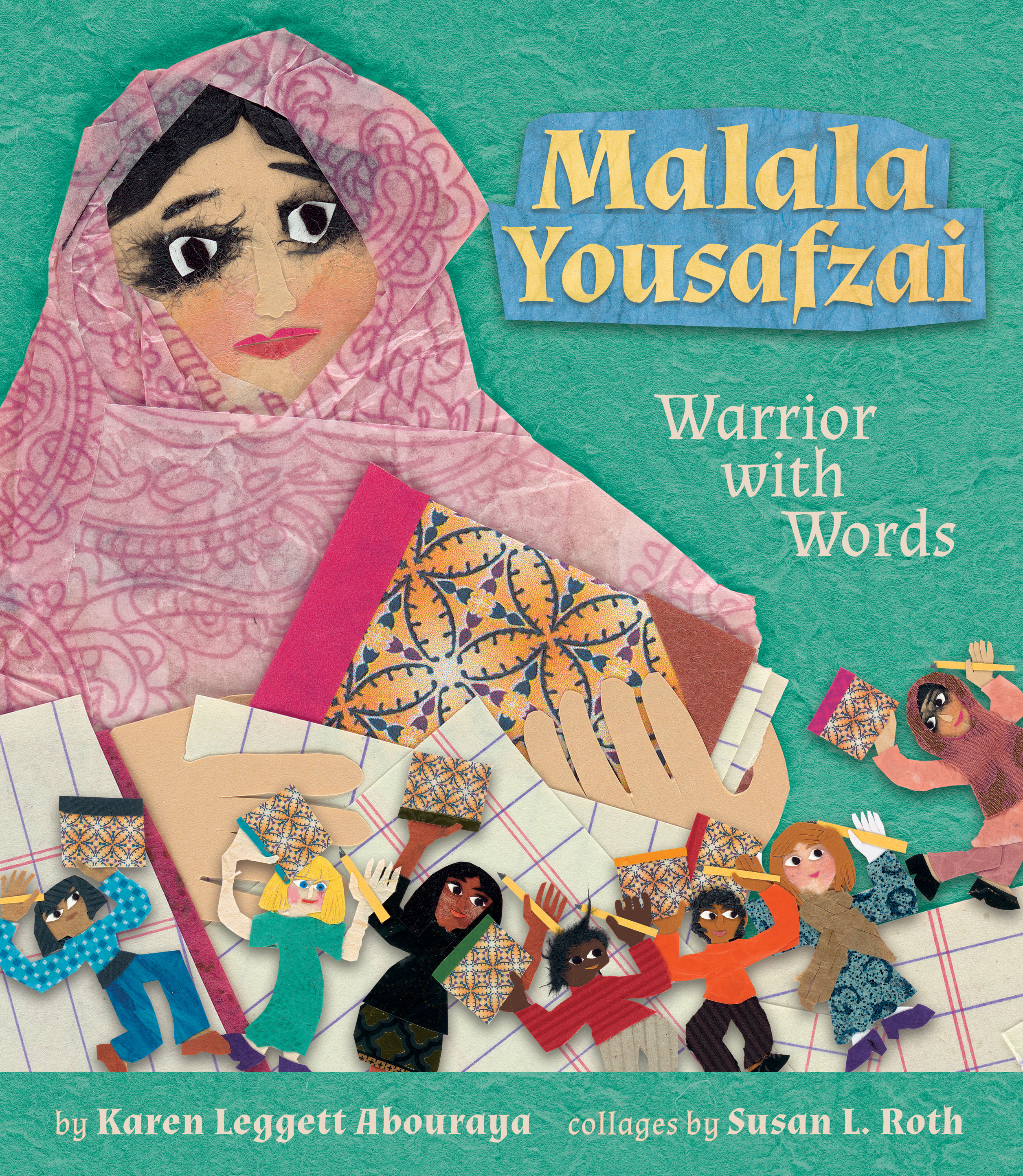
Malala Yousafzai: Warrior with Words

Malala Yousafzai: Warrior with Words, by Karen Leggett Abouraya/Illustrated by Susan L. Roth, (Jan. 2019, Lee and Low), $19.95, ISBN: 9781620148389

Ages 6-10

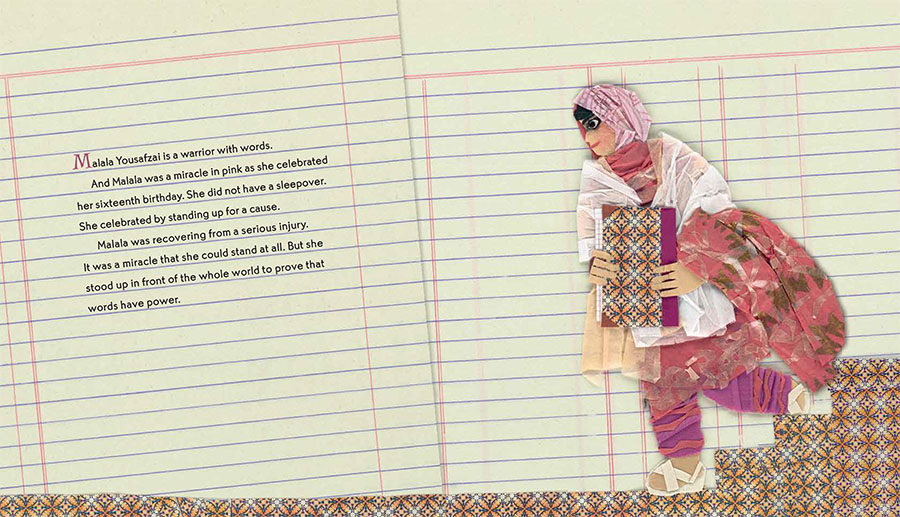
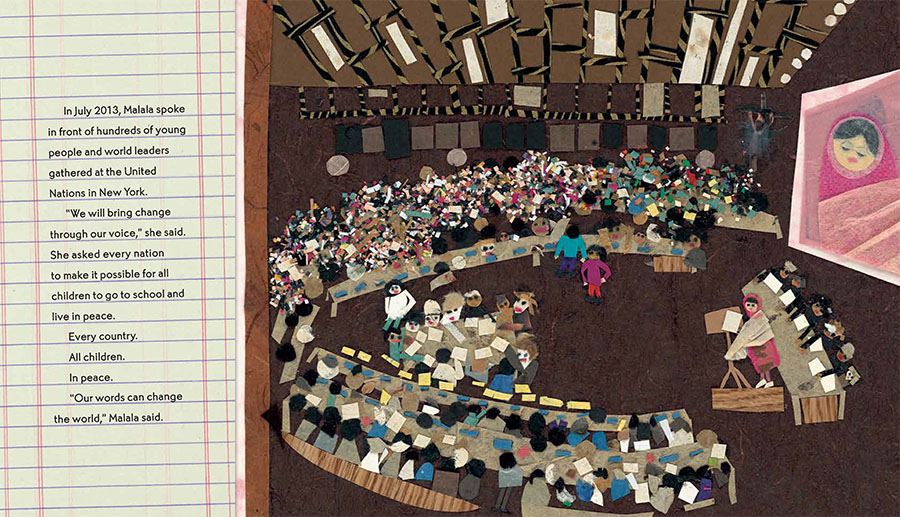
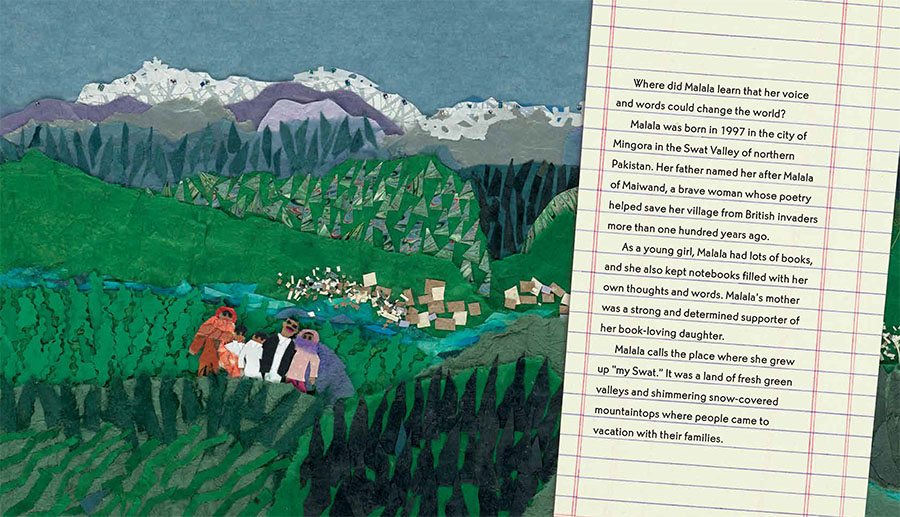
This latest biography of activist and Nobel Prize winner Malala Yousafzai speaks to younger, intermediate readers on their level: she grew up in Pakistan’s Swat Valley, lovingly referred to by Malala as “my Swat”. Her father was the principal of a school for girls, and she grew up loving books and learning. In 2007, when the Taliban came to power and tried to ban education for girls and women, Malala began blogging, under a pen name; her blog was picked up by the BBC’s website in 2009. Her family fled the Swat Valley when Pakistan’s army fought the Taliban, but they returned when the fighting was over, finding much of their home destroyed. In 2012, Malala and two friends   were shot by Taliban soldiers who boarded their school bus. She was taken to a hospital in England, and her activism became a worldwide phenomenon, speaking at the United Nations and receiving a Nobel Prize for her work.

The text is straightforward, describing the Taliban’s policies and even Malala’s shooting in plain language. The Taliban doesn’t get to take Malala’s story away from her: she shines here, with her accomplishments and her dedication to education for all being the main focus of the book. Her awards and her studies are lauded, as is her love of the color pink and her love for her family and her home. Back matter includes information on Pakistan, the Taliban, The Malala Fund, and a spotlight on youth activism and organizations.

The collage art is outstanding. Most of the artwork is soft, using felts and fabrics with warm and soft colors to create Malala, her family, her world, and the diversity of the United Nations and our world; even when women must don black clothing to avoid notice by the Taliban, the crisp blacks and whites of the characters clothing are felt: soft, warm. That all changes for the two pages introducing the Taliban, which depicts them using photo art with crudely drawn, mask-like faces. It made me sit up the first time I read the book, and on subsequent readings, I realized how brilliant illustrator Susan L. Roth is. It’s a subtle, but jarring change that lets readers experience just a fraction of the discomfort, the fear, that these figures brought with them. Incredible artwork by an award-winning illustrator, and it supports and gives life to Karen Leggett Abouraya’s informative reporting. Add this to your picture book biographies.

Posted in picture books, Preschool Reads

Even more ways to Change the World Before Bedtime!

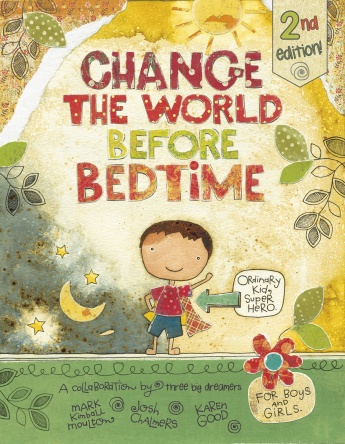
Change the World Before Bedtime (2nd Edition), a collaboration by Mark Kimball Moulton, Josh Chalmers, and Karen Good (October 2018, Schiffer Publishing). $16.99, ISBN: 9780764355813

Recommended for ages 4-8

An updated version of the 2014 book – one of my favorite go-tos for storytime and class visits – gives kids even more ways to be a positive force for change in the world. The rhyming story encourages self-care – eating healthy, dreaming your dreams, surrounding yourself with friends – to get the energy to spread happiness and goodwill by performing good deeds. The book encourages kids to make friends and include everyone; donate time and raise money to help those less fortunate, and take care of the earth by recycling and composting. Other new additions include added back matter, where kids can add their good deeds to-do list and their own “happy word” clouds; there are happy words from around the world, including Swahili, Hebrew, Haitian Creole, and Romanian. There’s a superhero cape activity that encourages kids to decorate a pillowcase cape, mapping to a spread in the book where kids wear their own superhero capes. There are suggestions for adult-kid collaboration, and updated endpapers encourage kids to make their own bookplate at the front of the book; a smiling earth says “Thank you” in a variety of different languages at the close.

The art is adorable, the message is upbeat and optimistic, and the message is clear: everyone has the ability to make positive changes in our world.

Change the World Before Bedtime is a good book to add to your activism/social justice collections. Display, booktalk, and read with The Smallest Girl in the Smallest Grade by Justin Roberts and Christian Robinson; Pass it On by Sophy Henn; 10 Things I Can Do To Help My World, by Melanie Walsh, and Maybe Something Beautiful by Isabel Campoy and Theresa Howell.

Posted in Intermediate, Non-Fiction, picture books, Preschool Reads

Nonfiction rundown: October and November

Picture book nonfiction just gets better and better. In October and November, we get two more biographies on people of color that have, until now, been largely overlooked by history. It’s disheartening on one hand, but I choose to be glad that books are coming forward now to liven up our nonfiction shelves and give readers even more role models across all walks of life to learn about and be inspired by. I’ve also got some fun alphabet books and some nature and science. Pull up a chair, brew a warm beverage of your choice, and enjoy!
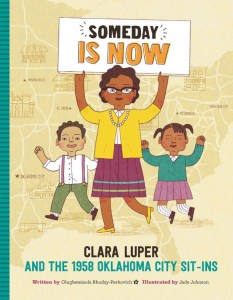
 

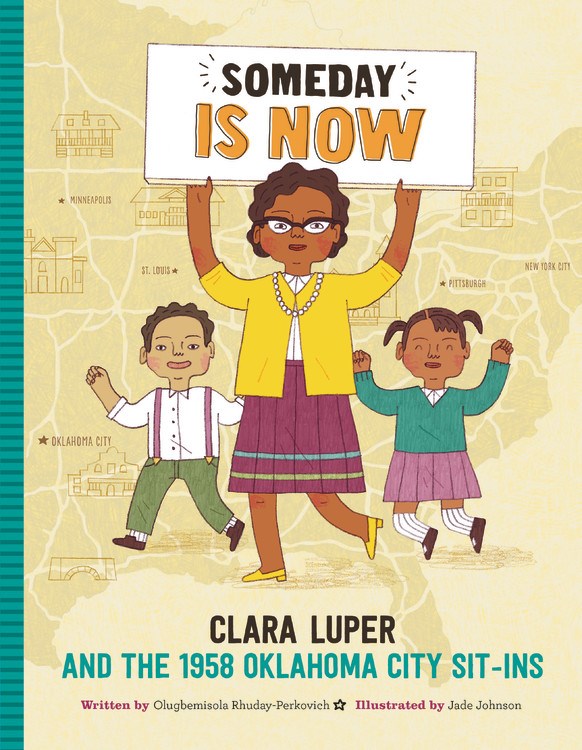
Someday is Now: Clara Luper and the 1958 Oklahoma City Sit-Ins, by Olugbemisola Rhuday-Perkovich/Illustrated by Jade Johnson, (Aug. 2018, Seagrass Press), $17.95, ISBN: 9781633224988

Ages 6-9

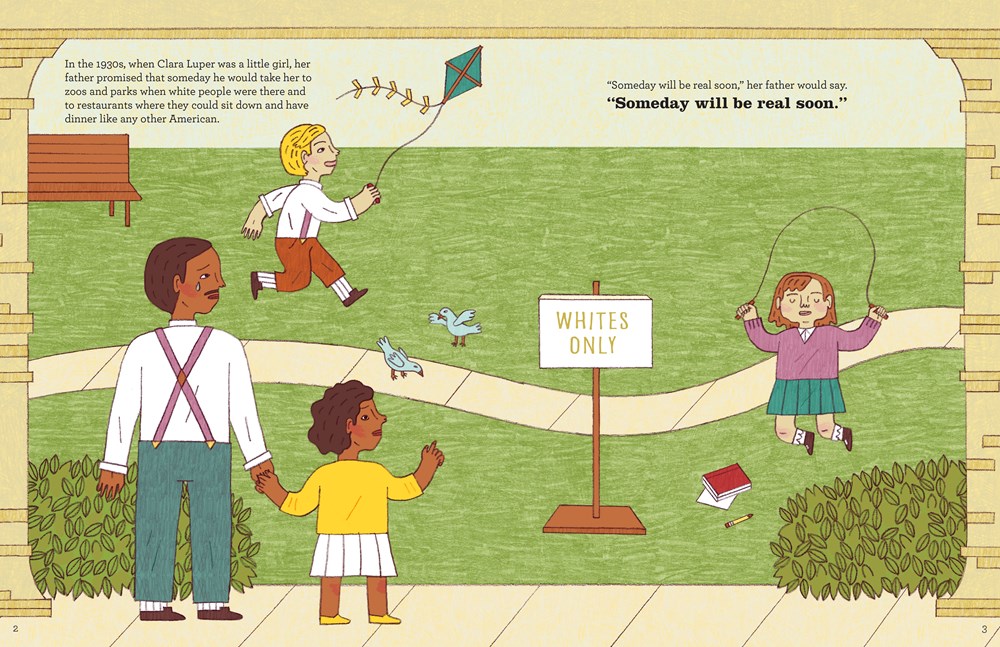
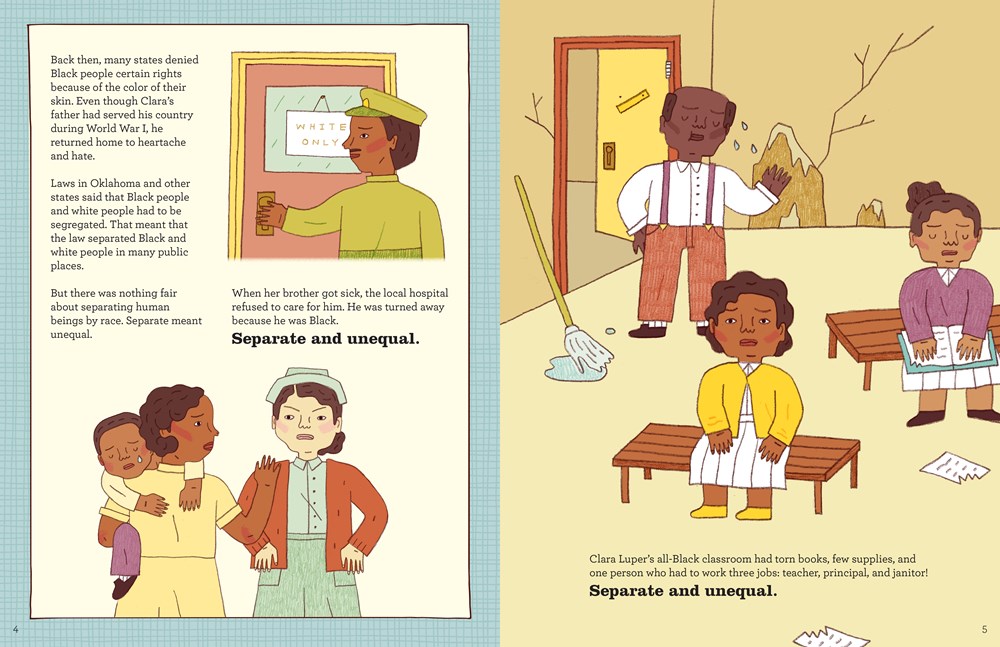
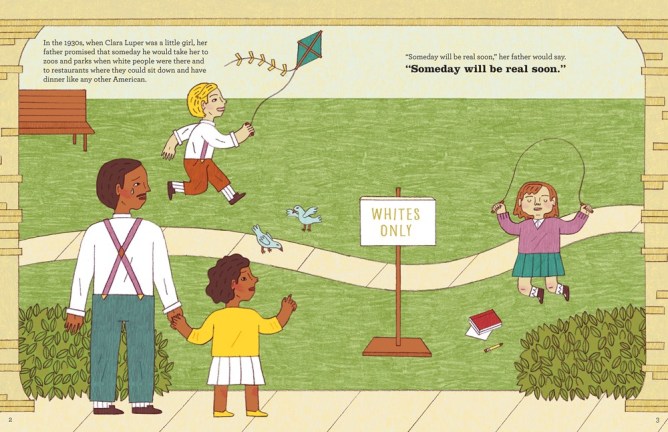
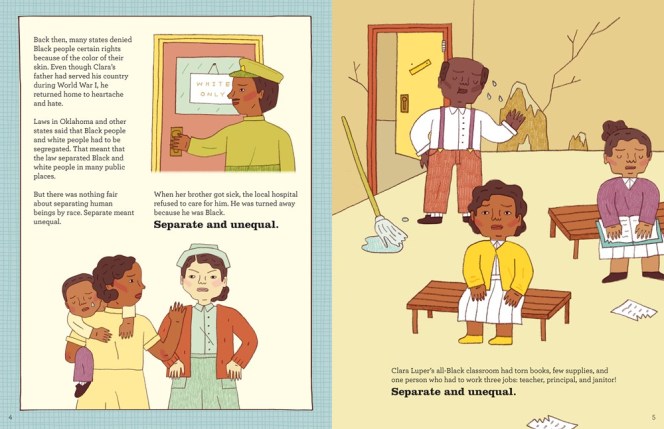
I missed this one the first time around, but I’m glad I caught it when I went back through my Edelweiss account to check up on my TBR. This picture book biography of civil rights activist Clara Luper (nee Clara Mae Shepard) is a great addition to your picture book biographies. Growing up in segregated Oklahoma, Clara saw her World War I veteran father diminished by the very country he fought for: her brother turned away from a local hospital because it was a whites-only facility; she was educated in a run-down classroom with torn books and a teacher who also served as the principal and janitor; restaurants dictated where Blacks could eat. Everywhere she looked, Clara saw things were “separate and unequal”, a phrase repeated throughout the book in bold, large font to drive home the message. Ms. Luper became a teacher who pushed for change, working with the NAACP Youth Council and participating in lunch counter protests with her students after a trip to non-segregated New York. Back matter includes an encapsulated biography of Ms. Luper.

This is the first picture book biography on Clara Luper: everything else I found online is decades old. Let’s get more civil activist bios into the hands of our kids, so they can see for themselves how many voices led to change. Someday is Now has a starred review from Kirkus.

Author Olugbemisola Rhuday-Perkovich is the co-author of the NAACP Image Award nominated Two Naomis and the forthcoming Naomis Too and is the editor of The Hero Next Door, an anthology from We Need Diverse Books. You can see more of Jade Johnson’s illustration work, including downloadable coloring pages, on her website.
 

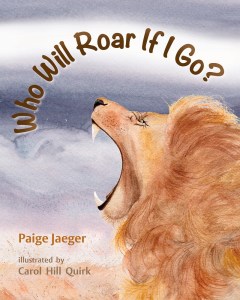
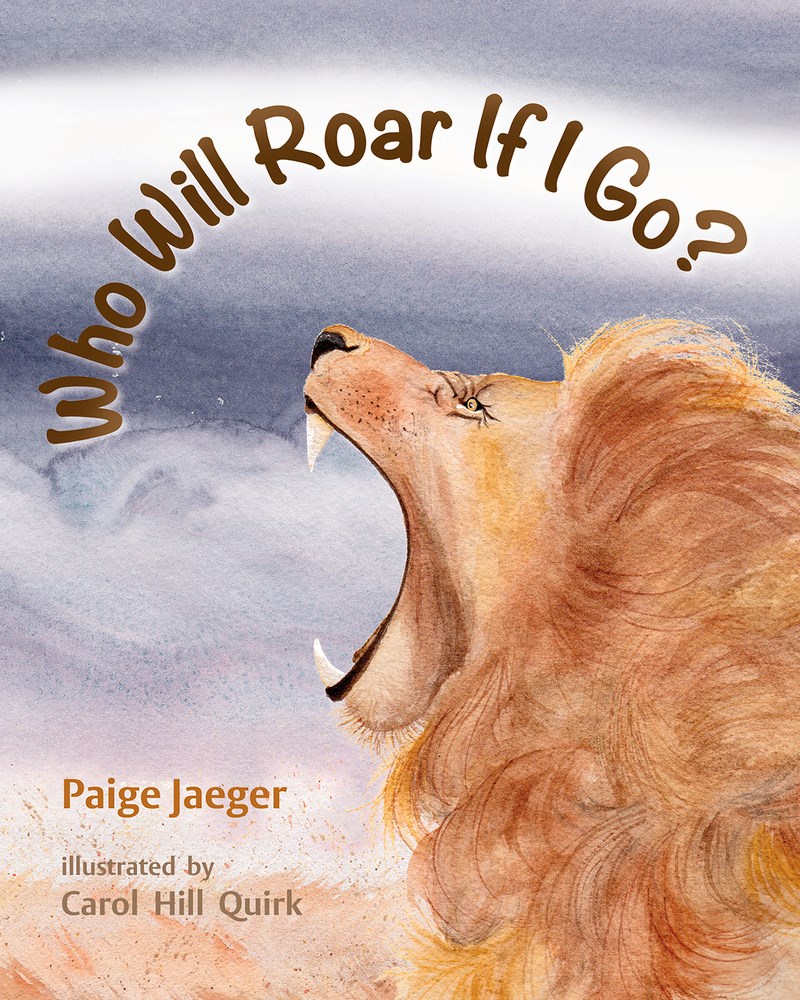
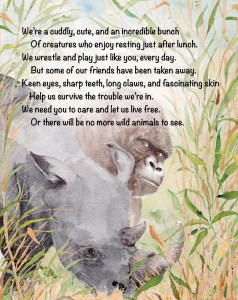
Who Will Roar If I Go? (If We’re Gone, Book 1), by Paige Jaeger/Illustrated by Carol Hill Quirk, (June 2018, Boutique of Quality Books), $18.95, ISBN: 9781945448157

Ages 5-7

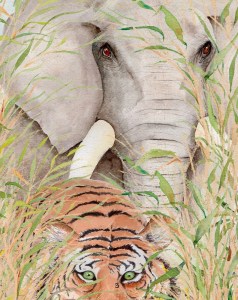
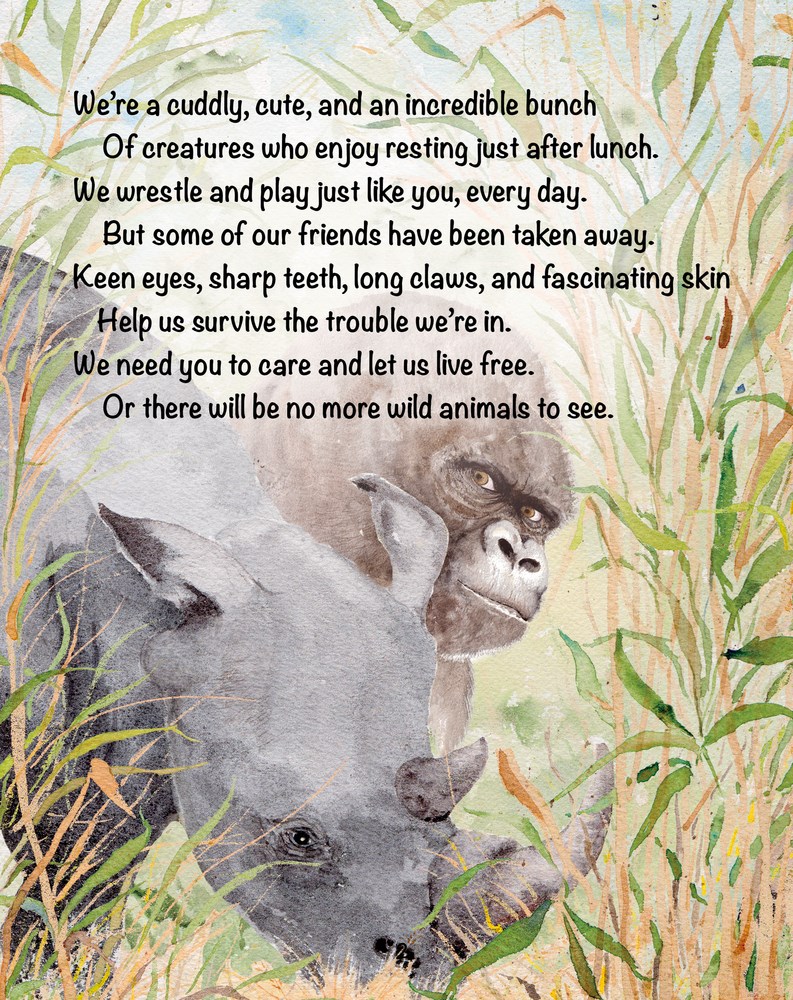
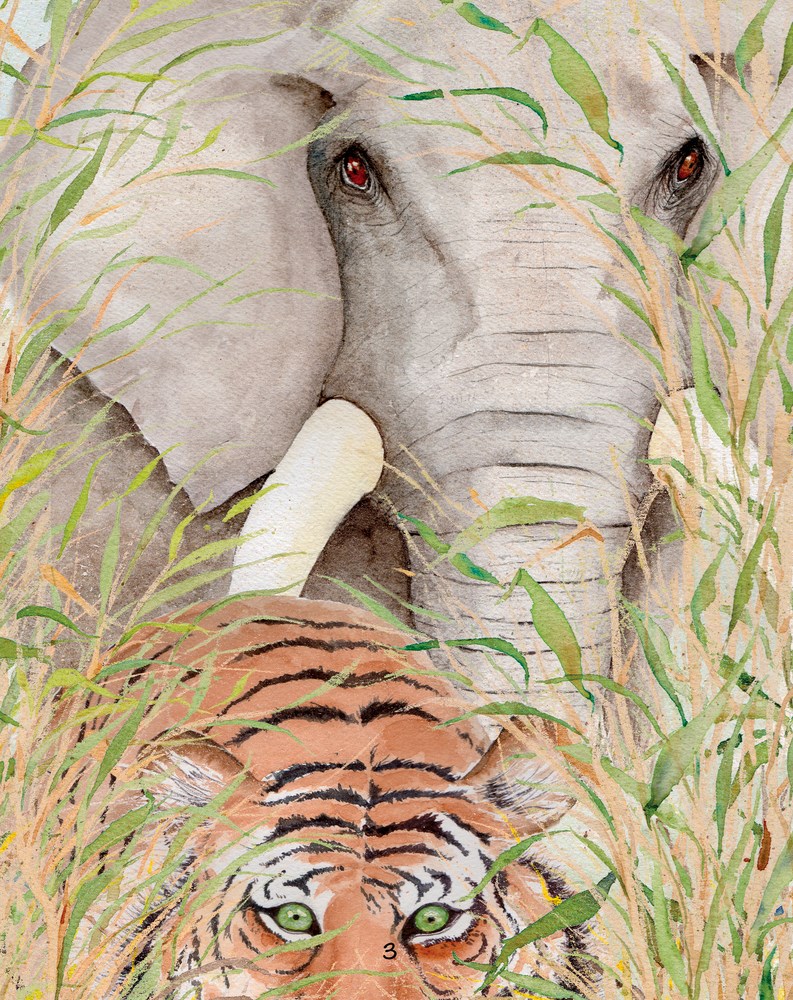
This rhyming story, the first in a planned series, is a plea to readers from endangered animals suffering from a multitude of human-based maladies, most commonly, the disappearance of their habitats and hunting, be it for trophies or luxury dining. Thirteen animals ask humans for help in their quest for survival; each rhyme provides readers with a little background on the animal and why it needs help. The elephant’s page reads: “I sure am an enormous creature; With ivory tusks my most attractive feature; For these long, tapered tusks that I hold dear; Thousands of friends were lost last year; No one needs my tusks but me; Go make some in a factory”.

Back matter includes a glossary of terms and an animal footprint guessing game. Each animal gets its own spread, including its geographic location and footprint, related to a game in the back matter. The watercolor artwork is realistic and showcases each animal in its natural environment. Who Will Roar If I Go? is a good introduction to endangered animals and the need for conservation and preservation; it’s a good additional add to your picture book nonfiction.

The Who Will Roar webpage offers free, downloadable educator resources.


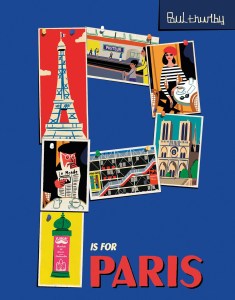
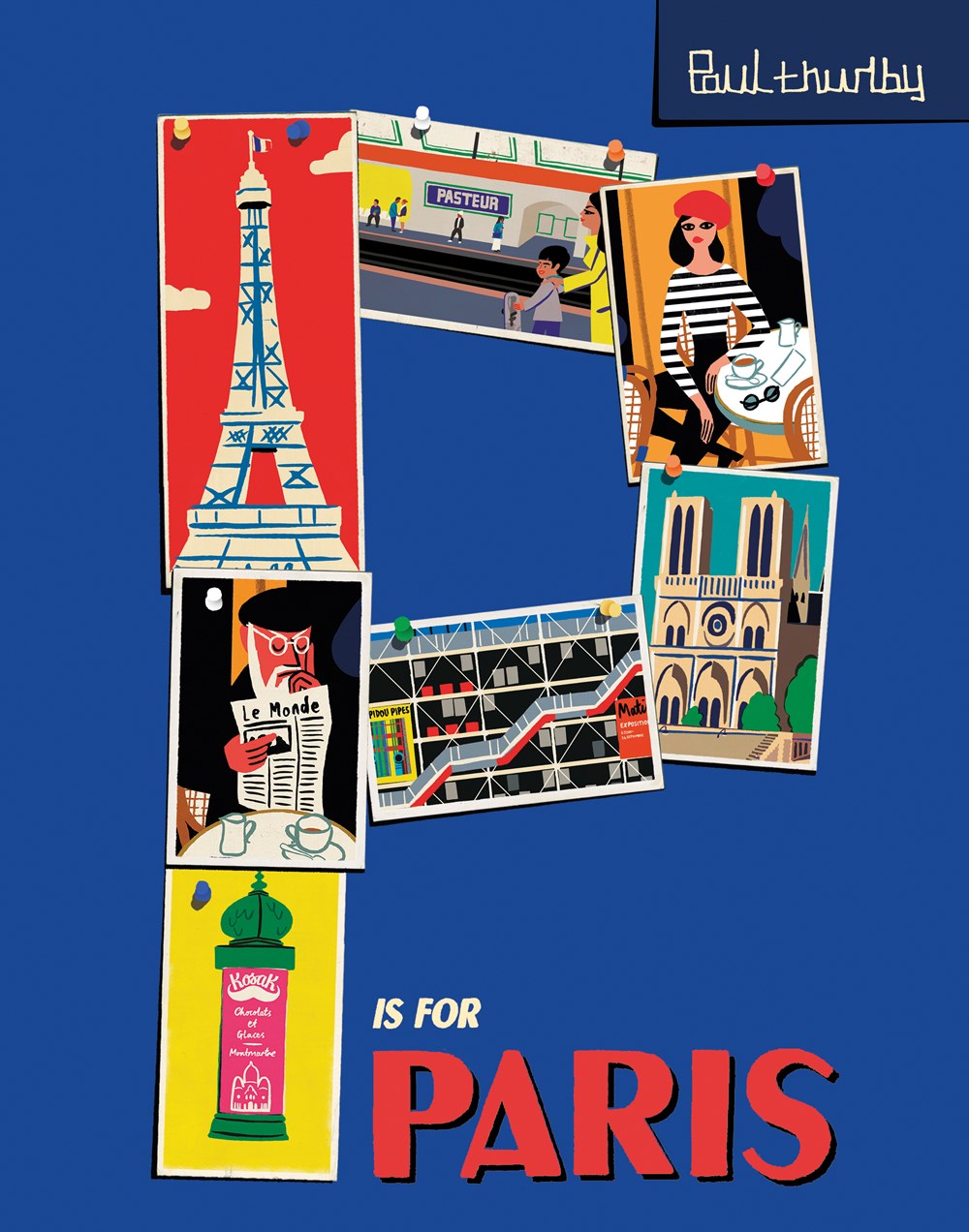
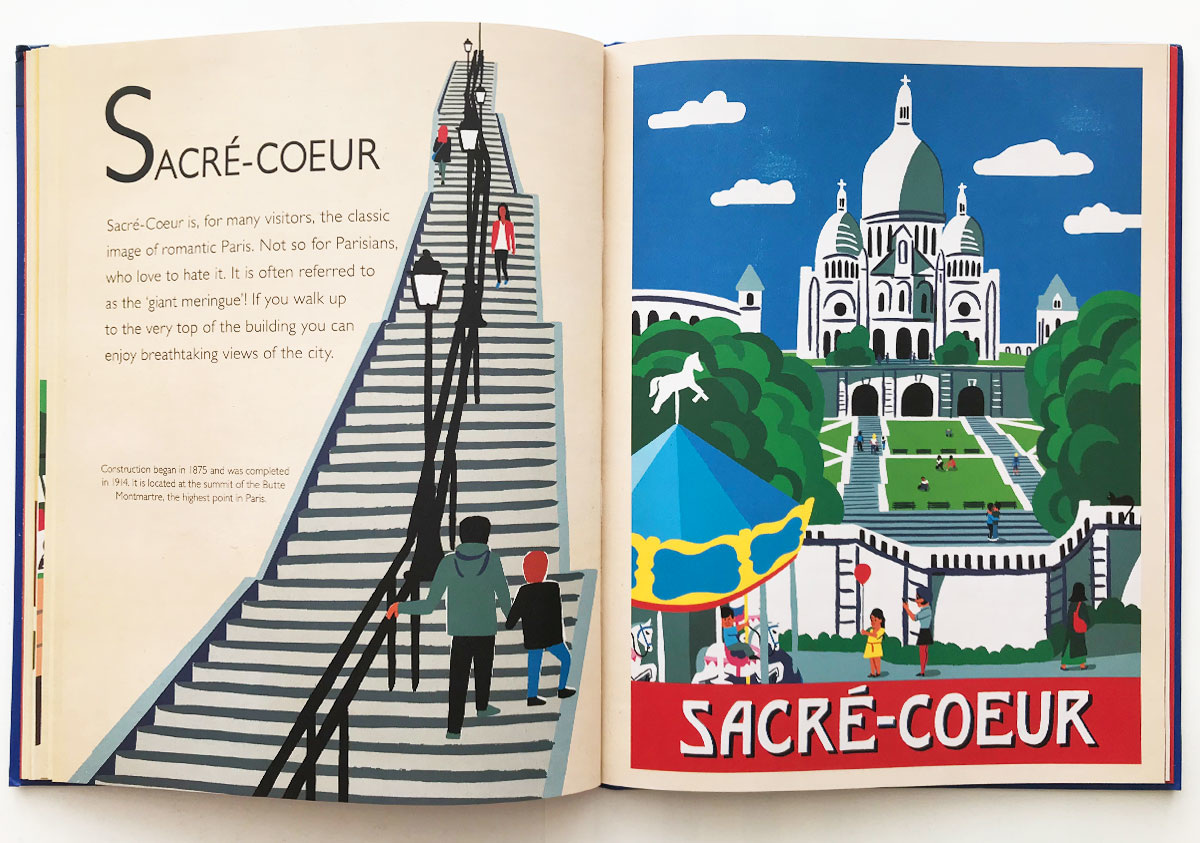
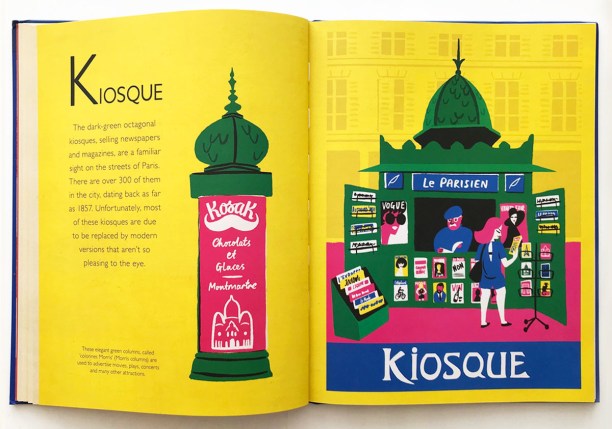
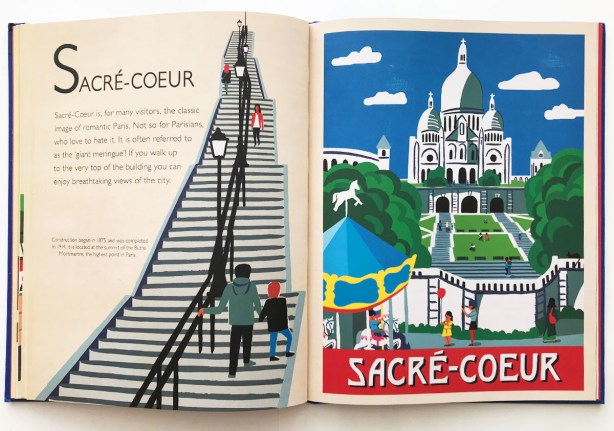
P is for Paris, by Paul Thurlby, (Oct. 2018, Sourcebooks Jabberwocky), $19.99, ISBN: 9781492668152

Ages 5-8

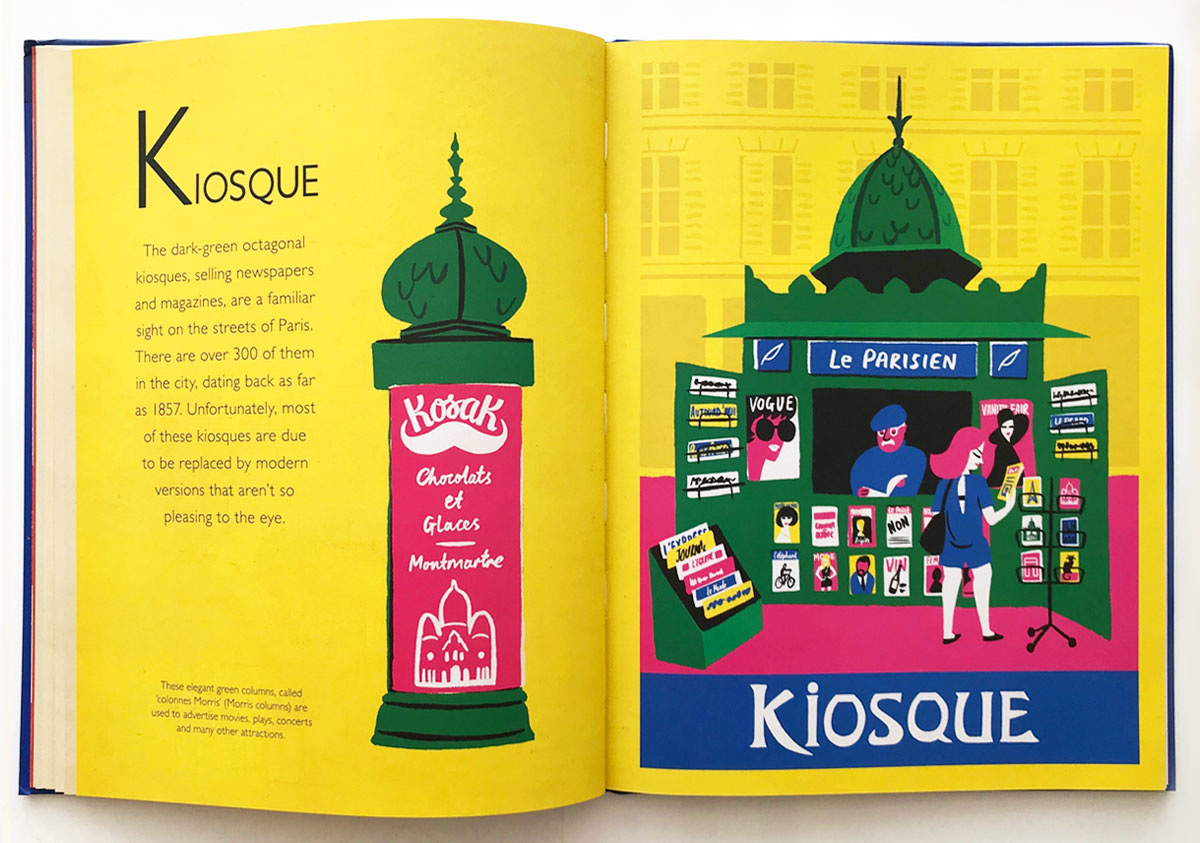
The latest book in Paul Thurlby’s ABC Cities series brings readers on an alphabetical tour of the City of Lights: Paris. Beautiful, bright artwork brings to mind vintage travel posters, and little bites of Parisian history on each page make this a fun addition to your picture books and world sections. Adults will enjoy this one as much as the kids will; references are equally accessible to kids and grownups. From the Abbesses to the Zoo De Vincennes, this is a nice addition to Thurlby’s Cities set. Endpapers provide a map to Paris, with attractions throughout the book numbered for reference. The author provides a concise explanation of the city’s organization into arrondissments. This easily works for both concept sections and geography sections, but don’t mistake this for a beginner’s abecedary; it’s a little more complex and better for Kindergarteners and up.

Check out Paul Thurlby’s webpage for more artwork and information on his other books. Take your armchair travelers on a picture book trip around the world with Thurlby’s books and Miroslav Sasek’s books.
 

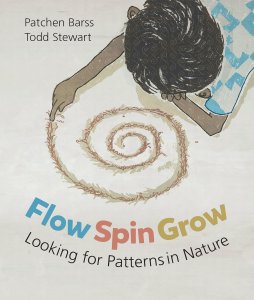
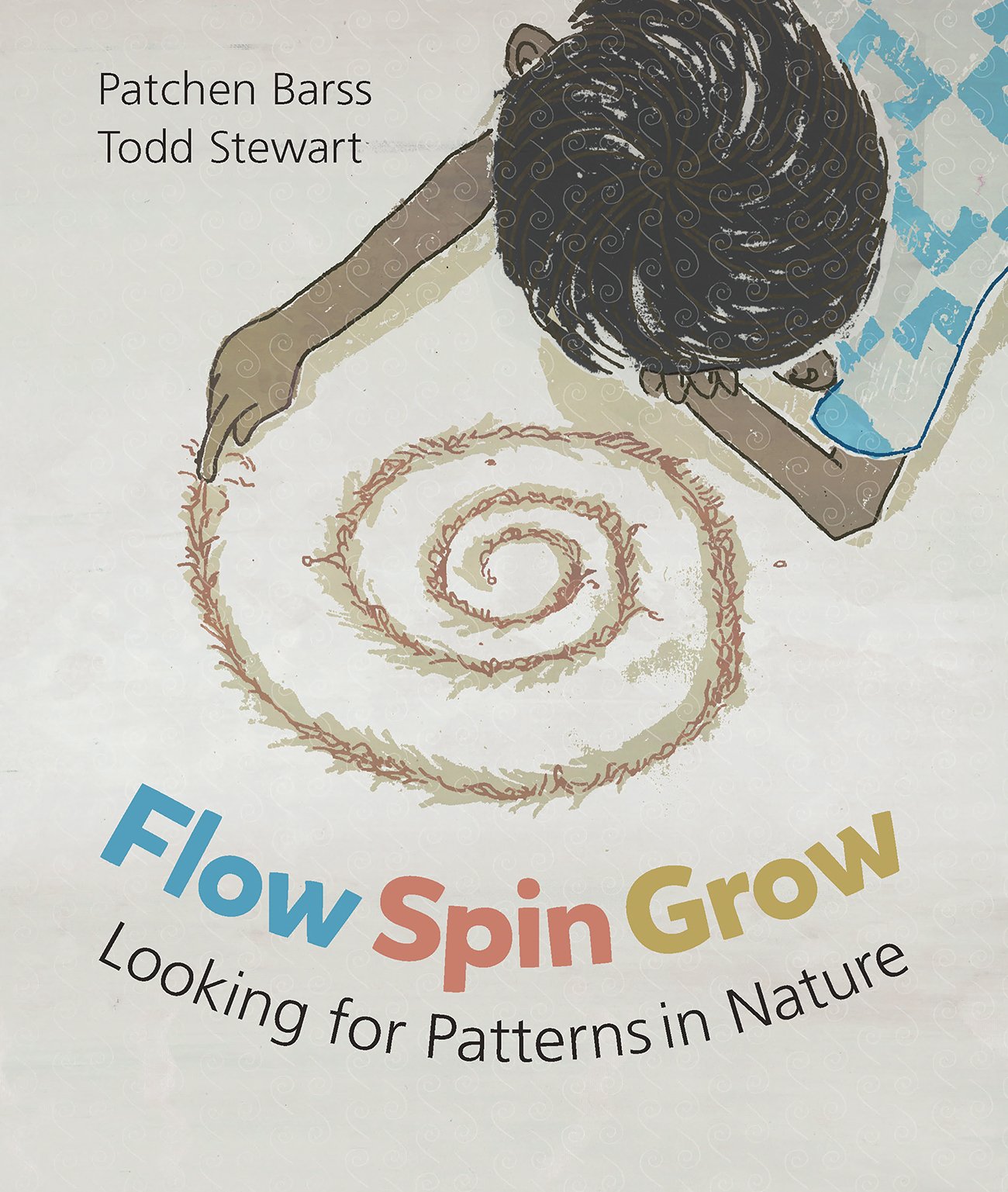
Flow, Spin, Grow: Looking for Patterns in Nature, by Patchen Barss/Illustrated by Todd Stewart, (Oct. 2018, OwlKids), $18.95, ISBN: 9781771472876

Ages 5-7

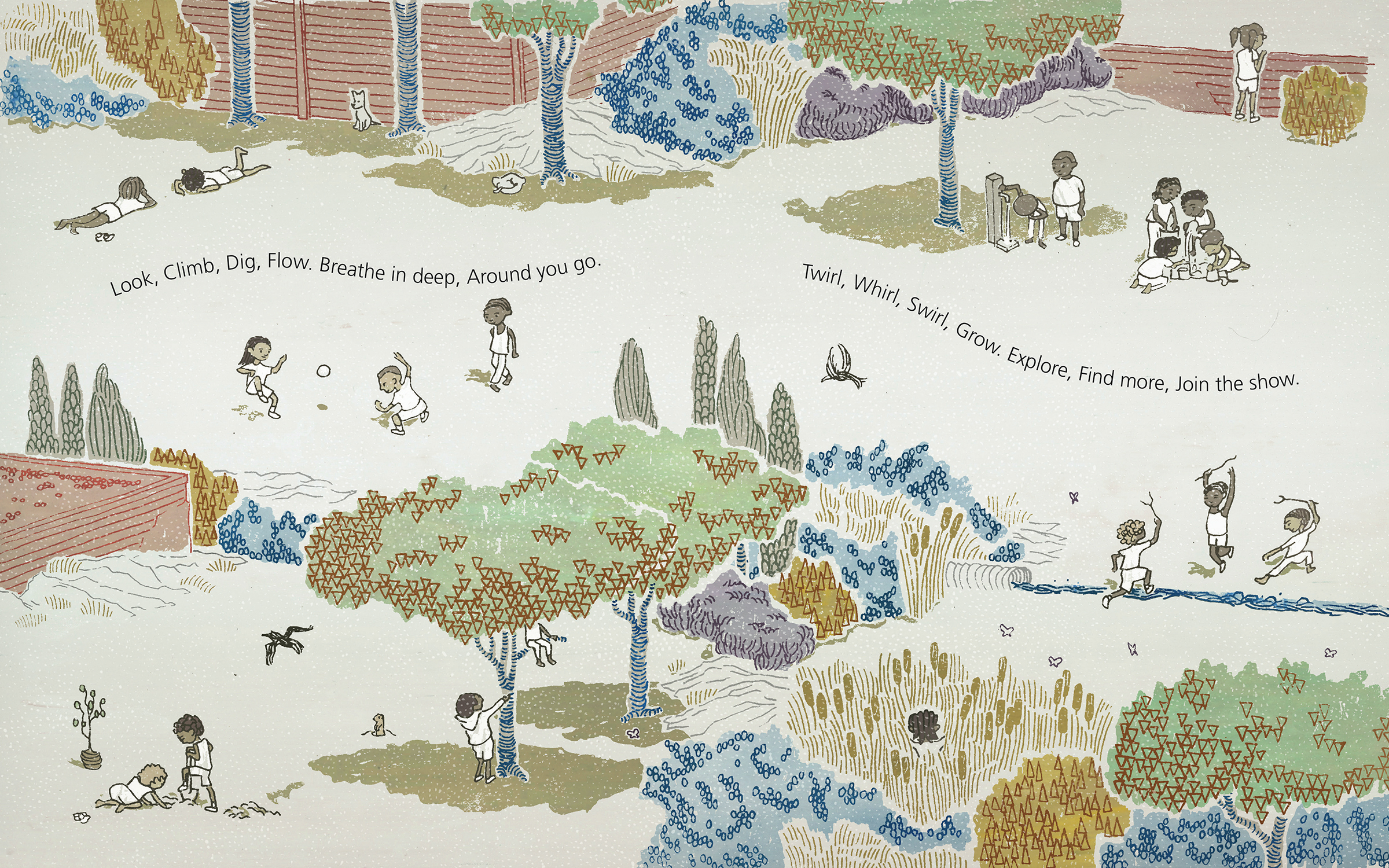
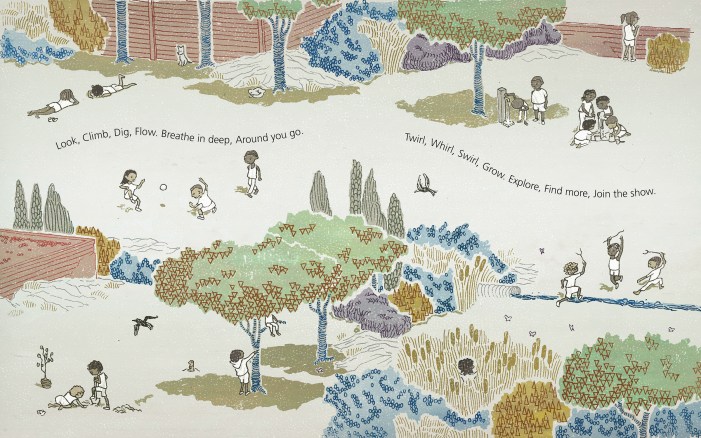
Readers are encouraged to explore patterns in nature in this mindful rhyming book. A diverse group of children play and relax in an open park area in the opening spread. The text playfully crawls around the scene, encouraging kids to “Look, climb, dig, flow. Breathe in deep, around you go. Twirl, whirl, swirl, grow. Explore, find more, join the show.” The text inspires readers to look for patterns everywhere: observe, dig, explore, climb; a tree trunk splits, branches split, and below the ground, roots split and grow; water branches off into smaller bodies of water, and our own lungs have little branches like mini-trees, reaching for air. Nature twirls and whirls, like the galaxies in space or two friends at play; pine cones, storm clouds, and snail shells all swirl. It’s an interesting way to introduce scientific inquiry to burgeoning scientists. An author’s note goes further into the “secret code” hidden in the shapes of things, and suggests additional resources for more reading.

The artwork is the star in this book. Multilayered screen prints and muted colors create a setting where patterns gently emerge, waiting for readers to spot them: triangles on a tree or bush; cracks in the dirt and roots underground reach out. Flow Spin Grow is a good purchase for primary science collections; I also love Joyce Sidman and Beth Krommes’ award-winning Swirl by Swirl: Spirals in Nature, and Jane Brocket’s Spotty, Stripy, Swirly: What Are Patterns?
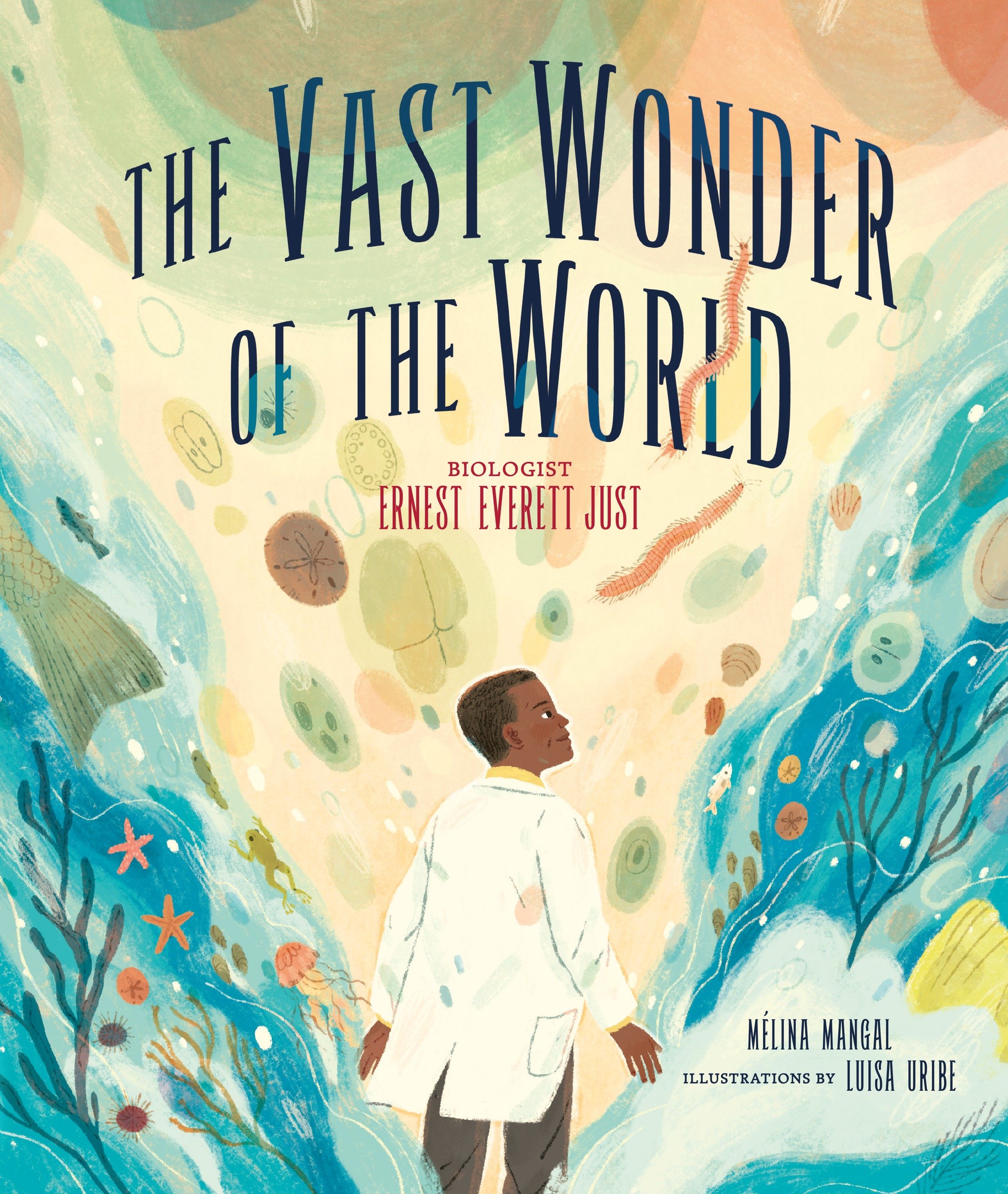
The Vast Wonder of the World: Biologist Ernest Everett Just, by Mélina Mangal/Illustrated by Luisa Uribe, (Nov. 2018, Lerner Publishing Group), $19.99, ISBN: 9781512483758

Ages 7-9

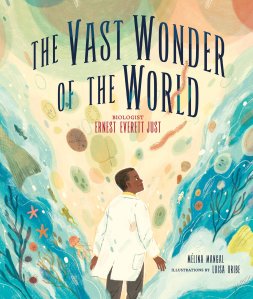
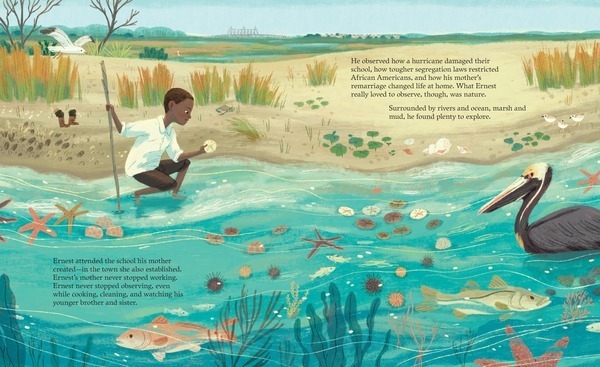
This bio on biologist Ernest Everett Just is just what your picture book biography section needs. He came of age in the Jim Crow South, paying his way through Dartmouth College while supporting his siblings after his mother’s passing. He “unlocked the mysteries of how the different parts of the cell worked together as new life developed”, and found success as a Howard University professor, embryologist, and cytologist, working in both Europe and the States. The Vast Wonder of the World tells his story, introducing him to a new generation of budding scientists who will be inspired by his determination and success in the face of racism and adversity. The muted pencil and digital artwork, in shades of blue, creates a sense of wonder and beauty, giving readers a real appreciation for Just and his place in science history. An author’s note, a timeline, and source notes complete this solid addition to science biography sections. Display and booktalk – PLEASE – with Gwendolyn Hudson Hooks and Colin Bootman’s Tiny Stitches: The Life of Medical Pioneer Vivien Thomas, and – if you can find it (can we please get this book back in print?) – May Chinn: The Best Medicine, by Ellen Butts and Joyce R. Schwartz, illustrated by Janet Hamlin.

The American Society for Biochemistry and Molecular Biology (ASBMB) has a good feature story on Dr. Just, with references to further reading, by W. Malcolm Byrnes.
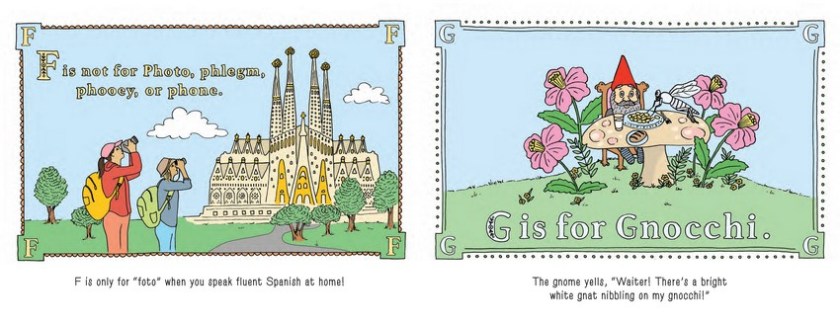
P is for Pterodactyl, by Raj Haldar & Chris Carpenter/Illustrated by Maria Beddia, (Nov. 2018, Sourcebooks Jabberwocky), $17.99, ISBN: 9781492674313

Ages 6-10

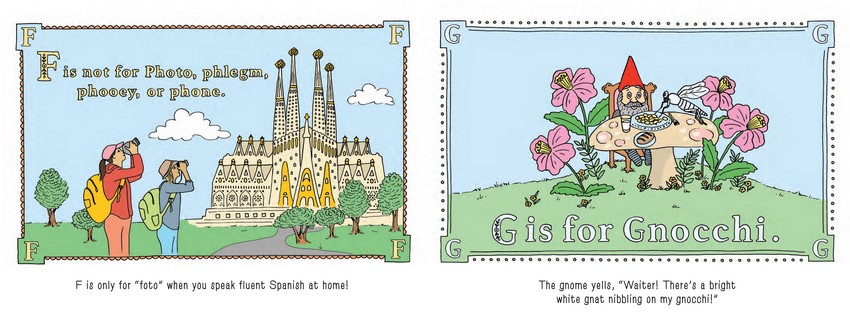
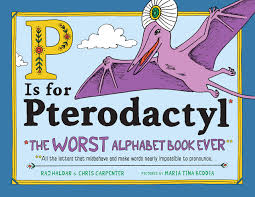
Calling itself “The Worst Alphabet Book Ever”, P is for Pterodactyl is a smirk, wink, and nudge at rebel words in the English language: words that don’t follow the rules. The book uses humor, alliteration, and amusing artwork to get its point across, as with E is for Ewe, which depicts sheep at a wake: “Eileen the ewe was so euphoric with wolves were eaten, she even gave the eulogy” (keep reading the book for more on Eileen); or L is not for Elle, which shows an elevated subway car transporting some elephants across the city of El Paso: “An elephant named Elle rode the el train halfway to El Paso and dined on hearts of palm with her folks”. It’s not a basic concept book for new learners, but it’s sure fun to read it out loud and watch kids laugh and play with language. My 6-year-old cracks up at this one, and it helps when he tries to figure out new words.

P is for Pterodactyl has a starred review from Foreword Reviews.
 

Posted in Intermediate, Non-Fiction, picture books, Preschool Reads

How islands raised an activist: Galápagos Girl/Galapagueña, by Marsha Diane Arnold

Galápagos Girl/Galapagueña, by Marsha Diane Arnold/Illustrated by Angela Domínguez, translated by Adriana Dominguez, (Sept. 2018, Lee & Low Books), $18.95, ISBN: 9780892394135

Ages 4-8

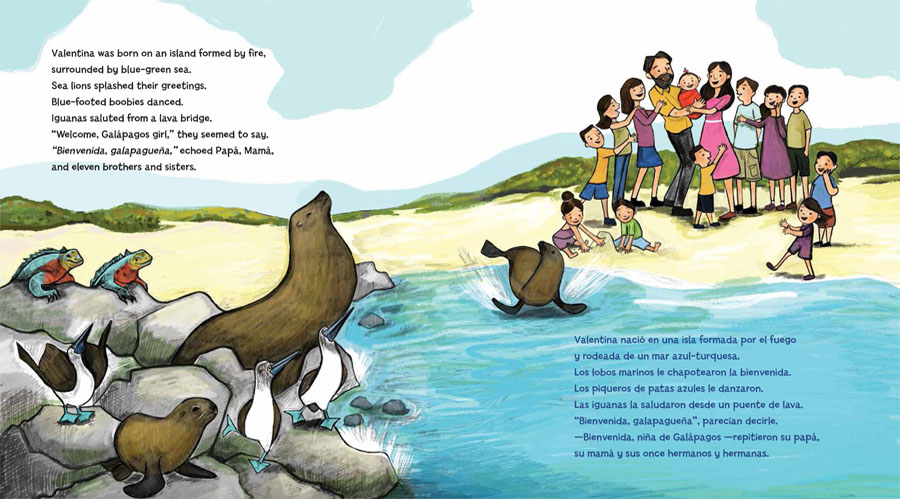
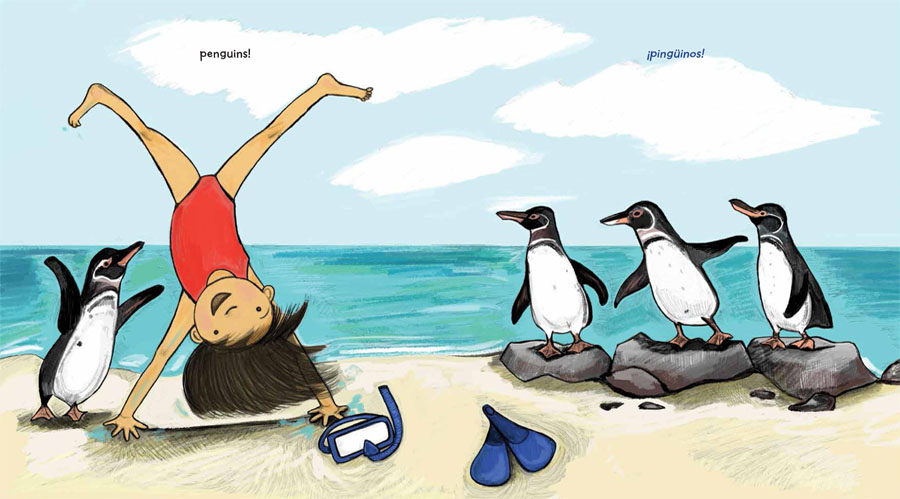
This bilingual English/Spanish story is based on the life of Galápagos Islands conservationist Valentina Cruz. Raised on the island, Valentina grew up surrounded by beauty: the blue-green sea, the playful penguins and sea lions, the sounds of the waves crashing against the rocks, and her father’s two tortoises, Carlitos and Isabela. Valentina goes away to school, but promises the animals and her islands that “I will not forget you… And I will help to keep you safe.” It’s a promise she keeps, returning to the islands on school holidays, camping out on remote islands to live and learn among the different flora and fauna, eventually becoming a biologist who returns to the islands to teach visitors to love her home as she does, and about the importance of preservation and conservation.

Author Marsha Diane Arnold met Valentina on a 2007 trip to the Galápagos and was inspired to write Galápagos Girl in the hope that readers would learn, as Valentina did, to help keep nature safe. Under threat from invasive species, active tourism, and encroaching humans, plant and animal life on the Galápagos is increasingly vulnerable. With bright, tropical colors and bold illustration, Pura Belpré Honoree Angela Dominguez transports readers to the magical islands; she communicates the feeling that we’re seeing something truly special as Valentina moves among unique plants and animals that aren’t found anywhere else on Earth. We’re given a special, secret pass to paradise as we turn each page of Galápagos Girl, and reading it with an unabashed sense of wonder will inspire that spark in a storytime group. An author’s note and a note about the Islands explains Marsha Diane Arnold’s first meeting with Valentina and provides background on the Islands. Five pages of information about the animals introduced in the story adds nice background information to the story, as does a solid bibliography. The bilingual text makes it accessible to Spanish and English-speaking readers.

The storytelling gives readers a glimpse at Valentina’s passion for conservation and illustrates how growing up with a respect for nature creates a better world for everyone. Galápagos Girl is a worthwhile add to storytime collections, bilingual collections, and natural history collections. There’s a free Animals of the Galápagos matchup download available at the Lee & Low website.

Marsha Diane Arnold is an award-winning picture-book author. Her past titles include the Smithsonian Notable Book The Pumpkin Runner and Lost. Found., which received three starred reviews. Marsha was inspired to write this story after traveling to the Galápagos Islands, where she met Valentina Cruz and had the opportunity to swim with sea lions and dolphins. She lives with her family in Alva, Florida. You can find her online at marshadianearnold.com.

Angela Domínguez is the author and illustrator of several books for children, including the Children’s Book Press title Let Me Help! / Quiero ayudar!Marta Big and Small, and Maria Had a Little Llama, which received the Pura Belpré Illustration Honor. In 2016, she received her second Pura Belpré Honor for her illustrations in Mango, Abuela, and Me by Meg Medina. When Angela is not in her studio, she teaches at the Academy of Art University, which honored her with their Distinguished Alumni Award. She lives in Virginia. Visit her online at angeladominguezstudio.com.

Posted in picture books, Preschool Reads

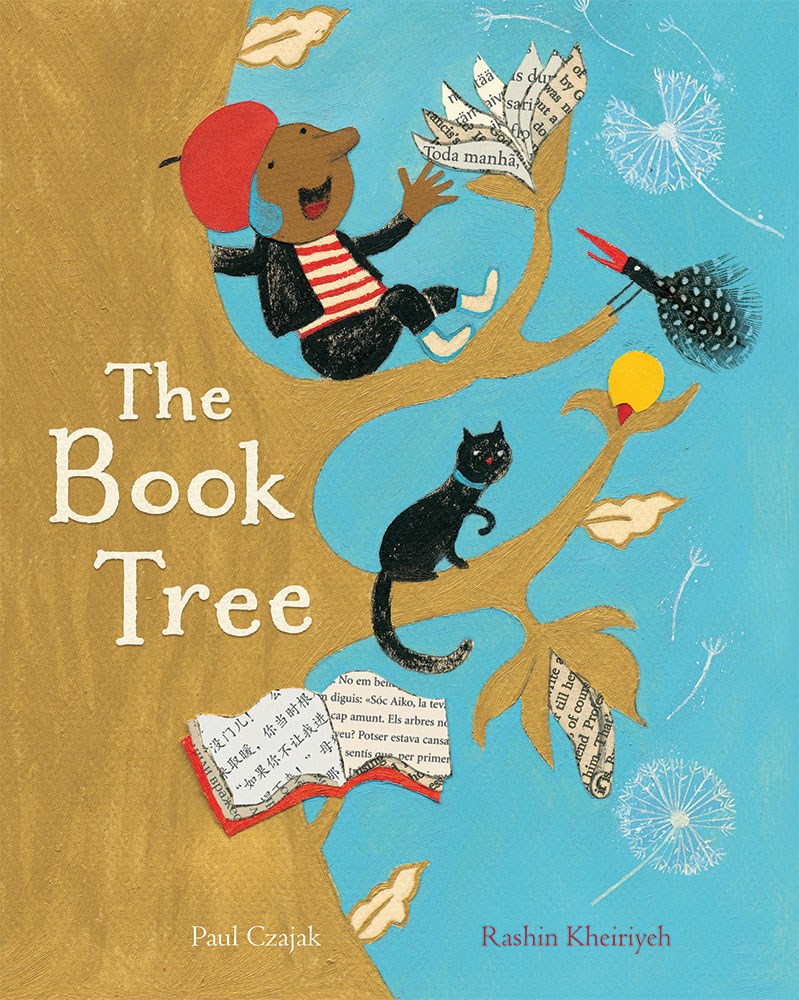
The Book Tree: Books as resistance!

The Book Tree, by Paul Czajak/Illustrated by Rashin Kheiriyeh, (Sept. 2018, Barefoot Books), $17.99, ISBN: 9781782854050

Ages 4-8

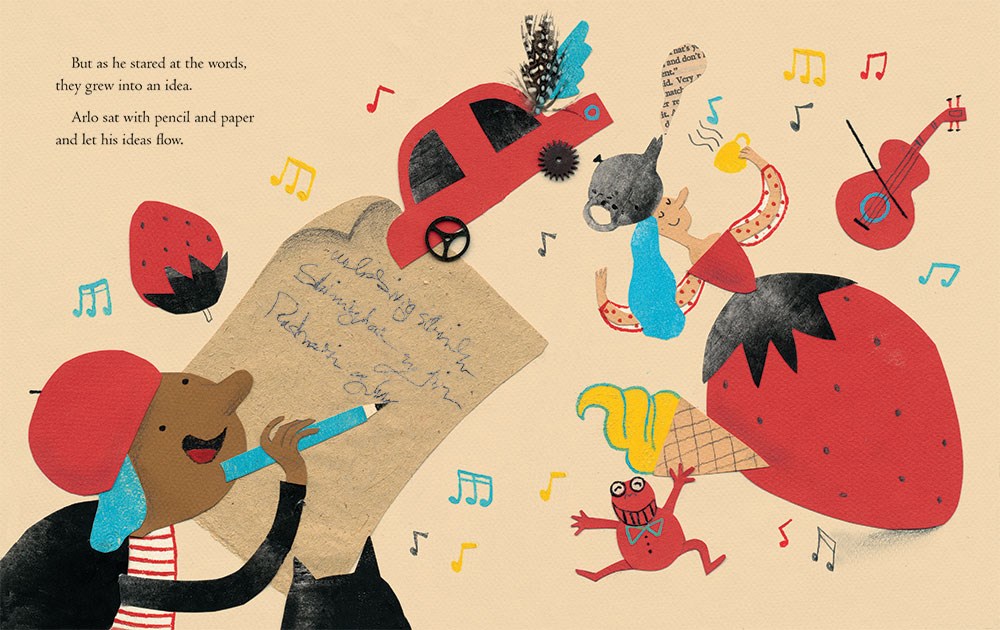
A boy named Arlo gets so wrapped up in his book that he doesn’t catch it in time when it slips, falls, and thumps the mayor on the head, prompting the official to tear up all the books, telling the people that “I will tell you what you need to know”. Luckily, a single page manages to float away and plant itself in the earth, where it will eventually grow; in the meantime, though, life is pretty awful without books: schools have nothing to teach; actors have nothing to act; and story time becomes nap time, because there’s nothing to read. Arlo begins making up his own stories, which feed the fledgling book plant, so Arlo writes and reads to the plant until it grows into a fantastic book tree, yielding ripe new stories, which Arlo harvests and shares with the town, which blossoms, once again, thanks to the fresh infusion of knowledge. Even the mayor ultimately discovers the joy to be found in a book.

Talk about a timely story. With an autocrat who’s afraid of books (“Books are dangerous! I don’t trust them. They act like seeds, which grow into ideas, and ideas turn into questions.”) and tries to control the flow of knowledge, reading becomes the ultimate act of resistance. The Book Tree also illustrates a very gloomy life without stories: no storytimes; no theatres; no new learning. Taking away the written word takes away a culture, a history, a civilization – why else are libraries and archives deliberately targeted during times of war?

Paul Czajak also shows how quickly people can lose interest in reading if it isn’t nurtured: Arlo reads his original stories out loud to an ignorant populace. Thanks to Arlo’s determination, the buried page hears him and thrives; he nurtures the love of reading, the new ideas feeding the plant, until it blossoms – and finally, boredom brings readers back to the tree, where Arlo hands out more books, sparking the public’s interest again. The Book Tree eloquently captures society today, making it a cautionary tale as much as it’s an inspirational one. Rashin Kheiriyeh’s oil paint and collage artwork gives a lovely crispness to the work, and brings the books to life by making them stand out against the page. Arlo, with his little beret and blue hair, is a little counterculture activist for a new group of readers. Her collage and drawn artwork present a fantastic contrast, really letting the stories yet to be told flow from books and Arlo’s imagination. I particularly love the dragon emerging from a book in her tree, seeming to joyfully respond to Arlo’s narrative.


Paul Czajak’s Monster books have been a favorite on my library shelves for a couple of years; I’m looking forward to seeing the kids enjoy The Book Tree. Add this one to your activist collections, and make sure to stick this one on your Banned Books Week storytime for next year.


Posted in Fiction, Middle Grade, picture books, Preschool Reads, Toddler Reads, Tween Reads

Book List for Beginning Activists

It’s getting harder and harder, waking up to the world we’re living in today. Some of our best defenses are, and will always be, empathy and information. I was inspired to create my own list of books to cultivate young activists by CuriousCity’s Books for All of Us post; I hope these books inspire you, too. Remember what J.R.R. Tolkien told us: even the smallest person can change the course of the future.


A is for Activist, by Innosanto Nagara, (Nov. 2013, Triangle Square), $9.40, ISBN: 978-1609805395

Available in board book or hardcover, A is for Activist is a rhyming abcedary of activism. The book introduces little ones to ideas like Co-Op, Equal Rights, Grassroots, Indigenous, and Justice. Best for pre-k and up in terms of grasping the concepts, but it’s never too early to get an ABC book in front of the little ones. The illustrations are loaded with new things to find with each reading.


Change the World Before Bedtime, a collaboration by Mark Kimball Moulton, Josh Chalmers, and Karen Good (Schiffer Publishing, 2012). $16.99, ISBN: 978-0764342387

One of my storytime constants, Change the World Before Bedtime is loaded with ways for kids to make positive changes in their world, from eating locally to visiting a sick friend, to donating money from a lemonade stand to a good cause. It’s another rhyming text, with homespun, cozy artwork that immediately evokes the warm fuzzies.


Say Hello!, by Rachel Isadora, (Apr. 2010, GP Putnam), $14.95, ISBN: 978-0399252303

Everyday activism! Carmelita is a little girl going to visit her abuela. As she walks through her neighborhood, she and her neighbors greet one another in their native languages: “Buenos días!”, “Konichiwa!”, “Shalom!”, and other joyful salutations embrace the multicultural world in which we live. Say Hello! will have kids sharing their own greetings with one another.


The Smallest Girl in the Smallest Grade, by Justin Roberts/Illustrated by Christian Robinson, (Sept. 2014, GP Putnam), $16.99, ISBN: 978-0399257438

Little Sally McCabe may be the smallest girl in the smallest grade, but she’s making big things happen when she decides to speak up when she sees bullying at the playground. This rhyming story lets kids of all sizes know that we can all make a difference.


Letters to a Prisoner, by Jacques Goldstyn, (Sept. 2017, OwlKids Books), $18.95, ISBN: 9781771472517

This wordless picture book is inspired by human rights organization Amnesty International’s letter writing campaigns. A man is arrested during a peaceful protests and languishes in jail. A cruel guard burns letters that would sustain the man, inspiring more letter writers to come together and create a winged army of written support that overwhelms the guard and lifts the prisoner up and away. The book illustrates the power of the written word to sustain as well as to take a stand.


A Good Day for Climbing Trees, by Jaco Jacobs, Translated from Afrikaans by Kobus Geldenhuys/Illustrated by Jim Tierney, (Apr. 2018, One World Publications), $11.99, ISBN: 978-1-78607-317-4

Middle graders have more of a grasp on the world around them, can take action in different ways. Marnus, the 13-year-old protagonist in A Good Day for Climbing Trees, and a friend take action to save a local tree from demolition by petitioning and holding a sit-in, which alerts others to their cause. Readers get a more involved view of activism, and some potential results, here.


This is just a small handful of the growing number of books out there.  I encourage you all to read these books, read them to your kids, and add them to your collections.