Posted in Fiction, Intermediate, picture books, Preschool Reads

Indie author spotlight!

Yes, it’s another Indie Author Spotlight! I’ve got loads of books to talk about, but I’ll start with these very lovely books.
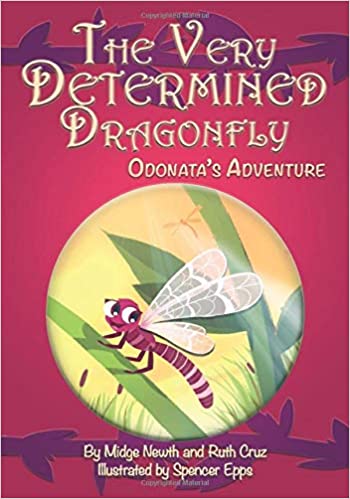
The Very Determined Dragonfly: Odonata’s Adventure, by Midge Newth & Ruth Cruz/Illustrated by Spencer Epps, (July 2019, Indepedently Published), $12.99, ISBN: 978-1079290844

Ages 6-9

Odonata is a baby dragonfly – a nymph – who wants more adventure in her life. Her brother, Darner, wishes she’s just stay put and stay away from danger, but that’s not Odie’s way! Set in a graphic novel format, The Very Determined Dragonfly is part Science Comic, part adventure. Illustrations are bright and cheerful, and the storytelling is upbeat and positive, encouraging readers to take hurdles as they present themselves and always envision going past them. Back matter includes a glossary of scientific terms and fun facts about dragonflies.

National Geographic has a page about dragonflies that you can steer your learners to; SuperColoring has plenty of dragonfly coloring pages to put out, and if your library has access to World Book Online, there is a good entry with related reading available.
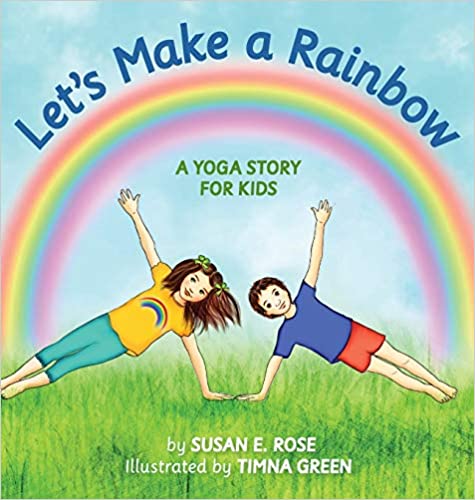
 

Let’s Make a Rainbow: A Yoga Story for Kids, by Susan Rose/Illustrated by Timna Green, (Dec. 2020, Susan Rose Yoga), $16.99, ISBN:  978-0578811680

Ages 4-7

I do enjoy a fun yoga story, and this rhyming ode to yoga is just what my toddler yoga storytime needs (when I get to start that up again, that is). It’s a rainy day, and siblings Lily and Lee need something to do: so why not enjoy some yoga? Touching on the mind-body connection and how movement can cheer you up, the book’s rhyme scheme is playful and uplifting: “Yoga makes you happy / when you feel bad, / and can turn the day / sunny instead of sad”. Flowing through a series of poses, the story describes how to create each pose and enjoy the good feelings that flow with each movement. As the story nears its conclusion, kids can enjoy – along with Lily and Lee! – a flowing series, ending with a rainbow. Colorful artwork shows the two characters demonstrating each pose.
Author Susan Rose’s webpage includes free resources for parents and educators, including lesson plans and coloring pages.


Stop That Lion, by Lois Wickstrom/Illustrated by Timna Green, (Nov. 2020, Look Under Rocks), $12.99, ISBN: 978-0-916176-64-8

Ages 4-8

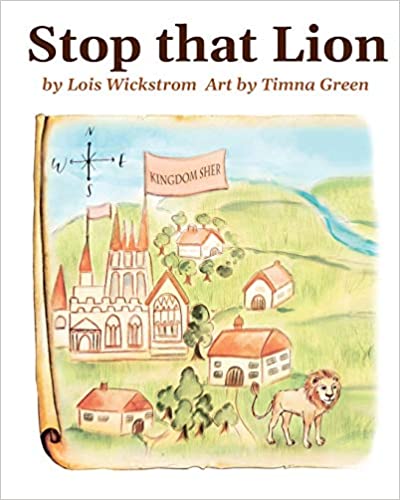
STEM storyteller Lois Wickstrom spins a tale about two kingdoms and the young girl who helped solve their differences. Mir and Sher are neighboring kingdoms, but there are some problems: the kingdom of Sher had a lion that liked sneaking into the Kingdom of Mir to eat the farmers’ sheep. Suggestions like building a wall or placing an archer on the wall fail, and more sheep disappear until a young girl named Wynnie asks some thoughtful questions of the king, and comes up with an answer that will work for everyone. It’s a story about common sense and listening that highlights the value of asking questions when problem solving. Illustrations are soft and colorful.
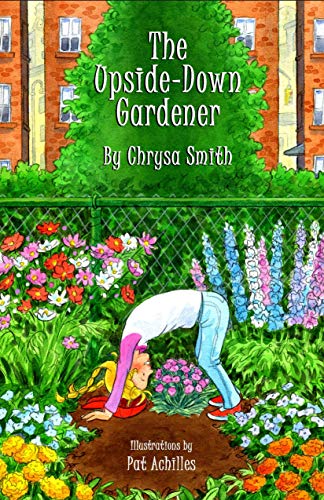
 

The Upside-Down Gardener, by Chrysa Smith/Illustrated by Pat Achilles, (Nov. 2018, The Well-Bred Book), $12.95, ISBN: 978-1730777271

Ages 5-8

Dory Oslo is a kid who can’t wait for the warm weather: she wants her new baseball uniform, and she wants color! Her mom encourages her to discover color a different way, and earn some money for her new uniform, while she’s at it: plant a garden of colorful flowers! The only thing is, Dory’s not a patient kid: she wants these flowers to wake up and grow already! She hilariously sets off an alarm clock, pours coffee, and blows a coach’s whistle by the seeds in her attempt to force them to wake up, but could her actions have wacky consequences? Colorful artwork and light storytelling make The Upside-Down Gardener is an easily read, fun story that Easy Readers and beginning Intermediate readers will enjoy. It celebrates imagination and creativity while embracing a sense of humor.

Visit The Well Bred Book’s webpage for activity sheets. Consider a container gardening program (hey, it’s winter right now) to encourage your kiddos to explore their own gardens!
Posted in picture books, Preschool Reads

Kicking into Holiday Mode with Robin, Robin!

Hi all. This is probably the most up-and-down year for me, blog-wise. I’ve tried to keep my ups and downs off my blog and my blogging schedule, but I guess, like just about everyone else, the chaos of the last almost two years (jeez!) has had its way with me. All I can do is thank you all for continuing to read, and promise that I’ll keep working on doing better. That said, let’s get right into the holiday reads with Robin, Robin!

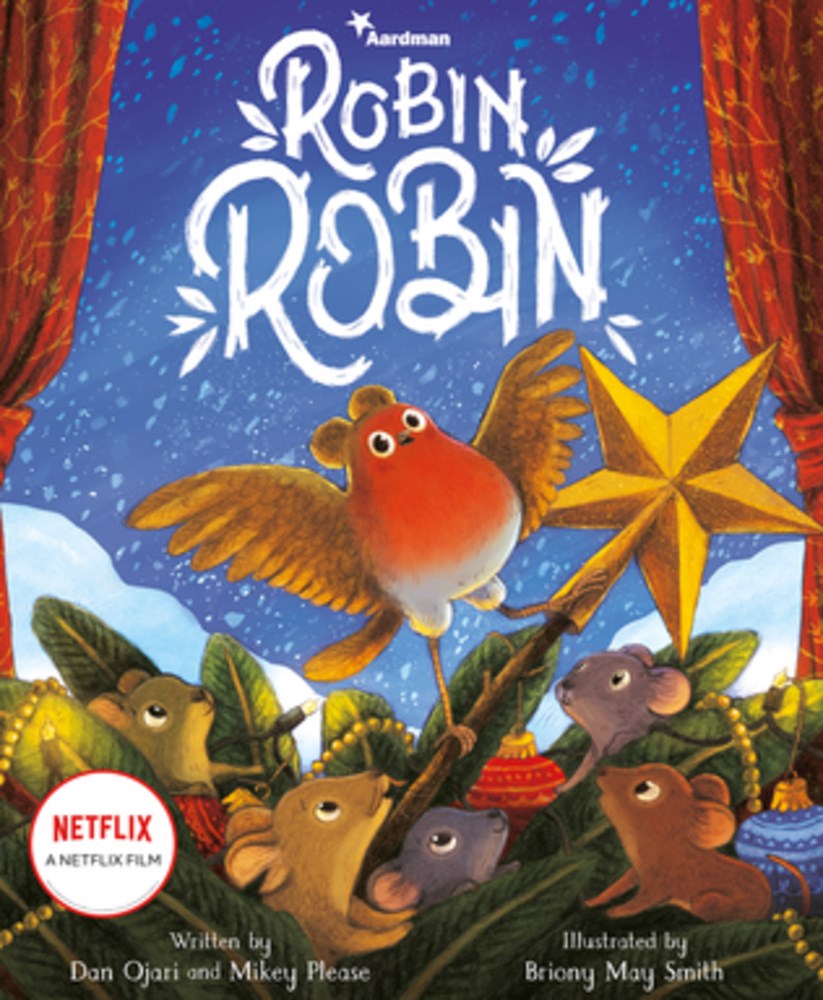
Robin Robin, by Dan Ojari & Mikey Please/Illustrated by Briony May Smith, (Nov. 2021, Red Comet Press), $17.99, ISBN: 9781636550091

Ages 4-8

What a feather in Red Comet Press’s cap: an adorable book with a companion Netflix release! Robin is a sweet young bird that’s been raised by mice, and wants so much to be a mouse, she fluffs up her feathers to create fuzzy little ears on top of her head. The Mouse family dreams of delicious crumbs that can be found at the Who-man’s home, but they have to be so quiet and careful, to avoid the Cat that guards their home. On one crumb expedition, Robin meets a Magpie, who tells her that the Who-mans have so much because of the Chrim-Cross Star that they put on top of a spikey tree every year; they wish on that star and get ANYTHING they want. Robin’s wish is to become a mouse, but this heartwarming story is all about families, loving who we are, and – hey, it’s the holidays! – enjoying good food together! Briony May Smith’s artwork is warm, with delightful animals, homey interiors, all set against a holiday backdrop with snow, trees, and homemade Chrim-Cross trimmings. There are such incredible details to discover, like Magpie’s home, with shiny keys, rings, and found objects forming decorative garlands; a wonderful use of shadows to convey Cat’s menace as she sneaks up on an unsuspecting Robin; the proud stance Magpie adopts as he marvels at his own Chrim-Cross Tree. The storytelling comes together with the artwork to create a new Christmas classic. Don’t miss this one.

Twinkl, an online educator/caregiver resource, has free Robin, Robin downloadables, from coloring sheets to math challenge cards. Create a free account to get access. If you get a chance, check out the Netflix trailer below: Aardman Animations, the studio that gave viewers Wallace and Gromit and Shaun the Sheep, does the animation and it is just adorable.

Posted in Fantasy, Graphic Novels, Teen, Uncategorized, Young Adult/New Adult

Wishes aren’t free: The Well

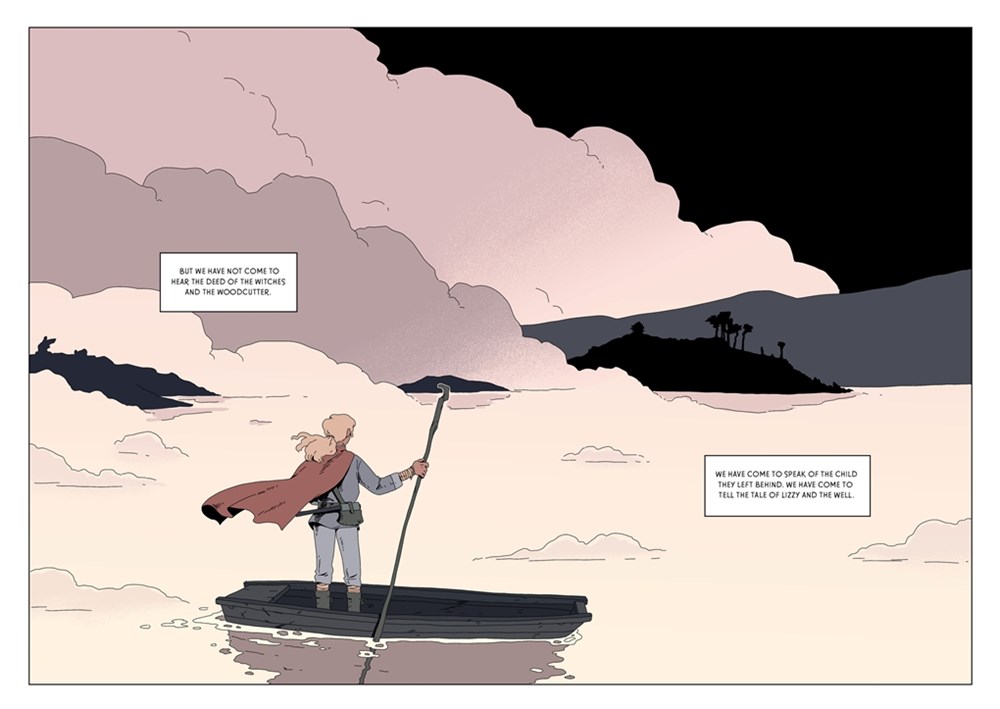
The Well, by Jake Wyatt/Illustrated by Choo, (Apr. 2022, First Second), $17.99, ISBN: 9781626724143

Ages 14+

A seaside village is attacked by a monster. A woodcutter, his wife and mother in law, two powerful witches, join forces to battle it, and disappear, leaving behind their child and her grandfather, to raise her. Thirteen years later, Lizzie is a teen who helps her grandfather by selling their wares at the local market, but when she needs money to cover her passage home, she grabs money from the sacred well and awakens a spirit that urges her to repay her debt. Lizzie must grant wishes, but every wish comes with a price; some are painful to bear. In her quest to cover her debts at the well, Lizzie will learn about the magic that almost destroyed her family.

The Well unfolds like a fairy tale: a monster, a tragedy, a child left behind, and a legacy of magic to be discovered. The moral – every wish comes with a price, and having a wish granted isn’t always what it seems – runs through the story, reminding readers to think before they act, even before they wish. The artwork is dreamlike, with vibrant color and fantastic monsters. A must for your fantasy fans.

I love the idea of having tweens and teens create their own fairy tales, and The Well is a great way to introduce a program like that. Invite readers to volunteer fairy tale elements they see in the story. Outback Aussie Teaching has a planning template on Teachers Pay Teachers, to help writers organize their thoughts; the Bilingual Language Institute has a Spanish/English picture board with options for characters, setting, problems, solutions, and magic powers to help give readers a flow to work with.

Posted in Animal Fiction, Fiction, Fiction, Graphic Novels, Middle Grade, Middle School, Tween Reads

Marshmallow & Jordan is a gentle friendship story

Marshmallow & Jordan, by Alina Chau, (Oct. 2021, First Second), $22.99, ISBN: 9781250300607

Ages 8-12

Set in Indonesia, Marhsmallow & Jordan is a story of friendship and finding one’s own way. Jordan is a middle schooler who loves basketball: even an accident that put her in a wheelchair can’t stop her, mostly. She can’t compete with the team like she used to, but still serves as captain. She’s feeling a bit unfulfilled, when she rescues a hurt white baby elephant that she promptly names Marshmallow. The two new friends quickly become attached. Meanwhile, Jordan’s basketball coach recommends she try out for water polo after Marshmallow digs Jordan a pool, letting her take to the water without worrying about her wheelchair weighing her down. The training isn’t easy, but Marshmallow’s loving support and her own determination keeps Jordan focused on practice and success. But Marshmallow is hiding a secret of her own. Rich with warm colors and Indonesian culture and a diverse group of characters, Marshmallow & Jordan is a great middle grade story that works as a book club pick and a realistic fiction piece. Back matter includes a glossary of Indonesian terms, an author’s note, Indonesian facts, and food recommendations.

Visit Alina Chau’s author website for more information about her books, to sign up for her newsletter, and connect to her social media. Read an interview with Alina Chau at SLJ’s Good Comics for Kids, TeachersPayTeachers has free Indonesian activities, including an animal word search from Teach With Mrs. T’s Class and a map of Indonedia from The Harstad Collection. Britannica for Kids has information about water polo.


Posted in Librarianing

2021: It was the… okayest of times?

A lot of bloggers in LibraryLand have been blogging about the highs and lows for the year, and since I’ve been struggling, I feel like I should jump in and see if that jogs my creativity again. 2021 was not the light at the end of the tunnel that I’d hoped for, but it was better, because I got back to my library and my community. So there’s that. So without further ado, I present:

The Good

via GIPHY

I got back to my library and my community! It’s been such a relief to be back at my library home.

The return of in-person programming! It’s been slow but steady, but families are coming back for programming. We’ve been doing pop-up and grab-and-go programming, and families are staying in the library for a little longer each time.

Collection development! I got to buy books again, and it is wonderful!

I got to develop and innovate with my colleagues during our shutdown and staggered reopening.


The Meh

via GIPHY

Patrons who think it’s cool to verbally abuse front line staff. I’ve experienced a renaissance in patrons yelling, cursing, and attempting to throw things at me, and I know I am not alone here. I know we’re largely all stressed out these days, but folx, we’re here to help you.

Depression, anxiety, the blues, call it what you will, I’ve been getting pummeled with it harder than usual and it’s affecting my blogging schedule. For that, I apologize, and I’m hoping to find my smile on a more regular basis as we move into 2022.

Continued uncertainty: budgets, variants, political climates, social upheaval, it all makes for worrisome times.


So what’s next?

via GIPHY

So what’s next? For me, it’s getting back to writing things down to give my brain a break. It’s rediscovering my love of blogging and kidlit, and giving myself breaks, whether it’s actually using my time off or doing programming I enjoy. And continuing to keep a spark of hope for 2022.

Posted in picture books, Preschool Reads

Interrupting Chicken wants Cookies for Breakfast!

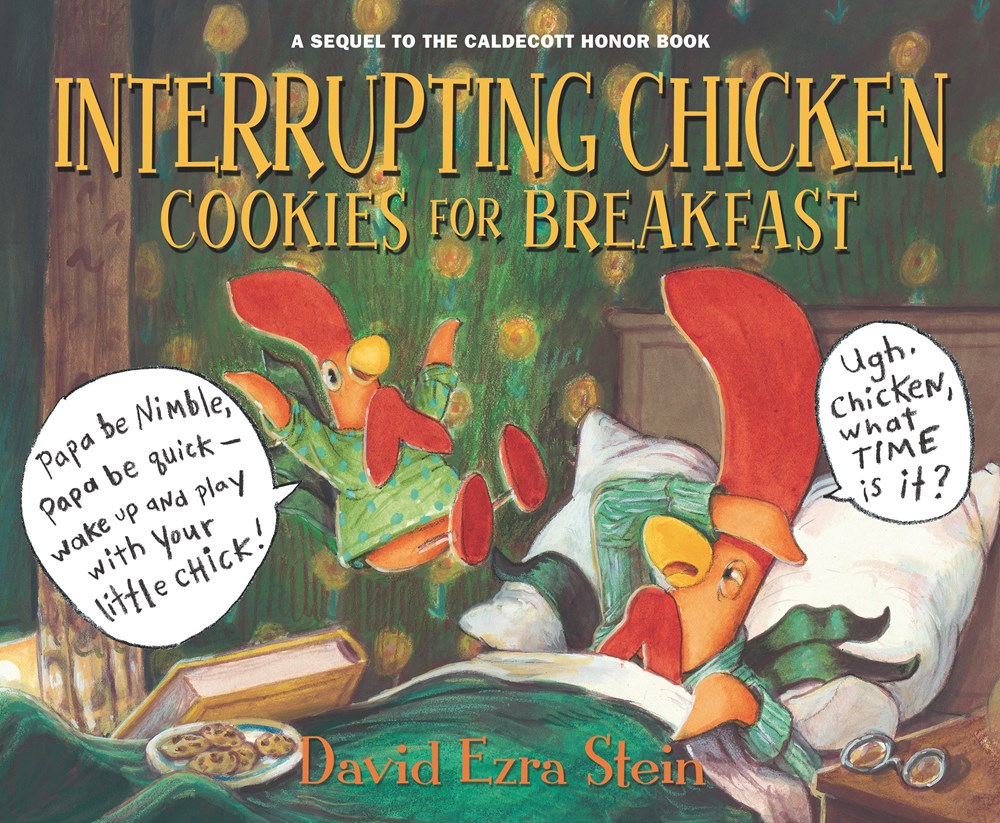
Interrupting Chicken: Cookies for Breakfast, by David Ezra Stein, (Nov. 2021, Candlewick Press), $17.99, ISBN: 9781536207781

Ages 4-8

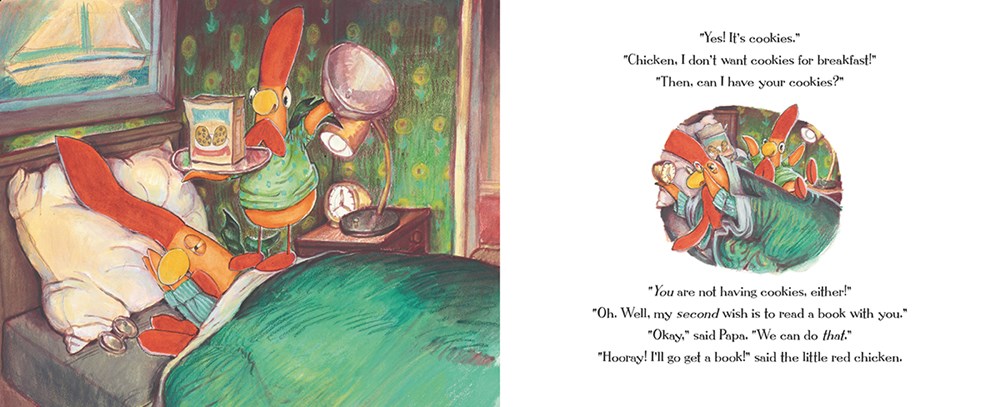
The third adorable and laugh-out-loud installment of the Interrupting Chicken series is here and ready for cookies. Little Chicken wakes his Papa up, because it’s time for breakfast and he has the perfect idea: cookies! Papa decides that reading nursery rhymes would be a better way to pass the time, and he and Chicken snuggle together as he begins to read. As the rhymes unfold, Chicken finds a way to get his point across, as he shows up in just about every rhyme, figuring out a way to mention cookies while interacting with such nursery rhyme characters as the Old Woman Who Lived in a Shoe and Jack Be Nimble. Will Papa finally give in and have cookies for breakfast?

This series perfectly captures the spirit of a preschooler: excited, lovable, and single-minded in focus. Chicken has amusing outlooks on life to share with readers: cookies have Vitamin C – for cookie!; the early bird gets the cookie, and nobody likes a cold breakfast (so you sit on the cookies to warm them up). Kids will see themselves in Chicken, and grownups will get a chuckle as they recognize their little ones. Warm colors invite readers into the comfortable space Chicken and Papa share.

Interrupting Chicken: Cookies for Breakfast has a starred review from School Library Journal. Download a free activity kit for the Interrupting Chicken series, courtesy of publisher Candlewick Press.

Posted in picture books

Blog Tour and Giveaway: Dancing With Daddy

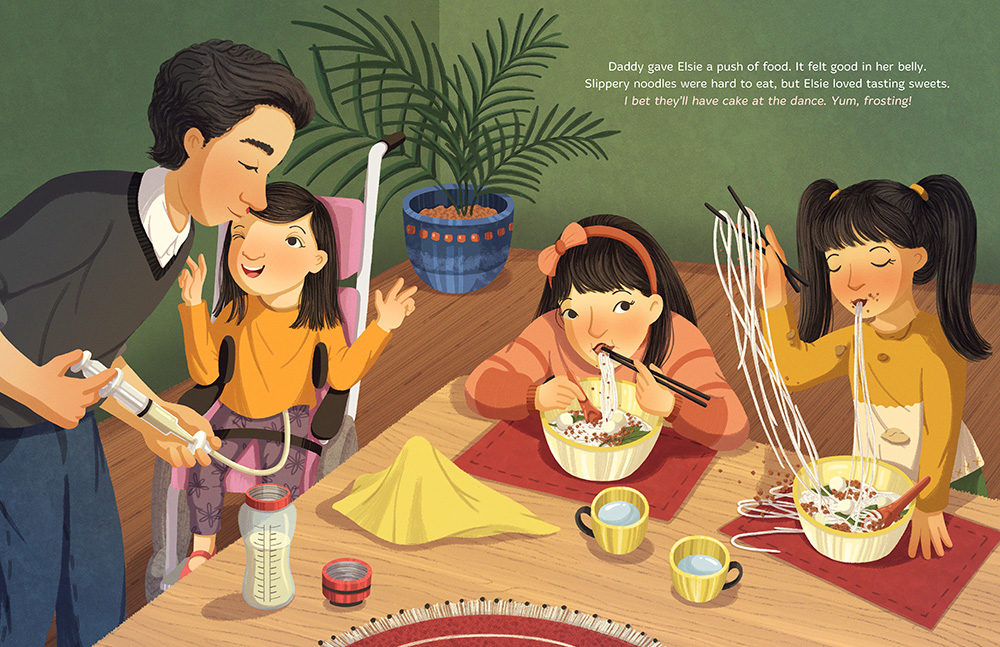
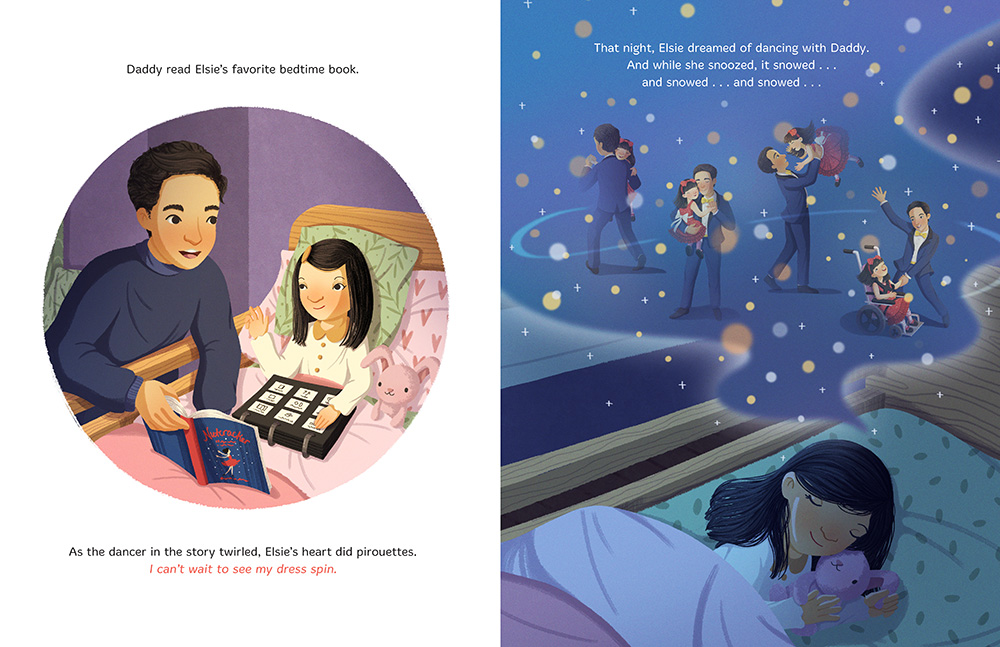
Inspired by her daughter, Elsie, author Anitra Rowe Schulte created a lovely story about a girl’s night out with Daddy in her first picture book, Dancing With Daddy.

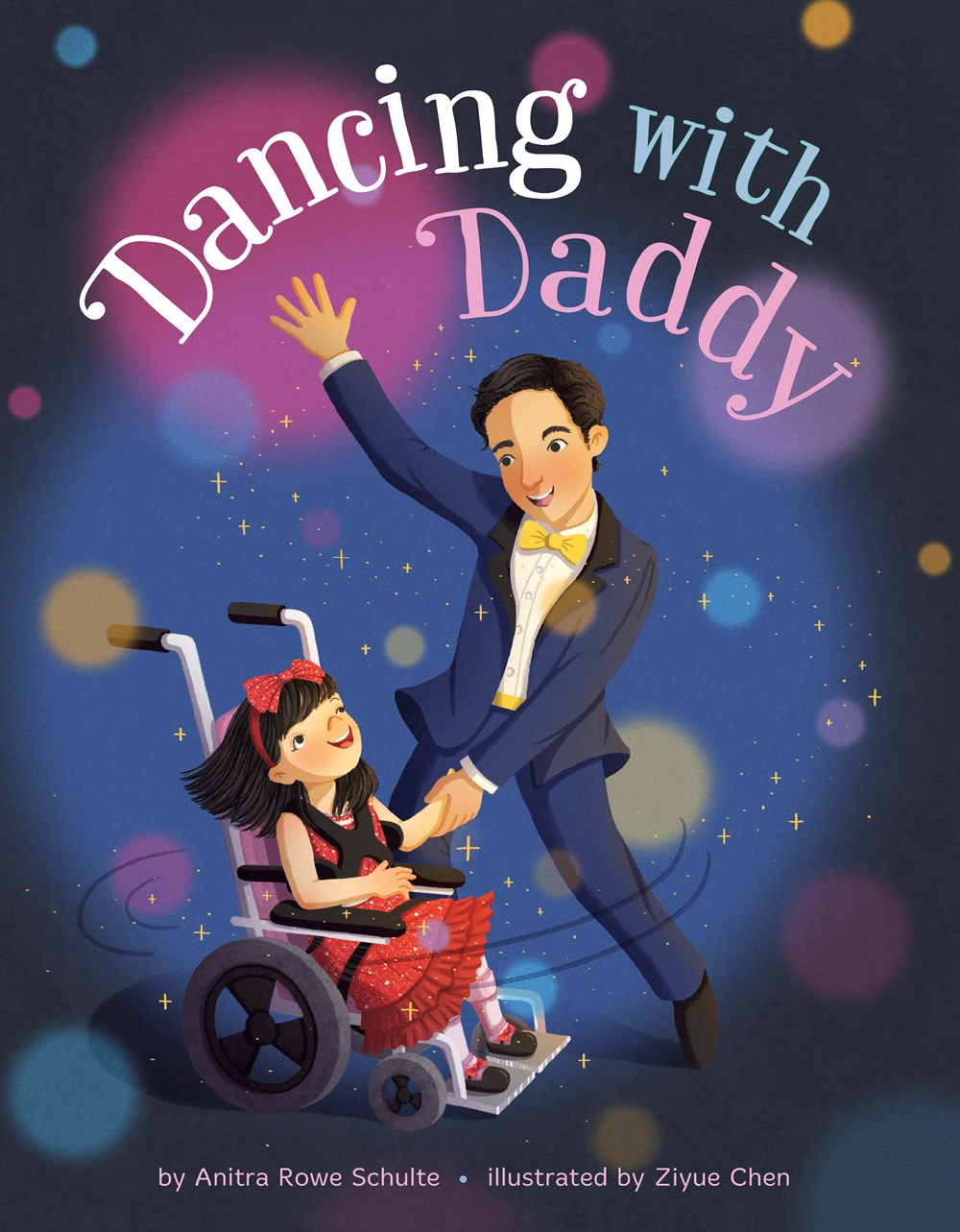
Dancing With Daddy, by Anitra Rowe Schulte/Illustrated by Ziyue Chen,
(Dec. 2021, Two Lions), $17.99, ISBN: 9781542007191

Ages 4-7

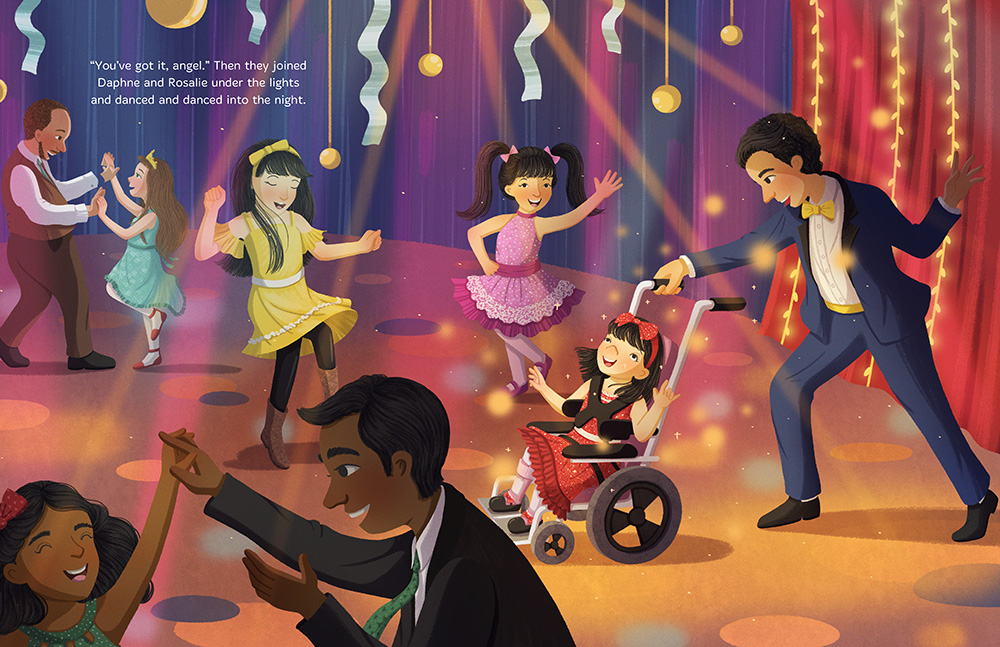
Elsie is a little girl who can’t wait for her first father-daughter dance, and really hopes the weather holds out so she doesn’t miss it! She’s got the perfect dress and matching headband, and she and her sisters have practiced dance moves. Elsie sways in her wheelchair, and her sisters twirl her around, until she’s ready! The snow may come, but that won’t stop Elsie, her sisters, and their daddy from dancing the night away!

Inspired by her daughter, who has Wolf-Hirschhorn syndrome (WHS), Dancing With Daddy combines external narration with internal dialogue, giving us a glimpse into Elsie’s world as she waits for the big dance to arrive. Elsie’s thoughts are italicized and colorful fonts to set them apart from narration. Her sisters are supportive and excited, including her in all their dance-planning activities; they coo and squeal over her dress, and help her with dance moves by twirling her around in her chair. Soft colors and gentle illustration create a comfortable, warm family setting; when Elsie and her Daddy dance together, the world disappears around them, and the spread becomes the two, Elsie in her Daddy’s arms, as he sways and swings with her against a black background with glittering lights around them. Endpapers celebrate this moment, showcasing Dad and Elsie dancing together against a glittering background of navy blue. The story also illustrates how Elsie communicates with her family using a special communication book, with pictures and words she points to in order to give voice to her thoughts. A good book to add to your inclusive lists.

Visit Anitra Rowe Schulte’s author page for more information about her book, her journalism, and her school visits.

★“Refreshingly, Elsie’s disability is seamlessly presented as simply another aspect of family life…As she swings and sways in her father’s arms, her forehead against his, their love is palpable; Chen’s illustrations fairly glow with affection…A heartwarming portrayal of a family embracing disability.” Kirkus Reviews (starred review)

“[Anitra] Rowe Schulte uses accessible, rhythmic language…conveying Elsie’s thoughts in pink- and red-colored text. Light-filled digital illustrations by [Ziyue] Chen make use of differing angles and dynamic shots, emphasizing the love the family has for one another.” Publishers Weekly

“This sweet story is a great addition to any diverse and inclusive library.” ―TODAY

Anitra Rowe Schulte has worked as a journalist for The Kansas City Star and the Sun-Times News Group, as a staff writer for Chicago Public Schools, and as a publicist. She is the mother of three beautiful girls, one of whom has Wolf-Hirschhorn syndrome and is the inspiration for Elsie in this book. She lives in the Chicago area, and this is her first picture book. Learn more about her at www.anitraroweschulte.com and follow her at @anitraschulte on Twitter.

Ziyue Chen is the Deaf illustrator of a number of children’s books, including Mela and the Elephant by Dow Phumiruk, How Women Won the Vote by Susan Campbell Bartoletti, and Rocket-Bye Baby: A Spaceflight Lullaby by Danna Smith. She lives with her loved ones in Singapore. Find out more at www.ziyuechen.com or follow her @ziyuechen on Instagram.


One lucky winner will receive a copy of Dancing With Daddy. Enter the Rafflecopter giveaway! If you’ve won in the last six months, please give other folx a chance and don’t enter this one. U.S. addresses and no P.O. Boxes, please!


Posted in professional development

Guest Post: Why is fluency important to comprehension?

Hi all! I’ve got a guest post today from Alesia, from PrimaryLearning.org, an online education resource for K-5 educators. There are some great, free lesson plans, worksheets, and activities to be found there; I’ll be trying some of these on for size as we increase our self-directed (passive) programming. Without further ado, here’s Alesia’s article on fluency and comprehension.

Why is fluency important to comprehension?

Developing fluency and comprehension significantly helps children become proficient readers. These two skills are connected, with fluency supporting children’s comprehension of the texts they read. When teaching children how to read, a focus on fluency should be part of the program. 

What is Fluency?

Fluency is the ability to read smoothly with automaticity. Fluency makes reading sound like talking. It consists of three components: accuracy, rate, and expression. 

Accuracy is the ability to read words correctly. The more accurate readers are, the fewer mistakes they make. 

Rate is the speed or pace that words are read. Fluent readers have a consistent flow to their reading. Their reading is not filled with stops and starts. 

Expression is related to how a reader’s voice sounds. Expressive readers vary their volume, pause at appropriate places, and attend to punctuation, adding excitement or intonation to their voice. Their reading does not sound robotic or monotone. 

What is Comprehension?

Comprehension is a key component of reading. Without it, children are merely reading words on a page, with no understanding of what they mean. Think of times when you have read a paragraph or page, then had to go back and read it again because you had little understanding of what you had just read. Comprehension was missing. 

Comprehension allows readers to understand, interpret, and interact with texts. It allows readers to understand the vocabulary in books. They also bring their own prior knowledge and experience to the text in order to make connections. They make predictions and confirm or revise them as they read. Children with well-developed comprehension skills can infer while they read. They also ask questions or have “wonderings” as they progress through a book. All of these skills allow children to understand the books they read.    

How Does Fluency Affect Comprehension?

If children are struggling to solve words, their efforts become focused on decoding. Their rate of reading slows down, often becoming word-by-word or robotic-like. Expression is lacking or even absent, as they concentrate almost primarily on word solving. 

When children read fluently, they recognize words more automatically and can shift their focus to what the words mean. They are able to concentrate on what the text is saying and can interact with it, using the comprehension skills described in the section above.      

How Do I Teach Fluency?

To teach fluency, make sure you are modeling what fluent reading sounds like. Demonstrate how you pause, change your voice, and group words together so your reading is not choppy. Provide children with opportunities to demonstrate their own fluency. Beginning readers can start with one sentence that they can read smoothly. Encourage them to make their reading sound like talking. It may be helpful to record their reading so they can hear what they sound like. 

To encourage fluency, it is important that children are reading books appropriate for their level. If a book is too difficult, children will struggle to solve the words and fluency will break down. Choose “just right” books or, if fluency is the main goal of the lesson, consider using a book that is even a bit easy to read. Without the need to tackle unknown words, children can focus all their efforts on reading the book fluently. Re-reading a familiar book is another way to shift the focus to fluency.  

To support fluency, preview books and identify vocabulary that you may need to pre-teach. Anticipating challenging words and reviewing them before children begin reading will help their fluency. Sometimes fluency is even hindered by characters’ names that kids are unfamiliar with. Spotting these problems ahead of time will prevent them from stumbling throughout the book. 

Fluency also improves when children have a well-developed sight word vocabulary. We want children to recognize high-frequency words like “the,” “and,” and “it” automatically. Without a bank of known sight words, children will struggle through texts.

As we teach children to read, it is easy to become focused on word-solving strategies. However, it is important that we don’t neglect fluency, which opens the door to a deeper comprehension of texts.   


Posted in picture books

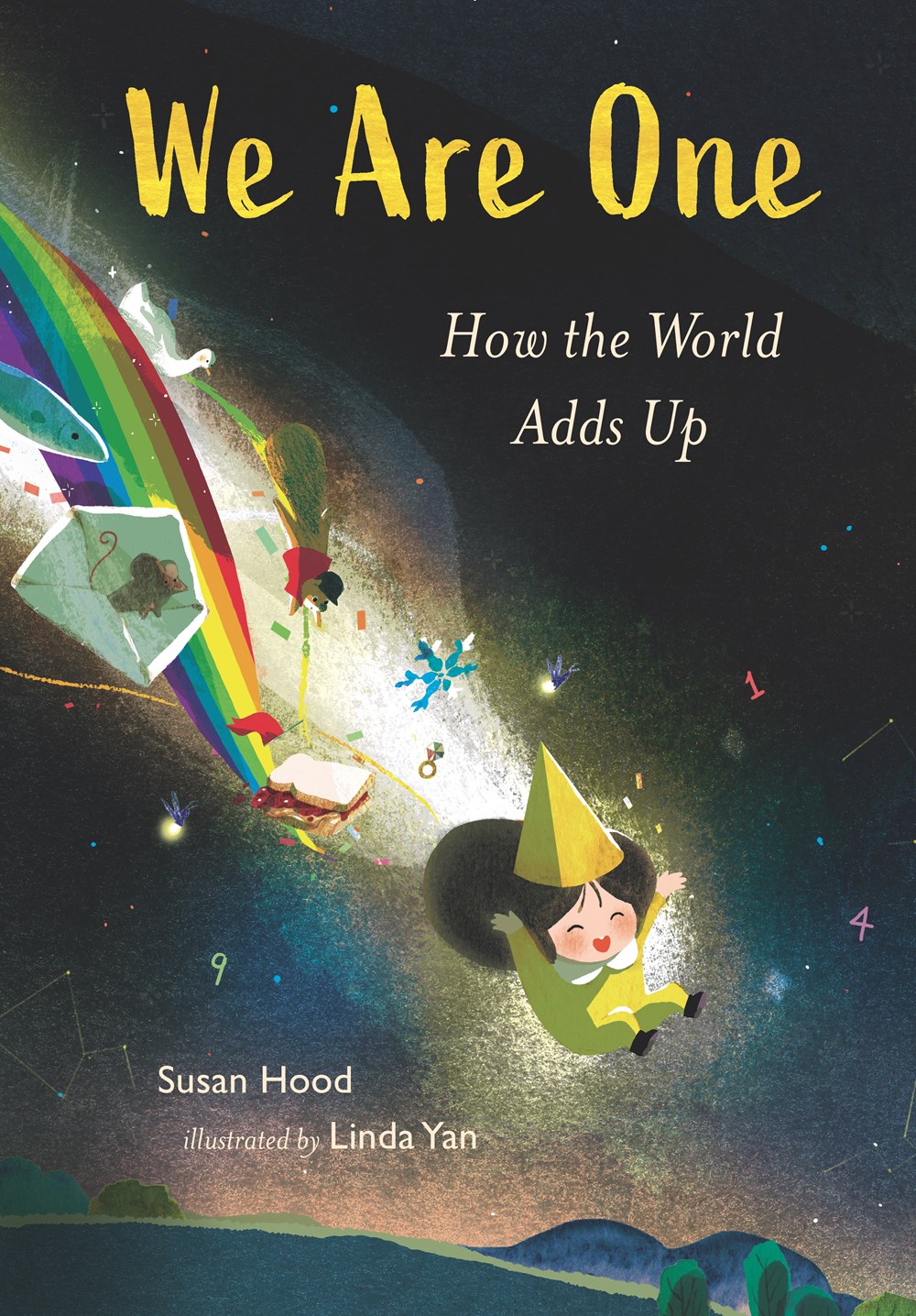
We Are One: How the World Adds Up – Unity Counts!

We Are One: How the World Adds Up, by Susan Hood/Illustrated by Linda Yan, (Nov. 2021, Candlewick Press), $17.99, ISBN: 9781536201147

Ages 3-7

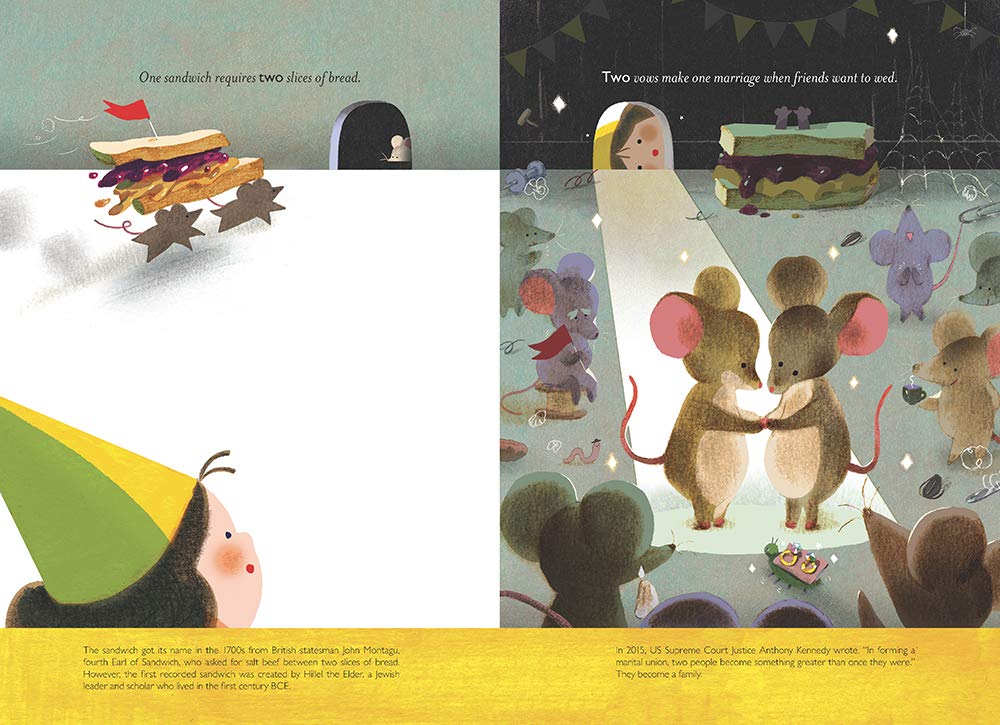
Individually, we may be one – one person, one student, one kid – but together, we are so much more: a nation; a family; a society. That’s the underlying message delivered in rhyming concept story, We Are One: How the World Adds Up. The rhyming story here will attract younger readers, with easy-to-imagine concepts like “one sandwich requires two slices of bread / Two vows make one marriage when friends want to wed”, while informational panels run across the bottom of each page, with more meaty information for older kids: how the sandwich got its name, or Supreme Court Justice Anthony Kennedy’s 2015 statement that “In forming a marital union, two people become something stronger than they once were”. The book goes from 1 to 10 – a relatively simple concept – and illustrates how those base 10 numbers contribute to greater and greater moments that make up our world. The message at the heart of the book is that the whole is greater than the sum of its parts, and that each of those parts are connected to one another. It’s a great book to explain the beginnings of early math concepts, and can be a book you can turn to as readers progress in their education to explain exponents, part/whole relationships, fractions, or more. All of these concepts come back to cooperation, kindness, and unity, making this a positive, upbeat read all around. Colorful digital artwork shows a wealth of illustrations, with an ever-present cast of diverse children and animals bringing the concepts to life. Back matter includes sources and resources, additional reading, and more stats on how the world adds up.

We Are One: How the World Adds Up has a starred review from Kirkus.

Posted in picture books, Preschool Reads

Redlocks and the Three Bears flips fairy tales for fun

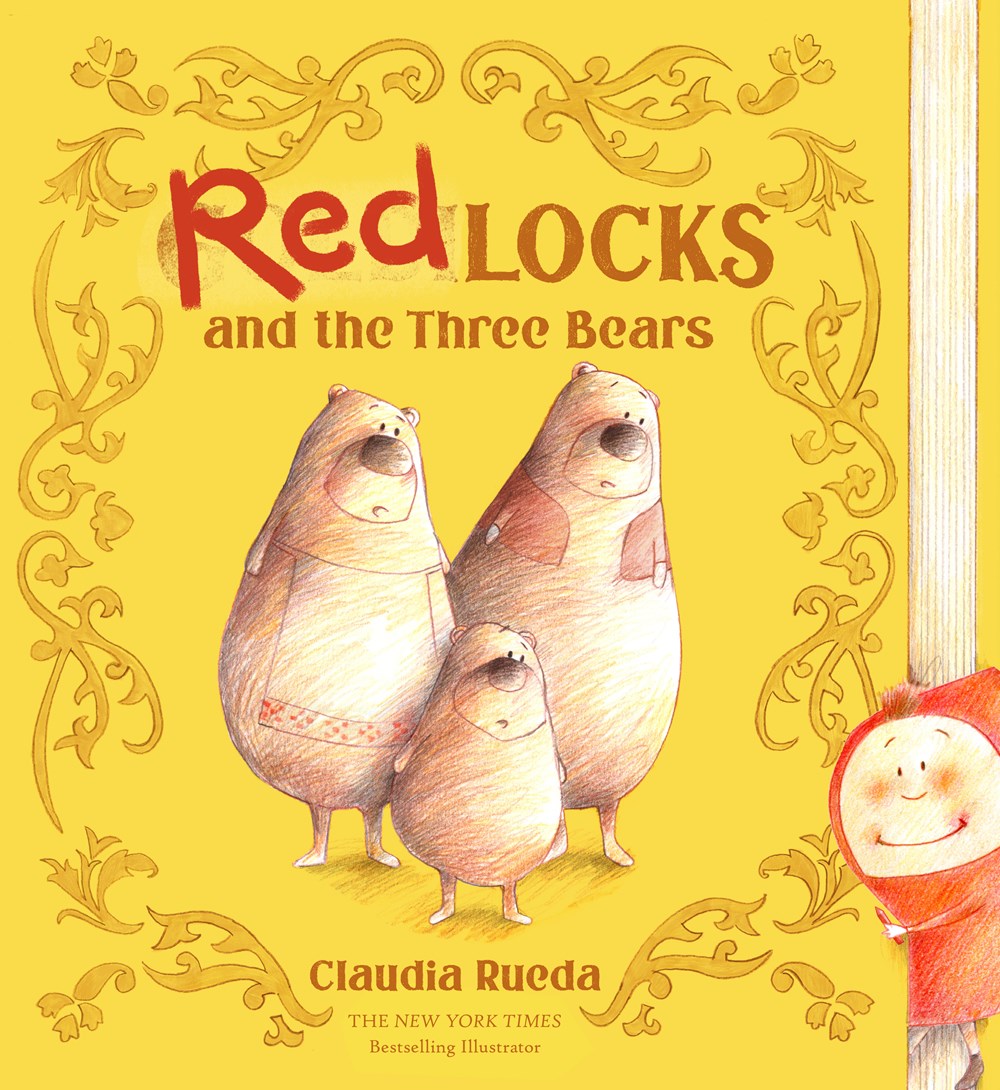
Redlocks and the Three Bears, by Claudia Rueda, (Nov. 2021, Chronicle Books), $16.99, ISBN: 9781452170312

Ages 3-5

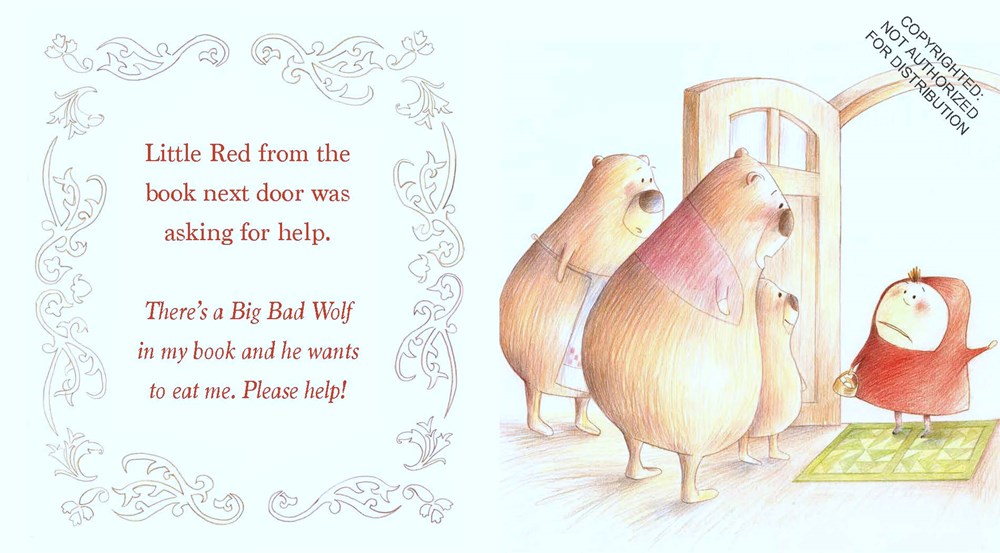
Claudia Rueda’s newest story is a sweet, humorous take on Little Red Riding Hood, The Three Bears, and that old trope of the Big Bad Wolf. Mama Bear is just about to get the porridge on the table when a knock sounds at the Bear Family’s door: it’s Little Red Riding Hood, and there’s a bear after her! Baby Bear convinces his parents to give Red some shelter; porridge is eaten, chairs get broken, a bed is too soft… but is the Big Bad Wolf really that bad? Redlocks takes a compassionate look at the maligned image of the Big Bad Wolf, who always finds himself in trouble throughout fairy tales, and offers readers some food for thought on how bad reputations can hurt.

The story offers a fun take on the Goldilocks story, with Little Red Riding Hood taking on some of Goldie’s actions in the story; narrated by Baby Bear, we get an empathetic storyteller who just wants to make others feel better. Colored pencil illustrations are soft and use warm colors with expressive characters and gentle movement moving the action forward. Mama’s porridge recipe is part of the back endpapers, and looks like it was written by Baby Bear himself.

A fun cameo from The Three Little Pigs and a twist ending will have readers chuckling, and the easy-to-read, unfussy storytelling is great for a readaloud. Grab your flannels for Little Red Riding Hood, The Three Bears, and The Three Little Pigs for this one!

Visit Claudia Rueda’s author website for more of her illustration work and information about her workshops.