Posted in picture books, Preschool Reads

Scampers teaches kids the scientific method!

Scampers Thinks Like a Scientist, by Mike Allegra/Illustrated by Elizabeth Zechel, (March 2019, Dawn Publications), $8.95, ISBN: 9781584696438

Ages 4-8

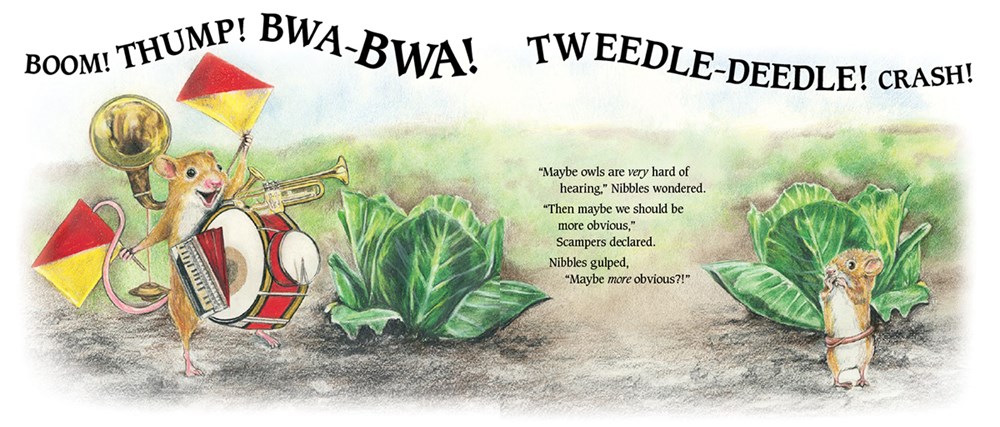
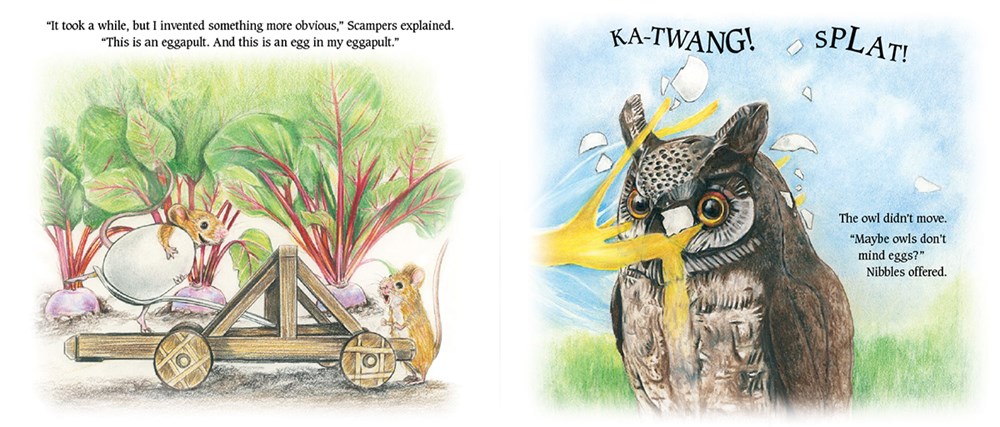
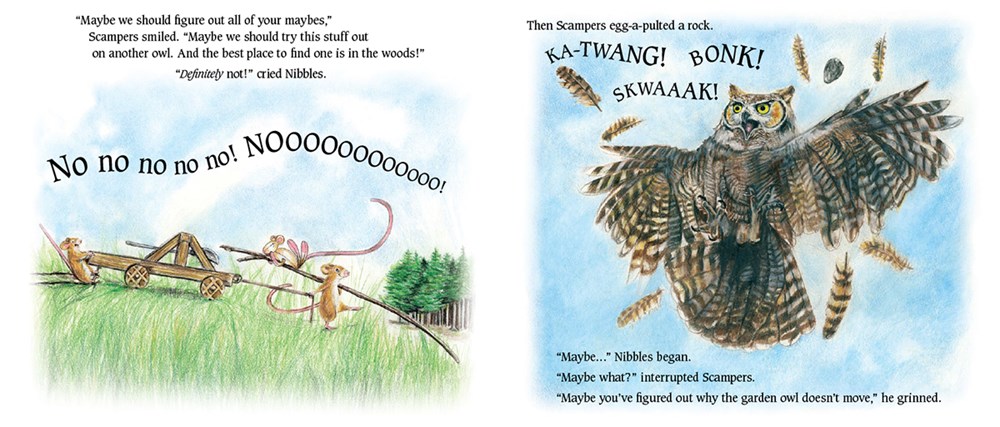
Scampers is a curious little mouse who wants to know what it will take to get a menacing-looking owl out of the vegetable garden, so he and the other mice can go back to getting food. With the help of Scampers’s friend, Nibbles, the two proceed to conduct a few experiments, including waving a rag doll and making noise that will startle the owl, and building an egg catapault to scare it off. No reaction. (Have you guessed yet?) When Scampers and Nibbles figure out the owl’s secret, they let their fellow mice know: the owl isn’t real! Will the mice believe their two scientists?

Scampers Thinks Like a Scientist is an adorable, abbreviated introduction to an scientific method. Scampers has a theory about the mouse, so she conducts some tests, considers her conclusion, and shares her results. The tests are amusing and let caregivers and educators work with readers to reason out the conclusion. It’s a cute way to introduce scientific thinking to younger readers, and publisher Dawn Publications has a free, downloadable companion activities for kids. Add this one to your science storytime.

Posted in picture books, Preschool Reads, Toddler Reads

Out of the nest and into the air! Why Should I Walk? I Can Fly!

Why Should I Walk? I Can Fly!, by Ann Ingalls/Illustrated by Rebecca Evans, (March 2019, Dawn Publications), $8.95, ISBN: 9781584696391

Ages 3-7

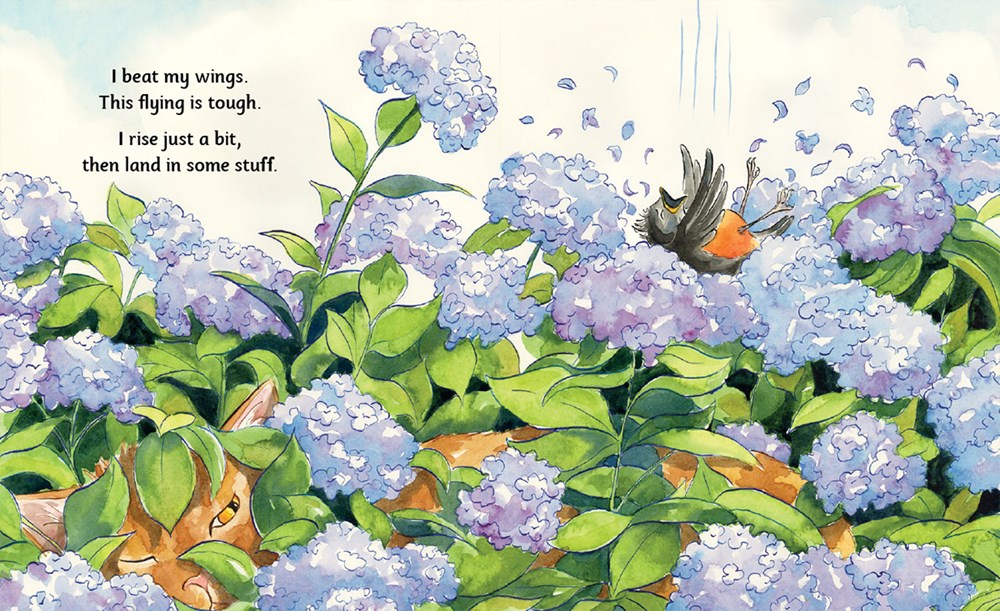
This rhyming story is all about a baby bird who’s ready to take the leap out of the nest and into the air… but maybe brother and sister can go first. The story is all about overcoming fears and persistence; kids will see themselves in the little robin’s excitement to take this next step, and the hesitation of moving out of one’s comfort zone. The kids will chuckle when Momma Bird gives the little bird some help leaving the nest, and parents will smirk in recognition; sometimes, we just have to help nudge our kids out of those comfort zones.

This is an encouraging story that shows kids it’s okay to be nervous, especially when trying something new; it’s perfectly normal to have excitement mixed with being nervous. And, yes, sometimes, we need a little push in the right direction; it’s all worth it, though, when we take off and succeed. Back matter includes a bird Q&A, photos, and STEM activities.

Why Should I Walk? I Can Fly! is a fun story about stretching one’s boundaries, trying new things, and growing up. It’s a good STEM storytime pick.

Posted in picture books, Preschool Reads, Toddler Reads

Tiger Days: Let the animals be your guide to feelings!

Tiger Days: A Book of Feelings, by M.H. Clark/Illustrated by Anna Hurley, (March 2019, Compendium), $16.95, ISBN: 978-1-946873-41-5

Ages 3-6

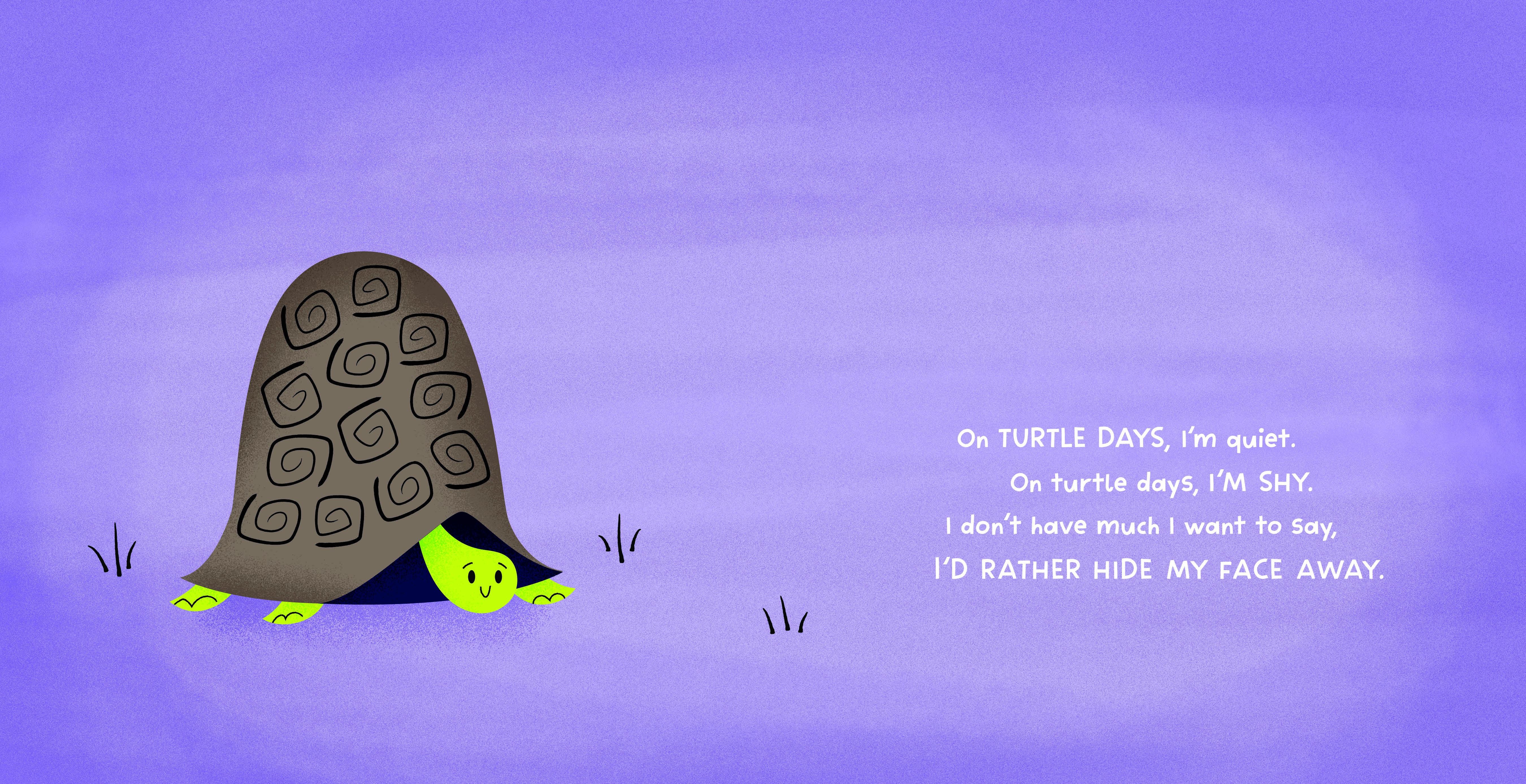
Tiger Days helps kids understand their emotions, and how to describe their feelings, by using animals to illustrate them. Ever feel like a rhino? So stubborn, no one can move you or change your mind? How about a silly monkey, all wiggly arms and legs, full of mischief and fun? Each spread is vividly colored, featuring a different animal, and characteristics of that animal that map to different moods. The background color of each page adds to the feel of each feeling; bright greens and yellows for happy rabbits and monkeys, who play across the pages; soft purple for a shy turtle; red for an angry bull. Each drawing is boldly lined and bright, popping off the page; fonts are capitalized to emphasize key words.

Tiger Days also lets kids know that their feelings are normal. No feelings are presented as “good” or “bad”; they just are, and this is how they can make people feel. I’d easily add this to one of my storytimes, including a yoga storytime, where I use animal poses. The kids’ favorite one tends to be the Lion Pose, where they get to open their mouths wide and roar. Linking feelings to mindfulness is a great way to help kids understand their feelings and be present for them, allowing them to describe and name what’s going on and furthering communication. Encourage your storytime kids roar, stamp the ground, or curl into their shells to describe different feelings! This would made a good time to break out some emoji flash cards, too; let the kids color the different faces and match them to animals mentioned in the book.

Tiger Days is a good book to have in your bookshelf, especially when you’re working with kids who are learning not only how to communicate with you, but to put words to things happening within themselves.


Posted in picture books, Preschool Reads

Dream Big: Be like the Marshmallow!

Most Marshmallows, by Rowboat Watkins, (Apr. 2019, Chronicle Books), $16.99, ISBN: 9781452159591

Ages 3-6

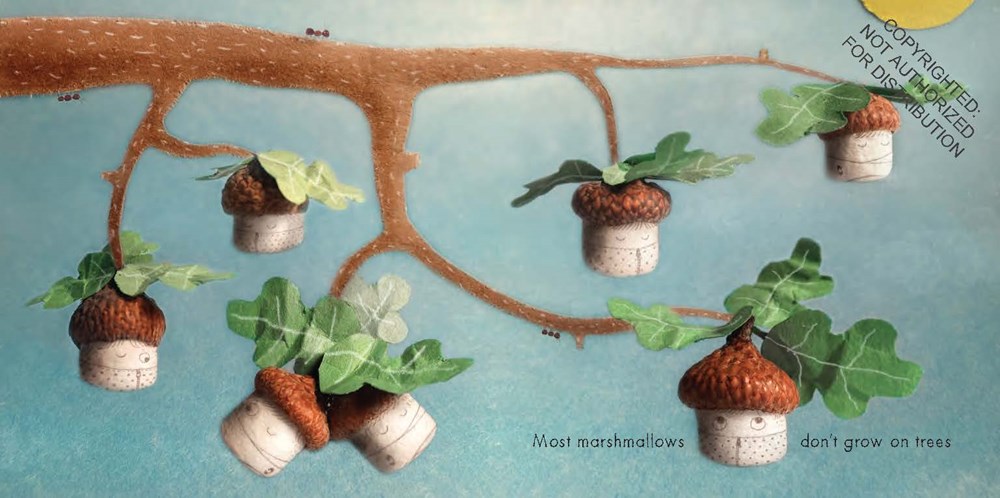
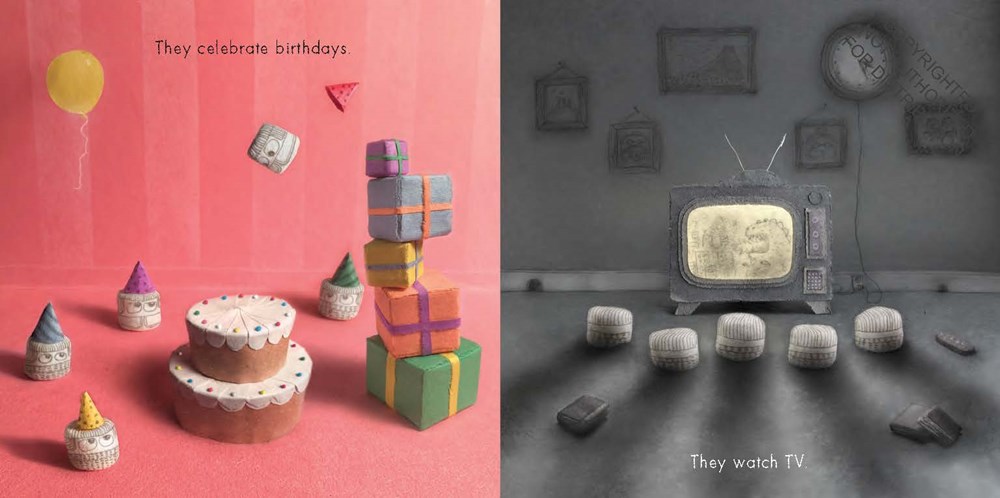
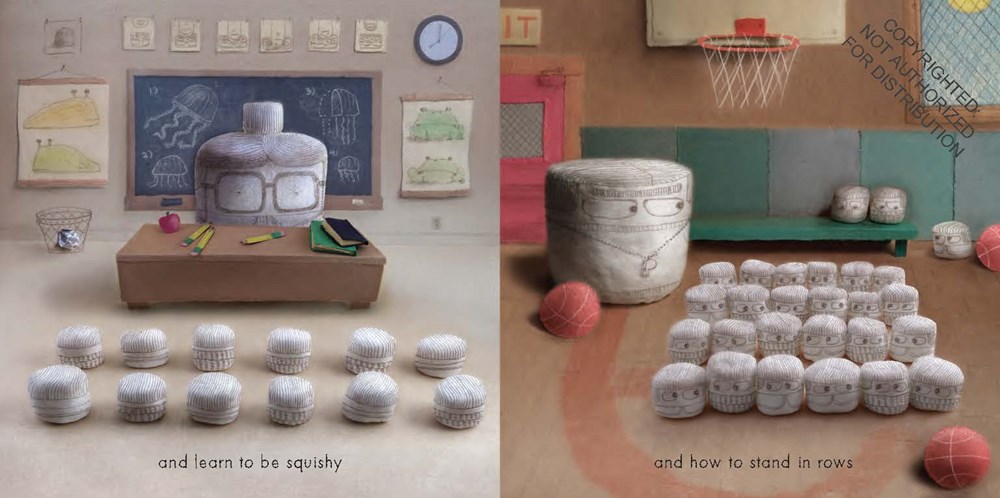
Did you ever consider the marshmallow? Well, Rowboat Watkins has, and the discoveries are pretty inspiring. Marshmallows, it turns out, are a lot like we are: they’re born to loving parents, live in houses and apartment buildings, and do a lot of the same things we do: they go to school, they celebrate birthdays, and they watch TV. BUT, did you know that some marshmallows know that ALL marshmallows can secretly do anything, including fly spaceships or scale mountains? What if we can, too?

Most Marshmallows is an absolutely adorable book with an uplifting message for readers. Illustrated with line drawings and real marshmallows, the cute level is through the roof as we see fluffy white marshmallows with adorable facial expressions sitting at family dinners, boarding school buses, and rocking little furniture, including tiny bookshelves and table settings. The text encourages kids to dream big by illustrating all the “normal” things marshmallows do, which happen to be the same things we humans do. Absolute fun, absolutely adorable, and absolutely perfect for storytime and anytime. Get this one on your shelves.

Posted in picture books, Preschool Reads

Friendship has been around since the beginning: Cavekid Birthday

Cavekid Birthday, by Cathy Breisacher/Illustrated by Roland Garrigue, (March 2019, Charlesbridge), $16.99, ISBN: 9781580898768

Ages 4-8

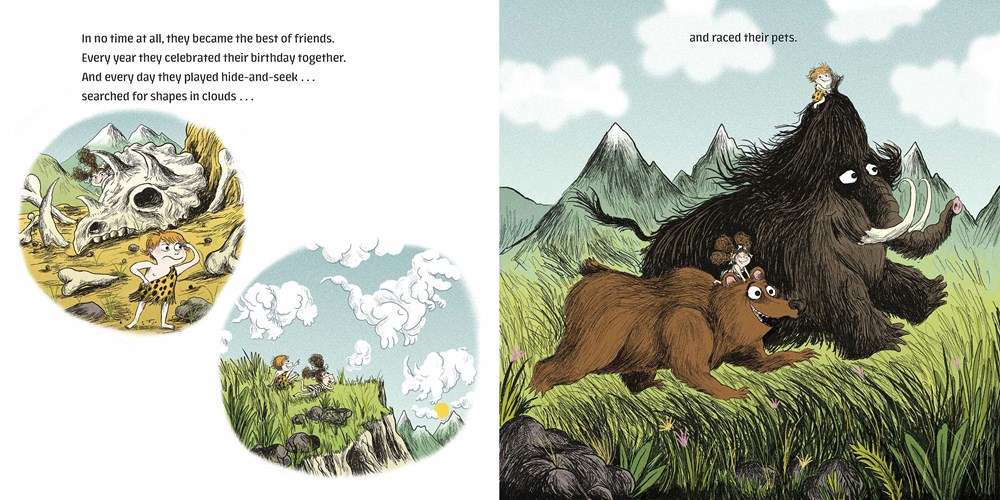
Caveboy and Cavegirl are best friends, born on the same day in side by side caves. Caveboy loves rocks, while Cavegirl enjoys working with tools and painting on cave walls. One birthday, each wants to give the other a gift, but what to get? They each visit Caveman’s Collectibles, separately, and find the perfect gifts. Caveboy trades his rock collection to get a box for Cavegirl to put her tools and paintbrushes in; Cavegirl trades her tools and paintbrushes to get a box for Caveboy to store his rock collection. When they exchange gifts, they figure out ways to put their new gifts – and existing talents – to work.

An updated, kids’ version of O’Henry’s The Gift of the Magi, Cavekid Birthday is a story about friendship, and it’s a story about creative thinking. Caveboy and Cavegirl’s friendship means so much to the other that they’re willing to trade their prized possessions away to get each other the perfect gift – and once they have those perfect gifts, they put them to creative use. But as they start to miss their rock and tool collections, they use their creative talents in another way in order to barter and get them back. Cavekid Birthday has a message about resourcefulness that encourages kids to think outside… well, the box.

The cartoon artwork is mostly earth-toned, with tonal greens and browns, and bright yellows and oranges that perk up the landscape. The characters are expressive and cute, and will keep readers interested. The storytelling leaves room for discussion throughout; ask the kids what they predict will happen when each Cavekid goes to the store, and what will happen when they unwrap each other’s gifts. A nice add to storytime collections.

Posted in picture books

Left-handers: This is a secret society worth knowing about!

Anya’s Secret Society, by Yevgenia Nayberg, (March 2019, Charlesbridge), $17.99, ISBN: 9781580898300

Ages 4-8

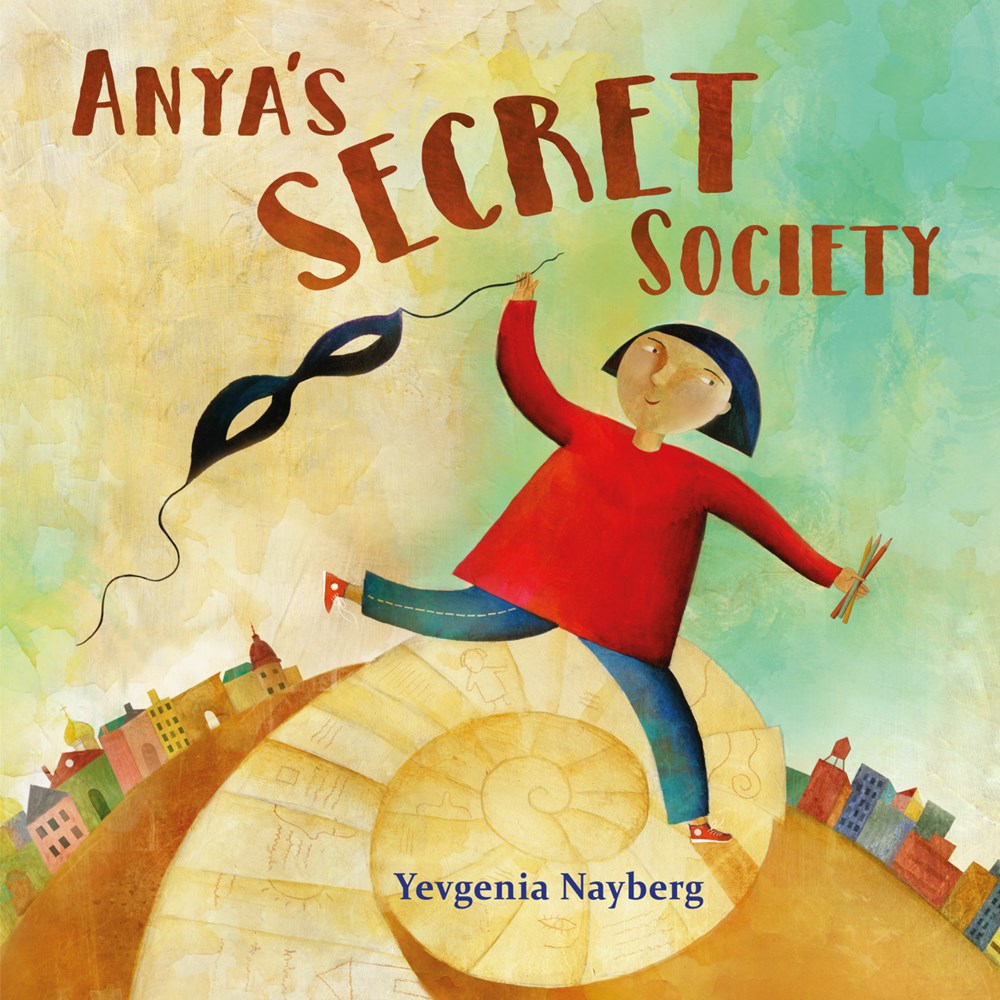
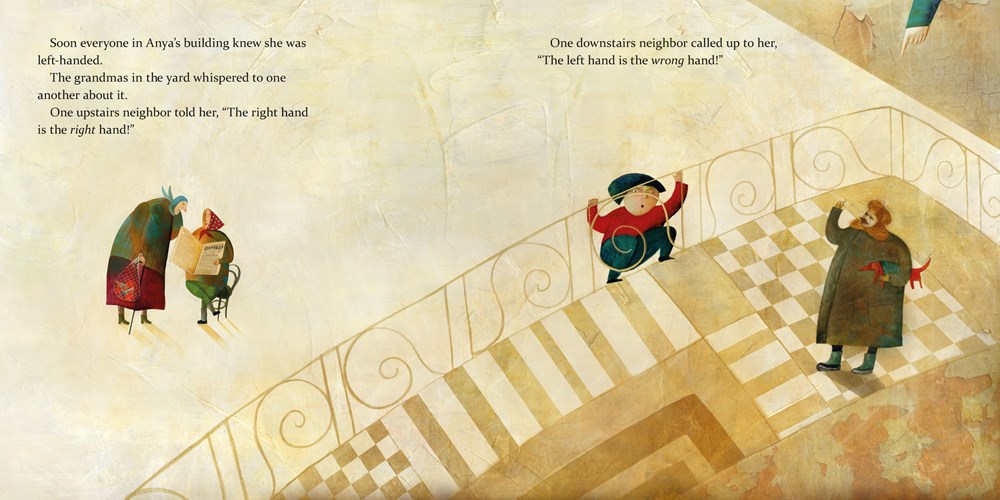
Anya is a young Russian girl who favors her left hand from an early age. She loves to create; she draws and paints, but she’s under constant scrutiny over her left-handedness. Even her neighbors correct her, saying things like, “The right hand is the right hand!” Under social and school pressure, Anya begins using her right hand to write, but she just can’t create with that hand. Her creativity, her art, flows from her left hand. Anya discovers a secret world of left-handed creators, including Leonardo DaVinci and Michaelangelo; she imagines herself part of their secret society, wearing masks to hide their identities as they flout conformity and use that sinister hand. When Anya’s family moves to America, though, she discovers that there is no stigma about which hand to use. She uses her left hand in public, and no one even notices! Her teacher doesn’t correct her! Anya is, at last, free to create.

Anya’s Secret Society uses beautiful language to communicate the desire to create art while lamenting the crushing conformity that threatens to squelch it. Anya draws, left-handed, in secret, and the text reveals that “…the right hand could not draw. Only the left hand could draw”, and “The right hand took care of the world outside Anya. The left hand took care of the world inside Anya”.

With mixed media artwork that’s reminiscent of Pamela Zagarenski, Anya’s Secret Society has bold, bright colors mixed with earth tones to illustrate Anya’s bright spirit; her “secret society” meetings take on a clandestine, almost candelit look. An author’s note discusses the author/illustrator’s own childhood, growing up left-handed in Russia. Anya’s Secret Society is good for picture book collections and carries a nice message of empowerment.

Posted in Non-Fiction, picture books, Preschool Reads

It’s Spring… time to raise the butterflies!

Butterflies in Room 6, by Caroline Arnold, (March 2019, Charlesbridge), $16.99, ISBN: 9781580898942

Ages 3-7

Spring is getting closer and closer, and that means that science classrooms all over the place are going to introduce their little ones to the life cycle of a caterpillar/butterfly. We’ve done it in my home, and each of my kids has done it in school, and it’s exciting every time. Butterflies in Room 6 revisits the Kindergarten students of Room 6 – a new group, since Hatching Chicks in Room 6 was published in 2017 – as they raise butterflies, starting from teeny, tiny caterpillar eggs.

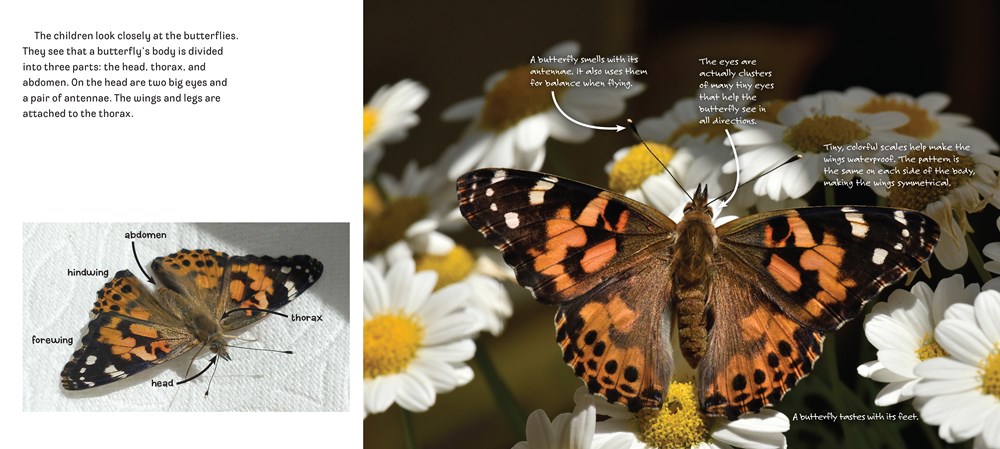
Full-color photographs and informative text take this STEM/STEAM story through the step-by-step process by which the class observed and cared for their caterpillars; feeding them, observing the stages of life, moving the chrysalises to a larger, netted environment, the exciting emergence of the painted lady butterflies from their cocoons, and their release into the world! Leaf-shaped callouts throughout the book provide additional caterpillar and butterfly facts, and back matter provides butterfly questions, vocabulary, and a nice list of online and print resources for further reading.

Butterflies in Room 6 brings a real-world look into a primary classroom – it’ll get kids excited about science, especially if this is one of your classroom projects. Pair this with The Very Hungry Caterpillar and the classic that my kids all read in their kindergarten classes, Deborah Heiligman’s From Caterpillar to Butterfly.

Posted in Preschool Reads, Toddler Reads

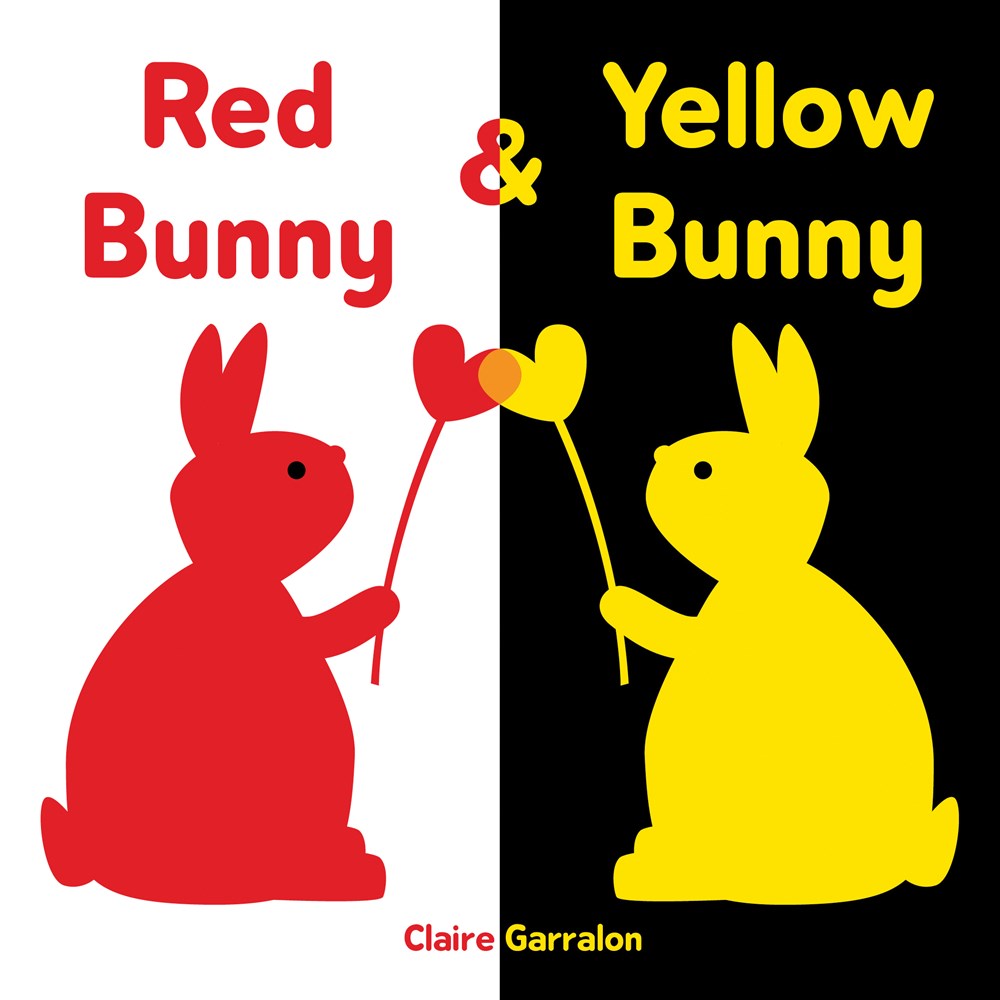
Red Bunny & Yellow Bunny: The one that slipped by me!

Red Bunny & Yellow Bunny, by Claire Garralon, (March 2019, Sourcebooks Jabberwocky), $7.99, ISBN: 9781492680147

Ages 0-4

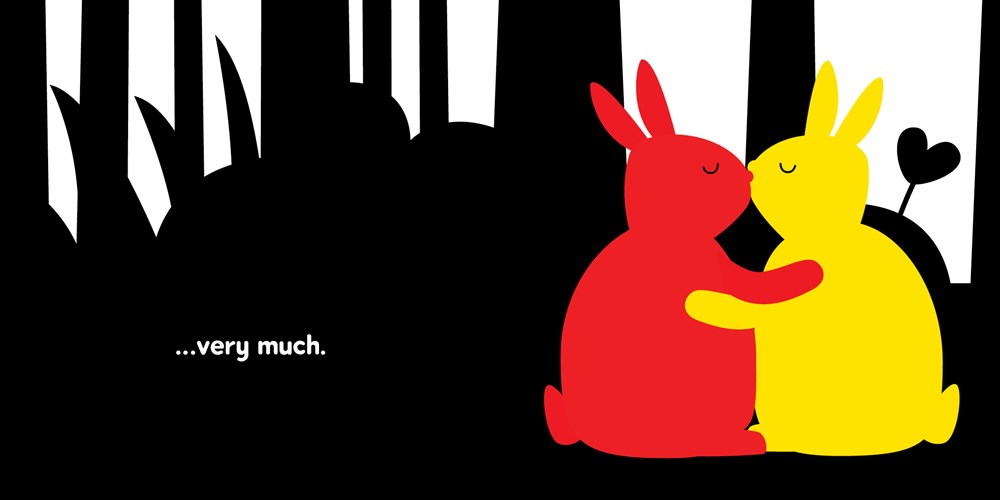
I sent off my Board Books post this morning, then realized I forgot one! Red Bunny & Yellow Bunny is the latest board book from Claire Garralon, who gave us the adorable Black Cat & White Cat in 2016. In Red Bunny & Yellow Bunny, two bunnies meet, fall in love, and have an orange baby bunny! What happens when that baby bunny grows up and falls in love? Keep reading!

I love how Claire Garralon communicates ideas about gender, social issues, and community for our youngest readers. The bunnies are genderless – no male or female pronouns needed; they are different colors, yet come together, fall in love, and have a baby that adorably blends their colors (red plus yellow makes orange, after all!). Bunnies fall in love with other bunnies, regardless of color, and create a rainbow of happy baby bunnies, all of whom play and live together. We saw a similar story emerge from Black Cat & White Cat, where two different color cats have to find a neutral place to play so they can see one another.

Naturally, we also have a sweet story that uses color concepts: explain that yellow and red make orange, and then ask what a yellow bunny and blue bunny’s baby would look like, or a red bunny and blue bunny’s baby. There’s a free, downloadable color mixing resource available on Teachers Pay Teachers, that you can hand out and let kids play with for a storytime activity. Let them fingerpaint and discover their own colors, or grab some Do a Dot! art markers.

Posted in Uncategorized

Board Books, Board Books, Board Books!

There’s a whole bunch of great board books out, and I love it!
Cat & Mouse, by Britta Teckentrup, (March 2019, Prestel Publishing), $14.95, ISBN: 978-3-7913-7374-4

Ages 0-4

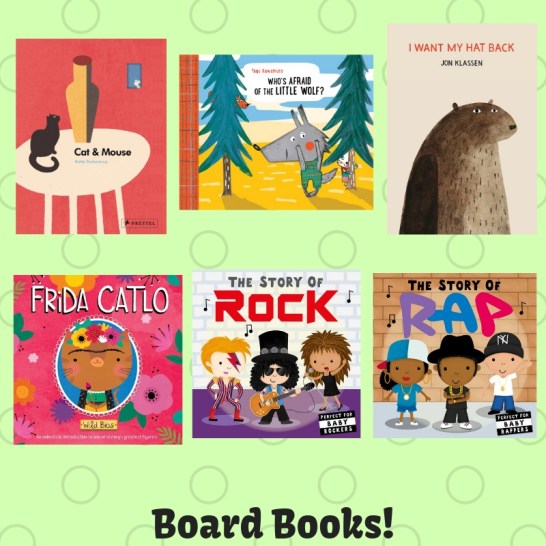
This die-cut, rhyming book is adorable! A cat and mouse play a game of hide and seek, with die-cut squares on each page letting little ones find the mouse, and explore with their fingers as well as their eyes and ears, as they go along. Cat and mouse wreak havoc across each spread, upending furniture and running up and down stairs: will the cat catch the mouse? I read this to my storytime group and wiggled fingers through the squares, let the little ones peek through the holes, and stuck my nose through one or two to mimic a cat sniffing for a mouse, all to tremendous giggles. This is an adorable storytime read, and a great pick for sensory and explorative reading. The artwork is loaded with shapes and colors to identify, making this a book you can really engage your little ones with.


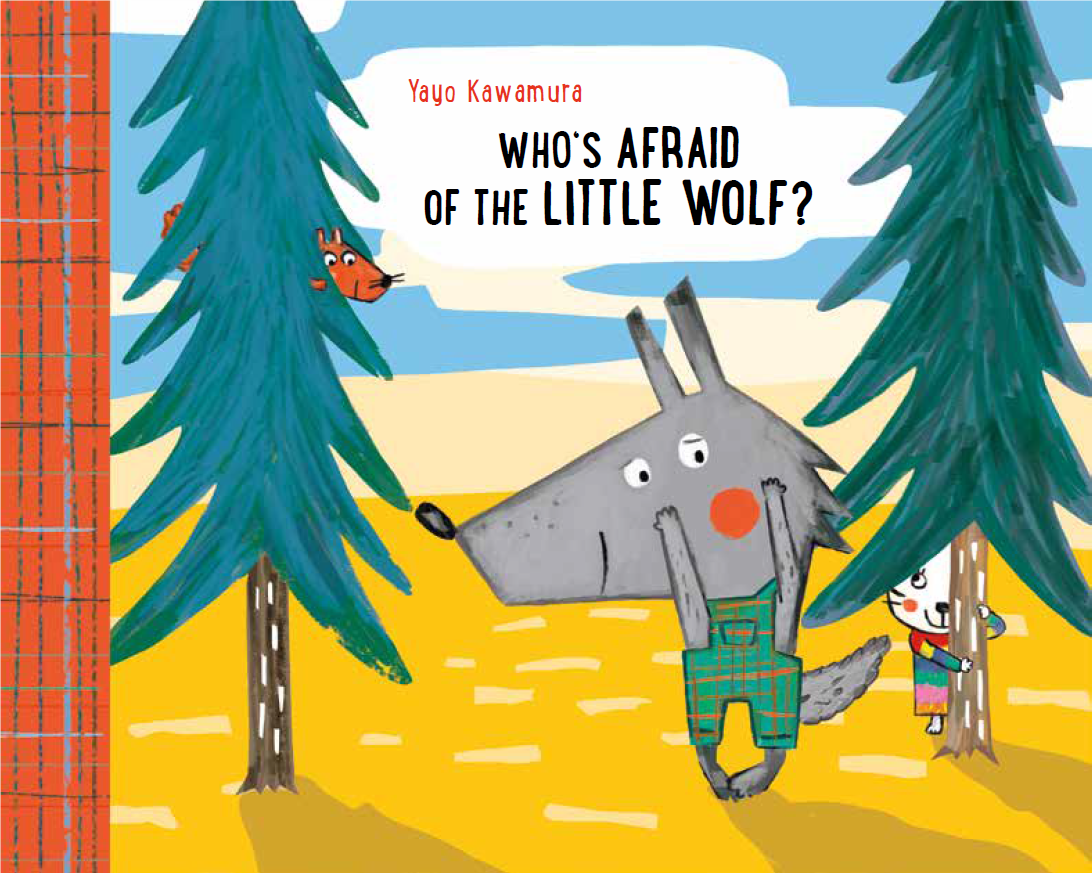
Who is Afraid of Little Wolf?, by Yayo Kawamura, (Apr. 2019, Prestel Publishing), $12.95, ISBN: 978-3-7913-7381-2

Ages 0-3

Little Wolf is bored and wants to play, but it seems like no one wants to play with him: the squirrel, rabbit, and fox all tell him their moms won’t let them play with wolves! Just when Little Wolf starts to cry, a little bee invites him to play. Seeing Wolf and Bee play together, the other animals realize that there’s nothing to be afraid of, and join the game. At sunset, Little Wolf and his new group of friends sit in a cuddled group, enjoying one another’s company after a big day of playing hide and seek. A sweet, simple story about overcoming prejudice, Who is Afraid of Little Wolf is a story that has a big message for little eyes and ears. Bold, colorful artwork and friendly animal faces make this instantly appealing to young readers and listeners, and gives a face to the fallout of predetermined ideas.


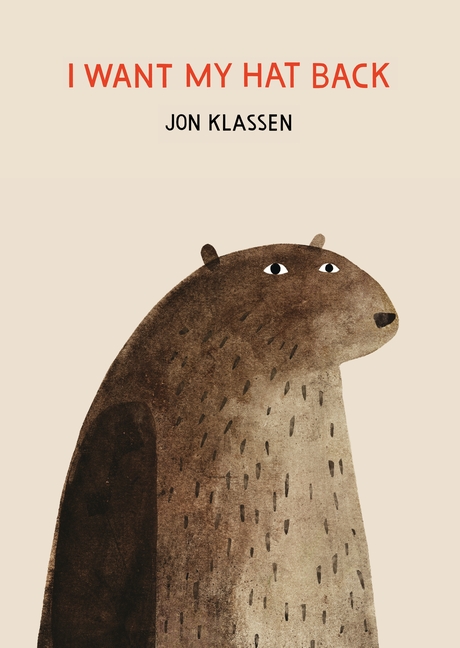
I Want My Hat Back, by Jon Klassen, (March 2019, Candlewick Press), $8.99, ISBN: 978-1-5362-0757-6

Ages 2-5

This is one of my favorite picture books of ALL TIME, and now it’s available in board book form! The darkly hysterical tale of a bear, a hare, and a hat is complete here; just in smaller format for littler fingers. The illustrations are beautifully, perfectly recreated here. My 6-year-old asked me if this was a “backpack copy” for him to bring to school, and darned if I didn’t say, “Wow… you may be onto something here”. Start your younger readers off right: give them Jon Klassen board books! (PLEASE say we’ll be getting Mac Barnett and Jon Klassen’s Triangle, Square, and Circle trilogy in board book at some point!)

Do you have crafts after storytime? Use this free, downloadable activity kit to let the kids make their own red hat, recreate their own forest story scene, and more.
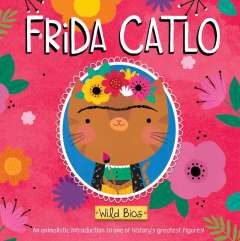
 

Wild Bios: Frida Catlo, by Courtney Acampora & Maggie Fischer/Illustrated by Lindsay Dale-Scott, (Jan. 2019, Silver Dolphin Books), $7.99, ISBN: 978-1-68412-558-6

Ages 2-5

This is the cutest new board book series! Wild Bios puts an “animalistic twist” onto famous figure biographies by adding cute animals and wink, nudge puns to the biographical text. Here, we’ve got artist Frida Kahlo’s life with a feline spin: Frida Catlo was born in Meowixco City, painted self-pawtraits, and married fellow artist Doggo Rivera. A sweet way to introduce art to your little ones (I think it’s time for me to revisit my Art Storytime) and the puns will keep older siblings and adult caregivers chuckling at storytime. The bright, festive artwork is fun to look at, and Frida’s even got a little unibrow. Make sure to mention that Friday Kahlo loved animals – display and booktalk Monica Brown’s Friday Kahlo and Her Animalitos handy. Let the little ones draw afterward!


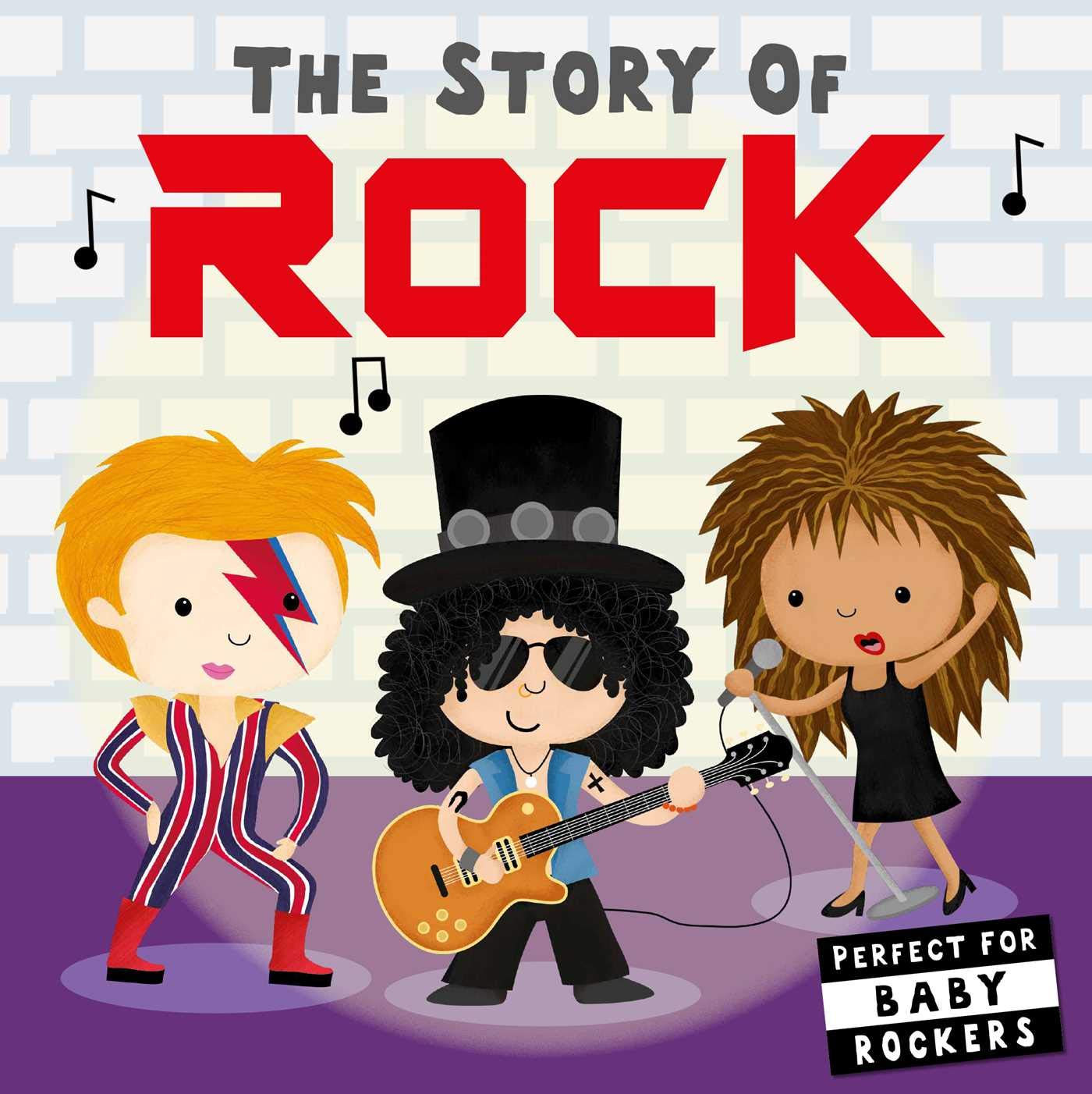
The Story of Rock, by the Editors of Caterpillar Books/Illustrated by Lindsey Sagar, (May 2019, Silver Dolphin Books), $8.99, ISBN: 978-1-68412-509-8

Ages 0-5

Perfect for music storytime, this rhyming look at the history of rock music starts – as it should! – with rock’s roots in blues and features some of the most iconic names in rock history, including Chuck Berry, Elvis, Jimi Hendrix, Queen, the Ramones, and more. The blues, through the rockabilly ’50s, the psychadelic ’60s, punk, hair metal, grunge, and ska are all here, with sweetly illustrated, friendly faces and instruments. Add this to your music shelf with board books like What is Punk?, Brandon Stousy’s What is Music? and We Are Music, Amazing Me! Music, by Carol Thompson, and Baby Loves to Rock! by Wednesday Kirwan.
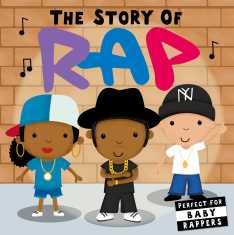
 

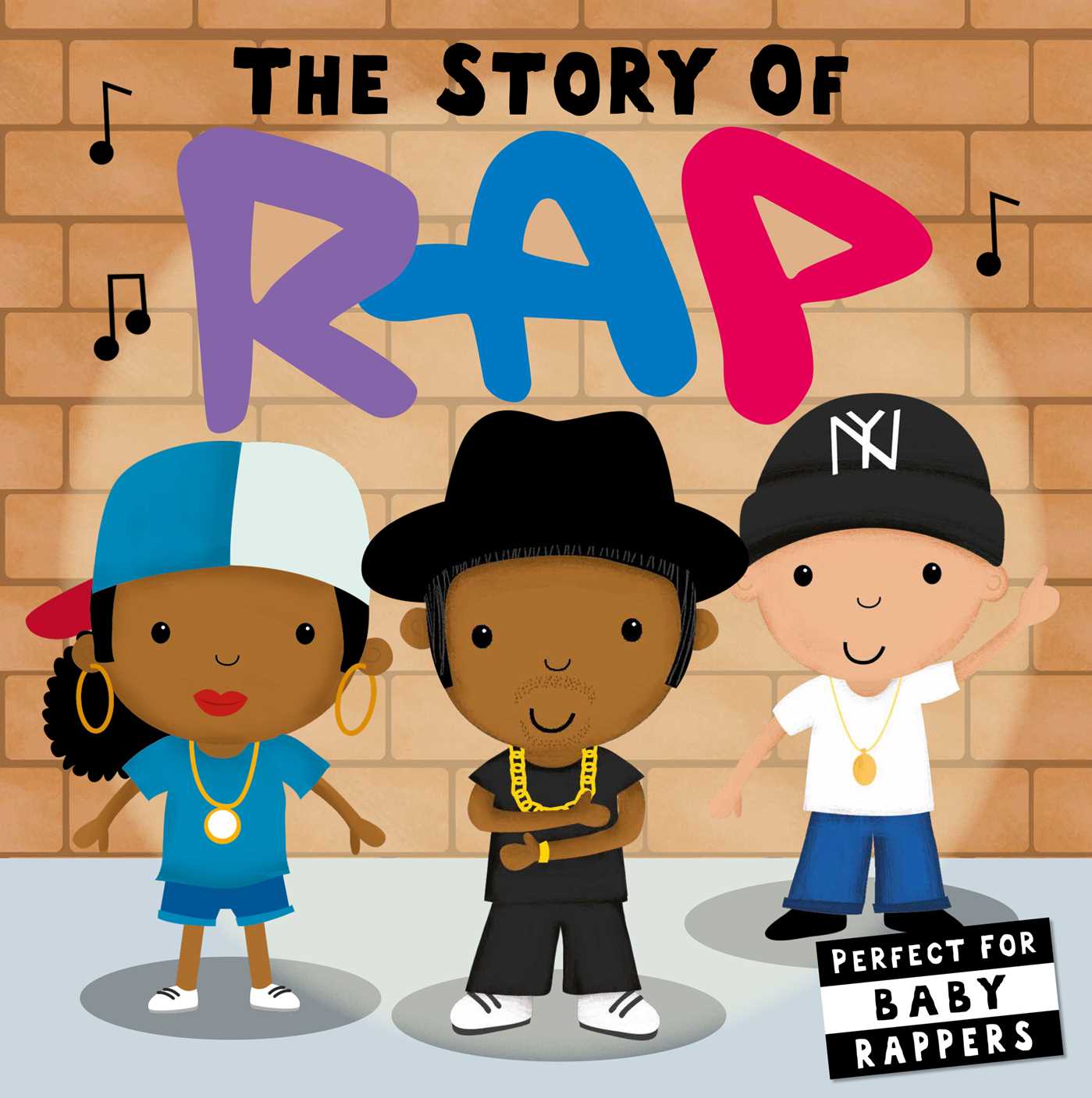
The Story of Rap, by the Editors of Caterpillar Books/Illustrated by Lindsey Sagar, (May 2019, Silver Dolphin Books), $8.99, ISBN: 978-1-68412-508-1

Ages 0-5

A companion to The Story of Rock, The Story of Rap starts off with rap’s beginning at a New York house party in 1973 and explains the genre’s sound: big bass, spoken word rhyme. Learn about rap icons, from Grandmaster Flash, Run DMC, and NWA; the protests, the East vs. West battle, and modern figures, including Jay-Z, and Kendrick Lamar. The emphasis on soul and social justice is here, and like the books says: “Rap is for the people, just like from the start, it’s more than music: it’s a work of heart”. The artwork is identical to The Story of Rock, with soft, cute, friendly faces and urban street wear; there’s some breakdancing, mixing and scratching at the turntables, and female representation (Lauryn Hill and Missy Elliott are here, but where’s Queen Latifah?). Add this to your music board books, and keep up your readers’ music education.


Posted in picture books, Preschool Reads

A boy learns to live between Here and There

Here and There, by Tamara Ellis Smith/Illustrated by Evelyn Daviddi, (March 2019, Barefoot Books), $16.99, ISBN: 9781782857419

Ages 4-8
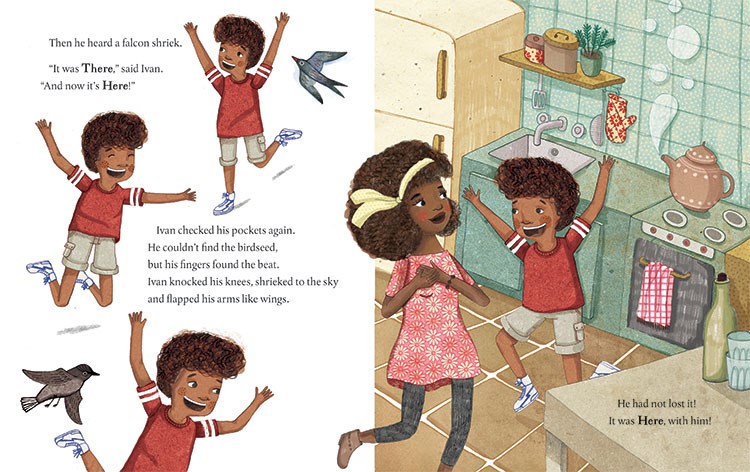
Ivan is a biracial child who splits his time between his two homes: Here, where he lives with his mother, and There; his father’s new home. Here, Ivan is comfortable; he sits in a tree and chatters with the birds. There, he curls into a chair, pulled into himself, ignoring his father’s attempts to engage him. Dad knows how to reach his son, though: he starts playing a song on his guitar, and Ivan can’t stop the good feelings from flowing through him. As Ivan negotiates living Here and There,  he knows there is music, there are birds, and there are people who love him at each place.

Here and There is a touching story about living as a child in a divorced family. Being taken out of his comfort zone; his home, makes Ivan feel off-balance. He isn’t Here, with the familiar; he’s There. He may even feel different around his father, bein gin this different place, with his father not where he’s supposed to be. But music builds a bridge between father and son: Ivan has an affinity for music, as we s

ee early on, when he chatters with the birds in his mother’s home. Once his father’s guitar music opens the door to conversation, Ivan reaches a new comfort zone, and finds himself discovering new birds in his father’s neighborhood, too. He’s building a new life for himself, understanding and working through feeling guilty for being happier in one place or another.

Here and There will speak to many kids who split their time between two households. The text uses the concepts of “Here” and “There” to explain Ivan’s familiarity and initial discomfort  as he learns to navigate between his mother’s and father’s home.  The pencil, acrylic paint, and collage artwork presents multiracial characters with soft, gentle facial features. Back matter includes 12 different birdcalls, with phonetic pronunciation, for kids to try out. Display and booktalk with The Mirror in Mommy’s House/The Mirror in Daddy’s House by Luis Amavisca, which uses a mirror to connect a child with two households.