Posted in Early Reader, Fiction, Fiction, Intermediate, Realistic Fiction

A school can be anywhere: Armando and the Blue Tarp School

armandoArmando and the Blue Tarp School, by Edith Hope Fine, Judith Pinkerton Josephson/Illustrated by Hernán Sosa (March 2014, Lee & Low), $12.95, ISBN: 9781620141656

Recommended for ages 5-8

Armando’s family are pepenadores -trash pickers – living off things they can use, recycle, and sell from the city trash dump community where they live. Armando works with his father to help support the family, but dreams of being one of Señor David’s regular students. Señor David sets up a blue tarp in his colonia and teaches the children how to spell, count, and learn words in English, and says a school can be anywhere – even on a tarp in a colonia. At first, Armando’s parents discourage him from attending the school, saying that they need him to help the family and that they have always been pepenadores, but slowly, his father sees the importance of an education and allows Armando to attend the school. Shortly after, a fire burns down several homes in the colonia, Armando’s included, and it’s Armando’s picture of the blaze that runs in a newspaper and calls support to the colonia. Money and support come into the community, allowing for a new school building to be built.

Inspired by the real-life Señor David: a New York City special education teacher in the 1980s who went to Mexico to teach children living in the Tijuana colonia – Armando and the Blue Tarp School shows kids that education is a privilege not every child enjoys. Armando desperately wants to learn; he saves bits of erasers, paints, and paper he finds while working alongside his father in the trash dumps, and is thrilled when Señor David returns to his area. Kids will also see that not all parents understand the value of education: Armando’s father scoffs at his son’s “dreams of school”. To many parents in poverty-stricken areas, education takes time away that could be spent working and earning money for the family. For many families, work is survival and education is an expense they can’t afford.

This is a great book to use in classroom, library, and home discussion about how education is perceived throughout the world, and it opens up a chance to find out from kids what they think about education. Do they understand how important it is in the long run? Ask themselves to think about Armando, and put themselves in his place. There are some activities at the Blue Tarp website, some discussion questions, and suggestions for expanding on the story’s theme.

Armando and the Blue Tarp School was a nominee for a California Young Reader Medal and was turned into a stage production in 2009; kids can listen to one of the songs from the show and watch video taken from the show at the Lee & Low blog.

An author’s note at the end of the book provides more information about David Lynch, his Responsibility organization, and the Los Angeles Times article about his work in Mexico that prompted an anonymous donor to donate money to build a school in the Tijuana colonia. There are photos of Lynch and his colonia students, success stories of previous students, and a glossary and pronunciation guide.

A valuable addition to #weneeddiversebooks and school-age collections.


Posted in Fiction, Historical Fiction, Realistic Fiction, Teen, Tween Reads

My Name is Not Friday is a younger generation’s Twelve Years a Slave

fridayMy Name is Not Friday, by Jon Walter (Jan. 2016, David Fickling Books), $18.99, ISBN: 9780545855228

Recommended for ages 12-18

Living in an orphanage in the South at the end of the Civil War, Samuel is always trying to keep his younger brother, Joshua, out of trouble. The latest prank to be laid at Joshua’s feet is a big one; Samuel takes the blame to keep his brother safe, and finds himself sold into slavery as a consequence. He’s stripped of his given name, renamed Friday, and threatened to keep his true origin – that he’s a freeborn black boy – a secret. Told in the first person through Samuel’s eyes, readers get an often brutal, heart-breaking account of slavery in the last days of the Civil War.

My Name is Not Friday is a powerful book, at times difficult to read. The characters aren’t always likable, and they’re not always loathsome – that’s part of the struggle. It’s easy to hate the mustache-twirling, top hat-wearing villain, but when it’s a child who struggles with wanting to do the right thing – even when he doesn’t really fully understand the right thing – it’s not as easy. Friday is a sympathetic character, and the frustration of his situation comes across so strongly, that I had to put the book down a few times.

An important addition to shelves, My Name is Not Friday has received starred reviews from Publishers Weekly, Kirkus, and School Library Journal. Suggested for middle school and high school readers for overall content. Put this on your shelves next to Solomon Northrup’s Twelve Years A Slave and Alex Haley’s Roots, which returns as a mini-series on History Channel at the end of May.

From SLJ: An author’s note references historical documents, including Harriet Jacobs’s classic Incidents in the Life of a Slave Girl.

Posted in Fiction, Historical Fiction, Middle Grade, Realistic Fiction, Tween Reads

Ruby Lee and Me looks at friendship and social change

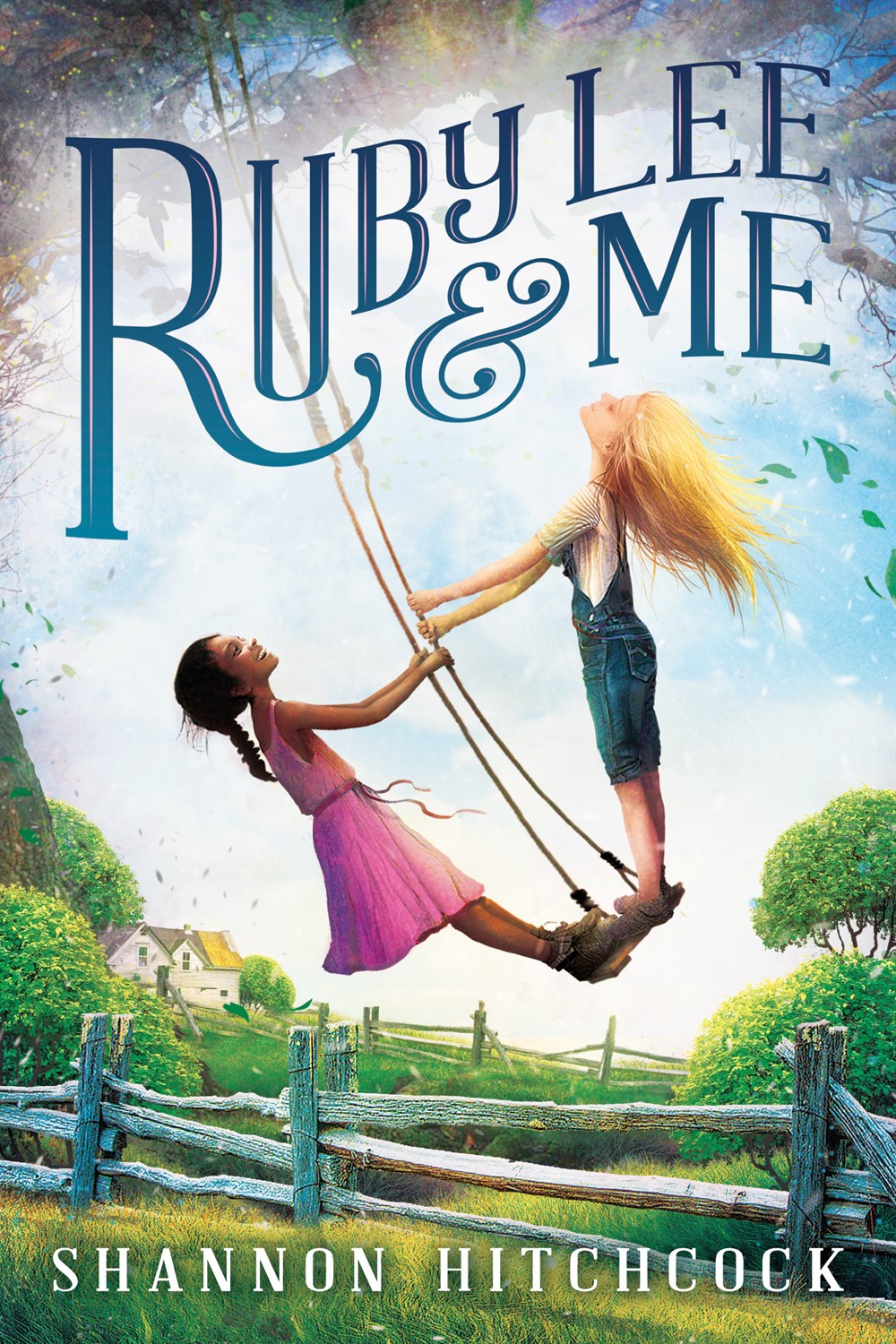
ruby leeRuby Lee and Me, by Shannon Hitchcock (Jan. 2016, Scholastic), $16.99, ISBN: 9780545782302

Recommended for ages 8-12

In 1969, a segregated North Carolina town is facing integration, and not everyone is happy about it. Set against this backdrop is the story of 12 year-old Sarah Beth, who is plagued with guilt when her younger sister is hit by a car while under her watch. Sarah’s family moves to a house on her grandparents’ property to save money, which means a new school – one that’s about to undergo integration. On the plus side, that means that Sarah will be able to go to school with her friend, Ruby Lee, an African-American who will be a student at the integrated school. Enthusiastically, the girls decide that they will be best friends in public – something not very common in the area – just like the Freedom Riders; but the girls have a falling out, leaving Sarah feeling more alone than ever. She’s lost her best friend, she’s facing a new school alone, and she’s certain her sister’s accident is her fault.

A work of both historical and realistic fiction, Ruby Lee & Me is a good coming-of-age story set against a time of huge social change.While this is Sarah’s story, first and foremost, friendship and integration amidst the upheaval of segregation and prejudice is a strong subplot. An upsetting incident involving the school’s first African-American teacher is a powerful moment in the story.

The history of race relations speaks volumes in the relationship between Sarah’s and Ruby’s grandmothers: they “gossip like best friends” when they’re together on the farm, but merely nod politely to one another in town; Sarah’s grandmother says, “The creek don’t care what color feet wade in it, but the town pool surely does. It’s easier to be friends away from wagging tongues”. Sarah’s ambitious daydream of she and Ruby being public friends sends both grandmothers into a tizzy; they discourage the girls from inviting trouble into their lives. Ruby Lee is annoyed when she sees her grandmother “trying too hard” around whites; Sarah sees Ruby as trying to be “the boss of her” in their interactions, yet always seeks her out when she needs someone to talk through a problem with.

A note from the author on historical accuracy briefly explains her connection to events in the story and points out little bits of tweaking made for creative license.

Ruby Lee and Me received a starred review from Booklist. The author’s website offers discussion questions for educators.

Posted in Fiction, Middle Grade, Middle School, Realistic Fiction, Tween Reads

“Cyrano de Bergerac in yoga pants”: Cici Reno, Middle School Matchmaker

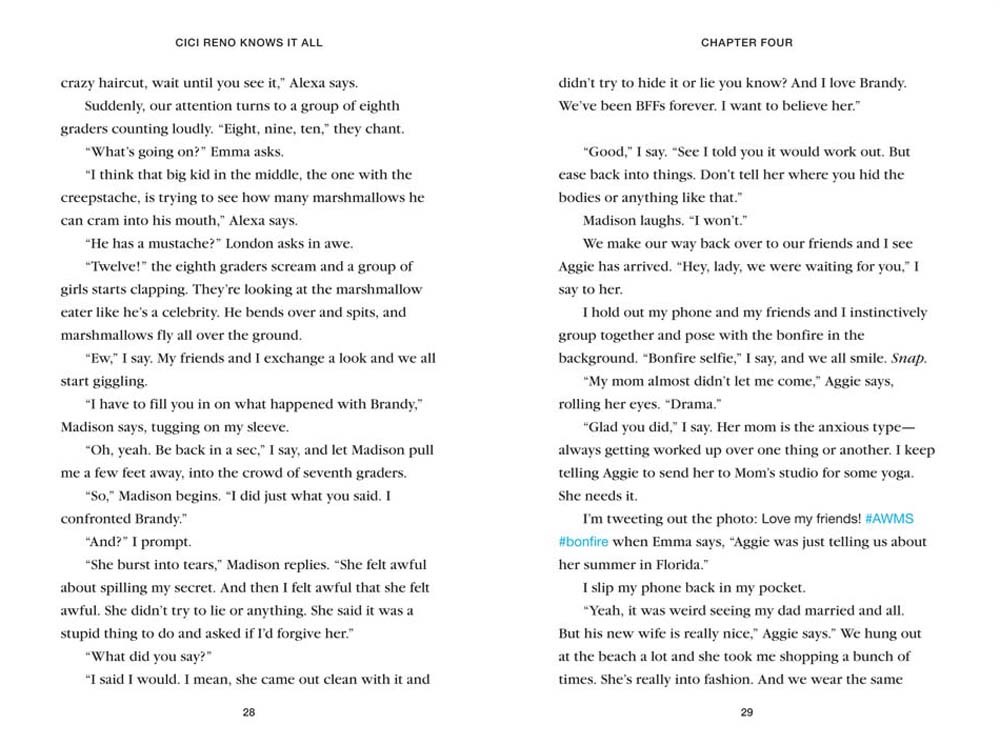
cici reno_1Cici Reno: #MiddleSchoolMatchmaker, by Christina Springer (Apr. 2016, Sterling Publishing), $14.95, ISBN: 9781454917519

Recommended for ages 9-13

Middle schooler Cici Reno is the go-to person for… well, darn near everything. She knows just the right thing to say, just the right advice to give. Maybe she’s so Zen because she takes classes in her mom’s local yoga studio and tweets advice about the right pose for the right mood? The thing is, her best friend, Aggie, is crushing on Drew – who happens to be Cici’s  brother’s buddy – but has no idea how to talk to him. Cici volunteers to create a fake Twitter account and talk to him online, posing as Aggie. And that’s where the trouble starts: Cici finds herself falling for Drew. Drew falls for the girl he’s chatting with online, who he thinks is Aggie, but he’s totally confused as to why Aggie’s so different when she sees him in person. And Cici? Well, for possibly the first time in her life, she doesn’t have the answers.

Cici Reno is a fun intro to crush and romantic fiction for tweens, and a sneaky/smart way to introduce the classic tale, Cyrano de Bergerac, to middle schoolers. It’s a classic tale of miscommunication that fits perfectly with today’s kids, who largely interact online. I also love the introduction and description to various yoga poses, and the mental/emotional benefits of each, that Cici Tweets out at the beginning of each chapter. Not only does it gives readers a clue as to what’s going to happen in the upcoming chapter, it offers a little bit of yoga instruction that I appreciate and hope tweens will take the bait and discover on their own.

Cici is a likable character. She’s not a mean girl; she’s not vapid; she’s a realistic tween who does a favor for her shy friend, with the best of intentions, and finds herself stuck in a situation she didn’t expect. Aggie is a surprisingly supportive best friend; I normally find myself irritated with the classic “best friend breakdown” formula that many books fall into, but Cici and Aggie avoided all that by simply talking things out. Thank you for that, Ms. Springer! It’s going to be a talking point when I booktalk this one, because I will be adding this to my shelves for summer reading. I think the use of social media and miscommunication will fit nicely with my tweens, and it gives me a great jumping off point for a discussion on how you can pretend to be someone else online – and, in classic devil’s advocate mode, how someone shy and/or introverted can use social media to interact more comfortably than he or she would feel in person.

Christina Springer’s author website offers more information about her books, a link to her blog and appearances, and contact information.

Here’s a glimpse at #MiddleSchoolMatchmaker:

cici reno_2

cici reno_3

cici reno_4

Posted in Early Reader, Fiction, Fiction, Humor, Intermediate, Realistic Fiction

Is Jasper John Dooley Public Library Enemy #1?

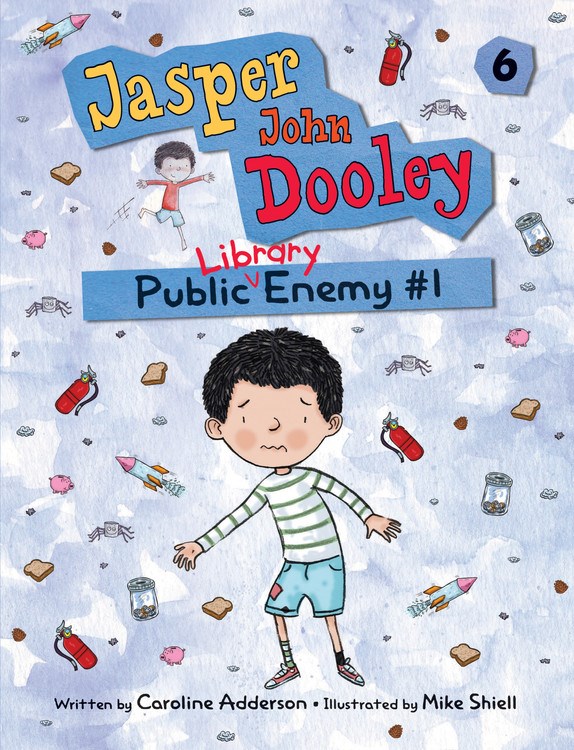
jasper john dooleyJasper John Dooley: Public Library Enemy #1, by Caroline Adderson/Illustrated by Mike Shiell (Apr. 2016, Kids Can Press), $15.95, ISBN: 9781771380157

Recommended for ages 7-10

Poor Jasper! He borrowed a book from the library, so he could practice reading. He wanted his skills to be sharp when it was his turn to sit on the big, comfy chair at the library and read to Molly the dog, that’s all! But Jasper accidentally dropped the book in the tub and drowned it, and THEN, his father set it on fire by trying to dry it in the stove. And THEN, he shot it with a fire extinguisher! Now, Jasper and his dad are Book Killers, and he’s terrified that he owes the library $2500 for the book! How can he raise that much money before Wednesday, when it’s his turn to read to Molly?

This is the sixth book in the Jasper John Dooley early chapter book series, and it’s adorable; great for young readers who are ready to advance from Easy Readers to chapter books. Jasper is very likable, and his reasoning will click with readers: his mom reads in the bathtub, so it should be easy, right? He misjudges a decimal point when trying to determine the price of the book he needs to replace, and comes up with $2500 instead of $25. He feels huge responsibility for the library book in his care, which provides opportunities for discussion about responsibility and taking care of others’ belongings, as well as realizing that everyone makes mistakes – even parents – and that, yes, accidents happen.

This is the first Jasper John Dooley book I’ve ever read, but I would like to get these on my library’s shelves, because they’re great reading. Like most series fiction for emerging and newly independent readers, you don’t need to read from book one to pick up the series; they’re independent stories with characters that you’ll get to know right away. Black and white llustrations add to the enjoyment of the story. You can easily have a read-aloud with this book: classes will get a kick out of it! Good role models, sweet humor based on misunderstanding, solid discussion points make this a good addition to your series collections.

Learn more about the Jasper John Dooley series on the Kids Can Press webpage.

Posted in Fiction, Fiction, Middle Grade, Middle School, Realistic Fiction, Tween Reads

Spotlight On: Just Like Me, by Nancy Cavanaugh

I recently raved about how much I loved Just Like Me, by Nancy Cavanaugh. Now, enjoy this spotlight and excerpt from Just Like Me – and make sure to enter the Rafflecopter giveaway for a chance to win your own copy of the book!
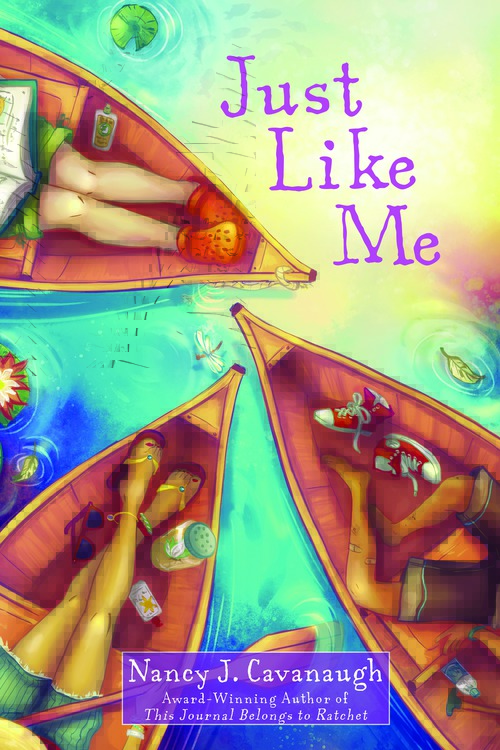
9781492604273-PR

Just Like Me, By Nancy J. Cavanaugh (April 5, 2016; Hardcover, ISBN 9781492604273)

Book Info:

Title: Just Like Me

Author: Nancy J. Cavanaugh

Release Date: April 5, 2016

Publisher: Sourcebooks Jabberwocky

Praise for Just Like Me

“A tender and honest story about a girl trying to find her place in the world, and the thread that connects us all.” – Liesl Shurtliff, Author of Rump: The True Story of Rumpelstiltskin

“A heartwarming and tender story about the universal struggle of yearning to be an individual while longing to fit in.” -Karen Harrington, author of Sure Signs of Crazy

“[A] charming and refreshingly wholesome coming-of-age story….Filled with slapstick humor and fast-paced action, the novel will engage reluctant readers, while offering fuel for deep contemplation by those ready to tackle questions of identity and belonging.” –School Library Journal

“From pillow fights to pinkie promises, sock wars to s’mores, a red thread connects this energetic summer-camp story with Julia’s deeper journey to accept herself, her adoption, and her Chinese roots.” -Megan McDonald, award-winning and bestselling author of the Judy Moody series and Sisters Club trilogy

Summary:

Who eats Cheetos with chopsticks?! Avery and Becca, my “Chinese Sisters,” that’s who. We’re not really sisters—we were just adopted from the same orphanage. And we’re nothing alike. They like egg rolls, and I like pizza. They’re wave around Chinese fans, and I pretend like I don’t know them.

Which is not easy since we’re all going to summer camp to “bond.” (Thanks, Mom.) To make everything worse, we have to journal about our time at camp so the adoption agency can do some kind of “where are they now” newsletter. I’ll tell you where I am: At Camp Little Big Lake in a cabin with five other girls who aren’t getting along, competing for a camp trophy and losing (badly), wondering how I got here…and where I belong.

Told through a mix of traditional narrative and journal entries, don’t miss this funny, surprisingly sweet summer read!

Find Just Like Me on Goodreads!

Buy Links:

Amazon

Barnes & Noble

BooksAMillion

!ndigo

Indiebound
Jacket Flap Author PhotoAbout the Author:

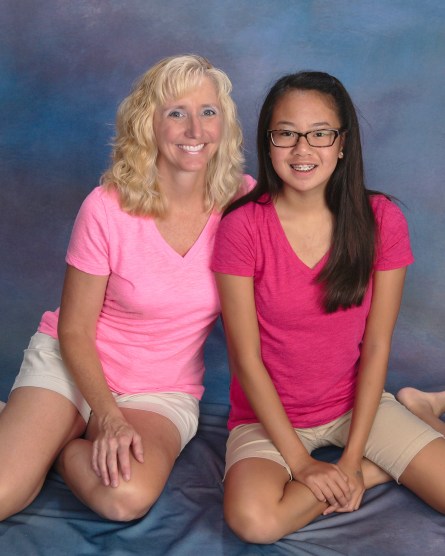
NANCY J. CAVANAUGH is an award-winning author and former teacher and librarian at an elementary school. Nancy lives in Chicago, IL, with her husband and daughter but flies South to Florida for the winter. Visit nancyjcavanaugh.com for more.

Social Networking Links:

Website- http://www.nancyjcavanaugh.com/

Facebook- https://www.facebook.com/Nancy-J-Cavanaugh-281062665333065/

Twitter- https://twitter.com/NancyJCavanaugh

Excerpt from Just Like Me:

The camp bus sputtered and chugged up the interstate, sounding as if this might be its last trip. Avery sat across the aisle from me with her earbuds on, practicing a Chinese vocabulary lesson. Becca sat next to her, chewing on a straw and watching a soccer match on her cell phone.

“Ni hao ma,” Avery said, her chin-length hair with bangs making her look studious in her thick, black-framed glasses.

When she saw me looking at her, she pulled out one earbud and offered it to me.

Did she really think I wanted to learn Chinese with her?

“Technically the lesson I’m working on is review, but I could teach you the basics if you want.”

I looked around at all the kids on the bus staring at her and shook my head.

“GO! GO! GO!” Becca yelled, pumping her fist in the air as she cheered for Spain’s soccer team.

Her hair spilled out of her ponytail as if she were playing in the soccer game instead of just watching it. “Booyah! Score!”

As kids stood up on the bus to see what all the yelling was about, I slid down in my seat, and the driver gave us that “death look” in her rearview mirror. The one that said, “If I have to stop this bus, somebody’s gonna get it…”

“Hey, Julia!” Becca yelled, holding up her phone. “Wanna watch with me? The game just went into overtime!”

“No thanks.”

Crowding around a tiny phone screen and watching people kick a soccer ball around was not my idea of fun.

My idea of fun was craft camp at the park district with my best friend, Madison, but Mom said I had the rest of the summer to do that.

Instead I was heading north toward Wisconsin to Camp Little Big Woods, but at least that was better than heading south toward Indiana for Summer Palace Chinese Culture Camp.

As soon as we “graciously” agreed to be the subjects of Ms. Marcia’s adoption article, she suggested that the three of us spend a week together making paper lanterns and learning the pinyin alphabet at culture camp.

“It will be a great way for you girls to reconnect not only with each other, but also with your heritage,” Ms. Marcia had gushed.

She loved treating us as if we were two instead of almost twelve.

But I said there was no way I was going to eat Chinese food three times a day and do tai chi every morning, so we settled on the sleepaway camp Avery and Becca went to every year.

I reached into the pocket of my suitcase and pulled out the plastic lacing of the gimp friendship bracelet I had started a few days ago. I had planned to finish it before camp so that I could give it to Madison when I said good-bye to her, but I’d run out of time. I decided I’d try to finish it while I was at camp and mail it to her along with a nice, long letter saying how much I missed her.

“Hey, Julia!” Becca yelled. “What’s that?”

“Nothing,” I said. “Just a friendship bracelet for my friend Madison.”

“COOL!” Becca yelled. “We should totally make those for each other in the arts-and-crafts room at camp.”

She went back to her straw-chewing and her tiny-phone-screen soccer game.

Friendship bracelets for the three of us? I guess “technically” as Avery would say, the three of us were friends. But even though “technically” I had known Avery and Becca longer than I had known my parents, I couldn’t imagine ever thinking of them as the friendship-bracelet kind of friends.

What are your thoughts on the Chinese proverb: “An invisible red thread connects those destined to meet regardless of time, place, or circumstances. The thread may stretch or tangle, but never break.”

Dear Ms. Marcia,

I’ve been hearing about this red thread for as long as I can remember, but I cannot imagine a thread, of any color—red, blue, purple, orange, or green—connecting Avery, Becca, and me. And if by some chance there really is a thread, I’m pretty sure this trip to camp might just be enough to snap that thing like an old rubber band, breaking it once and for all. Then that Chinese proverb would be history in a whole new way.

Julia

ALSO BY NANCY J. CAVANAUGH
always abigailAlways, Abigail

Summary:

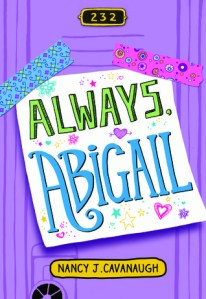
Abigail and her two best friends are poised for a life of pom-poms and popularity. But not only does Abigail end up in a different homeroom, she doesn’t make the squad. Then everyone’s least favorite teacher pairs Abigail up with the school’s biggest outcast for a year-long Friendly Letter Assignment. Abigail can hardly believe her bad luck! As her so-called best friends and dreams of pom pom fame start to slip away, Abigail has to choose between the little bit of popularity she has left or letting it go to be a true friend.

Goodreads

Buy Links:

Amazon

Apple

Barnes & Noble

BooksAMillion

!ndigo

IndieBound
ratchetThis Journal Belongs to Ratchet

Summary:

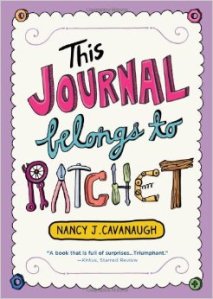
It’s the first day of school for all the kids in the neighborhood. But not for me. I’m homeschooled. That means nothing new. No new book bag, no new clothes, and no new friends.

The best I’ve got is this notebook. I’m supposed to use it for my writing assignments, but my dad never checks. Here’s what I’m really going to use it for:

Ratchet’s Top Secret Plan

Turn my old, recycled, freakish, friendless life into something shiny and new.

This Florida State Book Award gold medal winner is a heartfelt story about an unconventional girl’s quest to make a friend, save a park, and find her own definition of normal.

Goodreads

Buy Links:

Amazon

Apple

Barnes & Noble

BooksAMillion

!ndigo

Indiebound

Don’t forget to enter a Rafflecopter giveaway for a chance to win one of 2 Copies of Just Like Me! Runs March 8th-April 30th (U.S. and Canada only)

https://widget-prime.rafflecopter.com/launch.js


Posted in Fiction, Middle Grade, Middle School, Realistic Fiction, Tween Reads

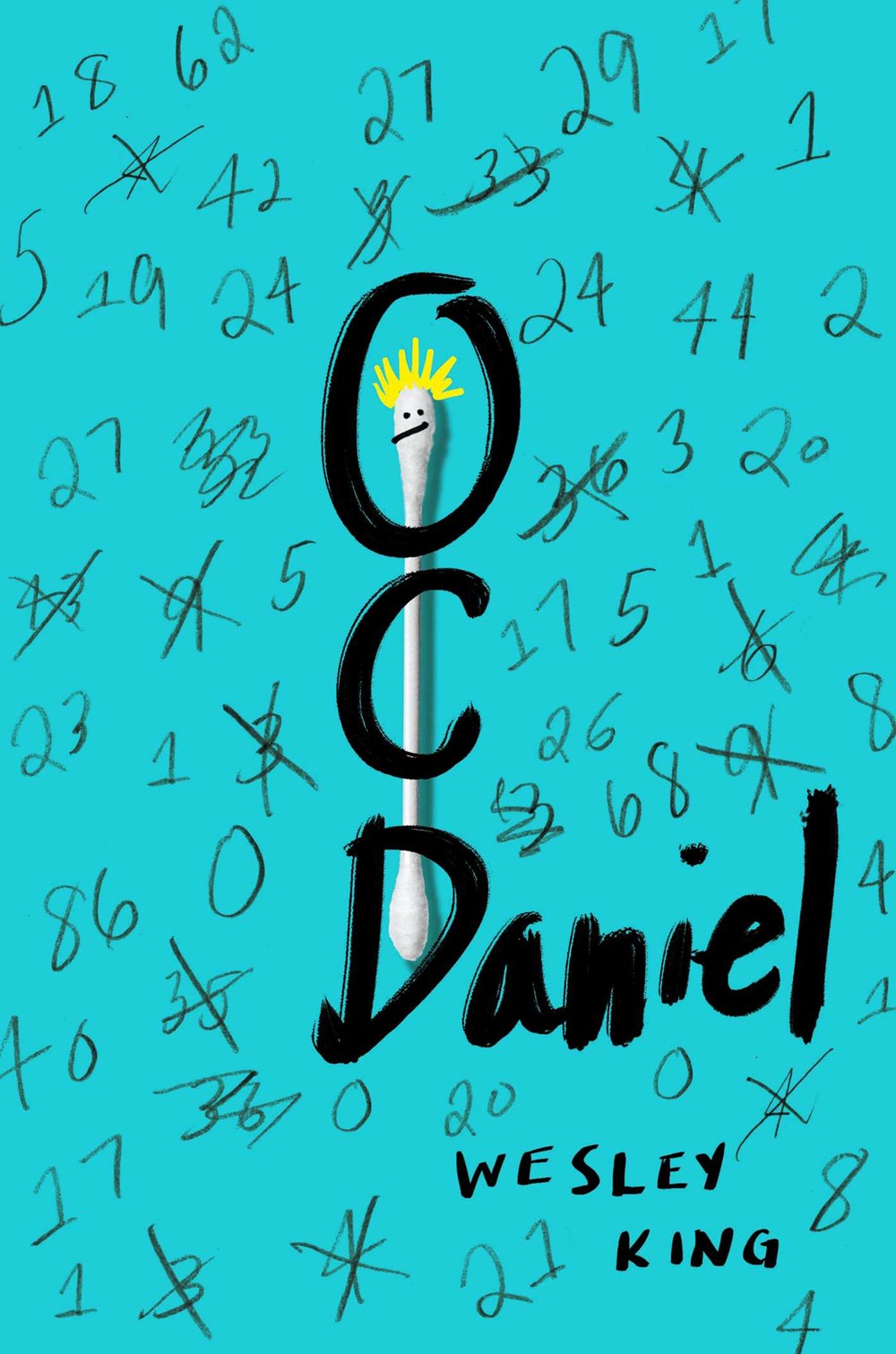
OCDaniel looks at compulsive behavior from a middle schooler’s point of view

ocdanielOCDaniel, by Wesley King (April 2016, Simon & Schuster), $16.99, ISBN: 9781481455312

Recommended for ages 9-13

Daniel is a back-up kicker for his middle school football team, but he’s awful and he knows it. And he’d rather be arranging the water cups in perfect formation, anyway. Daniel has lots of rituals; behaviors that keep things copasetic for Daniel – in his mind – but that are wearing him down. He has a night time ritual that often takes hours to complete, leaving him exhausted and drained the next morning, but he works desperately to keep the rituals secret from his friends and family. When he receives a note from a schoolmate named Sara – nicknamed Psycho Sara – everything changes.

Sara believe she is a Star Child – children who have been sent here from other areas of the universe to help the people of earth. They are “different” from other kids; they have behaviors that set them apart. Daniel is a little concerned about Sara’s ideas, but she seems to understand everything he’s going through. She gets his rituals; the Zaps – the tics that herald the start of the need for a ritual; the Great Space; the Collapses. He starts talking more with Sara, who has an adventure planned for them both. Sara has answers that she needs, and she needs a fellow Star Child to help her.

Told in the first person from Daniel’s point of view, OCDaniel is a brilliant, heartfelt look into obsessive-compulsive disorder (OCD) and other psychiatric disorders, including anxiety, bipolar disorder, and schizophrenia. King’s writing puts real faces on issues we often read about but hold at a distance. I appreciate the We Need Diverse Books movement for so much; most importantly, for making sure that the kids in my library have books with characters that look like them, but also for taking challenges like mental illness under its collective wing. Kids living with these challenges have been almost invisible in kid lit, particularly as empowered main characters. Here, Daniel and Sara are funny and likable; they are students, they have interests, they face adversity every day, but they don’t want to be poster children: they just want to be.

Pair this with Susan Vaught’s Freaks Like Us for older readers who are ready for a frank discussion on mental illness and reliable versus unreliable narrators. For tween and younger teen audiences, Joey Pigza Swallows the Key by Jack Gantos is a great choice, and the American Association of School Librarians has an excellent article, Unpacking Mental Health Issues in Middle Grade and Young Adult Literature, which includes a link to a spreadsheet of middle grade and YA titles. An author’s note from Mr. King includes information about seeking help for OCD. This is s solid, and important addition to middle grade collections. Must-add.

Wesley King is also the author of the tech sci fi/fantasy, Dragons vs. Drones, and The Incredible Space Raiders. His author webpage includes links to social media, the author’s blog, and media events.


Posted in Adventure, Fantasy, Fiction, Graphic Novels, Middle Grade

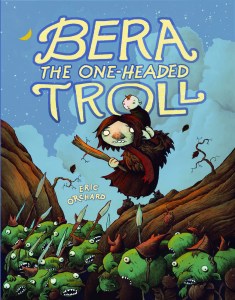
Eric Orchard’s Bera the One-Headed Troll is great graphic storytelling

bera_1Bera the One-Headed Troll, by Eric Orchard (Aug. 2016, First Second), $17.99, ISBN: 9781626721067

Recommended for ages 8-14

Bera is a happy and solitary troll, living on her little island where she harvests pumpkins and has an owl to keep her company. She finds herself on the run when she saves a human infant – an infant that other trolls and goblins want for themselves! Now Bera has to keep the baby safe until she can find the parents and reunite the family. It’s a big job, but Bera has a lot of heart and is more than up to the task.

Bera’s another great story from Eric Orchard, who gave us Maddy Kettle’s adventure with the Thimblewitch almost two years ago. Now, Orchard gives us the story of a solitary troll who finds herself called upon to stand out when she makes the decision to save a human baby that’s ended up in the land of trolls. This isn’t something she sought out, but she won’t let an innocent be harmed: it’s a great message for kids; don’t worry about standing out from the crowd if you feel something is wrong. Protect and defend those who can’t defend themselves. I love the storytelling, I enjoy Orchard’s art, and once again, great graphic storytelling brings an important message to readers in a powerful yet sweet fashion.

First Second publishes great graphic novels for all ages. This is another great selection to add to graphic novel collections.

bera_2bera_3


Posted in Fiction, Humor, Middle Grade, Realistic Fiction, Tween Reads

The Only Girl in School is no shrinking violet!

only girl in schoolThe Only Girl in School, by Natalie Standiford/Illustrations by Nathan Durfee (Jan. 2016, Scholastic Press), $16.99, ISBN: 9780545829960

Recommended for ages 9-12

Claire’s best friend, Bess, moves away just before the start of fifth grade, leaving her the only girl in her entire elementary school. To make matters worse, her other best friend, Henry, has just decided to stop talking to her, and replaced her with Webby (aka Webster), a colossal jerk! How is Claire going to get through this school year?

Told in letters from Claire to Bess, The Only Girl in School is a quick, fun read about growing up, friendship, and the hunt for pirate treasure. Claire is a funny and sympathetic protagonist, whether she’s lamenting the loss of the girl’s locker room, now the coach’s private office (“he probably likes having an office with his own shower in it”) or asking “Yucky” Gilbert – who has a tremendous crush on her – to crew for her for the upcoming boat race (“…the first and most important rule is: No Slobbering”). It’s a story about change: friendships change; being on the verge of leaving elementary school for middle school; and approaching the way boys and girls see one another. It’s also about how adults may treat boys versus girls, especially when there’s only one girl in an entire school: when there’s only one female voice, injustices, no matter how seemingly small, are overlooked a lot more easily, whether it’s removing a locker room where Claire can change or ignoring aggressive and chauvinistic behavior on a soccer field.

I like Claire: she’s smart, she’s athletic, and she’s spunky. She calls out unfair attitudes and behavior when she sees and experiences it, even if it’s happening in her own dining room. She isn’t going to let anyone get to her or make her feel badly for being the only girl in her school. She misses her best friends, but she doesn’t mope around school. She draws pictures on the wall in her “clubhouse” at school to journal her feelings but when her sanctum is invaded by someone who’s defacing her pictures, she takes it upon herself to act and launches an investigation. She’s a fun heroine, and the fact that she can inject snarky humor into her story should resonate with tweens.

The Only Girl in School is a fun middle-grade read and open the doors for interesting discussions about gender relations. Ask boys and girls alike to read it, and see what the different feedback sounds like. Read along with The Last Boy at St. Edith’s and compare the two main characters’ situations!

Posted in Realistic Fiction, Teen, Young Adult/New Adult

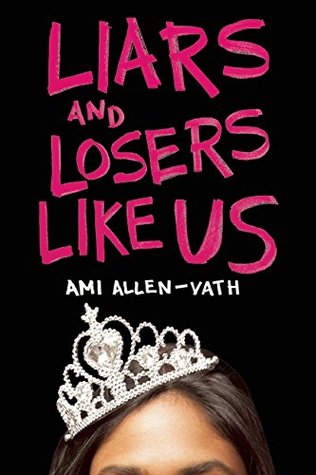
Liars and Losers Like Us: Not Just Another Prom Tale

liars and loseresLiars and Losers Like Us, by Ami Allen-Vath (March 2016, Sky Pony Press), $16.99, ISBN: 9781634501842

Recommended for ages 14+

High school senior Bree Hughes is trying to navigate her school year despite the drama all around her. Her parents have split, her best friend is dating a jerk, and her ex won’t stop trying to talk to her. But things start looking up: her crush, Sean Mills, just gave her his phone number, and she’s invited to the Prom Court after the school outcast, Maisey Mills, declines her nomination, made as a joke. Bree reaches out to Maisey, but it’s too late. Maisey commits suicide, leaving notes for a handful of people – including Bree – with an explosive explanation that also involves the current mean girl beauty queen.

Bree tries to juggle her guilt over Maisey’s death, the Prom Court drama, her parents’ divorce, and her growing relationship with Sean, but things fall apart during a drunken party where Bree finds out way too much about Sean and the beauty queen – she has to get her head together and she has to speak up; she’s got to tell Maisey’s story. Can she pull it all together and save her own relationship?

Liars and Losers Like Us is, on the surface, a YA/teen prom drama novel. That’s how you get drawn in. Once Ami Allen-Vath gets you, she hits you with the novel’s real story. It’s a story about survival, and it’s a story about being left behind. I liked that Bree isn’t a typical “in crowd” girl, nor is she the outcast: she’s a normal teen, navigating different social groups in high school. She’s friends with some, she’s not so tight with others. She’s moral, which can be a real test in high school. Her classmate’s death weighs on her, and she feels guilt not only for all the times she didn’t reach out to her, but for the knowledge that Maisey left with her when she chose to end her own life. She is the most interesting character in the book; we don’t really get enough of the other characters to form attachments to them.

Important information from the author, including resources to turn to regarding suicide, mental illness, and sexual abuse, make this a solid choice to have available in teen collections.