Posted in Fantasy, Graphic Novels, Non-Fiction, Teen, Tween Reads, Young Adult/New Adult

July graphic novels: A Hawking bio and a witchy middle grade noir

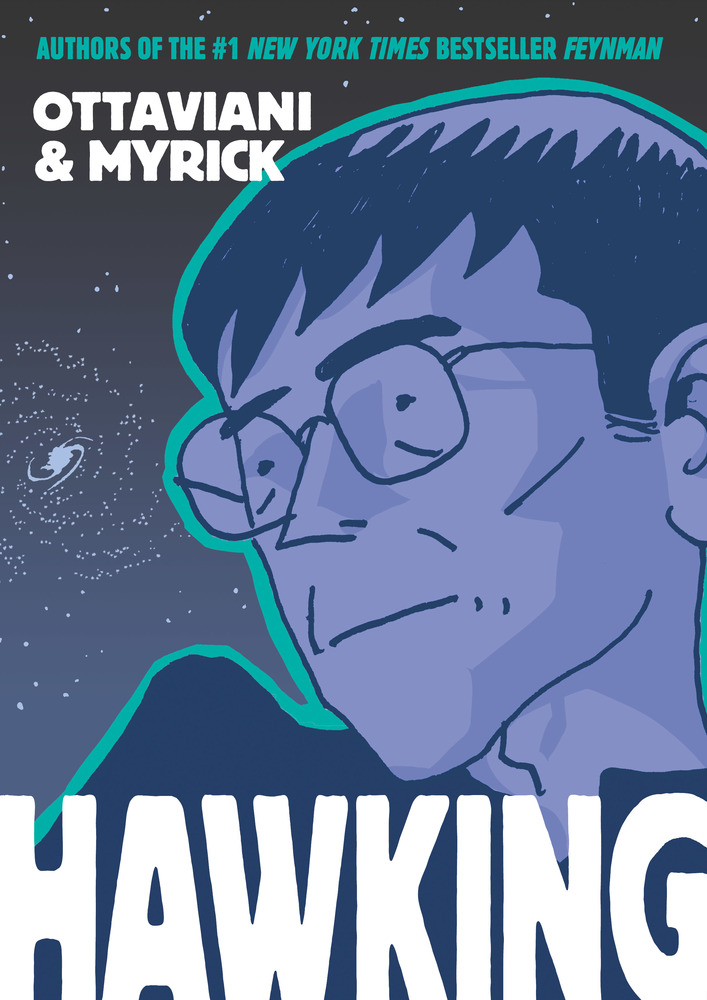
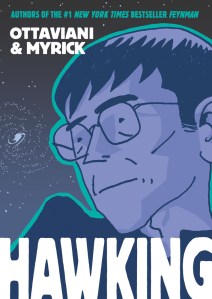
Hawking, by Jim Ottaviani/Illustrated by Leland Myrick, (July 2019, First Second), $29.99, ISBN: 9781626720251

Ages 12+

If your science and biography sections don’t have an Ottaviani/Myrick section yet, you may want to get to work on that. This is the second collaboration the two have worked on; the first being Feynman, a graphic biography on physicist and Nobel laureate Richard Feynman.

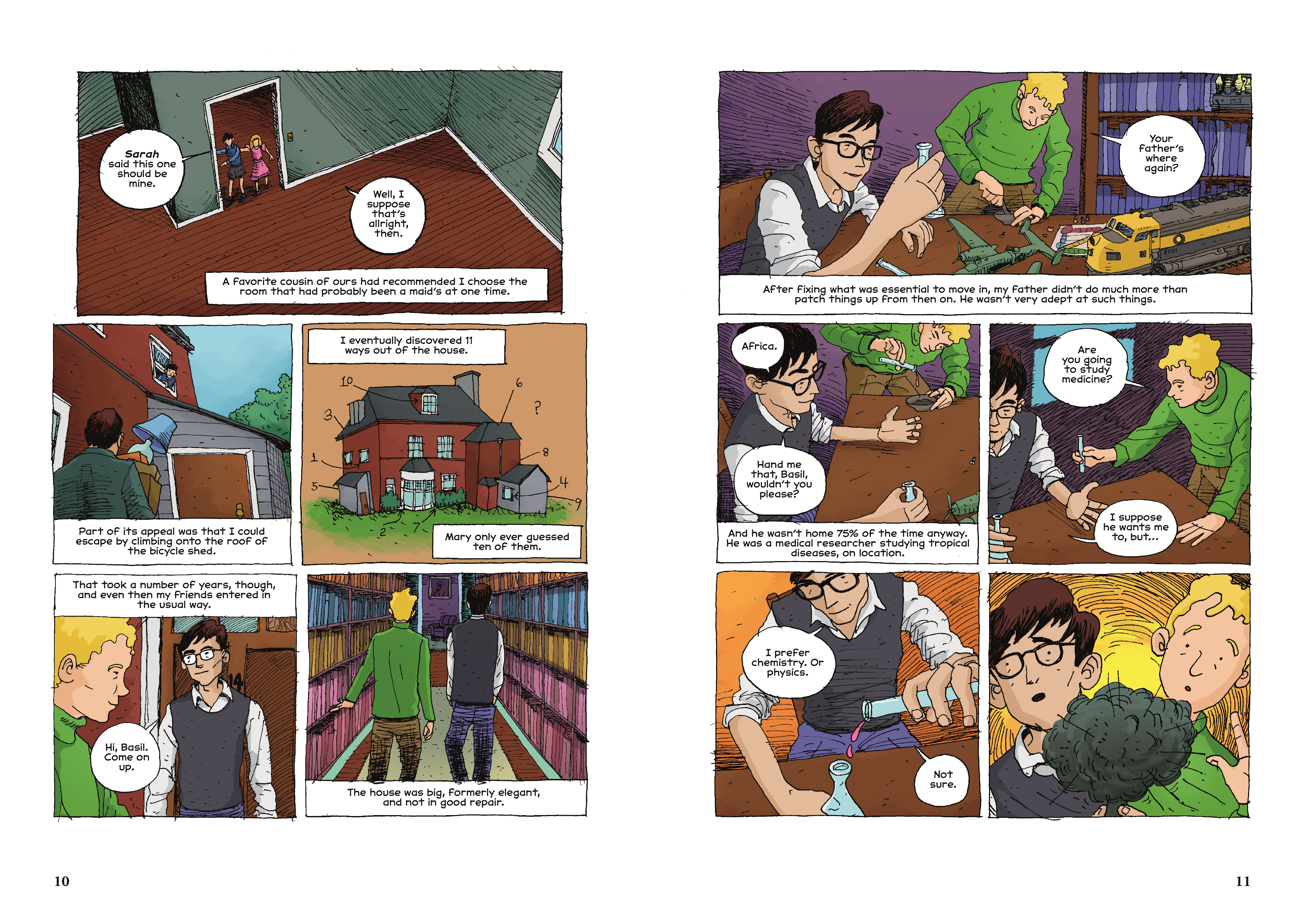
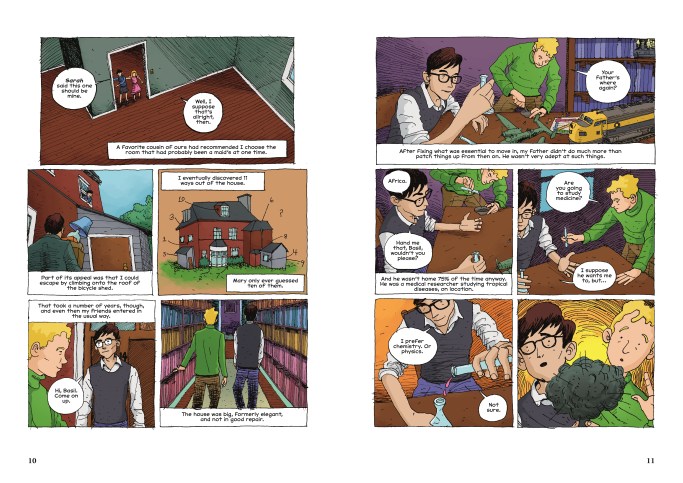
Hawking is in parts biography and science comic for teens and adults, moving easily back and forth between Stephen Hawking’s life story and explanations of physics, black holes, and the universe at large. The story begins with Hawking’s birth, 300 days to the day after Galileo’s death, wanders through his early adolescence as a teen who speaks “Hawkingese” and appears socially awkward; his marriage to Jane Hawking and his diagnosis with motor neurone disease, also known as ALS; his research and ultimate pop culture fame, and his later years, second marriage, and the degenerative path of his disease. First and foremost, this is a story about science; there are pages devoted to discussions between defining voices, including Newton, Faraday, and Einstein, about cosmology, light, and gravity. Jim Ottaviani captures Hawking’s voice – the graphic novel is narrated by a fictional Hawking – and shows up a glimpse of the man behind the legend. Award-winning illustrator Leland Myrick‘s artwork is unfussy, providing scientific sketches as easily as he captures Stephen Hawking’s wry smirk and his ability to disappear into a cloud of physics, even in a crowded room. The end of Hawking’s story will catch readers right in the feelings – I choked up a bit. An author’s note discusses how graphic novels are a good medium for narrative nonfiction, and I couldn’t agree more. Jim Ottaviani is an New York Times-bestselling author whose graphic biographies also include The Imitation Game (Alan Turing) and Primates (Jane Goodall, Dian Fossey, and Biruté Galdikas), so the man knows how to plot out a graphic biography. There is a nice list of references that will give interested readers even more material to look through.

I love graphic novel bios – they’re a great way to get tweens, teens, and adults interested in reading biographies, and the graphic medium allows for great explanations of topics that may be difficult in solid print (like physics!). If you have readers who have aged up from Science Comics, hand them Hawking. A definite must-add to your (growing!) graphic novel biographies.
 

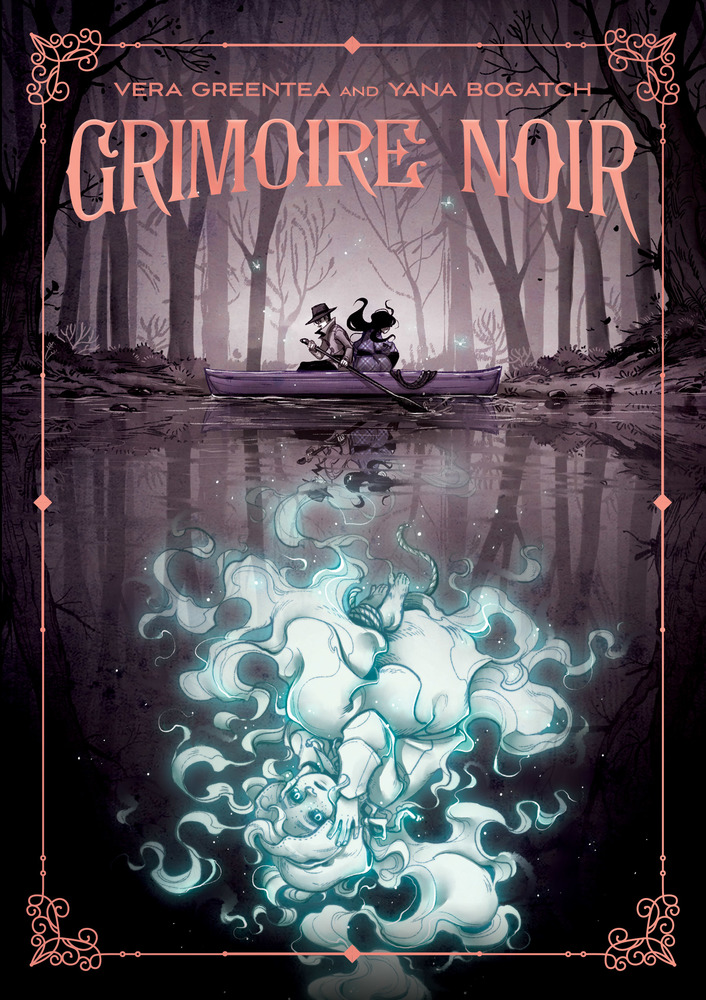
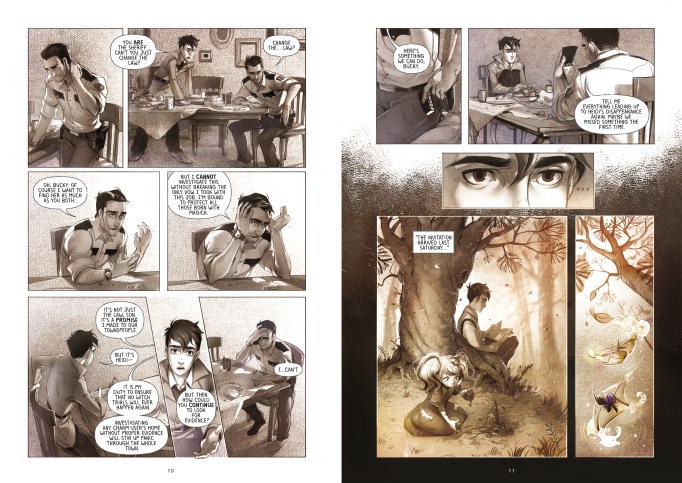
Grimoire Noir, by Vera Greentea/Illustrated by Yana Bogatch, (July 2019, First Second), $17.99, ISBN: 9781626725980

Ages 12+

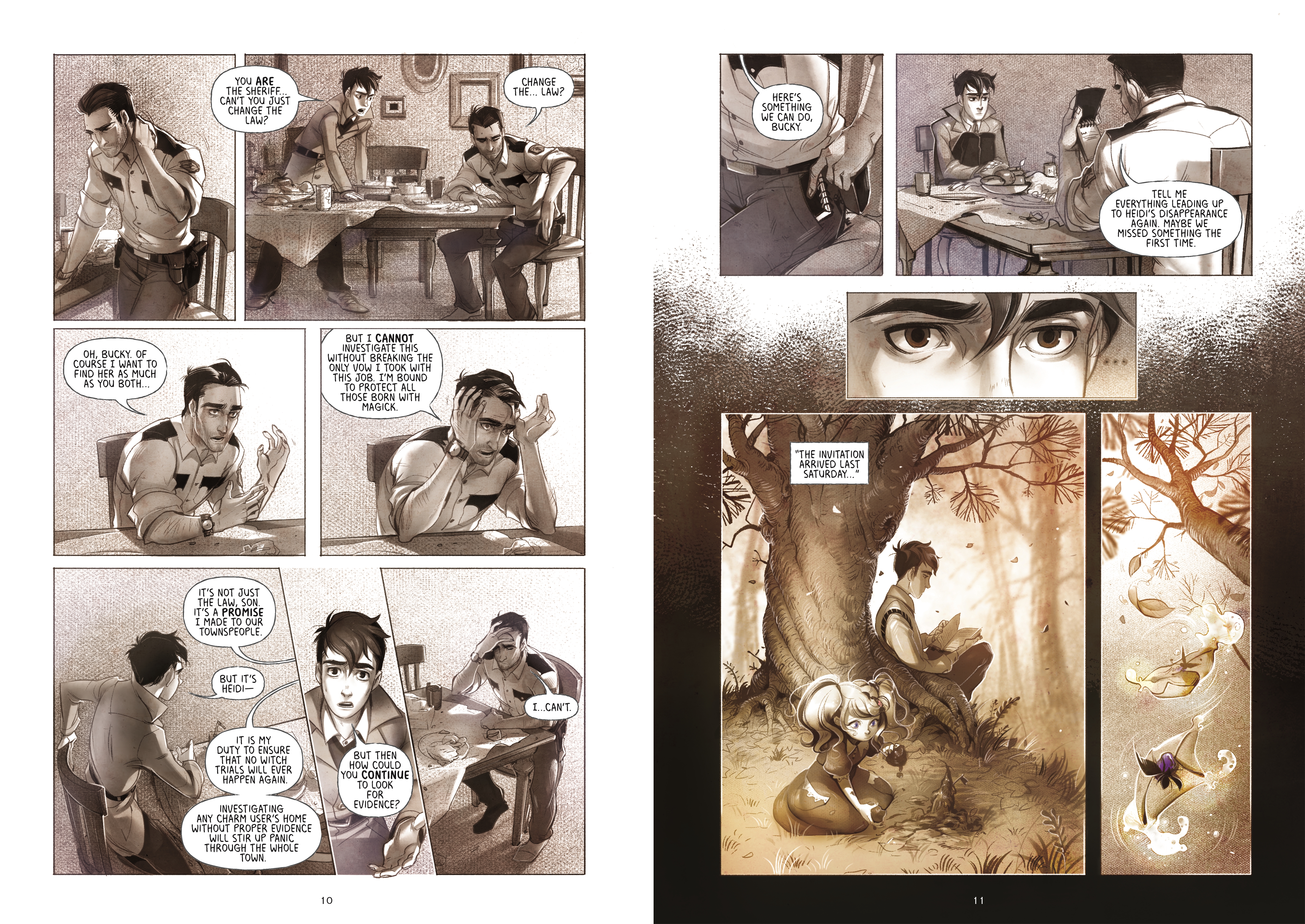
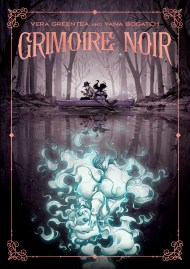
This beautifully illustrated graphic novel has a few plots going on at once: set in a town called Blackwell, where all the girls are witches, a teen named Bucky yearns for power of his own – despite the fact that no witch can leave the town. Ever. Bucky’s younger sister, Heidi, is kidnapped, and Bucky joins forces with his estranged friend, a teen girl named Chamomile, to look for her. Within this main story are threads of other plots; the hostility Chamomile’s father, Blackwell’s deputy, has toward Bucky (who also happens to be the sheriff’s son); a coven of Mean Girls/The Craft witches called The Crows, who want to set plans in motion that will set them free to leave Blackwell, and a ghost of the very first witch, a child named Griselda, whose death at the hands of witch hunters set the curse on Blackwell’s daughters into motion.

The storyline has moments where the storyline becomes confusing to follow, but has some touching relationship bits that I’d like to have seen more about. The relationship between Chamomile and her father runs deep, and we only get a surface glimpse, for instance. Will we get more Blackwell stories from Vera Greentea and Yana Bogatch? We can sure hope so; I think there’s a lot more to tell in a town with a history like theirs. Tween and young teens will enjoy this human, paranormal tale with a twist.
 

Posted in Middle Grade, Non-Fiction, Non-fiction, Teen, Tween Reads

20 Recipes Kids Should Know is delicious!

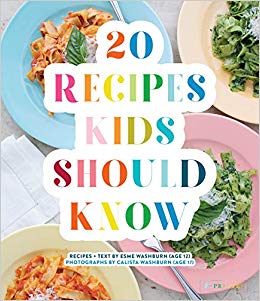
20 Recipes Kids Should Know, by Esme Washburn/Photos by Calista Washburn, (April 2019, Prestel), $16.95, ISBN: 9783791385075

Ages 8+

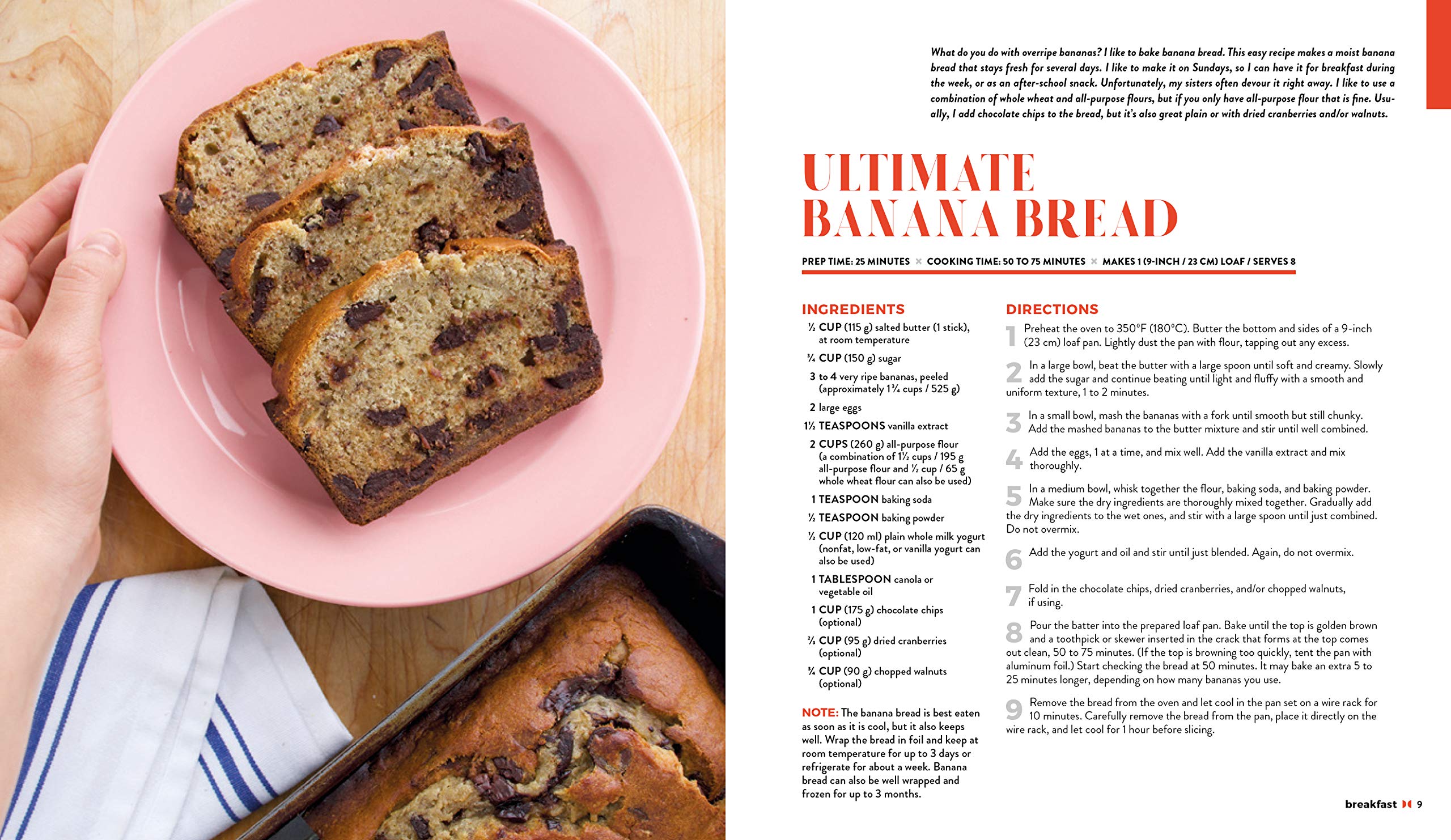
Esme Washburn is a 12-year-old cooking enthusiast. Her sister Calista is a 17-year-old photographer. Together, the two sisters have come up with a delicious book of easy-to-make recipes for kids. These 20 recipes provide a nice variety for a burgeoning chef: there’s a choice of breakfasts, lunches, dinners (called Mains here), appetizers, sides, and desserts, plus two extra recipes for “Back to Basics Bread” and “Popovers That Pop”. There’s something for everyone here, from meat-based dishes to vegetarian fare. Ingredients are easily attained at your local grocery store, and the directions are numbered, step-by-step, and written out in short, simple sentences that allow readers to have the book propped open, ready to follow along with a glance as needed.

The photos are just beautiful. I’m assuming that Esme Washburn, as the cook, plates her food for photos, and does a scrumptious job; Calista Washburn creates lovely foodscapes on pastel dishes, with culinary flourishes like dishcloths, measuring spoons, and fresh foods to add to the visual appeal. The Quintessential Grilled Cheese Sandwich is begging me to take a bite out of it, with its crispy, textured bread and melted cheese sitting on a plate; the Creamiest Mac and Cheese would be the perfect accompaniment to it, with gooey, melty cheese peeking through the wagon wheel pasta. (Yes, I’m a cheese fanatic.)

An introduction provides the important stuff to go over: weights and measurements, safety tips, guidelines for prep and cleanup, and a glossary/cooking techniques section are all here to help get new cooks up and running. Esme writes an introduction before each recipe.

20 Recipes Kids Should Know is a nice addition to a young cook’s bookshelf. There’s no firm minimum age noted here, so I’d say that, as a parent or caregiver, you know when your kids are ready – and require guidance. I’ve got a 15-year-old who I still keep an ear out for, and I’ve got a 7-year-old who I stand at the stove with while he cooks up his own scrambled eggs. (My oldest is 20 and has a pretty firm hand on cooking, but he’s been cooking with me since he was 3.) Bottom line? Use your judgement and err on the side of caution, but encourage them to try some cooking with the Washburn sisters and lend a hand. It’s science!

Posted in Middle Grade, Non-Fiction, Non-fiction, Tween Reads

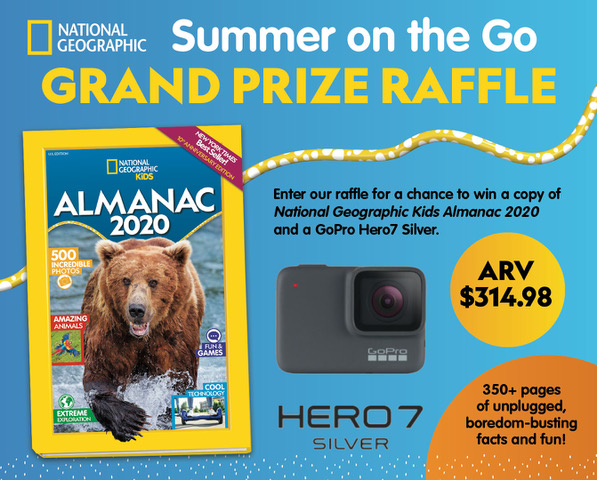
The National Geographic Kids Almanac Turns 10! Plus, a major giveaway opportunity!

Every year, the NatGeo Kids Almanac hits my library shelf, and I don’t see it for a couple of months after I put it out. It’s a little bit of everything: a desk reference; a current events recap; a guide to conservation and preservation efforts around the world; it’s loaded with gorgeous pictures of animals and amazing places all over the world, and a hilarious joke book – and that’s just for starters.

National Geographic Kids Almanac 2020, (May 2019, National Geographic Kids),
$14.99, ISBN: 9781426332814
Ages 8-12

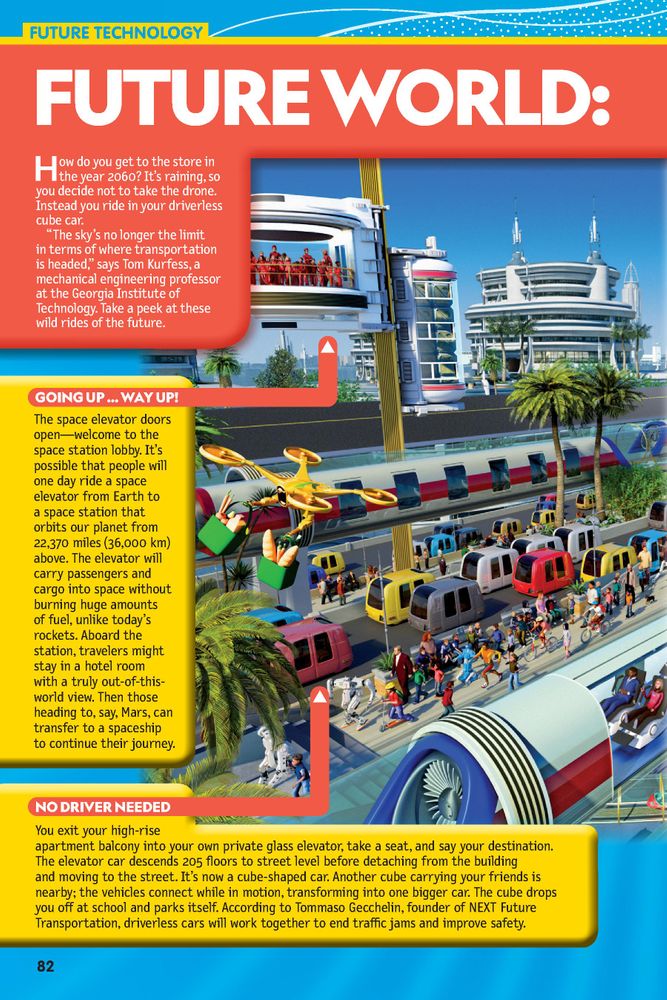
The 2020 Almanac offers all the usual facts and figures, games, and pop culture/technology/extreme exploration and conservation efforts that we’ve come to expect from NatGeo Kids, plus some new features: there are interviews with NatGeo scientists and explorers in each chapter, a special section on how the world has changed between that first NatGeo Almanac in 2010 and today, and the results of the 2019 Lions Forever Poster Contest. There’s also a new 20/20 Visionary Challenge for kids, inviting them to be futurists and imagine what the world will be like 10 years from now. It’s positive and it inspires and empowers kids to see themselves as the changemakers.

There are quizzes, homework hacks, and a section on Crafts Around the Globe that you can easily incorporate into your summer reading activities; the Space and Earth chapter fits perfectly with this year’s Universe of Stories theme, and includes a sky calendar that gives readers the heads-up on what’s happening in the coolest live show on earth: just look up to see lunar eclipses, meteor showers, supermoons, and even the International Space Station!

To celebrate the Almanac’s 10th Anniversary, NatGeo is hosting a Summer on the Go Almanac 2020 Grand Prize Giveaway — a GO-PRO!

Don’t miss your chance at winning your own GoPro, to capture your own extreme exploration! Enter this Rafflecopter giveaway today! (U.S. and Canada addresses only, please!)

Good luck!

Posted in Humor, Non-Fiction, Teen, Young Adult/New Adult

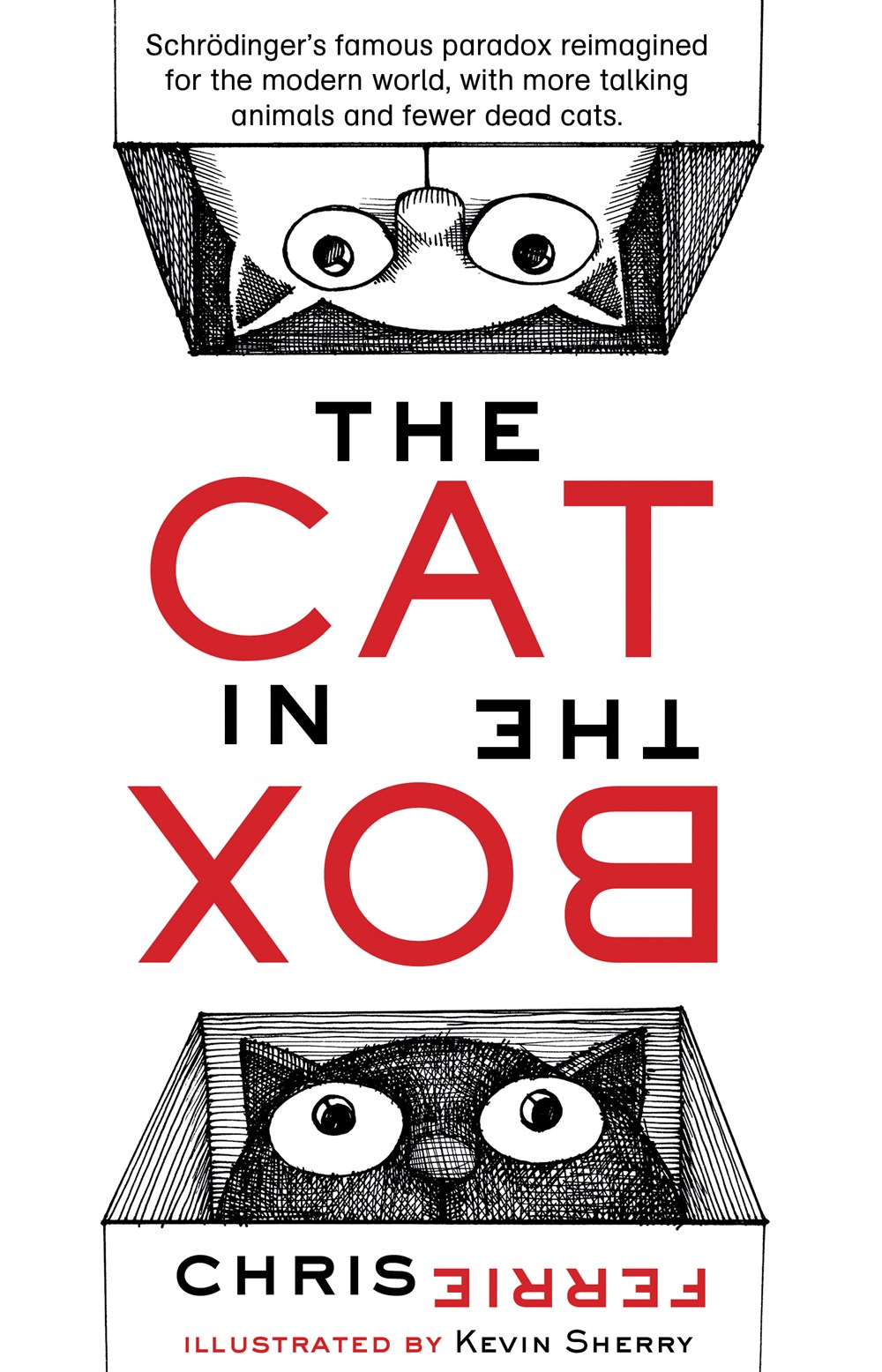
Quantum Theory explained in rhyme: The Cat in the Box

The Cat in the Box, by Chris Ferrie/Illustrated by Kevin Sherry, (June 2019, Sourcebooks), $17.99: ISBN; 9781492671237

Ages 14+

The Cat in the Hat meets quantum physics with Chris Ferrie’s The Cat in the Box. The story is similar in structure to Dr. Seuss’ classic, giving it a tongue-in-cheek twist. The narrator sits with Schrödinger himself, puzzling out a problem, when a box shows up. It’s a cat! Can the cat solve the problem? Schrödinger thinks so – and all the cat has to do in this situation is “see and not see”. Whew! What a relief. The story explains Schrödinger’s theory in rhyme that the folks on The Big Bang Theory would love: “Schrödinger used/this cat in a box/to dream up the first/quantum paradox/A paradox is something/that doesn’t make sense/There must be an assumption/that is causing offense”. The cat is the winner in this story, giving the two humans a lesson in quantum physics and probability, sing-songing, “The more math you know, the happier you’ll be”. An author’s note on Schrödinger recounts the original hypothesis, which didn’t end nearly so well for the cat.

The illustrations are black and white, with a big, googly-eyed scientist and a googly-eyed cat. Mathematical symbols and atomic symbols abound, with occasional reds for emphasis. The fun artwork is a perfect match for the light tone of the rhyme, and makes this a great book to keep around for teens and college students who may need a little brain break from studying.

Can younger kids read this? Of course! It’s a fun rhyme, loaded with math and science terms, and there are adorable cats and wacky scientists telling readers that math is fun. They may not get the bare bones of quantum physics, but they’ll pick up new science and math vocabulary.

Chris Ferrie, bringing a love of science and math to the kiddos.

Posted in Middle Grade, Non-Fiction, Non-fiction, Teen, Tween Reads, Women's History

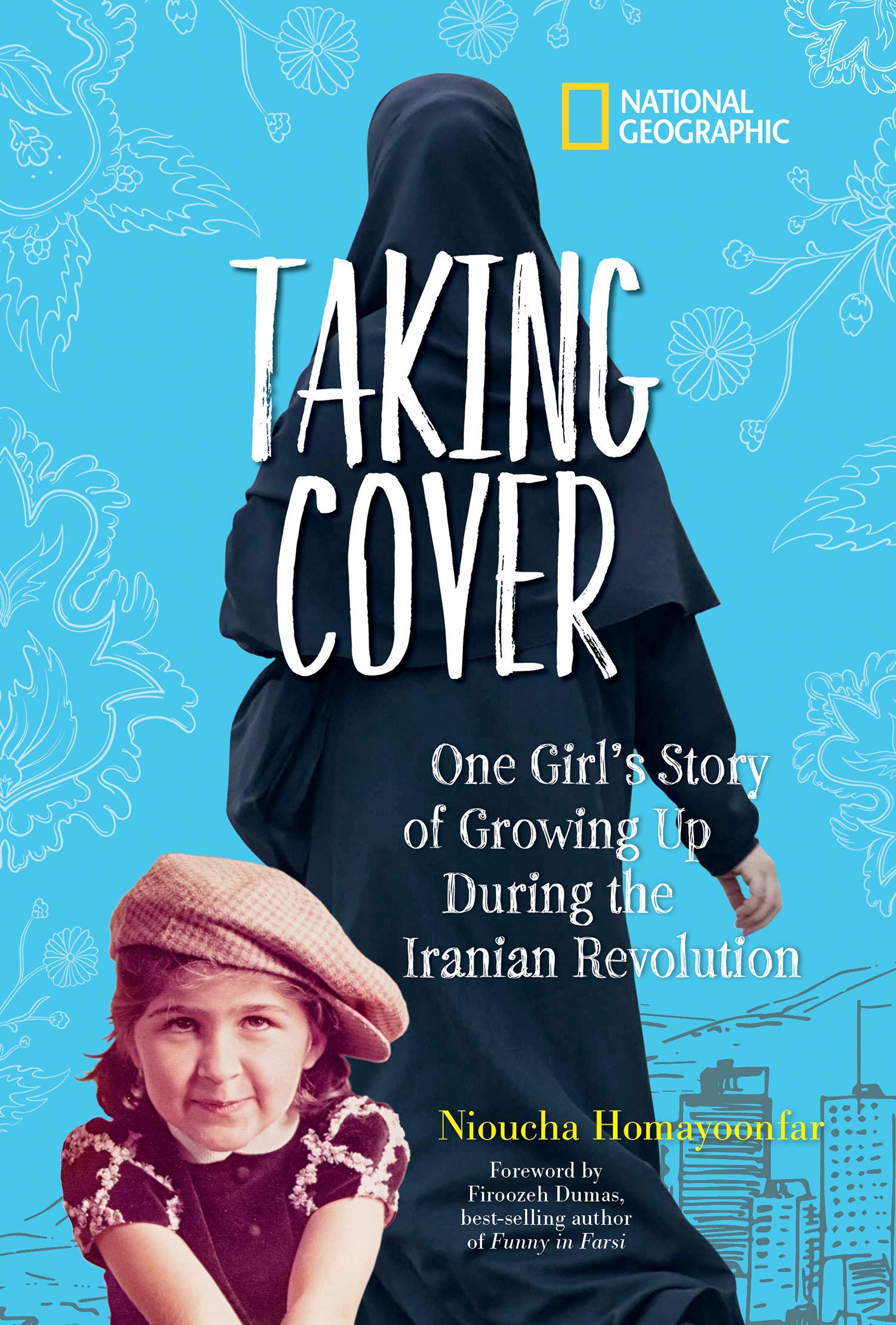
Taking Cover: Growing up during the Iranian Revolution

Taking Cover: One Girl’s Story of Growing Up During the Iranian Revolution, by Nioucha Homayoonfar, (Jan. 2019, National Geographic Kids), $18.99, ISBN: 9781426333668

Ages 10-14

Nioucha Homayoonfar’s memoir of life in Iran during the Iranian Revolution is equal parts joyful and heartbreaking. In 1976, at the age of 5, her family moves from Pittsburgh to Iran, where her father can be with his family again. For several years, Nioucha and her expat friends are educated in a progressive French-Persian school and enjoy the things most kids do, including listening to music, dancing, and swimming. But the revolution changes all that. Nioucha and her friends are segregated; they have to wear robes and hoods that cover their hair (and are threatened with burning in Hell, hanging on every visible thread of hair), and live in fear of being kidnapped by the Moral Police: a group called the Zeinab Sisters. Nioucha refers to them as The Black Crows, which brings a colorful, tongue in cheek image to mind, but these women are anything but humorous. The women patrol the streets in a van, capturing women and teens they deem immoral, hiding them in prisons, and beating them until they feel redemption is earned.

But there are wonderful moments of family and friendship in Taking Cover, too. Nioucha recalls her first Iranian Christmas, when she hopes Santa Claus will remember that she’s moved to Iran, so she’ll get her presents, and her family decorates her aunt’s house with a beautiful tree and presents. She talks about her relationship with her grandparents, who adore her and comfort her during her first sleepover away from her parents; going to concerts and driving around with her cousin, Sara, even learning French in an underground school run by her mother and her best friend’s mother. In the midst of explosions and oppression, Nioucha and her family managed to take joy where they found it.

Parallels to Persepolis are expected, and should be encouraged. Taking Cover is an excellent memoir and lead-in to Persepolis, allowing middle graders to expand their worldview and start a conversation on how the Iranian Revolution changed the world. The book includes a map of Iran and surrounding areas, and a timeline of Iranian history. There is a free, downloadable Educator’s Guide available.

Posted in Graphic Novels, Non-Fiction, Teen, Women's History

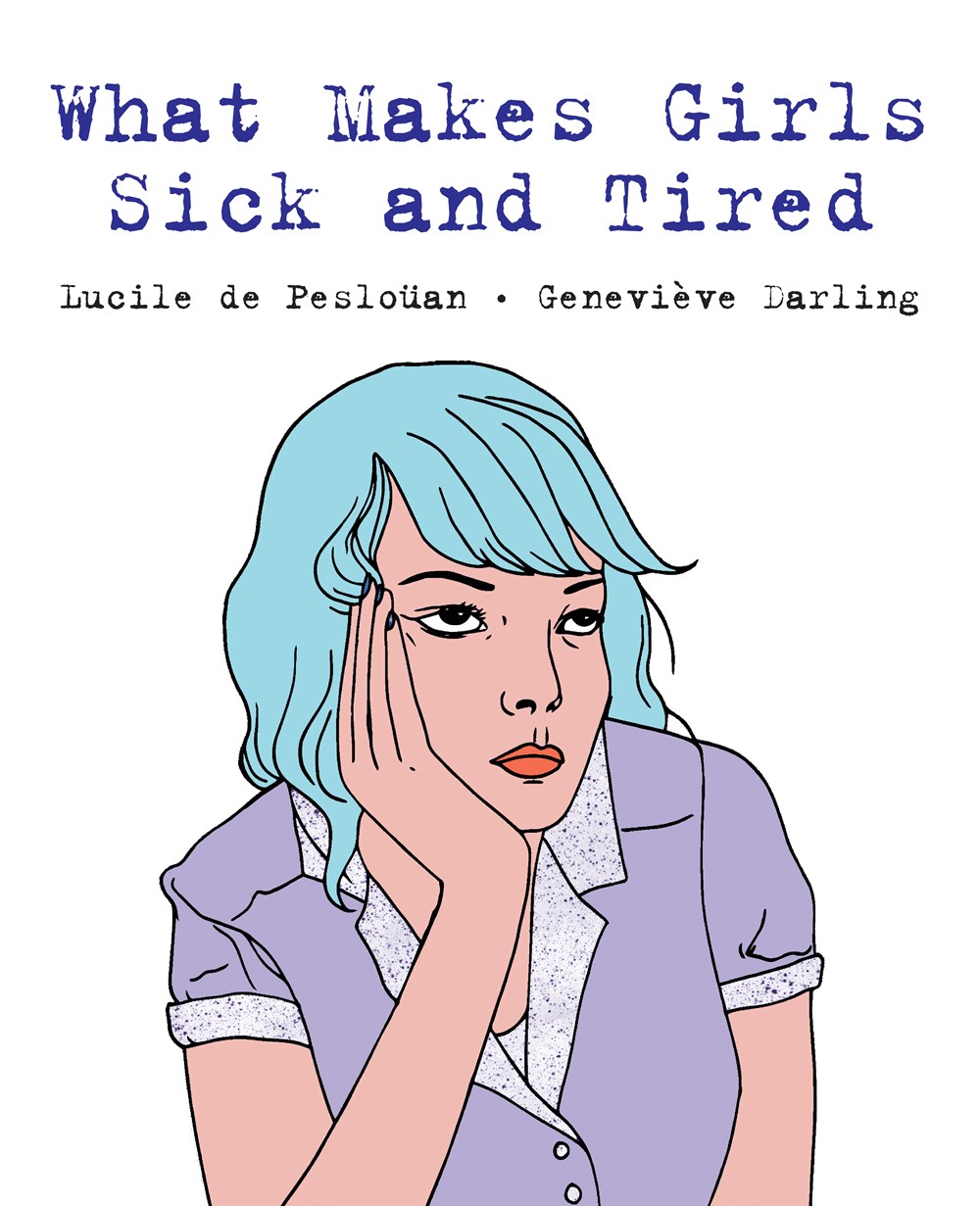
What Makes Girls Sick and Tired – great for YA collections

What Makes Girls Sick and Tired, by Lucile De Pesloüan/Illustrated by Geneviève Darling, (March 2019, Second Story Press), $13.99, ISBN: 9781772600964

Ages 12+

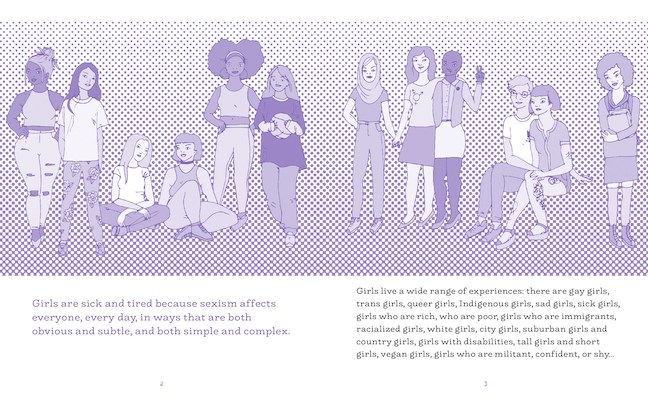
The time for conversations is here: there are a lot of things women are sick and tired of hearing. We’re tired of hearing the same old “jokes” and passive-aggressive comments and we’re not laughing it off with a simple eyeroll any longer. What Makes Girls Sick and Tired is a graphic novel – a feminist manifesto, as publisher Second Story Press states – that brings these obnoxious ideas, assumptions, and comments to light, in the hope that it will prompt discussion and understanding.

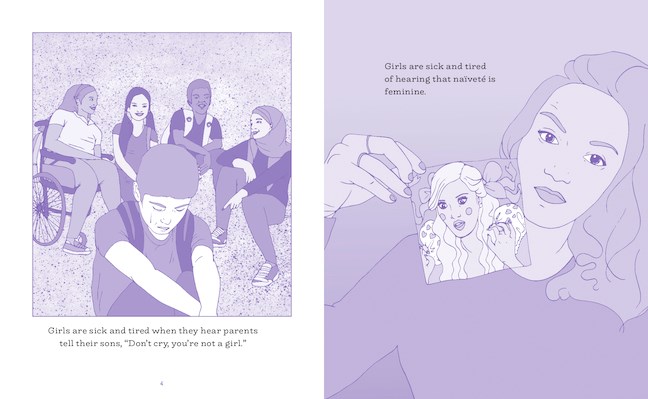
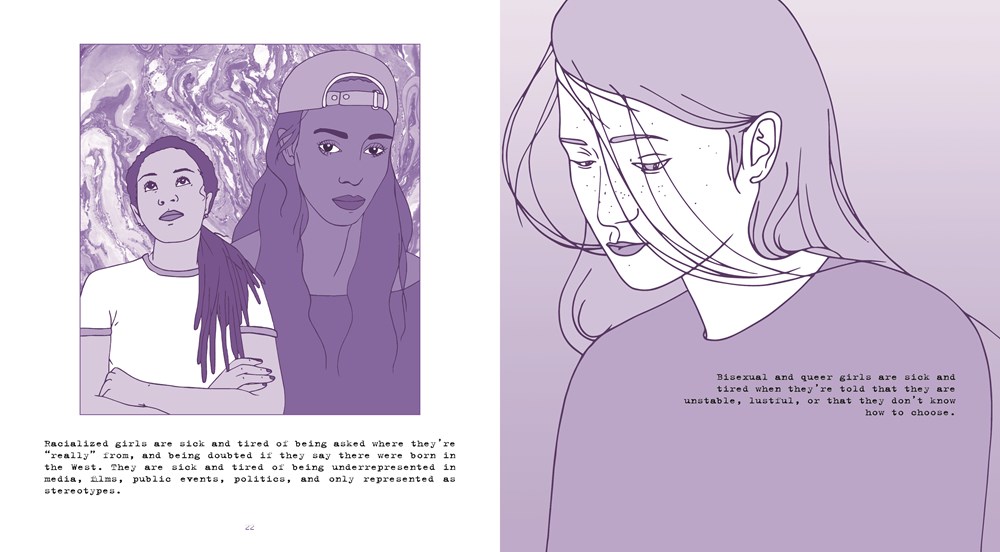
Geneviève Darling’s purple-and-white artwork gives visual understanding to Lucile De Pesloüan’s words and ideas, featuring  diverse, inclusive groups of women to get the points across. Girls and women are not cookie-cutter templates: we are different, have different tastes and experiences, come from different cultures and backgrounds, and have different ideas and beliefs. We don’t all want to be rescued, and we don’t want to be someone’s “score”. We don’t like it when you assume we’re weak, when you tell boys and men to “man up” or “stop crying like a girl”. We don’t want to be told to “act like a lady” or, for that matter, what a lady is, does, or looks like. These moments, and many more, are intelligently captured and plainly stated. It’s a powerful, smart book that I hope will inspire young women – and men – to read, discuss, and move forward with understanding. There are no solutions presented here: that’s for us to take on.

What Makes Girls Sick and Tired has received some great feedback from librarians and bloggers, and I’m looking forward to getting this on my shelves. Like Oni Press’s A Quick Easy Guide to They/Them Pronouns, this is information that works well in graphic format for teen and college audiences.

Posted in Non-Fiction, picture books, Preschool Reads, Toddler Reads, Toddler Storytime

Birds, Birds, Birds: Hello, I’m Here! A new bird greets the world, and Carme Lemniscrates’s Birds

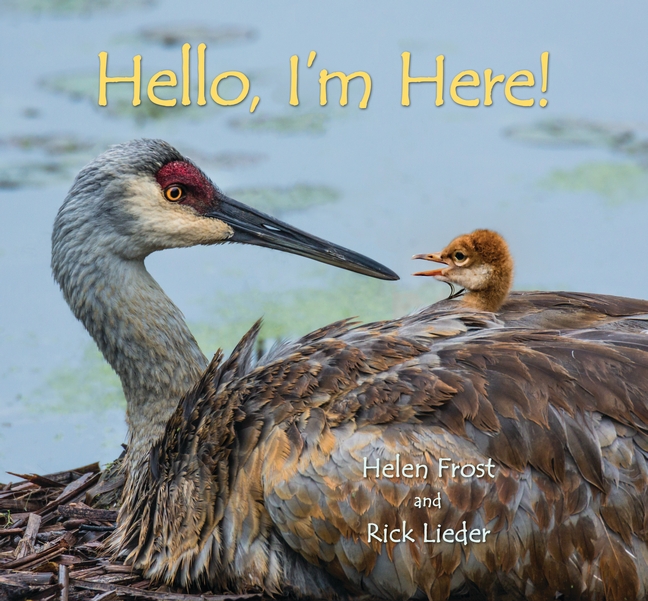
Hello, I’m Here!, by Helen Frost/Photographs by Rick Lieder, (March 2019, Candlewick Press), $16.99, ISBN: 9780763698584

Ages 2-5

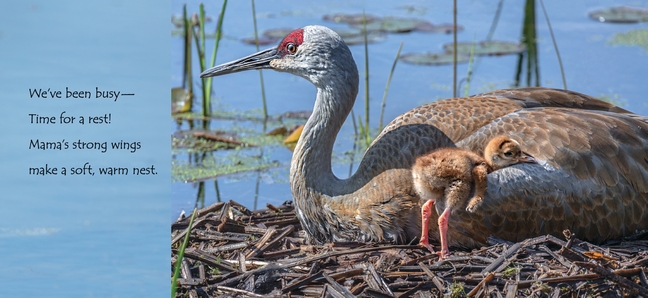
With rhyming text accompanying beautiful wildlife photos, Hello, I’m Here! is the story of an adorable sandhill crane chick hatching and exploring its new world. The hatchling and its sibling splash around in the water and enjoy some bugs and snails under the watchful guidance of their Mama and Papa, always nearby. The photographs are beautiful, allowing readers to enjoy the fuzzy, long-legged chicks and the stunning adult birds’ coloring. The photos have incredible texture; the birds’ feathers look like they’d ruffle under one’s hand, and the chicks look so fuzzy, you’ll want to run your finger across their heads. The photos of the birds in flight are stunning. The text is sweet and has a comforting cadence; the sentences are short and put readers in the chick’s place as it discovers the world around it. An author note about sandhill cranes has some great additional information for readers: did you know that parents and chicks communicate while the chicks are still in their eggs? That went over really well when I told the parents! I love being able to add little facts like that in a storytime. The endpapers have beautiful photos of a baby sandhill crane and its parent, and of four cranes flying across the sky at sunset. Absolutely breathtaking.

I tried Hello, I’m Here! out in a recent storytime, and the kids and parents alike loved it. The parents gestured to the pages quite often, impressed with the photos, and the little ones loved hearing about the little bird taking its first steps, flapping around with its sibling, and watching other cranes fly overhead. This is a great choice for a nature/discovery/science storytime, a spring storytime, and just a plain, good storytime for the little ones. I would also read Alex Latimer’s Am I Yours? as a companion to this one: it’s got dinosaurs, but the whole story of a baby dino in its egg talking to prospective parents is just too cute to pass up.

Hello, I’m Here! has a starred review from Kirkus. This is the fifth book that Helen Frost and Rick Lieder have collaborated on; all of which have received starred reviews from Kirkus.


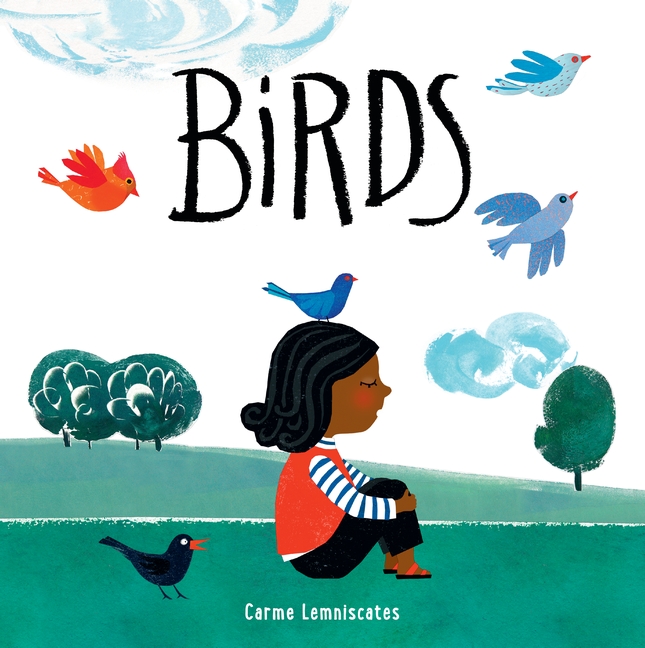
Birds, by Carme Lemniscates, (March 2019, Candlewick Press), $14.99, ISBN: 9781536201789

Ages 2-5

Next up, I read Birds, by Carme Lemniscates. It’s a nonfiction book of a different sort, with bright, bold mixed media illustrations of various birds and two children enjoying their company. The text reads like a poetic ode to birds, starting first with descriptive sentences: “Some birds are really big/Others are tiny/Some like to show off, while others would rather watch”, moving into more illustrative musings: “A bird’s song is like the loving words of a friend/A happy song that greets us every morning/And our hearts sing, too, because birds are like good news coming”. Eagles, owls, peacocks, and hummingbirds all find a home here, as do parrots, toucans, and Canadian geese. It’s a celebration of birds, of spring, and of nature. The endpapers feature bright and bold feathers, some that you’ll recognize right away, like the peacock’s; some, you may have to guess at (is that black and white spotted one a woodpecker or a guinea fowl?). Let the kids color some feathers of their own as an after-storytime craft.

Birds went over nicely in storytime. The kids loved the bright colors and enjoyed calling out birds they recognized. We made some bird sounds (honking for the Canadian geese went over well, as did the parrot caws) and spread our arms to soar and flap like the birds do. It’s a nice addition to picture books where nature and birds are popular.


Posted in Animal Fiction, Fiction, Fiction, Graphic Novels, Intermediate, Middle Grade, Non-Fiction, Teen, Young Adult/New Adult

Springtime reading: April Graphic Novels

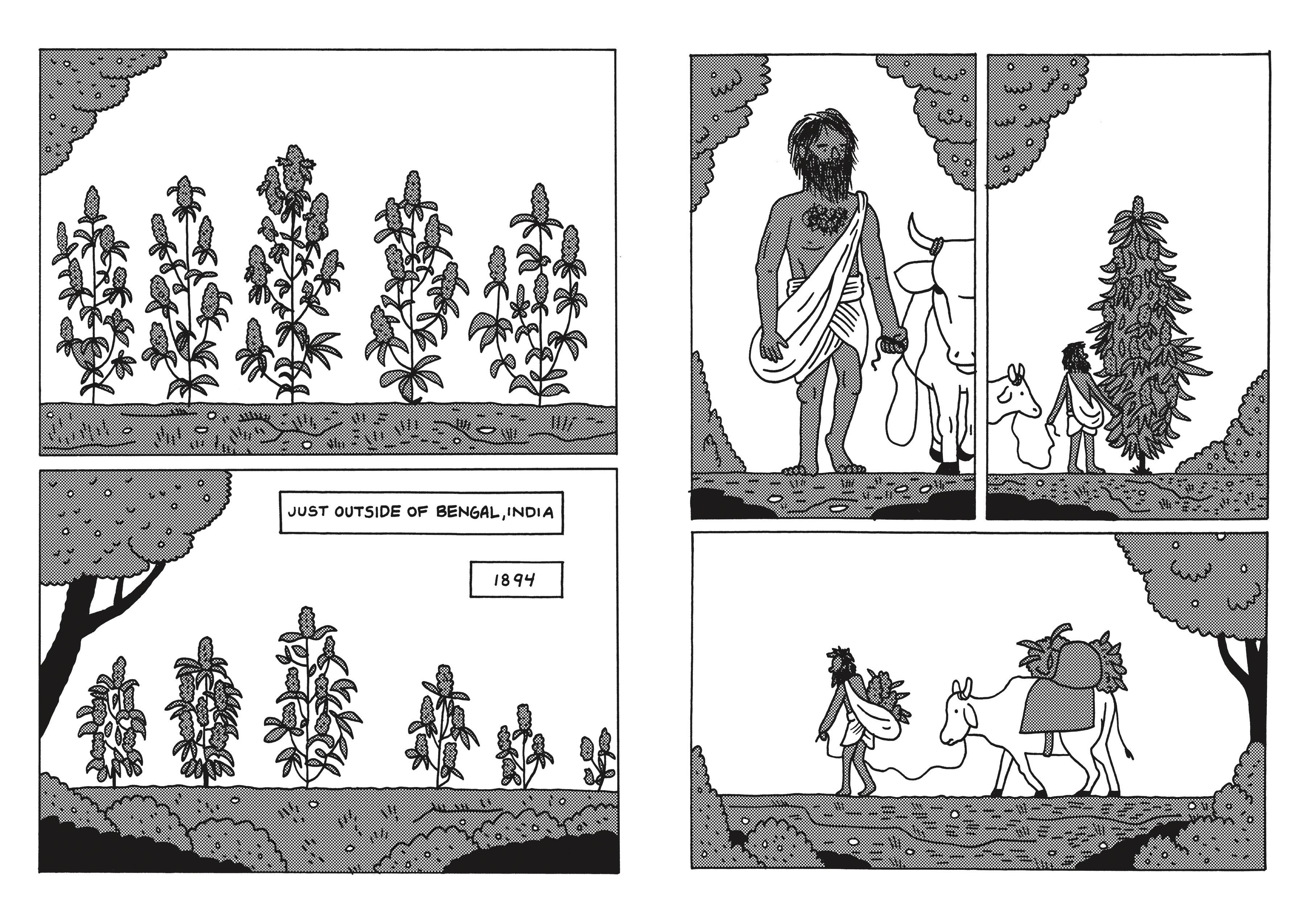
Cannabis: The Illegalization of Weed in America, by Box Brown, (Apr. 2019, First Second), $24.99, ISBN: 9781250154088

Ages 14+

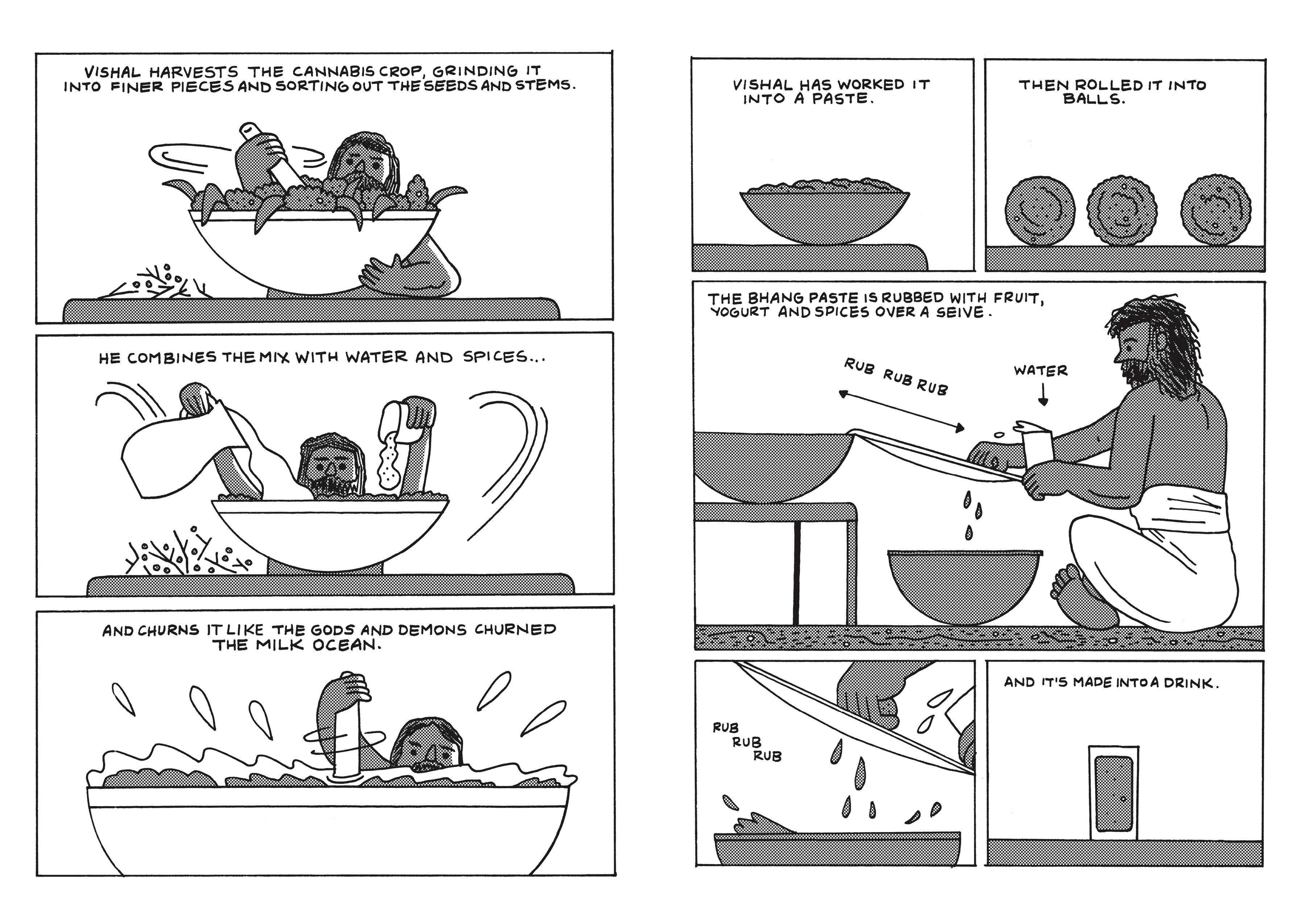
Award-winning graphic novelist Box Brown is back with the real story of how cannabis – weed, marijuana, reefer – went from being a plant used for spiritual purposes to being labeled a gateway drug that caused “reefer madness”. How did it happen, you say? Racism. Politics. Propaganda.  Scare tactics. The usual song and dance. Box Brown has done his research and, combined with his minimalist artwork, presents a tale that will have you seeing the politics of marijuana (the origin of that name is in here, too, and it’s a doozy) in an entirely new light.

The War on Drugs started long before Nancy Reagan went on Diff’rent Strokes and told kids to “just say no”, and the fallout has targeted minorities – primarily young black men – and left thousands imprisoned for minor infractions. Studies have purposely included falsified data and allowed Harry J. Anslinger, the first commissioner of the Federal Bureau of Narcotics, to perpetuate his war against narcotics by weaponizing moral outrage and using propaganda to get the plant a schedule 1 classification, putting it on par with heroin.

Ignatz Award winner Box Brown has a gift for nonfiction. While he’s primarily done biographical graphic novels thus far, including Andre the Giant, Andy Kaufman, and the rise of the video game Tetris, Cannabis is a thoroughly researched, fully realized, history of marijuana, from its earliest recorded uses through the present day. It’s a good add for your young adult/new adult collections and could be a good selection for a book group, especially with its increasing legality and medicinal usage.

Peter and Ernesto: The Lost Sloths, by Graham Annable, (Apr. 2018, First Second), $17.99, ISBN: 9781626725720

Ages 6-10

It’s the return of my favorite sloth buddies! Peter and Ernesto are back, and they’ve got a new adventure when a hurricane blows their beloved tree away! Peter, Ernesto, and the rest of their sloth friends must set out to find a new tree. A great tree. A tree just like the one they had, preferably. As they journey through the jungle, there are new dangers to brave: angry ants, slithering snakes, running pigs, and a very hungry jaguar! Ernesto is up to the challenge, but poor Peter… well, Peter’s going to need his best friend next to him as they lead their friends to a new tree. And maybe, a new friend or two along the way.

I love this new series! The two friends are like the Bert and Ernie of sloth civilization, with idealistic, upbeat Ernesto and cautious, nervous Peter acting as counterbalances to each other. The new animals the group meets as they venture through the jungle are hilarious, and the twist near the end will have your readers cheering. It’s emotional to see the sloths survey the damage to their tree, and it adds a depth to Peter’s and Ernesto’s characters as they take on the responsibility of shepherding their group to a new home. It’s just as emotional to see them find a new tree and the final resolution will just make you feel good. Peter and Ernesto is feel-good reading, and who doesn’t need more of that?

I can’t wait to see where life takes them next. Add this to your graphic novels collections and talk them up! Make a Best Friends display and make sure to include Frog & Toad, Elephant and Piggie, Narwhal & Jelly, and Duck and Porcupine.

Posted in Middle Grade, Non-Fiction, Non-fiction, Tween Reads

Makers… Get Tinkering!

Forgive the stretch between updates, all; I’m home this week, with my little guy, who’s on Midwinter Recess. He’s currently got a Lego stronghold of army men fighting across two rooms, so I used the break to get some writing in.

Did you know that this week is National Engineers Week? It is, and with many of us facing looming Science Fair deadlines, I’ve got a book for you. NatGeo, lifesaving publisher of all the things my own kids and library kids have needed for reports and projects, now has a book called Make This! Building, Thinking, and Tinkering Projects for the Amazing Maker in You

Make This! Building, Thinking, and Tinkering Projects for the Amazing Maker in You,
by Ella Schwartz/Photos by Matthew Rakola,
(Feb. 2019, National Geographic Kids), $16.99, ISBN: 9781426333248
Ages 8-12

This is a perfect book to start off a basic maker program, or a book to add to an already robust program. Most of the materials needed are already in your home: I did three projects today with my first grader! (Pencil Pusher, Silly Noisemaker, and Kazoo, if you’re curious.) The basics of tinkering are here; you can take all of these projects to different levels with questions about the process of making and considering results (we talked briefly about the scientific method as we made predictions about using pencils as wheels, for instance, to propel a pile of books across a table).

Projects are broken down into 8 areas: Simple Machines; Materials; Systes; Optics; Energy; Acoustics; Forces; and Motion. Each area has a spread explaining the concept, followed by several projects further exploring each area. There are questions to consider, fast facts, a list of materials, and a step-by-step of what to do to complete your project. Each project also has a difficulty level and maximum number of people to work on each project.

A foreword explains the nature of making, and sections on makers and makerspaces assure every kid that there is no “maker profile”: you make something, you’re a maker! There are some handy suggestions on materials to keep handy if you want making to be a regular activity in your home, library, or classroom, and there are some spreads dedicated on using the book and starting with a toy challenge. Safety is always paramount, so there’s cautionary messages about having an adult nearby to help out; really, we’re just window dressing, though: kids can easily make these great projects. Afterwords have some info on more complex, advanced making (3-d printers and robotics), and introduce readers to real-life makers: scientists, conservationists, and photographers are makers, too!

This one is yet another win for my Science Projects section and a guaranteed “program in a book” add to my STEM shelf.

Posted in Graphic Novels, Middle Grade, Non-Fiction, Non-fiction, Teen, Tween Reads

Maker Comics: DIY your life!

First Second has a new line of nonfiction graphic novels debuting in February: Maker Comics is a perfect DIY companion to their Science Comics series, adding a more hands-on component to the science behind everyday things. The first two titles to hit shelves are Bake Like a Pro! and Fix a Car! With the tag line, “Who Can? You Can!”, these books are ready to take readers step-by-step into the world of making and hands-on STEAM.

Maker Comics: Bake Like a Pro!, by Falynn Koch, (Feb. 2019, First Second), $12.99, ISBN: 9781250150066

Ages 10-14

Written and illustrated by Science Comics alum Falynn Koch, Bake Like a Pro! follows a young wizard in training, Sage, as she’s apprenticed to baking master mage Korian. Sage is not thrilled with this turn of events, because she thinks baking is boring. Where’s the pyromancy? Where’s the transfiguration? But what Sage doesn’t realize yet is that baking is a magic and science all its own: it’s a delicious form of alchemy! Korian and a group of enchanted ingredients teach Sage all about the science behind baking: how to combine different proteins, fats, and liquids to craft incredible pies, cookies, breads, cookies, dough, and more.

At once a science lesson, a fantasy tale, and a recipe book for new bakers, Bake Like a Pro! is perfect for middle schoolers and upper elementary readers who are ready to take on some next-level making. There are step-by-step explanations of how ingredients come together – and what happens when ingredients go wrong (always sift the flour!), plus an illustrated walk-through for 8 different recipes, including chocolate chip cookies, cheesy biscuits, pizza dough, and sponge cake with buttercream frosting. At the end of the story, Sage proudly serves up her delicious treats to her fellow novice mages, proudly proclaiming, “Every step in baking is magic!”

Like Science Comics, there’s a quick reference at the end that puts all the major info in one place. Here, we get some helpful reminders on the six baking methods, effects of ingredients and conversion tables, bread techniques, and continued reading (including one of my favorites, I’m Just Here for the Food, by Alton Brown).

Maker Comics: Fix a Car!, by Chris Schweizer, (Feb. 2019, First Second), $12.99, ISBN: 9781250150042

Ages 10-14

Next up is Fix a Car! by Crogan’s Adventures and The Creeps author and illustrator Chris Schweizer. A group of tweens and teens meet up when they join Car Club, overseen by auto whiz Ms. Gritt. Lena, Mason, and Abner are teens with their own wheels, and twin siblings Rocky and Esther are seventh graders who  love cards and want to learn all they need to know so they can be ready when they are old enough to drive. They’re different kids with different lives and circumstances, but the one thing they have in common is a love for automobiles, and Ms. Gritt is happy to show them all they need to know.

The story smoothly moves between each character’s life outside of car club, building a relationship between characters and readers and giving kids background that they can relate to, from a stressed out teen determined to excel in all the things, to the kids working through grief over a parent. Car Club gives them all a landing place, a place to belong, and place to come together and get their hands dirty.

Fix a Car! is incredible in its detail: Ms. Gritt teaches her group how to check the oil and how often to check it; how to check the pressure in their tires, and how to change a tire; how to investigate a squeaky noise. Full-color diagrams introduce readers to the complex systems and inner workings of autos, and safety is paramount, with Ms. Gritt providing smart advice on how to be safe while changing a tire including how to locate a spare tire in your car and the difference between spare tires and donuts (not of the Dunkin’ variety). There are instructions on 10 different parts of auto care, including creating a portable tool kit, changing the oil, replacing a drive belt or pulley, and washing and detailing a car (bonus: adding a racing stripe). There’s a wealth of resources at the end of the book, including an author’s note on how Chris Schweizer learned to take care of his car and some further reading.

Because of the hands-on subject matter, I’d definitely include Maker Comics in my middle school collections, but the reading level works for middle grade as well. With adult supervision, I’m all for teaching younger kids to bake and learn their way around a car, so I’d consider it for either collection in a public library – many of the middle schoolers in my library go between Juvenile and YA collections – and a solid choice for middle school libraries. Create a solid graphic novel nonfiction section, and the kids will love you for it.