Posted in Middle Grade, Non-fiction, Tween Reads

STEAM into Summer!

Summer Reading is the best – and craziest – time for librarians. We’re planning intense levels of programming, ordering books and putting lists together like mad, and just waiting for that last day of school, when the kids will storm the library like… well, let the Avengers tell you.
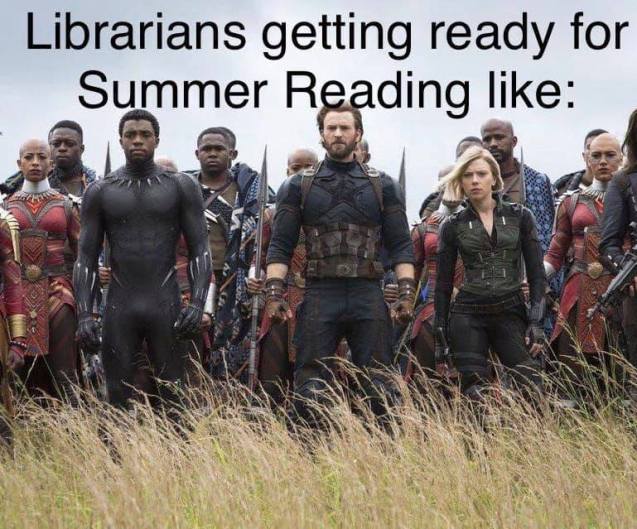
It’s real.

NatGeo Kids was kind enough to send some books my way to check out and talk up for my STEM programs this summer. Let’s take a look!
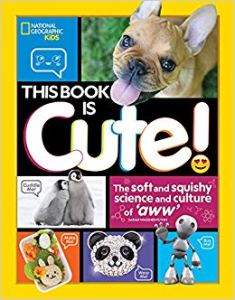
 

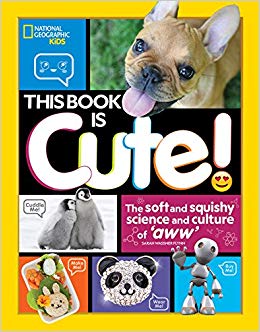
This Book is Cute! The Soft and Squishy Science and Culture of Aww, by Sarah Wassner Flynn,
(March 2019, National Geographic Kids), $12.99, ISBN: 9781426332944
Ages 5-12

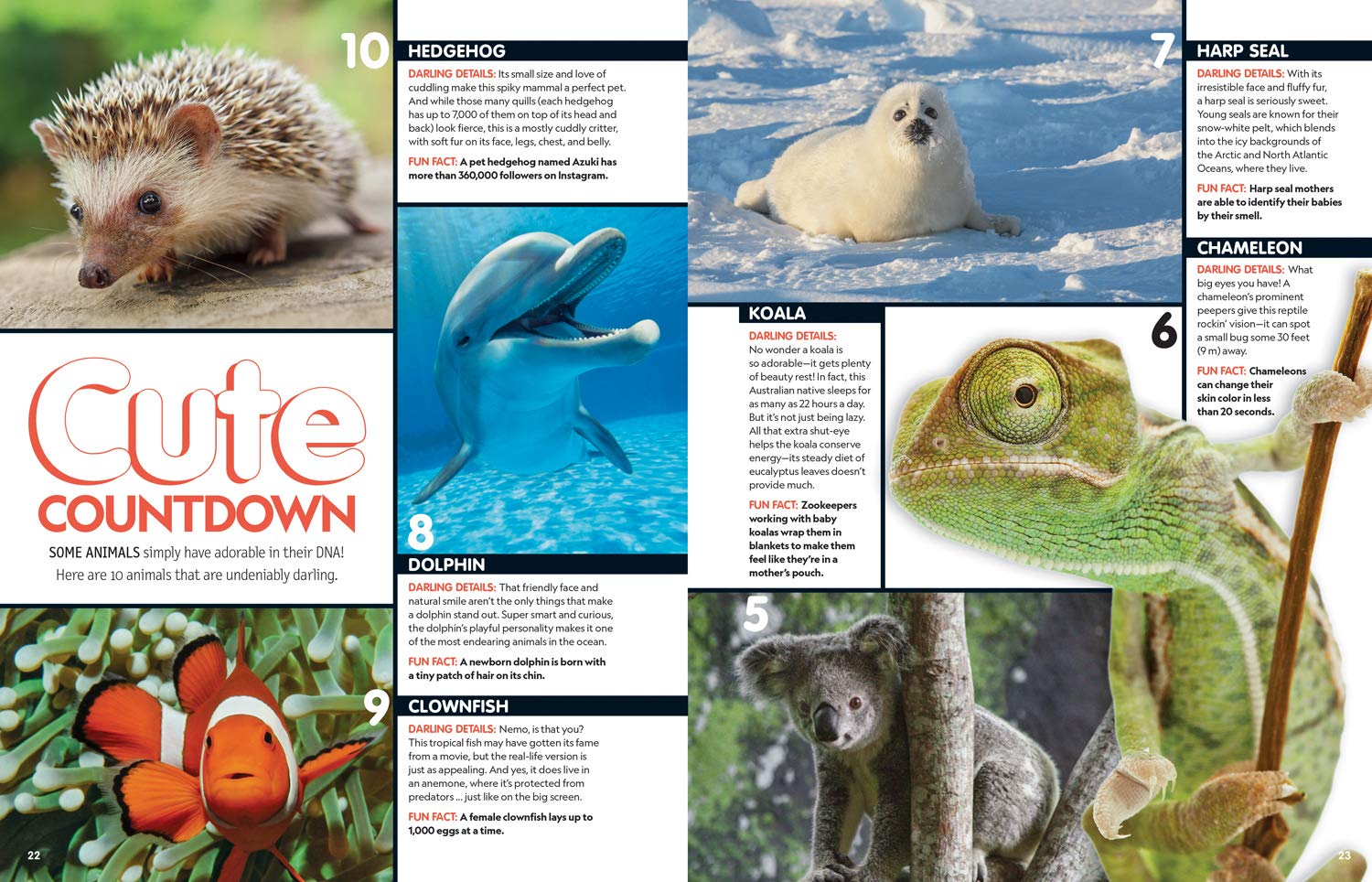
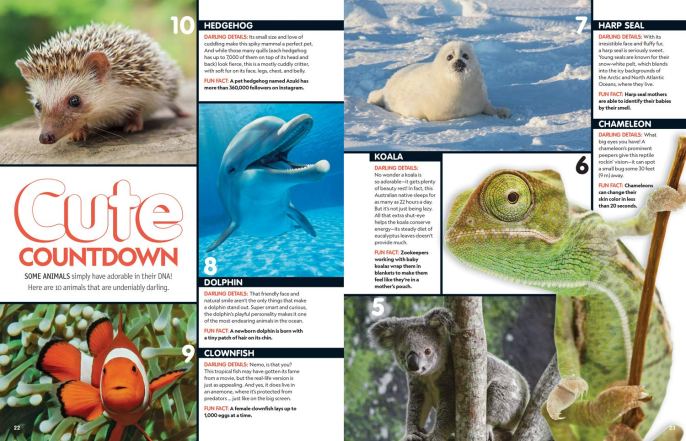
Can you believe there’s a science to cuteness? Of course NatGeo Kids would get to the bottom of this! Cute foods! (More attractive to eat!) Cute (human and animal) babies! (Trigger emotions in us that make us protect and care for them!) Cute clothes and toys! (We can’t get enough of ’em!) This Book is Cute is 112 pages of high-pitched squealing, science, and lists of cute animals, cutest jobs ever (I would like to apply for the Cat Cuddler spot, please), even appliances. Put up a bulletin board and see how many cute animals or food your kids can identify, or test their Cute IQ using the quiz in the book. This Book is Cute! is absolutely adorable; kids will go crazy for it and so will you.
Ages 8-12
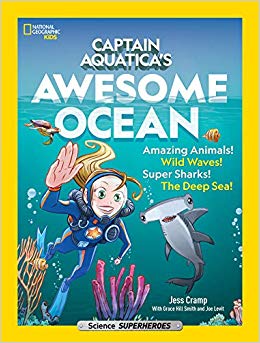
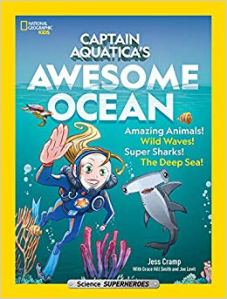
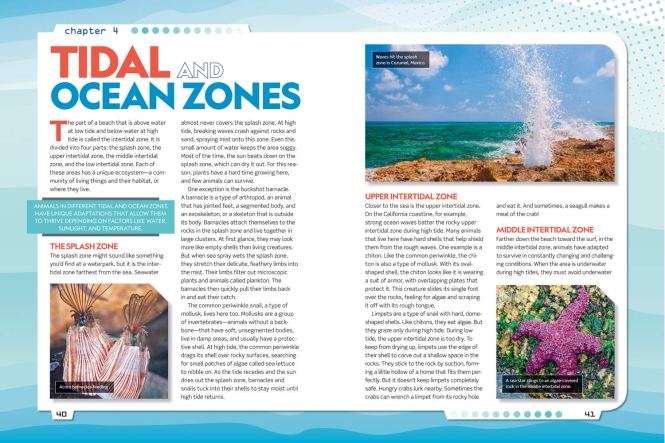
A companion to Dr. E’s Super Stellar Solar System and Dirtmeister’s Nitty Gritty Planet Earth, Awesome Ocean takes readers underwater exploring with cartoon superhero Captain Aquatica and her hammerhead shark sidekick, Finn. Shark researcher and marine conservationist Jess Cramp is the real-life version of Captain Aquatica, and leads readers through chapters on the ocean; waves, tides, and water; sharks and marine life; underwater technology; ecosystem engineering, and the critical importance of conservation. Moving back and forth between a comic book adventure and factual explanation, the book is loaded with incredible photos, fact boxes, and easy experiments that kids and families can do at home. There are scientist profiles – I love these, because they introduce readers to even more scientists than they’ll meet in our biography aisles – a glossary, index, and book and website resources for more exploration. NatGeo books are amazing because they always make sure to empower kids to make the world a better place, providing ways to get involved and start making changes. Their photos are consistently fantastic, and I love having as many of their books as possible in my library. If a parent or kid comes in looking for nonfiction about the natural world or animal book suggestions, I bring them to NatGeo books first. Display this set together, if you have them, and direct your readers to a series that looks at the big picture: earth, ocean, and space.
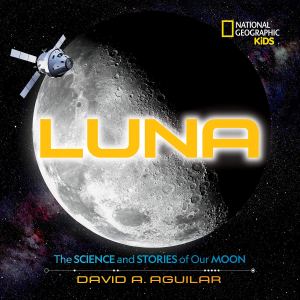
Luna: The Science and Stories of Our Moon, by David A. Aguilar,
(June 2019, National Geographic Kids), $17.99, ISBN: 9781426333224
Ages 8-12
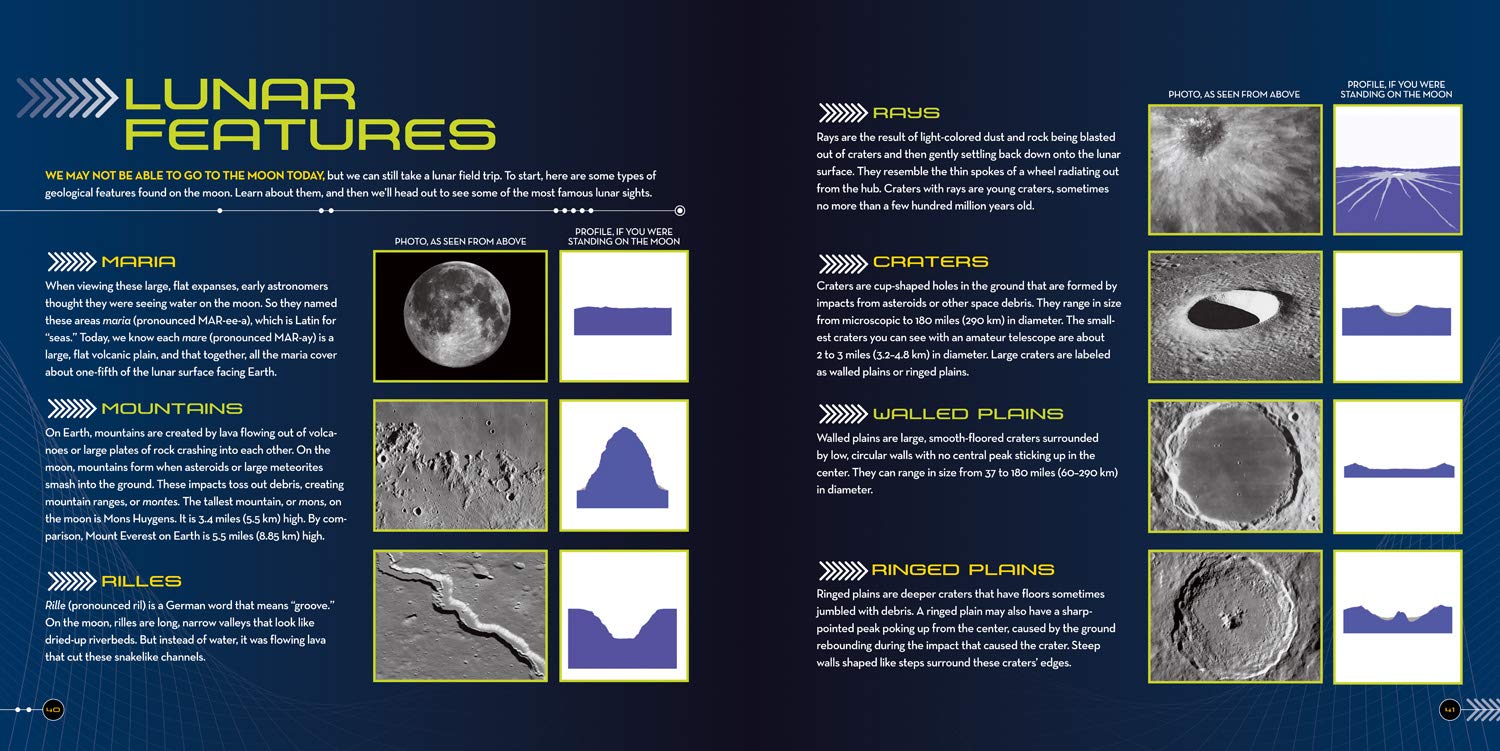
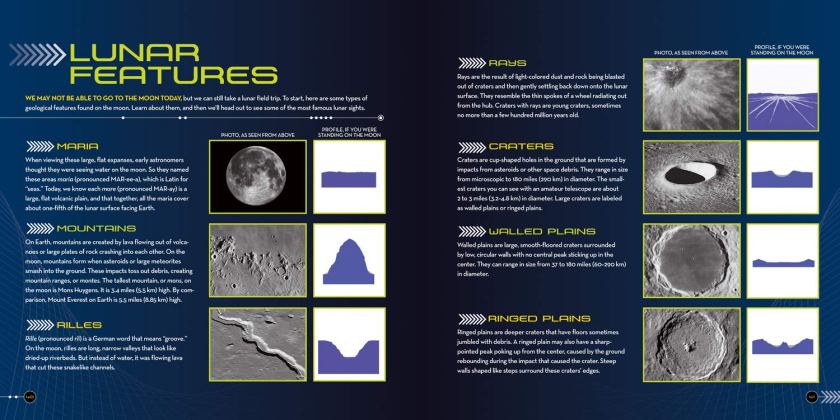
NatGeo wouldn’t let a Summer Reading theme go by without a book for us to give to the kiddos! Luna is all about our friendly satellite, the Moon. It’s a compact volume, at 64 pages, packed with all the info a middle grade space enthusiast could want. There are beautiful photos, callout quotes and facts, and full-color diagrams, and thought-provoking chapters cover topics including moon myths and hoaxes; the famous “dark side” of the moon; how our moon stacks up against other moons; lunar phases, and – naturally! – the 1969 lunar landing. There’s a fun make the moon activity (get your old t-shirts on; this one involves Plaster of Paris), a viewing guide, and tips on drawing the moon. There’s an index and a list of additional resources. This is one of the best middle grade volumes on the moon that I’ve read since Elaine Scott’s Our Moon (2015), and a solid add to your 520s. Mine are always in high demand (along with my dinosaurs), and with the outer space theme for this year’s Summer Reading, I imagine I’ll need a second copy of my own to use for programming.
Thanks again to NatGeo for always keeping nonfiction interesting and fun!
Posted in Middle Grade, Non-Fiction, Non-fiction, Teen, Tween Reads

20 Recipes Kids Should Know is delicious!

20 Recipes Kids Should Know, by Esme Washburn/Photos by Calista Washburn, (April 2019, Prestel), $16.95, ISBN: 9783791385075

Ages 8+

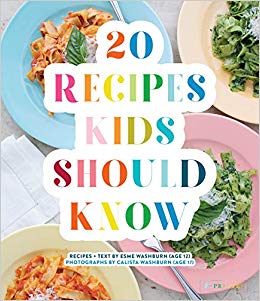
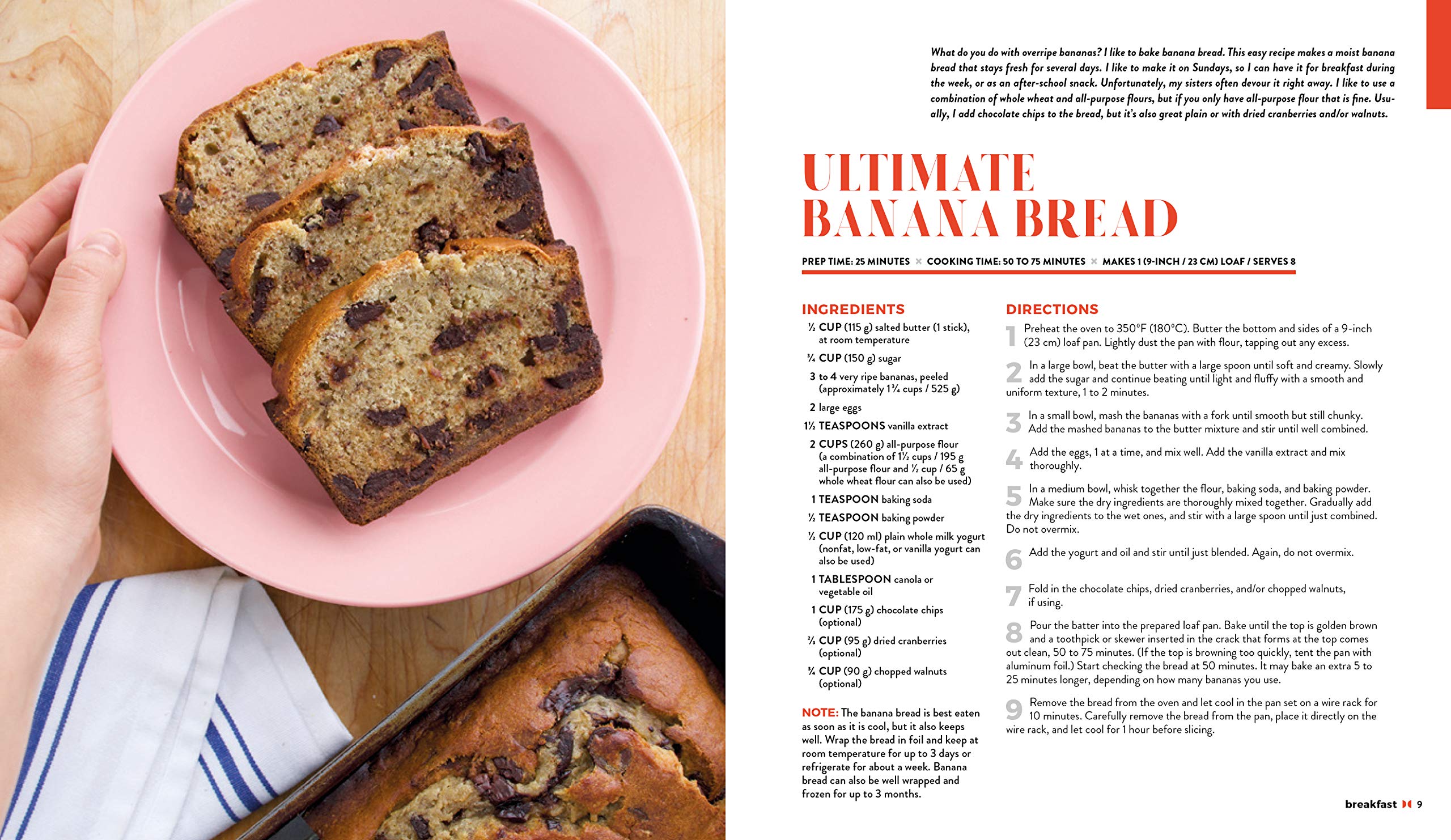
Esme Washburn is a 12-year-old cooking enthusiast. Her sister Calista is a 17-year-old photographer. Together, the two sisters have come up with a delicious book of easy-to-make recipes for kids. These 20 recipes provide a nice variety for a burgeoning chef: there’s a choice of breakfasts, lunches, dinners (called Mains here), appetizers, sides, and desserts, plus two extra recipes for “Back to Basics Bread” and “Popovers That Pop”. There’s something for everyone here, from meat-based dishes to vegetarian fare. Ingredients are easily attained at your local grocery store, and the directions are numbered, step-by-step, and written out in short, simple sentences that allow readers to have the book propped open, ready to follow along with a glance as needed.

The photos are just beautiful. I’m assuming that Esme Washburn, as the cook, plates her food for photos, and does a scrumptious job; Calista Washburn creates lovely foodscapes on pastel dishes, with culinary flourishes like dishcloths, measuring spoons, and fresh foods to add to the visual appeal. The Quintessential Grilled Cheese Sandwich is begging me to take a bite out of it, with its crispy, textured bread and melted cheese sitting on a plate; the Creamiest Mac and Cheese would be the perfect accompaniment to it, with gooey, melty cheese peeking through the wagon wheel pasta. (Yes, I’m a cheese fanatic.)

An introduction provides the important stuff to go over: weights and measurements, safety tips, guidelines for prep and cleanup, and a glossary/cooking techniques section are all here to help get new cooks up and running. Esme writes an introduction before each recipe.

20 Recipes Kids Should Know is a nice addition to a young cook’s bookshelf. There’s no firm minimum age noted here, so I’d say that, as a parent or caregiver, you know when your kids are ready – and require guidance. I’ve got a 15-year-old who I still keep an ear out for, and I’ve got a 7-year-old who I stand at the stove with while he cooks up his own scrambled eggs. (My oldest is 20 and has a pretty firm hand on cooking, but he’s been cooking with me since he was 3.) Bottom line? Use your judgement and err on the side of caution, but encourage them to try some cooking with the Washburn sisters and lend a hand. It’s science!

Posted in Adventure, Fantasy, Fiction, Middle Grade, Tween Reads

The Order of the Majestic: Defend Magic! Plus, a Giveaway!

Order of the Majestic, by Matt Myklusch, (May 2019, Aladdin), $17.99, ISBN: 9781534441781

Ages 10-13

Joey Kopecky is a 13-year-old kid who’s good at taking tests. He just knows how to figure out the right answer, you know? His parents are thrilled when Joey’s invited to test for the exclusive Exemplar Academy, but Joey does not share their enthusiasm. He doesn’t feel like he’s anything special; he’s just got a knack for taking tests. When he arrives at Exemplar, the test is nothing like he’s ever experienced – he’s given magic tricks to do, and the final trick leads him to an abandoned theatre hidden pocket dimension where he meets Redondo, a magician in hiding. Magic is real. Redondo is the last of a group called the Order of the Majestic, who defend magic from The Invisible Hand, a group that seeks to control magic – and the world. Could Joey be the next great hope for a renewed Order of the Majestic?

This is the first book in a new series. There’s some intrigue and a lot of action, and some interesting takes on magic and technology in the modern day. We have two ancient societies battling one another over power – is it good versus evil? Depends on who you ask; the Invisible Hand thinks they’re doing the right thing, keeping powerful magic out of  the hands of the “norms”; the Order of the Majestic believes magic is tied to wonder and belief in the world. It’s idealism versus power, with the future of the whole world on the line and one kid from Hoboken holding the key. The Big Bad is delightfully glib, and Redondo, a Mr. Miyagi of sorts, is the curmudgeonly teacher with a horrible secret. Give this to your Potion Masters and Five Kingdoms readers, and talk it up to your fantasy fans.

Want your own copy of Order of the Majestic? Check out this Rafflecopter giveaway (U.S. addresses only, please!)

Posted in Middle Grade, Non-Fiction, Non-fiction, Tween Reads

The National Geographic Kids Almanac Turns 10! Plus, a major giveaway opportunity!

Every year, the NatGeo Kids Almanac hits my library shelf, and I don’t see it for a couple of months after I put it out. It’s a little bit of everything: a desk reference; a current events recap; a guide to conservation and preservation efforts around the world; it’s loaded with gorgeous pictures of animals and amazing places all over the world, and a hilarious joke book – and that’s just for starters.

National Geographic Kids Almanac 2020, (May 2019, National Geographic Kids),
$14.99, ISBN: 9781426332814
Ages 8-12

The 2020 Almanac offers all the usual facts and figures, games, and pop culture/technology/extreme exploration and conservation efforts that we’ve come to expect from NatGeo Kids, plus some new features: there are interviews with NatGeo scientists and explorers in each chapter, a special section on how the world has changed between that first NatGeo Almanac in 2010 and today, and the results of the 2019 Lions Forever Poster Contest. There’s also a new 20/20 Visionary Challenge for kids, inviting them to be futurists and imagine what the world will be like 10 years from now. It’s positive and it inspires and empowers kids to see themselves as the changemakers.

There are quizzes, homework hacks, and a section on Crafts Around the Globe that you can easily incorporate into your summer reading activities; the Space and Earth chapter fits perfectly with this year’s Universe of Stories theme, and includes a sky calendar that gives readers the heads-up on what’s happening in the coolest live show on earth: just look up to see lunar eclipses, meteor showers, supermoons, and even the International Space Station!

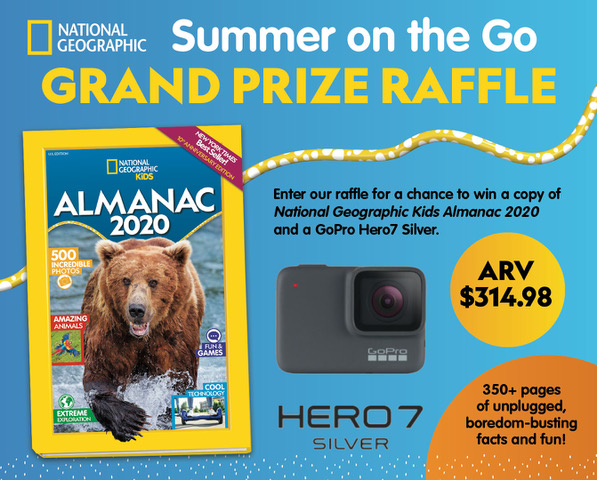
To celebrate the Almanac’s 10th Anniversary, NatGeo is hosting a Summer on the Go Almanac 2020 Grand Prize Giveaway — a GO-PRO!

Don’t miss your chance at winning your own GoPro, to capture your own extreme exploration! Enter this Rafflecopter giveaway today! (U.S. and Canada addresses only, please!)

Good luck!

Posted in Fiction, Fiction, Graphic Novels, Humor, Intermediate, Middle Grade

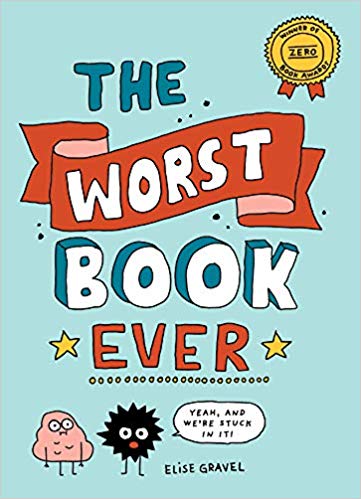
The Worst Book Ever is hilarious!

The Worst Book Ever, by Elise Gravel, (May 2019. Drawn & Quarterly), $17.95, ISBN: 9781770463639

Ages 5-10

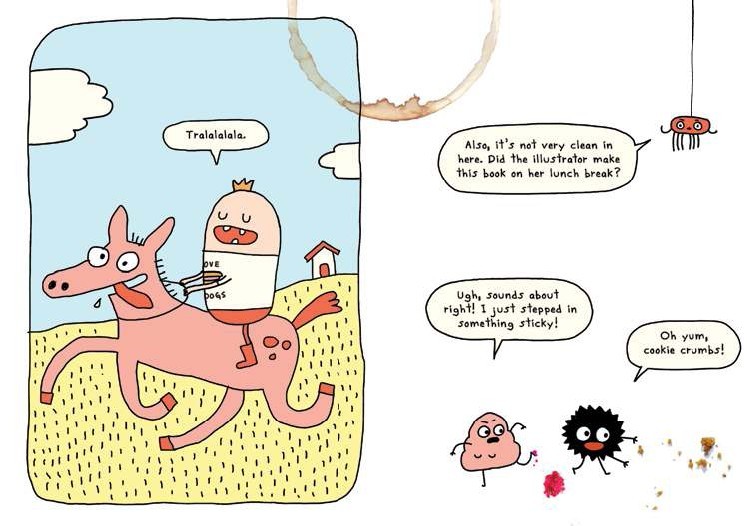
Elise Gravel’s work always makes me smile, and her newest book, The Worst Book Ever, made me laugh out loud. Three characters come together to comment on the worst fairy tale ever as it unfolds. They’re annoyed by standard fairy tale tropes, like the “beautiful prinsess and brave prinse”; they criticize typos, illustration, and writing style, all for laughs. The commentary is laugh-out-loud funny, and the visuals are bold, bright, and wonderfully odd. The fourth wall is more than broken; it’s demolished as coffee stains and cookie crumbs dot the pages and our main characters call out lack of diversity, literary clichés, and weak female characters. One character makes a list of all the spelling mistakes found in the book always good for a prize for anyone who can catch them all. As the story descends into madness, the characters become more confused, and your readers will laugh even harder.

The Worst Book Ever can be a good companion when talking about short story writing. Point out issues the characters have with the story as it develops, and see what your readers chime in with. Can they fix the narrative?

Lest I leave out the most important part: there’s bathroom humor. I quote: “Poopie Peepee Fart Booger”. So this is basically kid gold.

Add this to your graphic novel shelves and watch it fly.

Posted in Fantasy, Fiction, Graphic Novels, Middle Grade, Tween Reads

Set sail for big graphic novel storytelling in The Island

Island Book, by Evan Dahm, (May 2019, First Second), $22.99, ISBN: 9781626729506

Ages 8-12

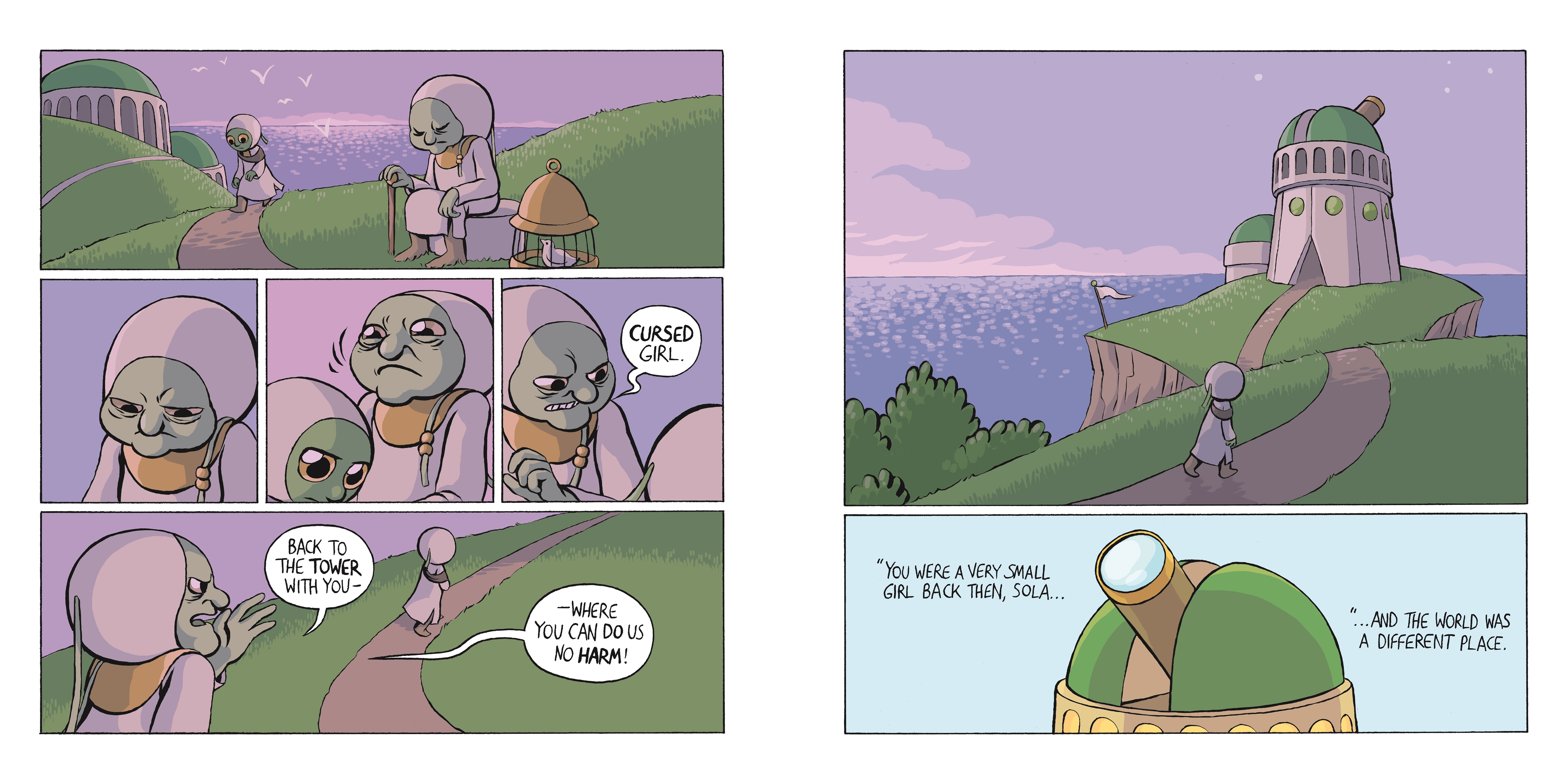
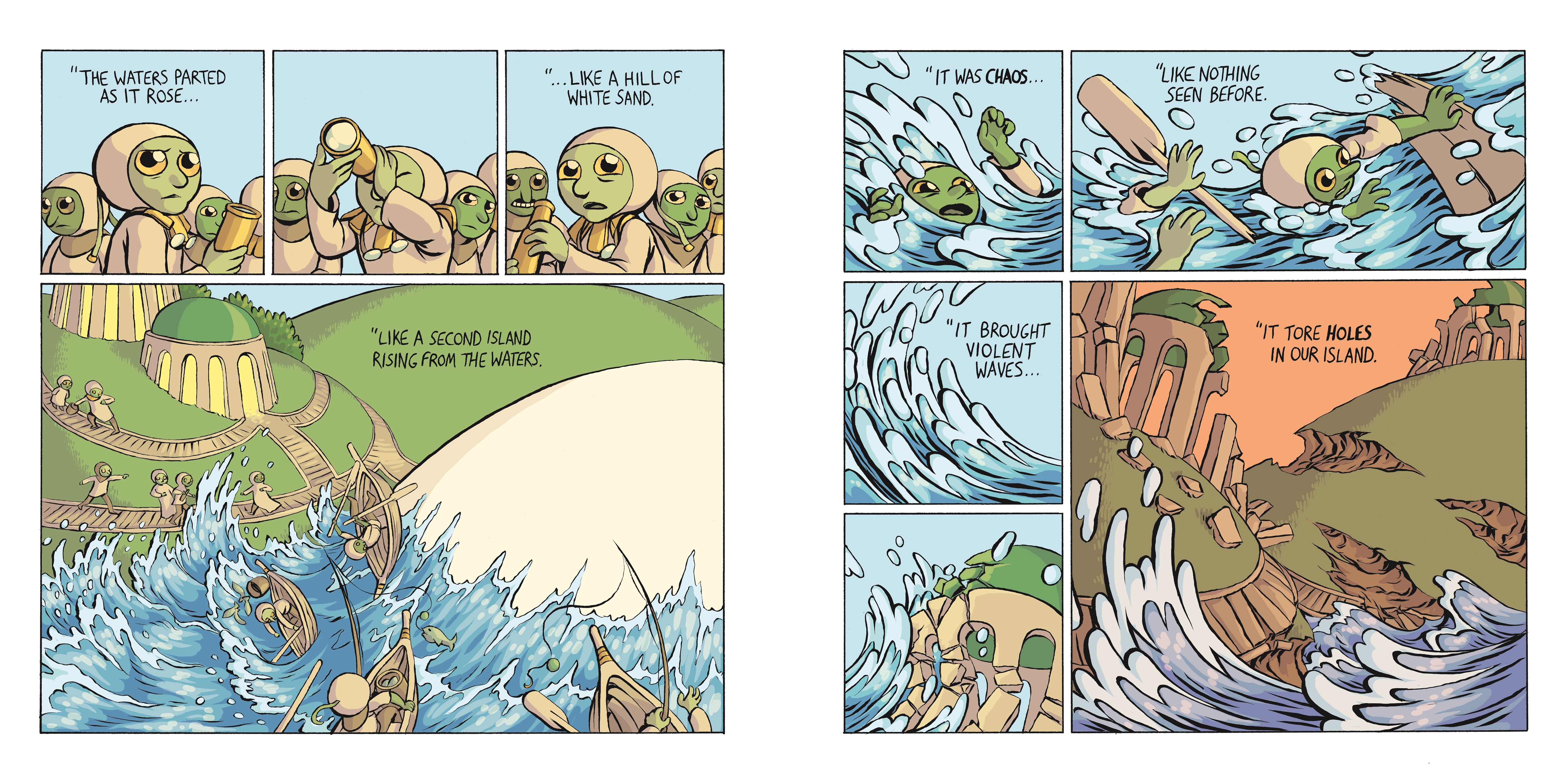
Sola lives as an outcast within her small community on an island. She is cursed – that’s what everyone says – because a Monster came to the Island when Sola was a child; everyone around her ran, but Sola alone stood before it, and it reached out to her. The destruction left in the monster’s wake, coupled with its interest in Sola sealed it: the rest of the Island branded her. As Sola reaches adolescence, she’s curious: what drew the Monster to her? Tired of living with everyone’s fear, and wanting answers, Sola leaves the island, taking to the open water. As she travels, she discovers that the Island isn’t alone: there are new lands and people to meet.

Island Book is Sola’s story. A quietly strong female protagonist, she faces adversity at home and has a curious streak that contributes to her own community’s distrust and fear of her. The plot meanders on a bit in spots, but is mostly a solid story about courage and curiosity; about friendship and working together, and about opening oneself up to new ideas and experiences. The characters are humanoid but not human; the artwork is bright and the nature is beautifully depicted.

The first in a new series, Island Book is a good choice for middle grade book discussion groups, too. Ask kids if they’ve ever felt like Sola, unable to change someone’s mind or looked down on because of their age. Does Sola do the right thing by going off on her own? Would Sola’s community encourage relationships with other beings?

There’s a soundtrack for Island Book available, along with two books of development artwork, through author Evan Dahm’s website. There’s a great review by the AV Club here.

Posted in Intermediate, Middle Grade, Non-fiction, Non-Fiction

New York City gets a park: A Green Place to Be

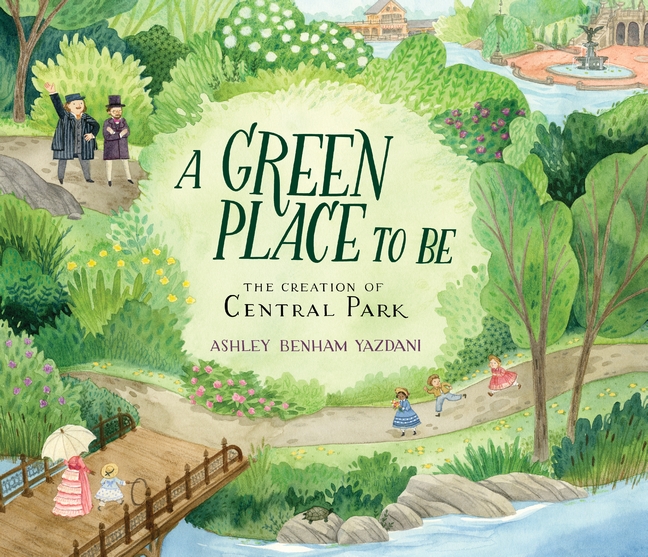
A Green Place to Be: The Creation of Central Park, by Ashley Benham Yazdani, (March 2019, Candlewick Press), $17.99, ISBN: 9780763696955

Ages 7-10

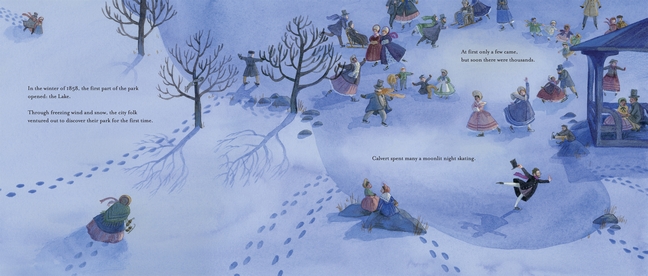
This beautiful and lushly illustrated history of Central Park starts with the land’s beginnings, as a barren area where farm animals and industrial waste left much to be desired, and the design contest devised by architect Calvert Vaux – a contest that he also entered with every intention of winning. A Green Place to Be follows Vaux’s and park superintendent Frederick Law Olmsted’s vision, focusing on their planning, execution, and invitation to artists to join in the effort. The winter of 1858 saw the first park of the park, the Lake, open for visitors; in the summer of 1859, the woodsy Ramble joined the landscape, followed by the Children’s District.

Illustrated in watercolor and pencil, this is a loving tribute to an iconic green space and the men and women who created it. Back matter includes profiles of both Olmstead and Vaux, and a Q&A on spaces within the park. Sharp-eyed readers will love returning to the illustrations again and again to find squirrels, bridges, and other affectionately placed details. There is an author’s note and bibliography for further reading.

A Green Place to Be is a love letter to New York’s green spaces and creativity. Central Park’s website has extensive information about the park, including a calendar of events and links to social media. Planetizen has a good article on teaching urban planning to preschoolers; this could be a fun activity where kids can learn and create their own green spaces! National Geographic has a fun Design a Park activity for middle grade kids, and the STAR Library Network has a printable Design a Park activity that will work with large groups of kids. It’s a fun springtime program!

Posted in Espionage, Middle Grade, Non-fiction, Tween Reads

Can You Crack the Code? makes codebreakers out of your readers

Can You Crack the Code? A Fascinating History of Ciphers and Cryptography, by Ella Schwartz/Illustrated by Lily Williams, (March 2019, Bloomsbury USA), $21.99, ISBN: 9781681195148

Ages 10-13

Three years ago, I held a great, week-long Spy program at my library for Summer Reading. The kids went berserk for it; I had a blast planning and running it, and books like Can You Crack the Code? make me think it might be time to hold a program like that again. Ella Schwartz has come up with a nice history of codes, code names, and cryptography for middle graders, with loads of pictures, informative sidebars, and activities to keep readers on their toes. Famous moments in cryptography history include the Caesar Cipher, invented by Julius Caesar, the Arnold Cipher, used by the infamous Benedict Arnold, and the Enigma machine, used by the Germans during World War II; the machine that gave them the upper hand until a team of British codebreakers at Bletchley Park finally broke the code (shout-out to computer scientist and codebreaker Alan Turing). Want to know why you have to generate a strong password, obnoxious as it may be? Check out the “Can You Hack the Bank?” activity and you’ll be changing all of your passwords. A final challenge has readers going through the book to solve one last cipher. There’s a comprehensive bibliography and the book is indexed, making this a nice volume to have on your shelves.

Display this with the Book Scavenger series, the Mr. Lemoncello’s Library books, the Secret Coders graphic novels, and – naturally! – the Girls Who Code books, both fiction and nonfiction. Brightly has a good post on fiction with puzzles and codes.

Now, if you’ll excuse me, it’s time to revisit some of my old Summer Reading plans… I know this year’s theme is A Universe of Stories; maybe I’ll just use some codes to send them into space! Great escape room ideas in here, too. All around fun for your brain-teaser-loving readers.

Posted in Fantasy, Fiction, Graphic Novels, Middle Grade, Tween Reads

A classic fairy tale with modern-day sensibilities: The White Snake

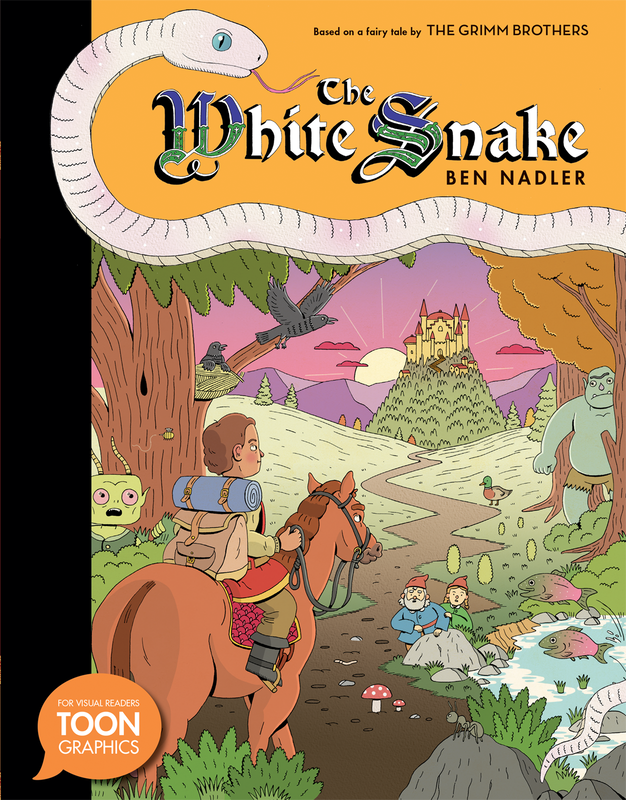
The White Snake, by Ben Nadler (based on a fairy tale by the Grimm Brothers), (May 2019, TOON Graphics), $16.95, ISBN: 9781943145379

Ages 8-12

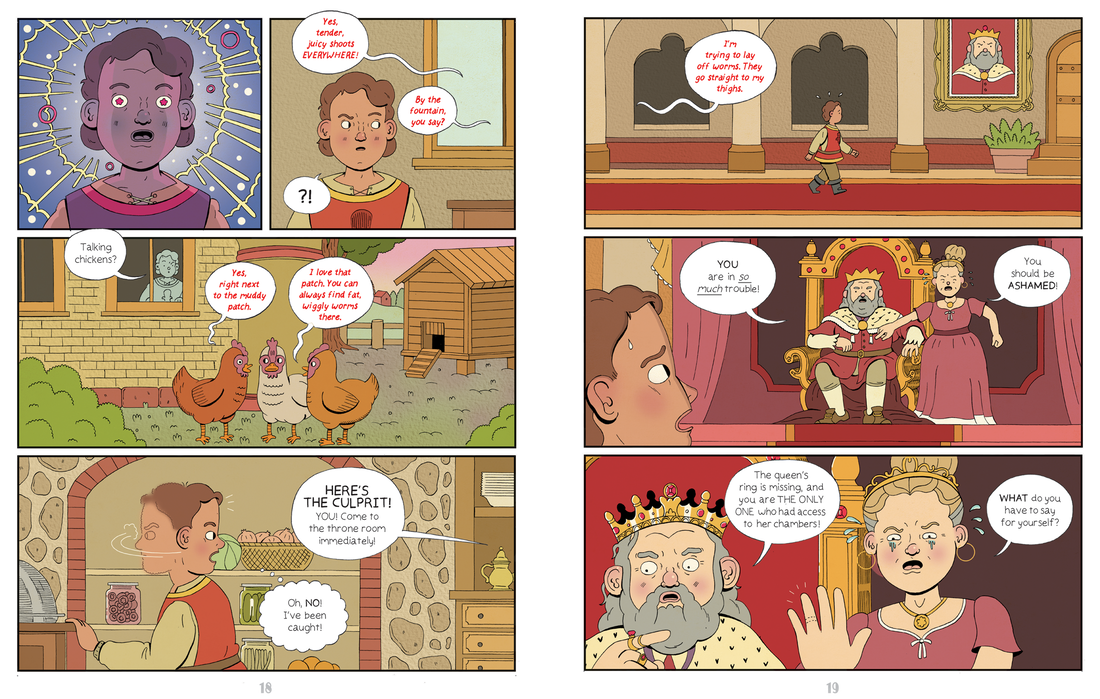
Ben Nadler revisits The Grimm Brothers’ tale, The White Snake, with modern-day emphasis on themes including kindness to animals and pushing back against classicism, and sexism. Randall is a young servant for King Arnold, an indecisive monarch who seems confounded by the mere act of hanging a picture. He is an autocratic father, too, shouting down his daughter and refusing to consider letting her rule; choosing instead to find a suitor for her. King Arnold sends Randall to the neighboring kingdom of Borisylvania to spy and report back on why King Boris is beloved. In Borisylvania, Randall discovers Boris’ secret: he is able to communicate with animals by eating a meal of white snake. With this knowledge, Randall heads back home, showing kindness to animals along the way. This kindness pays off when Randall needs help to complete quests set by King Arnold in order to win his daughter’s hand – and save his own life.

Ben Nadler weaves themes of sexism and racism throughout the story. King Arnold is a brutish overlord who refuses to listen to his own daughter, and throws Randall in prison when he refuses to divulge King Boris’ secret. Princess Tilda come to his rescue by offering herself as bait; she tells her father to offer her hand in marriage as a contest prize. When Randall completes each quest the king sets before him, he refuses to let a servant marry his daughter and adds additional perilous tasks. When Randall finally helps King Arnold see the light, the story takes an upbeat turn and the message is loud and clear: “the animals talked to me. All I had to do is listen”.

Back matter includes an essay by graphic novelist educator Paul Karasik on retelling folk tales, and a bibliography of print and online resources. TOON has a free, downloadable educator’s guide available. The endpapers feature artwork of key figures in the story: birds, fish, horses, crowns, and apples, all arranged into a lovely design with a vintage feel. The artwork dives into surrealist territory in points, which will make you wonder just what is in that food. Randall is fair-skinned; King Arnold and Princess Tilda are brown-skinned.

A great add to your graphic novel and fairy tale collections. TOON has copies available in both hardcover and softcover. Check out the interview Smash Pages did with Ben Nadler!

Posted in Intermediate, Middle Grade, Non-fiction, Non-Fiction

To Infinity and Beyond! The Day the Universe Exploded My Head

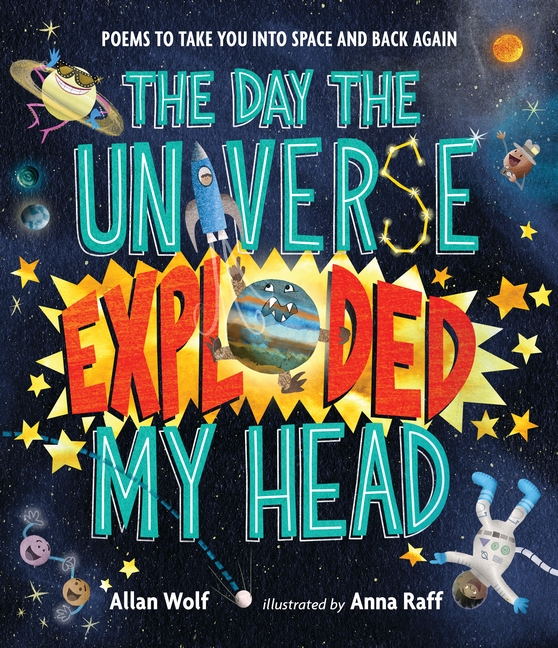
The Day the Universe Exploded My Head: Poems to Take You Into Space and Back Again, by Allan Wolf/Illustrated by Anna Raff, (March 2019, Candlewick Press), $17.99, ISBN: 9780763680251

Ages 7-12

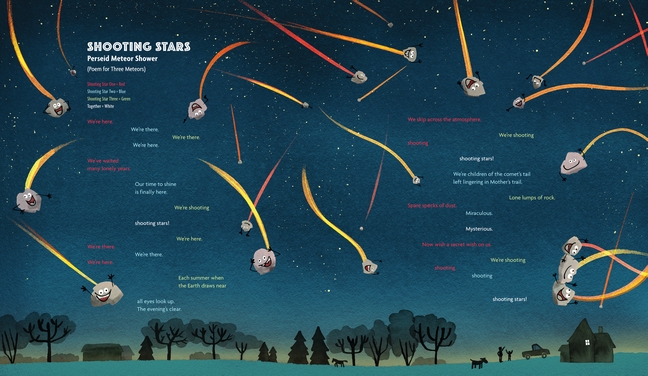
This is one of the best kids’ poetry books I’ve come across in a while! The Day the Universe Exploded My Head contains 29 poems, all about the wonder of space. Each planet gets a poem here, as do the outliers (Planet X, Charon, Pluto). There are nods to pivotal moments in space history (the 2013 meteorite over Cheylabinsk, Sputnik) natural phenomena (black holes, lunar and solar eclipses), and notable scientists (Ivan Ivanovich, Children of Astronomy). The poems are upbeat, factual, and, quite often, very funny, as with the poem, “Planet X”: “I’m one part supercilious/Another part mysterious/One part you-can’t-be-serious/They call me Planet X”. There are a wealth of poems for readers to read out loud, too: “Going the Distance” is a rap for two voices, color-coded for each speaker. The artwork: digitally assembled color collage, made from sumi ink washes, salt, pen, and pencil, explode off the page, with texture that will entice kids to see the swirls of light curling off a star and a fuzzy rings of moons around Neptune.

Non-fiction that informs and excites is aces with me, and The Day the Universe Exploded My Head is a great way to kick off and conclude a space storytime, a STEM program, or a fun read-aloud. Have some printable space coloring sheets ready to hand out, or check out illustrator Anna Raff’s webpage for super-cool activities (I like the Little Card printable for a library visit). Author Allan Wolf’s webpage also has activities, including poetry jokes.

The Day the Universe Exploded My Head has starred reviews from Kirkus and Booklist.