This is an incredible year for children’s books! There’s something for everyone available or coming soon, with wonderful artwork and text that draws readers right in. This time around, I’m looking at some fun science books for readers – and caregivers will like them, too.
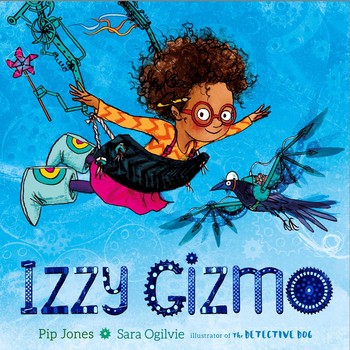 Izzy Gizmo, by Pip Jones/Illustrated by Sara Ogilve,
(March 2018, Peachtree Publishers), $16.95, ISBN: 978-1-68263-021-1
Recommended for readers 4-7
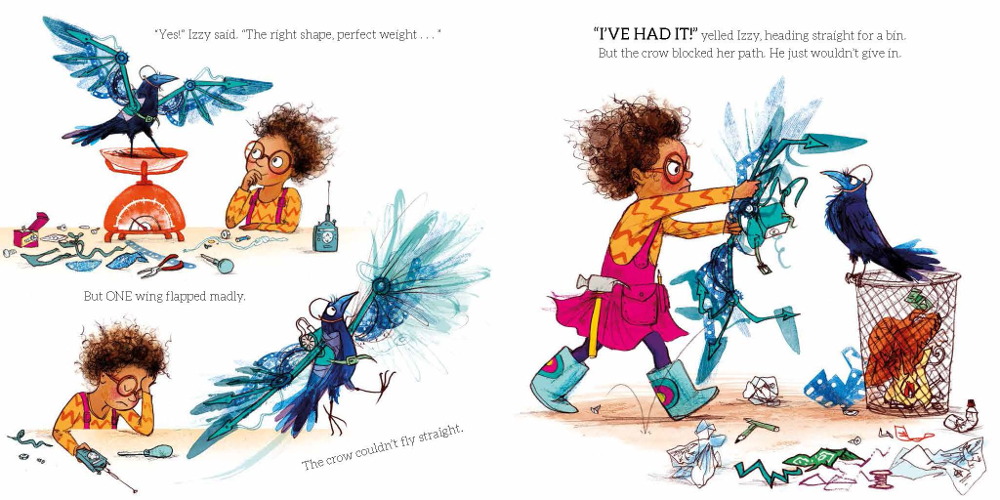
Izzy Gizmo is a curious little girl of color who loves to invent, tweak, and discover. Her inventions don’t always work, but she discovers that she has to put her frustrations aside when she rescues a crow with a broken wing. He wants her to help him fly again, and he’s willing to stick with her through trial and error, until she can get it right. I love the bright colors and chaotic art in this story; it lets readers know that creativity is often messy and wild; the story assures readers that mistakes are just opportunities to filter out what isn’t working and concentrate on what will work; and I love the story of endurance and perseverance. Izzy’s grandfather and her crow friend have faith in Izzy; she just has to find her faith in herself. The gray and white endpapers feature different gears and mechanical parts, letting readers know they’re going to put on their engineering hats to help Izzy out, and the art – a mix of pencil, ink, oil pastel, monoprint, and digital technique – create a busy background that provides a glimpse into the mind of a scientist. Originally published in the UK in 2011, Izzy’s just arrived here in the U.S. and her rhyming story would be a great addition to collections where Andrea Beaty’s Iggy Peck, Architect, Rosie Revere, Engineer, and Ada Twist, Scientist are popular.
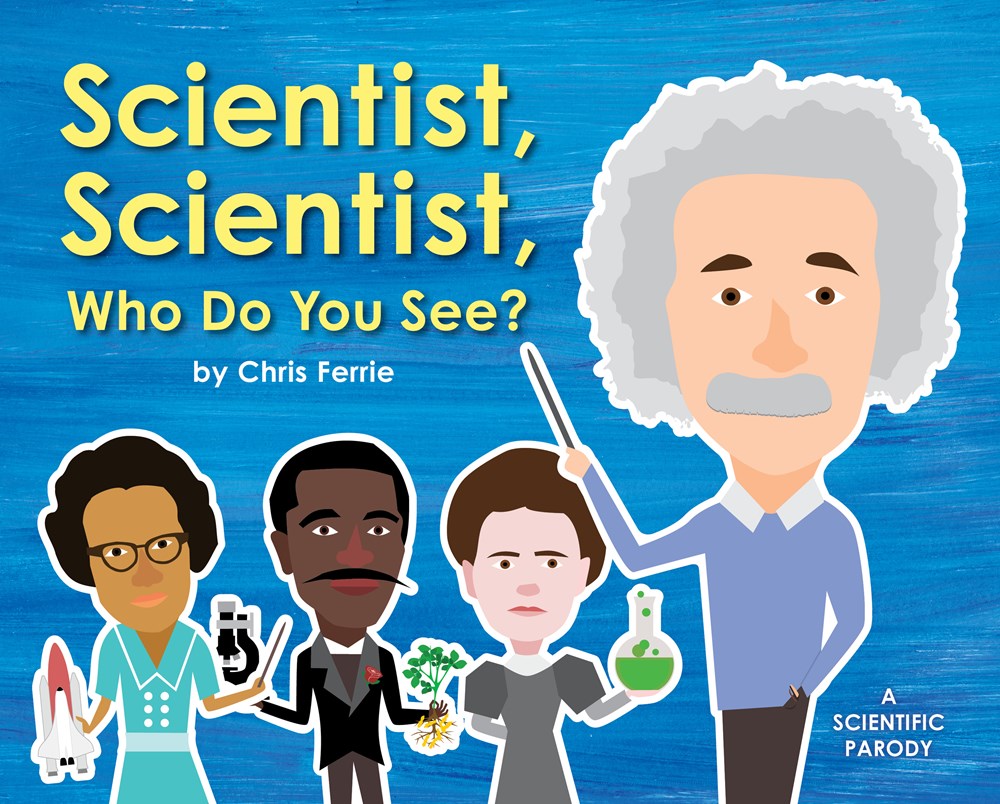 Scientist, Scientist, Who Do You See?, by Chris Ferrie,
(Apr. 2018, Sourcebooks Jabberwocky), $17.99, ISBN: 9781492656180
Recommended for readers 3-6
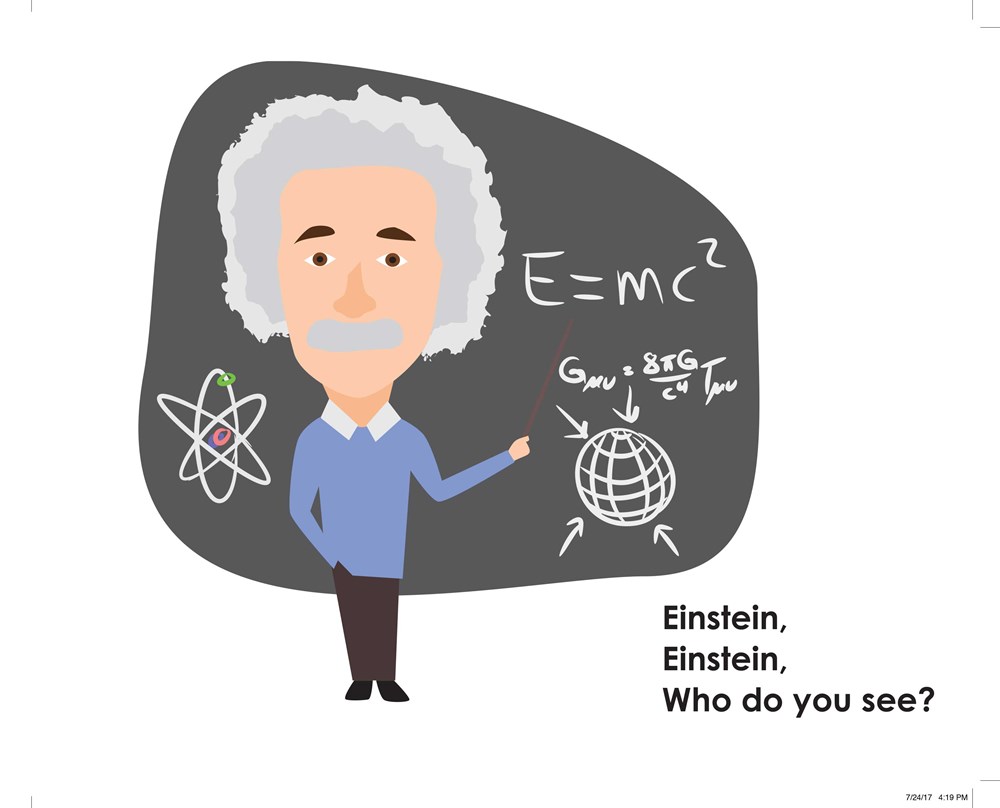
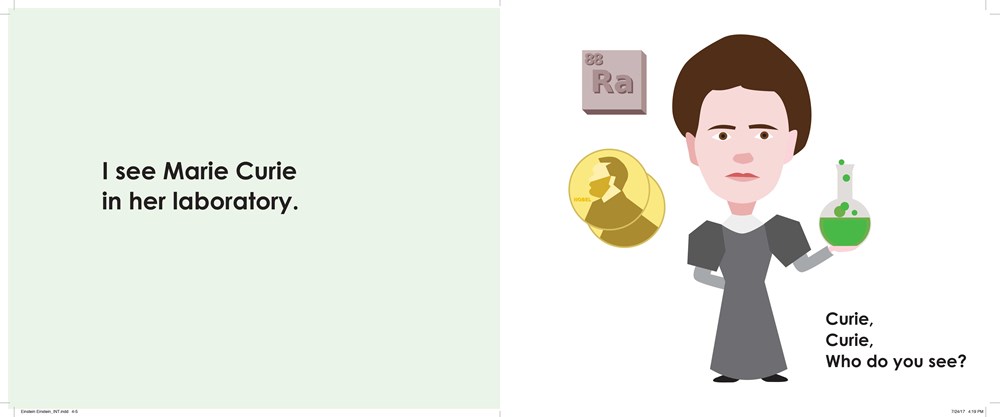
Set to the cadence of the classic, Brown Bear, Brown Bear, What Do You See?, scientist and dad Chris Ferrie introduces little readers to some of history’s greatest minds with Scientist, Scientist, Who Do You See? There is a strong mix of disciplines and diversity represented here, with Einstein sharing space with Grace Hopper, Ahmed Zewail, George Washington Carver, Katherine Johnson, and more. It’s noted as a “scientific parody”, and it certainly is a fun book that will make everyone smile, but kids are introduced to names and ideas, and that’s just great. Starting off with the question, “Einstein, Einstein, Who Do You See?” and the response, “I see Marie Curie in her laboratory”, the story goes on, introducing scientists and their accomplishments, in the soothing rhyme style we’ve grown up hearing and enjoying. Chris Ferrie has given us Baby Science board books and a fun take on Goodnight, Moon with Goodnight, Lab; let’s hope he keeps finding new, fun ways to make science lovers out of our kids.
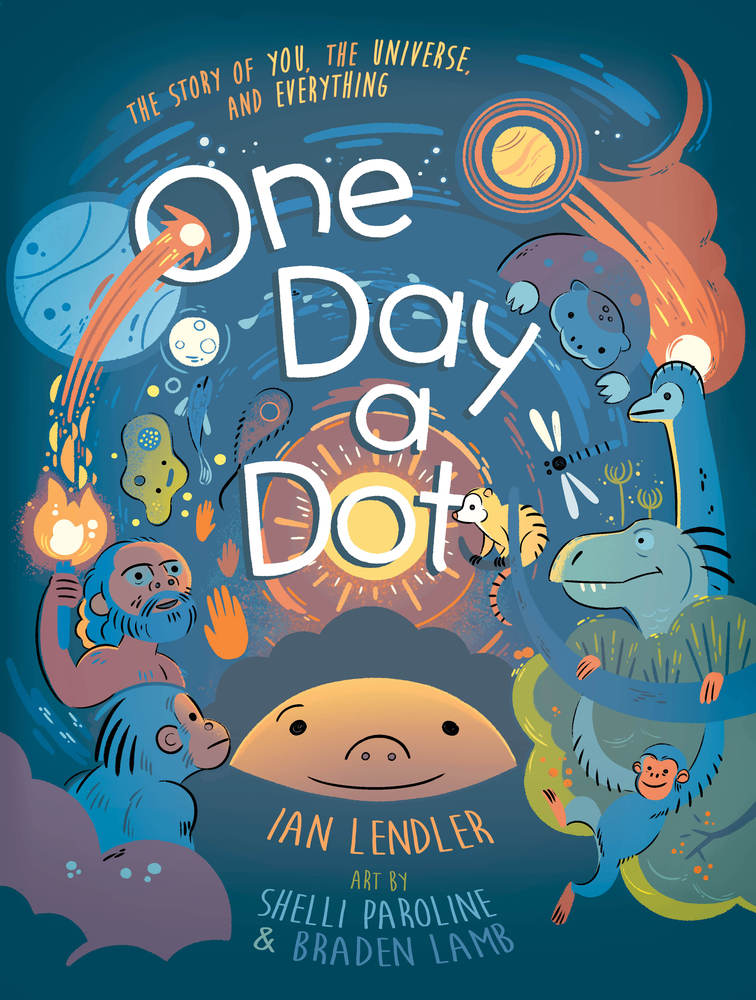 One Day a Dot: The Story of You, the Universe, and Everything, by Ian Lendler/Illustrated by Shelli Paroline & Braden Lamb,
(Apr. 2018, First Second Books), $17.99, ISBN: 9781626722446
Recommended for readers 7-10
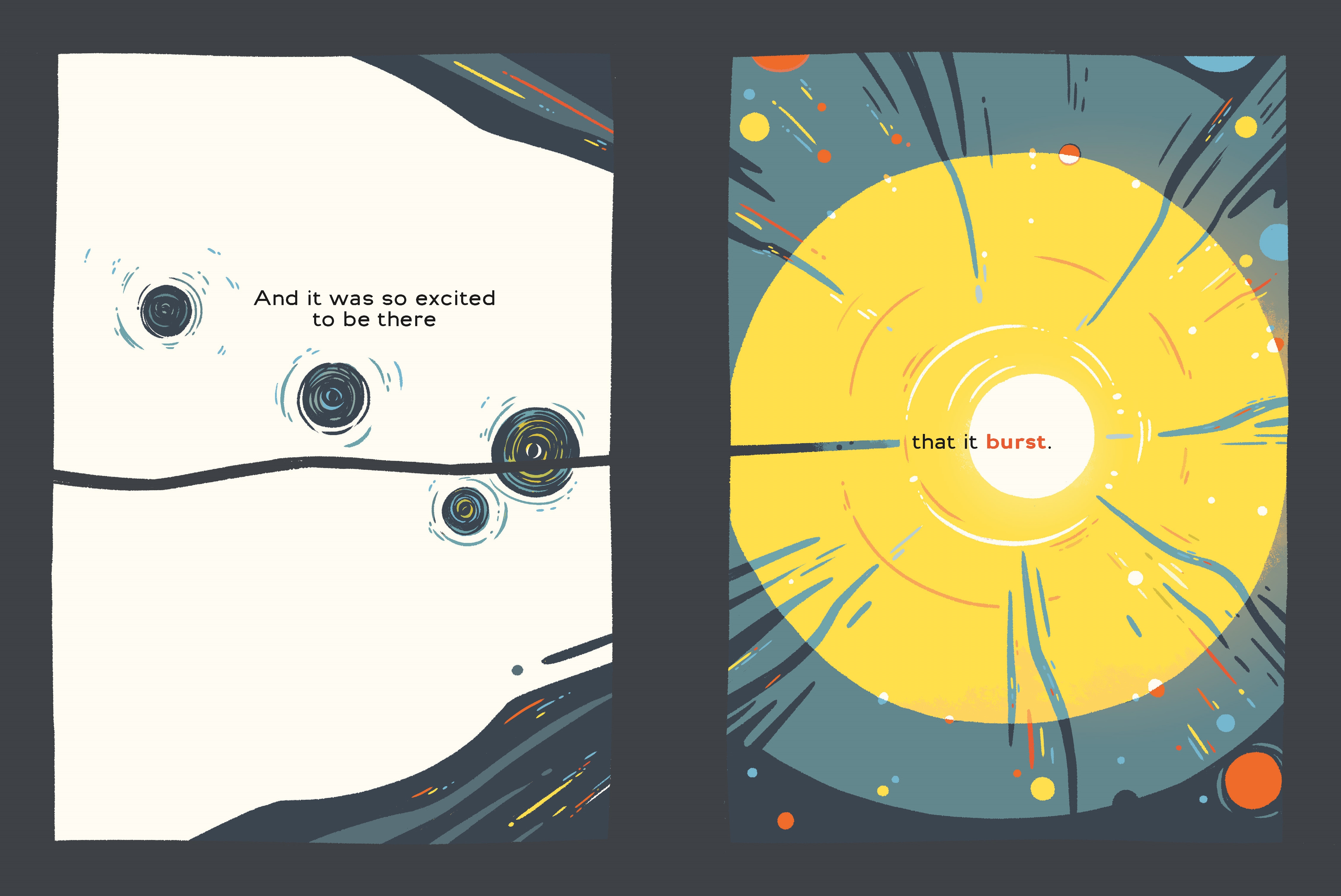
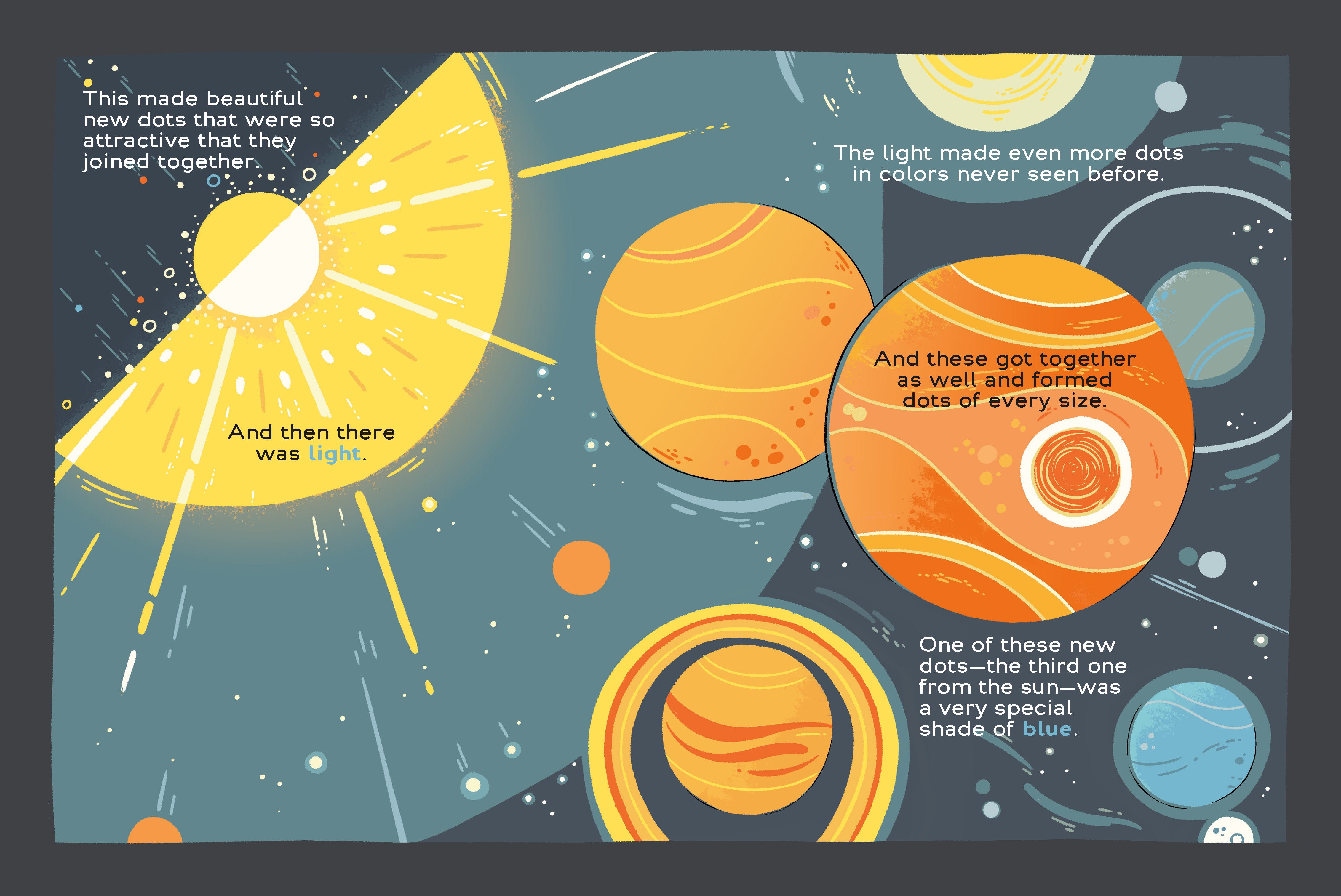
This one’s one of my standout favorites. Author Ian Lendler and illustrators Shelli Paroline and Braden Lamb drill down the history of everything to one humble dot. From one dot’s excited burst of joy comes the Big Bang, bringing new dots together to form planets and, eventually, life. The dots are animated, dancing, playing, even running away from other dots that want to eat them! The artwork is bright with a retro feel and uses the dot theme as a focal point through the story, gently leading readers on a trip through time and space. It’s a simplified look at the formation of the universe, but works nicely for younger readers. Give this one to kids who like Stacy McAnulty’s Earth: My First 4.5 Billion Years, and Dominic Walliman’s Professor Astro Cat books, published by Nobrow.
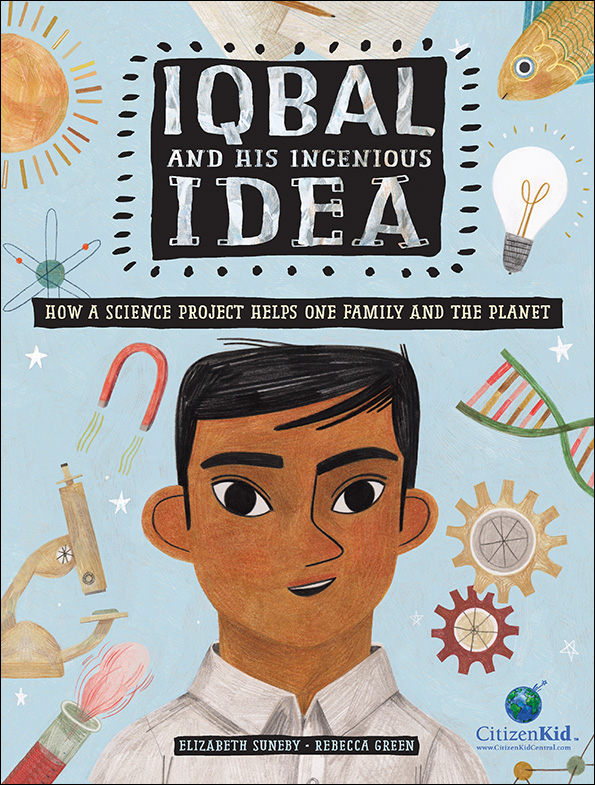 Iqbal and His Ingenious Idea: How a Science Project Helps One Family and the Planet, by Elizabeth Suneby/Illustrated by Rebecca Green,
(May 2018, Kids Can Press), $19.99, ISBN: 9781771387200
Recommended for readers 7-10
The latest from Kids Can Press’ Citizen Kid imprint, Iqbal and His Ingenious Idea is a fictional story about a Bangladeshi boy named Iqbal, who comes with a clean, solar-powered cookstove for his science fair project. He sees his mother force to cook the family’s meals indoors during monsoon season, but the family has no stove: she cooks over an open fire, which produces smoke that makes breathing difficult, especially for his mother and baby sister. He learns about solar energy cooking, wins first place in the science fair, and introduces a sustainable and healthier way for families to prepare meals. The artwork illustrates everyday life in Bangladesh and communicates the closeness Iqbal shares with his family and his hard work to create a science fair project that accomplishes the dual purpose of getting him a good grade and helping his family. The story shows readers that kids can make a difference, and that healthier living doesn’t depend on expensive gadgets – a little research, and you can make the world a better place with tools right in front of you. The book includes more information on cookstoves, a glossary, and instructions for making a DIY solar cooker. Great for class projects and science fair ideas!
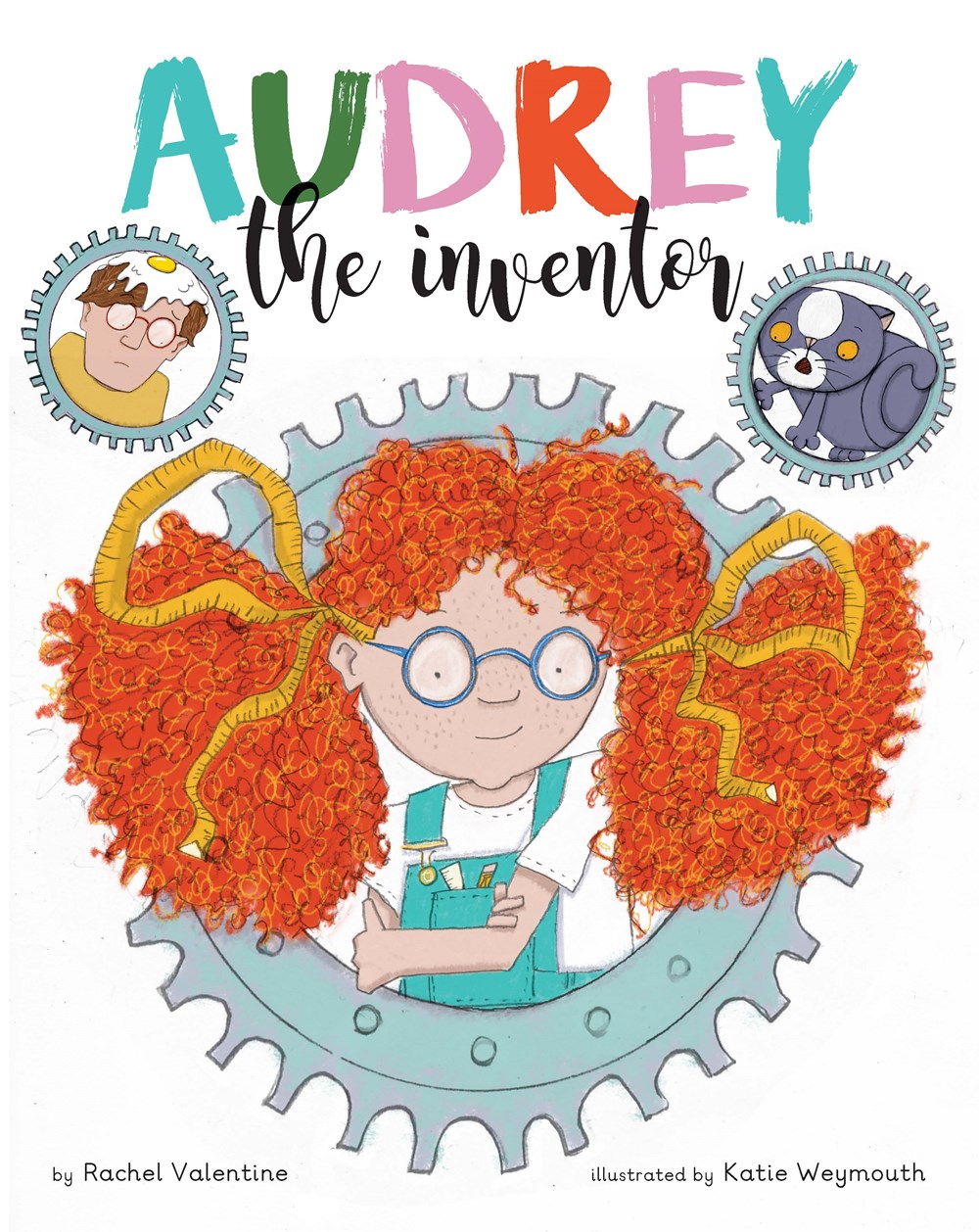 Audrey the Inventor, by Rachel Valentine/Illustrated by Katie Weymouth,
(May 2018), words & pictures, $17.95, ISBN: 9781910277584
Recommended for readers 4-7
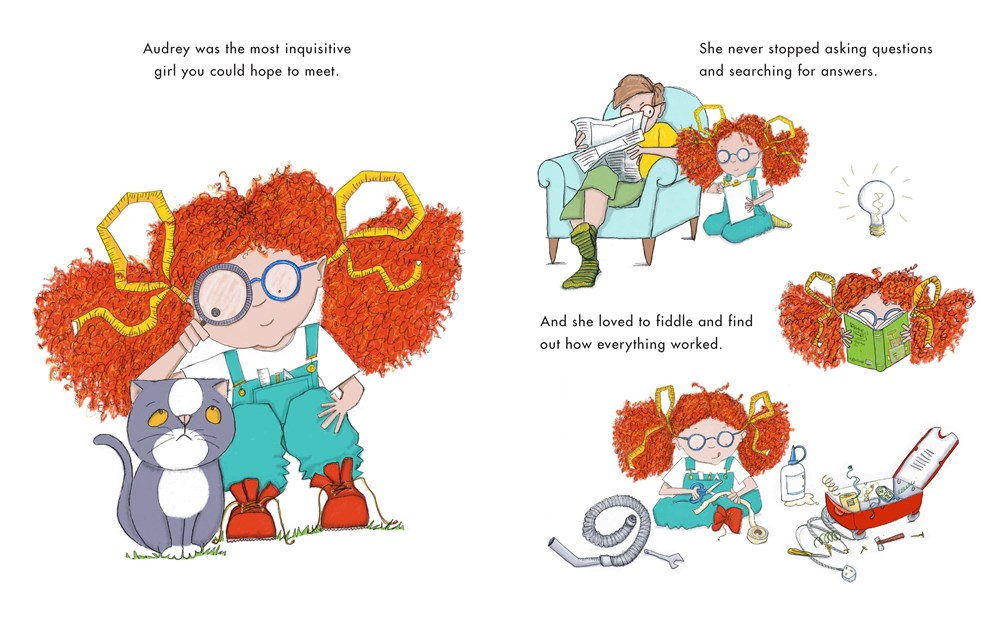
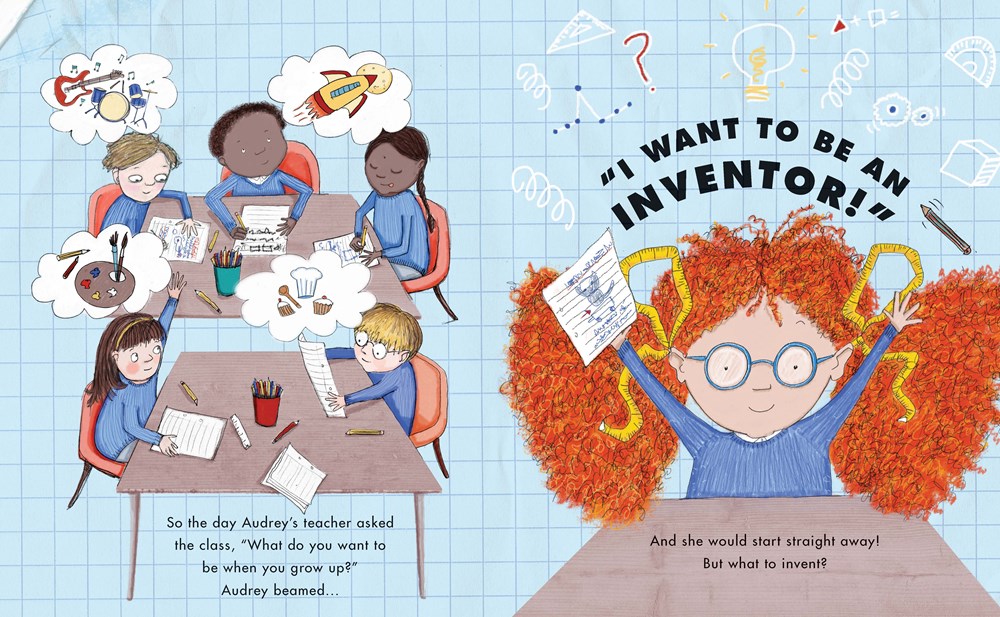
Audrey could hang out with Izzy (first book) and Andrea Beaty’s gang. A wild-haired, redheaded little girl who uses measuring tape for ribbons, Audrey is a curious kid who wants to be an inventor – but she doesn’t know what to invent! She sets off on a host of different ideas, some involving her poor cat, Happy Cat, all of which end up in the “rework” pile. She’s ready to throw in the towel, but decides to give it one last try after getting some encouragement. Little touches, like featuring a graph paper background and visualizing Audrey’s thought process and her doodles, invite kids to share their own ways of working out ideas. The collage, watercolor, and pen artwork comes together to create a busy story about a busy mind. A fun add to creative collections.
These books offer a great way to introduce the scientific method, even for younger grades. Little Bins for Little Hands has a good article, with tips on using the scientific method – and including links to experiments – for preschoolers.


 Mom Read It