Posted in picture books, Preschool Reads

The Great TBR Catchup continues: STEM concepts for Kids

I’m still working my way through the Great TBR Catchup, so I appreciate everyone’s patience, if you’ve sent me a book and have been waiting for me to post about it! I’m a one-woman operation, and I read everything I receive, so sometimes, my eyes are bigger than my sense of reality: everything just sounds amazing, I wish I could read them all at once.

Having said that, let’s take a look at some fun STEM concept books for kids!
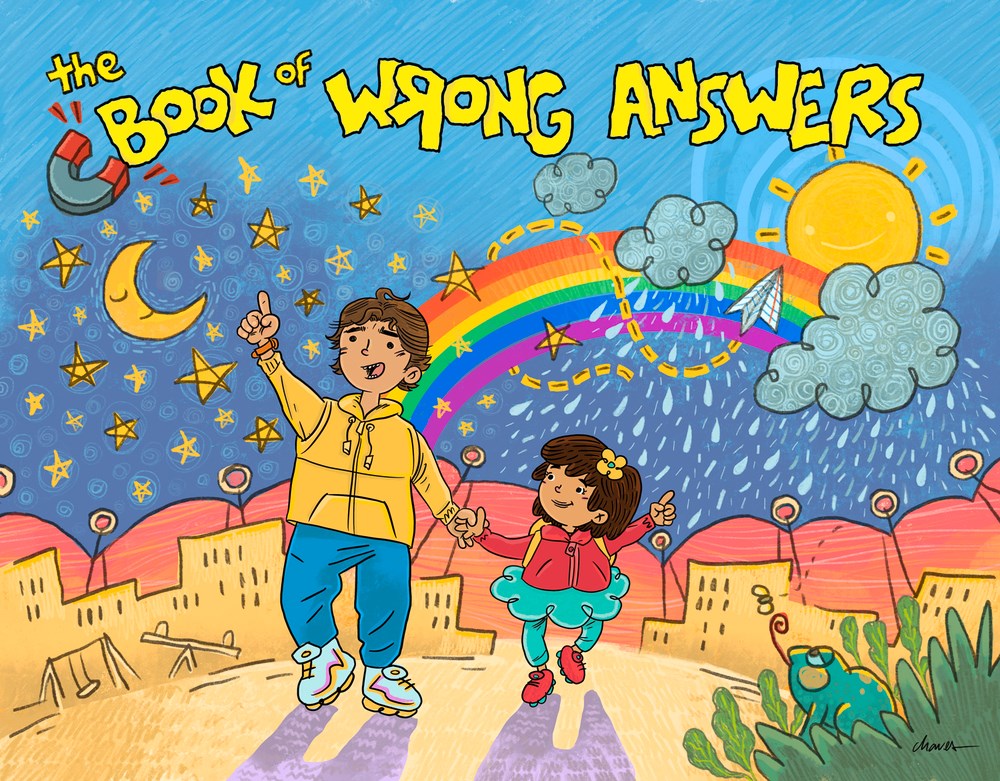
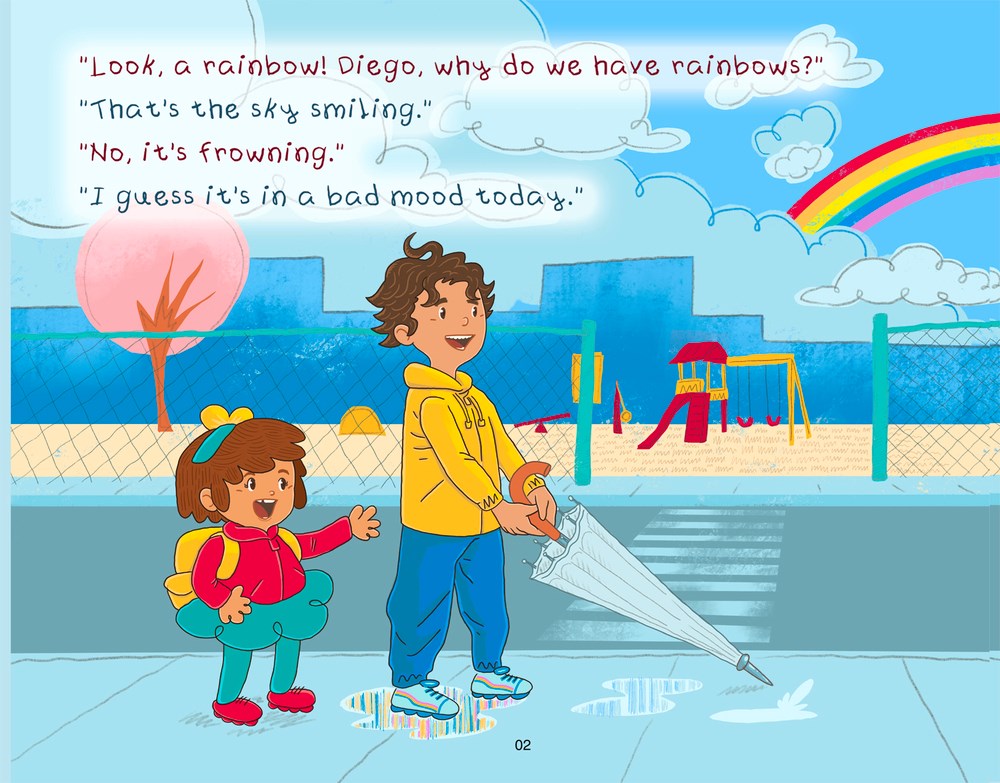
The Book of Wrong Answers, by Penny Noyce/Illustrated by Diego Chaves, (Dec. 2020, Tumblehome, Inc.), $17.95, ISBN: 9781943431618

Ages 5-7

This very sweet book about STEM concepts stars an Gigi, inquisitive young girl and her humorous brother, Diego. As they go about their day, she asks her brother questions about the world around them; he responds with funny, exaggerated responses: “Where do tadpoles come from?” “They fall inside raindrops. Then they grow into frogs”; “Why does Felicity [the cat] purr?” “She’s restarting the motor in her chest”. The warm artwork shows a close pair of siblings enjoying each other’s company; the answers are teasing and funny, and quite inventive. Diego’s explanations are illustrated in amusing style, with children floating away from their parents, colorful pixels floating off a TV screen, and people wearing magnetic shoes as they stick to the bottom of the Earth. Colorful fonts let readers move easily between the dialogue between brother and sister; Gigi’s sentences are in red, Diego’s are blue. Back matter includes explanations about the real science behind Gigi’s questions. Great for a Kindergarten or first grade classroom.
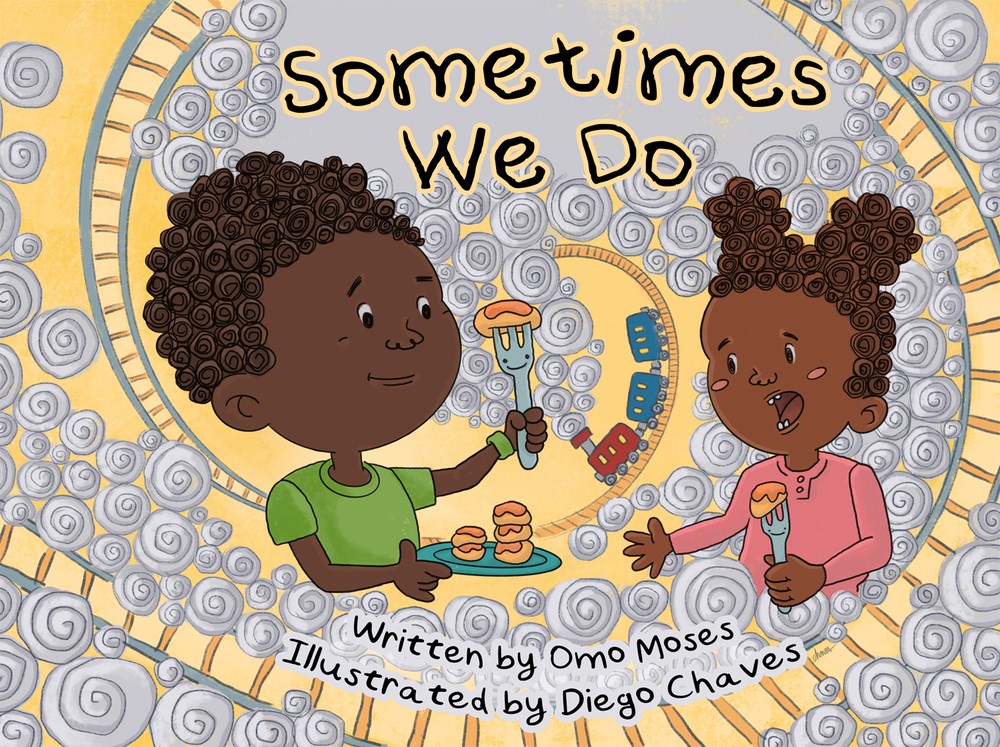
 

Sometimes We Do, by Omo Moses/Illustrated by Diego Chaves, (Sept. 2019, Tumblehome, Inc.), $16.95, ISBN: 9781943431472

Ages 3-6

Math educator Omo Moses creates an affectionate family story with some math thrown in for extra fun. A young boy named Johari gets his dad out of bed early to make pancakes for breakfast and play with trains. As Dad cooks, he models great behavior for parents, asking Johari math-related questions about the meal: “How many blueberries you got?”; “Do you want THICK [pancakes] or THIN ones?”; “More milk or more flour?”, all reinforcing for Johari – and our readers – ideas about size, number, amount, and recipes. Johari imagines his responses to his father, giving us a forest of pancakes and blueberries, a tiny Johari lifting the lid off a jar of Grandma’s secret ingredient, and riding life-sized trains in the house. Mom and younger sister Kamara wake up and join the breakfast discussion, and Johari and Dad head out to play, where we get more discussion about Grandma’s special ingredient: love. Warmly illustrated by Diego Chaves, Sometimes We Do shows a family of color enjoying some together time, with easy-to-read dialogue; each family’s speech is rendered in a different color to help kids determine who is speaking: Johari’s sentences are green; Dad’s are blue, Mom’s are black, and Kamara’s are pink. What a great way to bring early math concepts to everyday interactions – it makes math so accessible to our little learners! Back matter includes Grandma’s recipe, a helpful math tip, and illustrated “math words” that come up in the story.

See a video with Omo Moses, where he talks about math and Sometimes We Do, on Tumblehome’s website. And check out this great Tweet from Cambridge Dads, spotlighting a StoryWalk that featured Sometimes We Do! You can also visit Mr. Moses’s organization, MathTalk, here.
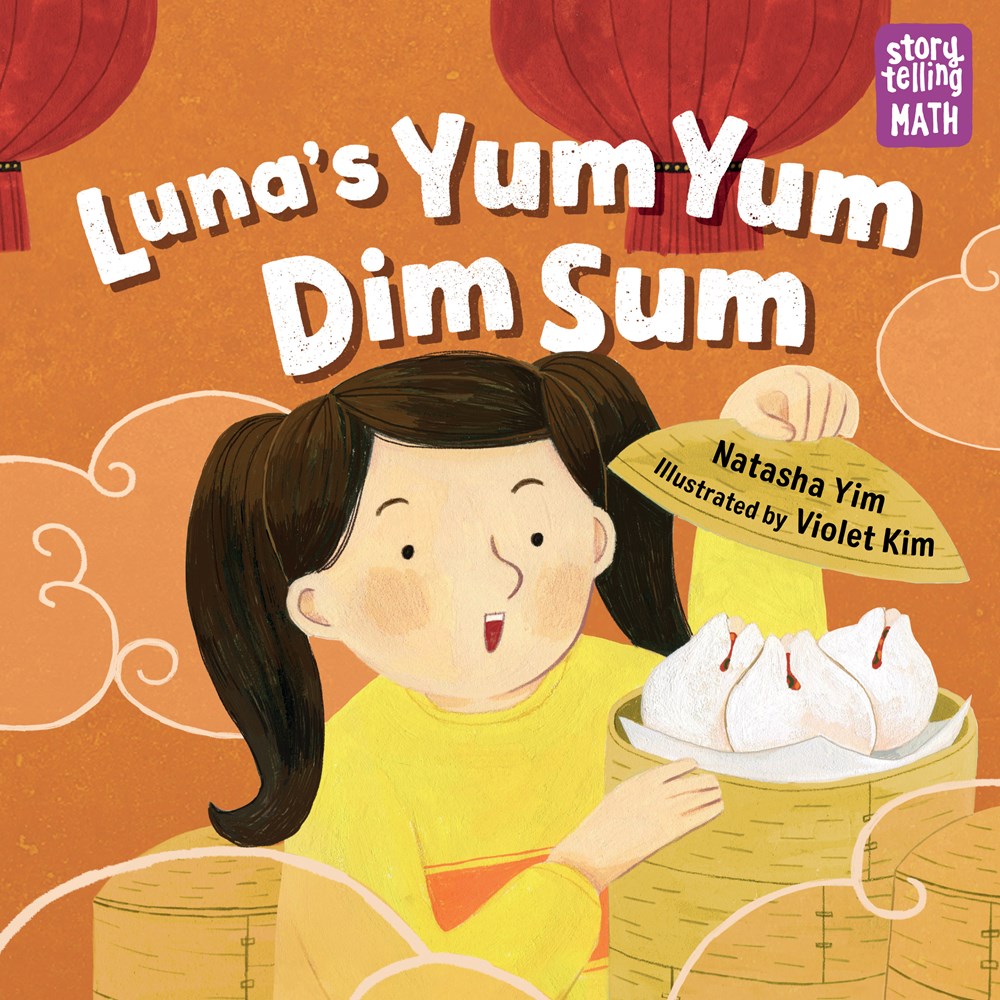
Luna’s Yum Yum Dim Sum, by Natasha Yim/Illustrated by Violet Kim, (Dec. 2020, Charlesbridge), $6.99, ISBN: 9781623541996

Ages 3-6

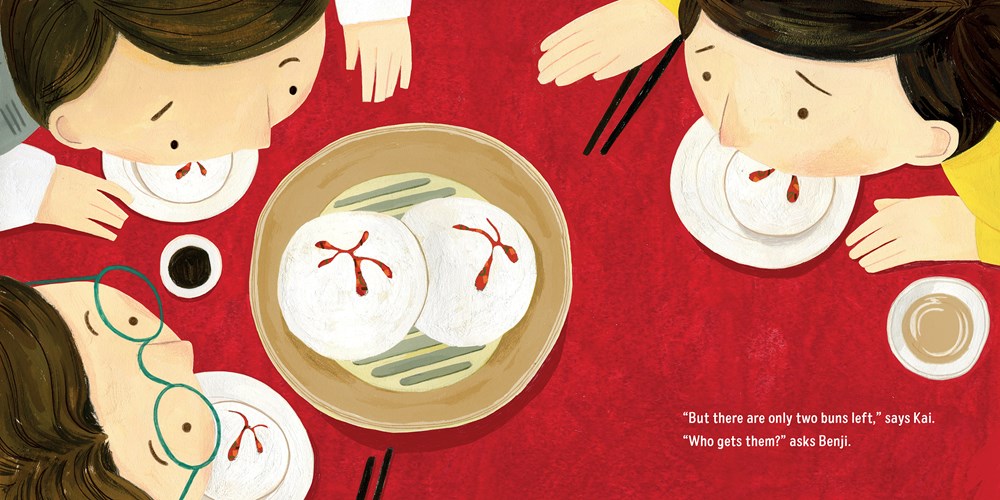
I went a little berserk on Charlesbridge’s Storytelling Math debut at the end of last year, you may remember – they’re great books for a variety of ages, teaching concepts and diversity as they go. What’s not to love? Think of Luna’s Yum Yum Dim Sum as a new generation’s The Doorbell Rang by Pat Hutchins. Luna’s the birthday girl, so her parent take Luna and her two brothers to a dim sum restaurant for her birthday dinner. One of Luna’s pork buns falls on the floor, and now she and her brothers have to figure out how to split the remaining ones equally. How do three people divide five buns so no one feels left out? The dialogue is great here, as the kids come up with defense on why he or she should get the greater part of the share. It’s playful and fun, with a glimpse into Chinese culture, using Chinese vocabulary and the zodiac, and starring a biracial Chinese American family. A section on Exploring the Math offers tips for engaging kids and refining their math skills.

Publisher Charlesbridge offers a Luna activity kit in both English and Chinese.
 

Posted in Early Reader, Intermediate, Non-Fiction, Non-Fiction

Jurassic Pets! Dr. Dean Lomax and Mike Love gives us Preshistoric Pets

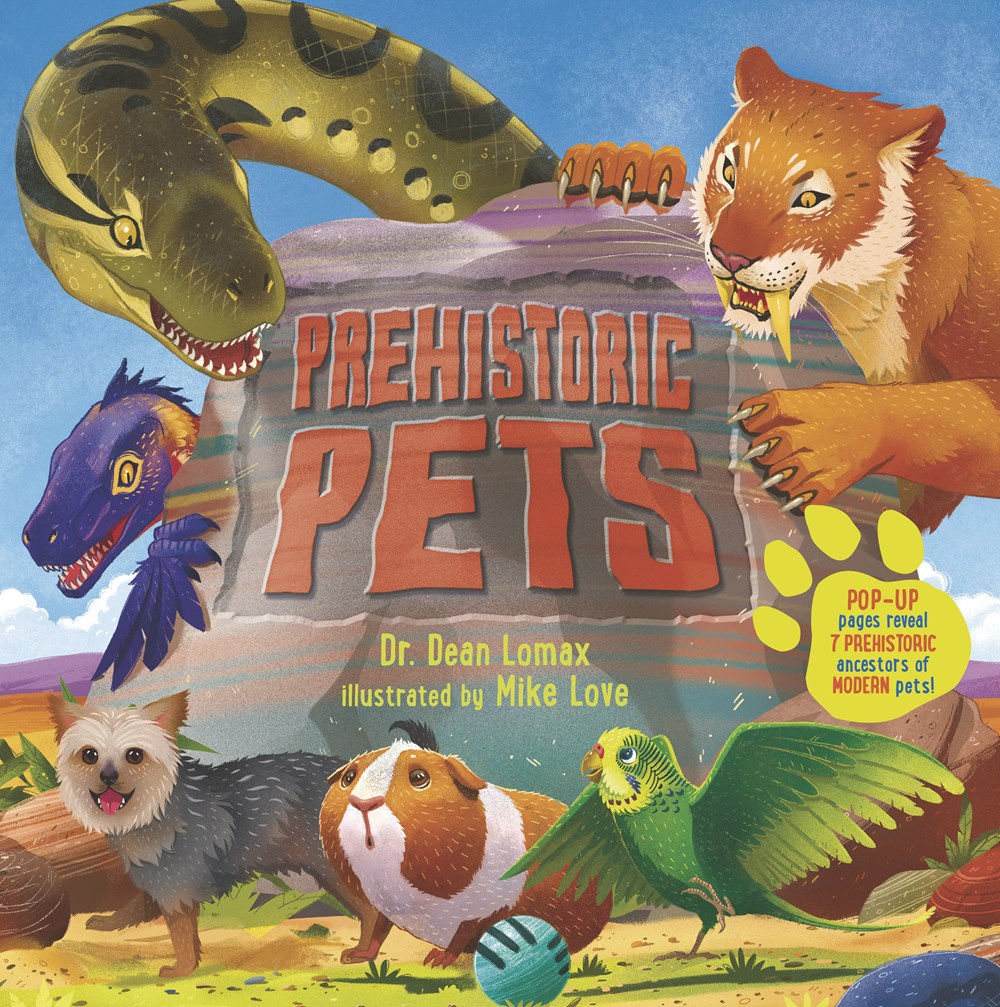
Prehistoric Pets, by Dr. Dean Lomax/Illustrated by Mike Love, (Sept. 2021, Templar), $17.99, ISBN: 9781536217148

Ages 5-9

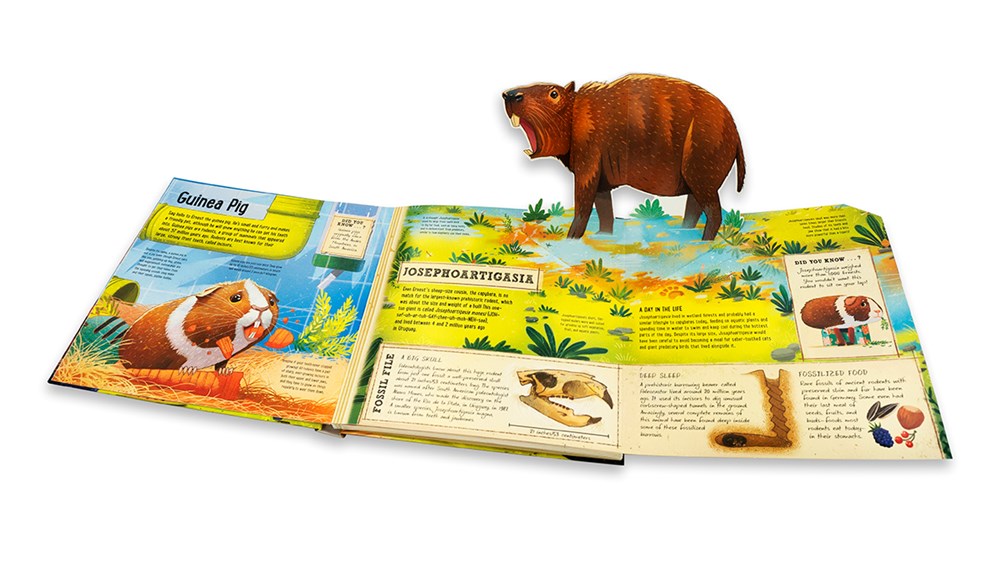
Cat people all know that our little furballs think of themselves as savage, saber-toothed tigers on the hunt, whether they’re stalking a daydreaming dinosaur or a dust bunny. But did you ever imagine what your guinea pig’s ancestors may have looked like? Paleontologist Dr. Dean Lomax has you covered. Prehistoric Pets looks at the evolution of seven favorite kinds of pets: guinea pigs, parakeets, corn snakes, cats, goldfish, dogs, and horses. Using the fossil record to trace each pet’s lineage, Dr. Lomax goes back through the family trees of each of these popular pets to give us an idea of their prehistoric parentage. That chatty parrot likely descended from the Velociraptor; your corn snake can trace its heritage back to the giant Titanoboa. Each spread folds out into a pop-up gatefold, with the prehistoric beast rising up from the pages. Loaded with facts about both the modern animal and its primeval counterpart, and filled with colorful artwork, this is a home run for your prehistory collections. Display and talk up with one of my favorite read-alouds, Steve Jenkins’s Prehistoric Actual Size. The pop-ups are going to seal the deal for readers on this book – get a couple if your budget permits.


Posted in Intermediate, Middle Grade, Non-fiction, Non-Fiction

Ducks Overboard! The story behind the story that inspired Eric Carle

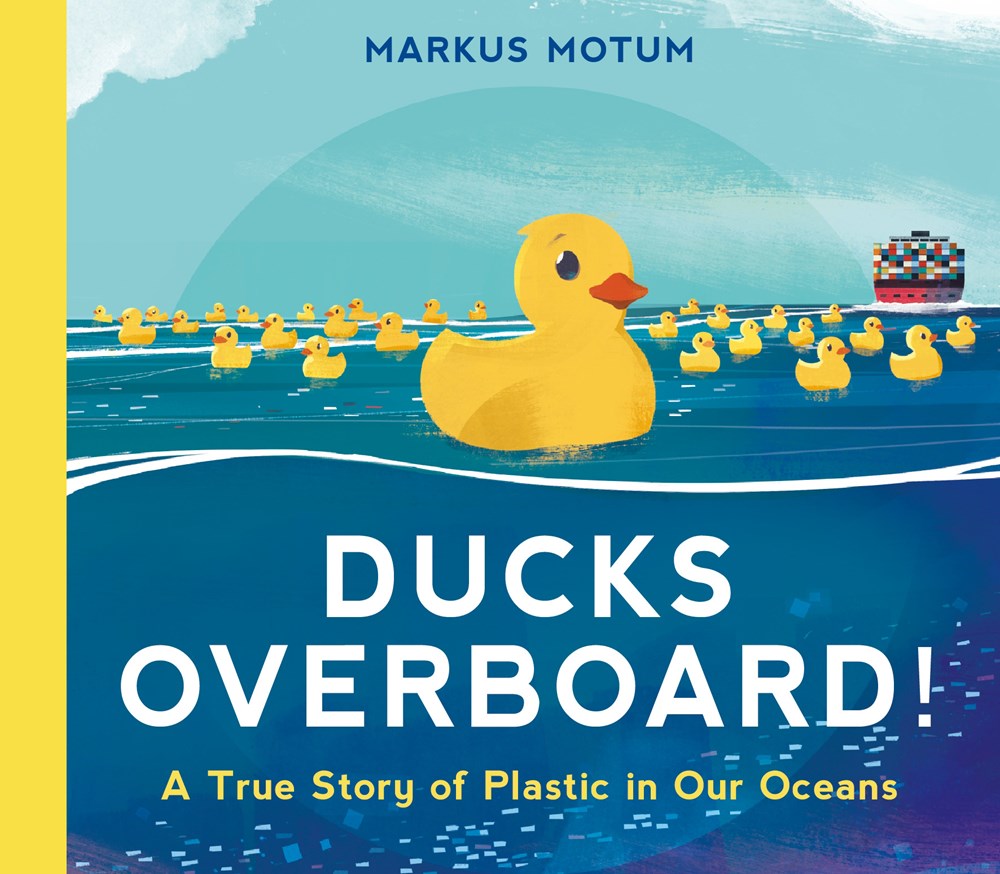
Ducks Overboard!: A True Story of Plastic in Our Oceans, by Markus Motum, (Sept. 2021, Candlewick Press), $17.99, ISBN: 9781536217728

Ages 7-10

In 2005, Eric Carle wrote Ten Little Rubber Ducks, a story about a shipping carton that leaked dozens of plastic rubber ducks into the sea, and their adventures after landing in the water. The book is based on a true story that took place in 1992; Ducks Overboard! is about the environmental impact of that accident, and about the pollution crisis facing our oceans. Narrated by one rubber duck, the story is part narrative – the duck’s story – and part nonfiction text. As the duck tells its story, smaller font provides factual information about plastic, its uses, and its the environmental impact. As the ducks bobs in the water, it sees pollution all around it: a plastic bag here; discarded fishing nets there; all creating problems for the animals in the water. Getting caught in a trash whirlpool, the duck spends years tossed around the ocean, until arriving on a beach shore during an environmental cleanup. The mixed media artwork is bright and colorful, and creates strong statements with its imagery: hundreds of dots in the ocean look like the shape of a continent, until one realizes that it’s a depiction of the shipping containers that get lost in the sea every year; a sea turtle swims underwater, dragging a fishing net wrapped around its neck; a spread illustrates the Great Pacific Garbage Patch. The message is clear: plastic is choking our oceans. Back matter includes more about the 1992 shipping container that spilled ducks and other plastic toys into the ocean; how trash moves along ocean currents; facts about plastic, and how kids can help protect the waters. Great for storytime, great for STEM and Earth Day stories, great to read before a beach or neighborhood cleanup project.

Science Friday has a Great Pacific Garbage Patch teacher’s guide; Better Lesson and Siemens STEM Day have free downloadable lesson plans and activities.

Posted in picture books

The fascinating is often right in front of you: The Collectors

The Collectors, by Alice Feegan, (May 2021, Kids Can Press), $17.99, ISBN: 9781525302046

Ages 4-8

Two friends go on a nature expedition to find the perfect piece to complete their collection, only to discover a most outstanding wonder right outside their window in this STEM-inspired story. Alice and Winslow are two exploring friends who have their treasures on display in a magnificent treehouse, but they need one final piece to complete it. They go on an expedition where they discover amazing things, from a giant crystal to a buried T-Rex skull, but each new discovery is out of reach for one reason or other. When their last discovery – a very cranky bear! – sends them running back to their treehouse, they look over the accomplishments of the day and celebrate what they were able to achieve; an exciting noise outside draws their attention and reveals the most exciting discovery of all, right outside their window. The book has a great message about tenacity, discovery, and friendship. Budding naturalists and researchers will appreciate the collaboration and teamwork the girls exhibit, and the fact that they plan, journal, and catalog their findings. Alice Feagan’s cut paper collage illustrations add depth, encouraging the reader’s attention and capturing the varyious textures of different landscapes, like gritty stalagmites and stalactites to rough trees. The endpapers show off Alice and Winslow’s cabinet of curiosities.

The Collectors is great readaloud for STEM and science classes. Encourage kids to make their own nature journals and observe their own surroundings. Ask kids what they like to collect – my son has a rock collection with interesting-shaped rocks and pebbles that he’s kept for years – and if they have a special place to show them off.

Posted in Intermediate, Non-Fiction

Intermediate Nonfiction to love!

I’ve got some great middle grade nonfiction here, if you’re shopping for your back-to-school carts. My library kids tend to be nonfiction readers, so I’m always looking for fun, interesting books for them, and I think these will fit the bill nicely. Take a look, see what appeals to you!

What a Wonderful Phrase: A collection of amazing idioms from around the world, by Nicola Edwards & Many Montoya, (Sept. 2021, Kane Miller), $14.99, ISBN: 9781684642991

Ages 7-10

This collection of phrases and idioms from all over the world is a great little resource. Kids will easily recognize some phrases, like “buttering a person up”, and “raining cats and dogs”, but will they know where “seeing a peacock dance in the jungle” comes from? How about “peeing in your shoes will only keep you warm for a little while”? The origins of these phrases are interesting and amusing, and this little collection contains explanations, a phrase in its native language and phonetic pronunciations, and colorful illustrations. There’s no cow on the ice here (Swedish for “no rush”), but consider this one for your quirky readers who enjoy playing with language. What a Wonderful Phrase is a companion to What a Wonderful Word (2018).


Is There Life on Your Nose? Meet the Microbes, by Christian Borstlap, (Sept. 2021, Prestel Junior), $17.95, ISBN: 9783791374970

Ages 6-10

This is going to be huge with my library kids. Microbes make up every part of our day-to-day life, and this book is all about those microbes and where they live: on your nose, in boiling water or the arid desert, even underground. Filled with fun facts and entertaining illustrations, Is There Life on Your Nose? is all about microbes: how they breed, how they contribute to our lives (we wouldn’t have pickles, cheese, or bread without them!), how they can generate clean energy, and even how they can make us sick, in the form of viruses. It’s a great introduction to a timely subject, explained with humor and smart facts that will help kids understand – especially now – those little, microscopic creatures we share our world with. Are you doing STEM activities again, either in-person or virtually? Pair a reading of this with some of these experiments from Go Science Girls – I’m thinking of the hand-washing one in particular for my kiddos!


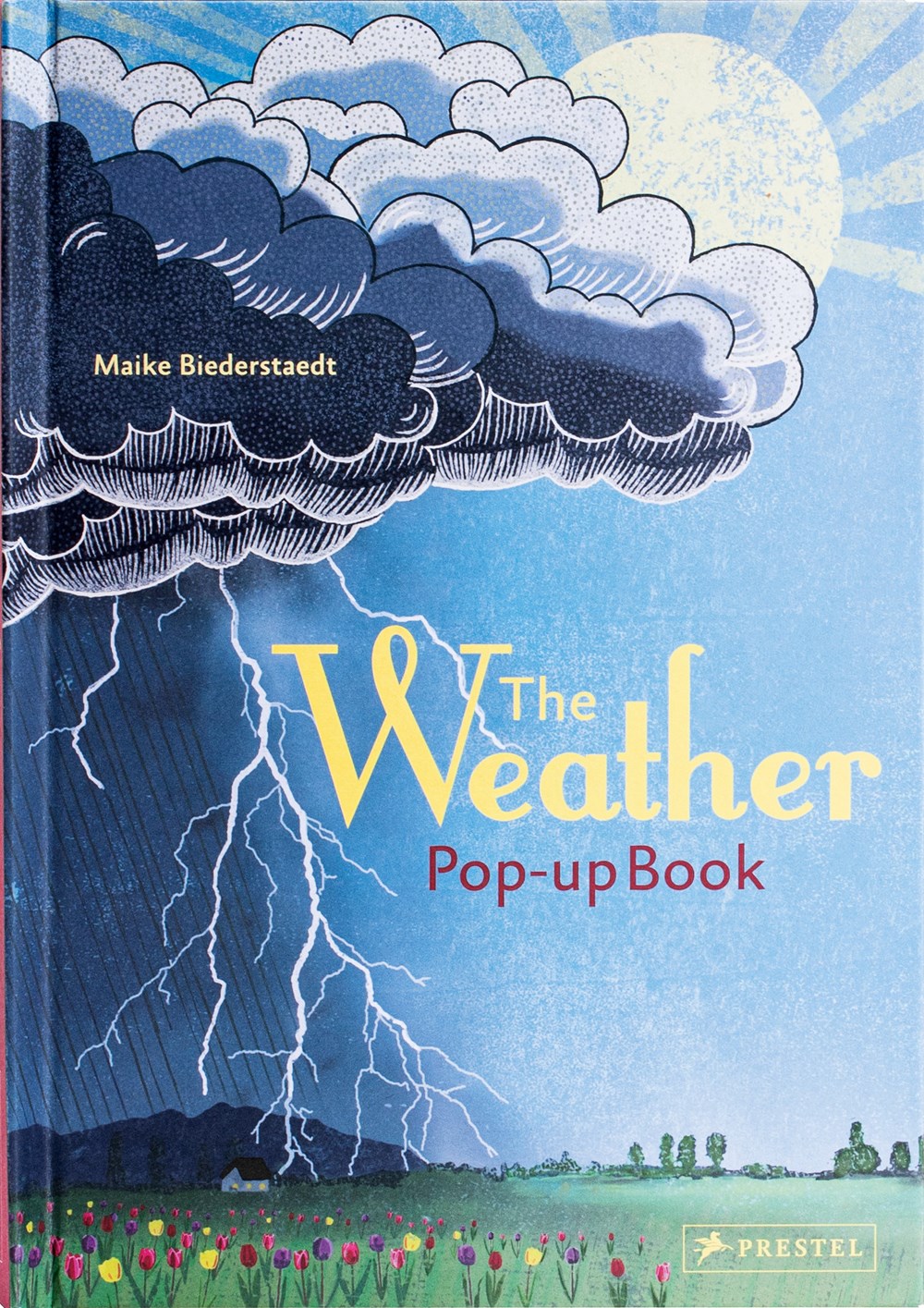
The Weather Pop-Up Book, by Maike Biederstadt/Illustrated by Michael Prestel, (Sept. 2021, Prestel Junior), $25, ISBN: 9783791373935

Ages 7-10

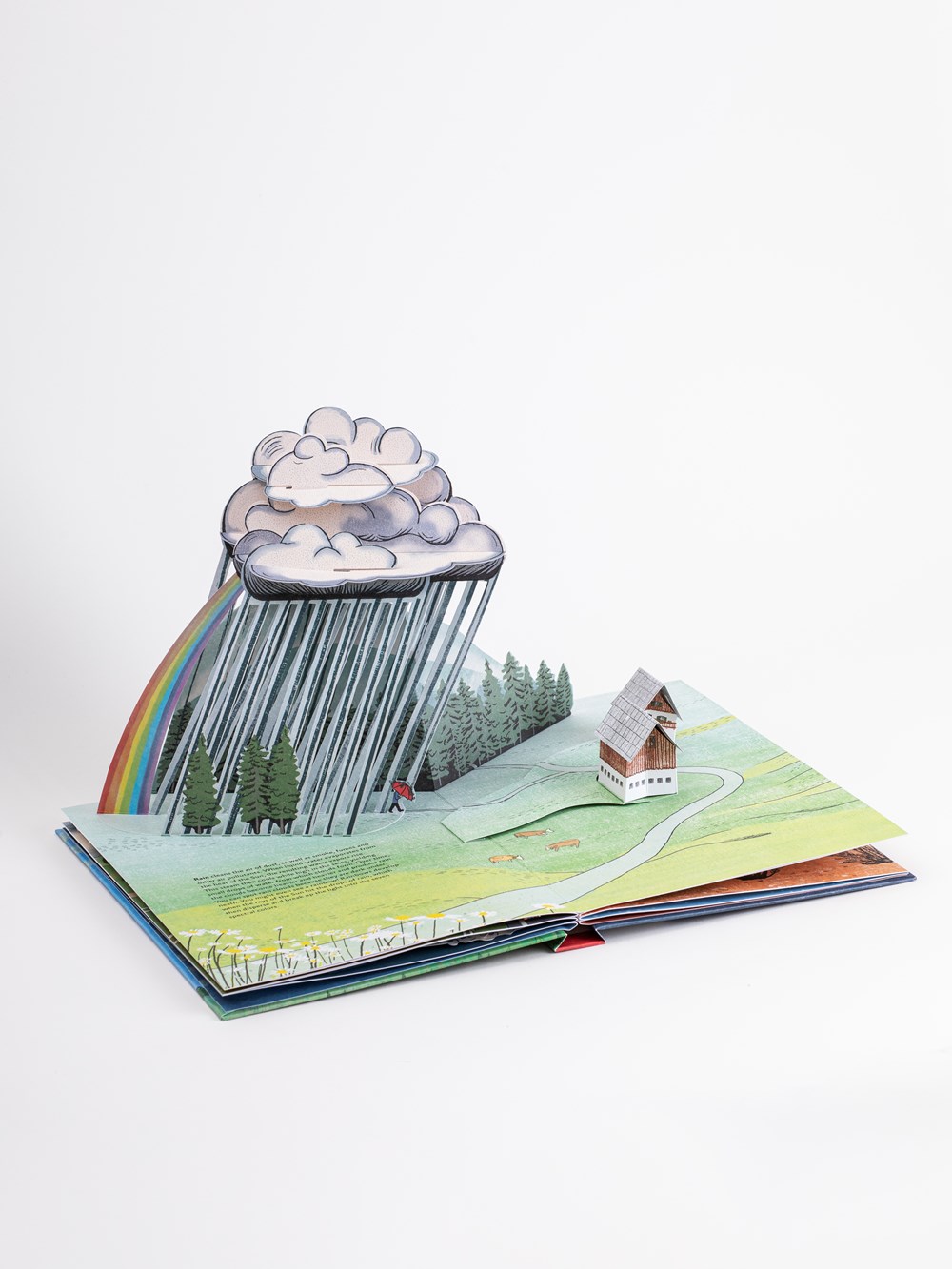
Just because kids are getting older doesn’t mean they can’t appreciate a good pop-up book! This book on weather is a great way to communicate the power of weather and the devastating influence of climate change. Spreads on storms, rain, tornadoes, heat, and snow fold out into 3-D landscapes, with paragraphs on each weather phenomenon. The opening spread explains “why weather is the way it is”, and the final spread on climate change explains how it affects weather, and what we can expect as weather patterns are further affected. A good addition to your reference section – if you’re putting this into circulation, it may wear out pretty quickly, but it will be a popular choice.


Explore! America’s National Parks, by Krista Langlois/Illustrated by Hannah Bailey, (June 2021, Kane Miller), $18.99, ISBN: 9781684641932

Ages 7-12

Who’s up for a road trip? This voyage through America’s 61 National Parks will have readers ready to pack their backpacks and head out with this book as their guide. Beautifully illustrated, laid out by geographic region (West Coast, Alaska, Rocky Mountains, Southwest, Central, East, and Tropics), and with a strong message of environmental respect and care, this is a treasure trove. United States maps highlight each region and its parks; a descriptive paragraph on states covered and activities to discover entices readers to turn the pages and dive in. Fact files give the statistics for each park, including size, state, founding date, and one fun fact; ranger tips help readers plan for a safe and exciting visit. Want to help scientists estimate how many bears live in Denali? Want to learn where the best place is to listen for the Mexican spotted owl? You’ll find all the answers in here. Armchair explorers and travelers, natural world fans, anyone who loves NatGeo books. Need a program idea? Take virtual tours through each of the parks using this book as your guide.

The Book of Labyrinths and Mazes, by Silke Vry/Illustrated by Finn Dean, (Sept. 2021, Prestel Junior), $19.95, ISBN: 9783791374741
Ages 7-10
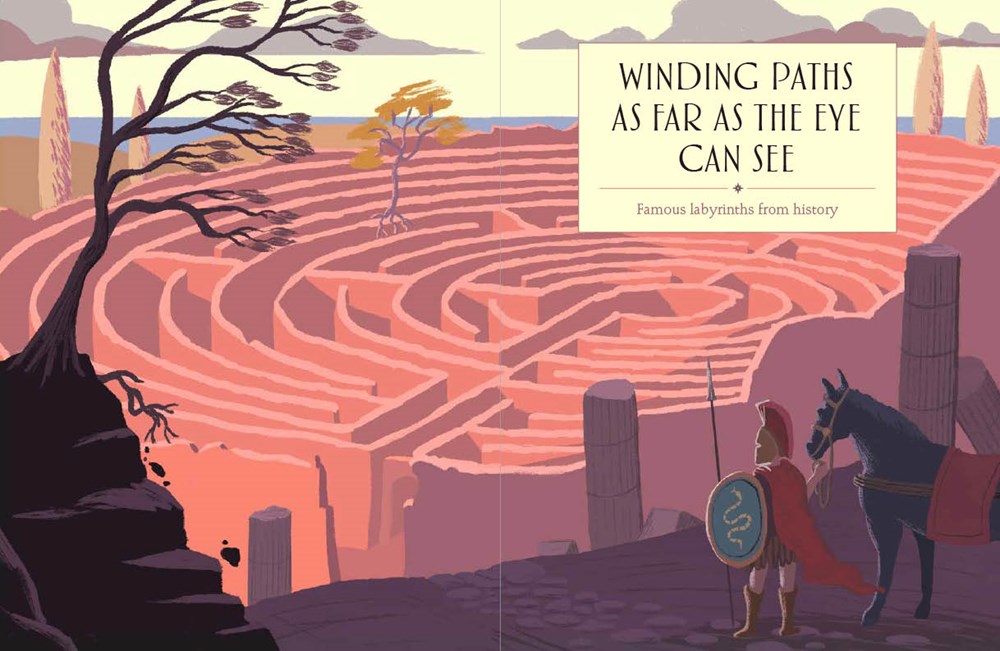
Part activity book, part reference guide, this book on mazes and labyrinths will send puzzle fans over the moon. Organized into four sections: I Think I’m Going Crazy! explains the differences between a maze and a labyrinth, how detours can lead us to our goals, and mazes and labyrinths within our bodies and our lives; Winding Paths as Far as the Eye Can See spotlights famous labyrinths from history; To The Center, Please! looks at the journey to the center of a labyrinth – and how to get back out, and Strange Paths! leads readers to mazes all around the world. From Theseus and the Minotaur’s labyrinth of legend to the quiet contemplation of walking a labyrinth in n nature, beautifully illustrated spreads include mazes and activities for readers to complete and ideas to mull over. A guide to solving mazes will help readers before they wander into a maze (hey, Fall’s coming… corn mazes!). Back matter includes more information about famous labyrinths worldwide and a glossary. Great for reference collections. History fans and brain buster fans will devour this one.
Posted in Graphic Novels, Intermediate, Middle Grade, Non-fiction, Non-Fiction

Join The Bug Club!

The Bug Club, by Elise Gravel, (Aug. 2021, Drawn & Quarterly), $17.95, ISBN: 9781770464155

Ages 6-10

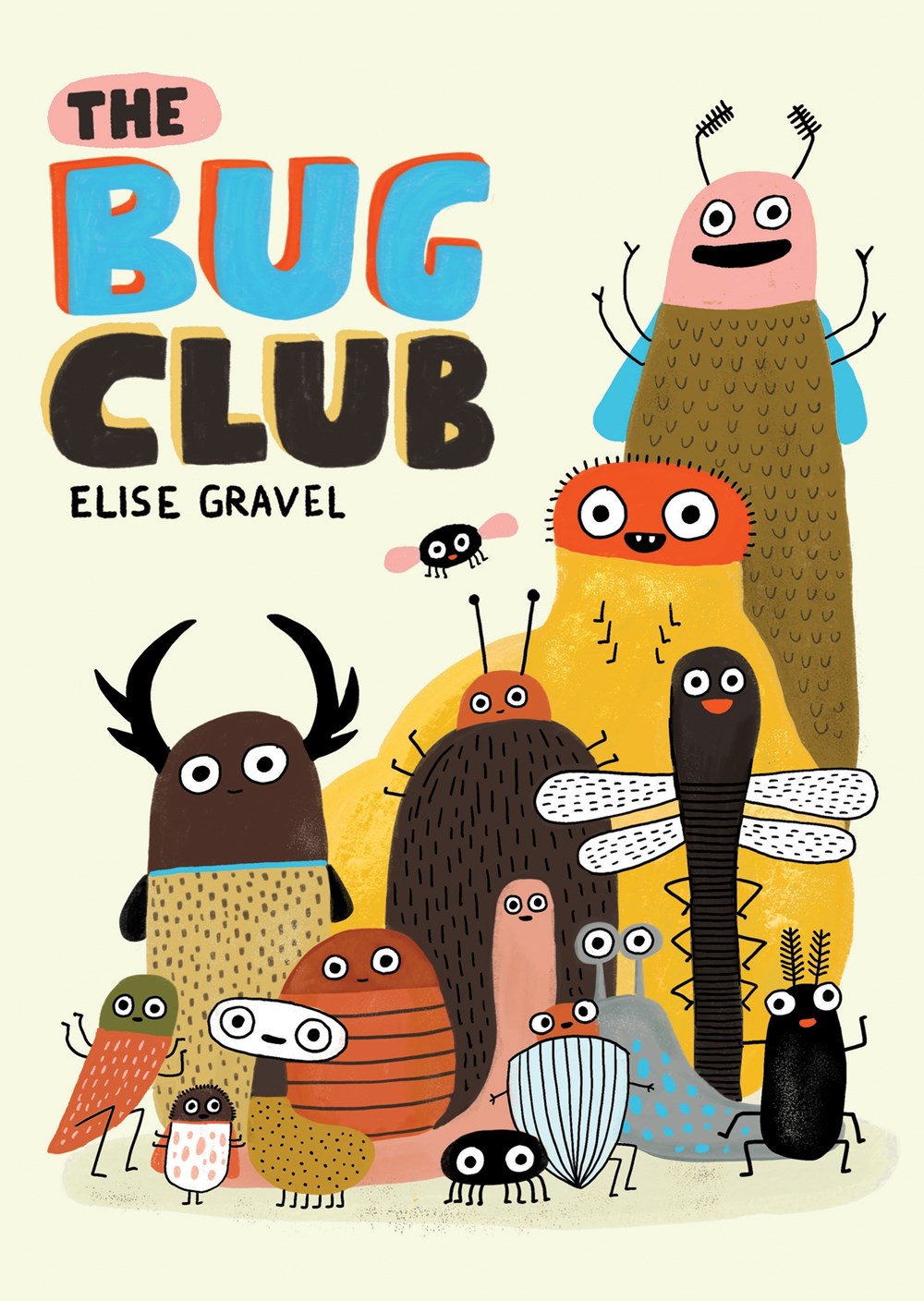
I adore Elise Gravel’s graphic novels. Her latest, The Bug Club, is part autobiography, part STEM study; just like her Mushroom Fan Club (2018). We learn that Elise Gravel has always been fascinated by bugs, and, using her friendly, cartoon style, presents a wide range of fascinating and adorable bugs for readers to enjoy with her. It’s a good introduction to etymology; she gives an overview of invertebrates and what makes them members of that club; she illustrates wing shapes, antenna shapes, provides an overview of life cycles, and offers illustrations of baby vs. adult types of bugs, like wasps, ladybugs, and dragonflies. We even get profiles on some of her favorite bugs, with full-page illustrations and a brief discussion of tardigrades, dung beetles, and others. Loaded with fun facts, Ms. Gravel encourages kids to use their imaginations and think about bugs as cool aliens. Her writing is easy to read, easy to understand, and makes the science of bug-watching just plain fun. Great for young readers, you can go over colors, count numbers of bugs, wings, eyes, horns, or legs. Get creative! Encourage your own kiddos to start their own nature journals (you know I love my nature journals) and sketch pictures of the bugs they may discover in books or in the park (remember; take only pictures, leave only footprints).

Visit Elise Gravel’s page on Drawn and Quarterly for more about her graphic novels; visit Elise Gravel’s webpage for fun activities and downloadables for your kiddos and your libraries and classrooms.

Posted in Intermediate, Middle Grade, Non-fiction, Non-Fiction, Preschool Reads

Reading Takes you Everywhere: Nature!

I’m going to stick to my library’s Summer Reading theme, Reading Takes You Everywhere, for this post; in this case, reading takes you into the Great Outdoors!

Weird but True! Ocean: 300 Fin-Tastic Facts from the Deep Blue Sea, by National Geographic Kids, $8.99, ISBN: 9781426371813

Ages 7-12

I have said this before, and I’ll say it again: these chunky, digest-sized NatGeo books MOVE. I refresh my collection throughout the year, every year, because the kids in my library love them. They love the wild collection of facts across all sorts of subjects, they love that they’re small enough to shove in their schoolbags (or mom’s bag), and they’ll pull them out anywhere (ANYWHERE) to rattle off facts to anyone (ANYONE) who will listen. It’s just great. This volume has loads of facts about the ocean: did you know that otters keep rocks under their arms to help them crack open clams? Or that feeding cows seaweed helps them burp less? Maybe you didn’t know this, but a sea cucumber can expel its organs to distract predators, and grow them back later. There are tons of great and fun facts here, accompanied by incredible color photos. Just add it to your cart; the kids will take care of the rest.


Out of the Blue: How Animals Evolved from Prehistoric Seas, by Elizabeth Shreeve, Illustrated by Frann Preston-Gannon, (May 2021, Candlewick Press), $17.99, ISBN: 9781536214109

Ages 6-9

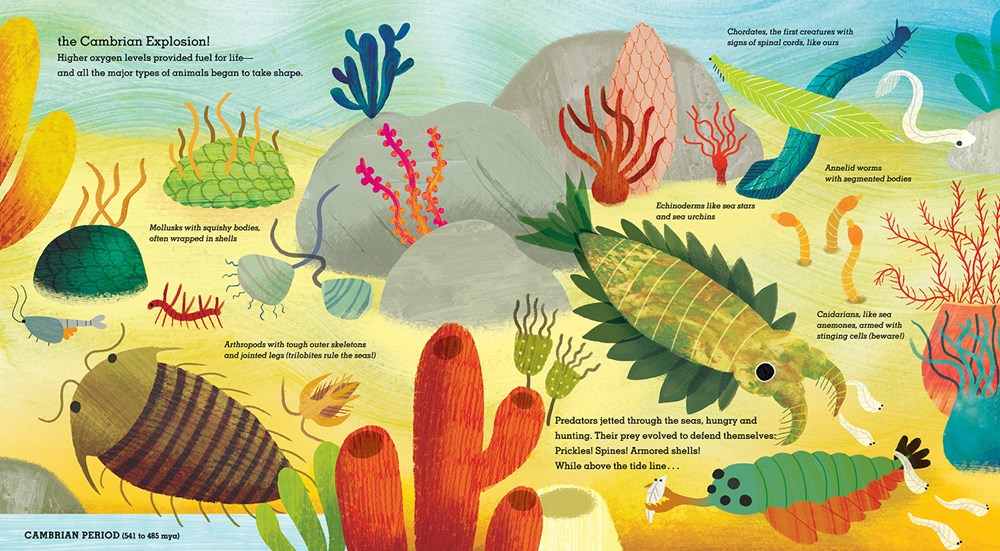
I love this gorgeous book! It’s a “story from out of the blue” about how animals evolved from microbes in the ocean to land creatures through Earth’s timeline. Spread by spread, readers travel through the planet’s history, from the Archean Eon (4-2.5 billion years ago) through the Cenzoic Era (66 million year ago to the present), with colorful illustrations as life evolves from sea-dwelling single-celled organisms, to athropods and echinoderms, to mollusks, dinosaurs, and finally, humans. It’s a compulsively readable history that describes the different types of organisms and illustrates the evolution from single- to multi-celled creatures; the development of fins to limbs, and how we are always connected to the water.  Readers learn how animals (and people!) compare to those that came before, and the informative text is chunked into readable paragraphs that respect and never overwhelm readers. Perfect for STEM/STEAM collections.

Out of the Blue has starred reviews from Kirkus and School Library Journal.
Wild is the Wind, by Grahame Baker-Smith, (May 2021, Templar), $18.99, ISBN: 9781536217926
Ages 4-8
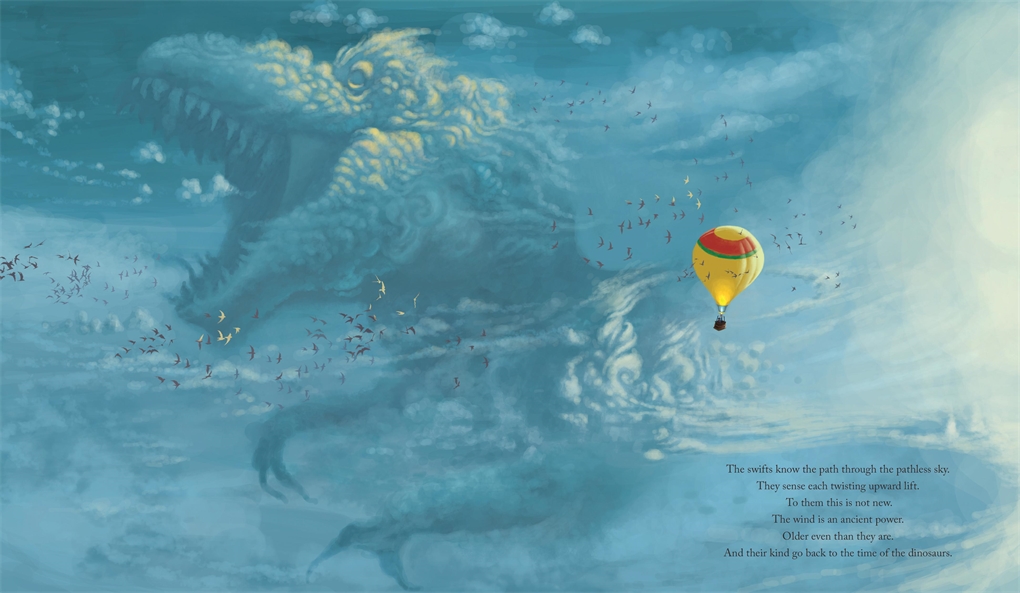
A girl named Cassi watches over a small bird, a swift, that she’s cared for. It’s time to let the bird go; the swifts soar around them, hearing the call of the wind, and Cassi knows that “They are wild and belong to the wind”. This breathtaking book is alternately a story about a girl letting her bird rejoin the world that brought it to her, and a story about the wonder of the wind. Across the world, winds whip into the sky, as ancient as the dinosaurs; they power turbines and give us power; they “howl with power” as storms. Every spread is a gorgeous revelation, with the ever-present swifts traveling the currents. Deep colors and incredible visions in the sky make this a fantasy to sweep readers away and return them, where they’ll never think of an ordinary breeze in the same way again. Grahame Baker-Smith is a Kate Greenaway Award-winning illustrator, and his companion book, The Rhythm of the Rain, is an excellent companion to Wild is the Wind. Have these available for your nature readers and display this with Aaron Becker’s Journey Trilogy.
Wild is the Wind has a starred review from Kirkus.
Little Kids First Big Book of Rocks, Minerals & Shells, by  Moira Rose Donohue & National Geographic Kids, (July 2021, National Geographic Kids), $14.99, ISBN: 9781426372223
Ages 4-8
The “Little Kids First Big Book” is another great series from NatGeo Kids. They introduce younger learners to science concepts in a fun, accessible way. It’s NatGeo, so you know the photos are amazing, and the information is organized into easily readable sections of interest. Here, kids will learn how rocks are formed, the difference between rocks and minerals, and how they’re used in just about every facet of our lives. Chapters are organized into Rocks, Minerals, and Seashells, and activities and map-reading activities at the end of every chapter help kids put their thinking caps on and sharpen new and developing skills. Fact boxes and cool callout boxes throughout keep kids turning pages, almost feeling like they’ve got that fun, small digest (see up above, Weird But True) handy, where they can tell everyone cool bits of info (The Great Sphinx in Egypt was carved from limestone!).  A Parent Tips section offers fun and safe ways to join your kids in learning about rocks, minerals, and seashells (ahem… STEM program in a book!). There are additional resources, including a Bill Nye video on the rock cycle, and a glossary, and the book is indexed. What a great resource to have handy!
Posted in Non-Fiction, Teen, Tween Reads, Young Adult/New Adult

Chem Class just got even better: Illustrated Encyclopedia of the Elements

The Illustrated Encyclopedia of the Elements : The Powers, Uses, and Histories of Every Atom in the Universe, by Lisa Congdon, (July 2021, Chronicle Books), $22.99, ISBN: 9781452161594
Ages 10-16
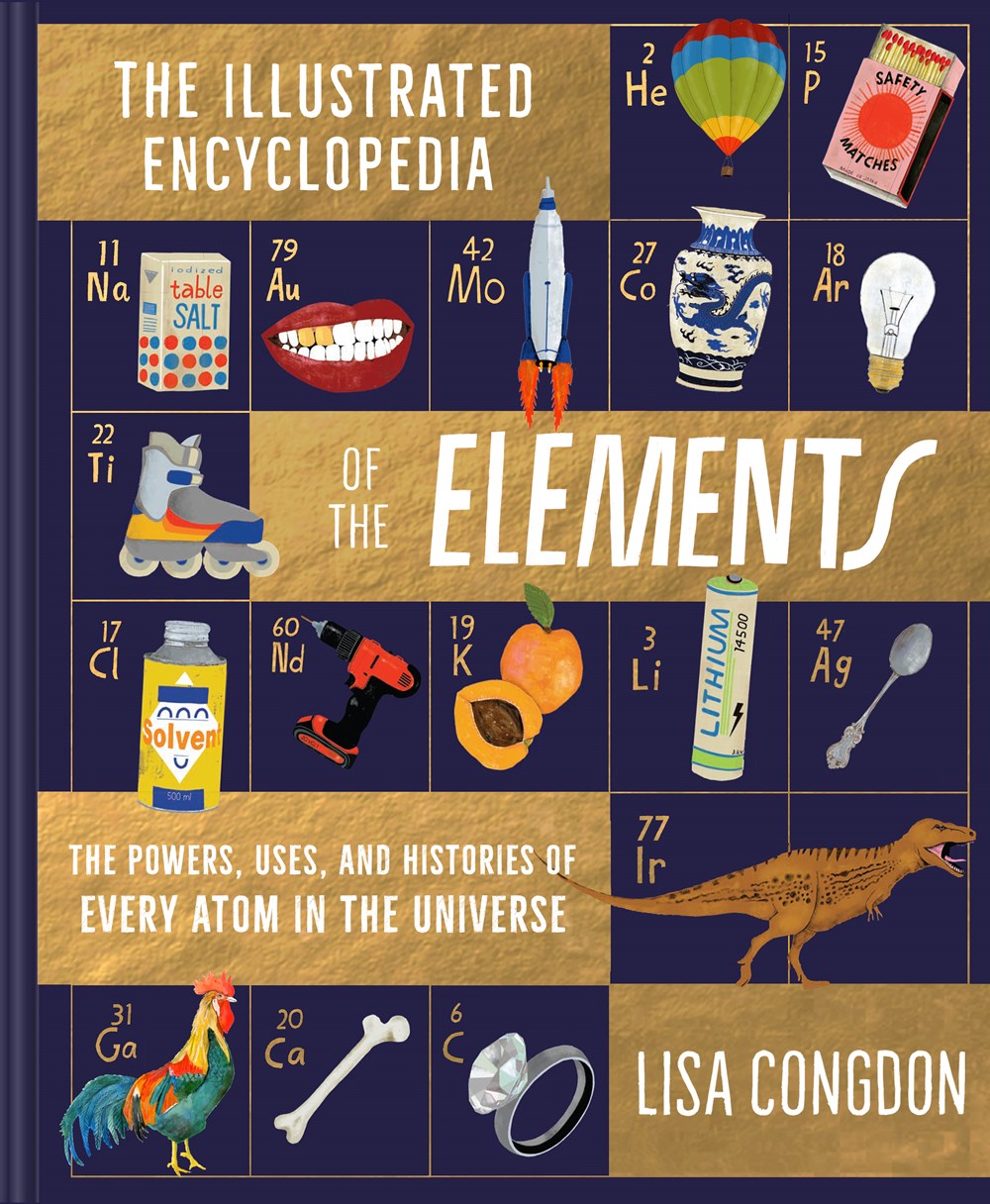
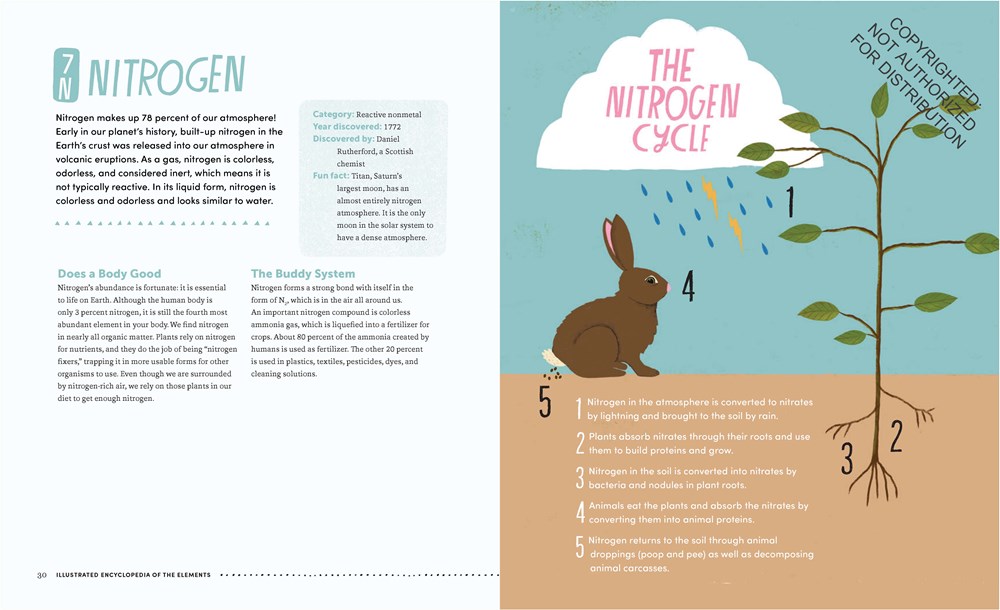
Artist/Illustrator and former science teacher Lisa Congdon brings her love of art and science together with this beautifully illustrated book on the elements, and punches it up with trivia, humor, and profiles on the elements and scientists. With sections like “Pee-ew! You Stink!” (sulfur, selenium, bromine, tellurium, and osmium, the stinkier elements) and “The Deadliest Elements” (plutonium, arsenic, lead, polonium, and flourine… kind of self-explanatory), this book brings readers in with interesting facts and fun observations. Did you know that Napoleon’s hair samples showed that he had one hundred times the normal arsenic level in his system when he died in 1821? Or that three different elements are named after a Swedish village where they were discovered? Colorful artwork and a breakdown of the periodic table will keep readers engaged and makes this an essential desk reference. A glossary and an index make up the back matter. Put a copy into circulation, but keep one in your reference section, too; this will be in demand when the new school year begins. A great book for burgeoning scientists!
Posted in Early Reader, Fiction, Fiction, Graphic Novels, Intermediate, Uncategorized

Bugs for Kids! Burt the Beetle Doesn’t Bite!

Burt the Beetle Doesn’t Bite!, by Ashley Spires, (June 2021, Kids Can Press), $12.99, ISBN: 9781525301469
Ages 5-8
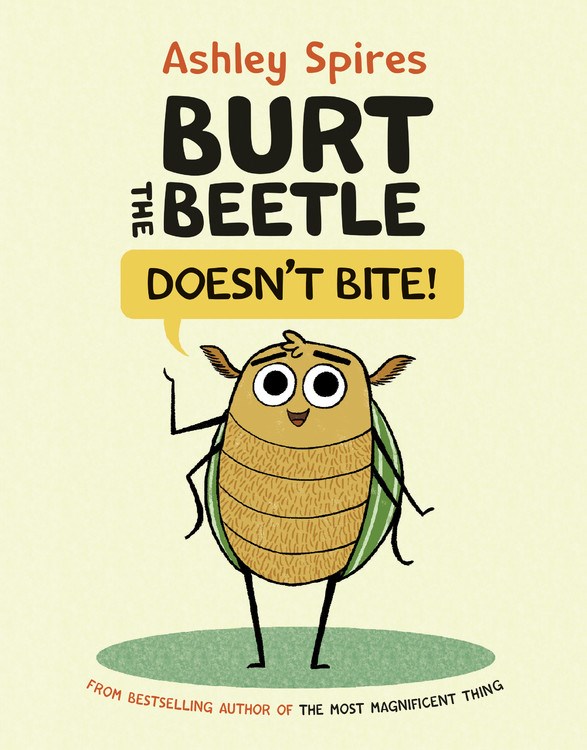
This adorably fun book by The Most Magnificent Thing and Binky the Space Cat author Ashley Spires is all about Burt, a ten-lined june beetle whose superhero power is hugging. He can’t defend himself with a stinky smell, he can’t lift 50 times his weight, and he certainly doesn’t bite: that’s not how you make friends! No, this friendly, lovable bug likes to chase porch lights and flail his legs in the air. But when his friends find themselves caught in a spider’s web, it’s Burt to the rescue in the best way possible! Ashley Spires makes bugs absolutely adorable and hilariously witty in this fun story that includes loads of bug facts and bold, cartoony illustration. Endpapers show a variety of bugs and their special traits; dialogue and narration in the book also focuses on positive, albeit, fictional character traits, which lends itself to a good discussion on embracing our differences and enjoying a wide group of friends. Hand this to your kiddos that may not be ready to tackle Science Comics yet, but who are ready to enjoy learning about the sweetest watermelon-looking huggable bug ever. Display and booktalk with Elise Gravel’s Disgusting Critters series for more laughs (and facts!). Visit Ashley Spires’s author website for information about her books and animation.
Posted in Intermediate, Middle Grade, Non-fiction, Non-Fiction, picture books

Explore SIGHT!

Sight : Glimmer, Glow, SPARK, FLASH!, by Romana Romanyshyn & Andriy Lesiv, (July 2021, Chronicle Books), $19.99, ISBN: 9781452179773
Ages 8-12
Art and science make a visually exciting combination in this book about sight, with a thoughtful narration linking scientific facts and infographics throughout. Kids are going to love the high-contrast artwork, with neon oranges, stark whites, and deep blues drawing them to pages on facial expression, deciphering symbols, and optical illusions. A philosophical narrative runs across the bottom of most pages, with thoughts like, “I see myself in the mirror. / I study my face carefully and know its tiniest details. / However, the reflection does not always how who I really am” and “I look at the world with wide-open eyes. / I yearn to discover the unknown, to see beyond the horizon, and to understand things that are not self-evident” encouraging introspection. Great for STEM collections. Display and booktalk with Professor Astro Cat books by Dr. Dominic Walliman and Ben Newman, and Flying Eye Books, which tend to have similar artwork and use infographics, like Dieter Braun’s Wild Animals of the South, and Owen Davies’ Crazy About Cats and Get Smart About Sharks.