Posted in Uncategorized

Books from Quarantine: Six Angry Girls

Six Angry Girls, by Adrienne Kisner, (Jul. 2020, Feiwel & Friends), $17.99, ISBN: 9781250253422

Ages 12+

This girl power teen novel is a fantastic story of friendship, knitting, and smashing the patriarchy. Raina Petree is on track to have a great senior year until her boyfriend dumps her, her drama club leaves her in the lurch, and her college dreams aren’t as secure as she initially thought they were. Meanwhile, Millie Goodwin is tired of being her father’s servant, and when her Mock Trial team votes her out in favor of lesser-qualified, newer guys – even after she’s been the backbone of the team for the last three years – she has HAD IT. Raina turns to an advice column for help on getting over Brandon, the ex-boyfriend, leading her to take up knitting as a hobby; a hobby that leads to a meeting of the minds with Millie, and the two come up with the ultimate idea: start their own Mock Trial team. There are no rules against it, and they manage to find a mentor in their school librarian. Now, they just have to fill the open spots on the team – with girls who are sick and tired of being discounted and looked down on by the boys and men who think they’re calling all the shots. It’s time to pick up the knitting needles, study those legal briefs, and take down the patriarchy.

With a fantastic cast of multicultural characters that smash the gender spectrum, Adrienne Kisner has given readers a group of characters that we’d all want to hang out with. They’re smart, driven, and fed up with B.S., whether it’s from a teacher, an ex-boyfriend or fellow student, or a parent. It’s such an upbeat book, filled with major crossroad moments and stand up and cheer scenes while taking on some very big issues. It’s an excellent discussion book that will spark deep conversations.

I loved this book and would gladly shout this out to my library teens. Give this to your Moxie fans and your Ashley Poston readers. And start a knitting club at your library to get them talking!

Check out Adrienne Kisner’s author webpage for more information about her books, links to her blog and social media, and to sign up for her newsletter.

Posted in picture books, Preschool Reads

Even more ways to Change the World Before Bedtime!

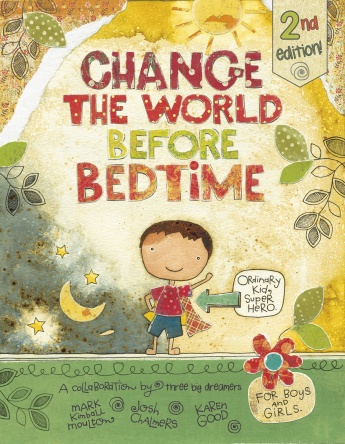
Change the World Before Bedtime (2nd Edition), a collaboration by Mark Kimball Moulton, Josh Chalmers, and Karen Good (October 2018, Schiffer Publishing). $16.99, ISBN: 9780764355813

Recommended for ages 4-8

An updated version of the 2014 book – one of my favorite go-tos for storytime and class visits – gives kids even more ways to be a positive force for change in the world. The rhyming story encourages self-care – eating healthy, dreaming your dreams, surrounding yourself with friends – to get the energy to spread happiness and goodwill by performing good deeds. The book encourages kids to make friends and include everyone; donate time and raise money to help those less fortunate, and take care of the earth by recycling and composting. Other new additions include added back matter, where kids can add their good deeds to-do list and their own “happy word” clouds; there are happy words from around the world, including Swahili, Hebrew, Haitian Creole, and Romanian. There’s a superhero cape activity that encourages kids to decorate a pillowcase cape, mapping to a spread in the book where kids wear their own superhero capes. There are suggestions for adult-kid collaboration, and updated endpapers encourage kids to make their own bookplate at the front of the book; a smiling earth says “Thank you” in a variety of different languages at the close.

The art is adorable, the message is upbeat and optimistic, and the message is clear: everyone has the ability to make positive changes in our world.

Change the World Before Bedtime is a good book to add to your activism/social justice collections. Display, booktalk, and read with The Smallest Girl in the Smallest Grade by Justin Roberts and Christian Robinson; Pass it On by Sophy Henn; 10 Things I Can Do To Help My World, by Melanie Walsh, and Maybe Something Beautiful by Isabel Campoy and Theresa Howell.

Posted in Intermediate, Non-Fiction, picture books, Preschool Reads

Nonfiction rundown: October and November

Picture book nonfiction just gets better and better. In October and November, we get two more biographies on people of color that have, until now, been largely overlooked by history. It’s disheartening on one hand, but I choose to be glad that books are coming forward now to liven up our nonfiction shelves and give readers even more role models across all walks of life to learn about and be inspired by. I’ve also got some fun alphabet books and some nature and science. Pull up a chair, brew a warm beverage of your choice, and enjoy!
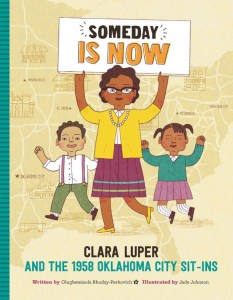
 

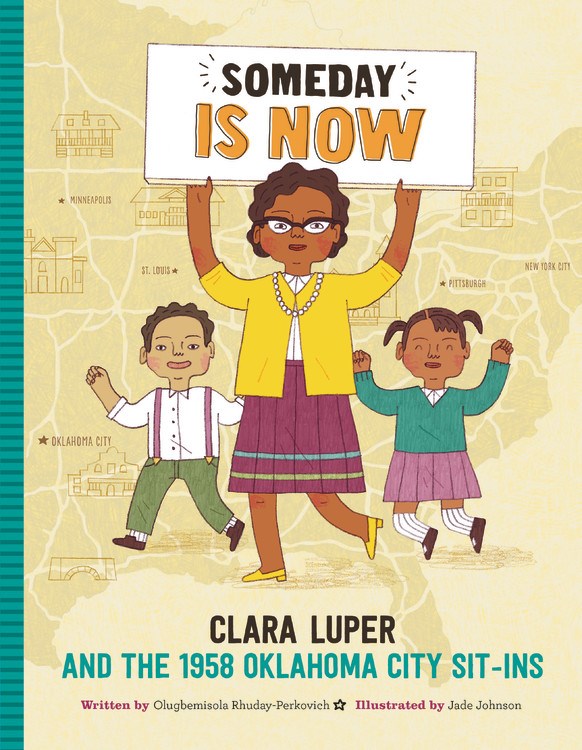
Someday is Now: Clara Luper and the 1958 Oklahoma City Sit-Ins, by Olugbemisola Rhuday-Perkovich/Illustrated by Jade Johnson, (Aug. 2018, Seagrass Press), $17.95, ISBN: 9781633224988

Ages 6-9

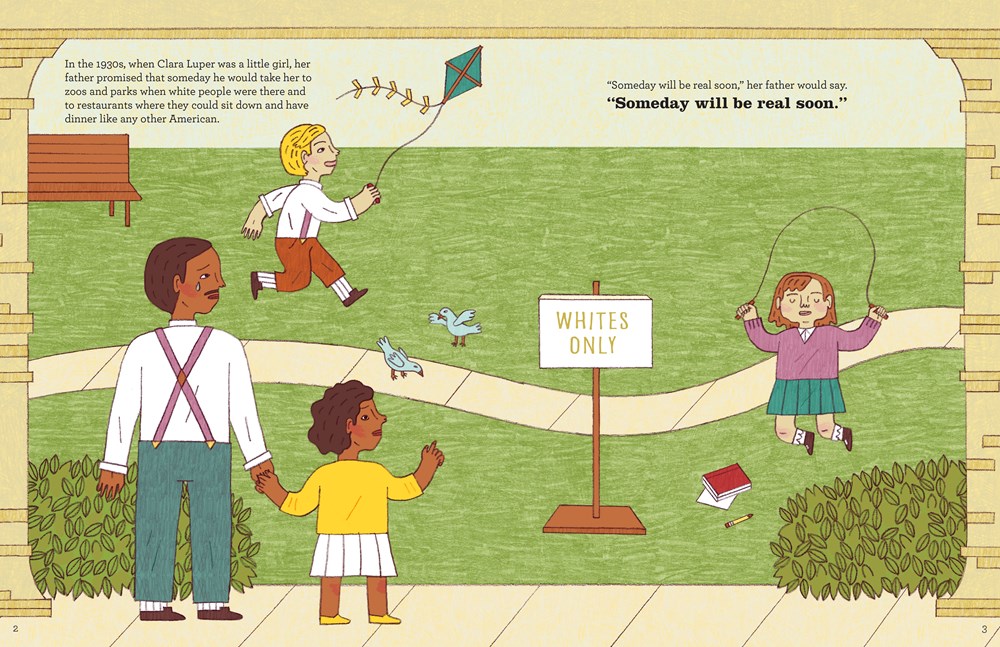
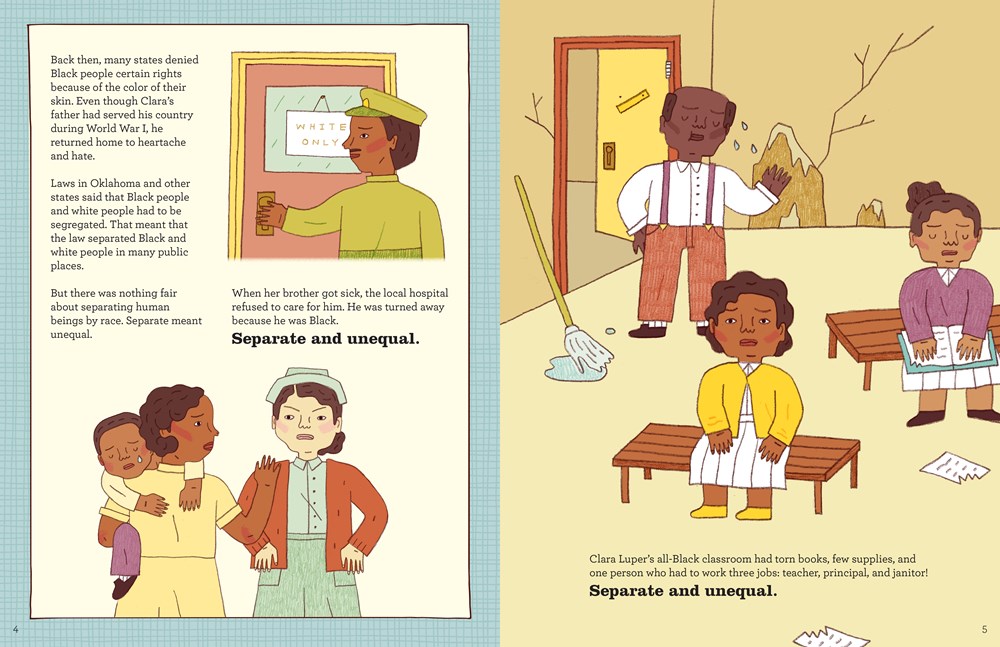
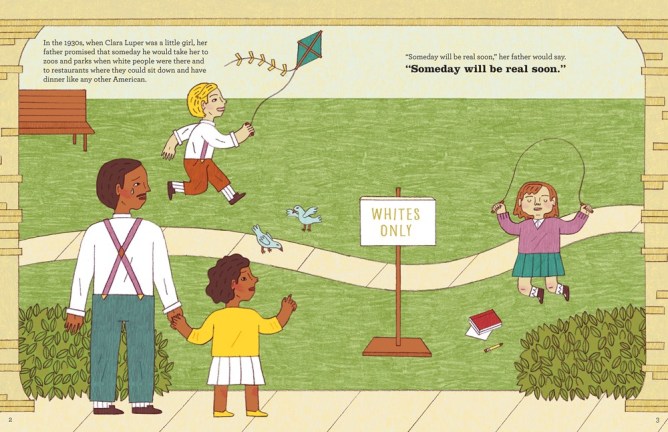
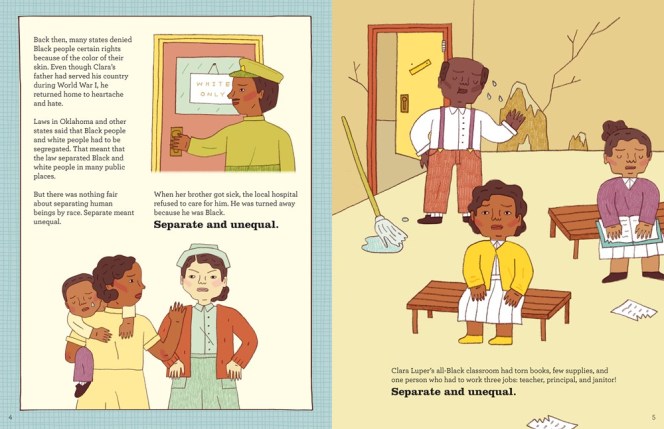
I missed this one the first time around, but I’m glad I caught it when I went back through my Edelweiss account to check up on my TBR. This picture book biography of civil rights activist Clara Luper (nee Clara Mae Shepard) is a great addition to your picture book biographies. Growing up in segregated Oklahoma, Clara saw her World War I veteran father diminished by the very country he fought for: her brother turned away from a local hospital because it was a whites-only facility; she was educated in a run-down classroom with torn books and a teacher who also served as the principal and janitor; restaurants dictated where Blacks could eat. Everywhere she looked, Clara saw things were “separate and unequal”, a phrase repeated throughout the book in bold, large font to drive home the message. Ms. Luper became a teacher who pushed for change, working with the NAACP Youth Council and participating in lunch counter protests with her students after a trip to non-segregated New York. Back matter includes an encapsulated biography of Ms. Luper.

This is the first picture book biography on Clara Luper: everything else I found online is decades old. Let’s get more civil activist bios into the hands of our kids, so they can see for themselves how many voices led to change. Someday is Now has a starred review from Kirkus.

Author Olugbemisola Rhuday-Perkovich is the co-author of the NAACP Image Award nominated Two Naomis and the forthcoming Naomis Too and is the editor of The Hero Next Door, an anthology from We Need Diverse Books. You can see more of Jade Johnson’s illustration work, including downloadable coloring pages, on her website.
 

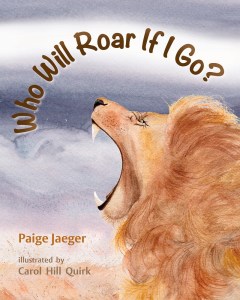
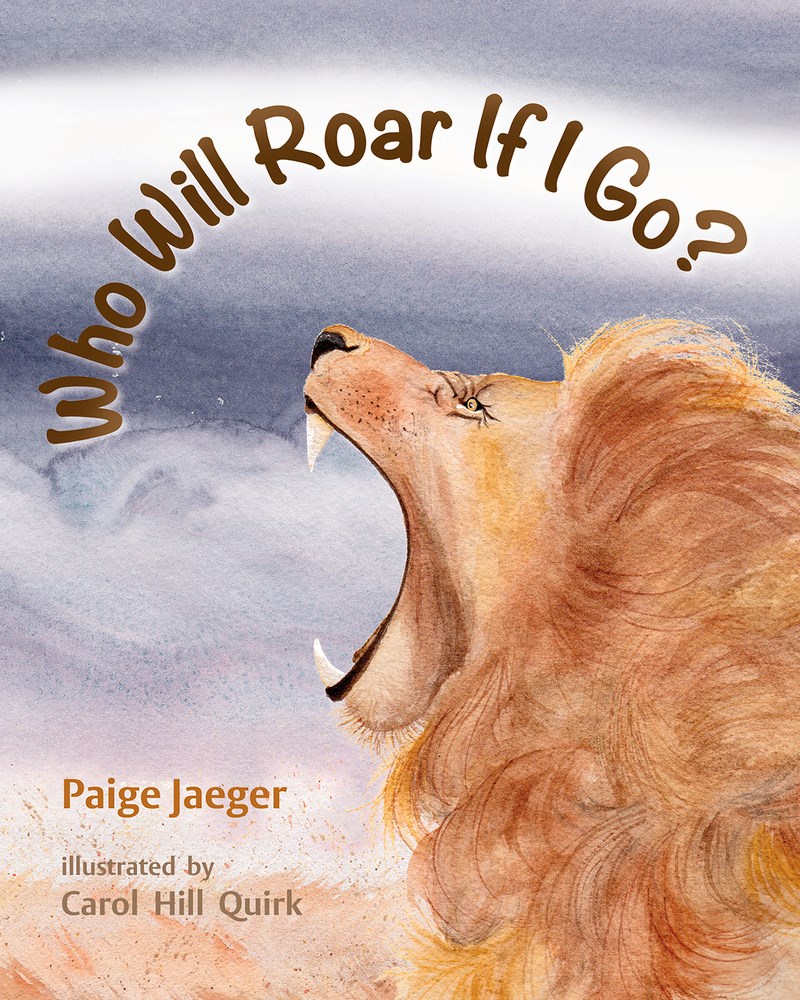
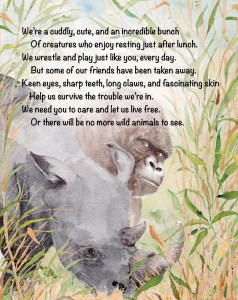
Who Will Roar If I Go? (If We’re Gone, Book 1), by Paige Jaeger/Illustrated by Carol Hill Quirk, (June 2018, Boutique of Quality Books), $18.95, ISBN: 9781945448157

Ages 5-7

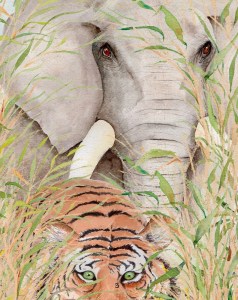
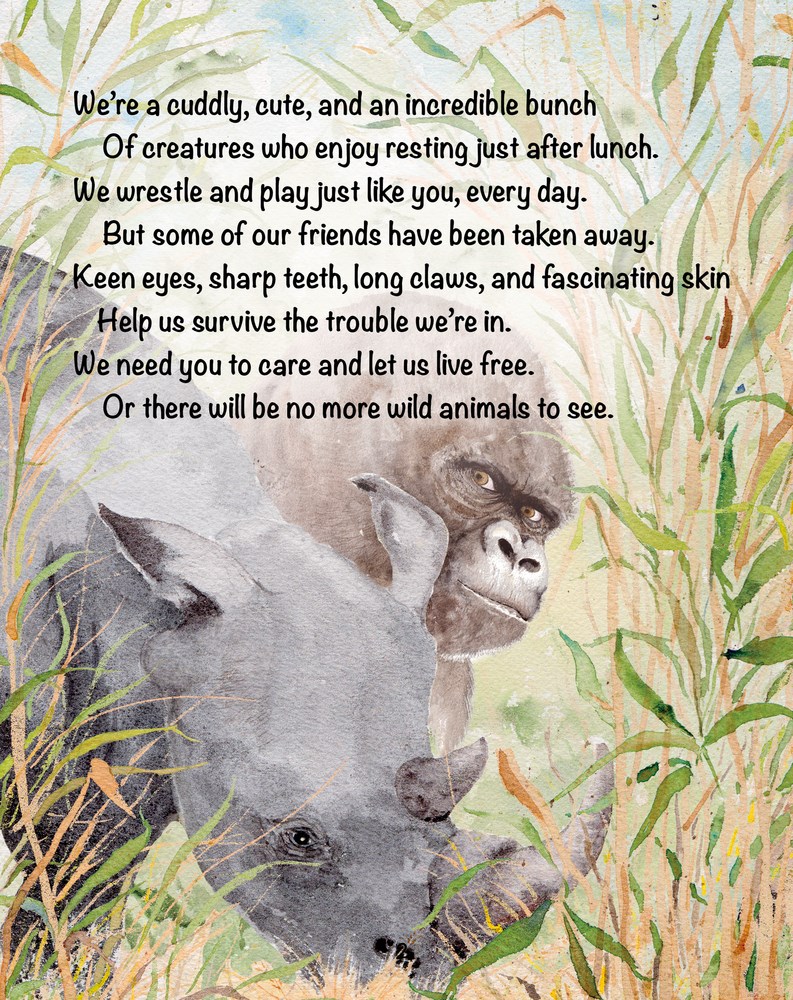
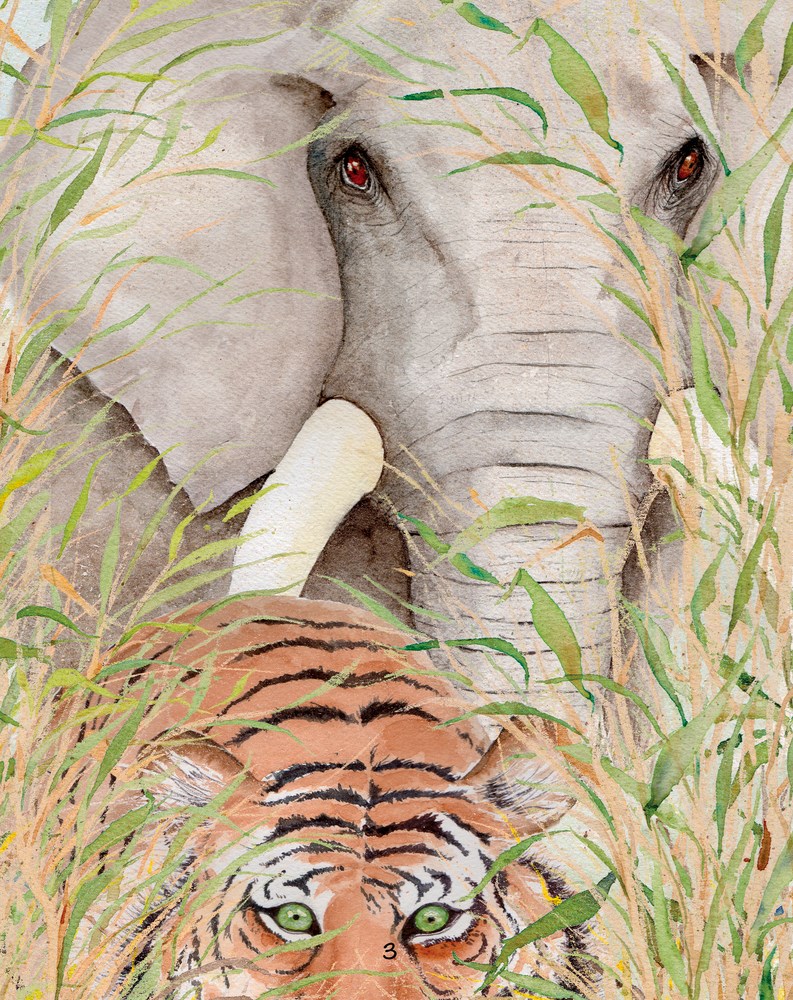
This rhyming story, the first in a planned series, is a plea to readers from endangered animals suffering from a multitude of human-based maladies, most commonly, the disappearance of their habitats and hunting, be it for trophies or luxury dining. Thirteen animals ask humans for help in their quest for survival; each rhyme provides readers with a little background on the animal and why it needs help. The elephant’s page reads: “I sure am an enormous creature; With ivory tusks my most attractive feature; For these long, tapered tusks that I hold dear; Thousands of friends were lost last year; No one needs my tusks but me; Go make some in a factory”.

Back matter includes a glossary of terms and an animal footprint guessing game. Each animal gets its own spread, including its geographic location and footprint, related to a game in the back matter. The watercolor artwork is realistic and showcases each animal in its natural environment. Who Will Roar If I Go? is a good introduction to endangered animals and the need for conservation and preservation; it’s a good additional add to your picture book nonfiction.

The Who Will Roar webpage offers free, downloadable educator resources.


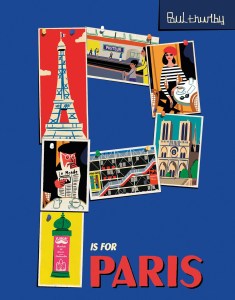
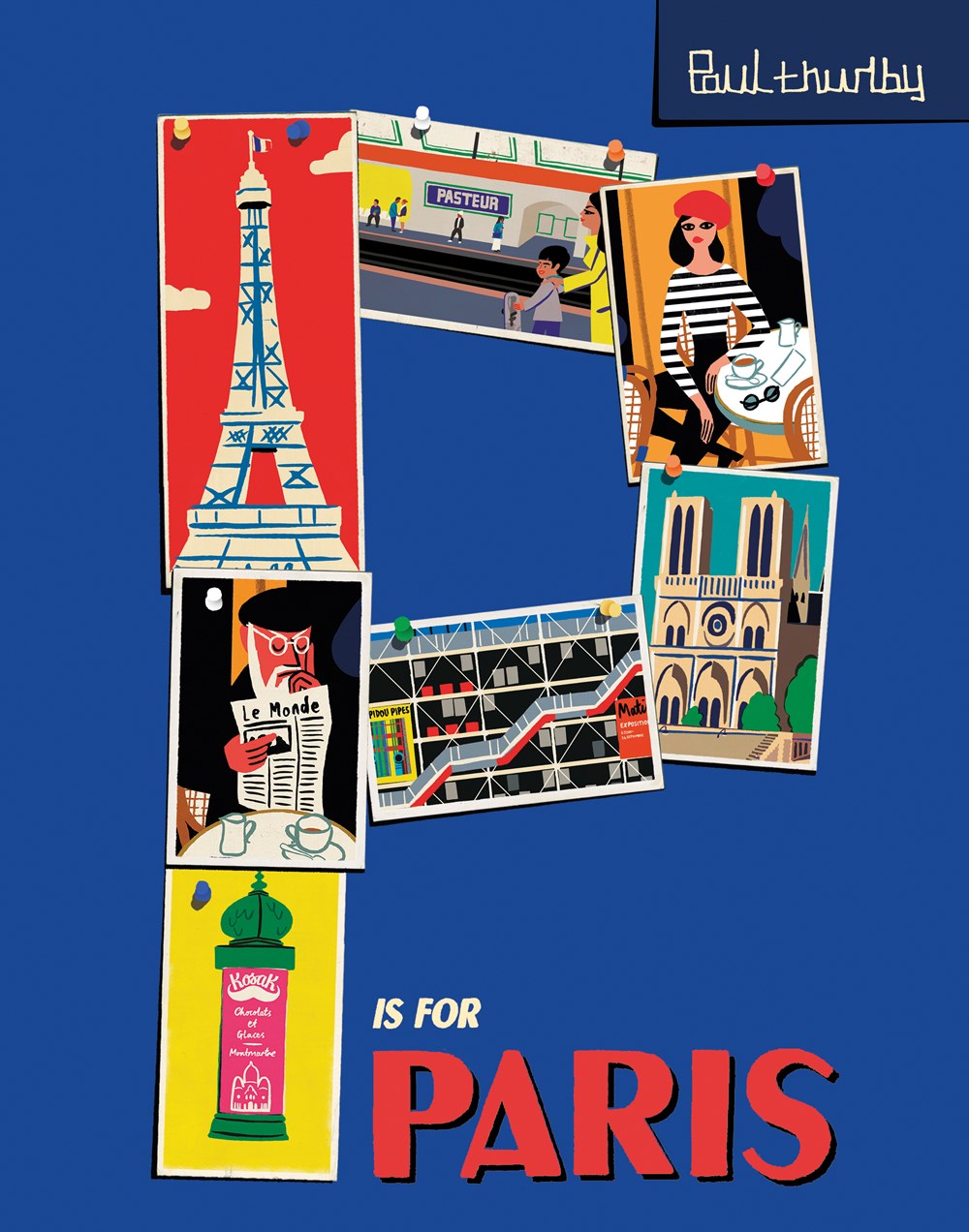
P is for Paris, by Paul Thurlby, (Oct. 2018, Sourcebooks Jabberwocky), $19.99, ISBN: 9781492668152

Ages 5-8

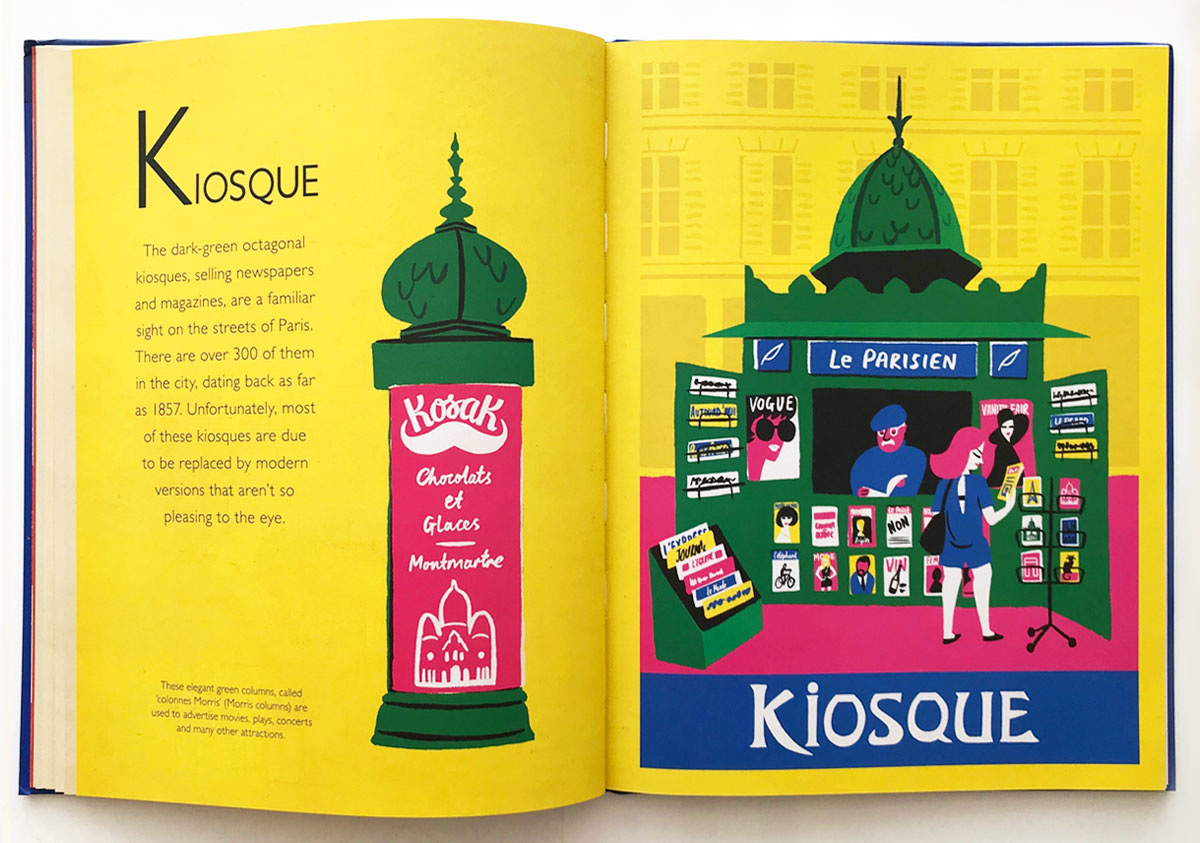
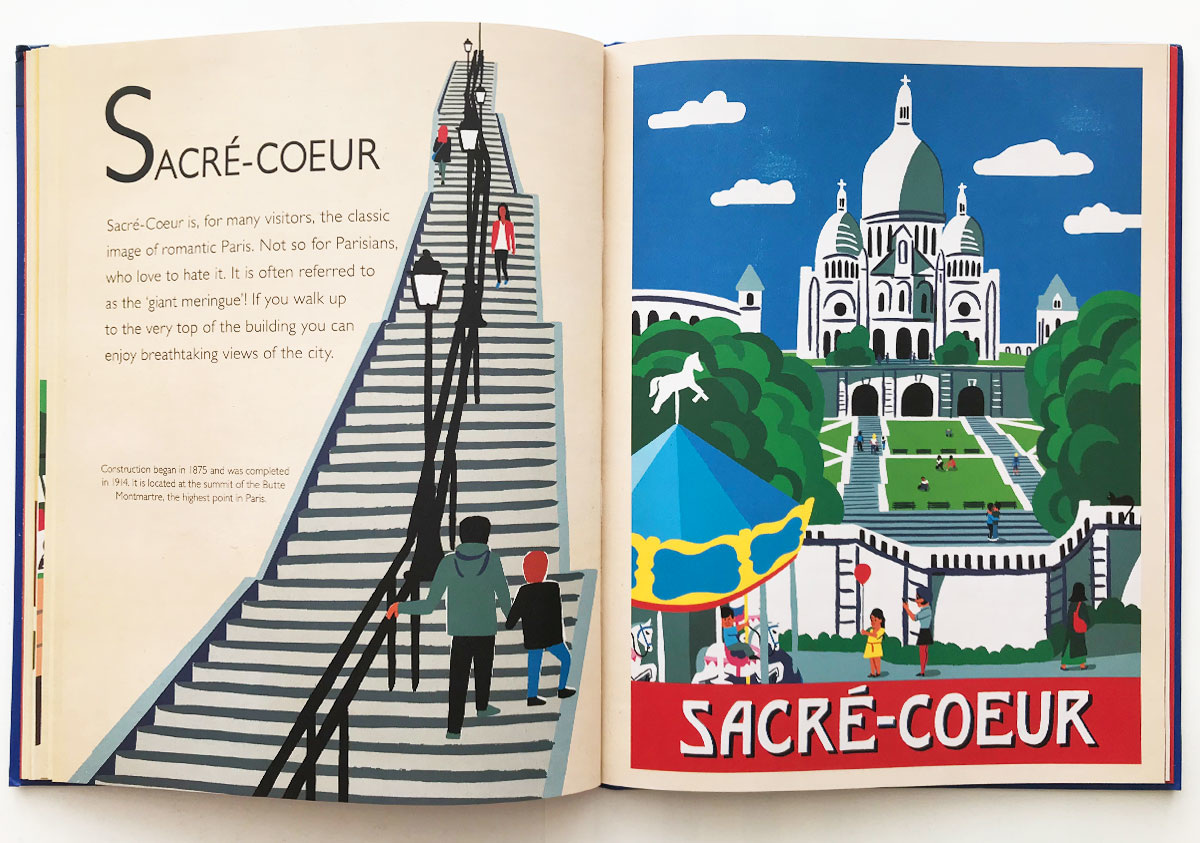
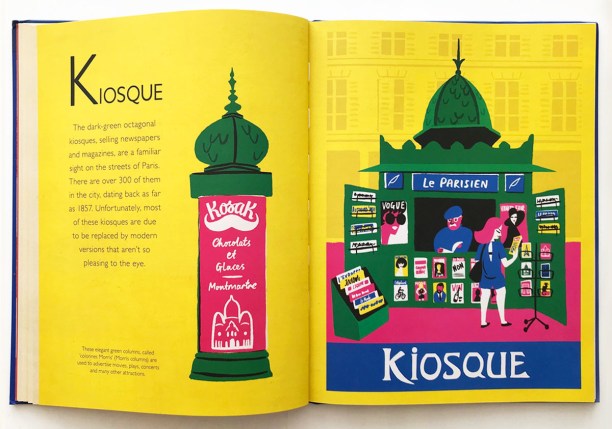
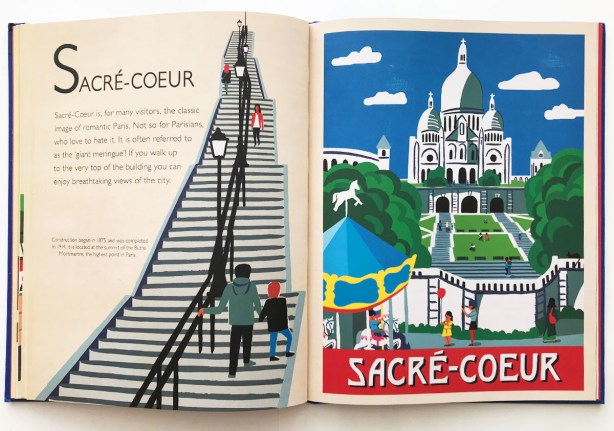
The latest book in Paul Thurlby’s ABC Cities series brings readers on an alphabetical tour of the City of Lights: Paris. Beautiful, bright artwork brings to mind vintage travel posters, and little bites of Parisian history on each page make this a fun addition to your picture books and world sections. Adults will enjoy this one as much as the kids will; references are equally accessible to kids and grownups. From the Abbesses to the Zoo De Vincennes, this is a nice addition to Thurlby’s Cities set. Endpapers provide a map to Paris, with attractions throughout the book numbered for reference. The author provides a concise explanation of the city’s organization into arrondissments. This easily works for both concept sections and geography sections, but don’t mistake this for a beginner’s abecedary; it’s a little more complex and better for Kindergarteners and up.

Check out Paul Thurlby’s webpage for more artwork and information on his other books. Take your armchair travelers on a picture book trip around the world with Thurlby’s books and Miroslav Sasek’s books.
 

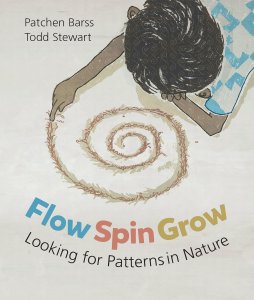
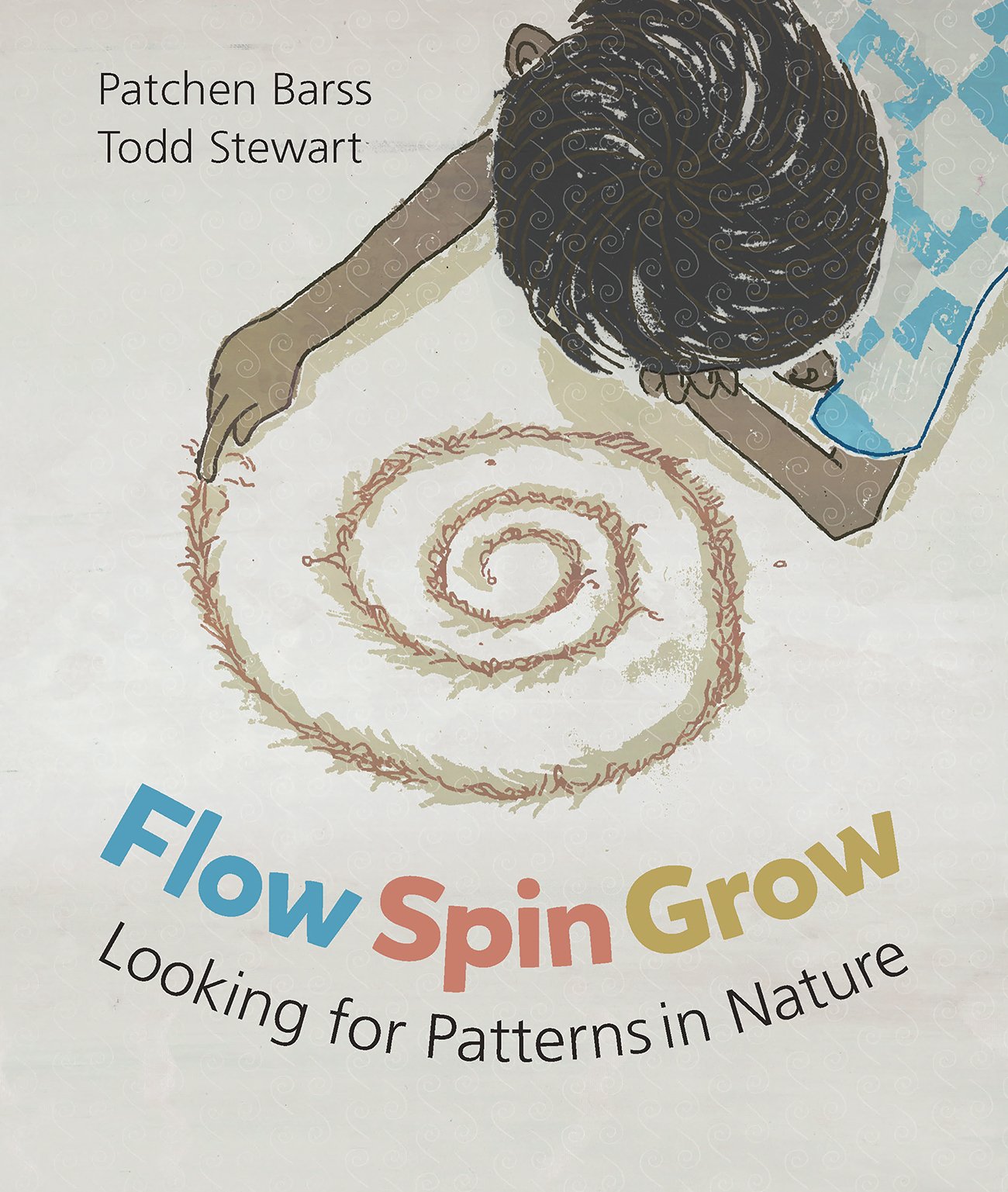
Flow, Spin, Grow: Looking for Patterns in Nature, by Patchen Barss/Illustrated by Todd Stewart, (Oct. 2018, OwlKids), $18.95, ISBN: 9781771472876

Ages 5-7

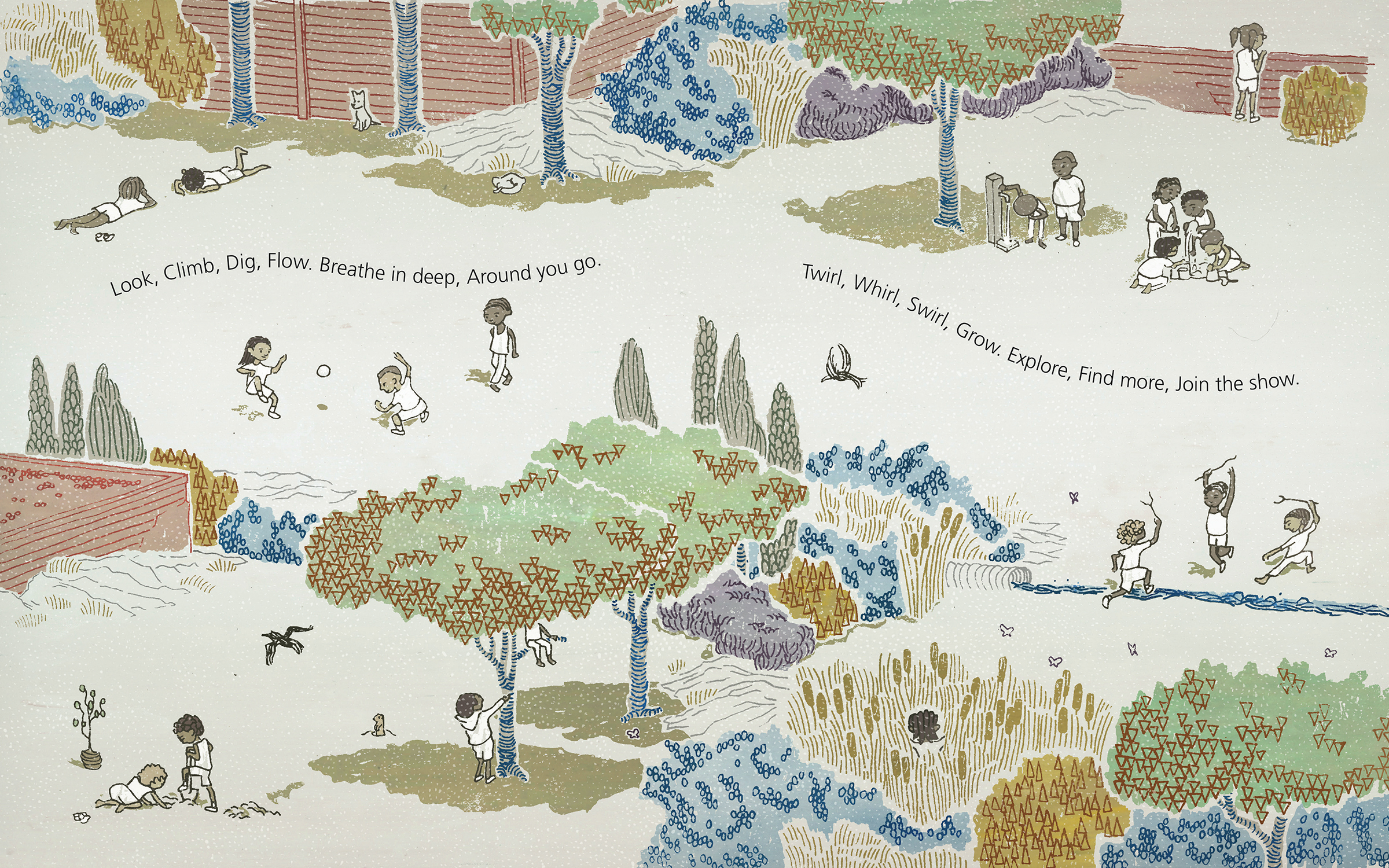
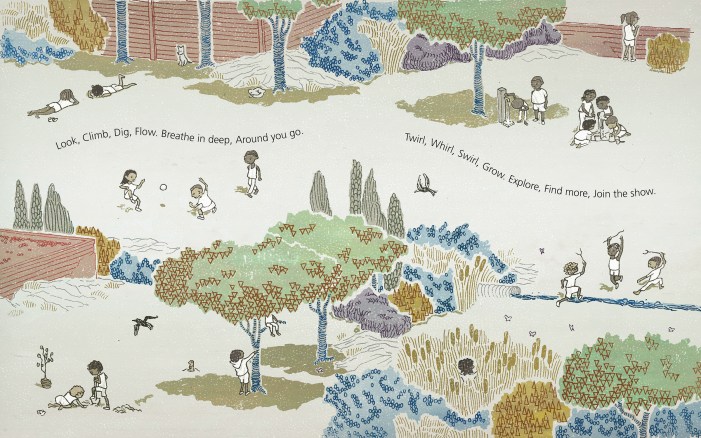
Readers are encouraged to explore patterns in nature in this mindful rhyming book. A diverse group of children play and relax in an open park area in the opening spread. The text playfully crawls around the scene, encouraging kids to “Look, climb, dig, flow. Breathe in deep, around you go. Twirl, whirl, swirl, grow. Explore, find more, join the show.” The text inspires readers to look for patterns everywhere: observe, dig, explore, climb; a tree trunk splits, branches split, and below the ground, roots split and grow; water branches off into smaller bodies of water, and our own lungs have little branches like mini-trees, reaching for air. Nature twirls and whirls, like the galaxies in space or two friends at play; pine cones, storm clouds, and snail shells all swirl. It’s an interesting way to introduce scientific inquiry to burgeoning scientists. An author’s note goes further into the “secret code” hidden in the shapes of things, and suggests additional resources for more reading.

The artwork is the star in this book. Multilayered screen prints and muted colors create a setting where patterns gently emerge, waiting for readers to spot them: triangles on a tree or bush; cracks in the dirt and roots underground reach out. Flow Spin Grow is a good purchase for primary science collections; I also love Joyce Sidman and Beth Krommes’ award-winning Swirl by Swirl: Spirals in Nature, and Jane Brocket’s Spotty, Stripy, Swirly: What Are Patterns?
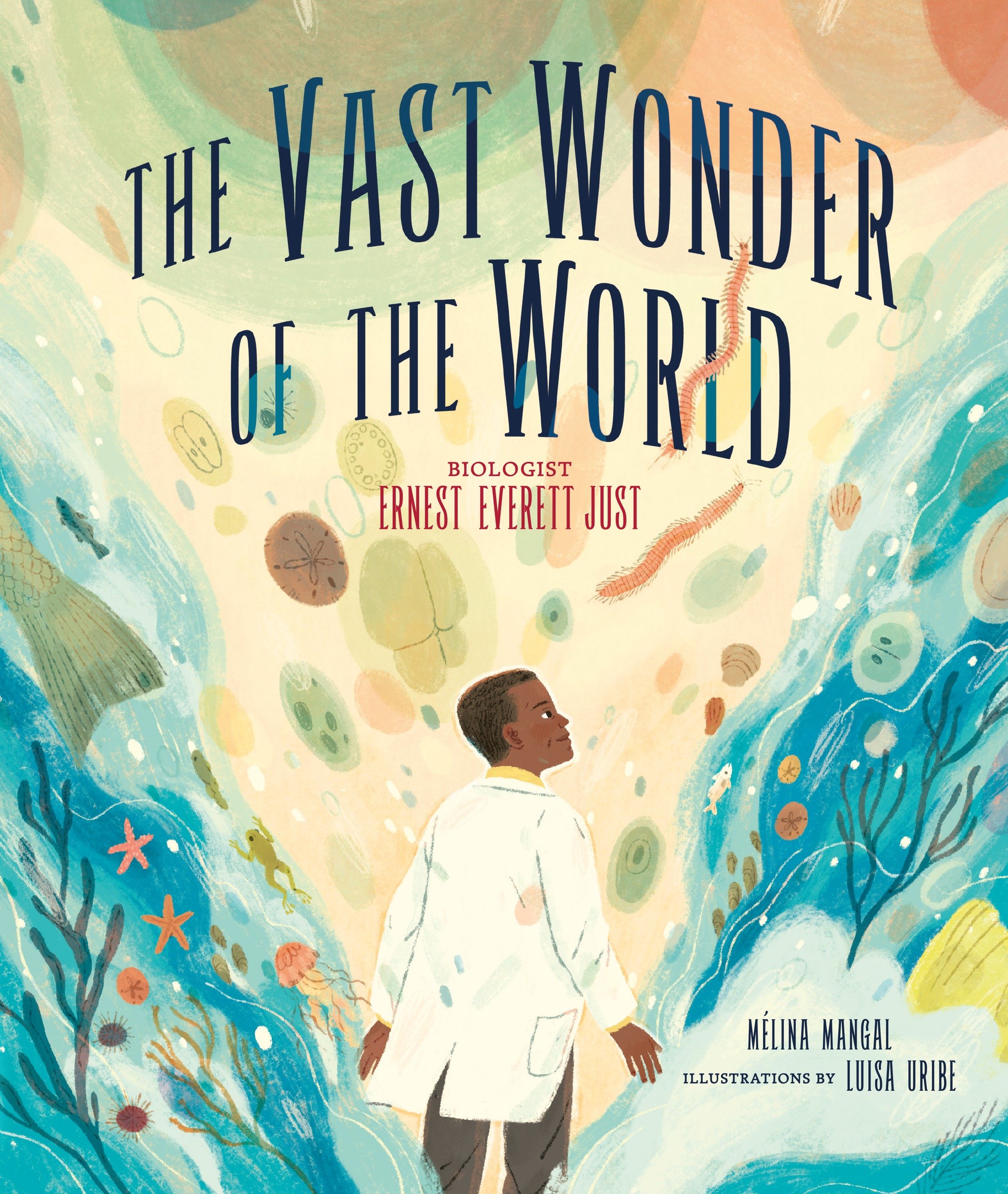
The Vast Wonder of the World: Biologist Ernest Everett Just, by Mélina Mangal/Illustrated by Luisa Uribe, (Nov. 2018, Lerner Publishing Group), $19.99, ISBN: 9781512483758

Ages 7-9

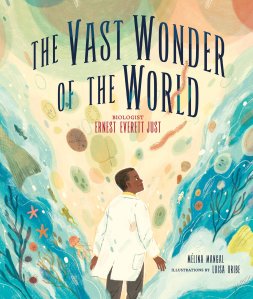
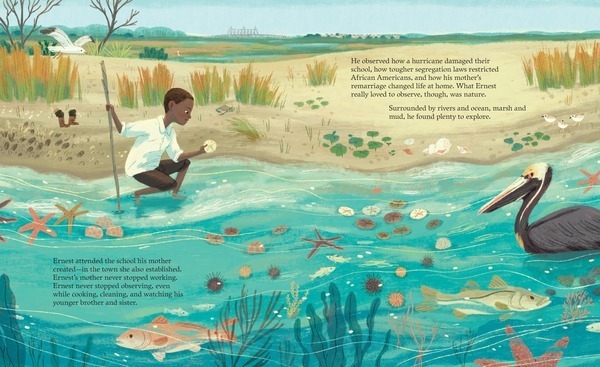
This bio on biologist Ernest Everett Just is just what your picture book biography section needs. He came of age in the Jim Crow South, paying his way through Dartmouth College while supporting his siblings after his mother’s passing. He “unlocked the mysteries of how the different parts of the cell worked together as new life developed”, and found success as a Howard University professor, embryologist, and cytologist, working in both Europe and the States. The Vast Wonder of the World tells his story, introducing him to a new generation of budding scientists who will be inspired by his determination and success in the face of racism and adversity. The muted pencil and digital artwork, in shades of blue, creates a sense of wonder and beauty, giving readers a real appreciation for Just and his place in science history. An author’s note, a timeline, and source notes complete this solid addition to science biography sections. Display and booktalk – PLEASE – with Gwendolyn Hudson Hooks and Colin Bootman’s Tiny Stitches: The Life of Medical Pioneer Vivien Thomas, and – if you can find it (can we please get this book back in print?) – May Chinn: The Best Medicine, by Ellen Butts and Joyce R. Schwartz, illustrated by Janet Hamlin.

The American Society for Biochemistry and Molecular Biology (ASBMB) has a good feature story on Dr. Just, with references to further reading, by W. Malcolm Byrnes.
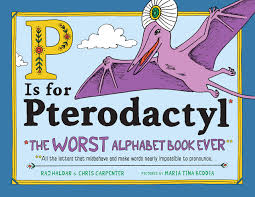
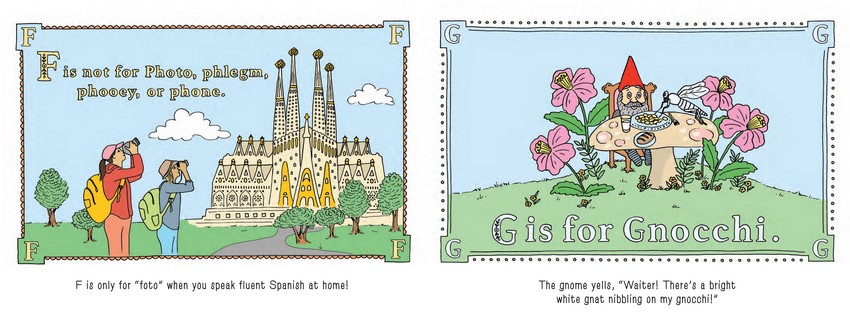
P is for Pterodactyl, by Raj Haldar & Chris Carpenter/Illustrated by Maria Beddia, (Nov. 2018, Sourcebooks Jabberwocky), $17.99, ISBN: 9781492674313

Ages 6-10

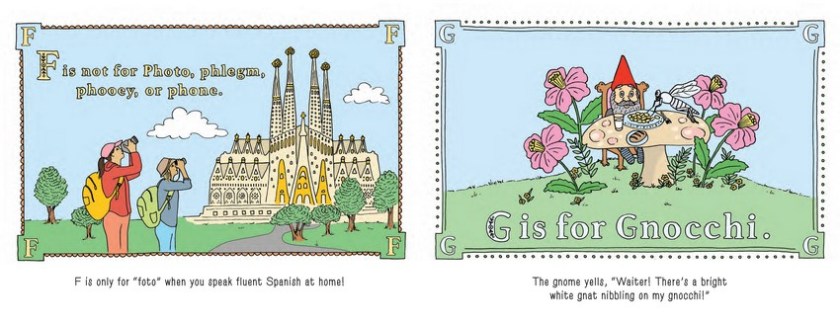
Calling itself “The Worst Alphabet Book Ever”, P is for Pterodactyl is a smirk, wink, and nudge at rebel words in the English language: words that don’t follow the rules. The book uses humor, alliteration, and amusing artwork to get its point across, as with E is for Ewe, which depicts sheep at a wake: “Eileen the ewe was so euphoric with wolves were eaten, she even gave the eulogy” (keep reading the book for more on Eileen); or L is not for Elle, which shows an elevated subway car transporting some elephants across the city of El Paso: “An elephant named Elle rode the el train halfway to El Paso and dined on hearts of palm with her folks”. It’s not a basic concept book for new learners, but it’s sure fun to read it out loud and watch kids laugh and play with language. My 6-year-old cracks up at this one, and it helps when he tries to figure out new words.

P is for Pterodactyl has a starred review from Foreword Reviews.
 

Posted in Fiction, Middle Grade, picture books, Preschool Reads, Toddler Reads, Tween Reads

Book List for Beginning Activists

It’s getting harder and harder, waking up to the world we’re living in today. Some of our best defenses are, and will always be, empathy and information. I was inspired to create my own list of books to cultivate young activists by CuriousCity’s Books for All of Us post; I hope these books inspire you, too. Remember what J.R.R. Tolkien told us: even the smallest person can change the course of the future.


A is for Activist, by Innosanto Nagara, (Nov. 2013, Triangle Square), $9.40, ISBN: 978-1609805395

Available in board book or hardcover, A is for Activist is a rhyming abcedary of activism. The book introduces little ones to ideas like Co-Op, Equal Rights, Grassroots, Indigenous, and Justice. Best for pre-k and up in terms of grasping the concepts, but it’s never too early to get an ABC book in front of the little ones. The illustrations are loaded with new things to find with each reading.


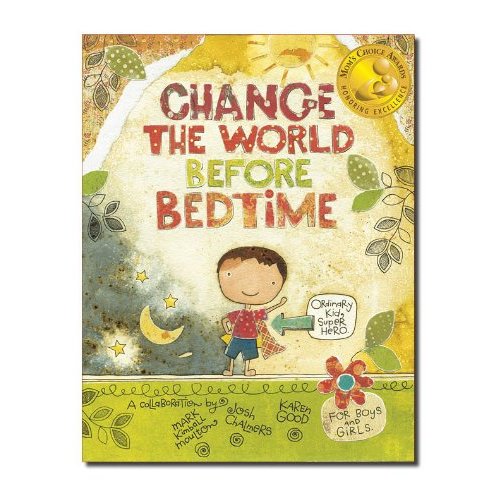
Change the World Before Bedtime, a collaboration by Mark Kimball Moulton, Josh Chalmers, and Karen Good (Schiffer Publishing, 2012). $16.99, ISBN: 978-0764342387

One of my storytime constants, Change the World Before Bedtime is loaded with ways for kids to make positive changes in their world, from eating locally to visiting a sick friend, to donating money from a lemonade stand to a good cause. It’s another rhyming text, with homespun, cozy artwork that immediately evokes the warm fuzzies.


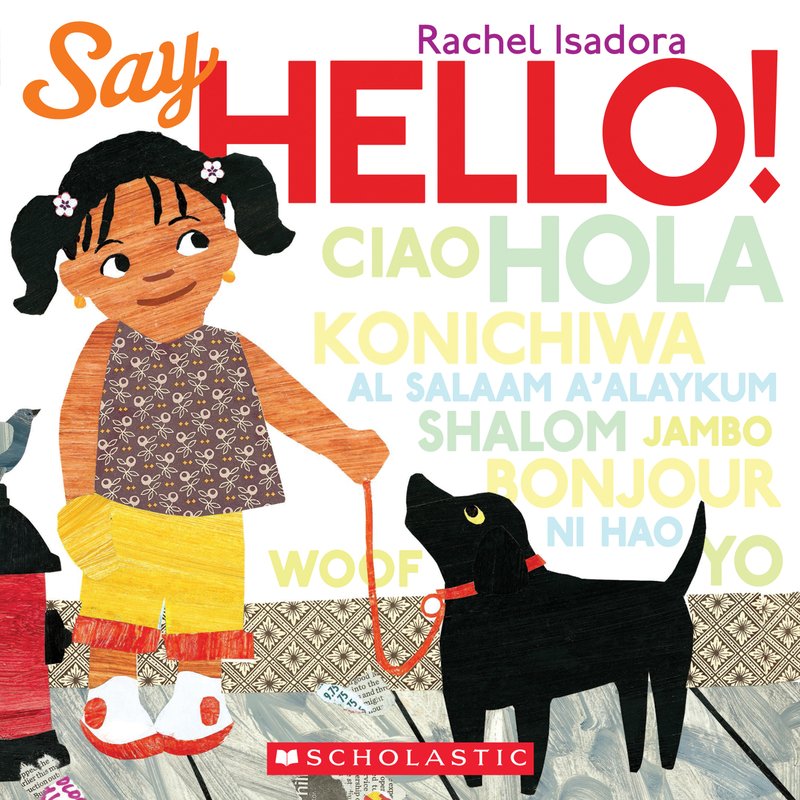
Say Hello!, by Rachel Isadora, (Apr. 2010, GP Putnam), $14.95, ISBN: 978-0399252303

Everyday activism! Carmelita is a little girl going to visit her abuela. As she walks through her neighborhood, she and her neighbors greet one another in their native languages: “Buenos días!”, “Konichiwa!”, “Shalom!”, and other joyful salutations embrace the multicultural world in which we live. Say Hello! will have kids sharing their own greetings with one another.


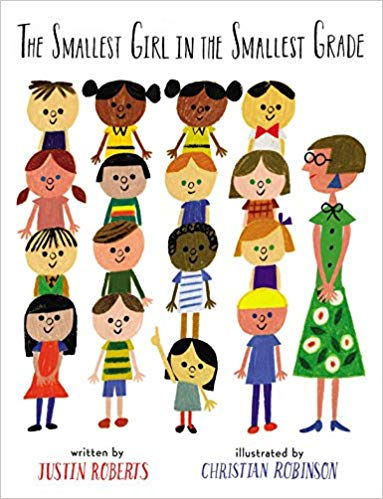
The Smallest Girl in the Smallest Grade, by Justin Roberts/Illustrated by Christian Robinson, (Sept. 2014, GP Putnam), $16.99, ISBN: 978-0399257438

Little Sally McCabe may be the smallest girl in the smallest grade, but she’s making big things happen when she decides to speak up when she sees bullying at the playground. This rhyming story lets kids of all sizes know that we can all make a difference.


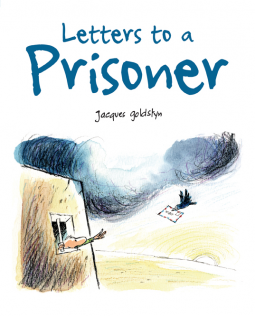
Letters to a Prisoner, by Jacques Goldstyn, (Sept. 2017, OwlKids Books), $18.95, ISBN: 9781771472517

This wordless picture book is inspired by human rights organization Amnesty International’s letter writing campaigns. A man is arrested during a peaceful protests and languishes in jail. A cruel guard burns letters that would sustain the man, inspiring more letter writers to come together and create a winged army of written support that overwhelms the guard and lifts the prisoner up and away. The book illustrates the power of the written word to sustain as well as to take a stand.


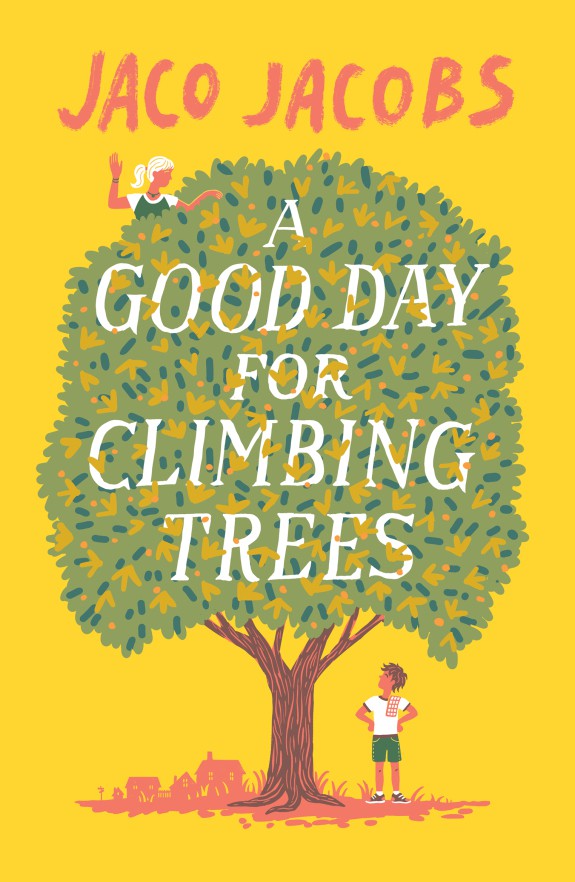
A Good Day for Climbing Trees, by Jaco Jacobs, Translated from Afrikaans by Kobus Geldenhuys/Illustrated by Jim Tierney, (Apr. 2018, One World Publications), $11.99, ISBN: 978-1-78607-317-4

Middle graders have more of a grasp on the world around them, can take action in different ways. Marnus, the 13-year-old protagonist in A Good Day for Climbing Trees, and a friend take action to save a local tree from demolition by petitioning and holding a sit-in, which alerts others to their cause. Readers get a more involved view of activism, and some potential results, here.


This is just a small handful of the growing number of books out there.  I encourage you all to read these books, read them to your kids, and add them to your collections.


Posted in Fiction, Historical Fiction, Middle Grade, Realistic Fiction, Tween Reads

My Year in the Middle: Relevant then, relevant now

My Year in the Middle, by Lila Quintero Weaver, (July 2018, Candlewick), $15.99, ISBN: 9780763692315

Ages 8-11

Sixth-grader Lu Olivera and her Latin American family find themselves in the middle of a civil rights struggle in their Red Grove, Alabama neighborhood one hot summer in 1970. The tensions run high in her integrated school: black kids sit on one side of the room, white kids on the other; she sits in the middle row. She’s in the the middle child, smack dab between her older, activist sister and younger twin siblings; she’s in the middle when it comes to local politics: many of the white families want to re-elect segregationist governor George Wallace, while Lu and her family support incumbent Albert Brewer. Many of her classmates are leaving their school to go to a private, white school. When Lu befriends fellow track runner Belinda Gresham, an African-American girl, and her classmates turn on her, she decides it’s time to take a stand.

Inspired by the author’s Alabama childhood, My Year in the Middle is a story of civil rights and finding one’s voice. Lu puts up with the passive racism in her community, with remarks like, “she’s from South America, she doesn’t mind going to school with Negroes”. But seeing how her African-American friends are treated by her fellow classmates, and by the general public in her town, pushes her buttons. Lu is a character who stands out: she’s a character of color stuck in the middle of the Civil Rights Movement, but because she’s not African-American, she’s tolerated: until she digs in her heels and says, “No more”. She gives and receives support from her black classmates and from Sam, her classmate and crush, a white preacher’s son who is bullied for his civil rights stance.

Lu is at once relatable and a mirror for our society today. We’re still divided, and more and more people are forced from the middle to take a stand. Readers may recognize recent political speeches and attitudes in George Wallace’s condescending stumping and the racial tension that permeates Lu’s classroom. My Year in the Middle is a solid work of historical fiction that provides excellent discussion topics for readers on civil rights, social justice, and where we’ve gone versus where we are.

Posted in Family Storytimes, Storytime, Urban Librarians Unite

Urban Librarians Protest Storytime: 6/30/2018

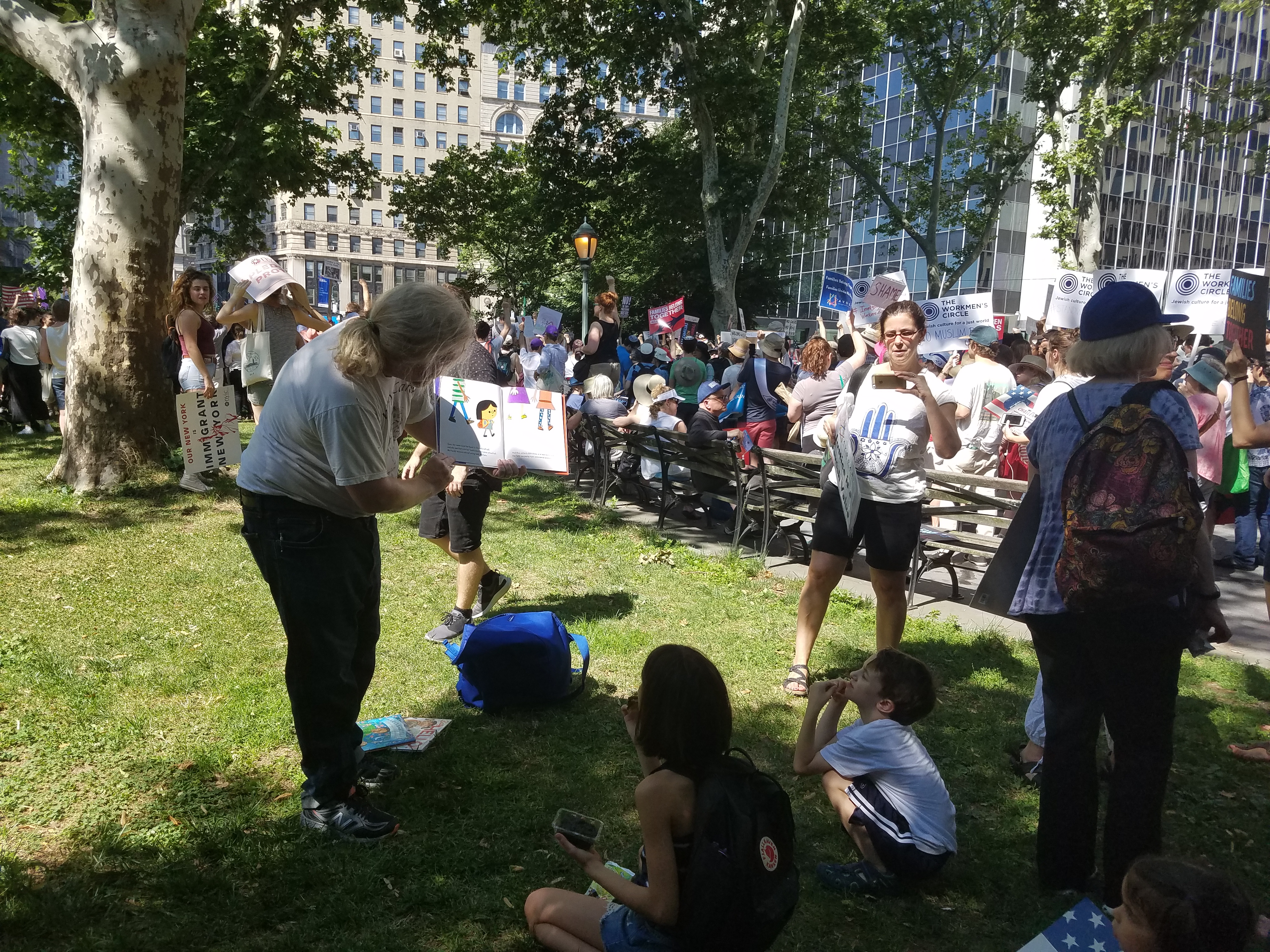
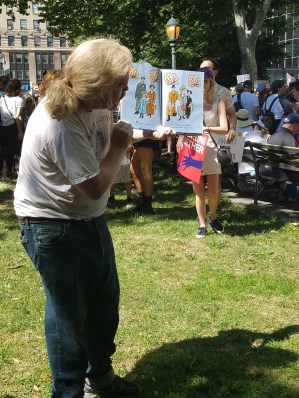
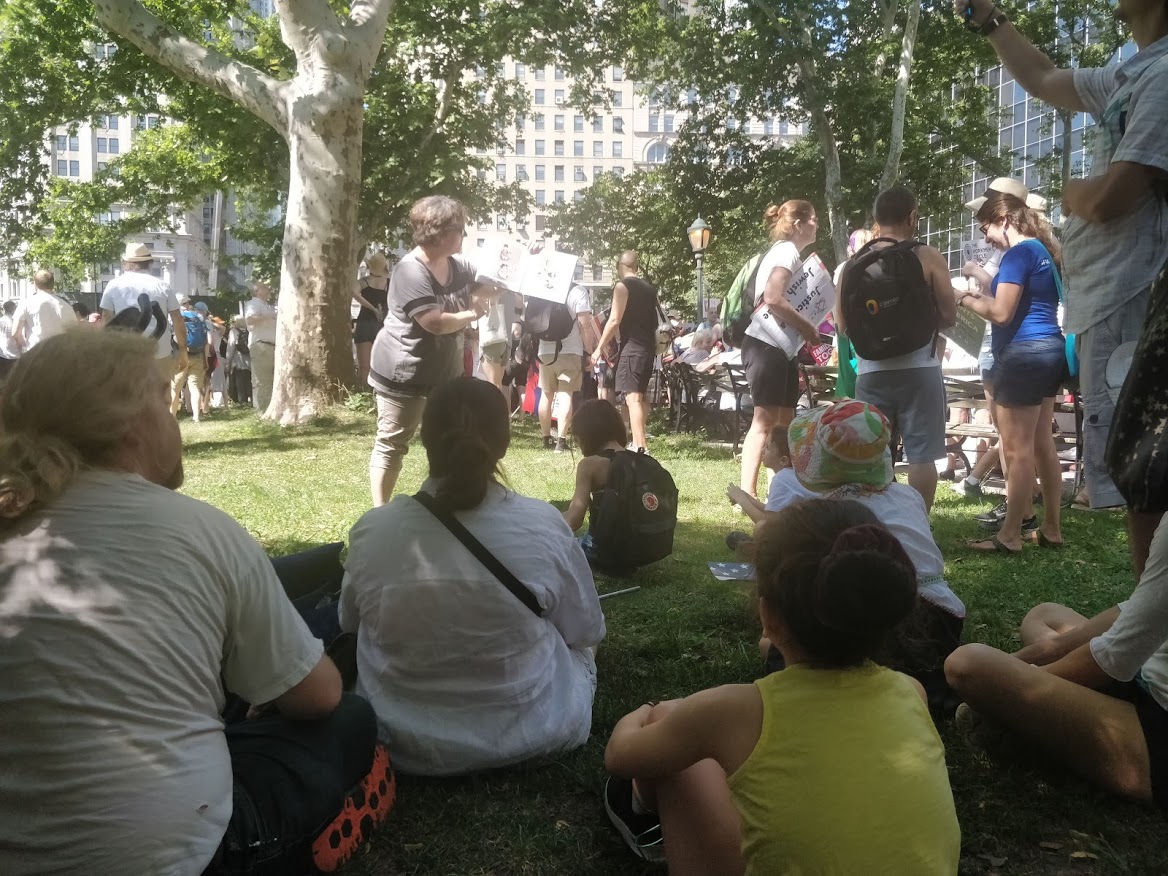
I was one of the librarians at the Urban Librarians Unite Protest Storytime yesterday, at the New York City Keeping Families Together protest. Our reasoning: we can’t read to the kids who are separated from their families, but we sure as heck can read books on empathy, diversity, and refugees/immigrants/migrants to the many, many families that participated in the protest. Books we read included Faith Ringgold’s We Came to America, Justin Roberts’ The Smallest Girl in the Smallest Grade, Rachel Isadora’s Say Hello, Anne Sibley O’Brien’s I’m New Here, and Humans of New York Brandon Stanton’s Little Humans.

New ALA President Loida Garcia-Febo joins ULU at the march
ULU’s Christian Zabriskie reads The Smallest Girl in the Smallest Grade to the smallest protestors
Reading Faith Ringgold’s We Came to America
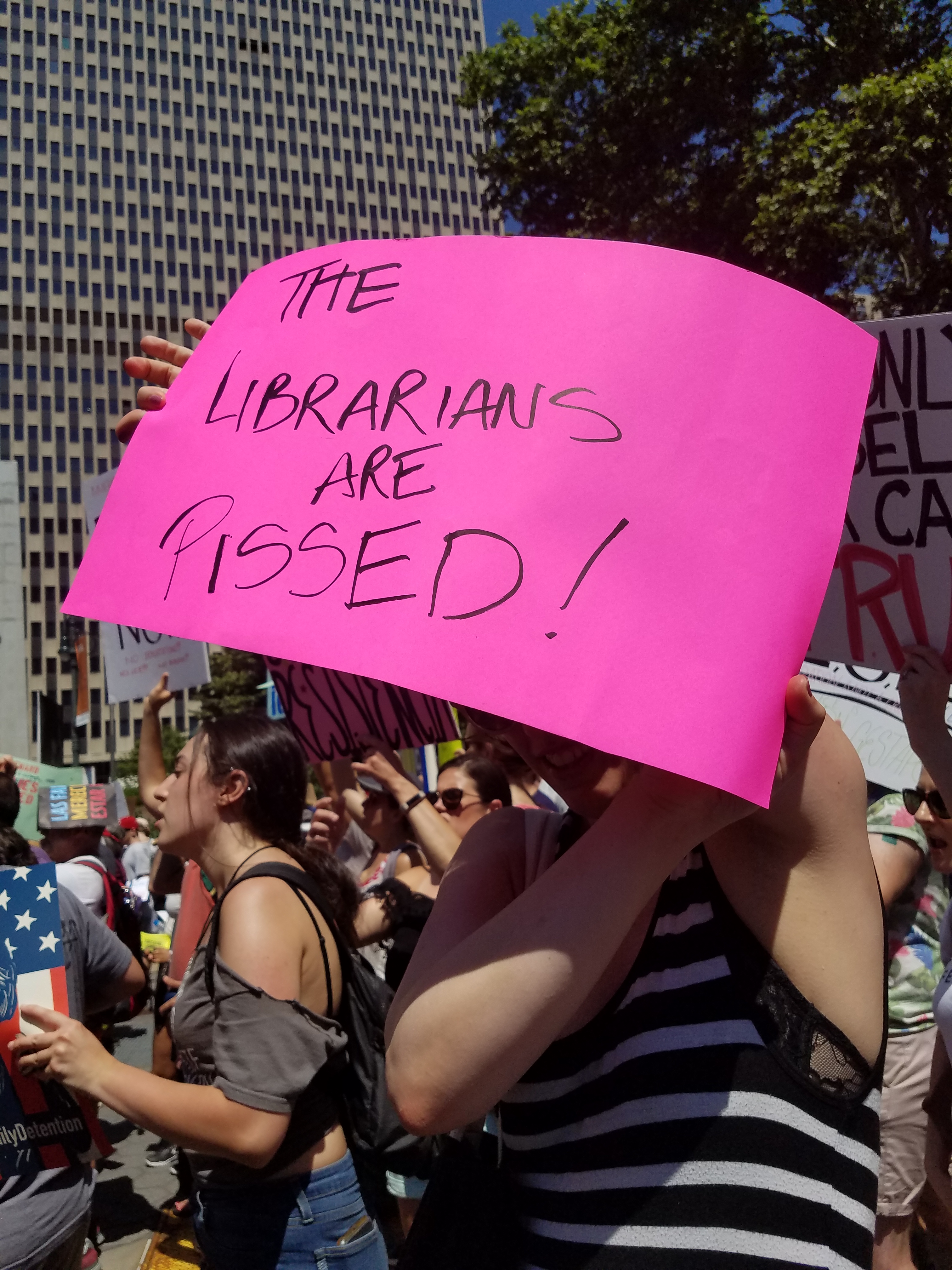
We really are. ULU’s Lauren Comito shouts out to the profession.

We held the first storytime at Foley Square, gathering spot for the protest. As the crowd started moving, we packed up and headed to Brooklyn, settling in for the rally at Cadman Plaza and holding another storytime. Parents sat down with their kids in the shade, listened to stories and songs, and thanked us for the break.

As Lauren said, “When kids don’t have access to a normal life, even storytime is a radical act.” We were reading books to children that empower them and remind them that immigrants are what America’s built on, and to always be welcoming and share with others. You know, the kind of stuff you’re supposed to learn from adults.

Yours truly reading I’m New Here

We even garnered a mention in School Library Journal, which is amazing. When you’re standing with Christian and Lauren, you realize the immensity of a situation; I’m flattered, thrilled, and blown away to call them my colleagues, and to have been invited to be part of this event.

Posted in Fiction, Historical Fiction, Middle Grade, Realistic Fiction, Tween Reads

Social Justice, Union Organizing, Dairy Wars, and an Orphan Band!

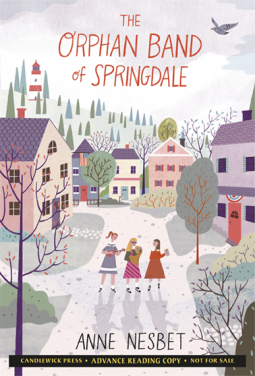
The Orphan Band of Springdale, by Anne Nesbet, (Apr. 2018, Candlewick Press), $18.99, ISBN: 9780763688042

Recommended for readers 8-12

It’s 1941, and things are tense in the U.S. as the world is at war in Europe. Eleven-year-old Gusta is on the run with her father, a German labor organizer, heading toward Maine to stay with her grandmother, when her father disappears. Gusta shows up on her grandmother’s doorstep with the clothes on her back and her beloved French horn. Her grandmother and aunt, who run an orphanage, take her in, and Gusta starts adjusting to life in a place very different from New York. American nationalism runs rampant in Maine, and Gusta’s last name and status as a newcomer brings some suspicion with it, as does her talk about unions and workers’ rights. Her uncle, a mill-worker whose hand was mangled at the factory, can’t work, so Gusta takes it upon herself to approach the owner of the mill to ask him to consider helping with her uncle’s bills. What Gusta doesn’t realize is that her desire to do the right thing puts her at odds with the mill owner, who has a history of his own with her family.

There is such rich and relevant storytelling here. Gusta is a wonderfully realized character with a strong background in social justice: a background that makes her an outsider in her own country. She comes to Small Town America during a time when there of alien registration drives (it really happened) and extreme patriotism; when something as innocuous as a last name aroused suspicion. Gusta is hyper-aware of injustice and determined to do what’s right, whether it’s bringing union reps to her town or point-blank asking for compensation for her uncle’s work-related injury. It’s her unflinching sense of right and wrong that puts her at odds in her community – and her father’s reputation certainly doesn’t help. Thank goodness her tough but loving grandmother is there to lean on. The Orphan Band of Springdale moves at a good pace, has believable characters in relatable situations, and readers can easily draw parallels between 1941 and today.

An author’s note reveals the very personal connection between the author and Gusta’s story. Readers can download a discussion guide and author’s notes from Candlewick’s website. The Orphan Band of Springdale has starred reviews from Publisher’s Weekly and the Bulletin of the Center for Chidren’s Books.


Posted in Fiction, Intermediate, picture books, Realistic Fiction

Black History Month: As Fast as Words Could Fly

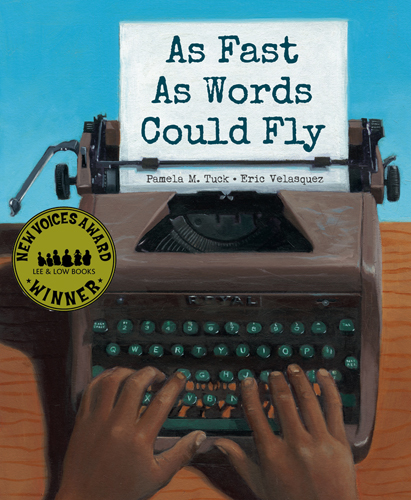
As Fast As Words Could Fly, by Pamela M. Tuck/Illustrated by Eric Velasquez, (Apr. 2013, Lee and Low), $18.95, ISBN: 9781600603488

Recommended for readers 6-10

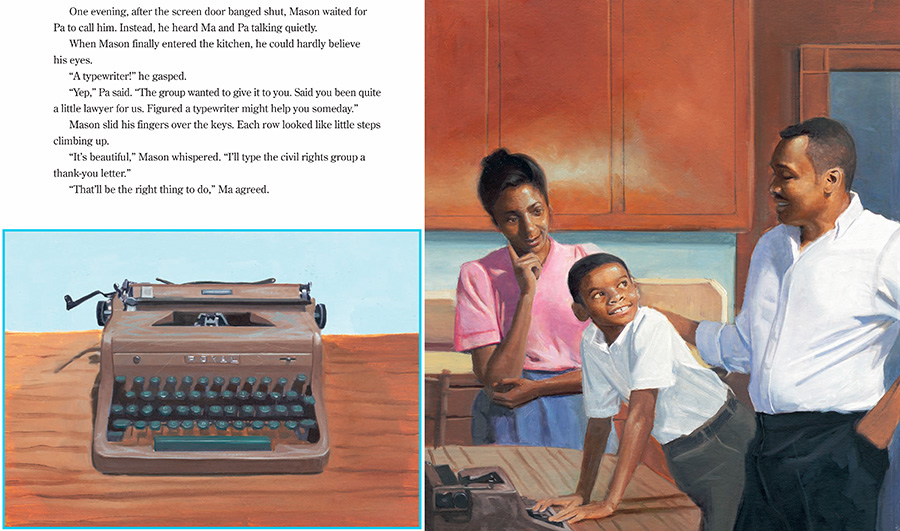
I had to start my Black History Month reviews off with this gorgeous book by Pamela M. Tuck. As Fast As Words Could Fly is inspired by Ms. Tuck’s father, who – along with his brothers – integrated a North Carolina school, and by her grandfather, who was active in the Civil Rights movement. Mason Steele is a 14 year-old who helps his father’s civil rights group by writing letters for them, shining light on injustices. Mason’s father brings home a manual typewriter, transforming Mason’s life and letting his words fly across the pages. At the same time as Mason receives his typewriter, his father tells him and his brothers that they will integrate the local high school rather than continue busing to one twelve miles away. Integration is tough on Mason and his brothers: buses drive right by them and teachers and students alike make it known that the boys aren’t welcome there, but Mason endures and uses his typewriter to increase his skill and earn some money. He also uses his typewriter to make a change: he defies racism to keep his job at the local library and to represent his school in a typing contest. For Mason, the words on the paper speak loud and clear.

This was Pam Tuck’s first published story, which won the Lee & Low New Voices Winner. I was lucky enough to see her speak about her experience, and her family’s experience, at KidLitCon back in November, and I got my own copy of As Fast As Words Could Fly signed for my kiddo. Pam’s voice comes through so clearly in her story; I can hear her, even now, telling me about her grandfather and father’s story. I mentioned that I was a fan of her illustrator, Eric Velasquez, and she sat with me; as we went through the book together, she pointed out her favorite pieces of artwork. I mentioned that I loved Mr. Velasquez’s books, Grandma’s Records and Grandma’s Gift, and his talent for creating warm, loving family artwork, and she told me that the spread where Mason’s father tells his boys that they are going to a new school was perfectly recreated: she pointed out areas of her grandparents’ kitchen that she remembered, and said that Pa’s posture and hands were spot-on; the artist had given life to her grandfather.

As Fast As Words Could Fly is a strong story about a family during the Civil Rights movement, and it’s the story of a young man who was determined to make a change on his own terms. I love this story, and would love to see it on more bookshelves. Find a teacher’s guide and interviews on the Lee & Low website, and learn more about Pamela Tuck here. See more of award-winning illustrator Eric Velasquez’s artwork at his website.

Posted in Non-Fiction

Children in Our World addresses racism, intolerance, and global conflict

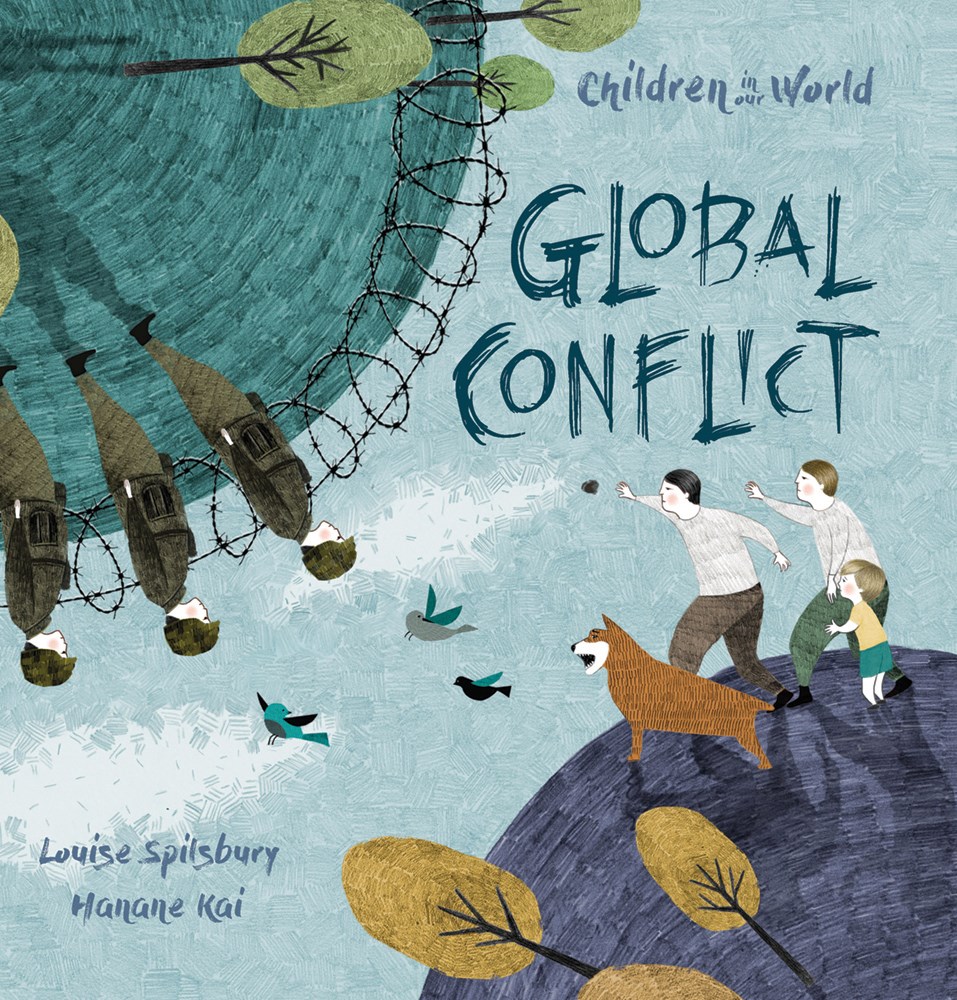
Barron’s Educational’s Children in Our World series continues with the release of two more books: Racism and Intolerance and Global Conflict.

Racism & Intolerance (Children of the World), by Louise Spilsbury/Hanane Kai,
(Feb. 2018, Barron’s Educational), $9.99, ISBN: 9781438050225
Recommended for readers 6-10

As with the previous titles, Refugees and Migrants (2017) and Poverty and Hunger (2017), these titles provide smart, open social commentary on issues that face our kids every day, in a manner that’s factual, sensitive, and empowering. Illustrations provide examples of everyday intolerance, from someone refusing to provide a bouncy ball to a Jewish child to a group of people who refuse to give up their seats on a bus – or their bags’ seats – for an elderly woman with a cane. Global Conflict explores the reasons for conflict, and the violent ways that conflict can manifest: terrorism and war.

Global Conflict (Children of the World), by Louise Spilsbury/Hanane Kai,
(Feb. 2018, Barron’s Educational), $9.99, ISBN: 9781438050218
Recommended for readers 6-10

Each book also describes the aid efforts of individuals and charities who step into help others, and soothes children who may be afraid of what they see going on around them by encouraging them to talk to a grownup about their fears. Author Louise Spilsbury offers ways that children can help elevate the dialogue: by understanding one another, and by offering ways to help, whether it’s taking part in a bake sale fundraiser for charity or by writing letters to elected officials. There are additional books and resources for readers, caregivers, parents, and educators who want to learn more, glossaries of terms used, and indexes.

Hanane Kai’s artwork creates soft, muted pictures showing individuals working together to create understanding and, in turn, a better world for all.

Originally published in the UK in 2016 and 2017, these books – paired with the first two in the series – contribute to a strong current events shelf for elementary-age students, and a nice addition to collections for burgeoning activists. Add books like Innosanto Nagara’s A is for Activist and Counting on Community, and Maribeth Boelt’s Those Shoes and A Bike Like Sergio’s for a strong social commentary collection.

Posted in Preschool Reads, Toddler Reads

Picture Book Roundup: Bears, Babies, Bats, and more!

In my continuing struggle to get on top of my review list, I present another roundup; this time, with picture books!

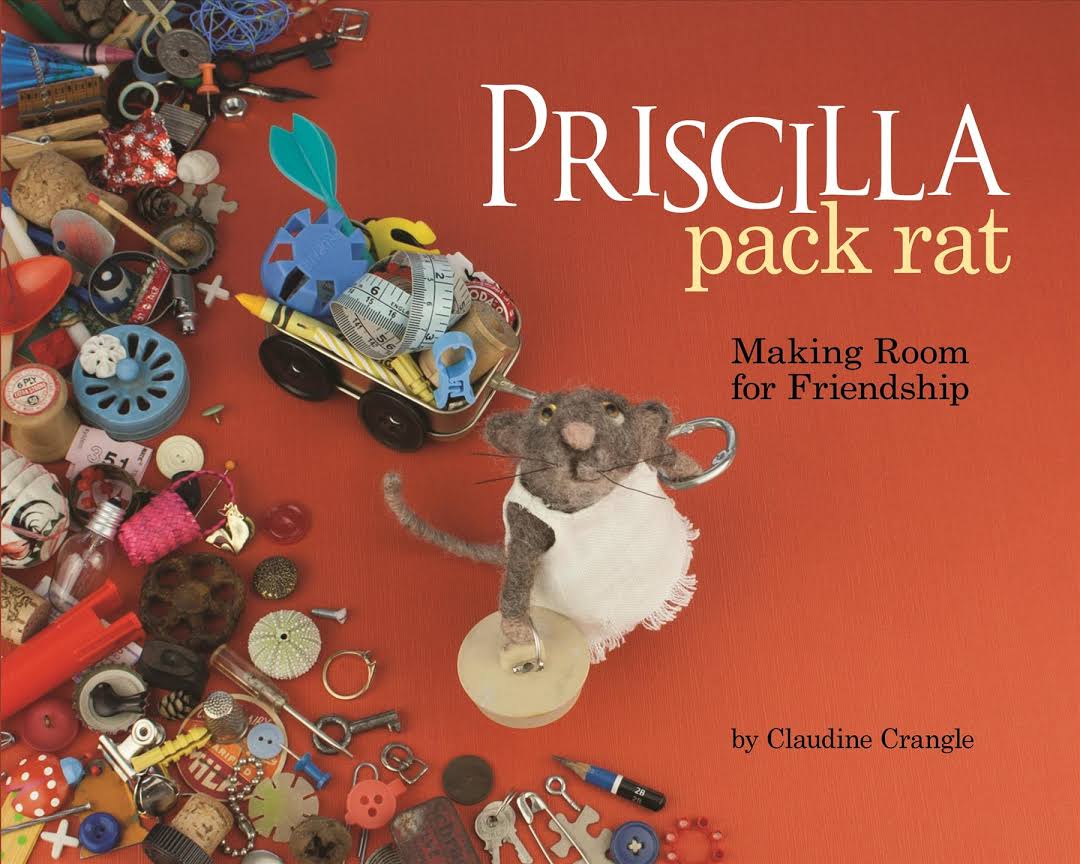
Priscilla Pack Rat: Making Room for Friendship, by Claudine Crangle,
(March 2017, Magination Press), $15.95, ISBN: 978-1433823350
Recommended for readers 4-8

Priscilla is a very sweet rat who loves to collect things, but when she’s invited to friends’ birthday parties, she finds that she has a hard time even parting with the gifts she chooses for her friends! When Priscilla’s house finally crashes around her, she realizes that her friends are worth much more than being surrounded by stuff. Magination Press is an imprint of the American Psychological Association; this is a book designed to discuss clutter and hoarding tendencies in kids, and it does so in a mild, easy manner. This can easily be a kids’ story on sharing and giving, no red flags necessary. Adorable felted characters and found objects create a visually interesting story that you can also turn into a little game of I Spy with little ones: there are plenty of things to find! A note to parents and caregivers advises parents on what to do if children have trouble parting with possessions, the differences between hoarding and collecting, and ways to help kids organize their belongings. A nice add to developing empathy collections and for caregivers and educators who need books to address behaviors.

Letters to a Prisoner, by Jacques Goldstyn
(Sept. 2017, OwlKids Books), $18.95, ISBN: 9781771472517
Recommended for readers 4+

Letters to a Prisoner is getting rave reviews, with good reason. The wordless picture book, inspired by the letter-writing campaigns of human rights organization Amnesty International, is so impactful, so relevant, and so necessary. A man is arrested during a peaceful protest, injured by a soldier who also pops the man’s daughter’s balloon. The man is thrown in a solitary jail cell, where he befriends a mouse and a bird. When letters arrive, the guard takes joy in burning them in front of the man, but the joke’s on the guard: the smoke from the burning letters serves as a worldwide beacon. Groups of people all over send the man letters; they arrive, en masse, and turn into wings with which the prisoner soars above the helpless, infuriated guard. The watercolor over black ink sketches adds an ethereal feel to this beautiful story of hope and social justice. The book’s wordlessness allows for every reader to come together, transcending language, to take part in this inspirational story. An author’s note tells readers about Amnesty International’s inspiration. Display and booktalk with Luis Amavisca’s No Water, No Bread, and talk with little ones and their parents as you display the book during social justice and empathy themed storytimes. Letters to a Prisoner has starred reviews from Publishers Weekly, Kirkus Reviews, and Quill and Quire.


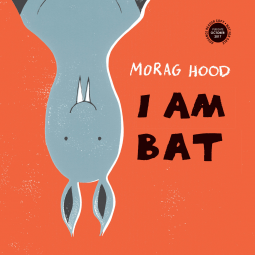
I Am Bat, by Morag Hood,
(Oct. 2017, OwlKids Books), $17.99, ISBN: 9781492660323
Recommended for readers 3-7

One of my favorite picture books this year. Bat is adorable. And he loves cherries. DO NOT TAKE HIS CHERRIES. He is quite serious about this, so you can imagine his distress when his cherries start disappearing! The reader’s clued in, naturally – we see paws and ants sneaking cherries out of the book’s margins while Bat stares at us, demanding to know what’s going on. The animals leave him a pear, which Bat embraces – and the story is ready to begin again. There’s bold, black fonts to make for expressive storytime reading, and Bat and Friends are just too much fun to read and play along with. Absolutely delightful storytime reading; just make sure you read this one before you get it in front of your group: you will squeal with glee the first couple of times you read it. Print out bat masks for the kids to color in as part of your storytime craft.

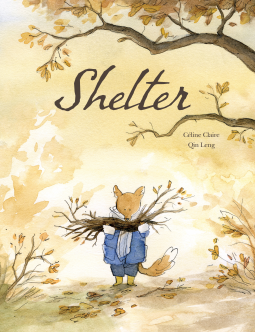
Shelter, by Céline Claire,
(Oct. 2017, Kids Can Press), $18.99, ISBN: 9781771389273
Recommended for readers 3-7

A storm’s approaching, and two strangers – brothers – arrive in the forest. They stop at several animal family homes, offering a trade for shelter; they have tea, can anyone offer them some food? A place to ride out the storm? We see each family, safe and with full larders, turn them away. A young fox feels terrible about this, and runs out to give the brothers a lamp, which they use to find shelter. But as fate would have it, the storm is even more trouble than the families expected, and soon, they’re asking the brothers for shelter: which is cheerfully given. This kind, moving story about kindness and succor is perfect for illustrating the power of empathy. Qin Leng’s watercolor and ink illustrations are soft and gentle, a perfect match for Céline Claire’s quiet narration. Shelter offers the perfect opportunity to talk about putting kind thoughts into practice; whether it’s sharing with others or offering friendship to someone who needs it.

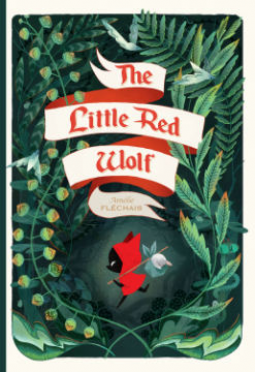
The Little Red Wolf, by Amelie Flechais,
(Oct. 2017, Lion Forge),$19.99, ISBN: 9781941302453
Recommended for readers 6-10

A slightly macabre twist on the traditional Little Red Hiding Hood tale, The Little Red Wolf is a story about a little wolf who, on the way to visit an ailing grandma, encounters an awful human girl. The message here is consistent with the original fable: there’s a strong stranger danger warning, but also a reminder that every side has a story, every villain has an origin. The art is beautiful and dark; an additional add for collections where readers may be ready for darker fantasy.

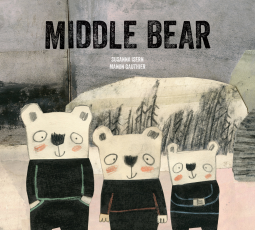
Middle Bear, by Susanna Isern/Illustrated by Manon Gauthier,
(Oct. 2017, Kids Can Press), $18.99, ISBN: 9781771388429
Recommended for readers 3-7

The middle child gets lots of love in this adorable picture book. Middle Bear is the second of three brothers; not small, but not big; not strong, but not weak; not a lot, not a little… “he was the middle one”. He has a hard time feeling special until the day his parents both fall ill and the three cubs have to get willow tree bark from the mountain top, to help them get well. When big brother is too big, and little brother is too little, it’s up to Middle Brother to save the day: he is, to quote that other story starring three bears, “just right”. The emphasis on bear’s “middleness” will drive home the point that he persevered and succeeded as is, through determination. Manon Gauthier cut paper collage, pencil, and mixed media illustrations add texture and a childlike sense of place in the story. There’s a good lesson about empathy to be learned here, too; the bear’s brothers and parents all support him and let him know that what he may see as being a challenge – being the middle one – is what makes him the perfect bear for the job. Perfect storytelling for middle children who may be feeling the frustration of being too big for some things, not big enough for others.

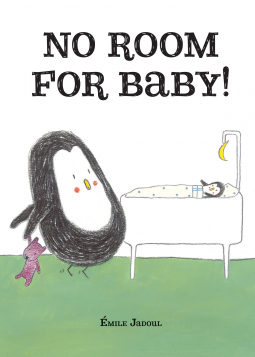
No Room for Baby!, by Émile Jadoul,
(Oct. 2017, Kids Can Press), $18.99, ISBN: 9781771388412
Recommended for readers 3-7

Leon’s baby brother, Marcel, has arrived! Leon’s excited, but a little concerned about where the baby’s going to go when he’s not in his crib. He certainly can’t go in Leon’s room. And there’s no room on Mama’s lap for him; there’s only room for Leon. And Daddy’s shoulders are just too high. After Leon thinks on the situation, he discovers the best possible place for his baby brother: in his arms. This is the such a sweet story about becoming an older sibling; it addresses the fears an older sibling may have when a new baby joins the family, and it allows the sibling to work through his fears and come to his own happy decision. At no point do Leon’s parents correct him or force the baby on him; they stand back and let him reason things out for himself. It’s an empowering story with a sweet sense of humor. The simple black pencil, crayon and oils illustration feels childlike and will easily appeal to readers. I’m looking forward to adding this one to my new baby bibliography.