Posted in picture books, Preschool Reads, Uncategorized

Saving Delicia: A Story About Small Seeds and Big Dreams

Saving Delicia: A Story About Small Seeds and Big Dreams, by Laura Gehl/Illustrated by Patricia Metola, (Apr. 2024, Flyaway Books), $19.00, ISBN: 9781947888449

Ages 3-7

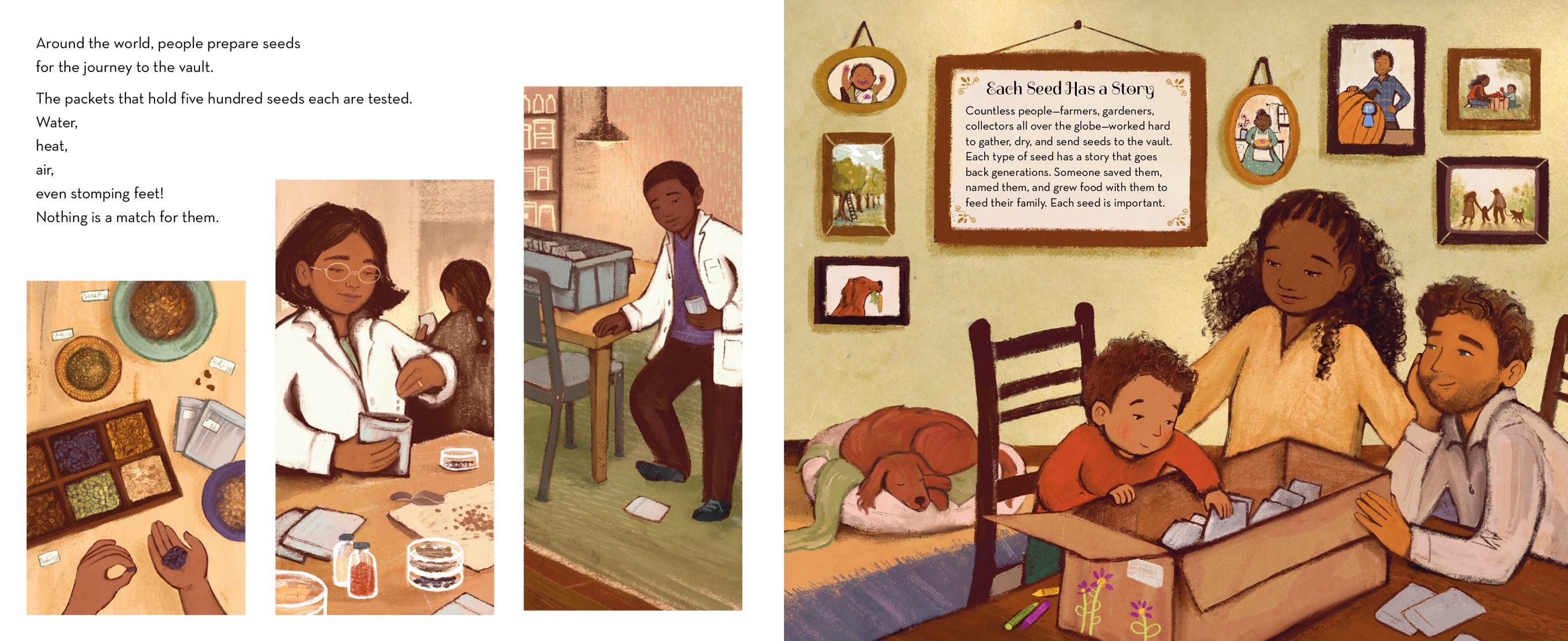
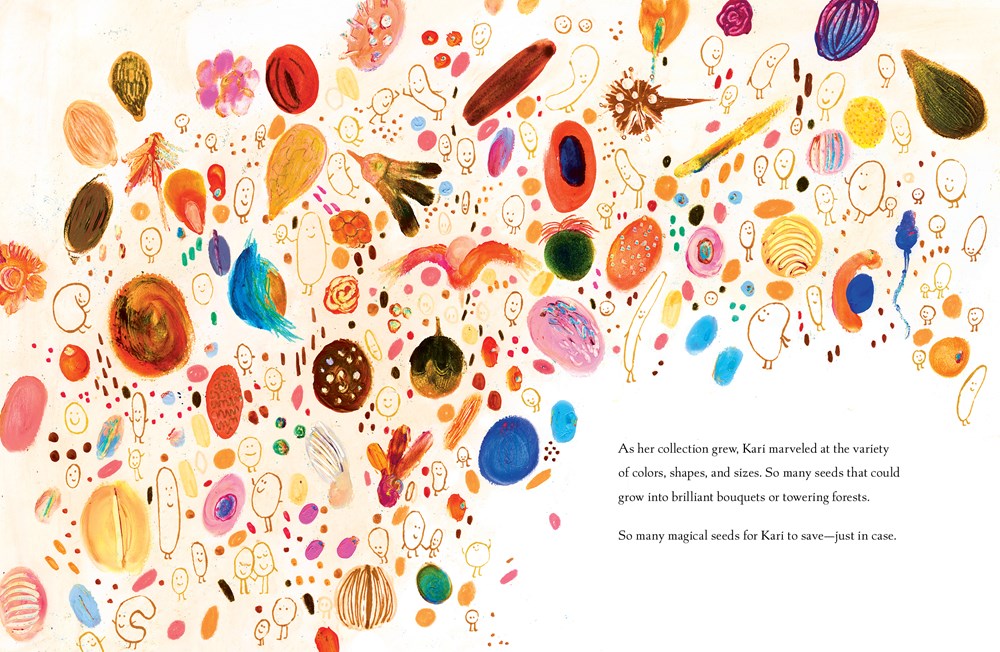
Kari and her dog Cookie sit in the shade of a delicia tree, listening to Old Otis tell stories about his youth, when delicia trees grew in abundance and he would eat fruit after fruit, the juice running down his chin. Blight has killed off all but one tree, but Kari holds hope. She saves the seeds after she eats the fruit, and asks Otis if he thinks she could bring the trees back. Moved to action, Kari learns about freezing and preserving seeds; her friends join her, and they create “Kari and Otis’s Seed Bank”, delighting Otis. Sadly, Otis and the last delicia tree die shortly after, but the following year, scientists solve the blight problem and Kari puts her seed bank to use. An older Kari sits among a delicia orchard, sharing stories with the children who cannot believe there was a time when there was only one delicia tree. A moving story of empathy, environmental stewardship, and intergenerational friendship, Saving Delicia is an excellent choice for Spring storytimes, and if you have a seed library (like my library!) or a gardening program, this is a must read. A note from the author expands on the importance of seed banks and biodiversity. The colorful illustrations are cheery, filled with hope, and show the incredible beauty of the many seeds that give life to beautiful and necessary plants: “So many seeds that could grow into brilliant bouquets or towering forests”. An essential for picture book collections.


Posted in picture books, Preschool Reads, Toddler Reads, Uncategorized

New Earth Day Reads!

Earth Day is right around the corner! There are some great new books to have ready for a great readaloud. Let’s take a look.

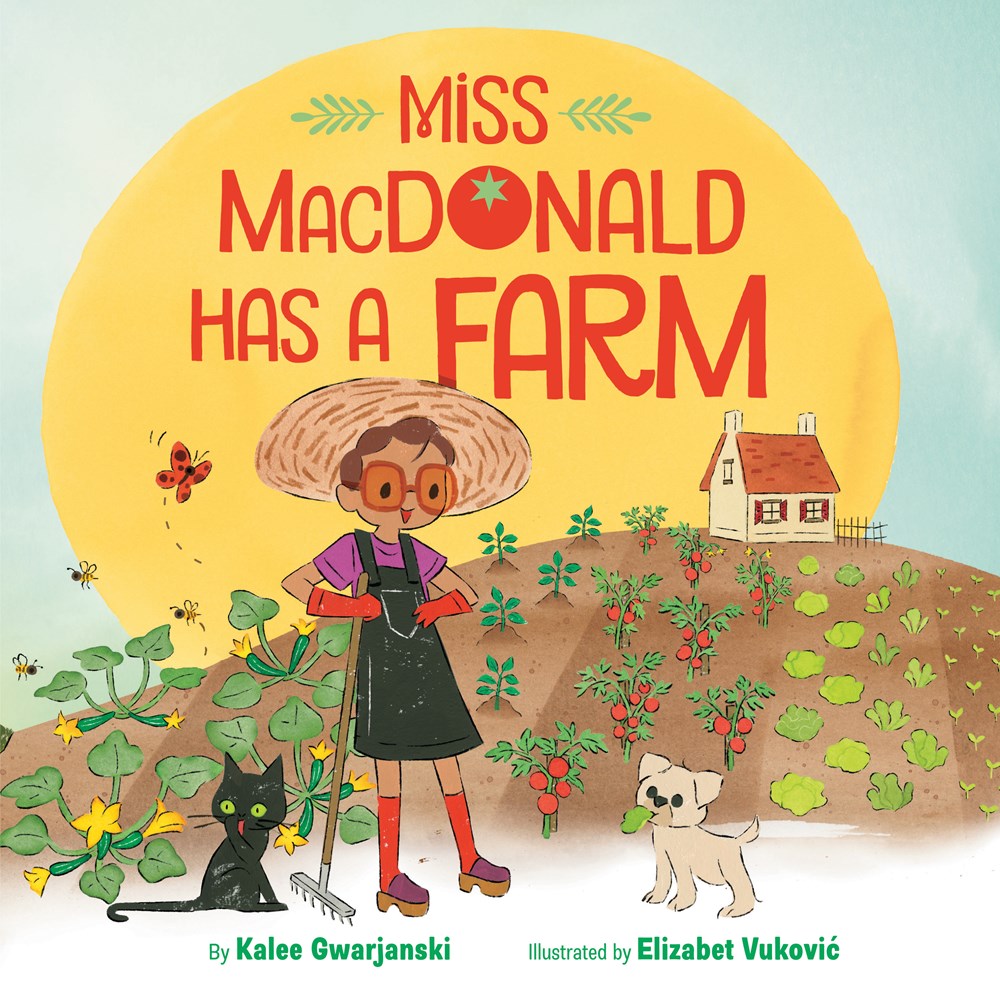
Miss MacDonald Has a Farm, by Kalee Gwarjanski/Illustrated by Elizabet Vuković, (March 2024, Doubleday Books for Young Readers), $18.99, ISBN: 9780593568163

Ages 3-7

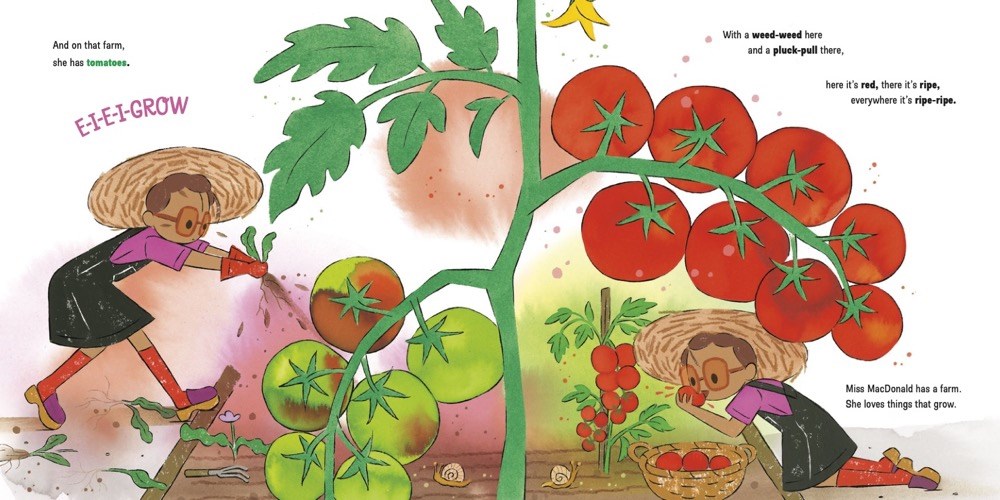
It’s a new spin on an old favorite! Miss MacDonald has a farm, and she loves to grow her own food in this ode to farm-to-table food. Kids are going to love this easy-to-learn song, with repetitive phrases like “Miss MacDonald has a farm. / She loves things that grow” and “E-I-E-I-GROW”. Miss MacDonald grows all sorts of yummy food, like tomatoes and green beans, sweet corn and pumpkins, and she “shuck-shucks” and “thrish-thrashes” her way through her fields, planting and harvesting her wares to bring to a farmer’s market and feasting at a community table with a diverse group of neighbors. It’s a fun way to illustrate where our food comes from and how it gets to the table, with colorful and appealing illustrations that show a young female farmer of color growing and harvesting her food. Back matter includes vocabulary that explains the steps in getting food to grow from seed to table, and a recipe for a harvest vegetable bake included in the story. I sang this story to a pre-k class during a school visit this week, and they loved it! This is a great story for anyone who’s doing flannel storytimes, too – get those colorful sheets out and make yourself a vegetable garden.

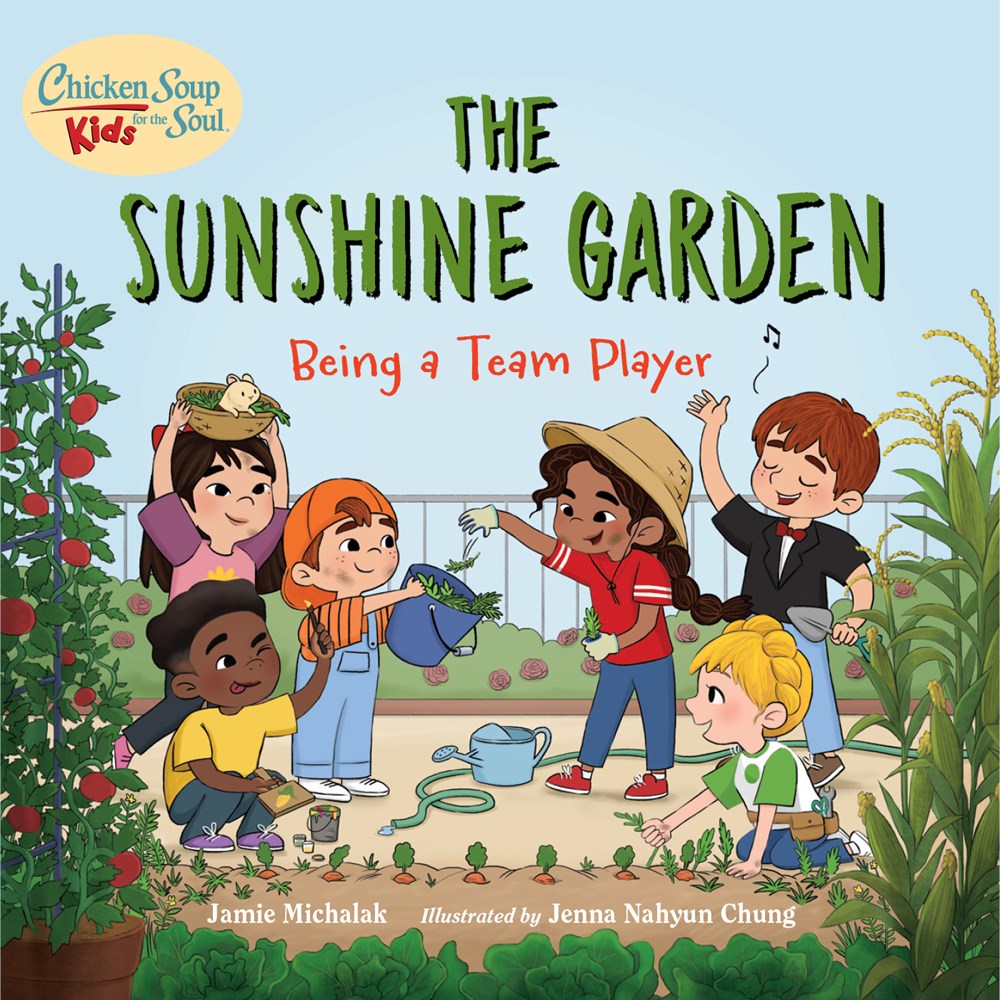
Chicken Soup for the Soul KIDS: The Sunshine Garden: Being a Team Player, by Jamie Michalak/Illustrated by Jenna Nahyun Chung, (March 2024, Charlesbridge), $14.99, ISBN: 9781623542863

Ages 4-7

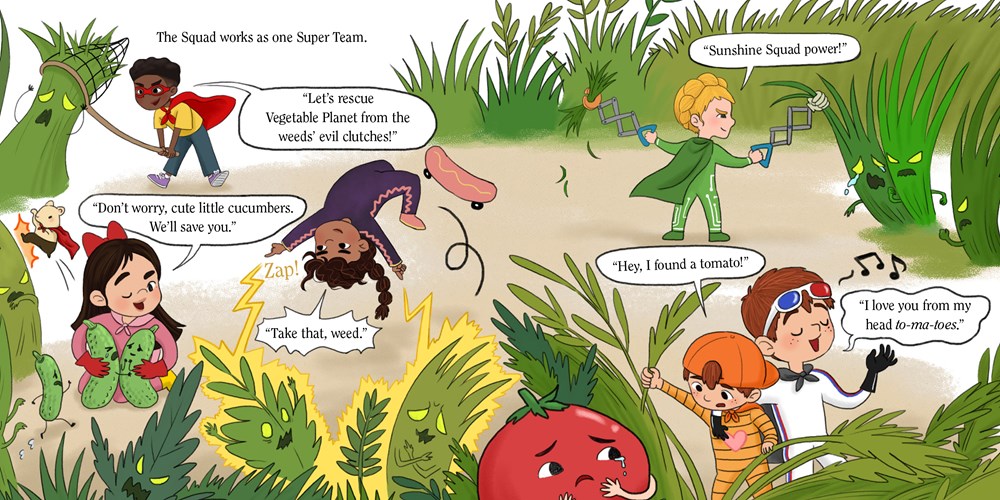
The Sunshine Squad returns in this sweet story about kindness, teamwork, and gardening. The Sunshine Squad are six friends who loves to pretend they’re superheroes, and do some pretty great everyday superhero stuff. Mia, one of the Squad, learns that her grandma’s friend, Mr. Angelo, is sick and unable to tend to his community garden and steps in to help… but it’s a much bigger task than she realized. The rest of the Sunshine Squad step in and use their “superpowers” to get the job done and save the day! It’s a sweet story about helping one another and being kind, while showing kids that kindness can be a superpower. Back matter includes tips on being part of a team, with suggestions that work nicely within an Earth Day setting. It’s a good additional add to picture book collections, especially where Chicken Soup for the Soul books do well.


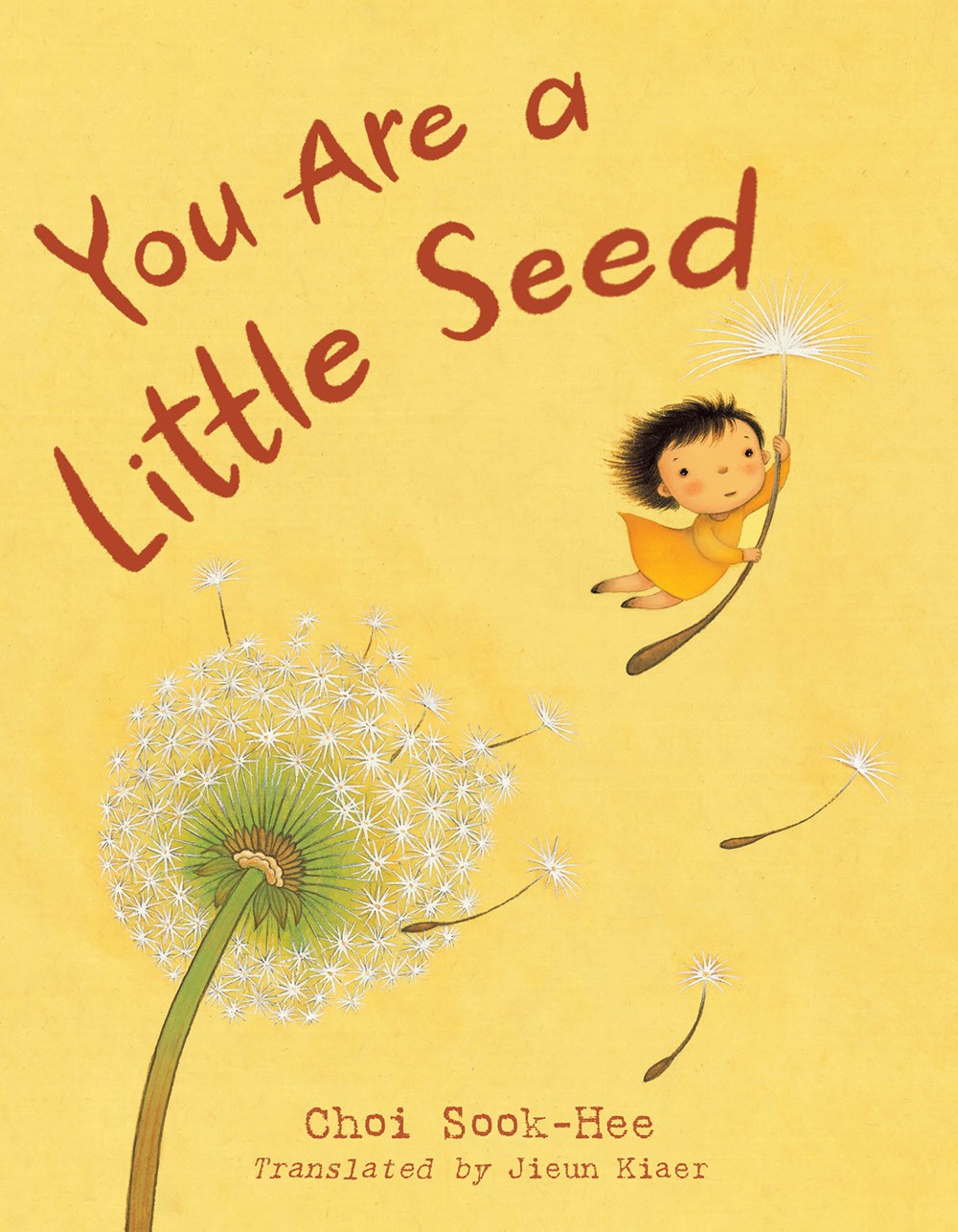
You Are a Little Seed, by Sook-Hee Choi, Translated by Jieun Kiaer, (March 2024, Charlesbridge), $15.99, ISBN: 9781623544287

Ages 2-5

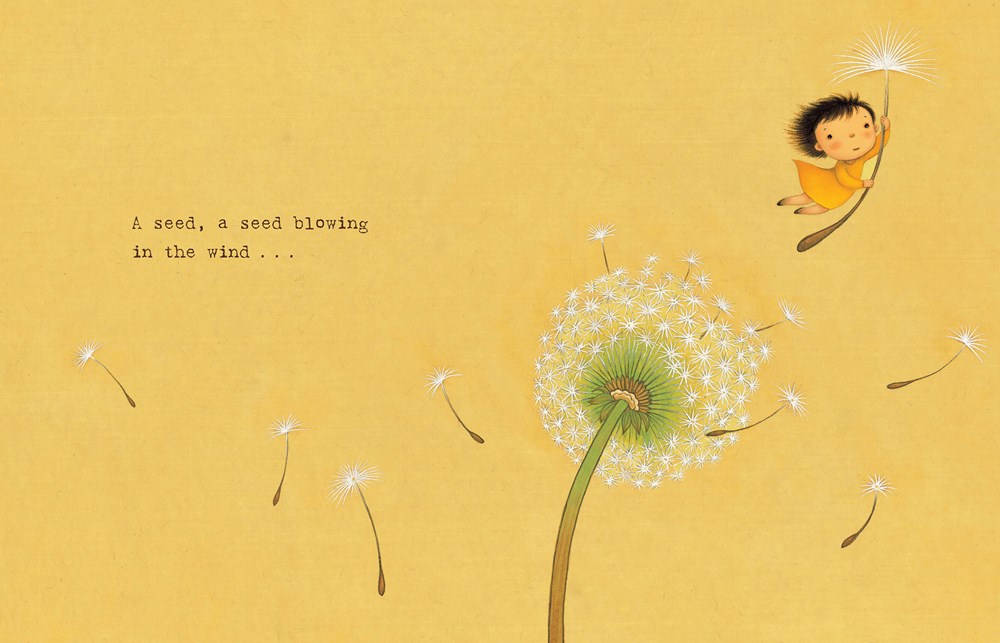
Originally published in Korean in 2013, this is a gentle story that reads like poetry, describing seven types of flowers that bloom from different types of seeds and became beautiful flowers: “A seed, a seed blowing / in the wind… / took root in / the wild and bloomed / as a dandelion”. Children show up in the flowers as seeds and fully bloomed, showing readers that we can bloom under all sorts of conditions. A soft color palette creates a soothing setting, and the flower illustrations are breathtaking. A wonderful metaphor for how we grow and our beauty in diversity. My only concern is a pssage that describes a seed as “ugly and wrinkled”, which reads more like the author is referring to the child as unsightly; I’m hoping it was more of a moment where the child may feel that way but blossoms into themselves? Other than that, You Are a Little Seed is lovely.

You Are a Little Seed has starred reviews from Kirkus and Foreword Reviews.

Posted in picture books, Preschool Reads

Books from Quarantine: Spring Picture Books

So we’re inside for a large amount of every day, but it’s still Spring outside. I’ve been looking at some beautiful picture books that celebrate the season, and thought I’d bring a little Spring to you.

The Nest That Wren Built, by Randi Sonenshine/Illustrated by Anne Hunter, (March 2020, Candlewick Press), $16.99, ISBN: 9781536201536

Ages 3-7

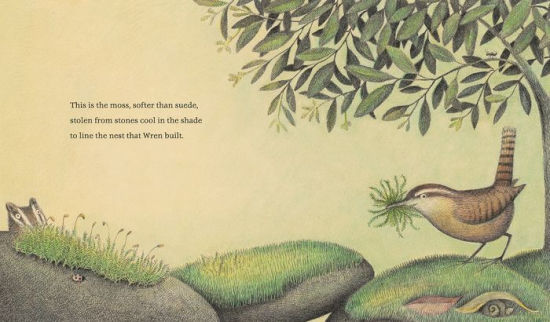
An ode to nature in the form of that most famous of cumulative poems, The House That Jack Built. Two wrens build a nest and a family that comes to life as the story progresses. Flowing with imagery and details about Carolina wrens, author Randi Sonenshine and illustrate Anne Hunter create a lovely story that gives readers new surprises to behold on every spread: This is the snakeskin warding off harm, / a scaly and thin reptilian charm, / draped on the nest that Wren built”; “This is the tuft of rabbity fur, / plucked from a sharp, persnickety burr, / to warm the nest that Wren built”. Gentle ink and pencil illustrations in natural browns and greens are just breathtaking which each spread’s reveal. A glossary and page with facts about wrens add additional learning.

An excellent choice for storytimes and for STEM/Science classes for preschoolers and kindergartners. Great inspiration for bird-related crafts and activities, like these DIY bird binoculars or this fun sensory activity. The Audobon Society has a page dedicated to the Carolina Wren, and you can read Laura Donnelly’s poem dedicated to Carolina Wrens here.

The Nest That Wren Built has a starred review from Kirkus.
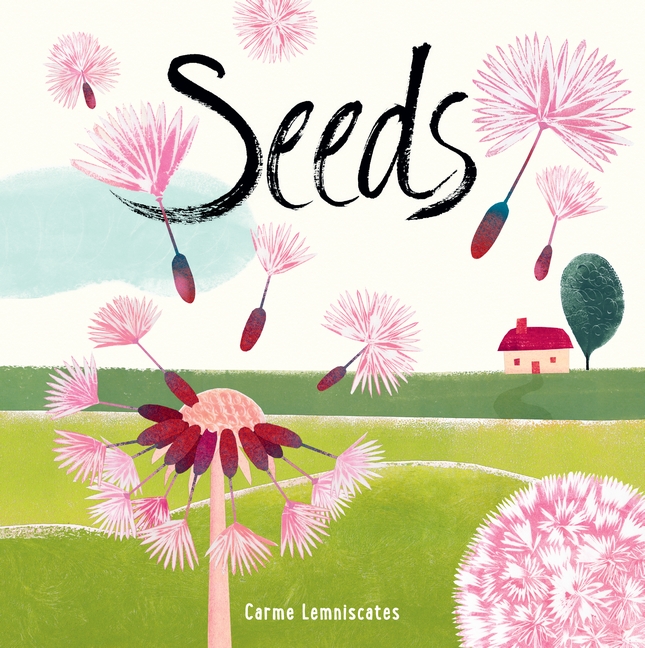
Seeds, by Carme Lemniscates, (March 2020, Candlewick Press), $14.99, ISBN: 9781536208443
Ages 3-7
A narrative on the literal and metaphorical power of seeds. “They embark on amazing adventures”, author Carme Lemniscates begins, with illustrations of seed journeys via dandelion puffs and sunflower seeds; underground to sustain ant colonies, and bursting to life as flowers and food. Seeds bring life to the most unlikely places, as we all know; anyone who’s seen leaves sprout from cracks in concrete can attest to that. We are part of the seed’s life cycle as the sowers and caretakers of seeds, reminding readers that we have a big responsibility to our planet. The narrative takes on a solemn note when Lemniscates notes that “we can plant many different kinds of seeds. A smile is a powerful seed… But there are also seeds that bring anger and misunderstanding. When those seeds grow, they pull us apart. Seeds can only bring what they carry.” Pretty powerful words that need repeating. Often.
Carme Lemniscates’ mixed media illustrations bring a crisp life to the illustrations, with browns and greens from nature sharing the space with brightly colored flowers and characters. A wonderful story about friendship and nature, and how we are bound to nature. Great for preschoolers and kindergarteners.

The Seedling That Didn’t Want to Grow, by Brita Tecktentrup, (March 2020, Prestel), $14.95, ISBN: 978-3-7913-7429-1

I never hide my love for Brita Teckentrup, and The Seedling That Didn’t Want to Grow is another hit for me. A seedling takes its time growing in a forest while all the other seeds sprout up around it. Forest friends Ladybird (I love that word) and Ant wait patiently, and when the seedling begins sprouting, Ant and Ladybird follow it along its path, with other forest creatures joining them along their way. The seedling sprouts into a bush full of blossoms, giving home to forest animals who live in her leaves, filling her with “love and life”, but Fall eventually comes, and the animals tearfully say goodbye. But Spring will come again, and with it, a new batch of seedlings, left by their friend.
An aching, unfussy story of friendship set within the nature cycle, The Seedling That Didn’t Want To Grow is filled with catch-your-breath moments: each friend guarding and guiding the seedling as it grows; the change in perspective to showcase the seedling at full growth, housing butterflies, bees, moths, and more; Little Mouse’s farewell… just gorgeous moments, made even more touching by the deep colors of nature and the collage-like feel of the artwork. This is definitely a book on my storytime shelf.
Posted in Intermediate, Non-Fiction

Experiment with What a Plant Needs to Grow – Science Fair Help is Here!

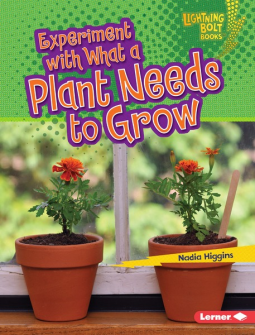
what a plant needsExperiment with What a Plant Needs to Grow, by Nadia Higgins (Mar. 2015, Lerner Publishing Group) $26.65, ISBN: 9781467757300

Recommended for ages 8-12

There are few absolutes in life, and the annual school Science Fair is one of them. Experiment with What a Plant Needs to Grow is here to rescue your child (and you) from yet another ice cube melting experiment. With full-color photographs and easy to read, step-by-step language, the book guides you and your child through the necessaries in keeping a plant alive – sunlight, air, water, minerals – and the finer details: how much water does a seed need to sprout? What will a plant do to find the light it needs (hint: a LOT)?

The book is a science fair project in one convenient spot. There are several experiments from which to select, and the book never gives anything away for free – it asks questions to guide your child in the scientific process, never handing your child the answer. These are hugely helpful questions that they can use to write their own notes and summaries, and bring home that winning ribbon. Good luck!