Posted in picture books, Toddler Reads

Color Our World with stories!

Are you thinking of Summer Reading yet? I am, because we’re working with the theme that the Collaborative Summer Library Program (CSLP) has for this year – Color Our World – and I’m enjoying the different books I can fit into this. We’ve got destination books; we have concepts; we have stories of people from all over the world. Naturally, I’ve got some new books that fit the bill. Let’s take a look!
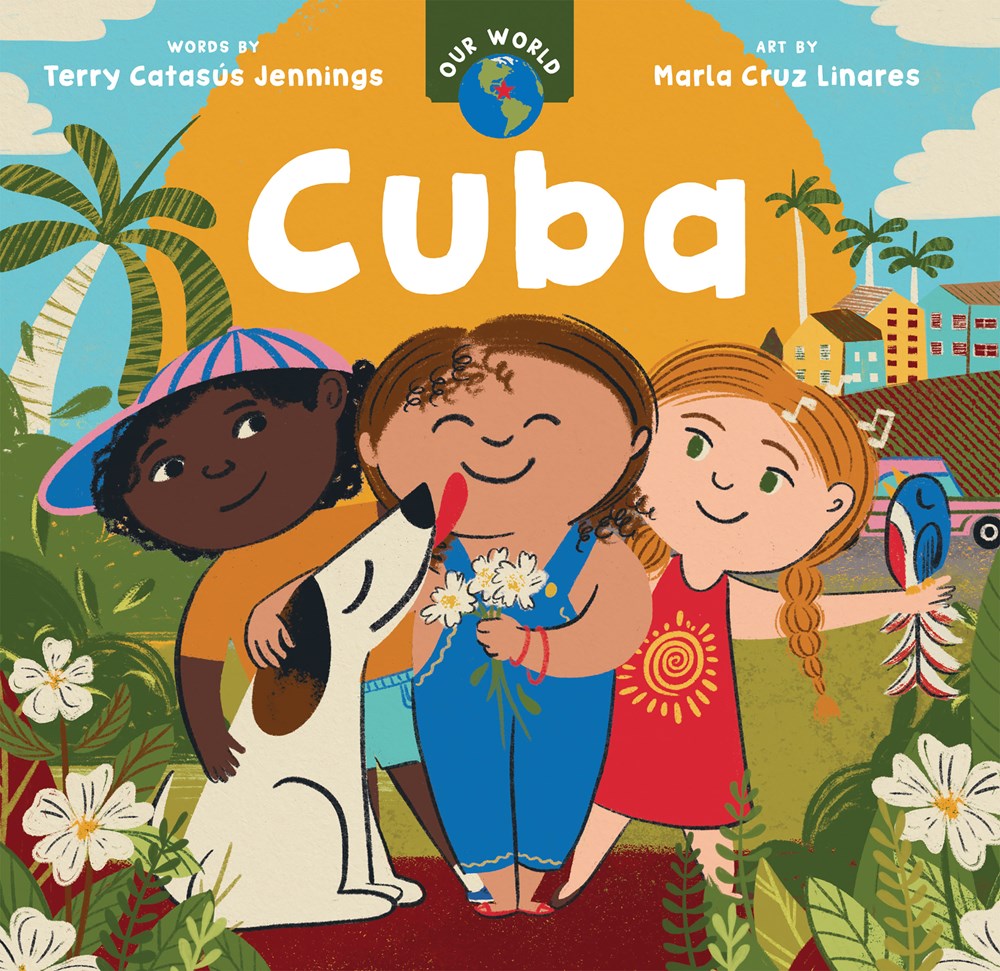
Our World: Cuba, by Terry Catasús Jennings/Illustrated by Marla Cruz Linares, (Oct. 2024, Barefoot Books), $9.99, ISBN: 9798888592304

Ages 2-3

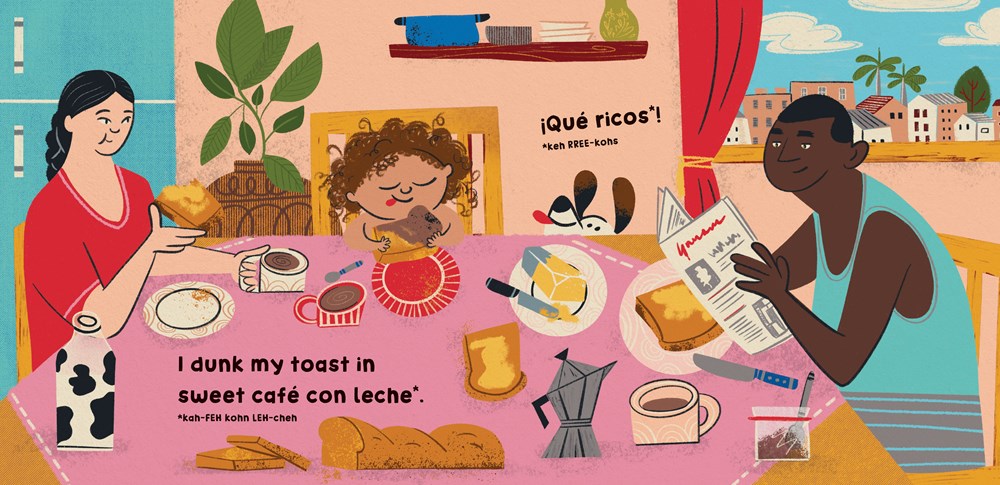
Any time I get a book from Terry Catasús Jennings, it’s a good time; pair that with Barefoot Books’ Our World board book series, and you can’t go wrong. The series is a hit here at my library, thanks to kid-friendly illustrations, a day in the life story, and vocabulary from different languages. Each author draws on their personal cultural experiences to communicate to their readers, which really makes this a unique series. Jennings invites readers to enjoy breakfast and a day full of activity at the park and the beach. Led by a young narrator, readers enjoy toast and café con leche at home; a ride to the beach on the guagua, and a game of los escondidos in the park. The child narrator spends a happy with parents, who are free with affection and a sense of play. Words in Spanish are also spelled phonetically on the page, allowing for easier pronounciation. Back matter provides deeper context to day-to-day life in Cuba. It’s an invitation to a day in Cuba, with warm illustrations and a joyful story. A great add to your board book collections – get some literary stamps in your passports with this book and this series.
 

Many Things at Once, by Veera Hiranandani/Illustrated by Nadia Alam, (Jan. 2025, Random House Studio), $18.99, ISBN: 9780593643907

Ages 4-8

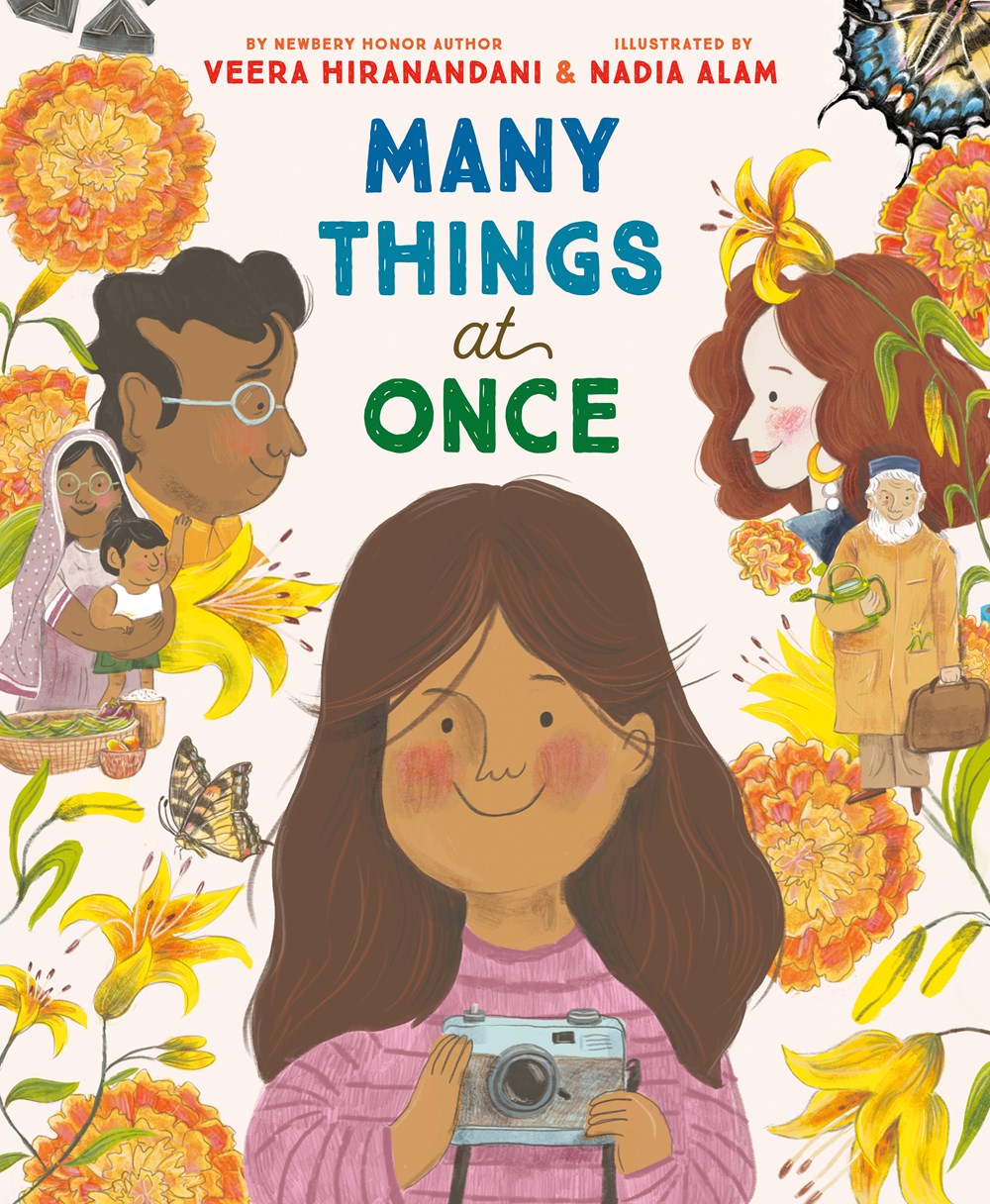
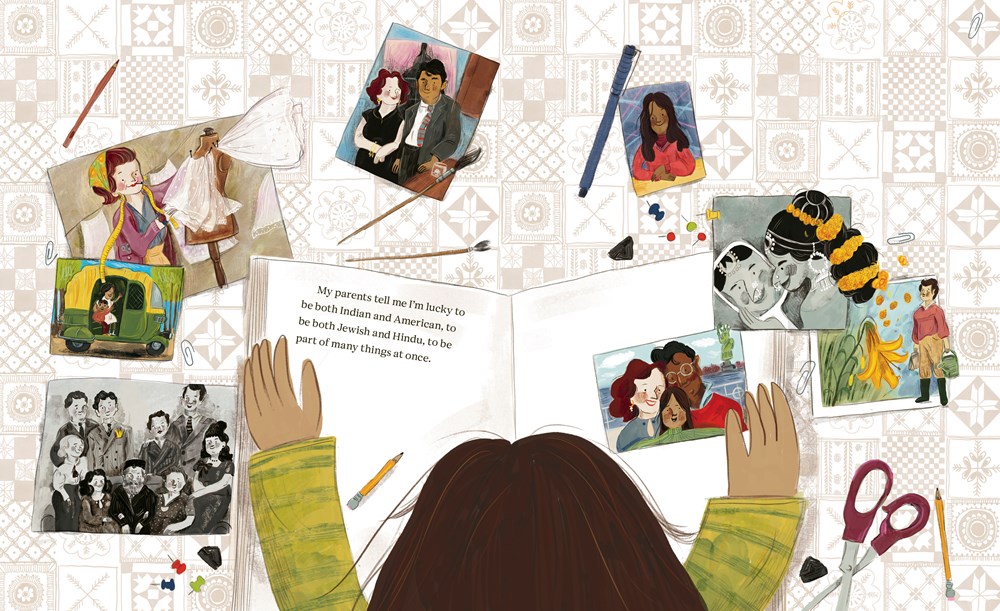
A biracial girl reflects on her Jewish-Indian heritage, ruminating on her parents’ stories: her mother’s mother, a seamstress in Brooklyn, New York; her father’s mother cooking daal on a coal stove in India. The memories go deeper, exploring struggles on both sides of her family; her paternal grandparents separated during the Partition of India, and her maternal grandfather’s escape from the pogroms in Poland. Her families came to America for safety and a new beginning. Her parents tell her that she’s lucky to be “both Jewish and Hindu, to be part of many things at once”, but she sometimes feels neither “Jewish enough” or “Hindu enough” for her parents. Seeing a butterfly, the girl remembers a teacher telling her no two butterflies are the same, and she reflects on this and the roots anchoring the flowers from which the butterfly draws nectar. It all comes together: “I think of all the journeys I’m connected to and grow from”. Hiranandani tells an emotional story of struggle and love and the journey of self-discovery that biracial children travel, inspired by her own family background. An author’s note gives further texture. Pencil and digital illustrations show a diverse family and historical context: the girl views family photos from different decades and she imagines the struggles endured by her grandparents. Relating her cultural heritage to a butterfly will lift hearts. An excellent choice for collections.
 

I LOVE Blueberries!, by Shannon Anderson/Illustrated by Jaclyn Sinquett, (April 2025, Feeding Minds Press), $18.99, ISBN: 9781948898195

Ages 4-8

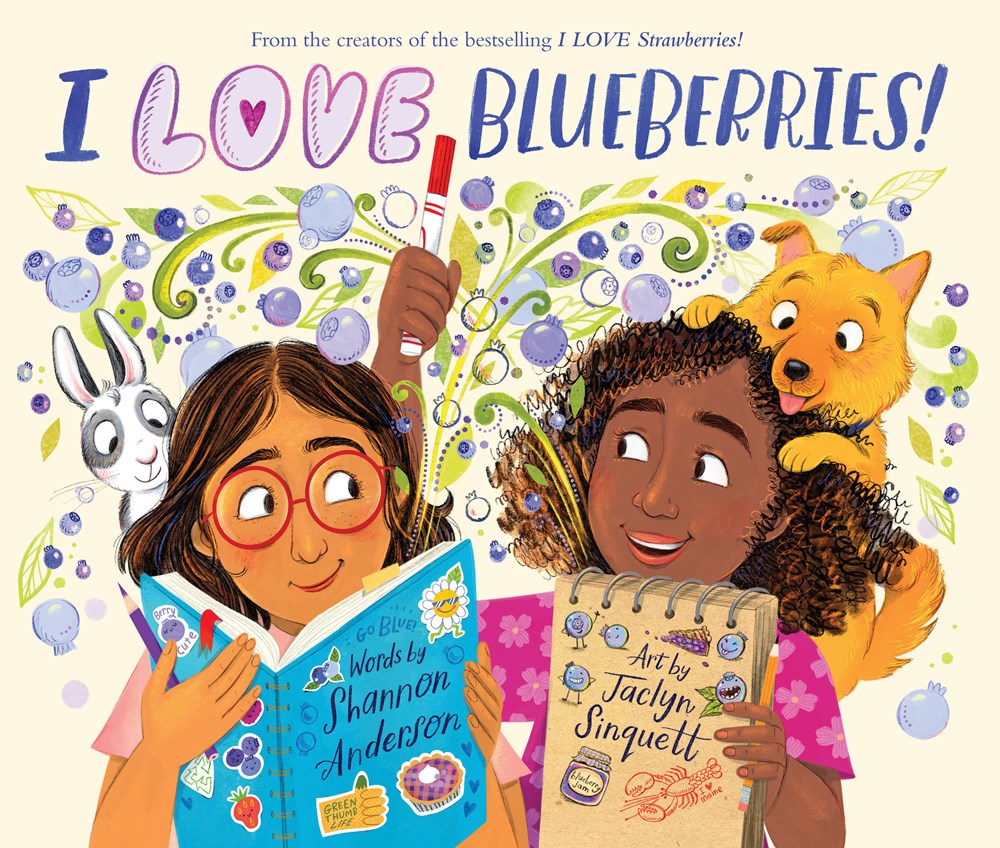
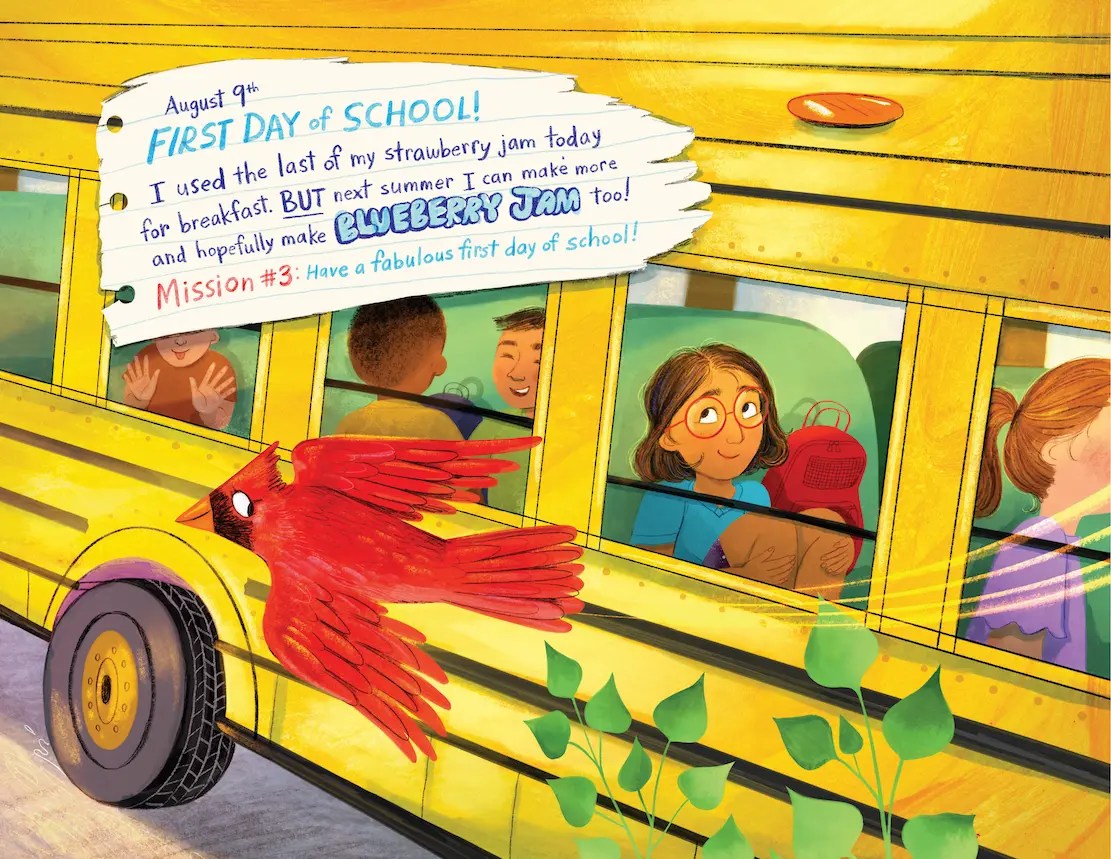
Jolie from I LOVE Strawberries! (2022) is back and this time, she has a friend! Jolie, who still loves growing strawberries, learned how to germinate blueberry seeds thanks to a local farmer. While showing her germinated seed and sprout in class, she meets new neighbor Margot, a homesick girl who’s just moved from Maine. The two hit it off – Margot’s love of blueberries is a delightful catalyst – and become interested in their teacher’s hydroponic gardening setup, which would let them grow blueberries even quicker. The teacher, who happens to be married to the friendly blueberry farmer, explains hydroponic gardening; the girls are inspired and proceed to hold a local blueberry festival and fundraiser to raise the necessary monies needed to invest in hydroponic equipment. I LOVE Blueberries! is a great story encompassing many areas that will interest readers: friendship, innovation and entrepreneurship, hydroponic gardening, and food farming. The way the community rallies around the two friends to support their ideas is gratifying and inspiring. The illustrations are filled with journals, as with I LOVE Strawberries: Jolie’s journals are joined by Margot’s this time, allowing us some insight into both characters in addition to illustrating the scientific method. Blue endpapers feature line illustrations of blueberries, and back matter includes a note on hydroponics, gardening, and blueberries as a superfood, A great choice for STEM/STEAM collections.
That’s a good start – what Summer Reading titles are you considering?
 

Posted in picture books, Preschool Reads

Apple and Magnolia: A STEM story woven into a friendship tale

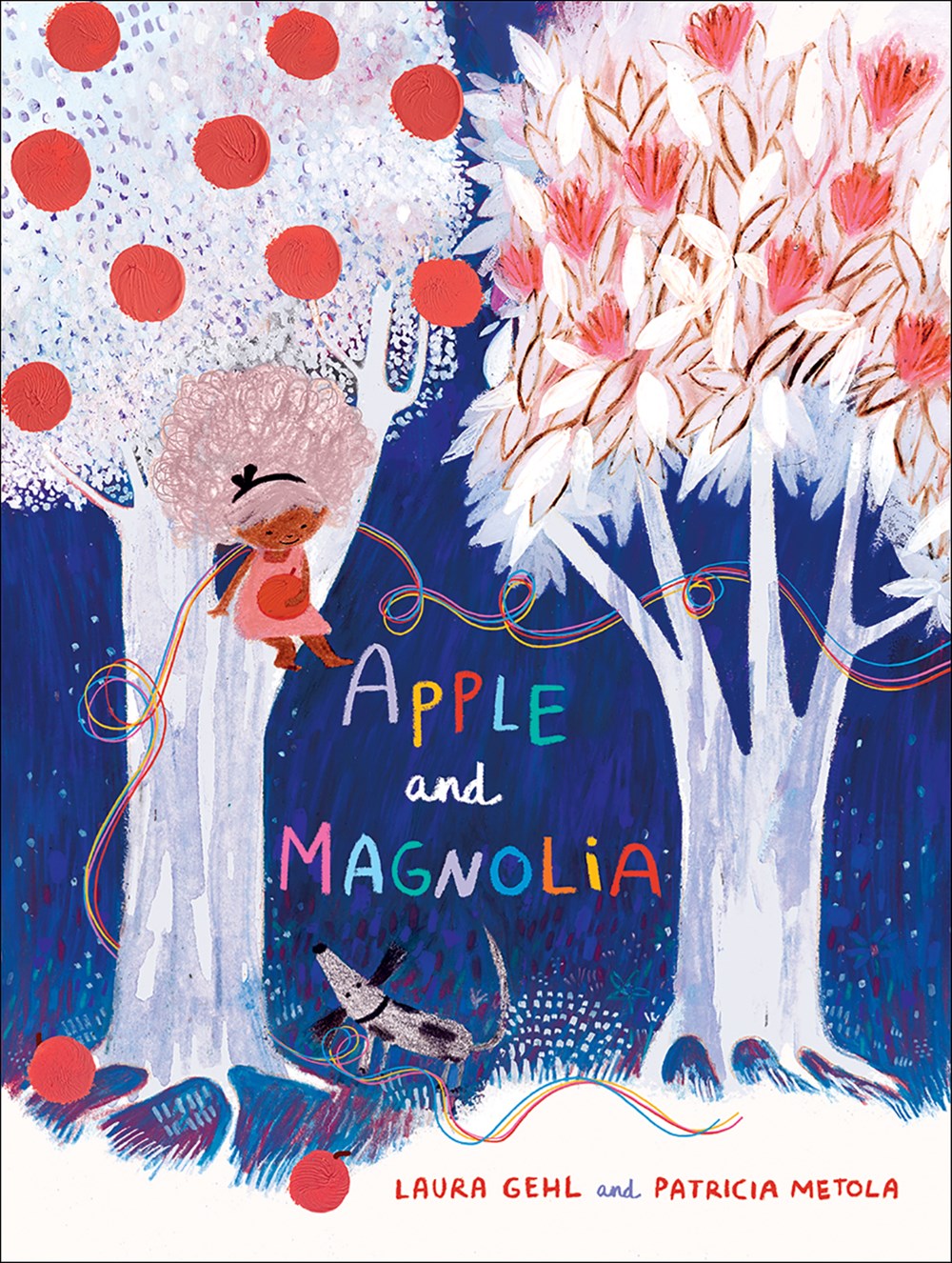
Apple and Magnolia, by Laura Gehl/Illustrated by Patricia Metola, (Feb. 2022, Flyaway Books), $18, ISBN: 9781947888357

Ages 3-7

Apple and Magnolia are two trees with a connection, witnessed by a young girl of color named Britta. She enjoys the tree’s relationship to one another; her father and sister may not believe her, but her grandmother assures her that “unusual friendships can be the most powerful of all”. When Magnolia begins to show signs of being ill, Britta does her best to stay by her friends and support them both, using the scientific method to help facilitate the trees’ connection to the other: she connects two cups to a string so they can hear each other; wrapping a scarf between the two to feel each other’s warmth; measuring the distance between the trees to see if they are growing closer together, and journaling her findings, all with the support and love of her grandmother. Britta’s father and sister are largely for comic relief, providing the devil’s advocate side of science: the nay-sayer. Cheery illustrations that look like they could be taken from Britta’s own journal make this a wonderfully playful readaloud, including endpapers that depict Britta’s sketches of the trees and their flowers and fruit. Inspired by the science of trees and how they communicate with one another, Apple and Magnolia is a great storytime readaloud and perfection for a STEM storytime or Discovery Club-type story. Author Laura Gehl’s website has a free downloadable Educator’s Guide for Apple and Magnolia, plus resources her many of her other books.

For more information about trees and their relationships to one another, visit this NPR article on an ecologist who’s studied trees; this article from Smithsonian magazine; and this article from One Tree Planted. Andy Hirsch’s Science Comics Trees: Kings of the Forest also delves into these complex and amazing relationships.

Apple and Magnolia has starred reviews from Kirkus and Foreword Reviews.

Posted in picture books, Preschool Reads

Scampers teaches kids the scientific method!

Scampers Thinks Like a Scientist, by Mike Allegra/Illustrated by Elizabeth Zechel, (March 2019, Dawn Publications), $8.95, ISBN: 9781584696438

Ages 4-8

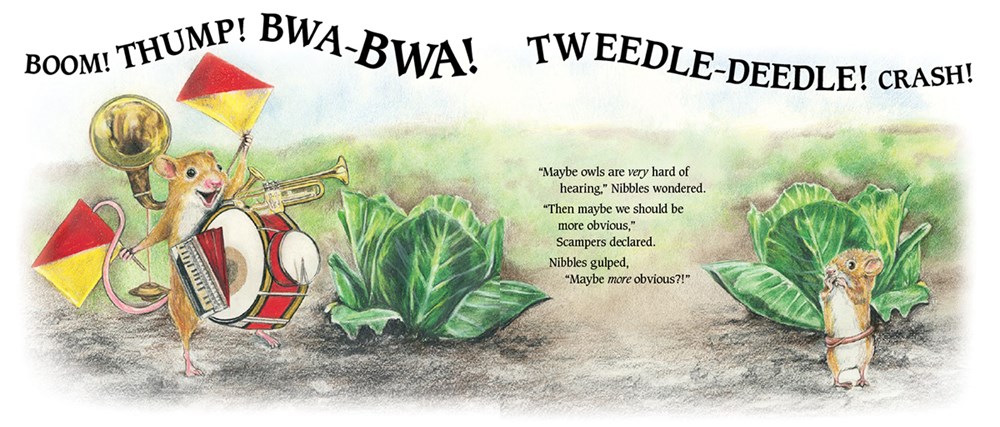
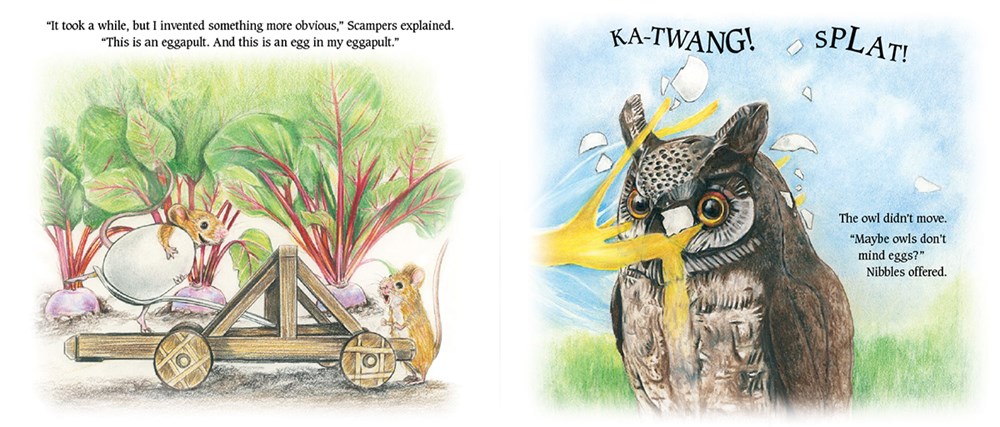
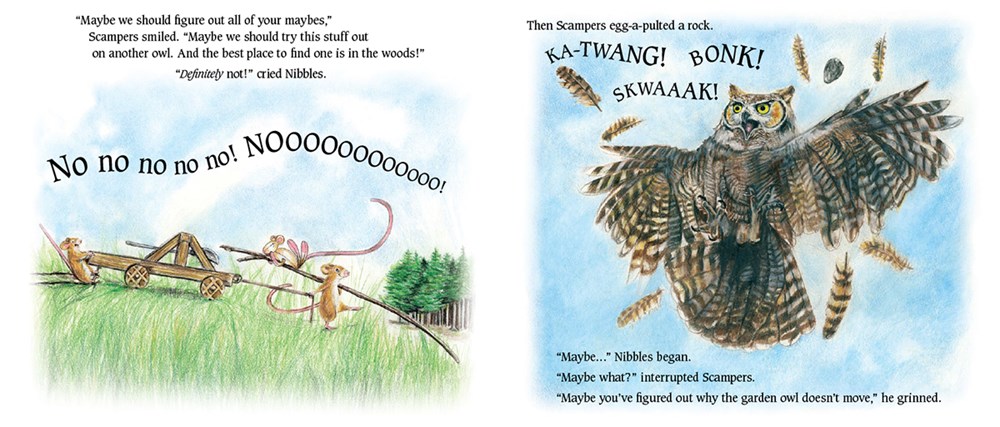
Scampers is a curious little mouse who wants to know what it will take to get a menacing-looking owl out of the vegetable garden, so he and the other mice can go back to getting food. With the help of Scampers’s friend, Nibbles, the two proceed to conduct a few experiments, including waving a rag doll and making noise that will startle the owl, and building an egg catapault to scare it off. No reaction. (Have you guessed yet?) When Scampers and Nibbles figure out the owl’s secret, they let their fellow mice know: the owl isn’t real! Will the mice believe their two scientists?

Scampers Thinks Like a Scientist is an adorable, abbreviated introduction to an scientific method. Scampers has a theory about the mouse, so she conducts some tests, considers her conclusion, and shares her results. The tests are amusing and let caregivers and educators work with readers to reason out the conclusion. It’s a cute way to introduce scientific thinking to younger readers, and publisher Dawn Publications has a free, downloadable companion activities for kids. Add this one to your science storytime.

Posted in Graphic Novels, Middle Grade, Non-Fiction, Non-fiction, picture books, Preschool Reads, Tween Reads

Books to inspire your young scientists!

This is an incredible year for children’s books! There’s something for everyone available or coming soon, with wonderful artwork and text that draws readers right in. This time around, I’m looking at some fun science books for readers – and caregivers will like them, too.

Izzy Gizmo, by Pip Jones/Illustrated by Sara Ogilve,
(March 2018, Peachtree Publishers), $16.95, ISBN: 978-1-68263-021-1
Recommended for readers 4-7


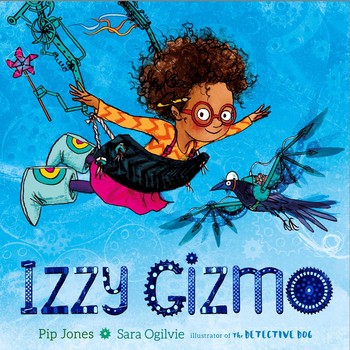
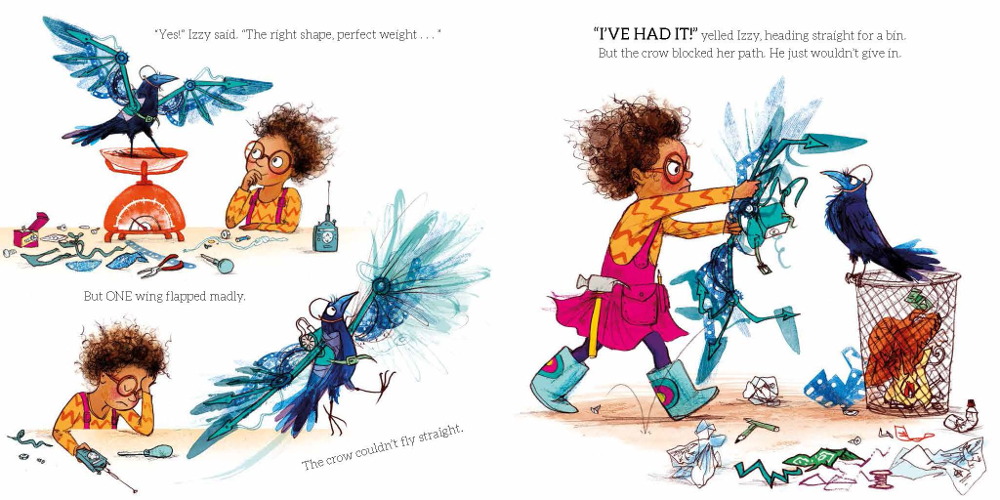
Izzy Gizmo is a curious little girl of color who loves to invent, tweak, and discover. Her inventions don’t always work, but she discovers that she has to put her frustrations aside when she rescues a crow with a broken wing. He wants her to help him fly again, and he’s willing to stick with her through trial and error, until she can get it right. I love the bright colors and chaotic art in this story; it lets readers know that creativity is often messy and wild; the story assures readers that mistakes are just opportunities to filter out what isn’t working and concentrate on what will work; and I love the story of endurance and perseverance. Izzy’s grandfather and her crow friend have faith in Izzy; she just has to find her faith in herself. The gray and white endpapers feature different gears and mechanical parts, letting readers know they’re going to put on their engineering hats to help Izzy out, and the art – a mix of pencil, ink, oil pastel, monoprint, and digital technique – create a busy background that provides a glimpse into the mind of a scientist. Originally published in the UK in 2011, Izzy’s just arrived here in the U.S. and her rhyming story would be a great addition to collections where Andrea Beaty’s Iggy Peck, Architect, Rosie Revere, Engineer, and Ada Twist, Scientist are popular.


Scientist, Scientist, Who Do You See?, by Chris Ferrie,
(Apr. 2018, Sourcebooks Jabberwocky), $17.99, ISBN: 9781492656180
Recommended for readers 3-6


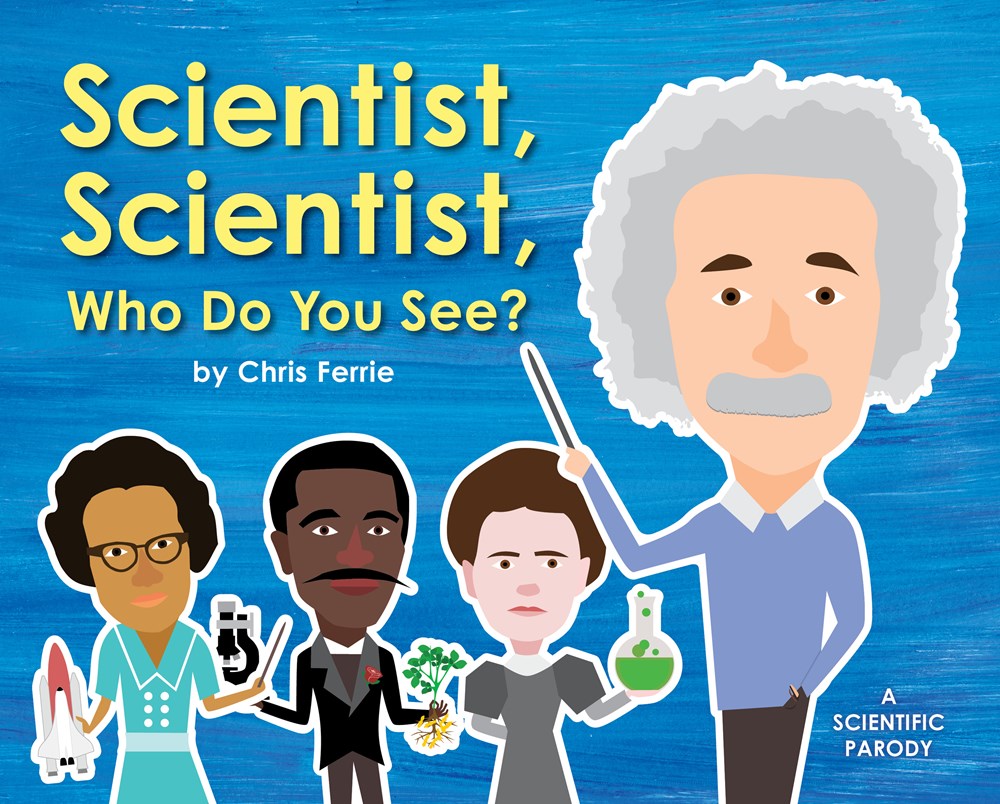
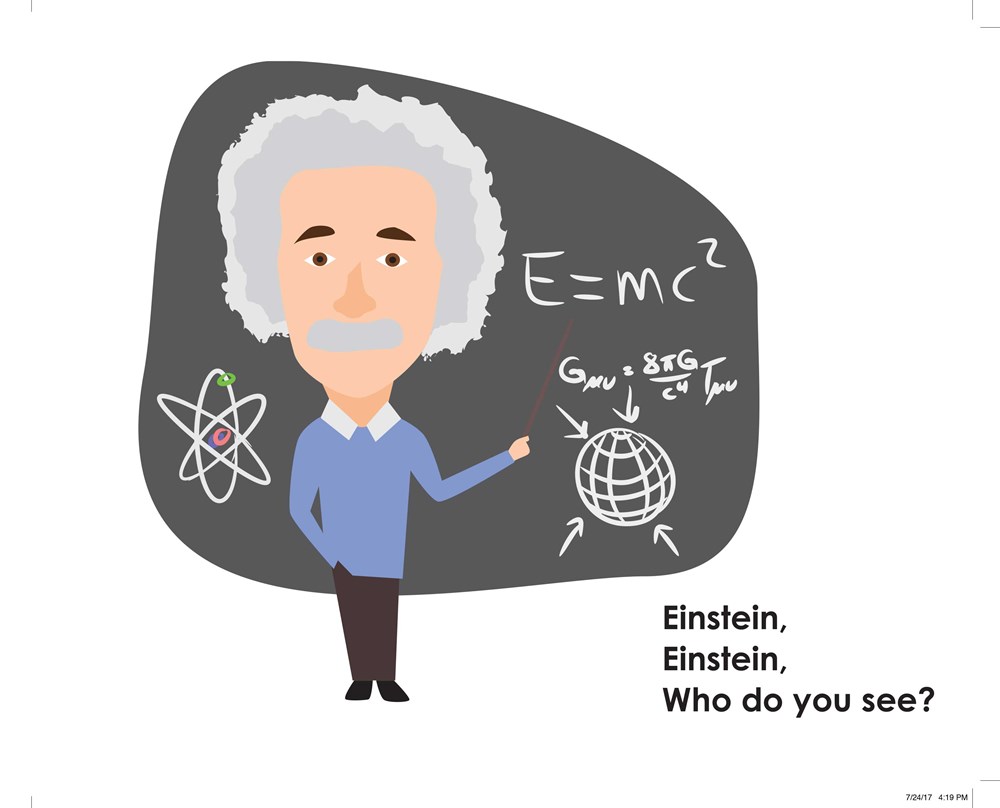
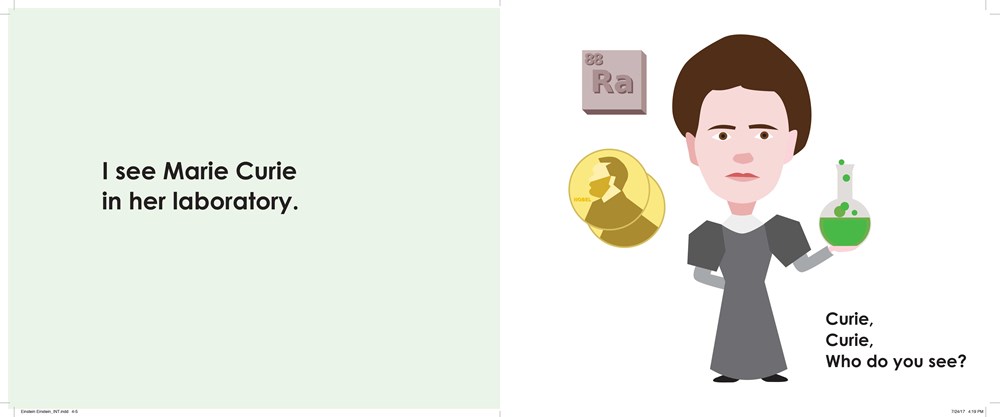
Set to the cadence of the classic, Brown Bear, Brown Bear, What Do You See?, scientist and dad Chris Ferrie introduces little readers to some of history’s greatest minds with Scientist, Scientist, Who Do You See? There is a strong mix of disciplines and diversity represented here, with Einstein sharing space with Grace Hopper, Ahmed Zewail, George Washington Carver, Katherine Johnson, and more. It’s noted as a “scientific parody”, and it certainly is a fun book that will make everyone smile, but kids are introduced to names and ideas, and that’s just great. Starting off with the question, “Einstein, Einstein, Who Do You See?” and the response, “I see Marie Curie in her laboratory”, the story goes on, introducing scientists and their accomplishments, in the soothing rhyme style we’ve grown up hearing and enjoying. Chris Ferrie has given us Baby Science board books and a fun take on Goodnight, Moon with Goodnight, Lab; let’s hope he keeps finding new, fun ways to make science lovers out of our kids.


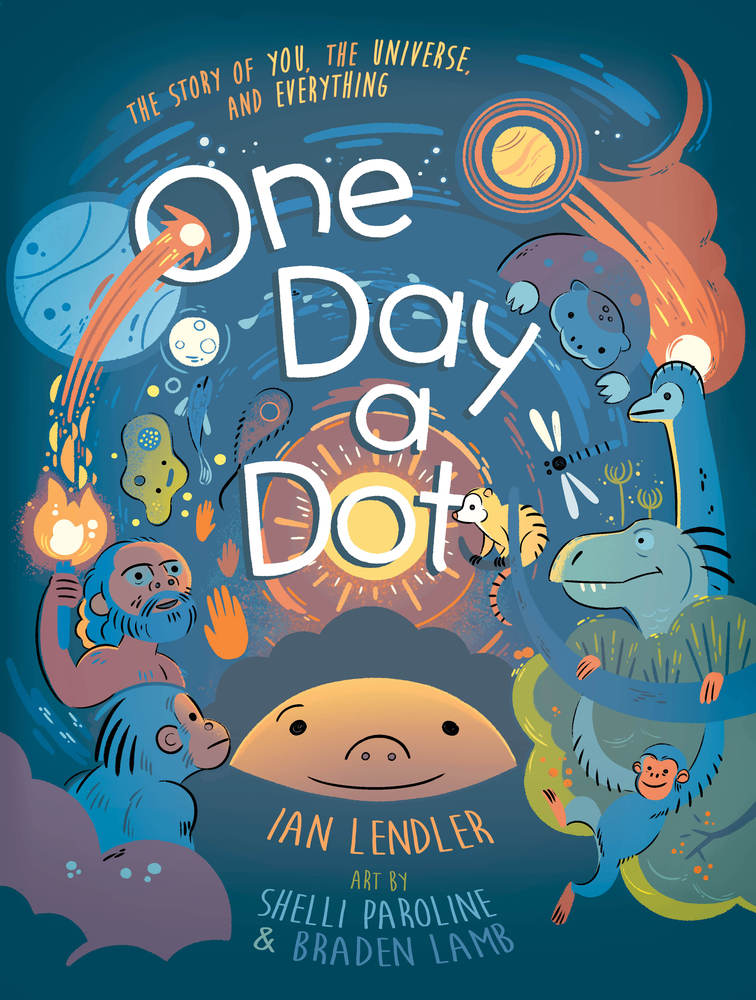
One Day a Dot: The Story of You, the Universe, and Everything, by Ian Lendler/Illustrated by Shelli Paroline & Braden Lamb,
(Apr. 2018, First Second Books), $17.99, ISBN: 9781626722446
Recommended for readers 7-10

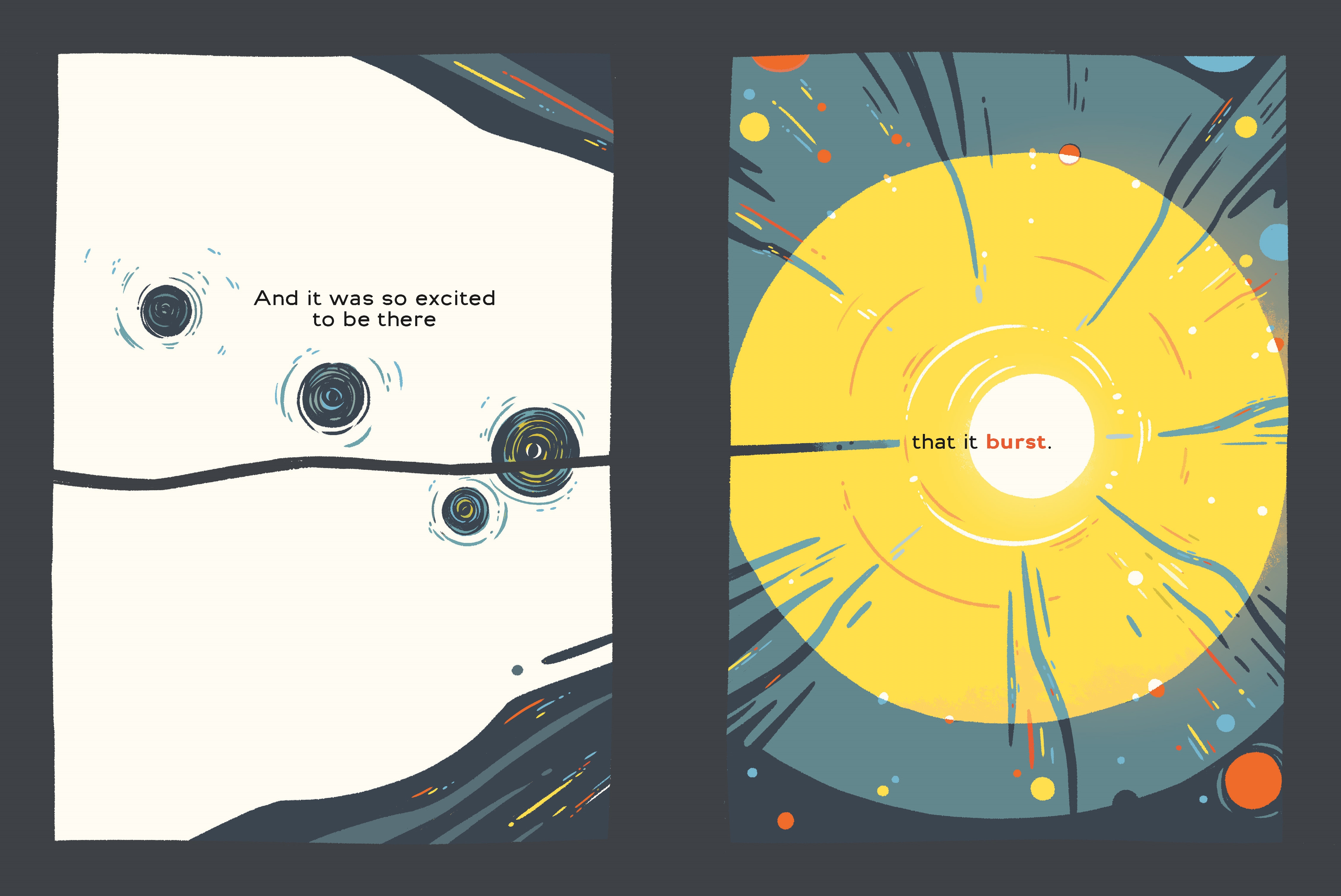
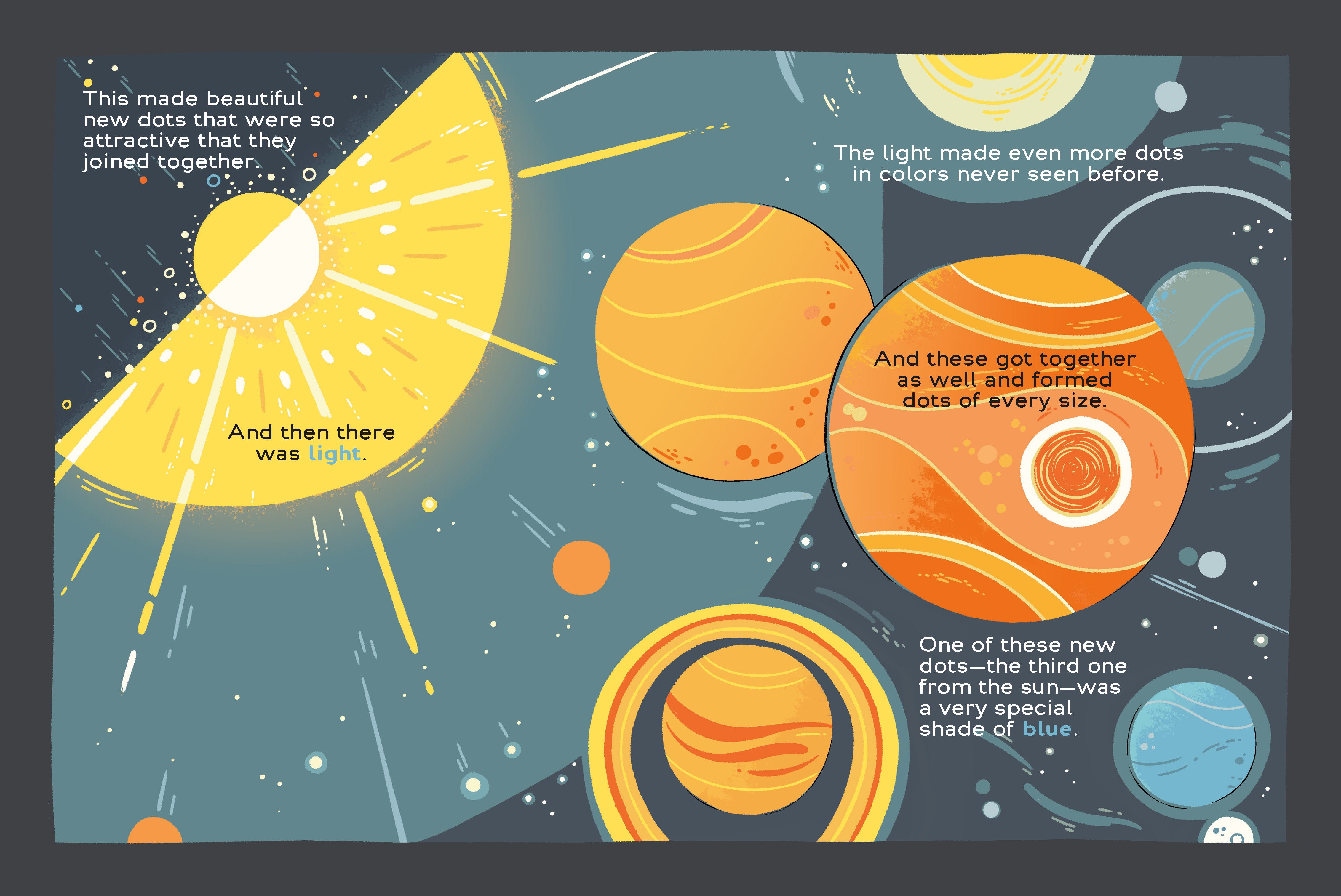
This one’s one of my standout favorites. Author Ian Lendler and illustrators Shelli Paroline and Braden Lamb drill down the history of everything to one humble dot. From one dot’s excited burst of joy comes the Big Bang, bringing new dots together to form planets and, eventually, life. The dots are animated, dancing, playing, even running away from other dots that want to eat them! The artwork is bright with a retro feel and uses the dot theme as a focal point through the story, gently leading readers on a trip through time and space. It’s a simplified look at the formation of the universe, but works nicely for younger readers. Give this one to kids who like Stacy McAnulty’s Earth: My First 4.5 Billion Years, and Dominic Walliman’s Professor Astro Cat books, published by Nobrow.


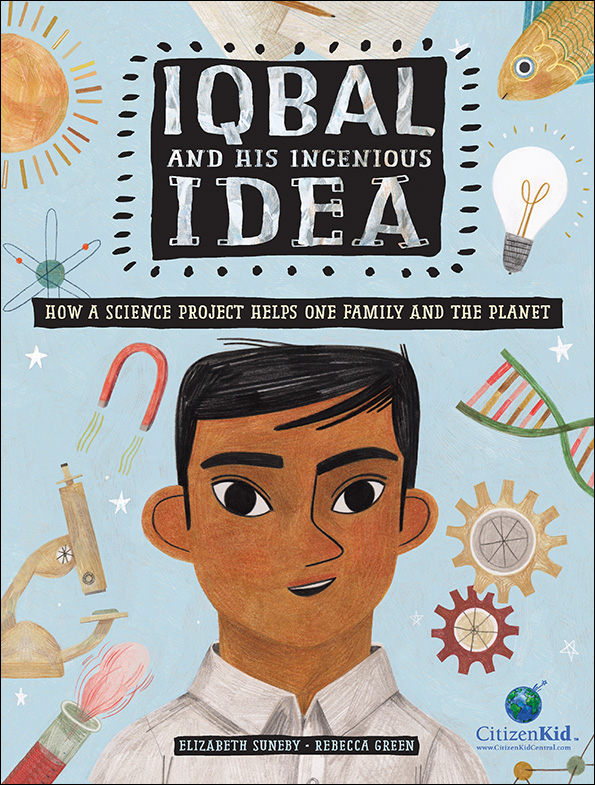
Iqbal and His Ingenious Idea: How a Science Project Helps One Family and the Planet, by Elizabeth Suneby/Illustrated by Rebecca Green,
(May 2018, Kids Can Press), $19.99, ISBN: 9781771387200
Recommended for readers 7-10

The latest from Kids Can Press’ Citizen Kid imprint, Iqbal and His Ingenious Idea is a fictional story about a Bangladeshi boy named Iqbal, who comes with a clean, solar-powered cookstove for his science fair project. He sees his mother force to cook the family’s meals indoors during monsoon season, but the family has no stove: she cooks over an open fire, which produces smoke that makes breathing difficult, especially for his mother and baby sister. He learns about solar energy cooking, wins first place in the science fair, and introduces a sustainable and healthier way for families to prepare meals. The artwork illustrates everyday life in Bangladesh and communicates the closeness Iqbal shares with his family and his hard work to create a science fair project that accomplishes the dual purpose of getting him a good grade and helping his family. The story shows readers that kids can make a difference, and that healthier living doesn’t depend on expensive gadgets – a little research, and you can make the world a better place with tools right in front of you. The book includes more information on cookstoves, a glossary, and instructions for making a DIY solar cooker. Great for class projects and science fair ideas!

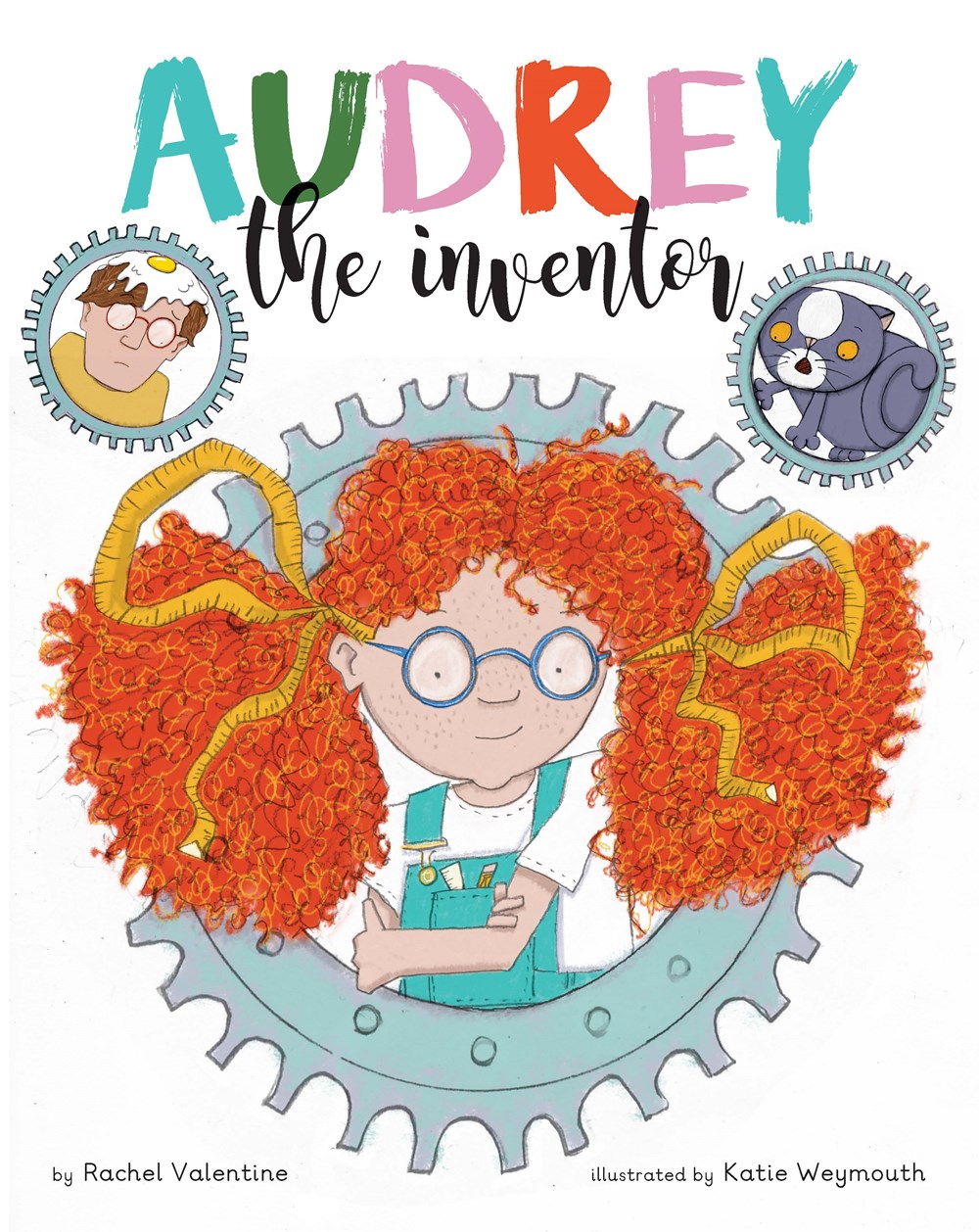
Audrey the Inventor, by Rachel Valentine/Illustrated by Katie Weymouth,
(May 2018), words & pictures, $17.95, ISBN: 9781910277584
Recommended for readers 4-7

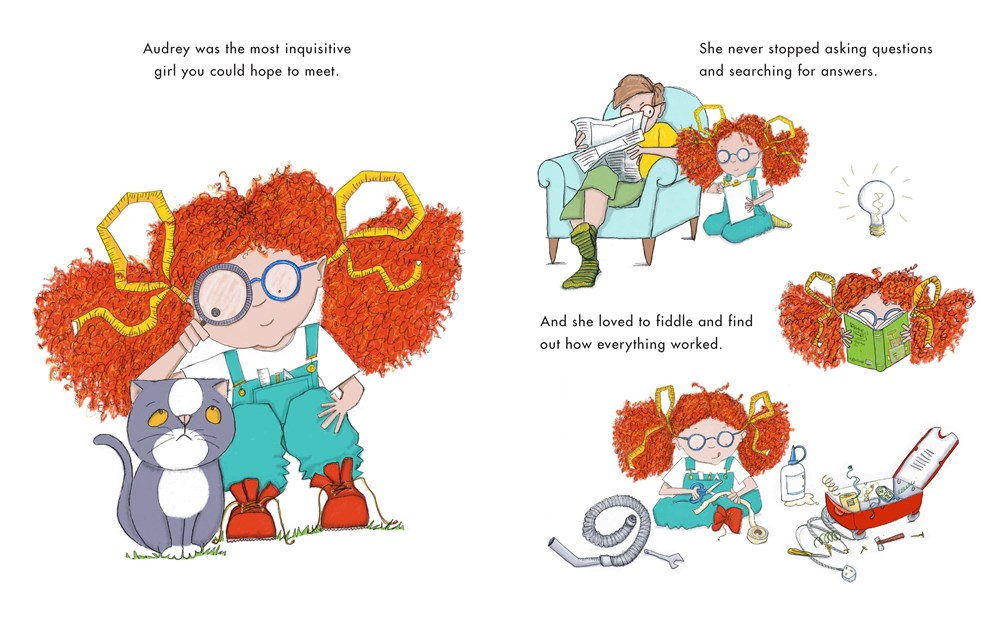
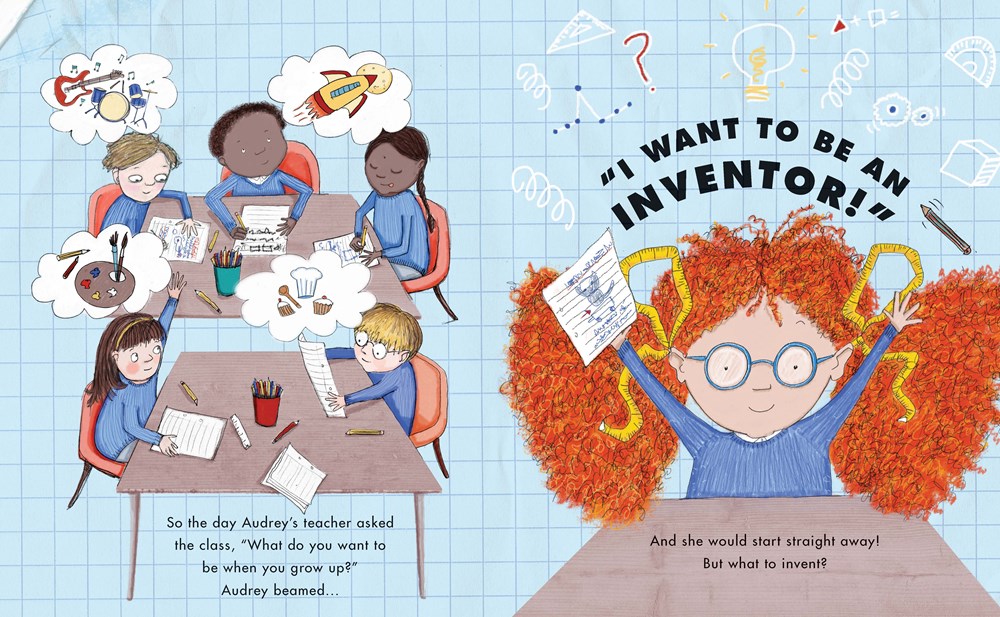
Audrey could hang out with Izzy (first book) and Andrea Beaty’s gang. A wild-haired, redheaded little girl who uses measuring tape for ribbons, Audrey is a curious kid who wants to be an inventor – but she doesn’t know what to invent! She sets off on a host of different ideas, some involving her poor cat, Happy Cat, all of which end up in the “rework” pile. She’s ready to throw in the towel, but decides to give it one last try after getting some encouragement. Little touches, like featuring a graph paper background and visualizing Audrey’s thought process and her doodles, invite kids to share their own ways of working out ideas. The collage, watercolor, and pen artwork comes together to create a busy story about a busy mind. A fun add to creative collections.

These books offer a great way to introduce the scientific method, even for younger grades. Little Bins for Little Hands has a good article, with tips on using the scientific method – and including links to experiments – for preschoolers.