I have been curating a pile of nonfiction over the last several weeks, ready to do a back to school post, but all these other great books started coming out, too… so, before this pile crushes me, let’s do this!
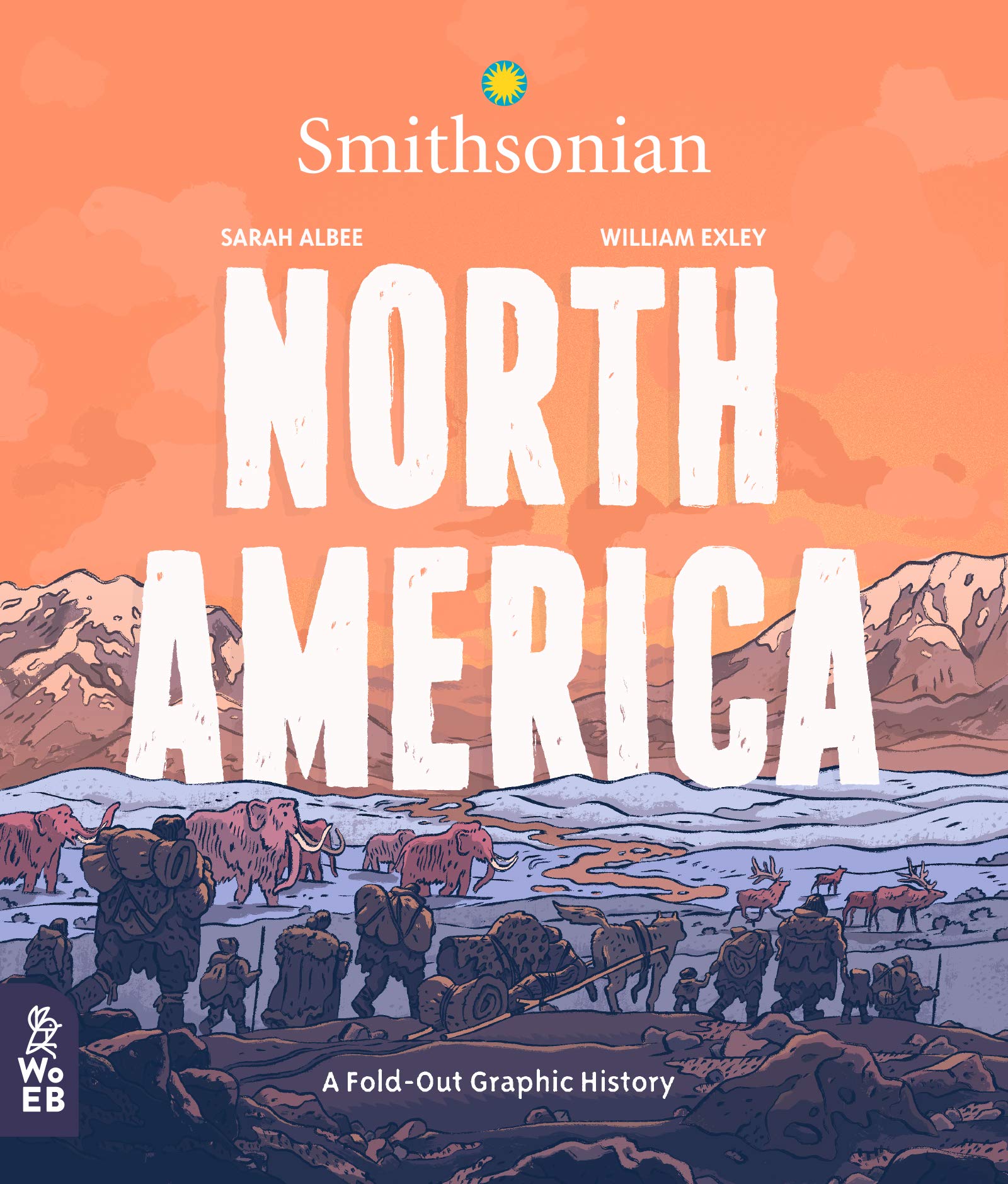
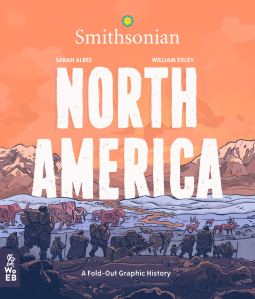 North America: A Fold-Out History, by Sarah Albee/Illlustrated by William Exley, (Oct. 2019, What on Earth Books), $19.99, ISBN: 978-1999967925
Ages 8-14
That What on Earth Books fold-out are so much fun! This time, we’ve got a fold-out graphic timeline of Canada, the United States, Mexico, and the Caribbean islands, going from 11,000 BCE to 2017. It’s fully illustrated and offers a wealth of history on early indigenous peoples, including the Olmecs, Maya, Taino, and Aztec. European invasions are covered – first the Vikings; later, Columbus and the conquistadors – and American history covers much of the book’s second half. History is captured with dates and a brief blurb about standout moments, and callout boxes call attention to larger happenings, like the spreading out of humans across the land, and how European conflicts played out in North America. Back matter includes facts; glossary; source notes, and an index.
Not one for circulation – it’ll sustain damage quickly – but it’s a good reference tool and darn fun to have at home. My little guy loves these books.
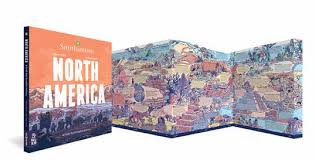 Source: Bounce Marketing UK
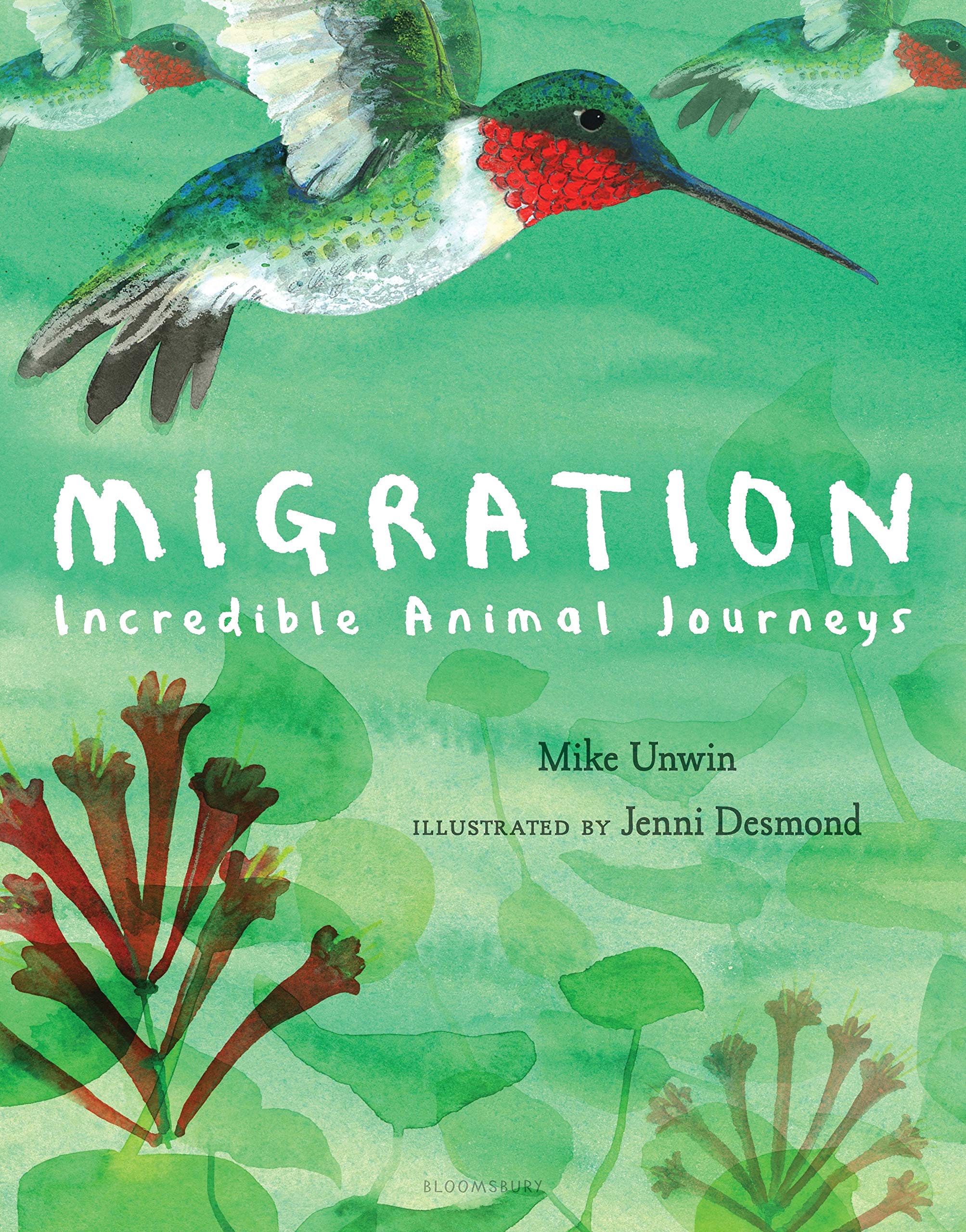
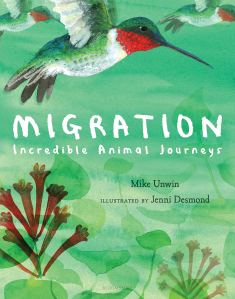 Migration: Incredible Animal Journeys, by Mike Unwin/Illustrated by Jenni Desmond, (Aug. 2019, Bloomsbury USA), $18.99, ISBN: 9781547600977
Ages 9-13
Originally published in the UK, Migration profiles 20 different migrating animals, including the humpback whale; emperor penguin; ruby-throated hummingbird; blue wildebeest, and green turtle. Each spread contains acrylic, watercolor, ink, pencil and crayon illustrations of these animals, captured in the progress of their journeys. Some artwork gives an incredible breadth of scale, like the spread dedicated to the Christmas Island red crabs, which form a “river of crabs” as they march to the sea. Others, like the humpback whale, are a more personal journey shared between a mother and her calf. Each spread provides a migration story, which reads like an I Survived novel: crossing rivers; digging through snow for food; flying for miles to reach their destination; marching across an icy landscape. Each spread also offers a quick animal fact. Back matter includes a migration map and notes on making the world safer for migrating animals.
Animals of all shapes and sizes make epic journeys across our planet, through harsh weather, avoiding hungry predators, in their efforts to survive. Travel around the globe with some of the world’s most incredible animals and discover their unique migration stories. A nice addition to your nonfiction collections, especially if your books on migration are spare.
Mike Unwin is a UK Travel Writer of the Year, and Jenni Desmond is a winner of the New York Times Best Illustrated Children’s Book, The Polar Bear. Migration: Incredible Animal Journeys has a starred review from Publisher’s Weekly.
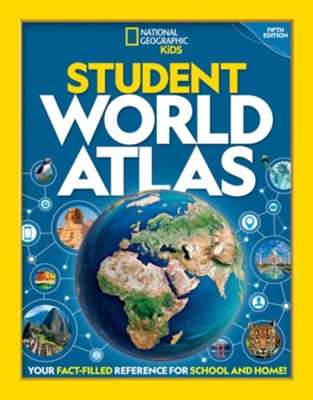
 National Geographic Kids Student World Atlas (Fifth Edition), (July 2019, National Geographic Kids), $12.99, ISBN: 978-1426334795
Ages 8-12
This latest edition of this handy-dandy student reference has a wealth of facts, figures, and maps at your fingertips. There are over 100 maps, 70 incredible color photos, 50 charts and graphs with the latest data on climate change, the human footprint on our world, and most populous urban areas. Back matter includes an updated flags of the world section; a list of important websites on world resources, religions, languages, and quality of life; a glossary, thematic and place-name indexes, and more. If your budget allows for you to order two of these, do it: I like to keep one on hand at reference and put one into circulation. Along with the NatGeo Kids Almanac, you can’t go wrong with having these available for homework help.
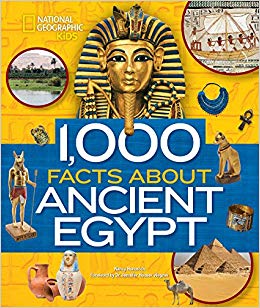
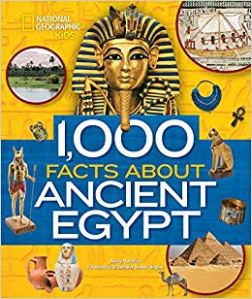 1000 Facts About Ancient Egypt, by Nancy Honovich (February 2019, National Geographic Kids), $14.99, ISBN: 978-1426332739
Ages 8-12
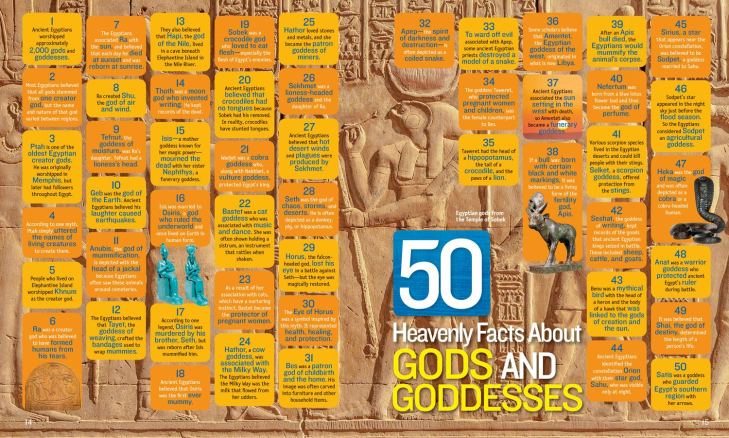
The 1000 Facts series from NatGeo Kids is almost as popular as the digest-sized Weird/Gross/Silly Facts books in my library. These are the books that prove that kids LOVE nonfiction! There are fast, bite-sized facts all about Ancient Egypt in this book: facts about the Egyptian gods and goddesses; facts about the Nile River; about making mummies and about the most famous mummy of them all, Tutankhamun; facts about inventions and temples; facts about hieroglyphics. There’s so much here, presented in compulsively readable, memorable chunks and illustrated with photos of artifacts. Back matter includes a glossary, a look at a tomb excavation, a timeline of Ancient Egyptian civilization, an index, and further resources. Have history fans? Is Ancient Egypt on the schools’ report list this year? Get this book on your shelf.
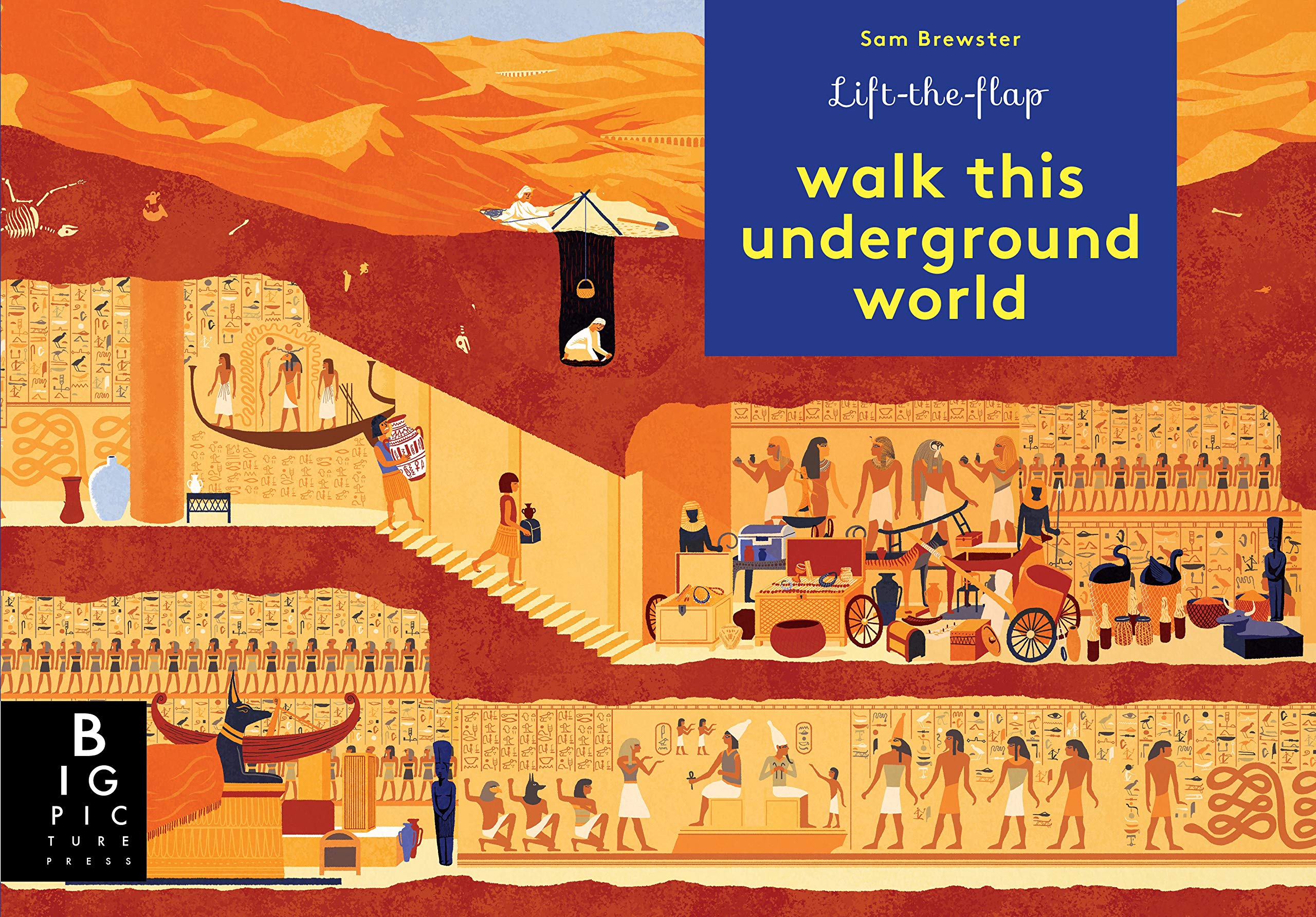
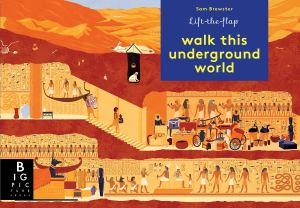 Walk This Underground World, by Kate Baker/Illustrated by Sam Brewster, (Oct. 2019, Big Picture Press), $19.95, ISBN: 978-1536208566
Ages 5-8
Lift the Flap fun! Readers can wander through underground worlds, from Montreal’s famous underground city to the ancient, underground tombs of Ancient Egypt. Wander the hidden natural world and see prairie dog dens, ant cities, and naked mole rat burrows. See Australian fortune hunters and Poland’s salt-rock mines; the bustling London Underground and the sleek underground train stations in Tokyo. There are 12 spreads with over 80 flaps to discover, making this a great gift book for the kiddos in your life. Definitely not going to last in circulation, but you could score a few copies for a program on underground ecosystems or travel.

That’s all for now – I have to get this copy of Walk This World back into my son’s room before he notices it’s gone!
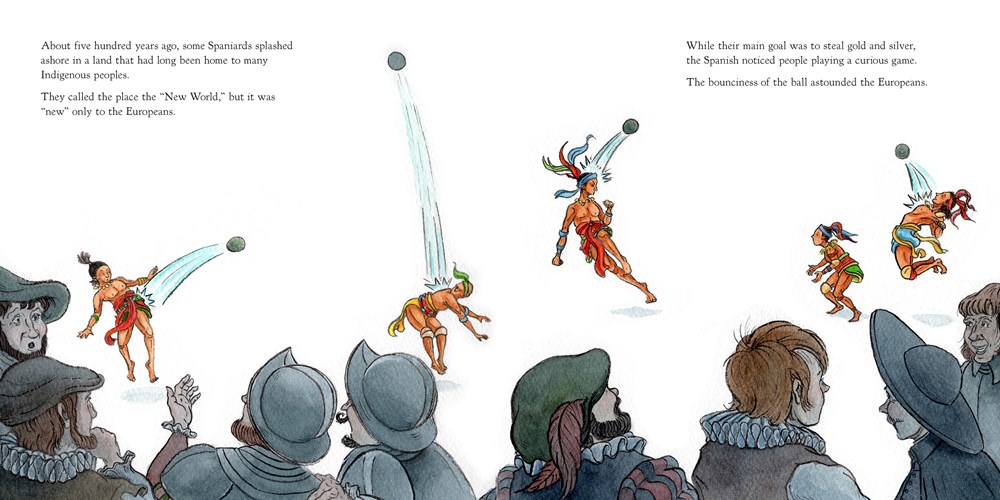
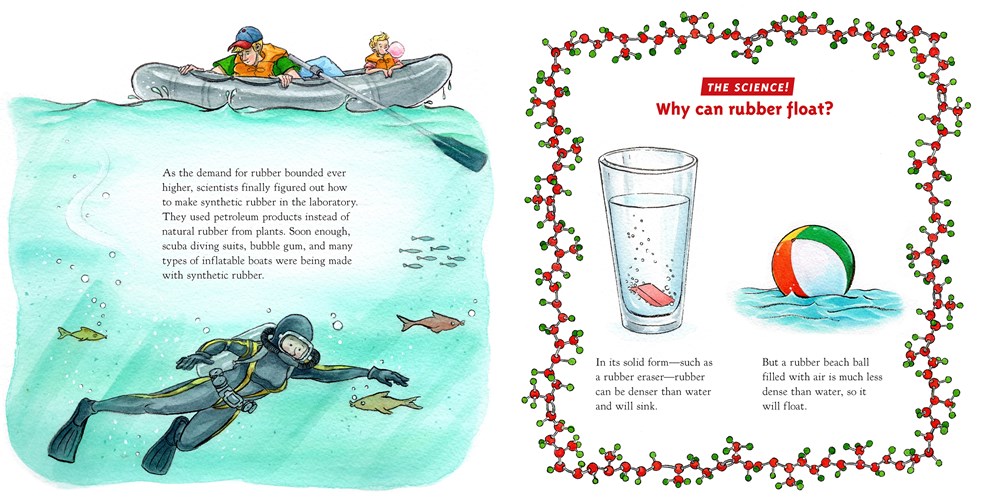
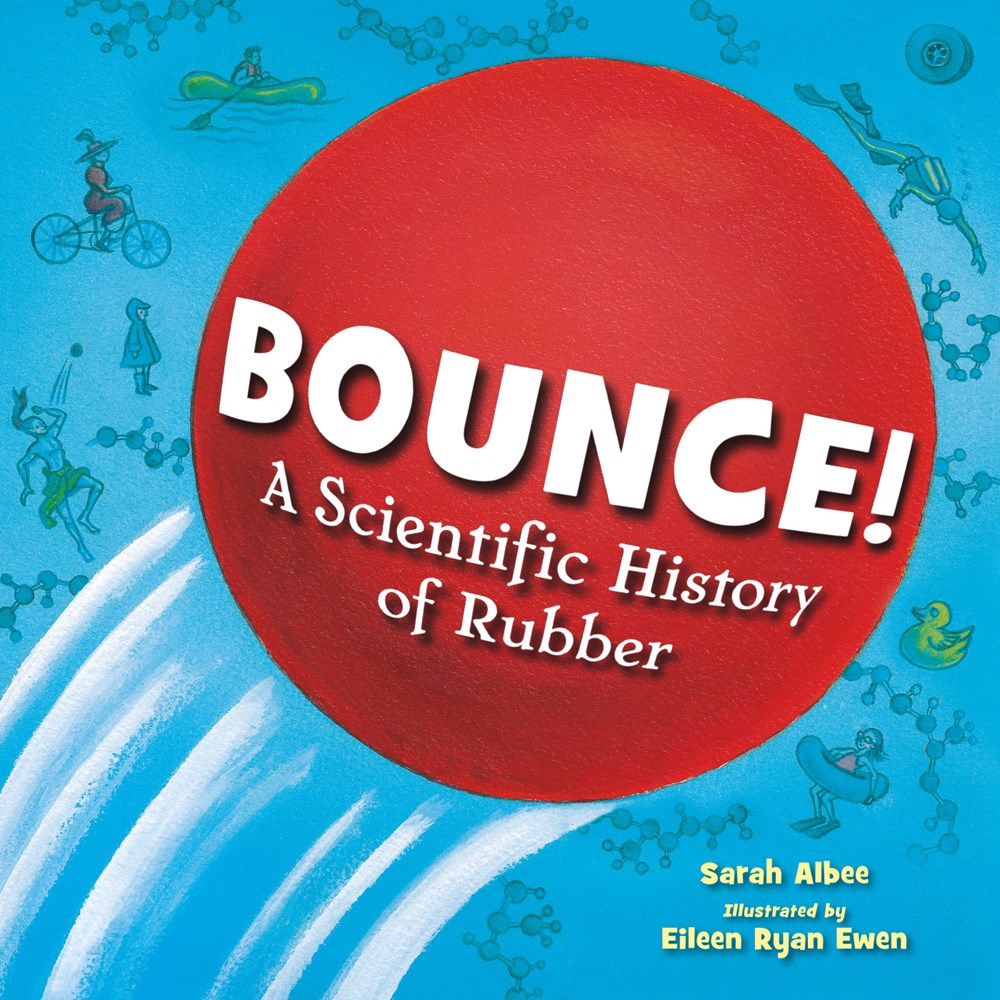 Bounce! A Scientific History of Rubber, by Sarah Albee/Illustrated by Eileen Ryan Ewen, (Oct. 2024, Charlesbridge), $18.99, ISBN: 9781623543792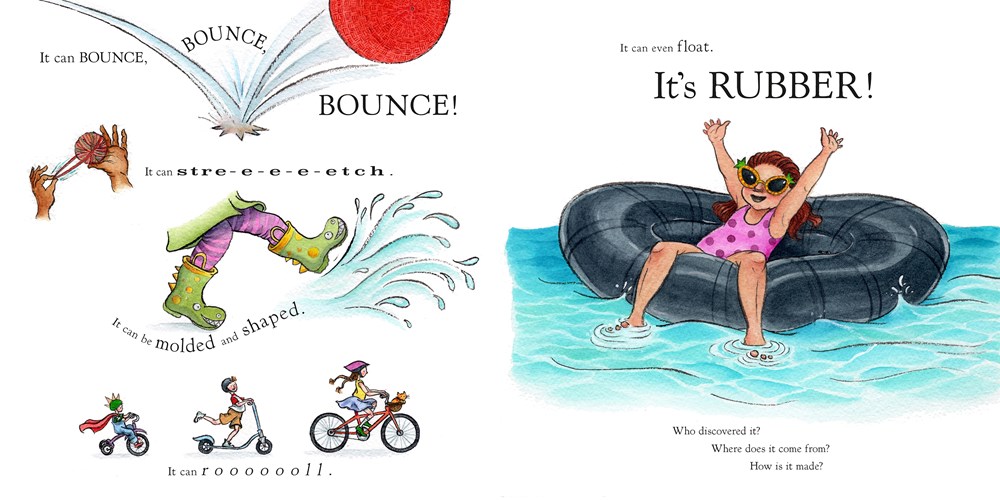





 Mom Read It