Posted in Middle School, Non-Fiction, Teen, Tween Reads, Young Adult/New Adult

New LEGO Mindstorms books from No Starch Press!

If you have tinkerers or a robotics league in your community, you may already be familiar with No Starch Press and their solid LEGO Mindstorms catalog. I’m a No Starch fan and regularly buy their computing books for both my kids and adult collections, but their Mindstorms books really are worthy of their own shout-out. I’ve used them in my own library when I had a robotics league, and they were a tremendous help to me and my team as we navigated getting the machines built and running. There are two new Mindstorms books coming out that are worth a look for your shelves.
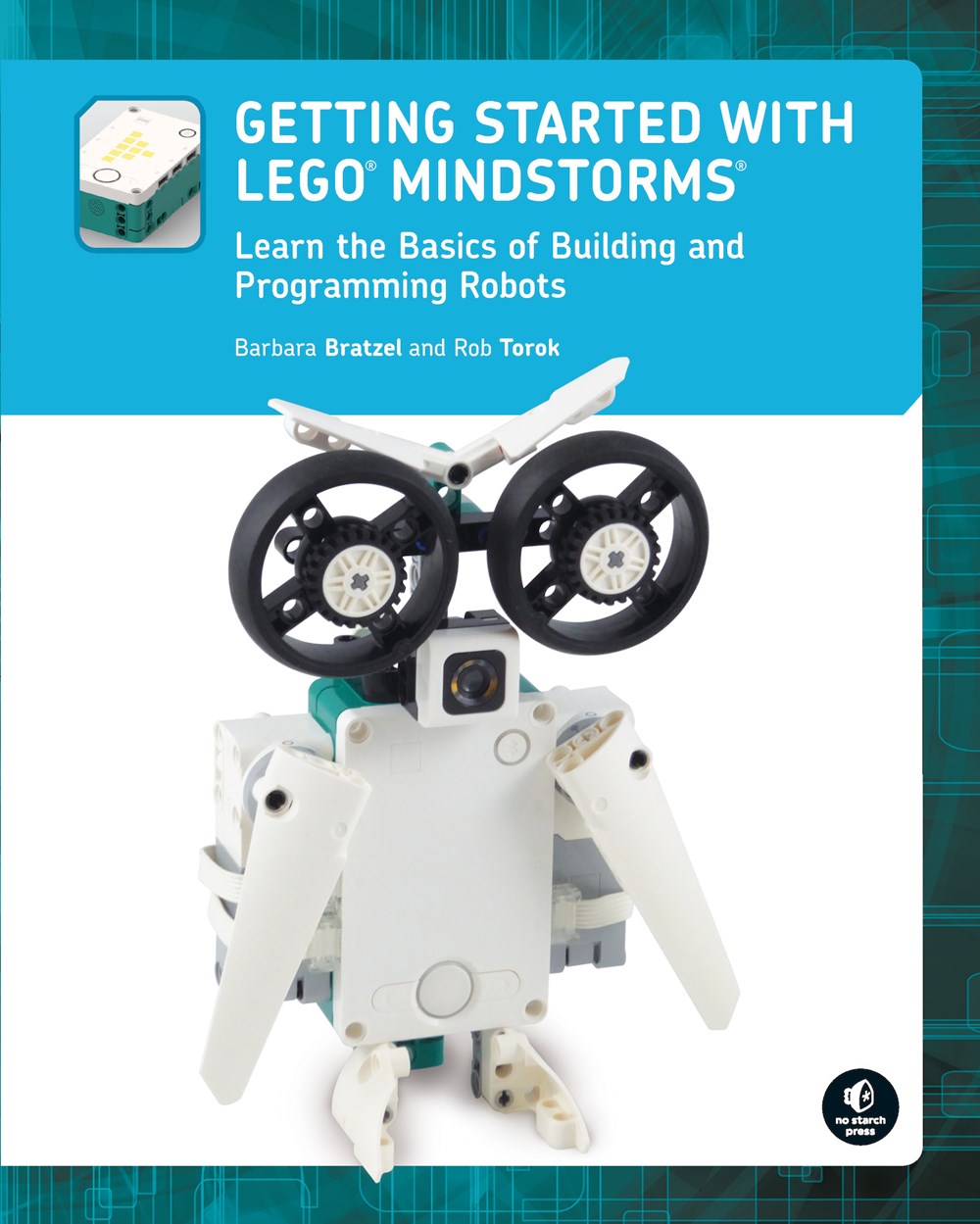
Getting Started with LEGO® MINDSTORMS: Learn the Basics of Building and Programming Robots, by Barbara Bratzel & Rob Torok, (Oct. 2022, No Starch Press), $19.99, ISBN: 9781718502420

Ages 12+

Anyone embarking on LEGO Mindstorms robotics will find Getting Started with LEGO Mindstorms an essential reference to have on hand. Written with a friendly, easy-to-follow voice, the book provides information you and your readers will need to build your first robot, work with the Mindstorms app, and troubleshoot and refine your robots as you go. The book covers sensors, remote control, sound, light, and movement. Are you new to programming? The book introduces readers to Word Blocks, a visual programming language based on Scratch and is very user-friendly. If you’ve never delved into robotics, DON’T PANIC: this is a supremely intuitive guide that’s meant to foster an interest in programming, building, and working with LEGO Mindstorms robots. You and your readers are safe in Barbara Bratzel’s and Rob Torok’s capable hands.
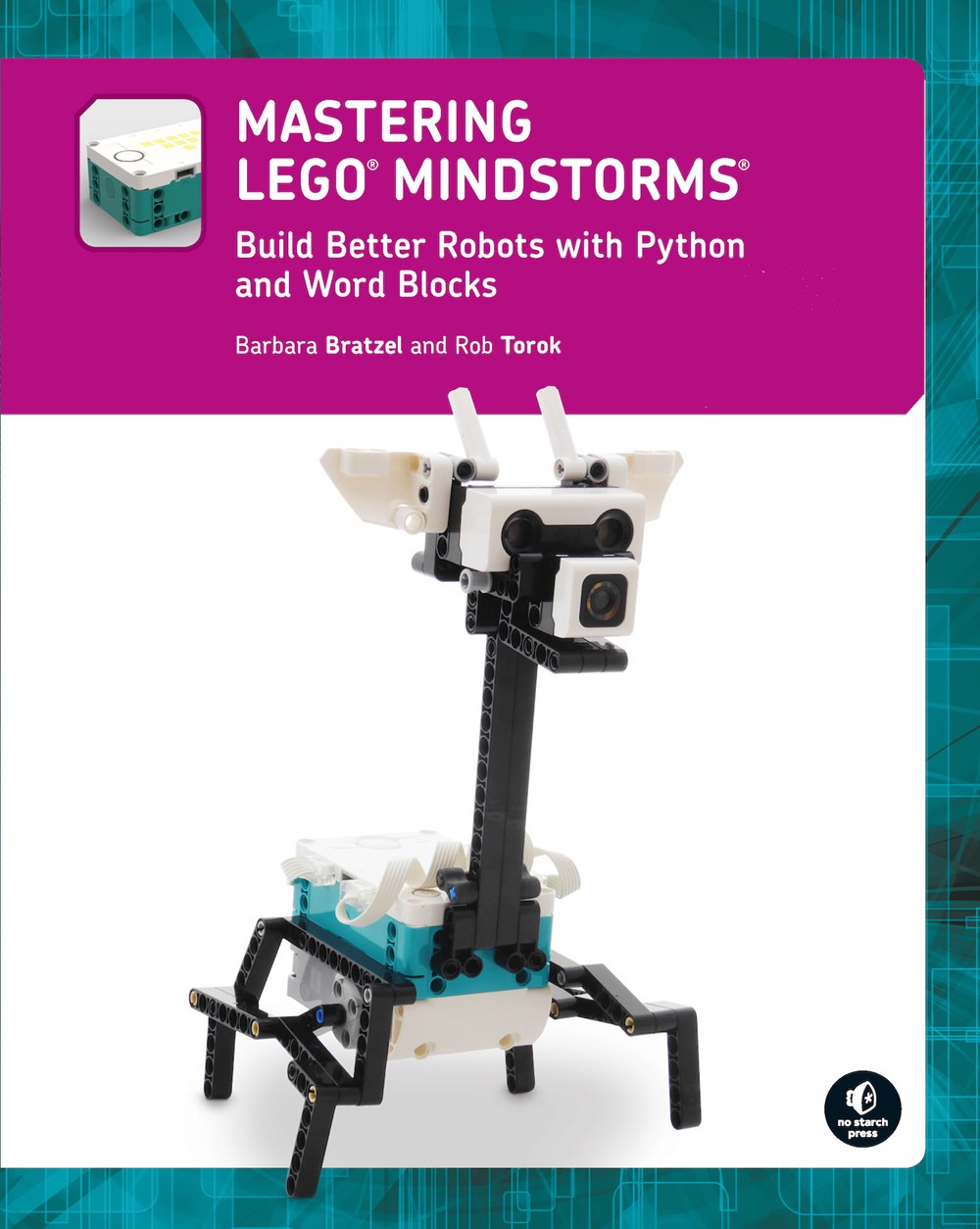
 

Mastering LEGO® MINDSTORMS: Build Better Robots with Python and Word Blocks, by Barbara Bratzel & Rob Torok, (Oct. 2022, No Starch Press), $19.99, ISBN: 9781718503144

Ages 12+

You want your readers to expand their expertise on LEGO Mindstorms. Mastering LEGO Mindstorms will get them there. Moving up from basic Word Blocks programming, Mastering LEGO Mindstorms expands robotics builders’ skills by introducing Python language programming, letting users write text-based code. There’s still how-tos on designing and building, with expanded programming techniques to encourage the casual builder to grow their schools and move toward more sophisticated robotics engineering. There are chapters on gears and mechanisms, moving gyro sensors, and games and “Ultimate Challenges” to test your engineers’ mettle. Photos are incredibly helpful and the informative text is as supportive as it is educational. Bratzel is an elementary school STEM educator and Torok is a secondary STEM educator; both are Mindstorms educators who explain robotics in a way that respects the reader while challenging them.

Getting Started with LEGO® MINDSTORMS and Mastering LEGO® MINDSTORMS are excellent additions to your STEM/STEAM collections. If you have robotics leagues or maker labs in your community, they are essential. 
Posted in Non-Fiction, Teen, Tween Reads, Young Adult/New Adult

LEGO Mindstorms books? Gotta go with No Starch Press!

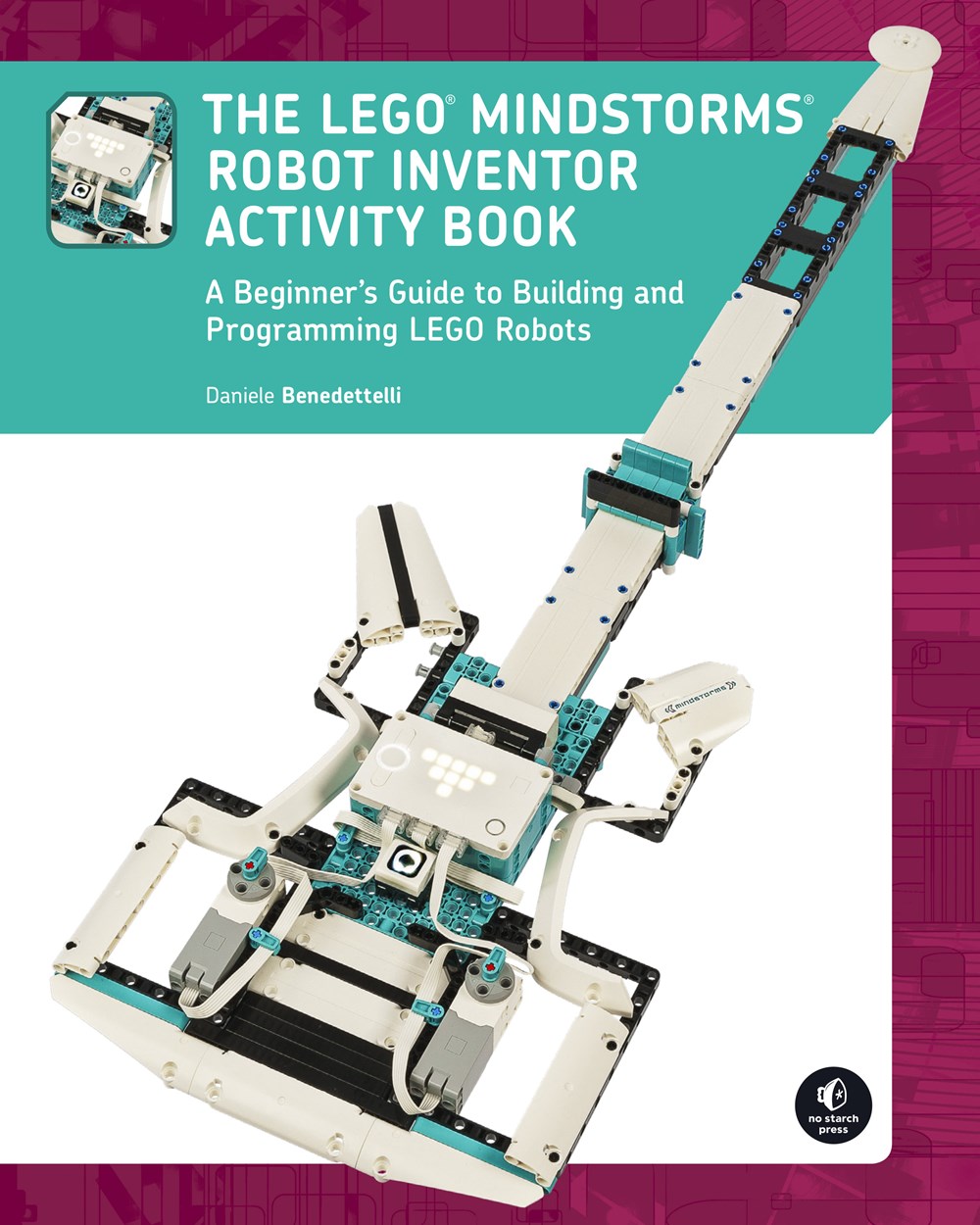
The LEGO MINDSTORMS Robot Inventor Activity Book : A Beginner’s Guide to Building and Programming LEGO Robots, by Daniele Benedettelli, (Nov. 2021, No Starch Press), $34.99, ISBN: 9781718501812
Ages 9+
I love No Starch Press for my computer and tech books. They find the best writers and illustrators to communicate tech concepts to everyone, from kids to grownups. Their manga guides to the sciences are great for my YA collection, and they move: as soon as I show a teen The Manga Guide to Calculus, I feel like I’ve done my good deed for the day. So when someone from No Starch asked me to look at the LEGO Mindstorms Robot Inventor Activity Book, I jumped! We had a robotics program at my last library, and I’m hoping to get a program going here if I can get some grant money, so a No Starch library of LEGO Mindstorms books would be a nice part of my grant.
Daniele Benedettelli delivers. He’s collaborated with LEGO Group to help develop and test LEGO MINDSTORMS, including the software for the LEGO MINDSTORMS Education EV3 set, has written several LEGO Mindstorms books. and has a YouTube channel with tutorials and experiments.
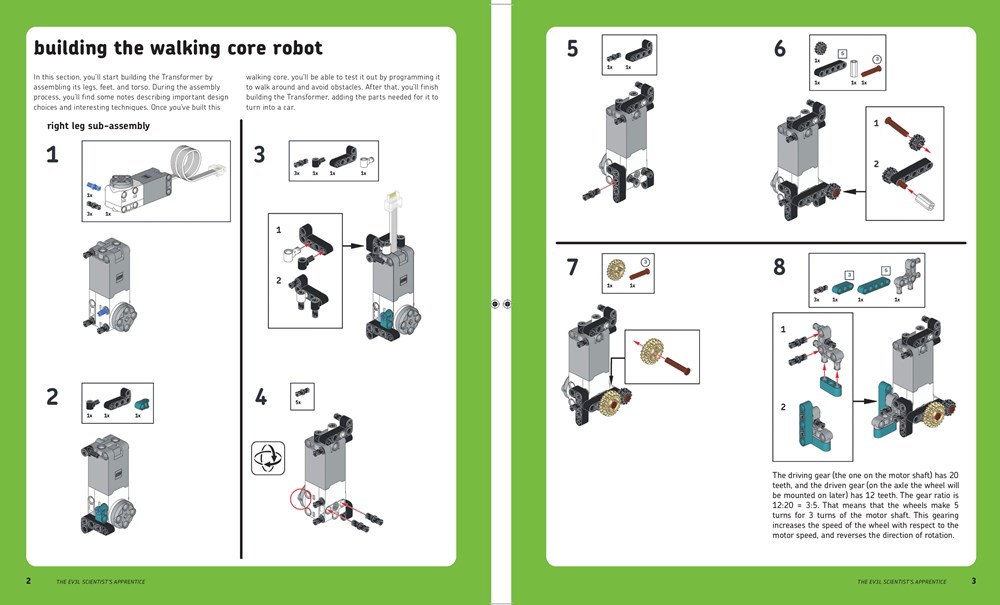
Written for beginners – no, honest – this book includes seven projects to get you up and running. Use the Robot Inventor set and the companion to to build bots like a magical monster that can answer written questions AND eat paper, a working electric guitar, or a remote-controlled transformer car that will have kids channeling their inner Optimus Prime. Pages are filled with color photos and step-by-step instructions on building and programming your robots using the Mindstorms app. Benedettelli communicates clearly and with helpful, informative detail, and clear color photos will help even the most confounded of learners .(That would be me. I’m the confounded learner.) Helpful tips and ideas abound in callout boxes. Fully indexed.
If you’re building a Mindstorms/robotics library, this is an essential book to have, especially if you haven’t run a robotics league before. Good luck!
Posted in Middle School, Non-Fiction, Teen, Tween Reads

Summer of STEAM: Making Simple Robots

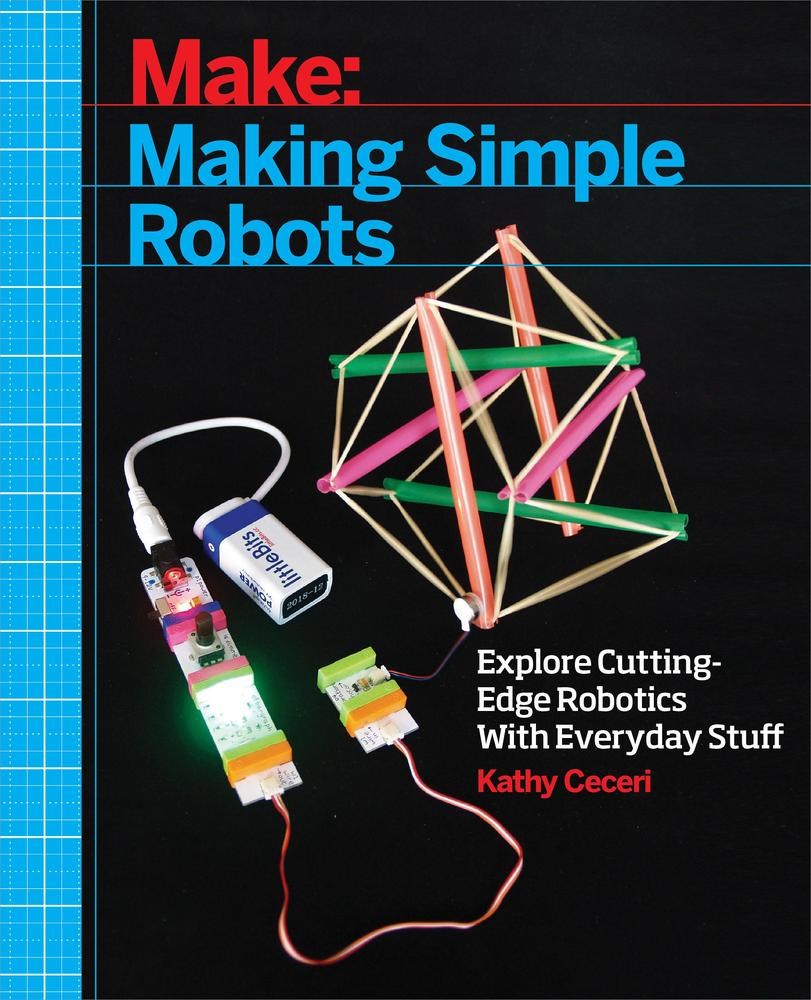
Making Simple Robots: Exploring Cutting-Edge Robotics with Everyday Stuff, by Kathy Ceceri, (March 2015, Maker Media), $24.99, ISBN: 9781457183638
Recommended for readers 11-17
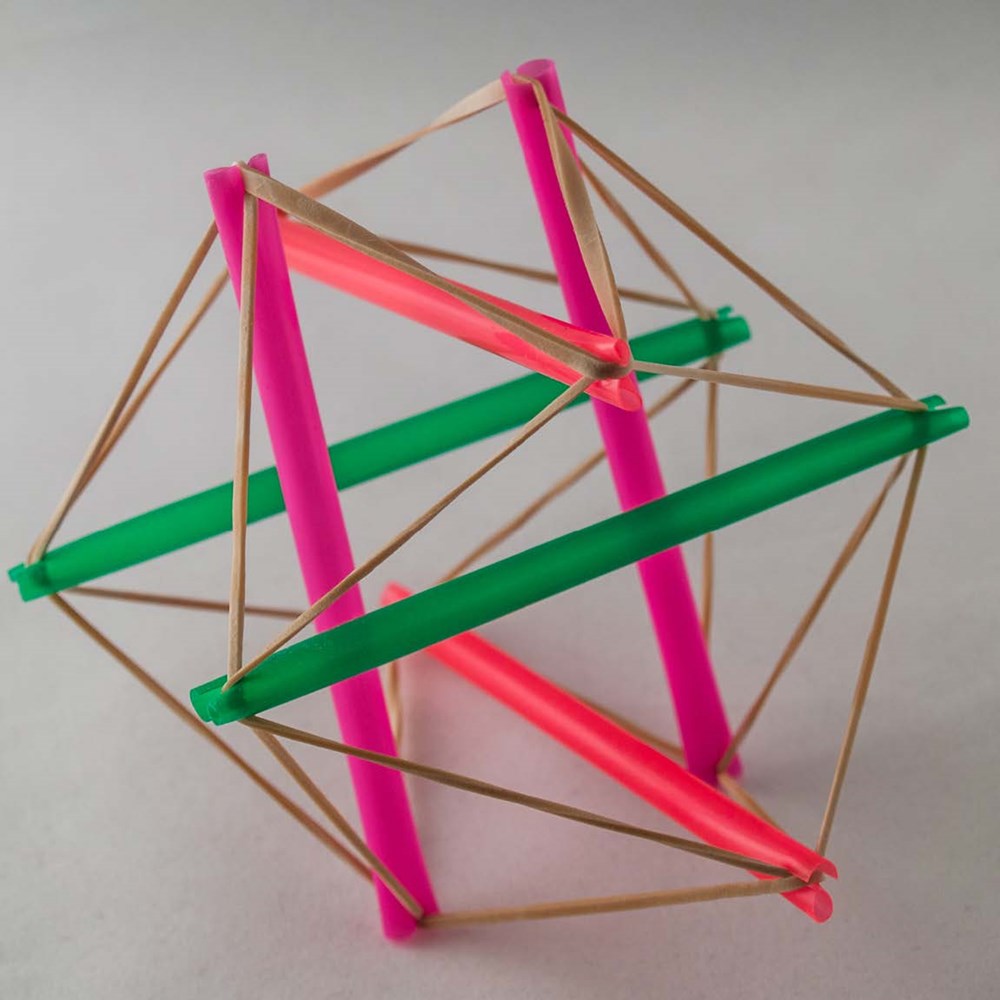
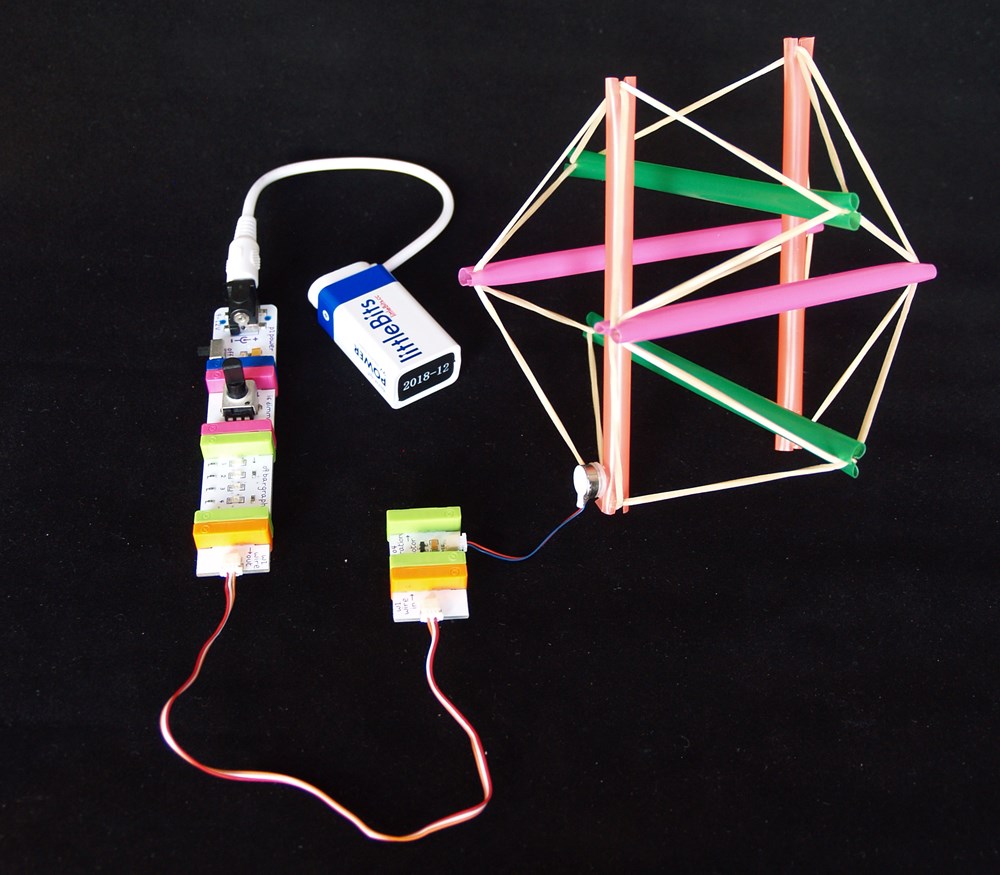
If you haven’t gotten into robotics because you think it’s too expensive to lay down the money for a LEGO Mindstorms set, this is the book for you. Combining plain-English engineering explanations with household materials (and a short list of goodies you can usually get online or at Home Depot), Making Simple Robots walks readers through making robots using paper, balloons (think Baymax, from Big Hero 6, but smaller and less sentient), drinking straws and rubber bands. Projects become more involved as the book progresses, and use more complex materials like Little Bits and 3-D printers. Each project walks readers through the design, building and testing a prototype, helpful troubleshooting suggestions, and ways to adapt and expand on the robots.
You know I love my “program in a book”, and this is another one. I could pull together a beginning robotics program, no sweat, with a small budget and some time to play around. My go-to project from this book? The Gliding Vibrobot, which is a tiny robot you can make for $10 or less, with a motor from an old cell phone or electric toothbrush, 1.5 to 3 volt batteries, foam tape, and gumball machine toy capsules. For a public librarian’s budget, this is a dream project! Have a coding program? Work that into the mix with a Chatbot, where you use Scratch to program your sprite to use a script to carry on a conversation with another user.
There are loads of helpful hints and “cheat sheets” to refer to throughout the book, and an index makes for handy, quick reference.

Every Make book that I’ve read so far has included such a broad range of projects, allowing all skill levels and wallets a chance to make something really cool. Making Simple Robots combines a maker guide with an intro to modern robotics that middle schoolers and older will love.

Posted in Non-Fiction, Tween Reads

Helaine Becker’s Zoobots – The Future is Now, and there are robot snakes!

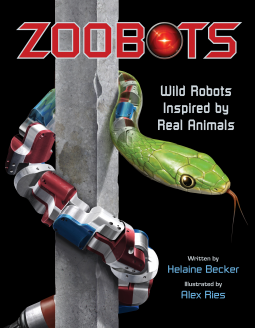
zoobotsZoobots: Wild Robots Inspired by Real Animals, by Helaine Becker/illustrated by Alex Ries. Kids Can Press (2014), $17.95, ISBN: 9781554539710

Recommended for ages 8-12

Robot Snakes. That’s the first thing that jumped out at me when I saw the cover of this book on NetGalley, and I knew that not only would my 10 year-old love this book, but so would every 10 year-old in the several library sites I oversee. That is the kind of book Zoobots is – it’s a win-win situation. You have robot animals, complete with facts about the functions and statistics on the robotic creatures, plus profiles on the animals influencing them; you also have the nonfiction aspect, which makes it compatible with Common Core focus on nonfiction texts, with the extra STEM (Science, Technology, Engineering, Mathematics) appeal that will hopefully inspire a reader or 3 to become a scientist and actually work with these robots.

Helaine Becker’s text is chunked into a dossier-type format, complete with futuristic fonts. We get the name of the robot – some include the Shrewbot, the Octobot, the Ghostbot, and the Nanobot – and what class of animal its influence belongs to (i.e., mammalia, reptilia). There are skills, specifications, and applications: the growing number of robotics dedicated to the medical industry alone is amazing, as is the idea of using pill bug-inspired robots to help prevent raging forest fires. Special Ops describes special talents these robots can use while in the field; my favorite is the Uncle Sam snake robot, who can actually assemble itself!

There is no science fiction here – all of the 12 robot animals profiled are in some sort of prototype stage, whether being developed or in existence. A section on the future wonders what further robots future minds will create, which I hope spurs some readers to start sketching and joining robotics teams. There is a glossary of terms and a full index.

I loved this book, and think it belongs in libraries and science classes throughout elementary and middle schools. The illustrations, by concept artist and illustrator Alex Ries, give life to the robotics, spotlighting their flexibility and their features. The book is only 36 pages, but the number of lesson plans and ideas that can come out of this? Boundless.