It’s been a scary time over the last 8 days. I’ve been trying to write posts, but just feel like anything I have to say is just… yeah. That’s where I am right now.
There’s a wealth of great information and resources available. This is m
First and foremost, The Brown Bookshelf is hosting a KidLit Rally for Black Lives, organized by award-winning authors Kwame Alexander, Jacqueline Woodson and Jason Reynolds. have organized a Kidlit Rally for Black Lives. It’s happening on June 4th, 7pm, at The Brown Bookshelf’s Facebook Live. Please spread the word about this event, and let’s give it the attendance it deserves and needs.

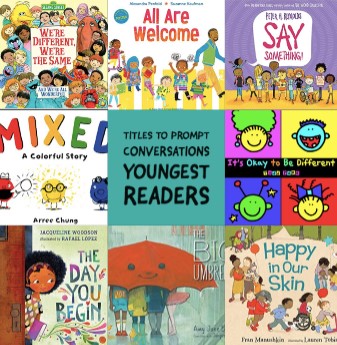
Librarian Cressida Hanson put together lists of titles to prompt conversation, organized by age group.


Kojo for Kids: Jason Reynolds Talks About Racism and The Protests – author Jason Reynolds spoke with radio journalist Kojo Nnamdi on his “Kojo for Kids” segment. The link includes a transcript and the playback of the segment.
School Library Journal/A Fuse 8 Production’s Antiracist Resources and Reads: Lists for All Ages. Elizabeth (Betsy) Bird has a fantastic compilation of reading and advice on being an ally. Resources for White Parents on raising white children is tremendously helpful. There are podcasts to listen to; films and videos to view; articles to read, and organizations to follow on social media, all suggested here. Follow her on Twitter @FuseEight.
Karen Jensen, better known as Teen Librarian Toolbox, also has a blog on School Library Journal. She’s also a force on Twitter, and her piece, Because Black Lives Matter: A Collection of Anti-Racist Reading Lists, includes resources for white readers in particular; something I find really helpful for me and my own family.
School Library Journal has a list of 15 social justice titles that address inequity and inequality, and encourage activism in younger readers.
Que(e)ry Librarians has an extensive #blacklivesmatter library, teaching, activism, and community resource list, constantly being updated; check in with this one often. It’s meticulously organized, and includes syllabi; reading lists for all ages; libguides; links to museums and archives; fact-checking resources, and so, so much more.
Embrace Race offers a list of 31 anti-racist books for children. If you wander around the website longer, you will discover, as I did, that they have an incredible wealth of resources, including webinars, reading lists, and action guides. The webinar “I [Still] Can’t Breathe: Supporting Kids of Color Amid Radicalized Violence looks like a powerful one, and it takes place on Friday, June 5th.
Books for Littles, another site I was just introduced to, has an “Anti-Racism for Beginners” list of books to read with and discuss with your kids about racial diversity. There are some great collections and topics in here; I’ve just added this to my reference resources. Check out the lesson planning resources and family action toolkits while you’re there.
A lot of white families may find it difficult to talk about race and racism with their kids. It’s been our privilege to avoid that conversation, but the time is here and now. This article from NPR on Talking Race With Young Children is a helpful start.
Medium.com has 75 ways white people can be helpful allies in the fight for racial justice.
This is what I’ve got for now. More booktalks are coming; it’s just been hard to stay focused these days. Stay healthy, stay safe, stay strong.


 Mom Read It