Posted in Preschool Reads, Toddler Reads

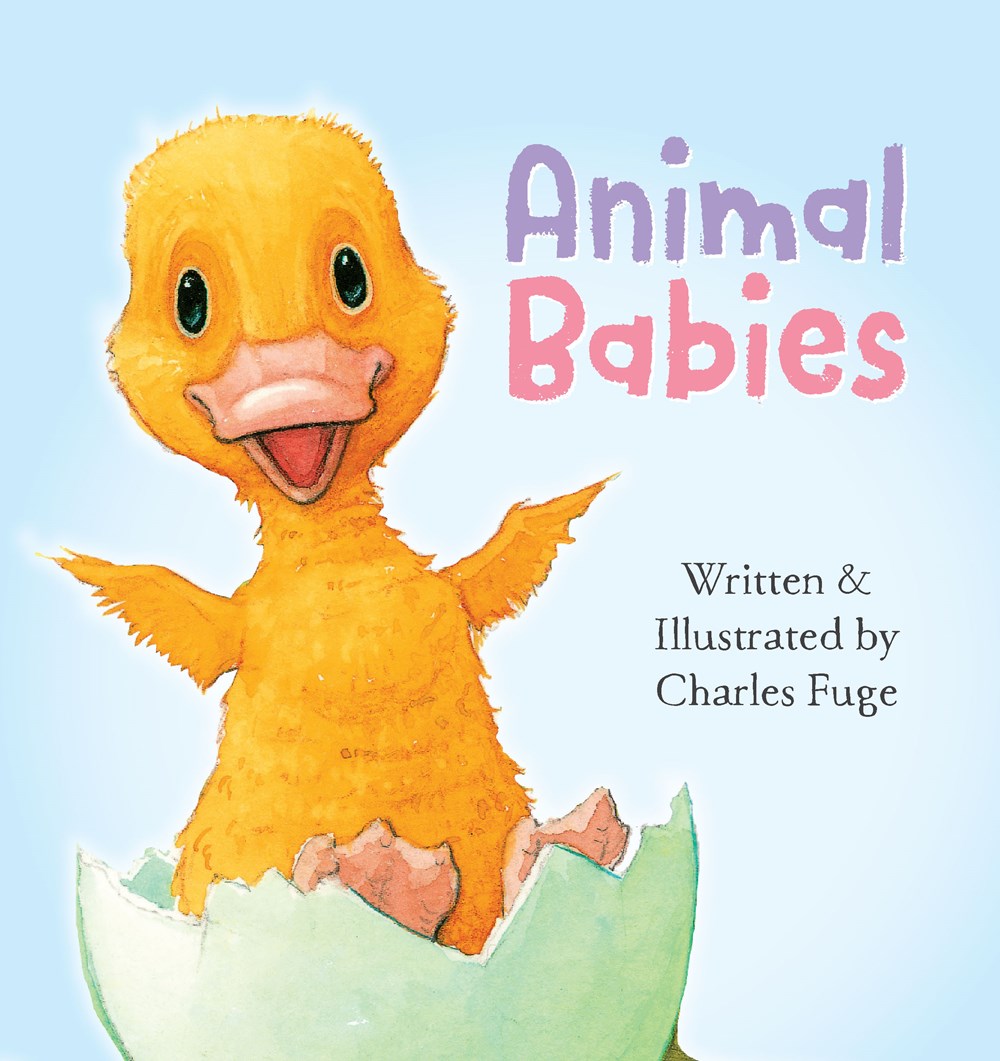
Get your cute on with Animal Babies!

Animal Babies, by Charles Fuge, (March 2018, MoonDance Press), $8.95, ISBN: 9781633225480

Recommended for readers 0-3

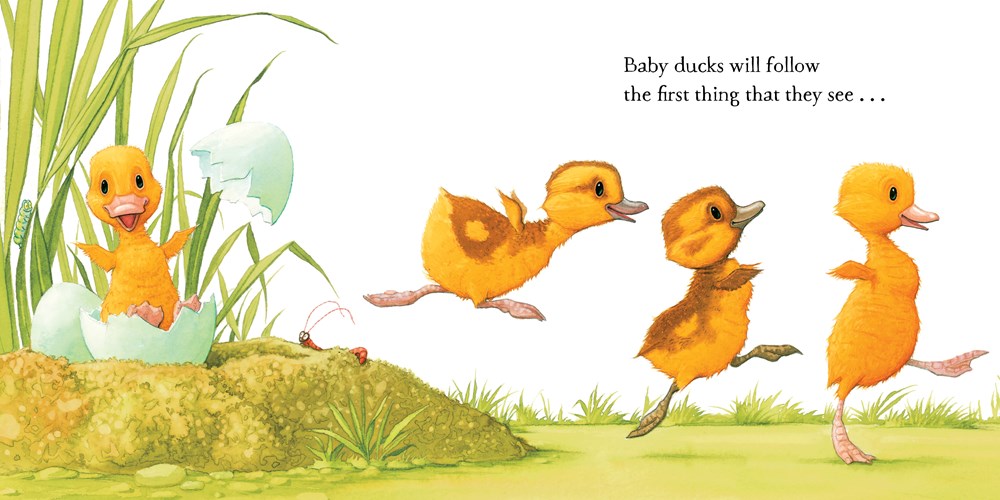
This adorable board book features squeal-worthy menagerie of baby animals, including ducklings, platypuses, koals, sloths, and meerkats. Rhyming text provides some factual info about the animals: baby ducks following the first thing they see; father seahorses having babies, and a perplexed snake, surrounded by playful meerkats who aren’t the slightest bit afraid of it. The illustrations are adorably realistic, and the text is just right for babies and toddler storytimes.

I’m always on the lookout for board books that give me a little something more than the basics, to use in my storytimes; Animal Babies will fit in nicely, letting me add some interactivity, like animal sounds, movements, and some teaching moments, while giving kids a nice cadence to follow along, thanks to rhyme. Too much cuteness! Pair with animal board books with animal sounds (I like this list from Inspiration Laboratories), and make it fun by adding some Sandra Boynton; I love Moo, Baa, La La La.  I also really enjoy Douglas Florian and Barbara Bakos’s Animals Play board book series, including Once I Was a Polliwog, Flamingos Fly, Leap, Frog, Leap, and Bears are Big.

Posted in Middle Grade, Non-Fiction, Non-fiction, Teen, Tween Reads

Happy Mail rejuvenates the lost art of letter-writing

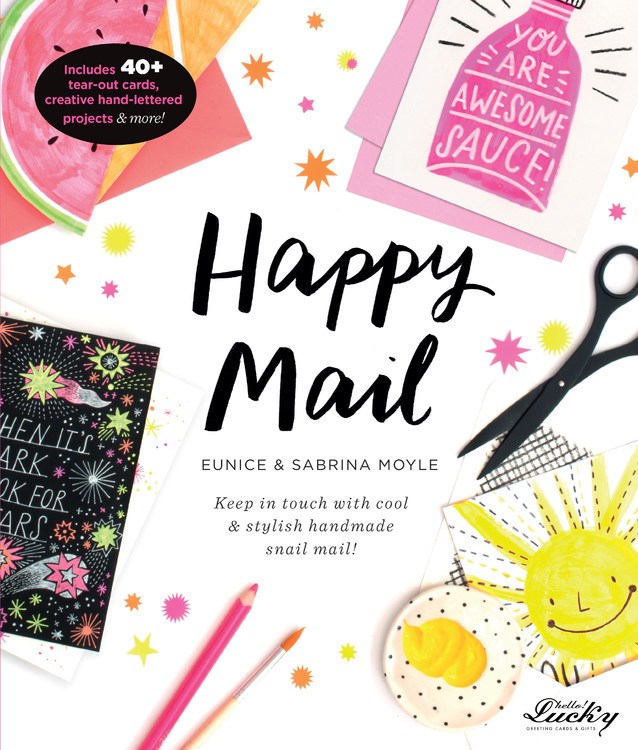
Happy Mail, by Eunice Moyle, Sabrina Moyle/Photographs by Alex Bronstad, (Sept. 2017, Walter Foster Jr.), $14.95, ISBN: 9781633223677

Recommended for readers 9-13

Remember pen pals? Remember passing notes to your friends in class, or writing letters to your friends over summer vacation? I see kids with smartphones, texting one another now, and miss the creativity that came from letter writing. Letters between my pen pals and I were works of art, customized for the recipient. Luckily, handmade seems to be making a comeback, and Happy Mail is a book that wants to bring the art of “snail mail” back.

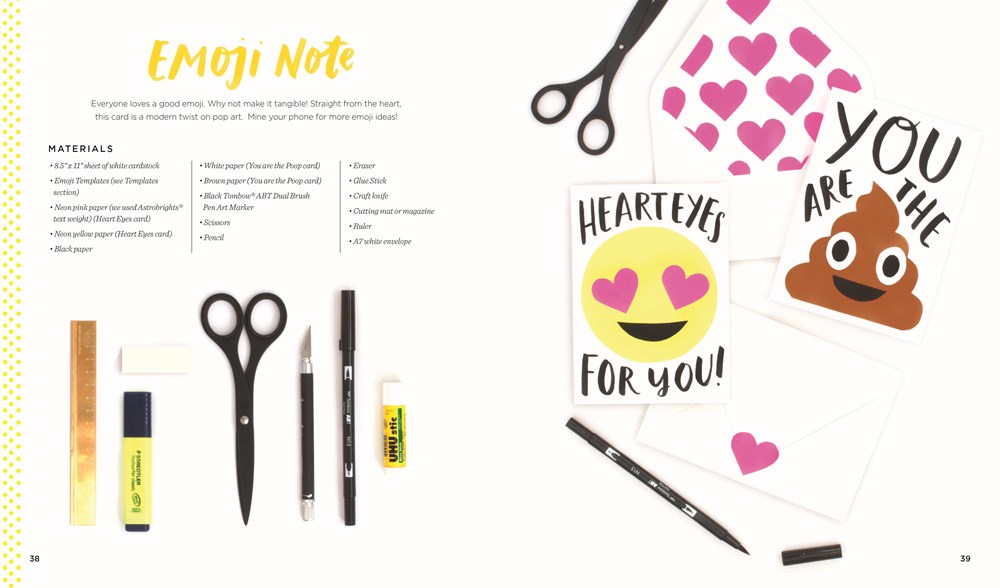
Part workbook, part guide to writing letters, Happy Mail includes over 40 tear-out cards, projects, and writing prompts to get kids’ creative juices flowing. A section on tools introduces readers to different types of pens and markers, for decorating letters; there are worksheets that let kids practice different lettering styles, and there are templates that kids can cut out to create emoji-based notes. (Heads-up: yes, this is a middle grade book, but there’s a poop emoji demonstrated on a card that reads, “You are the…” – get the meaning of my meaning? – but it’s cute, and overall, very kid-friendly.) I love the “list letter” idea, where you cut a piece of paper into strips to list all the great things about your friend, that will unfold as they open the card and read. There are fun techniques, like watercolor washing paper or masking fluid and watercolor paint to create your own personalized stationery style.

This isn’t a great choice for libraries, for obvious reasons, but it IS a great choice to give to kids, to get them in the habit of writing again. Have them write to a cousin, a friend, a relative who could use a pick-me-up. I want to create a program where the kids in my library write letters to the kids in one of my coworkers’ libraries – as soon as we work the logistics of that out, I’ll blog about it. In the meantime, maybe I’ll just go back to writing letters to my friends again. Remember how awesome it was to get mail that wasn’t bills?

Posted in Intermediate, Middle Grade, Non-Fiction, Non-fiction, Non-Fiction, Tween Reads

Out-There Nonfiction

There is such great nonfiction being published these days. Nonfiction used to conjure pictures of boring textbooks with walls of words, with a handful of old black and white photos. Today? Nonfiction includes video game guides, crazy stories about our bodies, animals, planets, and the freaky ways famous people died. And that’s just scratching the surface. Kids’ nonfiction sports full-color illustration or photographs, text that understands how kids read and learn, and takes all interests into consideration. Series nonfiction, like the Who Was/What Was series from Penguin makes history compulsive readable, and No Starch Press has full-color STEM and tech books that teach kids everything from coding in Scratch to explaining the sciences using manga comics. I love building a good nonfiction section; these are a few of the books on my current shopping list.
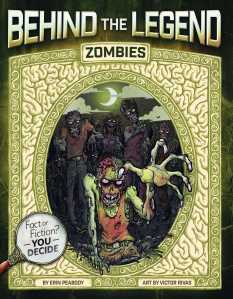
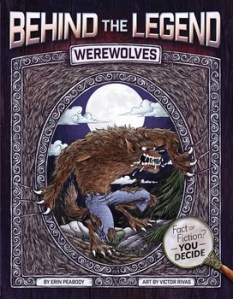
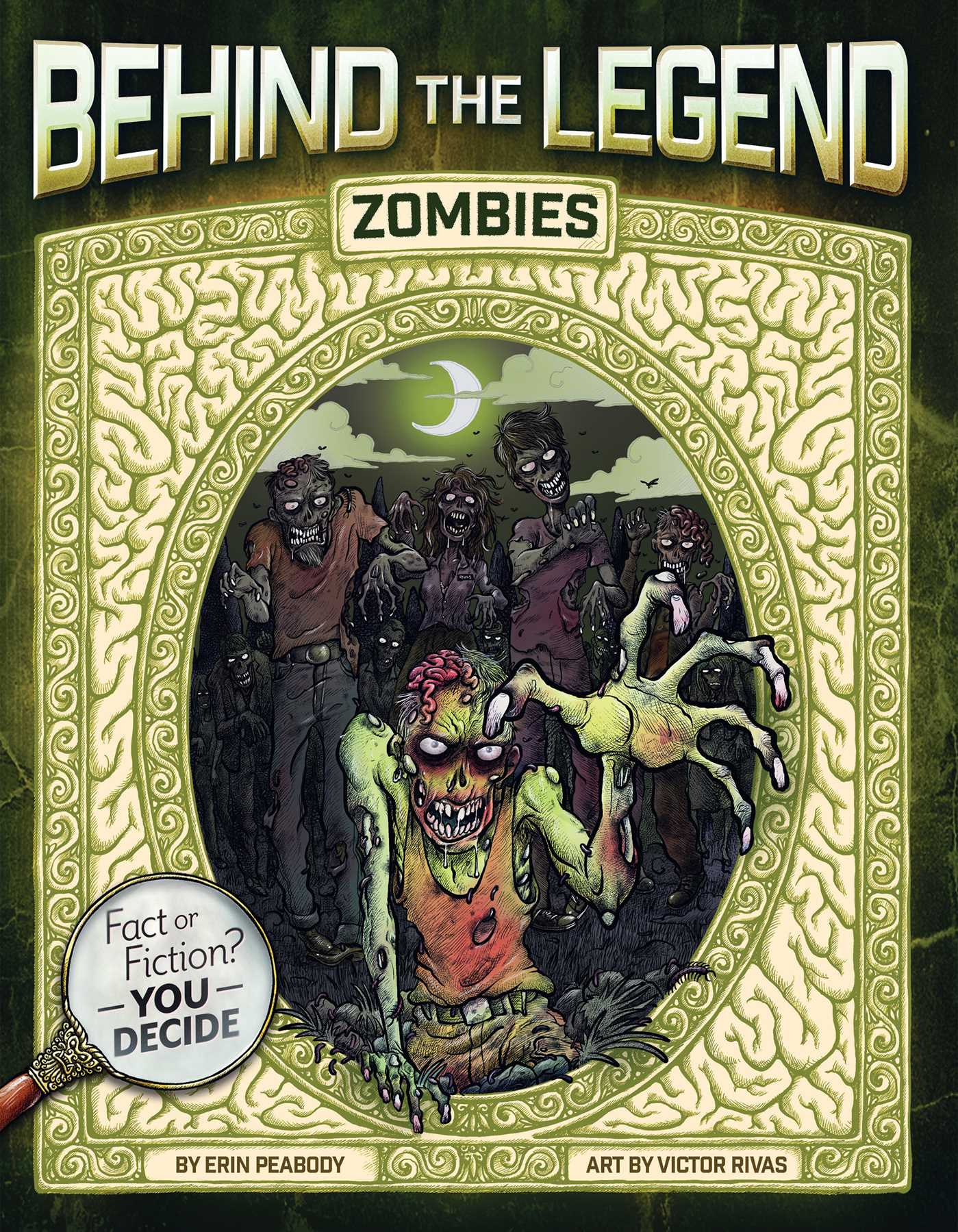
Behind the Legend series, by Erin Peabody/Illustrated by Victor Rivas and Jomike Tejido, little bee books
Good for readers 9-12
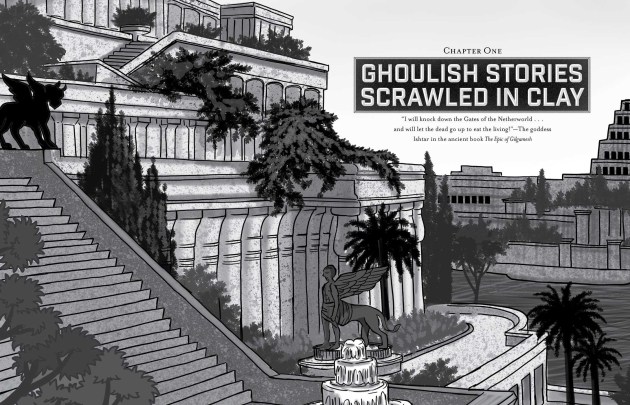
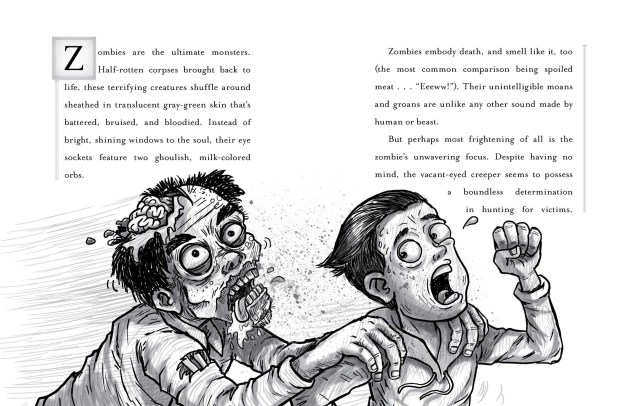
 

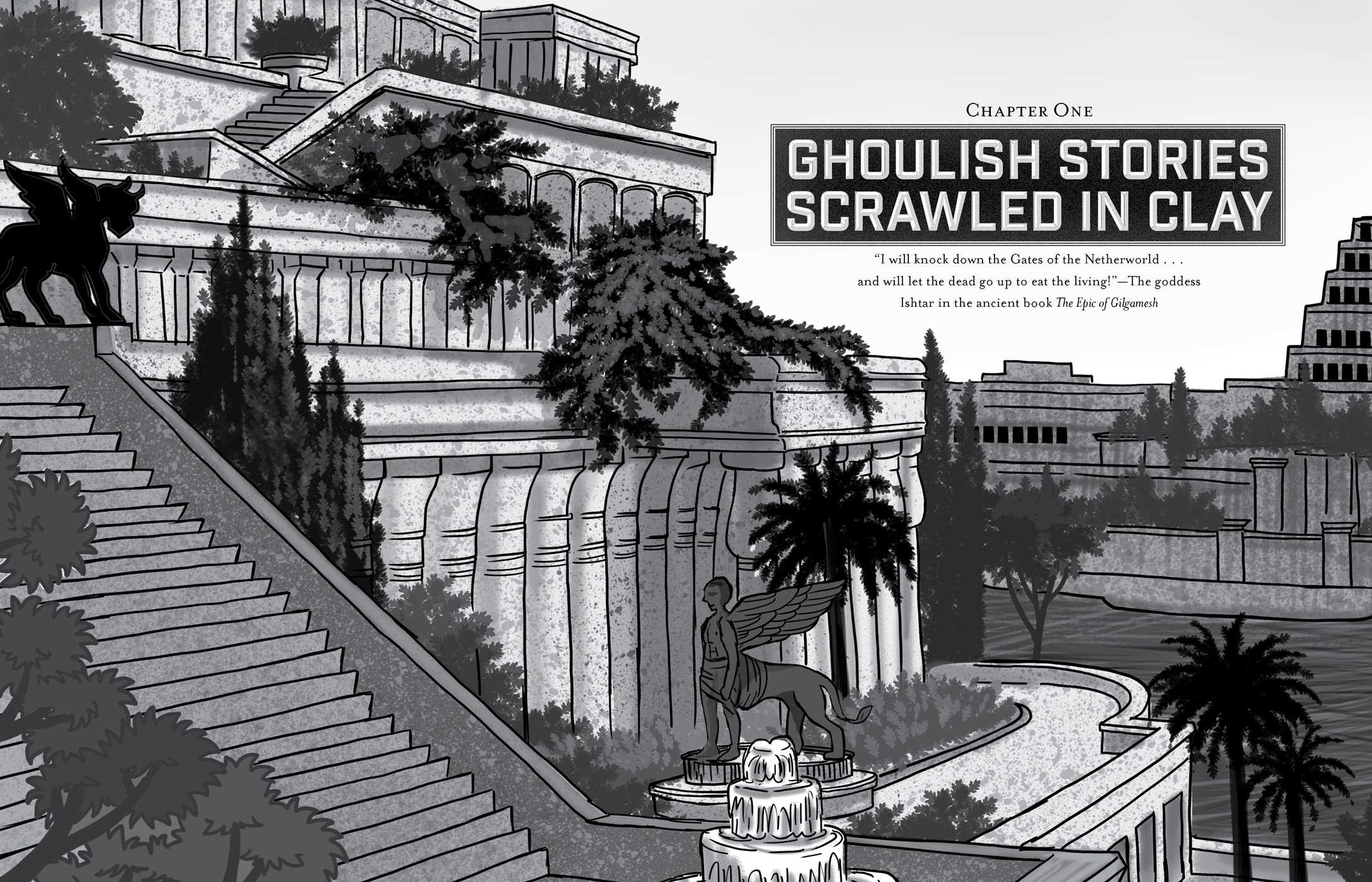
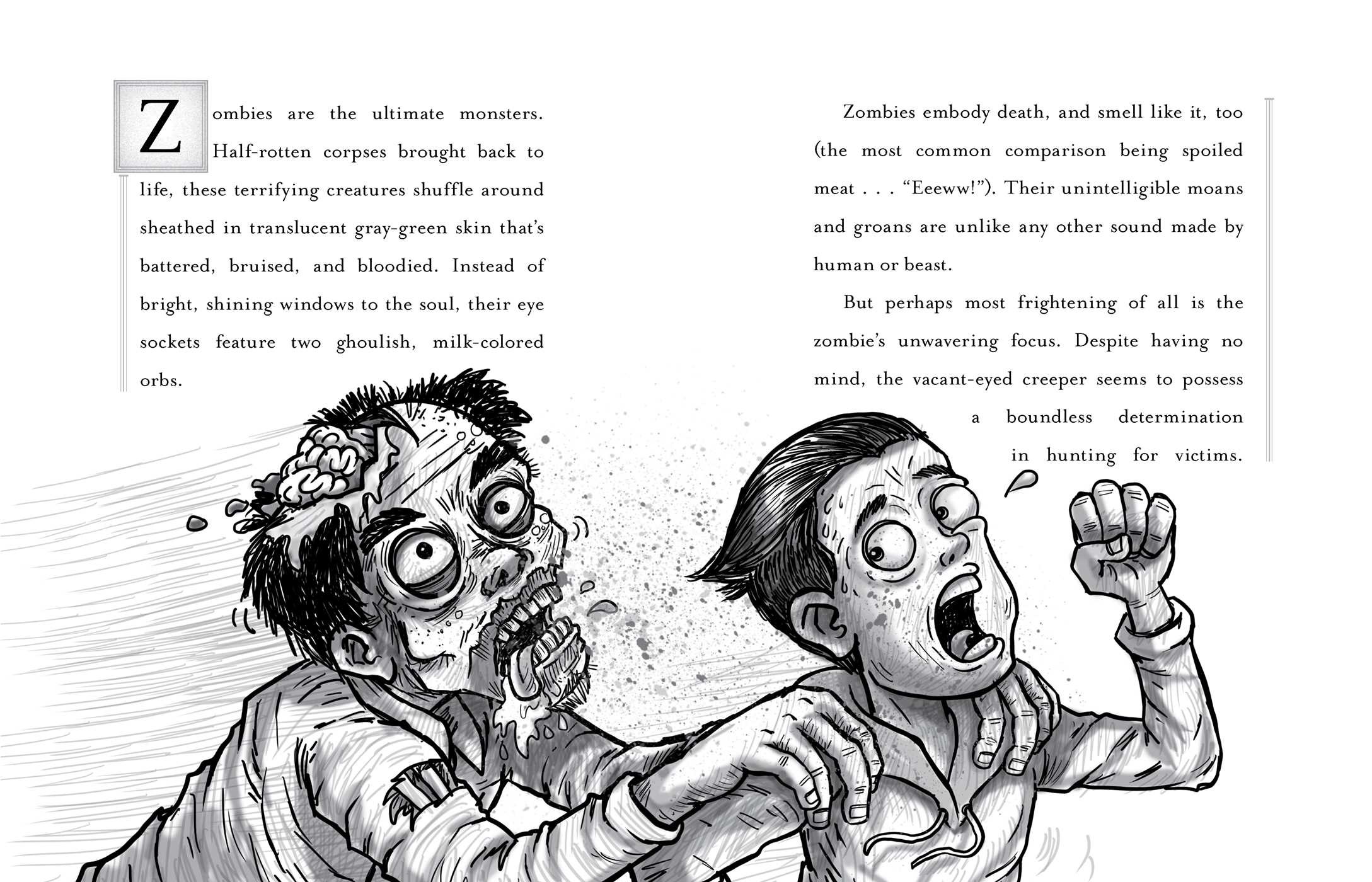
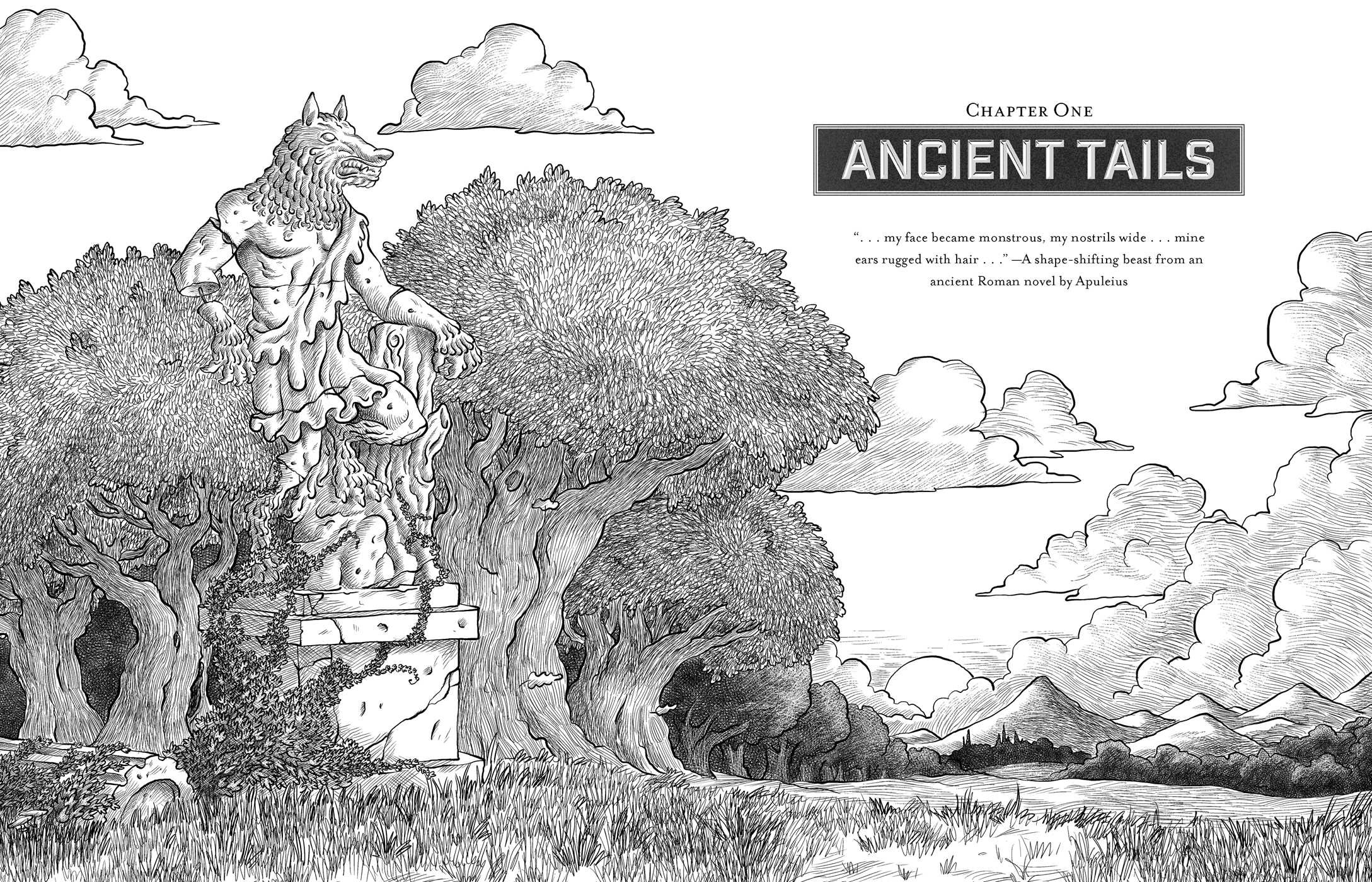
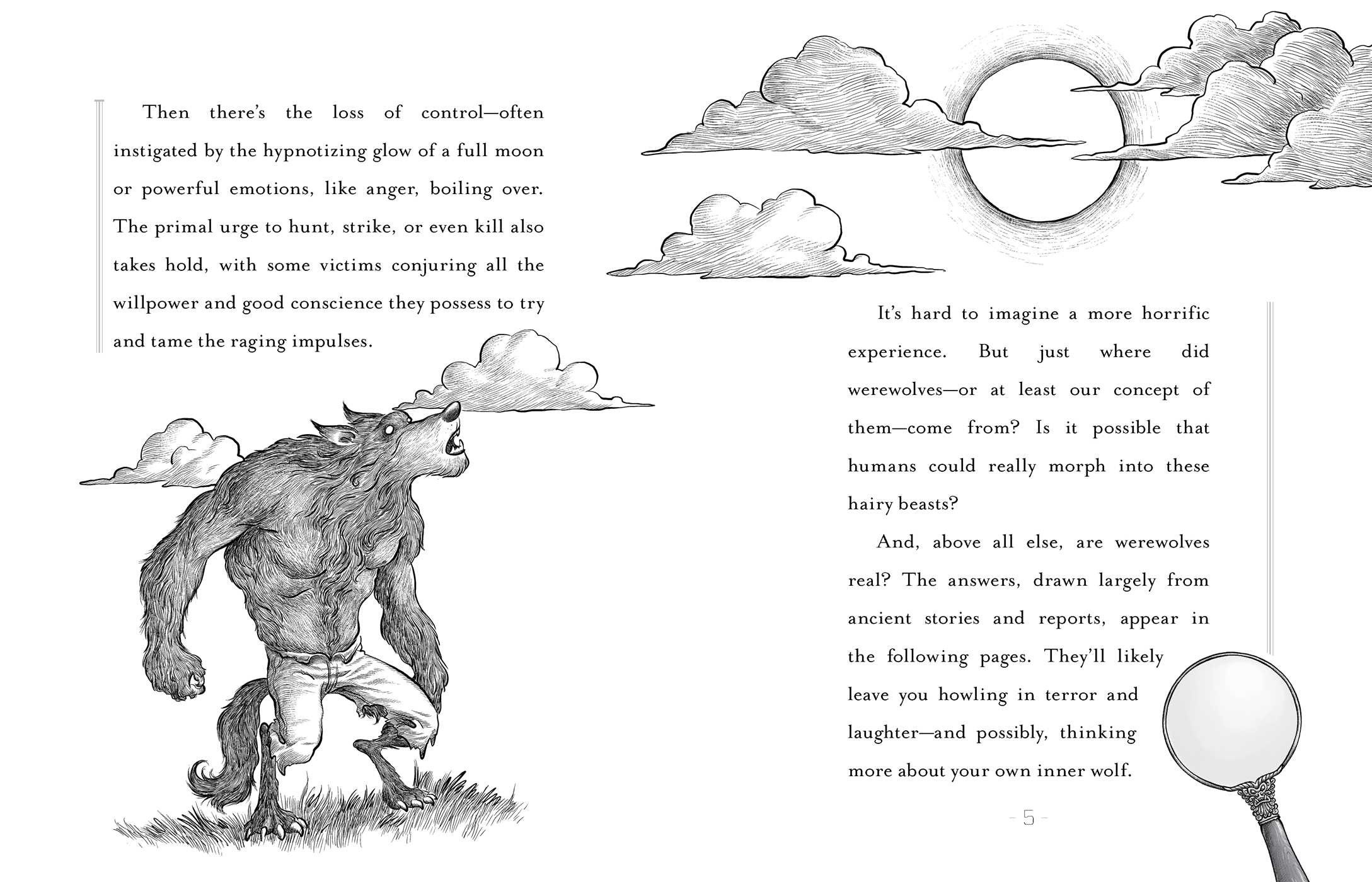
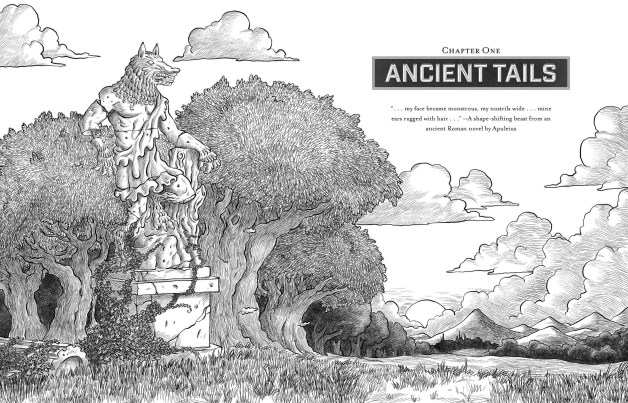
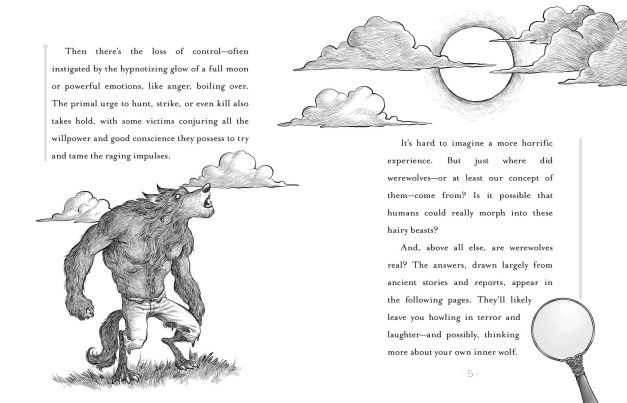
This series is so good. I’ve read Werewolves and Zombies, and love the way Erin Peabody weaves history with pop culture to present a paranormal guide that kids will love reading and learn from. There are black and white illustrations throughout; cartoony, bordering on downright freaky. Zombies delves deeply into the history of slavery and its ties to the rise of the zombie legend and the practice of voudou; Peabody also talks about the walking dead being very old news; they were showing up in Mesopotamia long before Robert Kirkman ever thought up Rick Grimes and his band of survivors. Werewolves talks about the history of animal lore and famous “were-beasts” in history, like the Gandillon siblings – a French brother and sister who were convinced they were wolves and acted accordingly. Harry Potter, Scooby-Doo, and Twilight all get a shout-out in this fun look at werewolves. There are further sources for kids who want to read further. Other Behind the Legend books include Dragons, the Loch Ness Monster, and Bigfoot. This is an absolute must-add set for kids who love themselves some pop culture paranormal reading (and half the price of most series nonfiction, library-bound books).
 

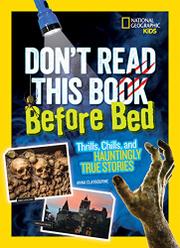
Don’t Read This Book Before Bed, by Anna Claybourne, (Aug. 2017, National Geographic Kids),
$14.99, ISBN: 978-1-4263-2841-1
Good for readers 9-12
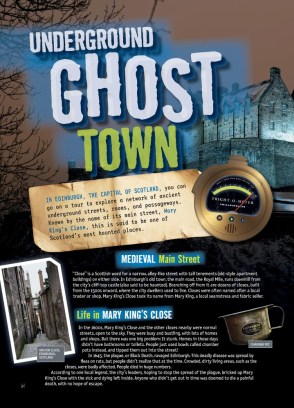
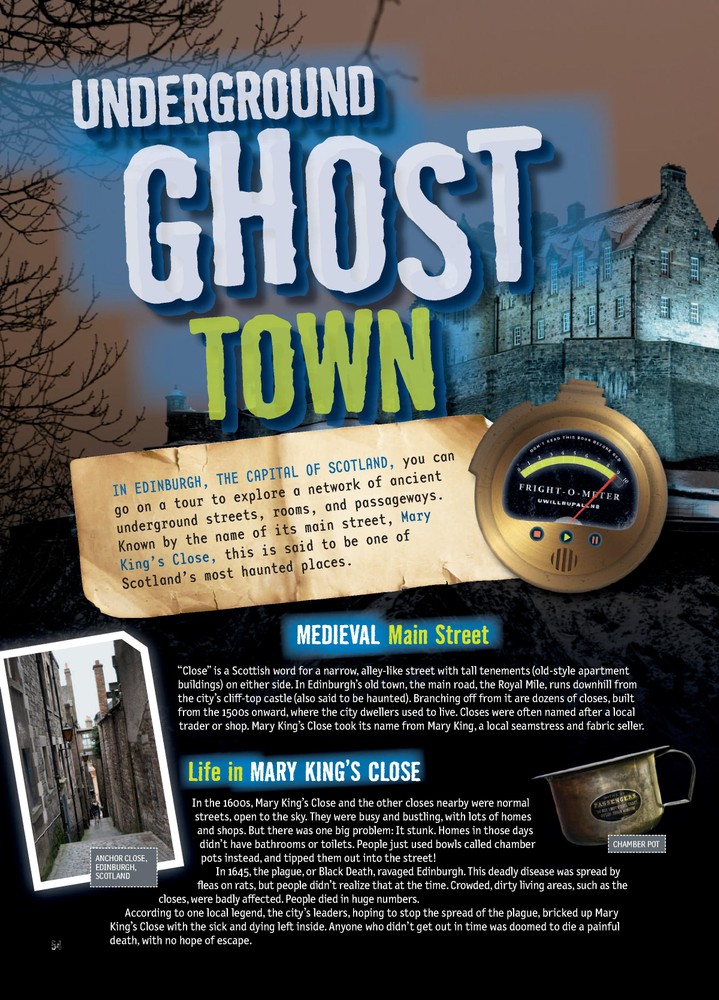
The kids in my library love creepy. Most kids do, right? It’s that safe scare, the adrenaline rush, the squeal of the “eeeeeewwwwwww!” that you can make while safely in your seat, surrounded by family, friends, or your stuffed animals or action figures. It’s being able to turn to your friend and say, “Look at this!” and watching your friend freak out, too. NatGeo knows this, and Don’t Read This Book Before Bed (which is exactly what kids will do) is chock full of freaky stories that will keep them reading and saying, “NO WAY!” Think of it as the Lore podcast, for kids. Haunted castles? Check. Freaky dolls? (Robert the Doll, profiled in here, actually has both a podcast and episode of Lore dedicated to him.) Check. Aliens and fish people? Right this way. Each story has a “fright-o-meter” to let readers know how scary this is going to get, and quizzes help readers figure out their phobias (I love a good flow chart), test whether or he or should would be a good ghostbuster, or take apart the mysteries of science. My library’s copy is rarely on the shelf.
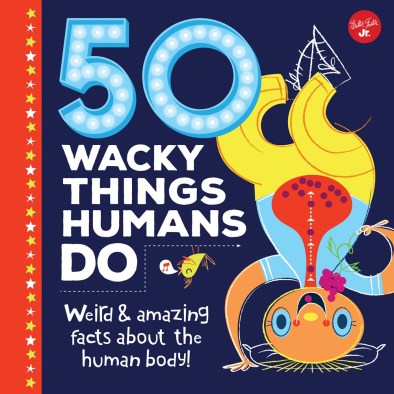
 

50 Wacky Things Humans Do: Weird & Amazing Facts About the Human Body, by the Walter Foster Jr. Creative Team/Illustrated by Lisa Perrett,
(Dec. 2017, Walter Foster Jr.), $14.95, ISBN: 9781633223967
Good for readers 7-10
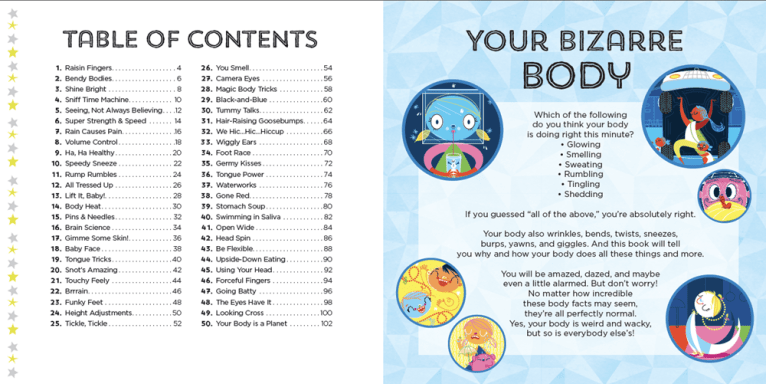
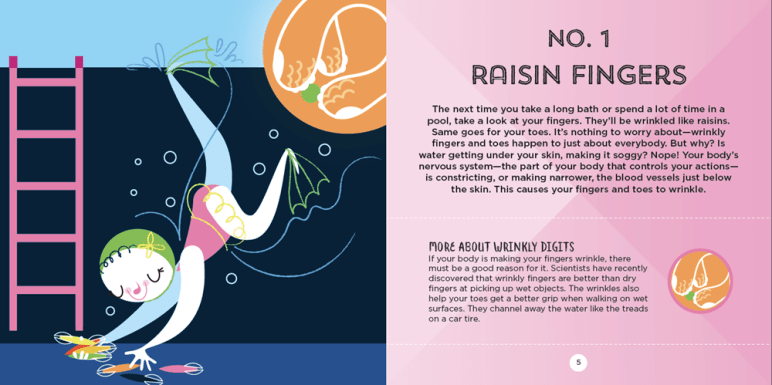
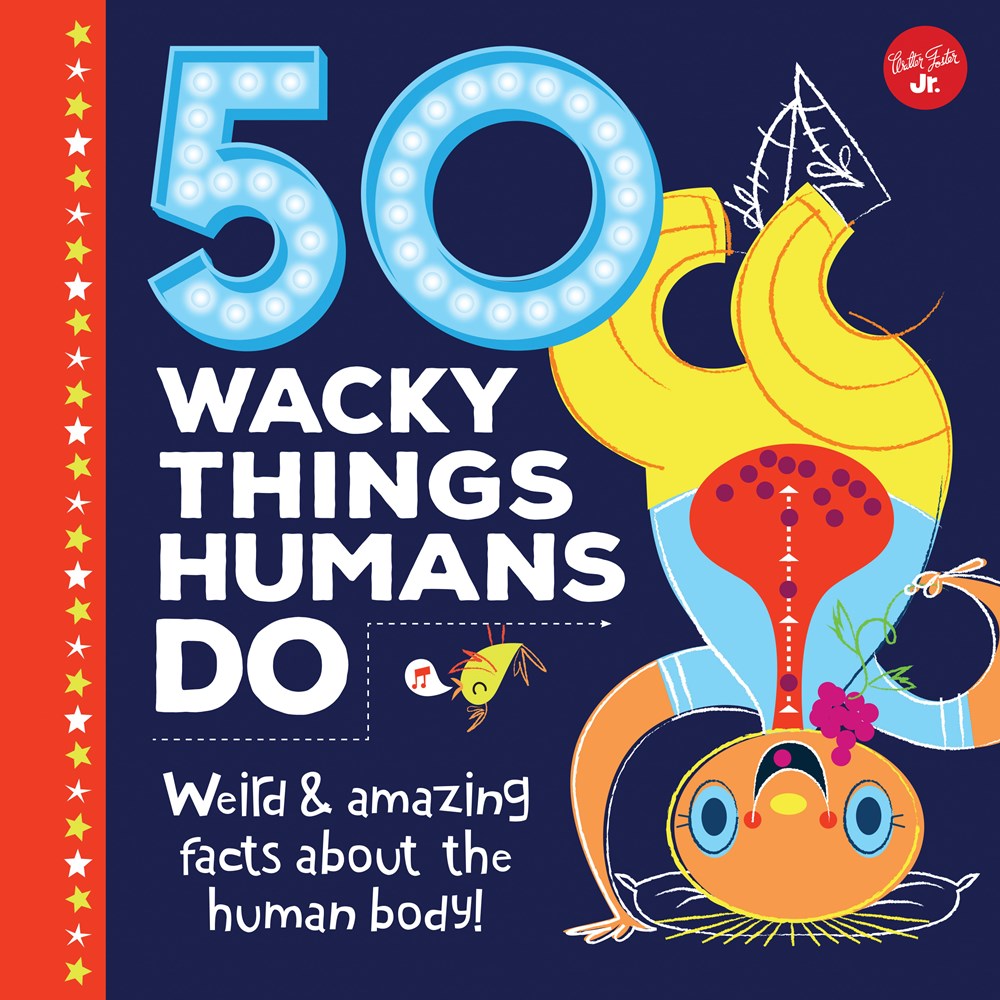
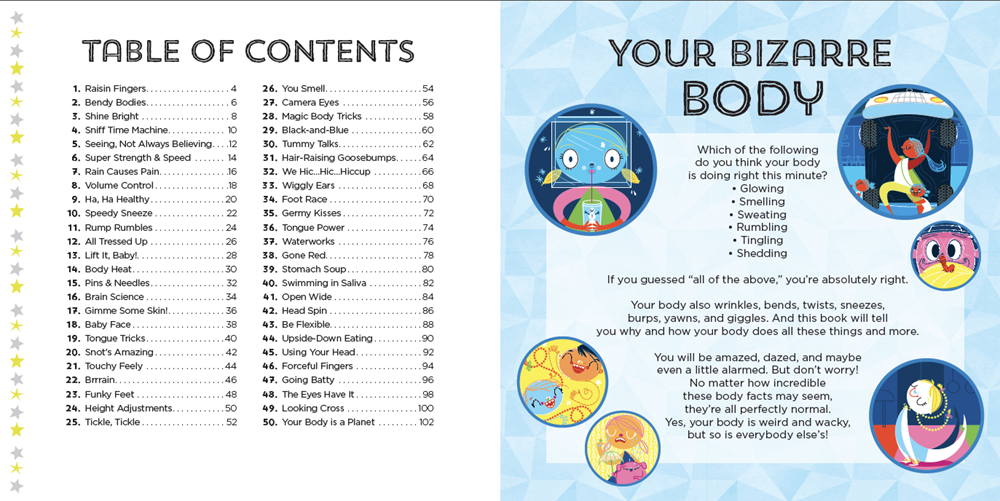
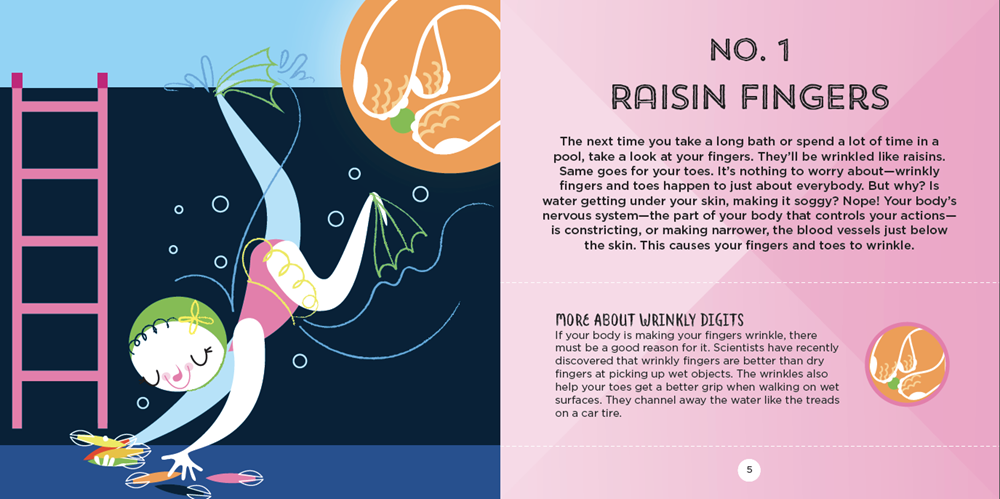
Our bodies do some wild stuff. A sneeze moves at about 100 miles per hour. (Think about that, next time someone doesn’t cover their nose and mouth when they sneeze near you.) If someone tickles you and you put your hand on theirs, it’ll send a message to the brain that stops the tickling sensation. Wrinkly bathtub fingers help us grip things better. Readers will learn all of this and more in 50 Wacky Things Humans Do, written in a similar vein to the chunky, digest-sized NatGeo Kids fun fact books. Wacky Things features one fact per spread and one colorful, fun illustrations; good for intermediate-level readers.
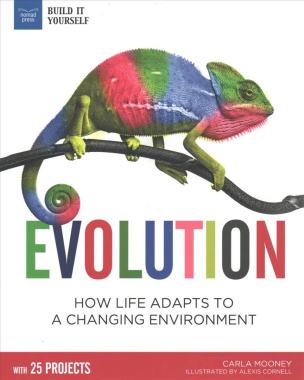
 

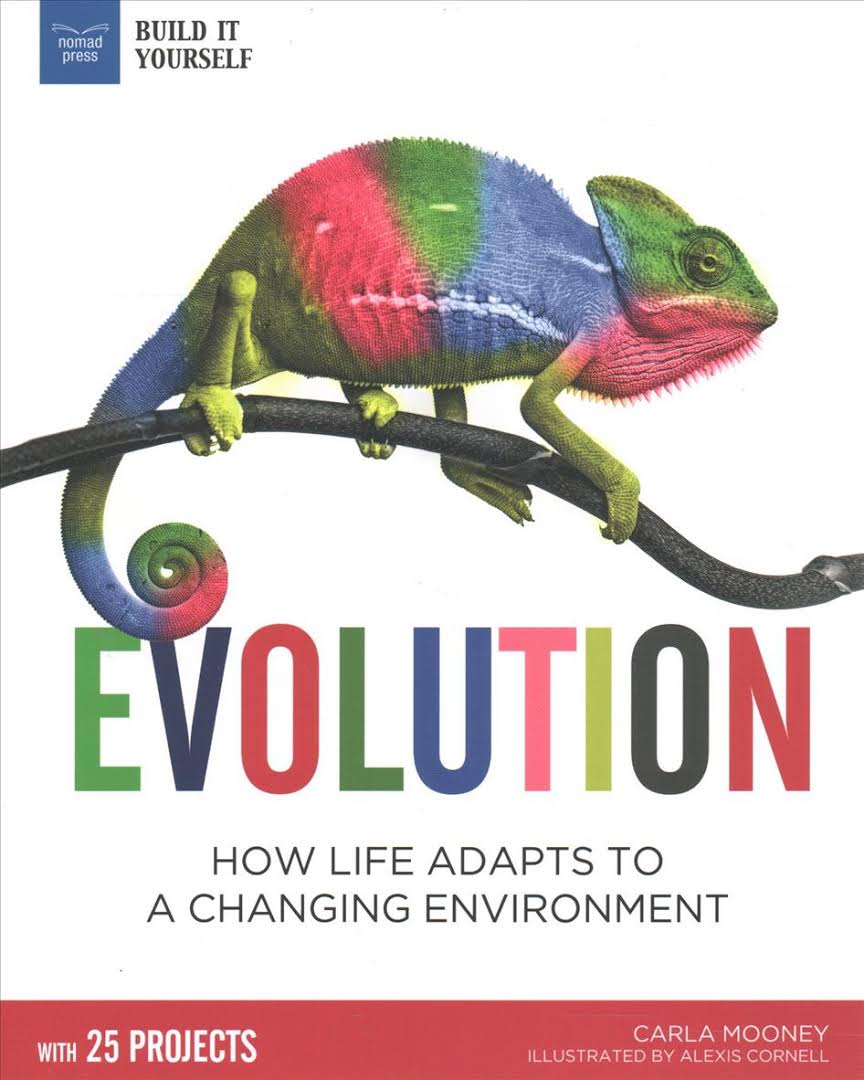
Evolution: How Life Adapts to a Changing Environment, by Carla Mooney/Illustrated by Alexis Cornell,
(Nov. 2017, Nomad Press), $17.95, ISBN: 978-1-61930-601-1
Good for readers 9-12
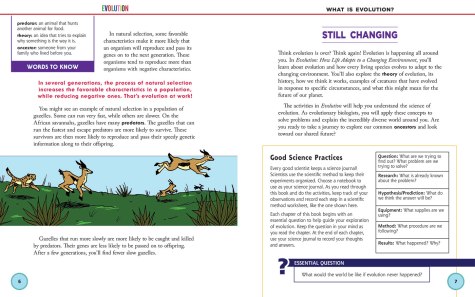
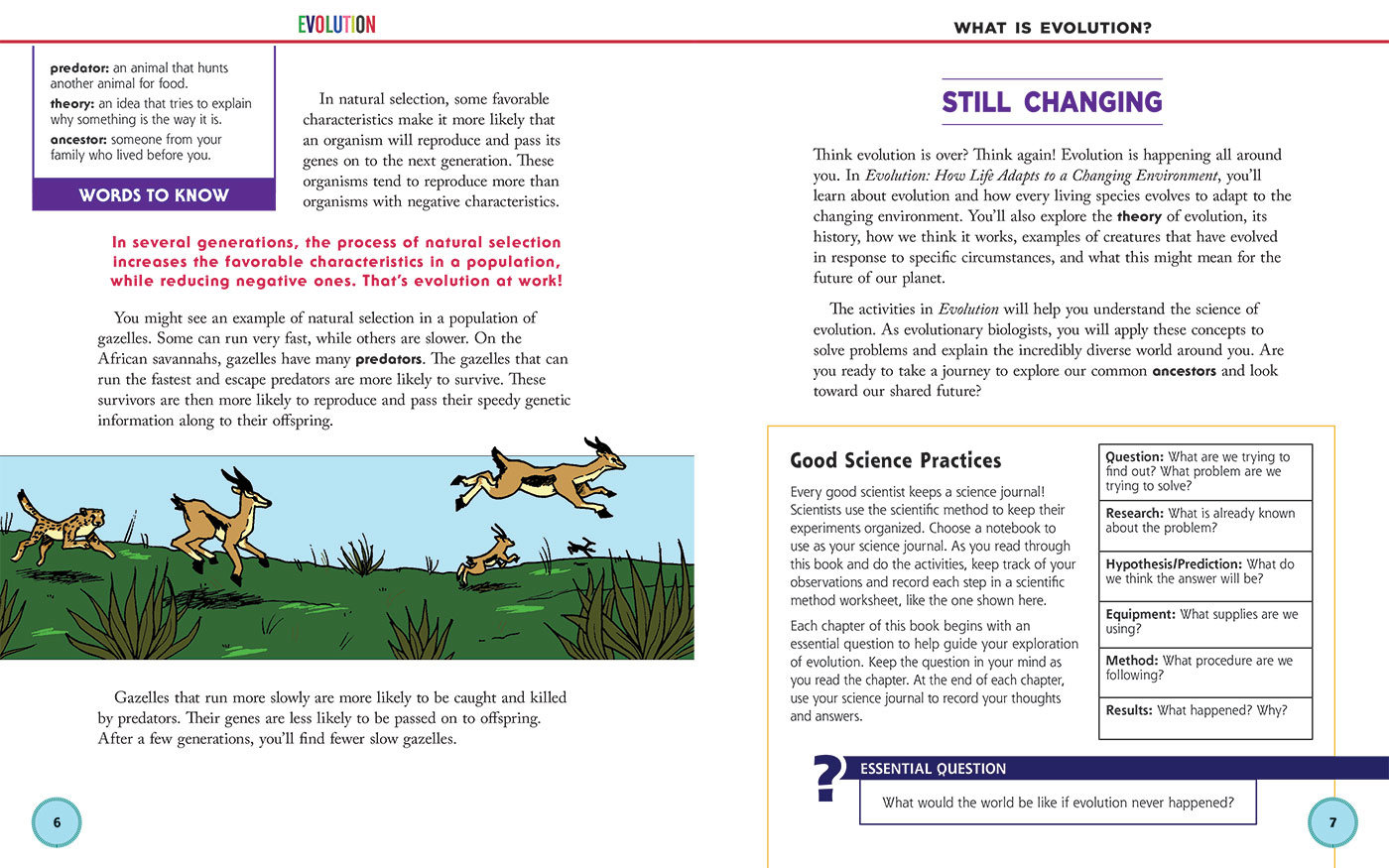
Nomad Press has enjoyed shelf space in my library for a while. They have great science project books and consistently win awards because they blend hands-on projects with text readability. Evolution is a great update to Nomad’s collection and my science projects shelf. First of all, the book is in color; my Nomad books have normally been black and white, and this is as eye-catching on the inside as it is on the cover. The book progresses from a basic overview of evolution and how it works, through natural selection, species and speciation, through to classification and human evolution. Twenty-five projects allow kids to map early human migration; find sidewalk fossils (awesome for my urban library kiddos), and research an endangered species and create a plan to save it. There’s a glossary, lists of resources, and an index. I love this new direction Nomad seems to be taking and want to see more! Great for library shelves.


Posted in Preschool Reads, Toddler Reads

Board and Picture Book Rundown!

I started this post in Hershey, PA while I attended KidLitCon17 – which was amazing, but kicked my butt! – so I’m finishing up now that I’m back home and getting ready to great a new week. More to come on the conference, but for now, let’s talk board books! I’ve been on a board book kick at work, having weeded a bit of the collection, so let’s take a look at a few that have just hit shelves. I’m on the lookout for fun, new, and different board books to get in front of the littles, and to keep up the momentum for my Mother Goose lapsit storytime. The Rodgers & Hammerstein board books are a must, and these look like big fun, too.

 
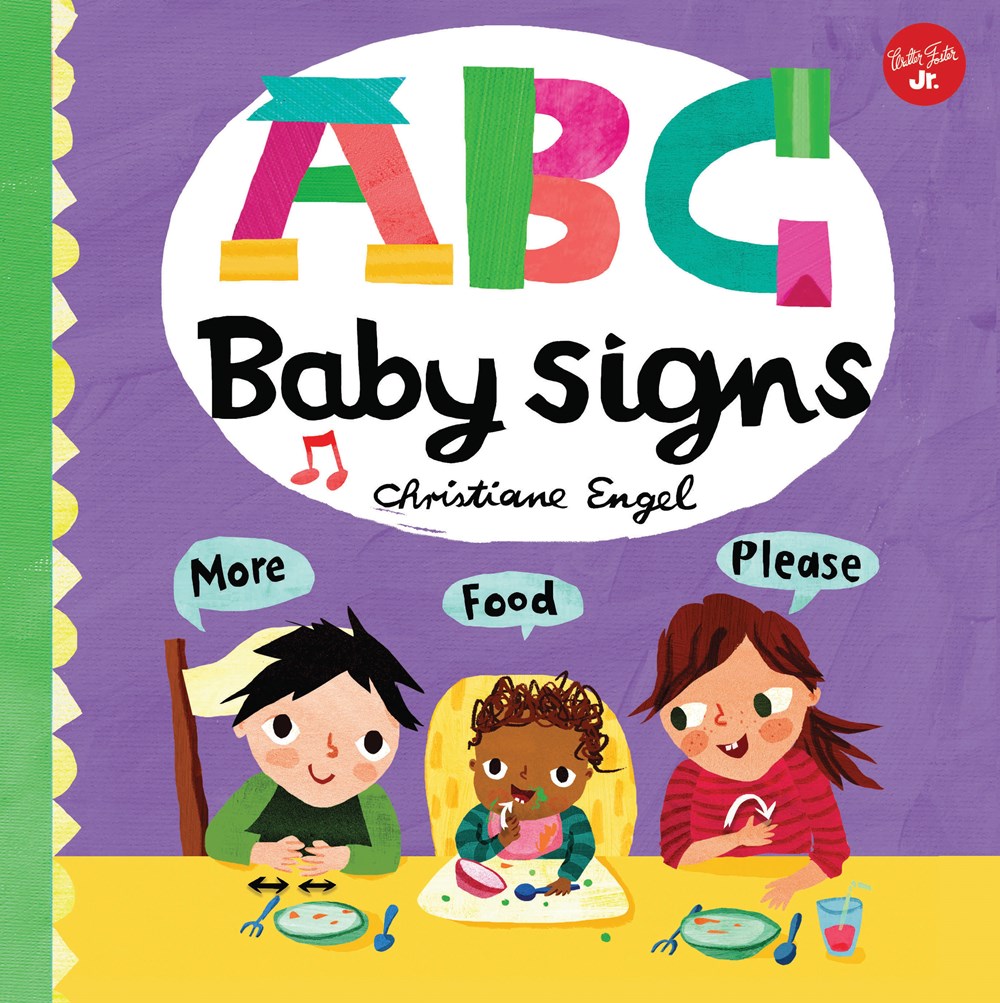
ABC for Me: ABC Baby Signs: Learn baby sign language while you practice your ABCs!, by Christiane Engel,
(Oct. 2017, Quarto Group), $16.95, ISBN: 9781633223660
Recommended for parents for kiddos 0-2
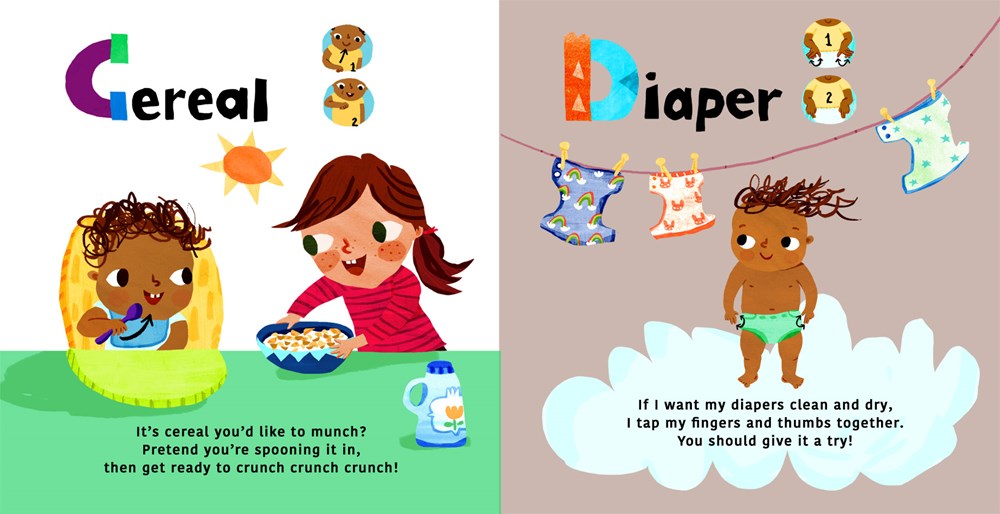
Sign language with babies has increased in popularity over the years. I used a couple of signs with my now high-schooler, and it blew my mind to see him communicating before he was fully forming words. It made things easier, too; he was able to express himself when he was hungry, for instance, and I was able to put together when he was fussy because he was hungry rather than running through a flow chart of options that always ended in tantrum. I use ASL in my toddler storytime to teach the kids a hello and goodbye song, so ABC for Me: Baby Signs is going in my distributor cart for my November order. This one goes in my Parenting collection, and I’ll use it in a storytime, too. With adorable illustrations and small call-outs with arrows and movement to show how to fully communicate signs, this book is a great new parent gift, too.
ABC Baby Signs is part of the ABC for Me series of board books, which includes ABC Yoga and ABC Mindful Me.
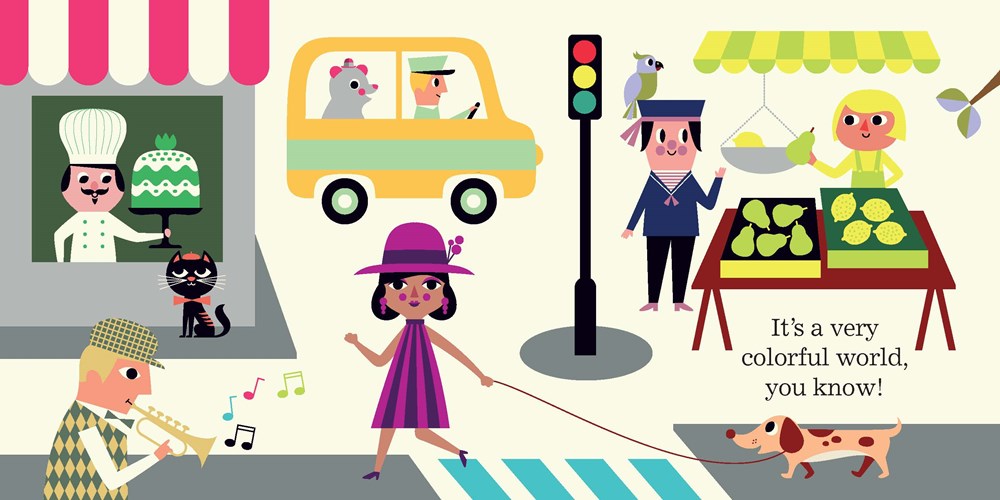
Little Concepts: ABC Color: Apricot, Burgundy & Chartreuse, 26 cool new colors are out on the loose!
Illustrated by Ingela Peterson Arrhenius, (Nov. 2017, Walter Foster Jr), $12.95, ISBN: 9781633223363
Recommended for readers 1-4
Primary colors are exciting, but why limit yourself? ABC Color introduces kids to the 64-crayon box, with colors like chartreuse, persimmon, and razzmatazz (it is too a real color). Each spread features two colors: they’re named on the left hand page, and the background design and accompanying illustration on the right page combine to create strongmen in striped singlets (scarlet and turquoise) or umber and violet (a reindeer by the light of a snowy moon). It’s just good fun, and a nice way to introduce even more complex words into a toddler’s or preschooler’s vocabulary. Get out the crayons and explore once you’re done! Kick your color by number worksheets up a notch!
The newest picture books I looked at are perfect for my littles, too. I can easily put these into my toddler storytime rotation and see the kids enjoying them.
Twinkle, Twinkle, Little Star: Classic Nursery Rhymes Retold, by Joe Rhatigan/Illustrated by Carolina Farias,
(Sept. 2017, Quarto Group), $12.95, ISBN: 9781633222373
Recommended for ages 0-5
Twinkle, Twinkle Little Star is big in my storytimes (or anyone’s, really!), so a fun takeoff on the classic always brings some new life with it. Joe Rhatigan and illustrator Carolina Farias’ vision introduces readers to a group of cats that wants to hang out with their friend, the twinkling little star, but she’s so far away! Some ingenuity and teamwork, all in verse and to the tune of the original classic song, bring the friends together in the sweetest way that explains a lot. The song gets progressively sillier as the cats attempt their visit to the stars, offering readers the opportunity to work with facial expressions, gestures, and voice to make kids laugh along with you and the story. Perfect for a sing-a-long storytime. Make toilet paper roll rockets – DLTK Kids has an easy one that comes with a template.
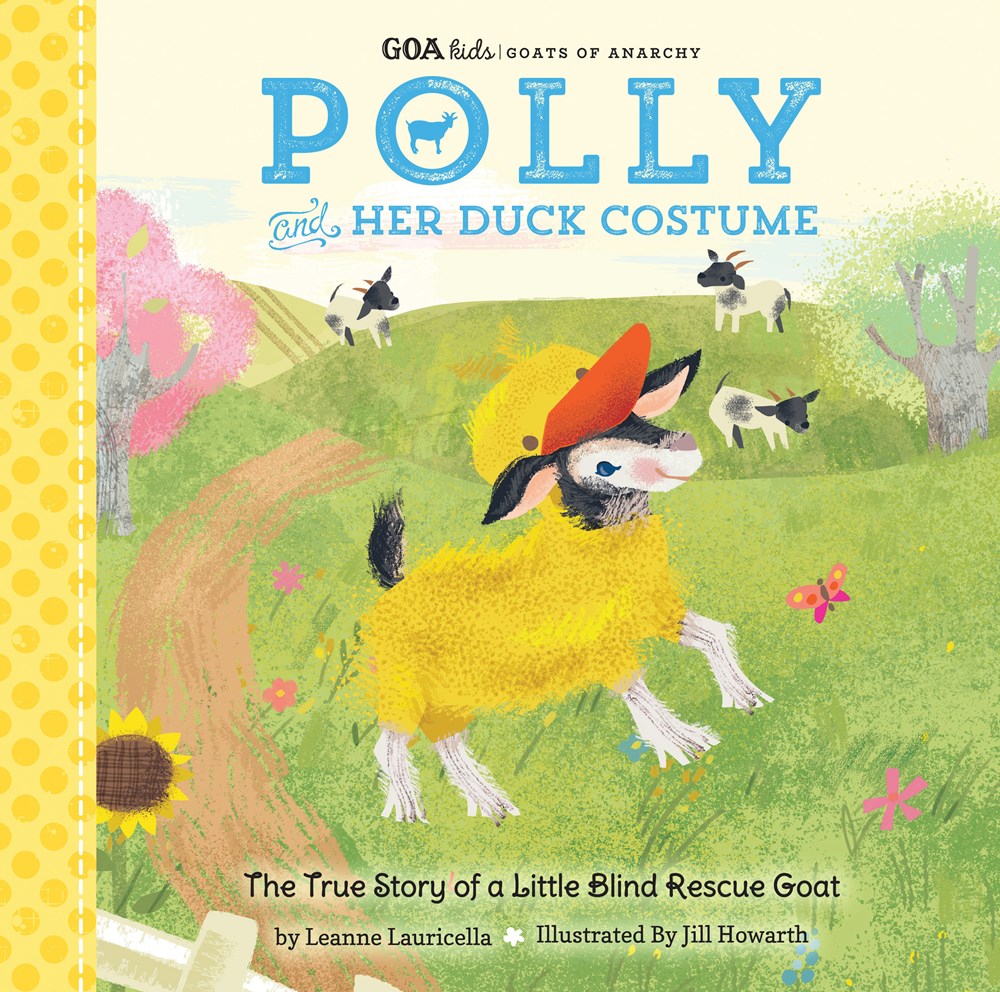
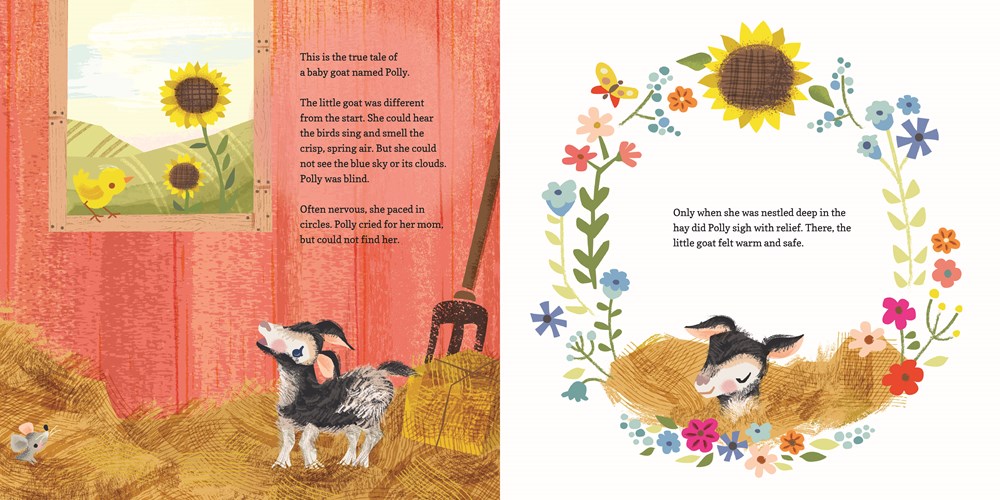
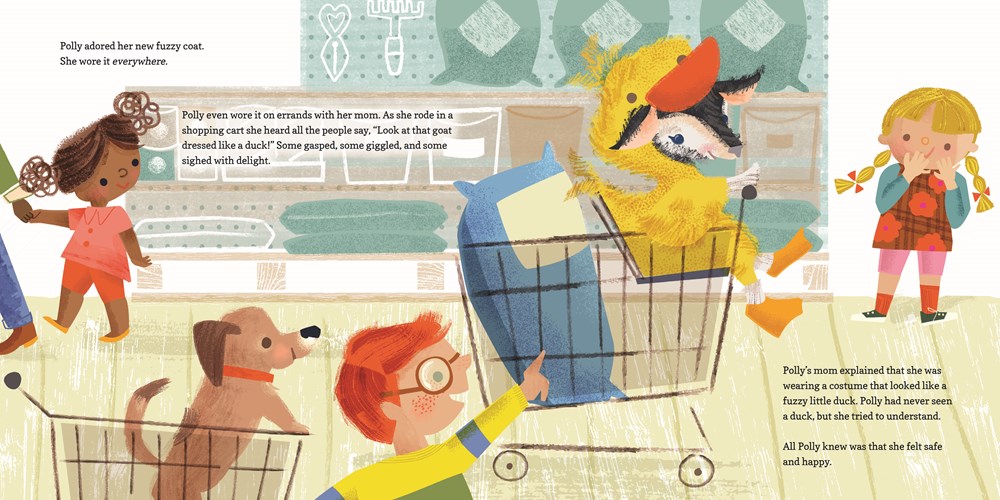
GOA Kids – Goats of Anarchy: Polly and Her Duck Costume: + The true story of a little blind rescue goat,
by Leanne Lauricella/Illustrated by Jill Howarth, (Sept. 2017, Quarto Group), $17.95, ISBN: 9781633224186
Recommended for readers 3-8
Any book that includes the phrase, “Goats of Anarchy”, gets my attention. Polly and Her Duck Costume is the story of one of the Goats of Anarchy – a rescue for disabled and special needs goats in New Jersey – named Polly, a blind goat rescued when Leanne Lauricella adopted her and brought her to GOA. Polly loved being snuggled; it made her feel safe, so Lauricella came up with the idea of putting her in an adorable duck costume. It worked! When rescue goat Pippa joins the fold, she gets a duck costume, too. Eventually, the goats feel secure enough to go without their costumes, a testament to the safety and love they get at their home. A great book for kids because it’s adorable – there are baby goats wearing duck onesies! – and it leads into a discussion about special needs. Special needs readers will see themselves in Polly and Pippa, with their need for compression clothing to help them feel swaddled and secure; explaining to all kids that some children have sensory issues, and special clothes help them process their world at their own pace. The cartoony artwork is soft and sweet, almost reminding me of classic Golden Books artwork. There is a photo album starring Polly, Pippa, and Leanne Lauricella at the end of the book. Visit the Goats of Anarchy website to learn more about the organization, and link to their Instagram for more adorable pictures. There are more GOA books to come, including The Goat with Many Coats and Piney the Goat Nanny, about a rescue pig who comes to live at the sanctuary.  There’s a 2018 calendar due out, too!
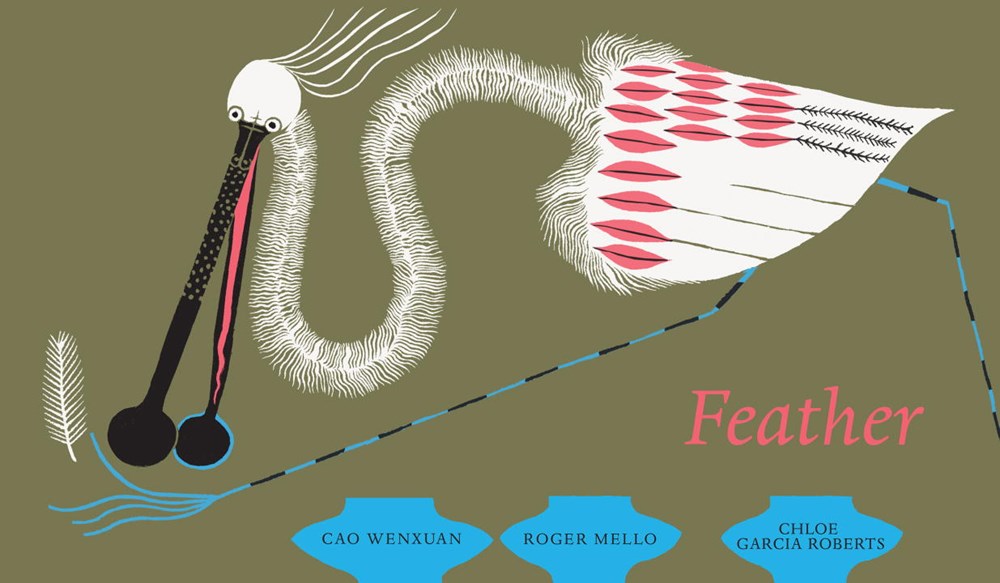
Feather, by Cao Wenxuan/Illustrated by Roger Mello, Translated by Chloe Garcia-Roberts (Translated by)
(Oct. 201, Steerforth Press), $18.00, ISBN: 9780914671855
Recommended for readers 4-8

This beautiful book by celebrated Chinese children’s author and 2016 Hans Christian Andersen Award-winner Cao Wenxuan tells the tale of a feather trying to find its origin. The feather blows along with the wind, encountering different birds and asking, “Am I yours?”; the feather is usually ignored or brushed off. Just when Feather is about to give up hope, she spies a bird missing a feather… could it be? This beautifully illustrated and narrated story of searching for one’s origin, one’s place in the world, works on different levels for different age groups. For little readers, I’d pair this with Are You My Mother? and talk about families, who we are. For school-age children, this pairs with Jon Muth’s books, Zen Shorts and Zen Ties, offering a deeper look into daily life. The storytelling is meditative and the artwork is dynamic and beautiful. Both Wenxuan and illustrator Roger Mello are Hans Christian Anderson Award winners, and this pairing is wonderful. I’m hoping to see this one on my Mock Caldecott shortlist this year. Feather has starred reviews from Publishers Weekly and Kirkus.


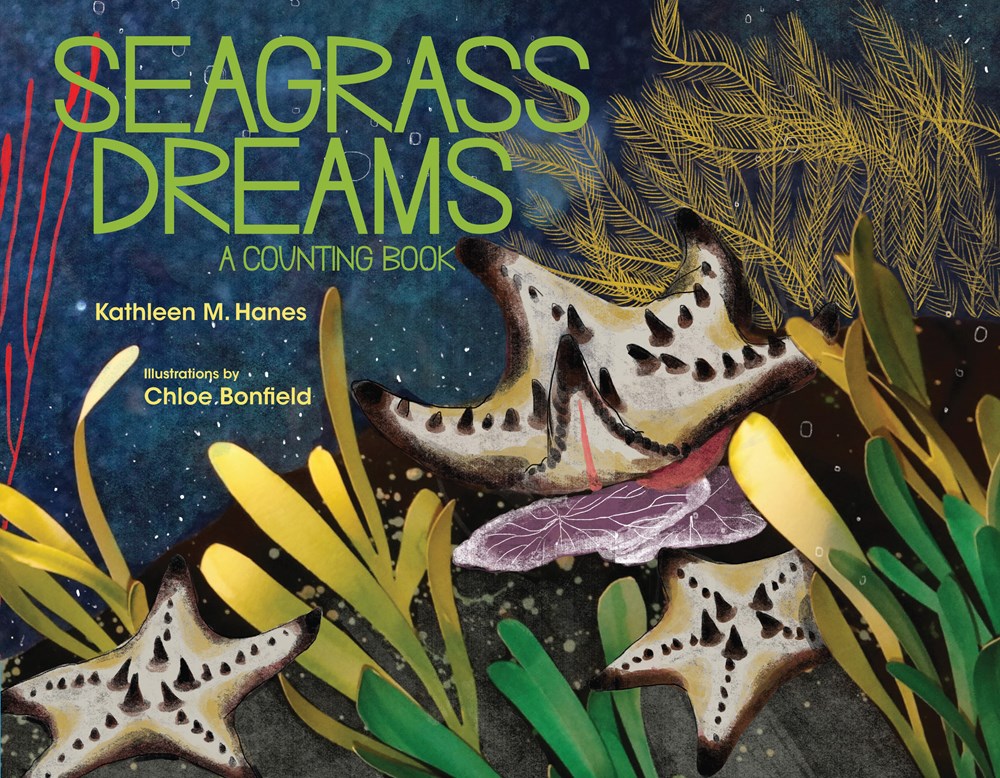
Seagrass Dreams: A Counting Book, by Kathleen M. Hanes/Illustrations by Chloe Bonfield,
(May 2017, Quarto Group), $17.95, ISBN: 9781633221253
Recommended for readers 4-8
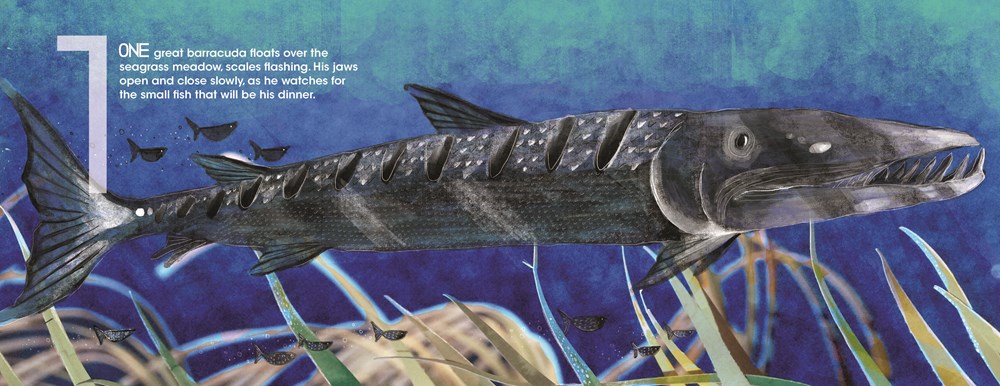
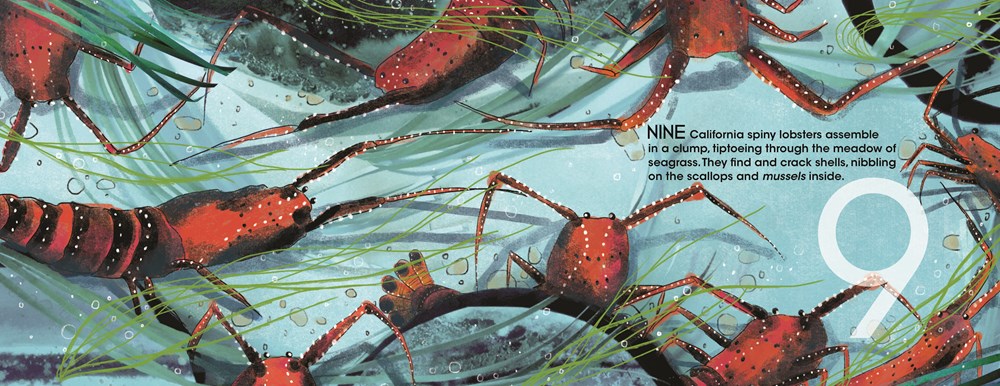
This is a solid mix of concepts and nonfiction for readers who love ocean animals. Seagrass is rooted to the sea floor, long blades or narrow, hollow tubes, that provide food and shelter for a variety of animals. In Seagrass Dreams, readers meet and count barracudas, stingrays, dugongs, sea cucumbers, and more. Each spread provides the opportunity to count marine life and learn their numbers. Readers who can sit still a little longer can learn more about each animal through a descriptive paragraph. Back matter includes a recap of the animals, their scientific names, a glossary of new terms, and a map of seagrass meadow locations around the world. There are further references for readers who want to learn more. The illustrations are created with deep colors and movement; you can envision the seagrass waving underwater as the fish zip through the blades.  A nice addition to concept collections, especially where you have readers who love ocean books. Display and booktalk with Alison Formento’s These Seas Count! and Marianne Berkes’ Over in the Ocean: In a Coral Reef.