Where Do Ocean Creatures Sleep at Night?, by Steven J. Simmons & Clifford R. Simmons/Illustrated by Ruth E. Harper, (Apr. 2024, Charlesbridge Publishing), $17.99, ISBN: 9781623542979
Ages 3-7
Ocean animals sleep just like land animals do – and like kids do, too! This rhyming story is nonfiction that reads like a bedtime story and will appeal to younger learners. Beginning and closing with human children to place the reader in the story, Simmons and Simmons weave a playful rhyme that delves into the sleeping habits and underwater areas of a plethora of sea creatures including stringrays, whales, sharks, and octopuses. The story educates as it charms, giving readers interesting facts like “A clownfish can wiggle and do a dance. / It eats tiny animals and also plants. / It lives in anemones that keep away foes; / these homes are poison, and other fish know. / But for the clownfish it’s safe to stay, / and here it sleeps at the end of each day”. Harper’s realistic watercolor illustrations show the colorful range of different underwater flora and fauna, with gorgeous texture that brings life to every spread (seriously – I want a print of the octopus spread). Beginning with a group of children enjoying a day at the beach and playing with toys of the very animals we meet throughout the story, and closing with the kids winding down for a good night’s sleep – with their sea friends nest to them as they drift off in their “nice, dry bed[s]”, this is a great choice for bedtime, pajama storytimes, or under the sea-themed storytimes. Where Do Ocean Creatures Sleep at Night? is the third book in a series that includes Where Do Creatures Sleep at Night and Where Do Big Creatures Sleep at Night? and is a fun addition to early nonfiction collections.
Speck: An Itty-Bitty Epic, by Margaux Meganck, (March 2024, Knopf), $19.99, ISBN: 9780593301975
Ages 3-6
Go on an epic journey with a tiny speck in this gorgeously illustrated story. A little speck is born in a tide pool and is swept along “past creatures to cling to rocks, / past flickering fins and flashing scales”; separated from their group, each speck is searching for something. Some drift apart, some feel small in such a big ocean, but hiding? That’s just not part of the adventure. Embracing the wonder, a brave little speck grows and perseveres. A beautifully told parable for all ages, Meganck reaches readers by letting us know that we all feel small in this vast world, but the journey is worth it. Embrace it all and find your place in the world. Breathtaking watercolor illustrations play with perspective, bringing readers up close to a smiling barnacle and pulling back to show a colorful ribbon of fish swimming in a whale’s wake. Perfect for readalouds with younger readers and deeper explorations with older readers, Speck is a must-purchase for collections. Keep this one in mind for Caldecott season, folks.
Speck has starred reviews from Kirkus and The Bulletin.
★ “A poignant, reflective story that’s every bit as relevant to children as it is to adults. . . . Deeply moving.” – Kirkus Reviews (starred)
Margaux Meganck spends her days dodging raindrops and drawing from her imagination in beautiful Portland, Oregon. Her author-illustrator debut, People are Wild, received two starred reviews and was named a Kirkus Reviews Best Book of the Year. Her illustration work has earned multiple accolades. Speck is the second book she has both written and illustrated. To learn more, visit margauxmeganck.com.
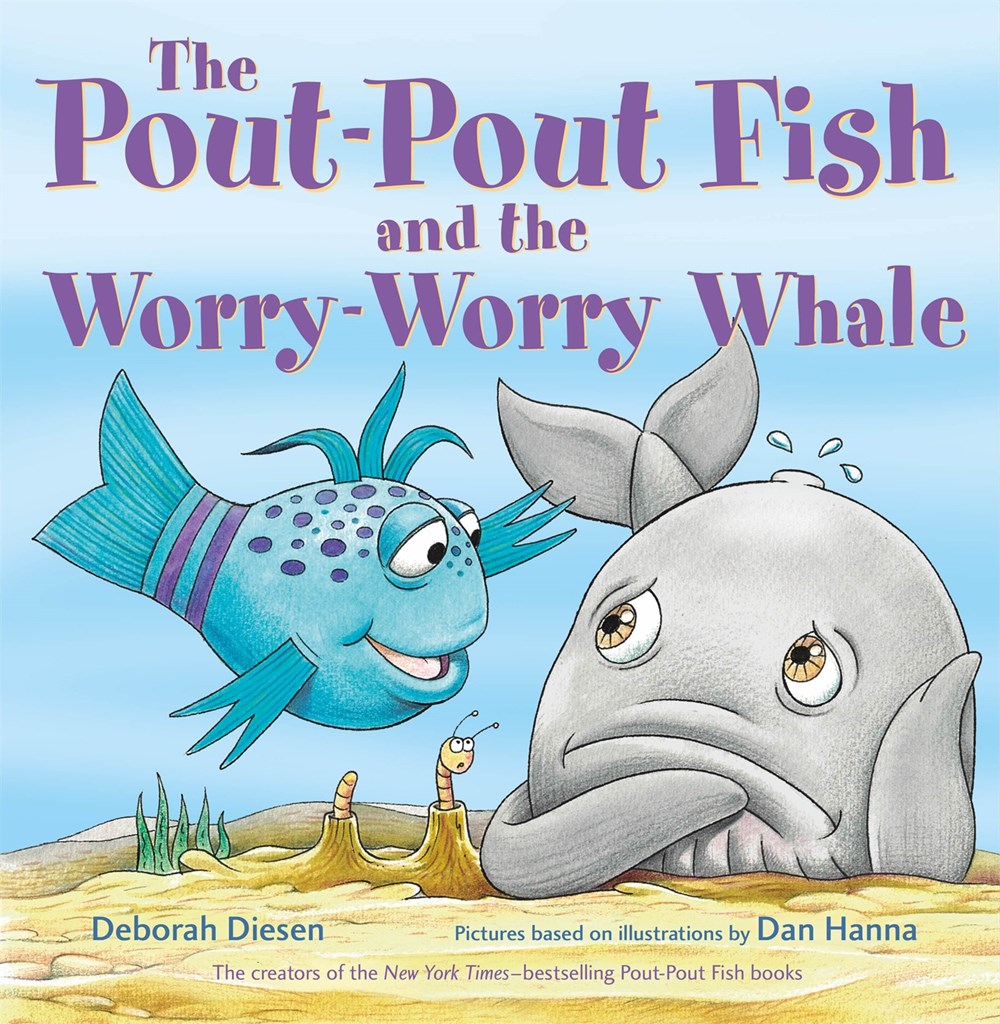
The Pout-Pout Fish and the Worry Worry Whale, by Deborah Diesen/Illustrated by Dan Hanna, (June 2022, Farrar, Straus & Giroux), $18.99, ISBN: 9780374389307
Ages 3-6
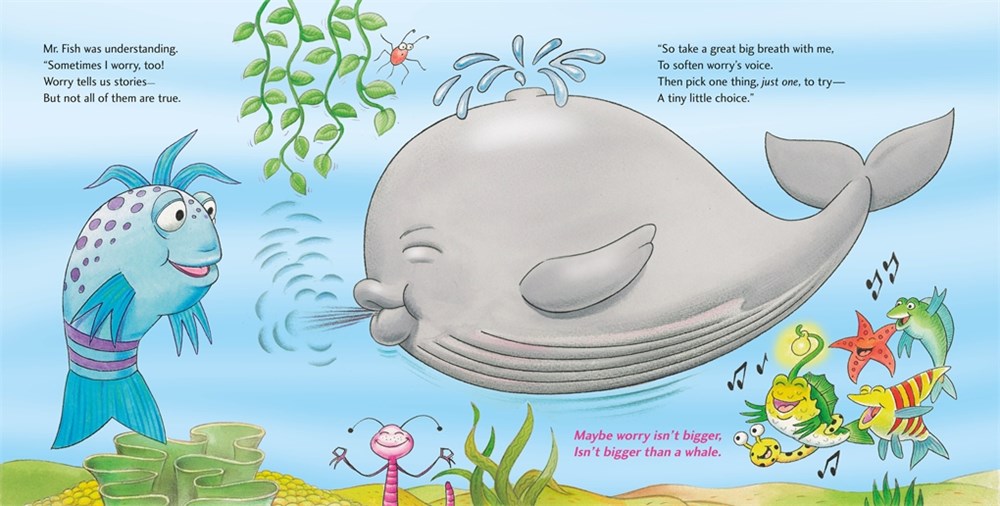
The Pout-Pout Fish is back and helping a friend overcome anxiety in the newest Pout-Pout story! Pout-Pout is off to a party when he meets his friend, Willa Whale. Willa, who’s also supposed to be going to the party, is petrified with anxiety. What if there are too many guests? What if she doesn’t know what to say, or if no one wants to play with her? There is so much to worry about, but Mr. Fish is ready with some easy-to-follow tips to relieve her stress and get her to the party, where he checks in with her and makes sure she’s having a good time and feeling supported. The tips are great for Willa, and for younger readers who may need some coping tips for anxiety, too. Rhyming text and familiar, friendly faces will draw readers in right away. Kids may relate to Willa’s dilemma and appreciate seeing others with the same worries and ways to overcome them.
I’ve got a bunch of great animal books, courtesy of NatGeo Kids, to talk up today, so sit back and start your program and collection planning!
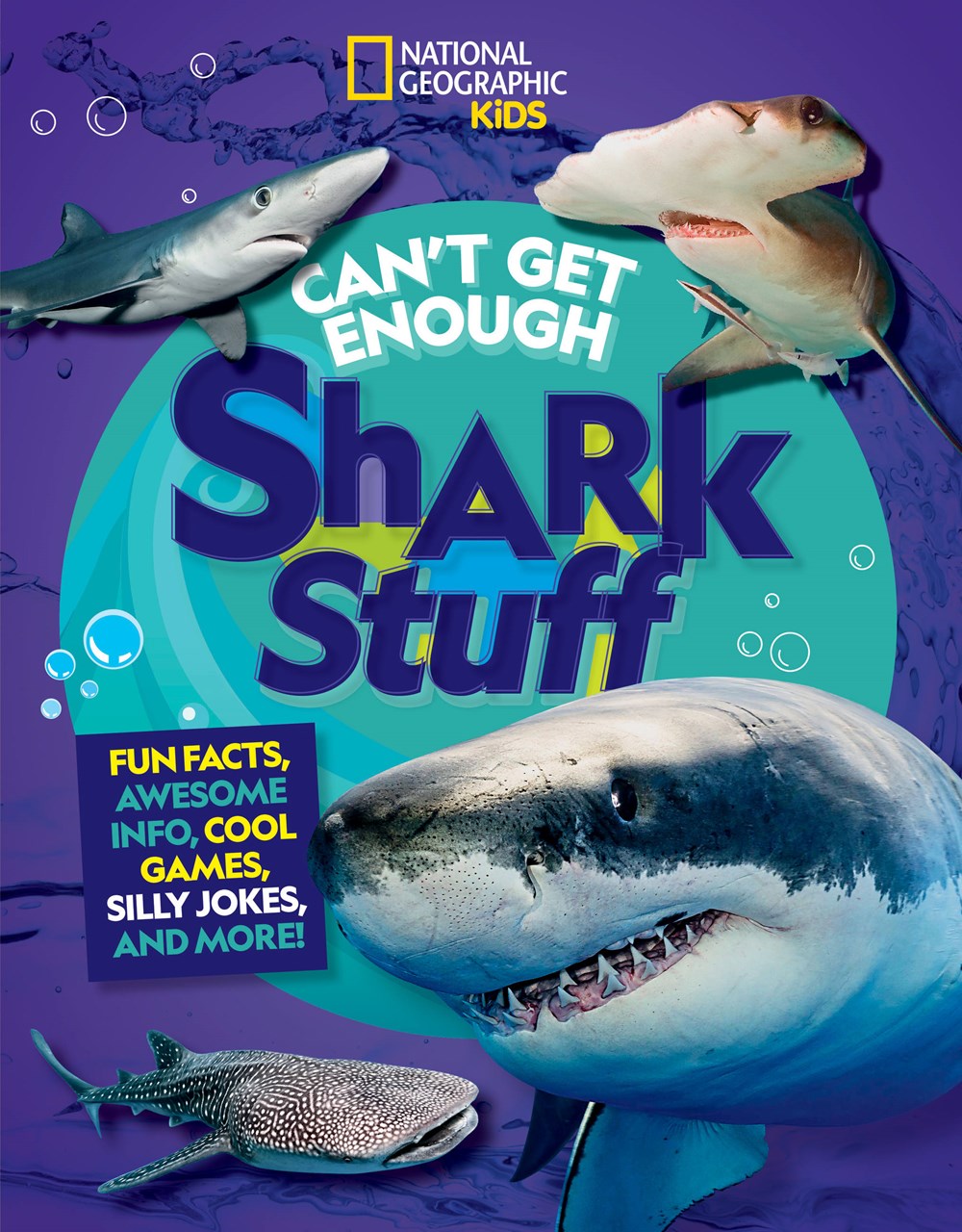
Can’t Get Enough Shark Stuff: Fun Facts, Awesome Info, Cool Games, Silly Jokes, and More!, by National Geographic Kids, (May 2022, National Geographic Kids), $14.99, ISBN: 9781426372582
Ages 7-10
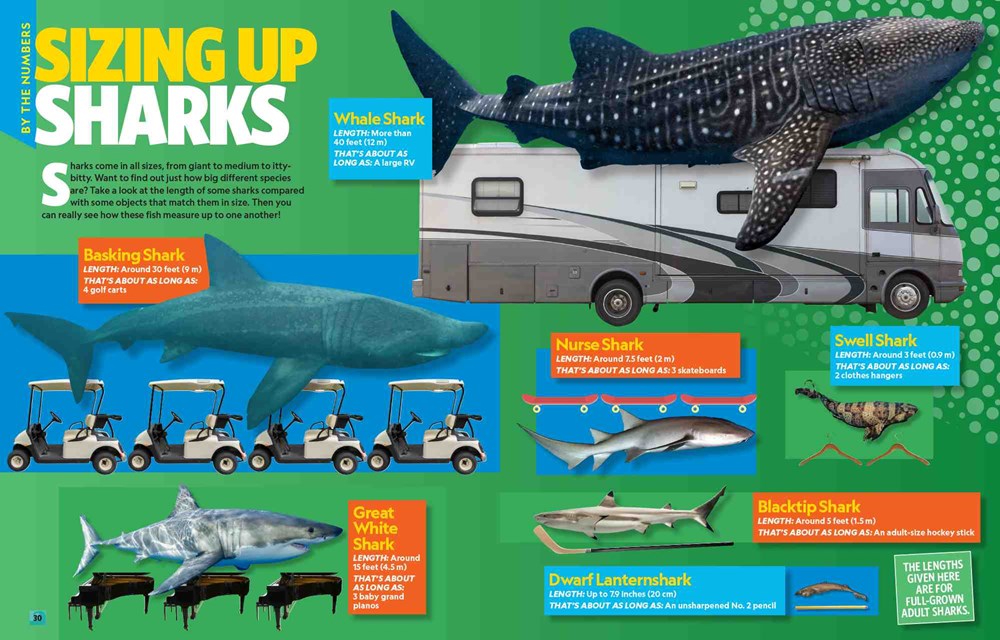
The latest NatGeo Kids offering fits perfectly with the CSLP “Oceans of Possibilities” Summer Reading theme, and it’s a good add to your collections and programming. Filled with fun spreads and facts, quizzes, and experiments, this is part workbook (remind kids that we don’t write in library books!), part STEM/Discovery Club handbook, and part primer on sharks for shark fans. A glossary “Catch and Match” game challenges readers to match terms with their definitions and a “Find Out More” section offers resources for further reading and a list of scientists and researchers who contributed to this volume. Over 250 color photographs show a variety of sharks, many labeled with names. A great resource to create shark-related scavenger hunts, trivia programs, and science projects for the summer and beyond.
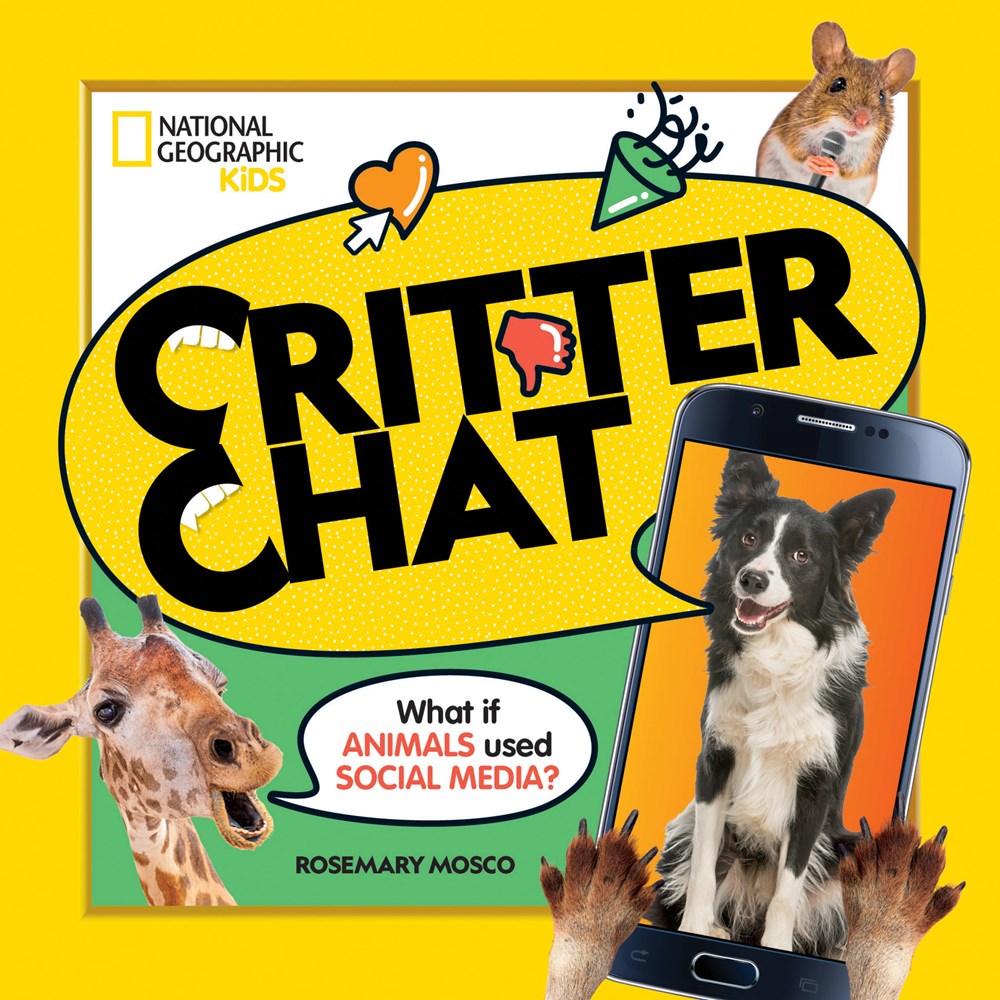
Critter Chat, by National Geographic Kids, (May 2022, National Geographic Kids), $9.99, ISBN: 9781426371707
Ages 8-12
If animals used social media, it would probably look like this amusing digest from NatGeo Kids. Using imagined screenshots, webpages, and social media accounts like “Llamazon”, “Dolphinstagram”, and “Yowl”, Desert_long-eared_bat reviews the Algerian Desert (5 stars – “…everything I could ever want in a dining establishment! It’s hot, it’s dry, it’s sandy, and it’s packed with scorpions”) and Upside_down_jellyfish posts selfies from the Caribbean Sea. Animals chat to one another via “Critter Chat”, and Animal Influencers spotlight famous animals like Fiona the Hippo, Punxsutawney Phil, and Brigadier Sir Nils Olav, the only penguin who’s also a knight. Hashtags and selfies communicate fun facts about animals, habitats, and more. It’s a fun way to learn little tidbits about animals, and perfect for middle graders to relax with and enjoy. Great for trivia and a side project – ask readers what they think animals would post to social media!
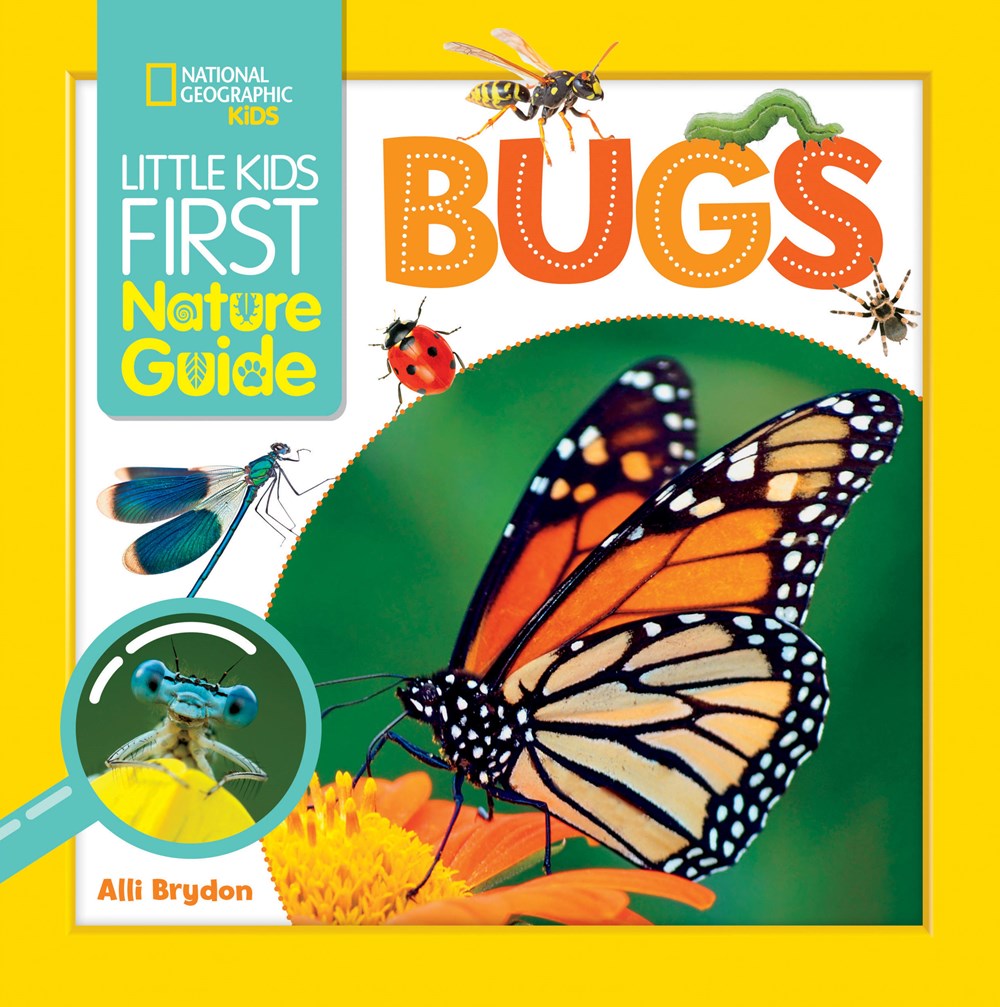
Little Kids First Nature Guide: Bugs, by National Geographic Kids, (May 2022, National Geographic Kids), $9.99, ISBN: 9781426371493
Ages 4-8
Great for younger nature fans, the Little Kids First Nature Guide: Bugs introduces little learners to all sorts of bugs. Full-color photos are labeled and accompanied by easy-to-read and understand facts, scientific terms, and diagrams. Spreads on insect life cycles of demonstrate a photo-by-photo, step-by-step explanation, using photos of different bugs. Profiles on ants, bees, beetles, and other bugs give readers a close-up look at different insects, with facts and related (but not the same!) bugs. Fun activities like Hide-and-Seek and Move Like a Bug! encourage readers with extension activities, and a glossary of terms keeps all that new vocabulary on hand. The flexible binding is made of sturdy cardboard and will hold up to many, many nature walks. Fully indexed for easy reference. A fun, informative guide for preschoolers and early school-age kids.
Little Kids First Big Book of Baby Animals, by National Geographic Kids, (March 2022, National Geographic Kids), $14.99, ISBN: 9781426371462
Ages 4-8
The Little Kids NatGeo Kids books are adorable, aren’t they? I’ve got a bunch here at my library, and my now 10-year-old loved them when he was in Pre-K and Kindergarten. (As he’s 10, he is no longer a “little kid”, as he tells me. Often.) The Little Kids First Big Book of Baby Animals contains over 120 pages of squeal-worthy color photos of baby animals with their families. You pull this out and show it to your kids – library or otherwise – and you will have a roomful of little ones in the palm of your hand. And when you tell them things like a panda cub’s cry sounds like a human baby’s cry? Or that a hippo can’t swim yet, so it gallops underwater? They will tell you ALL about their favorite animals, and the cute things that the animals in their lives do, so get ready to have the best, cutest conversations about baby animals. Fun facts and thought-provoking questions run throughout the book, and text is larger in size, making it easier and less dense for younger kids and emerging readers. A map of the world at the end of the book is color coded to show where animals referenced in the book live, and parent tips help caregivers extend the knowledge from the book into the real world. There is a glossary of terms, a list of additional resources, and a full index. Add this book to your animals collections.
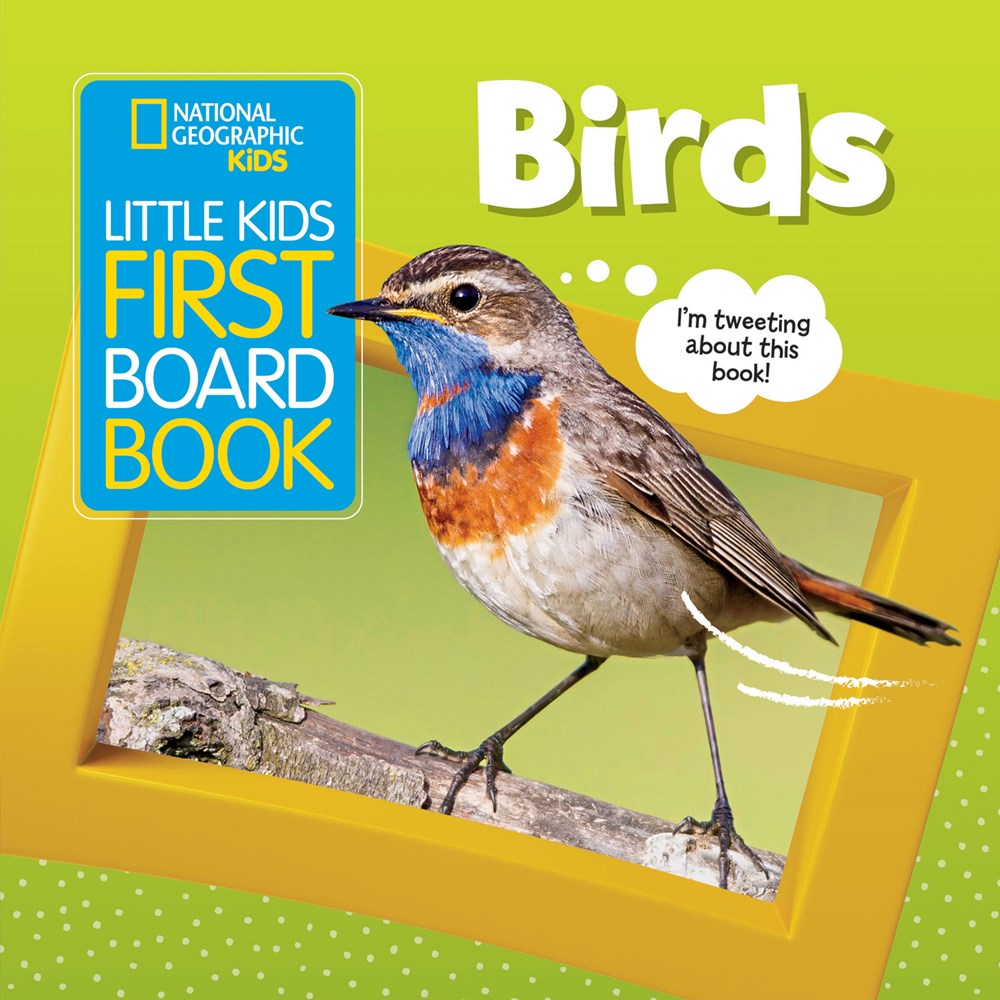
Little Kids First Board Book: Birds, by National Geographic Kids, (March 2022, National Geographic Kids), $7.99, ISBN: 9781426371448
Ages 0-3
I love NatGeo Kids’s First Board books! They’re so bright and cheery, and the photos and activities are perfect for engaging littles during a lapsit storytime. The latest is Birds, and contains 12 spreads with color photos of different birds. Each spread has a simple, one-sentence factual statement and a colorful callout fact about birds, and each picture is labeled with the name of the bird in a colorful box with bold black lettering. Names of birds and key phrases get a nice, colorful font that sets them off from the rest of the text. A final spread invites readers to try different activities to identify six featured birds: “Tap the toucan’s beak. / Flap your arms like the eagle.”
This is the seventh Little Kids First Board Book. It’s a great series for beginning learners, with sturdy cardboard to hold up to many circs and readings. NatGeo Kids has a birds website where learners can watch videos, see maps, and learn facts about 24 different birds, presented in alphabetical order. Also check out their Strange Birds website for photos of more feathered friends.
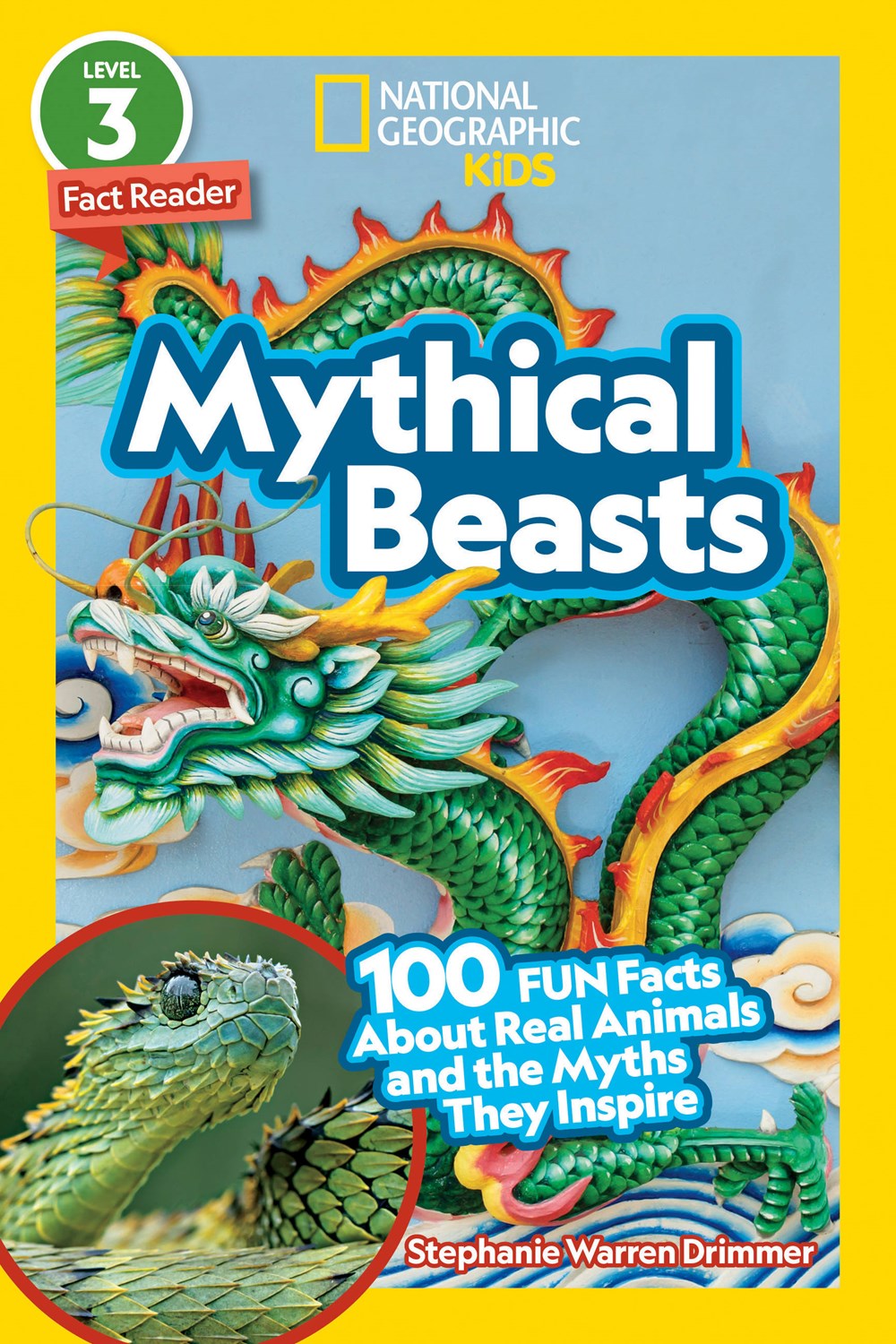
National Geographic Readers: Mythical Beasts: 100 Fun Facts About Real Animals and the Myths They Inspire, by National Geographic Kids, (Jan. 2022, National Geographics Kids), $4.99, ISBN: 9781426338939
Ages 7-10
Unicorns, dragons, and krakens all have one thing in common: they’re mythical creatures with origins in very real history. NatGeo Kids’s Mythical Beasts is a Level 3 Reader, good for most readers ages 7-10, that provides 100 facts on real animals and the myths they’ve inspired or are named for. A helpful key to NatGeoKids’s leveling system is right on the back cover, and I like using the 5-finger rule for choosing a book when I do my Readers Advisory. The book is organized into 3 chapters and two 25 Facts spreads that give readers the roundup on history’s mysteries: mermaids were most likely manatees, who have fishy tales but can turn their heads from side to side like humans; the giant Kraken was most likely a giant squid. Using research and the fossil record, color photos and illustrations, NatGeo Kids author Stephanie Warren Drimmer takes kids through the process of figuring out why ancient people mistook a distant ancestor of the elephant was mistaken for a cyclops, and how dinosaur fossils led folks to believe that they discovered proof of dragons. We get some modern-day mythical behavior, too: the basilisk lizard can run across water, and adult jellyfish can age in reverse and regrow into adults again, like the phoenix’s power to be reborn (sans ashes, though). The back matter rounds up all 100 facts across a spread (and makes for great trivia questions).
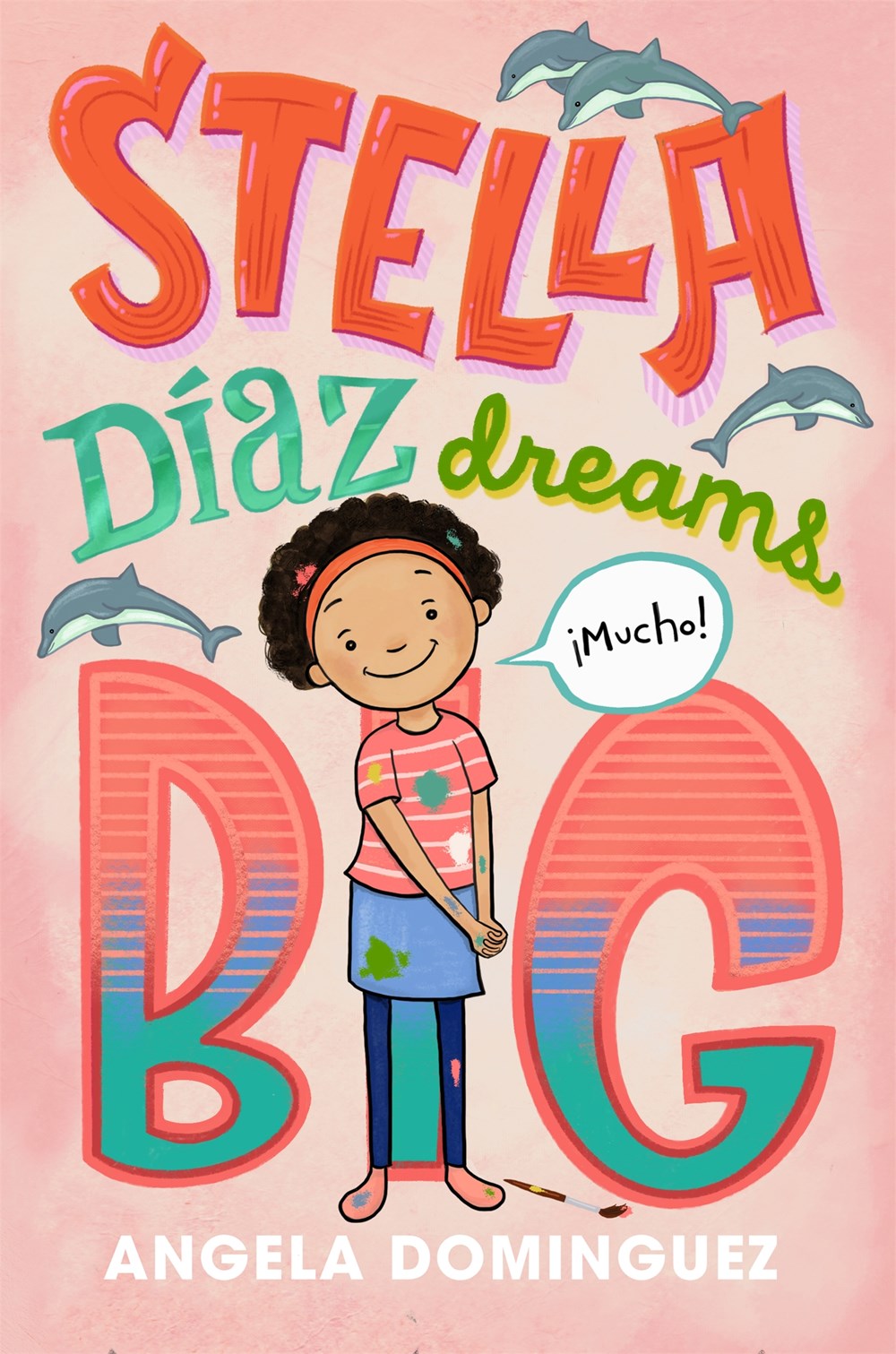
Stella Díaz Never Gives Up, by Angela Dominguez, (Jan. 2020, Roaring Brook Press), $16.99, ISBN: 9781250229113
Ages 6-9
Stella is finished with third grade and is ready to take on saving the world: well, the oceans, to start. She’s found her voice and a new confidence; she’s signed up to attend a special summer camp at the Shedd Aquarium in her Chicago hometown, and she can’t wait! After a trip to visit family in Mexico, she’s ready to meet the marine animals and hopefully, make some new friends. While at the Shedd, she learns about the danger to sea life that water pollution, especially plastics, poses, and is determined to take action. Starting a group called the Sea Musketeers, Stella and her new camp friends work on ways to take action, starting with asking members of her family to sign a pledge to use less plastic. In addition to Stella’s new environmental awareness, she has to navigate new friendships and navigate some bumps in the road with her best friend, Jenny. Stella is such a wonderful and relatable character! She’s working through a lot of feelings in this book: her best friend, Jenny, is interested in saving the oceans, but has her own passion for dance; her older brother, Nick, is about to enter high school and has a part-time job, so their relationship is evolving; her dad is not as active in her life as she’d like, and she’s still uncomfortable with the fact that she’s not fluent in Spanish. Stella shows readers – adults and kids alike – that there’s a lot of growing, evolving, and change in a kid’s life! The story has a great pace, characters that are equally interesting and likable, and a strong call to environmental awareness and action that helps kids see that they can make positive changes in the world. Spanish words throughout the story – translated by Stella for us readers – give a richer feeling to the prose and give readers some new vocabulary. There are black and white illustrations throughout.
Stella has her own website! Visit and find a multitude of resources, including an activity kit, a copy of Stella’s and the Sea Musketeers’s pledge, and links to environmental resources, including the Shedd Aquarium.
Stella’s starting fourth grade! She’s got good friends, she’s president of the Sea Musketeers, and she’s… OVERSCHEDULED. She’s taking swimming lessons, and jumps at the chance to join a new art club at school. She’s also got a lot more homework this year… how is she going to keep all of her projects and studies straight? When things start to slip, Stella realizes that she’s going to have to learn to organize her schedule, and she’s going to have to start sharing some of her responsibilities. A story about growing up and taking responsibility, the narrative and the situations are growing up along with Stella and her readers. As a second grader, she was overcoming her shyness and learning to speak up. Now, a fourth grader, she’s navigating complex feelings and relationships, including sharing responsibility – and the recognition! – with others for her ideas; her feelings about dating when her mother makes a new friend with a single dad who just moved to the town, and when the school bully taunts her and her best friend, Stanley, and the desire to do all the great things we want to do versus the reality of what we have to do. Angela Dominguez takes these challenges on with ease, letting readers know that it is all going to be okay; this is a normal part of growing up, and offers some ideas for how to jump those hurdles.
I fell in love with This is Owl, by Libby Walden and Jacqui Lee, a year ago. It’s interactive fun for storytime and anytime, and it lets you be absolutely silly with your littles! Two more This is… books have hit shelves, thanks to Kane Miller; both authored by Harriet Evans, with Jacqui Lee staying on as illustrator, and they are every bit is adorable and fun as This is Owl. Pep up your storytime!
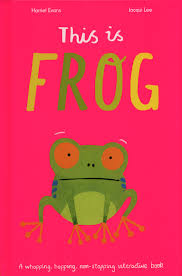
This is Frog, by Harriet Evans/Illustrated by Jacqui Lee, (July 2019, Kane Miller), $14.99, ISBN: 978-1-61067-997-8
Ages 2-6
More interactive animal fun! The narrator invites us to gently shake the book to help Frog jump, and then we assist frog in moving flies toward him for some food, avoid being a toucan’s snack, find shelter from the rain, and find his way back to the water. The text invites readers to help out on every page, with flaps to lift and pages to shake. Frog is wide-eyed and looks vaguely concerned, which will give readers gleeful giggles as they jiggle, hug, and lead him around the book. I read this during a Facebook Live storytime and received several messages from parents telling me their littles loved it! The book is largely rendered in lush greens with bright backgrounds to pop against. Perfect for toddlers and preschoolers with exploring fingers.
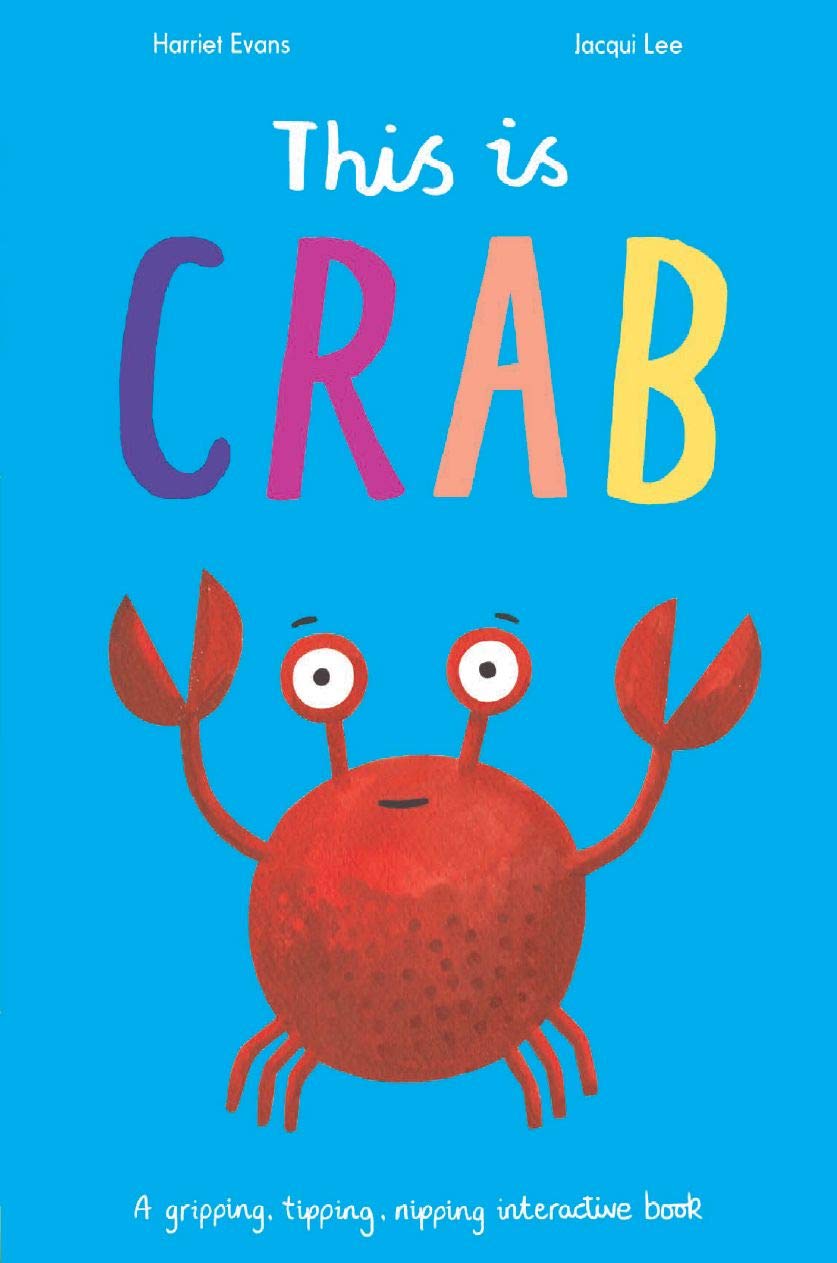
This is Crab, by Harriet Evans/Illustrated by Jacqui Lee, (Jan. 2020, Kane Miller), $14.99, ISBN: 978-1-68464-064-5
Ages 2-6
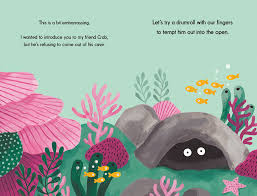
More die-cut, interactive silly fun! Crab opens up a wealth of possibilities for finger-clacking, shuffling shenanigans. We start off by gently tempting Crab out of his cave, then accompanying him in a walk across the ocean floor. Readers need to be mindful – Crab has a bad habit of pinching others, and tries to take things that don’t belong to him! Readers steer him away from Octopus and negotiate how to play nicely with a decorator crab, and play a game of underwater hide and seek. When cracks show up in Crab’s shell, readers also have a chance to help Crab shed his old shell. Too much fun, with a colorful underwater playground to wander in. Let your readers clack their crab pincers and shuffle sideways to add to the fun!
The This is series is essential for storytime collections. They’re just too much fun to read and explore.
The Blue Giant, by Katie Cottle, (June 2020 Pavilion), $16.95, ISBN: 9781843654452
Ages 3-7
A young girl named Meera and her mother head to the beach to have a relaxing day, when a large, friendly, blue giant emerges from the water. He’s made up of water and sea life, and he tells them that he needs their help! Meera and her mom put on their scuba gear and head underwater, where the giant swirls around, showing them all the pollution underwater: bottles, plastic bags, fast food containers, it’s just a mess! Meera and Mom immediately start pitching in, but they realize this is too big a job for just two people: once back on land, Meera and Mom recruit others, who also recruit others, to clean up the beaches. Like the book says, “…when everybody helps out… even the biggest messes can be fixed!” A note at the end offers ways to reduce single-plastic usage, including easy ways for kids to help out, like taking a canvas bag to the store or carrying a reusable water bottle.
This is a companion to Katie Cottle’s 2019 book, The Green Giant, and examines a different area of pollution this time; where The Green Giant looks at deforestation and destruction of green spaces, The Blue Giant pleads the case for our waters, which are horrifically polluted, primarily by single-use plastics.
The illustrations are primarily rendered in shades of blue, with sweeping underwaterscapes that show incredible levels of junk floating around. A particularly moving panel shows the Blue Giant swirling around Meera and her mother, stirring up a whirlwind of garbage to surround them. Keep both this book and The Green Giant together for natural-world storytimes and Earth Day storytimes, activism and social justice storytimes.
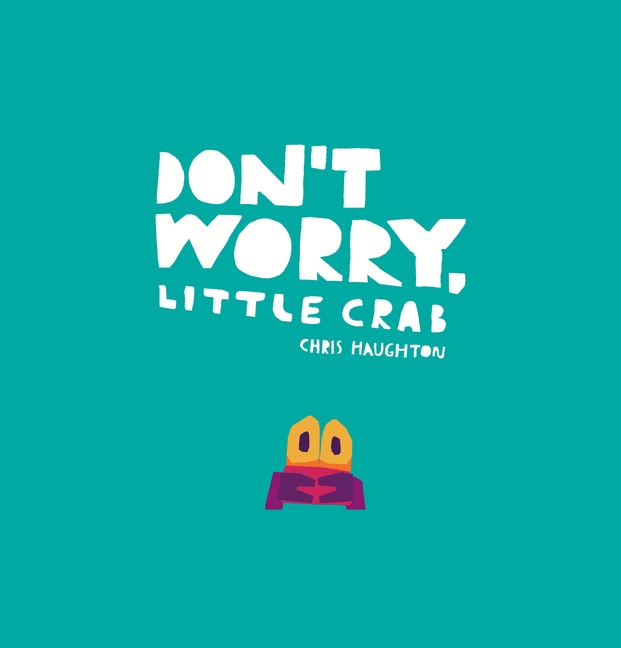
Don’t Worry, Little Crab, by Chris Haughton, (April 2020, Candlewick Press), $17.99, ISBN: 9781536211191
Ages 3-7
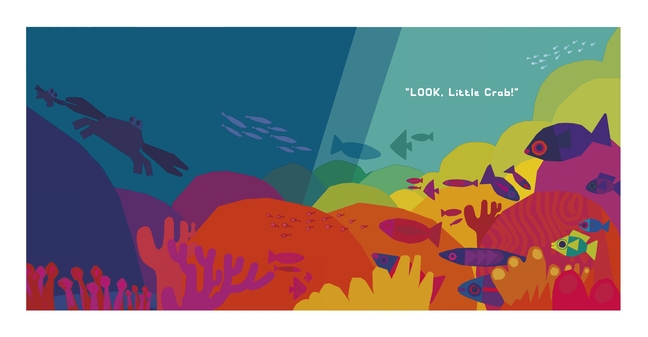
Little Crab and Very Big Crab live in a very tiny tide pool, but head out to see the ocean one day. Little Crab is SO excited, tic-a-ticking and splish-splashing over the rocks, across the pools, and through the seaweed, but when they arrive at the ocean, it’s VERY BIG. Little Crab is nervous, but Very Big Crab is there, assuring that all is well. The waves WHOOSH! over the two, and Little Crab is very nervous, but together, the two brave the waves and discover a colorful, beautiful world under the water! One of my favorite picture book author-illustrators, Chris Haughton never fails to capture humor and tenderness in his books, and Don’t Worry, Little Crab beautifully explores the relationship between a caregiver and a child. We’re there, gently guiding, always protecting, and encouraging our little ones to be brave, because we’re standing with them.
I love this book for storytime. It lets me use my We’re Going on a Bear Hunt sound effects and movement: the tic-a-tic of crab claws over rocks; the splish-splash as they move through tide pools, the squelch, squelch of stepping through ooey, gooey, seaweed, and – biggest of all – the WHOOSH! of the waves as they rise over the two crabs. Use your voice, use your body, really get the kids invested in the storytelling. It will be amazing. The digital illustrations are shades of blue and green, with a riot of vibrant color greeting the crabs as they arrive at the ocean floor. Absolutely wonderful for storytime, cuddle time, and any time. Candlewick has a free, downloadable activity kit with coloring sheets! Make art for your fridge!
The latest edition of #SummersCool is here! Get ready for a full day of fun!
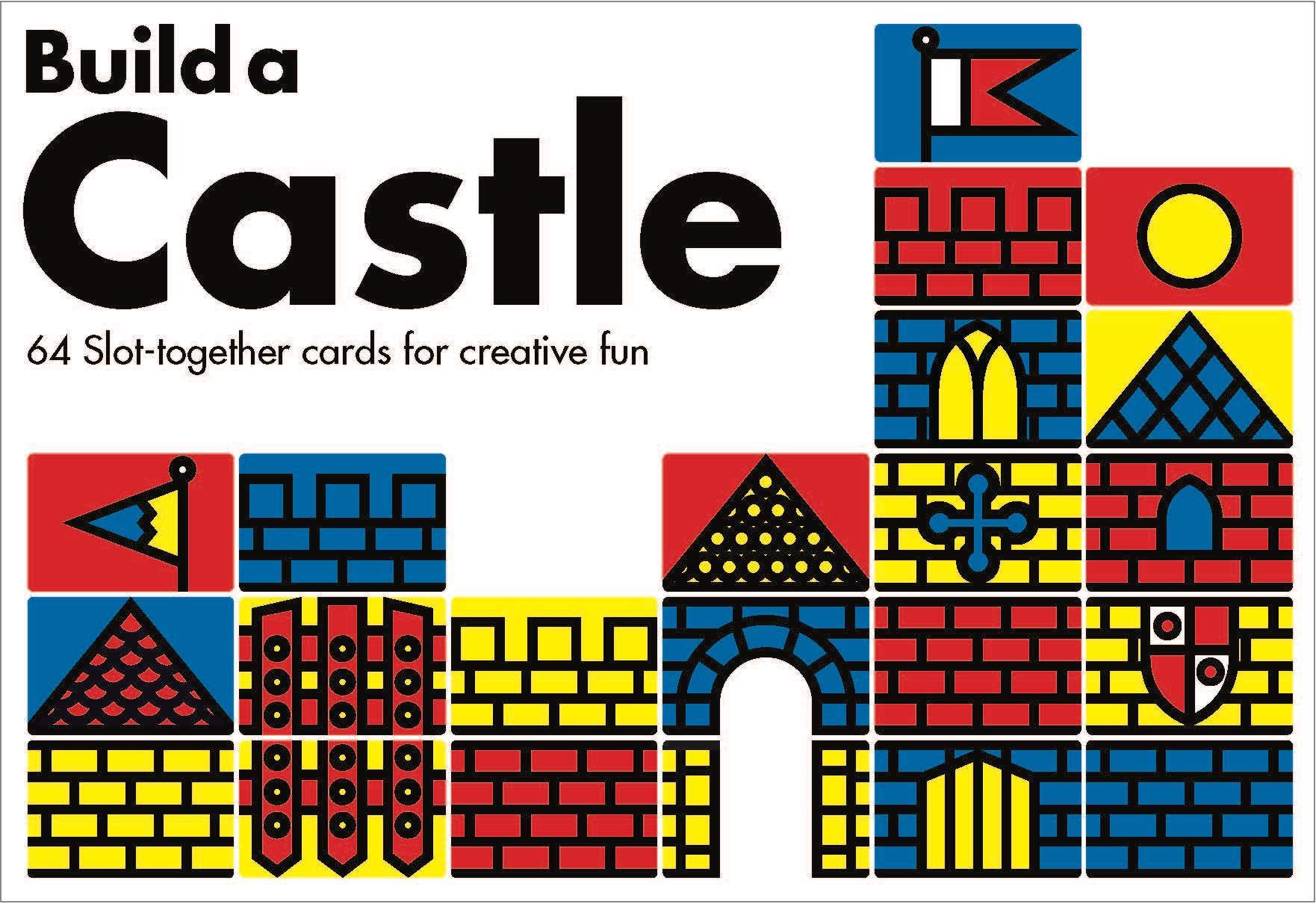
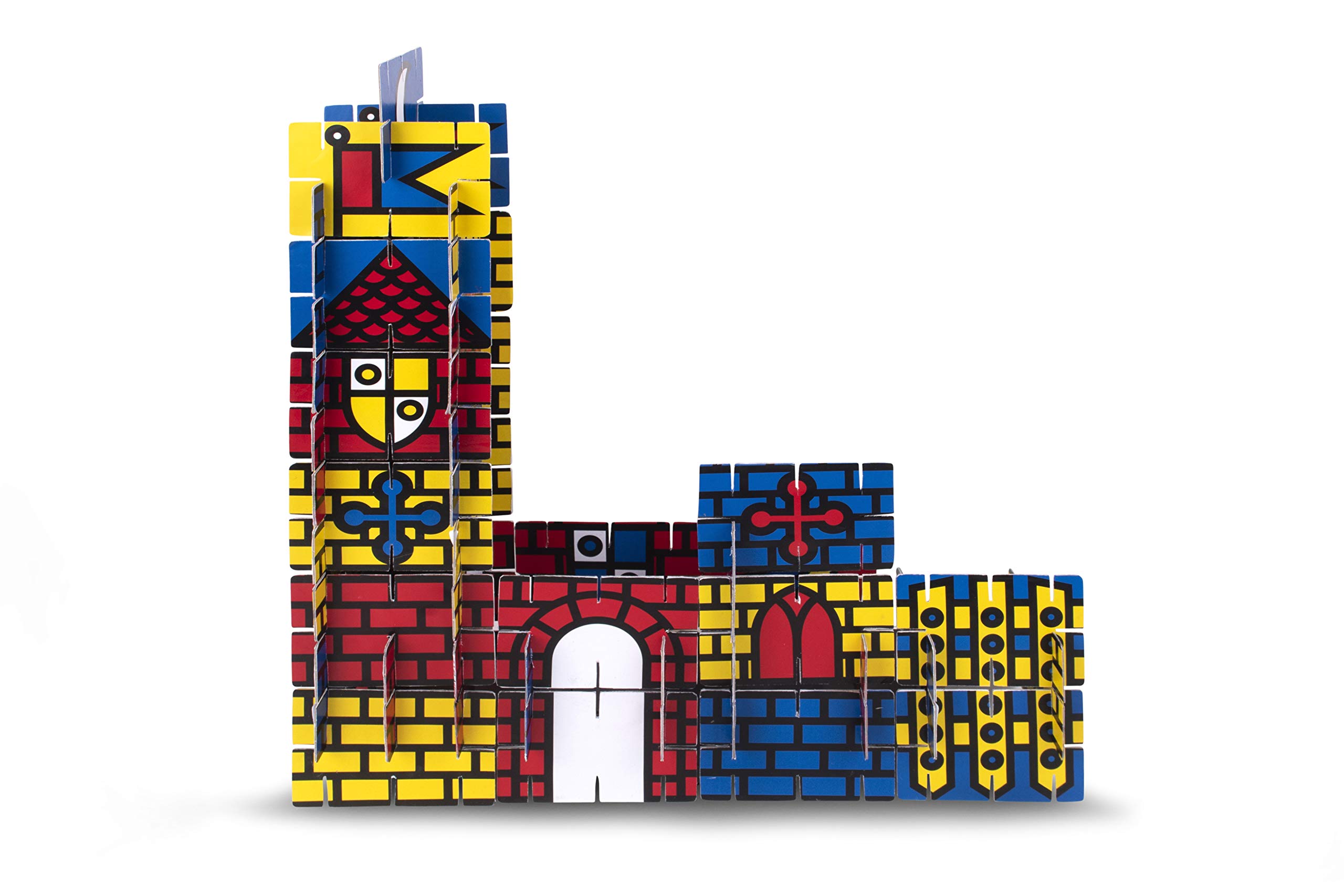
Build a Castle, by Paul Farrell, (April 2020, Pavilion Children’s Books), $19.99, IBN: 9781843654469
Ages 7+
Way too much fun, this box of 64 slotted cards let kids build castles with all the details: heraldry, arches, arrow-slit windows, flags, and more. Brightly colored in reds, blues, and yellows, with bold black outlines, kids can read up on different architectural features and get an idea of the basics from the included foldout sheet, and let their creative energy take them wherever they want to go. I worked on these with the Kiddo, and he ended up incorporating his Lego bricks and minifigs to come up with a fantastic spread that covered our dining room table. The box is just the beginning – print out some paper knights, draw some dragons, and have a great time!
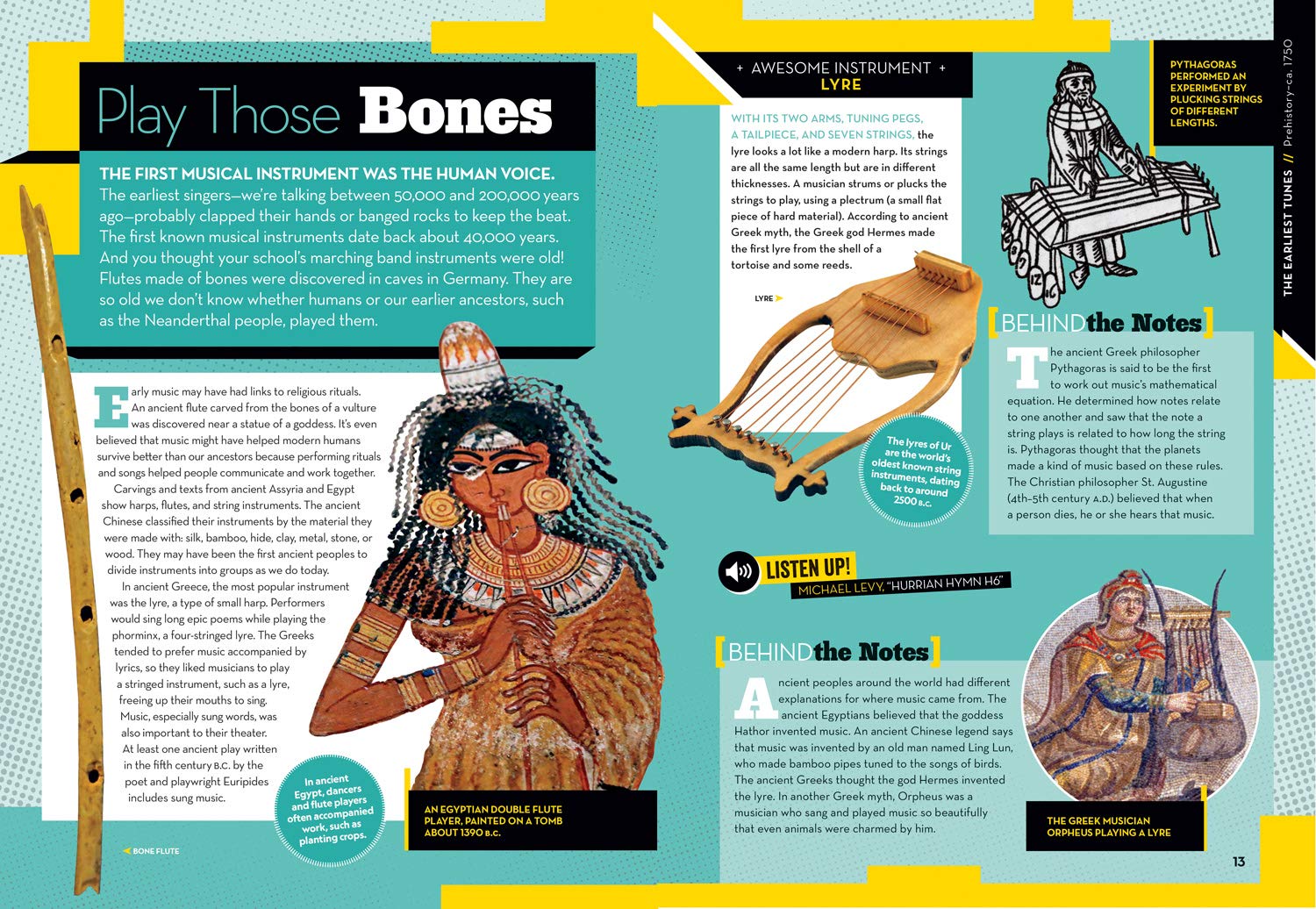
Turn it Up! A Pitch-Perfect History of Music That Rocked the World, by Joel Levy, (Dec. 2019, National Geographic Kids), $19.99, ISBN: 978-1426335419
Ages 8-12
From the earliest music to K-Pop, Turn It Up! is a comprehensive guide to the history of music and its influence on the world. Six sections organize music into time periods, beginning with the earliest instruments, including wind instruments played on crops, and string instruments handed down from the gods. Isn’t It Romantic? introduces readers to orchestras, operas, and Classical and Romantic music’s origins in the 18th ad 19th centuries. Thoroughly Modern Music explores the 20th century, and the changes to music brought by the emerging film and radio industries; All-American Sound is all about the American sound of Jazz and Blues, influenced by African culture. Play it Loud covers protest music, the British invasion that brought the Beatles to American shores, and the distinctive style of 1970s rock. Pop Goes the Music is about pop, punk, rap, and hip-hop. Spotlights on instruments, musical terms, superstars of the music world, and notes about essential pieces of music give readers a well-rounded backgrounder in music history. There’s a timeline, glossary, further resources list, and index to complete this volume. Let your kids create a Spotify playlist with music they like; create one for them.
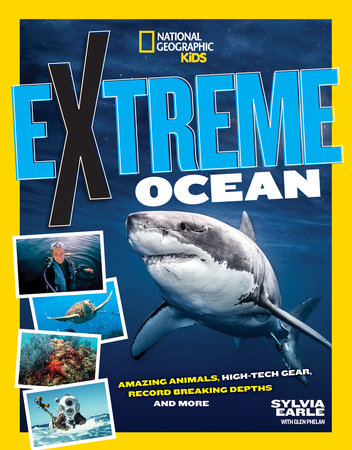
Extreme Ocean: Amazing Animals, High-Tech Gear, Record-Breaking Depths, and Much More!, by Sylvia A. Earle and Glen Phelan, (March 2020, National Geographic Kids), $12.99, ISBN: 9781426336850
Ages 8-12
I love NatGeo’s animal compendiums, and Kiddo does too – he usually runs off with mine as soon as they arrive! After retrieving Extreme Ocean from his bookcase, I was able to sit down and see what deep sea explorer Sylvia A. Earle had to say about some of her ocean explorations. Filled with colorful, vibrant photos, Extreme Ocean is all about the oceans that cover over 71% of our world: and the dangers they face. The information is organized into five chapters: Blue Heart of the Planet is about the ocean itself; Life Beneath the Waves is about ocean life; Going Deeper, Staying Longer covers exploration, and An Ocean in Trouble and How to Save an Ocean is a call to action for readers to educate themselves about dangers like pollution and overfishing, and what scientists and conservationists are doing – and what readers can do – to turn the tide in our favor. Extreme sections in each section look at major happenings, from tsunamis to the Great Pacific Garbage Patch, a polluted area of the Pacific Ocean that may measure as large as the state of Alaska. There are experiments for kids to try at home, and Who’s Who callout boxes bring readers’ attention to different ocean dwellers to discover. There’s a glossary, list of resources, and an index. A great companion to NatGeo’s Ultimate Oceanpedia and Captain Aquatica’s Awesome Ocean, and a book kids will love.
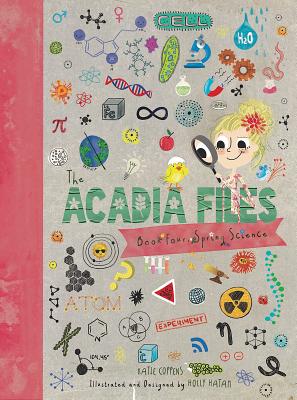
Acadia Files: Book Four, Spring Science, by Katie Coppens/Illustrated by Holly Hatam, (March 2020, Tilbury House Publishers), $13.95, ISBN: 978-0-88448-604-6
Ages 7-11
The fourth book in Acadia’s Science Notebook series is all about Spring! This season, Acadia investigates dinosaurs, meteors, and mass extinctions. She also looks at parasites, ticks, and the diseases they can spread, including Lyme disease and malaria. She also looks through her previous seasons’ notebooks and puts together her inquiries from all four of them, to give herself – and readers – a rounded, holistic understanding of the natural world. This is such a great intermediate STEM/STEAM series for kids; it’s part science, part chapter book, with a handwritten, journal feel throughout that should inspire some of your kiddos to start their own journaling. I fall back on this one quite often because it’s so easy. Kiddo and I used this as a guideline to make our own journal and had a great time wandering our neighborhood to fill it up. Enjoy a chapter read and activity in the video below.
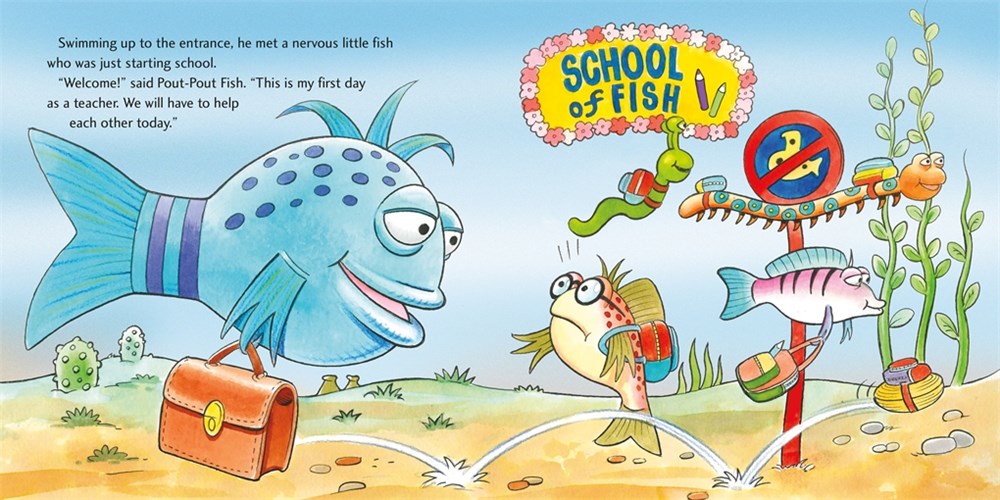
Pout-Pout Fish: Back to School, by Wes Adams/Illustrated by Isidre Monés, (May 2019, Farrar Straus Giroux), $5.99, ISBN: 9780374310479
Ages 3-6
The Pout-Pout Fish is off to school! This time, he’s a substitute teacher, subbing for his favorite teacher, Miss Hewitt, who’s down with a cold. On the way to school, he meets a nervous new student and helps him feel comfortable with his new school and new classmates. When Pout-Pout – Mr. Fish here – feels a little overwhelmed in front of his first class, the little fish is there to return the favor, giving Mr. Fish the confidence to carry the class. TAt the end of the day, Pout-Pout gets a sweet drawing from his new student and a warm reception from his new students. What a way to start a school year!
Pout-Pout Fish: Back to School is a Pout-Pout Fish story by Wes Adams and illustrator Isidre Monés. I admit I miss the rhyme scheme and repetition that Deborah Diesen traditionally uses, but the emphasis on kindness present in Pout-Pout Fish stories is here. Isidre Monés uses calming blues for Pout-Pout and bright primary colors for the classroom, all of which will appeal to readers. And there are stickers at the end of the book, making this a great back-to-school gift for kids (and if you’re putting this on your library shelves, hold onto those stickers, or your books won’t last the day – hand them out to your kiddos as welcome back gifts).
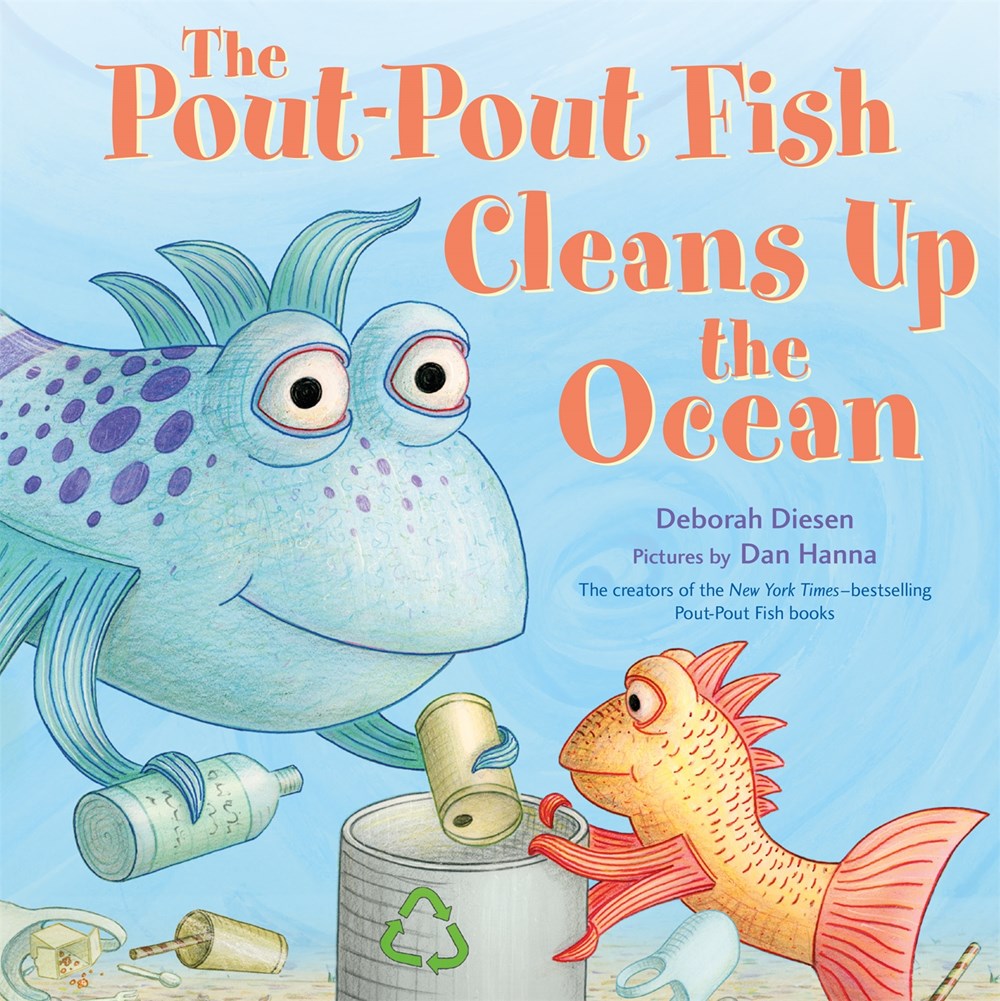
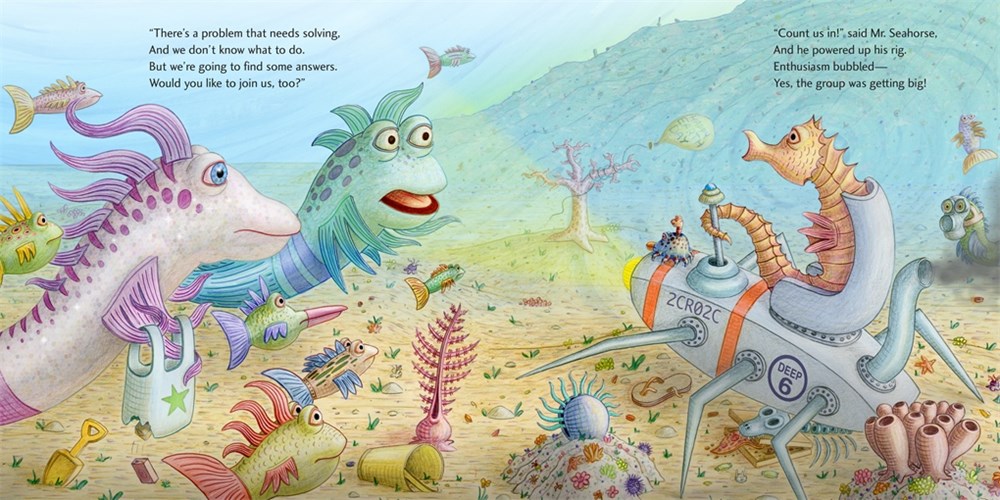
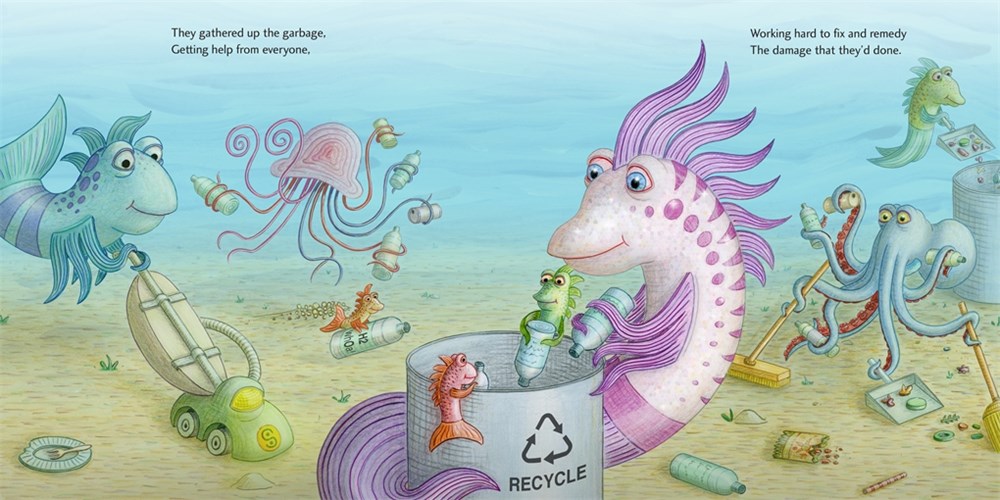
The Pout-Pout Fish Cleans Up the Ocean, by Deborah Diesen/Illustrated by Dan Hanna, $17.99, ISBN: 9780374309343
Ages 3-6
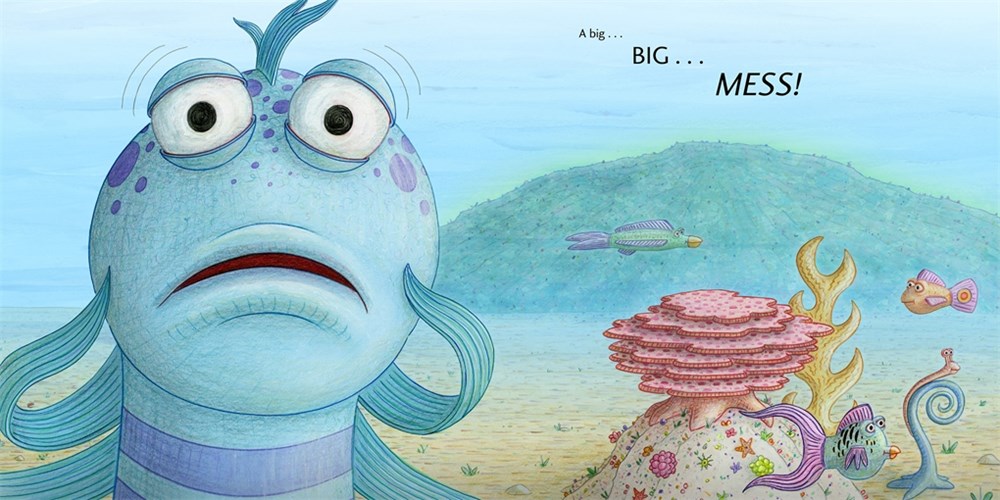
Pout-Pout and friends are cleaning up the ocean! Mr. Fish and his friends love the ocean’s beauty, but when he looks around and sees a giant mess, he and his friends investigate and find out that THEY are the cause of the mess! That simply won’t do, so the group team up to clean up in this rhyming story by original writer and illustrator Deborah Diesen and Dan Hanna.
Kids (and grownups) familiar with Pout-Pout stories will fall right into the rhyme and repetition of the story. There’s always a phrase or two that sets the plot moving; here, it’s “There’s a problem that needs solving/And we don’t know what to do/But we’re going to find some answers/Would you like to join us, too?” Old boxes of junk, food waste, plastic bags, all of it has to go, because it’s “a big… BIG.. MESS!” The friends come together to pitch in and clean up; even sorting their recyclables from their garbage. Once they’ve cleaned the ocean floor, they feel good about themselves, and extend the invitation to the reader to join them! An author and illustrator note encourages readers to clean up and protect the ocean, encouraging everyone to take action and learn more. It’s a great way to introduce conservation to kids.
The Pout-Pout website has lots of printable activities, and the website is way too much fun! (There are floating bubbles and fish!)
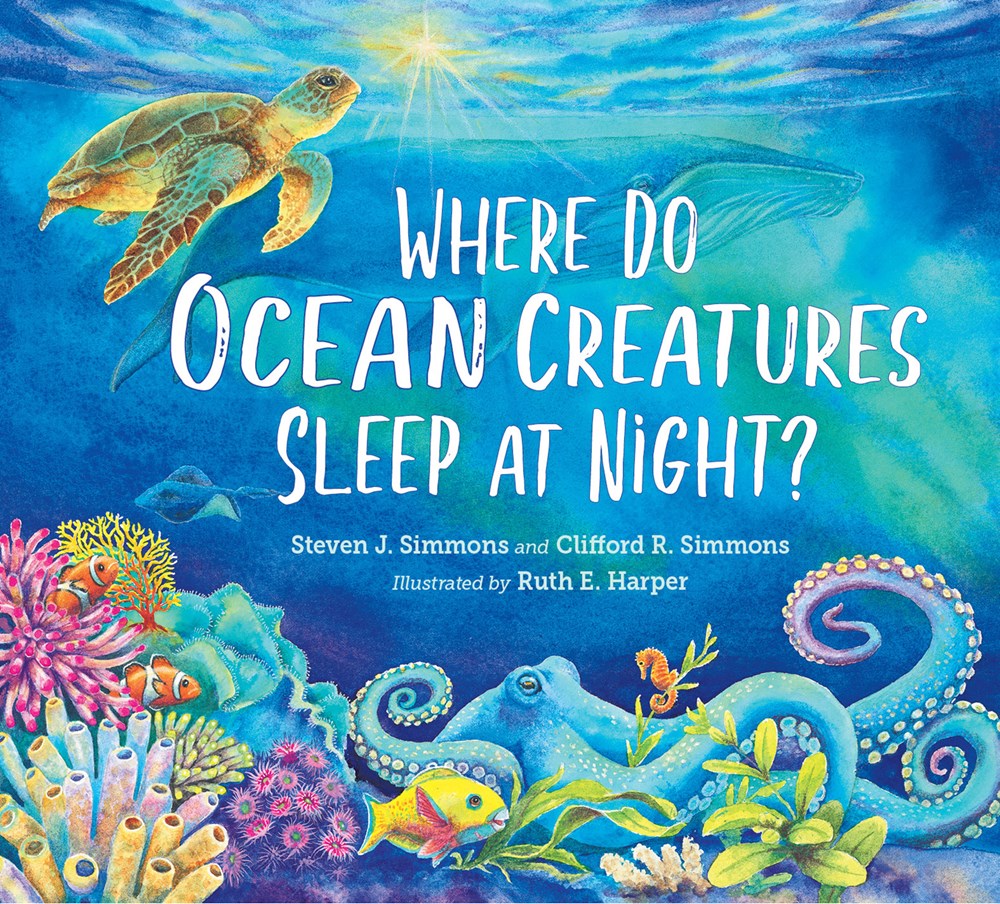 Where Do Ocean Creatures Sleep at Night?, by Steven J. Simmons & Clifford R. Simmons/Illustrated by Ruth E. Harper, (Apr. 2024, Charlesbridge Publishing), $17.99, ISBN: 9781623542979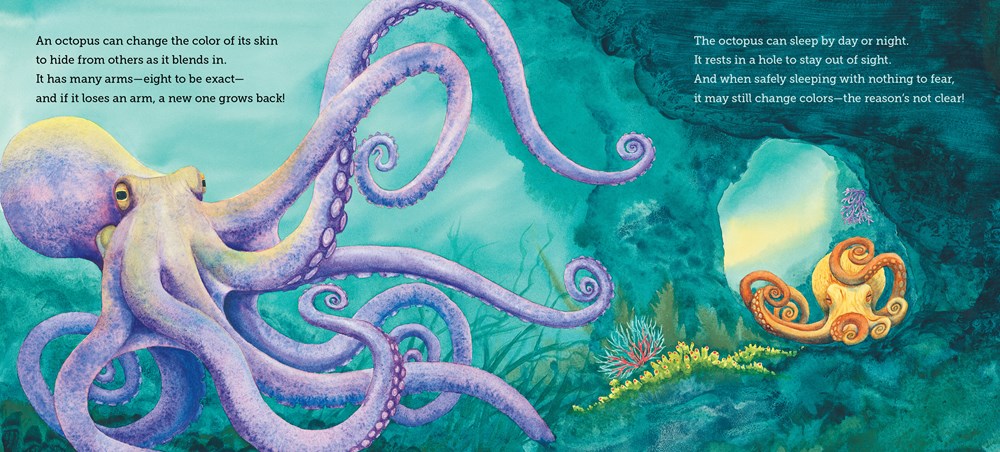
















 Mom Read It
