Posted in History, Non-Fiction

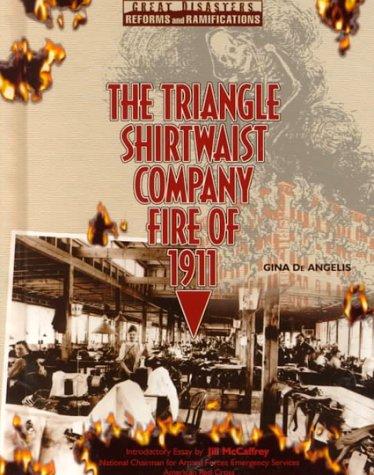
Book Review: The Triangle Shirtwaist Factory Fire of 1911, by Gina De Angelis (Chelsea House, 2001)

Recommended for ages 10+

The shirtwaist was a high-necked, long-sleeved blouse design popularized by the iconic Gibson Girl image in the early 1900s. At this time, New York boasted about 450 shirtwaist factories, but building codes and labor laws left a lot of room for interpretation. As a result, on March 25, 1911, a fire broke out in the Triangle Shirtwaist Company in the Asch Building in downtown Manhattan. Multiple factors – locked doors to prevent workers from leaving early or stealing materials; ineffective and too few fire escapes and elevators, and crowded office conditions among them – caused the deaths of 146 workers, mostly women, many recent immigrants. The fire and the ensuing trial – which exonerated the company’s owners – gave rise to movements pushing for stronger building safety standards and unionization of garment workers, which would help them lobby for better working conditions and better pay.

The Triangle Shirtwaist Company Fire of 1911 tells the story of the fire and the aftermath. Black and white photos taken at the scene and the makeshift morgue bring home the pain of the event and drive home the magnitude of the fire. Readers learn that the owners, Max Blanck and Isaac Harris, went on to continue business and continue the business violations that caused so many deaths at the Asch Building, having been cleared of any wrong doing because the Asch Building was legally sound. The owners made money after the insurance settlement, causing an outcry among the deceased’s family members. The book also details the story of the garment workers labor movement and takes the reader into present-day sweatshop conditions and the continued fight for safe working conditions and a living wage. 

Cornell University’s Kheel Center for Labor Documentation’s web exhibit with primary and secondary sources, a link to a transcript of Blanck and Harris’ trial, and a bibliography. Nonprofit organization Remember the Triangle Fire Coalition, seeking a permanent memorial to the victims, offers an open archive where contributors add their own modern-day remembrances and information and a names map which lists the name, country of origin, New York address, and final resting place of the identified victims.

Short PBS documentary on the Triangle Fire.
Posted in Fantasy, Fiction, Graphic Novels, Tween Reads

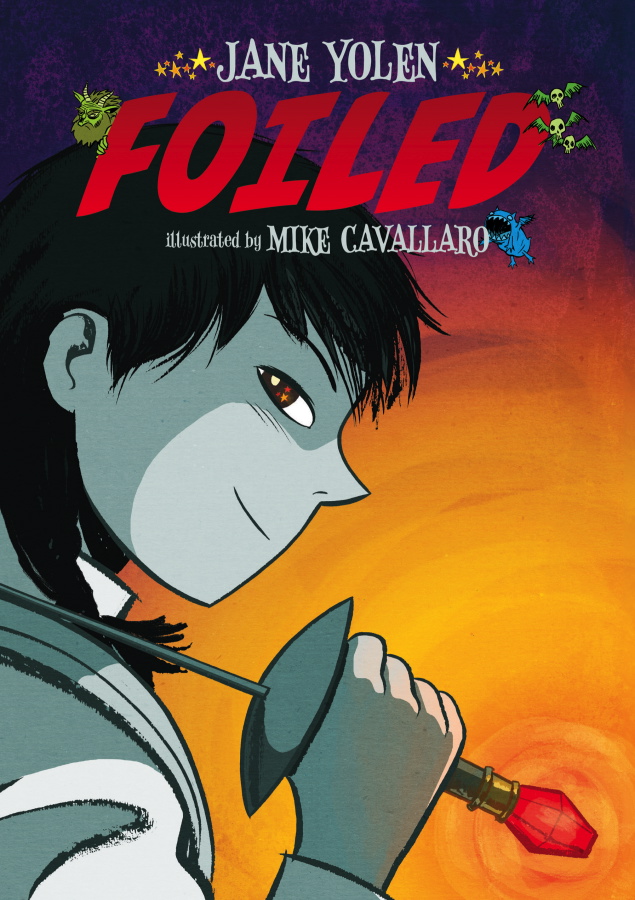
Book Review: Foiled, by Jane Yolen; illustrated by Mike Cavallaro (First Second, 2010)

Recommended for ages 12+

I love Jane Yolen’s books – her How Do Dinosaurs… series have a very special place on my bookshelf; they provided hours of cuddle time and giggles for my boys and I when they were younger. Her Commander Toad series was my older son’s logical next step after enjoying Frog and Toad’s adventures. As a former fencer, I was thrilled to see that Yolen made a teen female the hero of her graphic fantasy novel AND a fencer. Girl power!
 
High schooler Aliera Carstairs doesn’t fit in. She doesn’t fit in with the goths “(“I don’t look good in black”), the nerds (“my grades aren’t high enough”), or the jocks (“fencing doesn’t count”), but she’s dynamic on the fencing strip. Her coach, grooming her for nationals, advises Aliera to “always guard your heart”: advice she takes very seriously both on and off the strip. Aliera vists her wheelchair-bound cousin and best friend Caroline every week to play role-playing games.
 
Aliera’s mom, a compulsive bargain shopper, picks up a fencing foil at a garage sale; Aliera plans to use it as a practice foil once she shaves off a big, fake ruby that’s been glued to it. Around the same time she receives the foil, she meets a new boy in school, Avery Castle, who’s a little odd but has all the girls vying for his attention. He asks Aliera on a date and they agree to meet in Grand Central Station after fencing practice. Having never been on a date, she’s nervous but accepts.
 
In Grand Central Station, things take a Neil Gaiman-esque turn. There, Aliera stumbles on a fantasy world that connects her, Avery, and her unusual foil.

Foiled leaves the reader hungry for a second helping. Aliera, Avery and Caroline are all vibrant, interesting characters, and even when Aliera is at her most guarded, the reader wants to get behind her fencing armor and find out what makes her tick. Older ‘tween and young teen readers alike will enjoy the blending of fantasy into a reality-based setting, and teachers could use this novel in a fairy tale/mythology unit for older readers. The artwork never talks down to the book’s audience, portraying kids as kids rather than caricatures; the fantasy creatures are brightly colored and drawn straight from a vivid imagination and the fencing sketches are dynamic.

Jane Yolen’s website contains information for both students and teachers, an archive of awards the author has received, book trailers, and a link to her blog.