Posted in Middle Grade, Non-Fiction, Non-fiction, Tween Reads

Ocean: Secrets of the Deep is STEM fun!

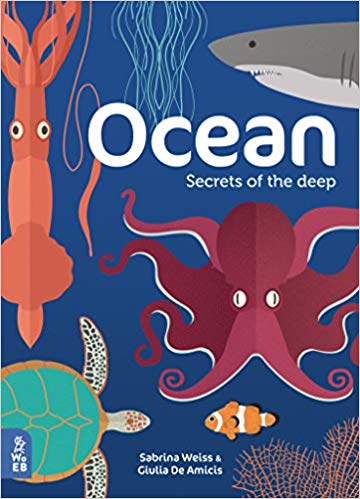
Ocean: Secrets of the Deep, by Sabrina Weiss/Illustrated by Giulia De Amicis, (April 2019, What on Earth Books), $19.99, ISBN: 97-1-9999680-7-6

Ages 7-12

We’re heading to Florida on the first road trip we’ve had in ages, so I’m all over the beachy reading right now. My little guy is excited, because his grandpa lives right by the ocean, so we’ve been enjoying this book immensely.

Ocean: Secrets of the Deep is loaded with facts and figures about the underwater world, and I am in love with the bright, bold illustrations and infographics! The information is presented in bite-size chunks that kids can easily enjoy and digest, and the minimailst artwork is bold and gorgeous. Not just a fact book, there is info about myths and legends (including one of my faves, the Kraken); sections on each of the ocean’s zones, with numbered renderings of each form of life living in each zone; animals who work together in the deep; animal sizes and sounds, and migration patterns. There are sections on environmental concerns and challenges, including overfishing, pollution, and climate change, and a call to action that encourages and empowers kids to act. A glossary and index complete this beautiful volume.

Natural history and environmental studies units would benefit from adding this book to shelves, and you can easily use Ocean in your library STEM programming. When we had our Discovery Club at my library, we did a unit on the ocean, and had the kids create their own ocean zones display on a wall in our meeting room. Print out pictures of different fish featured in Ocean, and invite the kids to color and stick their own marine life to the zones in your library or classroom! It’s a great multi-week project, if you want to spend time creating the monochromatic zones, then working on the marine life.

Ocean is absolute fun and absolutely gorgeous.

Posted in Non-Fiction, picture books

History via foldout timeline: A Brief History of Life on Earth

A Brief History of Life on Earth, by Clémence Dupont, (Apr. 2019, Prestel Publishing), $24.95, ISBN: 9783791373737

Ages 6-10

A book that touts the claim, “Book folds out the length of a triceratops”, on the cover is a book that I’m going to stop and read. A Brief History of Life on Earth attempts to put the changes our little blue dot has been through into perspective by creating a foldout book that stretches through time and unfolds to reveal the formation of volcanoes and glaciers; the development of aquatic life, to the dinosaurs, early mammals, and modern humans, ending with a modern-day lakeside scene. Each spread folds out, accordion-style; the illustrations are colorful. Each spread has the noted age and time period (Hadean Age, 4.6 to 4 billion years ago; Proterozoic Age, 2.5 billion to 540 million years ago), and a brief, descriptive paragraph. Upon reaching the end of the Holocene Epoch (11,700 years ago to the present day), readers can flip the page over and look through a timeline of Earth’s first 4.6 billion years, really giving kids an idea of how recently we humans arrived on the scene. The book unfolds to a full 26 feet (8 meters), allowing you to see a truly visual timeline. Just get a lot of volunteers in a large space to hold the pages!

This is a handy book for classroom and library reference, and a fun gift for science fans. In circulation, I know my copy would be dead within the first 3-5 circs. But would I buy a copy to use during science storytimes or Discovery Club sessions? Heck, yes. It’s fun, eye-catching, and informative.

A Brief History of Life on Earth was originally published in the UK in 2017. Reference Readalikes would include the Wallbook Timeline books by Christopher Lloyd and the Welcome to the Museum series.

Posted in Intermediate, Non-Fiction, picture books

February Non-Fiction is all about the animals!

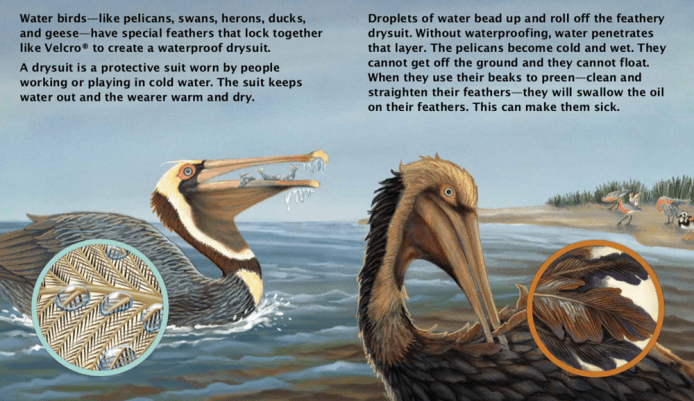
River Rescue, by Jennifer Keats Curtis & Tri-State Bird Rescue & Research, Inc./Illustrated by Tammy Yee, (Feb. 2019, Arbordale), $17.95, ISBN: 9781607188230

Ages 5-8

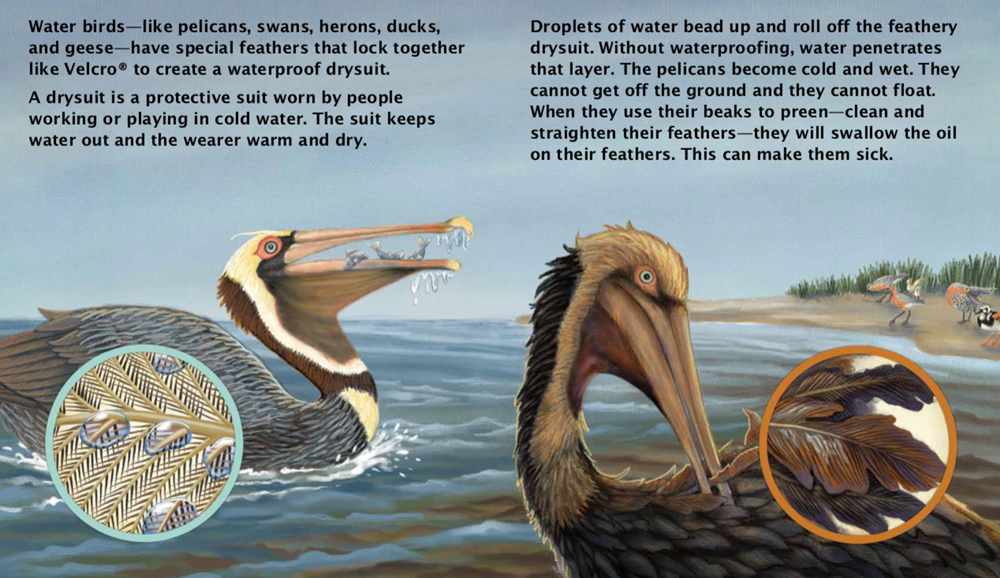
River Rescue illustrates how an oil spill – even one drop of oil – can be devastating to plan and animal life. Introducing readers to the Wildlife Response Team at Tri-State Bird & Rescue, a Delaware-based organization that rescues and rehabilitates animals affected by oil, River Rescue teaches readers about the delicate cleaning process and the care so critical to helping evaluate, treat, and rehabilitate affected animals.

There are so many questions to ask: is the animal alert on arrival? What kind of oil is on the animal? The cleansing process brings more questions: what kind of bird is this? Is it a flocking bird, or a solitary one? Is it a water bird or a land bird? After the rehabilitation process, animals are released back into the wild, preferably in the area where they were rescued.

River Rescue provides an informative look into animal rescue and rehabilitation and encourages good environmental citizenship among readers. The earth-toned art is realistic and the text is easy to understand. Back matter includes a 4-page For Creative Minds section allowing teachers, parents, and caregivers to photocopy and distribute activities on identifying wildlife, a Q&A with Tri-State Executive Director Dr. Lisa Smith, and information on preventing oil spills and helping animals.
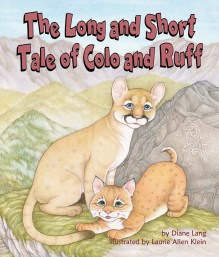
The Long and Short Tale of Colo and Ruff, by Diane Lang/Illustrated by Laurie Allen Klein, (Feb. 2019, Arbordale Publishing), $17.95, ISBN: 9781607187387

Ages 4-7

Colo is a cougar and Ruff is a wild cat. The two friends want to play, but Ruff’s short tail prevents him from jumping as far as Colo can. As the two search for a new tail for Ruff, they encounter all the different things other animals can do with their tails and Ruff decides that his tail is just right after all.

This fun story is nonfiction with fiction wrapping: great for preschoolers and kindergartners! Colo and Ruff are realistically illustrated, but with softer artwork, playing up the cute factor. They encounter lizards, hawks, skunks and gophers on their search for a new tail, and callout facts throughout provide information that’s perfect for pleasure reading or an animal report. The For Creative Minds back matter includes a table comparing three kinds of cats and cat habitat maps.

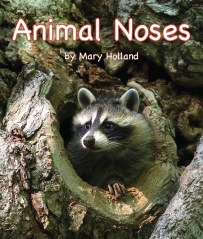
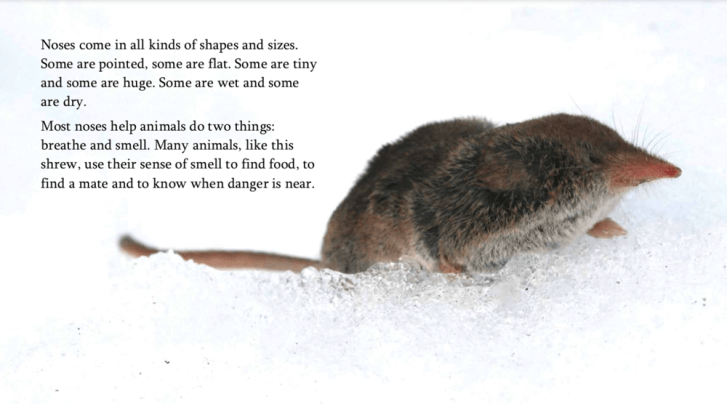
Animal Noses, by Mary Holland, (Feb. 2019, Arbordale Publishing), $17.95, ISBN: 9781607188056

Ages 4-9

Noses, beaks, tongues, antennae – animals have a bunch of different ways to use their senses of smell, and Animal Noses is all about animal noses, how animals transmit messages through scent, and which animals have super noses versus which animals don’t. Loaded with sharp, full-color photos and facts, this is a nice add to science sections, especially when teachers come in looking for books on the five senses – always fun to throw something unexpected, like this, into my readers’ advisory, and show the similarities and differences between how we use our senses versus how animals use theirs.

Arbordale always has good back matter, too: their For Creative Minds sections allow for photocopying and distribution for educational use. The Animal Noses For Creative Minds covers fun facts about scent, a match the nose game, and spotlights animals with great senses of smell.
 

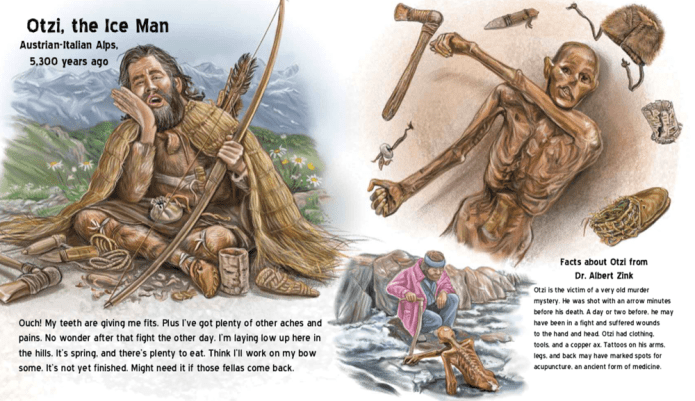
If a Mummy Could Talk…, by Rhonda Lucas Donald/Illustrated by Cathy Morrison, (Feb. 2019, Arbordale Publishing), $17.95, ISBN: 9781607187370

Ages 7-10

Meet some mummies and hear their stories: this volume contains stories about 12 different mummies: elephants, bison, dogs, cats, and humans, including the world’s most famous mummy, King Tut. Each spread focuses on one mummy, providing its date and location, and “before” and “after” illustrations that show readers what the animal or person most likely looked life while alive, and what its mummy looks like today. Facts gleaned from research and scientific observation bring each mummy’s story to life for readers, and provide clues to each demise. Discussions about different types of mummification, a mummy map of the world, and features on scientists’ tools and technology make up the back matter For Creative Minds section.

There are better books on mummies available, but this is an entertaining introduction for intermediate readers with an interest in natural history. The illustrations are realistic and colorful, and callout fact boxes appear throughout the book, clarifying bits of information contained in the text.

 

Posted in picture books, Preschool Reads

Concept Books for little learners

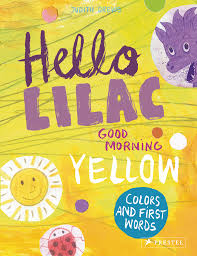
Hello Lilac Good Morning, Yellow: Colors and First Words, by Judith Drews, (Oct. 2018, Prestel), $14.95, ISBN: 9783791373515

Ages 3-6

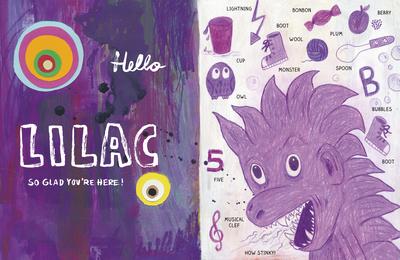
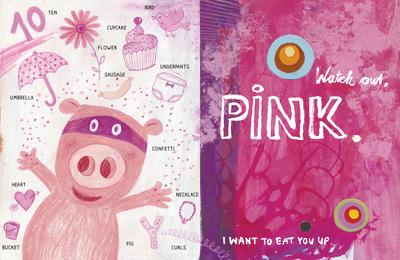
This cute book features eleven colors; one per each spread. There’s a warm greeting on one side, and objects showcasing the color on the other: “Good morning, Yellow! You glow so warm and bright”, with hand-drawn pictures of a lion, a construction helmet, lemon, and crown. It’s a lovely way to introduce colors; letting kids greet them and name a property of the color that makes them enjoyable: “Ahoy, Blue! I want to splash about in you”; “Hi, White! Where is your color?” Some object choices may leave readers scratching their heads; a syringe is included for White, and blood for Red; a screw falls under Black, which I tend to associate with Silver. I’m also not sure on how words like “trousers”, “domino tile”, and “fly agaric mushroom” are considered first words.

Overall, it’s a cute enough concept book for an additional add to collections, but there are other books that are better.


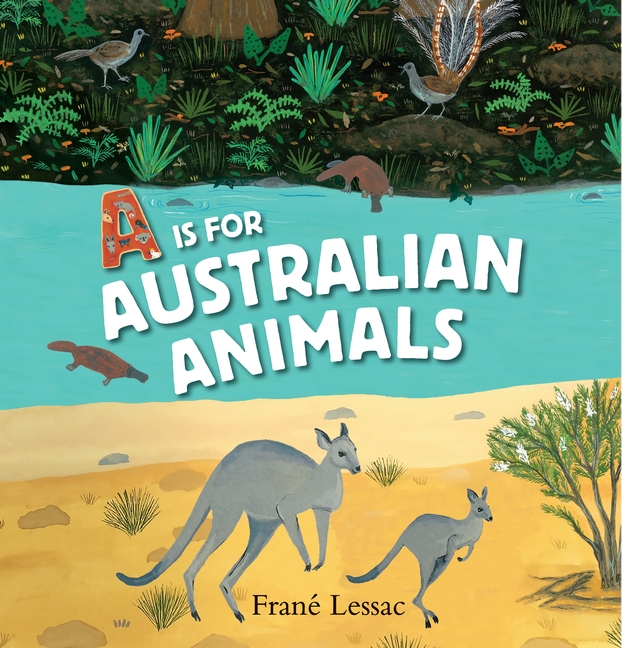
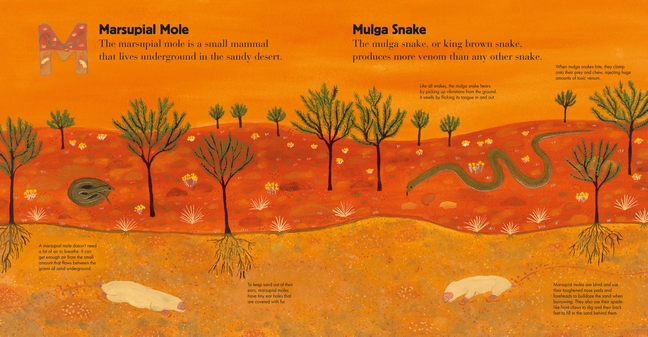
A is for Australian Mammals, by Frané Lessac, (Aug. 2018, Candlewick Press), $16.99, ISBN: 9780763694845

Ages 7-9

This book combines an abcedary for early readers with a geographic tour of Australia. There are 38 animals to be found here: tried and true favorites like the kangaroo, platypus, and koala are here, but there are other fantastic animals to be discovered, including the flying fox (it’s actually a huge bat); the red crab and robber crab (keep an eye on your valuables), a crayfish called the yabby, and the x-shaped crusader bug.  Loaded with facts about these Australian creatures, and featuring colorful gouache illustration, this one is a hit. Pull out some cool facts to share during a science storytime or Discovery Club program. Here’s one that will go over big with the kids in my library: “In a Tasmanian devil’s poop, a wildlife biologist discovered: the head of a tiger snake, an owl’s foot, a sock, aluminum foil, half a pencil, and the knee of a pair of jeans”. Also, a koala’s fingerprints are almost identical to human’s fingerprints. Back matter includes maps of animal distribution, highlighting areas where each animal can be found on the continent. There are free, downloadable teacher’s notes available through author Frané Lessac’s website. The Educate Empower blog has some great ways to use this book across subjects, too.

This is a fun add to your natural history books, and it doubles as a concept book for learning readers who can benefit from learning about exciting new animals and their names.