Posted in Intermediate, Non-Fiction

Intermediate Nonfiction to love!

I’ve got some great middle grade nonfiction here, if you’re shopping for your back-to-school carts. My library kids tend to be nonfiction readers, so I’m always looking for fun, interesting books for them, and I think these will fit the bill nicely. Take a look, see what appeals to you!

What a Wonderful Phrase: A collection of amazing idioms from around the world, by Nicola Edwards & Many Montoya, (Sept. 2021, Kane Miller), $14.99, ISBN: 9781684642991

Ages 7-10

This collection of phrases and idioms from all over the world is a great little resource. Kids will easily recognize some phrases, like “buttering a person up”, and “raining cats and dogs”, but will they know where “seeing a peacock dance in the jungle” comes from? How about “peeing in your shoes will only keep you warm for a little while”? The origins of these phrases are interesting and amusing, and this little collection contains explanations, a phrase in its native language and phonetic pronunciations, and colorful illustrations. There’s no cow on the ice here (Swedish for “no rush”), but consider this one for your quirky readers who enjoy playing with language. What a Wonderful Phrase is a companion to What a Wonderful Word (2018).


Is There Life on Your Nose? Meet the Microbes, by Christian Borstlap, (Sept. 2021, Prestel Junior), $17.95, ISBN: 9783791374970

Ages 6-10

This is going to be huge with my library kids. Microbes make up every part of our day-to-day life, and this book is all about those microbes and where they live: on your nose, in boiling water or the arid desert, even underground. Filled with fun facts and entertaining illustrations, Is There Life on Your Nose? is all about microbes: how they breed, how they contribute to our lives (we wouldn’t have pickles, cheese, or bread without them!), how they can generate clean energy, and even how they can make us sick, in the form of viruses. It’s a great introduction to a timely subject, explained with humor and smart facts that will help kids understand – especially now – those little, microscopic creatures we share our world with. Are you doing STEM activities again, either in-person or virtually? Pair a reading of this with some of these experiments from Go Science Girls – I’m thinking of the hand-washing one in particular for my kiddos!

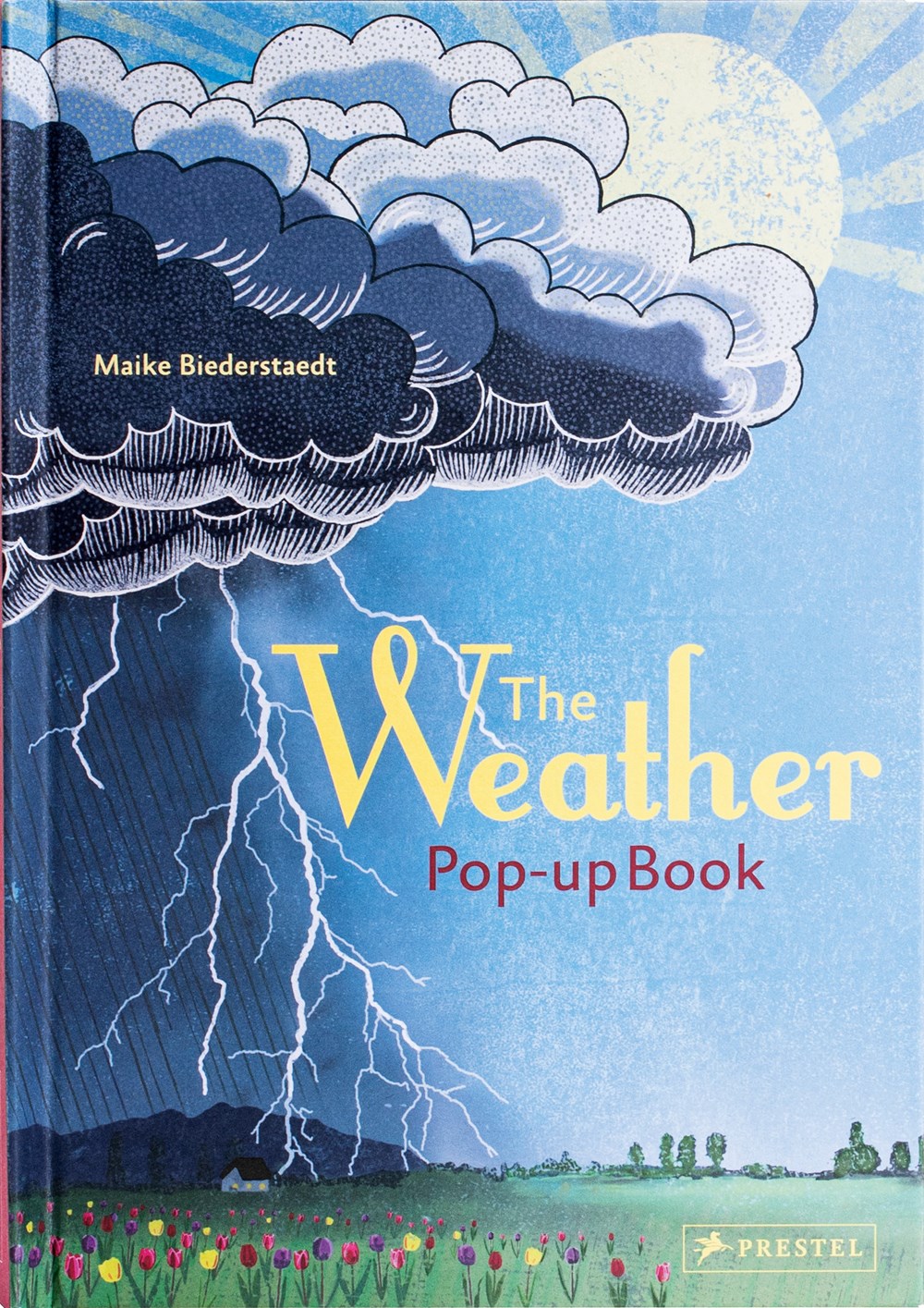
 

The Weather Pop-Up Book, by Maike Biederstadt/Illustrated by Michael Prestel, (Sept. 2021, Prestel Junior), $25, ISBN: 9783791373935

Ages 7-10

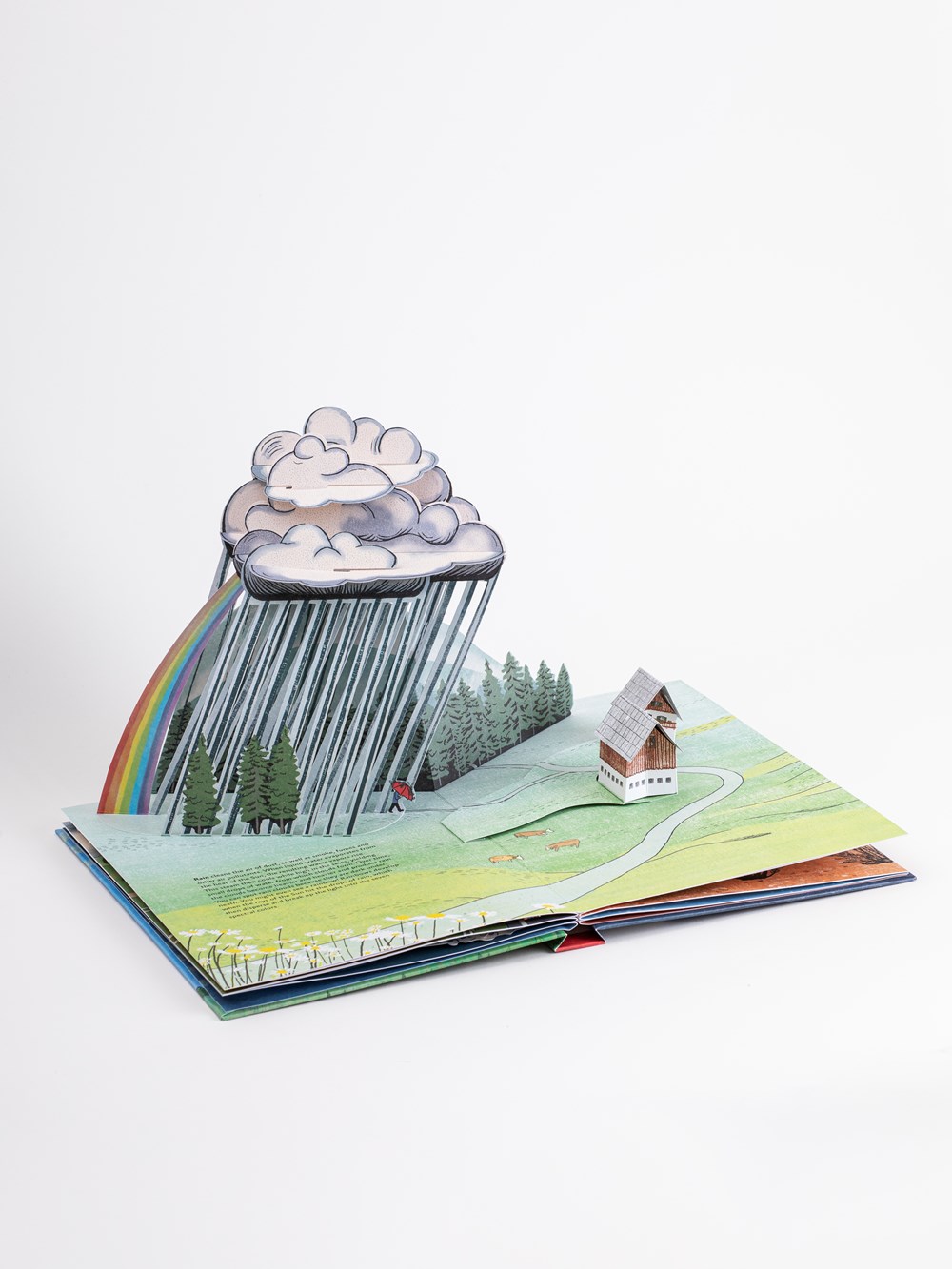
Just because kids are getting older doesn’t mean they can’t appreciate a good pop-up book! This book on weather is a great way to communicate the power of weather and the devastating influence of climate change. Spreads on storms, rain, tornadoes, heat, and snow fold out into 3-D landscapes, with paragraphs on each weather phenomenon. The opening spread explains “why weather is the way it is”, and the final spread on climate change explains how it affects weather, and what we can expect as weather patterns are further affected. A good addition to your reference section – if you’re putting this into circulation, it may wear out pretty quickly, but it will be a popular choice.
 

Explore! America’s National Parks, by Krista Langlois/Illustrated by Hannah Bailey, (June 2021, Kane Miller), $18.99, ISBN: 9781684641932

Ages 7-12

Who’s up for a road trip? This voyage through America’s 61 National Parks will have readers ready to pack their backpacks and head out with this book as their guide. Beautifully illustrated, laid out by geographic region (West Coast, Alaska, Rocky Mountains, Southwest, Central, East, and Tropics), and with a strong message of environmental respect and care, this is a treasure trove. United States maps highlight each region and its parks; a descriptive paragraph on states covered and activities to discover entices readers to turn the pages and dive in. Fact files give the statistics for each park, including size, state, founding date, and one fun fact; ranger tips help readers plan for a safe and exciting visit. Want to help scientists estimate how many bears live in Denali? Want to learn where the best place is to listen for the Mexican spotted owl? You’ll find all the answers in here. Armchair explorers and travelers, natural world fans, anyone who loves NatGeo books. Need a program idea? Take virtual tours through each of the parks using this book as your guide.

The Book of Labyrinths and Mazes, by Silke Vry/Illustrated by Finn Dean, (Sept. 2021, Prestel Junior), $19.95, ISBN: 9783791374741
Ages 7-10
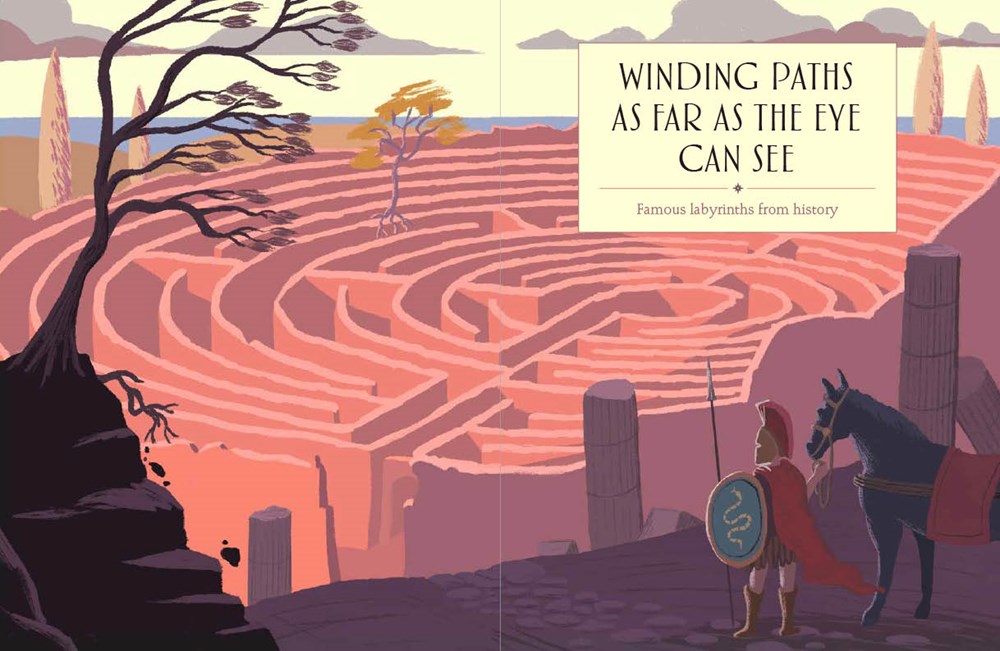
Part activity book, part reference guide, this book on mazes and labyrinths will send puzzle fans over the moon. Organized into four sections: I Think I’m Going Crazy! explains the differences between a maze and a labyrinth, how detours can lead us to our goals, and mazes and labyrinths within our bodies and our lives; Winding Paths as Far as the Eye Can See spotlights famous labyrinths from history; To The Center, Please! looks at the journey to the center of a labyrinth – and how to get back out, and Strange Paths! leads readers to mazes all around the world. From Theseus and the Minotaur’s labyrinth of legend to the quiet contemplation of walking a labyrinth in n nature, beautifully illustrated spreads include mazes and activities for readers to complete and ideas to mull over. A guide to solving mazes will help readers before they wander into a maze (hey, Fall’s coming… corn mazes!). Back matter includes more information about famous labyrinths worldwide and a glossary. Great for reference collections. History fans and brain buster fans will devour this one.
Posted in Intermediate, Non-Fiction

If I Were a Park Ranger introduces kids to a green career!

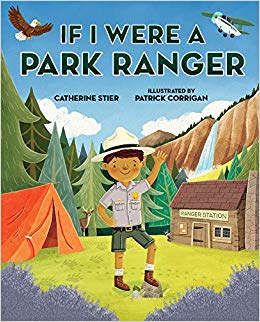
If I Were a Park Ranger, by Catherine Stier/Illustrated by Patrick Corrigan, (April 2019, Albert Whitman & Co.), $16.99, ISBN: 9780807535455

Ages 4-9

A diverse group of kids think of all the great things they’d do if they were park rangers in this picture book that takes readers across the United States for peeks at the beautiful national parks, while shedding some light on a career that you don’t often hear people talk about: the national park ranger. Catherine Stier and Patrick Corrigan provide kids with a history of the profession, and portraits of prominent figures in national parks history: Stephen Mather and Horace Albright, the founding directors of the National Park Service; Theodore Roosevelt, who created programs to protect land and wildlife, and Gerard Baker, a superintendent who brought Native American heritage to the parks, to name a few. Each child envisions himself or herself in ranger uniform, working across different locales; from desert to forest, from volcanoes to caves, battlefields and monuments; they help campers, they protect nature and wildlife, and they report emergencies that threaten our national parks.

Each spread is labeled, introducing readers to a different park. The group of rangers is racially diverse, as are the park visitors; the artwork is colorful and earth-toned, showing lush greens, calming blues, and warm browns of the lands. Deserts like Death Valley National Park get a beautiful orange and violet spreads. The author talks about her love of national parks, and how national parks contribute to STEM and art learning; there is also a note on how to become a park ranger, complete with a link to the National Park Service for becoming a Junior Ranger.

This is a fun addition to career sections, and an overall good book to introduce when talking about nature, environmentalism, and preservation. There are free, downloadable activity pages available, too! For kids interested in learning more about the US National Parks, recommend Ranger Rick’s Travels: National Parks.

Posted in Non-Fiction

Celebrate Earth Day! Books about our big, blue dot.

Families on Foot: Urban Hikes to Backyard Treks and National Park Adventures, by Jennifer Pharr Davis & Brew Davis, (March 2017, Falcon Guides), $17.95, ISBN: 978-1-4930-2671-5

I’ve been waiting to talk this one up! Published in partnership with the American Hiking Society, this is the book you want if you want to start – or already are a fan of – hiking and taking nature walks with your family. You’ll find tips and information on hiking etiquette, packing, safety, urgent matters like diaper blowouts, using technology like smartphone apps and GPS, activities to keep all ages engaged, and 9 tasty trail mix recipes that are nature-friendly. There’s information on hiking with special needs children and seniors; comprehensive online resources, and a state-by-state directory of family-friendly trails. Full color photos and first-hand stories from the trail will have you packing a bag and getting ready to hit the road.


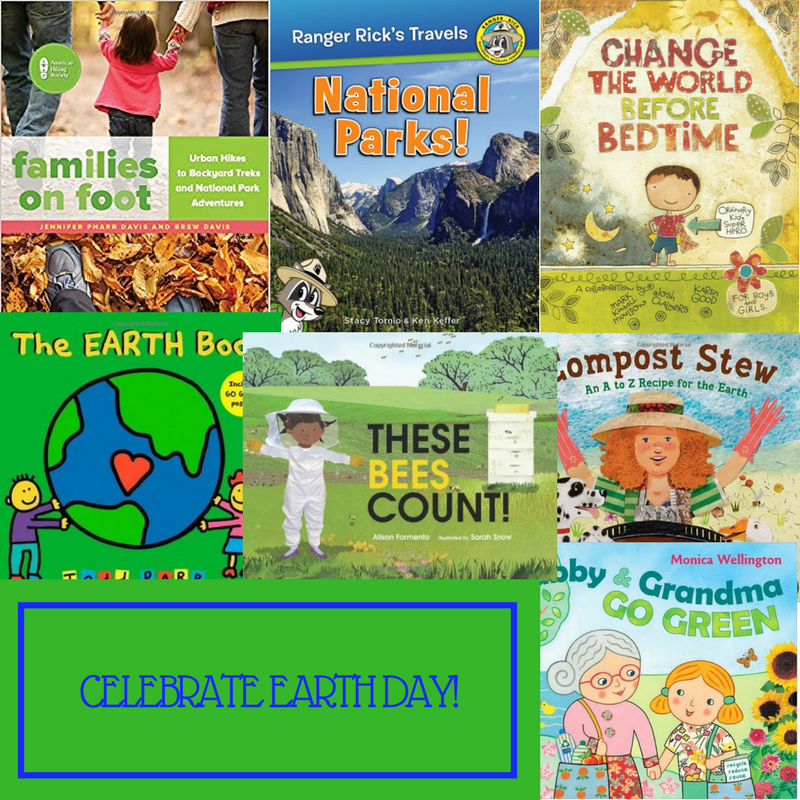
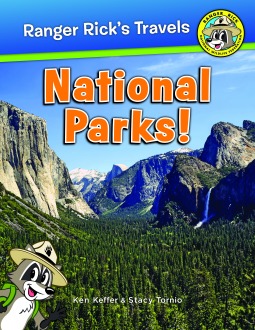
Ranger Rick’s Travels: National Parks!, by Stacy Tornio & Ken Keffer,
(Aug. 2016, Muddy Boots), $14.95, ISBN: 9781630762308

Now that you’re ready to hit the trail, Ranger Rick’s Travels: National Parks will tell you where to go! Ranger Rick and his friend Deputy Scarlett take readers on a scenic tour of America’s 58 national parks, which profiles including stunning photos and facts, top nature picks on plants and animals to look for, and a bucket list for each park.


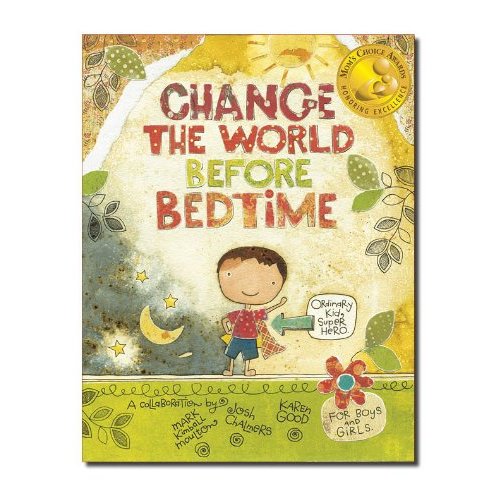
Change the World Before Bedtime, a collaboration by Mark Kimball Moulton, Josh Chalmers, and Karen Good (Schiffer Publishing, 2012). $16.99, ISBN: 978-0764342387

I tend to think of Change the World Before Bedtime as an accompanying read to 10 Things I Can Do To Help My World, by Melanie Walsh. The story tells kids that anyone, big or small, can do things to bring about positive change. Over the course of one day, a group of children make positive decisions and take action to brighten the world around them, tying on their “hero capes” and eating a healthy breakfast, spending the day doing random good deeds, like picking up litter, visiting a sick friends or family, donating clothing, toys, and food to the needy, and keeping a positive mindset.


The Earth Book, by Todd Parr, (March 2010, Hachette), $11.99, ISBN: 9780316042659

Who does social justice better than Todd Parr? The Earth Book – printed with recycled material and nontoxic ink – empowers kids to work together to make the Earth feel good, from planting a tree to reducing, reusing, and recycling. The Earth Book is great for toddlers and preschoolers, who may otherwise feel left out of the action.


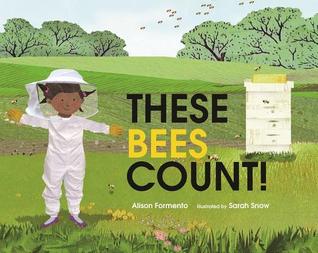
These Bees Count!, by Alison Ashley Formento/Illustrated by Sarah Snow,
(March 2012, Albert Whitman), $16.99, ISBN: 9780807578681

I love this book and its companions, These Seas Count!, These Rocks Count!, and This Tree Counts! In These Bees Count, kids learn the importance of bees to our society by helping pollinate flowers and producing honey. There’s a counting aspect to the books, too, making it accessible to preschoolers and possibly younger; introduce the counting concepts and talk about the good things bees do.


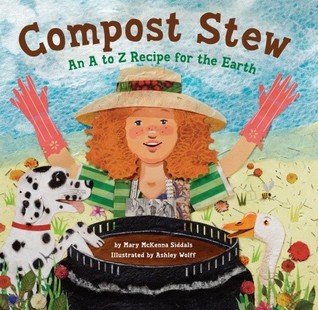
Compost Stew: An A to Z Recipe for the Earth, by Mary McKenna Siddals/Illustrated by Ashley Wolff,
(March 2010, Tricycle Press), $15.99, ISBN: 9781582463162

What’s composting? Glad you asked! This A -to-Z explains composting, how to make a compost pile: what to throw in? what to keep out?, and how composting helps keep gardens growing healthy and happy. It’s great for toddlers and preschoolers who can learn their ABCs through gardening, after they practice their 123s with the bees (above)!

Gabby and Grandma Go Green, by Monica Wellington,
(March 2011, Dutton), $10.99 via Kindle, ASIN: B01F2IJRXA

If you can buy this through a third-party seller or see it in a bookstore, it’s worth it to make the purchase. I really hope this one comes back into print, because I love this story. It’s a good intergenerational story, with young Gabby and her Grandma going green by sewing their own cloth bags, buying veggies at the Farmer’s Market, and recycling their bottles. I love this book and use my battered old copy during my Earth Day storytimes.

These are just a few great Earth Day titles. For today, go out and enjoy the planet! Tomorrow, go to your library or bookstore and check a few out for yourself and your family.

Posted in Intermediate, Middle Grade, Non-Fiction, Non-fiction, Non-Fiction, Tween Reads

Road Trip! Ranger Rick’s Travels: National Parks

ranger-rickRanger Rick’s Travels: National Parks!, by Stacy Tornio & Ken Keffer, (Aug. 2016, Muddy Boots), $14.95, ISBN: 9781630762308

Recommended for ages 8+

In a fabulous love letter to the National Parks of America and the National Park Service, the folks at Ranger Rick Magazine – remember them? They have books now! – put together this beautiful book, featuring each one of the 58 National parks across America. Ranger Rick and his best friend, Deputy Scarlett, appear throughout the book to join readers on a countrywide sightseeing tour.

The book opens with a map of the United States, including Hawaii, Alaska, and the US Virgin Islands. Each park is numbered and corresponds to the Table of Contents, which organizes the parks into 9 groups: Eastern Parks, Midwest Parks, Mountain West Parks, Southwest Parks, Utah and Nevada Parks, California Parks, Pacific Northwest Parks, Pacific Island Parks, and Alaska Parks. Each park’s profile includes stunning photos and facts that will make readers want to pack their bags and take a month or six off from work or school!

rangerrick-rickandscarlettEach park feature provides information in quick bites that read like a tourism guide. About the Park provides a quick overview and basic facts; What to Watch For are Ranger Rick’s top nature picks on what plants and animals to keep an eye out for. Ranger Rick’s Top Things To Do is a bucket list for each park – don’t leave without seeing Old Faithful in Yellowstone Park, naturally, but also make sure not to miss out on a hike through the park! Finally, Ranger Rick’s Amazing Facts are the “WOW” factor for each park: did you know that you can only reach Northwest Alaska’s Kobuk Valley National Park by foot, dogsled, snowmobile, or air taxi? Now you do!

This is a great book to have in collections and to have available when you’re talking about the U.S. There’s 100 years of history in the National Parks Service, but there are far more years in the history of these parks; there are petrified trees, dinosaur footprints and bones, and formations carved out of rock thousands of years ago, here for all to enjoy. Families planning a vacation or two can use this as a jumping off point (I know I am).

Don’t forget to head to the Ranger Rick website, where kids can read more about nature and the environment, play some games, and get craft ideas. Educator resources included lesson plans and webinars.

Ranger Rick and Scarlett image courtesy of Photobucket.
Posted in History, Non-fiction, Teen, Tween Reads

A Weird and Wild Beauty tells the story of Yellowstone

yellowstoneA Weird and Wild Beauty: The Story of Yellowstone, the World’s First National Park, by Erin Peabody (Feb. 2016, Sky Pony Press), $14.99, ISBN: 978-1-63450-204-7

Recommended for ages 12+

A beautiful book with stunning photo and a powerful ecological and historical message, Erin Peabody’s A Weird and Wild Beauty tells the story of the founding of Yellowstone National Park. She tells us about the hard journey and oftentimes grueling expedition West; about the lives of the men who explored and risked their lives to bring the natural beauty of Yellowstone to the rest of the post-Civil War United States; and provides breathtaking photos and paintings of the natural wonder that is Yellowstone.

More than just a book on the beauty of Yellowstone, readers will discover that there was a fight to keep Yellowstone’s lands untouched: from Jay Cooke, a robber baron who wanted to build a transcontinental railroad that would cut through the lands, to the Native American tribes who wanted their tribal homelands to remain untouched.

A welcome addition to tween and teen nonfiction, A Weird and Wild Beauty is a lovely addition to collections in classrooms, libraries, and homes. I’ll have to booktalk this one to let the kids know it’s on the shelf – nonfiction, especially in the YA area, tends to go unnoticed – but with summer vacation coming, I could pick any picture out of this book and talk about dream destinations. History fans will love the narrative storytelling voice Peabody assumes, and art fans need to know about this book because of the stunning work by the expedition’s photographer, William H. Jackson, and the painter, Thomas Moran. Readers will learn the complex processes behind each photo – there were no negatives in the early days of photography, so photographers (and their poor pack animals) had to carry hundreds of pounds of equipment, including glass plates of different sizes to capture different images – and painting, or woodcut. It’s a beautifully artistic book that art students should not miss.

"Crater of the Giant Geyser", illustration from "The Wonders of the Yellowstone"; NP Langford; May/June 1871 issue of Scribner's Monthly
“Crater of the Giant Geyser”, illustration from “The Wonders of the Yellowstone”;
NP Langford; May/June 1871 issue of Scribner’s Monthly, from Yellowstone’s Photo Collection

The book includes maps, a guide to Yellowstone’s hydrothermal features, complete endnotes, sources, photo credits, and an index. Make sure to consider this beautiful resource for your collections.