Posted in Intermediate, Middle Grade, Non-fiction, Non-Fiction

More Weird But True Facts for all those barbecue conversations!

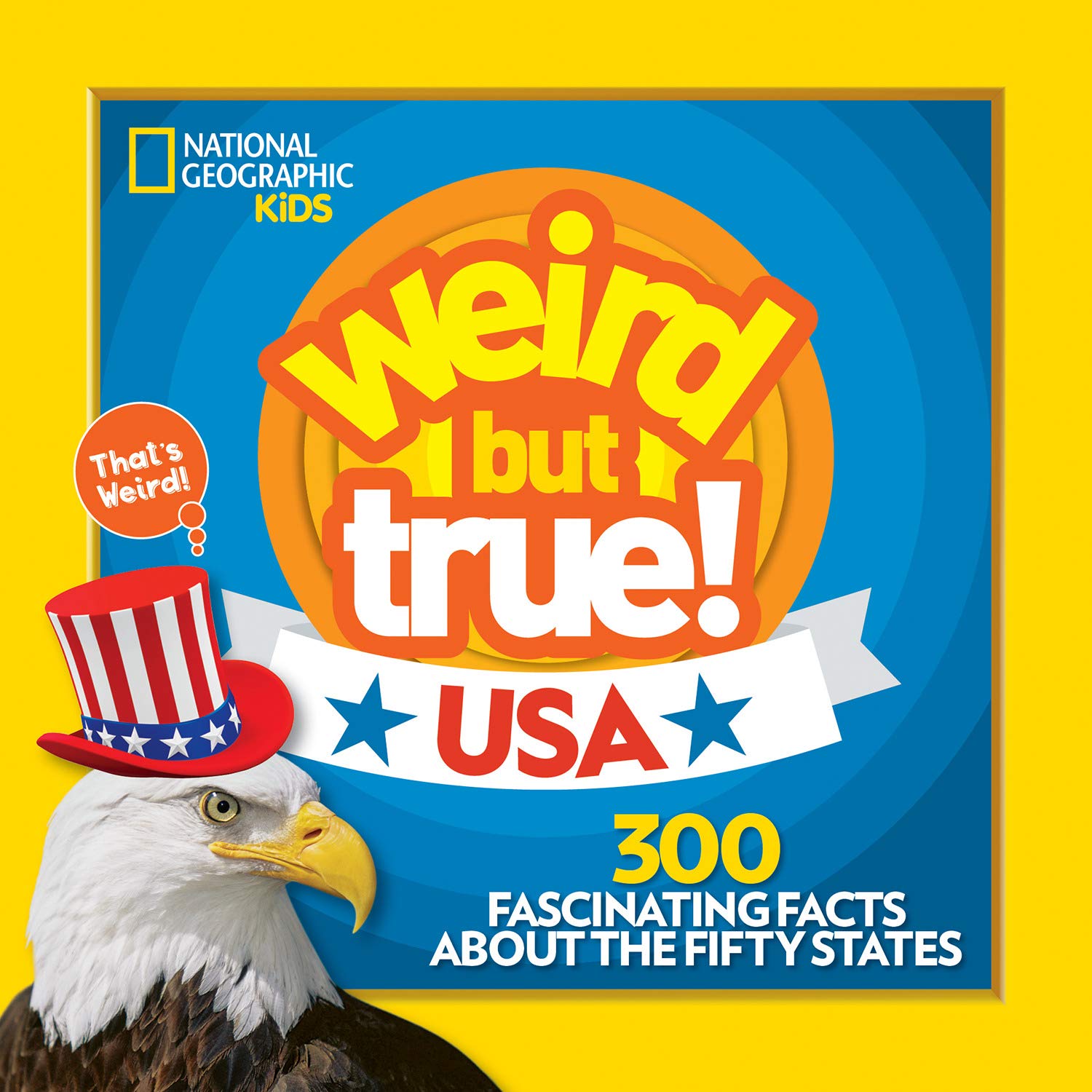
Weird But True! USA: 300 Fascinating Facts About the 50 States, by National Geographic Kids, (March 2019, National Geographic Kids), $8.99, ISBN: 9781426333712

Ages 7-12

You’ve got a lot of barbecues to hit this summer. Family, friends, someone’s having a BBQ, somewhere, and you’re invited. What better way to keep a conversation going than to bust out some weird – but true! – facts about the US of A? NatGeo Kids has kids (and grownups, too: you know you love these books) covered with their latest digest-sized Weird But True facts, easily carried in your favorite tote.

Dazzle friends and family with goodies about our states! Did you know that the average driver in New York City spends more than 100 hours a year looking for a parking spot? (I did, just ask my husband.) Or the Pledge of Allegiance was written for a magazine to help sell subscriptions? How about one of my favorites: the Washington National Cathedral has a Darth Vader gargoyle? Seriously, this this knowledge has made my day.

The NatGeo books just get better. Where do they find all these wacky facts? I hope they keep doing whatever they’re doing, because I love them, my own kids love them, and the kids in my library can’t get enough of them. Add these to your NatGeo collections and just sit at the reference desk and wait for them to come at you with their favorite facts.

Posted in Middle Grade, Non-Fiction, Non-fiction, Tween Reads

The National Geographic Kids Almanac Turns 10! Plus, a major giveaway opportunity!

Every year, the NatGeo Kids Almanac hits my library shelf, and I don’t see it for a couple of months after I put it out. It’s a little bit of everything: a desk reference; a current events recap; a guide to conservation and preservation efforts around the world; it’s loaded with gorgeous pictures of animals and amazing places all over the world, and a hilarious joke book – and that’s just for starters.

National Geographic Kids Almanac 2020, (May 2019, National Geographic Kids),
$14.99, ISBN: 9781426332814
Ages 8-12

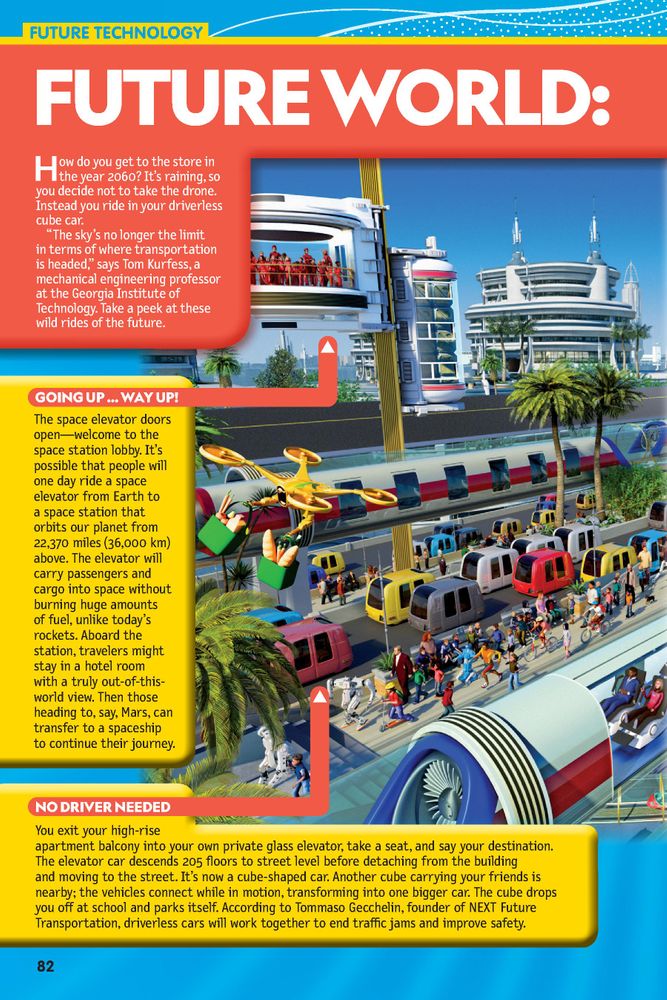
The 2020 Almanac offers all the usual facts and figures, games, and pop culture/technology/extreme exploration and conservation efforts that we’ve come to expect from NatGeo Kids, plus some new features: there are interviews with NatGeo scientists and explorers in each chapter, a special section on how the world has changed between that first NatGeo Almanac in 2010 and today, and the results of the 2019 Lions Forever Poster Contest. There’s also a new 20/20 Visionary Challenge for kids, inviting them to be futurists and imagine what the world will be like 10 years from now. It’s positive and it inspires and empowers kids to see themselves as the changemakers.

There are quizzes, homework hacks, and a section on Crafts Around the Globe that you can easily incorporate into your summer reading activities; the Space and Earth chapter fits perfectly with this year’s Universe of Stories theme, and includes a sky calendar that gives readers the heads-up on what’s happening in the coolest live show on earth: just look up to see lunar eclipses, meteor showers, supermoons, and even the International Space Station!

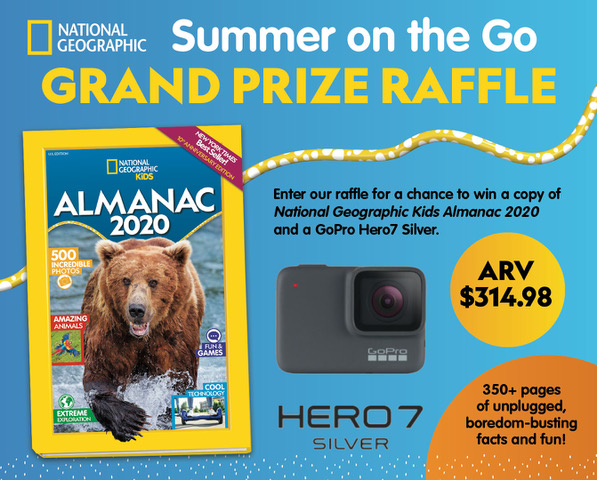
To celebrate the Almanac’s 10th Anniversary, NatGeo is hosting a Summer on the Go Almanac 2020 Grand Prize Giveaway — a GO-PRO!

Don’t miss your chance at winning your own GoPro, to capture your own extreme exploration! Enter this Rafflecopter giveaway today! (U.S. and Canada addresses only, please!)

Good luck!

Posted in Middle Grade, Non-Fiction, Non-fiction, Teen, Tween Reads, Women's History

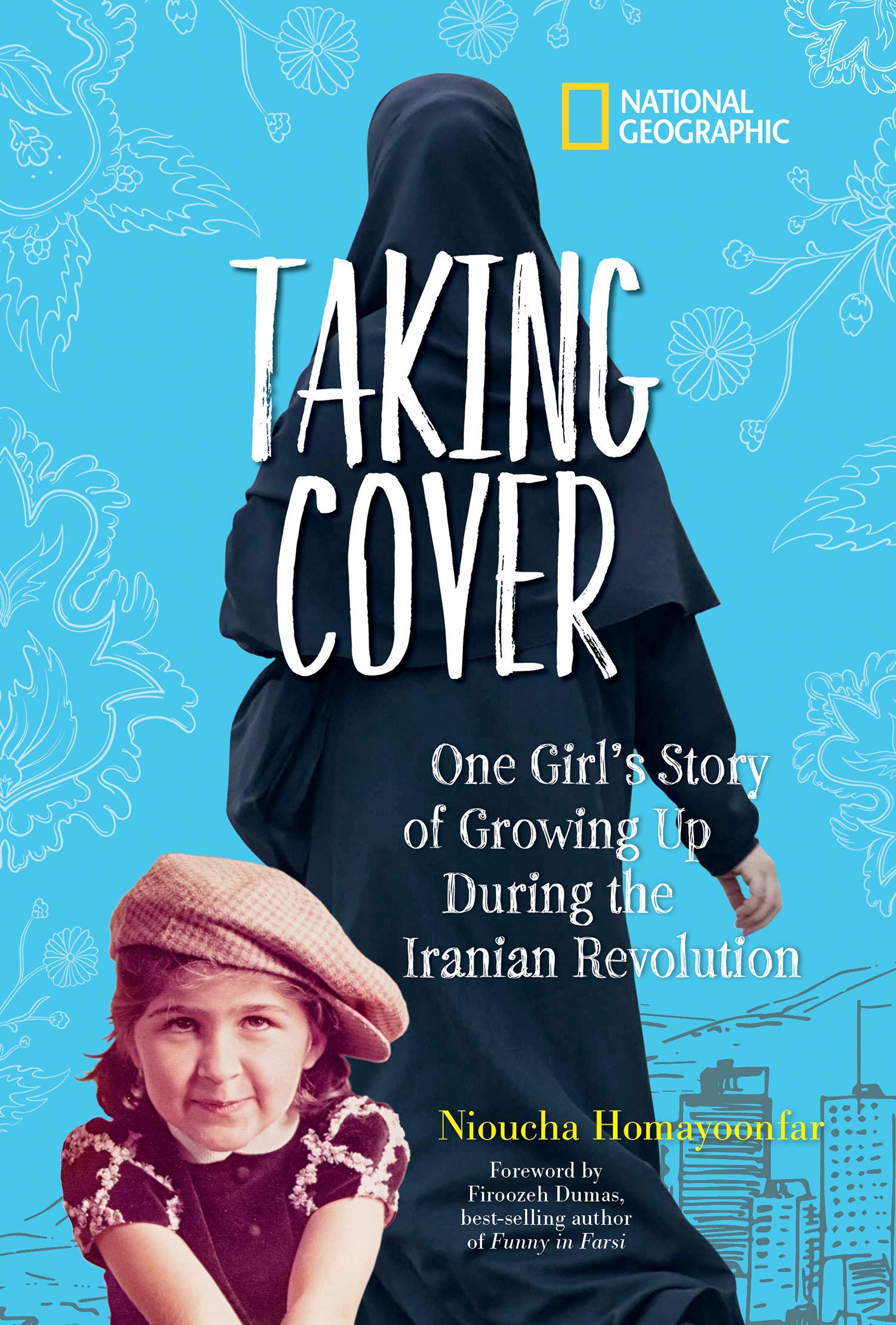
Taking Cover: Growing up during the Iranian Revolution

Taking Cover: One Girl’s Story of Growing Up During the Iranian Revolution, by Nioucha Homayoonfar, (Jan. 2019, National Geographic Kids), $18.99, ISBN: 9781426333668

Ages 10-14

Nioucha Homayoonfar’s memoir of life in Iran during the Iranian Revolution is equal parts joyful and heartbreaking. In 1976, at the age of 5, her family moves from Pittsburgh to Iran, where her father can be with his family again. For several years, Nioucha and her expat friends are educated in a progressive French-Persian school and enjoy the things most kids do, including listening to music, dancing, and swimming. But the revolution changes all that. Nioucha and her friends are segregated; they have to wear robes and hoods that cover their hair (and are threatened with burning in Hell, hanging on every visible thread of hair), and live in fear of being kidnapped by the Moral Police: a group called the Zeinab Sisters. Nioucha refers to them as The Black Crows, which brings a colorful, tongue in cheek image to mind, but these women are anything but humorous. The women patrol the streets in a van, capturing women and teens they deem immoral, hiding them in prisons, and beating them until they feel redemption is earned.

But there are wonderful moments of family and friendship in Taking Cover, too. Nioucha recalls her first Iranian Christmas, when she hopes Santa Claus will remember that she’s moved to Iran, so she’ll get her presents, and her family decorates her aunt’s house with a beautiful tree and presents. She talks about her relationship with her grandparents, who adore her and comfort her during her first sleepover away from her parents; going to concerts and driving around with her cousin, Sara, even learning French in an underground school run by her mother and her best friend’s mother. In the midst of explosions and oppression, Nioucha and her family managed to take joy where they found it.

Parallels to Persepolis are expected, and should be encouraged. Taking Cover is an excellent memoir and lead-in to Persepolis, allowing middle graders to expand their worldview and start a conversation on how the Iranian Revolution changed the world. The book includes a map of Iran and surrounding areas, and a timeline of Iranian history. There is a free, downloadable Educator’s Guide available.

Posted in Middle Grade, Non-Fiction, Non-fiction, Tween Reads

Makers… Get Tinkering!

Forgive the stretch between updates, all; I’m home this week, with my little guy, who’s on Midwinter Recess. He’s currently got a Lego stronghold of army men fighting across two rooms, so I used the break to get some writing in.

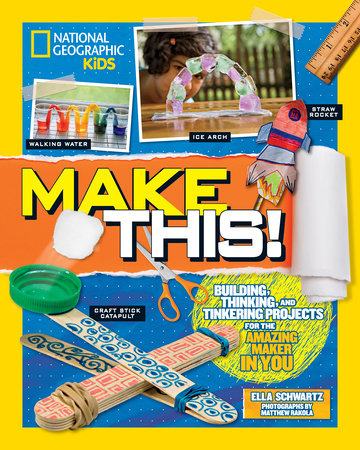
Did you know that this week is National Engineers Week? It is, and with many of us facing looming Science Fair deadlines, I’ve got a book for you. NatGeo, lifesaving publisher of all the things my own kids and library kids have needed for reports and projects, now has a book called Make This! Building, Thinking, and Tinkering Projects for the Amazing Maker in You

Make This! Building, Thinking, and Tinkering Projects for the Amazing Maker in You,
by Ella Schwartz/Photos by Matthew Rakola,
(Feb. 2019, National Geographic Kids), $16.99, ISBN: 9781426333248
Ages 8-12

This is a perfect book to start off a basic maker program, or a book to add to an already robust program. Most of the materials needed are already in your home: I did three projects today with my first grader! (Pencil Pusher, Silly Noisemaker, and Kazoo, if you’re curious.) The basics of tinkering are here; you can take all of these projects to different levels with questions about the process of making and considering results (we talked briefly about the scientific method as we made predictions about using pencils as wheels, for instance, to propel a pile of books across a table).

Projects are broken down into 8 areas: Simple Machines; Materials; Systes; Optics; Energy; Acoustics; Forces; and Motion. Each area has a spread explaining the concept, followed by several projects further exploring each area. There are questions to consider, fast facts, a list of materials, and a step-by-step of what to do to complete your project. Each project also has a difficulty level and maximum number of people to work on each project.

A foreword explains the nature of making, and sections on makers and makerspaces assure every kid that there is no “maker profile”: you make something, you’re a maker! There are some handy suggestions on materials to keep handy if you want making to be a regular activity in your home, library, or classroom, and there are some spreads dedicated on using the book and starting with a toy challenge. Safety is always paramount, so there’s cautionary messages about having an adult nearby to help out; really, we’re just window dressing, though: kids can easily make these great projects. Afterwords have some info on more complex, advanced making (3-d printers and robotics), and introduce readers to real-life makers: scientists, conservationists, and photographers are makers, too!

This one is yet another win for my Science Projects section and a guaranteed “program in a book” add to my STEM shelf.

Posted in Intermediate, Middle Grade, Non-Fiction, Non-fiction, Non-Fiction, picture books, Preschool Reads, Tween Reads

Space… The Final Frontier…

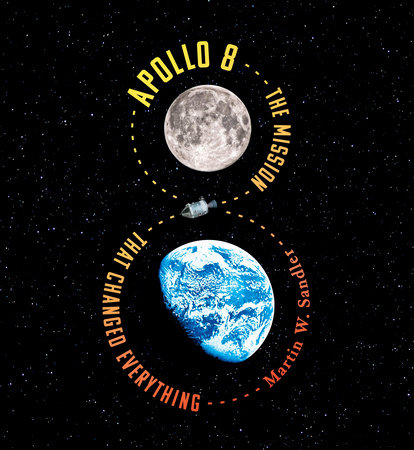
…these are the voyages of the starship Bibliomaniac. My continuing mission: to bring you the coolest books about space, while butchering a beloved TV show’s intro. This post has a books that should appeal to fiction and non-fiction lovers alike. Because it’s SPACE! Planets! Stars! Rocket ships! So whaddaya say? Join me! After all… Stardust Explores the Solar System (Stardust Science), by Bailey and Douglas Harris, (Apr. 2018, StoryBook Genius Publishing), $10.95, ISBN: 9781941434918 Ages 5-9 Stardust Science is a kids’ nonfiction series from a small-press publisher that I’ve just been turned onto. Bailey and Douglas Harris are a daughter-father team who write some pretty fun books starring a girl who loves science and is named named Stardust. Stardust Explores the Solar System is the second Stardust book, and here, Stardust takes readers on a tour of our solar system and its formation, and a trip to each planet. Spreads have a brief, informative paragraph and artwork placing Stardust on each planet, whether she’s driving an exploration craft across Venus or freezing atop Uranus. Extra fun facts focus on the possibility of extraterrestrial life, the Kuiper belt and dwarf planets, and the asteroid belt. Stardust Explores the Solar System was a successful 2017 Kickstarter (which is where I found the internal artwork for this post), and there’s a current Kickstarter for the next book, Stardust Explores Earth’s Wonders. You can pick up copies of My Name is Stardust and Stardust Explores the Solar System from the Stardust Science webpage. It’s a fun book, co-written by a 12-year old Neil DeGrasse Tyson fan, so how can you go wrong? It’s a nice additional book to big collections, and a sweet way to empower your younger readers. My 6-year-old loves this one and says he’s ready to write his own book.   The Universe Ate My Homework, by David Zeltser/Illustrated by Ayesha L. Rubio, (Aug. 2018, Carolrhoda Books), $17.99, ISBN: 978-1512417982 Ages 6-8 Abby’s a little girl who has homework to do, but UGH. She’d rather be stargazing with her dog, Cosmo, or talking to her physicist dad. He’s been thinking about universes, and how to make a baby universe, which gets Abby thinking. She sneaks into her dad’s study and works on making her own black holeout of the dreaded homework! It takes a lot of squeezing and a lot of energy, but Abby and Cosmo have done it! But what happens when a black hole’s gravity kicks in? HELP! This is an absolute fun way to explain the science of black holes to kiddos. What better way to get rid of your homework than by turning it into an actual science experiment? Kids will be squeezing the daylights out of their looseleaf for weeks to come, waiting for their own wee Big Bang. The artwork is too much fun, with something to see in every spread: the John Coltrane album and record player in the family living room; Dad’s study is loaded with things to see, including a framed picture of Marie Curie, family photo, Abby’s family drawing, and a postcard depicting a scene from  Georges Méliès’s 1902 A Trip to the Moon. The mini galaxy Abby creates unfolds for readers, starting first with swirls and stars, then with planets. It’s a fun book that makes for a great storytime, and a teacher’s note to Abby (you didn’t forget about the homework, did you?) at the story’s end will leave kids and adults alike laughing out loud. An author’s note gives a little more information about black holes and baby universes. Add this one to your collections and get your little ones contemplating astrophysics! Apollo 8: The Mission That Changed Everything, by Martin W. Sandler, (Oct. 2018, Candlewick), $24.99, ISBN: 978-0-7636-9489-0 Ages 10+ It was 1968, and the U.S. was about to make a huge gamble. America was deep into the Cold War with the USSR, and the country was fraying at the seams after the assassinations of Martin Luther King Jr. and Robert F. Kennedy; it was a country where the civil rights movement and the Vietnam War caused violent clashes. We needed something to unite us. Russia had already launched the first man-made satellite to orbit Earth, Sputnik I – in 1957, but now, they were getting ready to go to the moon. America was determined to get there first. But first, we had to get into space. Apollo 8: The Mission That Changed Everything is a brilliantly written chronicle of NASA’s mission to put a craft into orbit around the earth. Loaded with black and white and color archival photos and written by one of the most well-known names in children’s and young adult nonfiction, this is a must-have for your middle grade and middle school collections. With the 50th anniversary celebration of the Apollo 8 mission falling in December of this year, this is going to be an in-demand title in classrooms and libraries. Martin W. Sandler is an award-winning writer – a two-time Pulitzer nominee, five-time Emmy winner, and Boston Globe-Horn Book Honor winner – who makes nonfiction read as compulsively as solid fiction; There are extensive source notes and a bibliography for further reading and research.
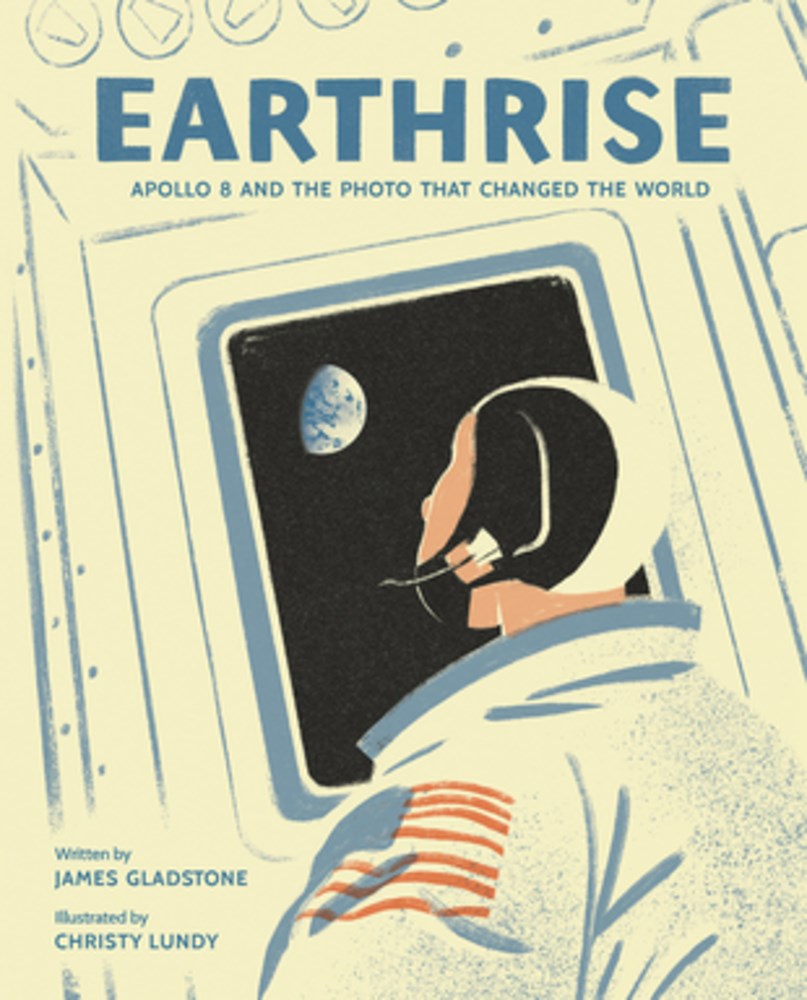
Earthrise: Apollo 8 and the Photo That Changed the World, by James Gladstone/Illustrated by Christy Lundy, (Oct. 2018, OwlKids Books), $16.95, ISBN: 9781771473163
Ages 4-8
This is the year for Apollo 8 books! Earthrise is a gorgeous picture book that tells that story of Earthrise, the history-making photo of Earth, taken from lunar orbit, taken by astronaut Bill Anders. The story shows readers how this single photo took us from a planet full of conflict to a global community – if only for a moment. We see the story from shifting perspectives: the crowds gathered in anticipation, the men in Mission Control, and an African-American family, with a little girl who dreams of being an astronaut one day.
The text is just beautiful. James Gladstone creates a mood of wonder as he writes lines like, “Now the craft was coasting on a human dream, speeding the crew off to another world”, and “The astronauts saw the whole turning Earth – no countries, no borders – floating in the vastness of space”. Back matter includes a piece on how the Earthrise photo changed the world, and an invitation to readers to share what Earthrise means to them. It’s the perfect program in a book! Show the original Apollo 8 launch broadcast, this NASA Apollo 8 documentary, and/or the broadcast Apollo 8 Christmas Eve message and ask kids to talk about what seeing the Earthrise makes them feel, 50 years later. Paired with Christy Lundy’s vintage-inspired artwork, Earthrise is a necessity in your nonfiction collections. Earthrise has a starred review from Kirkus.
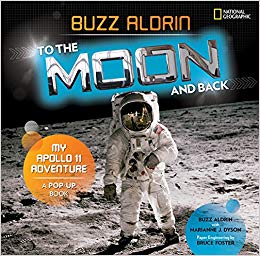
To the Moon and Back, by Buzz Aldrin with Marianne J. Dyson/Paper engineering by Bruce Foster, (Oct. 2018, National Geographic), $32, ISBN: 978-1-4263-3249-4
Ages 6+
How much fun is a pop-up book about SPACE? With ROCKETS?! Buzz Aldrin, Marianne J. Dyson, and Bruce Foster take readers on a trip through “humanity’s greatest adventure”. Learn Buzz Aldrin’s nickname on the mission; read about the launch and landing; souvenirs left on the lunar surface, and the astronauts’ return, all accompanied by amazing paper engineering: pop-up rockets, fold-out lunar landings, and side flaps that offer even greater information – and a few laughs. If you’re getting this for a library or classroom collection, put it in reference; it will get beaten up pretty quickly. The book also comes with a paper Apollo 11 lunar module kids can engineer on their own. (We haven’t built that one yet.) Want to make a space fan happy? Put this on your holiday and special occasion shopping lists. Read more about the 1969 Moon Landing on NatGeo’s webpage.
Whew! Okay, that’s all I’ve got for now, go forth and explore!
Posted in Middle Grade, Non-fiction

Get Ready for STEM Summer!

Sure, many libraries are doing the “Libraries Rock!” theme for Summer Reading, but that’s no reason to leave science out of the fun! I’ve got a bunch of STEM books that you’ll want to get in front of (or create programs using) your readers to have fun with this summer. Careers, facts, bios, and, most fun of all, experiments, await!

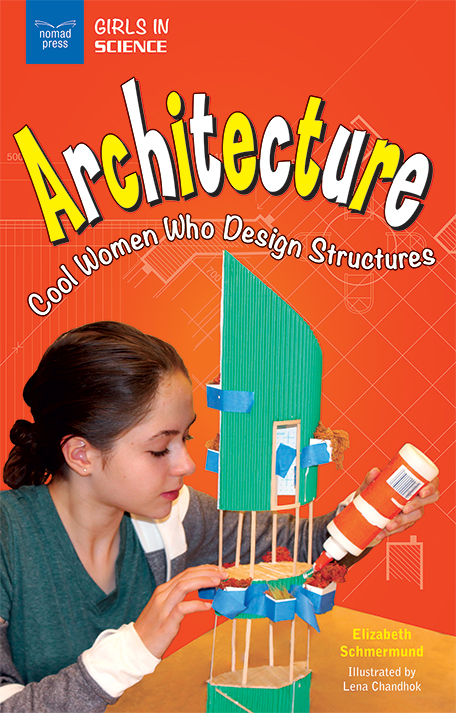
Architecture: Cool Women Who Design Structures (Girls in Science series), by Elizabeth Schmermund/Illustrated by Lena Chandhok, (Aug. 2017, Nomad Press), $9.95, ISBN: 9781619305465

Recommended for readers 9-13

I’m always looking for good career books, because I weeded my current section when I first got to my library. I really liked this book, and I’m looking forward to reading and putting more of the Girls in Science series in my book cart for future purchases. Architecture is divided into four color-coded sections: the first, a general overview of architecture; the history, styles, what the profession is like today and how to prepare for study in architecture, and women in the profession. The next three sections are devoted to profiles of a diverse group of women architects: Patricia Galván, a Project Manager; Farida Abu-Bakare, an intern architect who’s in the process of writing her exams and works with science and technology; and Maia Small, who owns and operates her own small architecture firm. In addition to the profiled female architects, there are brief bios on other women in the field. Ask & Answer sections provide thought-provoking questions, many beyond the basic material, for readers to consider. QR codes in callout sections provide links to more information. The overall narrative, and each profiled professional, addresses the gender gap and even larger diversity gap in the industry. Back matter includes a timeline of the profession, all the Ask & Answer questions in one place, a glossary, further resources, including written-out links to the QR code sections, and an index.

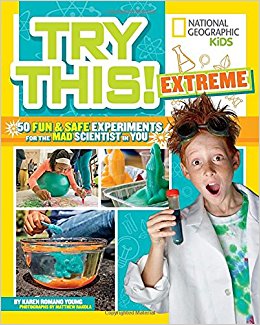
Try This! Extreme: 50 Fun & Safe Experiments for the Mad Scientist in You, by Karen Romano Young/Photographs by Matthew Rakola, (Sept. 2017, National Geographic Kids), $16.99, ISBN: 9781426328633

Recommended for readers 8+

The best part about science, I tell the kids in my programs and class visits, is making a mess, yet, no one gets mad at you (mostly). What better time to be a mad scientist than in the summer, when it’s beautiful out and you can open those windows to offset any stinky experiements? The book starts off with safety instructions and photos of the kid (and dog) scientists who tested out the 50 experiments waiting to be discovered in Try This! Extreme. Each experiment has a safety rating, a who you need rating (i.e., an adult, just you, or maybe grab a friend), and supervision rating; each experiment also lays out concepts explored, approximately how long it will take, what you need, and a step-by-step guide through the process, accompanied by full-color photos. There are callout facts, questions to ask yourself, and key terms defined throughout. Conduct a bioblitz (exploration) in your yard or a park, learn physics using marshmallow Peeps, or check the weather forecast and aim for a game of masking tape hopscotch when there’s rain predicted. There are bonus mini-experiements, Science Fair experiment prompts and guidance, K-12 science standards and how each experiment corresponds to them, an index, and metric conversion tables. Enjoy!

The STEM Quest Series from Barron’s Educational is a brand new series broken out into four books, loaded with facts and experiments:

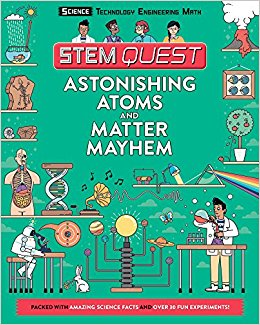
STEM Quest Science: Astonishing Atoms and Matter Mayhem, by Colin Stuart/Illustrated by Annika Brandow, (May 2018, Barron’s Educational), $10.99, ISBN: 9781438011363

Recommended for readers 8+

This volume looks at the organic side of things: biology, chemistry, physics, earth and space sciences, biochemistry, biomedicine, and biotechnology. Each section guides readers through full-color illustrated discussions on each area and includes experiments to ramp up the fun. Kids will LOVE the Marshmallow Molecules – you need a bag of marshmallows, a box of toothpicks or wooden skewers (me? I’d go with the toothpicks, but I’m in a public library), and some compound formulas. Let kids make their own formulas up and watch the fun begin! I’ll save you the search: this is where you can find the chemical compounds for farts. It’s the American Council on Science and Health’s website, so they did this for science. You’re welcome. Littler ones can make their own sundial, or spot a constellation. There are scientist profiles and fantastic facts throughout, plus a glossary and an index.


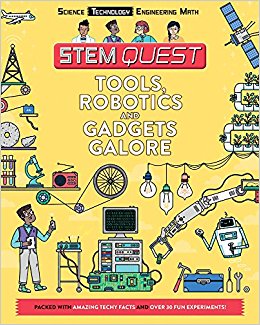
STEM Quest Technology: Tools, Robotics, and Gadgets Galore, by Nick Arnold/Illustrated by Kristyna Baczynski, (May 2018, Barron’s Educational), $10.99, ISBN: 9781438011370

Recommended for readers 8+

This volume looks at the techy side of life: construction, power and energy, agriculture and biotechnology, manufacturing, information and communication, medical and biomedical, and transportation. Learn about the evolution of tools, from the earliest hand tools to robots and space suits. Learn how a blast furnace works, and make your own plastic (adult helpers necessary), and learn how it works. Get your Project Runway on, with a section on textiles: you’ll learn to weave, tie dye, and ink print. For your more tech-inspired readers, there’s an easy Try This at Home experiment that teaches (with adult help) how to build a circuit, or how to magnetize a nail. There are great programming ideas in here: I think I’m going to look into building a planet and designing a space station, all of which can be done on a shoestring and with adult help. And since I’m the closest thing resembling an adult in the room… well, I guess that falls to me. The same format applies here (and to all of the STEM Quest books): bios on prominent scientists, loads of facts and illustrations, a glossary, and an index.


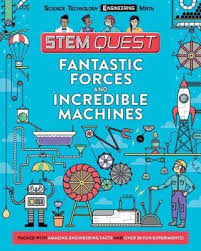
STEM Quest Engineering: Fantastic Forces and Incredible Machines, by Nick Arnold/Illustrated by Kristyna Baczynski, (May 2018, Barron’s Educational), $10.99, ISBN: 9781438011349

Recommended for readers 8+

Next up, engineering: systems and mechanics; materials and processes; biology, medical, agriculture and chemistry; structures; and sustainability engineering. Get the kids learning about forces and energy with experiments like Superhero Paper Clips, where they’ll make a paper clip float; a material scavenger hunt, inviting them to look around for everyday items made out of different materials; get out the old reliable straws and pipe cleaners and let them create 3-D shapes to see how they hold up under pressure, or that summer staple, the pinwheel. (The book suggests dowels; I’m here to tell you that chopsticks are a lot cheaper and just as easy to use.) There’s a great section on environmental engineering that will have you and your readers figuring out how to clean up our environment and a nuclear power lesson that has the simplest of experiments: use the sun’s nuclear energy to test your sunscreen on a piece of construction paper.


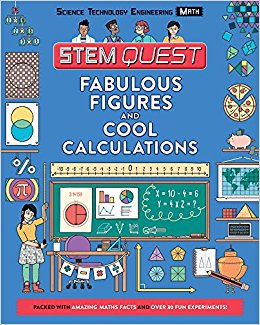
STEM Quest Math: Fabulous Figures and Cool Calcuations, by Colin Stuart/Illustrated by Annika Brandow, (May 2018, Barron’s Educational), $10.99, ISBN: 9781438011356

Recommended for readers 8+

I’m trying to get more math-related fun in front of my library kids, because it scares the bejesus out of me and I don’t want to pass that on. The parents love a good math program, too, so I know I’ll get buy-in from the community on this one. Here, we’ve got numbers and operations; measurement; problem-solving, logic and reasoning; geometry; algebra; advanced math; data, analysis and probability; and communication. I will admit that just looking at that section scared the life out of me, but once I started reading, I quickly warmed up. There are great explanations of each concept in here, addressing the quick and easy stuff like place value and column addition and subtraction, and heading all the way into bigger ideas like proofs and binary. Fun experiments and activities include a pirate treasure challenge, where, as a pirate captain, you need to use math to calculate the best place to bury your treasure; creating 3-D art and making pyramids, and averaging Olympic judge scores.

That’s a start for some STEM summer fun, but make sure to get your STEM sections and displays up and running to give readers readalikes and ways to expand on what they’re learning. The Secret Coders graphic novel series by Gene Luen Yang and Mike Holmes is great for Math and Tech fans, who want to play with coding. Science Comics has books about rockets and robots that will fit nicely with STEM displays, and I’m a big fan of the Junk Drawer Science series by Bobby Mercer. There are tons of fun STEM-related books out there!

Posted in Fiction, Graphic Novels, Middle Grade, Non-Fiction, Non-fiction, Teen, Tween Reads

Last Minute Shopping? No worries, find a bookstore!

I saw a piece on the news today that said today – December 23rd – is the second biggest holiday shopping day of the year.

https://giphy.com/embed/3oEjI1erPMTMBFmNHi

via GIPHY

If you still have kids and teens on your shopping list, I humbly offer a few more suggestions to make the season bright.
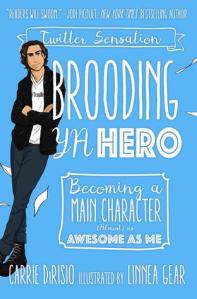
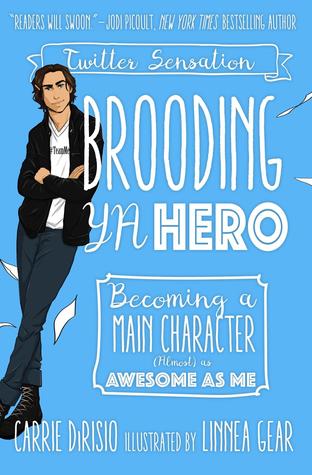
Brooding YA Hero: Becoming a Main Character (Almost) as Awesome as Me, by Carrie Ann DiRisio and Broody McHottiepants/Illustrated by Linnea Gear,
(Oct. 2017, Sky Pony Press), $17.99, ISBN: 9781510726666

Recommended for readers 13-17

You know him. You may have loved him. He’s the EveryBroody – that dark, brooding bad boy main character that shows up in darned near every YA novel. He’s got a deep, dark history; he has trust issues; he may be an intergalactic prince, a scoundrel smuggler, or… dare I say? a sparkly vampire. Here, we get the scoop – straight from the Broody’s mouth – on what it’s like to be a Brooding YA Hero. It’s a writing guide with a wink and a nudge to YA tropes, with some straight talk – in the form of nemesis Mean Girl Blondi DeMeani – about smashing the patriarchy and recognizing the value of diverse characters. Give this to your fanfic writer, your feminists, and anyone who loved Jennifer Mathieu’s Moxie. And if you’re not already following the @broodingYAhero account on Twitter, you are doing yourself a disservice.
 

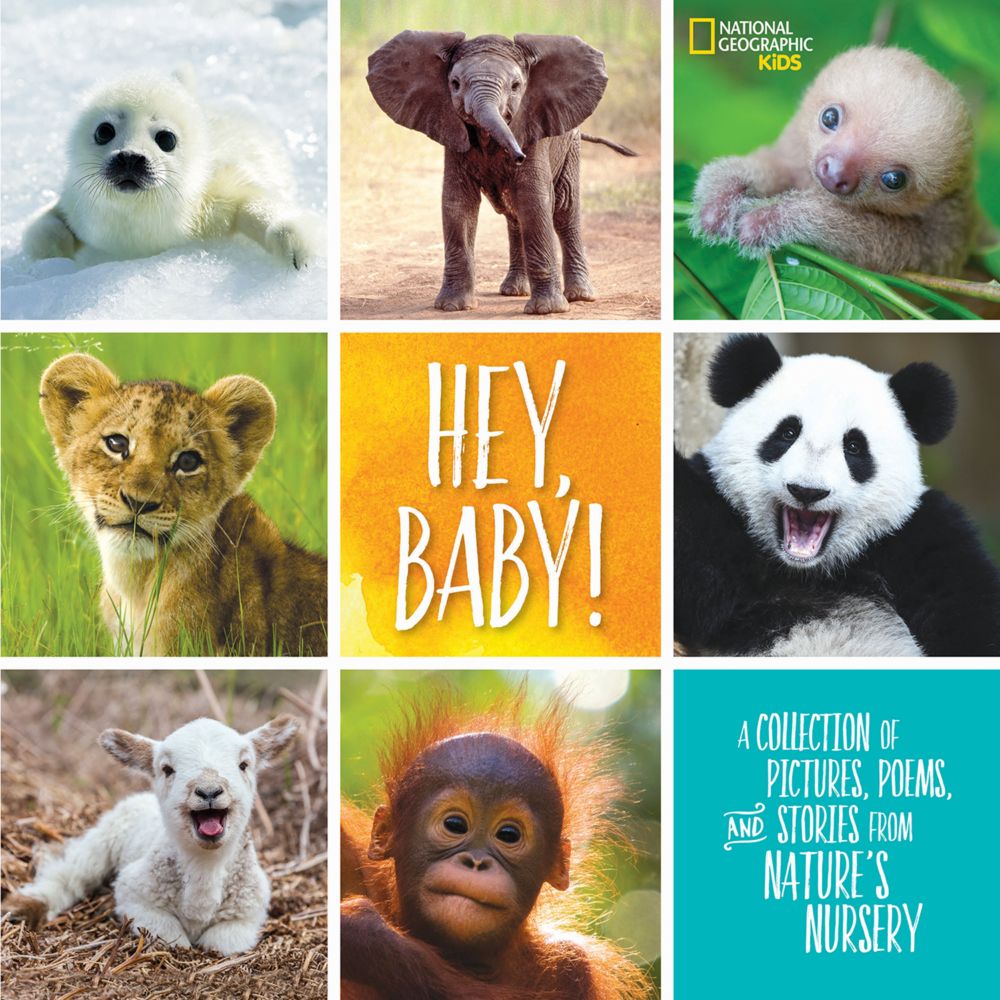
Hey, Baby! A Collection of Pictures, Poems, and Stories from Nature’s Nursery, by Stephanie Drimmer,
(Nov. 2017, National Geographic Kids), $24.99, ISBN: 978-1426329319

Recommended for ages 4-12 and beyond

It’s an entire book of baby animal pictures. The cutest, funniest, littlest baby animals. This is a win-win for everyone! Added to the pictures are the sweetest companion folktales, stories, and poems, to make this a great gift for new moms and moms-to-be, kids who love their baby animals, and middle-aged librarians who follow accounts like @emergencykittens and @fluffsociety on Twitter. Add a copy of NatGeo’s Animal Ark, for more beautiful photos and poetry by Newbery award winner Kwame Alexander.
 

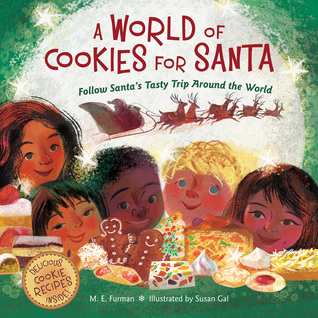
A World of Cookies for Santa, by M.E. Furman/Illustrated by Susan Gal,
(Oct. 2017, Houghton Mifflin Harcourt),$16.99, ISBN: 9780544226203

Recommended for readers 7-10

Take a tasty sleigh ride around the world and find out how children across the globe celebrate Christmas, from the different names Santa goes by (Papai Noel, Father Christmas, Christmas Baba, to name a few) to the tasty treats left out for Santa and his reindeer to enjoy on their journey. Try your hand at a multicultural Christmas with nine recipes for holiday cookies, included at the end! Pair with a copy of Clement Moore’s classic The Night Before Christmas and add a few cookies.
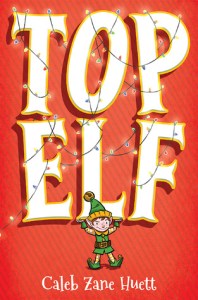
 

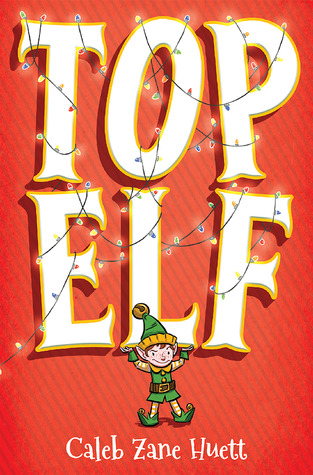
Top Elf, by Caleb Zane Huett, (Sept. 2017, Scholastic Press),
$14.99, ISBN: 978-1-338-05212-1

Recommended for readers 9-12

Santa’s ready to pass on the Big Red Suit. The call to competition goes out across the North Pole, and Ollie the Elf decides to go for it. Thing is, he’s up against Santa’s kids, a bullying elf named Buzz, Ramp, who swears he’s a kid, but looks and smells suspiciously grown-up, and even his best friend, Celia. How’s Ollie going to prove he’s the Top Elf for the job? This middle grade story is pure Christmas fun and adventure with a touch of Christmas magic. Stick this in a stocking for readers who love a good giggle, and add a couple of candy canes and some hot cocoa mix – maybe with a Minecraft or Lego mug. 
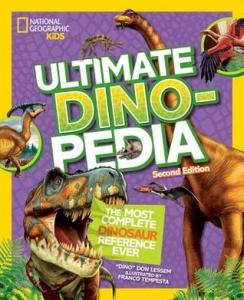
 

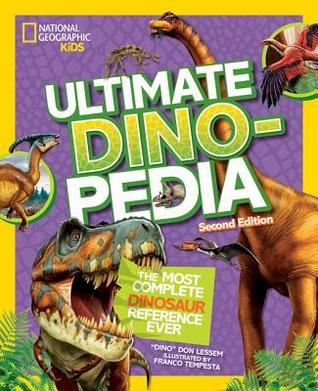
Ultimate Dinopedia, Second Edition, by “Dino” Don Lessem/Illustrated by Franco Tempesta,
(Oct. 2017, National Geographic Kids), $24.99, ISBN: 978-1426329050

Recommended for readers 8-13

It’s the ULTIMATE dinosaur encyclopedia! This updated edition is one of the most comprehensive dinosaur references going, with profiles on favorite dinos like the T-Rex and Velociratpr, to new finds like the Anzu, Kosmoceratops, and Yi. There are maps, comparison renderings to show kids how they stack up against different dinos, and descriptions of dino diets, geographic areas, and eras. There are over 600 dinosaurs in this volume, with profiles for 10 newly discovered dinos, and a comprehensive dino dictionary. Full-color illustrations from dinosaur artist Franco Tempesta come right off the page – look at that T-Rex on the cover! – and “Dino” Don Lessem – a world-renowned dinosaur presenter who also happened to be the dinosaur adviser for the first Jurassic Park movie – writes in a language that respects, but never speaks down, to readers. Kids love dinos. They’ll love this book. Tuck a tube of dino toys in the stocking and call it a holiday.
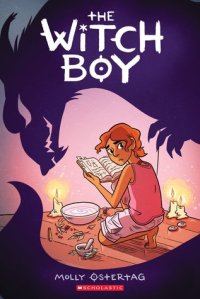
 

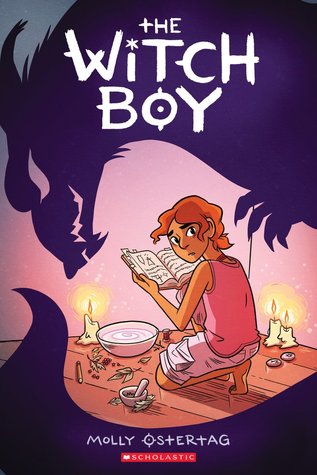
The Witch Boy, by Molly Ostertag, (Oct. 2017, Scholastic Graphix),
$12.99, ISBN: 978-1-338-08951-6

Recommended for readers 8-13

Aster is a 13-year-old, raised in a society of of supernatural beings. The girls are raised to be witches, the boys, to be shapeshifters. That’s the way it is, and anyone who falls outside those lines faces exile. Aster waits for his ability to shift to kick in, but is fascinated by magic, despite the disciplinary action and ridicule he faces. Aster befriends a non-magic neighbor named Charlotte, who goes by Charlie, who has her own frustrations with gender lines at her school; neither can figure out what the big deal is, saying, “You should just be allowed to do it!” Charlie discovers Aster’s magic abilities, and tries encouraging him to continue practicing magic; Aster will need that support when a mysterious force threatens his community; he may be the only one able to save them. A brilliant story about smashing gender expectations, The Witch Boy is a brilliant, compelling story about finding one’s place and speaks volumes to every kid out there who feels, at some point, like she or he doesn’t fit in. Molly Ostertag is the writer/artist on Shattered Warrior and the webcomic Strong Female Protagonist. The Witch Boy has starred reviews from Kirkus and School Library Journal, and Fox Animation has feature film rights. Bundle this one up with Victoria Jamieson’s All’s Faire in Middle School.
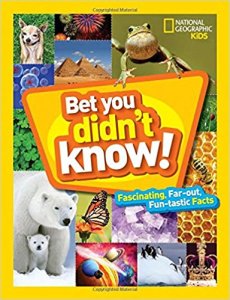
 

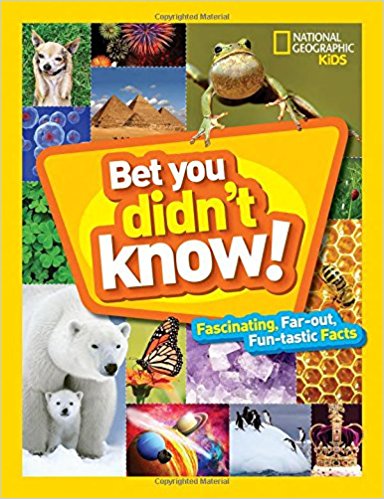
Bet You Didn’t Know!, by National Geographic Kids, (Aug. 2017, National Geographic Kids),
$19.99, ISBN: 978-1426328374

Recommended for readers 8-13

Kids love fact books; when they’re accompanied by amazing photos and include facts like, “A storm on Neptune was a wide as THE ENTIRE EARTH”, “Chewing gum can make your heart beat faster”, or “The Bahamas once had an undersea post office”, this becomes GOLD. Pair this one with NatGeo’s Weird But True Christmas, and you’re set.
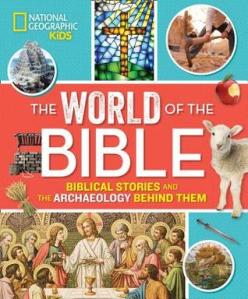
 

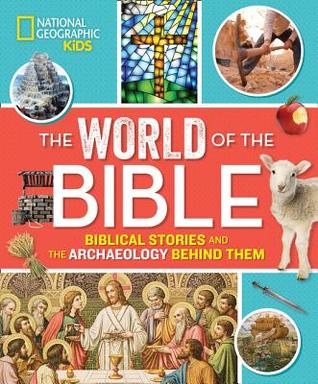
The World of the Bible: Biblical Stories and the Archaeology Behind Them, by Jill Rubalcaba,
(Nov. 2017, National Geographic Kids), $14.99, ISBN: 978-1426328817

Recommended for readers 9-13

More than a book of Bible stories, The World of the Bible is a great reference for budding history buffs and archaeologists, going deeper into the text to study the time periods and geographic locations where these stories took place, to learn more about human history. Stories like Moses and the Ten Commandments and the Garden of Eden get a closer look, accompanied by classic paintings, photos, and illustrations of the lands where the events in the Bible took shape. Give to your budding young Indiana Jones or Lara Croft.

 

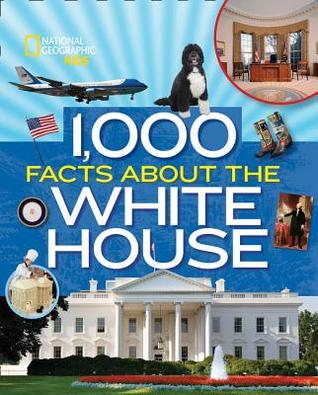
1,000 Facts About the White House, by Sarah Wassner Flynn, (Sept. 2017, National Geographic Kids),
$14.99, ISBN: 978-1-4263-2873-2

Recommended for readers 8-13

Wild and crazy facts about the most famous house in America: The White House. Learn about White House ghosts, events like the Easter Egg Roll, and presidential pets. Check out photos of the interiors and exteriors of the White House and grounds, and view some of the history-making moments that took place there. Learn about the different people who live and work there, those who keep it safe, and those who built it. There are groups of fun lists, like 25 Rooms That Rock, and there are loads of cutouts and info bits throughout. It’s a fun reference on American History for history fans. Pair with a copy of Weird But True! US Presidents and you’re set.
Posted in Intermediate, Middle Grade, Non-Fiction, Non-fiction, Non-Fiction, Preschool Reads, Tween Reads

More holiday shopping ideas!

The days are creeping closer – Hanukkah starts this evening! – but I’ve got your back with more book gift ideas! Read on, and get yourselves to a bookstore, stat.

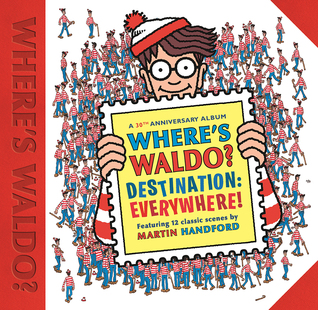
Where’s Waldo? Destination: Everywhere!, Featuring 12 Classic Scenes by Martin Handford,
(November 2017, Candlewick), $19.99, ISBN: 9780763697266
Good for all ages!

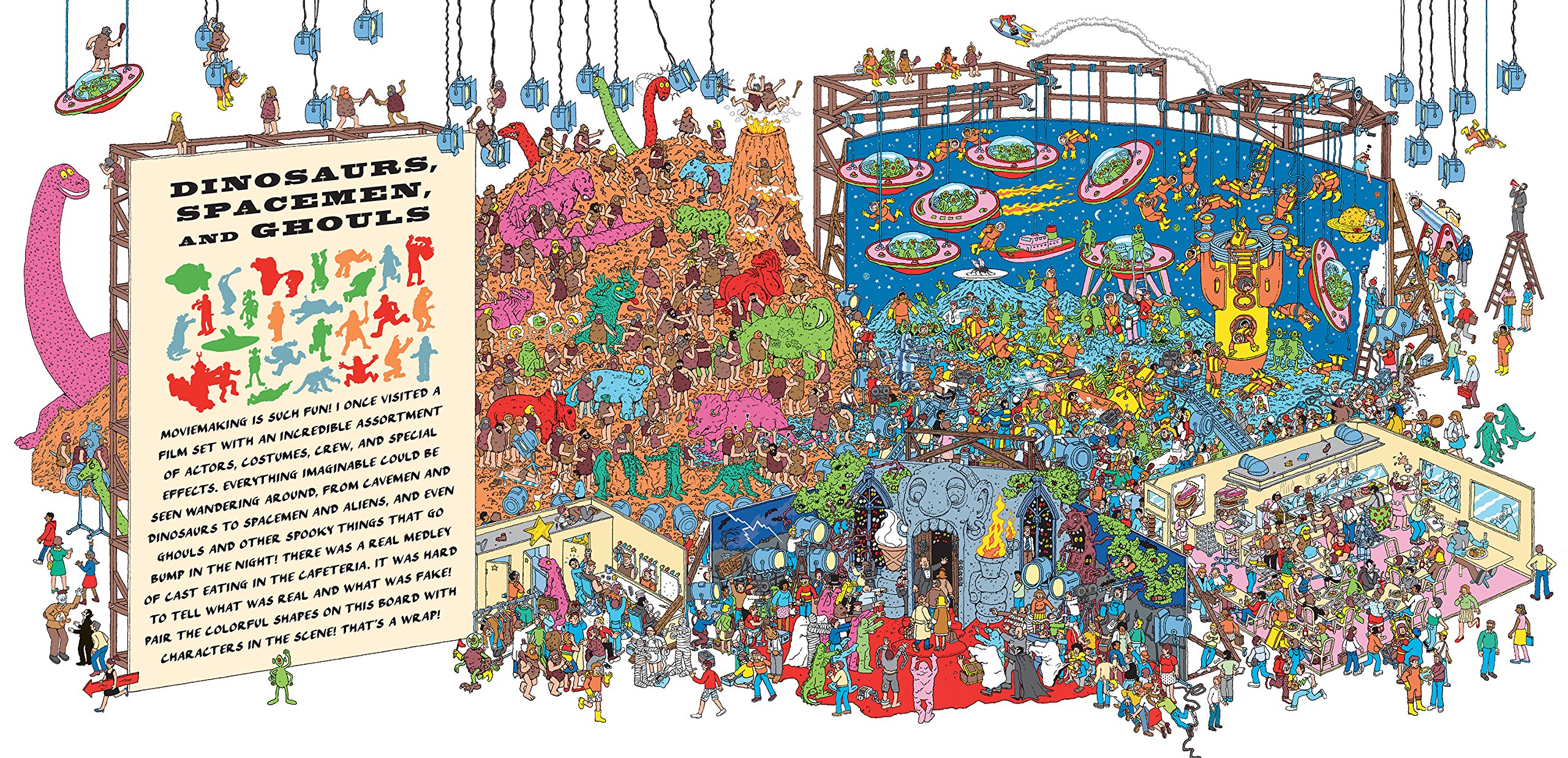
This is a gift that’s perfect for kids who love mazes, puzzles, and those Seek and Find/I Spy books, or older teens and adults who grew up with old school Waldo. Destination: Everywhere! celebrates THIRTY YEARS of Where’s Waldo – pardon me while I go lay down after writing that – and showcases 12 of Waldo’s favorite adventures, plus a brand new challenge to keep us on our toes. This one’s going to my now 14-year old, who plagued me with I Spy books all hours of the day and night, as a toddler and preschooler. And I’m telling the 5 year-old that his big brother can’t wait to find ALL THE WALDOS with him. Muah hah hah.
 

Weird but True! Christmas, by National Geographic Kids
(Sept. 2017, National Geographic Kids), $8.99, ISBN: 9781426328893
Good for readers 6-12

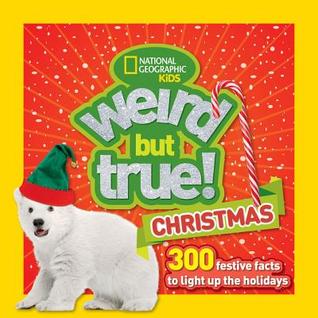
One thing my kids, my library kids, and I have in common is a love of these NatGeo weird facts books. Weird but True! Christmas keeps it real for the holiday season, with full-color photos and crazy factoids like this one: “The town Gävle, Sweden, erects a giant straw goat at Christmas. The Yule Goat has its own social media account.” That social media account is @gavlebocken on Twitter, by the way. You’re welcome. There are 300 facts in here, including Christmas customs from around the world, weird and slightly gross animal facts, and Christmas decorating statistics. Perfect size for a stocking stuffer, and kids can’t get enough of these books.


Harry Potter: Magical Film Projects – Quidditch, by Insight Editions,
(Sept. 2017, Candlewick), $16.99, ISBN: 978-0-7636-9587-3
Good for readers 7-10

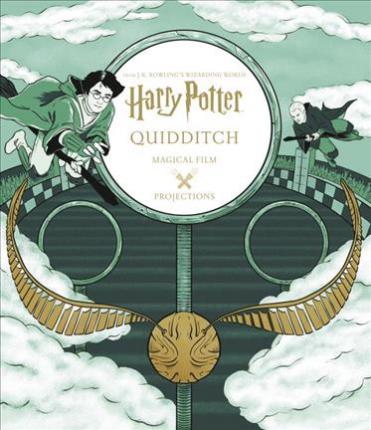
This is just so cool. Black line drawings from the Harry Potter universe on acetate pages let you create your own reader’s theatre. Shine a flashlight, light bulb, or cell phone light through the window, and project images onto a wall, screen, your little brother or sister, anywhere, to create your own shadow theatre! Short, Quidditch-related scenes from three books in the series (Sorcerer’s Stone, Chamber of Secrets, Half-Blood Prince) are broken out into script format, letting readers become Harry, Oliver Wood, Ron, or Cormac McLaggen. A final panel lets you draw and project your own Quidditch team. Give this book to a Potterhead, along with a dry-erase marker, and get ready for the love.


History’s Mysteries, by Kitson Jazynka, (Oct. 2017, National Geographic Kids),
$14.99, ISBN: 9781426328718
Good for readers 9-12

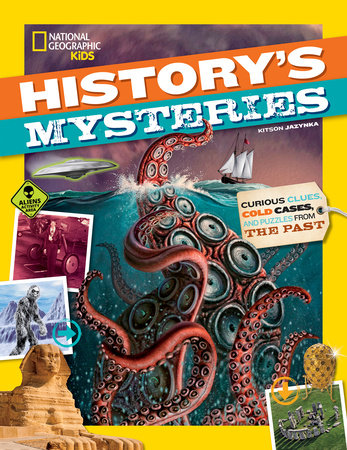
I loved this kind of stuff when I was a kid – okay, I still do.When I was a kid in the ’70s, Dynamite Magazine released these cool guides – digest-sized books – loaded with stories about Amelia Earhart, Anastasia, and other spooky, true stories. I watch Mysteries at the Museum on Travel Channel. I’m a sucker for a good, unsolved mystery; bonus points if it’s creepy. History’s Mysteries is the closest I’ve seen to my beloved Dynamite guides in a long time. Kids will love these quick, fully illustrated case files on a screaming mummy, a 50-foot snake slithering around Africa, missing Irish crown jewels, and more. An interview with archaeologist Chris Fisher gives kids some insight on the exciting – and sometimes, not so thrilling – parts of the job. Stick a calendar, plus a ticket for a local museum exhibit in here and you’re set.


Just Joking, by National Geographic Kids,
(Oct. 2017, National Geographic Kids), $14.99, ISBN: 9781426328794
Good for readers 6-10

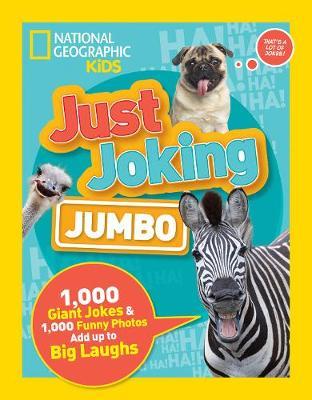
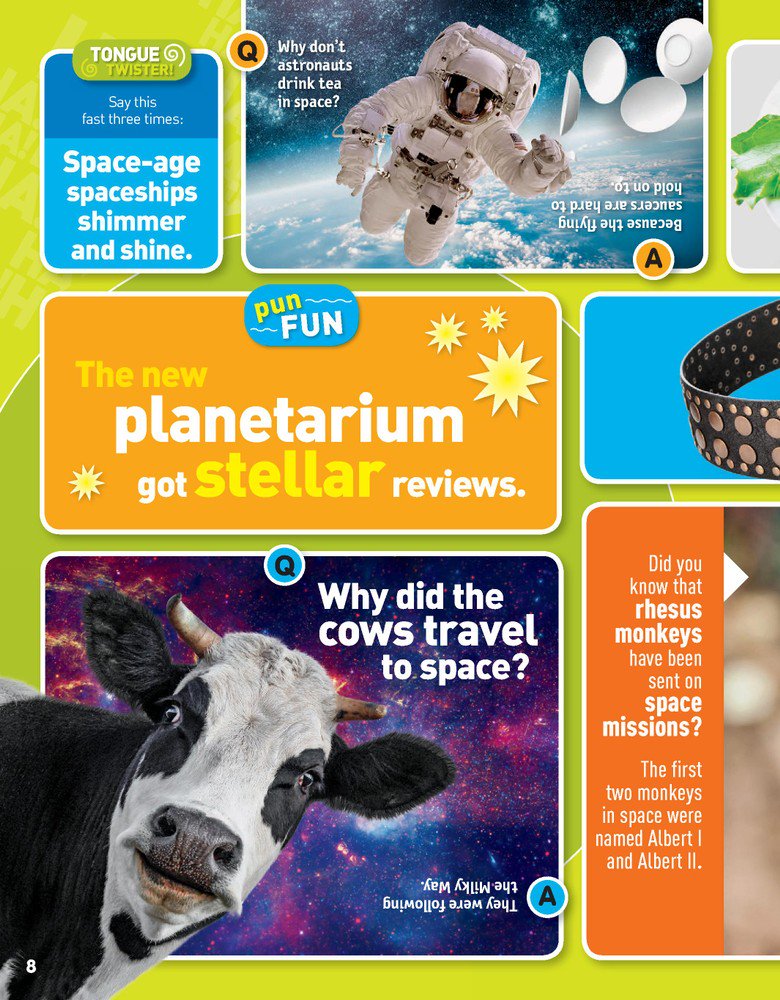
Another home-run with my kids and my library kids. Yes, many of these jokes will make you groan: that’s the POINT. There are crazy facts (rats laugh when they’re tickled), puns that will make you wince, but giggle while you do it, full-color photos, and truly, terribly funny, jokes like this gem: Who did Darth Vader summon when craving ice cream? Storm Scoopers. See? You winced, but you laughed.


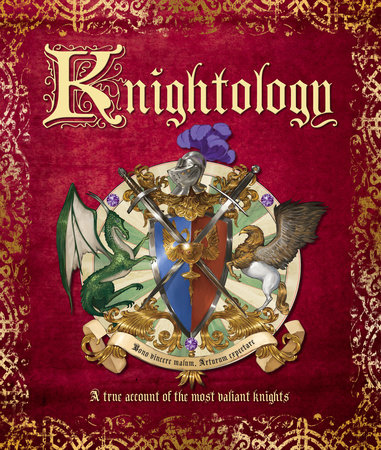
Knightology, by Dugald A. Steer/Illustrated by Ollie Cuthbertson, Fabio Leone, David Demaret,
(Nov. 2017, Candlewick), $24.99, ISBN: 9780763698485
Good for readers 7-12

The latest entry in Candlewick’s Ology series looks at the knights of old. Legend has it (actually, the publisher’s note says it, but I’m setting a mood here) that two children, while playing, discovered a book set into a mysterious stone. The book appears to be a secret book about knights from Elizabethan times, printed here for readers to read and discover more mysteries within. Beautifully illustrated, with margin notes, flaps and hidden notes throughout, this is a gorgeous gift book about the myths and legends surrounding the burial site of none other than King Arthur.  Put a plush dragon on the wrapped gift and put your feet up.


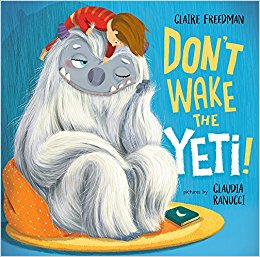
Don’t Wake the Yeti!, by Claire Freedman/Illustrated by Claudia Ranucci,
(Sept. 2017, Albert Whitman), $17.99, ISBN: 978-0-8075-1690-4
Good for readers 3-7

I didn’t forget about the little ones! What better way to greet the holidays than with the tale of a Yeti who’s just looking for a friend? This rhyming story stars a young girl who finds a Yeti under her bed – but he’s more afraid of her than she is of him! It’s a reader’s guide to the proper care and handling of one’s own Yeti, including details on how to get around that whole Mom finding out business. The illustrations are adorable: the Yeti is hardly a menacing figure; he’s covered in long, white fur, has a goofy, toothy smile, and big, blue eyes. Originally published in the UK, the story has a touch of If You Give a Mouse a Cookie to it – see if the little readers catch the rhythm!


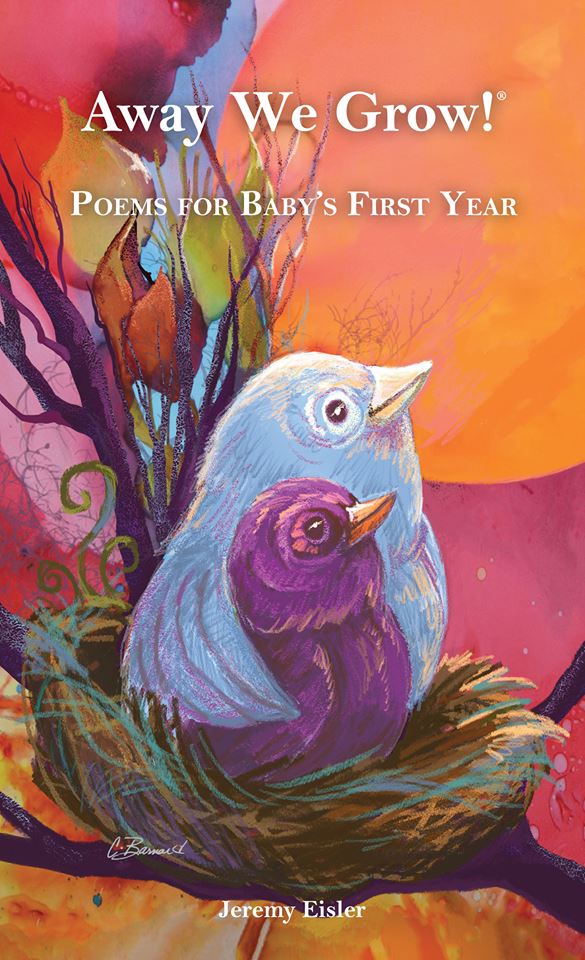
Away We Grow!: Poems for Baby’s First Year, by Jeremy Eisler,
(March 2017, self-published), $12.99, ISBN: 9780989389075
Good for new parents

This is a sweet stocking stuffer for a mom-to-be or a new mom. There are 32 short poems, all celebrating milestones in a baby’s first year; that first grasp of your finger, that big gummy smile; that first, unimpressive meal: “In my mouth and out again / Down my cheeks and off my chin / I think I’ve had my fill of peas… / Now I would like my bottle please!” They’re simple and sweet, ready to welcome parents and babies on a new adventure together.

And that’s that for now!

Posted in Intermediate, Middle Grade, Non-Fiction, Non-fiction, Non-Fiction, Tween Reads

Out-There Nonfiction

There is such great nonfiction being published these days. Nonfiction used to conjure pictures of boring textbooks with walls of words, with a handful of old black and white photos. Today? Nonfiction includes video game guides, crazy stories about our bodies, animals, planets, and the freaky ways famous people died. And that’s just scratching the surface. Kids’ nonfiction sports full-color illustration or photographs, text that understands how kids read and learn, and takes all interests into consideration. Series nonfiction, like the Who Was/What Was series from Penguin makes history compulsive readable, and No Starch Press has full-color STEM and tech books that teach kids everything from coding in Scratch to explaining the sciences using manga comics. I love building a good nonfiction section; these are a few of the books on my current shopping list.

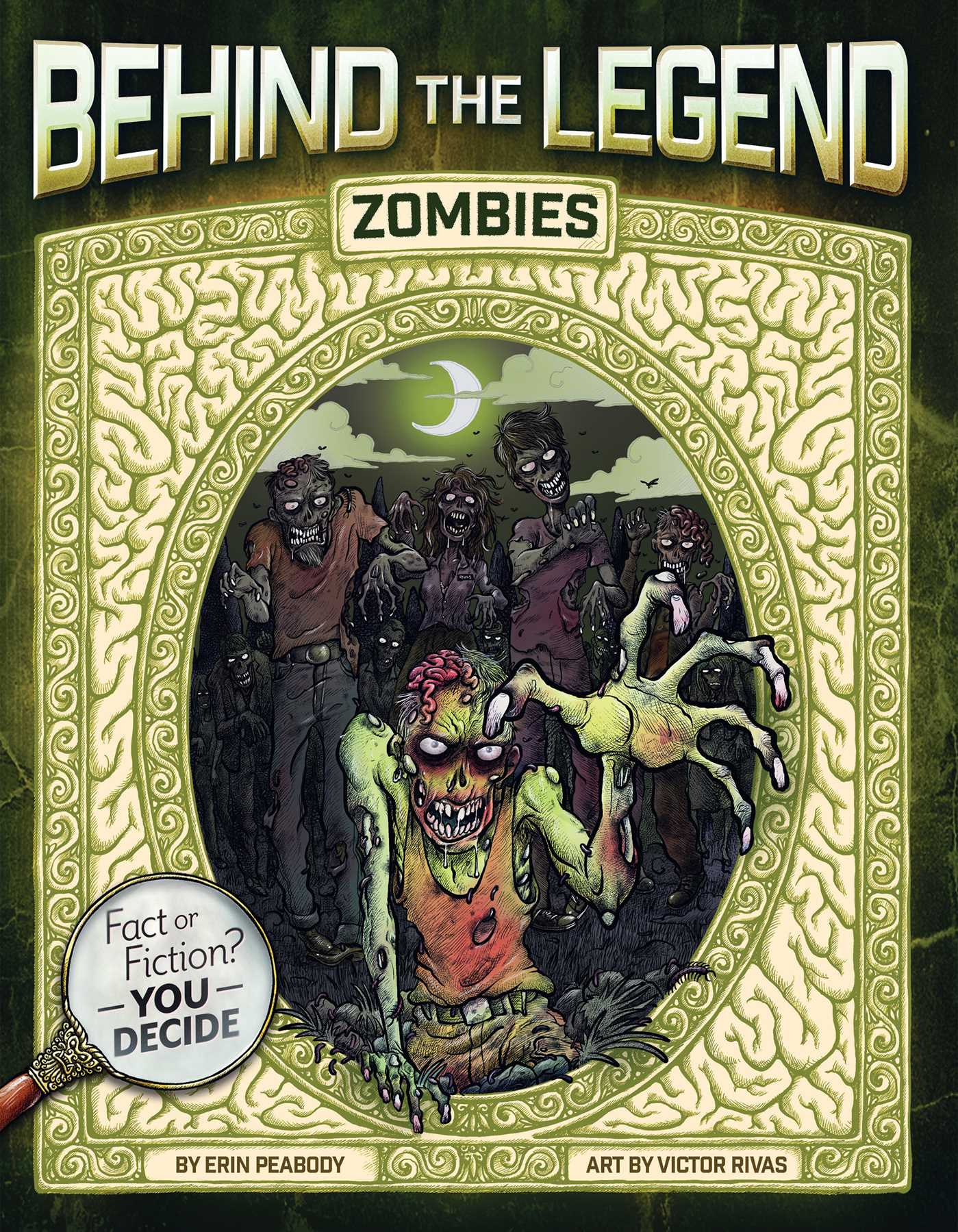
Behind the Legend series, by Erin Peabody/Illustrated by Victor Rivas and Jomike Tejido, little bee books
Good for readers 9-12


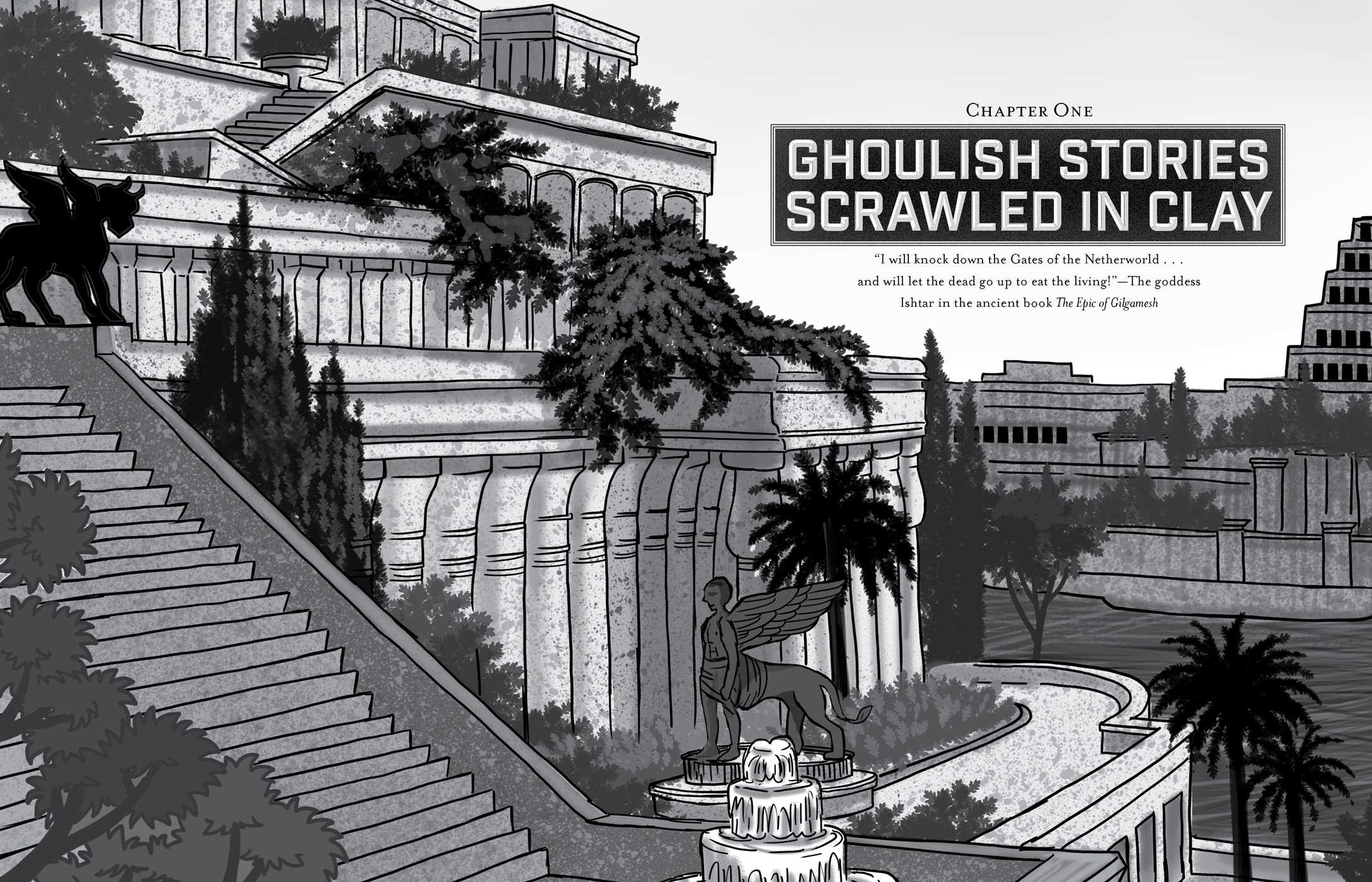
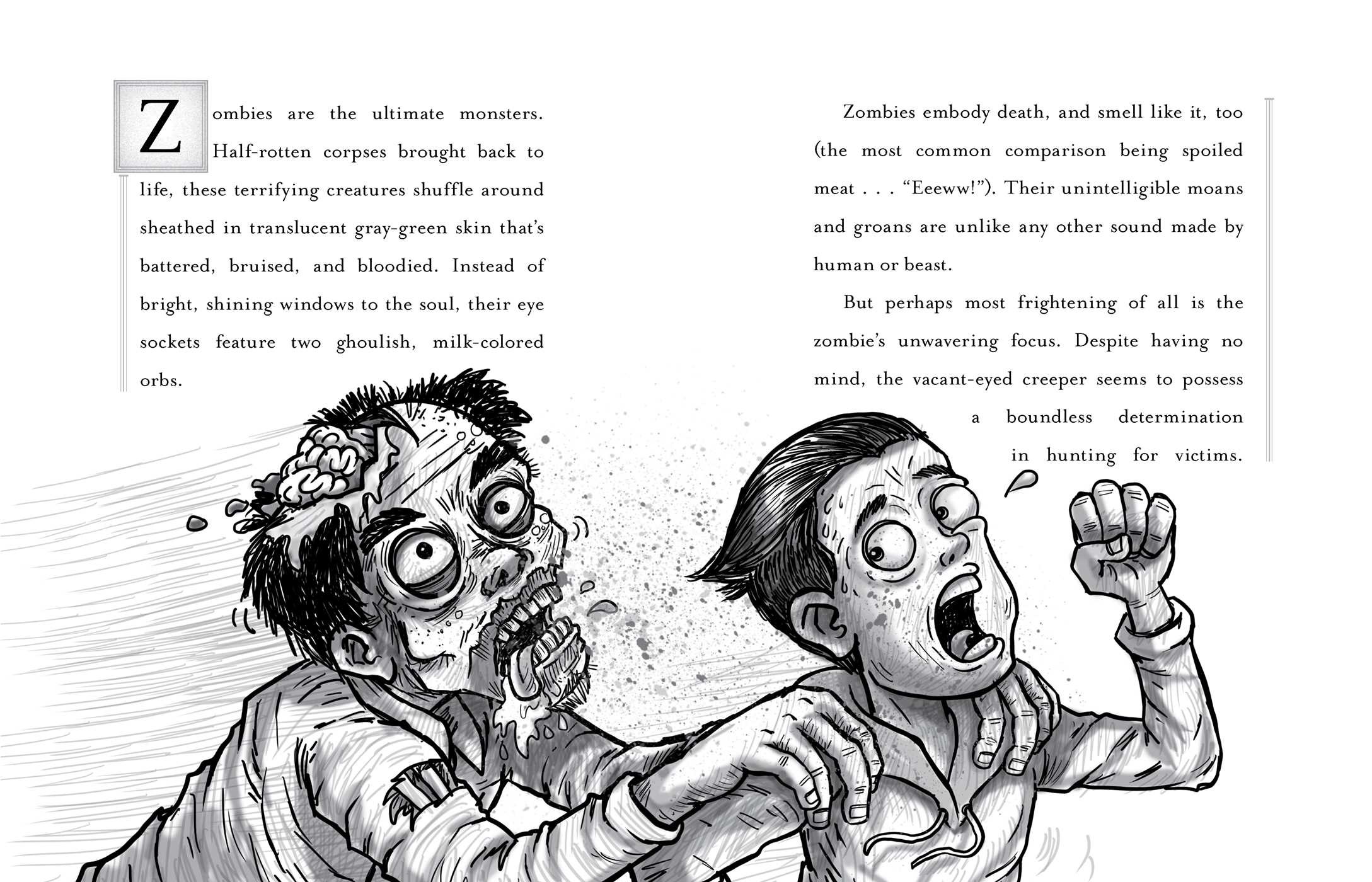
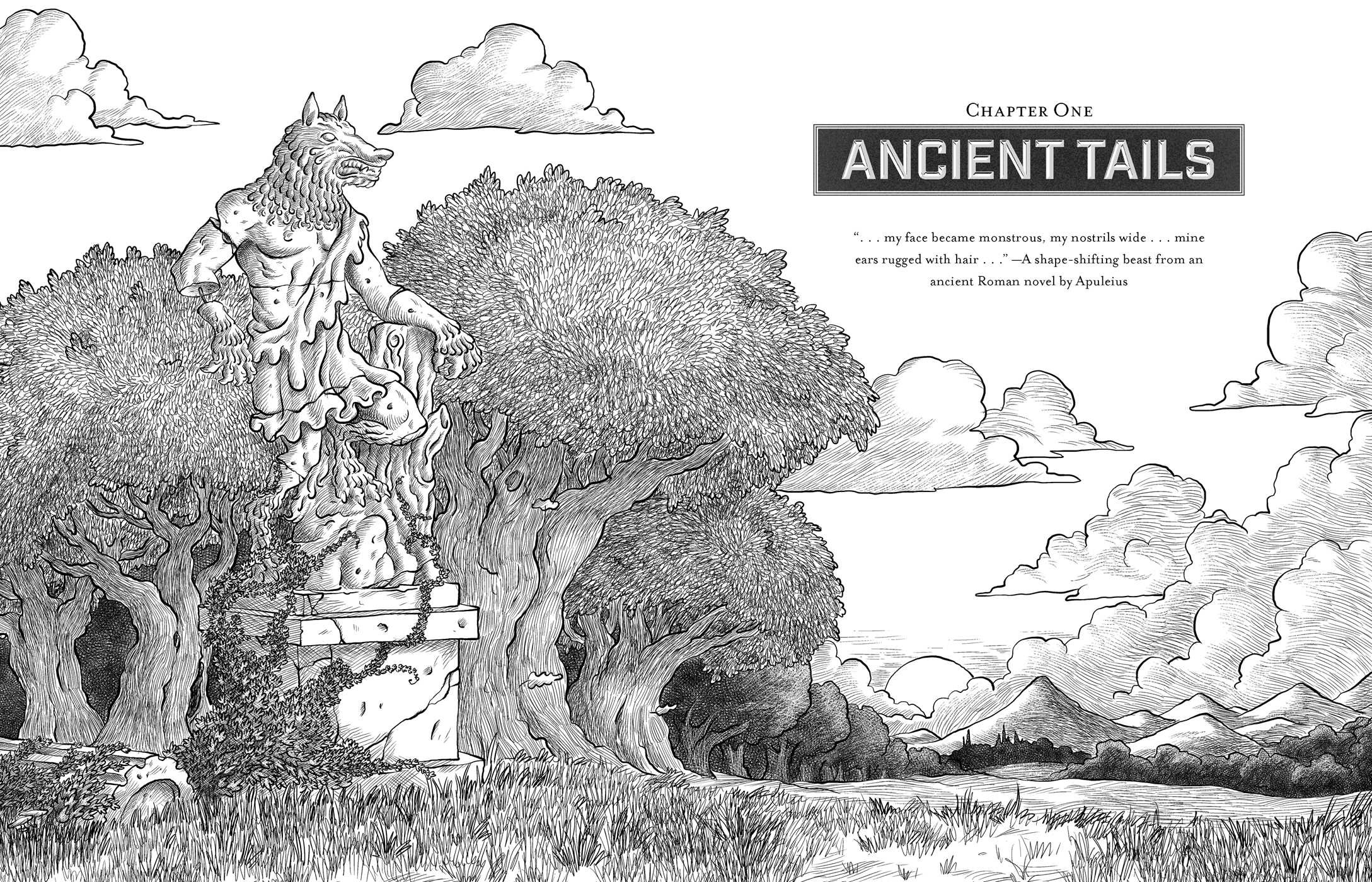
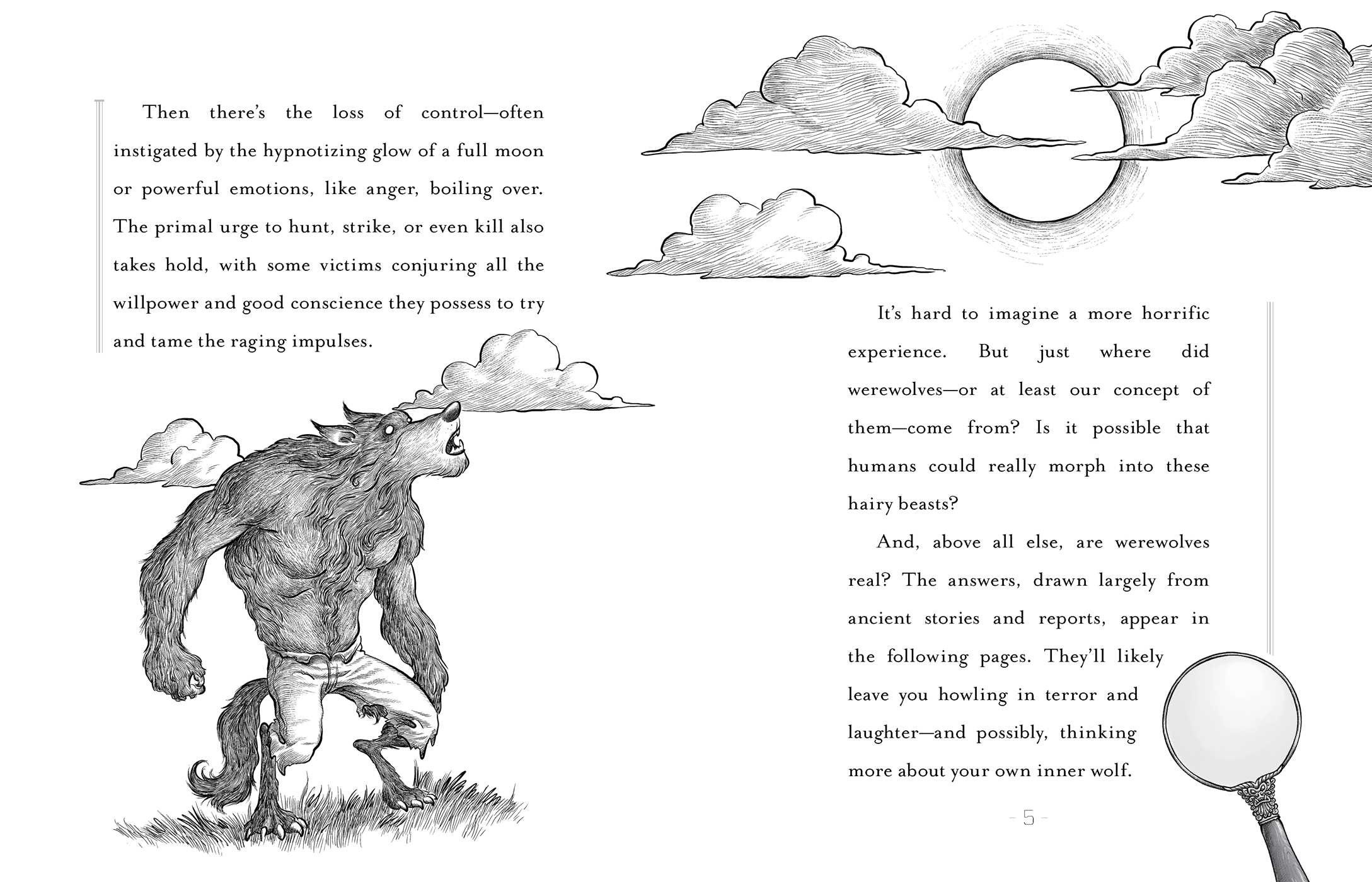
This series is so good. I’ve read Werewolves and Zombies, and love the way Erin Peabody weaves history with pop culture to present a paranormal guide that kids will love reading and learn from. There are black and white illustrations throughout; cartoony, bordering on downright freaky. Zombies delves deeply into the history of slavery and its ties to the rise of the zombie legend and the practice of voudou; Peabody also talks about the walking dead being very old news; they were showing up in Mesopotamia long before Robert Kirkman ever thought up Rick Grimes and his band of survivors. Werewolves talks about the history of animal lore and famous “were-beasts” in history, like the Gandillon siblings – a French brother and sister who were convinced they were wolves and acted accordingly. Harry Potter, Scooby-Doo, and Twilight all get a shout-out in this fun look at werewolves. There are further sources for kids who want to read further. Other Behind the Legend books include Dragons, the Loch Ness Monster, and Bigfoot. This is an absolute must-add set for kids who love themselves some pop culture paranormal reading (and half the price of most series nonfiction, library-bound books).


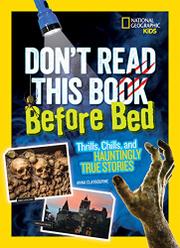
Don’t Read This Book Before Bed, by Anna Claybourne, (Aug. 2017, National Geographic Kids),
$14.99, ISBN: 978-1-4263-2841-1
Good for readers 9-12

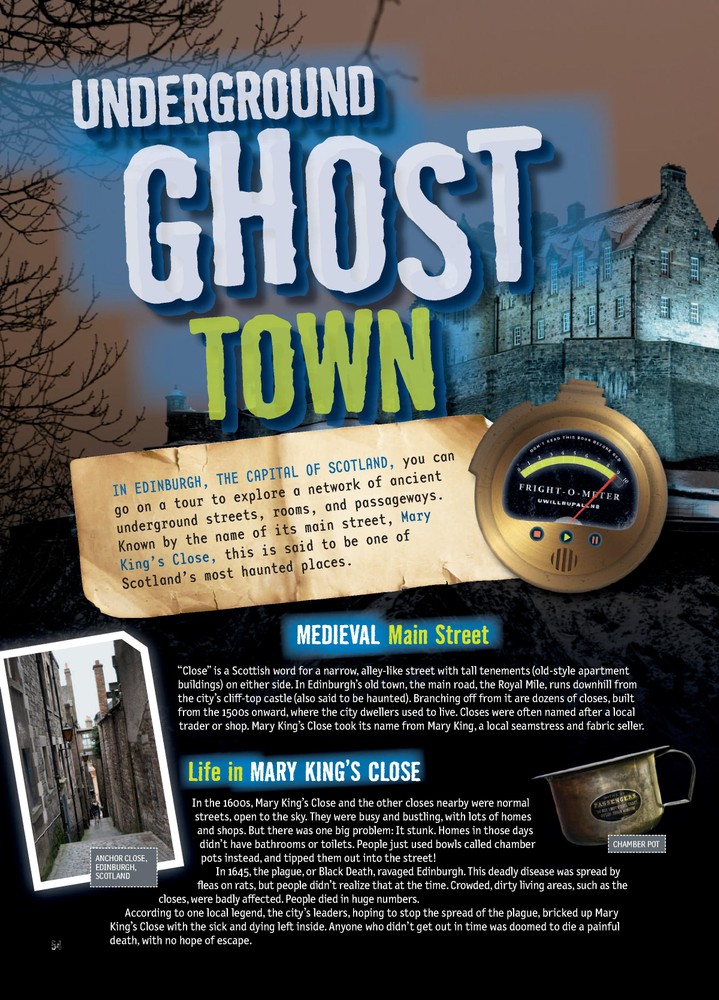
The kids in my library love creepy. Most kids do, right? It’s that safe scare, the adrenaline rush, the squeal of the “eeeeeewwwwwww!” that you can make while safely in your seat, surrounded by family, friends, or your stuffed animals or action figures. It’s being able to turn to your friend and say, “Look at this!” and watching your friend freak out, too. NatGeo knows this, and Don’t Read This Book Before Bed (which is exactly what kids will do) is chock full of freaky stories that will keep them reading and saying, “NO WAY!” Think of it as the Lore podcast, for kids. Haunted castles? Check. Freaky dolls? (Robert the Doll, profiled in here, actually has both a podcast and episode of Lore dedicated to him.) Check. Aliens and fish people? Right this way. Each story has a “fright-o-meter” to let readers know how scary this is going to get, and quizzes help readers figure out their phobias (I love a good flow chart), test whether or he or should would be a good ghostbuster, or take apart the mysteries of science. My library’s copy is rarely on the shelf.


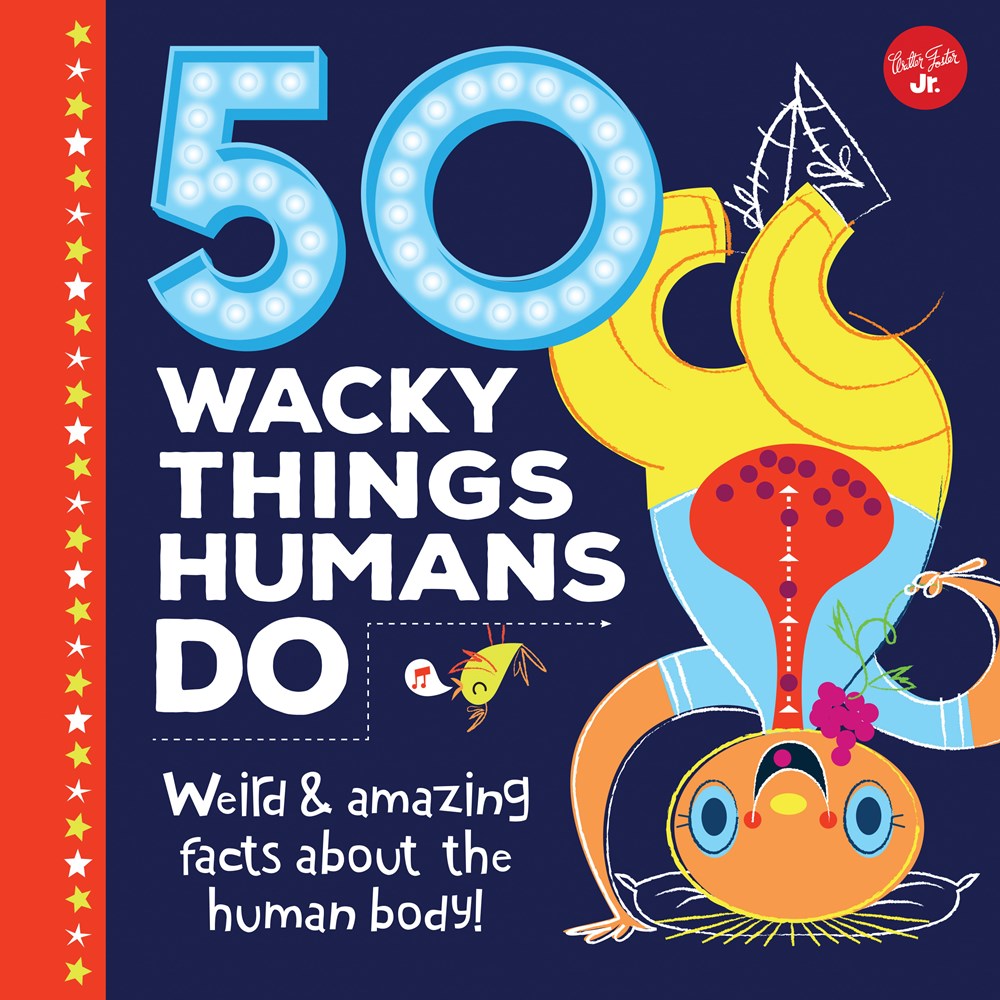
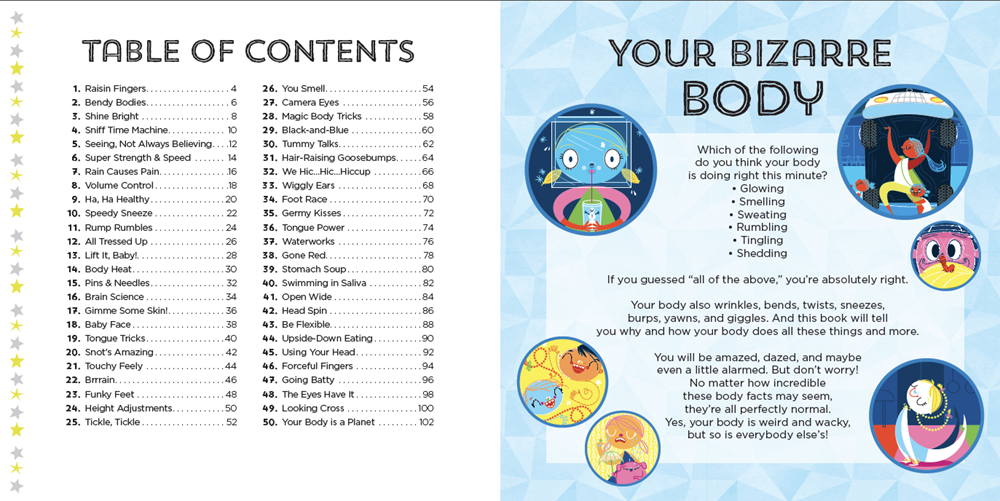
50 Wacky Things Humans Do: Weird & Amazing Facts About the Human Body, by the Walter Foster Jr. Creative Team/Illustrated by Lisa Perrett,
(Dec. 2017, Walter Foster Jr.), $14.95, ISBN: 9781633223967
Good for readers 7-10

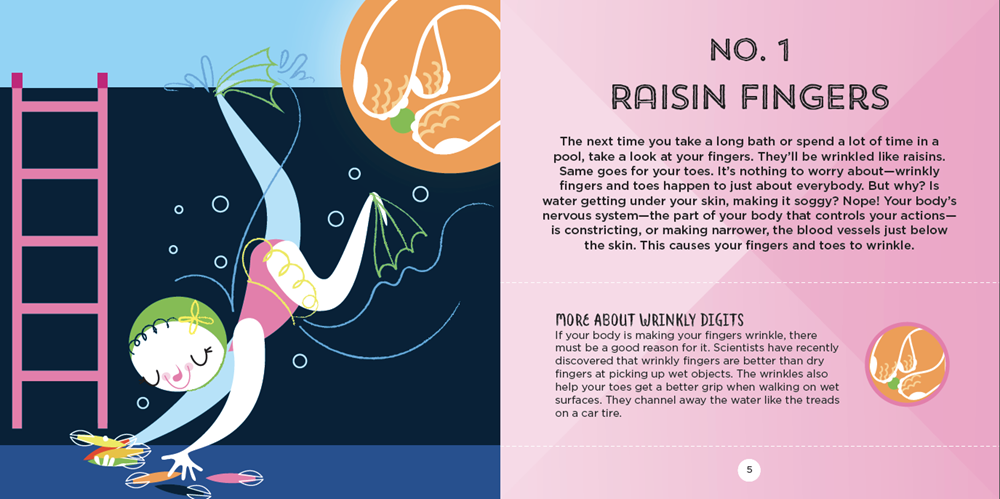
Our bodies do some wild stuff. A sneeze moves at about 100 miles per hour. (Think about that, next time someone doesn’t cover their nose and mouth when they sneeze near you.) If someone tickles you and you put your hand on theirs, it’ll send a message to the brain that stops the tickling sensation. Wrinkly bathtub fingers help us grip things better. Readers will learn all of this and more in 50 Wacky Things Humans Do, written in a similar vein to the chunky, digest-sized NatGeo Kids fun fact books. Wacky Things features one fact per spread and one colorful, fun illustrations; good for intermediate-level readers.


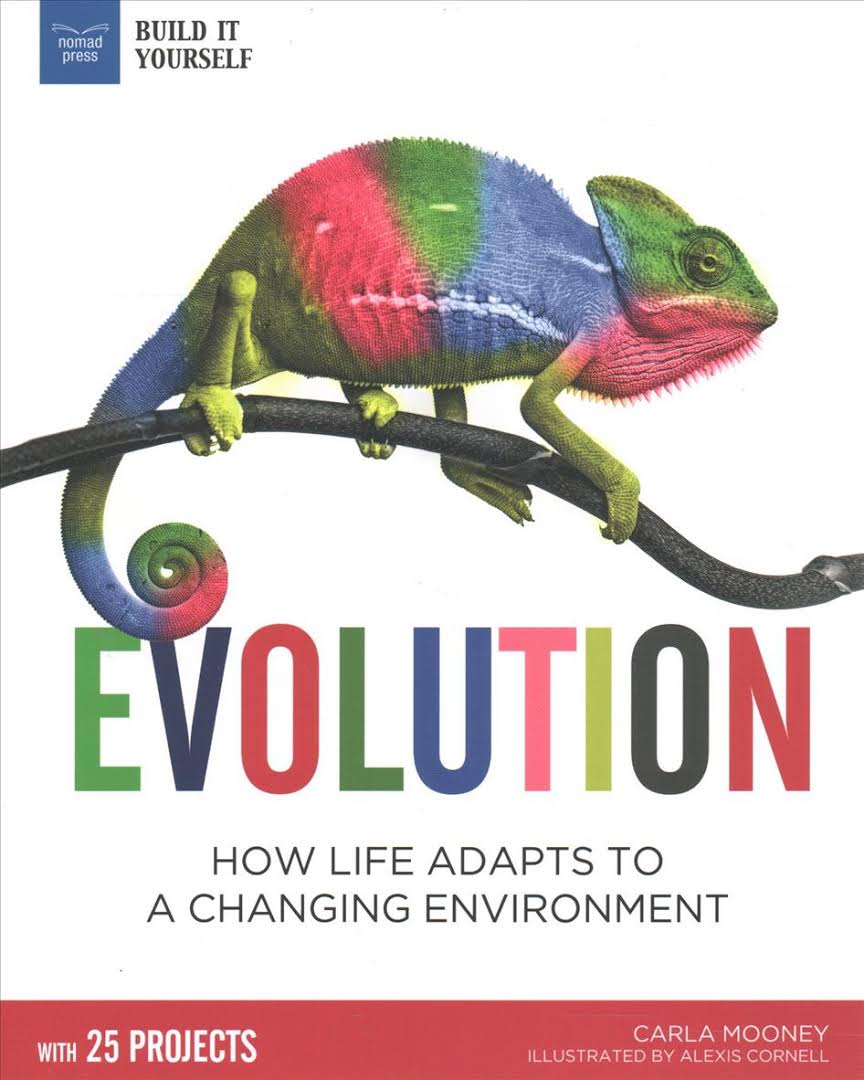
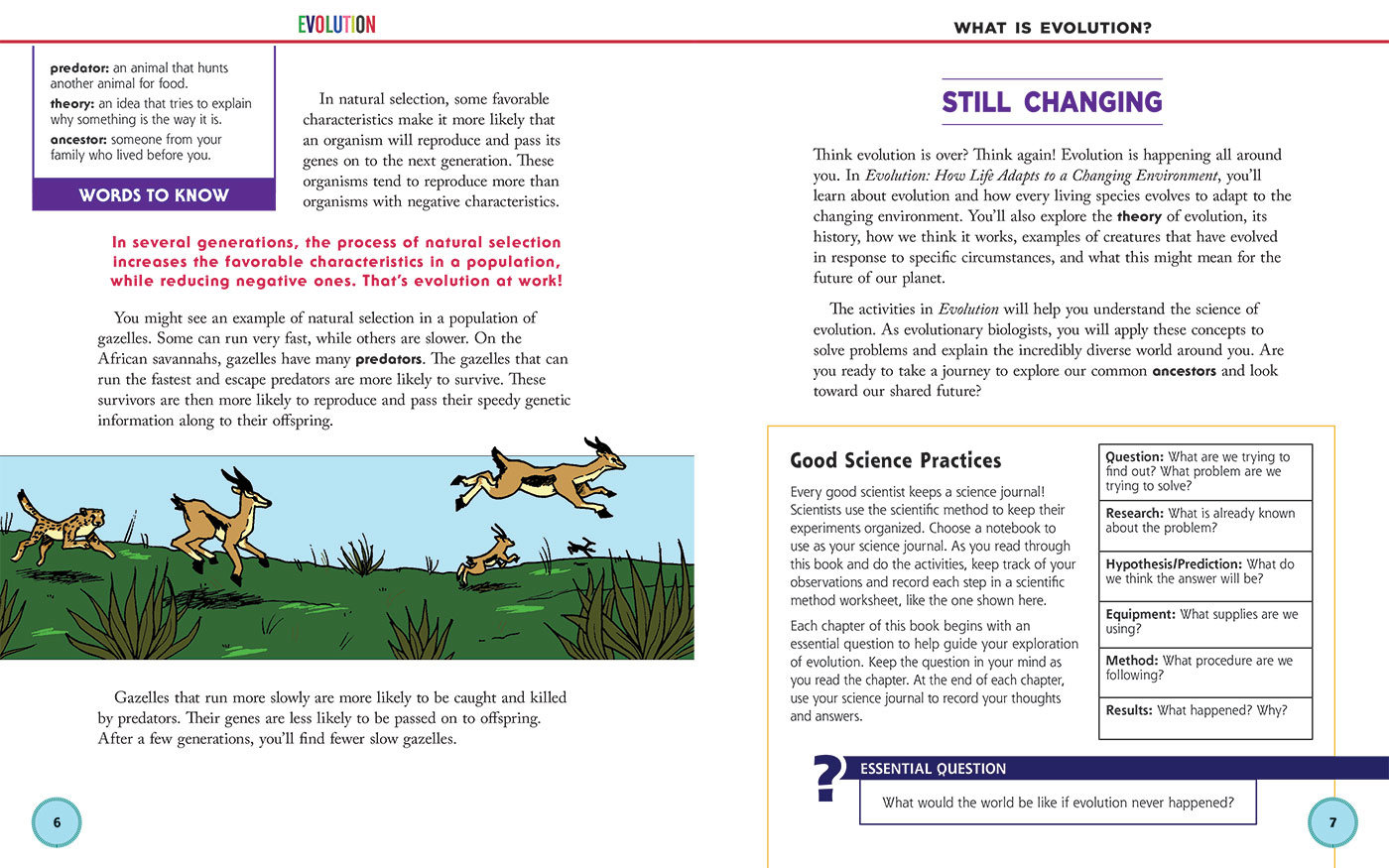
Evolution: How Life Adapts to a Changing Environment, by Carla Mooney/Illustrated by Alexis Cornell,
(Nov. 2017, Nomad Press), $17.95, ISBN: 978-1-61930-601-1
Good for readers 9-12

Nomad Press has enjoyed shelf space in my library for a while. They have great science project books and consistently win awards because they blend hands-on projects with text readability. Evolution is a great update to Nomad’s collection and my science projects shelf. First of all, the book is in color; my Nomad books have normally been black and white, and this is as eye-catching on the inside as it is on the cover. The book progresses from a basic overview of evolution and how it works, through natural selection, species and speciation, through to classification and human evolution. Twenty-five projects allow kids to map early human migration; find sidewalk fossils (awesome for my urban library kiddos), and research an endangered species and create a plan to save it. There’s a glossary, lists of resources, and an index. I love this new direction Nomad seems to be taking and want to see more! Great for library shelves.


Posted in Early Reader, Non-Fiction, Non-fiction, Non-Fiction, Preschool Reads

Welcome #NationalPoetryMonth with Animal Ark

Animal Ark, created by photographer Joel Sartore/text by Kwame Alexander, (Feb. 2017, National Geographic), $15.99, ISBN: 978-1-4263-2767-4

Recommended for ages 3+

Newbery Award winning author Kwame Alexander lends his voice to award-winning National Geographic photographer Joel Sartore’s beautiful book of wild animals. Animal Ark is inspired by the National Geographic Photo Ark: a project between Sartore and the National Geographic Society to document every species in captivity, with the goal of raising awareness and protecting these animals for future generations.

Kwame Alexander writes amazing verse. If you’ve read The Crossover or Booked, you know this. His Animal Ark verse is at once playful and a call to action; paired with Sartore’s visually stunning photos, they pack a powerful punch to the psyche. A full-page photo of a wolf’s face in profile proclaims, “Howl like you mean it… the world is listening”; brightly colored beetles stand out against a black background, reading “Color me ancient and sacred”. The words placement is also playful, winding across the page and around the animals, to create a full visual experience for the reader. Several gatefolds throughout the book surprise the reader with a “chorus of creatures”, collages of photos. Here, the text reminds us of what we have and not to squander our gifts: “There are too few remaining/in the rain forest/in the big blue sea/in the whole wide world/because of you and me”.

Joel Sartore has photographed more than 6,000 species for the PhotoArk project, more than 100 of which are featured in Animal Ark. A companion adult book, National Geographic The Photo Ark: One Man’s Quest to Document the World’s Animals (March 2017) includes more photographs and a foreword by Harrison Ford.

This is a perfect book to read and display for National Poetry Month (starting April 28), and for Earth Day (April 22nd). It’s a beautiful photo book with lovely verse that will draw readers in. Animal Ark received a starred review from School Library Journal and the companion adult book received a starred review from Publisher’s Weekly.

Have a look at the blooper reel – photographing animals isn’t always easy!