Posted in Non-Fiction, picture books, Preschool Reads, Toddler Reads

A Laura Gehl two-fer!

I love Laura Gehl’s books: from Peep and Egg to One Big Pair of Underwear and beyond, her stories have been hits at my storytimes and they’re just fun to read. Now, I’ve got some nonfiction by Laura Gehl to rave about that’s every bit as fun and unputdownable as her fiction is. Join me!
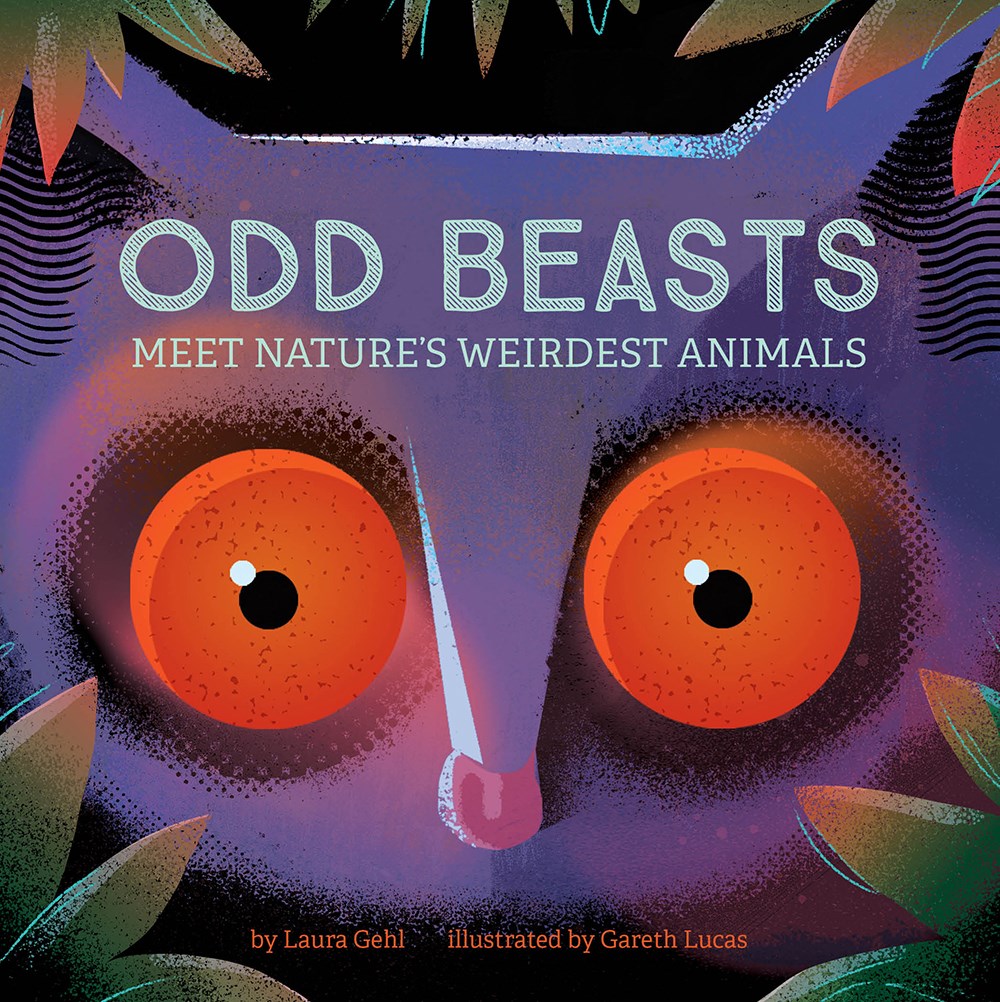
Odd Beasts: Meet Nature’s Weirdest Animals, by Laura Gehl/Illustrated by Gareth Lucas, (Nov. 2021, Abrams Appleseed), $8.99, ISBN: 9781419742224

Ages 2-4

A very happy book birthday to Odd Beasts! This rhyming board book introduces readers to some of nature’s wildest citizens: an armored pangolin, a frog with see-through skin, and a fish that weighs a ton are just a few of the animals waiting inside. This board book has back matter: two spreads include photos of each animal mentioned, with a brief factual paragraph. The artwork is incredible, offering colorful illustrations of each of the eight animals; they’re the perfect mixture of kid-friendly, expressive illustration and realism, making this a book readers will pick up and enjoy again and again. Sturdy pages hold up to multiple readings and definitely pass the “mom’s bag” test; I carried this one around with me for a couple of weeks. Great for an animal storytime.

Visit Laura Gehl’s author webpage for more info on her books, and great educator/caregiver resources, including coloring sheets for Odd Beasts!
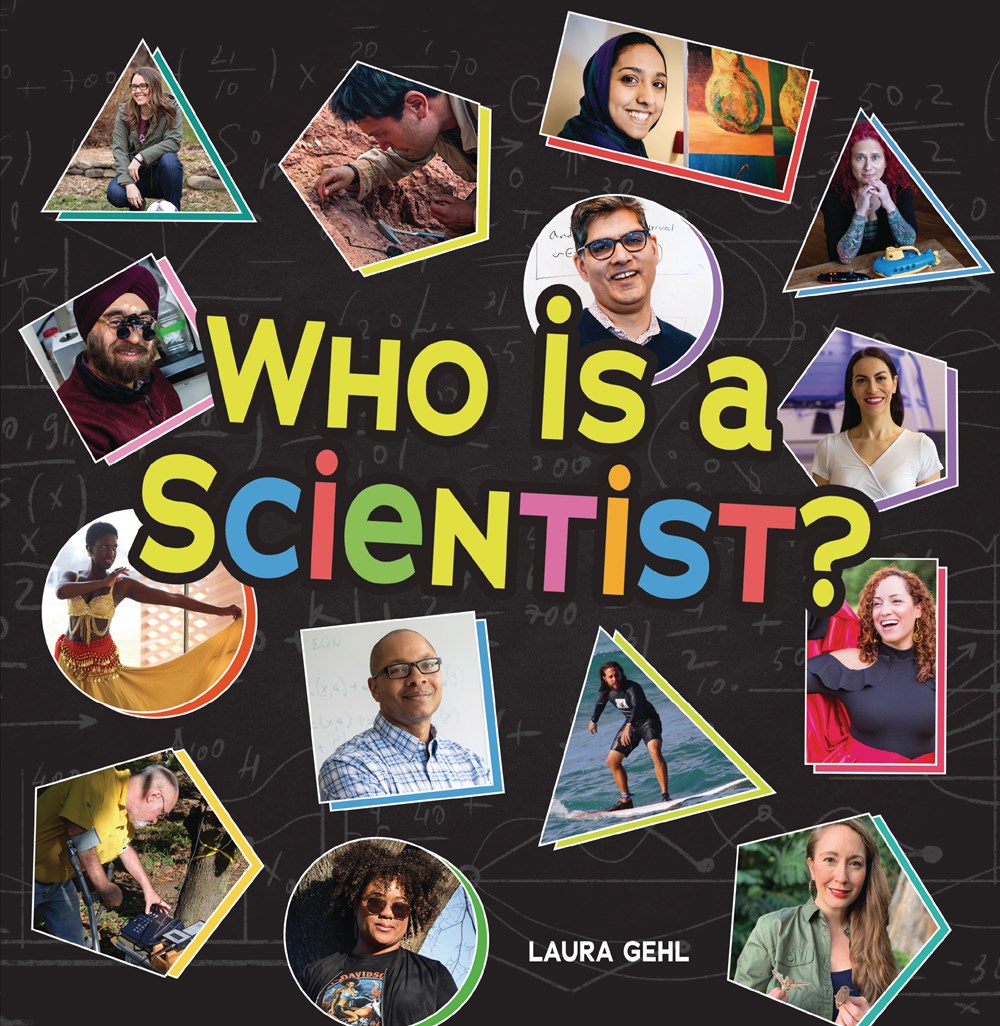
 

Who Is a Scientist?, by Laura Gehl, (Oct. 2021, Millbrook Press), $9.99, ISBN: 9781728441085

Ages 4-9

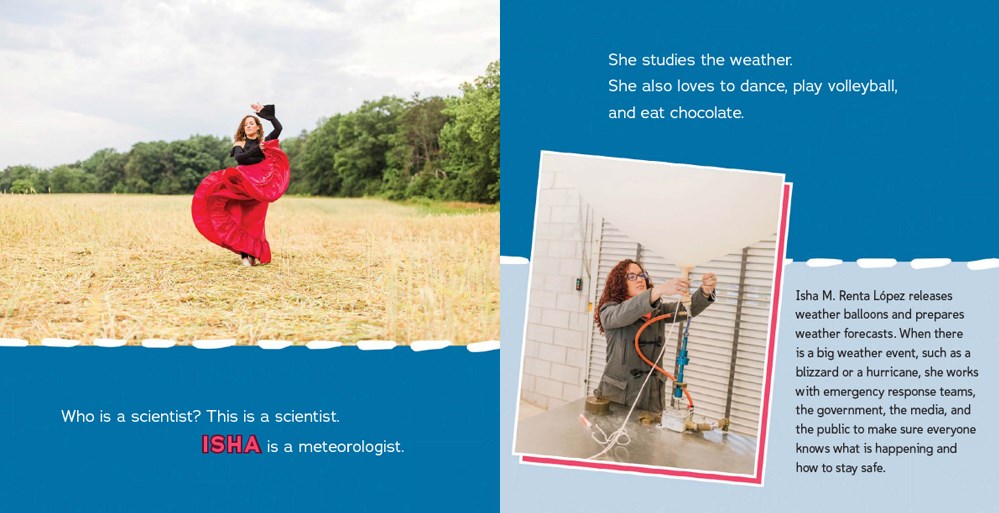
Scientists are people, too! Who Is a Scientist? humanizes the science providers by providing profiles on 14 different scientists; who they are, what they study and do, and what they like to do when they’re not science-ing. Isha is a meteorologist who studies the weather, and also enjoys dancing, playing volleyball, and eating chocolate. She’s photographed dancing in a flowing red skirt on one page and operating a weather balloon on another. Names appear in bright colors to personalize each scientist, and fun photos like Isha’s show readers that scientists like karate, surfing, cooking, and painting: just like they do. Each descriptive paragraph explains what the scientists study, introducing them to fields like astronomy, neuroscience, and mechanical engineering. The group is diverse, and really encourages kids to see themselves in this book, offering a QR code to learn more about the scientists, and a flow chart to help guide readers to a field of study that may be right for them, based on their own interests. What a great way to inspire the next generation of scientists, right? Who Is a Scientist? makes science playful and fun, like it should be. A guide to phonetic pronunciations at the end of the book help readers learn to pronounce Laura Gehl’s name, and the names of each scientist.

Visit Laura Gehl’s author page for a Who Is a Scientist? educator’s guide.
Posted in Preschool Reads

Kwanzaa books for the holidays!

Continuing along with my multicultural holiday reading, I checked a few Kwanzaa books out this week. Any suggestions for more books I should read? Let me know!


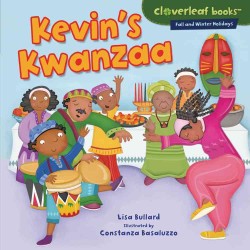
Kevin’s Kwanzaa, by Lisa Bullard/Illustrated by Constanza Basaluzzo,
(Oct. 2012, Millbrook Press), $25.32, ISBN: 9780761350750
Good for readers 4-8

A young boy named Kevin and his family are getting ready to celebrate Kwanzaa! The family gathers around the candeholder – a kinara – and lights a candle each night, explaining the special principle for that night. Through the family’s celebration, readers learn the history of Kwanzaa, the meanings of each of the seven principles of the holiday, and kid-friendly examples of taking those principles to heart: solving problems can be helping keep a room clean; making decorations and gifts for one another, creativity. You can read the story to younger readers, and tweak it for older readers by pointing out the callouts on each spread that provide more information: the history of the celebration and meaning of the word Kwanzaa, the lighting of the candles, ways for families to celebrate together. Instructions on making a Kwanzaa drum provide a fun way to put reading into practice, and a glossary provides definitions for some words that come up in the text. The illustrations are cartoony and colorful; bright reds and pinks, deep blues and greens, communicating the festive mood of the holiday. The family is always shown working and celebrating together. This is a great introduction to Kwanzaa for younger readers.


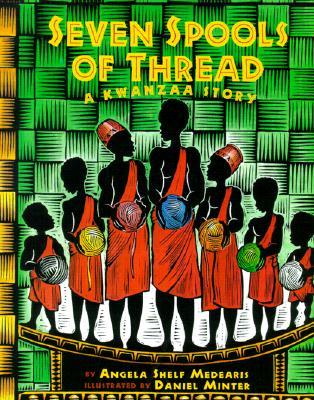
Seven Spools of Thread: A Kwanzaa Story, by Angela Shelf Medearis/Illustrated by Daniel Minter,
(2000, Albert Whitman & Company),  $15.95, ISBN: 9780807573150
Good for readers 6-10

Seven brothers bicker over everything, day and night. When their father dies, they are charged with a task in order to receive their inheritance: each brother receives a different colored spool of yarn and are told to turn the thread into gold. The brothers work together to find a way to accomplish this, finding ways to brainstorm and complement one another as they form and execute their plan, which creates the woven Kente cloth. It’s a holiday legend that embodies each of the seven Kwanzaa principles and blends the history of the African Kente tribe in with the holiday. The illustrations are beautiful: rich colors, deep ebonies, and stunning woodcut art. This book appears to be out of print, which is a shame; I think this should be considered a holiday classic. It delves into myth and legend and embodies the spirit of the holiday just as much as Clement Moore’s The Night Before Christmas. If you can score a copy of this from your local library, do it; it’s worth the read. If you need a copy for your library, consider buying a gently used copy through a third-party seller. There’s a note about the origin of Kente cloth, and a weaving activity at the end of the book. This is an essential holiday book for your collections.


Li’l Rabbit’s Kwanzaa, by Donna L. Washington/Illustrated by Shane W. Evans,
(Sept. 2010, Katherine Tegen Books), $12.99, ISBN: 9780060728168
Good for readers 6-8

Li’l Rabbit isn’t having a great Kwanzaa: his grandma, Granna Rabbit, is sick, so no one is able to ready the big Kwanzaa feast, Karamu. Li’l Rabbit knows that Granna says Kwanzaa is a special time when everyone helps one another, so he decides he’s going to get her a special Karamu treat, and goes about asking his animal neighbords – orioles, rabbits, groundhogs, frogs, field mice, and squirrels – for different things to make Granna’s Kwanzaa better. The animals don’t know much about what Li’l Rabbit is asking for, but they do know Granna, so they come together to surprise Granna and Li’l Rabbit in the nicest way. It’s a story inspired by Brer Rabbit, a trickster from African folklore, and beautifully communicates the meaning of the season. The story offers great opportunities to discuss the seven principles and note where they see those principles in action throughout the course of the story; kids can also talk about the ways they can bring the principles to life during the holiday season (and beyond). The seven principles, plus illustrative examples from the text, are also noted at the end of the book, along with a prompt for kids to find other examples in the story. The story is fun, with an emphasis on empathy and community. This is a great storytime book for the holidays, with opportunities to talk with children about intentions that all of the winter holidays – family, community, faith – share.

If you’re looking for my posts on Christmas and Hanukkah books, here’s the place!

Posted in Animal Fiction, Early Reader, Fiction, Preschool Reads

Join Porcupine’s Picnic!

porcupines-picnicPorcupine’s Picnic: Who Eats What?, by Betsy R. Rosenthal/Illustrated by Giusi Capizzi, (Feb. 2017, Millbrook Press), $19.99, ISBN: 9781467795197

Recommended for ages 4-6

Porcupine is going on a picnic! He packs a basket full of clover and settles into a perfect spot. Nearby animals ask to join him, and bring their own food: koala loves his eucalyptus, squireel enjoys his acorns, and giraffe nibbles on his leaves. When Tiger shows up, though, the picnic comes to a very quick end!

This is a cute introduction to different animals and what they eat. An explanation at the end of the book introduces readers to herbivores, carnivores, and omnivores, and points out which animals from the story belong to which group. The digital art is very cute, and the reptitive pattern of the story – animal asks to join, Porcupine offers clover, animal declines and eats his or her own food – will appeal to younger readers, who can predict what will happen next. The story does tend to go on a bit long, at 40 pages, and could have used a few less animals; I worry about younger readers’ interest as the story proceeds. This would be a good flannel story candidate: create animals and foods, and invite storytime audiences to match the animal with the food on the flannel board, or even make up a worksheet and/or memory game to hand out after the story. An additional purchase for animal collections.