I’ve got some great middle grade nonfiction here, if you’re shopping for your back-to-school carts. My library kids tend to be nonfiction readers, so I’m always looking for fun, interesting books for them, and I think these will fit the bill nicely. Take a look, see what appeals to you!
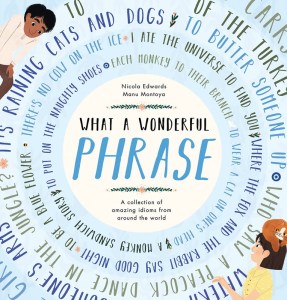 What a Wonderful Phrase: A collection of amazing idioms from around the world, by Nicola Edwards & Many Montoya, (Sept. 2021, Kane Miller), $14.99, ISBN: 9781684642991
Ages 7-10
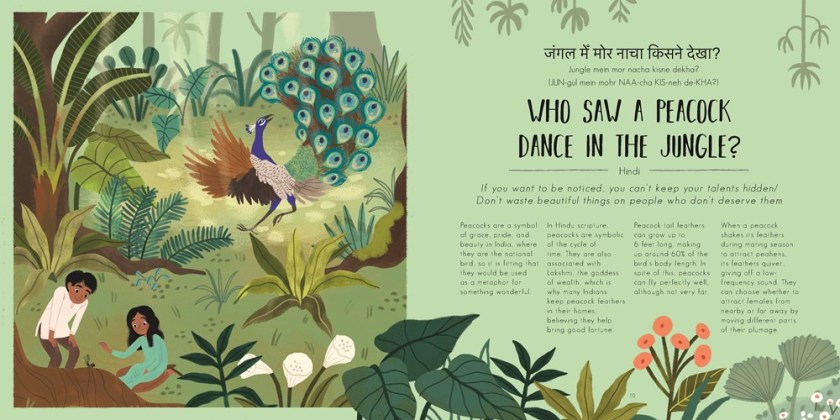
This collection of phrases and idioms from all over the world is a great little resource. Kids will easily recognize some phrases, like “buttering a person up”, and “raining cats and dogs”, but will they know where “seeing a peacock dance in the jungle” comes from? How about “peeing in your shoes will only keep you warm for a little while”? The origins of these phrases are interesting and amusing, and this little collection contains explanations, a phrase in its native language and phonetic pronunciations, and colorful illustrations. There’s no cow on the ice here (Swedish for “no rush”), but consider this one for your quirky readers who enjoy playing with language. What a Wonderful Phrase is a companion to What a Wonderful Word (2018).
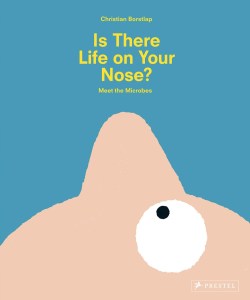 Is There Life on Your Nose? Meet the Microbes, by Christian Borstlap, (Sept. 2021, Prestel Junior), $17.95, ISBN: 9783791374970
Ages 6-10
This is going to be huge with my library kids. Microbes make up every part of our day-to-day life, and this book is all about those microbes and where they live: on your nose, in boiling water or the arid desert, even underground. Filled with fun facts and entertaining illustrations, Is There Life on Your Nose? is all about microbes: how they breed, how they contribute to our lives (we wouldn’t have pickles, cheese, or bread without them!), how they can generate clean energy, and even how they can make us sick, in the form of viruses. It’s a great introduction to a timely subject, explained with humor and smart facts that will help kids understand – especially now – those little, microscopic creatures we share our world with. Are you doing STEM activities again, either in-person or virtually? Pair a reading of this with some of these experiments from Go Science Girls – I’m thinking of the hand-washing one in particular for my kiddos!

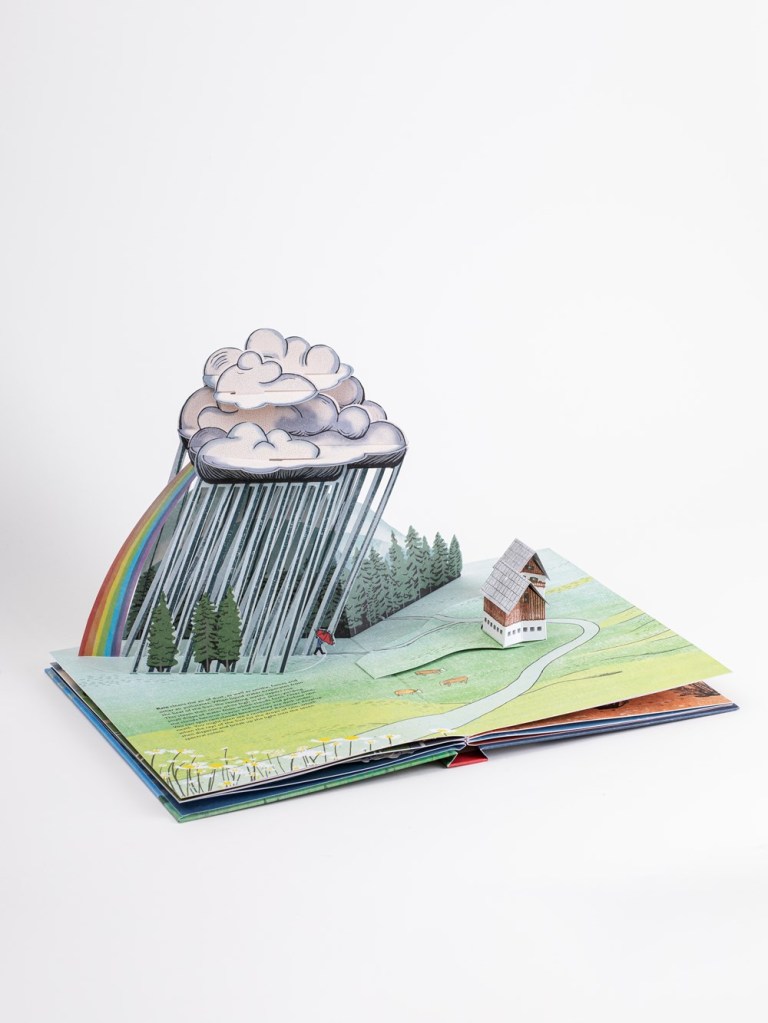
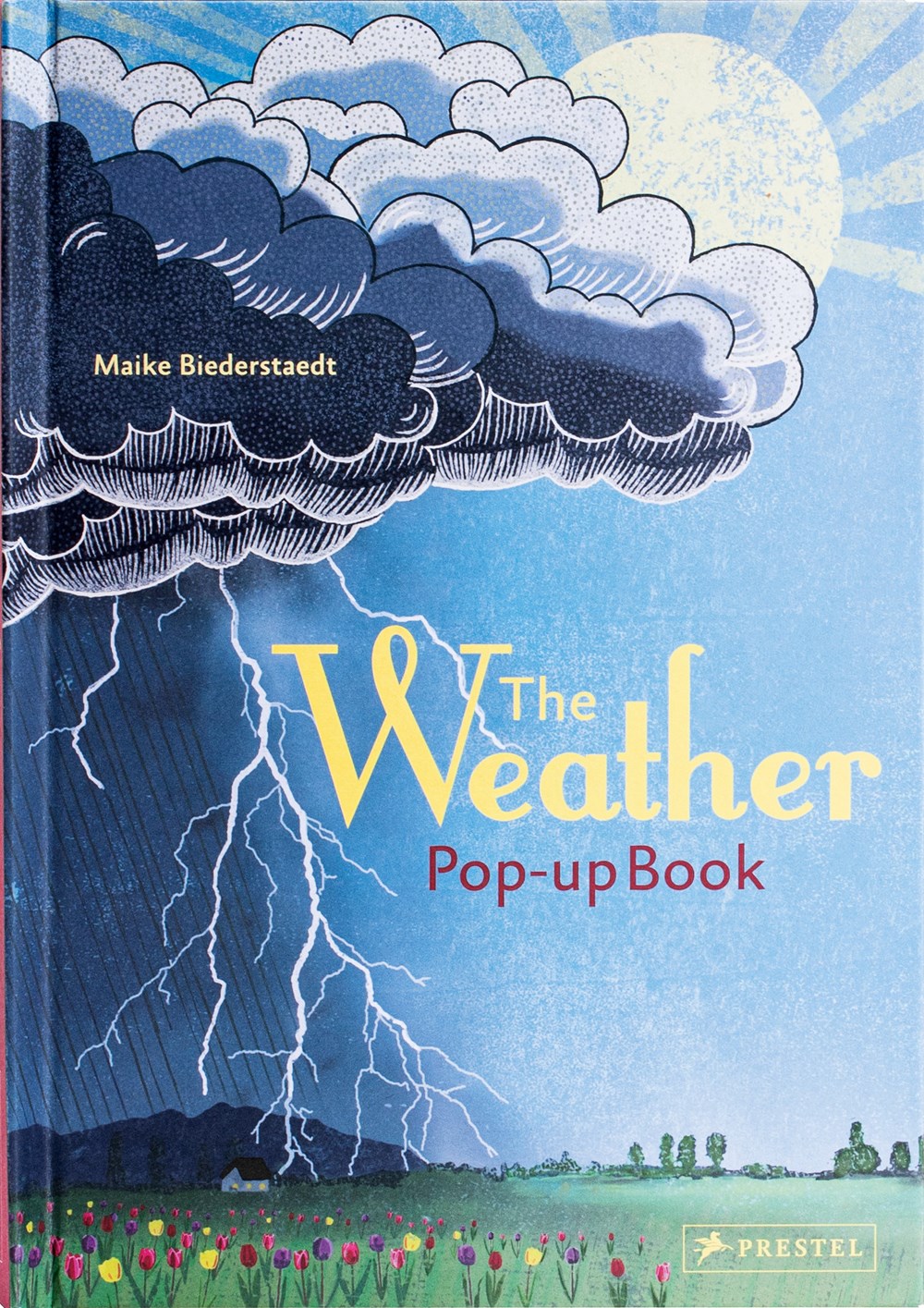
 The Weather Pop-Up Book, by Maike Biederstadt/Illustrated by Michael Prestel, (Sept. 2021, Prestel Junior), $25, ISBN: 9783791373935
Ages 7-10
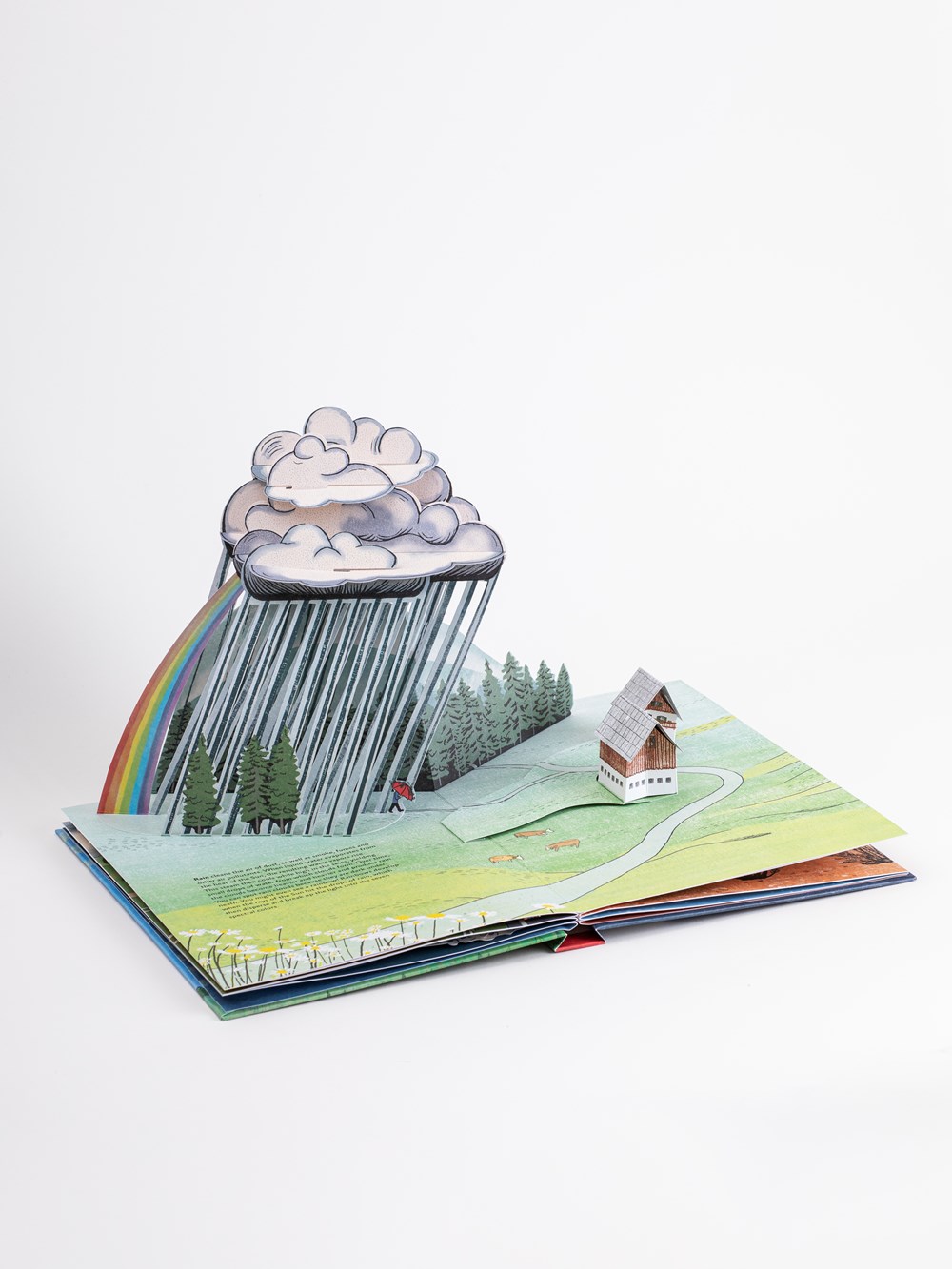
Just because kids are getting older doesn’t mean they can’t appreciate a good pop-up book! This book on weather is a great way to communicate the power of weather and the devastating influence of climate change. Spreads on storms, rain, tornadoes, heat, and snow fold out into 3-D landscapes, with paragraphs on each weather phenomenon. The opening spread explains “why weather is the way it is”, and the final spread on climate change explains how it affects weather, and what we can expect as weather patterns are further affected. A good addition to your reference section – if you’re putting this into circulation, it may wear out pretty quickly, but it will be a popular choice.
 Explore! America’s National Parks, by Krista Langlois/Illustrated by Hannah Bailey, (June 2021, Kane Miller), $18.99, ISBN: 9781684641932
Ages 7-12
Who’s up for a road trip? This voyage through America’s 61 National Parks will have readers ready to pack their backpacks and head out with this book as their guide. Beautifully illustrated, laid out by geographic region (West Coast, Alaska, Rocky Mountains, Southwest, Central, East, and Tropics), and with a strong message of environmental respect and care, this is a treasure trove. United States maps highlight each region and its parks; a descriptive paragraph on states covered and activities to discover entices readers to turn the pages and dive in. Fact files give the statistics for each park, including size, state, founding date, and one fun fact; ranger tips help readers plan for a safe and exciting visit. Want to help scientists estimate how many bears live in Denali? Want to learn where the best place is to listen for the Mexican spotted owl? You’ll find all the answers in here. Armchair explorers and travelers, natural world fans, anyone who loves NatGeo books. Need a program idea? Take virtual tours through each of the parks using this book as your guide.

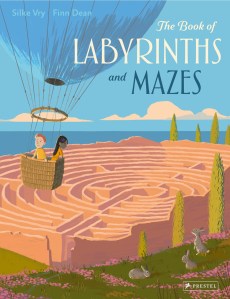 The Book of Labyrinths and Mazes,
 by Silke Vry/Illustrated by Finn Dean, (Sept. 2021, Prestel Junior), $19.95, ISBN: 9783791374741
Ages 7-10
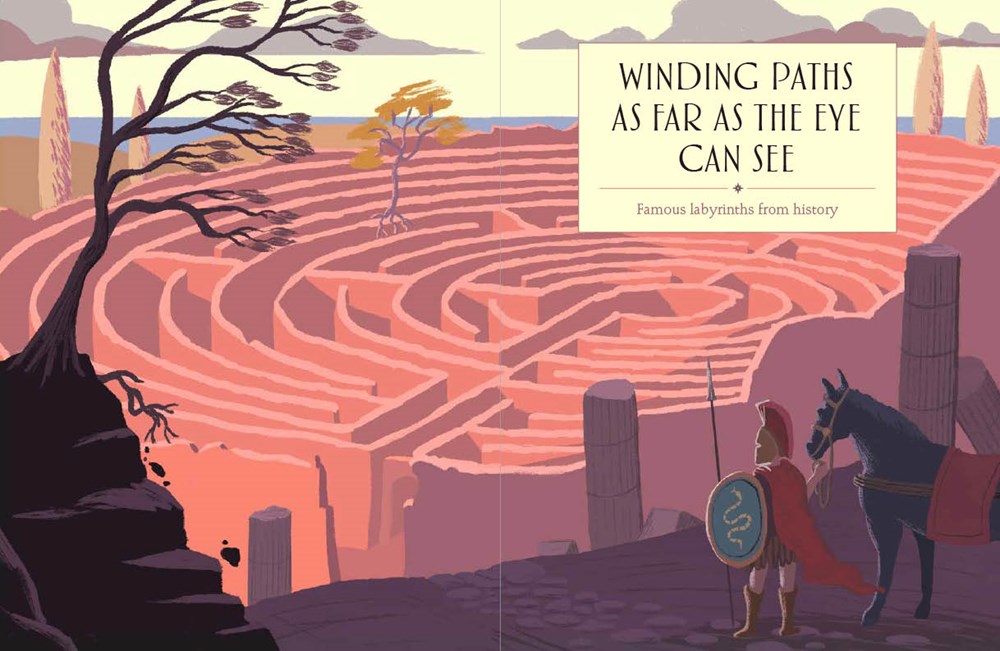
Part activity book, part reference guide, this book on mazes and labyrinths will send puzzle fans over the moon. Organized into four sections: I Think I’m Going Crazy! explains the differences between a maze and a labyrinth, how detours can lead us to our goals, and mazes and labyrinths within our bodies and our lives; Winding Paths as Far as the Eye Can See spotlights famous labyrinths from history; To The Center, Please! looks at the journey to the center of a labyrinth – and how to get back out, and Strange Paths! leads readers to mazes all around the world. From Theseus and the Minotaur’s labyrinth of legend to the quiet contemplation of walking a labyrinth in n nature, beautifully illustrated spreads include mazes and activities for readers to complete and ideas to mull over. A guide to solving mazes will help readers before they wander into a maze (hey, Fall’s coming… corn mazes!). Back matter includes more information about famous labyrinths worldwide and a glossary. Great for reference collections. History fans and brain buster fans will devour this one.

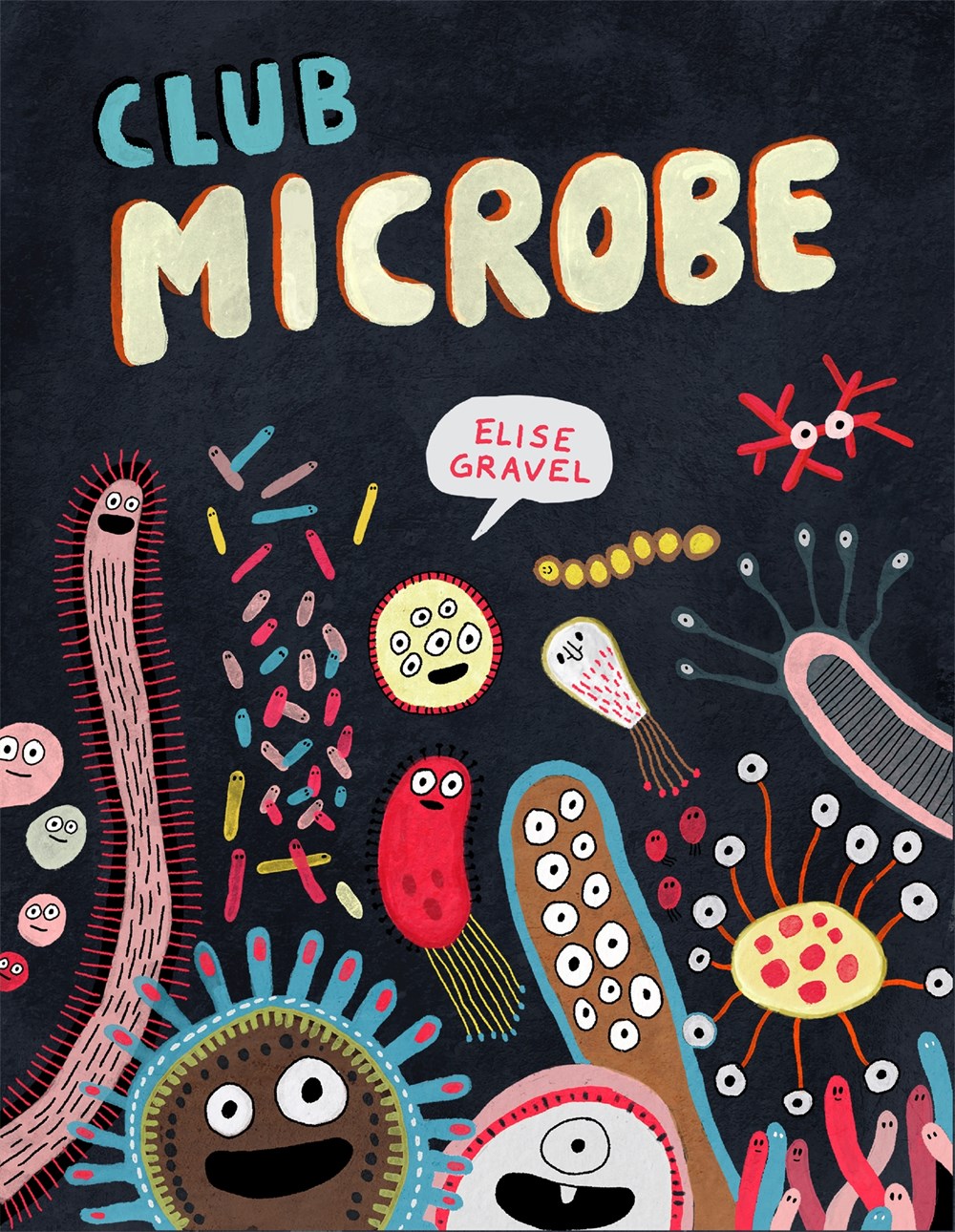 Club Microbe, by Elise Gravel, (Apr 2024, Drawn & Quarterly), $17.95, ISBN: 9781770467026





 Mom Read It