I’m still working my way through the Great TBR Catchup, so I appreciate everyone’s patience, if you’ve sent me a book and have been waiting for me to post about it! I’m a one-woman operation, and I read everything I receive, so sometimes, my eyes are bigger than my sense of reality: everything just sounds amazing, I wish I could read them all at once.
Having said that, let’s take a look at some fun STEM concept books for kids!
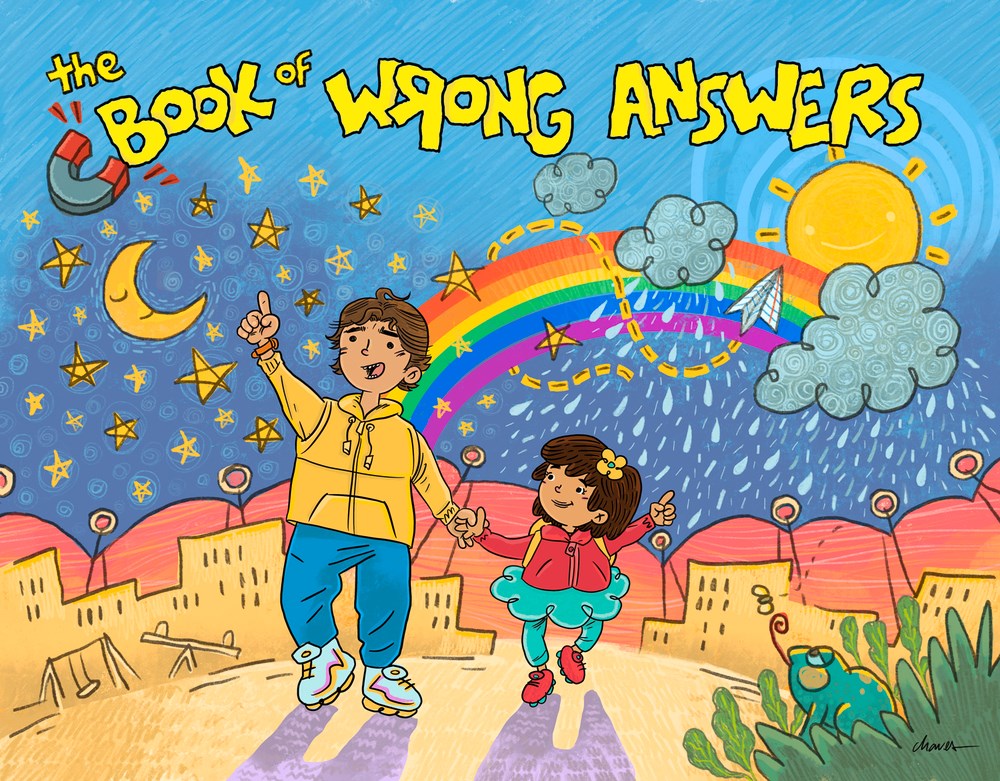
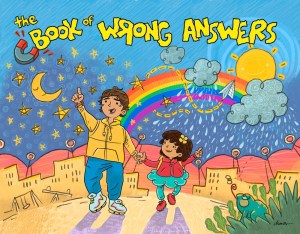 The Book of Wrong Answers, by Penny Noyce/Illustrated by Diego Chaves, (Dec. 2020, Tumblehome, Inc.), $17.95, ISBN: 9781943431618
Ages 5-7
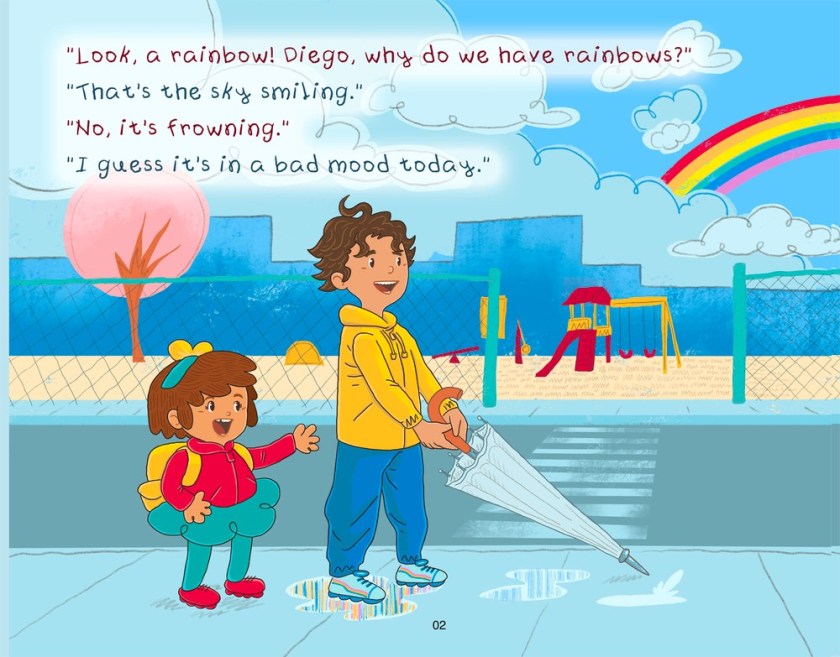
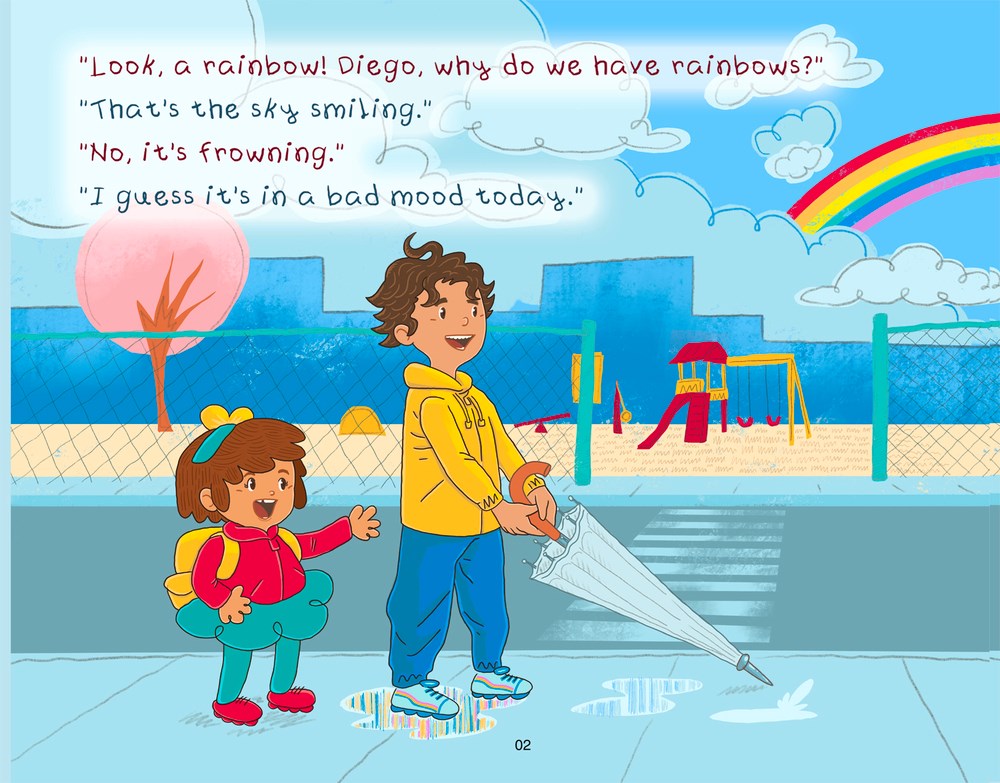
This very sweet book about STEM concepts stars an Gigi, inquisitive young girl and her humorous brother, Diego. As they go about their day, she asks her brother questions about the world around them; he responds with funny, exaggerated responses: “Where do tadpoles come from?” “They fall inside raindrops. Then they grow into frogs”; “Why does Felicity [the cat] purr?” “She’s restarting the motor in her chest”. The warm artwork shows a close pair of siblings enjoying each other’s company; the answers are teasing and funny, and quite inventive. Diego’s explanations are illustrated in amusing style, with children floating away from their parents, colorful pixels floating off a TV screen, and people wearing magnetic shoes as they stick to the bottom of the Earth. Colorful fonts let readers move easily between the dialogue between brother and sister; Gigi’s sentences are in red, Diego’s are blue. Back matter includes explanations about the real science behind Gigi’s questions. Great for a Kindergarten or first grade classroom.
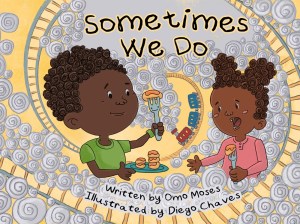 Sometimes We Do, by Omo Moses/Illustrated by Diego Chaves, (Sept. 2019, Tumblehome, Inc.), $16.95, ISBN: 9781943431472
Ages 3-6
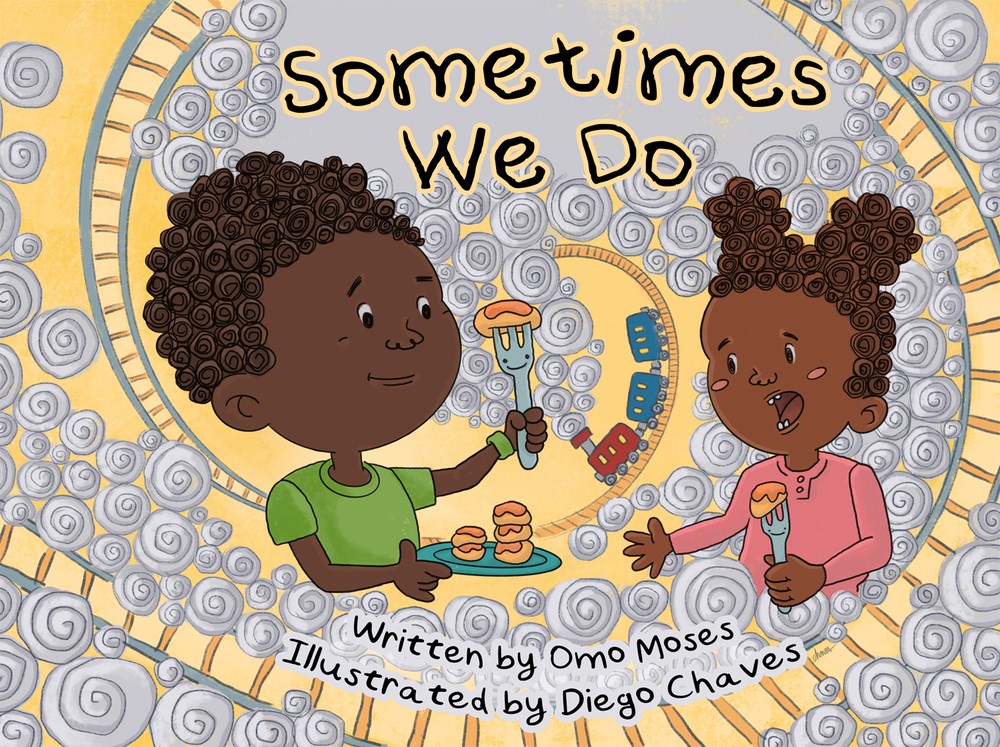
Math educator Omo Moses creates an affectionate family story with some math thrown in for extra fun. A young boy named Johari gets his dad out of bed early to make pancakes for breakfast and play with trains. As Dad cooks, he models great behavior for parents, asking Johari math-related questions about the meal: “How many blueberries you got?”; “Do you want THICK [pancakes] or THIN ones?”; “More milk or more flour?”, all reinforcing for Johari – and our readers – ideas about size, number, amount, and recipes. Johari imagines his responses to his father, giving us a forest of pancakes and blueberries, a tiny Johari lifting the lid off a jar of Grandma’s secret ingredient, and riding life-sized trains in the house. Mom and younger sister Kamara wake up and join the breakfast discussion, and Johari and Dad head out to play, where we get more discussion about Grandma’s special ingredient: love. Warmly illustrated by Diego Chaves, Sometimes We Do shows a family of color enjoying some together time, with easy-to-read dialogue; each family’s speech is rendered in a different color to help kids determine who is speaking: Johari’s sentences are green; Dad’s are blue, Mom’s are black, and Kamara’s are pink. What a great way to bring early math concepts to everyday interactions – it makes math so accessible to our little learners! Back matter includes Grandma’s recipe, a helpful math tip, and illustrated “math words” that come up in the story.
See a video with Omo Moses, where he talks about math and Sometimes We Do, on Tumblehome’s website. And check out this great Tweet from Cambridge Dads, spotlighting a StoryWalk that featured Sometimes We Do! You can also visit Mr. Moses’s organization, MathTalk, here.
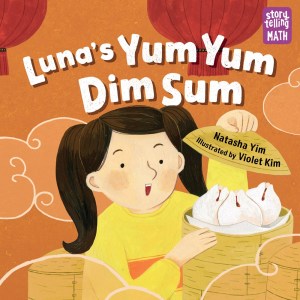
Luna’s Yum Yum Dim Sum, by Natasha Yim/Illustrated by Violet Kim, (Dec. 2020, Charlesbridge), $6.99, ISBN: 9781623541996
Ages 3-6
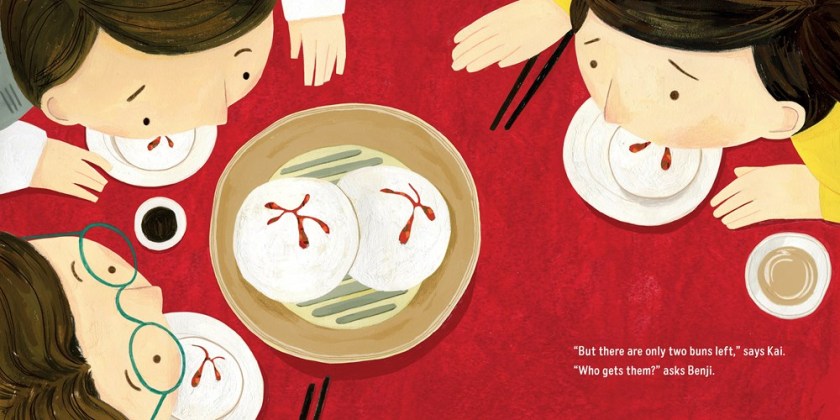
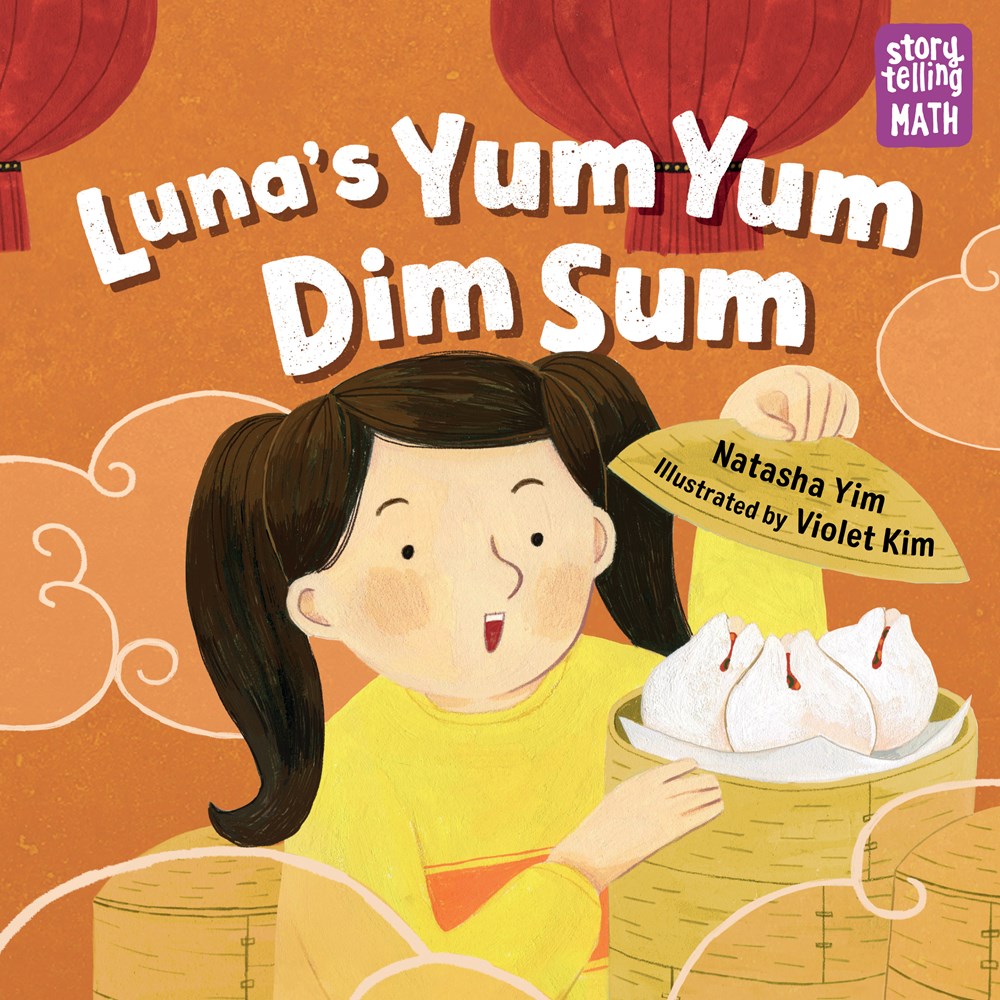
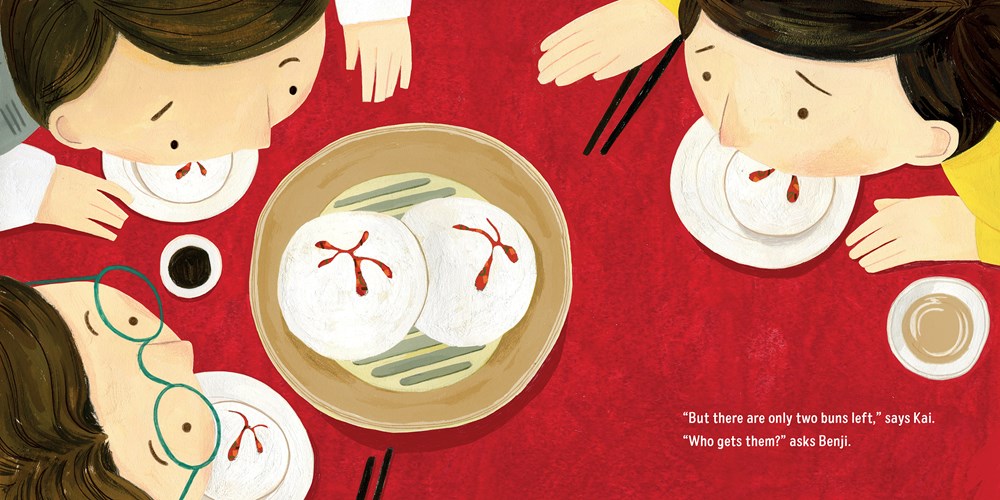
I went a little berserk on Charlesbridge’s Storytelling Math debut at the end of last year, you may remember – they’re great books for a variety of ages, teaching concepts and diversity as they go. What’s not to love? Think of Luna’s Yum Yum Dim Sum as a new generation’s The Doorbell Rang by Pat Hutchins. Luna’s the birthday girl, so her parent take Luna and her two brothers to a dim sum restaurant for her birthday dinner. One of Luna’s pork buns falls on the floor, and now she and her brothers have to figure out how to split the remaining ones equally. How do three people divide five buns so no one feels left out? The dialogue is great here, as the kids come up with defense on why he or she should get the greater part of the share. It’s playful and fun, with a glimpse into Chinese culture, using Chinese vocabulary and the zodiac, and starring a biracial Chinese American family. A section on Exploring the Math offers tips for engaging kids and refining their math skills.
Publisher Charlesbridge offers a Luna activity kit in both English and Chinese.
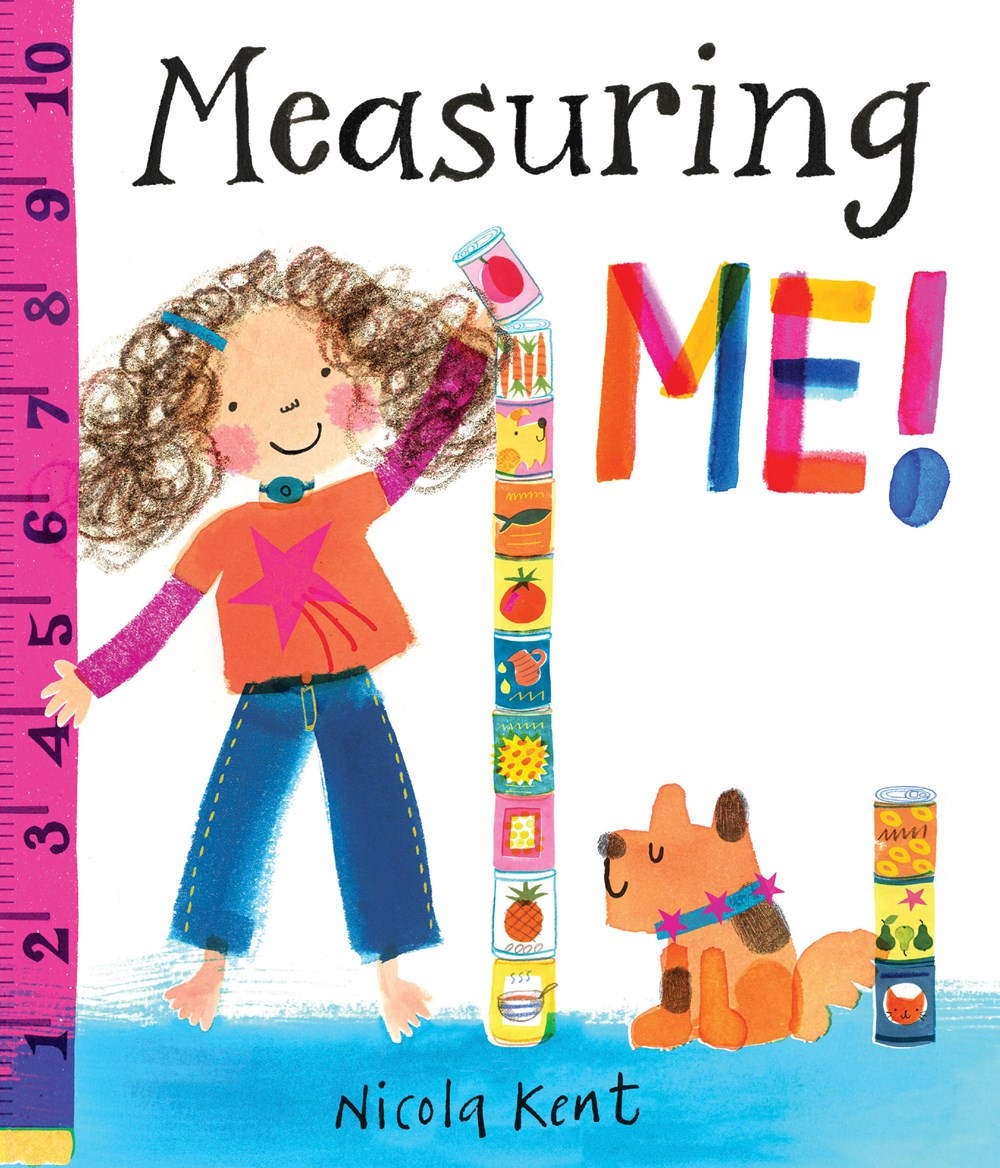 Measuring Me, by Nicola Kent, (March 2024, Kane Miller), $19.99, ISBN: 9781684647873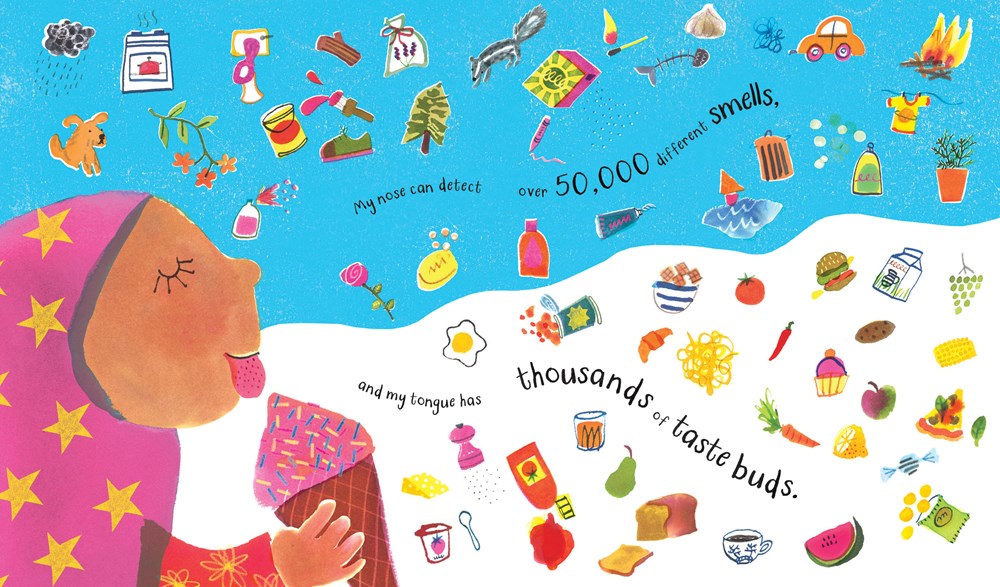
 Mom Read It