Posted in picture books, Preschool Reads

Back to School Picture Books

The end of Summer Break is nigh, but don’t fret. Here are some fun picture books to get readers into thoughtful school mode.

Marker, by Anna Kang/Illustrated by Christopher Weyant, (June 2023, Two Lions), $17.99, ISBN: 9781542039611

Ages 3-7

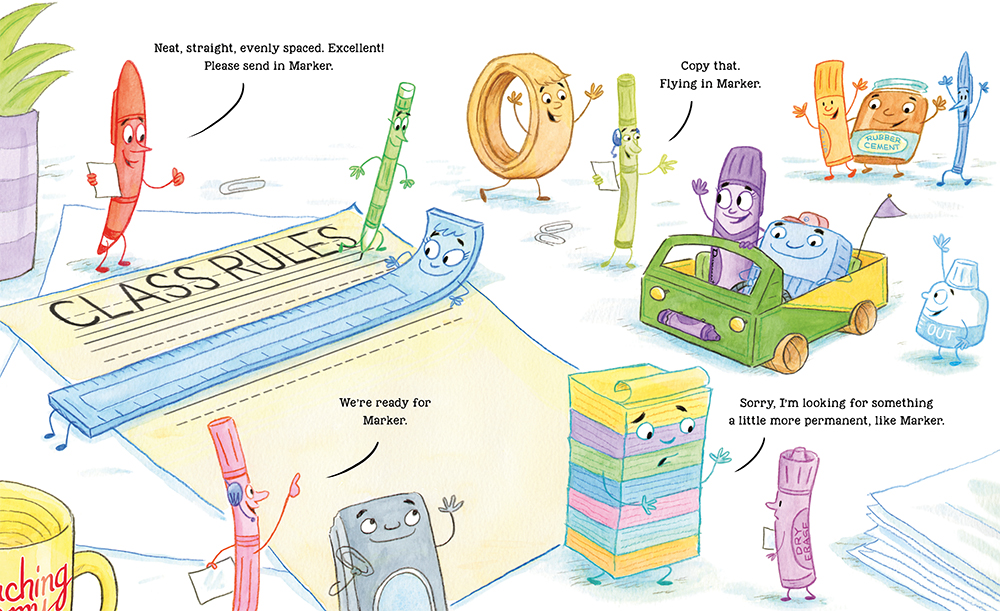
The companion to Anna Kang and Christopher Weyant’s Eraser (2018) is every bit as playful, wonderful, and perfect for back-to-school reading. The teacher’s school supplies are having their meeting and getting ready for the first day of school. Marker has always been one of the teacher’s go-to supplies, but there’s a new supply in town: Pinking Shears! The decorative scissors make beautiful, decorative cuts and she quickly earns admiration from the other supplies, even taking Marker’s spot in the vaunted “Teaching is my Superpower” mug. Her self-confidence diminished, Marker makes a mistake, which upsets her so much, she makes another mistake! Her friends rally around her, and Marker’s fear comes out: she’s permanent. Her mistakes can’t be erased. Luckily, these supportive supplies are there to save the day, and help Marker understand that it is okay to make mistakes. Kids will love being reunited with their school supply friends, including Eraser, Pencil, and Sharpener. Kang uses character dialogue to tell the story, and creates a delightful character study using the familiar aspects of each of the supplies: Stapler, for instance, can’t wait to “sink [their] teeth into those math packets”, and Post-Its helps construct a play city out of their notes. Class Rules include familiar guidelines like, “Be respectful and kind”, “Include others, don’t exclude”, “Raise your hand to speak”, and “Listen”. Filled with school supply puns and wonderful messages about making mistakes, Marker should be on the top of your back-to-school purchases and read-alouds.
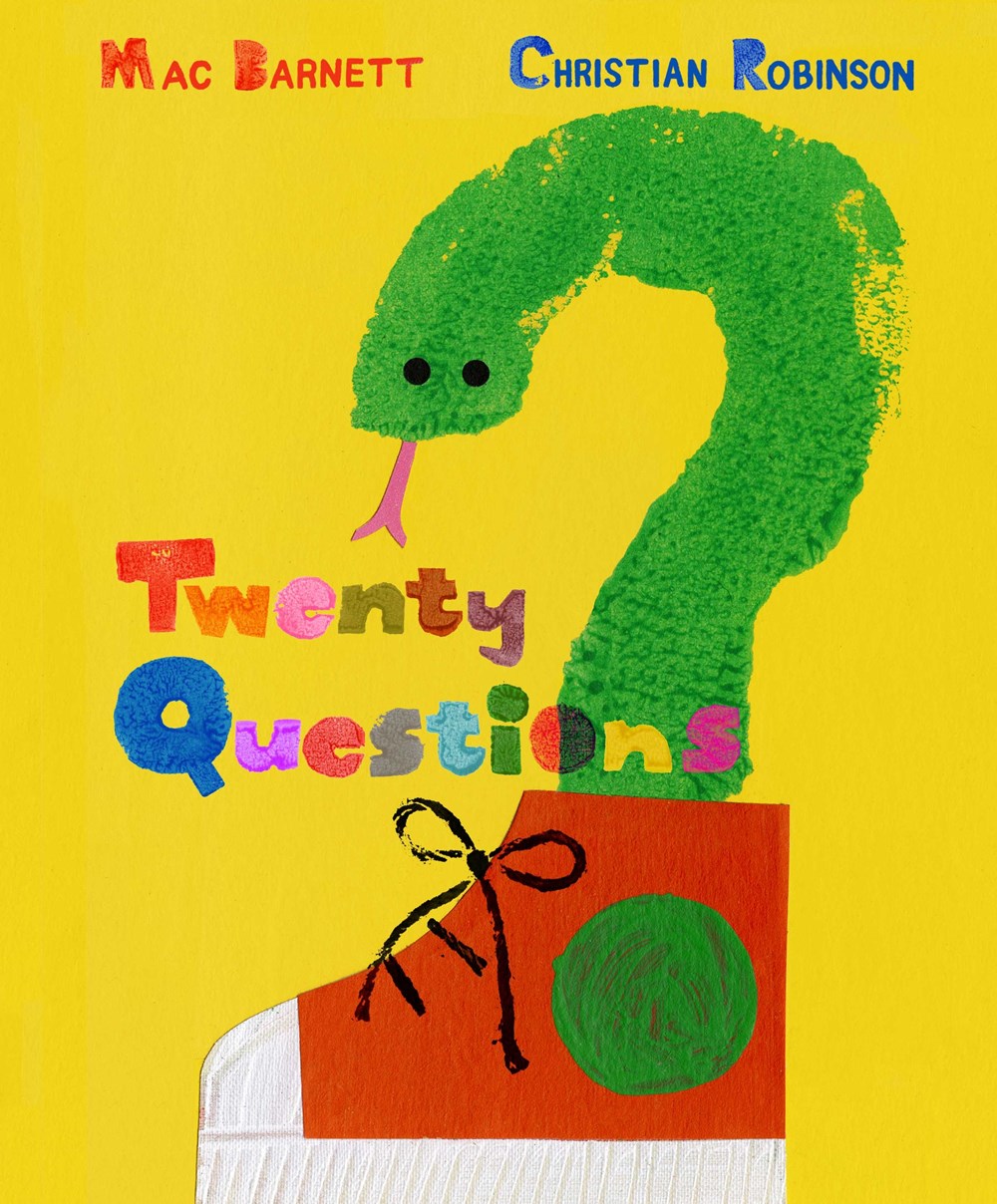
 

Twenty Questions, by Mac Barnett/Illustrated by Christian Robinson, (March 2023, Candlewick Press), $17.99, ISBN: 9781536215137

Ages 4-8

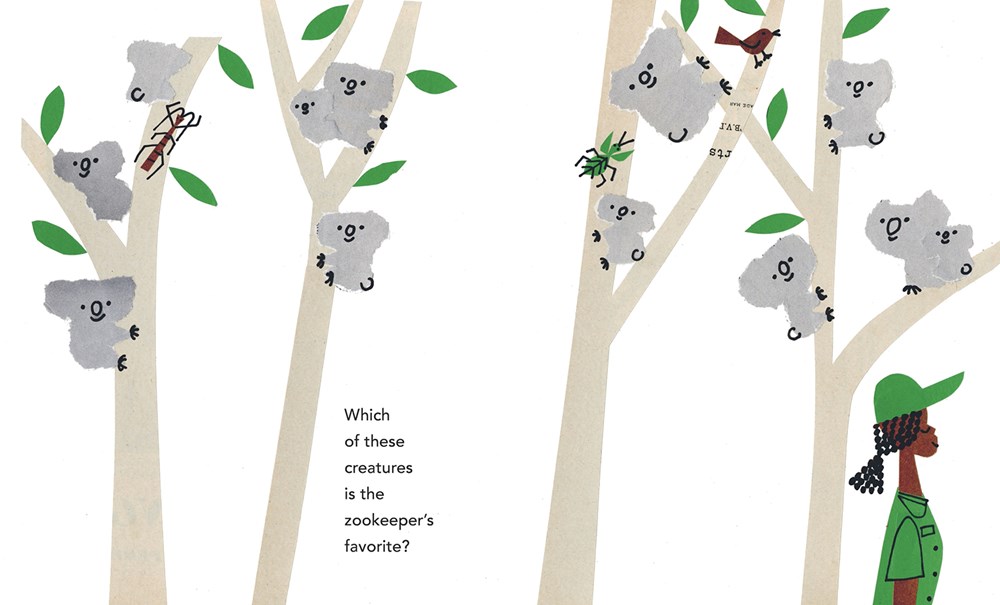
Award-winning creators Mac Barnett and Christian Robinson join forces to present this thought-provoking and fun book, filled with questions – and the answers can go anywhere! Barnett and Robinson begin with a fairly straightforward exercise: a bright green tree with a bevy of animals in and around it, accompanied with a question: “How many animals can you see in this picture?” From there, the questions become more fun, more interesting: a tiger threads itself through a spread of leaves, and the question asks, “How many animals can you not see in this one, because they’re hiding from the tiger?” A police car meanders by a group of women, and Barnett asks, “Which of these ladies just robbed a bank?” Interesting, colorful mixed media illustrations punch up a series of questions that ask readers to stretch their imaginations. The final spread is a great conversation opener for students. A sense of fun runs through the book – share that feeling with the kids! An excellent choice for picture book collections. Download a Teacher Tip card at Candlewick’s website.
Twenty Questions has a starred review from Booklist and was an Indie Next pick.
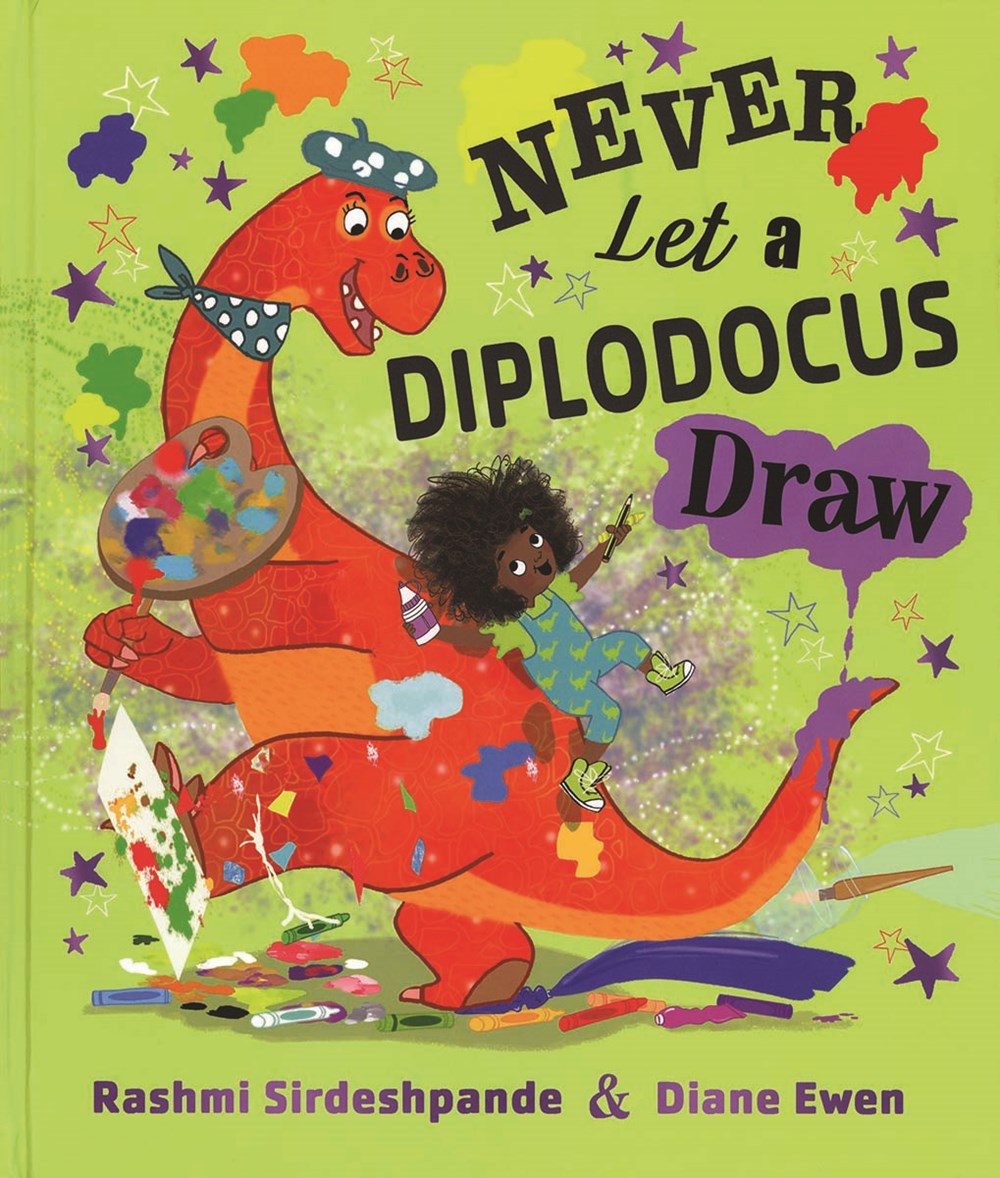
 

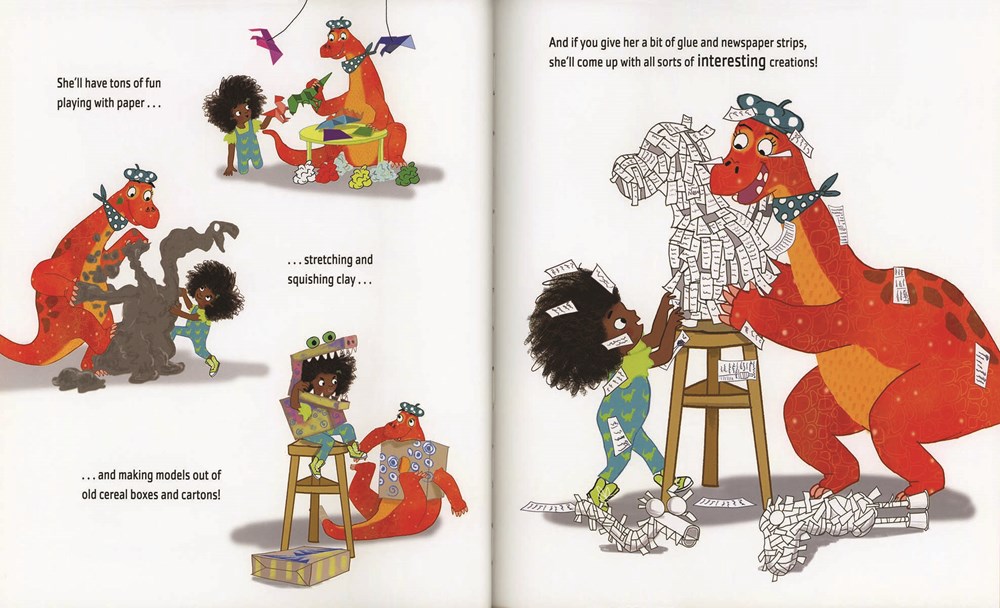
Never Let a Diplodocus Draw, by Rashmi Sirdeshpande & Diane Ewen, (Aug. 2023, Kane Miller), $13.99, ISBN: 9781684645800

Ages 3-7

The third book in Never Let a Dinosaur…” series from Sirdeshpande and Ewen is here! The imaginative young girl is back with a new dinosaur and a new adventure, this time, teaching her diplodocus to draw. In cumulative fashion, the diplodocus lets her imagination run wild, becoming a global art sensation; her artwork selling for “gazillions” of dollars and her scupltures in demand from mayors all over the world’s cities. What happens when the paint factory can’t hold any more paint? You’ll have to read to find out. The story touches on the many ways we create and enjoy art, and Ewen’s colorful illustations place humans and dinosaurs side by side. A fun readaloud with a playful conclusion, Never Let a Diplodocus Draw is a cheery art storytime readaloud and pairs wonderfully with its predecessors, Never Show a T-Rex a Book and Never Let a Stegosaurus Do Sums.
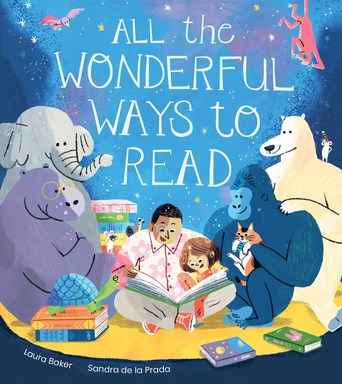
 

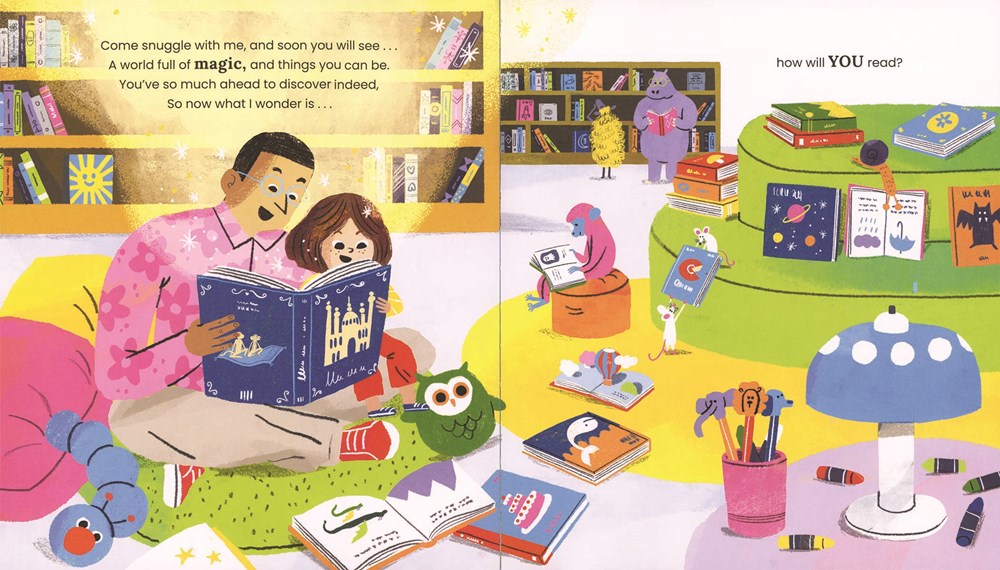
All the Wonderful Ways to Read, by Laura Baker/Illustrated by Sandra de la Prada, (Aug. 2023, Kane Miller), $15.99, ISBN: 9781684645473

Ages 3-7

Inviting readers to join the “most welcoming club in the world”, Baker weaves a rhyming tale about all the ways there are to enjoy a story: “Will you pore over / e…ve…ry / word in a hush? / Or speed to the end in / an almighty rush?”Animals and humans enjoy books in a variety of locales, from a tent under the stars to a hot air balloon in this paen to the joy of reading and imagination. Baker touches on favorite genres and formats, like graphic novels and poetry; the process of finding that just-right book; and the experience of reading: “Will you laugh out loud? Gasp out loud? Call out together?” Reading is an activity that unites readers, thus creating what Baker calls – with great reason – “the most welcoming club in the world”. de la Prada’s cheery illustrations show groups of readers together; parents and children, and solitary readers alike, all enjoying a story and showing everyone that there’s no one way to enjoy a book. Navy blue endpapers display a variety of outlined characters reading; books are a bright yellow, offering a beacon to adventure. An excellent readaloud choice for those first weeks of school, for library class visits, and storytimes alike. All the Wonderful Ways to Read was originally published in Great Britain.
Posted in picture books, Preschool Reads

It begins with a word, it creates a community: This is a Story, by John Schu & Lauren Castillo

This is a Story, by John Schu/Illustrated by Lauren Castillo, (March 2023, Candlewick Press), $17.99, ISBN: 9781536204520

Ages 4-8

Children’s librarian, literacy advocate, and author John Schu follows up last year’s This is a School with a moving tale of how stories connect communities. Beginning with a word on a page, Schu takes readers to the library, where a child and librarian connect over a book, creating a reader. Readers read together, dream together, and grow together: all because of a story, which helps us make sense of the world around us. Castillo uses ink, watercolor, and pastels to create warm images of a diverse group of readers and creates a welcoming, comfortable space a place where people can come together: the library. The choices for favorite children’s books throughout the book can be found in the acknowledgements, and would make for a great reader’s advisory list or display. Choosing to put the library at the heart of a community is a powerful statement. An excellent choice for collections and a first choice for class visit readalouds.

This is a Story has a starred review from School Library Journal. Candlewick offers a downloadable teacher’s guide on the book detail page on the publisher’s website.

Posted in professional development

Guest Post: Why is fluency important to comprehension?

Hi all! I’ve got a guest post today from Alesia, from PrimaryLearning.org, an online education resource for K-5 educators. There are some great, free lesson plans, worksheets, and activities to be found there; I’ll be trying some of these on for size as we increase our self-directed (passive) programming. Without further ado, here’s Alesia’s article on fluency and comprehension.

Why is fluency important to comprehension?

Developing fluency and comprehension significantly helps children become proficient readers. These two skills are connected, with fluency supporting children’s comprehension of the texts they read. When teaching children how to read, a focus on fluency should be part of the program. 

What is Fluency?

Fluency is the ability to read smoothly with automaticity. Fluency makes reading sound like talking. It consists of three components: accuracy, rate, and expression. 

Accuracy is the ability to read words correctly. The more accurate readers are, the fewer mistakes they make. 

Rate is the speed or pace that words are read. Fluent readers have a consistent flow to their reading. Their reading is not filled with stops and starts. 

Expression is related to how a reader’s voice sounds. Expressive readers vary their volume, pause at appropriate places, and attend to punctuation, adding excitement or intonation to their voice. Their reading does not sound robotic or monotone. 

What is Comprehension?

Comprehension is a key component of reading. Without it, children are merely reading words on a page, with no understanding of what they mean. Think of times when you have read a paragraph or page, then had to go back and read it again because you had little understanding of what you had just read. Comprehension was missing. 

Comprehension allows readers to understand, interpret, and interact with texts. It allows readers to understand the vocabulary in books. They also bring their own prior knowledge and experience to the text in order to make connections. They make predictions and confirm or revise them as they read. Children with well-developed comprehension skills can infer while they read. They also ask questions or have “wonderings” as they progress through a book. All of these skills allow children to understand the books they read.    

How Does Fluency Affect Comprehension?

If children are struggling to solve words, their efforts become focused on decoding. Their rate of reading slows down, often becoming word-by-word or robotic-like. Expression is lacking or even absent, as they concentrate almost primarily on word solving. 

When children read fluently, they recognize words more automatically and can shift their focus to what the words mean. They are able to concentrate on what the text is saying and can interact with it, using the comprehension skills described in the section above.      

How Do I Teach Fluency?

To teach fluency, make sure you are modeling what fluent reading sounds like. Demonstrate how you pause, change your voice, and group words together so your reading is not choppy. Provide children with opportunities to demonstrate their own fluency. Beginning readers can start with one sentence that they can read smoothly. Encourage them to make their reading sound like talking. It may be helpful to record their reading so they can hear what they sound like. 

To encourage fluency, it is important that children are reading books appropriate for their level. If a book is too difficult, children will struggle to solve the words and fluency will break down. Choose “just right” books or, if fluency is the main goal of the lesson, consider using a book that is even a bit easy to read. Without the need to tackle unknown words, children can focus all their efforts on reading the book fluently. Re-reading a familiar book is another way to shift the focus to fluency.  

To support fluency, preview books and identify vocabulary that you may need to pre-teach. Anticipating challenging words and reviewing them before children begin reading will help their fluency. Sometimes fluency is even hindered by characters’ names that kids are unfamiliar with. Spotting these problems ahead of time will prevent them from stumbling throughout the book. 

Fluency also improves when children have a well-developed sight word vocabulary. We want children to recognize high-frequency words like “the,” “and,” and “it” automatically. Without a bank of known sight words, children will struggle through texts.

As we teach children to read, it is easy to become focused on word-solving strategies. However, it is important that we don’t neglect fluency, which opens the door to a deeper comprehension of texts.   


Posted in Conferences & Events

The Library of Congress National Book Festival starts THIS FRIDAY!

The Library of Congress’s National Book Festival starts in two days! Are you ready? This year, the LOC invited blog subscribers to be Festival Ambassadors, so here I am, talking to you, about attending.

What’s good this year, you ask? SO MUCH, I answer. The expanded Festival has videos on demand, author conversations in real time, and live Q&A sessions. There’s a new NPR podcast series, live virtual events with the Washington Post, and a PBS special hosted by LeVar Burton (with Librarian of Congress rock star Carla Hayden)! Featured authors this year? How do Silvia Moreno-Garcia, Angie Thomas, Michael J. Fox, Jason Reynolds, Martha Wells sound for a start?

I can’t wait for the Spider-Man Origin Story in Art and Comic Books, happening online on 9/23 and the live Q&A with The Magic Fish author and illustrator, Trung Le Nguyen on the 25th. Derrick Barnes is going to be talking about I Am Every Good Thing, and Dan Gutman will be chatting about Houdini and Me on the 26th. There’s something for everyone over the next 10 days!

Check out the Schedule At A Glance right here, and print out a copy of this little game to play online with the LOC and your friends.


Handy-dandy links to bookmark and follow:

National Book Festival Website: loc.gov/bookfest

National Book Festival blog: https://blogs.loc.gov/national-book-festival/

Library of Congress Instagram: https://www.instagram.com/librarycongress/

Library of Congress Twitter: https://twitter.com/librarycongress

Events at the Library of Congress Twitter: https://twitter.com/events_loc

Carla Hayden’s Librarian of Congress Twitter: https://twitter.com/libnofcongress

Library of Congress Facebook: https://www.facebook.com/libraryofcongress

Library of Congress on YouTube: https://www.youtube.com/c/loc

Start planning!

Posted in picture books

Library Love: Lila Lou’s Little Library

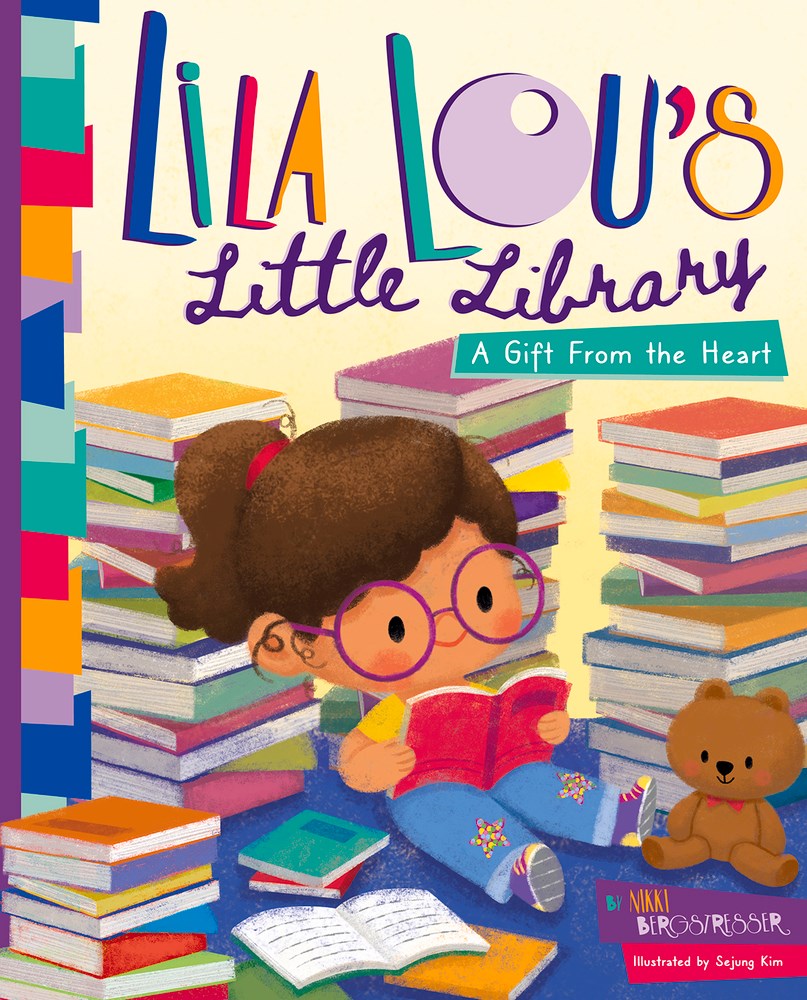
Lila Lou’s Little Library : A Gift From the Heart, by Nikki Bergstresser/Illustrated by Sejung Kim, (Oct. 2021, Cardinal Rule Press), $16.95, ISBN: 9781735345116
Ages 5-7
A little girl who loves to read has too many books for her home, so she creates a Little Free Library for her community! A story of book love, library love, and literacy activism, Lila Lou’s Little Library is perfect for class visits and book-about-books storytime. It’ll inspire kids and grownups alike to share their love of books with their neighbors. Back matter includes tips on creating and curating your own little library, and that’s one of the things I love most about this story: it’s not just about loving books, although that’s certainly at the heart of the story; it’s about the love of sharing – the community starts to get involved, contributing to the library with their own books – and the love of librarianship. Lila Lou is a little Reader’s Advisor, selecting just right books for everyone who asks her for a suggestion; she shows readers what librarians’ real talent is. We listen, and we share information that readers want and need. Adults, children, Lila Lou is ready to help them all. It’s a very sweet story about gentle, but firm, literacy advocacy. Colorful kid-friendly artwork is eye-catching, and the storytelling will inspire readers to look over their own piles of books and share them with their friends, their classrooms, and possibly, their communities. Lila Lou’s tree stump reminds me of the librarian in Coeur d’Alene, Idaho, who created a gorgeous Little Free Library from a hollowed-out tree in her yard, but there easier ways to share books with others. Talk about some of those ways, using the information at the end of the book, and the free, downloadable reader’s guide. Print out coloring pages to share, too!
I would love to see where Lila Lou goes next – maybe she’s got more book-related adventures to come?
Posted in professional development

Good for Parents & Professional Development: How to Raise a Reader

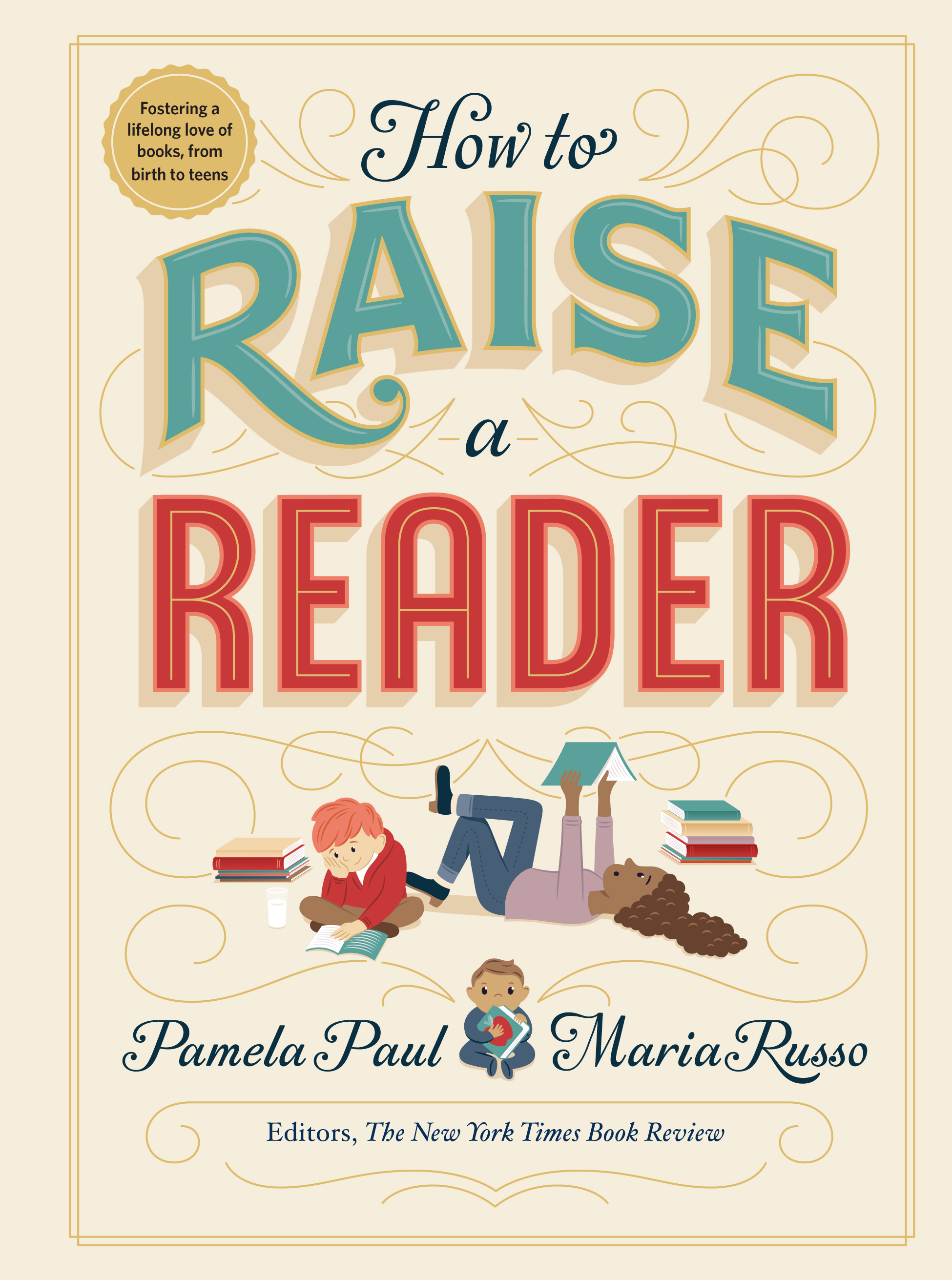
How to Raise a Reader, by Pamela Paul & Maria Russo/Illustrations by Vera Brosgol, Lisk Feng, Monica Garwood, & Dan Yaccarino, (Sept. 2019, Workman), $19.95, ISBN: 978-1523505302

I like finding good books to recommend to parents and to add to my own professional development, so I picked up How to Raise a Reader. Written by two editors of The New York Times Book Review, How to Raise a Reader is all about inspiring parents, caregivers, and educators to promote a lifetime love of reading. Organized into four parts – Born to Read, Growing a Reader, Your Middle-Grade Reader, and A Reader for Life, with a fifth section providing book suggestions by themes and reading levels (not A-Z, more like age and grade) – this is a handy Readers’ Advisory volume to have at your fingertips, and a good suggestion to hand parents who want to work toward growing their own readers. There’s advice, tips and facts about early childhood learning, and booklists, booklists, booklists. Illustrated in full-color by popular children’s book illustrators, this is a book that will make you fall in love with reading again, too. It’s easy to read; easily skimmed if you need to look for one specific section or booklist; and filled with an upbeat, positive attitude: you can do this! You can get kids to love books!

Never overwhelming, the information is presented in easily digestible sections and fact boxes. Get yourself a desk copy to keep on hand, and consider adding this to your parenting sections. And encourage those parents when they come in, looking scared and lost. Remind them that reading kids’ books is fun, and tell them that they should never feel bad about reading along with their kids, too! I can’t tell you how many times I’ve had a parent confide that they “aren’t really readers”, or “haven’t picked up a book in SO long”. Kids’ books are the best way to get back into reading – let this book and your expertise be the pep talk bewildered or just plain tired caregivers need.

Posted in Fiction, Middle Grade, picture books, Preschool Reads, Toddler Reads, Tween Reads

Book List for Beginning Activists

It’s getting harder and harder, waking up to the world we’re living in today. Some of our best defenses are, and will always be, empathy and information. I was inspired to create my own list of books to cultivate young activists by CuriousCity’s Books for All of Us post; I hope these books inspire you, too. Remember what J.R.R. Tolkien told us: even the smallest person can change the course of the future.


A is for Activist, by Innosanto Nagara, (Nov. 2013, Triangle Square), $9.40, ISBN: 978-1609805395

Available in board book or hardcover, A is for Activist is a rhyming abcedary of activism. The book introduces little ones to ideas like Co-Op, Equal Rights, Grassroots, Indigenous, and Justice. Best for pre-k and up in terms of grasping the concepts, but it’s never too early to get an ABC book in front of the little ones. The illustrations are loaded with new things to find with each reading.


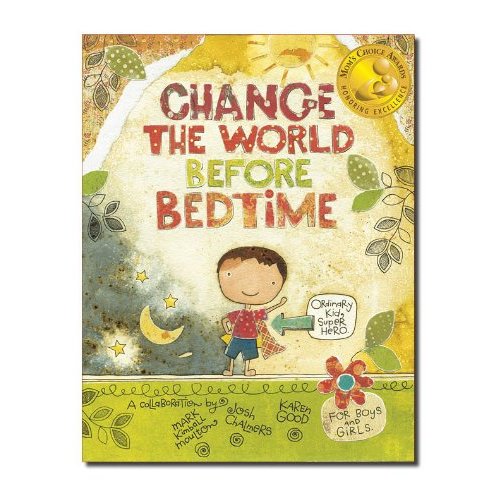
Change the World Before Bedtime, a collaboration by Mark Kimball Moulton, Josh Chalmers, and Karen Good (Schiffer Publishing, 2012). $16.99, ISBN: 978-0764342387

One of my storytime constants, Change the World Before Bedtime is loaded with ways for kids to make positive changes in their world, from eating locally to visiting a sick friend, to donating money from a lemonade stand to a good cause. It’s another rhyming text, with homespun, cozy artwork that immediately evokes the warm fuzzies.


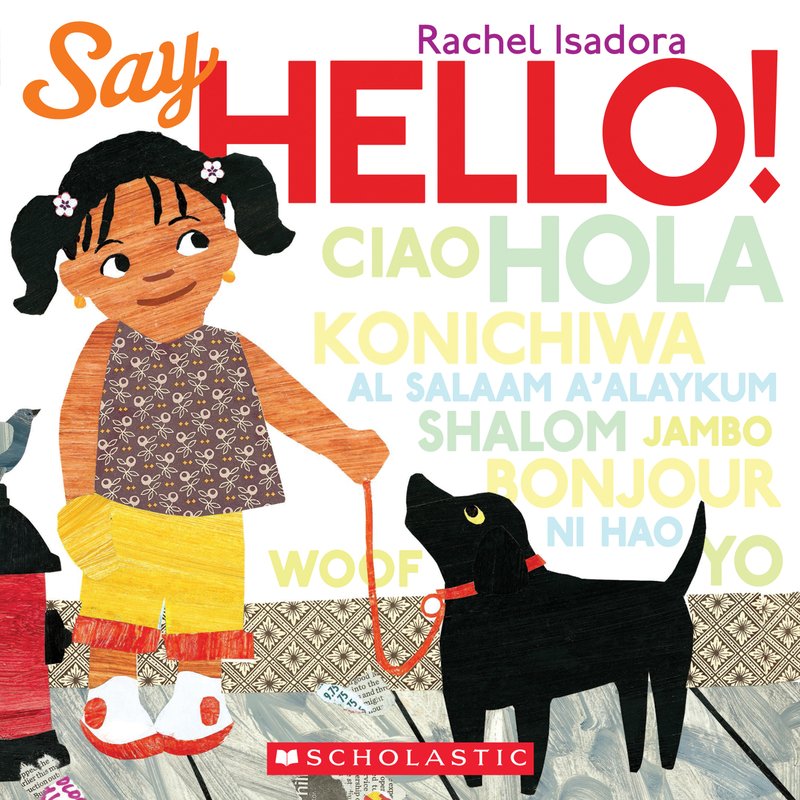
Say Hello!, by Rachel Isadora, (Apr. 2010, GP Putnam), $14.95, ISBN: 978-0399252303

Everyday activism! Carmelita is a little girl going to visit her abuela. As she walks through her neighborhood, she and her neighbors greet one another in their native languages: “Buenos días!”, “Konichiwa!”, “Shalom!”, and other joyful salutations embrace the multicultural world in which we live. Say Hello! will have kids sharing their own greetings with one another.


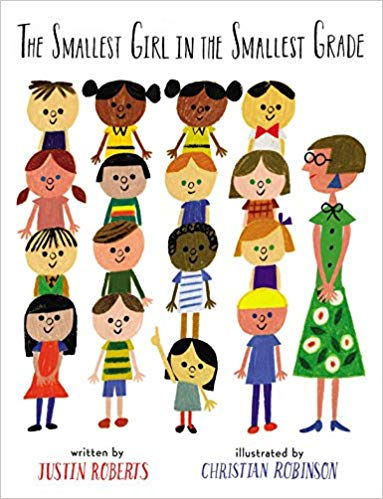
The Smallest Girl in the Smallest Grade, by Justin Roberts/Illustrated by Christian Robinson, (Sept. 2014, GP Putnam), $16.99, ISBN: 978-0399257438

Little Sally McCabe may be the smallest girl in the smallest grade, but she’s making big things happen when she decides to speak up when she sees bullying at the playground. This rhyming story lets kids of all sizes know that we can all make a difference.


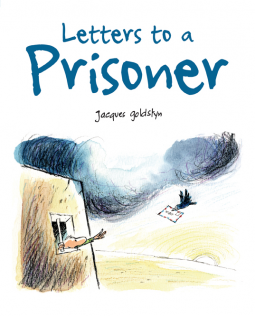
Letters to a Prisoner, by Jacques Goldstyn, (Sept. 2017, OwlKids Books), $18.95, ISBN: 9781771472517

This wordless picture book is inspired by human rights organization Amnesty International’s letter writing campaigns. A man is arrested during a peaceful protests and languishes in jail. A cruel guard burns letters that would sustain the man, inspiring more letter writers to come together and create a winged army of written support that overwhelms the guard and lifts the prisoner up and away. The book illustrates the power of the written word to sustain as well as to take a stand.


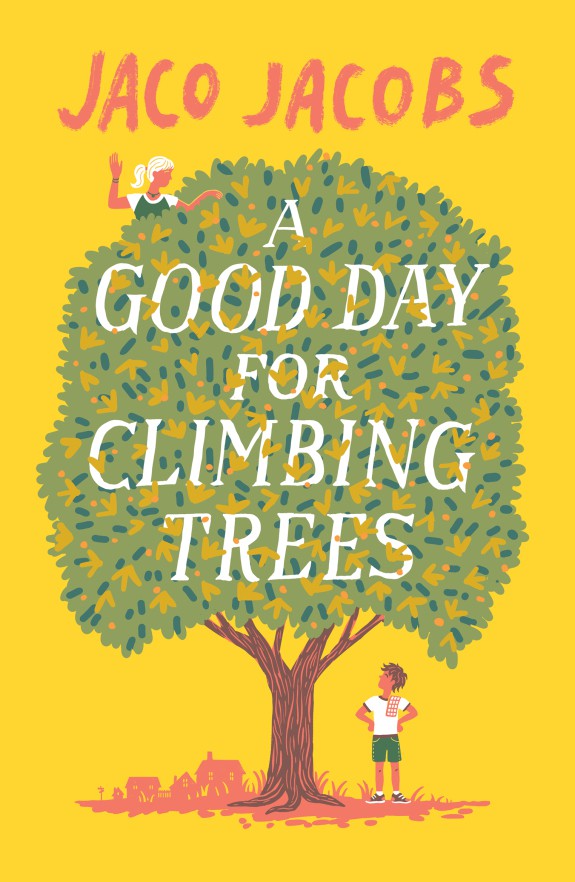
A Good Day for Climbing Trees, by Jaco Jacobs, Translated from Afrikaans by Kobus Geldenhuys/Illustrated by Jim Tierney, (Apr. 2018, One World Publications), $11.99, ISBN: 978-1-78607-317-4

Middle graders have more of a grasp on the world around them, can take action in different ways. Marnus, the 13-year-old protagonist in A Good Day for Climbing Trees, and a friend take action to save a local tree from demolition by petitioning and holding a sit-in, which alerts others to their cause. Readers get a more involved view of activism, and some potential results, here.


This is just a small handful of the growing number of books out there.  I encourage you all to read these books, read them to your kids, and add them to your collections.


Posted in Intermediate, Non-Fiction, picture books

The Midnight Teacher’s bravery

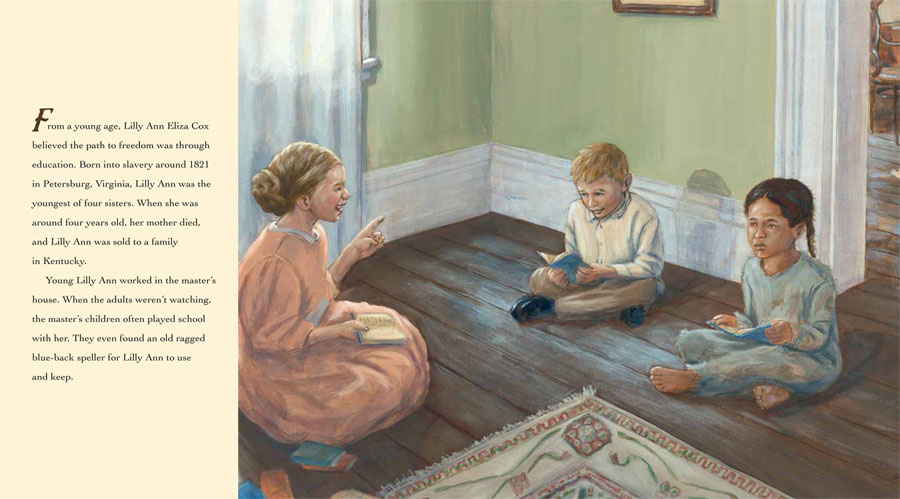
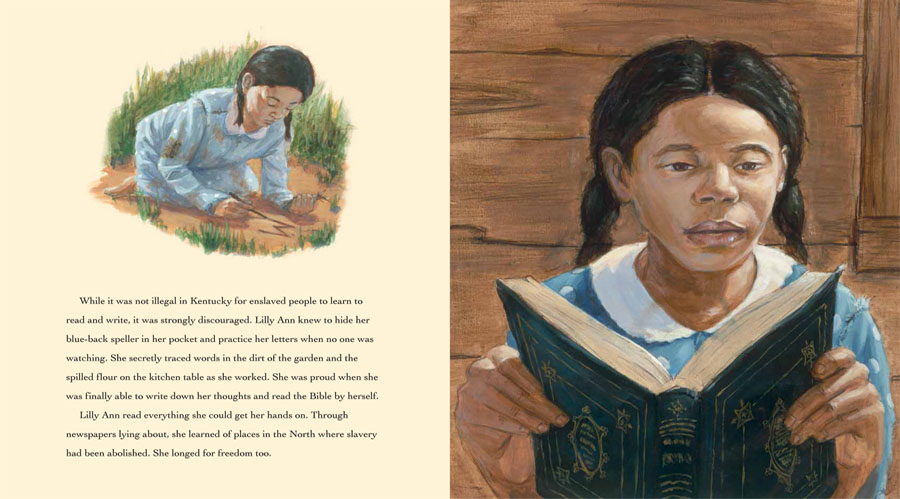
Midnight Teacher: Lilly Ann Granderson and Her Secret School, by Janet Halfmann/Illustrated by London Ladd, (Feb. 2018, Lee and Low), $18.95, ISBN: 9781620141632

Recommended for readers 7-11

Lilly Ann Granderson was born a slave, taught to read by her master’s children, who played school with her. As she grew up, she practiced her spelling and reading in secret – in some areas, it was against the law to teach slaves to read – and eventually began teaching other slaves. She was determined to teach as many of her people as she could, to give them the chance at freedom made possible through education, and began a midnight school where slaves would gather after dark to learn, risking cruel punishment if they were discovered. Eventually, Lilly Ann won the right to start a school and a Sabbath church school, where she could teach her students with no fear of repercussion.

This picture book biography looks at the life of an overlooked champion for literacy and social justice and makes an excellent addition to biography collections. Lilly Ann Granderson’s determination and perseverance; her desire to to learn and promote learning among others is an important and, sadly, relevant topic today. Talk about how education leads to freedom, and mention that education is not always a right, even today. Malala Yousafzai’s picture book biography, For the Right to Learn, illustrates this and is a good companion to Midnight Teacher.

The artwork is realistic and subdued, made with acrylic paint and colored pencil; London Ladd gives character and expression to his characters, particularly Lilly Ann Granderson, whose determination and inner strength shine through. An afterword provides an overview of Granderson’s life and those of her descendants, who went on to become activists, had life in public service, and found professional success. A nice bibliography has more resources for interested readers, caregivers, and educators. Midnight Teacher has a starred review from Kirkus and is a must-add to collections where picture book biographies are available.

Posted in professional development

Professional Development Reading: Time for a Story

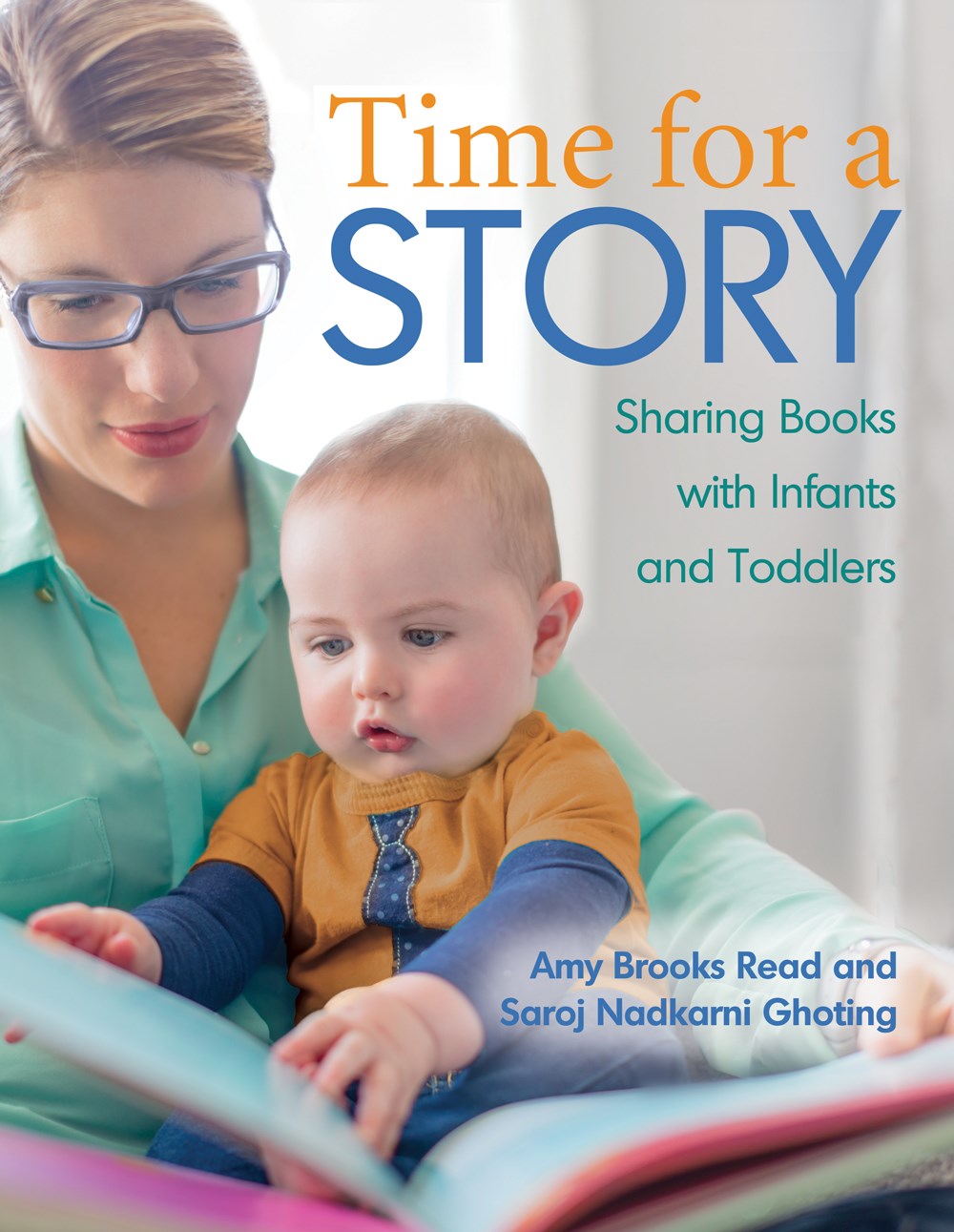
Time for a Story: Sharing Books with Infants and Toddlers, by Amy Brooks Read & Saroj Nadkarni Ghoting, (Nov. 2015, Gryphon House), $19.95, ISBN: 9780876596586

I’m always looking for new ways to learn within my profession and expand on that knowledge. And since the family finances are like, “Nuh-uh” when it comes to getting another grad degree, I’ve turned to books. There is some great stuff out there! Since I’m always in search of strengthening my storytimes, especially to babies and toddlers, I started with Time for a Story. Saroj Ghoting spoke at an in-service at my library one time, and I really liked the way she talked about storytelling and how to apply learning to storytime, so I jumped at the chance to read a book she had a hand in.

Time for a Story is a good start to digging into storytime and how to incorporate singing, play, talking, reading, and writing into any and every book you pick up. Amy Brooks Read and Saroj Ghoting have tips and reading lists ready for babies and toddlers, concentrating on the early childhood literacy and the best ways to introduce a lifelong love of reading in kids. Reading, you say? Yes, reading! Kids start making connections early – print awareness is wonderful, we all know that. Keep books all over the place for kids to develop that print awareness. Let them chew on those board books (not library books, though, PLEASE), let them hold books and turn pages. I hand out books for kids to hold onto and explore during my storytimes, so it was gratifying to read that here. I was also relieved to discover that it is okay for my kiddos to wander during storytime, and for me to keep reading – they’re still paying attention while they explore. Family Literacy Tips are great to post around your libraries and classrooms, and talk through with parents during storytime.

There are book lists and samples of ways to read different books. I appreciated the advice on reading wordless or sparsely worded books, like Peggy Rathmann’s Good Night Gorilla, because I feel like it’s an untapped resource for my storytimes.

This was a nice start to my professional development reading, with information that I will come back to. Saroj Ghoting has a very useful website where you can find resources in a multitude of languages, including Spanish and Chinese. Gryphon House has a video of Amy Brooks Read discussing storytime strategies on their website.

Posted in Fiction, Historical Fiction, Middle Grade, Realistic Fiction, Tween Reads

Hispanic Heritage Reading: My Brigadista Year, by Katherine Paterson

My Bridgadista Year, by Katherine Paterson, (Oct. 2017, Candlewick), $15.99, ISBN: 978-0-7636-9508-8

Recommended for readers 10-14

It’s 1961, and Lora is a 13 year-old girl who signs up to be one of Fidel Castro’s Brigadistas – groups of students, some as young as 8, most between the ages of 10 and 16 – who went into the rural areas of Cuba to spend a year with families, teaching them to read and write. Lora sees this as an opportunity to grow as a student and a person; she wants to be a doctor, and she wants the space to learn and discover on her own. Her parents protest: she’s lived a comfortable life in Havana, why would she want to live in poverty for a year? With some help from her grandmother, Lora’s parents relent, and she joins the Brigadistas, promising to come home if it gets too hard. Lora is placed with a family to teach, and before she knows it, is teaching a neighboring family, too. The group becomes an extended family as she takes part in the daily chores, taking as much encouragement as she gives, but all is not easy: not everyone is in favor of the Cuban Literacy Initiative. Counter-revolutionaries have martyred those who would lift Cuba out of illiteracy in the past, and the Brigadistas know that risk is part of what they’ve signed on for.

This was the first I’ve read about the Cuban Literacy Initiative. It’s a little-talked about moment in history, and it’s fascinating. Lora is a wonderful character who we see coming of age with each turn of the page, and her students consist of parents, grandparents, and children. Things don’t come easily to Lora, but she never gives up, her larger goals in mind, and her determination at her back. This is a short but powerful book that I’d love to see on summer reading lists next year. An overview of the Cuban Literacy Initiative fills provides more information for readers who want to learn more.

Katherine Paterson is the Newbery award-winning author of Bridge to Terabithia and Jacob I Have Loved. You can visit her website to find her bio, information about her books, and interviews with the author.

As our relations with Cuba continue to open, I’d love to read more first-hand accounts from brigadistas and the rural families with whom they lived. Until then, Tulane University’s Roger Thayer Stone’s Center for Latin American Studies has some information on the campaign, and Al-Jazeera posted an interview with a former brigadista.