I received review copies of the first two books in the new chapter book series, Twig and Turtle, from Pixel+Ink toward the end of last year and just sat down to read them, as I get my TBR self together. They are SO much fun! You don’t need to read them in order, but you’ll certainly want to read them all.
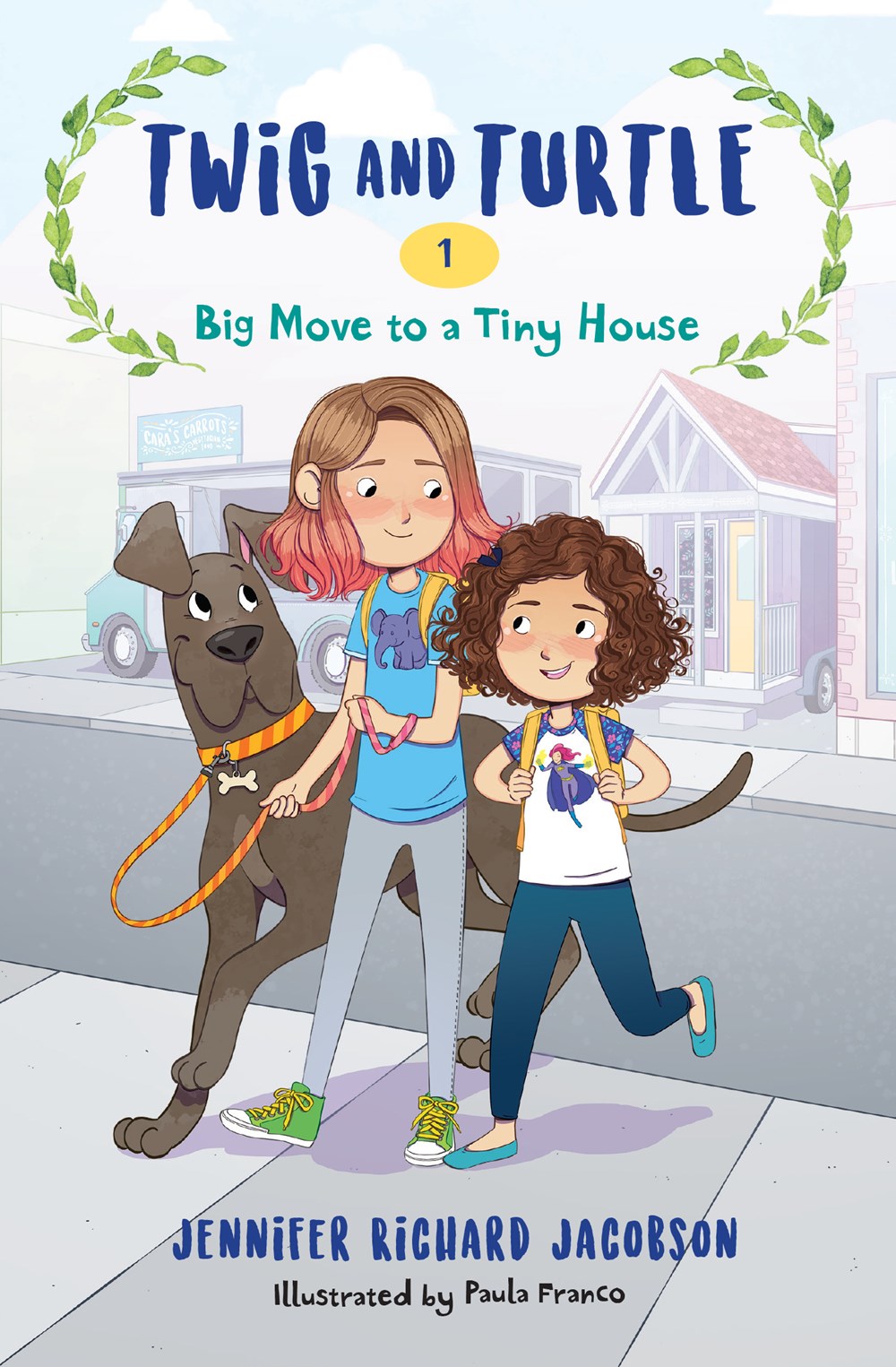 Twig and Turtle: Big Move to a Tiny House (Twig and Turtle #1), by Jennifer Richard Jacobson, (Oct. 2020, Pixel+Ink), $6.99, ISBN: 9781645950226
Ages 5-7
Sisters Twig and Turtle were living with their parents in a big home in Boston, but their parents decided to live more authentically, so they sold everything and moved their family to a tiny house in Colorado, where they can pursue their real interests. Dad’s a comic book artist, mom’s a photographer, and Twig and Turtle are navigating their new lives in a tiny home. In this first Twig and Turtle adventure, the sisters are adjusting to a new school and making new friends, but Twig is also worried about Bo, her uncle’s dog who’s been living with her grandmother. She loves Bo, but Bo – a great dane – has been making a ruckus and the neighbors are getting fed up, so she may need to rehome Bo – and Twig is so upset! Mom and Dad say there’s no room for Bo in their tiny new home, but maybe another solution will present itself? Twig and Turtle presents an interesting new take on moving and settling into a new home, new school, and new neighborhood. Twig is a third grader, Turtle is a first grader, and Turtle seems easier and quicker to acclimate than does Twig. The relationships between the girls and the girls and their parents is positive and optimistic. A fun new series; I’m always on the lookout for good chapter books for my intermediate readers and this fits the bill nicely. With Ivy and Bean coming to an end, this will be a nice new realistic fiction series to booktalk.
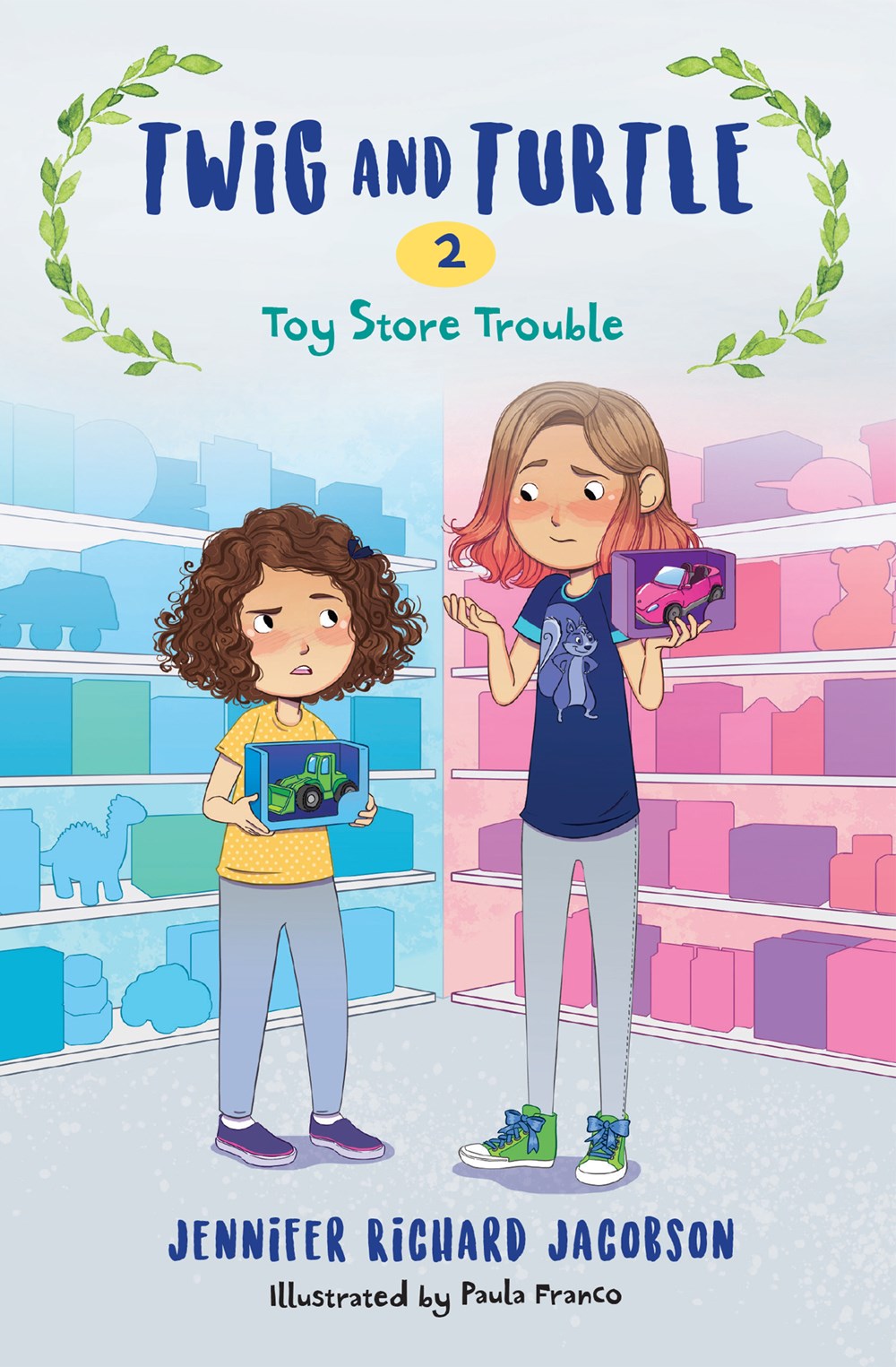 Twig and Turtle: Toy Store Trouble (Twig and Turtle #2), by Jennifer Richard Jacobson, (Oct. 2020, Pixel+Ink), $6.99, ISBN: 9781645950257
Ages 5-7
The second Twig and Turtle story centers on the new toy store opening in the neighborhood, which gets the kids all excited: especially since there’s a contest to name the new store, and the grand prize winner will also get to choose a toy of their own! Twig and Turtle are excited to win: they were only allowed to pick five toys each to take with them when they moved, but Twig is worried; Mom has already told them that for every new toy they receive, they need to choose one to part with. What if Twig doesn’t want to part with any of them? Toy Store Trouble looks at tough decisions kids have to make, and the solutions they can come up with when given time to think things through. The book also features thrift store shopping and trade-ins, so it’s a nice nod to stepping away from “fast fashion” and consumer culture.
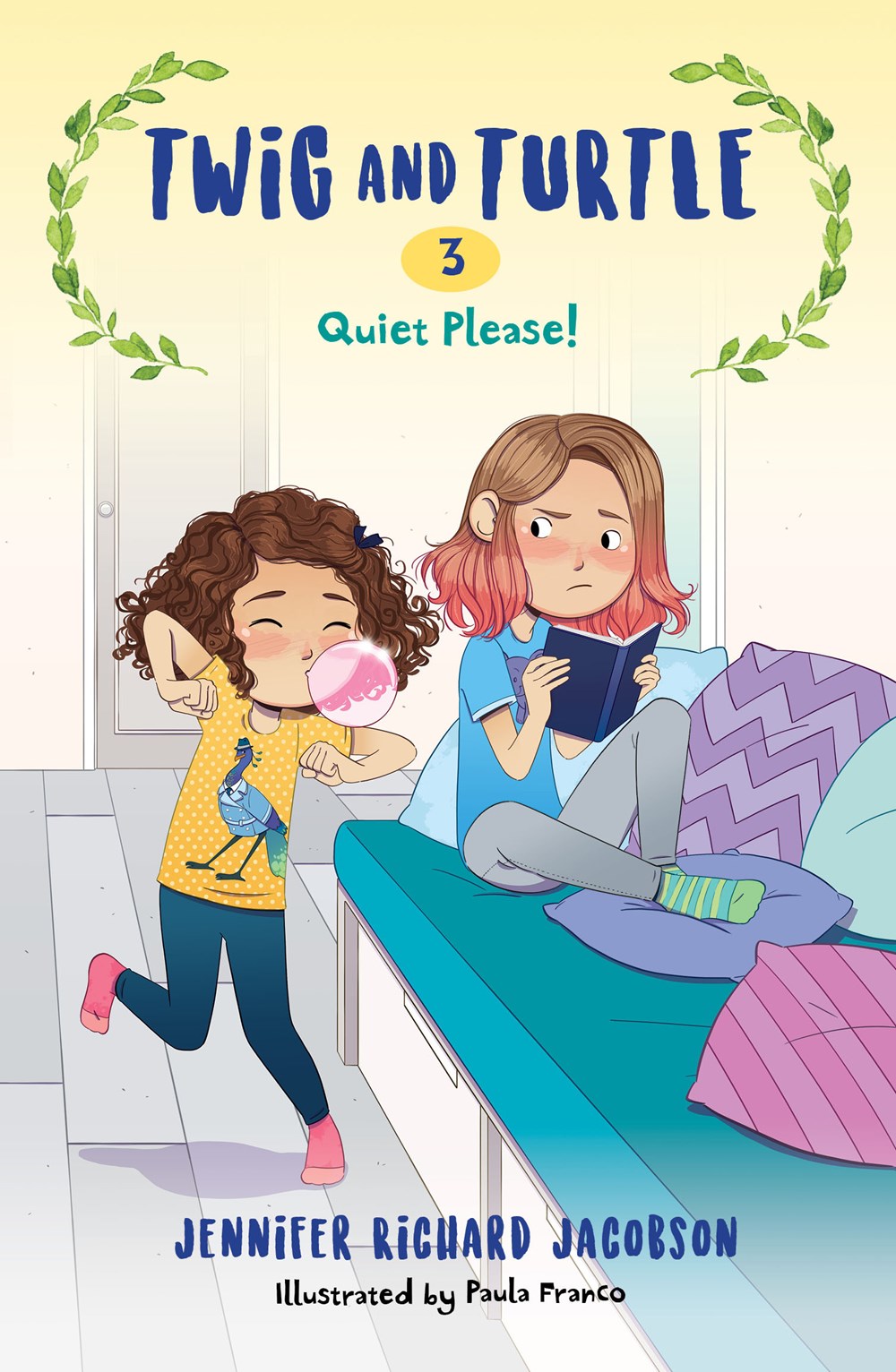 Twig and Turtle: Quiet Please! (Twig and Turtle #3), by Jennifer Richard Jacobson, (Feb. 2021, Pixel+Ink), $6.99, ISBN: 9781645950455
Ages 5-7
Full disclosure: I haven’t read this one yet, but it’s just come out, so I wanted to make sure to include it here. The family is starting to chafe against tiny house living, especially when Twig is participating in a school read-a-thon while the rest of the family is living in the same space! One of Twig’s classmates is able to log more reading time, so she starts staying up way past her bedtime to keep up, making Mom and Dad realize that there need to be some changes made.
The Twig and Turtle series has black and white illustrations throughout, and is a nicely written series that looks at a different way of living than we normally see. I think the kids will enjoy this one.

 Mom Read It