Posted in Fiction, Graphic Novels, Humor, Middle Grade, Middle School, Tween Reads

More Graphic Novels!

I’ve got more graphic novels! Let’s get to it.
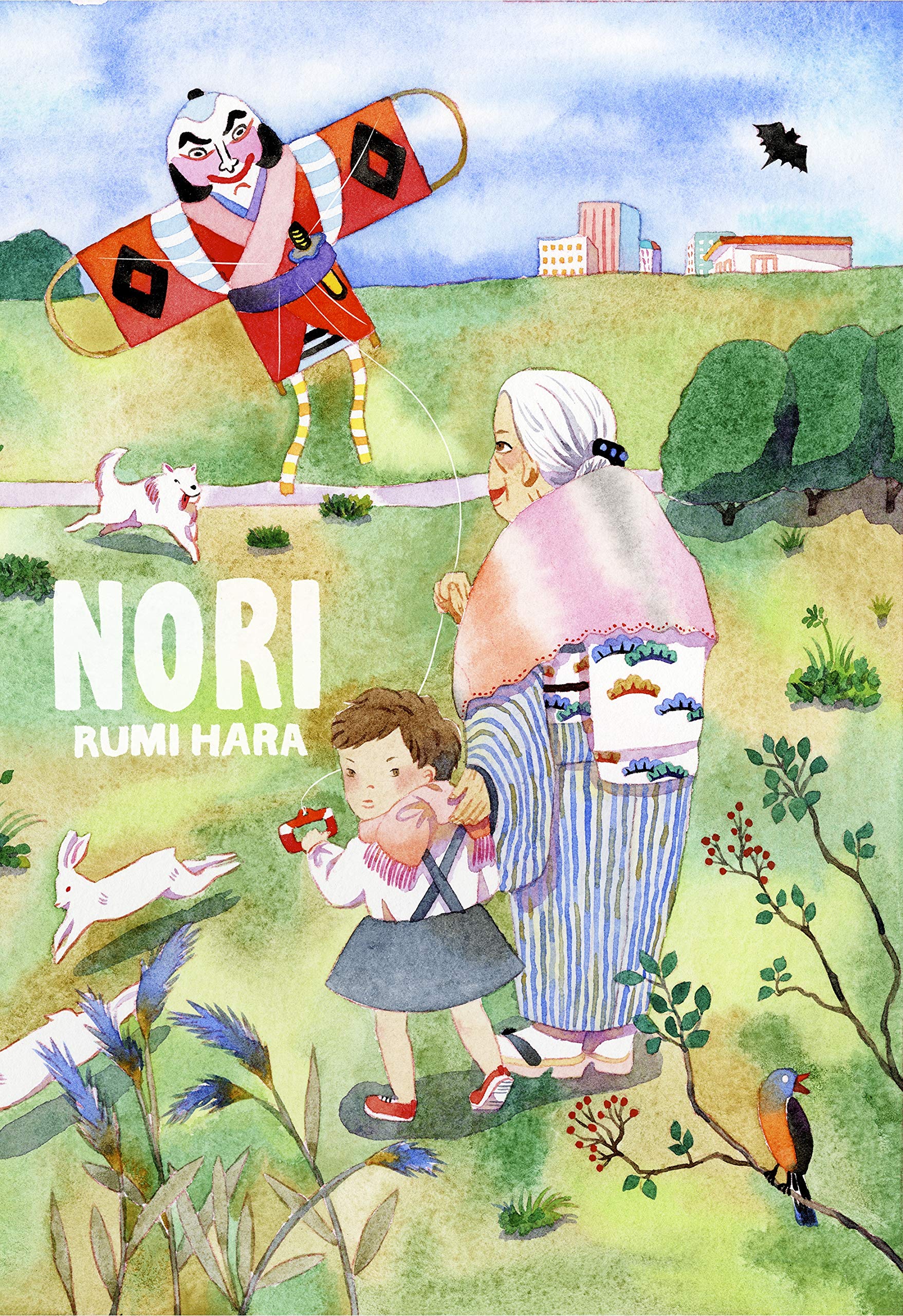
Nori, by Rumi Hara, (May 2020, Drawn & Quarterly), $24.95, ISBN: 978-1-77046-397-4

Ages 10+

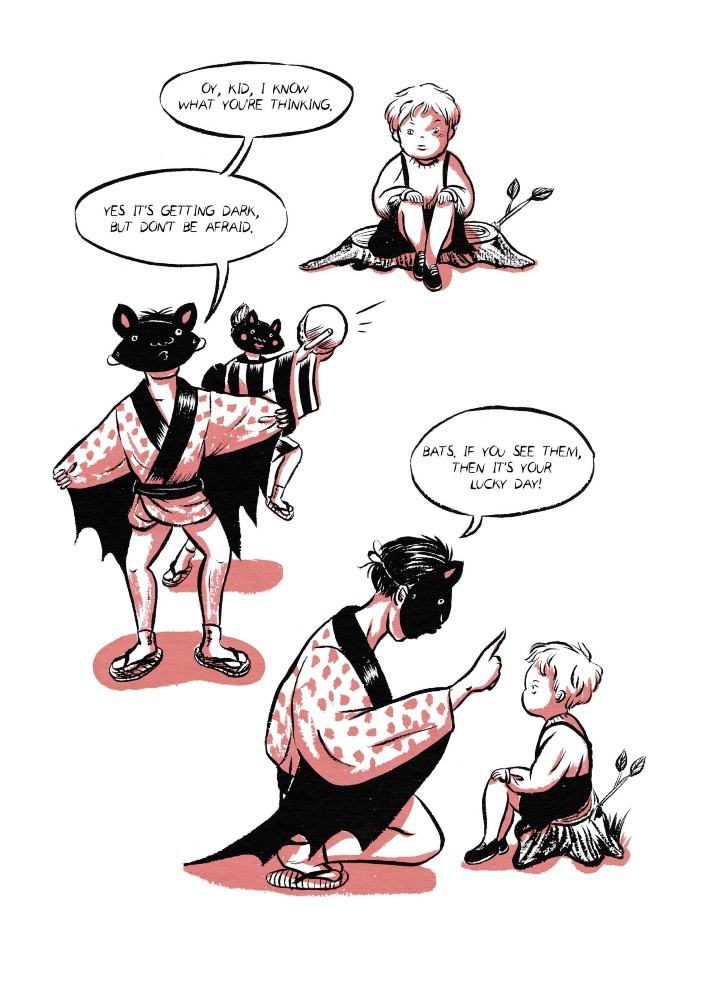
Three-year old Noriko – Nori, for short – lives in Japan’s Osaka suburbs and spends most of her time with her grandmother while her parents are working. Set in the 1980s, Nori is all about a little girl’s adventures as she explores the world around her, accompanied by her best friend: her grandmother. The book contains five short stories and is infused with Japanese culture; the events of World War II still reverberate with the adults around Nori, and cultural festivals bring the excitement of the city alive in the pages. Nori brings childhood memories alive for readers: a part in a school play; chasing rabbits and watching neighborhood kids play with crawfish and beetles; she even wins a trip to Hawaii for herself and her grandmother, which leads to a healing moment for a family who’s lost their own matriarch. Black and white artwork has one-color moments for contrast and interest. Nori is a celebration of childhood and the special relationship between a child and grandparent and middle school-aged readers and young teens will especially love this.

Nori has a starred review from Publisher’s Weekly. Read an interview with Rumi Hara on We Need Diverse Books, and visit her website for more information about her work. Nori is a nominee in the 2020 Cybils Graphic Novel category.
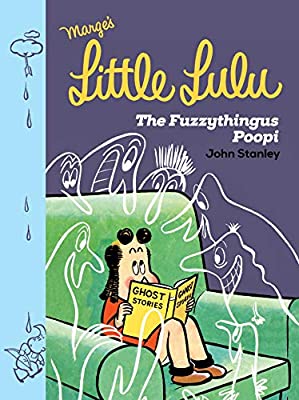
 

Marge’s Little Lulu: The Fuzzythingus Poopi, by John Stanley, (Sept. 2020, Drawn and Quarterly), $29.95, ISBN: 9781770463660

Ages 6+

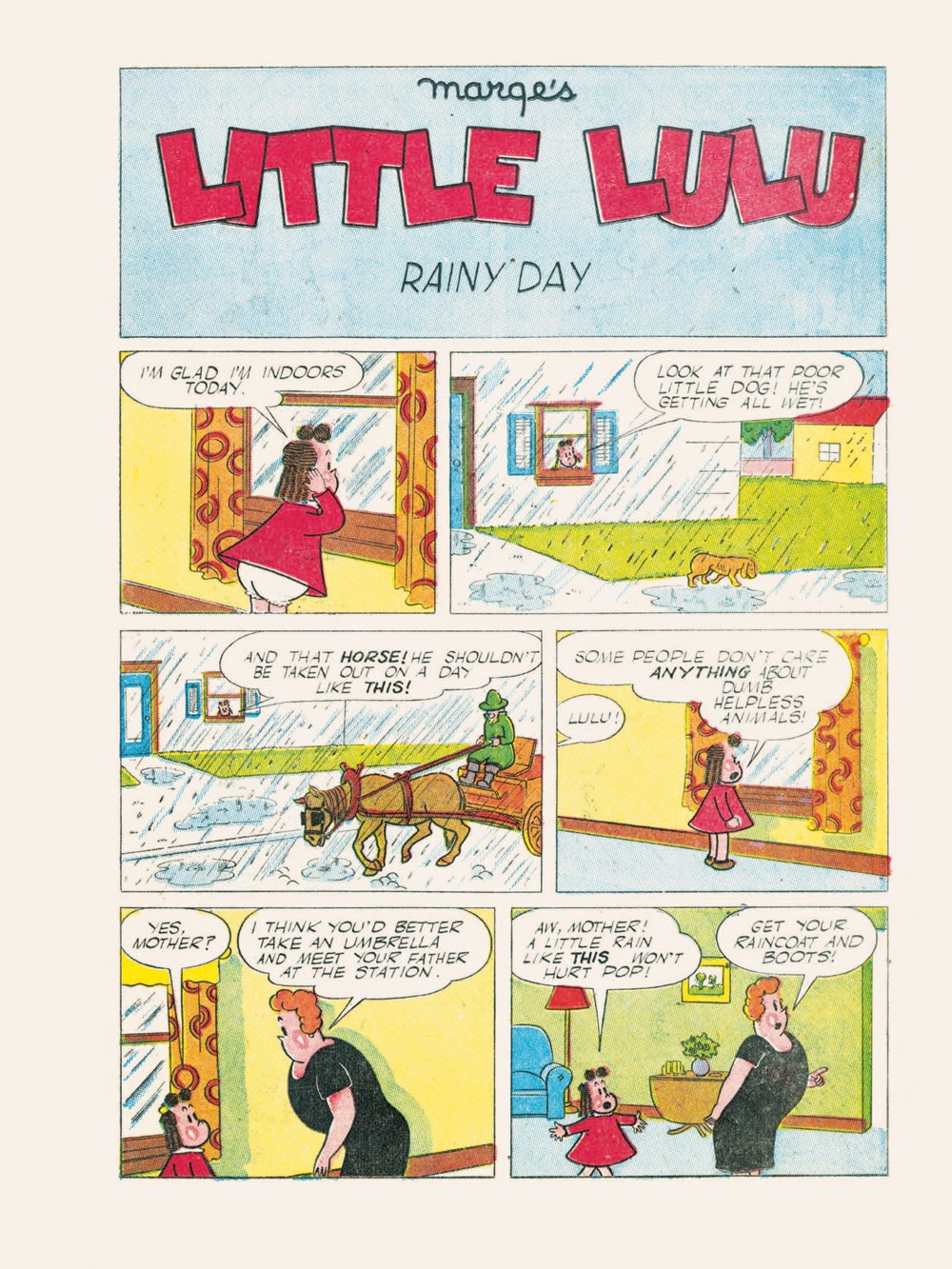
This collection takes me back to my childhood in the best of ways. I used to read Little Lulu reprints when I was growing up, alongside issues of Richie Rich, Casper, and Archie, to name a few. Little Lulu comics were all about the adventures of Little Lulu Moppet and her best friend/frenemy, Tubby; originally published by Dell Comics in the 1940s and 1950s, they’re all about childhood adventures like having snowball fights, trying to gain admission to the “No Girls Allowed” clubhouse, telling stories to a sick friend, and various – hilarious – money-making schemes. This is Drawn and Quarterly’s second Lulu collection, and is filled with reprinted Lulu and Tubby comics, “Lulu’s Diry” diary pages that ran in individual issues, and a cover gallery. The stories are loaded with imagination, like the clip where Lulu houses a ghost who’s been ousted when the house they haunt is torn down; imagines herself in a desert and has to retrieve a nickel from a sewer grate (still in the desert!) by using strands of her hair, leaving her bald. She foils a burglar claiming to be Santa Claus because “he didn’t have a twinkle in his eye!”, and rallies the neighborhood girls together to fight back when they find themselves targeted for snowball attacks by the boys.

Great for new readers who want fun, day-to-day stories of childhood and adults who grew up with Lulu, Tubby, and Alvin. This is a keeper. Read more about The Fuzzythingus Poopi and read an excerpt at publisher Drawn and Quarterly’s page; discover the impact Little Lulu has had on comics, culture, and feminism through this Comics Alliance article and this New Yorker piece.
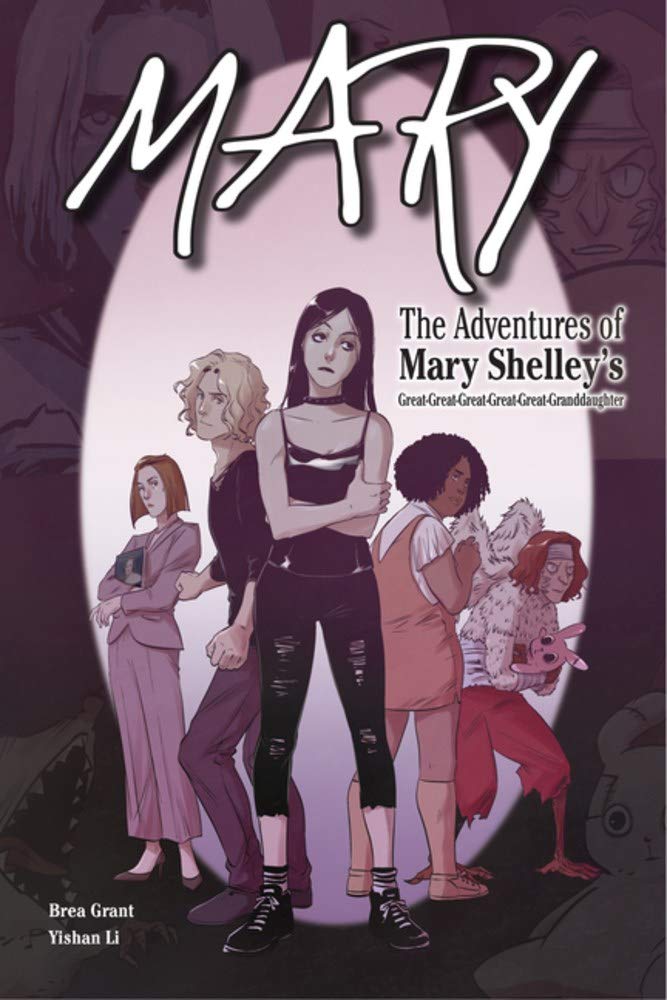
 

Mary: The Adventures of Mary Shelley’s Great-Great-Great-Great-Great-Granddaughter, by Brea Grant, (Oct. 2020, Six Foot Press), $18.99, ISBN: 978-1644420294

Ages 12-16

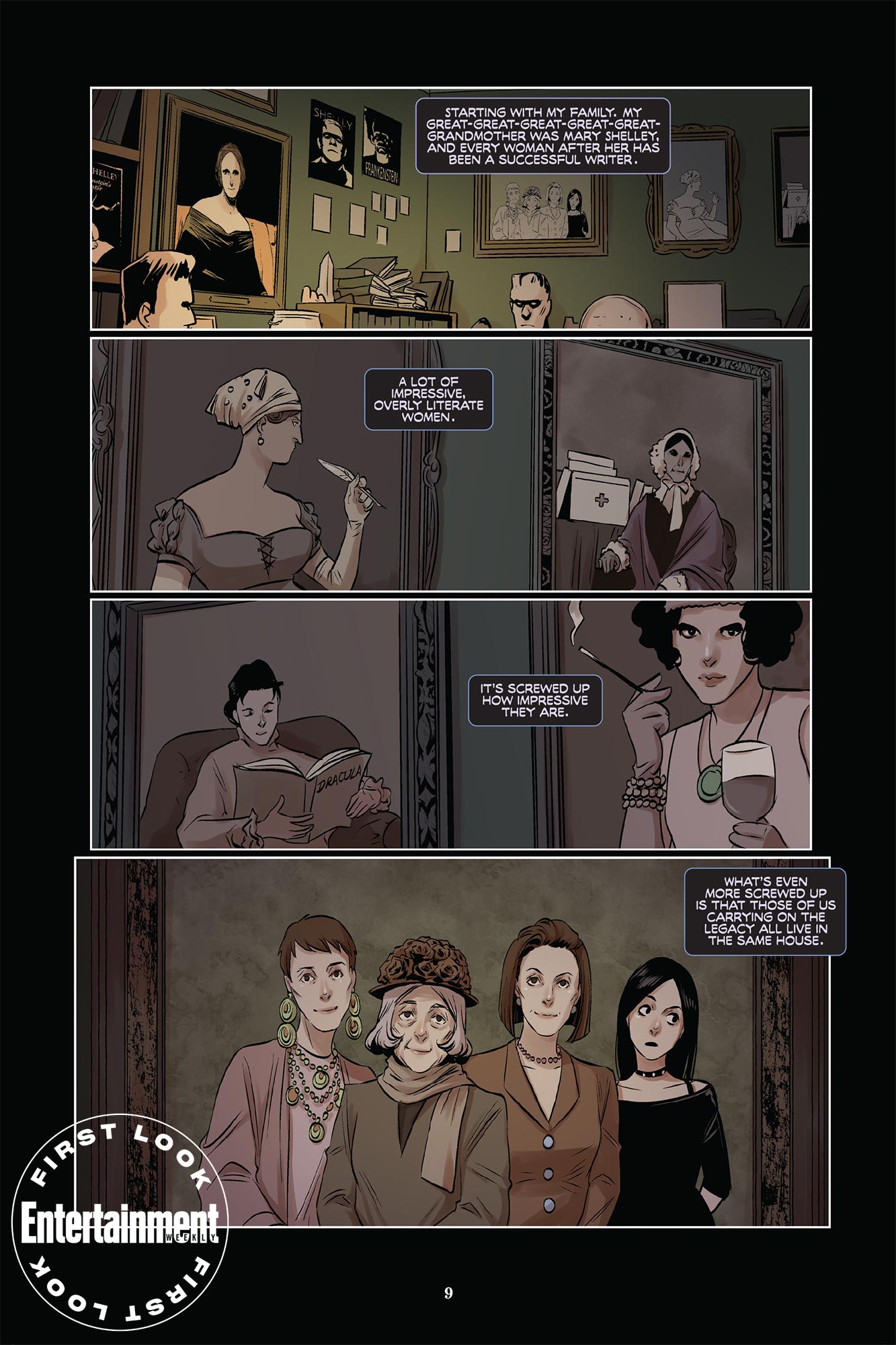
Mary is perfect for every goth tween and teen you know. She’s the 5 times great-granddaughter of Frankenstein author Mary Shelley, and she’s from a family of overachieving women dedicated to that legacy. They’re all writers of renown, especially her superstar author mom, who can’t understand… Mary’s ennui? Lack of interest? The fact that she’s not an overachiever in school or life just yet? The thing is, Mary does have a very special family gift, and it makes its debut in these very pages. Mary can heal monsters. Actual, real-life monsters do exist, and Mary discovers that one night when she reattaches one walking dead guy’s foot. He tells his friends, and they tell their friends… and so on, and so on, and so on, as the old commercial goes. Monsters of all sorts show up at Mary’s with some amusing results, and Mary doesn’t know what to do with herself and this gift! Does she walk away from this gift, or does she embrace it?

Work with me: this is relatable! Teens feel the pressure to know what they want to do with their lives by the time they’re seniors in high school. Imagine the stress of being Mary Shelley’s descendant? When there’s a shrine to your many times-great grandmother, who wrote an enduring classic at the age of 19, in your very own home? Imagine discovering you are good at something… it just happens to be something unusual, or different, and the extra stress that can carry with it! Mary is a teen trying to find her way in a family of high-achieving, highly valued women, and isn’t quite sure that being known for healing monsters is what she wants to be known for. To accept her gift and embrace herself is a journey that most tweens and teens can get on board with. Brea Grant’s moody artwork gives great atmosphere to the story, and the dialogue is wonderfully snarky and introspective all at once. Please buy this for your collections and the readers in your life.

Don’t believe me? EW has an excerpt and article on it. Check it out.
 

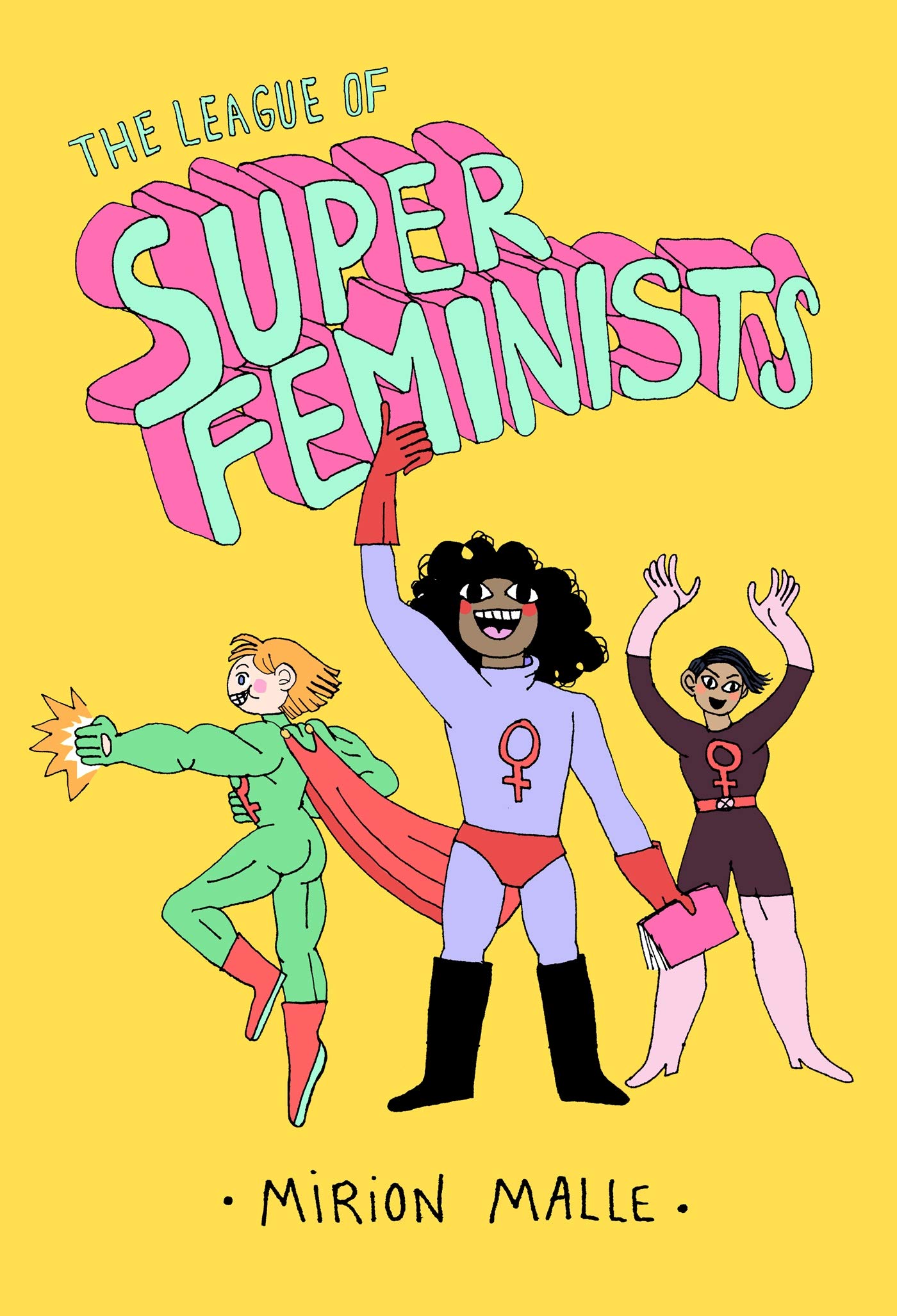
The League of Super Feminists, by Mirion Malle/Translated by Aleshia Jensen, (Oct. 2020, Drawn and Quarterly), $16.95, ISBN: 9781770464025

Ages 12+

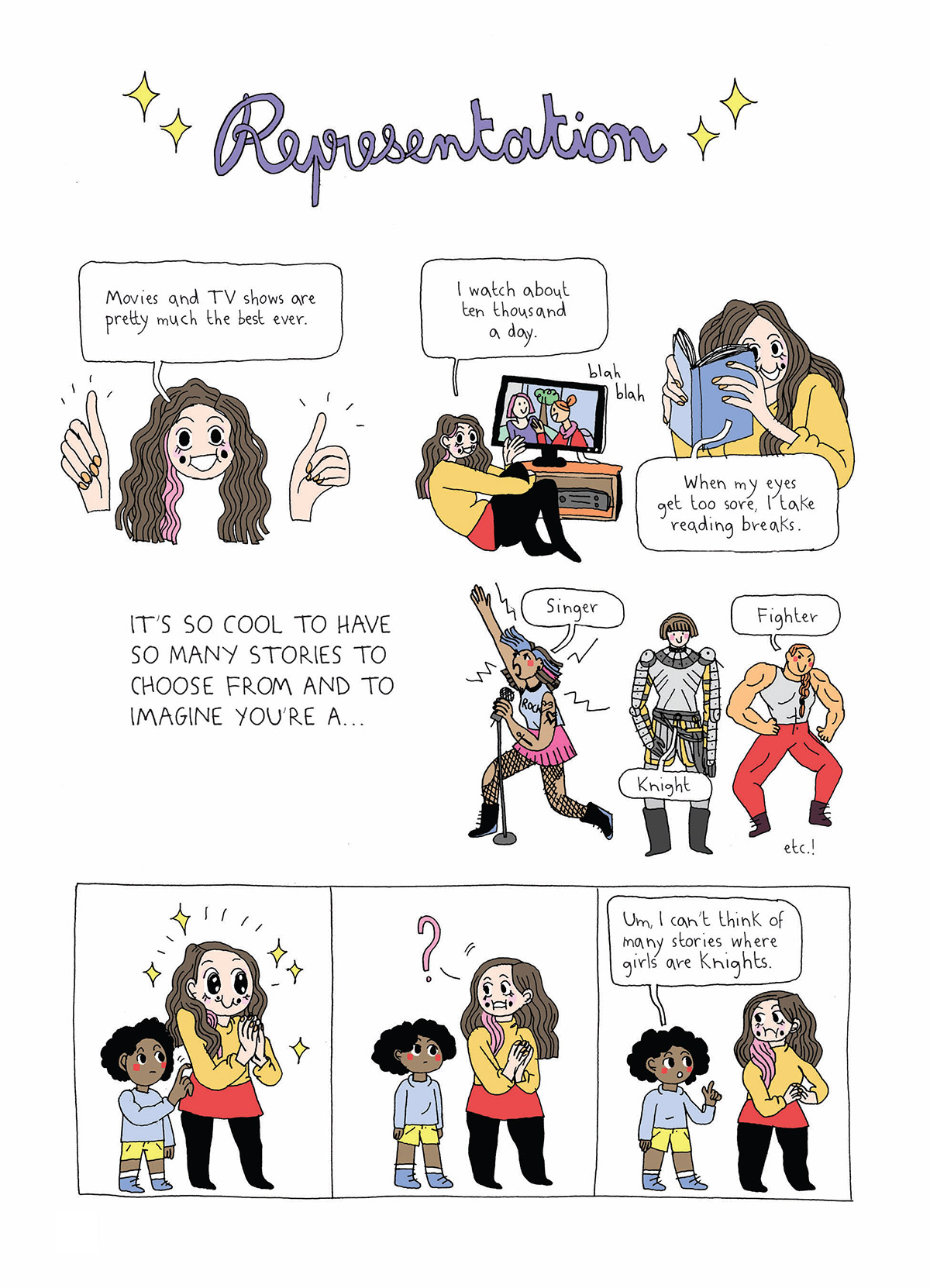
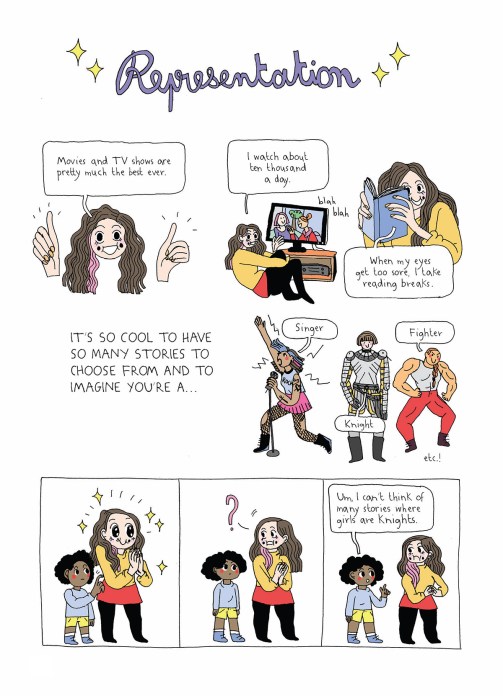
A fantastic guide to feminism for tweens, teens, and beyond, The League of Super Feminists explains the basics of feminism: YES! you can still enjoy princess movies! NO! You don’t have to hate men! What we need everyone – EVERYONE – to understand is how to critically evaluate the media that makes men knights and dragon slayers, and women damsels in distress. That women don’t come in one size: skinny, white, blonde. That women need to build one another up, not tear each other down. That boys and girls can be friends! Diving into such topics as gender, representation, inclusivity, consent, and beauty, The League of Super Feminists uses a range of characters to illustrate and explain these concepts and deconstruct myths and falsehoods for readers. Written like a conversation between the friends, the book is fun, upbeat, and playful, but always self-aware and smart. Mirion Malle never talks down to readers; it’s straight talk that lets everyone know that feminism is good for all, leads to healthy thinking and self-image. A great beginning to an ongoing conversation. See an excerpt on publisher Drawn and Quarterly‘s webpage. Aleishia Jensen’s translation from the original French to English is flawless and picks up all the nuances set forth by Mirion Malle.

Read more about The League of Super Feminists at publisher Drawn and Quarterly’s webpage, including an excerpt on representation. Read an interview with Mirion Malle on We Need Diverse Books.

Psst… makes an excellent holiday gift for the tween in your life. Just saying. The League of Super Feminists is a nominee in the 2020 Cybils Graphic Novel category.
And one to look forward to!


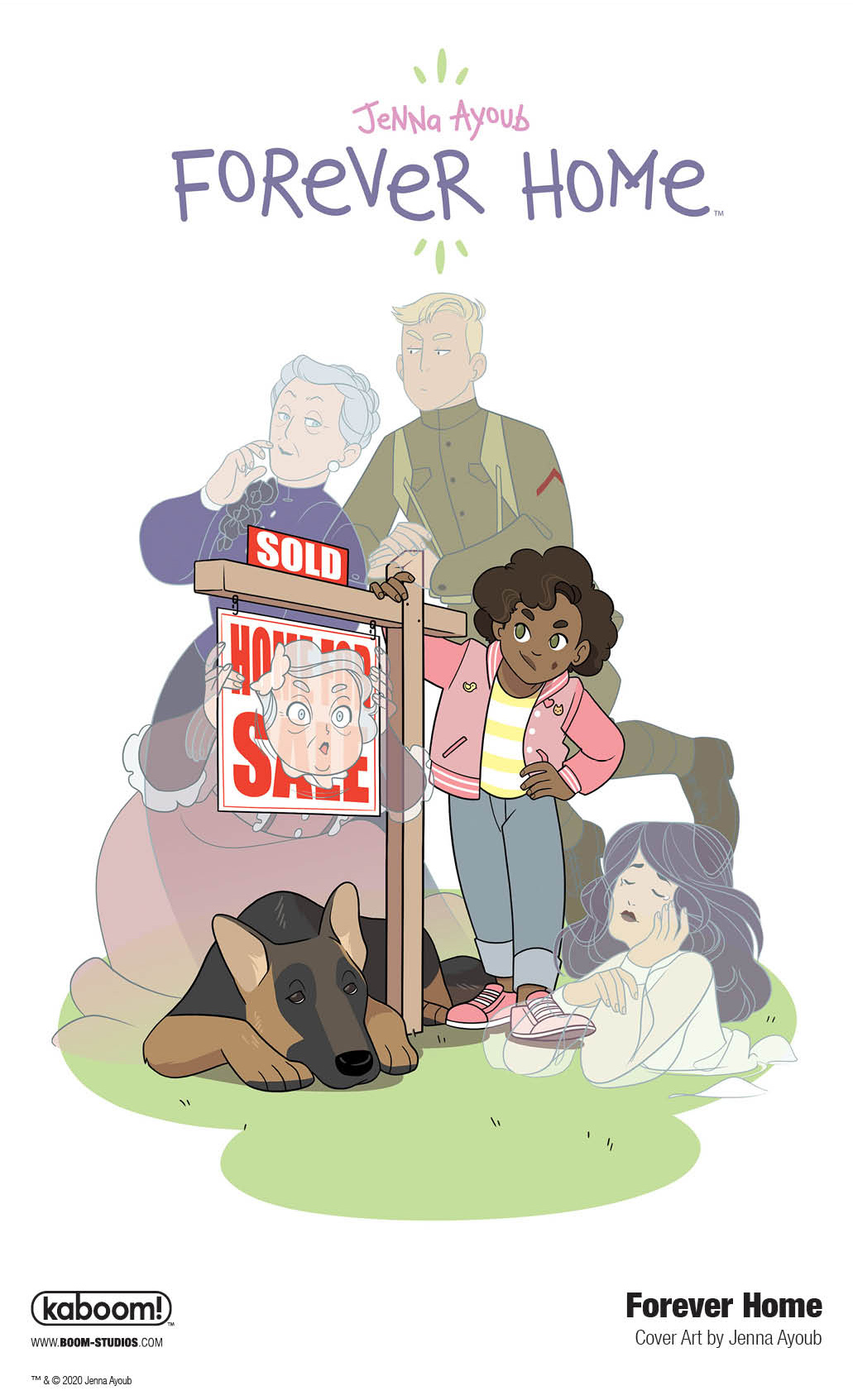
Forever Home, by Jenna Ayoub, (Feb. 2021, Boom! Studios), $12.99, ISBN: 9781684156030

Ages 9-13

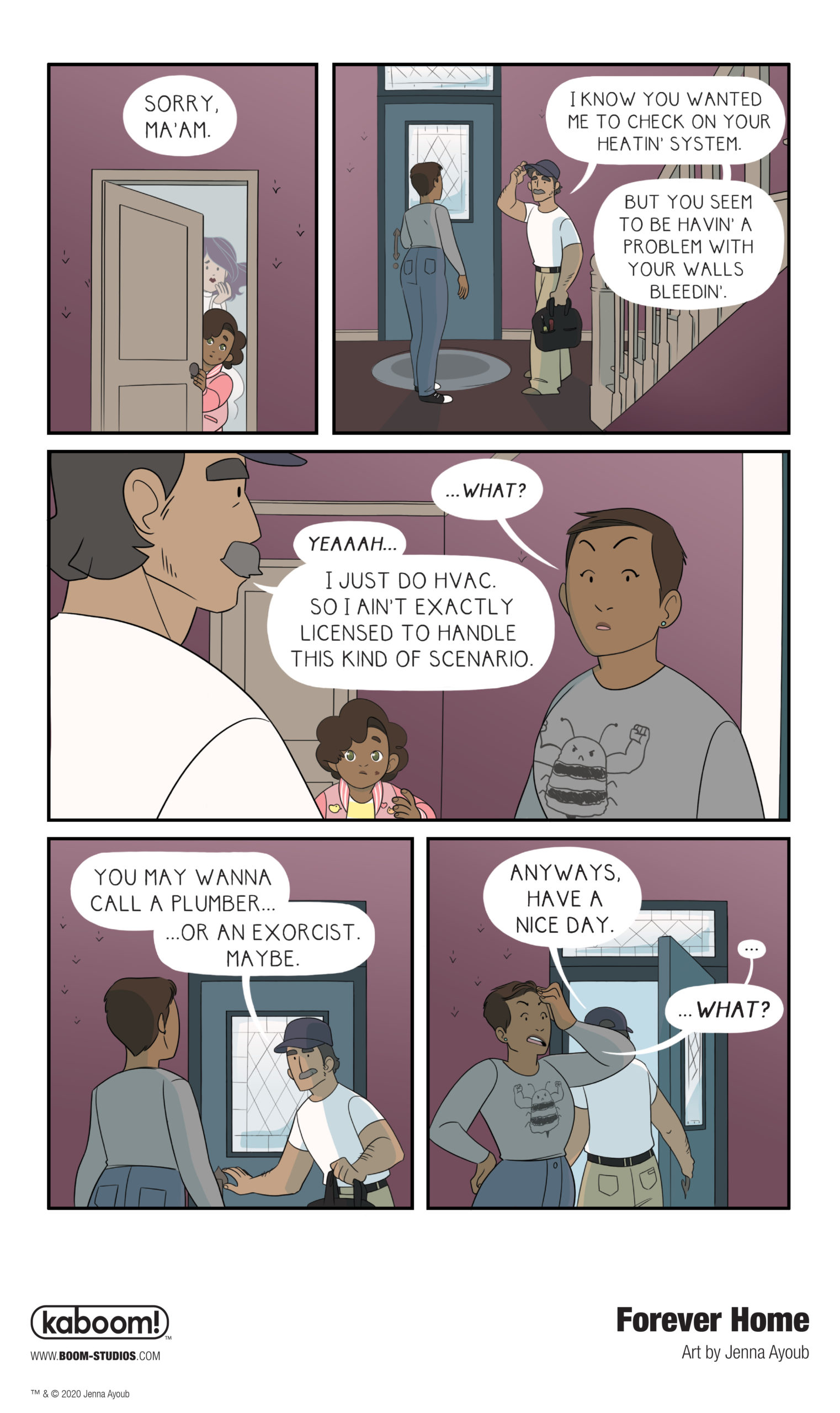
This sweet, funny haunted house story is perfect reading for kids who are big on comedy. Willow’s a girl who’s been raised all over the world: her parents are in the Army, and that means moving around every couple of years. She’s had to say goodbye to friends too many times, and she doesn’t want to move again! Her parents have just bought Hadleigh House, an old, pink house in need of some TLC, and Willow is happy to finally set down roots: but Gladys and Viola, the ghostly Hadleigh sisters, want their home all to themselves – and the two ghosts that live with them, the Lady and Thomas, a World War I veteran. The sisters raise a ruckus, but they don’t count on the fact that Willow can see and hear them, and she lets them know she isn’t going anywhere. A touching story of belonging and family, Willow is a smart kid who has no problem digging in her heels to stay in the home she loves; Viola and Gladys are delightfully mischievous ghosts, and The Lady’s habit of killing husbands and fiancees is played for laughs as it’s alluded to, never quite addressed. Thomas’s backstory is poignant, and he emerges as a sweet, almost tragic figure. Forever Home has a little bit of comedy, a touch of bittersweet, and enough affection to make this a sure bet for readers who get a kick out of spooky comedies like The Addams Family and The Boxtrolls. Good for middle grade, great for middle school.
 

Posted in Animal Fiction, picture books, Preschool Reads

Picture Book Roundup: Cats and Dogs, Bears, Birds, and Dinosaurs!

I’m still going through my BookExpo bags (okay, I’ve moved them from one area of my room to another), but in the meantime, I’ve got picture books to talk about! Some are available, some are up-and-coming, all are a pleasure to read. Let’s take a look at what’s good!

SumoKitty, by David Biedrzycki, (Aug. 2019, Charlesbridge), $18.99, ISBN: 9781580896825

Ages 5-9

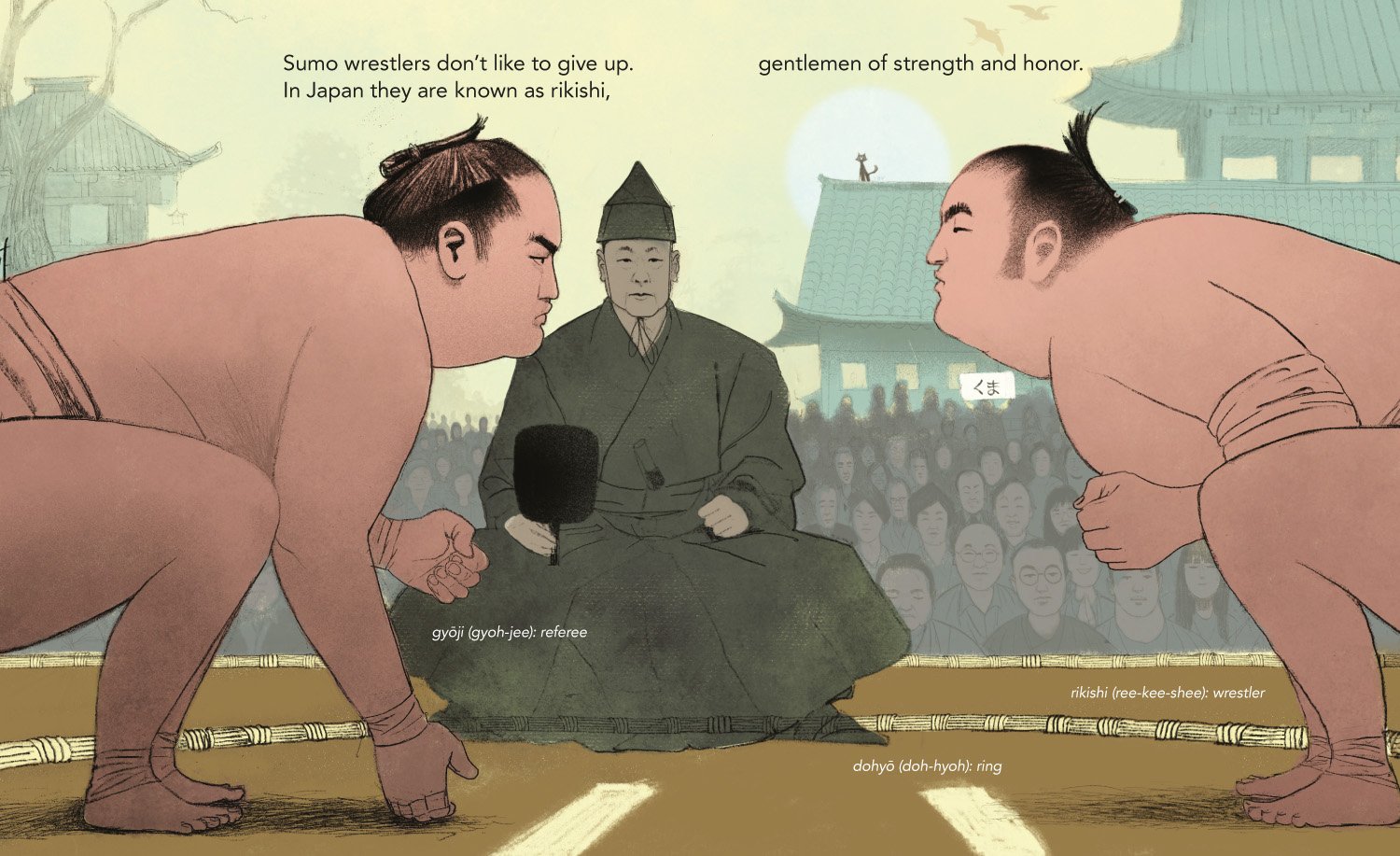
A stray cat hangs around a sumo training center, hoping for some food. He’s about to be thrown out by the manager when one of the sumo shrieks: a mouse! Looks like the kitty has a new job and a new home, which he quickly becomes accustomed to. But the good life makes him lose his edge: he’s gained weight and the mice come back with a vengeance. Tossed back out into nature, Kumo, a kind sumo, lets the cat back in, but levels with him: the mice have humbled the cat like the sumo’s main opponent, the yokozuna, has humbled him. From there, SumoKitty starts a faithful training routine, inspired by Kuna’s disciplined regiment. When a mouse dares show up in the dojo next time, SumoKitty is there, pushing and tossing the mouse and his friends around until they clear out for good. He’s rewarded by not only being welcomed back to the dojo, but he’s given a sweet topknot haircut, too. He also gets a front row seat at the next sumo tournament, where he watches his friend Kumo face his own demons and takes on his longtime opponent.

A sweet story about overcoming challenges, SumoKitty is loaded with Japanese sumo terms and wise observations like “Fall down seven times; get up eight” and “Even monkeys fall from trees”. Adorable SumoKitty is cartoonish with large, expressive eyes and exaggerated facial expressions, while the sumo artwork appears inspired by Japanese woodblock paintings. The black and white endpapers give readers a before-and-after glimpse into the story, with a mouse running in a Zen garden as someone maintains the area; later, SumoKitty is fast asleep on a rock in the same Zen garden, no maintainer, and no mouse present. It’s a sweet peek into sumo culture and an all-around fun read. Jon J. Muth’s Zen Shorts, Zen Ties, and Zen Happiness are nice readalikes to SumoKitty; for a good giggle and a more madcap take on sumo, you can’t go wrong with David Wisniewski’s Sumo Mouse, which has been a favorite in my home since my eldest (now 20) was in Kindergarten and continues to be required reading with my first grader.


Hey, Dog, by Tony Johnson/Illustrated by Jonathan Nelson, (June 2019, Charlesbridge), $16.99, ISBN: 9781580898775

Ages 4-8

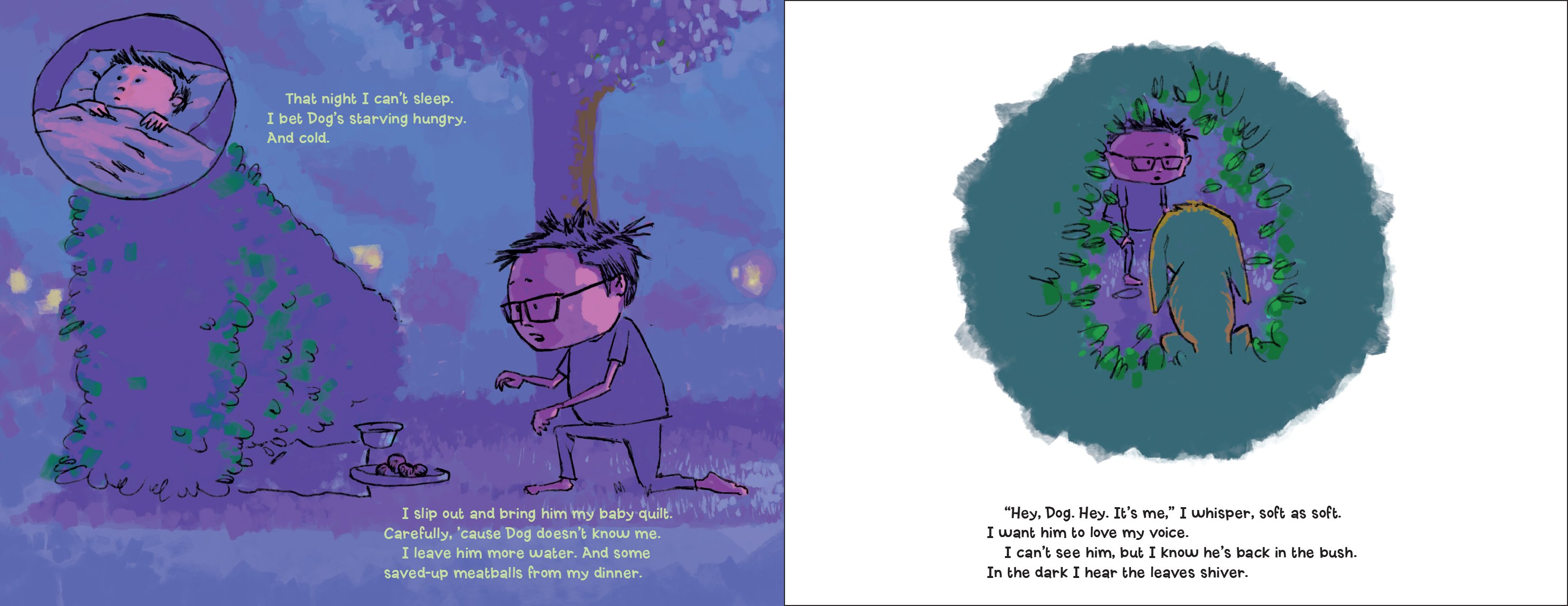
A boy finds a dog hiding in a bush. The dog is afraid, runs, but the boy returns, time and again, to care for the dog, leaving him food, water, even an umbrella propped up to cover him in the rain. The boy confides in his mother that the dog is skinny and has scars; he refuses to give up on Dog, determined if not to earn his trust, then to care for him.

Hey, Dog crushed me. It’s just gorgeous writing that packs an emotional punch. The boy’s relationship with his mother, who is nervous – her son is trying to care for a strange dog that could very well bite him, right? – but supports her empathetic child, helping him in any way she can and the boy’s quiet resilience in the face of Dog’s fear and mistrust will make you have hope for people after all. The boy is written so wonderfully, whether he’s asking a shopkeeper if his dog food “is the most luscious” or when he drops to his knees, tears “warming his face”, as he tries to comprehend how anyone could have it in them to hurt an animal. Dog is illustrated to provoke another emotional gut punch; his cringing and reticence come through so viscerally, it’ll bring tears to your eyes. Seeing this poor pup, single paw raised, ribs poking through his coat, and trusting once more to lick the boy’s hand make this story a powerful, must-have book for you collection. Read this, hand this to kids, talk about the need for empathy in our world.


Bear’s Book, by Claire Freedman/Illustrated by Alison Friend, (May 2019, Templar Books), $16.99, ISBN: 9781536205718

Ages 4-8

Bear loves to read, but his favorite book of stories has been read to bits! He decides to create his own story, but holy writer’s block, he can’t think of anything! He decides to go for a stroll and see if inspiration hits, and meets several friends along the way. When he returns home and goes over his day, he realizes that the best inspiration comes from one’s own adventures!

This is an adorable story of inspiration and friendship, and fits nicely with Small Moments writing prompts. Bear’s adventure is a series of small moments, pulled together to create a lovely adventure. He’s inspired by his friends, and they have all enjoyed their friend’s company for a day. A fold-out spread publishes Bear’s story for his friends – and our – enjoyment. Mixed media illustrations are gently rendered with soft earth tones.  This one is a sweet storytime pick, and good inspiration for a Summer Reading creative writing program.


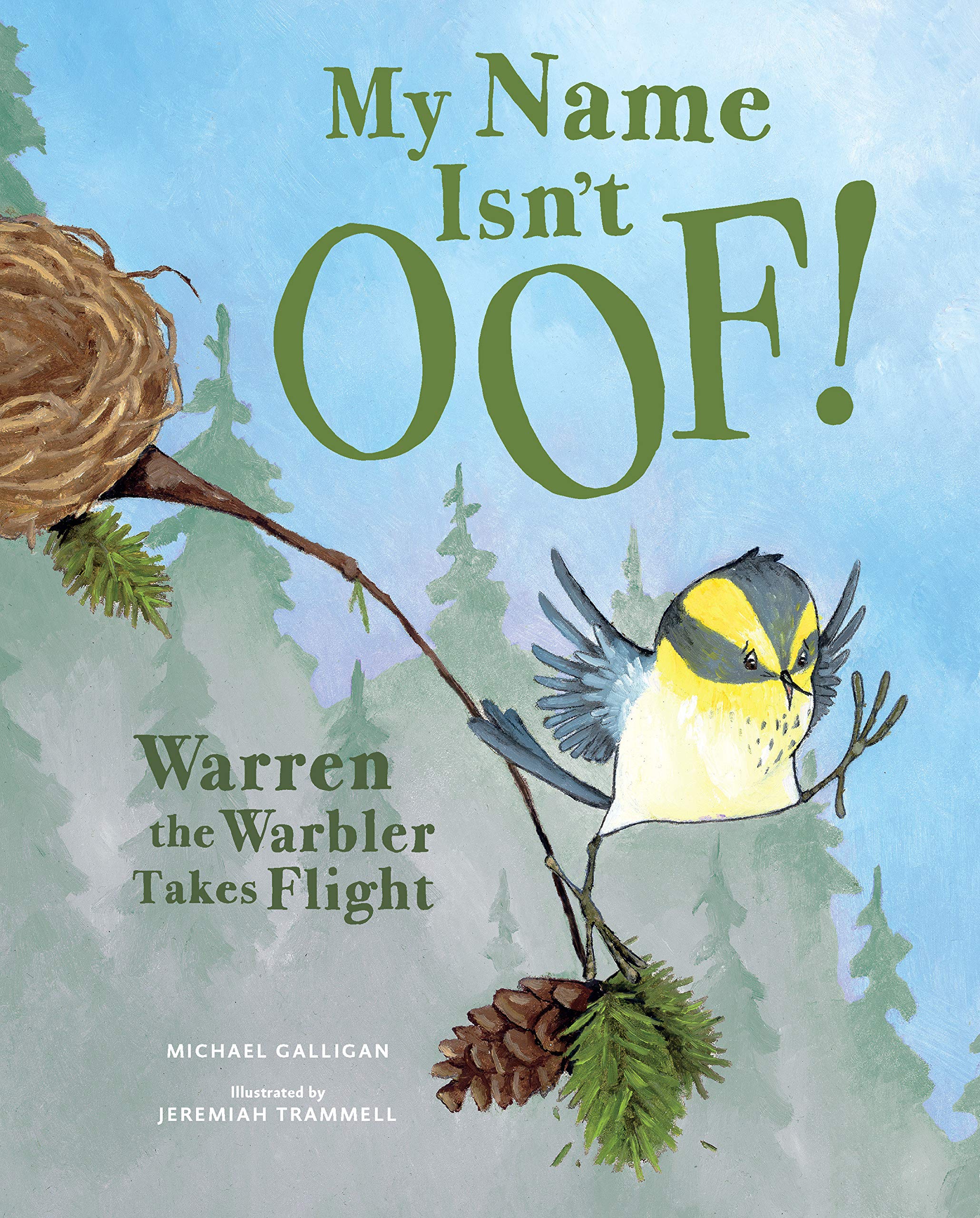
My Name Isn’t Oof!: Warren the Warbler Takes Flight, by Michael Galligan/Illustrated by Jeremiah Tramell, (May 2019, Little Bigfoot), $17.99, ISBN: 9781632171931

Ages 4-8

A little bird tries to fly after watching his siblings take off, but he falls, landing with a giant, “Oof!” Naturally, every animal in the forest has an opinion, and to add insult to injury, they all call him “Oof”! The chipmunk says he forgot to jump; the Mouse says he needs to spread his wings; Squirrel says he has to flap. While they all have feedback aplenty on Warren’s flying prowess, they manage to bonk, push, and trip one another up, but Warren – who keeps protesting this new nickname – finally takes to the sky, to everyone’s cheering!

A cute story of perseverance with some hilarious physical comedy, My Name Isn’t Oof! will have younger readers giggling during a read-aloud, especially if you move around and act out the story. The repeated phrase, “My name isn’t Oof!” is a good discussion point to get kids talking about how unwanted nicknames can stick; you can also point out that while all the animals jump to find fault with Warren’s first flight, they’re just as clumsy as he is: no one is perfect! Back matter includes a paragraph on the Townsend Warbler, the kind of bird our star Warren is, and what readers can do if they find a baby bird fallen from a nest. Suggest Charlie Alder’s Daredevil Duck as a readalike for more humorous stories of overcoming obstacles.


How To Take Care of Your Dinosaur, by Jason Cockcroft, (May 2019, Nosy Crow), $15.99, ISBN: 9781536205688

Ages 3-6

Taking care of your very own dinosaur is a very big job! How to Take Care of Your Dinosaur is here to help. Written similar to a handy-dandy manual, the book takes a look at some of the more light-hearted moments in pet parenting a dinosaur. Taking your dino for a walk? Bring a bucket and a shovel, there’s no pooper scooper that’s built for this job. Dinos can be a little tough on sharing, so make sure to get them around new people and encourage them to make friends! The book stresses the importance of routine when caring for your dinosaur; something parents and caregivers will appreciate!

Digital illustrations are adorable and feature soft colors. The endpapers add to the fun: the front endpapers show a mailman struggling under the weight of a gigantic package (the egg); the back endpapers show a brick wall, papered with “Dino Sale” flyers, and feature the poor mailman laboring with two giant packages this time.

A fun storytime addition. Pair with Dragons Get Colds, Too for a fun, wacky pet-related storytime.


Posted in Fiction, Fiction, Historical Fiction, Middle Grade, Realistic Fiction, Tween Reads

The Last Cherry Blossom remembers Hiroshima

cherry-blossomThe Last Cherry Blossom, by Kathleen Burkinshaw, (Aug. 2016, Sky Pony Press), $16.99, ISBN: 9781634506939

Recommended for ages 10-14

Narrated in the first person by 12 year-old Yuriko, The Last Cherry Blossom tells the story of a family living in Hiroshima during the last year of World War II. Yuriko lives with her widowed father, her aunt Kimiko, and obnoxious 5 year-old cousin, Genji. She and her best friend Machiko stealthily listen to American Jazz records; Machiko’s father got rid of (almost) all of their records because the government wants to be rid of any American influence. She’s used to the air raid drills, even if they annoy her, but when her neighbor is called to fight for Japan, and then Machiko is called to leave school to work at the factory, Yuriko starts feeling the impact of war. She hears whispers from the neighborhood – and her father does run a newspaper – that Japan is not faring as well as the radio and newspapers would have you believe. When the true horror of war is brought to Yuriko’s door, we see, through her eyes, the devastation that the bombing of Hiroshima brought.

The Last Cherry Blossom is powerful. Even as an account of a family’s life during World War II, it’s a strong book, because it shows readers – in parallels we can make today – that the “enemy” isn’t an entire country; an entire group of people. The enemy were children teasing one another, rolling their eyes at annoying aunts and cousins, worried about their parents remarrying, and secretly listening to music that their parents may not approve of. The enemy loved eating sweet treats and held celebrations and cried when they lost people they loved in war, just like we did. Inspired by the author’s mother’s own life living as a child in Hiroshima, Ms. Burkinshaw writes so beautifully, yet packs a literary gut-punch that left me biting back tears.

There has been some strong World War II realistic/historical fiction for middle grade in the last couple of years, for which I am grateful. I’m very happy to see fiction that explores life outside the U.S. during World War II: we need perspective; reminders to look outside ourselves; to see the cost that war demands on everyone.

An author afterword tells readers about the author’s mother, and how her daughter’s class visits eventually led to the book being written. There’s also a bibliography, notes on the use of honorifics in the story, a glossary, and statistics about Hiroshima, complete with sources.

This is a good add to historical and realistic fiction collections. Booktalk with Sandy Brehl’s World War II books, taking place in Norway under the Nazi occupation; Sharon McKay’s End of the Line, taking place in Amsterdam, and most closely related to Burkinshaw’s work, Sadako and the Thousand Cranes (and please have tissues available).

Posted in Fantasy, Fiction, Middle Grade

Join the Night Parade…

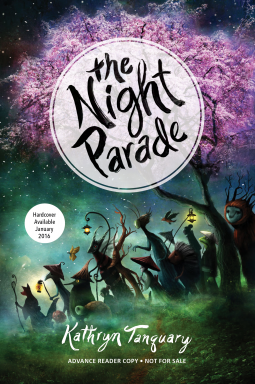
night paradeThe Night Parade, by Kathryn Tanquary (Jan. 2016, Sourcebooks Jabberwocky), $16.99, ISBN: 978-1492623243

Recommended for ages 10-13

Saki does NOT want to head to her grandparents’ boring old village for the summer; not when there’s so much going on in Tokyo. She’ll be out of the social loop, and her queen bee friend will be furious if she isn’t in constant contact with her! Her father won’t take no for an answer, though, so off she goes… and finds herself caught up with the local kids in the village, who pressure her into meeting them at the ancient burial ground – and into ringing a sacred bell that brings some very serious consequences. Now, it’s up to Saki to make things right, and to do that, she must go into the world of the spirits, all assembling for the Night Parade.

This is a solid middle-grade fantasy read. There’s some beautiful language that evokes some amazing images, delving into Japanese folklore. There’s a nice emphasis on respect for tradition and one’s elders, and I enjoyed watching Saki’s progression from a follower who just wanted to be in with the in crowd, to a maturing young woman who thought not only of others, but of actions and their consequences. With a little bit of Christmas Carol (with spirit guide visits) and a little bit of Through the Looking Glass (entering a world of exciting, new inhabitants) The Night Parade blends classic story elements with a modern mindset to tell a tale fantasy lovers will love.

The Night Parade is Kathryn Tanquary’s debut novel. You can follow her blog, Dinosaur Lace, where she also talks about her work as a language teacher in the Japanese education system.

Posted in Horror, Teen, Young Adult/New Adult

The Girl from the Well brings Japanese folktales to America YA horror

18509623

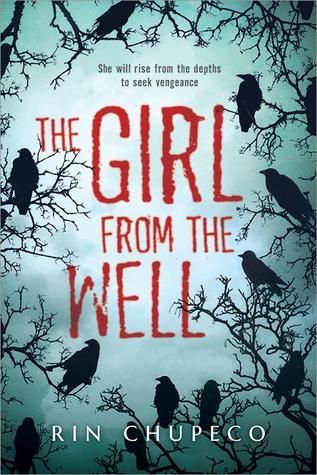
The Girl from the Well, by Rin Chupeco (Aug 2014, Sourcebooks), $16.99, ISBN: 978-1402292187

Recommended for ages 13+

Okiku is an avenging spirit – the restless ghost of a young girl betrayed and murdered long ago. She stalks child murderers and strikes without mercy, without pity, and releases the innocent souls held prisoner by their killers, watching them turn into fireflies as they finally know peace. She can never join them; her restless, agitated soul cannot find the peace she seeks. And then, Tarquin comes into her… well, afterlife.

Tarquin, or Tark, for short, is a teen with some baggage. His mother had him tattooed at the age of 5, something he tries desperately to hide from curious eyes. She’s locked away in a mental hospital and Tark’s father, a businessman always on the go, is raising him as best he can. Strange things have followed Tark his whole life – birds smashing into windows around him, accidents happening to kids around him, and even more terrifying, his own mother trying to kill him whenever he comes near her. Okiku sees Tark for the good kid that he is, but she also sees the terrifying spirit attached to the boy – and decides, for the first time, to reach out to him and help.

Anyone familiar with the Japanese horror movie, Ringu – or its American counterpart, The Ring – will have a strong idea of what this book is about. Japanese folklore and J-horror are both strong influences on this story, and will appeal to fans of both. There’s a strong story here, multilayered with a major plot and two subplots that the author weaves together to give readers an unsettling, creepy read.

I got a kick out of Tark. He battles the chaos around him with sarcasm and wisecracks. He does his best to keep the reality of his situation from his father, who really wouldn’t understand, no matter how much he loves his son and tries to be an involved dad. Okiku is a tragic figure, yet her anger and her strength make her a force to be reckoned with – you may feel for the circumstances that brought Okiku to where she is, but you will never pity her.

There are some disturbing things happening here, including depictions of sexual abuse and murder, so easily triggered or upset readers should seek their thrills elsewhere.