Posted in Preschool Reads

Kwanzaa books for the holidays!

Continuing along with my multicultural holiday reading, I checked a few Kwanzaa books out this week. Any suggestions for more books I should read? Let me know!
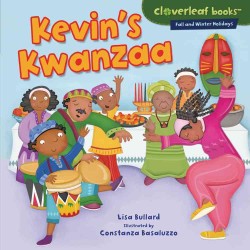
 

Kevin’s Kwanzaa, by Lisa Bullard/Illustrated by Constanza Basaluzzo,
(Oct. 2012, Millbrook Press), $25.32, ISBN: 9780761350750
Good for readers 4-8

A young boy named Kevin and his family are getting ready to celebrate Kwanzaa! The family gathers around the candeholder – a kinara – and lights a candle each night, explaining the special principle for that night. Through the family’s celebration, readers learn the history of Kwanzaa, the meanings of each of the seven principles of the holiday, and kid-friendly examples of taking those principles to heart: solving problems can be helping keep a room clean; making decorations and gifts for one another, creativity. You can read the story to younger readers, and tweak it for older readers by pointing out the callouts on each spread that provide more information: the history of the celebration and meaning of the word Kwanzaa, the lighting of the candles, ways for families to celebrate together. Instructions on making a Kwanzaa drum provide a fun way to put reading into practice, and a glossary provides definitions for some words that come up in the text. The illustrations are cartoony and colorful; bright reds and pinks, deep blues and greens, communicating the festive mood of the holiday. The family is always shown working and celebrating together. This is a great introduction to Kwanzaa for younger readers.
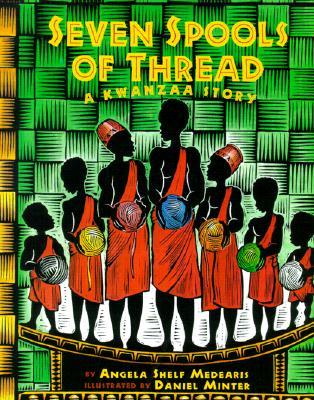
 

Seven Spools of Thread: A Kwanzaa Story, by Angela Shelf Medearis/Illustrated by Daniel Minter,
(2000, Albert Whitman & Company),  $15.95, ISBN: 9780807573150
Good for readers 6-10

Seven brothers bicker over everything, day and night. When their father dies, they are charged with a task in order to receive their inheritance: each brother receives a different colored spool of yarn and are told to turn the thread into gold. The brothers work together to find a way to accomplish this, finding ways to brainstorm and complement one another as they form and execute their plan, which creates the woven Kente cloth. It’s a holiday legend that embodies each of the seven Kwanzaa principles and blends the history of the African Kente tribe in with the holiday. The illustrations are beautiful: rich colors, deep ebonies, and stunning woodcut art. This book appears to be out of print, which is a shame; I think this should be considered a holiday classic. It delves into myth and legend and embodies the spirit of the holiday just as much as Clement Moore’s The Night Before Christmas. If you can score a copy of this from your local library, do it; it’s worth the read. If you need a copy for your library, consider buying a gently used copy through a third-party seller. There’s a note about the origin of Kente cloth, and a weaving activity at the end of the book. This is an essential holiday book for your collections.


Li’l Rabbit’s Kwanzaa, by Donna L. Washington/Illustrated by Shane W. Evans,
(Sept. 2010, Katherine Tegen Books), $12.99, ISBN: 9780060728168
Good for readers 6-8

Li’l Rabbit isn’t having a great Kwanzaa: his grandma, Granna Rabbit, is sick, so no one is able to ready the big Kwanzaa feast, Karamu. Li’l Rabbit knows that Granna says Kwanzaa is a special time when everyone helps one another, so he decides he’s going to get her a special Karamu treat, and goes about asking his animal neighbords – orioles, rabbits, groundhogs, frogs, field mice, and squirrels – for different things to make Granna’s Kwanzaa better. The animals don’t know much about what Li’l Rabbit is asking for, but they do know Granna, so they come together to surprise Granna and Li’l Rabbit in the nicest way. It’s a story inspired by Brer Rabbit, a trickster from African folklore, and beautifully communicates the meaning of the season. The story offers great opportunities to discuss the seven principles and note where they see those principles in action throughout the course of the story; kids can also talk about the ways they can bring the principles to life during the holiday season (and beyond). The seven principles, plus illustrative examples from the text, are also noted at the end of the book, along with a prompt for kids to find other examples in the story. The story is fun, with an emphasis on empathy and community. This is a great storytime book for the holidays, with opportunities to talk with children about intentions that all of the winter holidays – family, community, faith – share.

If you’re looking for my posts on Christmas and Hanukkah books, here’s the place!
Posted in Intermediate, Middle Grade, Non-Fiction, Non-fiction, Non-Fiction, Tween Reads

Out-There Nonfiction

There is such great nonfiction being published these days. Nonfiction used to conjure pictures of boring textbooks with walls of words, with a handful of old black and white photos. Today? Nonfiction includes video game guides, crazy stories about our bodies, animals, planets, and the freaky ways famous people died. And that’s just scratching the surface. Kids’ nonfiction sports full-color illustration or photographs, text that understands how kids read and learn, and takes all interests into consideration. Series nonfiction, like the Who Was/What Was series from Penguin makes history compulsive readable, and No Starch Press has full-color STEM and tech books that teach kids everything from coding in Scratch to explaining the sciences using manga comics. I love building a good nonfiction section; these are a few of the books on my current shopping list.

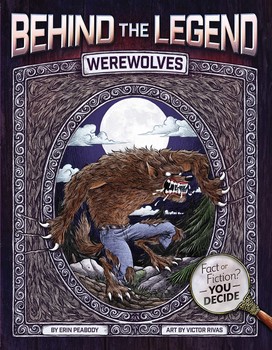
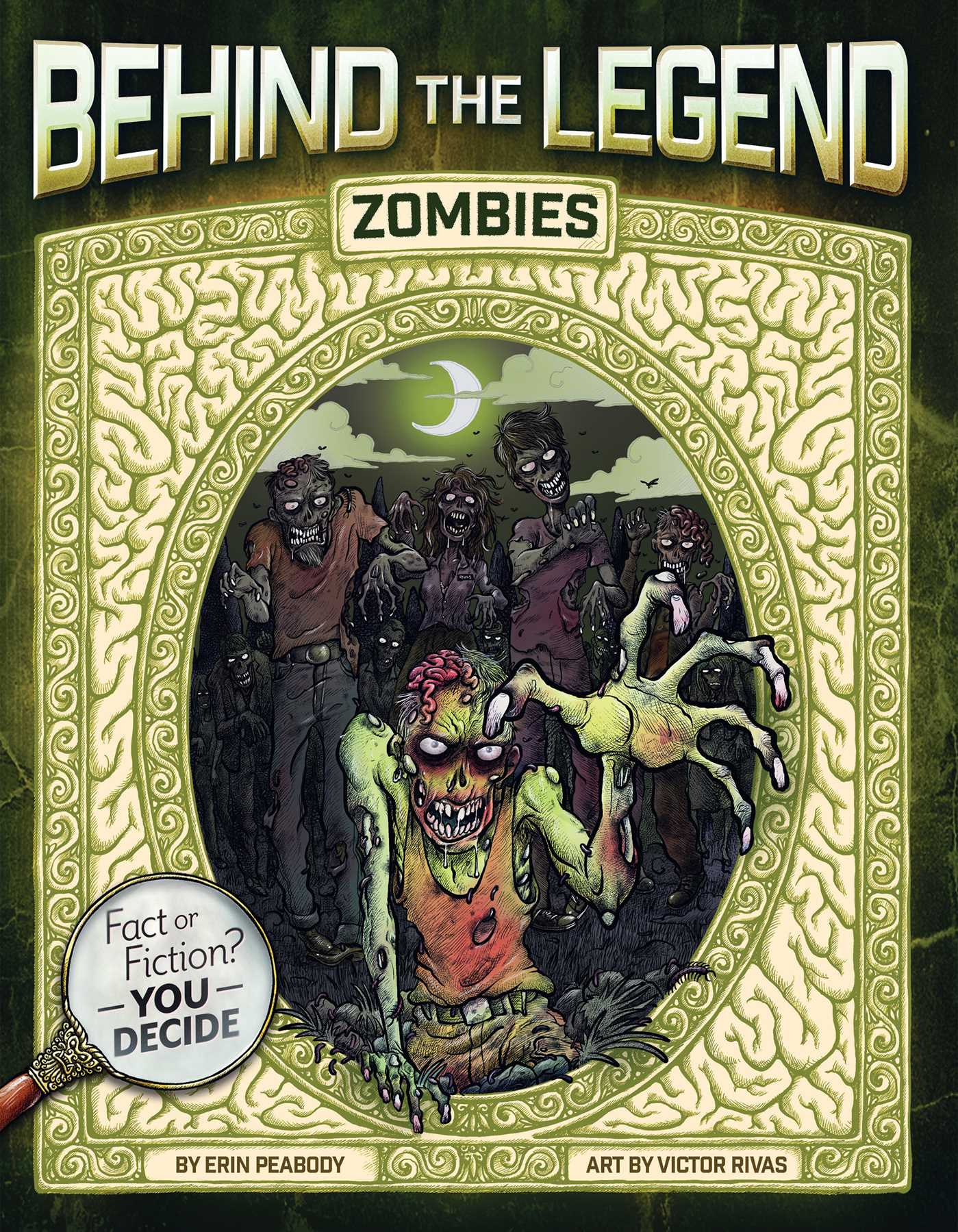
Behind the Legend series, by Erin Peabody/Illustrated by Victor Rivas and Jomike Tejido, little bee books
Good for readers 9-12


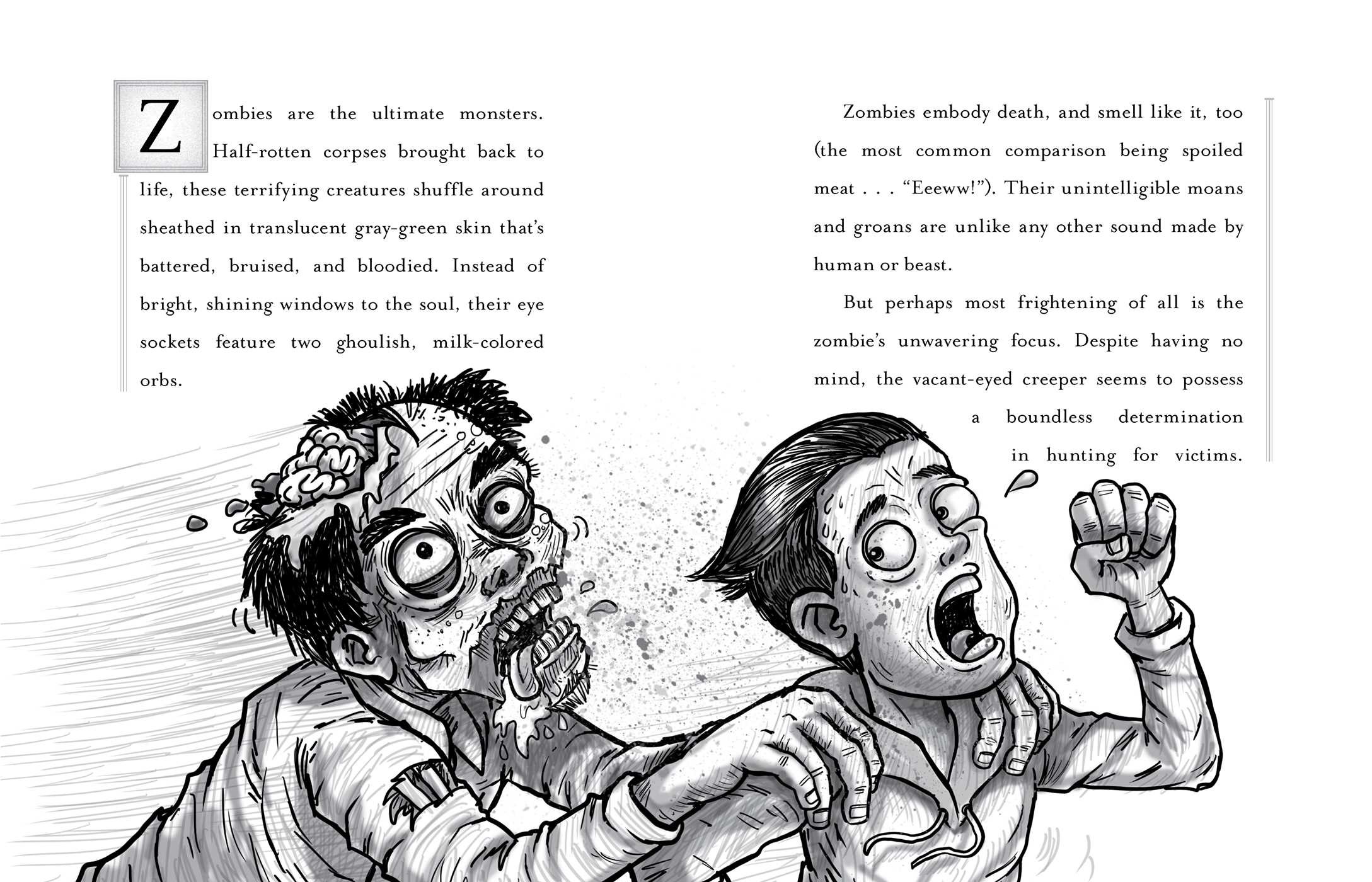
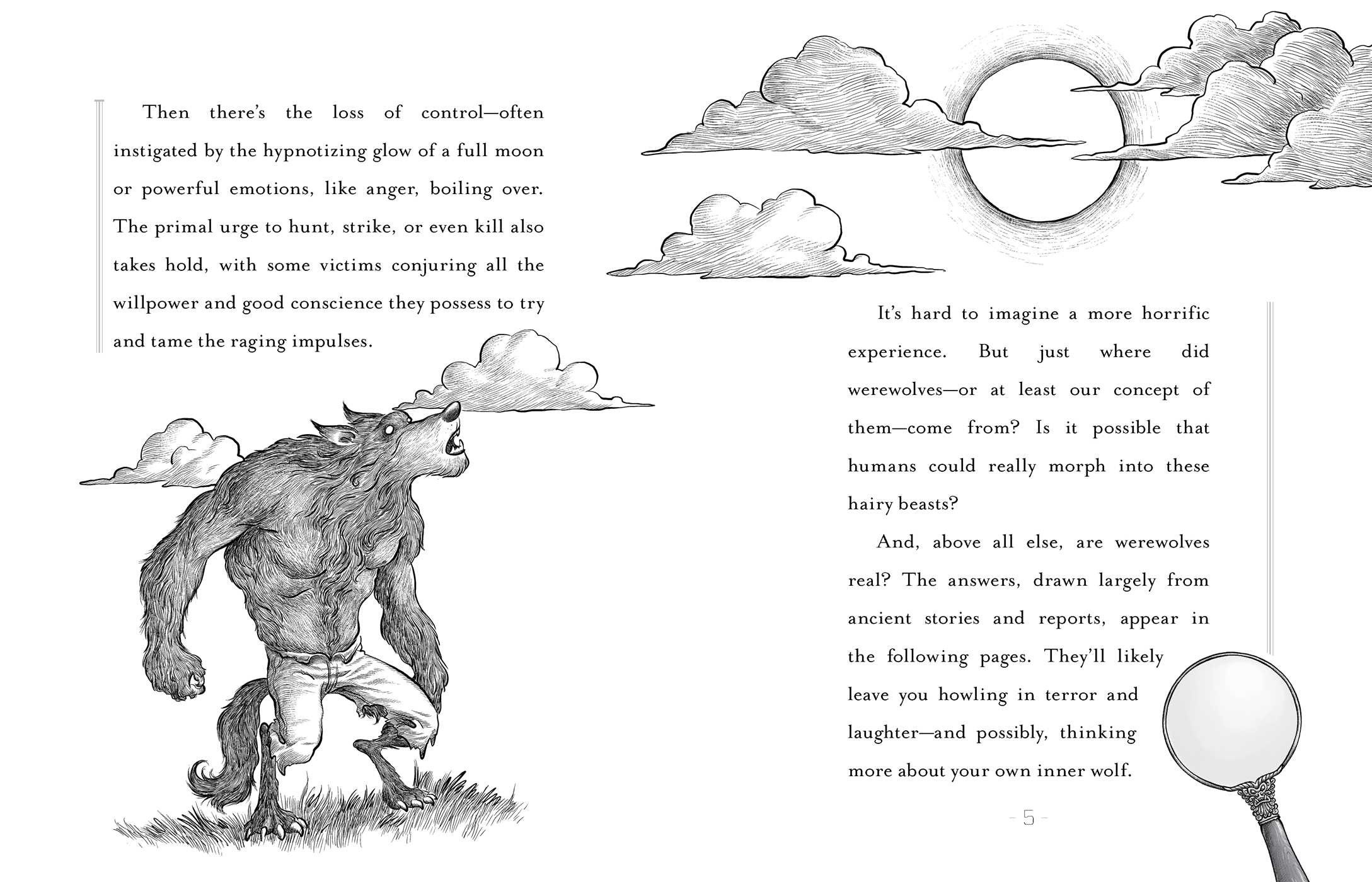
This series is so good. I’ve read Werewolves and Zombies, and love the way Erin Peabody weaves history with pop culture to present a paranormal guide that kids will love reading and learn from. There are black and white illustrations throughout; cartoony, bordering on downright freaky. Zombies delves deeply into the history of slavery and its ties to the rise of the zombie legend and the practice of voudou; Peabody also talks about the walking dead being very old news; they were showing up in Mesopotamia long before Robert Kirkman ever thought up Rick Grimes and his band of survivors. Werewolves talks about the history of animal lore and famous “were-beasts” in history, like the Gandillon siblings – a French brother and sister who were convinced they were wolves and acted accordingly. Harry Potter, Scooby-Doo, and Twilight all get a shout-out in this fun look at werewolves. There are further sources for kids who want to read further. Other Behind the Legend books include Dragons, the Loch Ness Monster, and Bigfoot. This is an absolute must-add set for kids who love themselves some pop culture paranormal reading (and half the price of most series nonfiction, library-bound books).


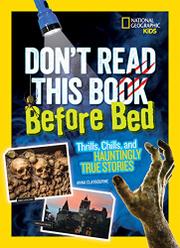
Don’t Read This Book Before Bed, by Anna Claybourne, (Aug. 2017, National Geographic Kids),
$14.99, ISBN: 978-1-4263-2841-1
Good for readers 9-12

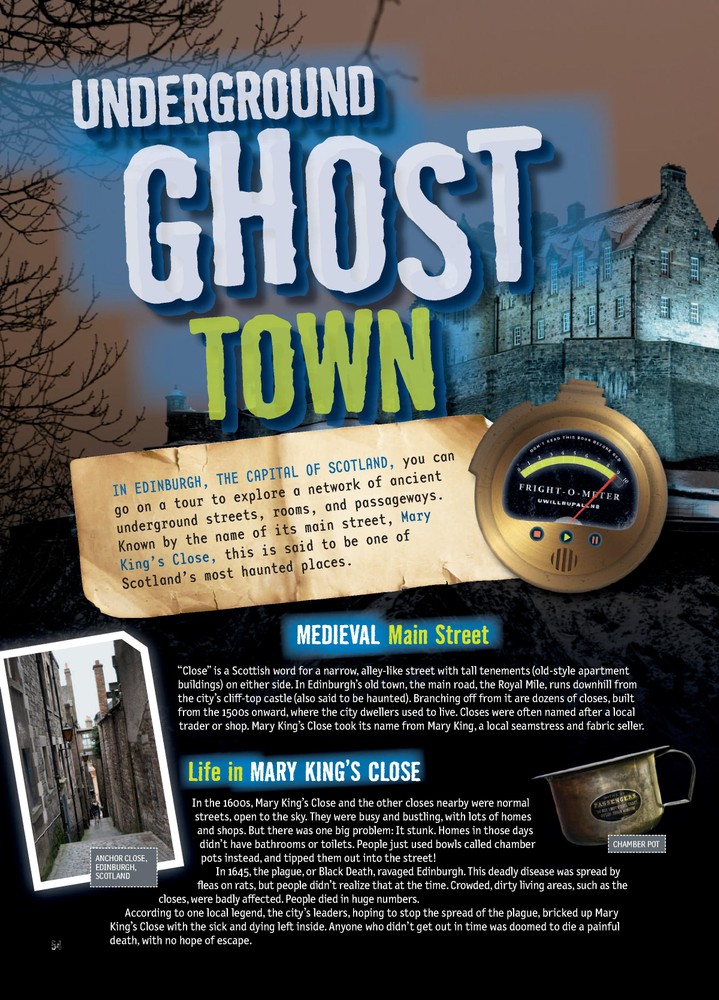
The kids in my library love creepy. Most kids do, right? It’s that safe scare, the adrenaline rush, the squeal of the “eeeeeewwwwwww!” that you can make while safely in your seat, surrounded by family, friends, or your stuffed animals or action figures. It’s being able to turn to your friend and say, “Look at this!” and watching your friend freak out, too. NatGeo knows this, and Don’t Read This Book Before Bed (which is exactly what kids will do) is chock full of freaky stories that will keep them reading and saying, “NO WAY!” Think of it as the Lore podcast, for kids. Haunted castles? Check. Freaky dolls? (Robert the Doll, profiled in here, actually has both a podcast and episode of Lore dedicated to him.) Check. Aliens and fish people? Right this way. Each story has a “fright-o-meter” to let readers know how scary this is going to get, and quizzes help readers figure out their phobias (I love a good flow chart), test whether or he or should would be a good ghostbuster, or take apart the mysteries of science. My library’s copy is rarely on the shelf.


50 Wacky Things Humans Do: Weird & Amazing Facts About the Human Body, by the Walter Foster Jr. Creative Team/Illustrated by Lisa Perrett,
(Dec. 2017, Walter Foster Jr.), $14.95, ISBN: 9781633223967
Good for readers 7-10

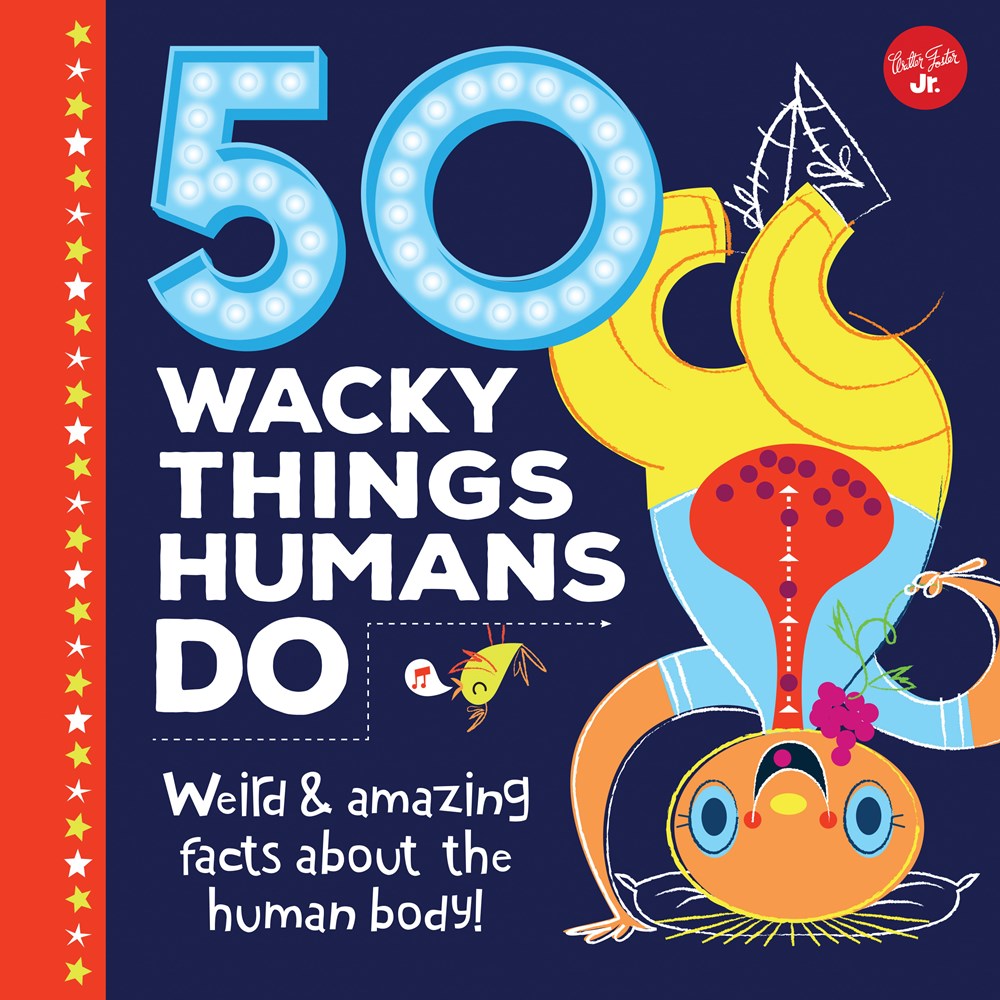
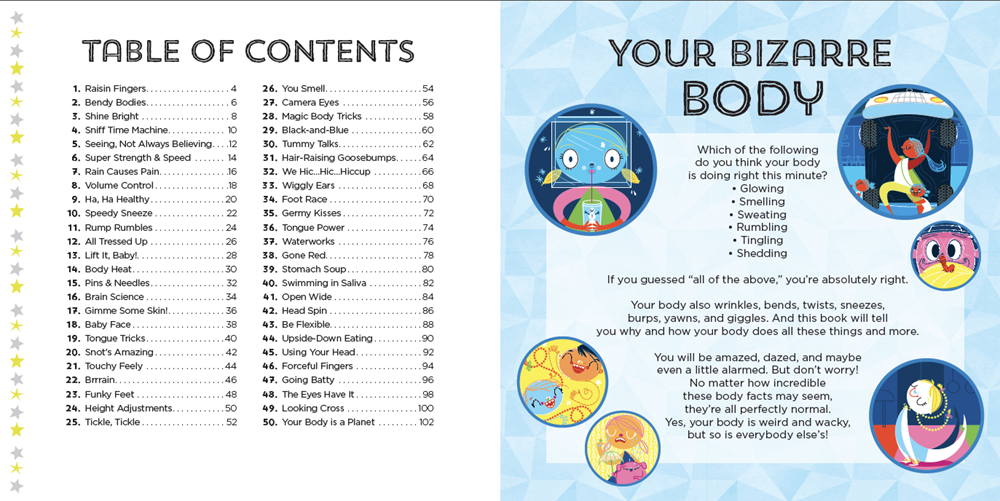
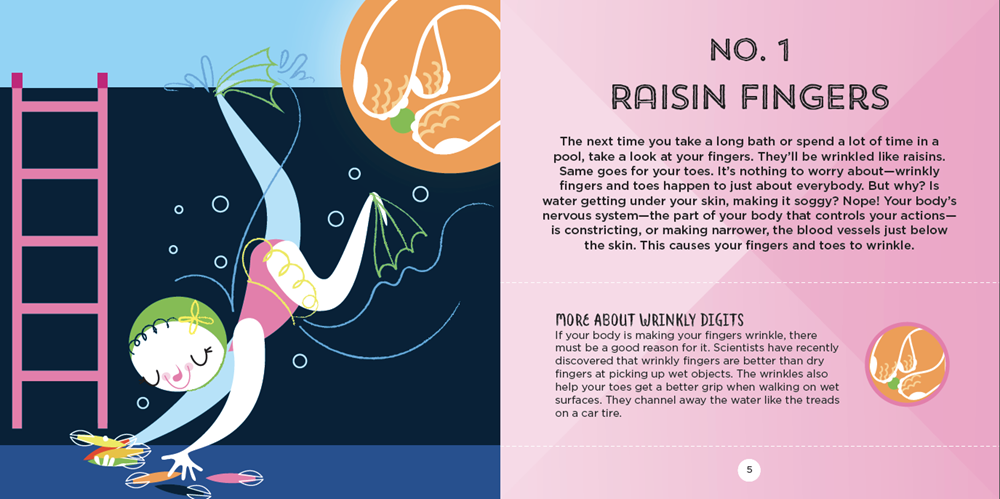
Our bodies do some wild stuff. A sneeze moves at about 100 miles per hour. (Think about that, next time someone doesn’t cover their nose and mouth when they sneeze near you.) If someone tickles you and you put your hand on theirs, it’ll send a message to the brain that stops the tickling sensation. Wrinkly bathtub fingers help us grip things better. Readers will learn all of this and more in 50 Wacky Things Humans Do, written in a similar vein to the chunky, digest-sized NatGeo Kids fun fact books. Wacky Things features one fact per spread and one colorful, fun illustrations; good for intermediate-level readers.


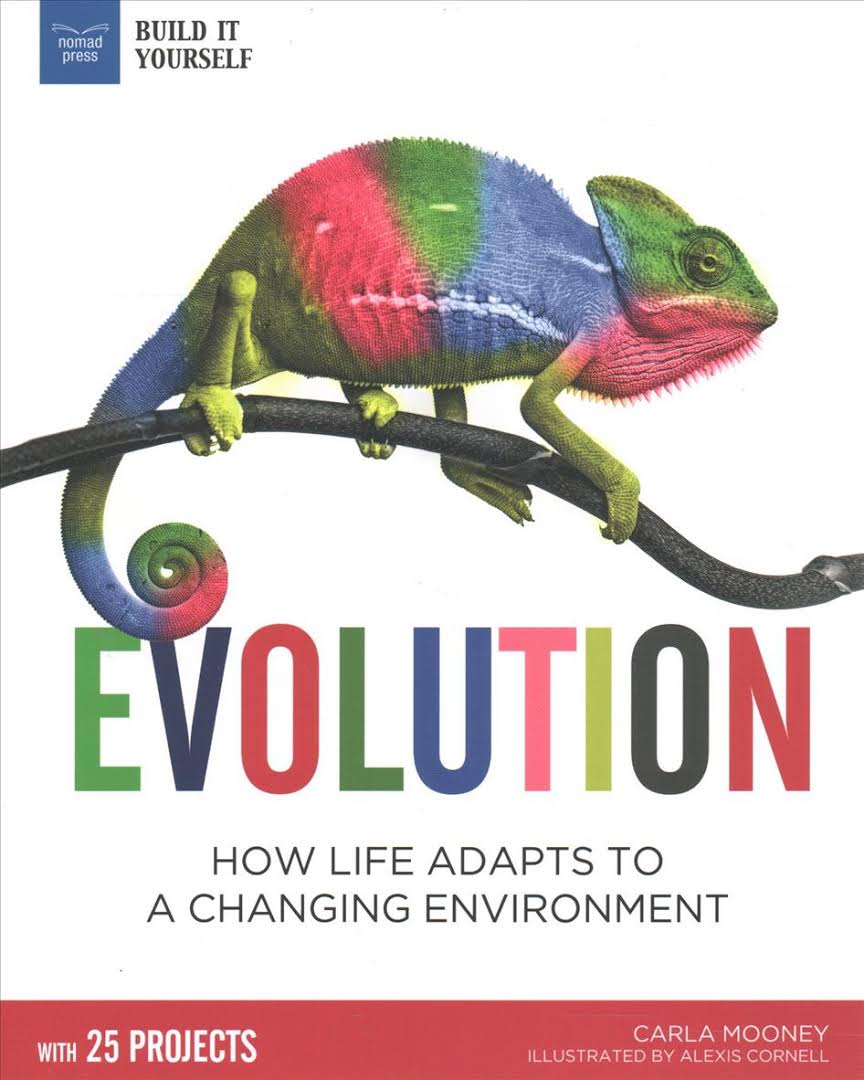
Evolution: How Life Adapts to a Changing Environment, by Carla Mooney/Illustrated by Alexis Cornell,
(Nov. 2017, Nomad Press), $17.95, ISBN: 978-1-61930-601-1
Good for readers 9-12

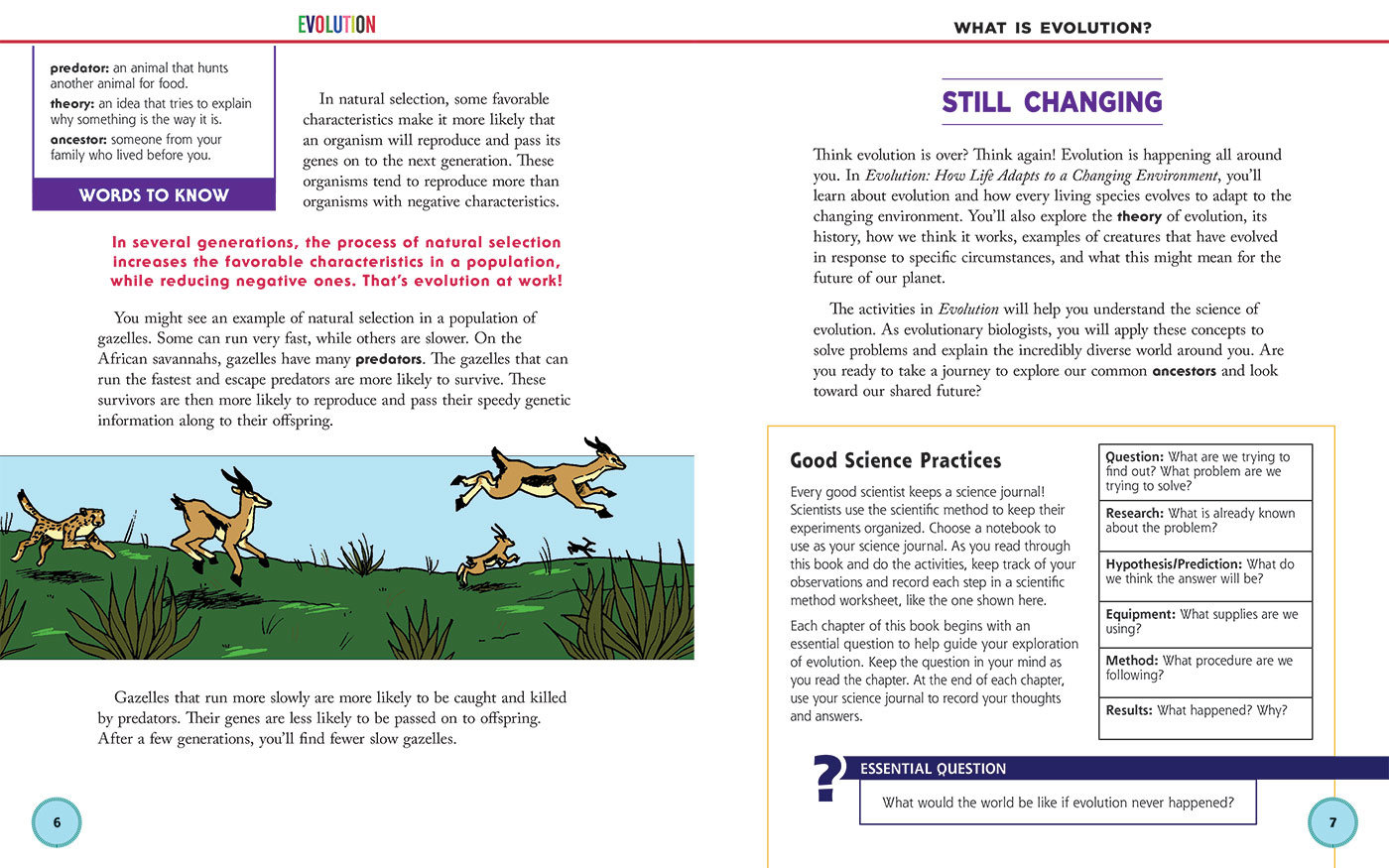
Nomad Press has enjoyed shelf space in my library for a while. They have great science project books and consistently win awards because they blend hands-on projects with text readability. Evolution is a great update to Nomad’s collection and my science projects shelf. First of all, the book is in color; my Nomad books have normally been black and white, and this is as eye-catching on the inside as it is on the cover. The book progresses from a basic overview of evolution and how it works, through natural selection, species and speciation, through to classification and human evolution. Twenty-five projects allow kids to map early human migration; find sidewalk fossils (awesome for my urban library kiddos), and research an endangered species and create a plan to save it. There’s a glossary, lists of resources, and an index. I love this new direction Nomad seems to be taking and want to see more! Great for library shelves.


Posted in Preschool Reads, Toddler Reads

So Many Cuddles: Reading time is cuddle time!

So Many Cuddles, by Ruth Austin/Illustrated by Clare Owen, (June 2017, Compendium), $16.95, ISBN:  978-1-943200-49-8

Good for readers ages 3-6

So Many Cuddles is an adorable look at the many different types of cuddles: rise and shine cuddles, bear-sized cuddles for being extra brave, tickly, giggly, wriggly cuddles – one of my personal favorites – and more, all illustrated by a young girl, her cat, her dog, and her doll. Each spread is a new type of cuddle; one page for text, one for illustration, giving each picture space to breathe and for kids to explore details like the textured rug in the girl’s room, or her sneakers, kicked to the floor when the friends are cuddling on the couch. It’s a great bedtime story – the cuddling winds down with “feeling very tired cuddles/let’s be cozy in bed cuddles” – or a great anytime story. This went over fabulously with my toddler storytime! Parents cuddled their little ones, and I had soft toys out for the kids to cuddle. It’s a soothing, loving story that encourages affection – what’s more perfect than that? The kids also loved the textured cover – I passed it around for everyone to love!

So Many Cuddles is a sweet celebration of cuddling. I love it, the kiddos here at my library love it, and my 5 year-old and I loved reading it while cuddling on the couch. Clare Owen’s soft, sweet art immediately gets readers’ attention, and the different kinds of cuddles helps explain different moods and feelings – something toddlers are still working on verbalizing.

Posted in Preschool Reads

Hanukkah picture books for holiday storytime!

I realized that my winter holiday reading has been somewhat narrow in scope, so I’m looking for Hanukkah and Kwanzaa books to read deeper and stronger. Here are some adorable Hanukkah books I’ve just read; I hope you enjoy them, too!

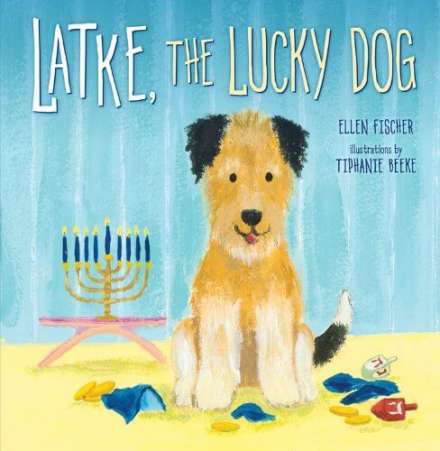
Latke, the Lucky Dog, by Ellen Fischer/Illustrated by Tiphanie Beeke,
(Aug. 2014, Kar-Ben Publishing), $7.95, ISBN: 978-0761390398
Good for readers 4-8

Narrated by Latke, a shelter dog that’s rescued on the first night of Hanukkah, this is an adorable story about pet adoption and Hanukkah. As he gets used to his new home, Latke manages to get in trouble every single night of Hanukkah! He’s eating the sufganiyot, chewing up dreidels, and slobbering all over the gelt. Yikes! Luckily for Latke, his family is very forgiving, and gives him his very own present on the eighth night. As Latke repeats throughout the book, he is “one lucky dog”. Latke the Lucky Dog has soft illustrations and changes in font color to note when Latke is narrating (blue) versus when someone else speaks (black). Anyone who has lived with a puppy will recognize Latke doing what dogs do; the forgiving family makes this a story of compassion and empathy while also giving kids a look into what life with a pet can be like. The story touches on the foods and activities that are part of the Hanukkah celebration.


Sammy Spider’s First Hanukkah, by Sylvia A. Rouss/Illustrated by Katherine Janus Kahn,
(Oct. 1993, Kar-Ben Publishing), $7.99, ISBN: 978-0929371467
Good for readers 4-7

Sammy Spider and his mom watch from their web as their family, the Shapiros, light their menorah on the first night of Hanukkah. Sammy is intrigued, and drops down a bit. He loves the way the menorah keeps his feet warm, and he enjoys hearing the story of Hanukkah, but what he really loves are the dreidels that Josh, the young boy, receives from his parents each night! He asks his mother if he can have a dreidel, but Mom tells him spiders spin webs, not dreidels… but on the last night of Hanukkah, Mom has a wonderful surprise for Sammy. I really enjoyed this book, because it provided a nice background on the holiday itself – the story of the Maccabees and the miracle of the oil – and incorporated family traditions. It’s also a concept book, with illustrations reinforcing numbers and colors. The artwork is reminiscent of Eric Carle, with a collage feel. There is a whole library of Sammy the Spider books, where he learns about different aspects of Jewish life, from holidays, to traveling to Israel.

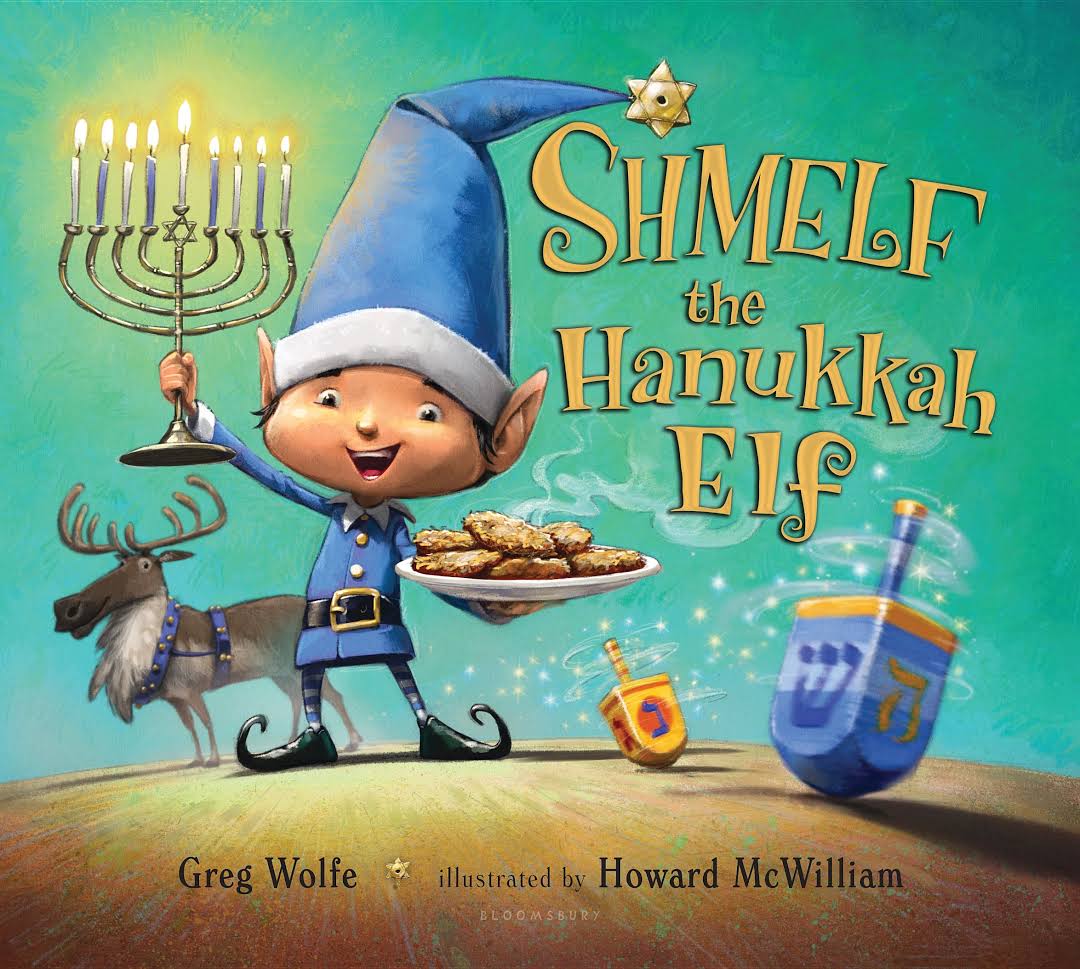
Shmelf the Hanukkah Elf, by Greg Wolfe/Illustrated by Howard McWilliam,
(Sept. 2016, Bloomsbury), $16.99, ISBN: 978-1619635210
Good for readers 4-8

This story is adorable, and handles that whole Elf on the Shelf business (Shmelf on the Shelf, maybe?) while we’re at it. Shmelf is a new elf, working on Santa’s List, checking it twice, when he notices something really distressing: there are a whole bunch of kids that aren’t on the naughty list, yet they’re not receiving presents! When he asks the head elf what the deal is, he finds out that the kids on the list are Jewish, and have their own holiday, where they receive gifts from their parents. This still doesn’t sit right with Shmelf, who goes investigating and sees a family celebrating Hanukkah: they’re spinning dreidels, they’re snacking on gelt, and yes, they’re getting presents! One for each night! He hears the story of Hanukkah and is so excited, he races back to the North Pole, where Santa gives him a special task: he’s going to travel the world, spreading Hanukkah magic! He gets a snazzy blue and white outfit, a sleigh and reindeer of his own, and heads out every year – sometimes November, sometimes December – to make sure your latkes are crispy and think, your menorahs burn bright, and your dreidels win. You want to thank Shmelf and his reindeer, Asher? No cookies – they like gelt and kosher dill! How can you not love this story? It’s a great way to explain Hanukkah – I love how Mom’s story takes shape in word bubbles  – and adds a fun spin to the holiday.

That was my first foray into Hanukkah reading, and now I plan to request more!

Posted in Animal Fiction, Fiction, Fiction, Graphic Novels, Humor, Middle Grade, Non-fiction, Tween Reads

Holiday Gift Guide: Books Kids Like!

I’m one of those people that believes there’s a book for every person, every occasion. I’m a firm believer in the five laws of library science, after all, and three of those are: “Books are for use”; “Every book its reader”; “Every reader his or her book”. This is very serious business.  So here’s a humble little gift guide for those of you who may want to give a book (or three), but not sure what to give to whom.

For the graphic novel reader who’s a little quirky and fun…

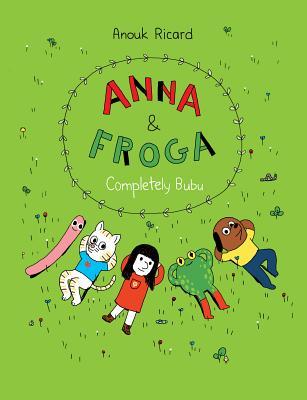
Anna & Froga: Completely Bubu, by Anouk Ricard,
(Sept. 2017, Drawn & Quarterly), $19.95, ISBN: 978-1-77046-292-2
Good for readers 10-13

This collection of comics from French author, artist, and animator Anouk Ricard stars a little girl named Anna, and her group of animal friends: Froga, the frog; Christopher, the worm; Ron, the cat, and Bubu, the dog. The book collects five previously published comics and one new story; each vignette running about 6 pages. Some vignettes end with a two-page final spread to deliver one last laugh, some run the whole 6 pages as a strip, but every little episode in Completely Bubu is loaded with kooky, smart humor. Upper middle graders and middle schoolers will get some good laughs out of this group, and so will you. “Bubu’s Vacation” will make you laugh out loud if you’ve ever considered (or maybe have) lying about going on vacation just to get some peace and quiet, and “The Garage Sale” will crack you up… and maybe, eye some pen caps.

For the kid who needs to know EVERYTHING. Right now.

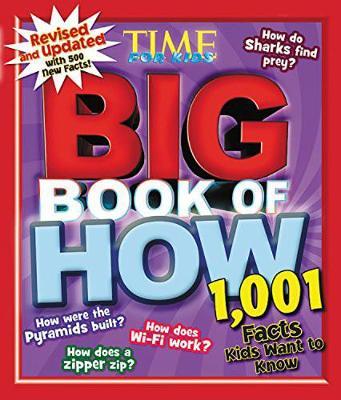
Time for Kids: The Big Book of How, by James Buckley, Jr.,
(Oct. 2017, Liberty Street), $19.99, ISBN: 9781683300106
Good for readers 8-12

If you know a kid that has the Wikipedia app loaded and ready to go; takes things apart to figure out how they work, or just wants to know why, The Big Book of How is the gift to give. With 11 sections, covering Animals, Technology, Space, Science, Sports, and more, this book carries over 1,000 facts (see the cover?) that kids wants to know. Each section hands readers the reins by offering a How To just for them: learn how to make a paper airplane or a camera obscura; find out how to launch a rocket or grow salad on a windowsill. There are amazing photos and fast facts, Did You Know? boxes and infographics, making this a desk reference that will get read and loved.

For the sports fan who already knows all the stats…

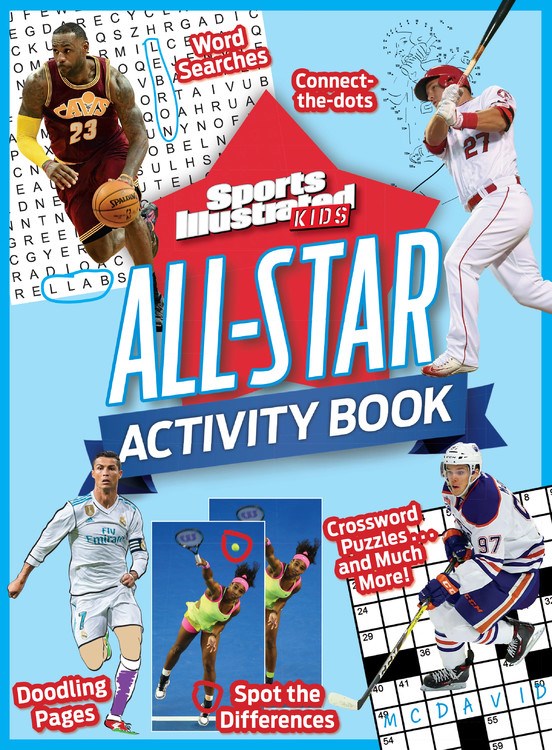
Sports Illustrated Kids All-Star Activity Book, by James Buckley Jr.,
(Nov. 2017, Liberty Street), $9.99, ISBN: 978-1-68330-773-0
Good for readers 8-13

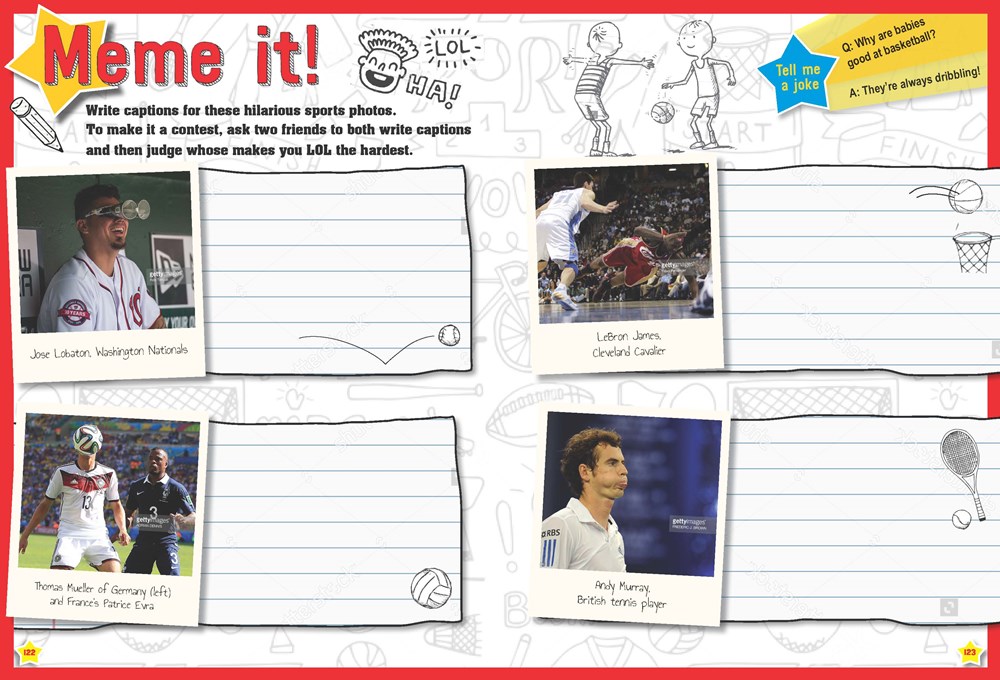
Your sports fan knows all the box scores and stats, but has she or he ever done a Williams Sisters connect-the-dot? Or created his or her own James Harden beard? You can do that and more with this activity book – covering all the major sports, with additional sections for the Olympics and All-Stars, kids can match soccer team jerseys to their players, create their own Olympic logo, and zip through an NHL word search. There’s even a NASCAR coin flip game in here for Race Day fans. Fun facts and great photos make this a great stocking stuffer.

For the time-traveler and history buff…


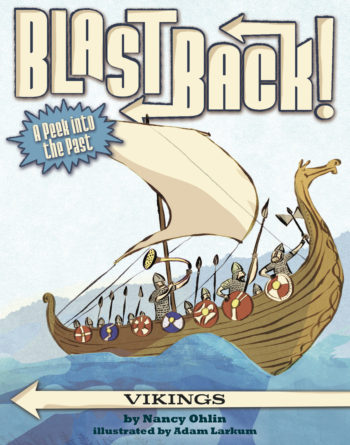
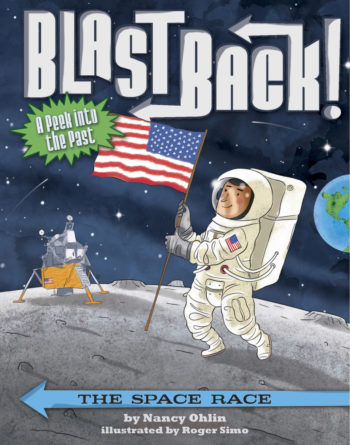
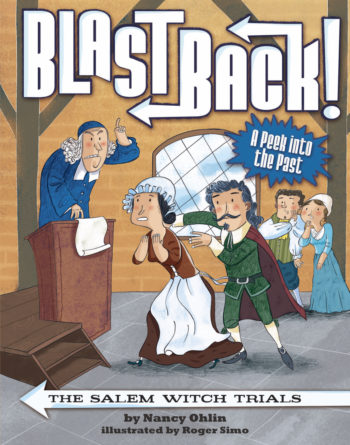
The BlastBack! series, by Nancy Ohlin/Illustrated by Adam Larkum and Roger Simó, (little bee)
Good for readers 7-10

The BlastBack! series is nonfiction that kids devour. It’s like the Time Warp Trio wrote books after each of their adventures. Each book covers a period in time, giving readers the full scoop: religion and mythology, history, aftermath, all written with respect for the younger reader – parenthetical explanations of terms and facts; callout boxes that look deeper into key people and moments; selected bibliographies at the end of each book. Black and white illustrations and maps throughout keep readers turning pages. There are 10 BlastBack! books now, and I hope we get some more to fill up my series nonfiction section. They’re just good reading.

For the kid you hand your phone to when you can’t figure out an app…

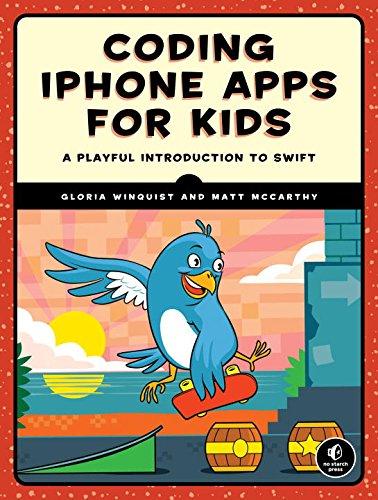
Coding iPhone Apps for Kids: A Playful Introduction to Swift, by Gloria Winquist and Matt McCarthy/Illustrated by Keiko Sato,
(May 2017, No Starch Press), $29.95, ISBN: 978-1-59327-756-7
Good for readers 10+

I love No Starch Press and their tech books for kids. Coding iPhone Apps for Kids is a detailed, but highly readable, introduction to Swift, the language used mobile apps that run on Apple devices. The book walks readers through every step of the process, from the basics of learning how to code, installing Xcode (the code editor), storyboarding, adding art and sound effects, testing, and finally, running the app. (I’m leaving a lot of steps out of the process, but that’s why I don’t write books on creating apps.) There are full-color illustrations, screen shots, and lines of code to guide readers and important troubleshooting tips and tweaks along the way. An appendix and index round out this insanely helpful book that would make a lovely gift wrapped up with a copy of Girls Who Code. Just sayin’.

For the kid who loves infographics… or really likes Seek and Finds…

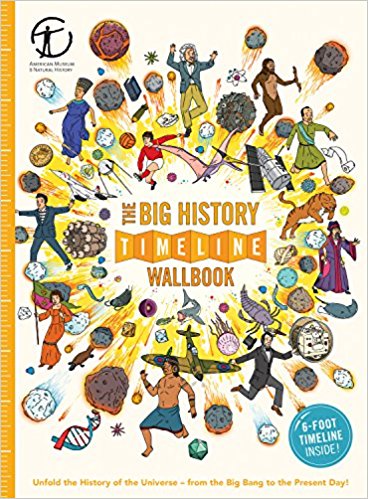
The Big History Timeline Wallbook, by Christopher Lloyd and Patrick Skipworth/Illustrated by Andy Forshaw,
(Sept. 2017, What On Earth Books), $19.95, ISBN: 978-0-9932847-2-4
Good for readers 6-14

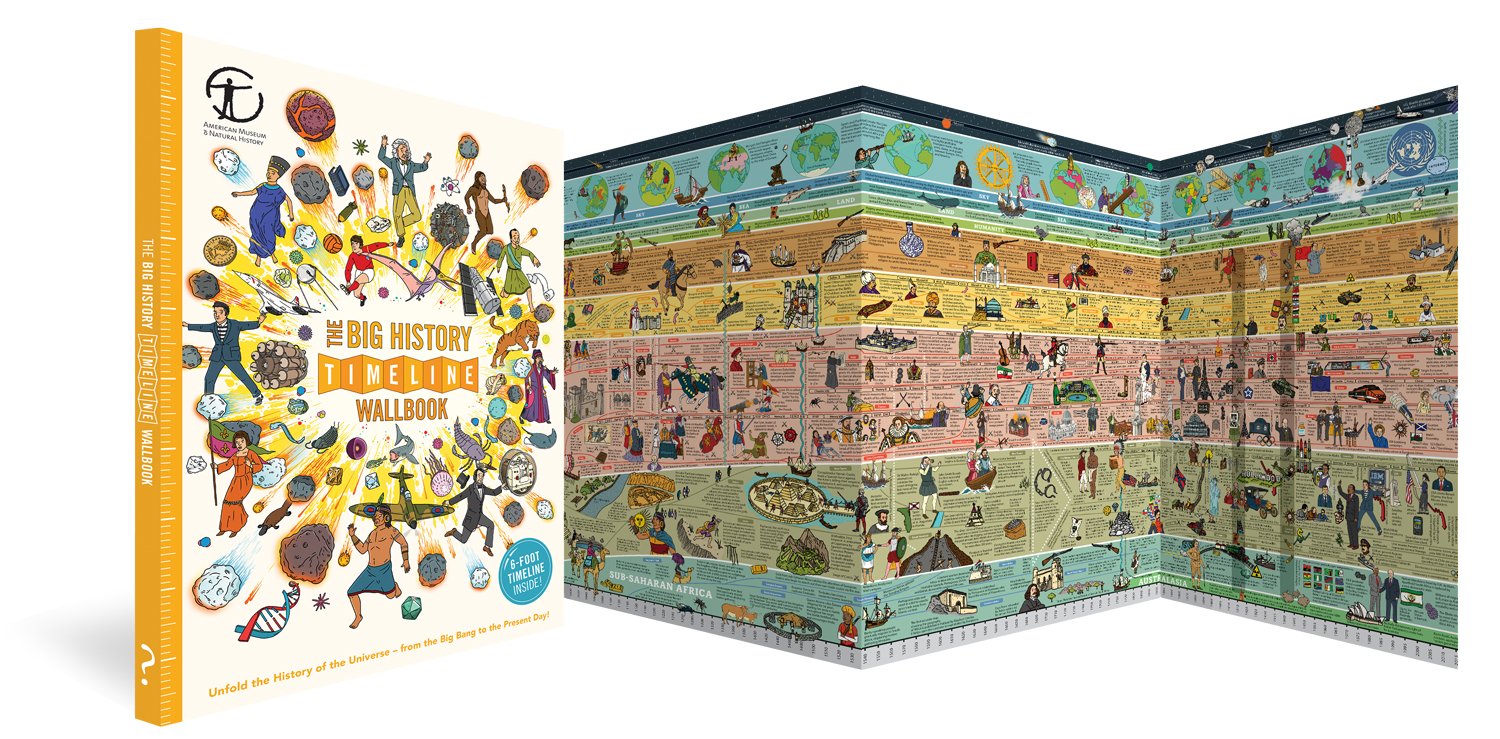
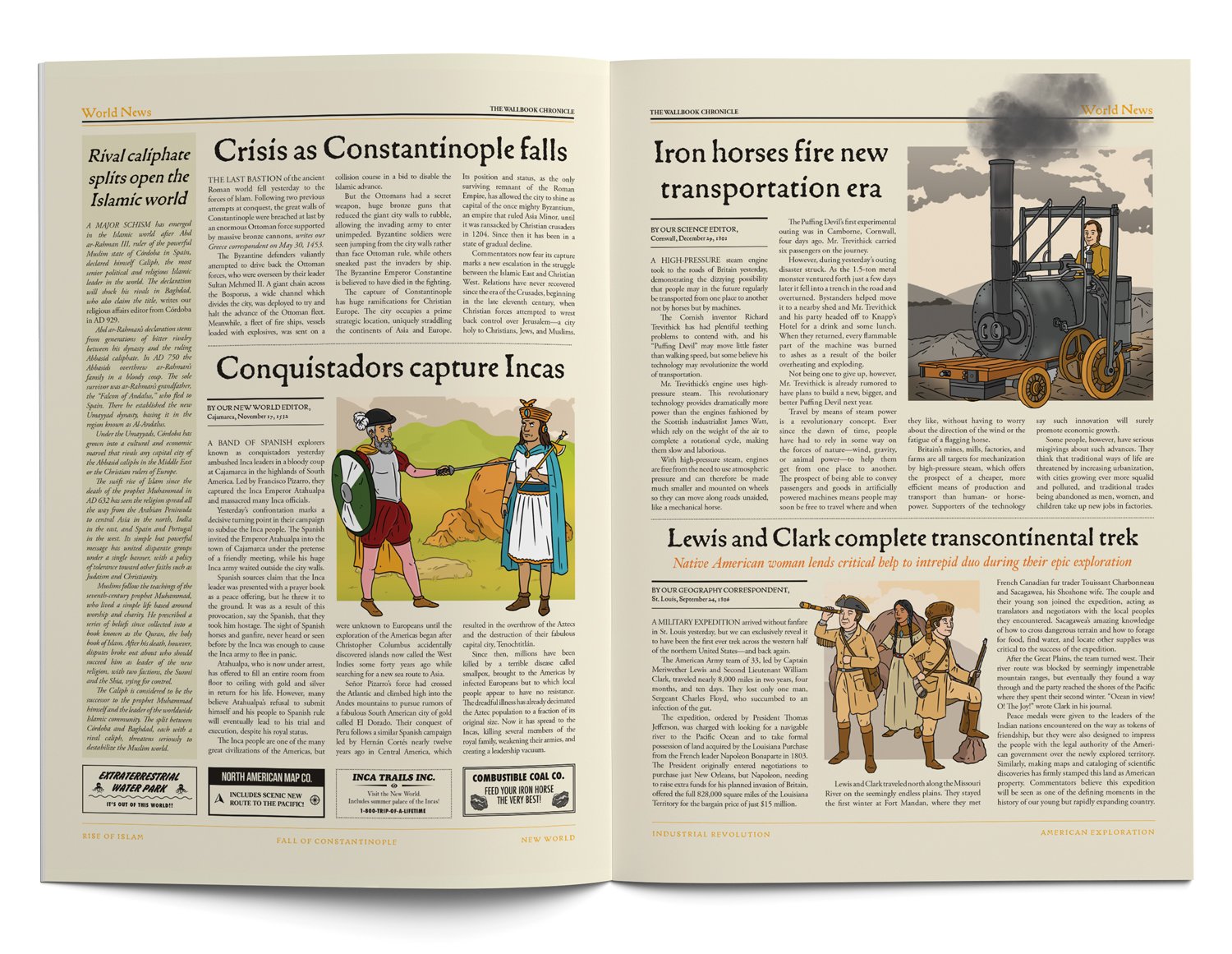
What did we do before infographics? So much info communicated in little bites of space, fully illustrated and eyecatching; it’s a wonderful thing. The Big History Timeline Wallbook isn’t quite an infographic, but it does come with a 6-foot timeline of the universe – from the Big Bang to our Present Day – that you can detach and hang on your wall. There’s even a cute little pocket, holding a magnifier, that you can use to read the itty bitty text on the poster. Hey, there’s a lot of history to chronicle; sometimes, font size has to be sacrificed.

The Wallbook Chronicle is an 18-page “glorious gallop through fourteen billion years of big history”: printed to look like a newspaper, articles include major world events with bylines and dates, like the “Solar System origins clouded in swirls of gas” article by the astronomy editor from Paris, 1796 and the geography correspondent’s 1806 article on Lewis and Clark completing their transcontinental trek. A letters section from “would-be readers down the ages” has commentary on events including the sacking of King Tut’s tomb and the fire-bombing of Tokyo in 1945; a quiz tests readers’ mettle. There are three Timeline Wallbooks available: Big History, Science, and Nature; all developed in conjunction with the American Museum of Natural History. Definitely a fun gift choice.


More gift ideas to come! I hope this helped fill in a few check boxes on your holiday lists.

Posted in Preschool Reads

Little Sid – Meet the Buddha!

Little Sid, by Ian Lendler/Illustrated by Xantha Bouma, (Jan. 2018, First Second), $17.99, ISBN: 9781626726369

Recommended for readers 3-8

This adorably illustrated story of the Buddha’s childhood is both a nice introduction to Buddhism for younger readers, and a meaningful fable about valuing connections over possessions.

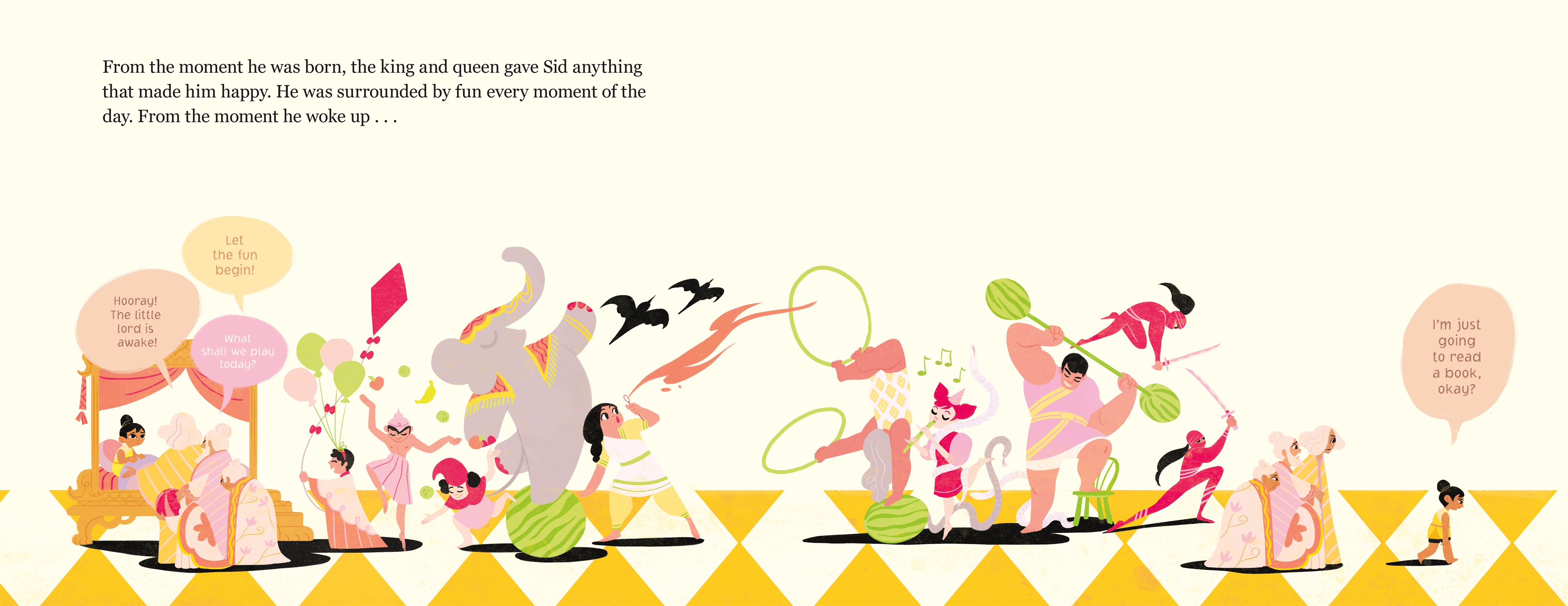
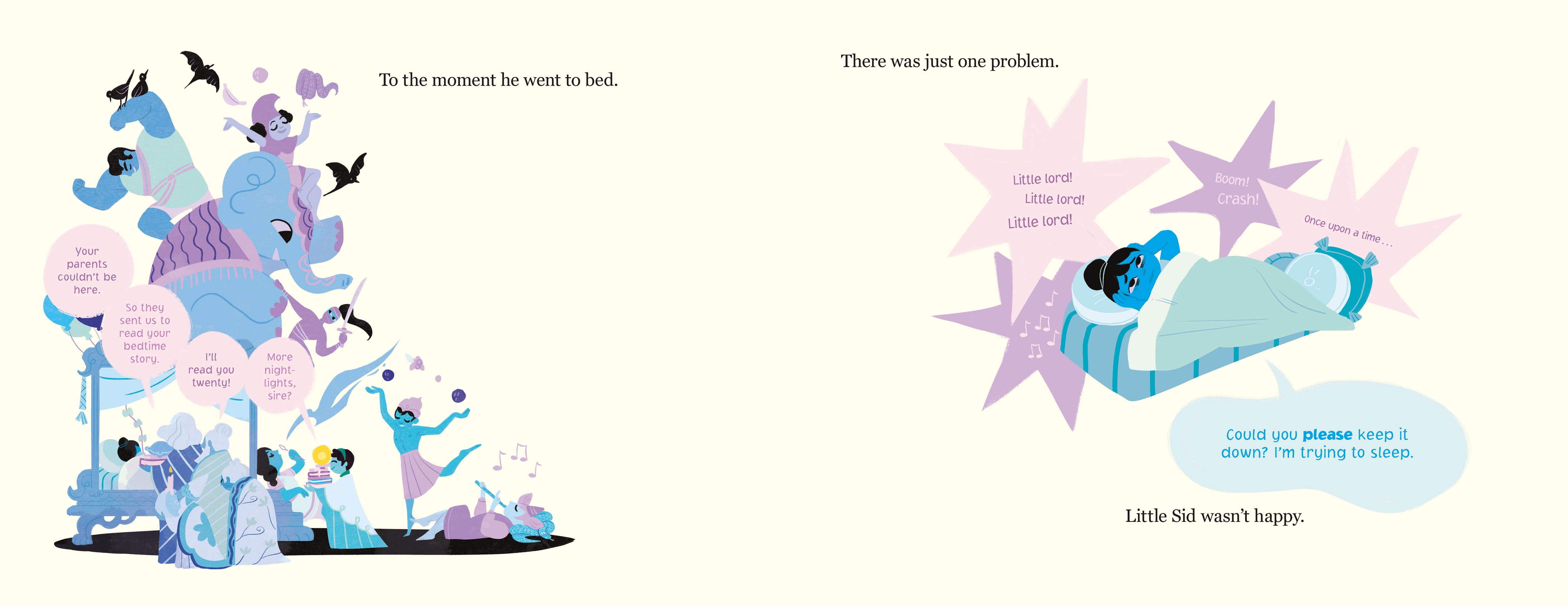
Little Sid is Siddhartha, a little prince who gets everything he could ever want, except for time with his parents. They’re always running off to some grand event or monarch duty, leaving Sid to be raised by an army of handlers who all fawn over him. He isn’t happy. He takes off to find the secret to happiness and meets a wise man who confuses him, a tiger who terrifies him, and a mouse who makes it all come together for him. When he comes back, he’s a changed kid, ready to put what he’s learned into practice: starting with his parents.

Xanthe Bouma’s artwork is adorable and bright, lively and bold. Sid’s face is filled with expression, whether he’s happily greeting readers on the opening page or reveling in the joy of a ripe strawberry. Ian Lendler’s text weaves a story of a child who has everything he could want, but wants only his parents’ time. It’s a story of mindfulness and gratitude, and that’s something every child should know and every family should embrace. My favorite lesson? That being happy isn’t permanent, but neither is being sad. It teaches kids that life comes in ebbs and flows, and to go with those ups and downs. A brief biography of Siddhartha Gautama closes out this volume.

Booktalk or display Little Sid with one of my favorite books, Ganesha’s Sweet Tooth; together, the two books present a starting point to discover different cultures and faiths, all while delivering solid messages about awareness and resilience. Talk about the religions that inspire these tales; introduce your readers to Buddhism and Hinduism. It’s a great way to make their worlds a little bigger.

Posted in Fiction, Intermediate, Realistic Fiction

In Lucy’s Lab, science is everywhere!

Sky Pony has a new series for intermediate readers that incorporates a fun science component into each tale. Lucy’s Lab is a series about a second grader named Lucy, and she loves science! Her cousin and best friend, Cora, is in class with her, and is more of the purple and pink princess type, but she’s always up for a stint in Lucy’s Lab. Now, if only she could get that annoying classmate Stewart Swinefest, to behave himself…

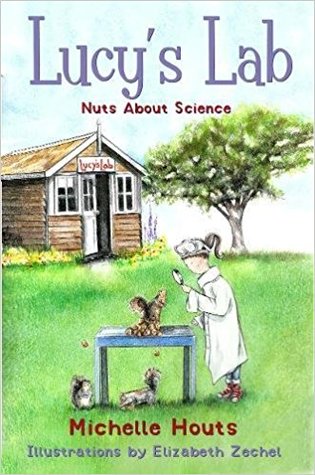
Lucy’s Lab: Nuts About Science, by Michelle Houts/Illustrated by Elizabeth Zechel,
(Sept. 2017, Sky Pony Press), $13.99, ISBN: 978-1510710641
Recommended for readers 7-10

In Lucy’s first science adventure, Nuts About Science, we meet the science-loving second grader at the beginning of her school year. She likes her new teacher, Miss Flippo, and she really likes that there’s a science lab in her classroom! Miss Flippo even has lab coats and goggles for the students to wear in the lab! One thing doesn’t sit so well with Lucy this school year, though: the big oak tree outside her classroom is gone, and Lucy’s worried that the squirrels that lived there will have nowhere to go! She and her friends manage to find out what happened, and lobby the principal and the PTA for a new tree. In the meantime, Lucy turns an old playhouse her father built in the backyard into her very own lab!
 

Lucy’s Lab: Nuts About Science, by Michelle Houts/Illustrated by Elizabeth Zechel,
(Sept. 2017, Sky Pony Press), $13.99, ISBN: 978-1510710672
Recommended for readers 7-10

Lucy and her classmates learn about the states of matter in Solids, Liquids, Guess Who’s Got Gas, which may be the best Intermediate book title ever. Miss Flippo believes in science being fun, and teaches them about solids, liquids, and gases by using balloons, frozen water, and a school trip to the apple orchard! Kudos to author Michelle Houts for slipping the fourth state of matter – plasma – into the story, as well as its recent inclusion into science textbooks. Lucy discovers a new science hero in this story, and Stewart Swinefest gets some payback for being obnoxious.

The Lucy’s Lab series is easy reading, with bite-sized information slipped into the narrative. Lucy has her own lab time in each book, and we return to Room 2-C for adventures in the science lab during school hours; we also get interesting tidbits throughout each story, whether it’s about the origin of some last names, tree diseases, or the scientist who studied plasma. There’s always something interesting happening in Lucy’s world, and we’re invited to come along. Black and white illustrations keep the reader’s interest and keep the pace moving for readers transitioning from beginner chapter books to intermediate novels.

This is a nice series to give to your readers who like exploring the world around them. I’d display this with the Girls Who Code chapter books and Jon Scieszka’s Frank Einstein books to give kids a nice introduction to STEM fiction.


Posted in Preschool Reads

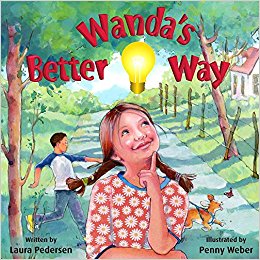
Wanda’s Better Way – good STEM reading!

Wanda’s Better Way, by Laura Pedersen/Illustrated by Penny Weber, (July 2017, Fulcrum Publishing), $17.95, ISBN: 978-1-68275-014-8

Recommended for readers 4-8

A young girl finds a better way to do things as she goes through her day. The grownups around her think she’s not interested in the task at hand, but she’s really at work observing problems and creating workarounds – and then goes on to engineer them. When Wanda’s dance teacher suggests she consider gymnastics because she doesn’t appear interested in dance, we discover that she’s engineering a solution to the cluttered and messy dressing room. When she offers to help her landscape designer mother, she finds a solution that will keep squirrels out of a bird feeder. When she helps her chef father in the kitchen, she finds an easier way to separate eggs – and makes that her science fair project!

With short, easy to read and understand sentences and realistic illustrations, Wanda’s Better Way is a nice way to introduce STEM concepts and the scientific method to younger budding scientists and readers. Wanda’s ideas come to her in step-by-step thought bubbles and she’s illustrated with a light bulb going off over her head when solutions to come her. It’s a time-honored and effective way to communicate ideas! Kids will see how Wanda works out the problem and can discuss how she implements her solutions. Wanda tries on different career ideas while talking to her mother and father; something many kids will be familiar with. We’re often our kids’ first exposure to careers, so why wouldn’t they consider doing what we do? Wanda ultimately decides that she wants to be a scientist, which offers a nice topic for discussion: Wanda wants to be a scientist because she realizes her strength in figuring out problems. What are you really good at, and what can you do with your talent?

Wanda and her brother are biracial, with an African-American mother and white father. It sends a positive message about girls of color taking an interest in STEM! There is a two-page, age-appropriate explanation of the scientific method.

I’d put this with my Andrea Beaty books – Ada Twist, Scientist, Rosie Revere, Engineer, and Iggy Peck, Architect – and my other STEM picture books, like Ashley Spires’ The Most Magnificent Thing and Kobi Yamada’s What Do You Do With a Problem? and What Do You Do With an Idea? Great for STEM storytimes, and if you have blocks or other maker goodies handy, you can let the kiddos play for a little while and work up their own engineering challenges.

Laura Pedersen is an author, humorist, and playwright. Her website offers more information about her books and theater projects. Illustrator Penny Weber’s website has a gallery of her artwork.

Posted in Humor, Preschool Reads

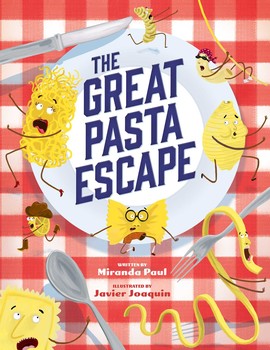
Fun with Food: The Great Pasta Escape

The Great Pasta Escape, by Miranda Paul/Illustrated by Javier Joaquin, (Aug. 2017, Little Bee/Bonnier), $17.99, ISBN: 978-1-4998-0480-5

Recommended for readers 3-7

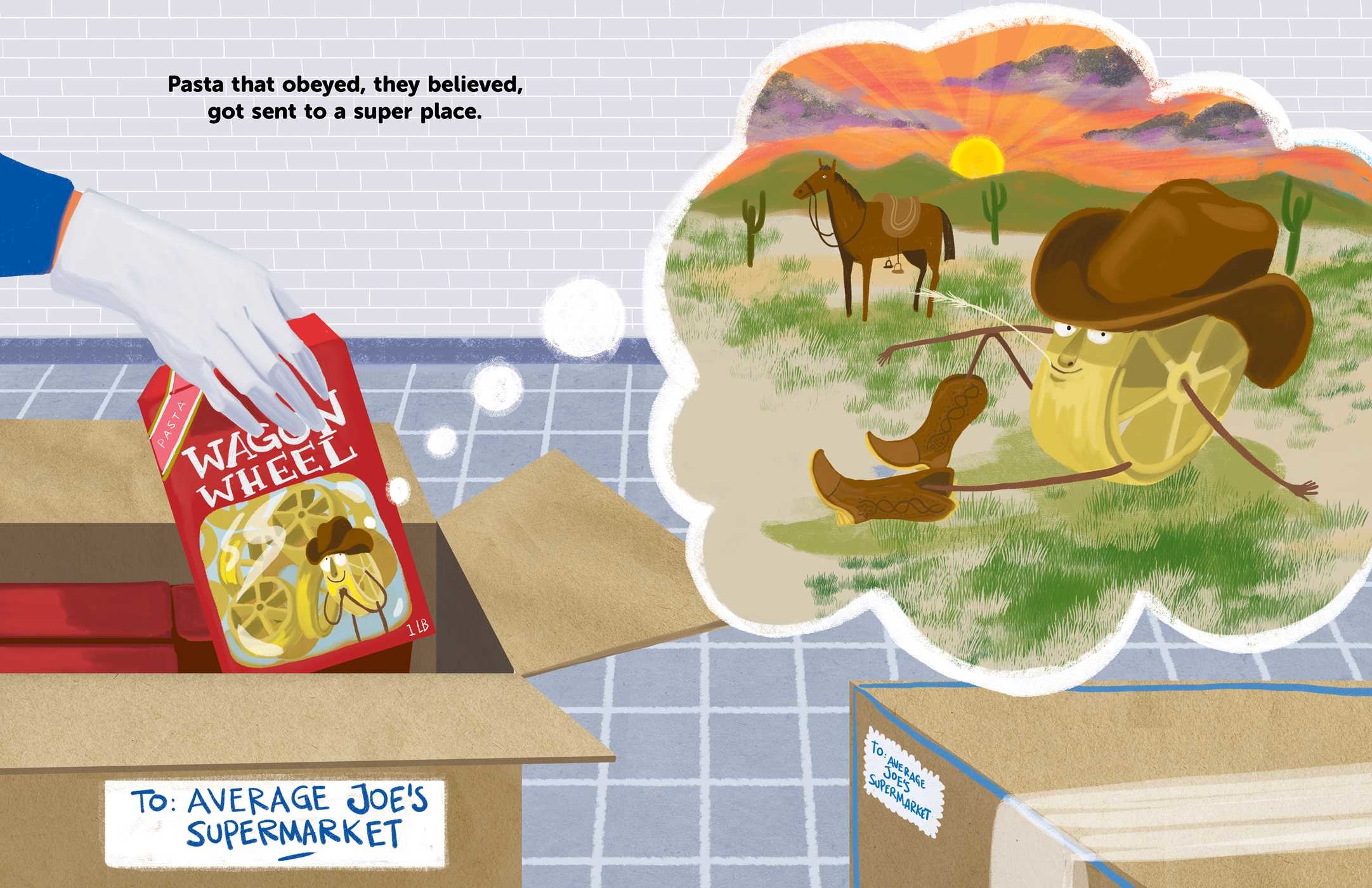
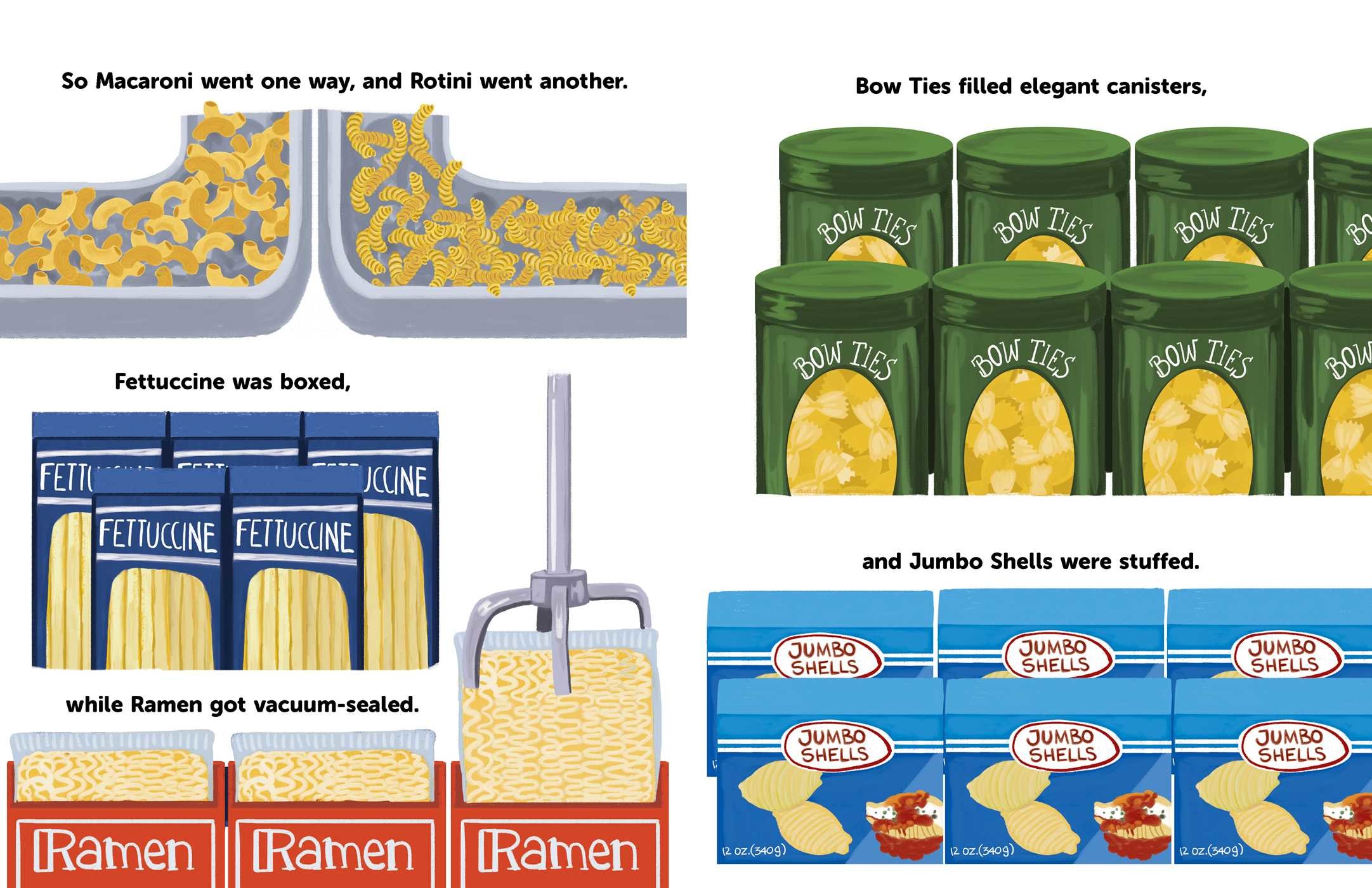
Different types of pasta learn the ugly truth about where they really go once they leave in those cute little packages, and take action in this hilarious story.  Pasta followed the rules: they stuck to their own kind; they stayed still in their packaging, and they NEVER spoke to humans. They thought they were bound for a better place; a happy, carefree existence, until the fettuccine overhears some factory workers talking about how hungry they are… *needle scratch* and what they plan to eat. Fettucine panics, and the rest of the pasta gets ready for action: Bow Tie tries to stay logical; Ramen is ready to rumble; elbow-shaped Mac just wants everyone to chill. Together, the different pasta types come together to carry out the greatest escape in pasta history.

This book is a current favorite at home because it’s so funny. The pastas have their own personalities, some of which tie into their shapes, like the professorial Bow Tie. My favorite is Mac, the elbow pasta who has a total New Age look on life and envisions himself by the water, doing some yoga. It’s a fun adventure story; pure escapism and laughs, with a Menu – sorry! I mean, Guide to Pasta Shapes – at the end. The art is vibrant and bright, and the endpapers sports different types of pasta in the front, and a boxed spaghetti-look at the back.

I pair this one with an oldie but goodie, Food Fight! by Carol Diggory Shields/Illustrated by Doreen Gay-Kassel, for a fun food storytime. You can read Tomie dePaola’s Strega Nona for a story about pasta that gets out of control, and pasta necklaces are perfect for a craft pairing. Ask your kiddos what types of pasta they recognize in the book, and see what you’ve got in the house to identify.

Miranda Paul is an award-winning author who has a great author website where you can find resources, including downloadable teacher guides to her books (and a blobfish coloring sheet!!!) and videos. She’s also the chair of the We Need Diverse Books Mentorship Committee. You can find more of illustrator Javier Joaquin’s illustrations at his website, including a section of his children’s book work, where you can filter by subject or style to see everything from nonfiction to board books to classics and more.

Posted in Fantasy, Fiction, Graphic Novels, Tween Reads

Fantastic Fairy Tale: The Prince and The Dressmaker

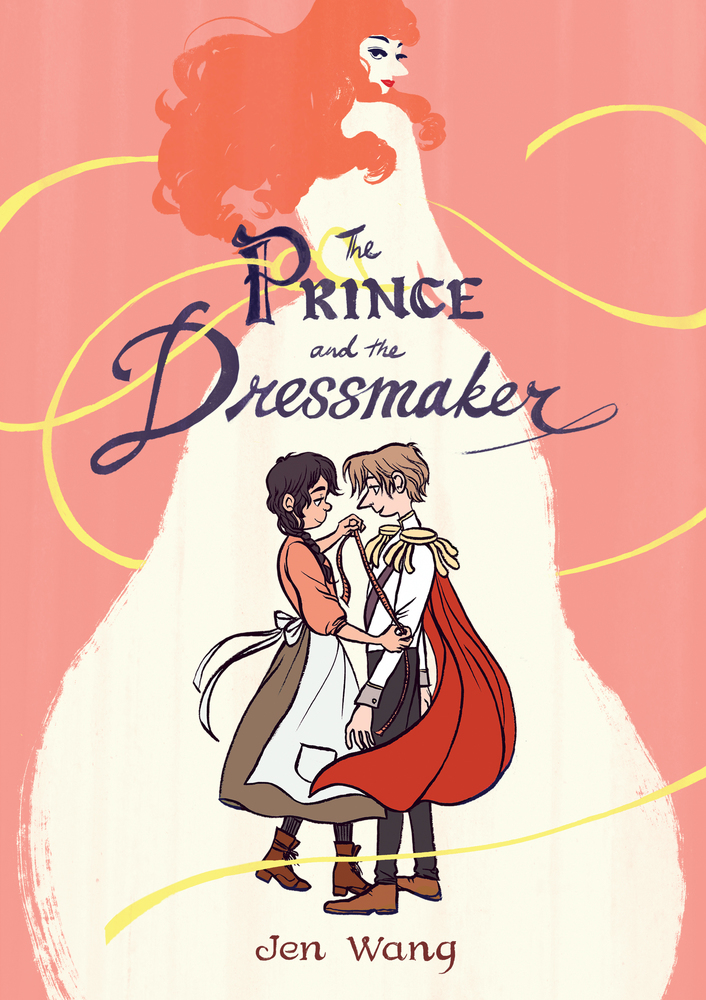
The Prince and the Dressmaker, by Jen Wang, (Feb. 2018, First Second), $16.99, ISBN: 9781626723634

Recommended for readers 10+

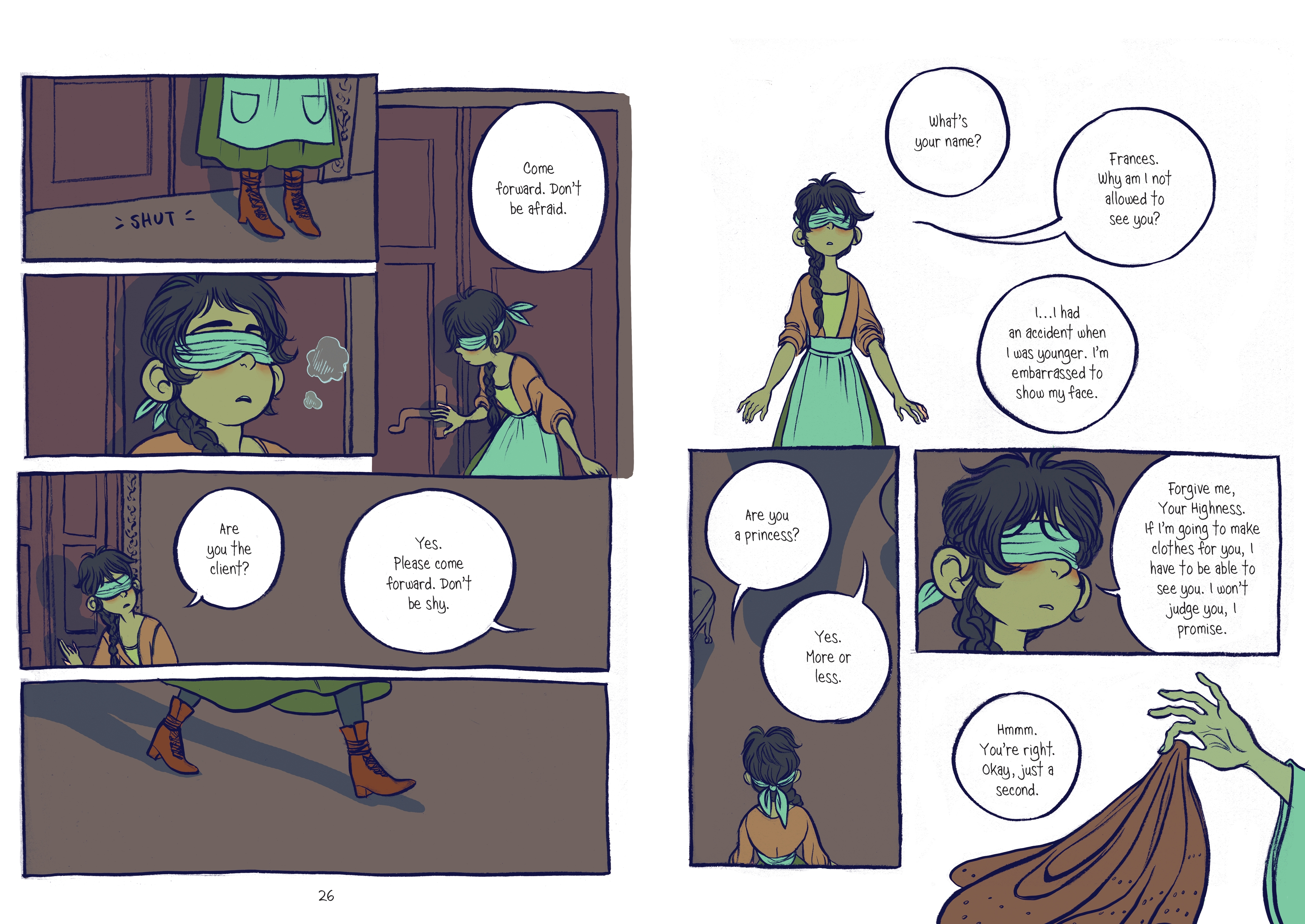
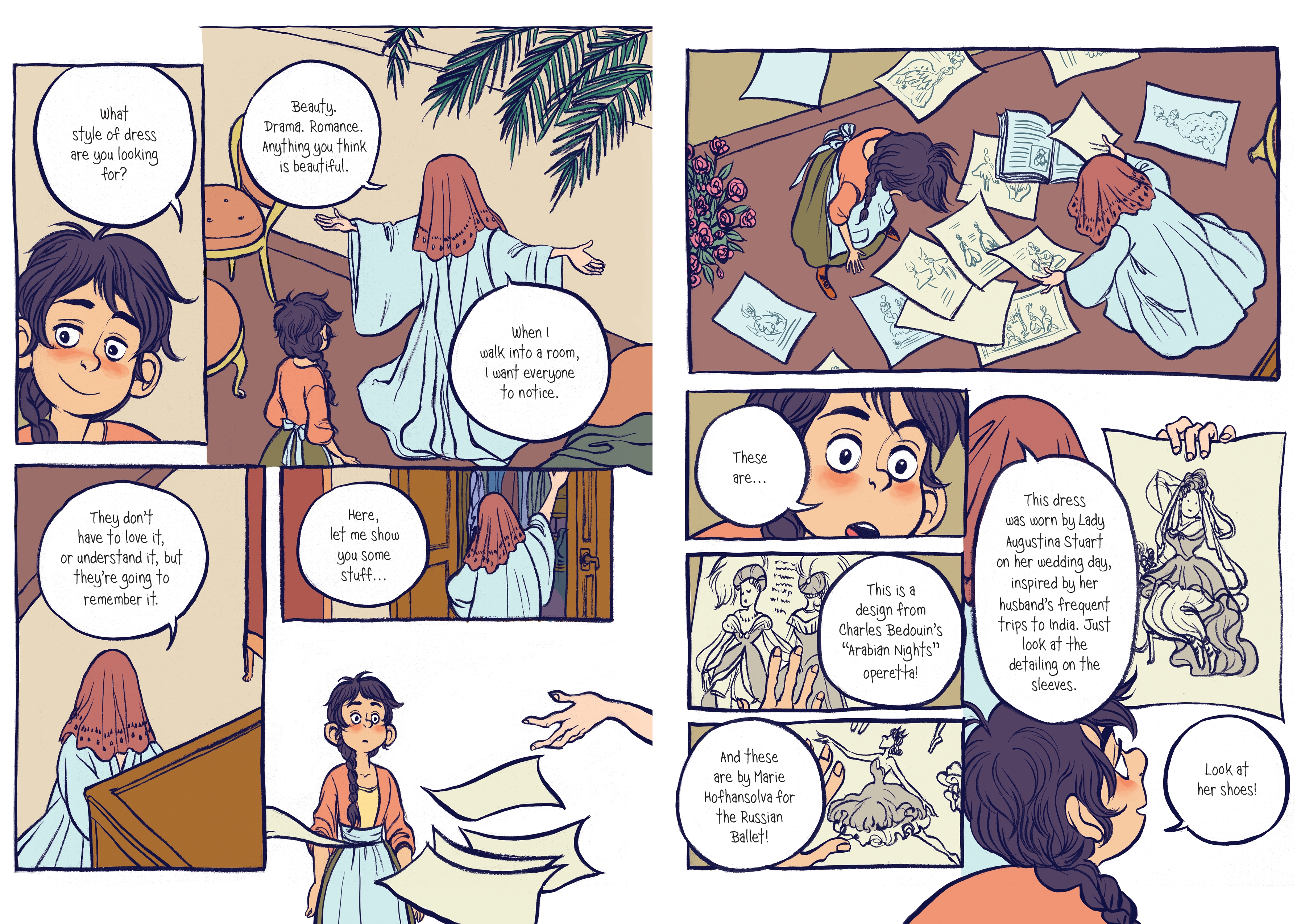
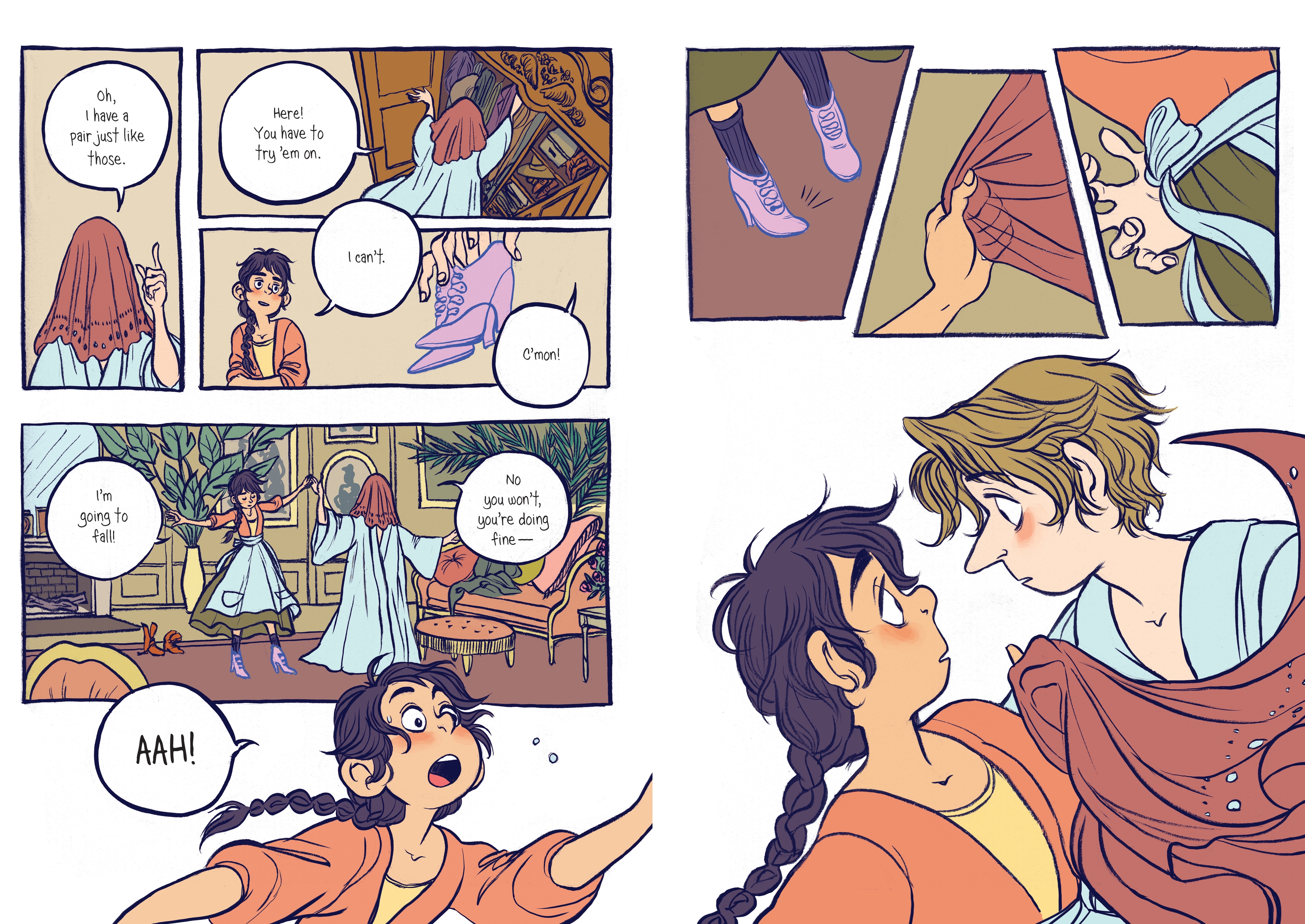
In a Parisian town, during what looks like a Renaissance period, Frances is a brilliant dressmaker who slaves away in drudgery until she’s hired to work for the crown prince, Sebastian. It’s only when Frances arrives at the palace does she realize that Sebastian has a secret: he loves to wear extravagant, lavish dresses and go out on the town! Together, he and Frances craft a persona, Lady Crystallia, and hit the streets of Paris together; Lady Crystallia makes a splash on the Paris fashion scene, and Frances finds her talents in demand. But to go public with her talents puts Sebastian’s secret at risk.

This is a great modern fairy tale. It challenges gender identity, it’s got great characters, the art is soft realistic with a touch of the fantastic, and a touch of sweet romance that will make you just sigh, “Aww!” Frances is a lovable character who I felt for, and Sebastian put my emotions through the ringer as he went through his own stress. Each chapter is set off with a dress pattern, keeping readers in the overall story. Give this one to your readers who loved Princess Princess Ever After, your Lumberjanes fans, and anyone who appreciates a good, modern fairy tale.

The Prince and the Dressmaker won’t be out until February, but you can pre-order now (and check out more amazing art).