Posted in Non-Fiction, Non-Fiction, picture books

The Boo-Boos That Changed the World: An accidental invention!

Kids love Band-Aids, right? My kids have all come to me, asking for a fistful of Band-Aids for some nearly invisible wound. I remember covering my own teddy bears with Band-Aids when I played with my doctor kit. Working around books and paper as much as I do, I can tell you that there have been days where I’m walking around with two or three of the suckers on various fingers, especially when I’m doing program prep and put literal blood, sweat, and tears into a project I’m working on for the kids. Whether they’re the original plain, or decorated with Transformers, Band-Aids are a great example of an invention that fills a need and became so much more – so how did this happen?

The Boo-Boos That Changed the World: A True Story About an Accidental Invention (Really!),
by Barry Wittenstein/Illustrated by Chris Hsu,
(Feb. 2018, Charlesbridge), $16.99, ISBN: 978-1-58089-745-7

Recommended for readers 6-10

In the 1920s, a cotton buyer for Johnson & Johnson named Earle Dickson married Josephine, settled in New Brunswick, New Jersey, and started their lives together. But Josephine was a bit accident-prone; she’d cut herself while cooking, bumped and bruised herself going about her daily business, you get the drift. (C’mon, though: who hasn’t grated knuckles, fingernails, and the occasional fingertip on those savage cheese graters?) Poor Josephine was going through dishrags at an astonishing rate, and Earle, being the loving husband he was, started looking for solutions. He took a long piece of adhesive tape and stuck sterile gauze to them every few inches: voila! The Band-Aid prototype was born! The bandages evolved for easier and quicker application and were made easier to apply and reached worldwide usage, going overseas during World War II to the soldiers fighting in Europe, even as kids were testing their limits with scratches and cuts at home. The End. (Really.)

I enjoy a good nonfiction book I can give to younger readers; I’ve had big success with everyday inventions like hot chocolate and earmuffs, thanks to Easy Readers on the topics, and Boo-Boos is a great addition to younger nonfiction collections. Big enough to spotlight the mixed media and Photoshop artwork, all of which is sepia-toned to give a real vintage-y feel to this story. I love the Band-Aid endpapers that bring you in and escort you out of the story, and the sweet love story at the heart of this invention story is just adorable. I love the kid-like narration, which starts and stops with each major moment: “The End. Actually, no, wait…” It’s like listening to my own 5 year-old, or any of my library kiddos, describing a movie, big happening at school, or family event. There’s an author’s note, Earle Dickson time line, a timeline of medical inventions from the 1920s and 1930s, and a list of further resources for anyone who wants to learn more.

The Boo-Boos That Changed the World is good reading, and just good fun. Hand out some Band-Aids (licensed characters, please, we’re not cruel) at a storytime, or raffle off a box of them for a great reader report! There’s a downloadable curriculum guide on the way, and you can listen to a Charlesbridge podcast interview with author Barry Wittenstein right here. The book has a starred review from Kirkus.

Giveaway!

Want a shot at your own copy of Boo-Boos? Enter this Rafflecopter giveaway! (US addresses only, please.)
Author Barry Wittenstein has always been involved with writing, from contributing to his high school and college newspapers, to writing and performing poetry on stage in San Francisco, songwriting, sports writing, and now picture books. He has worked at CBS Records, CBS News, and was a web editor and writer for Major League Baseball. He is now an elementary-school substitute teacher and children’s author.

Barry particularly likes nonfiction, and profiling mostly unknown people and events whose stories have never been told in children’s literature. He is the author of Waiting for Pumpsie and The Boo-Boos That Changed the World. He lives in New York City. To learn more, visit his website: https://onedogwoof.com/ or on Twitter: @bwittbooks


Praise for THE BOO-BOOS THAT CHANGED THE WORLD

★”Appealingly designed and illustrated, an engaging, fun story about the inspiration and inventor of that essential staple of home first aid.” — Kirkus Reviews (starred review)

Posted in Preschool Reads, Toddler Reads

Spring Books for Toddlers!

There are so many great toddler and preschoooler books hitting shelves this Spring! There are picture books, board books, lift the flap books, and slide books – all sorts of books for little ones to explore and enjoy. Let’s take a look at a few.


The Three Little Pugs, by Nina Victor Crittenden,
(March 2018, little bee), $17.99, ISBN: 978-1-4998-05279-1
Recommended for ages 2-7

Three little pugs – Gordy, Jilly, and Zoie – love to play, and they really love to nap in their big cozy basket. One day, they head over to their basket for their morning nap, but – oh no! – the big bad cat is in their basket! The three little pugs each devise a plan to get the cat out of their basket, using straws, sticks, and bricks: sound familiar? This cute little take on the classic fairy tale, The Three Little Pigs, ends up a lot happier for all, with decidedly less huffing and puffing. Kid-friendly art makes for a fun read-aloud or quiet time; endpapers add to the fun, with framed photos of the pugs, cat, and other pets looking warily at one another at first; closing endpapers have everyone posing in harmony. I’d pull out some plush cats and dogs (bean-bag size would be great) for small storytimes to play with, and read as part of a pet storytime or the original Three Little Pigs.


The Backup Bunny, by Abigail Rayner/Illustrated by Greg Stones,
(March 2018, North South Books), $17.99, ISBN: 9780735842823
Recommended for readers 3-8

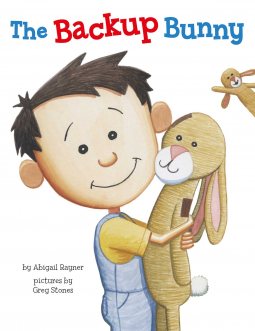
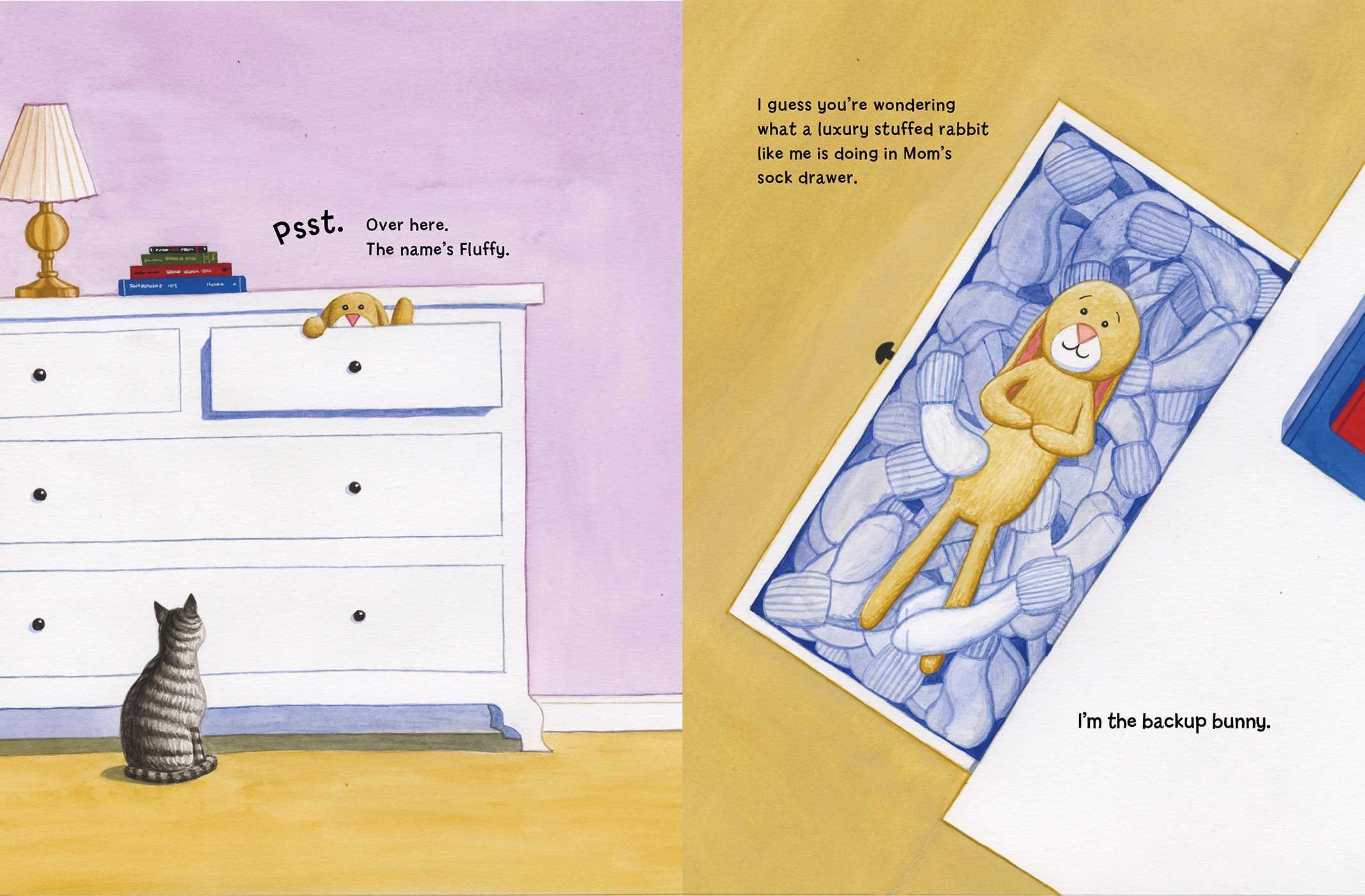
Meet Fluffy. He’s soft and lush, and he lives in Mom’s sock drawer. You see, he’s the backup bunny. Parents, you know the Backup Bunny – the one we’ve got just in case the Luvvie/Lovey goes missing; the one we hope will stave off the tears. That’s exactly what happens when Max misplaces Bunny, and Fluffy’s called into service. But Fluffy isn’t right! His ears don’t feel right – he’s too new, he hasn’t been loved enough. Imagine how poor Fluffy feels, after waiting all this time to be played with; to be thrown on the floor, hung by his ears on a clothesline, and dunked in the mud – but wait! That’s the key! As Max plays with Fluffy, he breaks him in – and before Fluffy realizes it, Bunny’s been found, and Fluffy finds himself part of the new Lovey rotation. Kids will love The Backup Bunny because they’ll get it: the stress of missing a beloved toy and the frustration of a toy that isn’t quite right. The artwork is gentle and soft, with warm browns, and soft blues inviting the reader into a world of stuffed toys, cushiony beds, and soft sock drawers. The endpapers are adorable, with Fluffy hanging out, waiting by himself on the front papers, only to be part of the Max/Bunny group on the back pages. Caregivers will appreciate The Backup Bunny, because we’ve all been there. Overall, a nice addition to picture book collections, and a fun addition to storytimes where kids bring their own stuffies to cuddle.

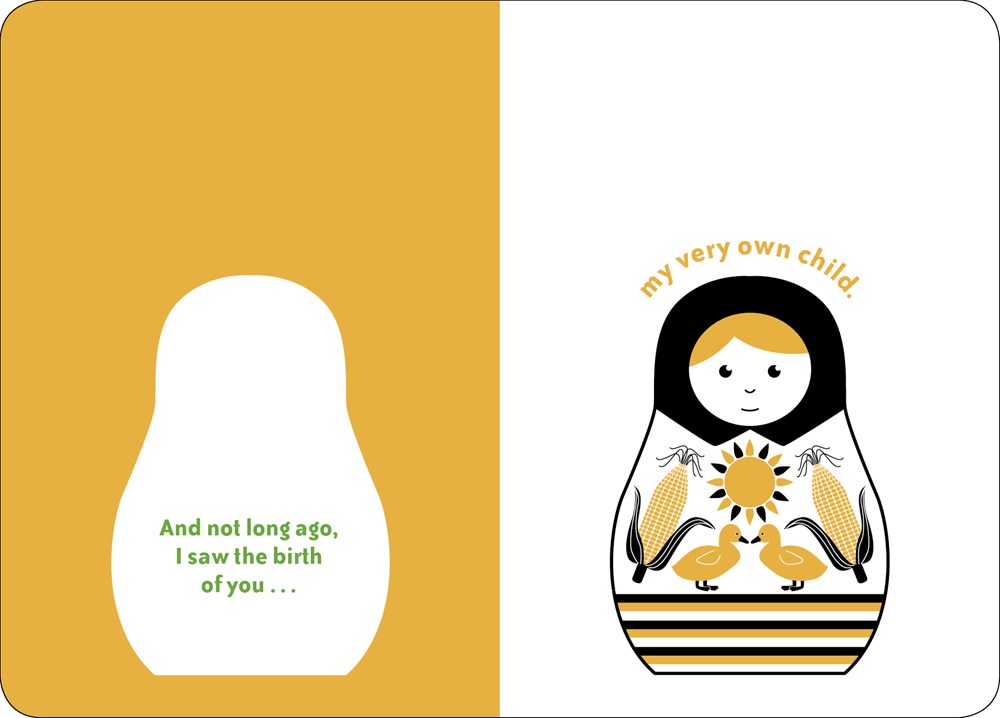
From Mother to Mother, by Émilie Vast,
(March 2018, Charlesbridge), $7.99, ISBN: 9781580898133
Recommended for readers from 0-4

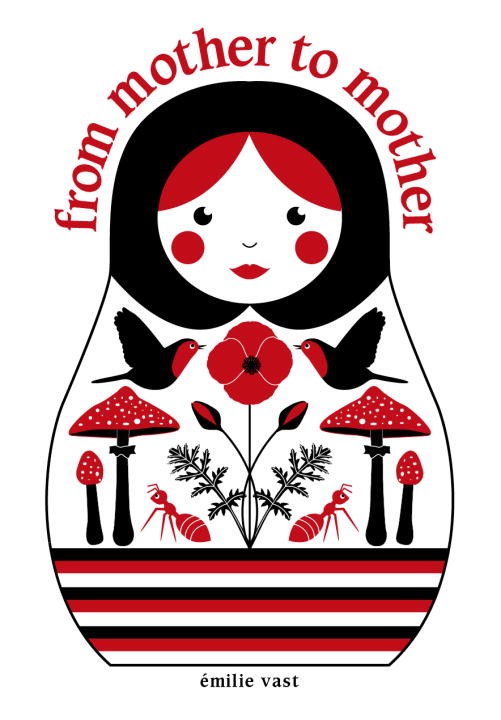
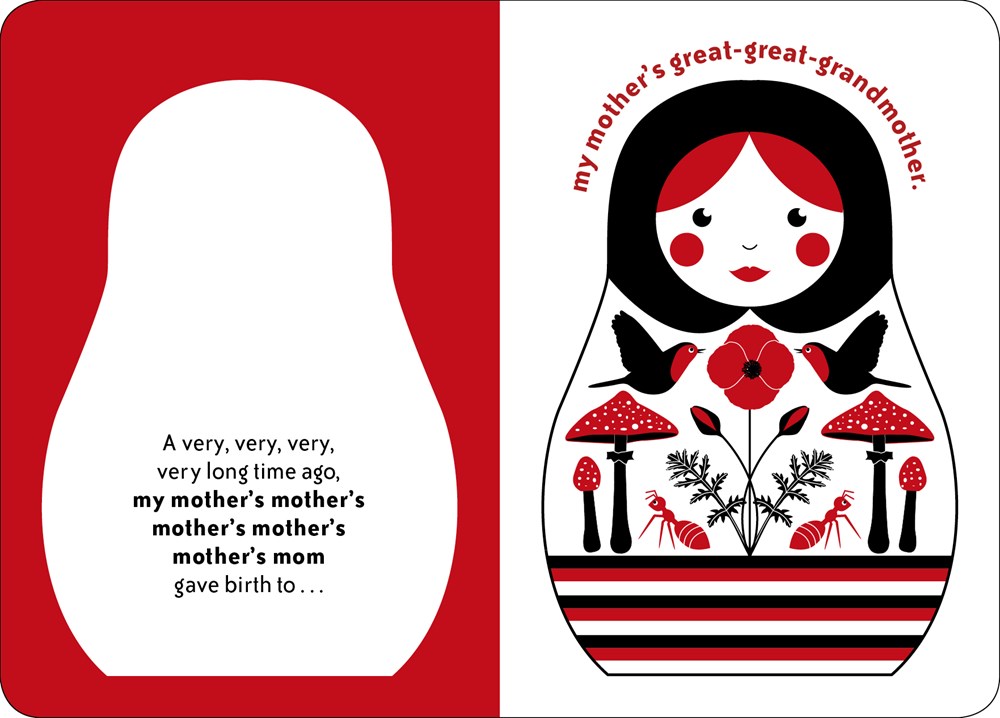
Émilie Vast has two adorable board books out this month, celebrating the relationship between generations. From Mother to Mother uses Russian matryoshka nesting doll artwork to illustrate ancestry. Narrated as a mother to a child, each page traces a new branch in the family tree: from mother’s great-great-grandmother to “my own child”. Each nesting doll becomes progressively smaller, with the child being the smallest doll; each doll and its accompanying artwork is a different color, with unique artwork.


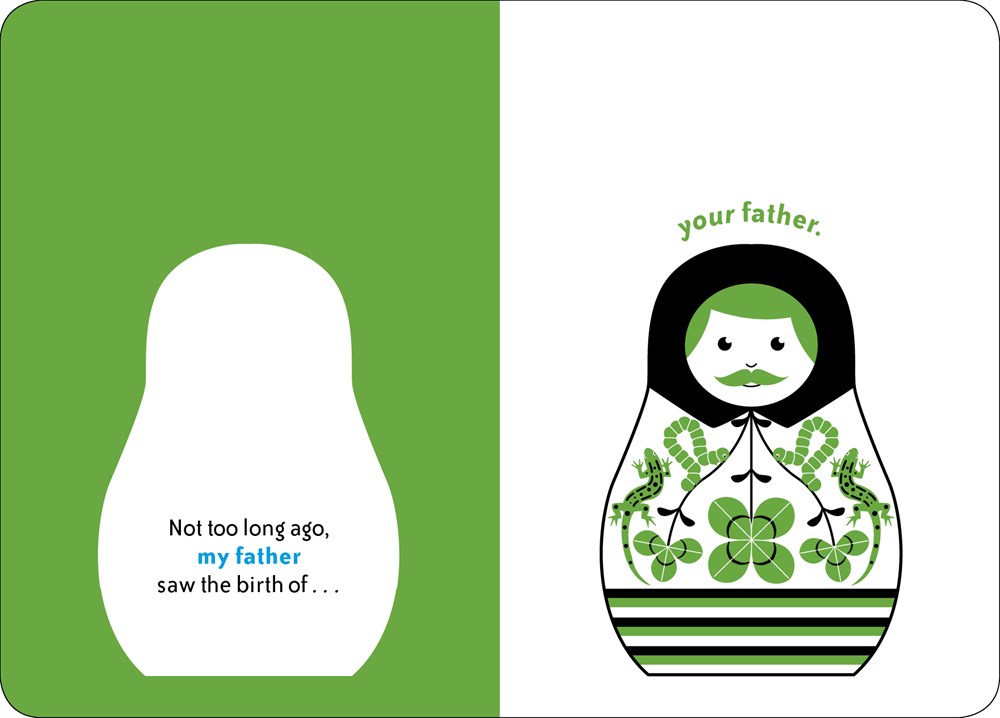
From Father to Father, by Émilie Vast,
(March 2018, Charlesbridge), $7.99, ISBN: 9781580898140
Recommended for readers from 0-4

Émilie Vast’s From Father to Father, the companion to From Mother to Mother, celebrates the link between fathers. Using male nesting dolls and narrated by a father to his son, each spread describes one generation’s link to another, from the birth of a great-great-grandfather to the narrator’s own son.  The artwork, as with From Mother to Mother,  is inspired by nature and changes color and design with each generation; dolls grow smaller from great-grandparents to child, throughout the book.

These are adorable board books that will resonate with kids as easily as they will with adults, and it’s a wonderful way to show children the relationship between parents, grandparents, and beyond. I can’t wait to get these on my shelves (and possibly, my bookshelf at home) at my library, where my community often sees grandparents as caregivers for the little ones. Books like this form beautiful bonds.


Me and My Cars, by Liesbet Slegers,
(Apr. 2018, Clavis Publishing), $11.95, ISBN: 9781605373997
Recommended for readers 1-4

A little boy takes readers along with him on a tour of all different types of cars: vehicles that get us from one place to another, like buses and vans; vehicles that help others, like ambulances and police cars; vehicles that get hard work done, like tractors and street sweepers; and vehicles that race, like racecars and Formula 1 racecars. Perfect for cars and truck fans, this is going to be a staple in my early childhood area. The colors are bright, the lines and fonts are bold, and books about vehicles are a home run for little readers.


Open the Suitcase, by Ruth Wielockx,
(Apr. 2018, Clavis Publishing), $17.95, ISBN: 9781605374017
Recommended for readers 3-5

Different animals have different jobs! Can you guess which animal has which job based on their suitcase?  (The clothing hints help.) Meet different friends with different jobs, with a fun flap on each spread that gives readers a peek inside their work bag. See what a teacher, a magician, a doctor, and a car mechanic take to work with them! There’s an opportunity to talk to readers about what they would pack in an overnight bag for a sleepover; use that as a chance to talk about what goes in your bag when you go on vacation; what goes in Mom’s or Dad’s bag, and what different people in careers may have in their bags. What about what goes in a diaper bag? (Eww! Not stinky diapers, I hope!) A fun addition to toddler and preschooler bookshelves and a chance to talk about different careers.


My Bed, by Anita Bijsterbosch,
(Apr. 2018, Clavis Publishing), $14.95, ISBN: 9781605373874
Recommended for readers 3-5

It’s nighttime, and all the animals are tired and ready for bed. Reindeer tries out every bed he sees, but they’re not his! He grows more and more tired – will he ever find his own bed? This is an adorable lift-the-flap book that reveals the different animals whose beds Reindeer tries out. The animals are wearing bright, eye-catching pajamas that match their bedding, so kids can match up the animals with repeated reads. The nature of the book – Reindeer searching for his bed – and the lift the flap format makes for a great interactive read; invite the kids to call out whether or not they think it’s Reindeer’s bed. Give some exaggerated yawns as you continue reading, illustrating how tired Reindeer is getting. My library kiddos (and my own kiddo) love Anita Bijsterbosch’s previous lift-the-flap books, When I Grow Up and Do You See My Tail, so this one is a go for me.


Take a Look. More Fun Together!, by Liesbet Slegers,
(April 2018, Clavis Publishing), $12.95, ISBN: 9781605373829
Recommended for readers 2-5

Sure, you can have fun on your own, but some things are even better with friends! Six different individuals are by themselves, but a slide of the board book reveals more friends! A cat plays with yarn, but with a pull of the slide, there’s another cat joining in the fun! Clavis board books tend to be sturdy, and the slides will hold up to repeated use. I’ve got  a few in my children’s room that have circulated quite a bit, and they’re still good to go. Liesbet Slegers books never disappoint, either: her artwork is bold and bright, and toddlers love it. This one’s a solid add to collections that let kids explore their world through interactive books.


Posted in picture books, Preschool Reads

Valentine’s Day Reading: Valensteins

Valensteins, by Ethan Long, (Dec. 2017, Bloomsbury USA), $16.99, ISBN: 9781619634336

Recommended for readers 4-7

The latest book starring Ethan Long’s Fright Club friends sees Fran – Frankenstein, to you – intently working on something. The rest of the gang has to find out what’s going on, naturally, and when Fran’s secret gets out – he’s working on a valentine! The mere thought of having a crush gives the rest of the group the heebie jeebies, so Fran heads off to get some alone time… and ends up having a sweet moonlight meeting with his Valentine.

How adorable is this book? It’s a sweet little Valentine’s Day story that talks about crushes, with all the perfect kid-like reactions: the heart looks like a bat, a pair of fangs, or – my favorite – a little butt – to the other kids, and when the Easter Bunny regales the group about all the mushy-smushy details about love, they shriek in terror. If you’ve ever been around kids giggling and squealing over kissing and crushes, you know what I’m talking about. Fran’s crush’s reaction to her valentine is adorable and sweet, and Ethan Long sums up a crush perfectly with the sentence, “It’s about something you feel in your real heart, even if it does feel a little funny sometimes.”

The graphite pencil artwork provides a nice, classic monster-movie base that the digital coloring takes to and gives a classic monster movie sort of feeling to the whole story. The cover font, with its monster movie marquee font and hot pink drop shadow, is eye-catching. I always enjoy Ethan Long’s books; this one is an adorable add to picture book collections and makes for a sweet Valentine’s Day read-aloud.

Posted in Early Reader, Fiction, Non-Fiction, picture books

Science for Kindergarteners!

I’m always looking for ways to get more science in my kids’ days: my QBH Kids and my own Kindergartener alike. I’ve had some great successes and some that fell a little flat. At my previous library, I had a phenomenal early learning assistant who helped create amazing Science Storytimes, using popular storybooks to demonstrate simple science concepts for little ones: using Ellen Stoll Walsh’s Balancing Act to teach balance, while showing them a simple balance board that kids were invited to place small objects on and discover what balanced, and what tipped the sides.

I also look to fellow librarian and teacher bloggers for hints. Pinterest is a great resources, as is Education.com and Teachers Pay Teachers. Science In Storytime is one of my more recent go-tos, with loads a great book and activity ideas, and The Show Me Librarian has some fantastic programming for Pre-K and elementary programs.

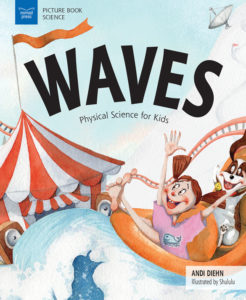
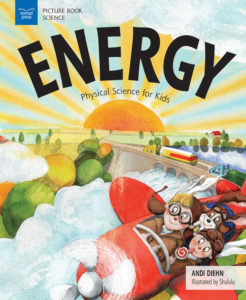
I’ve just received some new books from Nomad Press’ Picture Book Science series, too. These are a lot of fun: color artwork on every page, a fun poem to kick off each book, and my favorite part: an explanation of the scientific term, with all the uses of the term. Take, for instance, the book Waves: it starts off with the simplest interpretation of the word; a way to say hello. The book goes on to include ocean waves in that explanation, then the motion of a wave, and finally, a discussion of waves: energy, light, sound, all using questions to provoke thought, discussion, and understanding. Each book “Try This!” boxes, with simple activities kids can easily do at home or in the classroom (or during Science Storytime). Glossaries are handy to define terms that come up. There are currently four books in the Picture Book Science series: Waves, Forces, Matter, and Energy, all written by Andi Diehn and illustrated by Shululu; at $9.95 each, it’s a good and reasonable investment for our home, school, and public shelves. (Waves: 978-1-61930-635-6; Forces: 978-1-61930-638-7; Matter: 978-1-61930-644-8; Energy: 978-1-61930-641-7)


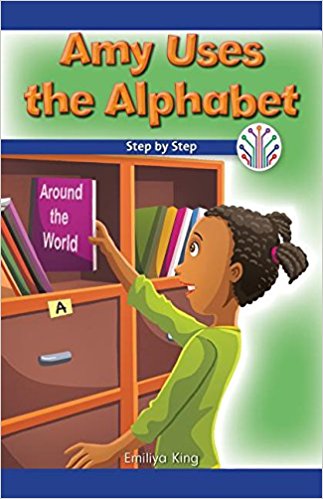
Rosen Classroom has a new series of easy readers called Computer Science for the Real World. They’re not attempting to teach Python or Scratch to the little ones (yet): these readers break the concepts needed to study computer science down for beginning readers. The three readers I received use everyday concepts – morning routines, alphabetizing books, building a birdhouse – to introduce activities that will help learn computer science; in this case, repetition and doing things step by step.


The books are leveled and contain instructional guides with include new vocabulary words, background knowledge for the specified concept, and text-dependent questions. There are independent and class activities to help kids learn through experience, and are available in English and Spanish. I really like these readers; there aren’t that many “just right books” (as my son’s school calls them) explaining science like this, and I’d love to have them in my library, but this is more of a Central library purchase, at least in my system, because you’re going to want to buy these by the collection; you can certainly buy them as single books, but having a whole set will better benefit your readers. The pricing is pretty reasonable, so I’ll be slipping this into an interoffice envelope bound for my collection development department tomorrow morning.

Posted in Middle Grade, Non-Fiction, Non-fiction, Tween Reads

Black History Month: Heroes of Black History – Spotlight on Barack Obama

Heroes of Black History: Biographies of Four Great Americans, (Dec. 2017, Time for Kids), $9.99, ISBN: 978-1-68330-776-1

Recommended for readers 8-12

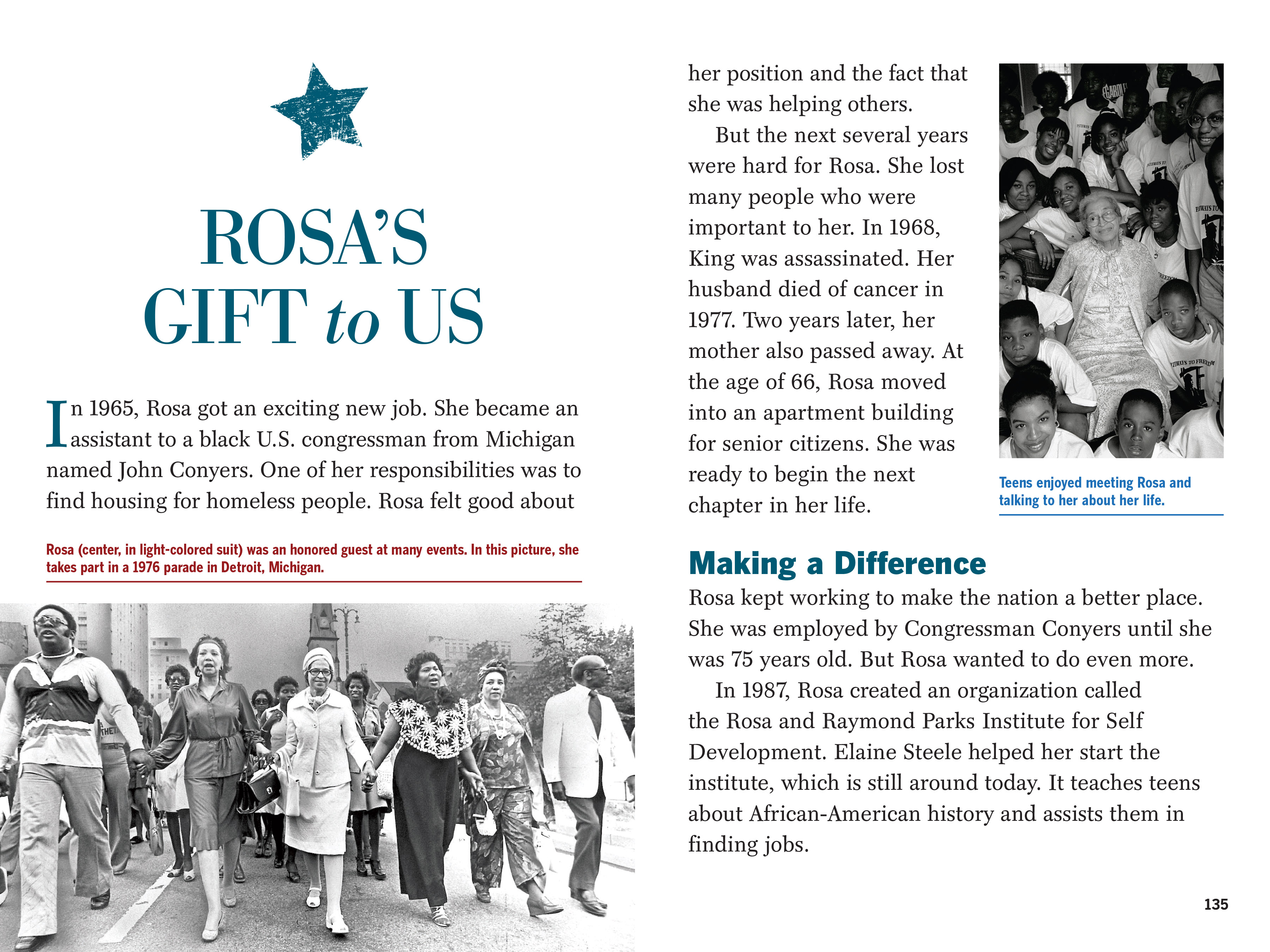
This Time for Kids collection highlights the life stories of four great African-Americans: Harriet Tubman, who led slaves to freedom; Jackie Robinson, the groundbreaking athlete and first African-American baseball player to play for the major leagues; Rosa Parks, the civil rights pioneer who refused to give up her seat on the bus; and Barack Obama, the first African-American President of the United States.

With photos and artwork, fast facts and timelines throughout the book, this is a great book to have on hand in homes, classrooms and libraries for help with homework and reports and is essential reading for everyone. Civil Rights activist and NPR correspondent Charlayne Hunter-Gault’s introduction discusses how Black history provided her with the “invisible armor”  she needed to meet life’s challenges.

Spotlight On: Barack Obama

As part of the Heroes of Black History Book Tour, I’m spotlighting Barack Obama’s biography. The 40-page spotlight on our 44th President’s life is loaded with photos and a timeline, and covers his life from his birth in Hawaii to his 2017 farewell speech as he left office. The profile covers his relationship with his mother and grandmother; his mother’s remarriage and their subsequent move to Jakarta, Indonesia, and his return to Hawaii to live with his parents at the age of 10. We read about his marriage to Michelle Obama and births of his daughters, Malia and Sasha, and the story of his political rise from Senator to the White House. I was happy to read about the 2004 Democratic National Convention; the convention where Obama’s moving speech made Americans sit up and take notice – I still remember a coworker at the time coming to work the next day and telling me, “That man is going to be our next President.”

An appendix includes 19 additional Heroes profiles, from W.E.B. DuBois to John Lewis, a glossary and full index to round out this great reference. You can find a free curriculum guide and downloadable Fast Facts sheets on each icon.


Posted in Intermediate, Non-Fiction, picture books

Black History Month: Trailblazer – The Story of Ballerina Raven Wilkinson

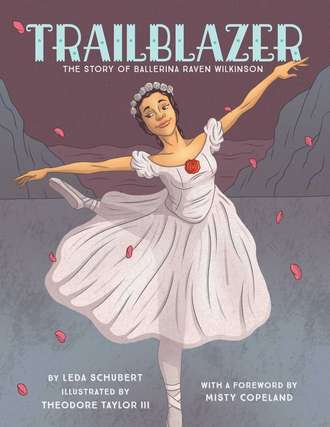
Trailblazer – The Story of Ballerina Raven Wilkinson, by Leda Schubert/Illustrated by Theodore Taylor III, (Jan. 2018, little bee books), $17.99, ISBN: 9781499805925

Recommended for ages 6-9

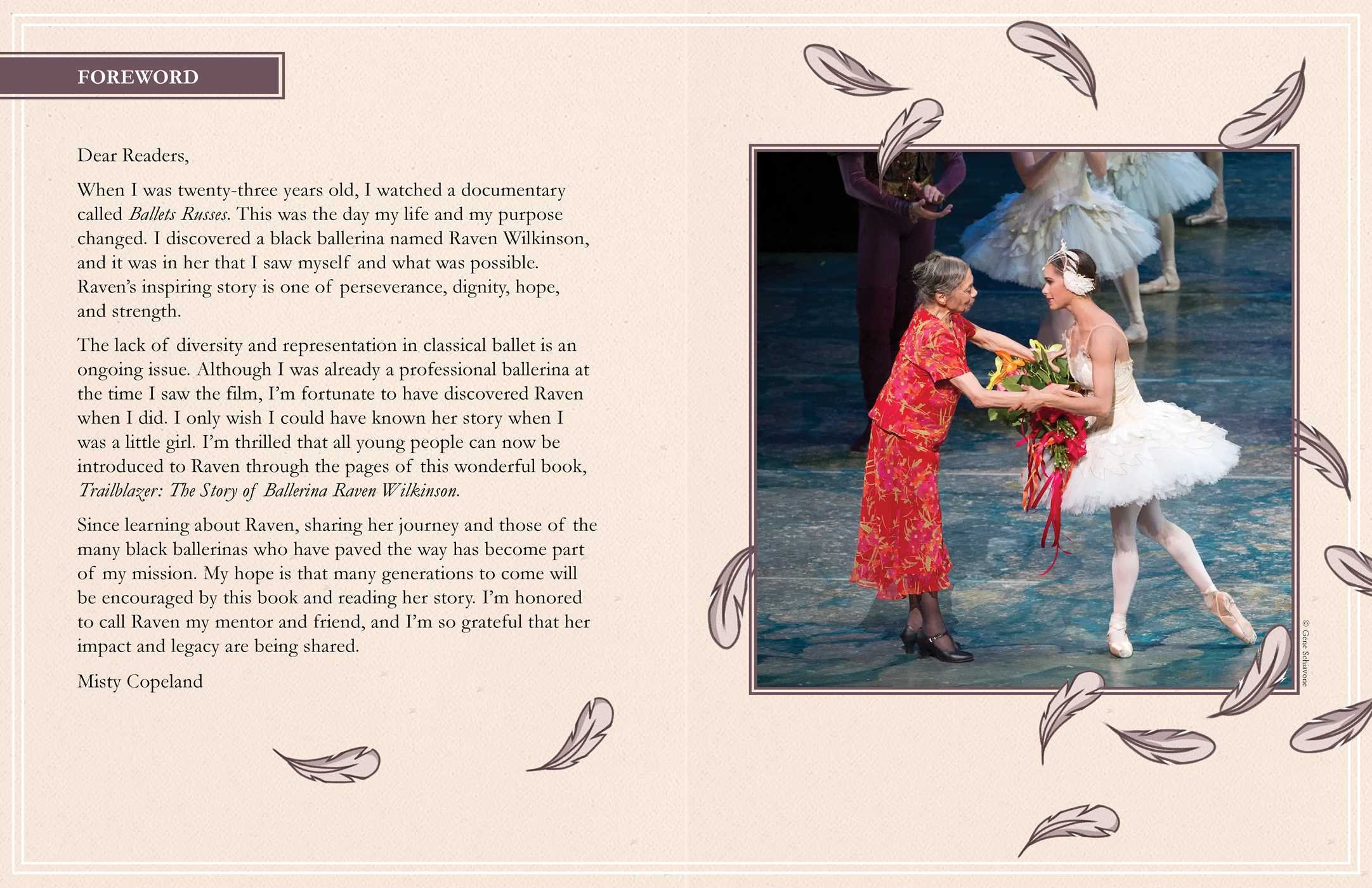
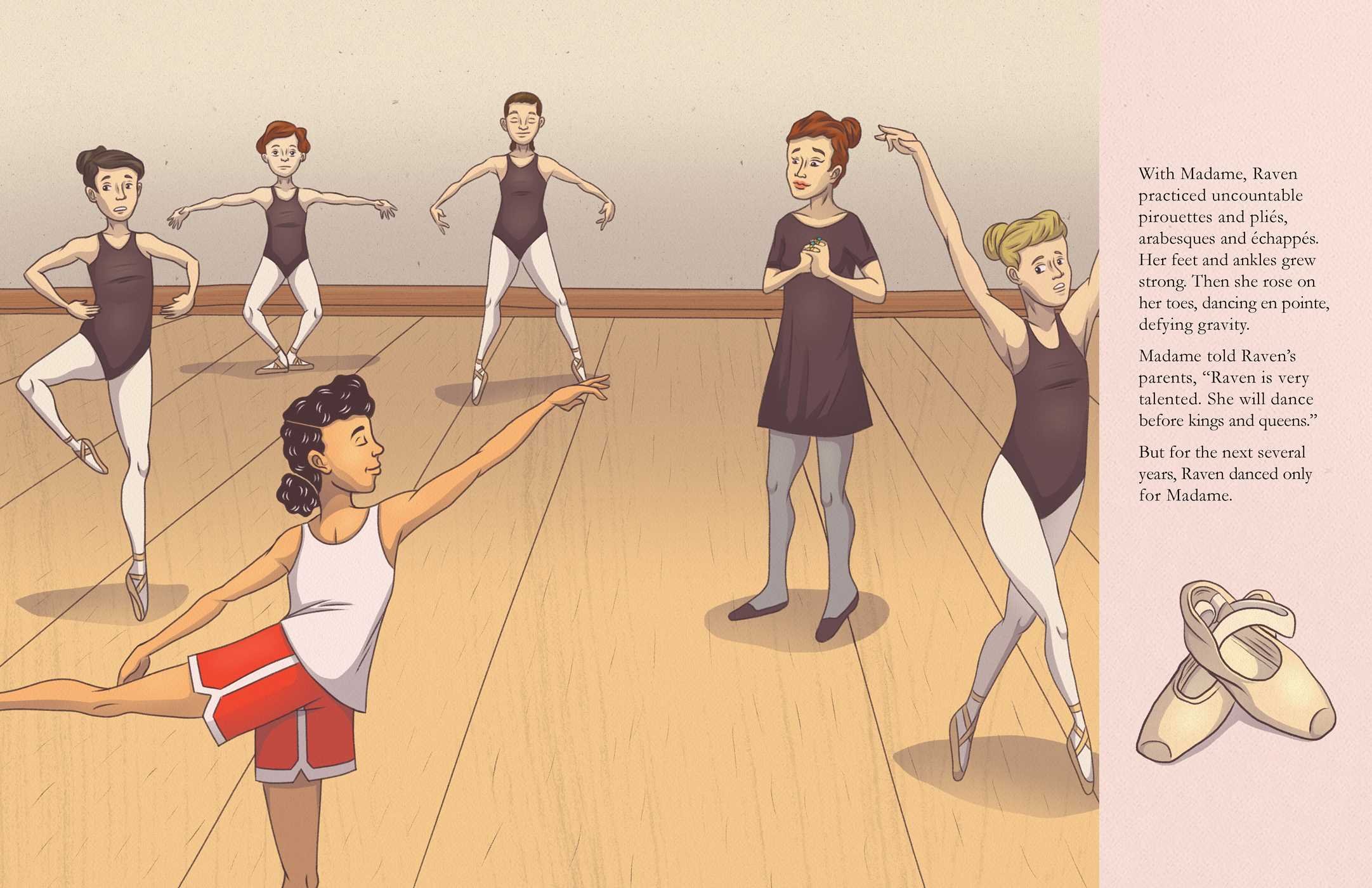
Born in New York City in 1935, Raven Wilkinson was a little girl who fell in love with ballet and grew up to become the first African American ballerina to tour with a major American touring troupe. She faced racism at every turn; she auditioned three times for the Ballet Russe de Monte Carlo before they finally accepted her into the touring company. When they toured the American South in the 1950s, she faced adversity from hotels who wouldn’t allow her to stay, fearing repercussions from the Ku Klux Klan; ignorance in the form of racists running onto the stage to protest the “nigra in the company”; and dining in hotels where families left their Klan sheets in a pile in the back while they ate dinner together. She persisted, even when she was passed over time and again for the starring role in Swan Lake, finally achieving the spot in 1967 with the Dutch National Ballet of Holland. She later joined the New York City Opera, dancing until she was 50. She’s inspired countless dancers, including Misty Copeland, who became the first African American principal dancer with the American Ballet Theater in 2015 AND danced in Swan Lake. Copeland has said of Raven Wilkinson, “She was a mentor in my life before I met her.”

This is a lovely look at Raven Wilkinson’s life and career, especially relevant in our racially charged society – the more things change, the more things stay the same, it would sadly seem. When Raven eats dinner in a hotel surrounded by families who leave their Klan sheets strewn across seats while they eat, it’s horrifying because it normalizes hate. The indignity of Raven Wilkinson having to endure this indignity is like a gut punch to an older reader, and we need to use that nausea, that anger, that outright disgust, as a teaching opportunity to de-normalize this for younger readers. The illustrations are soft, almost comic book-like, while retaining a realistic quality, that will appeal to younger readers.

This is a beautifully illustrated picture book biography of an African American pioneer few people may be familiar with. Let’s change that. If you ask kids to name African American role models, you’ll likely hear the big names, but let’s make MORE big names. Let’s put books like Trailblazer in our displays, showing kids that there are pioneers everywhere. Neil Degrasse Tyson, Mae Jemison, and Katherine Johnson? Heck yes, get them in front of kids. STEM and the sciences are important. And let’s show them Trailblazer and Firebird; Radiant Child and When Marian Sang, DJ Kool Herc and the Creation of Hip Hop and Muddy to remind readers everywhere that there are pioneers in the arts, too. Children need to see inspiration everywhere, and that there are advocates in every walk of life.

This 2015 video features Raven Wilkinson and Misty Copeland when Dance/USA, the national association for professional dance, recognized Raven Wilkinson, the 2015 Dance/USA Trustees Awardee, at the Dance/USA Annual Conference in Miami on June 17, 2015.

Leda Schubert’s most recent picture book biography, Listen, was about singer and activist Pete Seeger. Her website offers more information about her books, including downloadable activity guides and discussion questions. Illustrator Theodore Taylor III is a Coretta Scott King John Steptoe New Talent Award Winner. See more of his artwork and learn about his other books at his website.

Posted in Graphic Novels, Teen, Young Adult/New Adult

Archival Quality is SO GOOD, and not just because I’m a librarian.

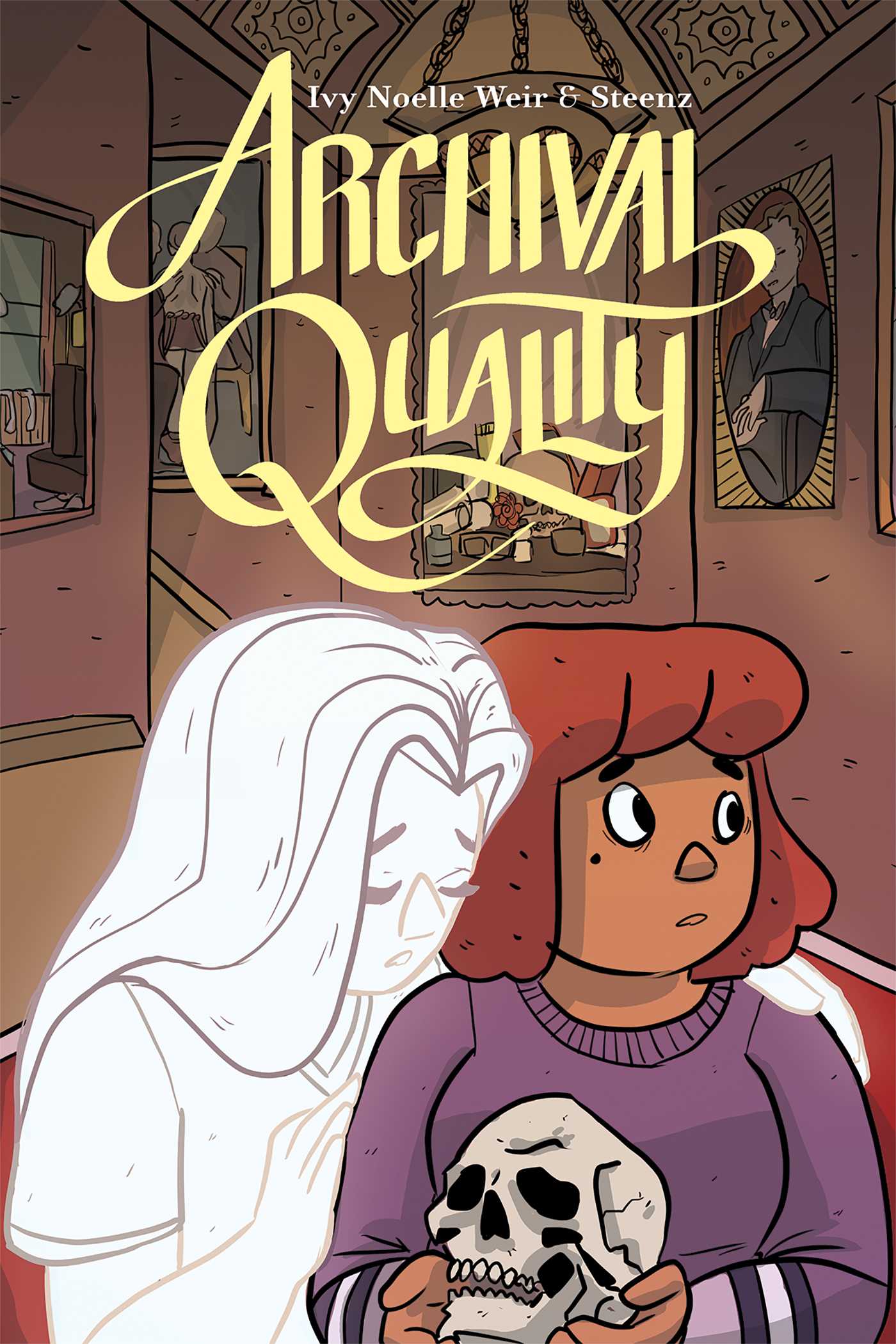
Archival Quality, by Ivy Noelle Weir/Illustrated by Steenz, (March 2018, Oni Press), $19.99, ISBN: 9781620104705

Recommended for readers 14+

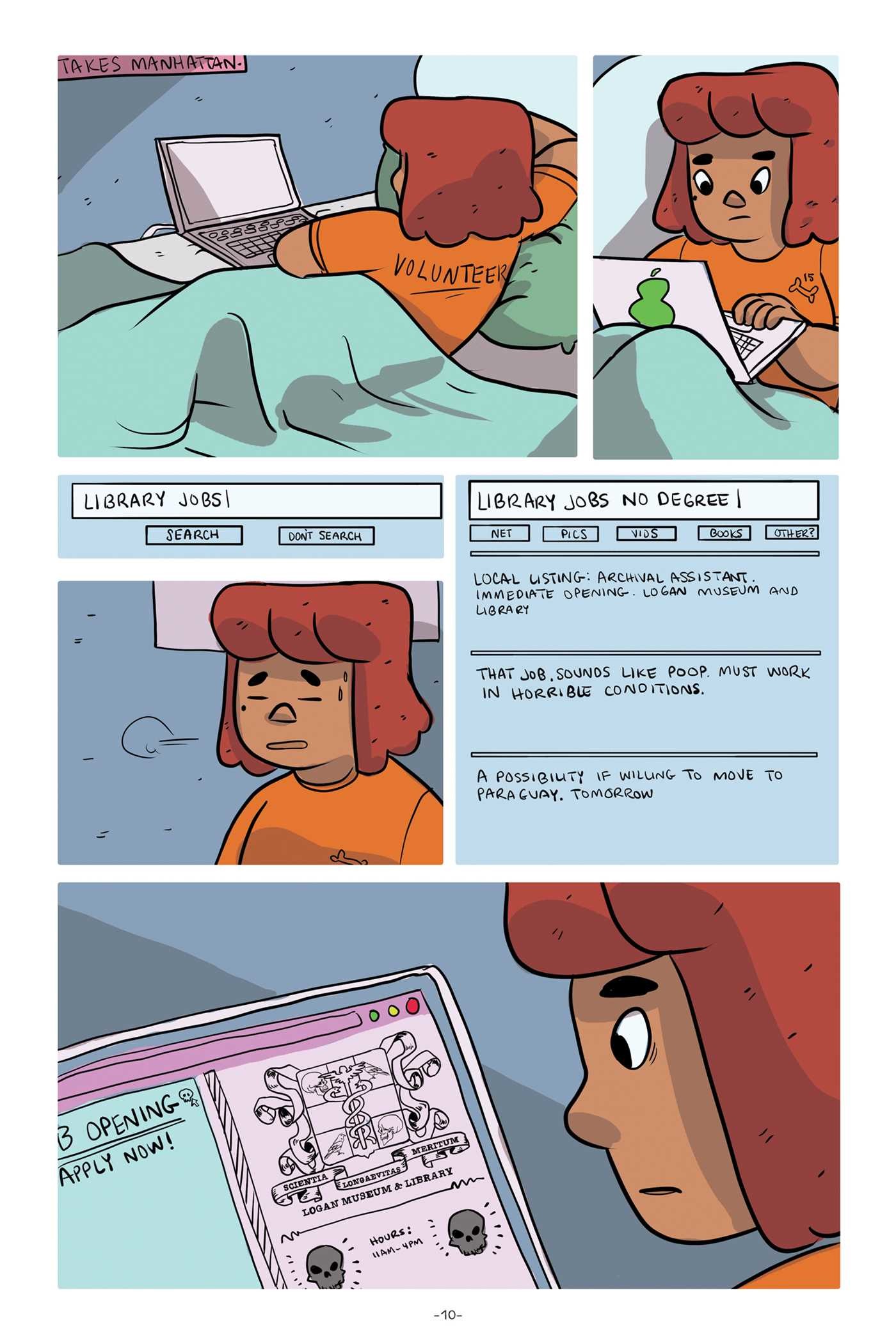
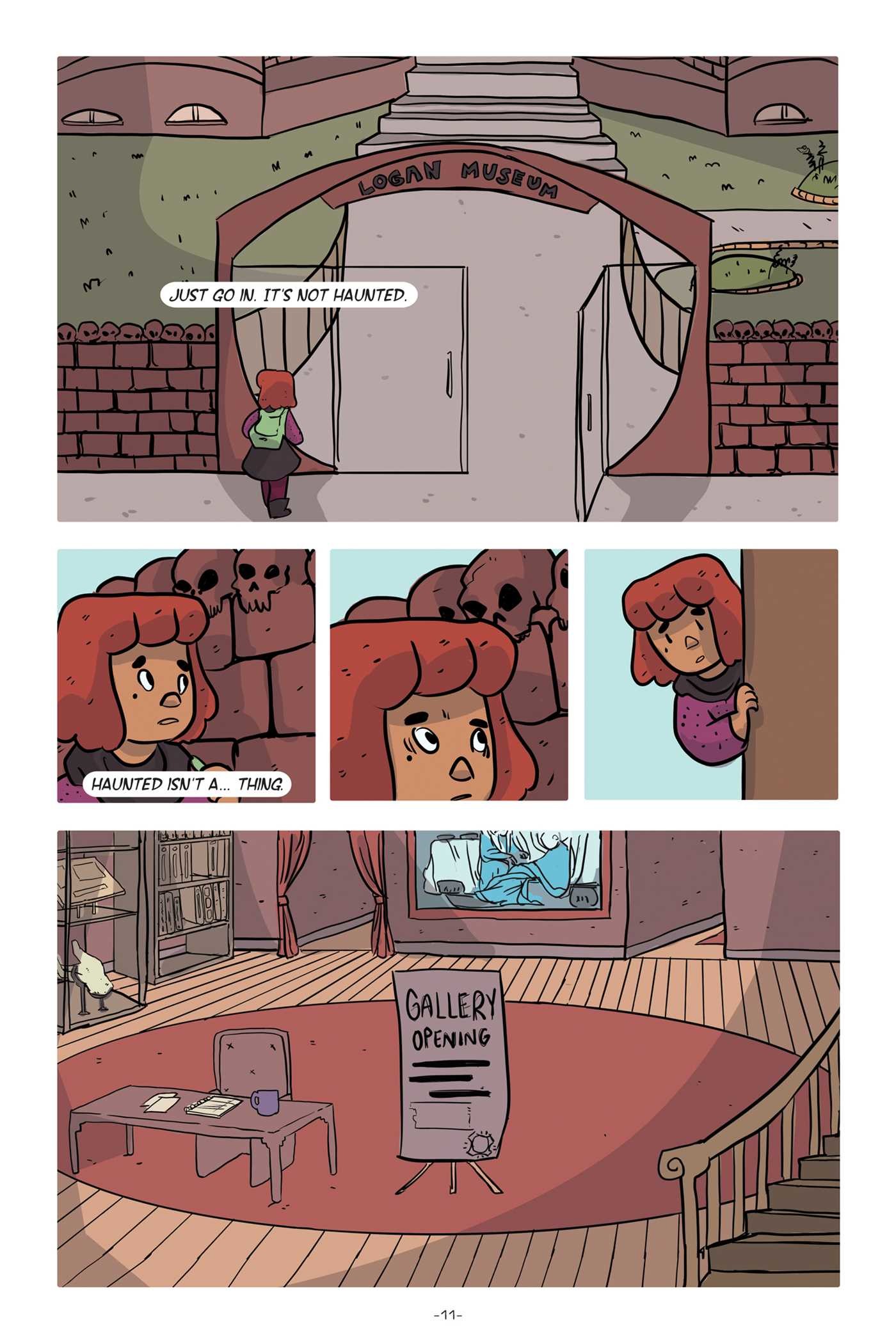
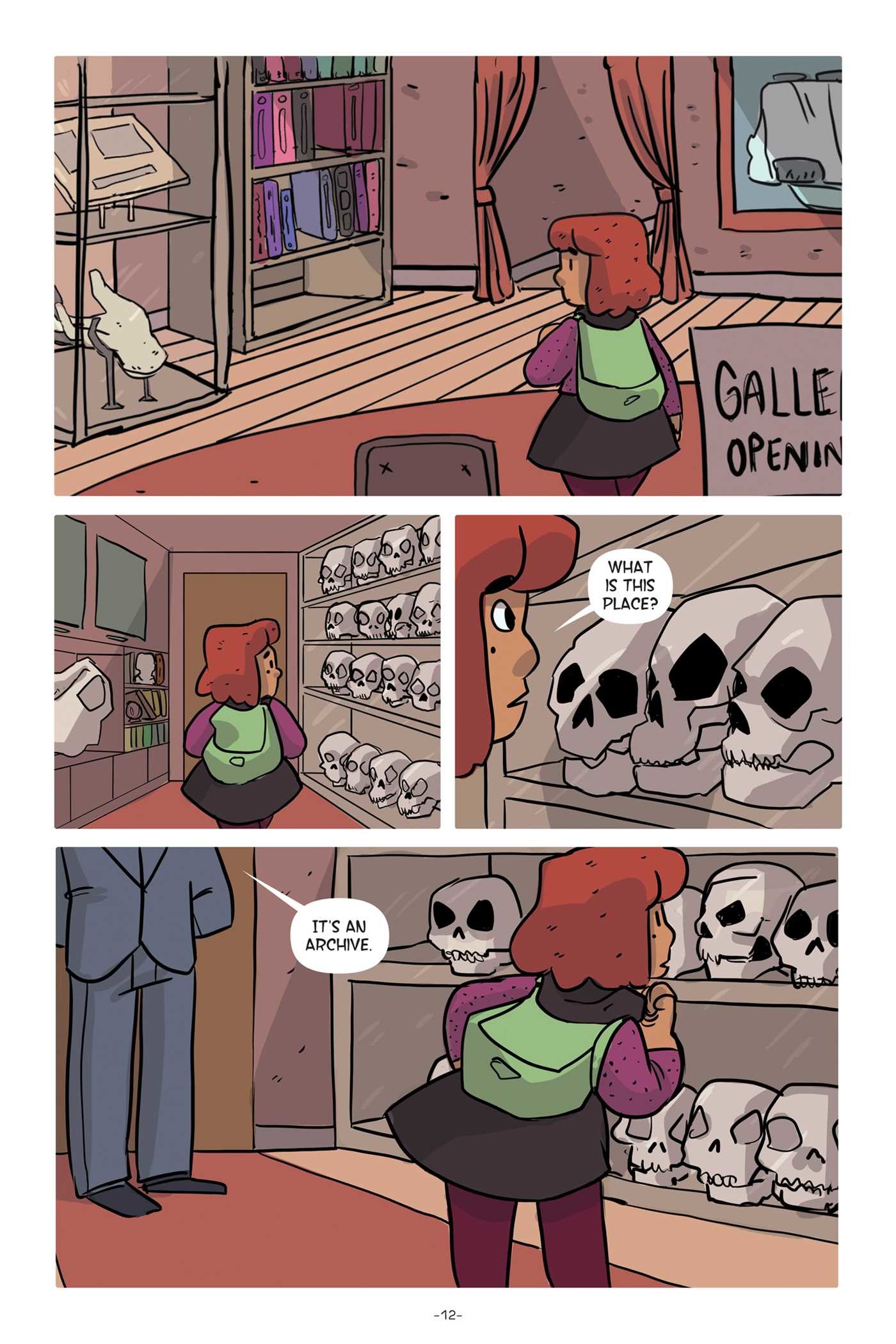
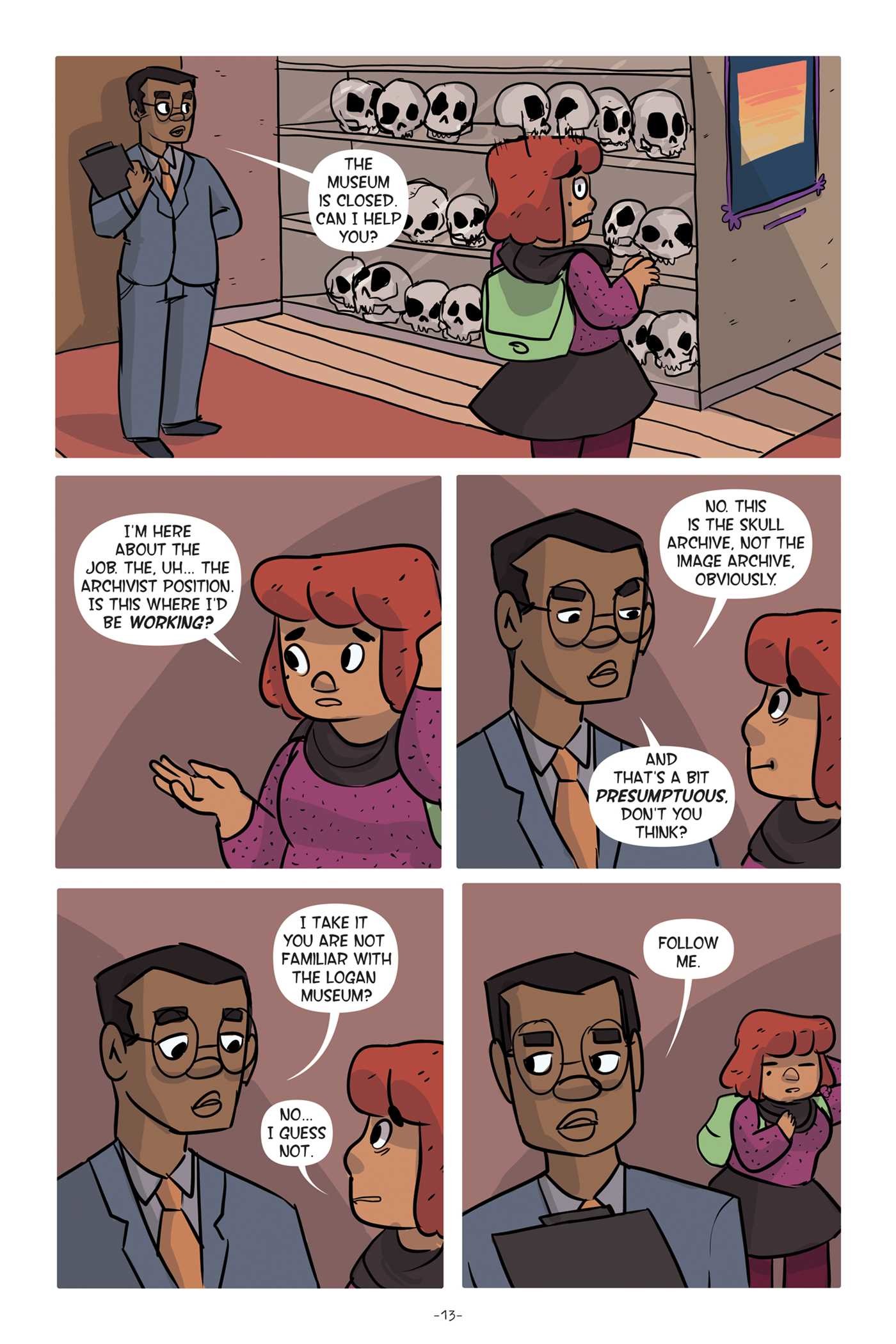
First, the scoop: Cel Walden is a young woman who loves working with books. But she loses her library job, because she’s also dealing with crippling anxiety and depression. She finds another job, this time as an archivist, at the Logan Museum, where she’s responsible for putting records in order and digitizing them. Sounds pretty cool, right? (You know it does.) She meets Abayomi, also called Aba, the secretive curator, and the fabulous Holly, librarian extraordinaire. Cel starts scanning and archiving, but notices strange things afoot at the library and the archivist’s apartment on library property; she also starts having some strange dreams about a young woman who needs Cel’s help. Cel becomes consumed with finding out this woman’s identity and what happened to her, which puts her job, relationship, and possibly, her mental health, at risk.

Now, the raving: Archival Quality is a great story on so many levels. It’s a ghost story; it’s got secrets; it takes place in a library – where better to have a ghost story?!; and it takes a strong and sensitive look at mental health and takes an hard look at mental health treatment in the past. Cel is on a mission to find out what happened to the ghostly girl who shares her initials and her mental health challenges. The ghost’s story gets under Cel’s skin because she empathizes; she understands, and she wants to help put an uneasy, persecuted spirit to rest: and that certainly has a double meaning, as we see the toll this takes on Cel through the story.

The characters are wonderful. Cel stands on her own as a fully realized character, and her friends: the mysterious Aba has his own fears and frustrations to work with, and Holly is strong and witty. Holly and Aba are characters of color and Holly’s got a girlfriend whose family has its own ties to the Logan Museum, giving us a tertiary character that has a realistic connection to the story and isn’t just there to be window dressing for Holly. Archival Quality is a solid story that works to bash away at the stigma of depression and anxiety. I love it, and I can’t wait to get it into the hands of the readers at my library. I’d hand this off to my upper-level middle schoolers and high schoolers, and keep copies handy for the college kids.

Ivy Noelle Weir and Steenz also happen to be former librarians. See? LIBRARIES ROCK. Check out Ivy Weir’s webpage for more webcomics (with Steenz) and general awesomeness. Check out Steenz’s Tumblr for more art.


Posted in picture books, Preschool Reads

Explore the Starry Skies!

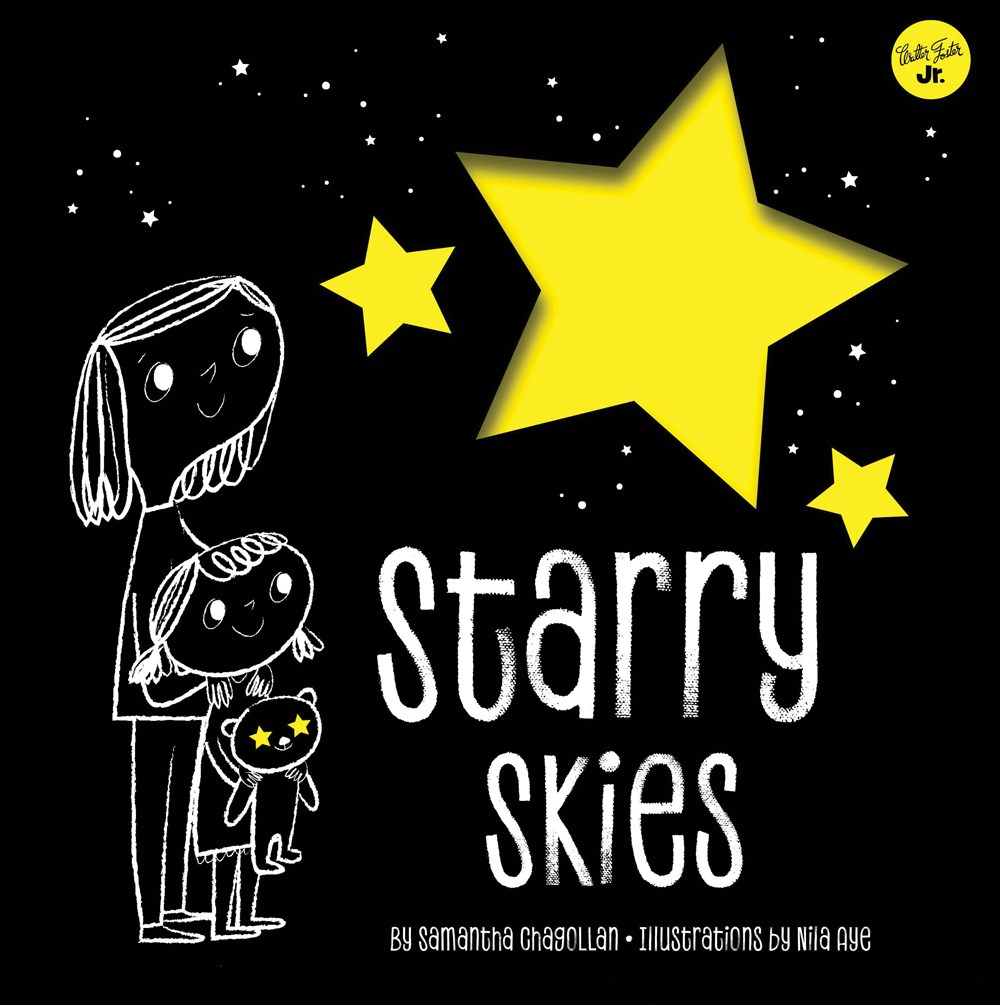
Starry Skies: Learn About the Constellations Above Us, by Samantha Chagollan/Illustrated by Nila Aye, (April 2018, Walter Foster Jr.), $16.95, ISBN: 9781633225091

Recommended for readers 4-6

I remember my first book on constellations. It’s still around today: Find the Constellations, by H.A. Rey (the Curious George author!); and it endures because it’s diligently updated (5 updates, including a 2017 version) and because constellations are fascinating. They’re pictures in the sky; they’re maps in the sky; they’re stories, waiting to be revealed. Starry Skies is a great companion – an introduction to constellations for the preschool set – to the well-loved Rey book.

Beginning with the sentence, “Every night, the sky is filled with stars that tell a thousand stories,” Starry Skies launches into spreads features a different individual starring in his or her own story: a boy battles a dragon (Draco); a cat sees herself as Leo, the lion; a girl gets ready to fly on Pegasus. Each spread features a black sky, dotted with stars, and a white line drawings of the dreamers and their constellations. It’s a preschool-friendly entry to stargazing, astronomy, and mythology. Readers enjoy 14 constellations in all, plus a star map of the for the Spring/Summer and Fall/Winter seasons.


Posted in Middle School, picture books, Preschool Reads

Just Like Brothers teaches valuable lessons

Just Like Brothers, by Elizabeth Baguley/Illustrated by Aurélie Blanz, (March 2018, Barefoot Books), $16.99, ISBN: 9781782853459

Recommended for ages 3-7

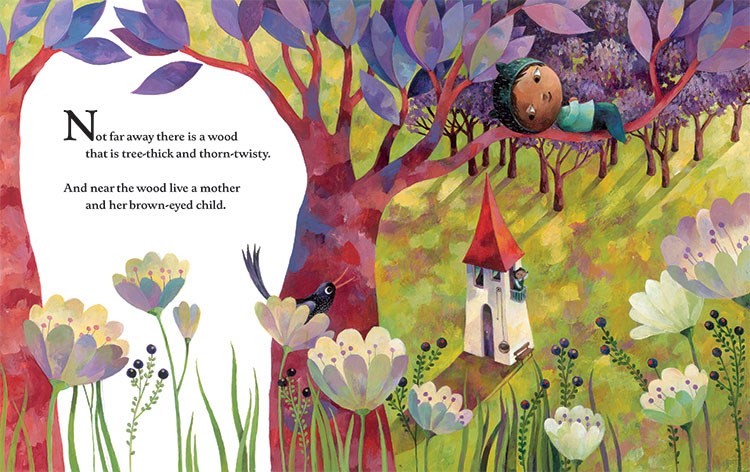
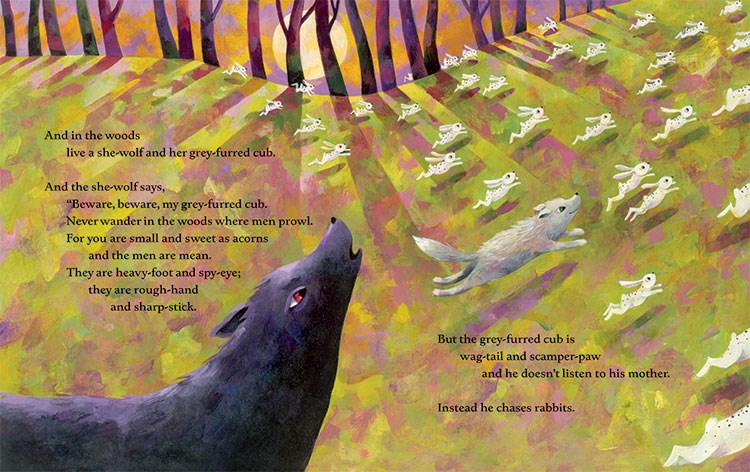
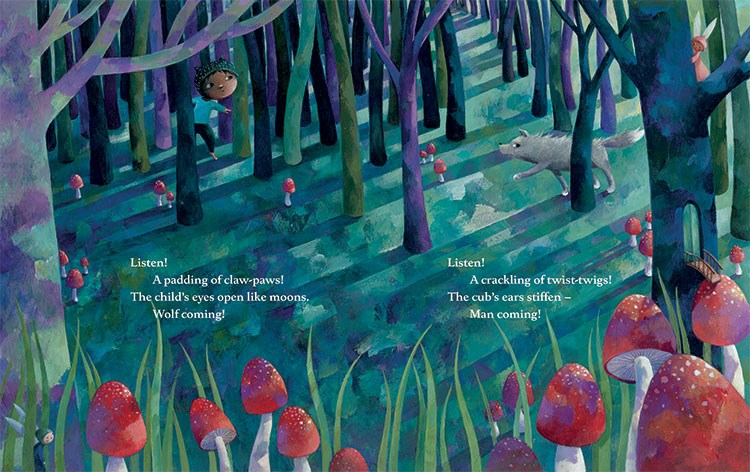
A young boy and a young wolf cub are each warned by their mothers. The boy’s mother warns of the wolves; the wolf’s mother, of men. The children listen, then go off and play, as children do. When each gets lost in the forest and come upon the other, their first reaction is fear; eventually, though, they discover that their similarities far outweigh their differences. And their mothers discover that they have a lot to learn from their children.

Told like a modern-day fable, Just Like Brothers teaches readers about the problems formed by prejudice and baseless judgement; it also teaches the value of empathy and trust. The innocence of children, both here and in real life, has no place for prejudice; it’s passed on at an early age. It’s a call to us as caregivers to be careful not to let our own fears make us irrational in what we teach our kids. It’s the start of a conversation, with lyrical descriptions like, “rough-hand and sharp stick” to describe humans, and “wag-tail and scamper-paw” to describe the playful cub. This makes for a good read-aloud and discussion about friendship and trust.

Posted in Animal Fiction, Fiction, Graphic Novels, Intermediate, Preschool Reads, Toddler Reads

Books for your Spring radar!

Spring always brings some good books to read. In April and May, there’s a little something for everyone – come and see!

April Books

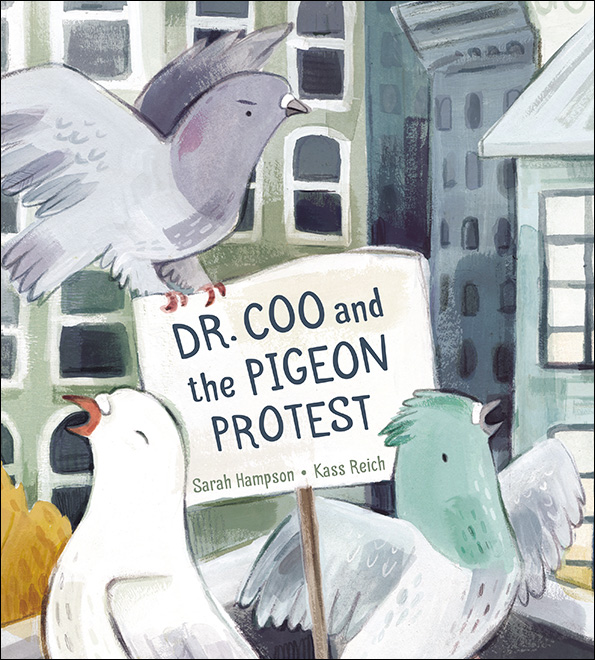
Dr. Coo and the Pigeon Protest, by Sarah Hampson/Illustrated by Kass Reich,
(Apr. 2018, Kids Can Press), $18.99, ISBN: 9781771383615
Recommended for readers 4-8
Dr. Archibald Coo is a sophisticated pigeon who’s tired of the way he and his fellow pigeons are treated by humans. They’re shooed at, swatted, and treated like a general menace. Dr. Coo remembers when pigeons enjoyed a higher profile in history: in ancient Greece, they delivered news about the Olympic Games; during World War I, they carried messages across battlefields. Now? pfft. So Dr. Coo and his pigeon friends organize and decide to strike: they disappear from every public space, leaving a confused public wondering what happened. Dr. Coo heads over to the mayor’s office a history of the pigeon and a note, asking for tolerance, opening the door to a new era of pigeon-human relations. It’s a cute urban story with a wink to New York and other urban spaces, and has a nice thread about inclusivity and diversity running through the book. Gouache paint and colored pencil art makes for a soft illustration, with attention to the different types of pigeons – there are! – in the cityscape. This would be cute to booktalk with James Sage’s Stop Feedin’ Da Boids!
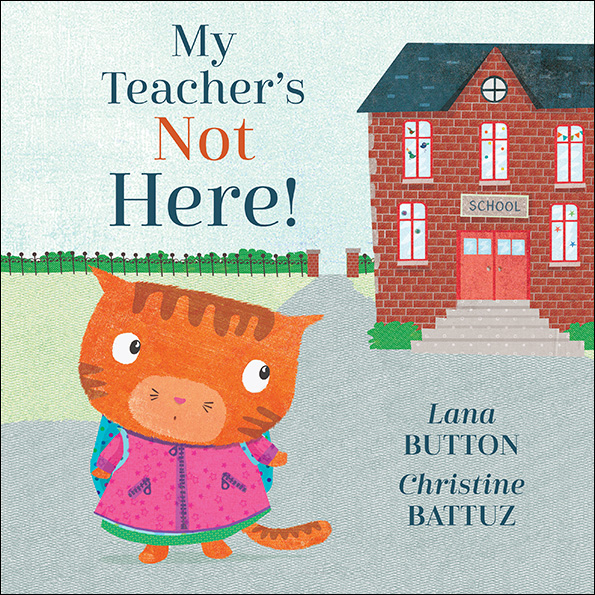
My Teacher’s Not Here!, by Lana Button/Illustrated by Christine Battuz,
(Apr. 2018, Kids Can Press), $18.99, ISBN: 9781771383561
Recommended for readers 4-6
Kitty gets to school and knows something’s up when her teacher, Miss Seabrooke, isn’t there to meet her. What’s going on? There’s another teacher there today! How does school even work when your teacher is absent? This sweet rhyming tale about a student’s first substitute teacher is great for younger kids who are just getting into the swing of school routines and provides some fun advice for coping with and adjusting to unexpected change. Kitty teaches readers some coping strategies, including helping out her friends and the teacher by contributing to class and modeling good behavior using cues she learned from her teacher, that the substitute may not be aware of. This is an animal story, so kids will enjoy seeing the “ginormously tall” teacher, a giraffe named Mr. Omar; pigs, elephants, bears, a whole menagerie of students. Hand-drawn artwork and digital collage come together to create colorful, textured, cartoony fun. This one’s a good addition to preschool and primary collections.
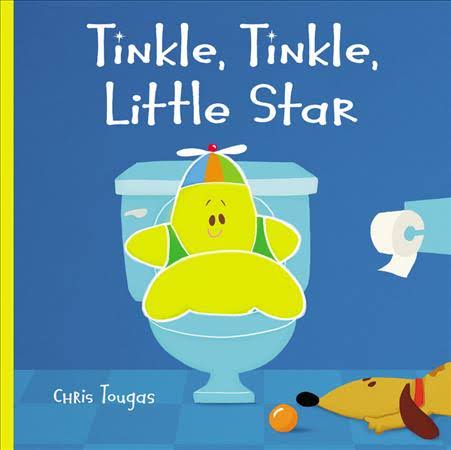
Tinkle, Tinkle Little Star, by Chris Tougas,
(Apr. 2018, Kids Can Press), $9.99, ISBN: 9781771388399
Recommended for readers 1-3
One of my favorite books coming out this season is this adorable board book! Set to the tune of everybody’s favorite classic song, this sweet and funny version is all about where not to go: not in a plane, not on Grandpa’s knee, not at a puppet show. Luckily, the poor Little Star gets relief by the story’s end, and sits on a potty to… “Tinkle, Tinkle, Little Star”. It’s adorable with the cutest digital art. Little Star is beyond cute, and gender neutral! Sing along at storytime – I know I’ll be throwing plenty of voice inflection (“Did you just pee on this page?”) and leg-crossing as I read this one. Absolutely adorable, must-add, must-give for collections and toddlers everywhere.

May Books

Polly Diamond and the Magic Book, by Alice Kuipers/Illustrated by Diana Toledano,
(May 2018, Chronicle), $16.99, ISBN: 9781452152325
Recommended for readers 7-9
Polly Diamond is an aspiring, biracial young writer who discovers a magic book on her doorstep one day. Not only does the book write back to her when she writes in it, Everything she writes in the book happens in real life! At first, Polly is psyched: who wouldn’t be, right? But you know how it goes… for every magic journal action, there’s a pretty wild reaction! Written in the first person, with excerpts from Polly’s book, including a pretty great intermediate-level book list for awesome display purposes (“Read Polly Diamond’s favorite books HERE!”). Chapter book readers who love books like Juana and Lucas (on Polly’s favorites list), Jasmine Toguchi, and Katie Woo will thoroughly enjoy Polly’s adventures. There are short, descriptive sentences and a nice amount of new words – Polly is an aspiring writer, after all! Lots of fun for chapter book readers; I’d have kids create their own aquariums as a related craft.
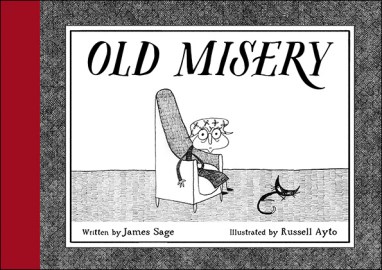
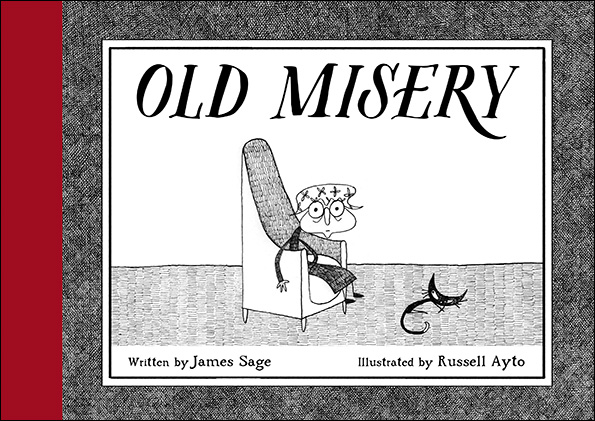
Old Misery, by James Sage/Illustrated by Russell Ayto,
(May 2018, Kids Can Press), $16.99, ISBN: 9781771388238
Recommended for readers 5-10
Readers with a darker sense of humor (and parents who are Gorey fans) will get a chuckle out of Old Misery, the story of a cranky old woman named – you got it – Old Misery, and her old cat, Rutterkin. She’s broke, and the apples keep disappearing from her apple tree! Lucky for Old Misery, she’s not completely heartless and feeds a wandering visitor, who grants her one wish: she wants all the apple thieves to be caught in the tree until she lets them go! Old Misery decides to play a little risky game when Death himself shows up at her door – and she sends him to the apple tree. Be careful what you wish for! The black and white, pen and ink artwork has a creepy, quirky feel to it, which will appeal to kids who like Lemony Snicket’s work, but may go over some kids’ heads. Old Misery narrates the story, offering an opportunity for a fun read-aloud.
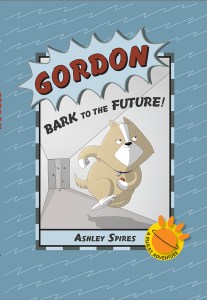
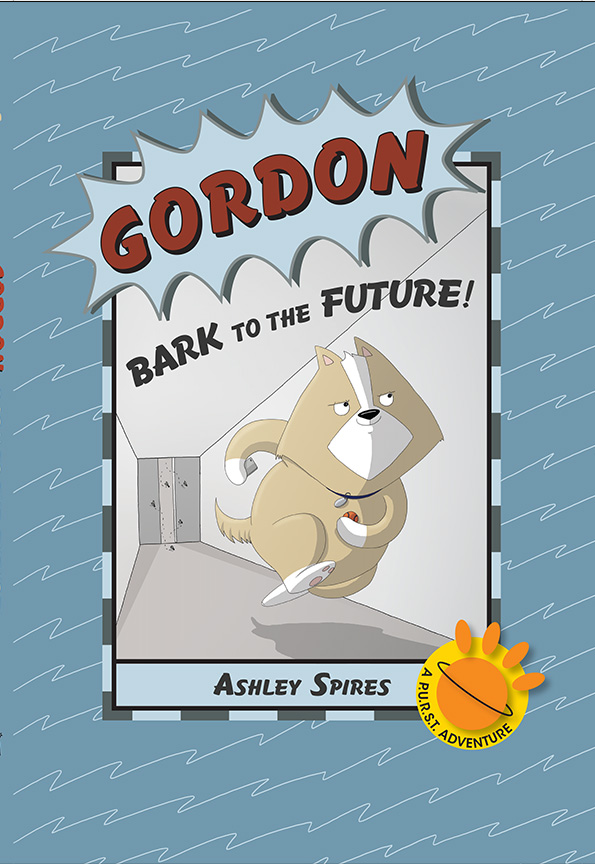
Binky fans, Gordon’s got his own adventure! For readers who love Ashley Spires’ Binky the Space Cat graphic novels will love Gordon, fellow member of PURST (Pets of the Universe Ready for Space Travel) and Binky’s house-mate, as he finds himself traveling through time to stop an alien invasion. But Gordon travels back too far – before PURST even exists! He’s got to get back to his normal time and set things right! This is fun reading for graphic novel fans, and a nice addition to a popular series. There’s time-travel, problem-solving, aliens, and humor, along with fun art.

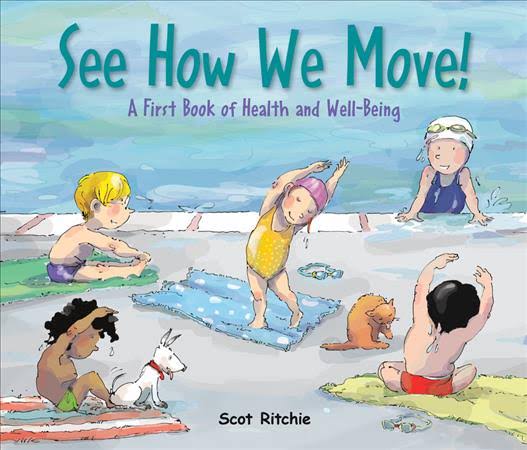
See How We Move!: A First Book of Health and Well-Being, by Scot Ritchie,
(May 2018, Kids Can Press), $15.99, ISBN: 9781771389679

Recommended for readers 5-8
Author Scot Ritchie’s multicultural group of friends are back together again. Last time we save them, they visited a farm to learn how to grow grains and vegetables in See How We Eat!; this time, Pedro, Yulee, Nick, Sally, and Martin are training as their swim team, The Flying Sharks, prepares to compete. They learn about using proper equipment for different activities, warming up before beginning your activity, teamwork and encouragement, goal-setting, nutrition, the mind-body connection, and more. There are suggestions for fun activities and words to know, all coming together to give kids a fun story about a group of friends staying strong and having fun together while encouraging kids to create lifelong habits of health, nutrition, and physical fitness. I like this See How! series; it offers a wealth of information on healthy living, made accessible to younger readers. I can easily read this in a storytime and get the kids talking about the different ways they play, how they eat, and good habits to get into.
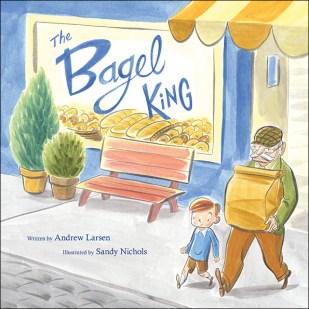
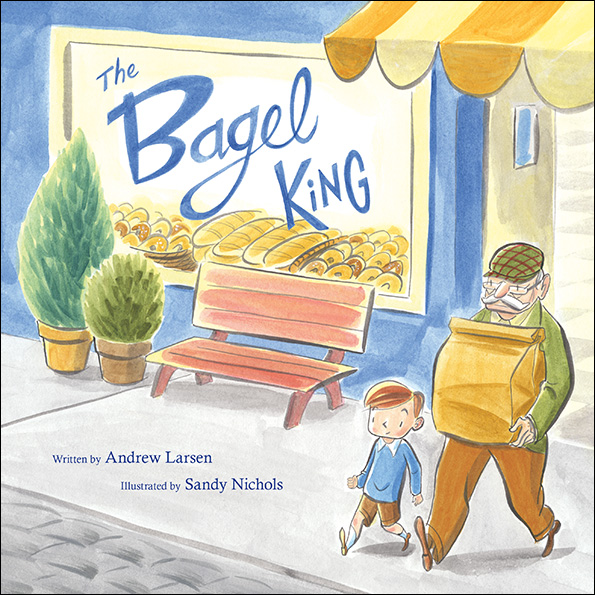
The Bagel King, by Andrew Larsen/Illustrated by Sandy Nichols,
(May 2018, Kids Can Press), $16.99, ISBN; 978-1-77138-574-9
Recommended for readers 4-8

Zaida, Eli’s grandfather, gets bagels from Merv’s Bakery every Sunday morning. One morning, when no bagels show up, Eli gets a phone call: Zaida’s fallen on his tuchus and can’t get the bagels! Eli and his family aren’t the only ones waiting on bagels, either – Eli visits Zaida, only to discover that Zaida’s friends are verklempt, too. No bagels! What a shanda, as my stepdad would say! Eli helps care for his zaida and keep him company, but he knows the best way to cheer Zaida up, and heads to the bagel store on his own the very next Sunday. This story is the most charming book about grandparents and grandchildren, loaded with compassion, a wink and nudge type of humor, and loads of fun, new Yiddish terminology. If you’re an urban dweller, like me, these words are kind of a second language: Zaida is grandfather, and tuchus is your bottom; there’s a little glossary of other Yiddish words that show up in the story, too. (Verklempt is overwhelmed with emotion, and shanda is a shame – you won’t find them in the story, but all I could hear was my stepdad when I read this, so there you go.) I loved the sweet storytelling, the compassion and the decision to act on Eli’s part, and Zaida and his group of friends were wonderful. It’s got an urban flavor that everyone will enjoy, and is good storytelling. Use this story as an opportunity to get your kids talking about relationships with their grandparents: what do you call your grandparents? Do they cook, bake, or shop for food? Do you go with them? (I’d love to get some bagels to hand out with my group… hmmm…) The acrylic artwork has a soft, almost retro feel, but really emphasizes the relationship story with colors, gentle expressions, and soft lines.
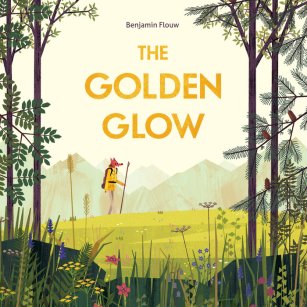
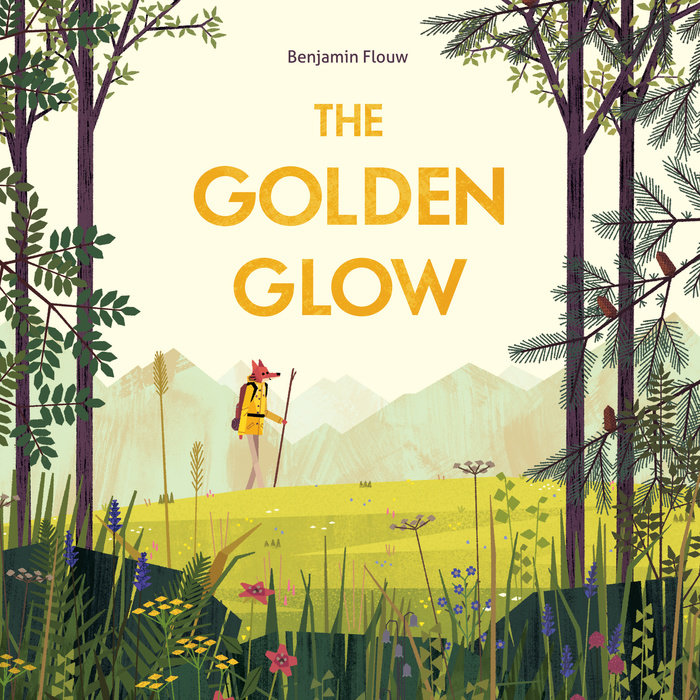
The Golden Glow, by Benjamin Flouw,
(May 2018, Tundra/Penguin Random House), $17.99, ISBN: 9780735264120

Recommended for readers 4-8
A fox who loves nature and botany goes on a quest for a rare plant to add to his collection. The Golden Glow is a plant from the Wellhidden family, and only grows high in the mountains. There’s not even a picture of it; it’s never been described. Fox packs his supplies and heads off to the mountains, meeting different animals and noting different plants and trees along the way. When Fox finally reaches the mountaintop, he waits… and discovers the Golden Glow! It’s stunning! It’s breathtaking! And Fox realizes that “the golden glow is more beautiful here on the mountaintop than it ever would be in a vase in his living room”. Part story and part nature journal, The Golden Glow is just gorgeous and teaches a respect for nature. The angular art draws the eye in; there’s so much to see on every page, every spread. Flouw creates detailed lists of Fox’s hiking pack, plus trees and flowers that he encounters on his way, and a map of different zones on the way up to the mountain, from the foothill to snow zones, all in beautiful detail for younger readers to enjoy. Fox’s decision to leave the flower where it is presents a love of and respect for nature that can lead to a great discussion on conservation. Bright red endpapers with angular design could be a topographic map of the area – talk about how different areas look from above! I know it’s way early, but I’ll quietly whisper this one now: Caldecott contender.