Posted in Intermediate, Non-Fiction

Explore our natural world with Wilderness: Earth’s Amazing Habitats

Wilderness: Earth’s Amazing Habitats, by Mia Cassany/Illustrated by Marcos Navarro, (Apr. 2019, Prestel Publishing), $19.95, ISBN: 9783791373720

Ages 6-12

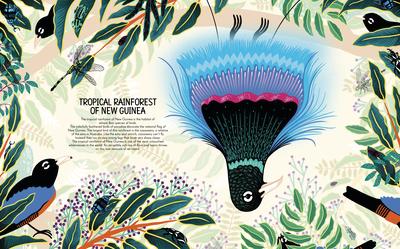
There are incredible wildernesses all over the world. Wilderness: Earth’s Amazing Habitats is an introduction to 16 rare plant and animal habitats across the world, from the Amazon Rainforest in South America to the Tropical Rainforest of New Guinea. It’s also a call to action, reminding readers that these wildernesses require protection to keep them safe; Mia Cassany cites deforestation and human intervention as having a disastrous impact on the habitats and the species that live within. So let’s take a look at, as author Mia Cassany says, “the most stunning nature show on earth”!

Beautifully illustrated endpapers bring you into the book with large, colorful tropical leaves – and eyes peeking out of the darkness – drawing you into the wildnerness from the beginning. An opening spread contains an author note on the importance of conservation and preservation, and a world map includes illustrated points where habitat is located. Two-page spreads feature stunning, full-bleed illustrations of every habitats; a brief description gives readers an idea of location and species inhabiting each spot, but it’s the art that’s front-and-center here. Bright, colorful, and lush, we see lowland gorillas peering out of the brush in Kahuzi-Biéga National Park in the Congo; a colorful, day-glo spread starring a panda, wild golden monkeys, and golden pheasants in China’s Qinling Mountains, and a stunning gecko camouflaged against leaves in the tropical rainforest in Madagascar. Back matter provides animal names, locates them on the page (they can be hard to spot!), and a brief, informative paragraph on each.

This is a beautiful coffee table book, and a nice addition to your natural history collections. It’s not a standalone book, but a gorgeous companion book to any unit on habitats and nature studies.


Posted in picture books, Preschool Reads, Toddler Reads

B is for… Beautiful Baby Book!

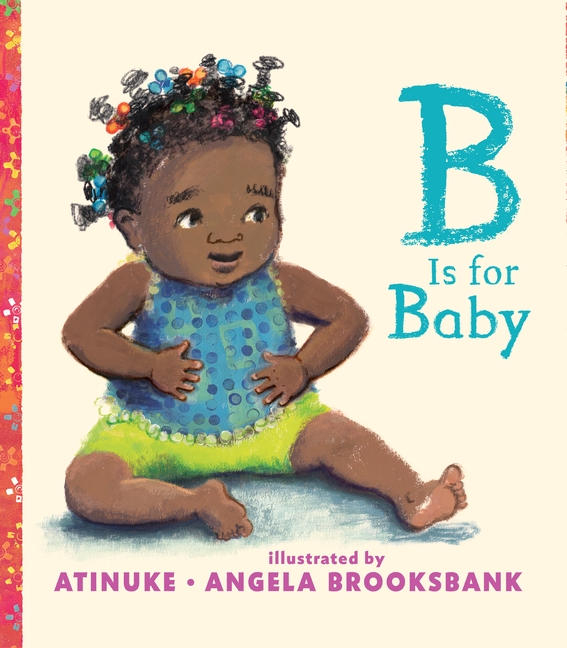
B is for Baby, by Atinuke/Illustrated by Angela Brooksbank, (March 2019, Candlewick Press), $16.99, ISBN: 9781536201666

Ages 0-5

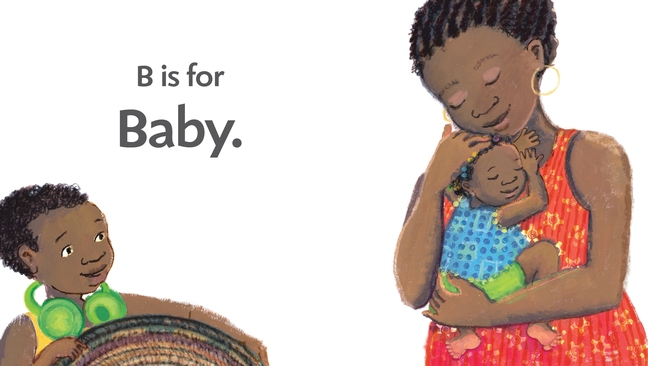
An adorable baby gives her grandfather and older brother a surprise visit in this adorable book of words, all featuring the letter B. Baby climbs into a basket full of bananas for a little nibble, but big brother puts the basket on his bicycle and goes on a bumpy trip to their Baba’s. Brother rides across the African landscape, where readers can see baobab trees, birds and butterflies, bougainvillea flowers, and buses and bridges, until they reach Baba’s home. When Baby pops out of the basket, it’s a happy surprise! Baba brings his grandchildren inside for some biscuits and cuddling, and Brother rides home and returns Baby to Mama’s arms.

I love Atinuke’s Anna Hisbicus books and her wonderful stories about African daily life. B is for Baby is another glimpse at family life, this time, aimed at younger children and early readers. Angela Brooksbank, who worked with Atinuke on Baby Goes To Market, introducing readers to a West African market. The mixed media artwork is sweet, loaded with hugs and cuddles, and lovely nature landscapes. What a fun way to introduce new readers to the letter B!

B is for Baby has a starred review from Kirkus.

Posted in Family Storytimes, picture books, Preschool Reads, Storytime, Toddler Reads

Saturday Storytime: Mindfulness and Wonder

I had a Saturday storytime a couple of weeks ago, and used it as a testing ground for some new books. A nice theme of mindfulness emerged, with a smidgen of wonder underneath; the kids and parents alike seemed to really enjoy this one. I created a short YouTube playlist to show videos for the singalong parts of the storytime; you can use this one, too, or build on it. Now, onto the books!

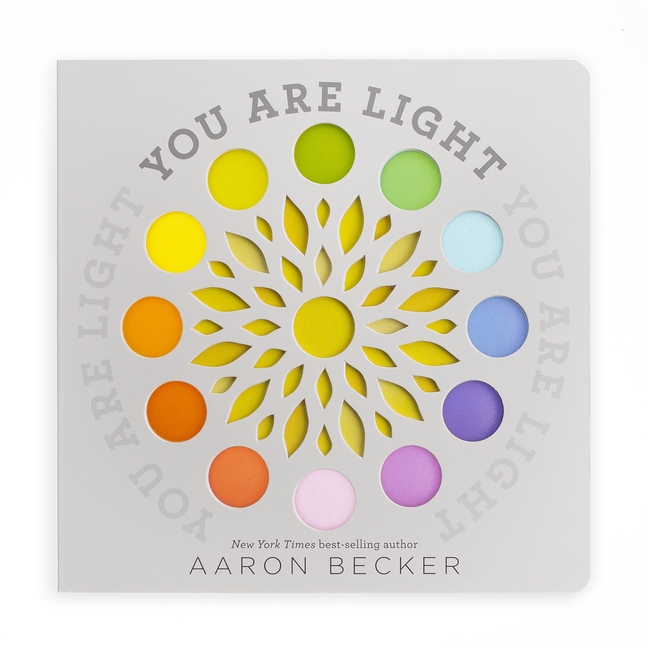
You Are Light, by Aaron Becker, (March 2019, Candlewick), $15.99, ISBN: 9781536201154

Ages 2-8

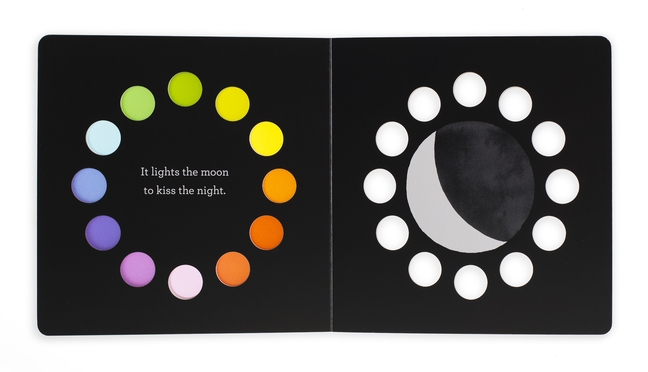
I started off with this gorgeous board book by Aaron Becker. The cover has a beautiful die-cut sun and circles; when you hold it up to the light, the effect is really stunning. The book is a rhyming meditation on the relationships between everything in our world: “This is the light that brings the dawn/to warm the sky and hug the land/It sips the sea to make the rain,/which waters wheat to grow the grain”. Each page highlights a facet of the world: sun, fire, water, wheat, leaves, a flower, the moon, and finally, a multicolored mandala with a human form inside of it. The die-cut circles shift in color as each spread progresses, always keeping the readers’ attention and reminding us that all things are connected, including us. The watercolor art is elegant, simple, and lovely; the pacing and text is thought-provoking and soothing. I saw parents cuddle their little ones while the bigger kids reveled in the shifting colors on each page. Aaron Becker does it again, bringing a board book with incredible depth for readers to love. This is going into my regular storytime rotation: it’s beautiful to look at, soothing to read and hear, and inspires thought and affection.

Aaron Becker is a Caldecott Honor-winning author of the Journey picture book trilogy and A Stone for Sascha. His author website has a wealth of free downloadables for parents, caregivers, and educators. You Are Light has starred reviews from Kirkus and School Library Journal.
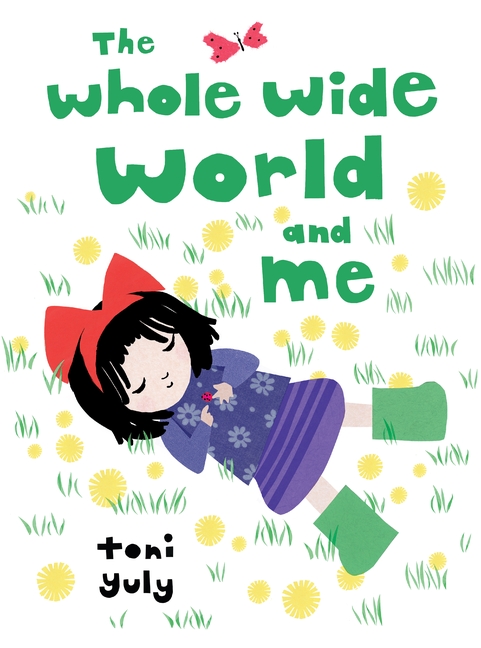
The Whole Wide World and Me, by Toni Yuly, (Feb. 2019, Candlewick), $15.99, ISBN: 9780763692636

Ages 2-6

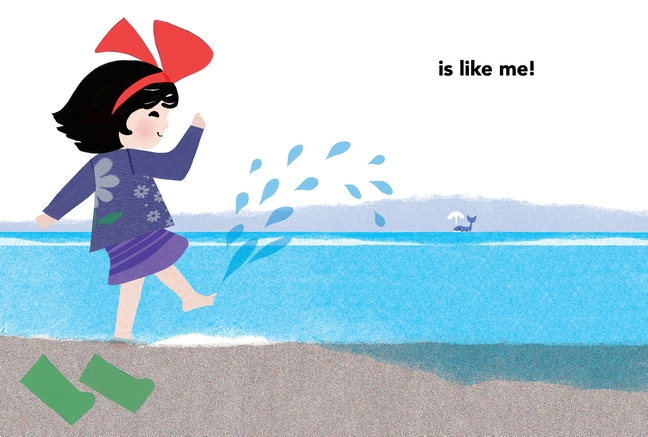
A young girl considers the world and her place in it in this beautifully illustrated book. This is another story about how we, and nature, are all connected; the story reads like a gentle meditation: “Like a flower/in a field…/like a fish…/in a pond…/like a cloud…/in the sky…/so am I”. It’s a story of being present, being mindful, and reads almost like a mantra. This would easily be as at home in a yoga or meditation storytime as it is in a traditional storytime. The ink, charcoal, torn tissue, cut paper, and digital collage artwork comes together and provides texture, with bright, bold colors adding a sweet, childhood feel that will bring the grownups in the room back to days when they would climb a tree, lay on the grass, or stick their toes in the water in a pond or at the beach. The artwork is perfect for a post-storytime craft where kids can make their own torn paper collage art.

The Whole Wide World and Me was another hit; I encouraged the kids to stretch to touch the clouds and pretend they were trees; bloom like a flower, spreading their hands wide and raising them up over their heads; and waving like a leaf floating from a tree. I’d pair this with Tiny, Perfect Things and Gina Perry’s Small for another storytime, too.

The Whole Wide World and Me has a starred review from Kirkus.
Stardust, by Jeanne Willis/Illustrated by Briony May Smith, (Feb. 2019, Nosy Crow), $16.99, ISBN: 9781536202656

Ages 3-8

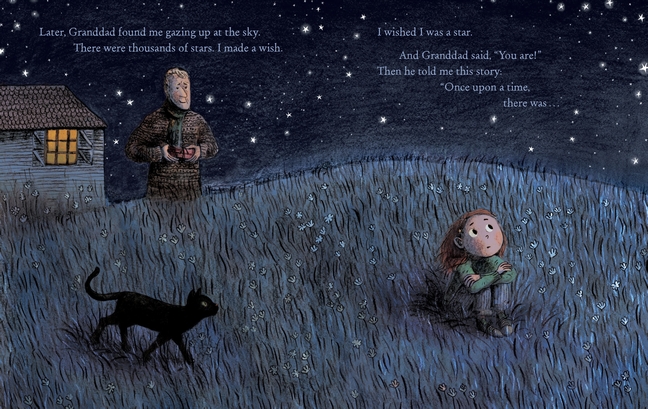
A little girl dreams of being a star, but she always ends up in her sister’s shadow. Whether it’s finding her mother’s ring, knitting a scarf for her grandfather, or entering a costume contest, the girl’s sister outshines her in everything she does, but Grandpa is in her corner, cheering her on. He tells her that of course she’s a star: he explains the Big Bang Theory to her and how we are all made of stardust, and that she just “shines in [a] different way” from her sister. It’s a message that stays with the girl, as we later discover.

Stardust is one of those stories we can all relate to: there’s always someone better, smarter, funnier… sibling or no, Stardust speaks to us all and reminds us that we all have gifts, we all have something that makes us special – we’re just special at different things. The mixed media artwork gives a multilayered feel to the story, and Briony May Smith’s use of shadows give depth to her spreads. The spreads devoted to the birth of the universe are breathtaking, and placing the girl and her grandfather within those spreads is genius; it gives a real sense of the universe and our place in it, and a source of inspiration for kids everywhere.

The kids enjoyed this one, especially the outer-space spreads. I’d pair this with The Stuff of Stars by Marion Dane Bauer and Jordan Crane’s We Are All Me for future storytimes and displays.


Posted in Early Reader, Intermediate, Non-Fiction, Non-Fiction, picture books

Seashells: More Than a Home, more than decoration

Seashells: More Than a Home, by Melissa Stewart/Illustrated by Sarah S. Brannen, (Apr. 2019, Charlesbridge), $16.99, ISBN: 9781580898102

Ages 6-9

Kids love seashells. They’re the ultimate summer souvenir, coming in all shapes and sizes, with beautiful patterns and colors. Seashells: More Than a Home looks at 13 different seashells and lets readers in on their little world: their colors, patterns, and functions in protecting the marine life that live within them, keeping them safe and fed. For instance, a nautilus’s design allows it to sink and float like a submarine, while the screw-shaped burribella can anchor itself into the sand, allowing its sea snail to stay in place. Watercolor illustrations and soothing earth and sea colors make this a beautiful book to look at and learn from. Endpapers illustrate shells and a map, highlighting their locations, and back matter includes author and illustrator notes, and additional resources.

Seashells: More Than a Home is a companion to Melissa Stewart and Sarah Brannen’s book, Feathers: Not Just for Flying (2014) and a nice addition to nonfiction shelves and STEM storytimes. Get some seashells and pass them around; invite the kids to talk about what they see and feel. Melissa Stewart’s author website has free, downloadable educator activities, readers’ theatre scripts, and curriculum guides.


Posted in picture books, Preschool Reads

The Chickens Are Coming! What do we do?

The Chickens Are Coming!, by Barbara Samuels, (March 2019, Farrar Straus Giroux), $17.99, ISBN: 9780374300975

Ages 4-8

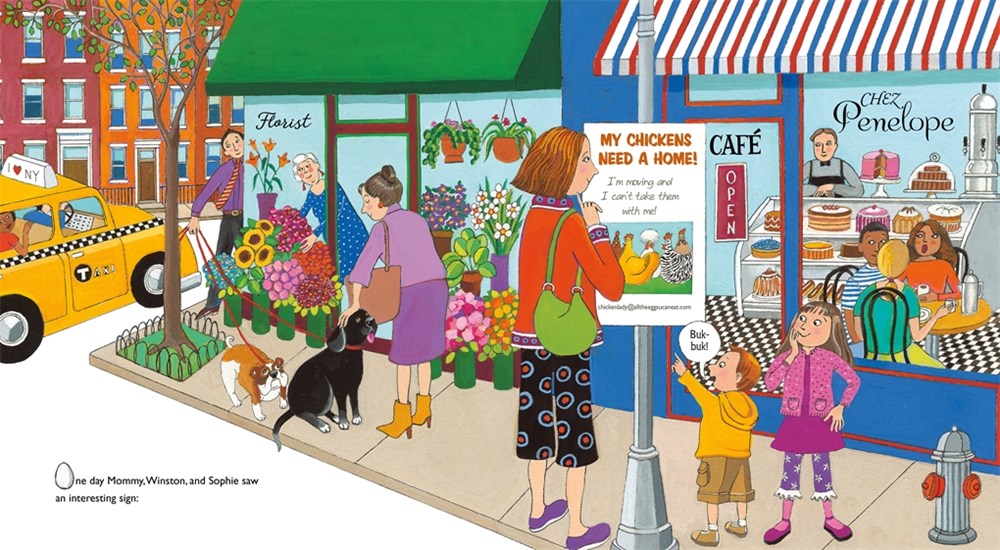
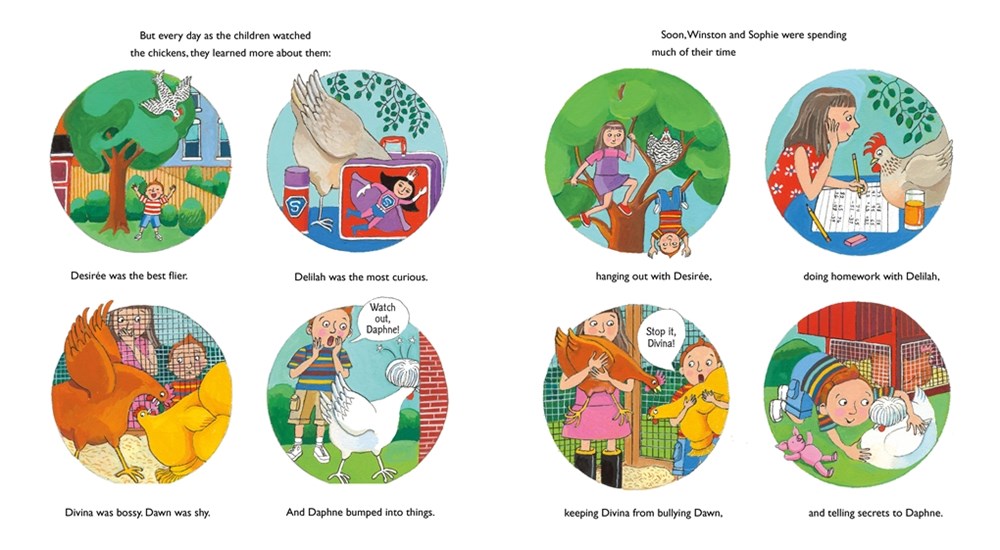
Siblings Winston and Sophie are shopping with their mom one day when they discover an interesting sign: someone called The Chicken Lady is moving and needs to rehome her chickens. Winston, Sophie, and their parents decide to take on the task of becoming urban farmers and adopting them! They get their backyard ready, setting up the coop and telling their friends; they promise fresh eggs to everyone, and Winston even creates a Chicken Dance. Once the chickens arrive, though, the family learns that chickens take work! They don’t want to be pets and they don’t want to lay eggs: not even for bedtime stories; not for relaxing music that the kids play for them; not at all. As Winston and Sophie try desperately to get the chickens to acclimate to their new home and family, they discover that each chicken has its own personality – and that each one is special is in its own way.

The Chickens are Coming! is a cute story about patience and learning. Winston and Sophie learn about raising farm animals in a city environment, which comes with unique challenges, and they learn that chickens aren’t just egg-laying machines for their convenience. Colorful artwork makes this appealing to readers, and each chicken is beautifully illustrated. An author’s note provides information about urban chicken-rearing, and a copy of Sophie’s Chicken Chart shows lets readers compare the different breeds, countries of origin, and egg sizes and colors. Endpapers feature the chickens in their colorful glory.

Pair this one with Caroline Arnold’s Hatching Chicks in Room 6 for more information about raising chicks in a nontraditional environment. This is a good read before a farm or domestic animal zoo visit.

Posted in picture books, Preschool Reads

Dream Big: Be like the Marshmallow!

Most Marshmallows, by Rowboat Watkins, (Apr. 2019, Chronicle Books), $16.99, ISBN: 9781452159591

Ages 3-6

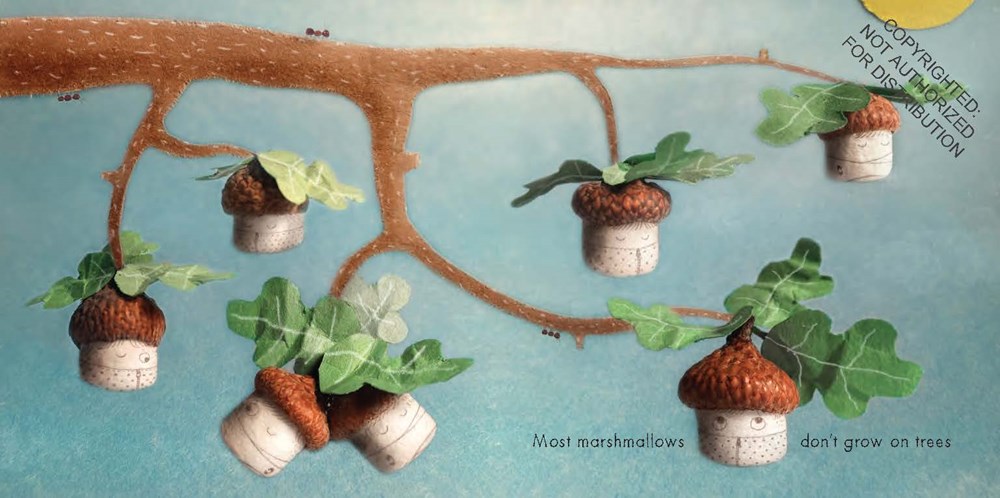
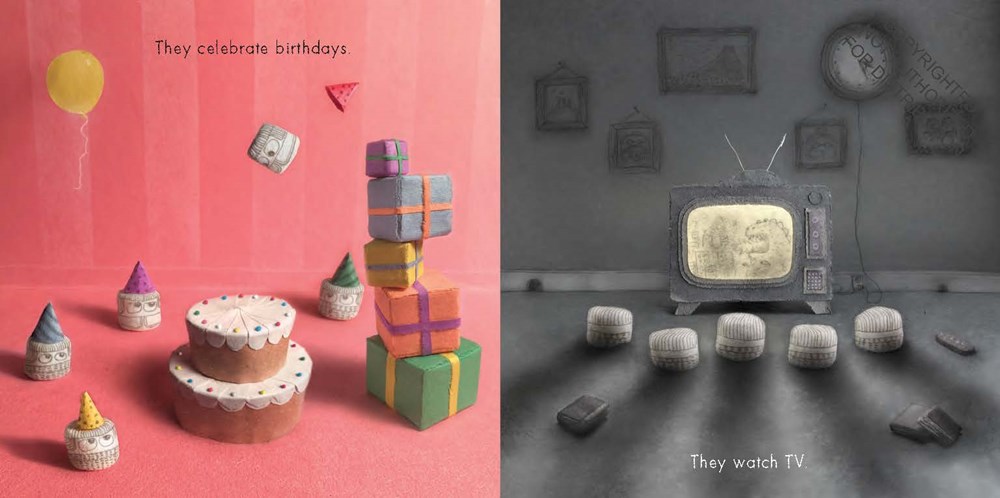
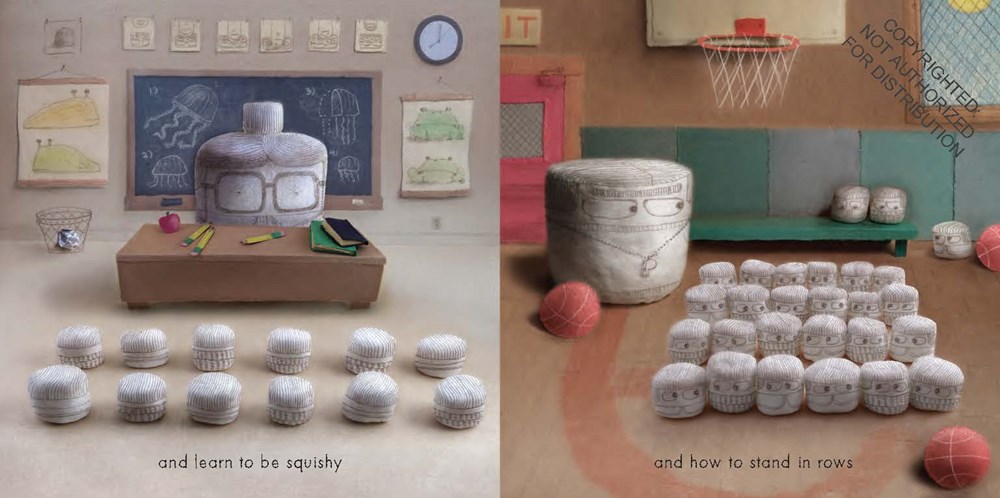
Did you ever consider the marshmallow? Well, Rowboat Watkins has, and the discoveries are pretty inspiring. Marshmallows, it turns out, are a lot like we are: they’re born to loving parents, live in houses and apartment buildings, and do a lot of the same things we do: they go to school, they celebrate birthdays, and they watch TV. BUT, did you know that some marshmallows know that ALL marshmallows can secretly do anything, including fly spaceships or scale mountains? What if we can, too?

Most Marshmallows is an absolutely adorable book with an uplifting message for readers. Illustrated with line drawings and real marshmallows, the cute level is through the roof as we see fluffy white marshmallows with adorable facial expressions sitting at family dinners, boarding school buses, and rocking little furniture, including tiny bookshelves and table settings. The text encourages kids to dream big by illustrating all the “normal” things marshmallows do, which happen to be the same things we humans do. Absolute fun, absolutely adorable, and absolutely perfect for storytime and anytime. Get this one on your shelves.

Posted in Preschool Reads, Toddler Reads

Red Bunny & Yellow Bunny: The one that slipped by me!

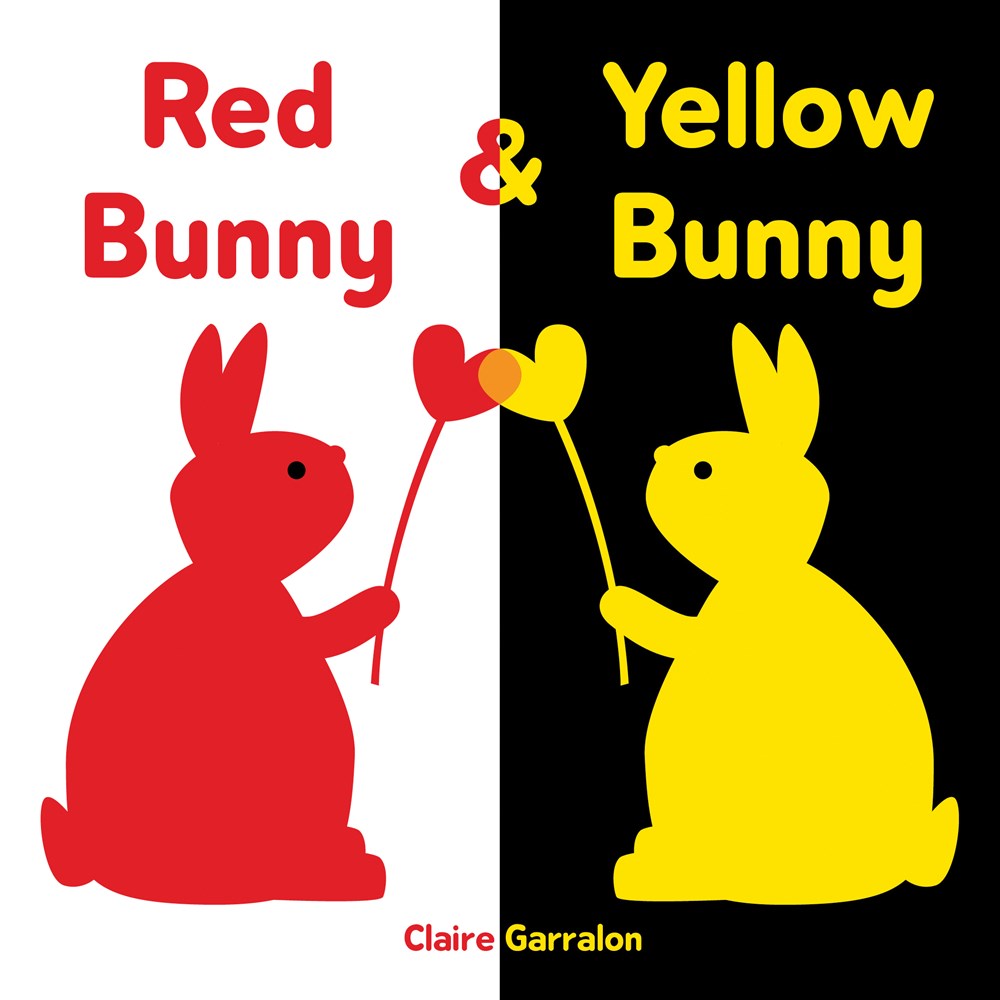
Red Bunny & Yellow Bunny, by Claire Garralon, (March 2019, Sourcebooks Jabberwocky), $7.99, ISBN: 9781492680147

Ages 0-4

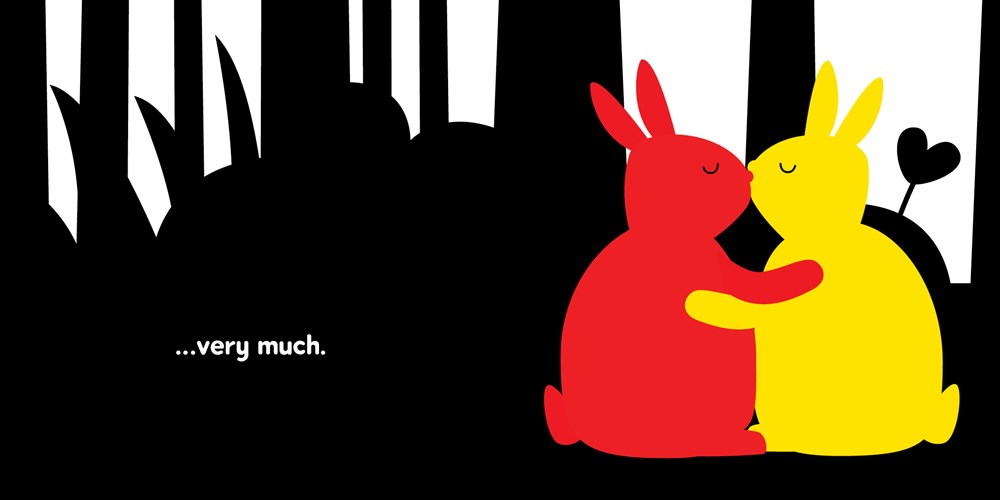
I sent off my Board Books post this morning, then realized I forgot one! Red Bunny & Yellow Bunny is the latest board book from Claire Garralon, who gave us the adorable Black Cat & White Cat in 2016. In Red Bunny & Yellow Bunny, two bunnies meet, fall in love, and have an orange baby bunny! What happens when that baby bunny grows up and falls in love? Keep reading!

I love how Claire Garralon communicates ideas about gender, social issues, and community for our youngest readers. The bunnies are genderless – no male or female pronouns needed; they are different colors, yet come together, fall in love, and have a baby that adorably blends their colors (red plus yellow makes orange, after all!). Bunnies fall in love with other bunnies, regardless of color, and create a rainbow of happy baby bunnies, all of whom play and live together. We saw a similar story emerge from Black Cat & White Cat, where two different color cats have to find a neutral place to play so they can see one another.

Naturally, we also have a sweet story that uses color concepts: explain that yellow and red make orange, and then ask what a yellow bunny and blue bunny’s baby would look like, or a red bunny and blue bunny’s baby. There’s a free, downloadable color mixing resource available on Teachers Pay Teachers, that you can hand out and let kids play with for a storytime activity. Let them fingerpaint and discover their own colors, or grab some Do a Dot! art markers.

Posted in picture books, Preschool Reads

A boy learns to live between Here and There

Here and There, by Tamara Ellis Smith/Illustrated by Evelyn Daviddi, (March 2019, Barefoot Books), $16.99, ISBN: 9781782857419

Ages 4-8

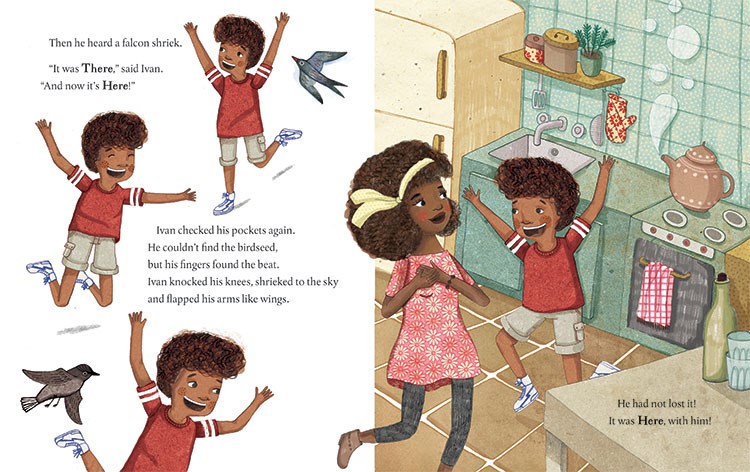
Ivan is a biracial child who splits his time between his two homes: Here, where he lives with his mother, and There; his father’s new home. Here, Ivan is comfortable; he sits in a tree and chatters with the birds. There, he curls into a chair, pulled into himself, ignoring his father’s attempts to engage him. Dad knows how to reach his son, though: he starts playing a song on his guitar, and Ivan can’t stop the good feelings from flowing through him. As Ivan negotiates living Here and There,  he knows there is music, there are birds, and there are people who love him at each place.

Here and There is a touching story about living as a child in a divorced family. Being taken out of his comfort zone; his home, makes Ivan feel off-balance. He isn’t Here, with the familiar; he’s There. He may even feel different around his father, bein gin this different place, with his father not where he’s supposed to be. But music builds a bridge between father and son: Ivan has an affinity for music, as we s

ee early on, when he chatters with the birds in his mother’s home. Once his father’s guitar music opens the door to conversation, Ivan reaches a new comfort zone, and finds himself discovering new birds in his father’s neighborhood, too. He’s building a new life for himself, understanding and working through feeling guilty for being happier in one place or another.

Here and There will speak to many kids who split their time between two households. The text uses the concepts of “Here” and “There” to explain Ivan’s familiarity and initial discomfort  as he learns to navigate between his mother’s and father’s home.  The pencil, acrylic paint, and collage artwork presents multiracial characters with soft, gentle facial features. Back matter includes 12 different birdcalls, with phonetic pronunciation, for kids to try out. Display and booktalk with The Mirror in Mommy’s House/The Mirror in Daddy’s House by Luis Amavisca, which uses a mirror to connect a child with two households.


Posted in Uncategorized

Cultures collide, and blend, in When I Found Grandma

When I Found Grandma, by Saumiya Balasubramaniam/Illustrated by Qin Leng, (March 2019, Groundwood Books), $17.95, ISBN: 9781773060187

Ages 5-8

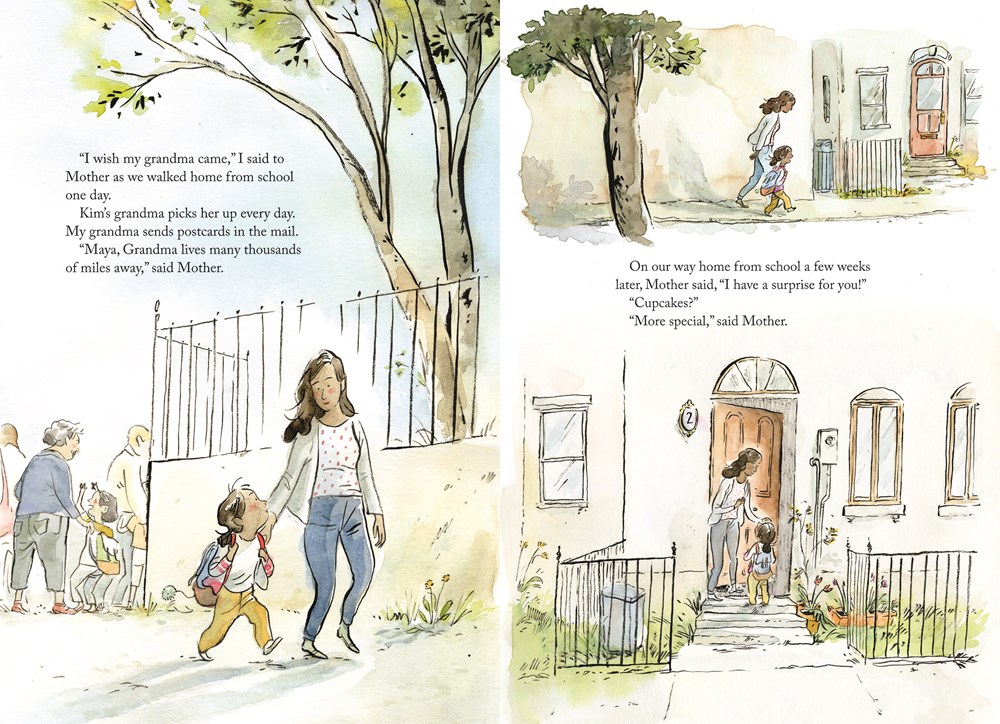
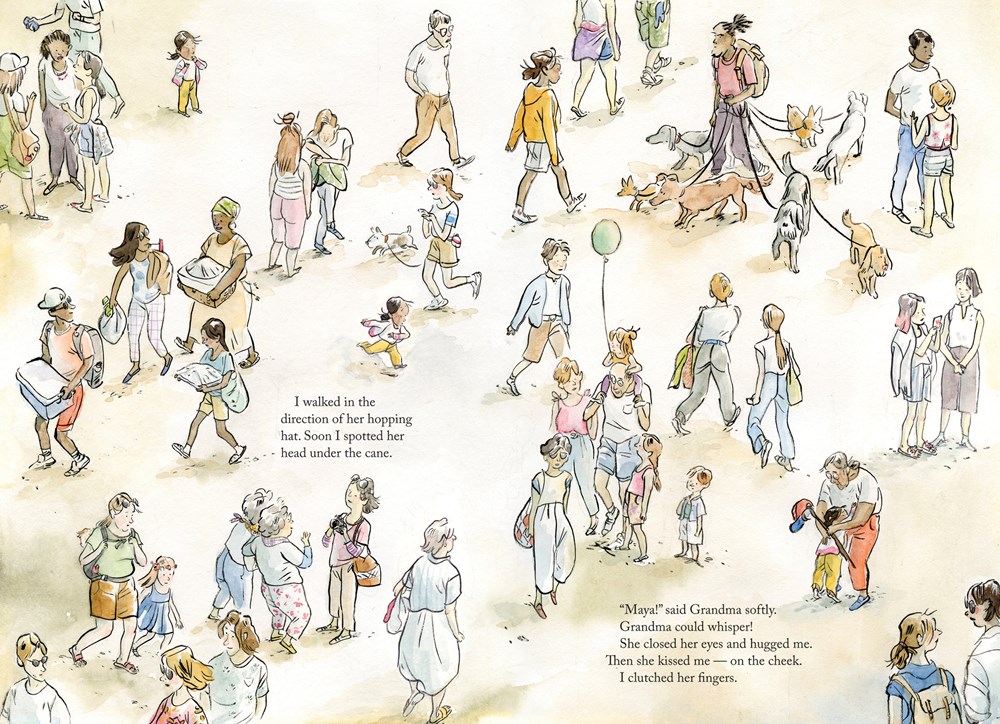
Maya is an Indian girl living in America with her family. She’s thrilled when her Grandma arrives from India for a visit, but she quickly finds things that rub her the wrong way. She doesn’t want Grandma to call her by her full name, Mayalakshmi, and she wishes Grandma didn’t wear her sari and noisy bangle bracelets when she pops in for a visit to Maya’s classroom. She isn’t crazy about the food Grandma makes, and she really, really doesn’t like her family’s decision to celebrate the Holi festival by visiting a temple so Grandma can pray, rather than go for their planned trip to a fair. But it turns out that when Maya needs help, Grandma’s the first one on the scene.

Two generations work things out together in this sweet, authentic story about a grandmother and granddaughter; it’s a cultural and inter-generational story of understanding, compromise, and, above all, love. The story text will resonate with kids and adults alike, and opens so many avenues for discussion between generations and cultures. The soft ink and watercolor artwork reflects emotions touched on the book; namely, familial love. The cover is a beautiful expression of intimacy and affection between grandmother and grandchild; something ever-present in both the text and artwork.

In a library system as diverse as mine, this is a must-add to collections. In less diverse areas, it’s an important book for generating understanding and respect for other cultures and how we look at our elders.


Posted in Early Reader, Non-Fiction, picture books, Preschool Reads

Natural world nonfiction for young learners: See to Learn: Forest

See to Learn: Forest, by Kate Moss Gamblin/Illustrated by, Karen Patkau, (March 2019, Groundwood Books), $16.95, ISBN: 9781554988792

Ages 4-7

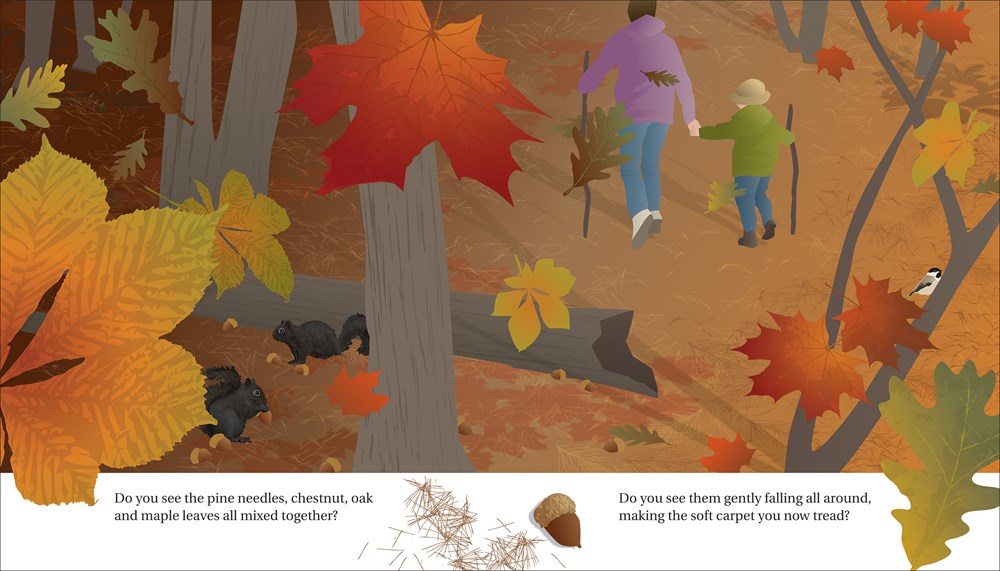
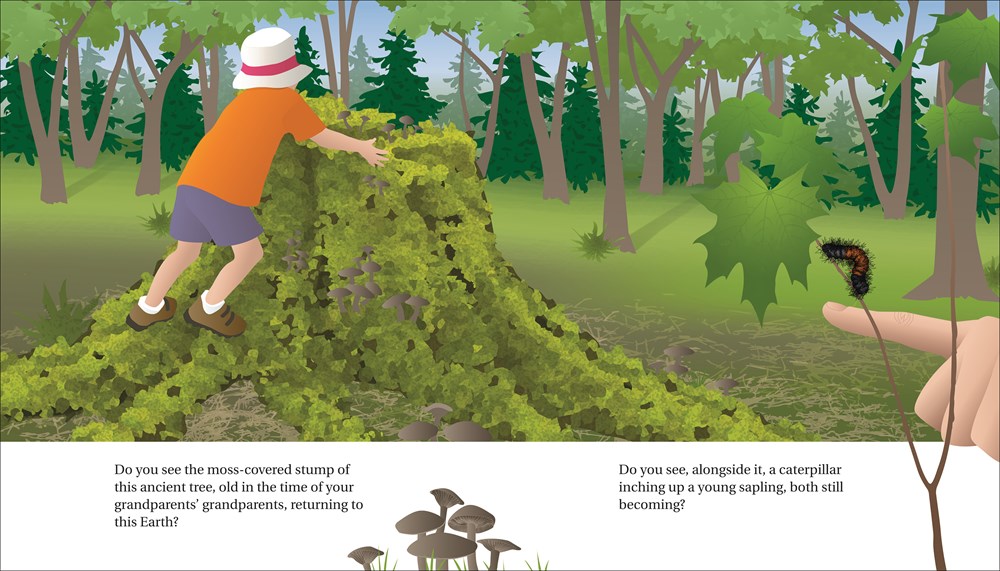
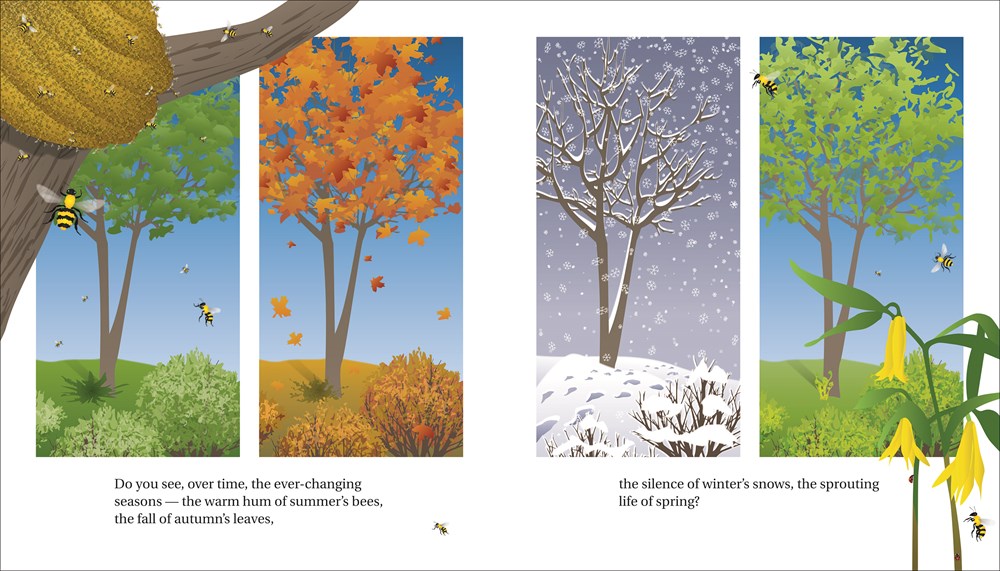
This first book in a new nonfiction picture book series encourages little learners to look at a location – in this case, a forest – and really see: see different footprints that travel the forest floor; the different leaves carpeting the ground; moss covering a stump. Forest encourages readers to think: is that moss older than your grandparents? What changes do seasons bring with them? What happens during the passage of day to night?

The quiet text promotes introspection, curiosity, and presence, and the interrelationships between nature – trees are referred to as our “cousins” – and our planet. Everything here exists for readers to observe and ponder, and Forest encourages them to think of nature, the world, and their place in it.

This is a great way to talk about the natural world and basic concepts with kids: talk about colors, talk about different functions, talk about different stages of life, whether you’re a human grandparent or a young caterpillar. We all age; we all exist; we all interact with the natural world. Let kids see themselves in nature, and they’ll respect it and care for it. Further reading provides additional resources for younger and middle grade readers. An author’s note explains the rationale and thinking points for the series.

I’m looking forward to more books in this series. See to Learn: Forest is a great addition to primary and elementary science collections and programming. This will fit nicely with Kate Messner’s nonfiction books, Over and Under the Snow, Over and Under the Pond, and Up in the Garden and Down in the Dirt, for elementary readers; for primary readers, you can’t miss with Laura Vaccaro Seeger’s books, Green and Blue; and Denise Fleming’s In the Tall, Tall Grass, and In the Small, Small Pond.