Posted in Uncategorized

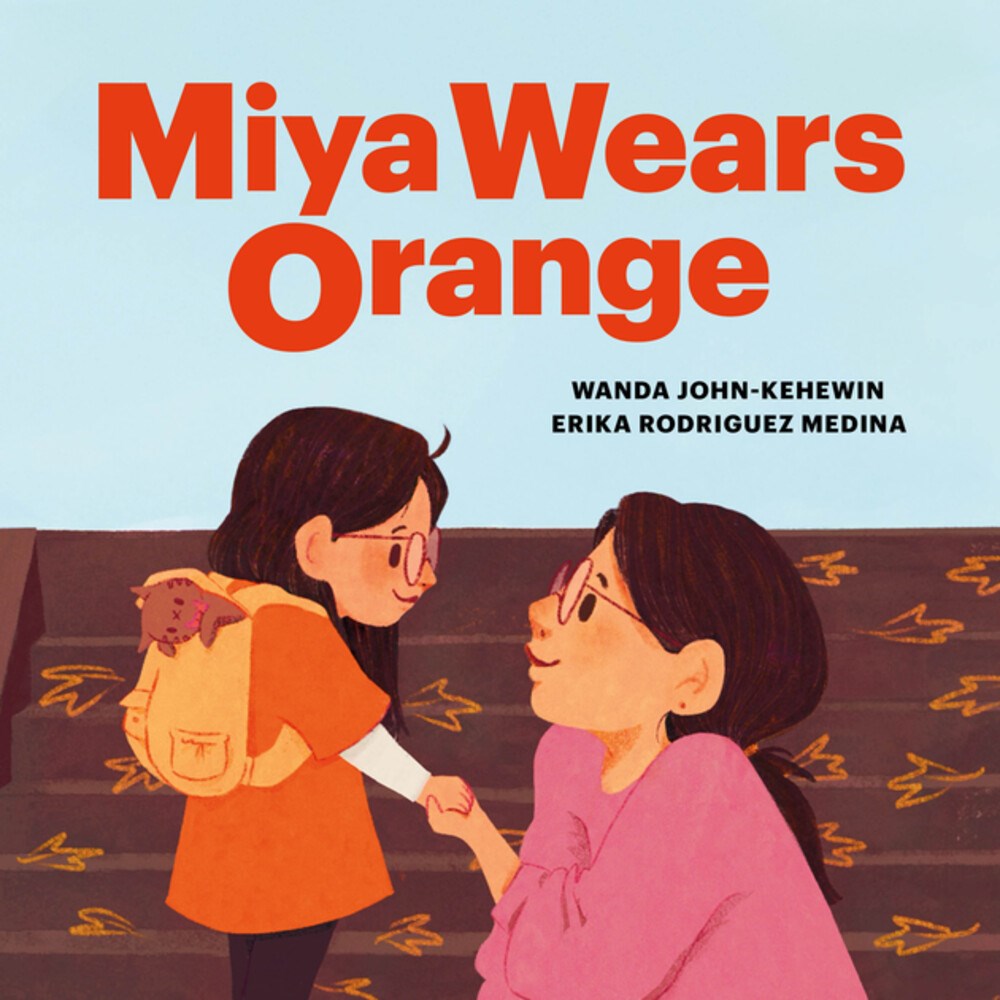
Happy Book Birthday to Miya Wears Orange

Miya Wears Orange, by Wanda John-Kehewin/Illustrated by Erika Rodriguez Medina, (Aug. 2025, Highwater Press), $18.95, ISBN: 9781774921258

Ages 6-8

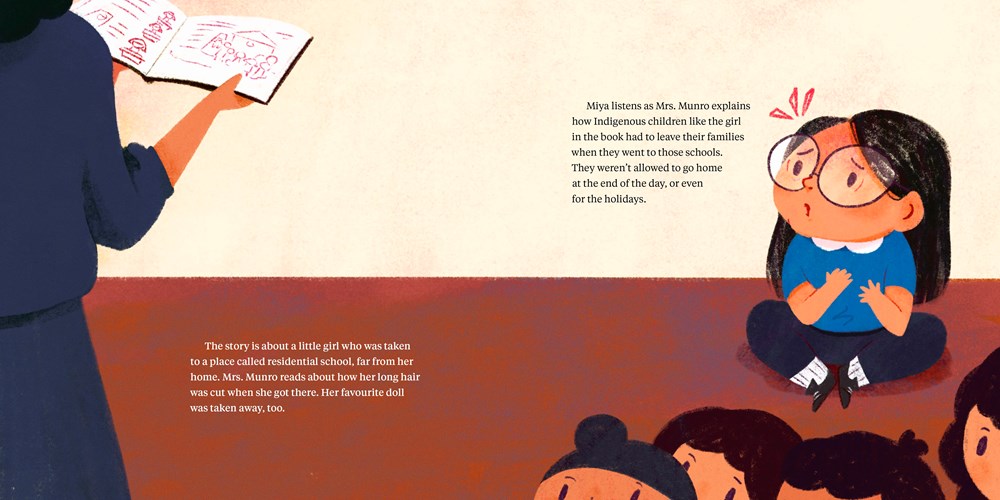
A young Indigenous girl learns about residential schools in her class, making her fear that she will be sent to one. When Miya arrives at home from school, she reluctantly tells her mother about her concerns; her mother assuages her fears, telling her that the schools have closed and she will never have to attend one. When Miya questions why her teacher read a book about them, Mom notes that “We all need to understand the truth of what happened, so we can make sure it never happens again”.  Mom tells Miya about wearing an orange shirt as a way of remembering the struggles of Indigenous children, and Miya proudly wears when she returns to school. John-Kehewin shows the intergenerational trauma wreaked by the schools and how it reaches the current generation. Medina’s illustrations have cultural details and her characters are inclusive and expressive. An author’s note mentions her inspiration for Miya’s story. A powerful and moving story about residential schools as seen through the modern-day eyes of an Indigenous girl, Miya Wears Orange belongs in library collections everywhere.

Learn about the National Day for Truth and Reconciliation here.
Posted in picture books

A childhood memory brought to the page: Herring to Huckleberries

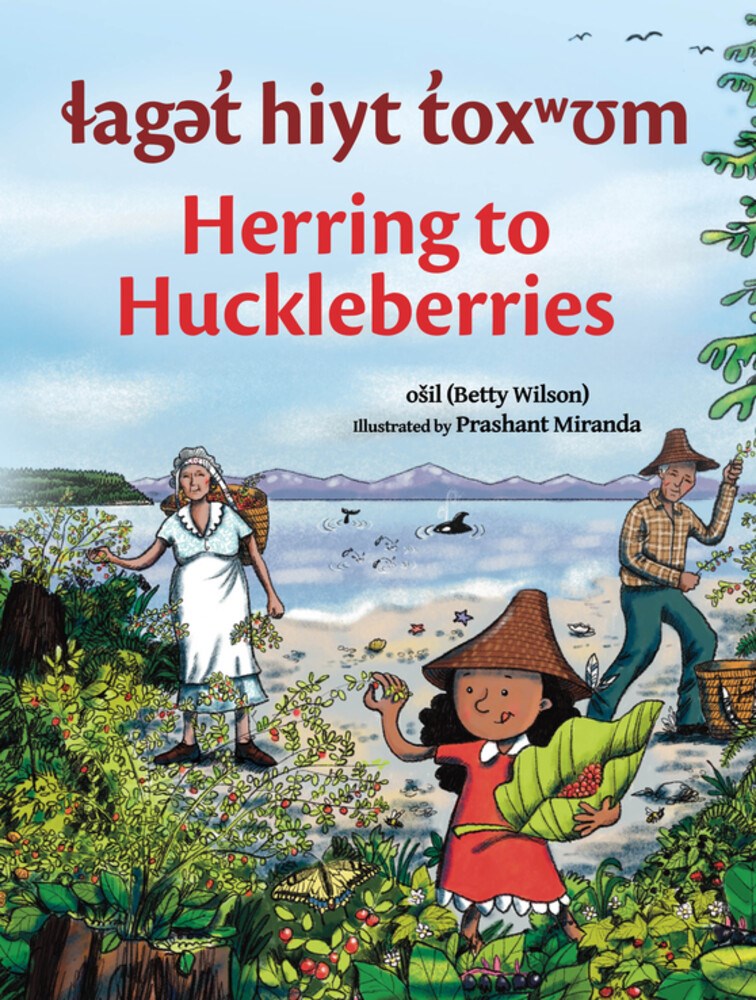
ɬagət̓ hiyt t̓oxʷʊm / Herring to Huckleberries, by ošil betty wilson/Illustrated by Prashant Miranda, (April 2025, Highwater Press), $21.95, ISBN: 9781774921180

Ages 6-8

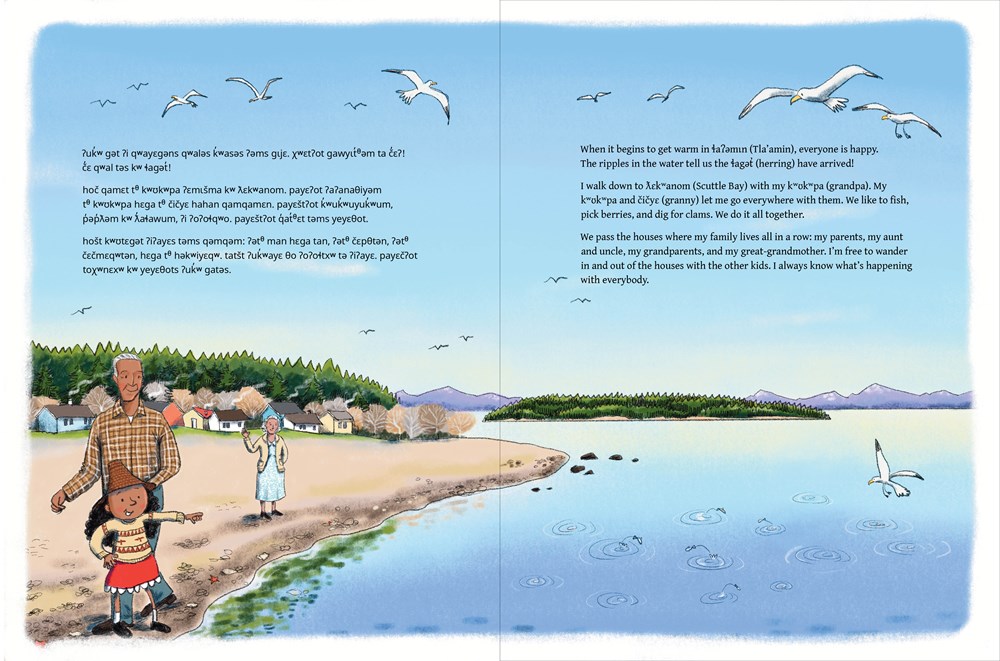
Inspired by author ošil’s childhood as a member of the ɬaʔəmɩn (Tla’amin) Nation, Herring to Huckleberries is a bilingual picture book, written in the the ɬaʔəmɩn language and in English. Ošil’s favorite time of the year is spent with her grandparents on the southwest coast of British Columbia, harvesting foods from the sea and land. They fish, pick berries, dig for clams, and curl up together to fall asleep under the stars. ošil’s descriptions are vivid, so filled with an infectious joy, wonder and respect for the land. It’s a warm memory of time spent with family beautifully illustrated by Miranda, who uses deep natural colors to create the coastal setting. The characters are expressive and affectionate, portraying a loving family. A glossary and pronunciation guide, a map, author’s note, and list of traditional foods round out the back matter. Recommended for collections.

For more information about the ɬaʔəmɩn (Tla’amin) Nation, visit the Tla’amin Nation’s webpage and British Columbia’s Assembly of First Nations’ webpage.


Posted in picture books, Uncategorized

Enjoy the seasons from an Indigenous perspective: Dad, is it Time to Gather Mint?

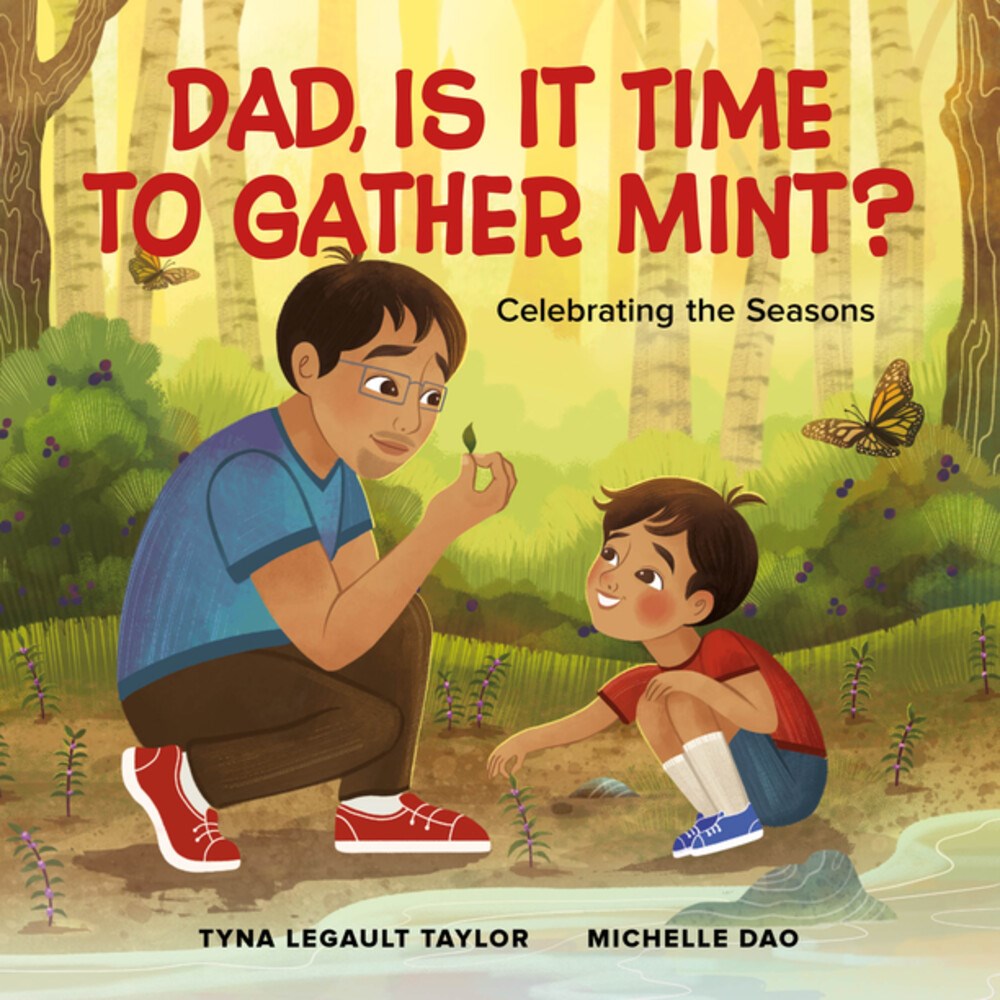
Dad, is it Time to Gather Mint?: Celebrating the Seasons, by Tyna Legault Taylor/Illustrated by Michelle Dao, (May 2025, Highwater Press), $18.95, ISBN: 9781774921227

Ages 5-8

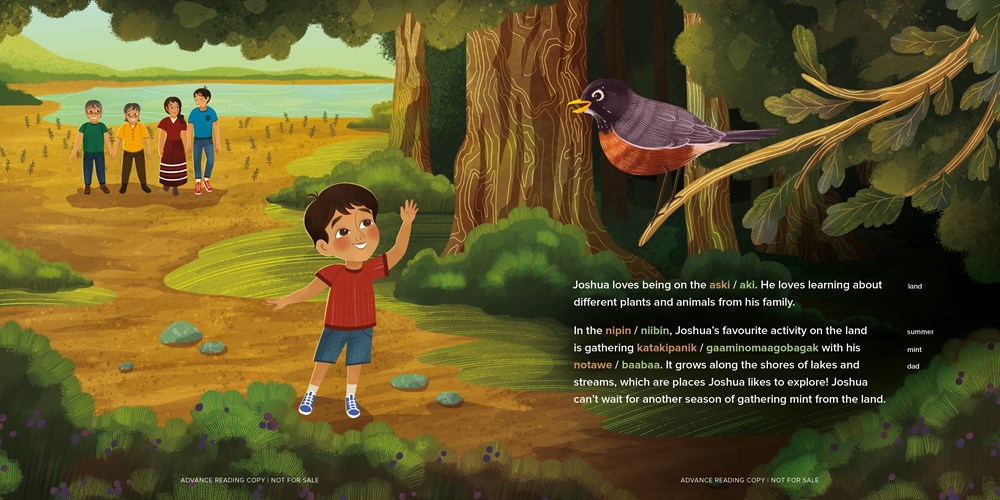
Dad, is it Time to Gather Mint? celebrates the relationship between humans and the land as a First Nations child and his family move through the seasons. Told in three languages: English, Swampy Cree (n-dialect), and Anishinaabemowin, the story is narrated by Joshua, a young boy who revels in his relationship to the land; his favorite time of year being mint-gathering season. Josh and his dad spend time together in nature through Fall, Winter, and Spring; he drinks in the colors and feels of the surroundings of each time of year. In the Fall, he sees the leaves change color and animals prepare for the winter; in the Winter, the cottony snow brings the cold. In Spring, he sees the animals return and the land come back from a winter’s sleep, and in Summer, he feels the longer, warmer days and rejoices in the green around him. Each season he asks Dad if it’s time to gather the mint, and each time, his father describes what other work must be done: hunting moose and partridge in the Fall; ice fishing in the Winter; hunting geese and fishing for rainbow trout in the Spring. Finally, the Summer arrives, and with it, the time to gather mint! It’s a moving story of family and stewardship to our world. Vocabulary in Swampy Cree and Anishinaabemowin are color-coded in brown and green throughout, with English translations in the margins. Back matter includes a glossary and pronunciation guide along with a recipe for Mint from the Land Iced Tea, just like Joshua’s mother makes. A moving and important addition to season books for collections.

For more information and resources on the Swampy Cree, visit the Saskatchewan Indigenous Cultural Center and the Swampy Cree Tribal Council. For information on the Ojibwe, who speak Anishinabemowin, visit the Minnesota Historical Society the Gladue Rights Research Database of Legal Aid Saskatchewan. Always check in with Debbie Reese’s American Indians in Children’s Literature website for recommendations on Indigenous creators and works.


Posted in Intermediate, Non-Fiction, picture books

Reading for Indigenous People’s Day? Add these to your list.

October 10th is designated as Indigenous People’s Day, when we honor Native American history and culture. It is a holiday that has been a long time coming; consider spending the day learning from the best resources.

Dr. Debbie Reese’s American Indians in Children’s Literature website is an excellent resource, with analyses on books and resources on indigenous people in literature: Dr. Reese provides insight on the good, the bad, and the downright ugly.

If you are interested in research the indigenous land you occupy, and you are in the United States, you can text your zip code or your city and state to a number that will respond with the names of the Native lands that correspond to your region. I live and work on land taken from the Canarsie, Munsee Lenape, and Matinecock nations. Thanks to Code for Anchorage and Native Land for this service.

Support Indigenous presses. Highwater Press was kind enough to send me two beautiful picture books from their Sk’ad’a Stories Series, which I’ll be talking about below. Highwater is an imprint of Portage & Main Press and they publish stories by Indigenous writers and illustrators.
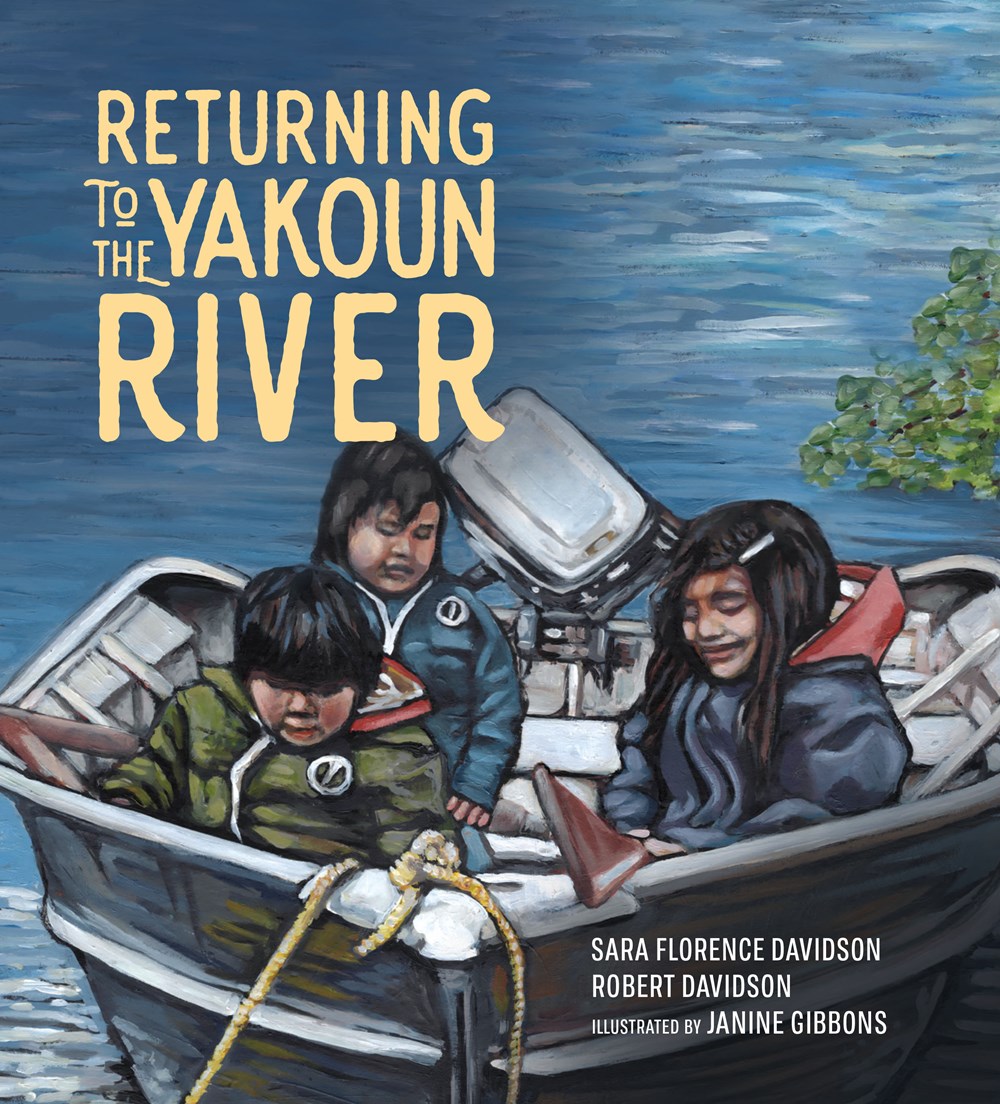
Returning to the Yakoun River, by Sara Florence Davidson & Robert Davidson/Illustrated by Janine Gibbons, (Sept. 2022, Highwater Press), $21.95, ISBN: 9781774920213

Ages 6-8

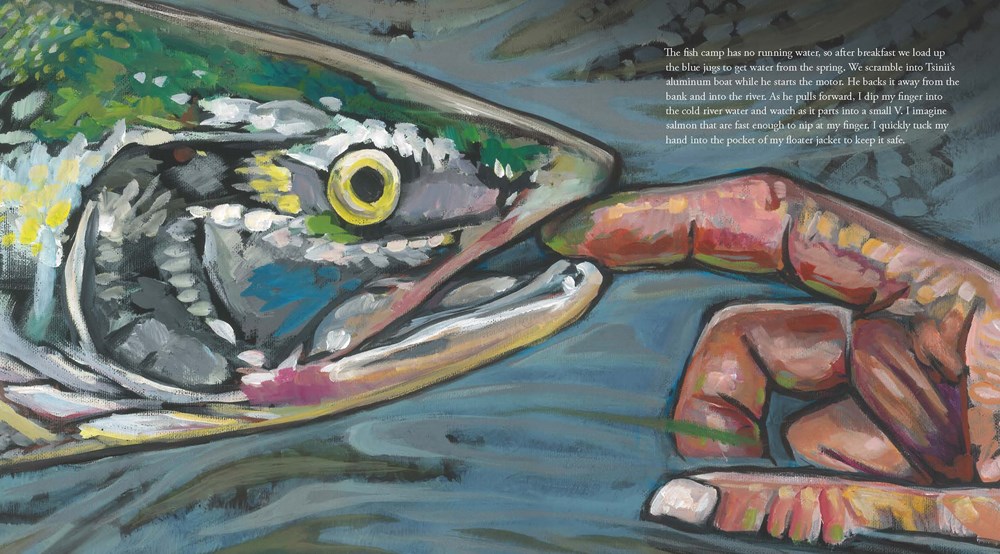
Returning to the Yakoun River is based on author Sara Florence Davidson’s childhood memories of a Haida fish camp. Seen through the eyes of a young girl, a family travels to the Yakoun River to fish for salmon and spend time with their Tsinii (grandfather). The artwork unfolds like a dream; the art appears to be oil painting; Haida artist Janine Gibbons draws from nature for her palette, with early morning blues and grays moving into cool weather steel blues and and greens; food and cheerful faces warm up the spreads. Endpapers show a calm river scene in the early morning. Sara Florence Davidson, a Haida/Settler Assistant Professor in Indigenous Education, draws heavily on themes of family and connection to the ancestors in her work. Her father, co-author Robert Davidson, is of Haida descent and is one of the most respected and important contemporary artists in Canada. The story is a peaceful meditation on intergenerational relationships and family and on recognizing the importance of ritual and connection. A gorgeous book for collections and an excellent purchase.


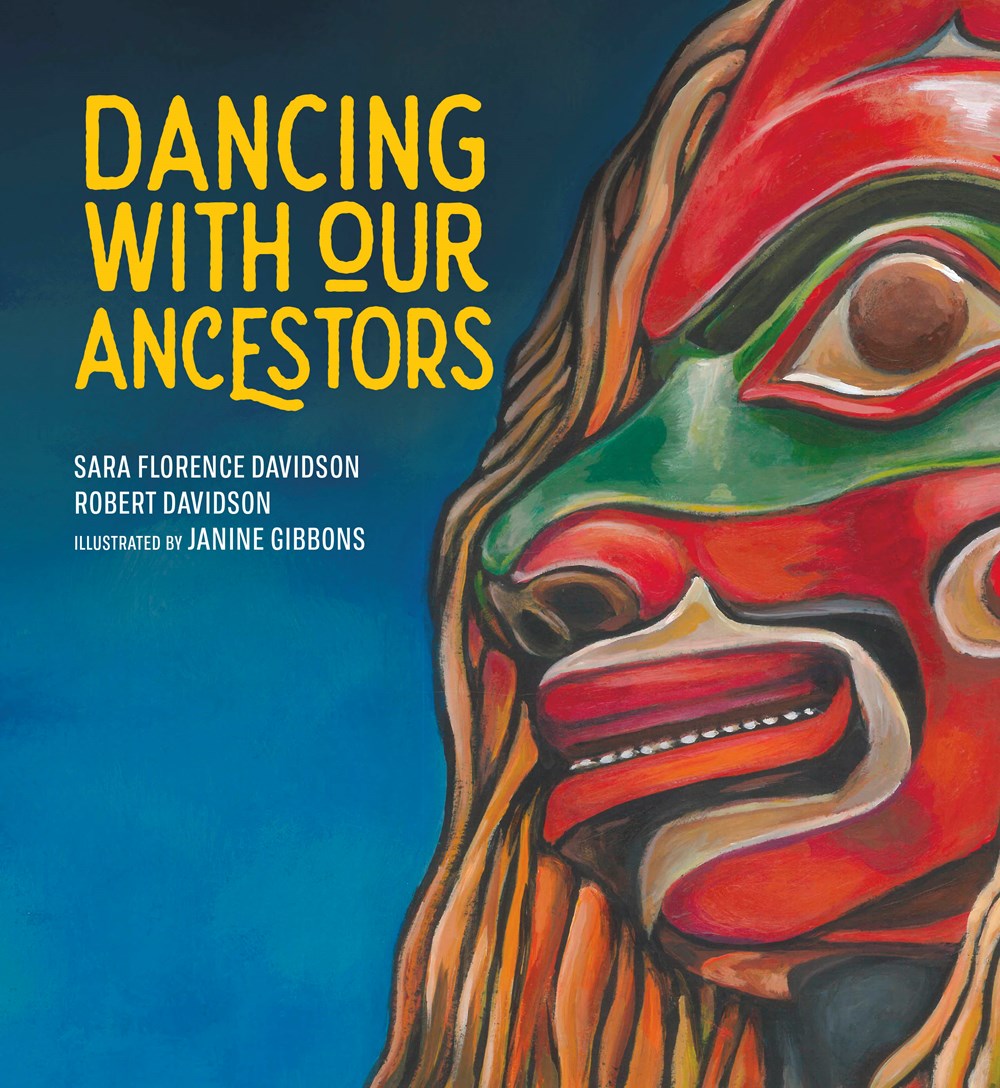
Dancing With Our Ancestors, by Sara Florence Davidson & Robert Davidson/Illustrated by Janine Gibbons, (Sept. 2022, Highwater Press), $21.95, ISBN: 9781774920244

Ages 6-8

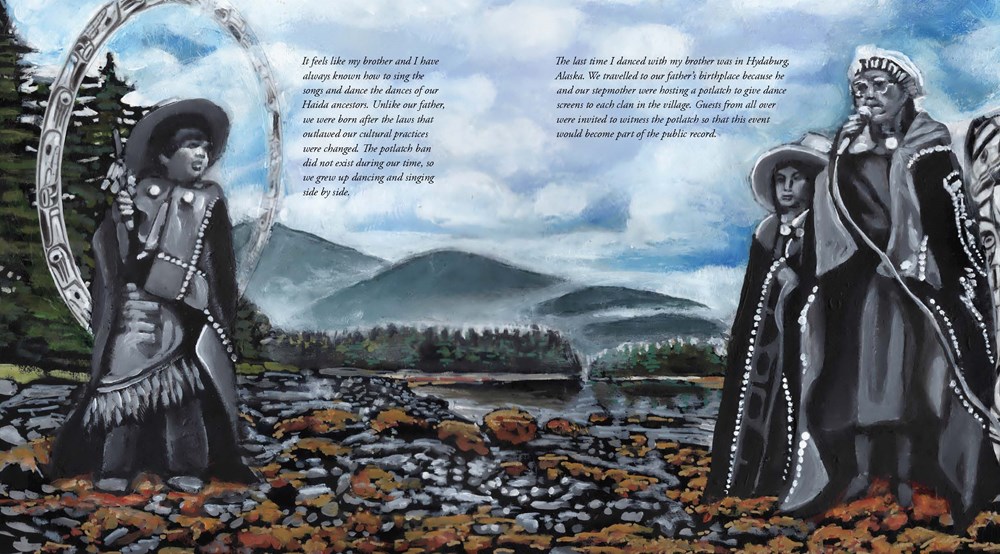
A potlatch is an important ceremony to First Nations in the Northwest and parts of Canada. In Dancing With Our Ancestors, Sara Florence Davidson remembers the last time she danced with her late brother, all the while bringing the importance, excitement, and joy of a potlatch to younger readers. What most stands out in the narrative is the determination to continue tradition in the face of adversity: “Unlike our father, we were born after the laws that outlawed our culture practices were changed. The potlatch ban did not exist during our time, so we grew up dancing and singing side by side”; “They wanted us to stop being Haida”; “Today we dance with our children so our culture cannot be stolen again”. Joy and pain live side by side in the storytelling. Davidson beautifully describes the excitement and anticipation, with attendees arriving by boat, plane, and cars and RVs; the community makes “mountains of food” and set up the gym where the event is being held. Janine Gibbons’s illustrations show a crowd that spans generations, with bold, vibrant regalia and a sense of wonder that comes through. Endpapers show bold, colorful crests and masks, proudly displayed during the potlatch. An author’s note provides context to the story and a note on Ben Davidson, the author’s brother, is a lovely tribute. An absolutely essential purchase.


For the complete Sk’ad’a Stories Series list, visit Highwater’s page. Highwater also sells a Teacher’s Guide available for working with the Sk’ad’a Stories on their website.